
car collecting
Car collecting is when people buy and keep cars they really like—often older or special ones. The episode is about how that hobby and its prices are changing over time.
Hagerty
Hagerty is a company that focuses on collector cars. They also help put numbers on what cars are worth, which is why they’re central to this discussion.
Pico
Pico is the name of a dash cam they’re reviewing. A dash cam is a small camera that records what’s happening while you drive.
next base
Nextbase is a consumer brand known for dash cams. In this segment, the host mentions a “Nextbase” dash cam as part of their product review.
used cars
Used cars are cars that someone has already owned before. The show is going to talk about how trends in used cars matter for collectors too.
vehicle evaluations
Vehicle evaluations are structured assessments used to estimate a car’s condition and overall value. Hagerty’s evaluation work feeds into tools and price guides that help standardize how cars are priced across the collector market.
evaluation tools
Evaluation tools are systems that standardize how cars are assessed—typically using condition criteria and market data. For collectors, these tools help make valuations more consistent across different vehicles and sellers.
price guide
A price guide is a published set of reference values that estimates what different cars are worth, often based on condition and market activity. In collector-car circles, these guides help buyers and sellers anchor negotiations and understand fair pricing.
auctions
Auctions are marketplaces where cars are sold to the highest bidder, often with lots of comparable vehicles and transparent bidding. In collector-car valuation, auction results are a key data source because they reflect real-time market demand.
collect car market
The collector car market is the part of the car world where people buy special cars to keep or enjoy. Prices depend a lot on how rare and desirable the car is.
historical data predictions
They look at what cars have sold for in the past and use that to guess what prices might do next. It helps them estimate value even when the market changes.
asking prices
Asking price is the number a seller wants. It’s not always what the car actually sells for, but it shows what people think the car is worth.
how long they're sitting on the market
This is how long a car stays listed before it sells. If it takes a long time, it can mean buyers aren’t interested at that price.
Ferraris
Ferrari is a famous luxury sports-car brand. Some Ferraris are so specialized that experts may be needed to understand what they’re really worth.
insurance provider
They’re saying they’re an insurance company. That means they need good pricing information because it affects what the policy will pay if something happens.
quote and endorsement data
A quote is the insurance price they offer. An endorsement is an extra change to the policy, like adjusting coverage details, and it helps show how people are insuring their cars.
update our values
They regularly adjust their car value estimates as the market changes. For insurance, those numbers can affect how much coverage you have.
quarterly basis
Updating valuations quarterly means they refresh pricing assumptions every three months. That cadence helps keep insurance and collecting value estimates aligned with shifting auction results, asking prices, and demand.
Gran Turismo 7
Gran Turismo 7 is a racing video game where you collect cars. This episode mentions that the game uses real-world-style pricing data to estimate car values for collectors in the game.
car valuations
Car valuations are basically “how much the car is worth” based on what similar cars sell for. The hosts say the game uses valuation data to set prices for collector cars.
market's going
“Where the market’s going” refers to how collector-car demand, pricing, and trends are changing over time. In this discussion, it’s used to frame whether the muscle-car surge is still the dominant trend or if new segments are taking over.
muscle car boom
A muscle car boom means a time when people suddenly wanted classic American performance cars more than usual, pushing prices up. The hosts think that hype has slowed down and the market is moving to newer cars.
90s stuff
“90s stuff” means cars from the 1990s. The point here is that newer generations of collectors are starting to prefer 1990s cars, which can change what gets expensive.
fuel injected
Fuel injection is how the car sends gas into the engine. It tends to make the car start easier and run more consistently than older systems.
air conditioning
Air conditioning is what keeps the cabin cool. Older cars may not have it, or it may not work as well, so having it makes the car easier to live with.

MGB
The MG MGB is a classic British sports car. The host is saying that even though it’s cool to look at and hear, it can be annoying to drive day-to-day.
Jay Leno garage
Jay Leno’s garage is a famous car collection and show. It’s being used here to describe someone who can keep older cars in good shape.

Honda NSX
The Honda NSX is a sports car made by Honda. It’s known for being a serious performance car, not just a normal commuter. The podcast brings it up because people started paying a lot of attention to it for a period of time.

Acura NSX
The Acura NSX is a famous Japanese supercar. The hosts are saying people have been chasing it so much that prices and hype may be getting excessive.
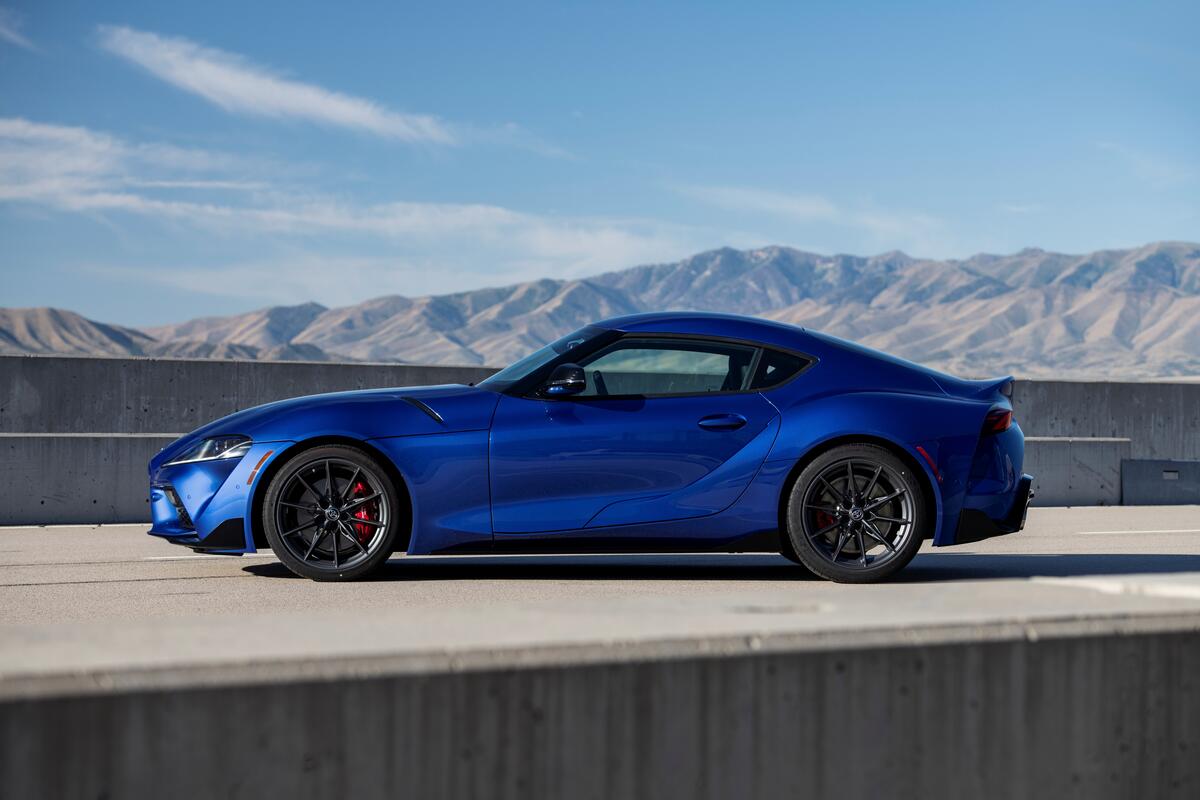
Toyota Supra
The Toyota Supra is a well-known Japanese sports car. The hosts are saying the Supra has been getting a lot of hype and demand recently.
analog supercars
“Analog supercars” is a way of saying some supercars are still built to feel old-school and connected to the driver, not just controlled by computers. The host is saying collectors are paying attention to that style too.
hypercar movement
The “hypercar movement” describes the collector and market trend toward ultra-high-end, limited-production cars at the very top of the performance and price ladder. In the segment, it’s used to explain why “halo” cars are moving first, before trickling down to more mainstream collector targets.

Ferrari Enzo
The Ferrari Enzo is a very high-end, rare Ferrari supercar. The speaker is using it as an example of the most expensive cars that collectors have been chasing.

Ferrari F50
The Ferrari F50 is a rare, high-performance Ferrari supercar from the 1990s. The hosts mention it as an example of the kind of top-tier car collectors are buying.
90s sports cars
“90s sports cars” refers to collector interest in sports cars from the 1990s, which are often seen as a sweet spot between classic analog driving feel and more modern usability. The speaker ties this to recent quarterly increases and a shift in what buyers are chasing.

Mitsubishi 3000 GT
The Mitsubishi 3000 GT is a 1990s Japanese sports car. The hosts are saying people are paying more attention to it lately, which can push prices up.
generational shift
“Generational shift” means each new group of buyers tends to like different cars. The host is saying the latest buyers aren’t only chasing the oldest classics—they’re also looking at newer, easier-to-live-with sports cars.

Subaru Svx
The Subaru SVX is a quirky, rare Subaru sports coupe from the 1990s. The speaker says they owned one before and wouldn’t want to repeat that experience.
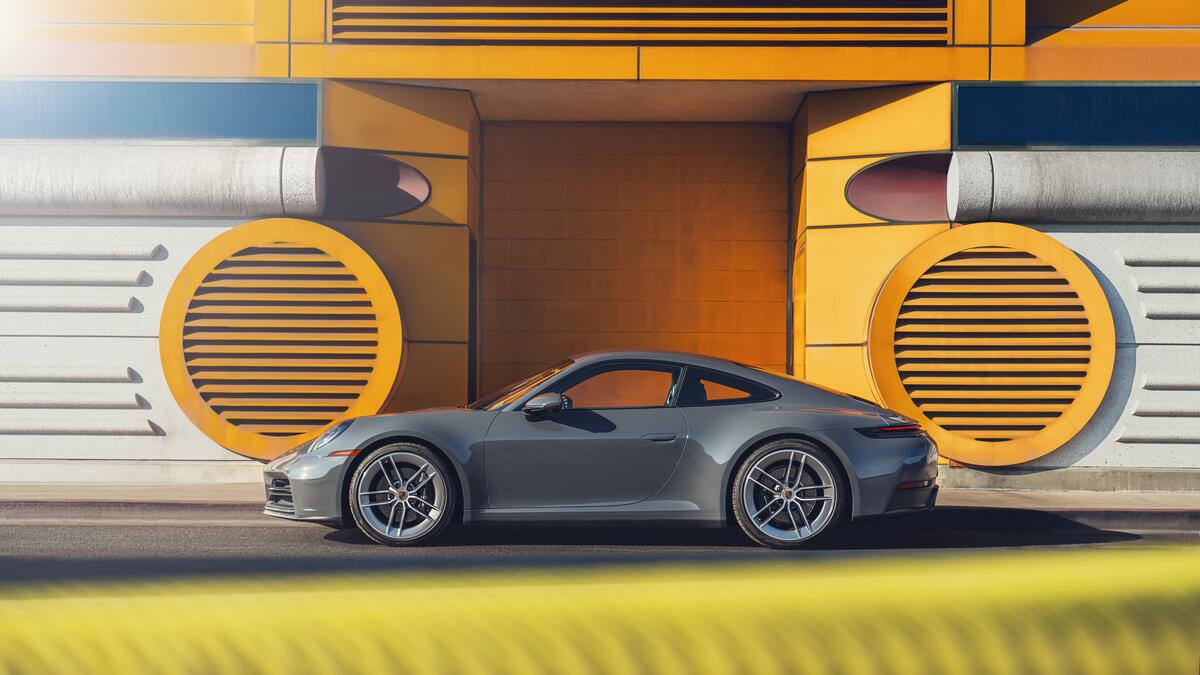
Porsche 911
They’re talking about the Porsche 911, one of the most famous sports cars ever made. Here, the key point is that some versions are selling for more money than they used to.
water cooled
“Water cooled” means the engine uses coolant (liquid) to keep it from overheating. They’re using it to talk about which Porsche 911 versions they mean.
rare options
“Rare options” are special features that weren’t very common on cars when they were built. Collectors often pay more for these because they make the car stand out.
huge premium
A “premium” means the car costs more than the usual price. They’re saying rare paint colors and rare option packages can make the price jump a lot.
boxer headlights
The speaker is talking about the car’s front headlight design and how some people didn’t like it. That dislike is part of why the car was overlooked for a while.
mileage
Mileage is simply how much the car has been driven. Collectors often pay more for cars with fewer miles, especially if the car is also in great shape.
collector car
A collector car is a car people want to own because it’s rare or special, not just because it’s useful transportation. Prices can jump when more people start wanting the same cars and there aren’t many available.

Ford Gt
The Ford GT is a rare, high-end supercar from Ford. Because it’s special and not many were made, it tends to stay valuable and collectable.
400 horsepower club
It’s a nickname for cars that make around 400 horsepower or more. The idea is that the car feels like a real performance machine.

Terminator Cobra
“Terminator Cobra” is a nickname for a special high-performance Mustang Cobra from the late ’90s/early 2000s. The speaker thinks it’s surprisingly good value for how rare it is.
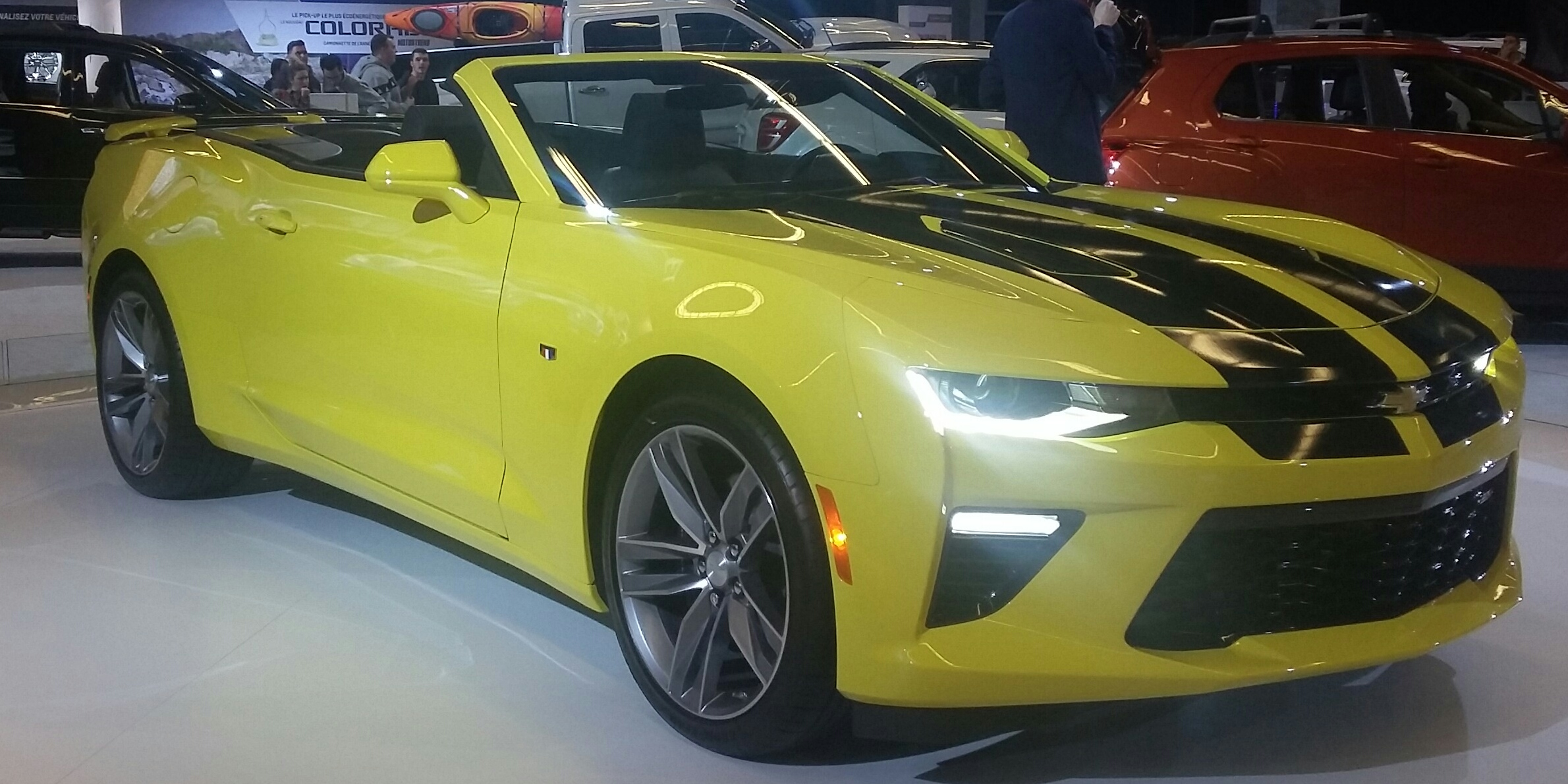
F body
“F body” is a name people use for a certain generation of Chevrolet performance cars, especially the Camaro and Firebird. They’re saying those cars are likely to become more valuable over time.

Pontiac Firebird
The Pontiac Firebird is a muscle-style sports car from Pontiac. The podcast mentions special versions like the Firehawk, which are upgraded or limited editions. It comes up because those special trims are part of what makes the Firebird interesting to fans.
SLP
SLP is a company that did special performance builds or packages for some cars. If a Camaro is called an “SLP car,” it likely has an SLP-specific upgrade that makes it more interesting to collectors.
crash and rust out
It means older cars get ruined by wrecks and by rust. When fewer good cars are left, the ones that survive tend to cost more.
clean ones
“Clean ones” means the best-condition cars—usually not rusty and not beat up. Collectors pay more for cars that need less work to be enjoyable.
production numbers
“Production numbers” means how many of that car were made. If fewer survive in good shape, they can become more valuable over time.

C4 Corvette
This is a specific generation of the Chevrolet Corvette (the C4 era). The host is basically saying that even though it’s a desirable Corvette, there are still a lot of them around—especially the ones with low miles and careful ownership—so prices can behave differently than truly rare cars.

240 sx
The Nissan 240 SX is a popular older Nissan sports car. The host is asking whether cars that were treated badly (and often modified) are starting to become more valuable—or if they’re still a niche car.
modified, drifted and crashed
The host is saying many of these cars have been changed from stock and used for drifting, and some have been in crashes. That kind of history can make a car seem less desirable, even if the model itself is popular.
true value of really nice ones
They’re saying that the nicest, best-kept cars can be worth way more than similar cars that aren’t as clean. Collectors pay a premium for cars that look and feel like they just came out of the best-condition examples.
spikes our radar
Sometimes one really impressive car shows up, and suddenly everyone notices it. That can make prices jump for a while because people think that’s the new normal.
beginning of a trend
They’re asking whether a high sale price was just a fluke, or if it means more people are starting to want that car. If it keeps happening, it’s more likely the market is changing.
top dollar
“Top dollar” just means the highest price people are paying. If one perfect example sells for a lot, other owners may assume their own car should sell for the same high price.

Honda CRX
The Honda CRX is a small hatchback made by Honda. The podcast says people are paying very high prices for them now. That’s why it’s mentioned—some versions have become hard to find and expensive.
forbidden fruit
They’re describing a situation where a car is hard to buy because of rules or availability. When it finally becomes possible to import, lots of people want it at the same time, so prices jump.
import one
Importing means bringing a car from another country. If it becomes allowed to import, more buyers can get it, and that can make the car much more expensive.
early 2000s
They’re talking about the early 2000s as a possible future target for collectors. The idea is that cars from that era might start gaining big attention and value.
instant collectibles
They mean cars that people start wanting and paying more for almost right away after they come out. The idea is that this can affect which older cars later become “the next” collectible.
forgotten models will start to bubble to the surface
They’re saying some older cars that people stopped caring about may become popular again later. It’s like the hobby “rediscovers” them as newer options get harder to afford.
unmodified examples
“Unmodified examples” means cars that retain their original factory configuration rather than being changed with aftermarket parts. In collector circles, unmodified cars often command higher prices because they’re easier to verify and typically preserve original design and engineering intent.
rising tide is going to lift all ships
They’re using a common saying to mean that if the overall market improves, several cars can benefit at the same time. It’s not just one model—it’s the whole group.
priced out of newer cars
“Priced out” here means buyers can’t afford newer special-edition cars, so they look for older alternatives. The hosts are connecting affordability pressure to future demand for previously overlooked models.
hidden gems
A “hidden gem” is a car that most people don’t pay attention to, but that’s actually a great buy. The idea here is that it’s getting harder to find those because more buyers are looking for them.
limited allotments
“Limited allotments” means only a small number of those special cars are made. Fewer cars can make them more desirable later, but they’re also harder to get now.
manual transmission
A manual transmission is the kind of car where you shift gears yourself. The hosts like it because it feels more connected to driving and usually has fewer automated systems telling you what to do.
minimal computerization
They mean cars with fewer electronic systems running the show. The idea is that simpler cars can feel more straightforward to drive and may be easier to work on.

RSX Type S
The Acura RSX Type S is a sportier version of the RSX. The hosts think clean, low-mile examples will become more valuable because it’s a fun car that people will want later.
low mile
“Low mile” just means the car has been driven less than average. Collectors often pay more for that because it can mean less wear.
Cadillac CT5V Blackwing
The Cadillac CT5V Blackwing is a high-performance version of the CT5 sedan. They’re saying Cadillac just announced a special limited run, and small numbers like that can make the car more collectible.
26 examples
“26 examples” means only 26 cars will be made. When a car is that rare, it often becomes more desirable to collectors.
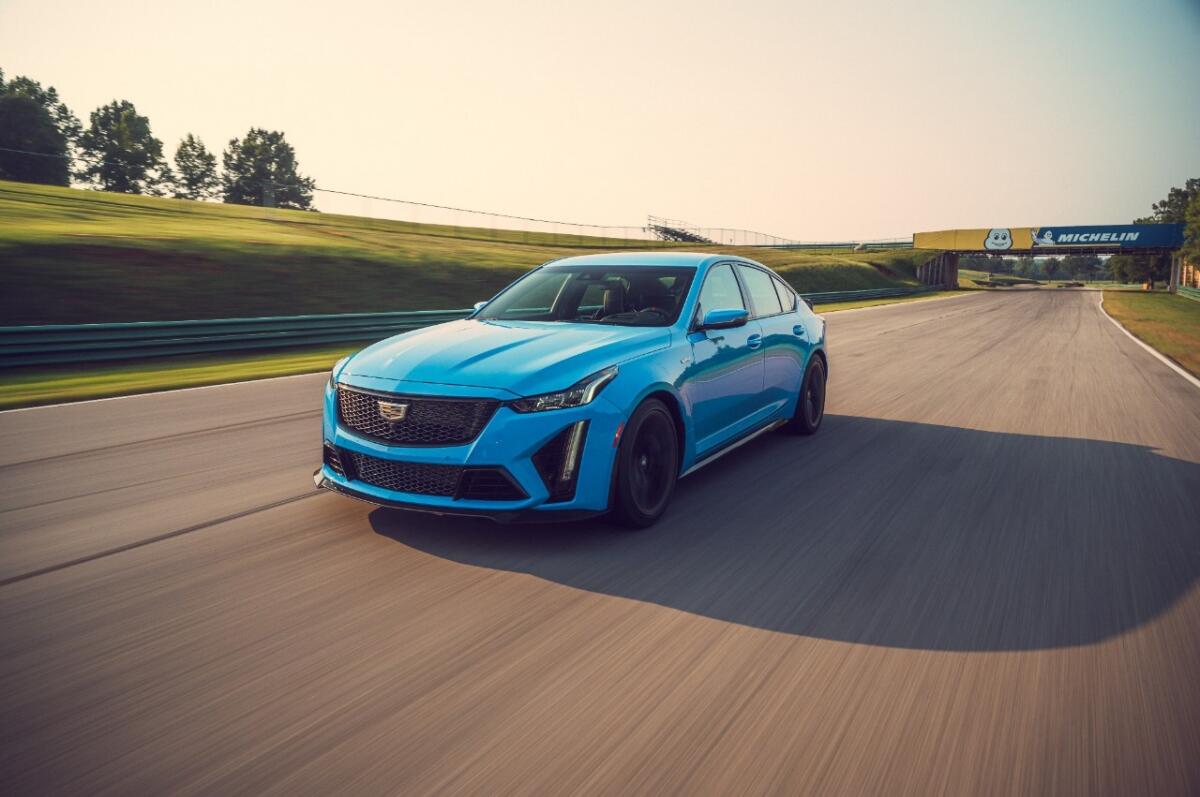
Cadillac CT5
The Cadillac CT5 Blackwing is a high-performance version of the CT5. Because it’s a special, enthusiast-oriented model, some of them can become collectible and keep their value better than regular versions.
values are going to go up
They’re talking about how prices usually rise when more people want the same cars, but there aren’t enough good ones available. In collector circles, hype and attention can make that effect stronger.
clean examples
A “clean example” is basically a really nice, well-kept car. Collectors usually want the best-condition cars because they need less fixing and are more fun to own.

Toyota FJ Cruiser
The Toyota FJ Cruiser is a rugged, retro-looking SUV. The discussion is about how it often holds onto its value, particularly when you find a clean, well-kept one.
volatile new car market
They mean the car market is acting unpredictable right now. Prices and what people want to buy can change quickly, which affects both new and used car prices.
Haggerty.com
They’re sending listeners to Haggerty.com for car-related articles and value information. It’s basically a website that tracks and discusses car market pricing.
dash cam
A dash cam is a small camera you mount in your car. It records the road while you drive, which can help if there’s an accident or dispute.
2K
2K is the resolution, or how detailed the video looks. Higher resolution usually means you can see small details like license plates more clearly.
4K
4K means the video has a very high level of detail. On a dash cam, that can help make the picture clearer, though the camera quality still matters.
8K
8K is an extremely high-resolution video mode. For dash cams, it doesn’t automatically guarantee better results, because the camera’s overall quality and processing also matter.
cloud
The cloud is an online place where the dash cam can upload and store videos. That can make it easier to view clips later, as long as you have internet access.
memory card
A memory card is where the dash cam stores the video. You can either move the files to your phone/computer or take the card out to copy the footage.
save a clip
Dash cams usually record continuously, but you can “save a clip” when something important happens. That way, the video gets kept instead of being replaced by newer recording.
Pico 2K dash cam
They’re recommending a specific dash cam called the Pico 2K. It records in 2K and is meant to be simple to use, mainly for capturing what happens while you drive.

Honda Civic
The Honda Civic is a popular compact car. The host is saying it’s a smart choice if you want a smaller car instead of an SUV, with good everyday usability.

Toyota Corolla
The Toyota Corolla is a very common, practical compact car. The host is recommending it as a good alternative to an SUV, and mentions a hybrid version that can also have all-wheel drive.

Mazda 3
The Mazda 3 is a compact car. The host says it’s the smallest of the group they’re comparing, but it’s the most fun or best-feeling to drive.

Nissan Sentra
The Nissan Sentra is a compact car. The host is saying it’s the best deal in this comparison, with roomy interior space and decent features for the money.

Hyundai Alantra
The Hyundai Elantra (transcribed here as “Alantra”) is a compact car that the host highlights as offering a lower starting price and, in particular, a strong option in the hybrid lineup. The segment specifically calls out the Elantra Hybrid as a standout choice.
Hybrid
A hybrid car uses a gas engine plus an electric motor. The idea is that it can use less fuel than a regular gas-only car, and this segment highlights hybrid versions of the Elantra and Corolla.
all-wheel-drive
All-wheel drive means the car can send power to multiple wheels, which can help it grip better on wet or snowy roads. The host is saying you don’t necessarily need an SUV to get AWD.
