Weather stripping is the rubber or foam that seals the edges of doors and windows on a car, keeping out rain and noise.
Car
Chevy van
The 1974 Chevy van is a large vehicle made by Chevrolet, often used for transporting families or cargo. It was common in the 70s and has a lot of space inside.
Sixty series tires are a way to describe how tall the side of the tire is compared to its width. A lower number means a shorter sidewall, which usually helps with better handling but can make the ride feel harsher.
The Cupra Born is a new electric car that looks sporty and is made to be eco-friendly. It’s designed to be fun to drive while also being good for the environment, showing that you can have a cool car that doesn’t use gas.
Suspension companies make parts that help cars ride better and handle turns more smoothly. They create things like springs and shock absorbers that support the car's weight and control how it moves on the road.
The fender well is the space around the wheel where the tire sits. If you want to put bigger tires on your car, you might need to change this area to make them fit.
Rat rods are cars that people build themselves using old parts, making them look rough and unique. They are often made for fun and don't need to look perfect.
A hot rod is a car that has been changed to go faster and look cooler, usually based on older cars. People modify them to make them special and unique.
ISCA stands for the International Steel Car Association, which is a group that organizes car shows for custom cars made of steel. They help people show off their unique car designs.
A boogie van is a custom-designed van that looks cool and often has bright colors and special features. They were really popular a long time ago and are often seen as fun vehicles.
Hot Wheels are small toy cars that come in many different designs and colors. They are very popular among kids and collectors, and some people even build real cars inspired by them.
The Chevrolet Camaro is a sporty car that many people love for its speed and cool looks. It was first made in the late 1960s and has a strong connection to car racing, especially the bright orange and white version from 1969 that is famous for being a pace car at races.
A conversion van is a regular van that has been changed to make it more comfortable and useful, often with nicer seats and extra features for traveling or camping.
The Sprinter van is a large van made by Mercedes-Benz that can be used for many purposes, like transporting people or cargo. It's known for being roomy and flexible in how it's set up inside.
Car
Dodge 318
The Dodge 318 is a type of engine made by Dodge that is known for being strong and reliable. It was used in many of their cars and trucks for several decades.
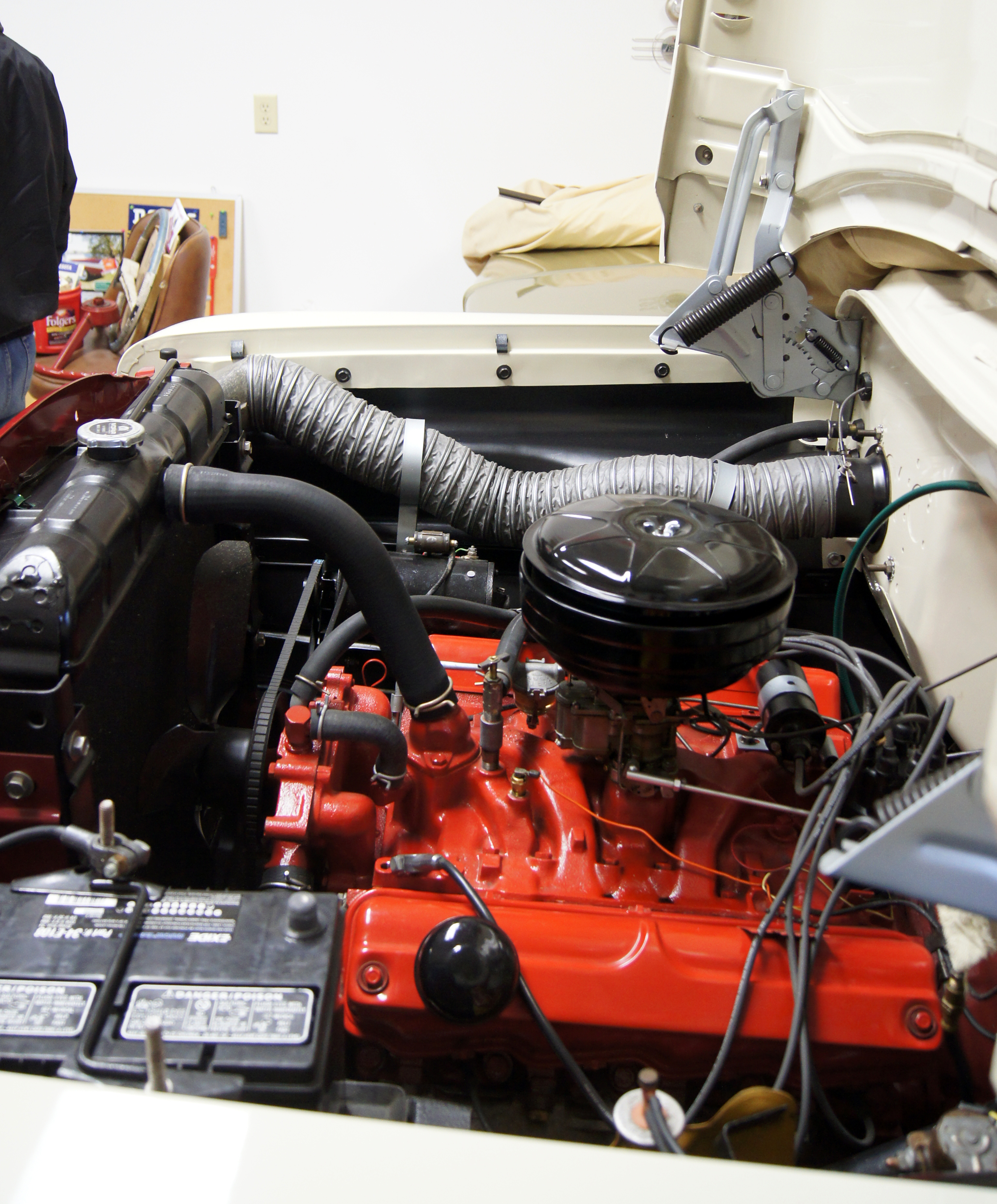
A small block Chevy is a type of engine made by Chevrolet that is smaller and lighter than other V8 engines. It's commonly used in many cars and trucks and is famous for being powerful and easy to modify.
The Volkswagen Bus is a famous van that many people used for traveling and living in, especially during the 1960s. It’s known for its roomy interior and distinctive look.
Dodge is a car brand from the United States that makes a variety of vehicles, including cars and trucks. They are known for their powerful and sporty models.
Ford is another well-known American car brand that produces a wide range of vehicles, including cars, trucks, and SUVs. They are famous for models like the Mustang.
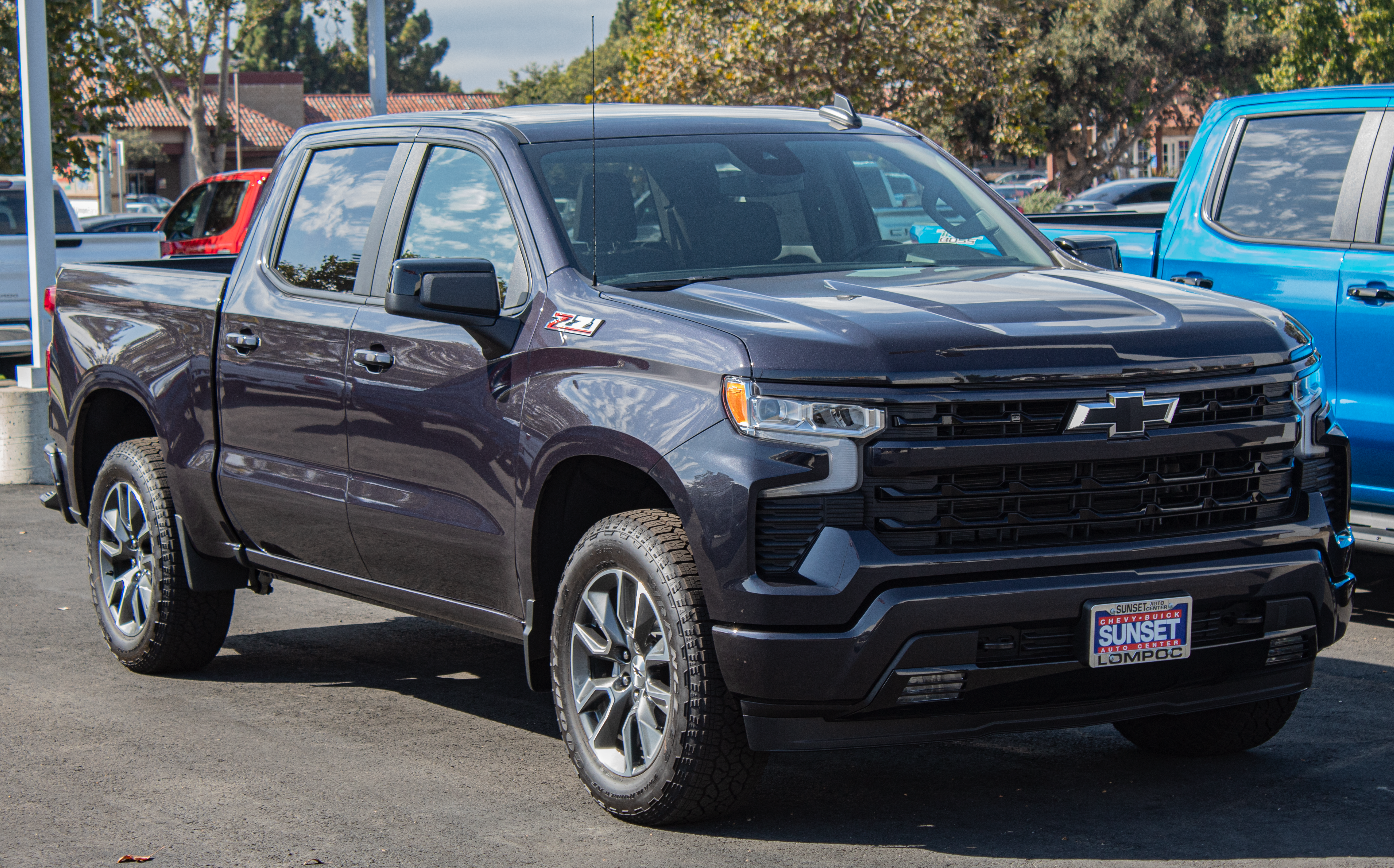
The Chevrolet Silverado is a popular pickup truck that can be used for many purposes, not just for farming. It was first introduced in 1999 and is known for being strong and reliable.
The Chevrolet C10 is a type of pickup truck that was made for many years, starting in the 1960s. People like these trucks because they are tough and can be easily fixed up or customized, making them a favorite for those who enjoy working on cars.
A 'pavement princess' is a vehicle that looks tough and is built for off-roading but is mostly driven on regular roads. It's like a show car for off-road enthusiasts.
An EV, or electric vehicle, is a car that runs on electricity instead of gas. This means it doesn't produce exhaust fumes, making it better for the environment.
Traction control helps your car maintain grip on the road by stopping the wheels from spinning too much when you accelerate, especially in bad weather like snow.
LIVE
You're listening to the Get Out and Drive podcast,
fueled by Auto Metal Direct with John Custom Car Nerd Meier and Jason Old Car Guy Carr.
We'll be bringing you gear heads, everything you've never wanted to know about cars and
why they should be on the road and not in your garage.
Are you ready to get out and drive?
John AI is taking over the world.
At this point, I'll take any sort of intelligence,
even if it's artificial.
You think you hate it now.
Why do you drive it?
We made it through Christmas.
We made it through New Year's.
Yeah.
And we've got a continued sponsorship with AMD.
They've stuck around to keep us going.
We're joining us two clowns here on the Get Out and Drive podcast.
We're happy to have everybody joining us for the first podcast of 2026.
If you're watching this on a platform that allows video, you'll notice our kind of our
new background showing basically Get Out and Drive 2026 and Drive Day this year happens
on October the 4th.
So I hope you guys are able to get out and drive on October the 4th and head on over
to GetOutandDrive.com.
Make sure you register early.
Last year, we had lots of record breaking numbers on the street.
We ran out of stickers.
We still have people that we haven't been able to get stickers to.
So we'll make sure this year that you're registered early so we can get those going.
People think, well, geez, October is 10 months away.
Yes, it is.
But we're already halfway through January.
Yeah.
And like 2026 is going to be like, oh, yeah.
John, how is your new year so far?
Good.
Selling Hot Wheels on eBay.
They'll be coming in very quickly.
Yeah, I saw those your posts on social media.
And some of that stuff is some pretty, pretty unique stuff.
Some pretty high dollar stuff.
Pretty high dollar.
Nothing's closed yet.
So it ought to go big.
Most stuff closed Saturday.
So you should tell our listeners about eBay and what eBay does for us.
OK, I know a lot of people kind of peruse eBay and you kind of buy stuff here
and there and whatever.
We have a full eBay store and this is our 25th year
that I have an eBay store.
So we're celebrating 25 years of me selling on eBay.
Fantastic feedback and everything and just donate everything to get out and drive
podcasts and everything that I find.
Toys, Hot Wheels, Swapmeat Stuff, Household Goods, whatever.
Everything's on there and all of my time and energy and whatever
anything I put up, all the proceeds go to Get Out and Drive Podcast
to help get everything out to our listeners.
And I, for one, appreciate all of that because as co-host,
I came on after Get Out and Drive became a thing.
And I just show up.
I donate my paycheck from Get Out and Drive Podcast
back to the Get Out and Drive Podcast.
Wait, wait, wait, we're getting paid?
Yeah, I mean, it's a great opportunity to, you know, when you're out
galley-vanting on a Saturday morning through the yard sales
or people who know that, you know, that John is into
car type toys or almost anything, really.
And the fact that he's able to get on eBay, sell those things,
make a couple bucks, help fund some of the projects that we do
and some of the traveling.
We do a lot of traveling on the Get Out and Drive Podcast.
And we hope to do that again this year to get to some big events.
Get Out and Drive is big all over.
And for those of you who don't, who've never heard of us,
this is your first time tuning in, we're huge.
We're so freaking huge.
So huge.
We're the best.
No, all joking aside, it's great to have you aboard.
And we had a little bit of a last minute
topic to talk on here on this episode.
You're watching the Get Out and Drive Podcast,
and I'm Jason with AMD. Check this out.
Here's your reminder to support the companies that support your right to get out and drive.
Auto Metal Direct is a premier manufacturer of high quality restoration
parts for classic American cars and trucks.
AMD offers a wide range of components, including body panels, trim,
glass, weather stripping, and much more.
Crafted to meet or exceed original equipment specifications.
Be sure to visit AutoMetalDirect.com as you get your ride ready to get out and drive.
What drives you?
Those of us who were born in the 70s kind of grew up into the 70s
and into the 80s are going to be very, very familiar with this topic
because these worry thing and what we're talking about when I say these,
John, are what we're talking about 70s boogie vans.
Yeah. Oh, yeah.
I I learned to walk in a crib on the floor of a 74 Chevy van.
Wow. I don't remember it.
No. My dad tells me the story all the time.
Yeah. Driving down the highway or driving through the city
of Frederickton here as our capital city in New Brunswick.
Step on the brakes and Jason would tumble to the front
and step on the gas.
Jason would tumble to the back.
And that's how I learned apparently to walk was in the back of the 70s.
It was blue.
It was a shorty.
It had a red sunroof and it had running boards
and they were fiberglass molded running boards that come up over the wheels.
Right.
Had big, wide, sixty series tires on it.
Right.
If I can, if I can remember correctly, just from the pictures that I remember
seeing, like, Kroger style wheels, I don't know if they were Kroger's
or maybe they were Keystones or something, but nevertheless, orange shag carpet.
Wow. It was it was fun.
And if I can find some pictures, I'll be sure to get Paul to flash them up here
on the screen because, you know, that thing was a seventy four.
I was born in seventy five and you know, learning to walk.
So I was apparently I was eight months, eight or nine months learning to walk in this thing.
Like it was pretty classic to drive in a Chevy van or
forty Conalign. Right. Maybe it was a B series Dodge van. Right.
I thought you were going to tell me you were born like Ricky Bobby style.
Like, boom, out you came.
That I cannot attest to.
But I do just.
Like there's certain things as a as a young, young, young child, I can remember.
I don't ever remember being in that van.
But I do remember just based on the pictures.
So like as a kid looking through and saying, oh, wow, that's a pretty cool van.
And, you know, dad belonged to what was called at the time, the Capitol City van club.
So you pull into the local part store up here.
It was called Canadian Tire and the whole parking lot was full of
forty Conalign vans, Dodge B series vans, Chevy vans, GMC's.
And of all years, you know, we're going to like the the cab over style
Econoline and Dodge Chevy vans and just everything
was was fantastic.
What why were these vans so popular, John, in the seventies?
What what what brought them to such a cult ish following back then?
I I can probably say sex, drugs, rock and roll.
Period. Yeah.
And you wouldn't be wrong.
Right. And that's that's where I remember that stuff, because there were several vans and.
Van or type cars and stuff that would go around that were that were in my neighborhood
and stuff, because you could you build a custom van.
You have to check off all the boxes.
You have, you know, naked lady riding a dragon.
Check that box off airbrushed on the side.
Somebody's name on the side of it, you know, a bubble window that's on it.
You know, check that box.
Probably there was companies that made all sorts of different
style like hearts and musical notes and and all sorts of stuff.
You had to have a window had to have a visor for the windshield.
Wheel flares, you had the basic stuff, and then you kind of kicked it up a level
and you had sidepipes, had a hood scoop, had, you know, a different grill
that had headlights, chain steering wheel, you know, and the the better vans
had a wet bar inside and a foldable bed and all that stuff.
And it went from one or two vans and then companies started building them and selling them.
And you could even see these things and give it away on the price is right.
Yeah, it it was it was absolutely incredible.
And I think the the the paint and psychedelic
colors and psychedelic designs and all that crap, all of it was drug induced
one hundred percent.
Well, and like the murals alone, like you go and you take today
some of those murals that they had and some and some were pretty seedy.
Oh, but like if I had to pay somebody today to paint the side of a Chevy van,
airbrush it or whatever they were doing back in the day.
Like I said, probably would have been airbrushed.
There's no vinyl, you know, back in the sixties and seventies.
So they're airbrushing these murals on and I'm not sure what they would have cost back then,
but I'm I'm guaranteeing you today to get two sides of a van done of some some form of a mural.
Well, just minimum five grand.
If you were to do it today.
Yeah, yeah, but back then it was a bag of weed and in case of beer.
Yeah. Yeah, because everybody that you hung out with had a talent, right?
One one guy was a suspension guy.
Right. One guy was an exhaust guy.
Another fellow was the mural guy.
The other guy was Shag carpet.
Shaggy. Right.
So and one guy was the was remember the sunroof guy.
Oh, yeah.
He was the guy that you were scared to go talk to.
Right. Because he was the guy who drank all day.
Sure. And you trusted him with a with a saw.
To cut a hole. Yeah.
In your van. Yeah. Right.
And you didn't question him.
You just he just put his hand out and you gave him 50 bucks or the bag of weed.
Yeah, or the couple pieces of beer.
Right. And before you know it, you had metal shavings in your cup holder.
Yes. And and it like I said, a lot of the modifications have been drug induced
because you look and you go, why does this van need three rear tires?
You know, why do we cut two vans in half and and weld them together?
Now, why does this have going doors?
What's wrong with having the slider door on the side of it?
You know, we have a Gullwing door on the side and these guys just built stuff out of nothing.
Well, that's just and that's part of it, too. Right.
Like we didn't have.
All the fancy stores that we have today and online shops that you can go and say,
oh, well, I want we didn't have AMD.
No, we didn't have that. Right.
We didn't have AMD.
We didn't have all these suspension companies.
So if you wanted to lower the front end of your G van, what did you do?
You torched the coils.
Yeah, you had to cut stuff up.
Right. You know, you go to the Ford Vans.
What did you do? You bent the I beams.
No. Right.
You tore something.
That's all you could do to lower those things.
I know. That's scary.
And if you wanted to put a big, fat, wide 15 inch tire on the back of it,
well, that wasn't going to clear the fender well.
You had to cut it out, weld something else on.
Well, you just you cut it out and you put layers on it.
So like we're going back, we've always talked about rat rods and how rat rotting,
you know, kind of became a thing.
It was a no money hobby.
And back in the day, you know, if you wanted a hot rod, you went to the junkyard,
you stole parts off of one car, you made it fit another.
Right.
Whether it was wheels, tires, suspension, brakes, body panels, visors, flares,
you know, it doesn't matter.
Right.
Right.
My dad in the 70s was a single dad.
Right.
But he had a pretty frigging cool van.
Right.
Yeah, that's what happened because there was a trend.
And we always talk about trends, you know, they go about 30 years or whatever.
Custom cars came around.
50s, 60s.
And when the 70s came in, muscle cars and stuff, all the custom cars,
your standard customized shop 50 Mercury and, you know, a section 54 and all that stuff,
those became outdated.
It's a beard.
And the next thing to come in was, you know, street freak, gasser style, nose high cars,
and vans.
And you can look at any ISCA, you know, International Steel Car Association,
look at any ISCA pictures that are late 60s, early 70s.
Everything has ribbon, endless line, ribbons, twisted ribbons and psychedelic.
And if you don't know what it looks like, just close your eyes and poke your fingers
in your eyes right now.
And that's exactly what the paint looks like.
And it's crazy.
It's crazy to paint on these things.
And these guys, another common thing was putting a settling torch and turning it way down
so the smoke comes out of these settling and you put that in your brand new paint
and it makes it all look smoky and stupid looking.
And it's fantastic.
John, speaking of smoky and fantastic.
Oh, once upon a time, you did yourself a replica van.
Yes.
Yeah, I did build my own boogie van and it's been quite popular, copied quite a lot,
built originally again because I like Hot Wheels.
It was built off of the Hot Wheels Super Van and it checks all the boxes.
It has wheel flares, side pipes, the right stance, stance flames, all that type of stuff,
the paint, everything on it.
And I built it for a customer and it's a fantastic truck, all black,
traditional, long, thin, multi-colored flames on it, just a fantastic truck.
People liked it enough, they start copying it and it's also in a 118th diecast.
That's pretty cool.
You know, you've done something right when?
Right, when your work becomes a diecast.
Yeah, and you don't even have to be a NASCAR driver.
That's true.
You can be John Meyer from Illinois.
That is exactly right.
Generic fella, I'd say even now it's a resurgence of everything.
Stuff's coming back.
People are building everything, it's out of the norm.
Gasser cars, they're building a street freak type cars,
building anything to get attention if you go to good guys.
If you go to any big car show, you don't want to show up with another
orange and white 69 Camaro pace car.
You want to show up with some kind of crazy car with crazy freak paint on it.
And it actually gets attention.
Another form of that, as we continue talking about vans,
vans made their popularity in a couple of different ways,
is it was not just cheap transportation, I suppose it wasn't cheap transportation,
but you could buy vans fairly inexpensively because they were cargo haulers.
But some of them were people haulers and you could cross a couple of boxes off at the same time
when you started getting into conversion vans that were not just people haulers,
but they were also campers.
So, you know, when you kind of transition from the sport van,
I guess if we wanted to really kind of call it that, to the conversion van,
conversion van took that just a step further.
It created a little bit of luxury and actually today,
like you go and you buy yourself a sprinter van that's got like four seats in it,
all leathered up and TVs galore and tinted windows and blah, blah, blah.
Those are $250,000 vans.
If you want a basic van that has a small water holding tank, fresh water tank,
it's got a small bed in the back and the ability to cook
something on the either outside or inside and maybe a small little fridge.
Those were very popular out of the 70s into the 80s.
And those people crossed the country back and forth.
Yeah.
Right, with their small block chevies,
boards, 318 Dodge, and they just saw the world.
Yeah.
Right, political campsite.
Oh yeah, pull up to a campsite and do what you want to do.
And you get to see the world from your dashboard.
Now, don't get me wrong, there's the, and it's completely different.
It's the same, but it's completely different.
The hippies in the VW vans were not actually part of the banner
movement in the 70s.
They were just not included in that for whatever reason, I don't know why.
But that was a whole different genre.
And I mean, go ahead.
I was just going to say that the hippies were doing it not out of want,
but simply out of necessity.
Excuse me, that's where they lived.
Oh yeah, that was their home.
That's where they traveled.
They traveled from place to place.
People who had the sport vans of the same era, they were doing it for fun.
Right.
In some cases, sure, they lived in it, but they were doing it for fun.
Hippies were doing it out of necessity.
They were oversimplifying by this is my house.
This is my transportation, right?
This is everything for me, right?
What was that old saying that they said, you know, if you don't smarten up,
you're going to live in a van down by the river.
Now everybody wants to come by the river?
Exactly, exactly.
Yeah.
And that's where we, that's how that trend has transformed from VW bus
and the hippies to, well, we don't like the VW because they're old and they're
clapped out and they're blah, blah.
We want American made, America, and we can drive our Dodge Ford and our Chevy's.
And we're going to build them into something custom.
We're a little bit redneck, you know, we're blue collars through the week,
but on the weekends we're going to go haul ass and we're going to go blah, blah, blah,
and all this, you know, Virginia's for lovers and blah, blah, blah.
Wow.
Jump in and join the get out and drive podcast.
What drives youth initiative by supporting these organizations
that support the next generation in the automotive industry?
Operative talent is committed to inspiring and empowering
the next generation of automotive professionals.
Learn more at operativetalent.com.
The RPM Foundation safeguards the critical skills necessary to restore and preserve
collector vehicles by supporting hands-on training and engaging the next generation
of craftsmen and women.
Learn more at rpm.foundation.
So it's funny to see though, like we talk, the whole purpose of this
episode was just to kind of talk about, you know, the vans, but it's funny how it transitions from,
like you said, the hippy van, which was a necessity.
That was their home.
That was their transportation, blah, blah, blah, to the average blue collar guy
wanting to just do something cool and then transitioning from the 80s into the 90s
to the conversion van, family hauler with the captain's chairs and the freaking wood.
The oak throughout those things was phenomenal.
More oak than a kitchen.
And then now we go into, you know, the Sport Trek vans or the
Overlander stuff.
Overlander stuff.
And you're just, again, we're just, we keep evolving from the highway cruiser
to the off-road boondocker or what we classify today as Overland.
Right.
Yeah.
And it's people that just go somewhere and they say, well, this is RV.
You know, this is what we do.
It's all the little niches of things.
It's different, you know, the different niches of people that, you know,
they may want to pull a van, they might want to pull a camp trailer with a van.
And that's a whole other offshoot of crazy people.
You know, the people that have to do with the tin can tourists that pull the little
can ham trailers, those people are just nuts, but awesome.
But like, you've got to have a mindset for some of that stuff.
And you got to think, okay, where's your priority?
What's your, what's the main purpose of your van?
Well, if it's transportation, then you probably don't need a bed in the back of it.
If it's moving your sound gear because you're in a van, well, you know, it's a cargo van.
If you've got six kids, you know, it's a people hauler.
The whole point is, is that everything transitions at some point in time,
you know, even, even to modern day in 1999, Chevrolet totally, in my opinion,
revolutionized the pickup truck.
Uh, they made it more of a, uh, multi-purpose rather than just the farm truck.
And then in the nineties, they started doing that with the OBSs.
But in 99, uh, they, they came out and they said, you know what, it's time.
We're going to call it something.
We're going to call it a Silverado.
We're not going to call it the 1500 or the C10.
We're going to, we're going to give it a name.
And we're going to put this engine and transmission in it, that in 25 and 30 years down the road,
they're going to be using this in their hot rods instead of the small block shipping.
And there's some, it is.
And as funny as it sounds, me saying it, it's exactly what happened.
They revolutionized the truck to where we are today in $100,000 pick them up trucks.
The cowboy cat will never see a dirt road.
Likely they'll never tow a trailer.
They'll haul little Johnny or little Susie off to soccer practice.
Right.
Oh yeah.
Mom will drive it to the mall to get the groceries to go shopping.
Dad will cruise down the highway getting us, you know, 15, 16 miles per gallon.
Like how often do you see a big quad cab truck or four door truck with one person?
A lot.
Every time you see one.
Every time you see one.
Right.
Well, this is everything you're talking about is evolution from one thing because trucks
and stuff were, they evolved like that.
So the Jeeps and four wheel drive trucks, they just evolved and evolved and evolved
into the pavement princess that has a giant winch on the front of it that still has a tag on it.
And that's a whole another topic talking about Jeeps and Jeep people.
Like that, like mark that on the calendar.
That's our next episode.
We need to talk about Jeeps and Jeep.
Like it's called, I don't give a duck about your Jeep.
Yeah.
Yeah.
And what is up with the frickin ducks?
As we move.
Yeah.
Everything has evolved.
Right.
Right.
Every like the car has evolved.
It will continue to evolve as much as we dog on EVs, electric vehicles.
That's an evolution.
Everything we're talking about is right.
Can you imagine in 19, let's say 1910, you're riding your horse and buggy with your wife beside
you, a couple of kids in the back and some grain and you're heading out of town and this automobile
pulls out in front of you, spooks your horse and you're all pissed off and thinking to yourself,
oh, those, those city folk driving their automobiles.
I will never drive.
I'll have a horse forever.
John, just so you know, that's you and me.
That's true.
I'll never drive an EV.
That's you and me.
That is me and you.
Right.
Tongue in cheek.
I will not, I'm not going to say I'll never own an EV.
But what I will say, but what I will say is you will never force me to drive.
That's big words.
It is.
You'll never do it.
In Canada today, there is a mandate by 2035.
There will not be a brand new gas powered vehicle sold in Canada.
That's a mandate right now by our current government.
Talk about your evolution again.
We're getting into a completely different subject again, but we're talking about the evolution,
how, you know, the hippie van turned into a sports van, turned into a paper hauler camper van,
automotive cars in general, cars, trucks, everything has evolved.
Where is after EV John, where is the next thing going to be?
Are we talking Jetson style evolution here?
Like, you know, again, we're both products of the 70s watching the Flintstones and watching
the Jetsons.
Will we be flying cars?
We thought we were going to be there.
Now look, you could stop because I don't trust the drunks that can drive a vehicle that sticks
to the ground.
I don't want to trust a drunk that's driving something that's going to fall out of the sky.
No, no, no.
I will stand and say no, no, no.
But I guess if we're flying cars, I mean, take me home.
It'll fly itself.
Besides, when the aliens come down in like, I don't know, 10, 15 years, when they come down,
we'll get their technology.
So it'll be fine.
OK.
It'll be fine.
OK.
We're going to like, let's skip over EVs and jump right into flying cars.
No.
You said, you said, take me home.
Did you see the new ad for all the Ford vehicles that they said it says pay attention to more
important things in life and it shows someone not touching the steering wheel and they're
promoting their self-driving feature.
Because if you want to cut your kid's hair or eat a bowl of soup or do anything except for
driving, please don't.
Yeah.
We haven't had enough time with people who want to drive.
Right.
I never, and I'm sorry, this is supposed to be about vans.
I'm going to go off on a tangent.
I'm sorry.
I have never driven a vehicle that is self-driving.
So maybe somebody can tell me how it works down in the comments.
Somebody can explain to me.
I need to be learned.
OK.
When it's snowing and my cute little EV car drives itself by finding the little lines on
the highway, how does it know in the winter where to go?
Do you know?
Jason, do you know?
Are you asking me because I don't really know?
I have no idea.
How does the tiny little car with the 300 cameras looking out for everybody, golf carts and
buses and children and everything, how does it see in the snow where to go?
People that have driven an EV down in the comments, tell me, tell me.
How?
I've got one for you.
It may or may not top that.
Obviously in Canada, we get lots of snow in the winter time.
Our winter is long.
And I got thinking about this when I saw a Tesla drive by my business the other day.
I thought EVs and especially Teslas in general generally have a lot of torque.
You've got direct drive, which auto enthusiast in me thinks that's pretty amazing to have
direct drive and all that torque.
But in the winter time, you don't want that.
No.
Does an EV have a winter driving setting to pull back on that torque so that when you go
and it just doesn't spin the crap out of your wheel?
And some people are going to be in the comments saying, oh, well, it's got traction control,
just like your car does.
Okay.
But we all know what traction control, well, maybe John doesn't, but we all know what traction
control does when you start spinning in the snow.
It just goes and you're going nowhere anyway.
Isn't that where the little claws come out of the tires?
Yeah.
And then maybe that's one of my toys that does that.
But I don't understand.
I don't understand how this works.
Well, we got way off topic.
So again, mark on the calendar.
EV rant.
We can continue this conversation in another episode.
Guys, if you are listening to this and you feel like John and I make sure that if it's on a
platform that you can comment, tell us exactly how you feel and how right we are.
But if you're on the other side of the fence and you're listening to us because you think that
we're a couple of babbling buffoons, again, we still want to hear it.
We want to know where the argument lies.
But at the same token, if you're just listening to us in a podcast form and you have a topic of
conversation that you think would be great for John and I to banter back and forth with,
regardless of whether we're right or we're wrong, just great conversation.
Make sure you head over to GetItAndDrive.com.
Scroll all the way down the bottom of your screen and there's a list of hotline.
You can record a quick message.
You can also email us or contact us through the website.
Tell us what you want to hear.
We'd love to hear from you.
And if we do, we'll make sure we send you out some stickers just for reaching out.
John, this was a great topic of conversation.
We've got a little sidetrack there.
Just faster.
It's always fun to talk about the evolution of a specific vehicle.
Again, maybe EVs is another topic we can talk about somewhere down the road,
but we definitely got to get back on that Jeep.
Oh, God, yes.
So mark that on the calendar for another upcoming episode.
Any final thoughts before we get done here?
No, no, no final.
You don't want to hear what I have to say.
You know.
Connect with us on social media.
Find us on Facebook, Instagram, and TikTok.
Follow us on X at Get Out and Drive Pod.
Cruise on over to our website, GetOutandDrive.com,
for all the info you never wanted to know about our podcast.
Hit us up on our listener hotline.
Be the first to know what's happening,
get industry news, and grab your Get Out and Drive merch.
What drives you?
About this episode
Exploring the vibrant world of 70s boogie vans, this episode dives into the nostalgia and culture surrounding these iconic vehicles. Hosts John and Jason share personal stories, detailing how these vans became symbols of freedom and creativity, often adorned with psychedelic murals and shag carpets. They discuss the DIY spirit of van customization, the evolution from hippie vans to family haulers, and the resurgence of interest in vintage vans today. The conversation is filled with humor and insights into the unique subculture that defined an era.
Music Credit: Licensor's Author Username: LoopsLab Licensee: Get Out N Drive Podcast Item Title: The Rockabilly Item URL: https://audiojungle.ne... Item ID: 25802696 Purchase Date: 2022-09-07 22:37:20 UTC