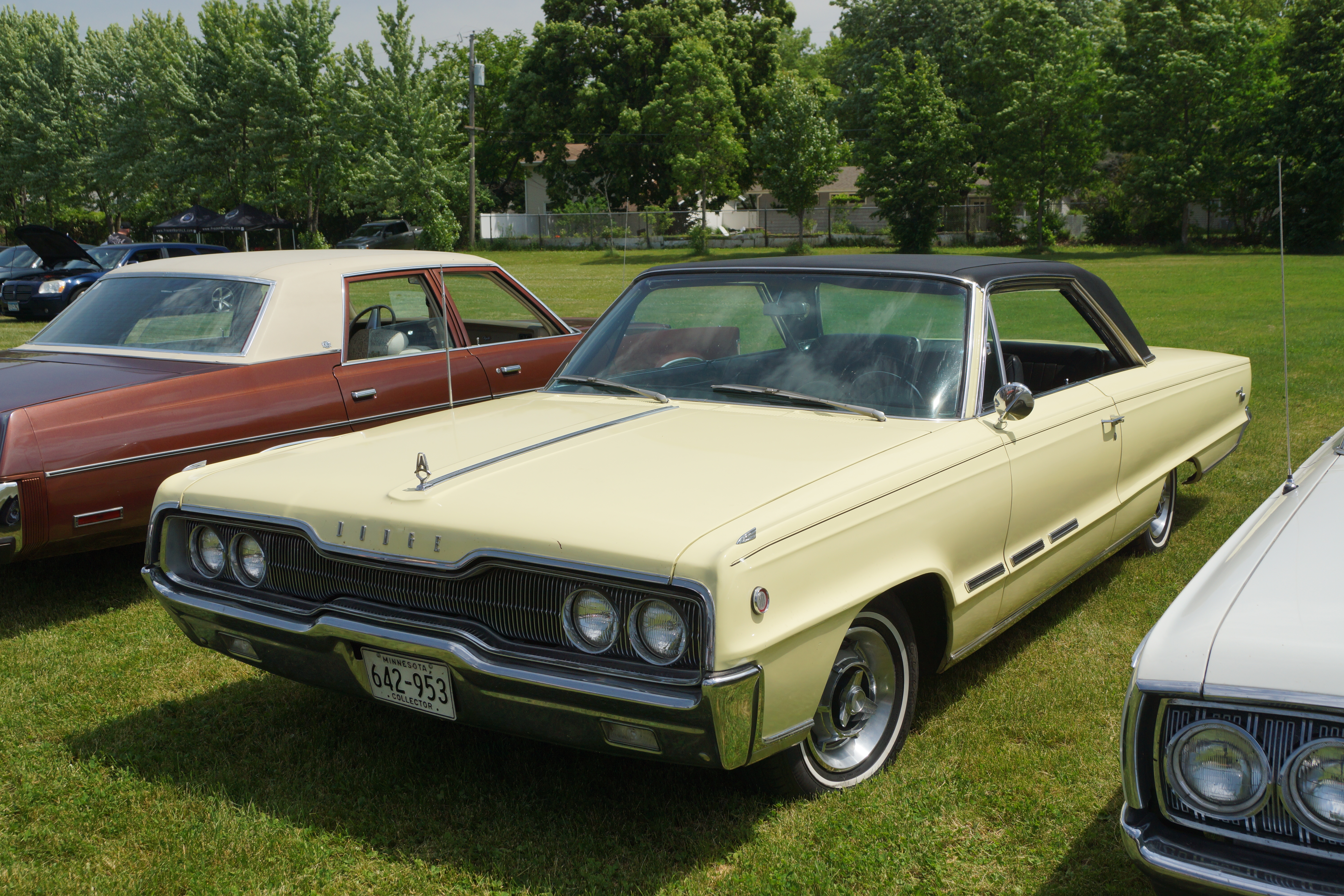
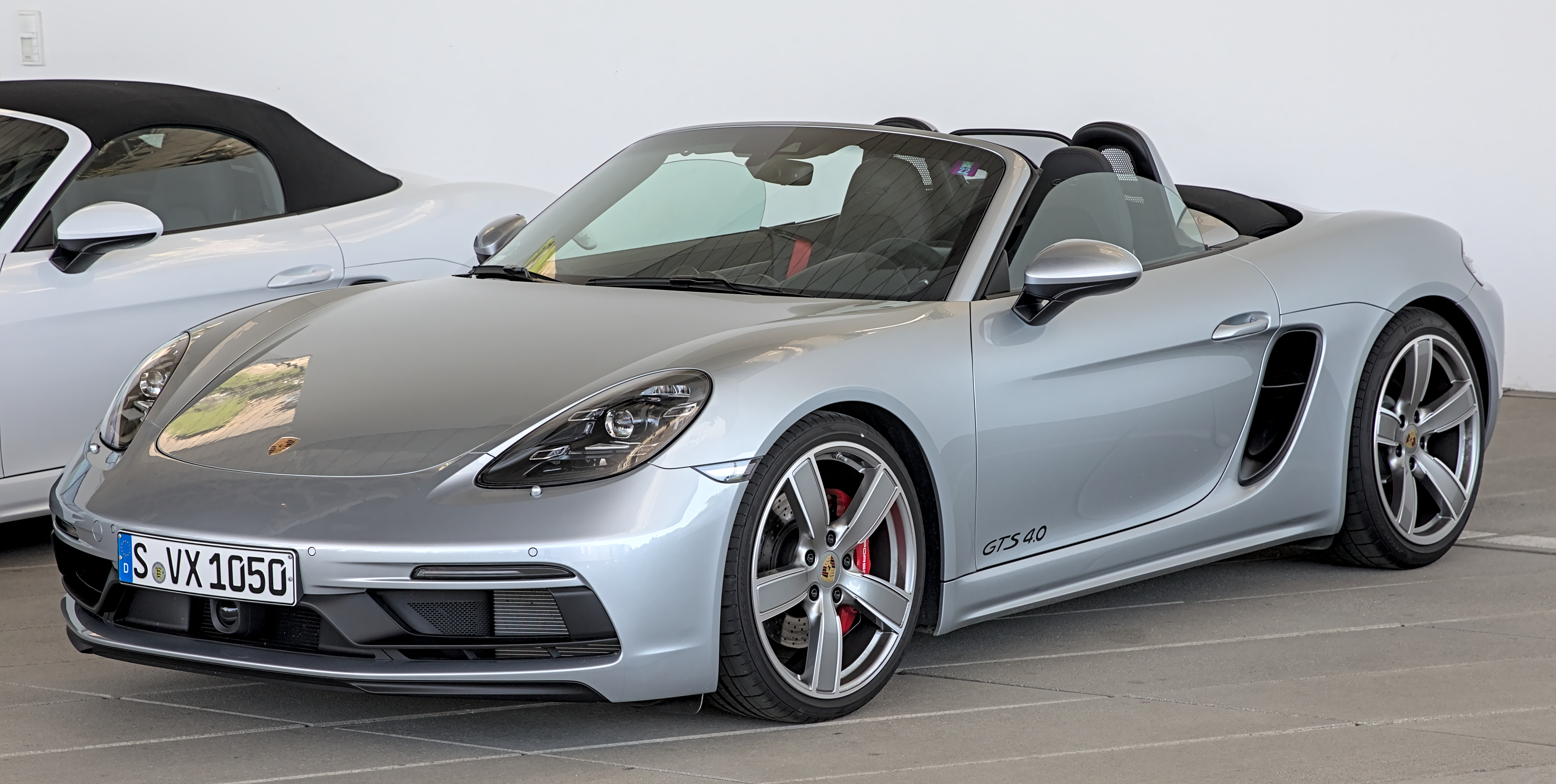
A sports car is a fast and stylish car made for driving quickly and handling well. They are usually not very practical for everyday use, but they are fun to drive.
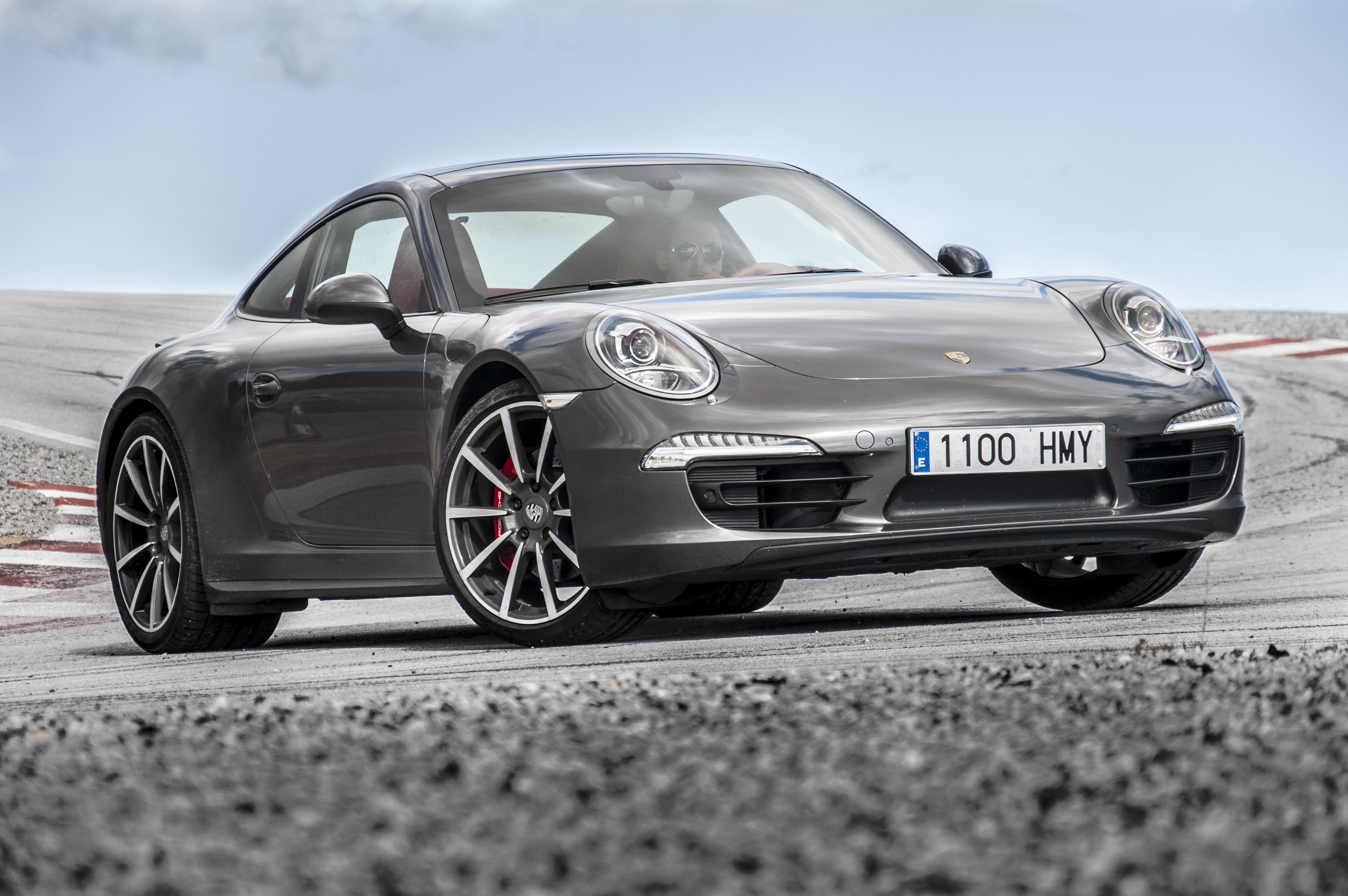
The Porsche Carrera GT is a very fast and rare sports car made by Porsche. It has a powerful engine and is famous for being one of the best cars to drive.
Car
Gambala Mirage GT
The Gambala Mirage GT is a very expensive sports car that has been customized to be unique and powerful. It's made by a company in Germany that specializes in modifying other cars to make them better.
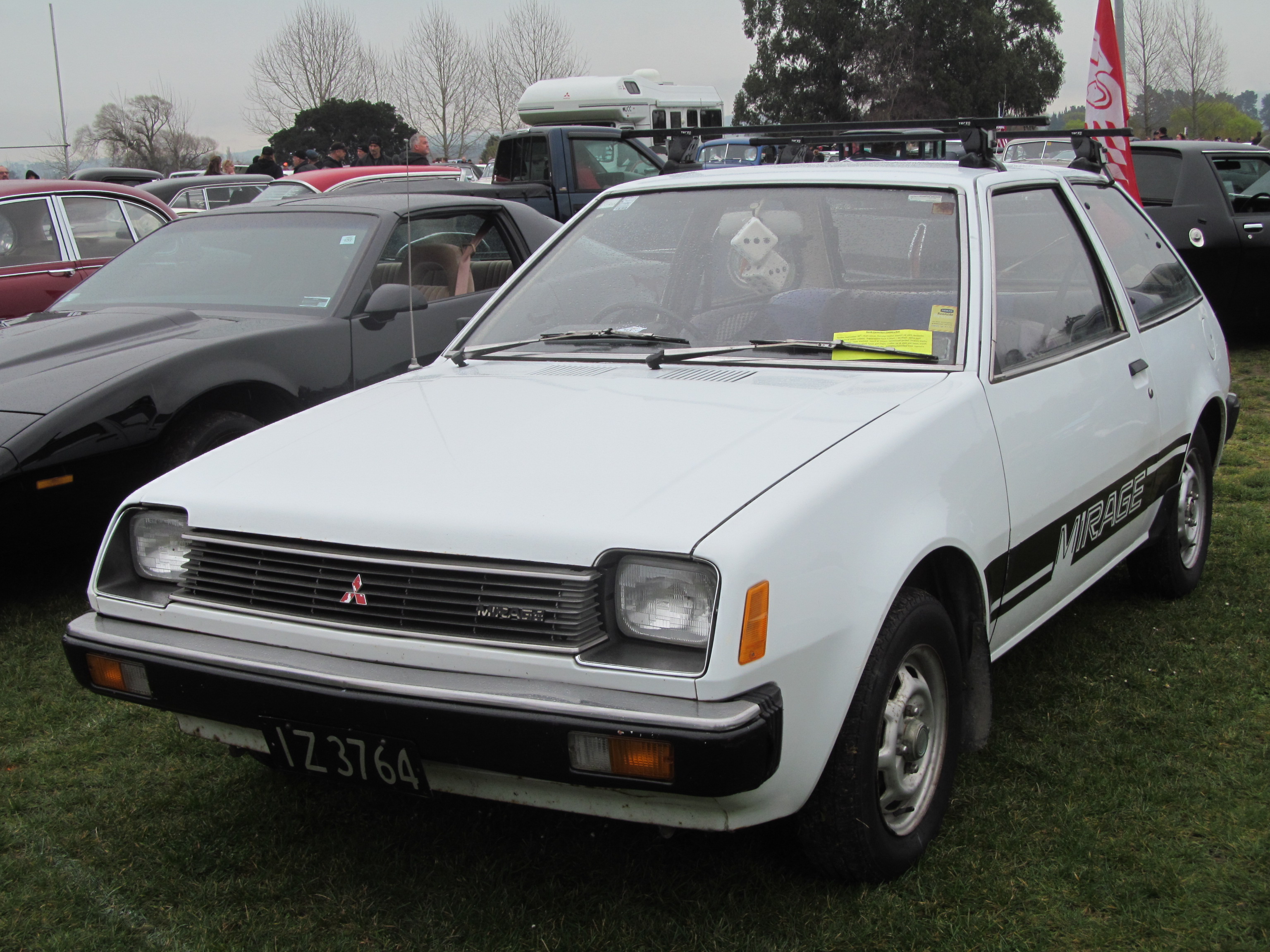
The Mitsubishi Mirage GT is a small car that is easy on the wallet and good on gas. It’s a practical choice for people who want a reliable vehicle without spending too much money.
Gambala is a company from Germany that makes cars better by customizing them, especially Porsches. They are known for making very unique and expensive cars.
The Porsche 911 is a famous sports car that has been around for many years. It's known for its unique shape and powerful performance, making it a favorite among car enthusiasts.
The Mazda MX-5 Miata is a small sports car that's very fun to drive. The 'NB' is just a way to identify the second version of this car, which was made between 1998 and 2005.
The Volkswagen Beetle is a famous small car that has a unique round shape. It's been around for many years and is known for being fun to drive and easy to recognize.
Wind drag is the force that pushes against a car as it drives through the air. Lowering wind drag helps the car go faster and use less fuel.
Car
Porsche 930 Turbo
The Porsche 930 Turbo is a special version of the Porsche 911 sports car that has a turbocharged engine, making it faster and more powerful than regular models. It was made between 1975 and 1989.
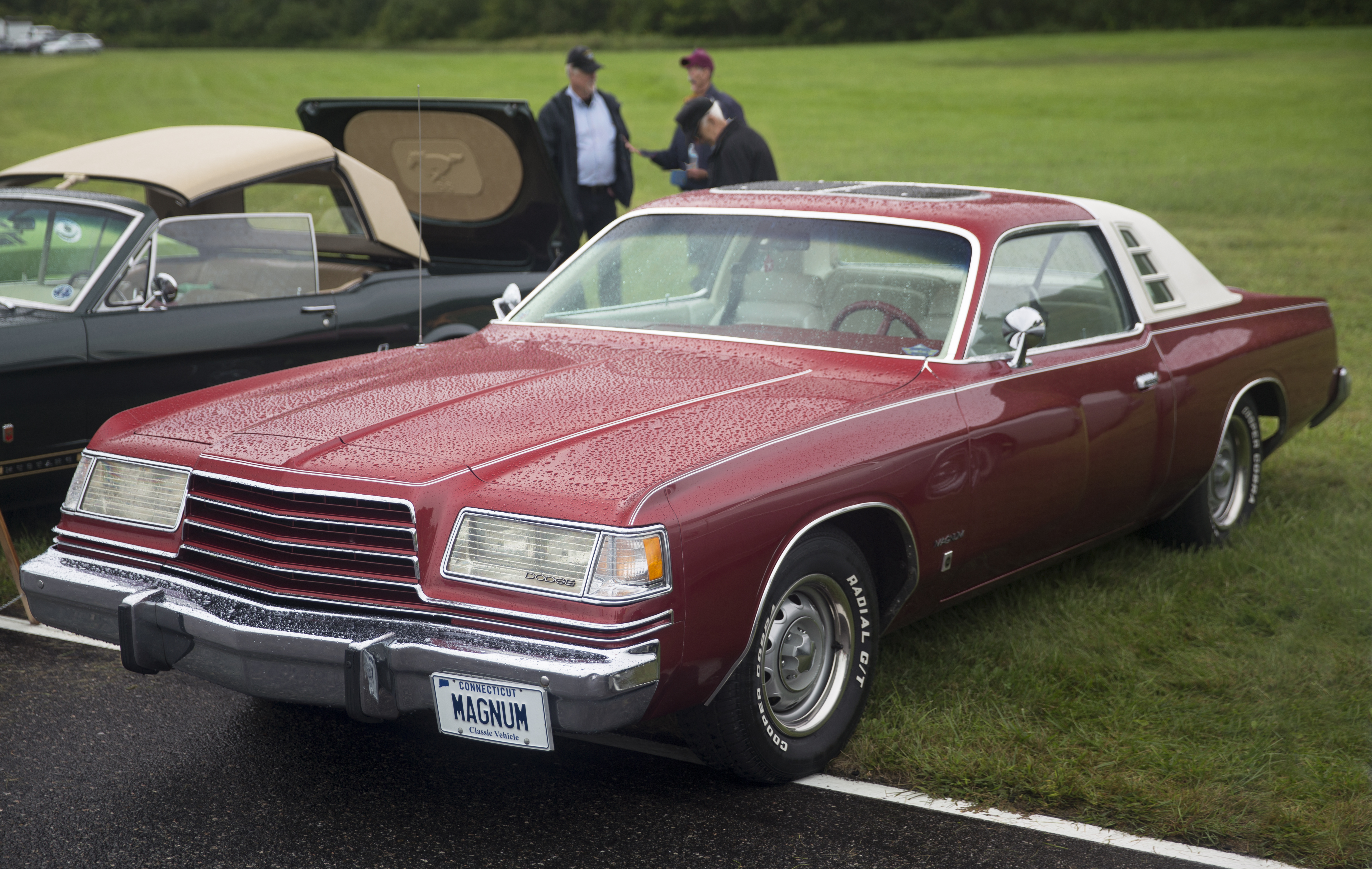
The Dodge Magnum is a type of car called a station wagon, made by Dodge. It was built to be spacious and sporty, making it a unique choice for drivers who want a mix of utility and performance.
Car
Chrysler 500
The Chrysler 500 is a small car made by Chrysler. It's designed to be easy to drive and park, especially in cities where space is limited.
The Corvette is a fast sports car made by Chevrolet. It's famous for its stylish looks and powerful performance, making it a favorite among car enthusiasts.
LED instrument panels are the displays in cars that show important information like how fast you're going. They use special lights that are bright and last a long time.
RUF is a company that takes Porsches and makes them even better by changing their engines and designs. They are known for creating very fast and unique cars that are highly regarded by enthusiasts.
Car
Porsche Avalanche
The Porsche Avalanche is a special version of a Porsche car that was modified by a company called Gambala. It's known for its distinctive look and improved performance, making it stand out among other Porsches.
A turbo flat 6 engine is a special type of engine with six cylinders that are laid out flat. It has a turbo that helps it produce more power, making the car faster.
Modern tires are the latest type of tires made with better materials and technology. They help cars grip the road better and perform well, especially when accelerating.
A 'whale tail' is a type of rear spoiler that looks like a whale's tail. It helps the car stay on the road better when going fast by pushing it down.
Car
Gemballa Avalanche
The Gemballa Avalanche is a fancy car that takes a regular Porsche 911 and adds luxury features like leather seats and high-tech gadgets. It's designed to be both fast and comfortable.
The Chevrolet Avalanche is a special kind of vehicle that acts like both a truck and an SUV. It has a flexible design that allows you to use it for different purposes, making it a practical choice for many drivers.
The Porsche 911 Turbo is a fast and fancy sports car that many people dream of owning. It's famous for being powerful and stylish, often seen as a status symbol among celebrities.
The Ford Taurus is a regular family car that was popular for being comfortable and having a lot of space. Many of these cars were used by police, making them a familiar sight on the roads.
The Lamborghini Countach is a famous sports car from the 1980s known for its cool design and unique doors that open upwards. It’s considered one of the most recognizable supercars and has inspired many other cars since then.
The Bugatti EB 110 SS is a super-fast car made in the 1990s that many people consider a classic. It's special because it has a really powerful engine and was one of the first supercars to push the limits of speed and design.
The Lamborghini Diablo is a super-fast and flashy car from the 1990s that many people dream of owning. It’s famous for its unique look and incredible speed, making it a standout in the world of luxury sports cars.
The Porsche 914 is a small sports car from the 1970s that was made to be fun to drive and more affordable than other Porsches. It’s known for its cool design and is a favorite among car enthusiasts.
The Porsche Boxster is a two-seater convertible sports car that is easier to buy than other Porsches. It’s known for being fun to drive and is a great way for people to experience the Porsche brand without spending as much money.
The Ford Ranger is a small truck that people use for work and play. It's tough and can handle rough roads, making it a good choice for outdoor adventures.
The Porsche Cayenne is a luxury SUV that combines the comfort of an SUV with the sporty feel of a Porsche. It's popular because it offers a lot of space and performance, appealing to those who want a fancy and powerful vehicle.
The Volkswagen Golf GTI is a fun and sporty version of a regular car called the Golf. It’s known for being quick and easy to drive, making it a favorite among people who like cars that are both practical and exciting.
The Porsche Panamera is a fancy four-door car that offers both speed and comfort. It’s designed for people who want a luxurious ride without giving up on performance.
The McLaren MP4-12C is a really fast sports car that was made by McLaren in 2011. It’s known for being lightweight and having great handling, making it a favorite among car lovers.
The Porsche 918 Spyder is a super-fast car that uses both gas and electricity to run. It’s special because it combines high performance with being more environmentally friendly, showing how cars can be powerful and efficient at the same time.
The Porsche 959 is a super-fast car from the 1980s that was really advanced for its time. It had special features like all-wheel drive, making it one of the best-performing cars of its era.
LIVE
Welcome back to Pass Gas everybody. My
name is Nolan. Barts across from me and
this week we're talking about Gambala. A
company that by the end of this episode
I'm sure you will agree is really
underrated, really underappreciated.
Created some amazing cars and
unfortunately had a pretty sad ending.
So this is a cool story, a sad story
with some really badass cars along the
way. Sit back, relax, or uh pay
attention to driving if that's what
you're doing right now. I don't know.
and enjoy the story of Gambala.
The year is 2020. It's early morning on
the streets of Manhattan when suddenly a
sports car Kines out of control,
sideswipes several parked cars and
crashes to a halt. The driver revs a $1
million plus machine and peels out,
leaving an expensive path of destruction
before his engine seizes up and he is
taken into custody. Video of the debacle
spread like wildfire across the
internet. And it doesn't take long for
automotive enthusiasts to realize that
this isn't just a normal Porsche Carrera
GT, which is a rare sighting in itself.
In fact, the car is arguably one of the
rarest on the planet. The Porsche
Gambala Mirage GT, a $780,000
masterpiece of engineering. But despite
the waves it made, somehow the carnage
of this event fits in perfectly with the
Gambala timeline. Just one more
controversial blip for a company who
redefined what customization and excess
can mean in a road car. So, how did a
small tuning workshop in Germany become
a globally recognized brand? How has
Gambala continued its legacy of stunning
aftermarket design today? And what led
to the mysterious disappearance of their
founder? Buckle up for a ride into a
world of opulent luxury, monumental
success, and salacious tragedy. Today on
Pass Gas, it's Gambala.
[Music]
>> Hello and welcome back to the show
everybody. It feels like it's been a
long time, but for you,
>> for us,
>> temporally it has been, but for the
listener it has not. My name is Nolan
Sykes. Joining me across the desk, very
wobbly desk, Bart Biddling Meer.
>> Hi. Good to be here. Thanks for having
me.
>> Like a month. So Joe and I were doing a
few without you.
>> That's right.
>> Because you were uh driving across the
country. Yeah.
>> Um
>> and I still have to
>> You have more. Yes. More to come.
>> I think by the time the listener hears
this, we will have been done with the
whole project, I think.
>> Uh but yeah, it's been like a month
since I've seen you. What's I think it's
been more than that because it's been
like three weeks
>> since I shot and you hadn't been here
for a few weeks before that,
>> right? Okay. So,
>> yeah.
>> Dang.
>> I was on jury I'm good. I was on jury
those three weeks I was on jury duty.
>> Oh, can you discuss the case?
>> Yeah, it's over. So, I can say anything
I want about it. Um, but it, you know,
you get your summons and you're like,
ah, jury duty. And then you go in,
you'll be like,
>> all right. Usually it's a big room and
half you get dismissed. I was like juror
76. So I was like ah down the line I'm
not going to
>> Better than juror number two, huh?
>> Well, I'll tell you what. Uh jury
selection took a long time and uh like
you get in there and you sit down and
you're like all right. Like what you
know? Uh murder one.
>> Oh
>> yeah. Murder one.
>> Perk up a little bit.
>> Well, I'm kind of like you know we're
going to be we're going to be here.
>> Yeah. Yeah.
>> And then I was after all was said and
done, I was alternate three.
>> Oh, so you're just like
>> And then alternate 2 had to take a seat.
>> Mhm.
>> I was there for the whole thing.
>> So you were an alternate. You had to sit
in and listen to all
>> to deliberate. I don't even I don't
during deliberation, the alternates
can't even talk to each other about the
case.
>> Wow.
>> So the whole thing went by and I got to
tell you, I think 12 people got it
wrong.
>> Really?
>> Yeah. There was so much evidence that
didn't make sense that I'll I'll talk to
you later about. I'm sorry everybody.
This is going to be my next podcast.
>> I was going I was going to say it's a
great premise for a podcast.
>> We'll be right back after these
messages.
[Music]
>> This podcast is sponsored by Indeed.
Spend more time interviewing candidates
who check all your boxes. Less stress,
less time, more results now with Indeed
sponsored jobs. And listeners of this
show will get a $75 sponsored job credit
to help get your job the premium status
it deserves at indeed.com/pasg.
Just go to indeed.com/pasg
right now and support our show by saying
you heard about Indeed on this podcast.
indeed.com/pasg.
Terms and conditions apply. Hiring? Do
it the right way with Indeed.
Now back to the show.
I don't know how much of that we'll use
in this episode. It is uh pertinent
because the story of Gambala also has a
heavy
>> Mhm.
>> crime element to it that we'll get to.
So, here we go. Let's talk Gambala. U
Gambala was born in 1955 near Stoutgart,
Germany. Coincidentally, Stoutgart is
also the birthplace of the Porsche
Automotive Group, which seems fitting
for how Uve and the legendary car
manufacturer were destined for a future
together. Of course, we've talked about
Porsche a lot on the show recently.
>> Uh, and yes, details about Uve's
childhood remain sparse, but in one of
his rare interviews later in life, Uve
said that his early passion was
motorcycles. While still in school
during the 1970s, he spent weekends
racing bikes, but his interests soon
shifted to four-wheel machines fueled by
a fascination with the Porsche 911. The
I started in motorcycles is almost a
trope now, right? Like there's been so
many like pioneers of tuning,
motorsports, everything. I started even
like all the drivers and which is
because when you're a kid you
>> aren't driving a car, you're riding
bikes like
>> like so many drivers come from two
wheeled motorsports.
>> U purchased his first 911 when he was in
college. Man, that must be nice. And
found pleasure in reworking his car's
interior. Man, I wanted so badly just to
buy an NB Miata and it's like $3,000 for
one.
>> You know what's so funny though is like
is to your to that point,
>> if you're in college listening to this
and you're thinking of getting a car, do
it now.
>> You know, cuz when he got his Porsche,
it's it's like a little better than the
Beetle, you know? You know what I mean?
Like
>> he decided to turn his passion into a
profession and started a small tuning
shop in 1979. Headquartered in
Leyonberg, a small town outside of
Strutgard, Uve and a small group of
craftsmen he assembled delivered
never-beforeseen luxury upgrades to BMWs
and Porsches, focusing solely on
interiors at first. To the point of
like, how do you become a tuning shop? I
think that's pretty cool that it's like
we're going to focus on making your car
more luxurious for you and it's kind of
what like Maybach will do everything,
>> but the interior is an important, you
know, like let's cuss it up a bit.
overlooked, I think, aspect of car
customization. Uh my wife has a she has
a like a old Lexus sedan. She loves
>> uh like leopard print and cheetah stuff,
like that kind of like extravagant type
of stuff. 2004.
>> She wants like leopard print foot mats
and like dash cover and stuff. like
that's something I would never ever
want, but
>> it would be kind of cool.
>> It's to the point like there's companies
I think Xan can is the name of one of
them, but
>> can
>> they do it's like great, we have all of
the specs for these cars seats. Tell us
what you want and we'll make you those
seats. And it's not even like the seat
cover crap. They're like, "No, we'll rip
the old off and put on a legit
full." Anyways,
>> so
>> I should look into that.
>> Yeah. For her birthday. When's her
birthday? Uh, next next April.
>> Leopard print, baby.
>> Leopard print. That would be kind of
sick.
>> You know what you can do? Tell her you
tell her you got into an accident.
>> Okay.
>> Ask if tell her you got an accident.
>> Uh, we'll do you can call it We'll No,
we can do a video for Donut. We'll call
it underhauling.
>> Underhauling.
>> And then deliver the car with all
leopard inside. Hell yeah.
>> And then she'd be like, I was joking.
You think I'm into that? Okay. So, as
demand for his services began to grow,
Uve saw greater potential. He decided to
go beyond tailoring interiors and begin
creating complete body and performance
overhauls. Overhauls and officially
founded Gambala in 1981. Hell yeah. Here
we go. In the late '7s, Porsche
engineers realized that the round
headlights on their 935 race car were
bad for aerodynamics. So they designed
the now iconic slant-nose 935 which
immediately reduced wind drag and
resulted in wins at Lama and other elite
European races. Gambala loved the
slant-nose 935 so much that he decided
to adapt it to the 930 turbo road car,
but this was just the beginning. Uve
would go on to add gorgeous custom
fenders, spoiler options, and unique
paint colors, which resulted in singular
creations that began to gain attention
around Strutgot. Porsche has so many
people who fall in love with it.
I think I'm trying to think of another
company who has as many
uh like
>> I think
>> like like an aftermarket kind of tuner
body.
>> Yeah. company that is completely made
around that car
>> because people are like, I love this so
much, I'm going to put it on other
things. Maybe the Dodge Magnum.
>> Okay.
>> No, I'm just kidding. But I did see a
Dodge Magnum with a a Chrysler 500 front
and I was like, that's good.
>> I wish they made a Chrysler wagon. Um,
yeah, that's a good good question. But
there's like Corvettes and there's, you
know, and there's there's Chevy shops
and there it's a But I don't think it's
the same as like this instance of, oh,
you did this, you did this new design
thing. I'm going to take your new design
design thing and and put it on these
other cars that are also kind of like
your cars. You know what I mean?
>> Yeah, I hear you.
>> So, despite the uh body kits, the
interiors Gambala produced were just as
jaw-dropping. They pioneered technology
such as LED instrument panels and remote
control audio systems embedded in the
steering wheel while customizing
upholstery with the finest fabrics
available. So, they were very far ahead
of the curve. This is still the early
80s. And uh that's that's pretty cool.
>> I'd like a nice hounds tooth.
>> Oh, yeah. I feel Yeah. Yeah. Me, too.
Uh, some automotive purists scoffed at
the idea of an aftermarket tuner who
worked more like an artist than a
mechanic. But only a few years into the
80s, there was no denying that Gambala
had become a symbol of status and
cuttingedge automotive technology. And
here's some clarification. While other
tuners in Germany like roof and Alpena
received manufacturer status and were
able to release cars with their own VIN
numbers, Gambala never achieved this
status. Gambala cars still have the
original Porsche VIN, but Gambala
includes paperwork that details their
modifications. Word of Gambala's 911
creations spread quickly, and it wasn't
long before royal families, oil tycoons,
celebrities, and other uber wealthy car
collectors from around the world began
calling in requests for Uveu's
one-of-a-kind machines. However, despite
the demand, Uve decided to venture into
the great unknown by releasing his most
iconic Porsche build yet. In 1984,
Gambala created its first and easily one
of its most recognizable models, the
Avalanche.
>> Oh, that's an interesting
little guy.
>> Yeah, it's like a Ferrari Porsche.
>> Yes, it's got the Tessterosa side
streaks for sure. Up until this point,
Gambala focused mainly on aesthetics
like interior design and arrow kits.
This time would be different, however.
The beating heart of the Avalanche was a
heavily modified turbo flat 6 engine
which generated up to 400 horsepower
which was a stunning number for the
1980s. I don't care if your mom
>> still pretty sick number especially in a
Porsche.
>> It's the perfect horsepower
>> for a car of a certain size.
>> Yeah, 400's all you need really.
>> With a top speed of over 180 and the
ability to go 0 to 60 in less than 5
seconds, the Avalanche was blazing fast.
We probably go faster today with modern
tires, too.
We got to keep that in mind when
discussing vintage 0 to 60 times. Tires
was a big part of that.
>> Because I went to the car meet at Helms
Bakery and there was a, you know, early
'8s Porsche.
>> Mhm.
>> With original tires.
>> Oh, wow.
>> Yeah. And I was like,
>> but uh Matt Farah was there. He's like,
"Hold on, I'm just going to go over and
tell this guys about vintage tires."
>> Like, don't use them.
>> You should not have driven that here.
>> That is scary. Yeah. I mean, one, at the
very least, you're going to
inconvenience yourself.
>> They're 40 years old.
>> Yeah. Or you're gonna spin out and kill
yourself and destroy your car. The
Avalanche was blazing fast, but thanks
to upgraded suspension and braking,
handling was also on par with or
exceeded many of its contemporaries, and
that's saying something. All of
Gambala's competitors were tuning houses
that have been around for decades and or
OEMs. They're punching above their
weight class here. Uh, also the 911 like
great. I mean, I think a reason a lot of
these tuning companies were gravitated
towards them is like it was a really
great foundation anyway. Like you didn't
have to buy the super top.
>> It's a great platform. It's an
understatement.
>> But we covered that in our Porsche
series where it's just like the
engineering was top-notch and just the
the design lent itself to really great
handling in the first place. It didn't
need to have the top-of-the-line
suspension. It was just like the way
they put the car together meant it was
going to be great regardless.
>> Um,
>> regardless,
>> irregardless. Despite its audacious
horsepower, the first thing people
noticed about the Avalanche was its
jaw-dropping exterior design, the 935
inspired slant nose, integrated front
and rear bumpers, pop-up headlights,
flared wheel arches, and a massive
spoiler added both eye-catching style
and world-class function. And as Bart
mentioned, it had the Tessterosa side
intakes. The Gambala also made sure the
paint on the Avalanche stood out, often
finishing models with bold metallic
colors paired with lowprofile tires and
custom wheels. The the fact that you're
doing this to a Porsche and it comes out
that like it really does look good. You
know what I mean? And it's it I think
that shouldn't be understated how
difficult to to make it look cohesive
>> evoking a Porsche looking like its own
car. And also it is so so 1984. You know
what I mean? Like it is it is just
>> Yeah. I was going to say it it
definitely evokes Porsche, but also like
I could see someone looking at this and
absolutely hating it because it it it's
Porsche enough, but it's also its own
thing.
>> What did you do?
>> But I look at it and I'm like, the
spoiler on it, you look at it. Yeah.
>> Massive spoiler.
>> It's bizarre.
>> It's so cool. But it is like the Porsche
whale tail, but just take it turned up
like 15 notches. Also, like what are
these little things on the rear windows?
What are these elements? Well, you don't
want the air to go into the Yeah,
>> that's it's cool. Yeah, it's different.
>> It evokes a stingray swimming through
the water.
>> Oo, mant. Yeah, with the curl and the
>> Yeah, dude. Okay, bringing some
>> uh some nature into it. I like it. Um
Yeah, it's it's crazy. This thing's
crazy. Inside the Avalanche.
>> Did you ever see the uh uh Miami Vice
where Don Johnson has to go undercover?
>> No. Is that like every other episode?
>> There was one. It really It's It's a
It's It's I don't want to say they
jumped the shark because how can you do
that with with Miami Vice, but he like
Oh, maybe it was Tubs who did it.
Somebody
>> Manor Ray Johnson
>> somebody somebody drove through they had
to get arrested so that they could go
undercover in prison.
>> Oh. So, the way they got arrested was he
ran through a toll booth and just
>> shattered it. Um, I think he was in a
red Ferrari, but
>> this car is what would run through a
toll booth and shatter it if you were on
cocaine in Miami and wanted to get
arrested. That's this car.
>> 100%. Bart, that thing's so sick. That's
a very cocaine car. For sure.
>> For sure. You'd go to uh uh uh
>> now a cocaine car is just a Nissan
>> you'd go to there'd be that guy who
dresses up in like the 80s business
>> chic. Remember that guy?
>> Yeah.
>> Well, there too, but in Miami, you'd be
wearing a pink shirt and a white blazer
with the sleeves rolled up.
>> It's a good look. Yeah, it's a good
look.
>> No socks, baby.
>> Inside the Avalanche, Gambala tailored
true extravagance. He had high-grade
wood, gold, suede, and leather covered
seats and dashboards paired nicely with
CD players, which is big back then. Rear
view camera systems and video screens.
This is crazy. The cockpit feel of the
Avalanche was a cross between a
spaceship and a fighter jet with digital
gauges and custom switchear options
spread across the cluster and center
console. Gambala was so
state-of-the-art, much of the tech
inside the Avalanche wasn't offered in
the highest trim levels of Porsche. Wow.
It would be decades before such options
would become available to the general
public. Roughly 15 of these avalanches
were built with each being essentially a
one-off creation, specially built to
order for their wealthy owners. Emphasis
on wealthy because whoever was buying an
avalanche, guys like Vanilla Ice were
paying 10 times what a 911 Turbo
>> lived in
Miami.
>> Miami. I was going to say Jacksonville,
but that's Fred Durst. He's from
Jacksonville.
>> I don't I think he lived in Miami cuz he
was A1A was the
>> you know that that goes up the east
coast.
>> Okay. Uh Beachfront Avenue.
>> They were paying 10 times what a 911
Turbo typically cost at the time. Let me
make sure. Fred Durst was from
Jacksonville.
>> Maybe it's just where he has his uh
construction empire.
>> Maybe he was born in Jacksonville. Okay,
good. Phew. I got my new metal facts
right. That's all that matters. The
Avalanche launched Gambala into the
luxury car stratosphere, but Uveu wasn't
about to rest on his laurels. Gambala
had made a clear statement with the
Avalanche that they could deliver a
brutally fast, aggressive looking coupe
with unparalleled luxury, but with their
next model, Uve wanted to cater to
customers who favored premium style and
an openair driving experience. Enter the
Gambala Cirrus, which premiered shortly
after the Avalanche in 1985. Oh, this
thing. I think I would probably I'd take
this. Here's your crashing through the
the
God. He's obsessed with those. See, I
don't think this one I don't think he
nailed.
>> You don't think so?
>> I understand. I I understated.
>> It is a continuation of his
style. Um, but I don't think it looks as
much of a Porsche as that as the
Avalanche.
>> I think I agree with you on that. I
mean, look at the side profile of that.
It almost it does look fake almost.
>> Yeah, it and not that it's good or bad,
but it almost looks like what was coming
out of some Japanese companies at the
time.
>> Interesting.
>> We'll be right back after these
messages.
[Music]
>> This podcast is sponsored by Indeed.
Hiring isn't just about finding someone
willing to take the job. I need the
right person with the right background
who can move our business forward. If I
wanted candidates who match what I'm
looking for, I'd trust Indeed sponsored
jobs. I know when I'm hiring people for
doughnut podcasts, I'm looking for the
exact right person. And if I get a bunch
of options, it's kind of like
scattershot. I really need help honing
that down into a small pool of people
who can really help me. That's why I
really trust Indeed sponsored jobs. It
makes a huge difference. According to
Indeed data, sponsored jobs posted
directly on Indeed are 90% more likely
to report a higher than non-sponsored
jobs because you can reach a bigger pool
of quality candidates. Spend more time
interviewing candidates who check all
your boxes. Less stress, less time, more
results now with Indeed sponsored jobs.
And listeners of this show will get a
$75 sponsor job credit to help your job
get the premium status it deserves at
indeed.com/pasg.
Just go to indeed.com/pastgas
right now and support our show by saying
you heard about Indeed on this podcast.
indeed.com/pastgas.
Terms and conditions apply. Hiring? Do
it the right way with Indeed. Some
people just know they could save
hundreds on car insurance by checking
all state first. Like you know to check
the restaurant location first before
agreeing to go to lunch with a friend.
Day of you're getting ready to leave.
You put it in your map and bam, lunch is
an hour away. Bad on your friend for not
mentioning it. But bad on you for
trusting your friend. Now you've got to
book it across town to get to the best
burger in town. Sure, it's worth it.
Checking first is smart, so check All
State first for a quote that could save
you hundreds. You're in good hands with
All State. Potential savings vary
subject to terms, conditions, and
availability. All State North American
Insurance Company and affiliates,
Earthbrook, Illinois.
Now, back to the show.
Depending on the order, the Cirrus was
based on the late 930 and later the
early 964 gens of the 911 Carrera
Cabriolet. The entirely redone interior
boasted either full leather or Alcanter
Alcantara upholstery.
>> I was going to say it almost looks a
little Volkswageny, too. Like there's a
lot going on there. So along with
eye-catching details on the dashboards
and seats for drivers who needed a bit
of entertainment, the Cirrus featured
car phones, VCRs, and state-of-the-art
surround sound systems. New digital
clusters and futuristic center console
switches made the cockpit of the Cirrus
feel more like the Millennium Falcon
than a road car. My uh the Taurus, the
cop cars got like it's all bare bones,
right? But in the back, so you've got
the spare is in this kind of this foam
thing. And then uh there's just uh a big
old sheet of hard plastic, but on the
side it curves up
>> and there's like two little
compartments.
>> Sometimes I'll put stuff stuff in it and
I feel like Han Solo.
>> Yeah. Smuggling.
>> Nice. Exactly.
The exterior of the Cirrus featured
several gorgeous design tweaks,
including integrated side strikes that
were reminiscent of the doors of the
Ferrari Tessterosa, which I mentioned.
>> Take a closer look at the doors, and
you'll notice there's no visible door
handle. It's actually a hidden button
under the top lip of the Strake. So,
there you go. Little little boop.
Everyone does that now. Everyone's got
the stupid hidden button door handle.
>> Yeah. Uh, but they were probably one of
the first, some of the first. I bet
there's like low rider guys doing this,
though.
>> Low riders have been doing a lot of that
forever.
>> The convertible option made the Cirrus
particularly exotic with its wide stance
extended by custom fenders and front and
rear bumpers. The body was more
aerodynamic and smooth than traditional
911 models. And like the Avalanche, the
Cirrus came complete with extravagant
paint jobs. The Cirrus's engine wasn't
as powerful as that of the Avalanche,
but it was no slouch either. With a
naturally aspirated 3.2 L rooftuned flat
6 that had 228 horsepower, yeah, and a
top speed of 160 mph, the Cirrus could
still hang with many of its peers.
>> Debuting smack dab in the middle of the
cocaine 80s, they fit perfectly
alongside the most outrageous designs
coming out of Europe at the time, like
the Lamborghini Countach and Ferrari
Tessterosa.
Very few Cirruses were produced. Rumor
has it less than 15, which has led
naturally to their cult-like following
among today's Porsche enthusiasts. I
think the Avalanche is cooler, though.
>> I think it is too.
>> The attention the Avalanche and Cirrus
achieved for Gambala put them in the
direct focus of some major luxury car
manufacturers. By 1988, Uve was
routinely summoned to create upgrade
packages for Rolls-Royce, Ferrari, and
Mercedes, all while maintaining an
intimate tie with Porsche.
Gmbala solidified itself as a symbol of
excess and opulence in the 1980s while
also reinventing the rules of
aftermarket automotive design. As the
decade came to a close, a new generation
of customers were coming of age. And
with it came a new era for Kimala. So,
here we go. We're going into the 1990s.
>> Let's do it. I watched Hocus Pocus this
weekend, which came out in 1993, the
year I was born, and I was like, "The
all these kids in this movie, they're
they're kids." And I was like, "Oh, no.
They're all
>> much not much older, but you know, older
than me."
>> Um, strange feeling.
>> The the 1990s marked a transition from
the go XS of the 80s to a more mature
idea of what a luxury car should look
like. There were certainly futuristic
models in the9s such as the advent of
the supercar era ushered in by the
McLaren F1, Bugatti EB 110, and
Lamborghini Diablo. But Gambala took a
more grounded path while still pushing
the boundaries of power and singular
style. In the early 90s, Gambala
produced aerodynamic and technology
packages for the Porsche 964 and 993,
which was the first production model
Porsche to feature all-wheel drive and a
twin turbo engine, depending on the
trim. These innovations from Porsche
helped Gimbala produce even more
heartstoppping models like the Extreo
Burbo. Oh, mama,
that's
interesting looking.
I like it.
>> You like it?
>> It's round. You know what I mean? Like
they're rounding things off. Look at the
the hood is sick as hell, though. That's
cool.
>> Uhhuh.
>> Uh yeah. If I saw it in person, I'd
probably think that's pretty cool. Yeah.
>> But that's that's a swing. That's a
swing. I'll say that, dear listener.
This 993 derived supercar featured a 500
horsepower house-tuned flat 6 turbo.
They produced it as a promotional
vehicle for luxury tire maker Fula and
it's allwheel drive
>> in 1997. That's right. At one stop of
Fula's tour of the $1.2 million Extreo,
Shik Abdul Mosen tried to purchase the
vehicle, but the company declined. Shake
Abdul Mosen wanted the car so badly that
he hired Gambala to make him one of his
own. Gambala bumped this second Extreo
to over 600 horsepower, nearly 200
horsepower more than the stock 993
Turbo. What's funny about that is it's
like, yeah, that's how this works. You
hire the person who makes the car to
make you the car.
>> Yeah, that was kind of the whole point
of them building that first one.
>> And they finished the car in Sunshine
Yellow. But as time went on, the Shake
clearly lost interest because the car
was found and abandoned covered in dust
and debris outside a residence in Dubai
in January of this year. When he wasn't,
>> it's crazy in Dubai. how many
>> exotic exotic million plus dollar cars
you'll see just gathering dust.
>> We did a video about it a few years ago
and what explain a big part of that is
that a lot of
>> they don't have any oil.
>> No. Yeah. They just run out.
>> They run they can't do the oil changes
anymore.
>> No. Uh there's a lot of like uh either
expats or people who work in the country
in Dubai uh they make a ton of money.
They'll buy a cool car and then like
lose their job or something happens,
they'll leave the country and then have
to they'll just abandon the car and uh
that's how that happens. When he wasn't
making one of a kind supercars for
Middle East royals, Gambala spent the
later part of the '90s uh learning
guitar. No. Uh creating specialized
technology and aerodynamic packages for
the Porsche 996 as well as upgrades for
the newly introduced Boxster. Despite
the Boxster being on the lower end of
the Porsche totem pole, Gambala created
some truly gorgeous versions of this
modest entry-level car, particularly in
the early 2000s with twin turbo engines
in the Boxster S, which sounds
absolutely terrifying.
The '9s may have been Gimbala's peak
era, but in the face of new competition
from aftermarket tuners like Roof and
Tech Art, as well as various global
economic swings, they still maintained a
distinct vision entering the new
millennium.
>> Can we pull up a version of Yeah.
>> Oh yeah, brother. Dude,
>> that's sick.
>> Yeah,
>> that's super cool.
>> That is really cool. That no and like
the nose works. You know what I mean?
Like there's a lot It's like a mini like
Carrera GT,
>> you know? That's cool.
>> Yeah,
>> that's really sick. Oh, I love that,
dude. Good for them. Bless their heart.
Bless their heart.
>> Yeah, if someone rolled up in that to
like a whatever.
>> There's like there's elements of Bugatti
in it. Like there's there's so much
going on that somehow works that that
feels
>> Yeah. good.
>> I I love that. In the early 2000s,
Porsche introduced a number of exciting
new models. New versions of the 911 and
a surge of interest in luxury SUVs gave
Gambala exciting opportunities to create
completely new works of art. In 2001,
Gambala unveiled the new GTR 600, which
was based on the 996 Turbo. One of the
most innovative tweaks on the GTR600 was
its butterfly hinge doors. The next
year, Gambala debuted the 996 GT3based
600R, which set a street legal vehicle
lap record at the Nurburgring Nord
Schlifa with a blistering time of 7
minutes 32 1/2 seconds, nearly 30
seconds faster than a stock Carrera. The
GTR 600 also went on to claim a GTC
class trophy at the Hawenheim Ring.
Nice.
>> I wonder what happens internally at a
company like Porsche when this happens.
If they're like, "Good for them." Or
they're like, "Guys, guys."
>> Yeah. If I was doing If I was a project
manager, I'd be like,
>> "We can't let these these little guys
upstage us. We're the big dog."
>> We'll be right back after these
messages.
[Music]
>> Thanks to our sponsor, Hand Cook, the
official tire sponsor of Donut. Hand
Cook's Dino Pro off-road tires offer
great traction through terrains without
compromising on-road comfort. They're
great on a wide range of vehicles from
SUVs, light trucks to the Ranger. When
we were out in Baja, we lost our spares
and ended up running the same set of
tires for the entire 2-day race. We're
actually still running the same back
ones right now. They've got an
aggressive design that not only looks
great, but also protects you from
punctures and gives you grip in sand,
gravel, mud, you name it. And they last
a long, long time. Thanks to Handcook's
durable compound, you can get a lot of
trail or road under your tires. And I
can hear all you city people at home, I
don't go off-road, I like asphalt.
Hank's got you covered, too, with their
Ventus brand of tires, which are
optimized for high-speed driving and
stability on your beloved roads. With
Hancock's extensive product family,
you're sure to find something to suit
your needs. Get your tire journey
started at handcooktire.com and see just
how far these wheels can take you.
That's hancooked.com.
>> Now, back to the show.
Following Porsche's launch of their
first ever SUV, the Cayenne, Gambala
premiered the A3 package in 2003, the
modified twin turbo engine made a
whopping 750 horses. Good lord, which is
more power than a 2025 Porsche Cayenne
Ehybrid Turbo, by the way. Gambala also
spared no expense in the interior, which
featured integrated multimedia
headrests, meaning TVs in the back of
the headrest, and custom leather rear
sport seats. Nice. 2005 brought about
one of the fastest gambala cars ever,
the GTR 650 Avalanche. This new version
of the iconic Avalanche was a 997
Carrera S-based beast that had 650
horses and can go 210 mph. Good lord.
And while the new look Avalanche GTRS
and A3s were certainly beautiful
machines, no Gimala creation of the
2000s made more of a statement than the
Gimala Mirage GT. Introduced in 2005,
the Mirage GT took everything the stock
Carrera GT offered and pushed it to the
ultimate performance and visual limit.
In terms of power, Gambala kept the
Carrera's 5.7 L V10 engine, but added an
advanced exhaust that resulted in over
670 horsepower. They also made carbon
air intake tweaks and reworked the
engine mapping, giving the Mirage a 3.6
6-second 0 to 60 time with custom carbon
fiber bumpers, side skirts, and a hood
along with deeper air ducts, and a fixed
rear wing. The Mirage was noticeably
more extravagant than the modest Carrera
GT base. And like Gimbala's marvels from
years before, the Mirage GT featured
premium audio and video systems,
futuristic instrument clusters with
stunning bespoke leather upholstery.
Only 25 Mirage GTs were made and each
cost well over a million dollars, about
1.6 million in 2025. Pull it up, sir.
>> Yeah. Today, it's seen as one of the
greatest tuner supercars in history. The
Mirage GT was the epitome of Gambala's
creative greatness. It set the stage for
what should have been an exciting new
chapter for the company, but no one
could have anticipated what came next.
But before we get to that, Bart, I'll
I'll show you the Gimbal Mirage. Yeah,
that's pretty cool. Not not as crazy I
thought as I thought it was going to
look, but there she is. The murals,
>> it does look very Porsche.
>> Yeah,
>> but again, it this is out of From what
you were saying, I'm expecting it to be
a bit more
>> Yeah.
>> out there. I think it looks great. It
looks like a Porsche. It's subtle
tweaks. It's not like It's not like the
Avalanche, you know.
>> It's subtle by Gambala standards for
sure. Yes. But yeah, I was expecting
there's another Gambala. I I don't know
if it's Carrera GT based, but uh Oh, you
know what? I'm thinking of the their
they did make eventually a bespoke car
that was completely of their own design,
and that's what I was thinking this was
going to look like. But no, this is a
Mural. It's a It's a Carrera GT with a
body kit and also better everything,
faster everything. Very cool, man.
That's cool. I love it.
>> Gambala doesn't really come up in
conversation a lot.
>> No. Well, they didn't
>> for whatever reason.
>> They they weren't I don't think they're
as prolific. You know what I mean?
>> Is is part of why.
>> Looking at all of their cars, you can
tell it's like they're not for
everybody.
>> No.
>> No, they're not. They're definitely not.
It's like almost one or two kind of like
notches close to uh like a mansery
>> or something like that.
>> It appeals to like the mansery crowd
maybe. uh which if you don't know
Mansory very controversial like body kit
manufacturer they quote unquote ruin a
lot of cars but you know they their
clientele is just very rich people and I
think Gmbal is the same way a lot of
wealthy people buying these cars
definitely not purists quote unquote
buying these I think
>> this is another interesting though of
note I think is that we're telling this
the story because we don't there's so
little that is known about what's going
on within and around this company I
think intentionally like the story of
the company is being told by their
product
>> which is h
>> cool it's been written that man writes
his history in three books the book of
words the book of deeds and uh the book
of art
>> wow
>> and out of all of these the the book of
art is probably the most true
>> but anyways we're getting this man's
story through
the art
>> the car so The global financial crisis
of 2009 rocked the luxury auto market
and Uve found himself anxiously looking
for new investors. It's no secret that
Uve operated in an industry where big
egos and even bigger sums of money often
came as a package deal. Gambala's
ability to personally work for some of
the wealthiest people on Earth was a
boon for business, but it also came with
the risk of potentially offending one of
his investors or clients and facing some
backlash. In February of 2010,
55-year-old Uve went to South Africa to
meet with a potential investor named
Jerome Sapphire. However, shortly after
touching down at uh O Tambo airport and
getting into a Volkswagen Golf, Uve
disappeared. After 3 days of anxiety and
dread, Uve's wife Cristian back in
Germany received a call from a
mysterious man who demanded a ransom of
€1 million for Gimbala's release. Uve
was put on the phone and spoke with
Cristian and they said they would call
back an instructor where to deposit the
money. Unfortunately though, that call
would never come. In fact, it would take
8 months before Uve's body was finally
discovered in a black plastic bag in a
shallow grave near Atridgeville, South
Africa. Investigators charged multiple
men in connection with Uve's murder and
kidnapping, including Jerome Safy, who
was the man behind the Jerome Sapphire
alias. Safy and his accompllices
admitted to killing him.
>> So, this is a guy who didn't exist who
lured him to South Africa under an
alias.
>> Goodness. Safi and his accompllices
admitted to killing Uve under the order
of a high-level Czechoslovakian criminal
named Rodivan Kier who had allegedly
made a deal with Gambala to smuggle cash
inside Gimbala cars bound for South
Africa. According to Juan Meyer, one of
the other men arrested with Safi.
Gambala shipped a Porsche Cayenne to
South Africa shortly before his doomed
trip. The Cayenne was supposed to have
€1 million hidden inside, but when it
arrived, the money was nowhere to be
found, and Creature was furious. Again,
this is a criminal suspect telling the
story, so take it with a big grain of
salt. But if it were true, it would seem
logical for Uve to want to patch things
up in person, but when he arrived in
South Africa, he found that Crattoir was
in no mood to bargain. Despite the
fingerpointing, Crattoir had placed
himself far enough away from Uveu's
kidnapping that he escaped formal
charges. However, only a few years
later, he was sentenced to 35 years in a
South African prison for the attempted
murder and kidnapping of a different
man. The events surrounding Uve
Gambala's death are nearly as enematic
as the man's life itself. Despite being
the name behind one of the most
exclusive, well-connected luxury brands
in the world, Uve was relentlessly
avoidant of the press. To this day, much
of his personal life remains a mystery.
It's nearly impossible to find
information about his parents, how he
got the money to start his company, or
how he managed to fly under the radar
for so many years. Despite the lingering
questions, there was one certainty.
After their leader passing, Gambala was
on the brink of collapse. Dude, that's
tragic.
>> Yeah, it's crazy.
>> It was uh not a great time for the
economy. I could see him needing to find
other avenues of
>> revenue. Yeah. And just making a bad
decision like that,
>> getting in bed with some bad people.
>> Certainly plausible.
>> Yeah. Dang, dude. That's that sucks.
Wow.
Shortly after Uve Gmbala's death, the
company declared bankruptcy and
production was halted. Fortunately,
German businessman Stefan Corbach
stepped in with his partner Andreas
Schwarz and bought the remaining assets.
Relaunched as Gambala GmbH in 2011, the
new executives immediately set out to
restore the company's reputation.
Schwarz, an automotive engineer himself,
wasted no time by debuting two all-new
Gambala models in 2011, the Tornado and
the Mistral, both of which featured
lightweight carbon fiber paneling.
Quote, "Modern cars are larger and
heavier despite high-tech materials,"
said Schwarz in an interview with Motor
Trend. A power increase is good, but the
ultimate solution is more power and less
weight. My concept for our Panamera
based Mistral and Cayennebased Tornado
was to replace most of the body panels
with carbon fiber parts, incorporating
wider arches and functional styling
motifs. In 2012, Corbach announced that
Gambala GmbH was officially partnering
with McLaren to help develop a package
for the McLaren MP4-12C
and 12C Spider. Remember those things?
While Gmbala didn't touch the McLaren
600 horsepower V8 twin turbo engine,
they made up for it with distinctive
body additions like side skirts and a
rear wing along with aggressive 20-in
and 21in wheels. Neat.
>> Yeah, I see it.
>> Yeah, sure. It's an understated design.
I think
>> it's all right.
>> It does. It looks a little McLaren.
Looks a little Porsche. Looks
>> Yeah, I think it's certainly, you know,
I think uh I think
>> it doesn't have the uh Yeah, the the
character. doesn't have that u touch,
man.
>> Yeah.
>> You know, it looks like a Grand Theft
Auto car.
>> Yeah, it does.
>> You know where it's like that's a car.
>> Yeah. The mid 2010 saw Gmbala release a
fresh iteration of the Cayenne inspired
aero package as well as a 918
spiderbased new gen Mirage. In 2019,
Gambala released the 991based GTR 8XX
Evo R by Turbo. Is that enough
superlatives for you? With a modified
3.8 8 liter engine capable of 818
horsepower and a top speed of over 230
mph. Good lord. An aerodynamic marvel.
The GTR 8XX featured a
>> by turbo.
>> By turbo Evo R featured carbon fiber
bodywork that enhanced speed through
function and extraordinary lightweight
materials. Apparently, according to
Gimala. Let's look this thing up again.
It's playing it a little safe. Me
thinks.
>> Yeah, I agree. That's I think it's a
Porsche with a funky wing,
>> right?
>> Yeah. I mean, I like the hood.
>> That's not to say it's not a remarkable.
>> It's really cool looking.
>> Yeah,
>> but it just doesn't have that stank, you
know?
>> Doesn't have the stank on it. So, with
the help of Corbach and Schwarz, Gambala
had successfully avoided disaster in the
2010s and was able to maintain their
reputation as a premier aftermarket
tuner. However, as the decade came to a
close, word began to spread that a new
Gambala company was about to begin. Oo.
As Corbach and Schwarz continued to
steer Gambala GmbH into the 2020s, Uve's
son Mark Phipe started his own tuning
company. Mark Phipe Gambala GmbH
launched in 2020 with Mark's goal to
maintain his family's legacy of singular
automotive aftermarket design. However,
Mark said that his objectives differed
slightly from his father's. quote, "I
don't feel the need, the desire to do
what my father did, to set the top speed
records, to challenge the world in that
way. This is different. It's the future,
something new." Yes, it is by a Gambala.
I am a Gambala, but not the way it was.
The debut vehicle from Mark Gambala was
the Masen, an aggressive 800 horsepower
machine built off a 992 Turbo S911.
Inspired by the 959 Perry Dear, the
model leaned into the Porsche Safari
ethos, which focused on being functional
and durable while still seething with
modern luxury. Oh, I'm seething right
now. I'm seething with modern luxury. Uh
to emphasize the off-road capabilities
of the Masan, Gambala reinforced the
chassis, and thanks to state-of-the-art
suspension and technology, it can
quickly transform from a stunning road
car to an off-road brawler. Limited to
just 40 units, the Marcen is one of the
most exclusive modern vehicles in the
world and has made it clear that the
Gambala name is safe in Mark Philip's
hands. Pretty cool.
>> Yeah, I've seen it.
>> Yeah.
>> Yeah.
>> Pretty neat. With a new era of EVs and
hypercars on the horizon, the two
Gambala companies are primed for an
exciting, albeit slightly different
future. Corbach and Schwarz have made it
clear that the future of Gambala GmbH
lies in elite hypercars that prioritize
singular performance. While Mark Phipe
is focused on a more practical supercar
that can go anywhere. So what started as
a small aftermarket specialist in 1979
quickly turned into an icon with cars
like the Avalanche, Cirrus, and Mirage
being some of the most rare and
sought-after cars in the world today. U
Gambala modified cars in a way no one
was at the time and in doing so created
a niche market for supercars that
companies like Braas and Mansory and one
could argue Rocket Bunny and Liberty
Walks as well. Gambala's connection with
Porsche will always be at the forefront
of its legacy, but their work for other
luxury brands like McLaren continues to
spread their influence. Today, Ube
Gambala's son, Mark Philipe, carries on
his father's ethos of merging exotic
engineering with radical design and
personal luxury. And you know what? I
wish him well.
>> Yeah,
>> I wish him well, man. I mean, looking at
these older Gambal, like the 80s and 90s
cars, they're unique, you know, truly.
the that Avalanche, dude. That thing is
so crazy but so cool. I don't know if
anyone else will be able to kind of
replicate his take on cars, you know?
>> It's a real tragedy that he went out the
way he did, man.
>> That's it's really unfortunate.
>> Wow. Again, I think really underrated
>> company. I think these cars are kind of
not represented in the conversation as
often as they should be. And I would
love to see where
>> even even we we we focused a lot on
looks,
>> but even just the numbers are when you
take them when they were coming out and
what they were doing ahead of their
time.
>> Really, really nuts that they're not in
the conversation more.
>> Yeah,
that was the story of Gambala. You know,
sad story, but an evolving one. And
we'll see what uh Gambala GmbH and what
Mark Phippe can do in the future. And I
again, I I wish Mark Philipe a lot of
luck here. and I'm, you know, the best.
Um, man, that's tough. But I think that
DAR thing is really sick, too. So, all
right, that's been the show. Thank you
guys so much for listening. My name is
Nolan. You can follow me at NolanJ Sykes
on uh Instagram or Blue Sky if you want.
And then Bart
uh Bidsbart on Instagram. Hit hit him
up.
>> All right.
>> Hit them up there. I'm looking forward
to the new crime podcast. And thank you
to our crew behind the camera and our
rider this week, Luke Clampine, doing a
great job as always. We'll see you next
time. Goodbye. Bye.
[Music]
About this episode
Gambala, a small German tuning workshop, rose to fame for its luxurious and powerful Porsche modifications, creating iconic models like the Avalanche and Mirage GT. The episode explores the company's innovative designs, the tragic disappearance of its founder, Uve Gambala, and the subsequent revival of the brand. With a mix of opulence and controversy, Gambala's story is a fascinating journey through the world of high-performance automotive customization, highlighting both its achievements and the darker elements of its legacy.
Thanks to Allstate for sponsoring today’s episode! Click here [https://bit.ly/4gmCSHD] to check Allstate first and see how much you could save on car insurance.
Also thanks to Hankook for sponsoring today's video! Click here [https://bit.ly/3GjjL3S] to learn more about Dynapro tires!
This week on Past Gas: one of the most insane tuner stories ever told. In the ’80s and ’90s, Gemballa turned Porsches into wild, million-dollar supercars for sheikhs, rappers, and rock stars. But behind the gold interiors and Testarossa body kits was founder Uwe Gemballa, a perfectionist whose obsession with luxury led to his disappearance — sparking one of the automotive world’s strangest mysteries. How did a man who built the wildest Porsches on Earth simply vanish? And how is his son rebuilding the brand today?
Learn more about your ad choices. Visit podcastchoices.com/adchoices