The Indianapolis 500 (the Indy 500) is the marquee event of the IndyCar season, traditionally held at Indianapolis Motor Speedway. It’s often discussed as the biggest “spectacle” in American open-wheel racing.
Concept
Champ CART
This is a reference to how the CART series was branded during a certain time. The key point is that Long Beach has been part of open-wheel racing for decades.
For a while, American open-wheel racing was divided into competing groups. Later, they came back together, and Long Beach is credited with being part of that story.
Formula One (F1) is the top global open-wheel racing series, known for its own cars, rules, and teams. The transcript notes that Long Beach was once an F1 race, highlighting its unusual cross-over history.
IndyCar is a major American racing series for open-wheel cars. The hosts are talking about how the Long Beach race matters not just to IndyCar fans, but to motorsport fans more broadly.
The Bathurst 1000 is a major endurance race in Australia. The hosts bring it up to compare how “big” and historic different races feel around the world.
A street course is a race track made from regular city streets. It’s usually tighter and more challenging than a normal race track, which is part of why it feels so intense.
Monaco is famous for a high-profile Formula 1 race on tight city streets. In this conversation, the speaker is saying Monaco doesn’t count the same way as a true racing spectacle.
Topic
West Coast of the United States
The hosts are emphasizing that Long Beach is a major event for West Coast racing fans. They’re using geography and timing to explain why it has such a strong following.
Formula Drift is a competition series focused on drifting—driving sideways on purpose. The hosts are pointing out that Long Beach isn’t just IndyCar; other racing styles show up too.
Stadium Super Trucks is a racing series with trucks that jump and race on compact tracks. The hosts mention it to show Long Beach attracts more than just one type of racing.
Topic
Paul Tracy
Paul Tracy is a well-known IndyCar driver. The hosts are saying they talked to him and that his viewpoint helps explain why this event matters.
A “photogenic” track is one that looks really good in pictures and on TV. If the cars are easy to see and the scenery is interesting, the whole race feels like more of a show.
“F1 circles” just means the Formula 1 community—fans, commentators, and media. They’re saying this race gets more attention in IndyCar than in F1 talk.
St. Pete is an IndyCar race location the hosts bring up as part of a winning streak. It’s a major event early in the season, and it’s known for being a street-style track.
Nashville Fairgrounds is another venue the hosts are talking about for IndyCar. They’re basically saying Kyle Kirkwood could be strong there too because it’s the same kind of street-course driving.
Milwaukee is a short oval race where cars run in a tight loop. It usually means lots of close racing and you have to get your car set up and your restarts right.
Gateway is an oval track IndyCar races on. On ovals, keeping the car stable and managing tires matters a lot because you’re turning the same way for many laps.
A “dark horse” is a competitor who isn’t expected to win but has the potential to surprise based on recent performance, qualifying speed, or favorable conditions. In racing coverage, it often reflects uncertainty about whether a driver/team can convert pace into results.
The Ford Mustang is a sports car made by Ford. It’s designed for driving that feels fast and exciting, and it’s also known because it’s been used in racing and performance events. When people mention it in a race conversation, they’re usually talking about a car with a strong performance reputation.
Andretti is a major IndyCar racing team. If someone has “Andretti” behind them, it usually means they have a well-supported car and engineering help.
Company
Dale Korn Racing
Dale Korn Racing is referenced as a team/program involved with IndyCar entries. The host’s wording suggests a change in resources or support level, which can affect car development, setup refinement, and overall competitiveness.
They’re talking about a new IndyCar qualifying rule for street tracks. Instead of everyone going out together, the top cars do single-car runs, which can change who gets the best starting spots.
“Fast 6” is the final part of IndyCar qualifying where only the fastest cars get to fight for the front of the grid. The hosts are saying the format is changing for street tracks, which can change how hard it is to set a perfect lap.
Single-car qualifying is when drivers don’t have other cars on track during their lap. That can make things fairer because you’re less likely to get blocked, but it can also help whoever goes at the best time with the best conditions.
They’re saying the timing of when you run matters because tires and the track get warmer as qualifying goes on. Warmer tires usually grip better, so the later you run, the faster you might be.
Tires need temperature to generate grip; “ice cold” tires have reduced traction and slower warm-up. That’s why extra warm-up laps can be used to bring tires into their working temperature window before a timed run.
Qualifying order is just the order cars take their timed laps. If the track and tires change during the session, the early cars can get an easier lap than the late cars.
“Fast six” is a qualifying stage where only the quickest drivers get to run again for the best positions. Since the track changes during the session, timing and tire readiness can matter a lot.
A rubbered-in track means cars have driven on it enough to lay down rubber. That usually makes the racing line grippier, so later drivers may get better traction.
Pristine track conditions means the track is at its best for grip. Early on, the racing line is usually cleaner and the tires can work better, so laps tend to be faster.
A flying lap is a timed lap completed at full speed with minimal interruption, typically after the car has reached optimal speed and the driver is on the throttle. It’s the lap teams and drivers target for qualifying because it maximizes performance.
Company
Aero McLaren
This is a McLaren-related mention tied to how the team performs. In racing, “aero” usually means the car’s shape and downforce setup that helps it grip the track.
Barber refers to the Barber Motorsports Park event (often called “Barber”) used in IndyCar scheduling. It’s a road course where qualifying and pit strategy can swing results, especially when incidents or timing windows affect track position.
The final pit stop is the last time the car stops for service before the finish. When you pit can decide whether you have the tires and fuel to hold your position or catch someone.
Pit crew errors are mistakes made by the team during a pit stop. Because pit stops decide track position, a small mistake can ruin a driver’s chance at winning.
A podium finish means placing in the top three (first, second, or third). In IndyCar, podiums are crucial for championship points and momentum, and the transcript emphasizes how a near-win can feel especially painful when it slips away.
Road courses are the “normal” kind of race tracks with lots of turns and braking. Drivers and teams often do better on some track types than others.
Topic
Barbara
“Barbara” is a race location the hosts are bringing up as a past success. They’re pointing out that the driver has been on the podium before, so the current slump stands out.
Topic
Thermal
Thermal is another race weekend the hosts are referencing. They’re using it as a comparison point to show that the team has had strong results before, and now needs to repeat that success.
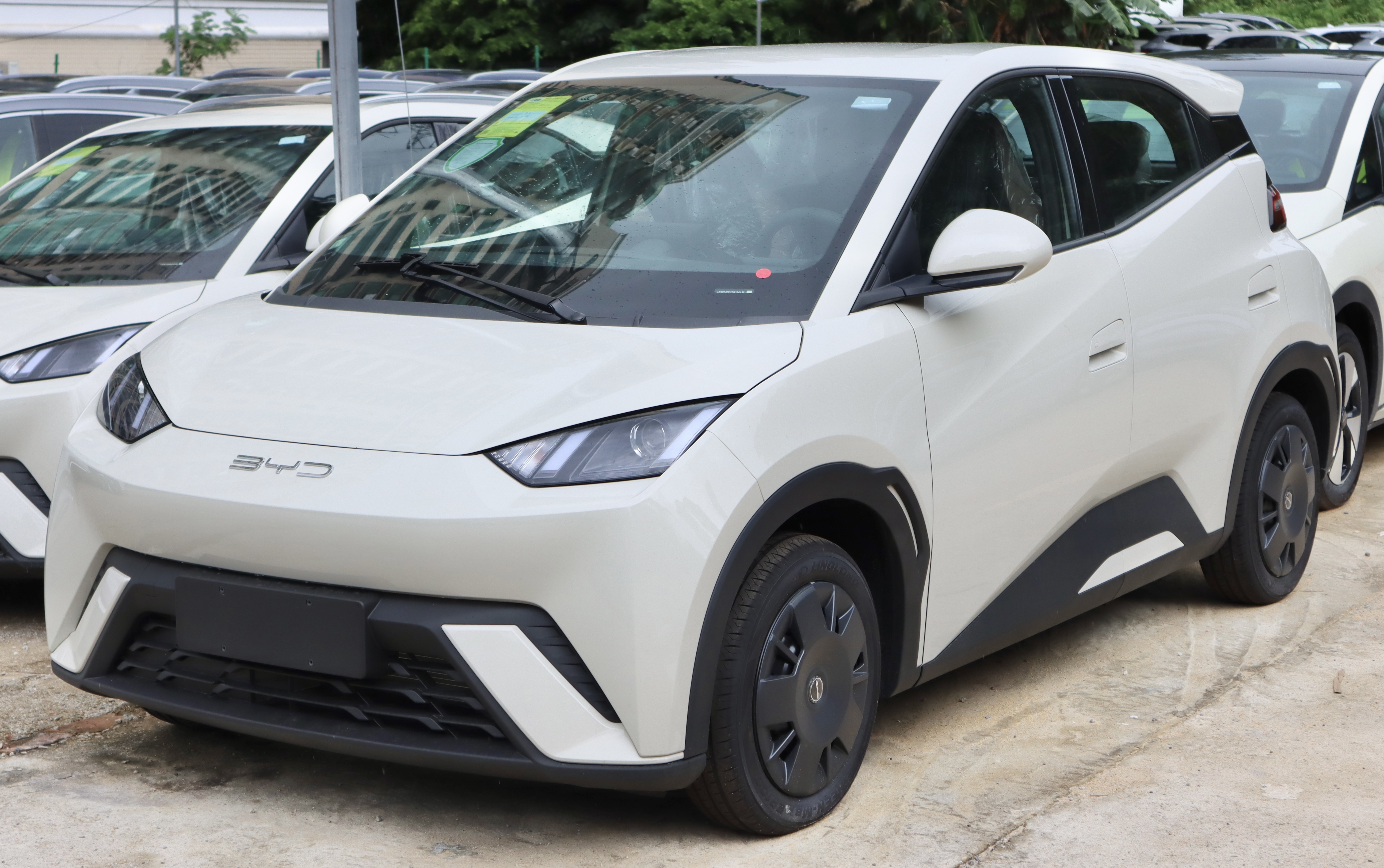
“Seagull” doesn’t clearly name a specific car in the way a make and model would. In this podcast snippet, it sounds more like a nickname or a saying than a real, identifiable vehicle. If you can share the surrounding sentence where “Seagull” is used, I can explain what car (if any) it refers to.
The Indy 500 is a huge American open-wheel race. The show is not just the race itself—qualifying and last-minute changes are a big part of why people care.
If bump day doesn’t happen, there’s less last-minute fighting for starting spots. That can make the week feel more predictable and less exciting.
Topic
economic conditions leaking into sports
They’re saying when money gets tight in everyday life, it can also affect big events like sports—like who can afford to compete or attend. They’re using 2008 as a reference point for that kind of anxiety.
Roger Penske is one of the biggest names in racing. When he’s involved, it usually means the team has a lot of resources and a strong chance to compete at the front.
Abel Motorsports is a racing team that fields cars for drivers in big open-wheel events. If a driver is with them, that team is the one helping them qualify and race.
“Bumping” is when someone goes faster late in qualifying and knocks another driver out of the field. It can happen because qualifying times are constantly being updated.
The pole sitter is the driver who earns the best starting spot for the race. Starting up front can help you get a better launch and avoid traffic early on.
Prema is a well-known racing team with a reputation for strong cars and talented drivers. If they don’t show up for the Indy 500, it changes who might be expected to qualify at the front.
A “pole day run” is when a driver makes their best qualifying attempt to try to start the race from the very front. It’s basically the day that decides who gets pole.
Concept
broken ribs
“Broken ribs” is referenced as a physical injury affecting a driver’s ability to compete. In racing, injuries like this can influence endurance, braking/steering comfort, and how long a driver can stay at full effort.
Firestone is a tire brand that supplies tires for racing. In racing, tires are a huge deal because they control how much grip the car has and how long that grip lasts.
Topic
Indy GP
The Indy GP is a racing event on the road to the Indy 500. Results there can help teams and drivers build momentum before the big race.
LIVE
All right. It is lights out and away we go once again because this is front stretch
and it is Tuesday. Alex Ginswine Watson here to discuss this weekend's Grand Prix.
Alex, Alex, it's Thursday. What day is it? What year is it? That's the question. When
was the last time we did this show on Tuesday, like last November? Last December.
All right. It's front stretch and it's Thursday and I don't usually host this,
so I'm going to call Mulligan on that one, but it is also the week of the Grand Prix of Long Beach
round four of the 2020 round five. Wow, the 2026 IndyCar season. Yeah, yeah, I know. We have a
lot to get into, but first of all, Wyatt, how are you doing? Are you excited? You know, we still,
God, I wish Tom Blackburn was here to talk about what he has dubbed the gap, because although we
got a nice fast start to this season with so many races in a row, you know, it's kind of a feature
of IndyCar that you can't get away from these laws in between races. Look, if anything, I'm glad we
had Masters weekend to ourselves, like no IndyCar in that perspective versus, well, like versus going
up against it and like, like that being a big deal and oh, ratings are down because of the Masters.
Now we have a full weekend where it's going to be IndyCar. I mean, F1 is off for a whole month
thanks to the powers beyond motor sports, of course, but we get, I mean, we finally get IndyCar
after a couple of weeks. It's definitely been a lull for sure, but I'm glad we've had at least
five races and a very hot start that has carried the conversation of the IndyCar season into April
and then as soon as we're done with this race, we roll immediately into the greatest spectacle
in our racing, the Indianapolis 500. Yeah, so let's get right into that question of spectacles
and their respective greatness because Long Beach is a race that has perhaps the second most
storied history of any race on the IndyCar calendar right now. It's been on the CART calendar in the
past on the Champ CART calendar. It was a Formula One race at one point. It played a major role
in bridging the gap between the split era and reunification in the late 2000s. And I think if
you were to ask a lot of veterans like Will Power, like Graham Rahall, if you were drivers that are
spectacle in racing or at least the second most important race on the IndyCar calendar,
without a doubt they're going to tell you that it's Long Beach. But I was talking to Danny
Peters who's going to be on site for Frontstretch this weekend earlier today and I said, you know,
do these younger guys feel the same way? Do guys that didn't grow up watching the history of this
race still know what this race means to IndyCar? And that got me to thinking, you know, beyond
IndyCar, what does this race mean? How can IndyCar communicate the significance of the
Grand Prix of Long Beach beyond its own fan base? And so I wanted to ask you, Wyatt,
is this the second greatest spectacle in racing period or is it just a great IndyCar event?
I think it's the second best race in IndyCar. I mean, you're going up, you have to look at races
like the Daytona 500 and NASCAR that I think obviously that's number two. And I think of
all motorsports, in my opinion, yeah, Bathurst 1000. That's definitely rivals, I think, the Long
Beach Rump. That's a better comparison in terms of just tracks and races in that department.
But I think of all, in my humble opinion, this is the best street course race on the planet.
Monaco is a parade that does not count anymore. And it's not even on Memorial Day weekend.
They moved that date like it's nothing. Long Beach has been a staple of April
for the IndyCar series, at least since it's been on the April date. It's moved a little bit.
But it's had a steady hand in that month. And it's steady in the West Coast. It's probably,
at this point, yeah, this is the best race that you find on the West Coast of the United States.
And just being there last year, just the crowd and the racing scene in general,
not just IndyCar. This is Zimza. This is, you have Formula Drift that goes out there. You have
a ton of, Andy Dex obviously runs, I think what, they're running Doubleheader this year.
And there's countless other more. Stadium Super Trucks. Shout out to Robbie Gorn,
a former IndyCar driver in his own right. There's so many elements that makes the accurate Grand
Prix of Long Beach what it is. And IndyCar being the staple of that and the outpour of
motorsport fans on the West Coast that support this event for 51 years now. It makes it a,
not just a racing event, but a cultural event on the West Coast that,
and talking to guys like, we got to talk to Paul Tracy last year that made the importance of this
event well known to, I guess, someone that's been getting into the IndyCar scene like myself. And
it matters to not just the drivers, but also to a lot of the fan base in IndyCar and beyond.
Well said. Well said. You know, one of the most photogenic tracks to it. And the,
it's interesting that we don't hear it spoken about much in F1 circles anymore. You know,
it is so far removed and races in the US especially for F1 are, that was Paul Tracy
flickering my lights right there. The issue of F1 races in the United States and of itself
is kind of a strange history with how there's been, you know, multiple across different cities
named for their cities or regions or whatever. But agree completely, this is a race that kind of
transcends the series that hosts it in a way. But as an IndyCar fan, I won't complain at all about
IndyCar having that honor for the time being. Honors at Long Beach though, Kyle Kirkwood.
Another thing that was unstoppable, it seems. And this is another thing I was talking to
Danny Peters about earlier is, you know, over the past couple years, I think in IndyCar, we've
kind of gotten into the habit of thinking it's inexcusable for Alex Polo not to win. Alex Polo
just is that guy. He is unstoppable to use your words. But sometimes I wonder, is Kyle Kirkwood
turning into the Alex Polo of street courses, you know, and maybe even more specifically,
is Kyle Kirkwood thinking of himself in that sense? I don't think so because what racing
driver is content to just be really good at street circuits. But is Kyle Kirkwood justified
if he's coming into these events with a mentality of, you know, with what I've done on these street
circuits in the past, there's no excuse for the 2017 to not win? I mean, we've talked about Alex
Polo as well in the circle. I mean, he's undeniable too. Just the winners at street courses this
year is Alex Polo going back to back at St. Pete and now at Arlington, Kyle Kirkwood winning the
inaugural race there. Now, Kyle Kirkwood specifically, IndyCar at Nashville Fairgrounds would be
great too, Michael Massey, but which we just covered the car store there, a small side note.
But to continue on the Kyle Kirkwood conversation, this track specifically for Kyle Kirkwood,
first career win here at Long Beach, defending Akra Granbury of Long Beach winner from last season
and held off Alex Polo, I think just as incredibly as he overtook him in Arlington.
It's a blow for blow between Polo and Kyle Kirkwood. I think going into this race that
I viewed Kyle Kirkwood having the upper hand, but for Kyle Kirkwood to think he's Alex Polo
of the street courses now granted, Detroit, he was pretty good last season as well.
But you can't, I can't write him off there because again, Alex Polo transcends on every style of
track now. There's not, there's the only weakness kind of, I would say is it's a track like Milwaukee
or really more, more rather gateway and I guess the Phoenix track as well that we just
ran out to start the season. Oval's obviously not his strongest, but he's still won on a
short oval last year at Iowa. He's still, if it weren't for an act of God would have won at Milwaukee.
Alex Polo is good everywhere. Kyle Kirkwood definitely still has the niche because that
gateway race, albeit very impressive, he won that race viewing it in the light of that whole
entire race. He wasn't the dominant guy. Phoenix was impressive though this year. I'll give him that,
but on the street course side, very, very much in the Alex Polo conversation, but you still have
to respect the Spaniard in that right. Sure, absolutely. Another name that I just want to
throw up really quickly because I always forget that this happened. Joseph Newgarden won this race
in 2022 and held off a dangerous Roman Grosjean to do it. Scott Dixon won this race in 2024 in
admittedly kind of Scott Dixon-esque style. Is there a dark horse heading into this race?
Roman Grosjean is an interesting name, especially after what we saw at St. P in the speed that
Dale Korn Racing with Andretti Power obviously showed. This is another track again that Roman
Grosjean has shown good pace at with Andretti equipment, although it's going to be a little bit
watered down with Dale Korn. It's still, that's somebody I have my eye on. Scott Dixon needs
something. He has not had the start of the season that I or you would probably expect him to have.
I think this is a chance for Scott Dixon to come out of this off time and this
lull and reassert himself as a top dog in IndyCar. Most importantly, we haven't mentioned him yet
either, but Will Power who ran an alternate strategy, Will Power or Scott Dixon-esque
strategy at Arlington to use your words there. Will Power coming off of Barber and that qualifying
crash and having to rebound from that in the race. It's been up and down for him, but the one,
I guess, one of the two bright spots for him was Arlington, a street course. So that's something
for Will Power who is trying to settle in with Andretti. Again, the dominant team when it comes
to street courses in general in IndyCar. Speaking of the street course specifically,
what about this new qualifying format? IndyCar has extended the format to the rest of the street
circuits this year that the Fast 6 will do single car runs instead of having a time session with an
open track to determine the first three rows of the grid. To be completely frank, I don't
really know how to feel about this because in one sense, I'm a big fan of single car qualifying
in the sense that I love qualifying because it is the time of the weekend where everybody is just
flat out, you know, driving to the absolute extent of their own and the car's abilities.
At the same time, there's a balance to be struck, I suppose, where are you sacrificing some of the
spectacle of qualifying, you know, the making it to the timing line to start your final flying lap
before the clock expires, being impeded by an unusually slow tail coin racing machine at the
apex of whatever tight corner on your one good lap or, you know, you see what I'm getting at,
there's a trade-off to everything and I'm not sure where I come down on this one.
I have to come on one side or the other. We can't have both, I feel, because my issue,
I was not a big fan of it happening in Arlington. I get trying something new at a new track and
I was like, all right, I'll let it slide this one time. I'm very confused why IndyCar, which,
by the way, we had the same old same old qualifying at St. Petersburg to start the year and it didn't
really do anything. It was just how IndyCar has been over the last couple of years. The biggest
issue I have with this, though, is that car who gets that sixth spot coming into the fast six
is going to have a massive advantage of going into single-core qualifying because they're going
to have the hotter tires, the hotter track and everything, unless it's like a cloud, you know,
if conditions change on the track drastically during that session, which is unlikely to happen,
the first car out is going to have such a big advantage. You saw it with Marcus Ericsson. He's
never won a poll in IndyCar and was the very first one to go out and nailed a poll at Arlington.
And no disrespect to that. I think that's great for Ericsson. It just, it kind of showed me that
this qualifying format, like the way it is, it's not going to be all to like telling of how the
race is going to go in terms of who's the fastest and who's going to win poll. I'd rather either
just continue how it is or just go single-core qualifying for the whole session. It's obviously
going to be slower times because the tires are going to be ice cold unless you give them an
extra warm-up lap. But like what are we, like we can't have group qualifying for the first two
rounds and then let the fast six lose one at a time. It's just too much of an advantage for that
first guy that goes out. So let me, let me try to play doubles advocate here. Keyword being try.
If we look at the official wording from IndyCar on why this is, on how this is being done,
it says that the choice of qualifying order is based on the segment two results. So that's the
fast 12. And the fastest qualifier from the fast 12 will be the first to choose which position they
would like to make their fast six qualifying run with subsequent choices made for the remaining
positions based on the order of segment two results. Now, in my mind, that kind of says, well,
you know, you, that you better be perfect in the fast 12. At the same time, though, does that
is it a zero sum game where making the fast 12 more important makes the fast six less important
because of that advantage of running on a progressively more rubbered in track? Is that
kind of what you're getting at? That's kind of what I'm getting at. I'm glad you, you
explained that a little bit more elaborated, but it's the same as the same. The first guy to go
out is going to have the most pristine track conditions, the pristine tire conditions,
when he goes out there and weighs down his, his flying lap. Whereas the final guy that goes out is,
I mean, obviously, unless his name's Alex Hullo and is one of the greater ones, it's going to be a
tough lap and you're not going to, it's, it kind of kills competition, I feel, for the poll. That's
a big deal. And that's a big deal for me as an IndyCar analyst, much less a viewer of IndyCar.
I want to have that, like you said, in this, in the opening argument, I want to have
always going to make that line and get that last flying lap in. They're all going to be
putting in a banker lap to start, obviously, or someone like, I think even at a, at Barbara
Roman Grosjean, just went flat out and went, went for a flying lap, who knows if somebody
goes into the wall like Scott McLaughlin and, and practice last week, or last race rather, like,
it's like a single car qualifying while I appreciate the, the highlight of each and every
driver that makes it. Again, if we're going to do single car qualifying, do it for the whole
field. So everyone can get that versus just like the Indy 500, like oval qualifying. Obviously,
it's going to take more time. TV windows are important. And we're stuck with this now. And
we'll, I mean, we'll see. I hope I'm wrong. I'm hope I'm wrong. And normally I don't play
the, the pessimists in this role, but I think, I think that it's not the right move.
You know, for an IndyCar analyst and a viewer of IndyCar, I'm sure seeing a lot of NASCAR stuff
behind you. I put my Long Beach diecast in front of my NASCAR diecast. Okay. Okay, fine. And there's,
there's an IndyCar up there. Do you see that bottle right there? I do.
I shot up Bob Hockers, by the way. Is that Adam Cheeks, yellow, Robbie Gordon, speed,
energy contenders? It is. It is. It came in the mail two days ago. Shout out Adam Cheeks.
I'm so sick of this car. I, we moved it and it's now. I'm so sick of this. Oh, I need to,
I need to move a little bit and then look, on the, on the very top too. Get it out of here. No,
there's it out of here. Squidward, there's two of them. Get them out of here. Anyway,
man, I really walked myself into that one. All right. So the last specific thing for Long Beach
is Pado Award and Aero McLaren, because Pado Award had some strong words on Pit Road for
Front Stretch after Barber. Christian Lungard had a win, perhaps locked up before the end of Barber,
before his final pit stop. Nolan Siegel currently sits where? In the driver's, in the driver's
standings. I think Stingray Rob is second to last. Or third to last now. Yeah. Yeah. So 23rd,
finishes of 20th, 20th, 24th and 18th. This is a very, very strange state of affairs. And
ever since McLaren came into IndyCar, there's been a lot of talk about they have such a huge
budget. They're such a large operation. They present themselves as a very, very, you know,
like they look like they should be one of the big three teams. And only one of their drivers
has ever won in IndyCar. One of their drivers just is struggling immensely. And another one
of their drivers is being robbed of wins now by avoidable pit crew errors. So how do, how do Pado
Award, because he is the most likely contender, followed closely by Lungard, how do Pado Award,
Lungard, Siegel and this team walk away from Long Beach feeling like they've made a step in the
right direction? I think you got to see one of those cars on the podium just to get any, like,
and not have, you know, that podium that Lungard had with just a gut punch when the race win is
in hand. Obviously, I think Kirkwood's going to be too much. I think if you're challenging Alex
below, that's a massive win when it comes to Long Beach and to showing just consistency,
specifically if you're Pado Award, obviously Lungard 35 points behind. He's, I would say,
if he can get the oval program going, he's in the championship conversation. He's having a,
I think he's having a better start to the year than he did last year. And that's
including a thermal podium. It's including he got a podium at Barber last year. He's still,
he's showing consistency when it comes to the traditional road courses. He's had good finishes
on the street courses every now and then. It's kind of hit or miss for him, but mainly a hit. So
I'm expecting Lungard, again, to show good pace here at Long Beach. Obviously, his only career
win with Ray Hall, Letterman, Lannigan racing came at the old Toronto Street course. So that's,
I mean, Lungard is holding the flag right now when it comes to Aero McLaren until we meet again on
an oval. And then he'll, he'll relegate back to the midfield in my, probably. So now I'd go back
to Pado Award to that freaking fiery, that fiery quote that he gave to Christopher DeHarty.
I mean, this is also the same, if you go back even last year, when I talked to Tony Canon
at Barber as well, this is the same feeling they had coming out of Barber last year as a team.
And it just stung him even worse on the five teams specifically, because he was sixth in
that race last two years ago, and now way back what 18th or 19th or whatever it was. It was
just abysmal. So now going into Long Beach, they just need, they need to get back to where they
were to start this season. Obviously a podium for that team and an award would be massive
competing with Lungard to be the best Aero McLaren on, on a street course, which again,
I mean, Arlington was good for them. They were top five, but they just, he also kind of had the
same sentiments to you. I remember to, or to the front stretch team at Arlington saying that
they're just a step behind Polo and they're a step behind Kirkwood. If they can make that
step to get on their level at Long Beach, that'd be a massive win going into the month of May.
It also needs to be said that we've talked about Lungard's podium at Thermal and his
podium at Barbara. There was a podium at Long Beach in between those. That's true.
But again, you know, I think I agree, you need, you need to be back on the podium. But it's coming,
it's to me, we're running out of patience for the other McLaren cars to win.
No one seagulls a lost cause. I'm sorry to say that.
Well, you know, you are, the reason it's so hard for me to date is because I only give everybody
47 chances. So no one single still has a few chances left with me.
I mean, until they, until they say something, he still has a chance. That's true. And I was,
I thought Barbara was again, a comparable track where he got a top 10 last year and he needed
to show signs of life there. And signs were not made. There's nothing, there's, he's still
at the doldrums of the standings. He's behind. So more surprisingly, Christian Rasmussen still
back there is, is very surprising as well. But that's another sidebar. But, but when you're
three points ahead of Stingray Rob and seven points from dead last and like shoe marker,
a guy who didn't get to put his first IndyCar lap at St. Petersburg for reasons not of his own
fault, you're massively bomb. It's just, this is a massive regression for seagull. It's,
I, I think after the Indy 500, it's like something might could happen. I, that's just my opinion.
But again, it's up there on McLaren. If they want to keep going with Nolan Siegel and,
and they're known to act, I mean, they asked David Maluchus for a mountain bike accident
for far less. So that's, that's his facts. So let's switch gears to the Indy 500 to close this
out because we are, I would say, collectively coming to accept a reality that nobody really
wanted to see come to pass where we may not have a 34th entry or beyond for the Indy 500 this year,
which means no bump day. Now the Indy 500 will remain the Indy 500 bumping or not. But I think
the anxiety connected to this is coming around more to somewhat like 2008 financial crisis style
feeling that is brewing up in people where the economic conditions that they're dealing with
in their daily life might be leaking into the things that they use to escape that like sports.
Without, without bumping, does the overall value or appeal of the Indy 500 change? What? I really
don't think so. There's the needle moves, but how hard does it move? It doesn't move like dangerously.
Like the Indy 500 is still the greatest spectacle of racing to quote the great Bob Jenkins in 2003.
They had the same issue with, with trying to fill the field at 33 and they made it, I mean,
they made 33 happen and no bump day. Yeah, you lose a element, you lose a storyline. Obviously,
I heard David Land has been very advocate, has been advocating for bump day and I think
bump day is very important. You lose that aspect. Obviously paddle award story with missing the Indy
500. That's a leg of that story that makes the second place finishes at, at the, at the big
speedway even tougher for him because it means so much because he knows the feeling of just missing
the show straight up. It is special. I mean, Scott McLaughlin wrecking on the first lap and that was
heartbreaking as well. Different kind of deal there though. But again, you're not, I mean, all this,
to be fair, over the last couple of years, it's been the Dale coin like who's, who's going to
leave from Dale corn racing the last couple of years. It's been, it hasn't really been as big or
impactful as it got when Graham Rahall missed the show a couple years back or three years back.
Or I mean, with Catherine leg, this opens the door up for her to possibly make an appearance
with AJ Fort racing if they decide to go that way. Or with Stefan Parson or Stefan Wilson,
pardon me there. There's, it's, we're going to get to 33 in a more political way and just to
fill the field and Roger Penske wants that to happen. Obviously, and we're going to get
characters that we've seen and, and drivers we see obviously Jacob Abel,
unconfirmed, but it's pretty much confirmed that he's going to be with Abel Motorsports
in an entry and he gets to have that moment where he's going to make the field and experience the
Indy 500 and feeling he did not get last year from being bumped. But yeah, it takes that little
element away and it takes that part of Sunday qualifying away, but we're still going to crown
a pole sitter on Sunday. It does not make that moment any less of, I mean, it doesn't get any
better than last year with Robert Schwartzman. I don't, now with Penske, if so long as they don't,
as long as they keep their toes and hands clean, like they'll be, they'll be up there competing
for sure for the pole. But again, no bump day is not going to, not going to take that much away from
what is the greatest spectacle racing. Well, you know what, since we're actually, since we're
actually on that topic, I've been thinking about last year's qualifying because that was the first
time that I was able to make it out to Indianapolis for qualifying and stand on pit road with
everybody and really absorb that atmosphere. And the fact that we are this far into the,
into the season and it seems that Prema is just not going to appear. This is not news.
I don't have any, I don't know this for a fact, but my money says Prema is not going to appear
before the Indy 500. Robert Schwartzman, I would have picked as a possible repeat pole sitter
and potential, potential dark horse. Since we can't do that, I want to get out ahead of the hype
and throw my head in the ring and say that Mick Schumacher is going to make the pole day run.
Wow. That's all. That's it. I have nothing else to say. I'm not going to explain myself.
Well, I'm not going to elaborate. It's just true. I'll elaborate for you. I'm a little bit of a
Takumasado entering the chat there with his fast run. Right. An F1 guy way back in the day and
can maybe have... Who should have won this race last year? You should have won it last year too.
Who drove this, who controlled this race last year with the two broken ribs?
Yes, that's true. After, after opening day crash, that's right. And, but you, you're going to have
a guy like Takumasado. Obviously, Graham Ray Hall has had good runs here as well. And he's been,
I think just, you got to think that team has a little bit of momentum after Barber. That's
an, that's kind of a dark play too, because nobody had Graham Ray Hall getting a podium
at Barber. No one. I mean, I didn't write it. I had, I had Polo and I had Christian Lungard in
my preview, but Graham Ray Hall getting qualifying in the, in the Firestone fast sticks and staying
in third. After, man, I was a lovely battle between him and David Maluchus for that last spot too.
And he was giving even Christian Lungard a run for his money. Ray Hall let him in land again.
This, I think they're starting to make that turn. And you've seen, and I've seen it at
even the Oval's too, that they've, they've not been like lolling in the bet. And most of them aren't
lolling in the back. Louis Foster might be a little bit of a different conversation. Mick Schumacher
looked great in, in qualifying at Phoenix. I think that's, that's good. Lex to stand on there for
that argument for making a run for the pole or possibly for the Firestone or for the fast 12.
That make it to pole day. It's, I like, I actually don't think that's that hot of a take. I'm
interested to see if that's going to pay off, especially with the speed Takuma showed last
year and the 75 entry. Right. Well, hey, we are just over a month away from that. In fact,
30 days from now on May 16th, we will be gearing up for the first day of Indy 500 qualifying.
Before that, like we've been talking about, we've got Long Beach, we've got the Indy GP.
And then we are just two weeks away from the greatest spectacle and racing. And when that
time comes, Front Stretch will be on the ground to bring you all of the, all of the most, this is
going to be a permanent feature of the show, by the way, to bring you all of the most pressing
stories, interviews, updates, news from these events. We will be back on the pit street on to
Thursday, Thursday evenings going forward to break down all the upcoming races in Indy car and
Formula One. Thank you all so much for tuning in. Be sure to check the rest of our workout on
frontstretch.com here on YouTube at frontstretch and at frontstretch open wheel and frontstretch
grassroots on Twitter at frontstretch at FS open wheel on Instagram at frontstretch.com
on Facebook under the name frontstretch. Yada, yada, yada, yada, yada. Wyatt, thank you so much
for being on. The gap is over and we are now officially back into the swing of things.
Let's go, baby. We're so back. We are so back.
About this episode
Long Beach’s place in racing history takes center stage, with hosts debating whether the Grand Prix of Long Beach is the “second greatest spectacle in racing” behind the Daytona 500. They argue it’s more than an IndyCar event—its street-course challenge, West Coast culture, and decades of legacy give it crossover significance. The conversation then shifts to IndyCar storylines: Kyle Kirkwood’s street-course momentum vs Alex Palou, dark horses like Roman Grosjean and Scott Dixon, and Will Power’s rebound. They also debate IndyCar’s new single-car qualifying format for street races and the looming Indy 500 “no bump day” anxiety.