Energy recovery means the car tries to reuse energy instead of wasting it. During braking, some of the slowing-down energy can be stored and used again later.
Brake design is how engineers build brakes to work reliably under hard use. In racing, brakes have to handle huge heat and repeated stops without losing performance.
The paddock is where racing teams and suppliers hang out and work during the event. It’s where they can adjust things and share information between sessions.
Company
Cournot
They mention a specific location where the racing brake parts are designed and built. It’s an example of how serious racing suppliers have specialized production sites.
The caliper is the part that squeezes the brake pads against the spinning brake disc. Better calipers help the brakes feel consistent and resist overheating in hard driving.
Carbon is a material that can handle a lot of heat. In racing brakes, using heat-tolerant materials helps the brakes keep working when you’re braking very hard again and again.
New regulations are rule changes that affect how race cars are allowed to be built. When rules change, engineers often have to redesign parts like brakes.
Hybrid cars can “make electricity” while slowing down. In F1, that means braking is shared between the brake pads/rotors and an electric motor, so the car can slow down while also recharging energy.
A friction map is basically a “lookup table” that tells the team how the brakes behave in different situations. It helps the car decide how much braking to get from the brake hardware versus the electric system.
The idea is that braking should feel the same every time you press the pedal. Even if the car is using different methods to slow down, it should all feel like normal braking.
Brake fade is when your brakes start working less effectively because they get too hot. Drivers have to manage speed and braking to avoid overheating the brakes.
Some circuits force repeated heavy braking with insufficient time for brakes to cool, which increases heat buildup and the risk of brake fade. That’s why braking systems (and their control strategies) are designed around both the car’s hardware and the demands of specific track layouts.
Brake fade is when brakes get less effective after lots of hard use. Better fade resistance means the brakes keep working strong instead of weakening as they heat up.
Pad thickness is the amount of friction material available on a brake pad. When teams change materials and wear characteristics, they often manage pad thickness and how the pad “stack” is designed so the brakes can last and maintain performance throughout a stint or race.
Cooling holes are openings in brake components or associated hardware that help move air and remove heat. Increasing them is one way to improve temperature management and reduce wear linked to overheating.
Thermal management is how a brake system controls and dissipates heat during repeated braking. The transcript links it to cooling features (like holes) and explains that wear is tied to temperature, so better heat control improves consistency and longevity.
Term
aerodynamic boundary condition
This is about how air flows around the car and into openings. If the ducting is shaped well, more cooling air reaches the brakes and they stay in their best temperature range.
They’re talking about the 2026 racing season and how new rules mean teams learn and adjust early on. Winter testing helps teams understand what works before the season really settles in.
“Duty cycle” here refers to how much work the brakes are doing over a typical run or race—how often and how intensely they’re used. If the duty cycle is lower than expected, teams can adjust brake hardware and strategy because components will experience less heat and wear than planned.
Thinner discs mean less material and usually less weight. The tradeoff is that the disc may hold less heat, so the team has to make sure braking stays consistent lap after lap.
Brake pads can be shaped with cutouts to change how they behave. The goal is usually to help the brakes manage heat and wear better during racing.
Brand
Bramble
This sounds like it’s talking about Brembo, a company that makes racing brakes. They help design brake systems that can be tuned as teams learn how the car is actually being used.
Early in a season, teams usually get better fast because they learn from races and data. That’s why they may avoid making too many risky changes right away.
These are the main parts of a brake: the disc is the spinning surface, the pads are what press against it, and the caliper is the clamp that squeezes the pads.
Concept
regenerative braking vs mechanical braking
Depending on the battery, the car may slow down using the electric motor (regenerative braking) or using the normal brake pads (mechanical braking). That can change how hot the brakes get and how well they work right when you need them.
The segment highlights that brake friction is strongly dependent on temperature, particularly for carbon-based braking systems. When regenerative braking means the rear brakes aren’t used for a while, they can cool down, and then it becomes harder to get consistent rear braking performance when you need it again.
The rear disc is the spinning brake rotor at the back of the car. Brake pads squeeze it to slow the car, and its temperature matters for how well it stops.
The Audi R8 is referenced here as a Le Mans-winning endurance race car. The point is that Brembo designed brake-related components for this kind of top-level endurance racing program, where durability and repeated high-speed braking are critical.
Le Mans is a very tough long-distance race that lasts 24 hours. It’s used here to show why endurance racing pushes components—like brakes—to be durable and consistent.
In Formula 1, a race engineer helps the team get the car working well by using data and adjusting the setup. The speaker is saying their racing background shaped how they lead Brembo’s work for race support and markets.
This is about how racing technology ends up in normal cars. Racing is like a testing ground, and the best ideas get adapted for street use—sometimes faster for cars than for bikes.
A red caliper is the colored brake part you can see through the wheel. Brembo is famous for this look, and newer wheels often make the brakes easier to spot.
Racers test new tech at the limit, and companies then adapt what works for normal cars. The goal is to keep the performance benefits but make it practical for daily use.
The speaker highlights that brake materials and friction behavior depend on temperature. Street brakes must work after long periods without braking, so the system design and materials are tuned to perform when the brakes are cooler than typical racing conditions.
Electrification changes how braking is managed because electric drivetrains can use regenerative braking to slow the car without relying solely on friction brakes. That shifts brake system design toward coordinating multiple sources of deceleration and managing heat and wear.
Instead of supplying a single part, the speaker describes a shift toward providing an integrated solution where brake components are matched to the rest of the vehicle systems. This improves overall performance by ensuring compatibility and coordinated behavior across the car.
Brembo is a company that makes performance brakes. They’re famous in racing, and they use what they learn on track to make better braking parts for regular cars too.
A dashcam is a camera mounted in your car that records while you drive. If something happens, the video can help show what really occurred.
Car
Viofo a119m pro
This is a specific dashcam model (the Viofo A119M Pro). A dashcam’s job is to record what’s happening on the road, and this one is presented as straightforward for recording without needing lots of extra subscriptions.
Subscription models in dashcams refer to paying ongoing fees for features like cloud storage, advanced alerts, or additional safety functions. The host contrasts these with a dashcam that focuses on recording without requiring a subscription for core functionality.
Concept
parking safety stuff
Some dashcams can also watch when your car is parked. They may start recording if they detect motion or a bump, but that often needs special power setup so they don’t drain your battery.
They’re praising a simple button that lets you save a video clip quickly while the camera is recording. That’s helpful because you don’t have to fumble through menus when something unexpected happens.
They’re talking about putting the dashcam in a 2025 Subaru Crosstrek. Newer cars often have built-in cameras near the rear-view mirror, so you have to mount the dashcam carefully so it doesn’t interfere with those systems.
EyeSight is Subaru’s safety system that uses cameras to help with things like detecting cars and lane information. If you add a dashcam, you have to place it carefully because the car already has cameras in that same area.
Some dashcams mount using a plastic piece that sticks to the windshield without messy glue. That makes it easier to take the dashcam off or move it to another car.
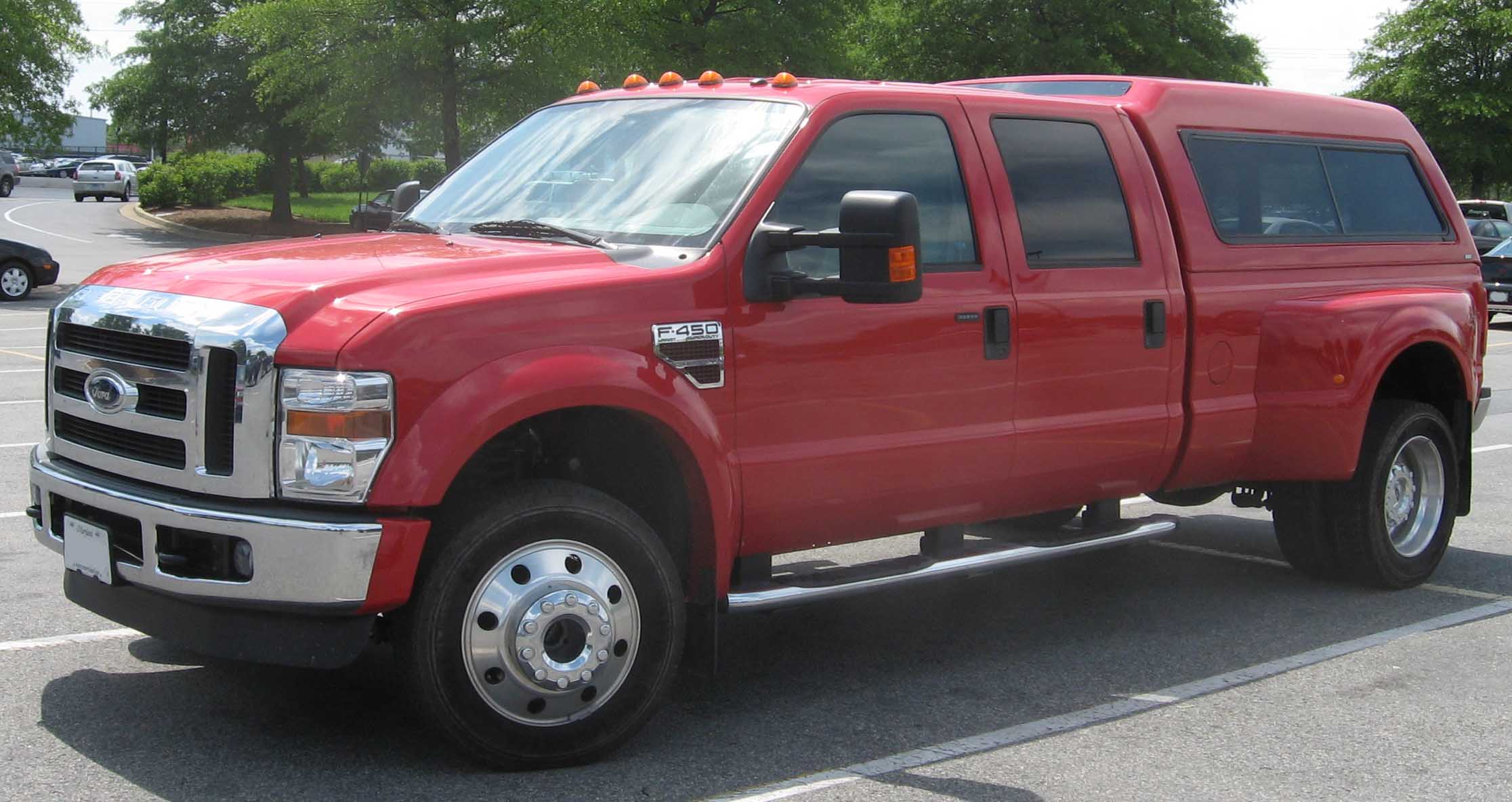
The Ford F-450 is a big, heavy-duty truck meant for hauling and work. It’s part of Ford’s “Super Duty” family, which includes smaller heavy-duty models like the 250 and 350.
Tow rating is the maximum trailer weight the truck is rated to pull safely. If you usually tow less than that number, you may not need the extra power upgrade.
“Super Duty” is Ford’s lineup of heavy-duty trucks designed for higher payloads and towing than typical half-ton pickups. The segment frames the F-450 as being positioned alongside the F-250 and F-350, emphasizing how Ford differentiates these models by capability and intended use.
Double mirrors are extra mirror surfaces mounted in two levels. They help you see what’s happening behind you—especially useful when towing or backing up.
Wheelbase is the distance between the front and rear axles. Longer wheelbases often help highway stability, but the speaker notes it still feels composed (“doesn't wander”) even though it’s a long truck, which is a key real-world driving trait for towing-oriented vehicles.
“Utilitarian construction underneath” refers to the truck’s chassis and underbody being built for function—strength, durability, and towing/working loads—rather than comfort-focused refinement. The speaker connects this to the truck’s ability to tow heavy loads reliably.
Suspension is what helps the truck ride smoothly over bumps. If the truck is empty, the suspension can feel bouncy, and the rear can start to bounce or “hop” instead of staying planted.
Unloaded means the truck is empty or not carrying much weight. When that happens, the suspension can feel less stable and start bouncing more over bumps.
Rear-end hop is when the back of the truck bounces instead of staying steady. It often happens when the truck is empty, because the suspension isn’t loaded enough to stay planted.
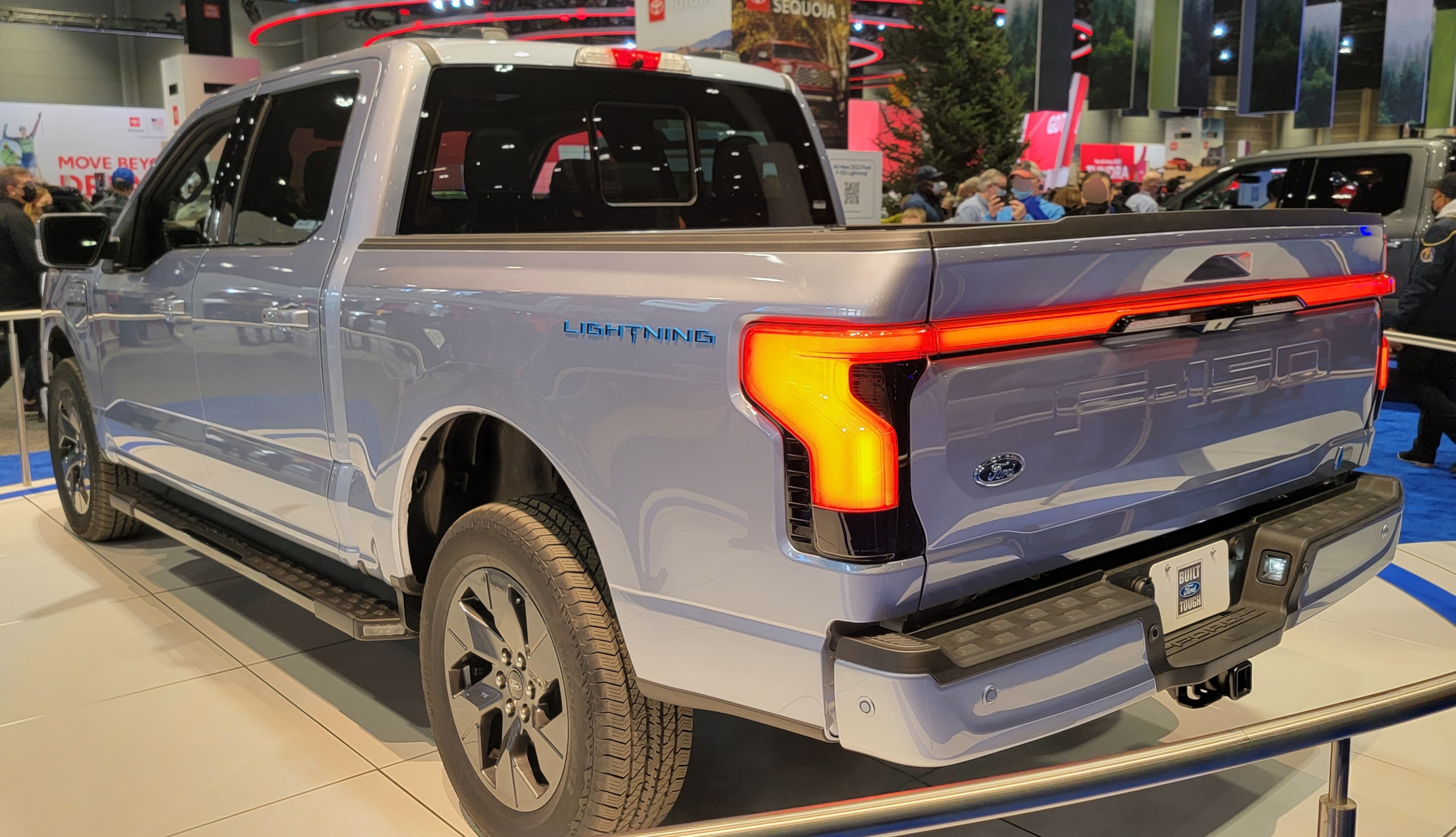
The Ford F-150 is a very common full-size pickup. The point here is that newer trucks can feel more comfortable than you’d expect, but the ride depends a lot on things like tires and suspension setup.
Commercial-grade tires are made for work trucks and heavy use. They’re usually tougher and better at handling rough conditions, even if they don’t feel as “sporty” as regular tires.
Wheel size changes how “cushiony” the ride feels. Bigger wheels often mean less tire sidewall, so bumps can feel sharper—especially when the truck is empty.
“Double duty” means the truck can do more than one job. In this case, it can work hard when you need it to, but still be practical for normal daily driving.
This is a heavy-duty Ford truck. The 450 is meant for bigger jobs than the 350, like hauling heavier loads or towing more. The point here is that it’s built to handle work without feeling strained.
This is another heavy-duty Ford truck, the 350. The host is saying it’s strong, but for heavier jobs the 450 is the one that makes more sense. Some people even feel the 350 becomes unnecessary once you move up.
This is the next step up in heavy-duty Ford trucks. The host is basically saying that once you get to the 550, you’re in a more serious commercial/work category. It’s about bigger hauling and towing needs.
This is about whether the truck physically fits where you park. With long trucks, you can run into trouble with space, even if the truck is great for hauling.
This is just how much stuff you can put in the truck’s cargo area. The host is saying the truck makes it easier because you don’t have to worry as much about fit and capacity.
Ground clearance is how high the truck sits off the ground. More clearance can help you avoid scraping when the road is rough or when you’re loaded up.
This is the idea that off-road SUVs are popular, so lots of brands are making them. That means it’s harder for any single model to stand out and win buyers.
The Nissan Xterra is a Nissan SUV built for dirt roads and off-roading. The hosts are talking about a new version and whether it can stand out against other popular off-road SUVs.
The Nissan Skyline is a car model name that’s known for performance. It’s mentioned in the podcast because Nissan shared news about it at a company meeting. The discussion is about what updates or announcements were confirmed.
They’re saying they like the idea, but they’re not expecting miracles. Basically, they think it’ll be a solid off-road SUV that sells, even if it doesn’t totally change the category.
The Jeep Wrangler is a very popular off-road SUV with a strong fan community. The hosts are using it as an example of a niche that still sells consistently.
The Nissan Frontier is a midsize truck. The point here is that Nissan thinks a refreshed Frontier could sell reliably, even if it’s not the top-selling truck in the class.
The Nissan Rogue is a popular Nissan crossover. They’re using it as an example of a vehicle type where Nissan already has customers, so it’s safer than trying to jump into a harder-to-win segment.
The Ford Bronco is a popular off-road SUV. They’re saying Nissan’s new model may not be as big a hit as the Bronco, but it’s still a smart time to enter the off-road market.
A V6 hybrid is a truck/SUV setup that uses a gas V6 plus an electric system. The electric part can help with acceleration and can reduce fuel use compared with a gas-only V6.
A truck-based SUV is built on a more rugged foundation, like many pickups. That usually helps it handle rough roads and off-road driving better than a regular family crossover.
Naturally aspirated means the engine doesn’t use a turbo to force air in. Some people like it because it can feel more straightforward and predictable compared with turbo engines.
A “regular automatic” is the traditional kind of automatic transmission that shifts in a familiar way. The idea here is that some people prefer that over newer, more complicated setups.
A turbo four is a smaller 4-cylinder engine that uses a turbo to make more power. A turbo four hybrid adds an electric system too, and the hosts are saying some people prefer not to deal with that complexity.
The Land Cruiser is a tough Toyota SUV built for off-road adventures. The hosts are basically saying some people might want that kind of capability, but not necessarily the most expensive or hardcore option.
The Honda Passport Trail Sport is a more rugged version of the Passport. The hosts are saying the discussed vehicle could be even more adventurous than that option.
The Nissan Pathfinder is a family-sized SUV. Here, the hosts are saying some Pathfinder versions didn’t quite deliver the off-road identity that certain Nissan fans were hoping for.
LIVE
Welcome back to the AutoGuide show. I'm Greg Migliore and we have a great episode for you
this week. We're talking to Andre Algeri, Grimbo's head of racing, to discuss how braking and energy
recovery have impacted what's already shaping up to be a wild Formula One season. Then Mike Schlage
joins me for his latest gear test and the AutoGuide garage. Mike is going to review the Ford F450
Dually. That should be a lot of fun. We close things out with the mailbox where we ponder what
the return of the Nissan XTERRA means for the off-roading segment. We'll be right back after this.
Okay, joining me now on the AutoGuide show is Andre Algeri, Grimbo's car racing market manager.
Welcome to the AutoGuide show, Andre. Thank you guys. Have a good day and thanks for having me.
Absolutely. We're glad to hear you. We're going to talk some braking technology and some Formula
One stuff today. Let's jump right in. Grimbo supplies all 11 teams on the grid in some form
and five of those teams you guys actually supply complete braking systems. Can you tell me a little
what it's been like working with the teams and what have you learned so far?
But basically, yeah, Grimbo, as you said, has a great presence in the paddock. We are very well
known since many years. Last year was our 50th anniversary for the racing since 1975 in Formula
One. So we are present at every event with at least two engineers. We work closely to the team.
The work is divided in two. Let's say part of the job is done at home. So in Italy, in Cournot,
we have our racing facility where we design and produce the braking system from these paths made
by carbon, but also calipers, master cylinder made by aluminum. And then we have a second part during
the season of our job, obviously, assisting every official event, testing, but also all the race.
And so we assist the teams that are using our product, collecting data, collecting info,
and try to update our product following the driver needs or the request coming from the teams.
All right. That sounds good. It's definitely been an interesting season to put it mildly.
And the new regulations have kind of opened up new approaches to brake design for F1.
What has been having that maybe freedom like been for you guys as a racing partner?
So, I mean, things changed a bit this year. Obviously, the new rules scenario changed a bit the
braking system. We have to do our homeworks last winter, redesigning basically all the
braking system from scratch, from zero, simply because the cars are totally different compared
to the previous year. In truth, when we entered the hybrid era, the braking system changed
dramatically since 2014 when you have basically some sort of recovery, energy recovery on the rear
axle. So our job became really, really interesting because obviously the Formula 1 nowadays is no
longer the braking is no longer a pure mechanical action, but it's a blend between mechanical braking
and also electrical energy recovery. So the driver is the pedal, but the car decides how much braking
comes from the disc and how much comes from the electric motor to make it simple. Our challenge
is to make something that feel completely seamless, so the driver cannot feel the difference compared
to an original braking system. And so our job is basically providing not only hardware,
that this should be, let's say, stable and precise and so on, but also giving, let's say, data and
for example, friction map of the carbon system to try to let the team cope with the braking,
the standard braking and the hybrid side of the system. So as I said, the goal is have one pedal
obviously and one feeling and let's say the driver hit the pedal, but behind the same,
the distribution is changing corner by corner, it's quite complicated to manage, there is so
software involved, ECU and so it's something different compared to many, many years ago when I
started to do this job, obviously. Absolutely, can you talk about how braking has changed in
Formula 1 in racing through the different eras, some of the different things you've seen over time?
Yeah, let's say straight to the beginning, I would say until the 70s, 80s, obviously the brakes
were quite heavy and prone to get hot, so on what we call fading, so when you have to manage
basically temperature and the friction coming from the brakes are going down with the temperature,
basically, obviously at that time the brakes were still brakes. So drivers have always to
manage constantly this kind of brake system, especially when you have long runs on what we
call a track, so the track that for their layout have many different braking action without enough
time to cool down the system, let's say. Then the first big change was in around the 90s where
carbon brakes arrived, obviously suddenly the component became lighter, very light and more
resistant to heat, so the performance were more consistent and obviously the driver could brake
later and the performance of the car in general was higher, so let's say that the confidence in
braking system became greater. Then with the carbon material, we had some sort of development
of this kind of material looking for a lower wear rate, so at the beginning there was maybe
carbon, yes, but let's say the wear was very high, so you cannot maybe finish
a race with that kind of pad and this, so you are playing with the carbon stack in terms of
pad thickness, this thickness and so on. So the evolution of this kind of material was
try to have basically material that is easy to use and let's say the wear was very low.
And then again thermal management, increasing the cooling holes,
better temperature management because obviously the wear is always linked to the temperature of
the components. Till basically the hybrid era where you get again carbon material but the
dimension of the braking system became smaller just because on one of the axle you have some
sort of recovery that helped you in braking the car, so you are going to look for a lighter
solution and basically try to optimize, let's say shape dimension and in general also all the
aerodynamic boundary condition that you have in the corner inside the donuts with the duct and
sound, so this was a bit the evolution of the braking system. Very cool, no, it's very interesting
to kind of really compare different periods and different you know different eras like that.
So this season has been pretty wild, pretty entertaining, I've very much enjoyed it,
it's certainly wide open with some surprises and I'm sure you guys have probably heard some
feedback from the teams and the drivers, what are you doing with that feedback and what has
been your take on the season so far? But let's say that every, let's say when you hit basically
the new championship, when the new rules are released, the first season is always a very
important learning season, the first period of this 2026 season is still the same basically.
We learned a bit during the winter test, this year was longer, so we have three test events
with many days with the cars that are running starting from Barcelona in let's say what we
call private test without the press and without any audience at all and obviously the purpose
of this kind of test was to run the car as much as possible but also on the braking system
we have seen basically low duty compared to what we expected. So in general the first evolution
required from the test to the first race was to try to save mass as much as possible. Obviously
you cannot redesign completely the braking system but carbon material have been
quickly, quickly updated with smaller discs, thinner discs, some pocketing in the pads just
because again the duty of the braking system was lower than expected. So this was the first quick
change that have been brought to Australia for the race one and then obviously we are already
starting some sort of optimization for the next year especially the rear axle is very, very
less stressed compared to the expectation just because the way they manage the
energy recovery with the power unit is far more let's say important compared to the expectation.
So this is the evolution. On the other side obviously as Bramble we are not too,
let's say we are not taking too much risk basically just because we know that as usual
during the first season the learning curve is quite steep and the evolution of the car
will be dramatically faster and probably at the end of the season we will speak about
something different compared to what we have here after the first three races and so we don't want
to go too far away and be forced to recover later on just because the performance will increase
later on. So we are keeping let's say a bit of try to be calm let's say not to react too much
to say overact. Sure yeah well that's that's formula one right everybody always has pretty
strong opinions and such. To kind of get a little bit into the I guess the tech weeds can you talk
about how like the increased energy recovery from the hybrid systems how that affects like
traditional brakes how does that work and just kind of explain that to maybe some of our listeners
who aren't quite you know in the weeds like that. Yeah so basically with this increase of
energy recovery as I said before the duty cycle of the braking system is lower compared to the
past and in particular on the rear axle now the energy recovery is on the axle on the front axle
is more or less similar to the last car's generation so in fact the dimension of the
disc and pads and caliper more or less are similar to the previous year. Obviously maybe the torque
is lower is a bit lower because the downforce is a little bit lower and so on but the big change
was on the rear. The rear axle so is dramatically smaller compared to the past season but on top
of that you have many different possible scenarios in using the brakes. You have a situation where
you have the battery basically empty and you have to recover as much as possible so the braking is
not touched at all so there is no action on the rear brakes and then the temperature drop
so the tricky part of this kind of scenario is as soon as you need the brakes back at work
you need temperature because otherwise the carbon doesn't give you the right friction
because temperature and friction are quite related in the carbon material. Normally you need at least
200-250 degrees to get the best performance. Now we are speaking about having a rear disc around
50 or 80 degrees and then you hit the brakes the the battery is full and then you need the
mechanical brakes working for the kind of turn of the kind of race phase or during qualifying so
it's quite difficult for us to get let's say a constant performance across different temperature
range mainly on the rear axle and this is let's say something that have been managed with the
dimension of the parts so let's say thinner and smaller and loose for the disc smaller pads
can get you temperature quite let's say quicker compared to a bigger dimension
but there is always a limit given by the carbon material so probably the tendencies for the
future will be try to find alternative material I mean alternative carbon material that have a
even wider range of usage and range of temperature where you will get basically enough friction
to let them work thoughtlessly let's say cool now curious to maybe take a like just a bit of
a step back here can you talk about maybe your own personal interest in Formula 1 like you have a
personal like you know growing up was there a team a driver how did you like get into the sport
like on many levels I would think like your job sounds a bit like a dream job right so like how
did you do it maybe talk about that a little bit yeah but basically I joined at Brambo in 2008
I had a mechanical background I always be passionate about engine motorbike originally
in truth then I had let's say an engineering degree mechanical engineering degree with
the last year for my studies have been concentrated on the vehicle dynamics and then after
a pair of here and another reality I joined at Brambo as a designer so I start to design
components for intruder endurance car so what we at that time there was Audi R8
that won many many 24 hour of Le Mans so we designed the components for this kind of car
and 2011 I joined the Formula 1 team as race engineer first and then I grew up inside our
business unit and basically now I'm the responsible for the market I get first responsibility for
the Formula 1 market now all the market for the racing car are under my control let's say I'm also
responsible for the race assistance so I manage the guys that are traveling around the world to
assist all the races sometimes on the track a bit less compared to a few years ago but I believe
that it's always important to be on the field to basically feel and understand the needs of our
customer and yeah that's all 18 years expanded very quickly let's say talk about the maybe like
the tech transfer from like racing to road cars like a lot of you know enthusiasts when they get
you know you know expensive car obviously that's a milestone for them and one part of that is seeing
the usually the big brakes peeking out behind the wheels a lot of car makers even designed
their wheels so you could see the brakes behind them and more often than not those are Brembo's
so I mean kind of talk about that that learning and that transfer from racing to road cars
yeah yeah let's say Brembo is well well known for its red caliper so that many years ago became a
sort of let's say design component also for the car and the last years obviously everybody
have seen bigger and bigger wheels and so the brakes can be seen very very clearly across these
wheels and yeah we usually obviously the racing activities to innovate and to bring new technology
in this kind of work sometimes it takes a very short time to be translated in road car application
also for the motorbike is the same thing sometimes needs maybe a longer time but we have many many
example of this kind of technology transfer between the racing activities and also to the
road car application one of them is for example the carbon ceramic material that is obviously
bringing the technology of the carbon carbon material that is used in the racing activity
with some modification to be used obviously on the everyday car there is some change in the process
because obviously you cannot have 200 degree to let the standard car braking system work because
maybe you are running on a highway for 100 miles without touching the brakes at all and as soon as
you touch the pedal the system should work so we have some change in the in the component itself
but 80 percent of the technology is transferred to this kind of thing and obviously we have
the advantages that we have in the racing activity when this was was introduced so
its management like with parts and so on and on top of that we try to make things
also very nice from a design point of view you know and this is quite important for us
I'm curious if you could look into your crystal ball what's next do you think for braking technologies
what's the future hold yeah let's say we have a lot of challenges in the near future obviously
the way the car behaving now is changing in term of braking we have electric motor that are always
more more let's say included in the in the whole system also in the racing activity we have seen
a big electrification of all the different categories you know we have formulae that is
totally electric formula one with the greater energy recovery also the WEC so the endurance
championship have car that have recovery on the front axle on the rear axle and so on so
what we are doing on our racing racing department try to get obviously new components but try to be
not only a simple supplier but let's say a system provider solution provider so give
different components that are basically matching with the other system in the cars to have
some sort of collaboration between all the components to get basically the best performance
possible this is the same for for the road car application you know you are not you know
you are no more able to to give caliper and this to to everybody maybe some tuners maybe you know
some rest of the car that only need this can pass or caliper and so on but now you have to provide
complete system with a lot of sensor a lot of you know electrical components and also software
so this is the direction that I I believe we were going to take along with some
say new material and innovative material that are able to guarantee you constant performance
across a different range and then a wider range of situation you know as we described that
in formula one also on road car application you may you may face different situation
all right sounds good well thank you for being with us this week that's Andrea
Elgeri Brembo's car racing market manager we'll be right back after this
now it's time to welcome in Mike Schley with his latest gear test we're talking dashcams
tell me about this one the Viofo a119 how is this uh how does this thing work yeah
so yes dashcams and tires this seems to be um the majority of products but I mean those are the
things people are always buying for their cars so this one the Viofo a119m uh pro it's a lot of
words and Viofo I'm hoping I'm saying that right that's how they label and name all their things
it's very alphanumeric centric it doesn't have fancy names like some of the other ones but this
is a dashcam and by that I mean its primary purpose is to record it's not like some of the
other ones where it has a whole bunch of fancy safety features and subscription models and all
sorts of stuff on top that you can add I mean there are some there's there's parking safety stuff
with that where you can hard work to your car but the unit itself is larger than a lot but if
someone goes and looks it up or more importantly goes and checks my review an auto guide you'll see
it has a bunch of buttons on the front so where's a lot of cameras maybe have a single button and no
screen or maybe a screen with a button this one has a screen with five buttons and it has lights
that let you know if it's connected to wi-fi if it's recording if it's power so it's it's very good
for someone who's not maybe super apt technically inclined because you can do a lot of stuff straight
on the dashcam without having to have your app I mean there isn't a company app and it's actually
pretty good and it's the way you can download clips and whatnot like most cameras and set all your
settings but having the big screen on the back easy to aim it's got a very good camera that records
good quality it has a good super low light mode so at night it records better than some other ones
I've tested again there's a easy button to hit to save a clip when it's recording you can cycle
through the different menu options and the microphone options and all that right on the
camera as opposed to needing to pull your phone on every time so yeah someone who's looking for
something purely to record and doesn't either want to keep using their phone or an app or just
doesn't have that capability it's a good camera in that sense now as I said it is a bigger unit
because it has more physical hardware on it but if it's installed right we put it in a 2025
cross-trek which has eyesight and all those cameras below the rear view mirror so it has
to be mounted a bit lower it's still out of the way you wire it properly and you put it in the
right spot you're you're not going to notice it when you're driving around daily there are smaller
units out there that are maybe a little more hidden but again this is sort of going after a
different customer than maybe your average micro dashcam and for that reason yeah I'm quite happy
I'm actually going to test its successor which is supposed to have more of the features now added
to the same idea so it'll be sort of a best of both worlds potentially but as it stands if you're
just looking for something to record and it's easy to use this good camera looking at the pictures
online it's it's a proper old-school machine here when you look at it like this is a good sized
dashcam to definitely put into your car once it's set up I assume it's like obviously kind of set
forget it like the size doesn't seem to really matter as much it's just maybe at that point
maybe it's even an asset because it's you know it's very prominent yeah so it like I said I had
the sizing right in my article so it's three inches tall and it's about two inches wide so
I mean it's not massive but for a dashcam it's bigger the nice thing is you mount the camera
and like a lot of modern ones you can now mount it onto a static cling piece of plastic that
mounts to your windshield then you mount it to the plastic so you don't have to worry about
leaving the goo behind if you need to swap cars or take it off one day you can also adjust it if
you don't like the spot a lot of cameras are starting to do that which is so much better
because as anyone knows it had the camera in the last 10 years that used the old sticky mounts once
it's on it's on and once it falls off it's off you have to start two-side taping it and it's
never the same but because it's such a big unit and it connects with such a big flat surface so it's
very secure its camera is on its own little swivel built into the unit whereas a lot of other ones
maybe the mount is like a ball sort of thing that you then you move the camera around which over time
could get adjusted if you had a bump or just it could get loose it's kind of nice that this unit's
all built in one so it's kind of like you said it's like an old school full machine of one as
opposed to taking every shortcut to make it the smallest and most compact all right that sounds
good so check out Mike's review of course on our site and we're going to take a break when we get
back we will go inside the AutoGuide garage all right so let's head inside the AutoGuide garage
although I guess if we did have a physical one this particular test vehicle would likely be
parked outside of it if we have some like a barn adjacent to the AutoGuide garage like tell everybody
what you're driving yeah you'd need a sizable garage I have probably the not anywhere near the
biggest vehicle of driven but the biggest vehicle I think I've ever reviewed and that is a Ford F450
Dooley so it's the long wheelbase crew cab with the big bed and obviously the four rear wheels
it is interesting because it's the XLT so there's a more base pure work truck XL
but this isn't much above it so price wise it's not terrible there are like for instance it's
around the same money if not a bit less than an F150 platinum and you're getting this monster work
truck it has the quote low power diesel so the 6.7 liter that only makes 475 horsepower at over a
thousand pound feet of torque because there is the upgrade that's 500 and 1200 but I mean if you're
not heavily towing and the ratings don't really change that motors only needed if you're anywhere
near it's 30,000 plus tow rating just to give you that little more their power but as it stands
I had all these great plans to tow with it and do all these truck things they fell through
so I am using it as a regular vehicle because it is a work truck there's no questioning about it
but Ford is starting to position the 450 in with the other super duties the 250 and the 350 as more
of a consumer work truck so someone who buys this is probably going to use it mostly for work
but a lot of people probably still need to use it for other tasks in life like it's can be goose
necked it can be fifth wheeled it can be regular towed but like you know picture horse trailers
boats construction or whatever but when you take that off how does it drive and
anyone who hasn't driven a duly in the last decade you should go out and drive one because that was
me and I can't believe how docile they've become now the 450's huge advantage over the 350
is the front suspension or not to mention the front axle so it's a wide track so it sits wider than
the 350-250's because it only comes dual wheels they don't have to worry about it doing both
and because it's wide track it can turn at such a greater angle compared to the 350 there's almost
nine feet of distance cut out when you talk turning radius so it's like 50 versus 59 and that's a big
deal and when I'm driving it I can't believe like the first two times I turned I almost overturned
it couldn't believe how tight it turned it's like oh geez and there's nowhere in my little suburb
or even parking lots where I don't have enough angle to turn my limiting factor is obviously the
massive wide rear but the double mirrors that come standard you can set your main mirrors
for your regular driving and then they have the bottom chunk which you can set to see your
rear fenders and tires which is great for driving towing backing up whatever you want so
I drove it almost four hours yesterday across the greater Toronto area like from one side to the
other and back so through traffic through some country roads lots of highway lots of secondary
roads and yeah I couldn't believe how easy it was to drive it doesn't wander on the highway
you'd think it shouldn't with how long its wheelbase is but still it's very utilitarian construction
underneath because it's meant to be able to tow you know half of what a transport truck can
and that went through rainstorms dry weather and never had a problem that engine is fantastic
it's scary how easily it carries speed you'd think this big brick would not want to do freeway speeds
but I get up to 80 miles an hour faster than I know what I'm doing and I gotta back off because
that's way too fast and it would probably just keep pulling I mean it's not gonna go much more
but when it's unloaded tons of power space so much space inside for six people because of the
XLT so I got the double bench which is kind of cool the biggest downside to something like this
besides its size is the suspension when it's unloaded it is so bouncy and jittery like any
imperfection of the road and this thing's trying to hop the rear end is trying to literally hop
which you wouldn't think in a near 9000 pound truck with four tires in the back would want to do
but I don't know they want to get airborne and in the wet leaving from a stop I mean you're
driving truck tires not even I'm talking pickup truck I mean truck like they're 19 and a half
inch wheels we're getting into commercial grade tires at this point so you know they're not meant
for things you might think you know an F-150s tires could do but dirt rain dry it's fine I'm
yeah I'm actually quite enjoying it it's way more enjoyable to drive unless stressful than
expecting for someone who's not used to it so someone who is used to this it must feel like
you're getting into like a 1500 level truck these days compared to what they used to be and
yeah it totally can double duty as a very serious hardcore work truck and then when you need to in
a pinch go somewhere take the kids to soccer practice you can do that too as long as the
parking lot's big enough I think Ford and some of the other you know you know large truck makers
are actually looking at that market a little bit as like hey these are expensive trucks they're
very purpose driven but maybe there's an opportunity to reach people who maybe might be on the fence
about buying one or they need to buy one and then they look somewhere else maybe not inside the Ford
family for example and this is an opportunity by making these things a little more agreeable
but still as capable as ever in fact probably more so kind of reach reach some new buyers you
know the last time I drove a duly it's been a minute but I too was surprised how relatively
agreeable it was you know it's not like you know driving a like a Tonka truck or something you know
it's not quite how you would expect some of that I think is just like that mental like a curve of
getting into it like you look at it and you think about it and then there you know there's a bit of
a disconnect between the reality which is these things are actually pretty good to drive and I
for what they are so yeah yeah I being not a big truck person I was curious why the 450
is offered along with the other ones then as I dug into the numbers and found out sort of its
purpose I get it it's the 350 I guess on that super duty platform the way it was designed
they've kind of maxed out its capabilities like it is so capable so you could step up to this
that I mean to go to the 550 which is getting into real sort of alms commercial range and
you get more capability with still the agreeableness and I think it's actually better and people I've
talked to that actually do totally all mentioned how much they'd rather have a 450 than 350 it's
almost making the 350 duly obsolete and the 450 only comes dual and I remember back in the day when
250 duly was like the work truck and a 350 was like overkill and now capabilities and things
have changed but I agree I mean you would see dualies a lot pulling construction vehicles
big horse trailers maybe you know big boats big RVs and it seemed like it was someone's
second or third vehicle kind of designed for that but as you said things are expensive these
days and people maybe can't afford to buy a an f-150 and a 450 so if they need to choose one well
they need the capability 450 can it now double for what they used to use it for and yeah like I
said it fits in a parking spot just um width wise length wise you need a pretty deep spot because
it's so long it's like 260 inches long or something but other than that I've had no problem I live in
a tight neighborhood and you know you just take wide but tight turns because of how good that steering
right um turning circle is and you're fine I am I'm actually going to be kind of sad to see it go
I'm going to use it for some truck things this weekend got to do a dump run got to load it up
with some tools and gear to go help someone out so nothing maybe a 150 couldn't do but still it's
just nice having something you never have to worry about how much load am I putting in or
will it fit in the bed or anything like that or or once I go where I'm going to slow the ground
clearance and the ability so yeah it's um makes me want to go buy a yacht it's a perfect ending
right there uh so uh we are going to dip into the mail bag we'll be right back after this
all right it is now time for the mail bag uh this week's question is what are you guys expecting
from the reborn Nissan XTERRA where do you think it will fit into the crowded field of Wranglers
Broncos forerunners Rivians and all the other off-roaders okay so if you missed it uh last week
we uh saw basically a teaser of what's like the front end of the new Nissan XTERRA Nissan
confirmed a whole bunch of news uh including some skyline news uh at their sort of annual
meeting where they discussed strategy finances all that good stuff uh but for our purposes the
XTERRA was definitely one of the bigger things um you can't really see too much from this kind of
shadowy uh teaser shot if anything it doesn't really look like an XTERRA to me to me this
looks like a morano or uh you know ultima or something um but i'm cautiously optimistic i
think it's uh this is one that i think i've been sort of pining for a return i think they're leaving
some money quite literally on the table by not joining the off-road segment which they were a
big part of for many years uh it looks like from this teaser they're going to maybe break some new
ground with the design which is fine change is good um so we'll see i think there's room for
Nissan i think every brand that's trying to jump into the segment may find out that the party's
already pretty crowded but i think in the case of Nissan uh it's more of maybe like a hey a welcome
home kind of thing so i'm cautiously optimistic about this uh how are you feeling about the XTERRA
so to be a realist and not really a downer but just uh this is what it is i think it's
gonna be exactly what the other old XTERRA was in terms of market it's it's not going to be this
revolutionary change it's gonna put the Wrangler Bronco on notice but it's gonna sell well it's
gonna sell well like the old one did it was never a crazy seller but i mean XTERRA sold pretty well
and i think this one will too there's like you said there's room for it uh there's more interest
in off-roading and that may help it a little but i also think with so many regular SUVs looking
off-roading people are that are maybe just interested in getting those because they don't
have to compromise as much but yeah i think it's important for Nissan to have because
it was something the brand was always known for with its old Pathfinders and the XTERRA and
you know even if they sell i don't know i have no idea what the ratio used to be but let's say
if you sell one for every five Broncos or Wranglers out there one for every ten that's still a decent
amount and as they've said this platform is going to do much more like obviously
probably a new Frontier is coming on it which the Frontier is always sold decently it's never
been a class leader in sales but it's always been studies and i think that's what this will be
as Nissan's trying to redirect their portfolio i think things like this make sense like instead
of trying to make something that's in the biggest segment to try to take it over where you're maybe
not going to get a foothold like like a center or where the rogue is go for these segments where you
know you have fans and you know you're going to have a steady seller that shouldn't surprise you
one way or another and how it sells and and go for that and selfishly the more of these
fun off-roaders the better the last time they sold one was 2015 and if you look at it that's
really more like a 2005 XTERRA rolling out but i mean it did have a good deal of character
i agree with you it's probably not going to put like the Bronco i noticed but it's the right time
to invest in that segment they certainly need to get it out on time you know like this isn't one
of those things where it was like dodge is like hey let's make an EV they roll out an EV and the
market's totally shifted by the time they do it so i think they got a Nissan's got to get there
but it sounds like they have a bit of momentum we've heard a lot out of Nissan in the last
well this year after not hearing a lot of Nissan for Nissan for quite a while so we shall see
i think there is one big advantage it will have that may appeal to
grab some extra customers and maybe it won't is they said it's going to be a v6 and a v6 hybrid
and as much as they say Wrangler Bronco the forerunner is going to be probably its main
competitor and it'll probably be more affordable because it'll be more of the in-between of the
forerunners i mean it's still super capable but it's not this take off the roof almost off-road
toy that the Bronco and Wrangler are and a lot of people are sad the forerunner doesn't have
the big old v6 and this is probably going to be i'd assume that four liter updated or or maybe a
three eight something um probably three eight but again a truck based one that's also going to go
the frontier and that segment doesn't have many of those anymore just regular old naturally aspirated
v6 isn't going to be the Wrangler but i think that could be an advantage if they make a
near 300 horsepower just old school hooked up to a regular automatic that could appeal to
some people who maybe are a little scared off of these turbo fours and turbo four hybrids and what
not well if you don't want to go to maybe a forerunner or like a land cruiser or something but
maybe you're looking for something a little maybe wilder than say like a passport trail sport you
know this kind of maybe fills that gap a little bit and of course Nissan has ruled out these rock
creek uh different versions like you know you mentioned the pathfinder
i you know again i don't think that's quite hit the mark as far as like
satisfying what some of the real Nissan outdoorsy fans have wanted especially when you look at like
what Subaru has done with the wilderness trim you know they've really gotten in there and you know
built up some brand identity for them in that market which again like Nissan that's a really
natural play for them so that is all the time we have this week thank you for listening if you
enjoy the show please like share and subscribe we're available on apple podcast spotify or wherever
you get your podcasts this was the autoguide show we'll see you next week
About this episode
Brembo’s Andre Algeri breaks down how Formula 1 braking has evolved from heavy, fade-prone steel brakes to carbon ceramics and now today’s hybrid-era “one pedal” system that blends mechanical braking with energy recovery. He explains the 2026 rule-driven redesign, why rear-axle temps and friction windows are tricky, and how feedback is shaping updates. Mike Schlage then reviews the Viofo A119M Pro dashcam for straightforward recording and easy clip saving. The mailbag debates the return of the Nissan Xterra and where it can realistically fit in the crowded off-road SUV fight.
This week host Greg Migliore chats with Andrea Algeri, Brembo’s Car Racing Market Manager, to discuss how braking and energy recovery have impacted what’s shaping up to be a wild 2026 Formula One season.
We also get into how braking tech has evolved throughout different eras in F1, what changed this year and how Brembo transfers its racing experience to road cars
Then Mike Schlee joins for his latest gear test, the Viofo A119M dash cam. In the AutoGuide Garage, Mike reviews the monstrous 2026 Ford F450
We close things out with the mailbag, where we ponder what the return of the Nissan Xterra means for the off-roading segment.
Learn more about your ad choices. Visit megaphone.fm/adchoices