The average vehicle age is how old cars are on average. Right now, most cars on the road are more than 12 years old, meaning people are keeping their cars for a long time before getting new ones.
RepairSearch.com is a website where you can find repair manuals for your car. It helps you understand how to fix your vehicle and gives you important information about parts and repairs.
Cloud-based means that information is stored on the internet instead of just on your computer or phone. You can access it from anywhere, which is helpful for getting updates and using it on different devices.
Midas is a chain of auto repair shops where you can get your car fixed or maintained. They are known for doing things like brake repairs and oil changes.
The Lexus RX 350 is a fancy SUV that is comfortable and has a lot of nice features. It's a popular choice for people who want a luxury vehicle that can handle everyday driving.
The transmission is what helps your car move by sending power from the engine to the wheels. If it breaks, fixing or replacing it can be very expensive.
Carfax is a service that gives you a report on a car's history. It can tell you if the car has been in accidents or if it has had previous owners, which is important when buying a used car.
The Hyundai i10 is a small car that's easy to drive around town. It's a good choice for people who want something affordable and simple for everyday use.
Formula 1 is a type of car racing where the fastest cars compete in races called Grands Prix. It's known for using very advanced technology and has races in many different countries.
The hybrid era in Formula 1 is when cars started using a mix of regular engines and electric motors to go faster and use less fuel. This change has made the races more exciting and the cars more efficient.
The NHRA is a big organization that organizes drag racing events, where cars race straight down a track to see who is the fastest. It's very popular in the United States.
A crew chief is the leader of a racing team who makes important decisions about how the car is set up and how the team works together during a race. They help the driver do their best.
The Ford Mustang is a well-known car that started being sold in 1964. By 1967, it had sold a lot of cars and became very popular, leading to a new category of cars called pony cars.
A pony car is a type of sporty car that is usually affordable and fun to drive. The Ford Mustang is one of the first cars in this category, which became popular in the 1960s.
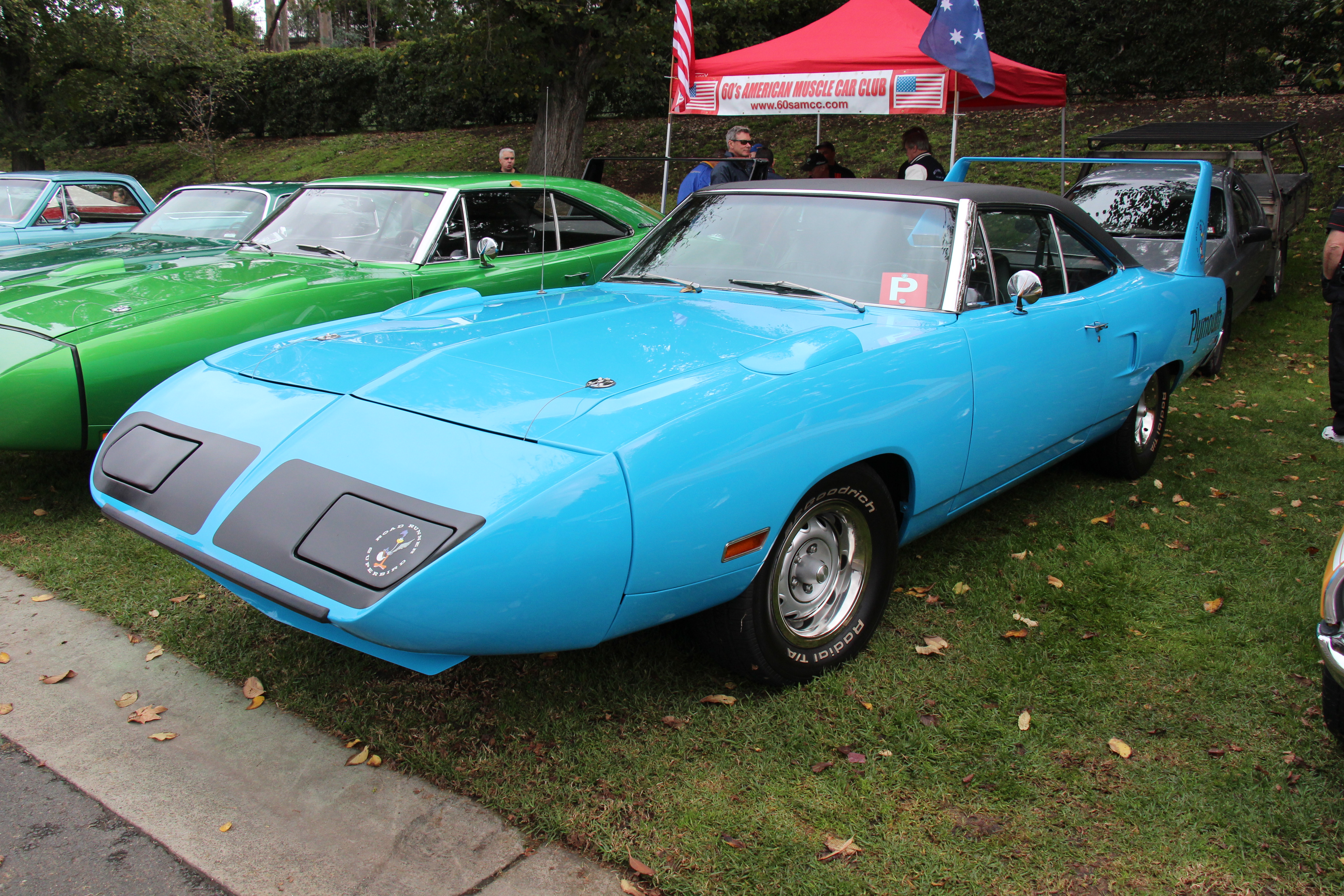
The Plymouth Roadrunner is a fast car from the past that many people remember for its cool looks and fun cartoon character. It was popular because it was powerful and affordable for young drivers.
The Chrysler Daytona is a sporty car from the 1980s that was built for speed and style. It was made to look cool and go fast, making it a favorite among car fans.
Catalytic converters are parts of cars that help clean the air by changing bad gases from the engine into less harmful ones before they go out into the environment.
Saab is a car brand from Sweden that started out making airplanes. They began making cars after World War II and became known for their unique designs.
The Volkswagen ID. Buzz is a new electric van that looks like the old VW buses people loved. It's designed to be eco-friendly and is great for families who want a stylish way to travel.
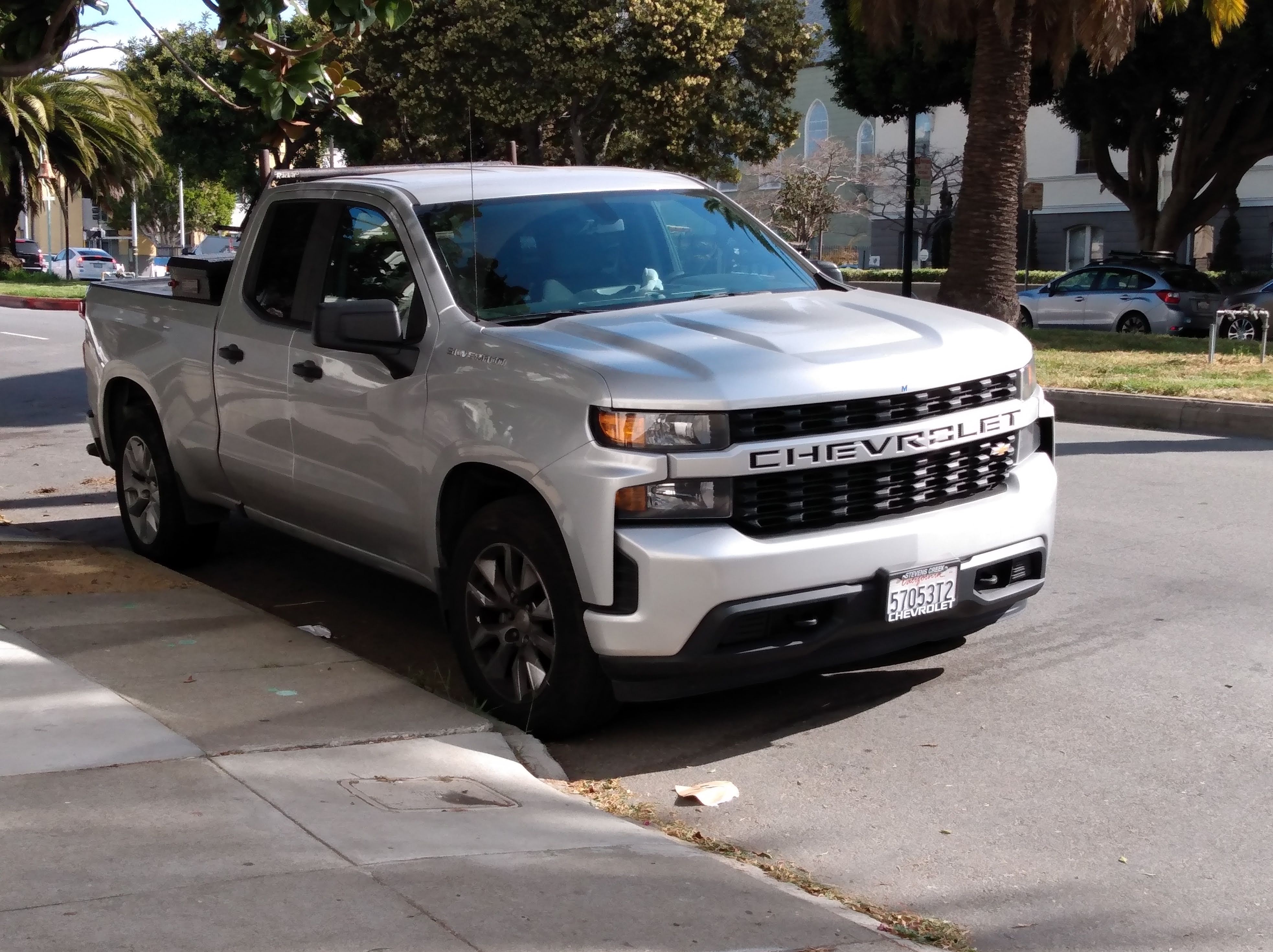
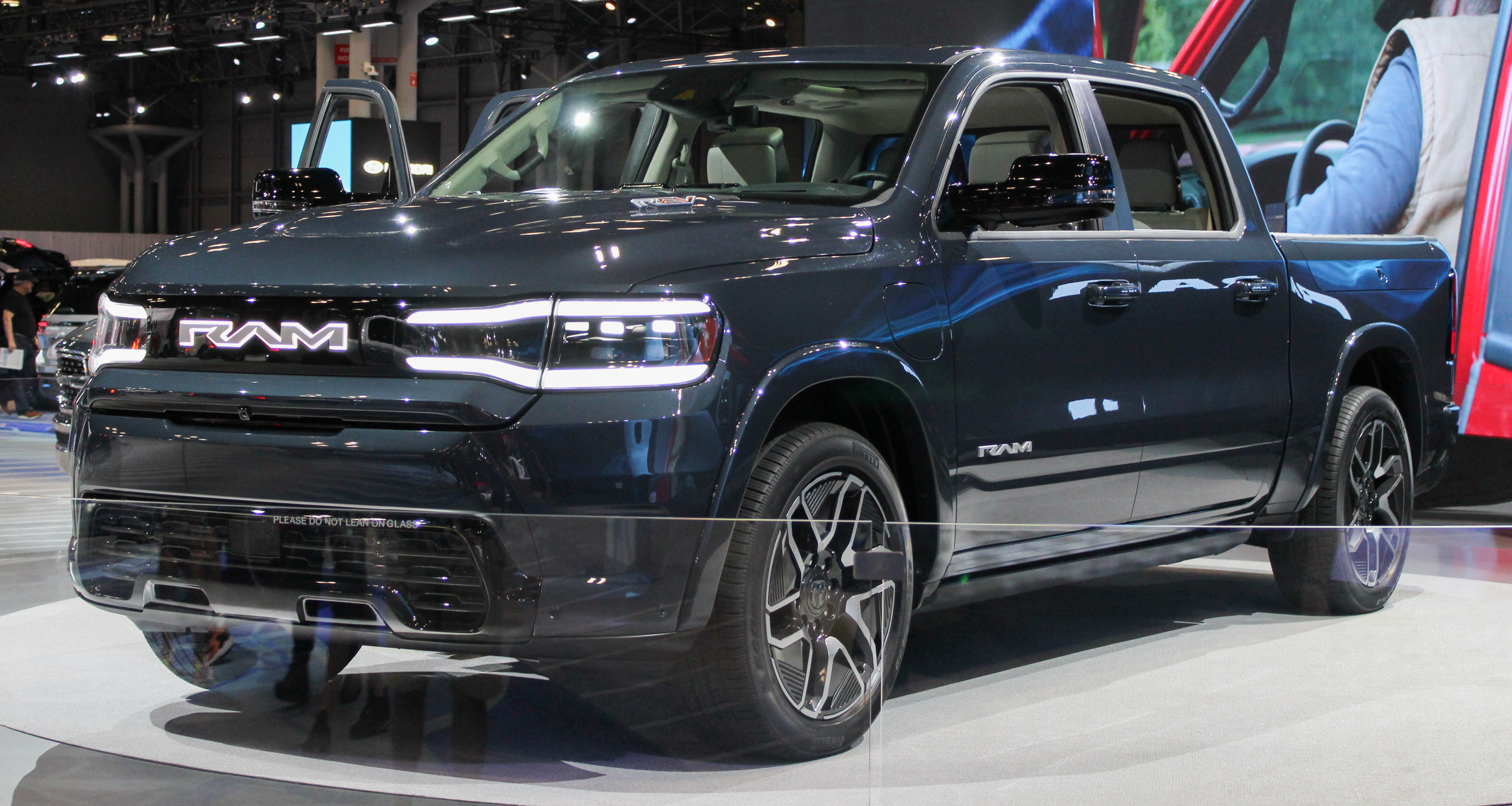
The Ram 1500 is a big truck that can carry heavy loads and is comfortable to drive. People like it because it can be used for work, like hauling things, and also for family trips.
Car
Dodge V8
The Dodge V8 is a type of engine made by Dodge that has eight cylinders. This engine is known for being powerful, but in this case, it wasn't performing well in races.
Ceramic coating is a special liquid that you put on a car's paint to protect it from dirt, scratches, and sunlight. It helps keep the car looking shiny and makes it easier to clean.
LIVE
Welcome to another in-wheel-time podcast. Somebody has said that we sound muffled at times and whatever sounds fine in here. Yeah, to do the ears, to the computer, the broadcast, to the board. Yeah, I don't have any clue about any of that sort of thing. We've only been here since five o'clock this morning. Make sure that everything sounds good and works good. I was getting beauty sleeping at five o'clock. You were? Yeah, it didn't work. I was going to say... Michael?
Yeah. It's all your fault, Mike, again. All right, let's check in with a fellow by the name of John Voresc. He's the CEO of a company called RepairSearch.com. And the story goes like this. Americans holding onto the cars longer than ever. And the average vehicle on the road is now over 12 years old. Wow. Yeah. But at around 120 to 180,000 miles every owner faces the same painful dilemma. I've been through it recently with somebody else.
Should I fix it or should I finally sell it? Well, that's the magic question, isn't it? Yeah. Using internal usage patterns across repair manuals for 10,000 plus vehicle models. RepairSearch analyzed, which common repairs actually offer a positive return on investment in which one signals it's time to let it go. Data reveals seven repairs that almost always pay for themselves in extended lifespan and resale value. So John, good morning, Tony.
Thanks so much for joining us. We appreciate you. Yeah, I'm glad to be here. I'm excited. So tell us about your company. How did it start? And whose idea was this? Are yours? Yeah, it was mine. RepairSearch is an online platform that gives you the repair manual for your vehicle. It's all cloud-based. So you get the repair procedures, the diagrams, illustrations, parts information,
graphics, torque specifications, all that stuff. And because it's cloud-based, you can access it on any device so you can be on your PC, your laptop, you can be out on the garage on your phone. And you can't just access it basically anywhere you need it. And you can print stuff out too, but a lot of people just use their devices. So, and then another benefit of it being cloud-based is you get updates to all the information real-time. So, parts prices get updated, service bullets come out, even corrections to
all data you get all of that included. So, this is a subscription service? Yeah, it is. So, you can subscribe for just depending on how long you think you're going to have the vehicle. So, if you're not going to keep it for super long, you can subscribe for a year, but you do get a discount if you subscribe for two years or three years. How much does that cost? For one year, we're currently at $29, and then for two years, it's 48, and for three years, it's 57. So, you get a pretty good discount as well. Well, it's good.
I want to say, I'm kind of surprised. That seems like a pretty good bargain to me. Do you get a bold car? What if you have more cars? I'm wondering if what if you have more cars? If you have more cars, there's a 20% discount on any additional. So, if you have something like a egg war e-paste or something like that, you know what you want to do with it? You wish that you'd have never bought it in the first place.
But you need to get rid of it. And at what point do you say, well, you'll see an in cabin air filter that's two hours on the repair clock and the filter, and I'm going, you know, that's enough to put in a new transmission for a $20 part, for a $20 part. I'm exaggerating, but you get the point.
Sure. Because after you have a car for a while, you just really get tired of these little bitty nit picking things that either go wrong with it, you've got to get this service, and there's nothing cheap about any of it, you're going, I am so done with it.
So you're prioritizing your maintenance, you're going to get it well changed, but do you get a change of filter every time I'm at the airport or the cab?
You're going to wait, and then you lose track of what it is, and pretty soon it's a brick of dirt, and you've got something else to repair.
So you're prioritizing, I'm going to do the brakes. Well, I'm going to do the brakes this week or next week, so.
The mistake that I made was, I'm going to say cabin filter. I can change that, no, I cannot.
Now, if I were to change one of years, did I do one of you for you?
We looked at the one of the Jag.
Oh, that's right.
We looked at the one of the Jag and going.
We took the fenders off for something.
It's absolutely ridiculous on this particular Jaguar.
You would think you'd open the glove box, you know, they're the little compartment in there and slide the new filter in, no big deal.
No, no, not on this thing.
I've never, I've never known of a British built anything that was easy to work on.
Yeah, well, the engineers who designed the vehicles, you know, sometimes you wonder, they do a great job.
But sometimes you wonder with specific choices, you know, how they factored that in, a simple repair sometimes.
If you have to take apart, you know, half the engine to get to something or you have to take off the whole dashboard to get to something, it gets kind of out of hand.
And to be fair to them, they're, you know, they're designing for the techs at their dealerships where they have all the tools and they're trained on those specific vehicles, they get a day out.
But yeah, it can be a bit of a lot of some parts.
Yeah.
So what about do-it-yourself oil changes?
I mean, I used to change my oil in all of my cars.
Now I can't even get under the car anymore.
Of course, I own a car that's about six inches off the ground, but that beside itself, I mean, let's just say I've got a Chevy 1500, half-toned pickup truck.
Is there any room underneath there? There's the drain plug, get under there and do it yourself.
I mean, how do I justify buying your service, what you have to offer in a guy that is a do-it-yourself or kind of like me?
Well, a lot of people aren't doing their own oil changes.
I've been kind of surprised at the lack of interest in doing that.
It just, once you factor in the cleanup and the disposal, we find that a lot of people just, they would just rather have somebody else do that.
Well, the disposal, to me, is the biggest problem.
You know, you've got to capture it, and then you've got to take it someplace to dispose of it.
Yeah, you can't just shelter in the yard, right?
No, shame on you if you make a mess in the trunk of the car with a gallon of oil.
Yeah, exactly.
But we do have a lot of do-it-yourselfers who use our product.
Actually, that's primarily what our user thinks consists of.
Yeah, professional effects also.
But a lot of do-it-yourselfers.
And that's how we started out is addressing that market.
How did you start out?
What gave you the mojo here to start this company and go for it?
Well, I was a manager actually in a Midas auto repair shop here in Michigan.
When I was younger.
And then I kind of had a hobby level interest in software development.
And kind of as a, I guess, as a hobby, I created this early software tool.
With a really catchy brand name.
It was called Automotive Diagnosis and Repair CD.
So kind of a mouthful.
But it was basically just general troubleshooting tips.
And maintenance guys, I wrote it all myself.
And I packaged it into a Windows software tool on a CD-ROM cloud-based stuff was really early that.
And I just sold it on eBay.
And it sold well enough that it kind of fruited the concepts.
I also got a lot of interesting feedback from buyers explaining exactly what the product didn't have that it needed.
And so that kind of drove me to create the second version of the third.
And now, 23 years later, we're a fully cloud-based platform.
We have vehicle-specific information for just about every vehicle on the road.
All the kind of information I mentioned before.
The procedures, the diagrams, the specifications.
And that's really that's all then kind of driven by that recurring theme.
Every time we've done something, it's been, the response has been better.
And but we still have those customers who we consider to be a blessing, who tell us,
hey, I'm not happy with some aspect of this thing.
And then we know what to work on.
And we try to do it one other time.
Would one of those people happen to be your wife, John?
Not usually. She doesn't work on cars, so I've been fortunate.
That's why you chose this way to go.
That's why she's not going to participate in it.
Yeah, yeah. Fortunately, that hasn't been a source of strength in our marriages.
My product falling short for her use case.
Yeah, exactly.
So where about some Michigan, are you?
I'm in Lansing.
Yeah.
I'm at the whole home of Buick.
Yeah.
GM has a, as you guys probably know, it's a pretty heavy presence around the curve.
Yeah, the tech center's up there too.
Yeah, we're very good.
So I can see how this could be really helpful.
I've got three granddaughters.
All three of them go to college.
All their cars are over 10 years old.
And they run between 110 and 150 miles on them.
So there's something always going wrong with their car.
Some of it, yeah, some of you just got fixed just to keep it rolling, to keep them going to school.
But I find it interesting, some of the information you say you can go in and look at,
to determine how far you want to go with that particular car, as far as the ROI goes.
Yeah, that was a question I've been interested in for a while, actually.
And so we have access to a lot of data and the ability to analyze it.
And so we looked at 2,400 data points, essentially,
that we collected for different repair scenarios for a selected sample of typical used vehicles from,
and we base the data in terms of pricing data on the average of three sort of average cost of living areas.
And we applied a, well, I think is a pretty simple decision framework and it's kind of hard to disagree with.
To those scenarios to see, in how many of them it would make sense to repair the vehicle and keep it,
or repair it and consider selling it, or repair it and definitely sell it, or sell it without repairing it.
And those are the kind of the four buckets that we, that we grouped those scenarios in as we analyzed.
For me, it would be useful at a part that wound up in a divorce thing and all of that,
but it was a very nice car.
And right as we were getting divorced, the transmission decided to take a dump.
And what do we do, because the transmission, it was Alexis RX 350,
and the transmission was expensive, expensive to repair, and especially expensive if you got to replace it.
And we thought, well, the car had enough miles on it.
Do we fix it, or do we just let go of the car as is and wound up pretty much giving the car away, letting the repair facility actually spend their own money on the car and then they sold it.
But we didn't have a system like you offer, so I really didn't know what to do.
I didn't, the X-Wife needed a car, or what should I advise her to do?
I mean, it wasn't some fooling, hateful kind of thing, wasn't that at all.
And so you can understand the dilemma that I was faced, because I don't want anybody to get screwed on a car.
I didn't want to take the hit on the financial side of it, but I didn't want to leave the X stranded on the highway somewhere, because the transmission decided it was trying to say goodbye.
Yeah, those are tough scenarios, and people face that a lot.
I think the simple decision framework that we arrived at is if the repair cost is less than 50% of the value of the vehicle, then it's kind of a no-brainer, repair it, keep it.
This is assuming you're not already telling somebody of it, right?
If the repair cost is 50% to 75%, then you still need to repair it, but consider selling it, and factor in the overall health of the vehicle, your appetite for further repairs, how well the, let's say the previous owner maintained it, because certainly you're maintaining your vehicle, right?
But how the overall maintenance history of the vehicle and how confident you are in the vehicle itself,
if it's 75% to 100% of the value of the vehicle is what the repair is going to cost you, then repair it and definitely sell it, because you're at that point where further repairs are going to almost certainly tip you over 100% of the value in pretty short order.
And then if you're obviously over 100% of the value of the vehicle, that's just self-vehicle, and at that point it's sort of mathematically totals from our repair perspective, right?
That would fall into the cookie category.
Yeah, so you can sell it as a mechanic special, or you sell it for parts, you sell it to somebody who is willing to take on a project with full disclosure and then understand what they're getting into.
But the reason those middle two categories we say repair it, even if you're going to sell it, is because, you know, we all know this, if you sell a vehicle that has issues, you're going to take the hit you the way, right?
You're going to pay for the repairs indirectly because you're going to get less for the vehicle, and then you're going to have what we call the uncertainty tax where the buyer is going to factor in their inconvenience for the fact that they have to get repair the risk of it not being exactly what you think it is.
It's wrong with the vehicle, and maybe they're getting into, you know, more expensive territory.
So you're going to take a hit on the value just because of the repairs and then some.
So we believe that you should always be repairing it unless it's at that point where it's kind of mathematically totals.
And then the question is, are you going to keep driving it, or consider selling it, or definitely sell it after the repair.
Hey, John.
I'm sorry, do I have a horse?
Real quick before we run out of time.
I'm kind of envisioning this like my granddaughter is okay, we decided it's reached the point, we want to sell the car, we get it fixed enough to sell it.
And we're looking for another car.
Now I realize you can't necessarily look at a specific car, like maybe car facts or somebody can, but would your tool be valuable?
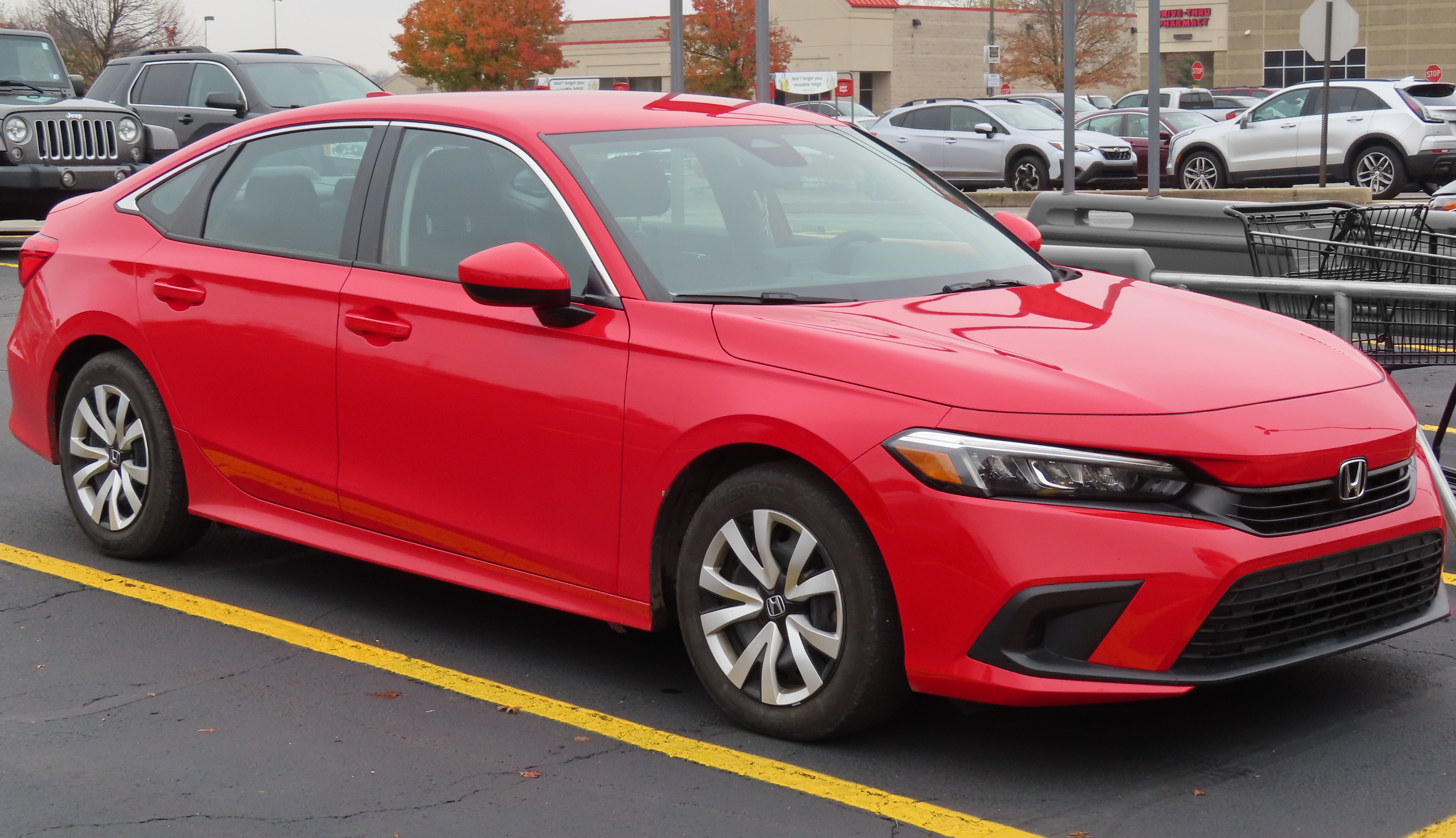
Is saying okay, I'm now looking at a Honda Civic, and it's got 90,000 miles on it because I've got to buy three cars, you know how that goes.
Would your tool be useful in helping make decisions in that regard?
Yeah, so we actually thought about, and to be clear, this is more of a data study that we did as opposed to a tool, although we are considering building this out into a sort of calculator on our site.
It would definitely be a tool, but to your point, we actually considered looking at it from that perspective for the total analysis.
And the tricky part was, like you said, if we were to repair the cost of continuing to drive the vehicle with the repairs and sort of the cost of ownership factoring that into a different vehicle, that would give us a good basis for making that decision.
But we don't know what vehicle somebody's going to choose for that other vehicle, right? So we can't do the math on that, but I think you're exactly right.
If you have an idea what kind of vehicle you're going to get into for the next one, then you can look at what your cost of ownership is going to be on that vehicle.
And compare it to how many more miles you expect to get out of the current vehicle knowing on average, you know, well maintained modern vehicle, you'll maybe get 200,000 miles before you're really in the danger zone.
And compare the two, right? And if it's going to be, if you reach that point where it's your cost of ownership, per the miles you're going to get out of the new car, outperforms what you're going to get in the current car, that kind of informs that decision.
I think that's a good way to get it.
Yeah, just another tool to help.
John, so I assume that repairsearch.com has all the information that we need to find out more about what you have to offer.
Yeah, absolutely. I encourage anybody to check it out if you're in need about repairment.
And your marketing people will appreciate it.
Yeah, no, I appreciate it too. Thank you.
Thank you. It's a pleasure to talk to John for us.
Thank you.
Thank you.
All right. Coming up.
We have the racing calendar.
I got auto history and some news headlines right here on the in-wheel time car talk show. We're back after this.
The text-backed dining experience is defined by Lupi Tortilla, your destination for Texas's best beef fajitas and frozen margaritas.
Since 1983, Lupi Tortilla has served authentic and time-tested recipes made with the freshest ingredients.
Atmosphere is part of the award-winning experience at Lupi Tortilla, all developed in a little house near Highway 6 and I-10 in West Houston.
Visit any of the Lupi Tortillas and you will see the same attention to detail in each and every location.
Start your Lupi experience with queso flammiato and guacamole along with a classic frozen margarita.
Dine on famous Lupi beef and chicken fajitas or pepper shrimp brochette or a fish or vegetarian entree and finish with a scrumptious flan for dessert.
Find Lupi Tortilla in Houston College Station, Beaumont, Austin, San Antonio and Dallas Fort Worth.
There's a Texas location near you. The recipes are authentic and time-tested. The ingredients always fresh.
Lupi Tortilla is pretty good.
Apple are Android and wheel time podcasts can be found everywhere on the stream and through downloads.
Whether you're on the road or at home and Jones in for a different kind of car talk show, give in wheel time a try.
Honest new car reviews, fun informative interviews with real car people, weekly automotive news, features like Jeff's car culture and Mike's driving destinations all on in wheel time.
Check us out on SiriusXM Podcasts, iHeartRadio or while you're shopping on Amazon through Amazon Music.
InwheelTime.com has a list and we know you love lists.
Welcome back to the Inwheel Time car talk show. Time now for Jeff's racing calendar.
All we can find now is Santa Claus a sleigh park on the first turn and that's about it.
Yeah and are we sponsored in this? I'm not sure.
I think it's sponsored by the Texas Muscle car.
There you go. Thank you for that.
Not a lot of racing going on but I do want to give you some updates on the racing soap.
Formula 1 and the FIA have a 50 confirmed sweeping technical changes that will restate how cars will race when the new regulations take effect in 2026.
The overhaul targets lighter machinery, smarter aerodynamics, revised approach to overtaking, making one of the most significant evolutions of the hybrid era.
Under the new rules the F1 cars will become smaller and about 15 pounds lighter.
The reduction is designed to improve the agility and efficiency while addressing long standing concerns over the increasing size and mass of their cars.
Next one we have is John Forrest racing in the NHRA area.
We just had Antron Brown. We didn't get a chance to mention it but he's turned one of the most turbulent off seasons in the NHRA memory through the opportunity of handing the Cornwell Tools Funnigar seat in Jordan Van the Green.
After the Austin Rocks departure together driver left so Jordan is coming into place.
The move not only fills a high profile vacancy it also signals how John Forrest's organization intends to evolve in the first phase of its post-forced driving era.
He'll have a veteran tuner Chris Cunningham and rising star crew chief Jason Bunker who's carrying the car which just might have to change the reputation from the proc rocket to the bugger cluster.
And lastly NH NASCAR has determined a winner and a loser in their harder system is more of a franchise thing.
NASCAR is going to have to take the bullet bite and honor some of the requests that the drivers and the teams want. No more taking their money.
NASCAR is at a big, big challenge going on next year.
All right Mr. Mars, time to know for this weekend auto history and I know that you've got some stuff lined up for us.
Cut about seven things that we really found were interesting this week although like you say the industry kind of shuts down this time of year.
So this week Henry Leland founded the Lincoln Motor Company in Detroit.
Now what I found really interesting about this was that it was initially built and initially started to build aircraft engines for World War One.
And it wasn't until after the war that Lincoln shifted to luxury automobiles and they got a really big reputation because of their engineering with the motors.
It became really good engineers with the whole car. Now they were bought by Ford in 1922 and it continues to be Lincoln's premium division of cars.
Then this week in 1935 the first parking meter was installed. Now this was done in Oklahoma City of all places and it was done to manage traffic to get people to come in.
Do your business and get out make room for somebody else kind of like a restaurant runs.
And another note that even though this was controversial because everybody thought well the roads are public I pay for all my taxes.
I ought to be able to park where I want when I want. Went through all that business with some court cases.
But the first parking ticket was issued also in Oklahoma City in 1937.
Then in 19...
I'll go home my desk didn't they?
I just wanted to say that.
Yeah we're not going to mention that.
Also this week in 1967 the Ford Mustang again introduced to 1964 and a half but by 1967 they sold 10 million cars.
10 million Mustangs that fast and it was just a big hit.
Started the whole pony car segment.
This particular car we're showing here was number one the very first Mustang that rolled out and they acquired it because when they found out found the owner the millionth.
The one millionth Mustang that was made they traded it to the guy for this car and that's how this ended up back in the museum.
Then in 1969 one of the things that everybody remembers is the Plymouth Superbird.
Now this was a very highly modified short live version of the Plymouth Roadrunner.
A lot of graphics a lot of had the Roadrunner horn beep beep type thing and it was designed to run a NASCAR.
Now the year before the Daytona the Dodge Charger Daytona had run in 1969 very successful.
They only had to produce 500 of the Daytona because when it was so successful NASCAR changed the rules.
So they had to make more of them one for every car dealership they had which meant that the Daytona had to make over a thousand cars just to be able to run.
That's the reason they only did it for one year and another interesting note you'll notice that this car has a vinyl top.
Except for the ones that were built for the race car teams all of the Superbirds had vinyl tops.
The Daytonas did not.
What they found was to get them all out in time they quit finishing in the top where the top meets the body lines the seams.
It was easier to just cover it with vinyl than it was to smooth it out for paint.
The cars came with either 426 himmys or 440 cubic engines with 4 barrel or 6 barrel.
And it's believed that there's about a thousand of them left out on the road somewhere.
1970 the EPA sets first auto emission standards.
Now this is where the EPA came in decided what the automakers had to do.
Of course that's what started the downturn as far as the horse power goes into the muscle cars, killed all that stuff and kind of brought in catalytic converters
and all the wonderful things that we have now to help control our smog.
December 2009 General Motors announced it would shut down SOB.
Now SOB was founded in 1937 in Sweden as an aircraft manufacturer.
And it was after the war they got into building cars.
And Ford bought, excuse me, Chevrolet bought them and used them as far as some of their makes and models to bring into the country.
This is the first SOB 92 that was done in 1949 when they switched from airplanes over two cars.
I'm sorry.
I have a bugged car.
Yes it is.
And you'll notice that even the newer ones looked almost like this.
They liked that design for some reason.
SOB.
So the 2015, last one, the 2015 Volkswagen reaches diesel gate settlement.
Now this was really important because a lot of people went to jail.
A lot of people paid a lot of money fines.
One guy got arrested in a restroom at an airport in Florida trying to get out of the country before the FBI grabbed him but they got him.
And they offered to buy back 500,000 2.0 liter vehicles in the United States as part of the settlement
for this.
And it really changed the way they were monitoring how manufacturers did their emissions testing.
And that's this week in automotive history.
Well, that was quite a fun little trip down there in every way.
Sob.
I don't know anybody.
Well, I probably know people that had one but they didn't say that they had.
Yeah, they wouldn't admit it.
No, nobody admitted it.
Only a few people on TV.
The future of North American trade and new duties on robotics loom for the auto industry in 2026 offering potential clarity on a policy landscape that is up ended the planning of automakers and suppliers.
U.S. Supreme Court in the first part of 2026 is expected to rule on the legality of many tariffs enacted by President Trump over year this year.
And the future of North American trade will come into focus as the United States, Mexico and Canada review their trilateral trade agreement that Trump suggested the U.S. could abandon.
At the same time, the Trump administration is saying they could pursue a wide range of new tariffs, including an industrial robotics and critical minerals.
New tariffs will likely weigh heavily on auto companies as they decide how to adjust production and investment plans according to experts.
Volkswagen of America will not offer the ID buzz minivan for the 20th steps model year as the automaker grapples with tepid demand and it's balancing your movement for electric vehicles in the U.S.
The move caps what has been a difficult year for the Germany built model which faced high import tariffs, a pair of embarrassing recalls, one of them with the seat.
The elimination of the $7500 tax credit toward an EV purchase, EV demand is largely collapsed since the tax credit, a major draw for first time buyers expired at the end of September.
Wow, you know how much that car was like a bunch of money.
I'm going to find out how many they made so keep going.
Well, that's the end of that story.
Parmax plans to aggressively pursue $150 million in savings in the coming months as it seeks a new CEO who can help counter drops in net income sales and revenue.
At income for the fiscal 2026 third quarter drop 50% to 62.2 million.
Revenue declines 6.9% year over year to $5 million, $5.8 billion.
The results follow similar declines in the previous quarter in years of stagnant earnings which led to the firing of longtime CEO Bill Nash in November.
And even though the RAM canceled its fully electric pickup truck, it's still possible to buy one version of the truck.
RAM's merchandise website is offering a 2026 RAM 1500 rev.
Hallmark keepsake ornament for $29.95 in your tree.
Stikest metal truck, 4.5 inches long, 2 inches high.
Features dated front and rear license plates and authentic detailing based on the 2026 RAM 1500 rev, the site says.
It's also available on Hallmark's website for 4 cents more.
Wow.
And I just come back to NASCAR.
Is that a fisher?
Yeah, I think it's been an ounce of warming up to it.
What are they going to run?
Yep.
Maybe they're going to run that 6-cylinder.
Ooh, an hurricane six.
That wouldn't surprise me at all.
Would it surprise you?
Yeah, because there's certain criteria for the motors.
Yeah.
Yeah.
Well, they might win and they wouldn't want that.
The V8 4 Dodge was not competitive because of the degree of the alignment of the cylinders.
Yeah.
It's a long story, but they couldn't compete.
That's why they dropped out.
So fine.
They'll change the rules.
Just keep on keeping on.
Not.
On the ID Buzz electric vehicle sales have been relatively slow.
You talked about that 162 units were sold in the US in 2024.
And under 5,000 sold for nine months worldwide.
So this didn't pause.
Hey, we'd love to hear from you.
Just shoot us an email.
The address here is info at nwheeltime.com.
We're back after this quick break.
You own a car you love.
But why not let Gulf Coast Auto Shield protect it?
Houstonian John Gray invites you to a state of the art facility to introduce you to
his specialist team of auto enthusiasts.
We promise you'll be impressed.
Whether you're looking to massage your original paint to a like-new appearance, apply a ceramic coating,
install a paint protection film, nano ceramic window tent, or a new windshield protection called ExoShield,
Gulf Coast Auto Shield is where Houston's car people go.
Curved your wheels?
Instead of buying new one, I'd have them repaired.
How about a professionally installed radar detector?
Gulf Coast Auto Shield does that too.
Get a peek inside the shop and look at the services offered by getting online and heading to
gcautoshield.com.
Better yet, stop by their facility at 11275 South Sam Houston,
just south of the southwest freeway and get a personal tour.
Gulf Coast Auto Shield is your place to go for all things exterior.
Call them today, 832-930-5655, or gcautoshield.com.
The award-winning in-wheel-time car talk show dowryches 5.3 million folks each year.
Check us out on in-wheeltime.com, YouTube, Facebook, and podcasts available from your favorite go-to source,
including our live broadcast every Saturday, 10 to noon, central time.
The in-wheel-time car talk show has informative automotive guest interviews, new car reviews,
along with popular features, including driving destinations, Jeff's car culture,
latest car news, cruise ins, and racing dates.
It's all on in-wheel-time.com.
Join us.
That's it for this podcast episode of the in-wheel-time car show.
I'm Don Armstrong.
Inviting you to join us for our live show every Saturday morning,
8 to 11 a.m. central on Facebook, YouTube, Twitch, and our in-wheel-time.com website.
Podcasts are available on Apple Podcasts, Spotify, Stitcher, iHeart Podcast, Podcast Addict,
Tune in, Pandora, and Amazon Music.
Keep listening, and wheel, see you soon.
About this episode
Deciding whether to repair or sell an aging vehicle can be daunting, especially as the average car on the road is over 12 years old. John Voresc, CEO of RepairSearch.com, shares insights on which repairs yield a positive return on investment and when it's time to let go. The discussion covers the platform's cloud-based repair manuals, subscription options, and how to assess repair costs against vehicle value. Listeners will find valuable frameworks for making informed decisions about their cars, along with anecdotes about personal repair dilemmas.
A twelve-year-old car can be a trusty friend or a looming money pit—and most of us don’t know which until a big repair lands in our lap. We sat down with RepairSurge CEO Jon Vorisek to unpack a clear, data-driven way to decide whether to fix an aging vehicle or sell it with confidence. Drawing on usage patterns across manuals for 10,000+ models, John breaks down which repairs usually pay for themselves and where to draw the line using a simple 50-75-100 percent framework tied to your car’s value.
We walk through real-world scenarios—the “cheap” cabin filter buried behind a dash, DIY oil changes that aren’t worth the disposal hassle, and the stealth costs of design choices that turn a $20 part into a two-hour job. You’ll learn how the buyer’s “uncertainty tax” works when selling a car with issues, why repairing before selling can net more money, and how to compare total cost of ownership per mile if you’re eyeing a used replacement. John also shares the evolution of RepairSurge from a CD-ROM to a cloud platform with step-by-step procedures, wiring diagrams, torque specs, and live parts pricing you can pull up on any device.
We round things out with quick hits from the automotive world: Formula 1’s 2026 pivot to lighter, smaller cars aimed at better racing, NHRA team moves, NASCAR charter dynamics, and a tour through auto history from Lincoln’s aircraft roots to the Superbird’s NASCAR quirks. Plus, we touch on today’s market headwinds—from tariffs to a cooling EV demand curve—and why those forces shape what we buy, fix, and sell.
If you’ve got a high-mile car and a tough decision, this conversation gives you the math, the context, and the confidence to choose well. Listen, share with a friend who’s debating a big repair, and subscribe for more smart, practical car talk.
Disclaimer: This post contains affiliate links. If you make a purchase, I may receive a commission at no extra cost to you.
---- ----- Want more In Wheel Time car talk any time?
In Wheel Time is now available on Audacy!
Just go to Audacy.com/InWheelTime where ever you are. ----- ----- Be sure to subscribe on your favorite podcast provider for the next episode of In Wheel Time Podcast and check out our live multiplatform broadcast every Saturday, 10a - 12nCT simulcasting on Audacy, YouTube, Facebook, Twitter, Twitch and InWheelTime.com.
In Wheel Time Podcast can be heard on you mobile device from providers such as:
Apple Podcasts, Amazon Music Podcast, Spotify, SiriusXM Podcast, iHeartRadio podcast, TuneIn + Alexa, Podcast Addict, Castro, Castbox, YouTube Podcast and more on your mobile device.
Follow InWheelTime.com for the latest updates!
Twitter: https://twitter.com/InWheelTime
Instagram: https://www.instagram.com/inwheeltime/
https://www.youtube.com/inwheeltime
https://www.Facebook.com/InWheelTime
For more information about In Wheel Time Podcast, email us at