The State of Dealer Advertising in 2025: What’s Really Working Now | Amol Waishampayan, Co-Founder of fullthrottle.ai, and David Regn, CEO of fullthrottle.ai
Car Dealership Guy Podcast
The State of Dealer Advertising in 2025: What’s Really Working Now | Amol Waishampayan, Co-Founder of fullthrottle.ai, and David Regn, CEO of fullthrottle.aiCar Dealership Guy Podcast · Oct 16, 2025
The AMC Matador is an older car made by a company that isn't around anymore. It stands out because of its unusual design and was part of a time when there were many different car makers in America.
The Toyota Camry is a type of car that is very popular because it's dependable and gets good gas mileage. Many people choose it for everyday driving because it's comfortable and easy to use.
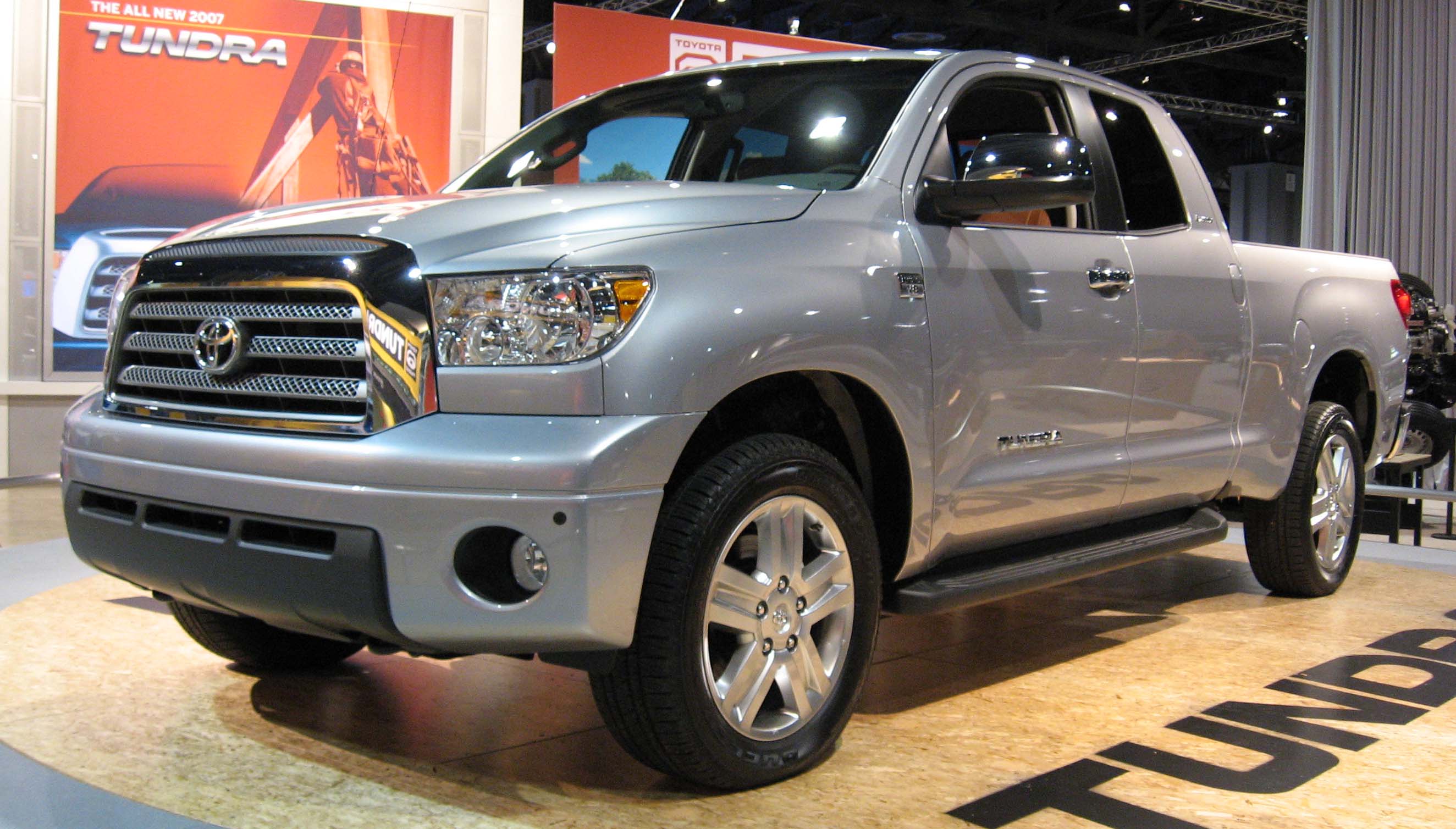
The Toyota Tundra is a big truck that people use for heavy-duty tasks, like towing or carrying large loads. It's built to last and is a good option if you need something tough and reliable.
LIVE
And I think it's just like the newspaper, right?
It's been changing slowly over time.
And then you get the kind of the big moments of, you know, AI chat, GPT, where
we're going to see, you know, current generation, the next generation, like you
said, their purchase journey will be different.
And I think what we've been, you know, kind of wooed as an industry that the
purchase journey is linear and the purchase journey has never been linear.
Just, I always challenge everyone to think about how you buy things, right?
Like you're going to talk to friends and family.
You're going to talk about where you bought a car, where you served the car.
Have your experiences been good?
Have they been great?
Do you know a guy like everyone wants to know a guy?
Today I'm joined by Amal Y.
Shampaiyan, co-founder of Full Throttle AI and David Ren, CEO of Full Throttle AI.
Inventory advertising is going through another revolution.
This time fueled by AI driven search and smarter data.
Dealers are juggling more channels than ever just to stay visible and relevant.
So I sat down with the Full Throttle AI team to break down the state of dealer
advertising in 2025 and where it's headed next.
A big thank you to our sponsors for making today's episode possible.
Matador AI, Repair360, and of course, Full Throttle.ai.
And now let's get into the show.
David Ren and Amal, way Shampaiyan on the CDG podcast.
Gentlemen, welcome.
Yo, see, thanks for having us.
Glad to be here.
It's great to have you on.
I'll give you the backstory of the big reason why we're here today.
This sounds like an intervention, but it's not.
There's a lot of change right now happening in automotive advertising.
And I'll admit it's not something that I talk about too often, you know, too
formally, but dealers have been asking, right?
What are what channels are working?
What's not working?
This, where is the industry headed?
And candidly, I don't know.
So here you are and you're going to get with all the secrets.
So David, I'll let you introduce yourself because you have plenty of
background in this industry, but I want to preface what I've been hearing
from dealers at a high level, right?
Chad GPT is rising.
Google is there's, I would say there's a lot of disruption happening in the market.
That's no surprise to any dealer where you have customers in the dealership
talking to Chad GPT saying, you know, is this a good deal or not?
You have customers before they get to the dealership now asking Chad GPT, hey,
where should I go buy that car next?
Or, you know, who's the best local dealer or whatnot?
Not to say that it's not pulling information from Google, but the reality is
if the 2010s was the era of if I'm on Google as a dealer, you know, I'm winning.
We have no, absolutely no security that that's here to stay.
So just starting out, if you can just briefly tell us about yourselves,
David, you have been on the podcast maybe about a year ago, the two of you
recently co-founded a new product in the market, which we'll talk about.
But if you could just tell us about yourself and also give us a
state of the automotive marketing landscape.
Yeah, Yossi won't.
Yeah, again, thanks for having me back.
Super, super excited to share, you know, with with your audience,
kind of what is going on in the state of of advertising.
You know, like you said, Chad GPT, Google, lots of things going on.
But just for for the listeners, David Ren co-founded CEO of Stream over 30 years
ago in my mom's living room and have grown the business from just myself and
my partner to over 600 team members and then co-founded and invested in a
mall and the full throttle team.
So excited to be to be here with you.
Amazing.
So start us off with just general state of automotive advertising.
What, how do you describe it right now in a nutshell?
Yeah, Yossi, I think if you go back, like, let's go back, like, let's go back 25
years where if you think about what dealers were doing 25 years ago, they
were spending, you know, a tremendous amount of money in the newspaper, right?
Thank they were lion share of their budgets going to the newspaper, full page
ad, double trucks on Sundays, you know, that's because.
Wait, David, by the way, I, I love the newspaper and I wouldn't say mostly
like the auto shopper and all those things, but what freaked me out, I just
have to tell you this, what killed me, like I was just this really bothered me
was that I was a young operator and I could never get like the front pages
because someone was a grandfathered in and I'm like, what is this?
Like, why can I?
I swear to you, I'm a better operator than that.
Why can I not be on like the second, third, fourth page of this specific
newspaper and they happen to grant grandfathered in that just bothered me.
So anyways, I just want.
Yeah, no, it's true.
Like here in Philly, like we're in Philly, like Kerbank always had the back
of the paper.
Yeah.
So I think if you look back and a lot of the dealers were fighting for for
share in the newspaper, they were fighting for the front cover, the back
cover and as media consumption started to change, you know, people went, went
to the internet and slowly year after year, the newspaper readership started
to decline.
More people were going to the internet for their their news and live updates.
And I think that's when, you know, you had some dealers that were slow to
adapt to that shift from, you know, media consumption from from the paper to
the internet, others were faster.
And I think those that were early adopters in the internet saw, you know,
tremendous, you know, results.
I think though, you know, you talk about what the state of the union is and
we're seeing that shift again today.
You know, so post newspaper, internet, lots of that lion's share of dealers
budgets going to, you know, Google paid search, Google VLAs, Google Pmax,
everything Google, Google, Google, because they're trying to get everyone in
that moment of when they're when they're looking or researching a car.
So once again, over the last, you know, couple of years, we've got a very,
very crowded space on the search results pages of Google, because that's
where all the dealers money is, you know, Google's building products to monetize
their bottom line.
They're the most profitable company in the world, you know, so they're going
after all those budgets and all those shoppers that have that low funnel intent.
And then, you know, dealers are also fighting again in the class.
You know, whether it's, you know, cars, auto trader, you know, car gurus,
et cetera, you know, for further use car inventory.
So when you think about the industry, you know, once again, we're at what I
would call a maturation point of, you know, crowdedness when it comes to digital.
And at the same time, like you said, you'll see from the huge shift of, you
know, the newspaper we have now we're moving to, you know, chat GPT, we're
moving to, you know, different types of, you know, media consumption, especially
for the younger generations with, with TikTok, et cetera.
So there's a lot of choices out there for, for dealers.
And I think there's a lot of misinformation and dealers don't always
know what to do, where to do it and how, how big to go into those mediums.
David, three things, three things I wanted to distill out of that, what you
just said. First of all, number one, a big part of the reason why I was excited
chat with you was because you have a lot on the line.
I mean, you have skin in the game in this industry.
And from what I understood, you're, you're approaching the future of
automotive advertising in a, in a way that is, I would say, very difficult for
someone who's so invested in this business as you are.
And so to me, that is, you know, I respect that.
I think, you know, call it like innovators dilemma, right?
It's like classic, it's just take Google as an example.
They have the lion's share of search, suddenly they have to show AI listings
as well to compete with chat GPT, but that takes away their ad revenue.
It's a huge innovators dilemma that, and they will, you know, lose billions,
but it's ultimately, that's what needs to be done.
Everything has a timeline and it's finite.
The second thing that I understood there is that, as I just mentioned, Google
has sort of had a monopoly on our attention when it comes to search.
That is changing now.
And in a world where that's changing, ultimately that means the dealer's
marketing mix is going to change.
Um, and then the third thing, I don't remember the third thing, but I got
two things there.
All right.
So with that said, well, I guess it was sort of related to my question, my
follow-up question to you there, which is that before we talk about what's
happening or where the industry is headed now, has anything changed with
respect to where dealers are advertising today and driving the best ROI?
And I'm talking about like the last, you know, three, six, nine months,
not three years, but recently, are you, if you're looking at the marketing
mix and where dealers are driving real ROI, has anything changed recently?
Yeah.
You'll see, I think a lot, a lot has changed, right?
And it goes back to, if you look at the lion's share of dealer's budgets, um,
you know, it's going to Google, Google paid search, um, Google VLA's Google,
Google PMAX and the third party classifies, like there's no real
differentiation there when you talk about your advertising strategy, right?
Like, but has that changed?
That's my question.
Has that been that case for several years or is that different now?
It is.
No, you'll see, I think it's just like the newspaper, right?
It's been changing slowly, slowly over time.
And then you get the, the kind of the big moments of, you know, AI,
chat, GPT, where we're going to see, you know, current generation, the next
generation, like you said, their, their purchase journey will, will be different.
And I think what, what we've been, you know, kind of wooed as an industry that
the purchase journey is linear and the purchase journey has never been linear.
Just, I always challenge everyone to think about how you, how you buy things,
right?
Like you're going to talk to friends and family.
You're going to talk about, you know, where you've bought a car or where you've
serviced the car, have your, have your experiences been good, good.
Have they been great?
Do you know a guy?
Like everyone wants to know a guy.
I mean, I get more requests from, you know, friends and family every day to,
Hey, tell me, connect me with a dealer you trust.
You know, so I think that when we talk about social signals, brand awareness,
that that has been forgotten in, in a lot of ways because of this digital
addiction that a lot of marketers, not just dealers, but a lot of marketers
have, you know, become obsessed with performance based marketing.
And if you're not looking at, you know, the entire, you know, customer journey
and customer life cycle, you're going to get really, you know, bogged down in,
in performance and vanity metrics that are not showing a bigger picture of like,
what's really going on?
Am I influencing the people within my market?
Am I making them aware of who I am, what I stand for, why I've been in business
and how many satisfied customers, you know, I have that can't be done like with
a Google paid search ad or on a third party classified listing.
And we know, you know, see that dealers have invested millions and millions
of dollars in their facilities, you know, in their EV chargers, in their
technicians, all, all of those things.
It can't just be one on one, one media tactic that is super saturated and
super crowded.
This episode is brought to you by Repair360.
If you're in the used car business, you know, waste of time is wasted money.
Check out Repair360, the first and only reconditioning software that connects
every function in the dealership to tighten recon and help you sell more cars.
No more hounding vendors.
Goodbye, endless texts and hallway chases.
Repair360 connects all the dots.
See where every car is and what its recon is costing minute to minute in real time.
Go to Repair360.com or click the link in the show notes below.
I think the thing I would add there is we're at the beginning stages of dealers
asking the right question, which is if I spend more on paid search and spend more
on paid social, is that going to equate to more business value and outcomes?
And essentially they plateaued where you're at a point of diminishing returns.
So I think what's been now dealers are asking these questions, agencies are
asking these questions of if I increase in those areas, am I actually getting more
impact?
I'm getting more clicks, but is that actually resulting in more sales?
And so I think we're at an inflection point where people are saturated with I
spent so much money on paid search and paid social, but they're not sure where
else to go because they understand search and you understand social and
everything else seems so hard to get their hands around, which is a perfect
tie into exactly what we've been doing for the last two years or so.
Well, can you tell us about that?
I would say I agree with your point there.
Everything else is murky.
I think that what's so attractive about paid social and search is it's so
transparent and as you know, obviously we all know the saying in marketing,
right, like I'm spending X amount, but I have to spend or what I always said,
have to spend, I'm spending is being wasted.
I don't know which have a lot bigger.
And so I think, yeah, right.
And so I think that's what's so attractive about those platforms.
But so, Amal, can you explain further?
You're very smart person.
I've spoken with you several times.
And so you are, you've been working on something and you've scaled
tremendously, which is a big reason why this piqued my interest.
What are you working on today?
Like what is the new solution for dealers?
Yeah, essentially what we've done is we've launched the world's first automotive
DSP and they'll sound like more words, you know, more acronym.
So I don't explain.
I don't like acronyms exactly.
Exactly.
So so let me let me explain like what is that?
What is any of that actually, right?
The way that most dealers and their agency, so, you know, our platform used
by many vendors, many agencies, many dealers, dealer groups.
The way that they understand that is I have a Facebook ad account and I have
control and transparency into it.
If I'm using a vendor and agency, they're using my Facebook ad account.
I understand it to your point, you see, right?
Exactly.
I have a Google ad account.
Same concept to your point, this transparency.
As a dealer, I can go look at it, I understand the span, I understand, you
know, what's happening with it.
I invite agency one or agency three or whatever agency I'm on, like into the
tool and then you do their paid search unless I change providers.
But I have, it's my ad account and I understand what's gone on with it.
That's great.
But it only covers paid search and paid social.
The rest of the internet and the connected world is this big blue ocean of
the open internet world.
And there's so much complexity in that space.
There's trading desk, there's ad networks, there's exchanges, all these more,
you know, all kinds of things that are in the ad tech space.
And this is why for a lot of dealers and their agencies and vendors, this feels
like, okay, this is a great big blue ocean.
I don't know where to get started.
And this is something that, you know, David and I understood early on, you know,
a few years ago and David challenged me as an investor to say, how do we create
one ultimate automotive advertising platform that allows us to understand beyond
search, you know, beyond social and allow that platform for agencies, for
dealers, for OEMs.
And interestingly enough, it's a perfect innovators dilemma because that platform
would compete with Dave's baby stream, right?
Which he's built for so long and grew into such a huge company.
So that was kind of the genesis is that how do we create the ad account for the
open internet, right?
And then in this ad account for the open internet, which is basically what
a DSP is, have real time buying like a, you know, I think of it like a stock
trading system, right?
Like the stock market and the stock market, if I want to buy something or buy
a stock, there is an actual like bidding component where it's like, I want to buy
it at this price and like in a millisecond, it's going all over and suddenly
like you may have stock at this price.
And when you think about display ads and connected TV ads and online video ads,
all of this space essentially operates like a stock market too.
If you want to bid on an impression at the, at the moment that someone lands on
a website where there could be an ad or they turn on their Hulu and they're
we're about to watch something in that millisecond, the stock market system kind
of goes into play and says, okay, well, based on who I'm targeting, based on
what the creative is, you know, based on where I'm sending the ad and all the
other people that are bidding for the same thing, I'm going to win or lose this
bit. Typically, this process is far from a dealer or dealer group because it's
being handled by agencies, handled by vendors.
But there's because of that reason, there's a lack of transparency to it.
So again, Dave and I thought, hey, how do we create one platform that
essentially takes that big blue ocean, combines it into one ad account, you
know, for the open internet, pulls in direct native integration to all of your
DMS data, your CRM data, major publishers, major third party audiences that are
in there, and you bring it all into one place with transparency for the dealer,
for the dealer to invite their agency, invite their vendor, the other vendors,
just like they do for Google and Facebook, and they'd be able to do a couple of key
things. So I'll give you three examples of like, what can you do with this new
automotive DSP? I know we had acronyms, right? But what are three?
One second, though, before you go into a couple of examples.
So you're basically saying that if you're basically thinking of this as a stock
exchange, less so as a manual operation, like previously you want to put an ad
on TV, you know, I'd call the company, I'd inquire, I'd speak with them, or maybe
I'd go through a media buyer, but there's this process I have to find the right
one. You're basically saying put it all in one platform and do it automatically.
And it functions like a stock exchange where with, you know, the bidding similar
to Google and Facebook in that sense, where I'm actually bidding on the terms
and it's, you know, it turns into an auction. You might understand that
correctly. You're got it.
100%. But the kind of the distinction I would make, I think it's relevant for
the audience is that it's already functions like that. It's just the dealer is
so far from stock exchange. They're very far removed from it.
And I think there is a harmonious blend of bringing that closer to the dealer,
giving agencies and vendors that are working with a dealer more enhanced
capability, bringing in all the CDP data, the DMS data. So imagine that your real
time stock bidder, which is working somewhere for you, just maybe really far
from you today. Imagine that's working real time for you, but you can actually
see it work and it's pulling in your data so it doesn't have to make leaps and
bounds. And then at the end of a spend that you might have, you're wondering,
okay, well, what did I get for this spend that's not in search and that's not
in social? Imagine you're having that all in one place.
Amal, do you see the industry heading? I mean, clearly, I'm not phrasing on the
right way because you're obviously doing this. And so, but how does, how does the
previous guard survive? It feels like everything today, I mean, we're, I'm
using AI and half the things I do nowadays. And it feels like if you can
connect that to my DMS, right? If you could take the system, connect it to my
DMS and then have it go work for me, find the right customers for me based on my
data, right? Do that automatically. Does the previous guard survive that? I mean,
is this, is this how every dealer will be doing media buying essentially, right?
Like in a completely automatic fashion, I have like 50 other questions, you know,
who manages this and what are the comics? But just at a high level, it does the
previous guard survive that? Or are we all buying the local TV ads, Hulu ads,
and every other ad other than Google and Facebook through, you know, a DSP like
this? How do you see it? Yeah, I think it's a great question. And it's a classic
answer of disruption, right? Which is that the old guard, those that don't go
to the new way will be left behind. That's probably true. But I think just
like AI or any other major source of disruption, you are seeing everyone in
the ecosystem, the advertising ecosystem, the automotive ecosystem, everyone is
moving more to this mode of called programmatic buying. Even the traditional,
you know, cable companies, they have a team that's on the field in the street
that's like going to dealer by dealer at selling. But they also have a huge team
that is enabling programmatic sales of all that same inventory. So everyone's
there. I think the kind of the hat trick here, right, is to get everything in
one place and then allow everyone to be much more efficient. Now, those that
will be left behind are only those that say, I'm not going to use a more
efficient way or more efficient tool. But the thesis is that because we make
everything more efficient, everyone has more time for strategic critical
thinking, right? And so you go from on managing XYZ kind of hard digital labor,
I'll call it, right, into again, making better strategic decisions about what
should I be doing given the state of advertising? How should I be thinking
about STEM? You know, how is your thinking about spend? You know, what is
actually making an impact? So I'll give you like three examples of something
that today would probably take you two or three weeks to put in place that
you're going to be able to do in two minutes using the platform. And then
you have a bunch of great follow up questions to it. So I'll give you
three examples. One example is that you could let's say you want to build and
launch a fast TV campaign to certified pre-owned first party customers, right,
that have not purchased, you can be up and running in two minutes. Fast TV, by
the way, is basically like your Roku. A lot of people have heard of Roku ads or
Roku TV or a Tubi. Tubi streamed the Super Bowl for the first time this year,
Roku TV is kind of like a free TV channel. So imagine that you could be in
those places where there are millions of people and probably in your DMA, at
least tens of thousands of people that are in those places. You can connect it
to people that are interested in certified pre-owned, either in your DMS, in
your PMA, all of those places in one place. Another example.
Let me let me ask you a silly question. How do you create the content for that
though? What is actually served to that client? Because I think getting to them
immediately is very enticing. But what am I showing them?
Great question. And it's a perfect, for your next thought, I was gonna be like,
well, who uses this, right? And like, does this disrupt another workflow that's
in place? And I think those two questions kind of belong together. Today,
that's why we feel the platform is a great place to bring together dealers,
vendors, agencies, creative groups, all in one place. Because today, someone's
making that TV ad, even if it's like an online video ad, right? Someone's
making that display ad and you need great agencies, right? You need great
vendors who are good and adept at doing that quickly based on incentives and
all those good things. But now they have a place to then actually make that
creative really work for you based on what what the target is, right? So our
platform is bringing together the stock market and the audiences and the
activation and agencies or dealer groups that some dealer groups have, you
know, their agency lists, right? Or they have some vendors and they have like
big, big internal marketing teams. These big internal marketing teams were the
first time can now use this platform. They don't have to change some massive
new workflow or think about, well, who's using this? Who's not using this? The
way that you spend Facebook ads, the way that you, you know, even do any kind
of online advertising, same workflow, but instead you have it in one transparent
box that you invite all of your vendors to go.
Okay. So they have access to this platform is what I'm understanding. So I'll
give you a real example. What comes to mind the other day when the government
shutdown happened, there's a dealer Coons motors in, you know, DC area, Alex
Pradikis, and he sent me a note. He sent me a text and he showed me he's running
like a shutdown special for all the government employees impacted by the
shutdown. He sent me literally running a shutdown special. So basically, if I'm
Alex, in this case, shout out Alex, I can pretty much, you know, spin up some
quick creative right away, have this on all the TVs. Instantaneously, basically
is what you're saying.
Exactly. Yeah, you can choose what kind of audiences you want to target. Maybe in
that case, you may or may not use some of your DMS data. And you can say, Hey, I
want this to be reaching LG TV, AMC, Fox, you know, ABC, Univision, you know, if
there's a Hispanic audience to it. So you have all of this kind of pick and be
literally two minutes, you're up and running, assuming obviously, once you have
the creative. So exactly, that's, that's, that's a great use case. Whereas today,
for Coons, they may have to like, jump through a lot of hurdles, they're
trafficking creative. They're like, Oh, well, by getting a list, who's pulling
the list? Do you have a CDP? Do I have a DMS? Like, where's the list coming
from? I have to upload it somewhere. There's a lot of digital labor.
You mentioned CDP. So question on that. I'm sure some of you are thinking this,
but how does it work with my data? Right? Like, what if I have a CDP? Are you
replacing that? Or do you clean the data? Because I think that's the other big
thing here. It's like, okay, how do you know, based on my information, you know,
who did actually serve this too?
Yeah, you see, I think from, from, from an agency standpoint, the way that the
way that I look at it is I'm always created the easy button for ad tech and
data activation in, in the automotive ecosystem. And we keep hearing over and
over, everyone's saying dealers, your, you know, your, your asset is in your
first party data. You need to use your data OEMs. You need to use your data,
which is great, which I think at high level, it's that that's statement is
spot on. But how do you really use that data is where I think that's where the
rubber meets the road and the winners will be separated from those that,
that don't win. And whether it's your CDP and you've done that work of doing
the best job possible, it is to clean data. Like cleaning data is not an easy
business, no matter what someone says. I mean, I think even the best data
cleaners and they're all pretty much the same out there, you know, is cleaning
your data, maybe 50, 60%. And I think that's super important if you're doing
one to one communication, you know, text messaging, email, those types of
things. But what Amal has done is built the pipes to be able to take, you
know, tier one website data, tier three website data, a dealer group, CDP data
and bring that all into one platform that is being continuously optimized by
AI to drive business outcomes. And that's either a new car sale, a used car
sale or a service RO. And so when we think about this entire ecosystem that
Amal and his team have built and worked with, with the media partners and all
those things, it's all optimized based on driving those business outcomes for
those dealerships. And a business outcome, you know, is defined as a
transaction, right? Not a lead, right? We're not chasing leads. We're chasing
driving gross profit for new, used and service. So I think when we think about,
you know, cleaning the data, optimizing the data, when you think about, you
know, marketing and advertising, there's really no better way to put your data to
use than this. I mean, go back to it, you know, think about the old days where
again, you know, kind of, you know, where a lion's share of budgets went to
direct mail. And, you know, I'd pull a list of 10,000 people, maybe half of them
were previous customers, half of them were conquest, you know, and I had to
develop a direct mail piece. I had to buy the list. I had to spend, you know,
postage, which is now freaking 70 cents plus for, for, for first class postage.
And, you know, maybe I, if everything worked out well, maybe that campaign was
in homes within two weeks. You know, we're talking about being able to pull the
same type of lift list parameters, launch that creative, optimized based on
business outcomes in two minutes.
This episode is brought to you by Matador AI. Real talk, most dealership AI
tools suck, they're great at collecting leads, and then dumping them right back
on your desk. Sound familiar? That's not AI. That's a glorified auto responder
and task creator. Matador AI is different. It gives dealerships a fully
customizable AI agent that not only handles conversations end to end over
SMS, email and social media, but also helps you organize your team around
their strengths. If someone's great at video walkarounds, route those
opportunities their way automatically, got a closer who crushes out of state
deals, the AI make sure they're looped in those specific conversations at the
perfect time, discover why the biggest dealership groups in America are using
Matador AI to enhance their sales and BDC teams to sell and service more cars
than ever before. Right now, podcast listeners get the first 30 days risk
free with an included white glove onboarding. This offer is only available
until the end of the month. So don't wait. Head to Matador.ai and book your
demo today. That's Matador.ai or click the link in the show notes below.
Just to distill that, I don't need to replace my CDP. You're basically saying
you work with what I have. I do want to do a lightning round because I have a
bunch of quick questions. But before I ask you that, I want to kind of flip
the script. What's a reason someone doesn't do this? If I'm a dealer, like a
dealer that does not sign up for this or is not interested, what's the
objections that you've heard? Yeah, no, it's a great question. I think it's
one is, it seems complicated, right? But it's not. It's actually the exact
opposite of complicated. So I think that from our perspective, from my agency
side, from all on the tech side, a lot of what we're doing is pure educating
dealers, OEMs and large dealer groups on what really does the advertising
tech landscape look like? What do you have? What don't you have? What is going
to produce the best results for you as an OEM or you as an individual dealer?
So, you know, education is what I would say the number one thing that we
are doing. Once a dealer or OEM or large dealer group takes the time to get
educated, I mean, Yossi, when you talk about, you know, being welcomed with
open arms, it's pretty amazing. And, you know, how quickly that this is, you
know, really taken on a life of its own. You're segueing into actually one of
the questions that I had on my lightning round, which is how many dealers
are you working with today? I mean, from I'll speak to stream, because I know,
you know, I'm always more clients than stream, but on the stream side, you know,
we have over over a thousand clients and a number of, you know, two tier two,
tier two and a half OEM partnerships. So, you know, from our side, you know,
we've been really learning how to use the platform and drive results for our
clients now for, you know, well over a year. Who's managing the store? Who
actually uses the product in store? Yeah. So, Yossi, that's the great thing
about the product. You know, the product is built to be used or by an agency,
a vendor or an internal marketing team. So, any of those, you know, groups
are the big users of the product. I think what really is helpful for the
for the dealer is again, because the platform's integrated with the DMS,
the website data, we're able to show those sales transactions and really say,
hey, did this campaign influence a new car sale, a used car sale service
transaction? And the cool thing in the platform, it's not just showing, you
know, the media that the platform's running, it's showing other media as
well. So, there is the built in attribution, you know, where the platform
is learning how to optimize itself. So, when you say that built in, am I
seeing, you said I see direct results of what vehicles were purchased from what
campaign? Yes. And Yossi, I think it's important. Again, when I go back to what
I said earlier, the carbine is not linear. And when you go in and you click
on, you know, individual transactions, you're going to see in many, many
cases, they were influenced by multiple forms of media. You know, they might
have clicked on my Google, my business profile, they clicked on a paid social
ad and they watched my video too. So, I think it's really important that it
gives, you know, the industry and dealers insights into it's not, I didn't
wake up in the morning, decide to go to Google and Google, you know, best Toyota
Camry dealer near me, click on an ad, submit a lead, you know, the BDC
schedules the appointment and I show up and I come in to buy the car. I think
that's the, that was the perfect way, you know, 10 plus years ago. That's not how
it's working today. And, you know, we've got, you know, thousands of data points
to show how media consumption and path to purchase has changed.
I want to give also some additional perspectives. So, strings on the
agencies that use Hothrottle, you know, they have, they've matured on the
platform a lot. They use it well. Overall, in terms of, you know, how big our
platform is today, it's on about 6,000 different site. So, way more than even
just a thousand that stream is currently activating. We work with over 40
agencies on our platform today, right? Some of those agencies are white
labeling it, they're using it as part of their kind of proprietary tech stack
using number of things, right? So, we've grown a lot, you know, over the
years and, you know, we're kind of laughing in the beginning. This is, it
is literally innovators dilemma because it's kind of competing with, you know,
stream and other agencies that are out there too. But it's, to me, you know, the
theme for me, the way that I like to explain it, you see, is it's democratizing
what was typically something that was hard to reach, right? And so, if you
democratize it and then anyone can use it, in terms of who uses it at the
store, et cetera, you know, Dave gave some good examples and perspectives. I
simplified also that who does your Facebook ads today? That's it, you
have a vendor doing your Facebook ads, that vendor should probably be using
this platform to do all of your media, right? If you have an internal dealer
group that's using it, like, or if it's your niece, that's using your, you know,
down the street, that's you doing your Facebook ads for you. It's that easy.
She could probably do it in here. It's probably easier to use than Facebook
business manager, which is actually pretty complicated to use after all these
years. So, Amma, before we wrap up, I think very tactically, can you give us
some examples of how I always like looking at the most creative and
successful dealers? Like, how have they used something like this? Yeah, you'll
use one. He's an amazing dealer. Sean Vaughn has multiple big Toyota
stores in Texas. And, you know, he's, you know, leaned in early and often to how
do I become the best dealer in the country? He's a young guy, you know,
40 years old, really growing his business. You know, he's got two stores
that both sell close to, you know, 1,000 cars a month at each store. And when
you're doing that kind of volume, you know, he could have, you know, six
different campaigns running at any time. So I'll give you an example. So we
can have a general awareness campaign for, you know, all of his, you know,
previous customers that purchased, you know, over three years ago, all, you
know, like Amma said, all conquest in market shoppers. And we're running a
general, you know, CTV online video driving awareness to his store, you
know, based on, you know, a Tundra offer or a Camry offer. So that's one kind
of holistic, you know, big campaign that, you know, could be running on, you
know, a Tundra box on ESPN, et cetera. And then we're talking about hyper
focused, like I want to, you know, go after all of my previous Tundra owners
because we've got a new Tundra model coming out. So there's, you know, 4,000
previous customers that have bought a Tundra for me. There's 2,000 people
that have been shopping for a Tundra over the last 90 days on my website. So
I've got a Tundra specific campaign going on. That could be display, you
know, video, audio can either, you can even layer in the old school direct,
direct mail in there. If you, if you choose to, and then we could have, Hey,
I want to target all my people that have not been in my service drive, you
know, over nine, nine months with a service offer.
So I pretty much have, I can take them really down any path, any department.
And I, I have that full flexibility.
Yeah. And when I tell you, you ask for examples of, you know, someone that
has grown their business, you know, year after year, after year, you know,
starting back, you know, COVID when he just went, you know, you know, full,
full speed ahead, you know, he's been really leaning into how do I drive
incremental sales? How do I capture larger percentage of, of my market,
more than my unfair share, if you will, and lead into, you know, building out
those, those campaigns and targeting those, those audiences, both at scale and
then hyper focused, you know, based on, like I said, make model and, and fixed
ops.
Davies some great examples of how whether you're a driver, dealer group
or you're an agency, you can fill the tech platform with creativity and
strategy. And too often we're talking about the state of advertising for
the past couple of years, too often people are stuck in so much of the, of
the Cirque du Soleil of just trying to get something up and running that
they have less time for all of this creativity and strategic decision
making. And so one of the enablers besides all the bells and whistles that
are the platform is actually enabling better creativity when thinking about
strategic marketing decisions. And you do that with your agency. You can do
that as an internal dealer group. You do that with any of your vendors.
Amal, what's the main takeaway here as we wrap up for dealers? As you think
about, you know, if we if we spoke again in 12 months from today about this
exact topic, what's what changed and what can a dealer today do to prepare?
I think every dealer is going to be challenged with I need to be more
creative with how I spend my marketing budget and gone are the days where all
I do is paid search paid social and then for my CDP send text messages and
email. In fact, like one of the things that I don't know if you guys have used
it, but on my phone, I use the new AI assistant from Apple. It screens all of
my calls and actually says, who do you? Who are you? What do you want? And I
see it. I actually got one just now while we're on podcast and it starts
writing out, oh, this is you see from college guy. If he's interested in
this, if it's an unknown number, the AI actually screens it and talks to it and
says, Hey, I'll let them all if I'm all interested, he'll pick up and I can
pick up or I could say, just let it take the transfer and send it to me later.
So imagine that that's tough and then in and this is just a new iPhone, but
that kind of everything everyone follows what happens with iPhone. Your
texts that are coming from unknown numbers is really difficult to get to
my phone and I'm doing a lot of housework right now. I actually want to get to
some of those numbers. Very difficult to do it. My point being what's going to
change is that if search and social aren't giving you diminishing returns
and you have the CDP but sending more texts and emails are getting screened,
then how do you think about create true market share lift? And it's going to
be through better targeted advertising that establishes trust from your
brand from creative and strategic marketing ideas that you can execute
with the easy button in something like full throttle, you know, in automotive
DSP. It's a great way to wrap up. Amal, David, appreciate you guys sharing
this insight. I think it's a very eye opening, especially with all the
change that every dealer is experiencing now with AI and how Google is
really for the first time in a very long time, it's losing its monopoly. So
appreciate you guys sharing. This was super insightful. Amal, David, full
throttle AI. I appreciate you guys coming on pod.
Thanks, Josie. Thanks, Josie. See you.
All right. Hope you enjoyed that episode. Please give the podcast a rating.
Consider subscribing to the show and check the show notes for links to what
we talked about. Thanks for tuning in. I'll see you guys next time.
About this episode
Exploring the future of dealer advertising, Amol Waishampayan and David Regn from Full Throttle AI discuss the transformative impact of AI and changing consumer behaviors on the automotive marketing landscape. They emphasize the shift from traditional methods like newspaper ads to digital platforms, highlighting the need for dealers to adapt to a more complex advertising ecosystem. The conversation delves into the importance of utilizing data effectively and the potential of programmatic buying to enhance marketing strategies. With insights on the evolving role of AI, this episode provides a comprehensive look at the state of dealer advertising heading into 2025.
Today I’m joined by Amol Waishampayan, Co-Founder of fullthrottle.ai, and David Regn, CEO of fullthrottle.ai.
We break down what’s really working in dealership advertising right now, what’s getting left behind, and the new approach smart dealers are using to reach more buyers — plus plenty more.
This episode is brought to you by:
1. Repair360 - If you’re in the used car business, you know wasted time is wasted money. Check out Repair360—the first and only reconditioning software that connects every function in the dealership to tighten recon and help you sell more cars — No more hounding vendors. Goodbye endless texts and hallway chases. Repair 360 connects all the dots. See where every car is and what its recon is costing minute-to-minute in real time. Go to @ http://www.repair360.com or click the link in the show notes below.
2. Matador AI - Discover why the biggest dealership groups in America are using Matador AI to enhance their Sales and BDC teams to sell and service more cars than ever before. Right now, podcast listeners get the first 30 days risk-free with an included white-glove onboarding, so you can experience the difference in your store. This offer is only available until the end of the month, so don’t wait! Head to http://www.matador.ai and book your demo today.
3. fullthrottle.ai - fullthrottle.ai® is a next-generation AdTech powerhouse. The Automotive DSP™ is built specifically for the auto industry, combining advanced programmatic targeting, real-time bidding, and analytics tailored to drive dealership and OEM performance. With fullthrottle.ai®, marketers can reach the right car shoppers at the right moment and optimize toward real business outcomes like test drives, leads, or sales. fullthrottle.ai bridges the gap between auto media buying and results-driven marketing.
Check out Car Dealership Guy’s stuff:
For dealers:
Industry job board ➤ http://jobs.dealershipguy.com
Dealership recruiting ➤ http://www.cdgrecruiting.com
Fix your dealership’s social media ➤ http://www.trynomad.co
Request to be a podcast guest ➤ http://www.cdgguest.com
For industry vendors:
Advertise with Car Dealership Guy ➤ http://www.cdgpartner.com
Industry job board ➤ http://jobs.dealershipguy.com
Request to be a podcast guest ➤ http://www.cdgguest.com
Topics:00:16 Current automotive advertising trends?
01:26 David's key industry insights?
02:30 How have ad strategies evolved?
04:25 Digital advertising challenges and opportunities?
12:49 What is an Automotive DSP?
21:07 Best DSP success story?
38:10 Future of automotive advertising?
39:55 Final advice for dealers?
Car Dealership Guy Socials:
X ➤ x.com/GuyDealership
Instagram ➤ instagram.com/cardealershipguy/
TikTok ➤ tiktok.com/@guydealership
LinkedIn ➤ linkedin.com/company/cardealershipguy
Threads ➤ threads.net/@cardealershipguy
Facebook ➤ facebook.com/profile.php?id=100077402857683
Everything else ➤ dealershipguy.com