The Volkswagen GTI is a fun and sporty car that is great for driving. It's a hatchback, which means it has a lot of space inside while still being compact.
The Toyota Land Cruiser 100 Series is a big, tough SUV that can handle rough terrains and is also comfortable for everyday use. It's known for lasting a long time and being very reliable.
The Lexus LX 470 is a fancy version of the Toyota Land Cruiser, designed for people who want a luxurious ride while still being able to go off-road. It's known for its comfort and reliability.
Car
Lexus LS430
The Lexus LS430 is a high-end car that offers a smooth ride and lots of features. It's known for being very reliable and comfortable.
Honda is a well-known car company from Japan that makes a variety of vehicles, including cars and motorcycles. They are famous for their reliability and performance.
The Ford Maverick is a small truck that Ford started making again in 2021. It's popular because it's easy to drive, doesn't cost too much, and can be used for many different tasks, like hauling stuff or commuting.
An ECU, or Engine Control Unit, is like the brain of a car's engine. It helps manage how the engine runs by making adjustments based on information it receives from different sensors.
The Ford Mustang Mach-E is a new electric SUV that carries the Mustang name. It's popular because it's fast and practical, making it a good choice for many drivers.
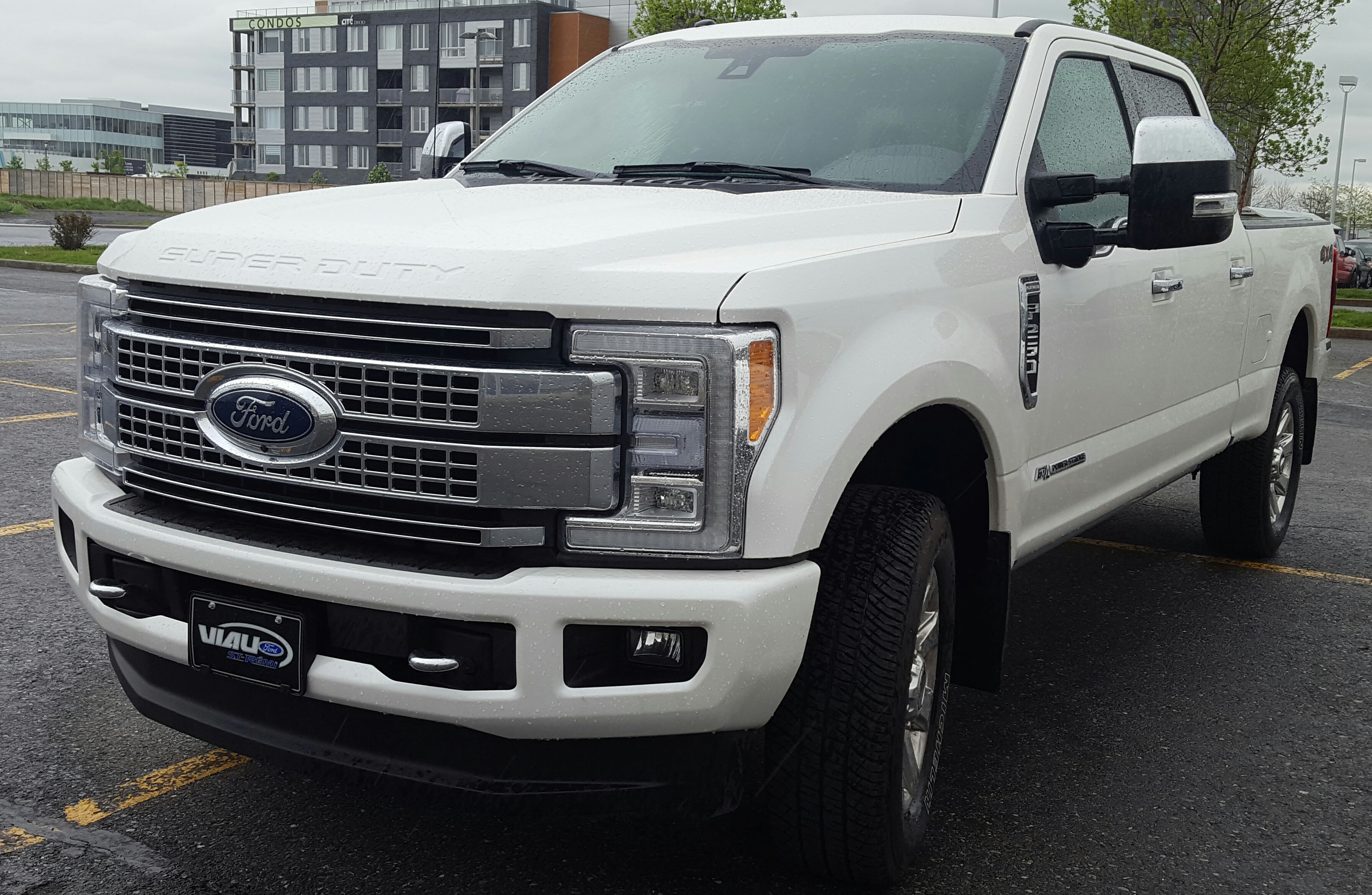
The Ford F-250 is a strong pickup truck designed for heavy work, like towing trailers or carrying heavy loads. It's part of Ford's Super Duty series, which means it's built to handle tough jobs.
Curb rash happens when you hit the edge of a sidewalk with your car's wheels, causing scratches or dents. This can be a problem when you return a leased car.
Kelly Blue Book is a website where you can find out how much a car is worth. It helps you see if you're getting a fair price when buying or selling a car.
The Nissan XTerra is a sturdy SUV that was made for off-roading and outdoor adventures. It's coming back after being gone for a while, which makes fans happy because it’s great for exploring rough trails.
The Nissan Armada is a big SUV that can carry a lot of people and cargo. It's great for families or anyone who needs extra space and power for things like towing trailers.
The Lamborghini Urus is a super fancy SUV that drives like a sports car but has more space and comfort. It's important because it's Lamborghini's first SUV, and now they’re making a hybrid version that’s better for the environment.
The out-the-door price is how much you actually pay for a car after adding in all the extra costs like taxes and fees, not just the price you see on the car.
HRE Wheels makes special wheels that people put on their cars to make them look better and perform better. They're known for being high-quality and customizable.
JDM means Japanese Domestic Market. It refers to cars that are made for Japan and might have special features that you won't find in cars made for other countries.
The BMW 740 and 750 are luxury cars in BMW's 7 Series. The 740 is usually less powerful than the 750, which has a bigger engine, but both are very comfortable and packed with features.
The Mercedes-Benz S-Class is a very fancy car that represents the best of luxury and technology. It's known for being super comfortable and having lots of high-tech features, making it a favorite among people who want a top-of-the-line vehicle.
GTD stands for Golf GTD, which is a sportier version of the regular Golf. It has a more powerful engine and better handling, making it fun to drive while still being practical.
Please tell me I like it, because I'm going to have to tell the audience how much I like it.
You are official with a whistle.
You need to be wearing a whistle.
You got the headphones upgraded, you know, just gear there at your desk.
I like it.
Yeah, just so everybody knows, it's been amateur hour over here.
So you guys have been listening to one year of amateur hour.
We kind of tell you guys, hey, we're not journalists in air quotes.
So we got set up here, and hopefully everybody, the sound's a little better.
And I'm trying to learn how to operate with these big headphones on.
But I do look official, Rob.
You do.
I told Nick as soon as he got on it, because I had no idea he had gotten them
already so quickly after I sent him the recommendations.
And I legitimately said, I am very arousal of what I'm saying right now, because
you're like, you're dealing with knobs over there.
You're like, oh, here's my gain.
The preamps go right here.
How about the volume there?
And I'm like, oh, yeah, you're talking my language.
I hear you.
You're talking my language.
So if everybody knows, I'm not the tech guy Rob is.
Yeah, no, no, not at all.
And nor on the other podcast, Pines and Polishing, which you can hear every
Tuesday, but Nick sometimes has to improv and does it by himself.
And it works.
Yeah, I did do it by myself.
Marshall, if you're listening, another tech mess up on our end, but we got
an episode out.
Hell, yeah.
All right.
We got to start with the fact that today, the day that you're listening to
this episode, we're going to be launching the first YouTube video on
our YouTube channel that's not a podcast.
Can you believe that?
Since December 2nd, 2024, it's been all podcasts.
Well, it's almost like we're not really content creators.
You guys have just been following two guys that create some kind of
content, but it's not actually YouTube content.
I take offense to that as the person that makes most of the
content that goes out on all of the platforms, but you know, you're
right, we're, and I actually had that on my notes today, we're not a
build channel.
You know, people might expect like they come across it, like we like
the chats and then they go through the catalog and it's all, you
know, media personalities, which is what we are.
We're journalistic media personalities.
That is not true.
According to the internet, we are.
We're also experts in everything and we're never wrong about anything.
That's just what the internet says.
I know.
We have the LX audio video finally going up.
So I just kind of want to set the landscape and then get some
Nix perspective on it, but we do want to do stuff and we are
going to do stuff with our personal vehicles and then other
things that are related to the automotive world as year one wraps
up and as we go, because LX already has two other projects
that's going to be coming to it and then rolling into 2026,
we're going to be doing some stuff with my GTI and then even
more stuff with Nix LX and I'm telling him hopefully, maybe
probably he brings the M3 out of the garage because it needs
some sun and needs some TLC, not TLC, you just need some
love on the road and I'm sure you guys would appreciate it.
So for those that are interested in the world, you
categorize it at 100 series, the LX, the Lexus world, all of
that, this is a video for you, right?
So this is my call to action.
You guys and I'll hand it over to Nick is if you are into
that platform, great this afternoon, 6pm, it'll be live
on the YouTube channel.
If you're listening to this or watching this after 6pm, it's
already live.
Please go watch it if you're into it.
If you're not into that platform, still give it a
like a share something that lets the algorithm in our
big tech overlords know that you're going to be
interested in those kind of videos.
Yeah, and I don't even think you have to be into 100 series
line cruisers to really appreciate professionals doing
what they do, right?
Like, these are the type of people and I know we're going
to get to the Jim Farley story that he now magically wants
to talk about techs and, you know, all these people in
the ecosystem that they're missing and all this.
But guys, we've been saying that since, I mean, I've
been saying it for years, that we're losing
professionals.
And when you when you see the kind of work these guys do
and the things that they're responsible for, I think it
doesn't matter if you're into the platform.
I mean, again, is that promoting our video?
Yeah, but I'm dead serious guys like these guys are
refurbishing a 22 year old sound system with factory
parts that they have refurbished, not by the factory,
like they're doing the refurbishment through their
ecosystem.
And just that part alone, it's definitely worth it.
Now, if you're really into the 100 Series Land Cruiser,
this is right up your alley.
If you're into the Lexus LX470, of course, this is up
your alley, but it's solving a problem.
And quite frankly, I searched high and low to see anybody
else that has any of this type of content for the audio
system and it doesn't exist.
So this will be the first of its kind video on this
system actually being fixed properly that I can find.
Yeah, again, I'm sure there might be something out
there, but I searched high and low on YouTube and it's
a lot of backyard, which I appreciate, you know, and I
say that a lot in the video, like I appreciate the guys
that are trying to get it done on their own, but this is to
the highest level it can be.
And I'm pretty proud of what we did.
Yeah, you found the guru of the gurus.
Like a lot of people think that like they'll think of
names that are related to the speakers and the
audio system of the car world or even the of the actual
manufacturers themselves.
And then little to most people know there's a guru
behind the scenes of all of that that takes care of
those things for those people.
So it's a really, really cool deep dive into how it was
set up and what went into just getting what's already
in there.
Because one of the big things that you you made a
point of is that this isn't just upgrading speakers
to new speakers.
You literally and that was I don't want to spoil it for
people, but a lot of these things live on and you're
going to see how they get to live on through the
process that Nick went through in his vehicle and
not anyone else that I've seen have gone through.
And that was one of the coolest aspects of it
that I didn't realize until after.
And here's the thing.
We need to celebrate this.
I mean, if you want to, I don't care what platform
you're into, you know, if you're into GTIs, if you're
into vintage Ferraris, if you're into old Hondas,
it doesn't matter to keep this stuff alive.
You're going to need people that can refurbish parts
because the one thing we hear from everybody out
there, and this is becoming a problem for every
brand, just had a guy, we dropped an LS430
video and a Lexus LS430 video.
And the interesting part about that video is a
guy says on there, hey, I have one.
It's a premium.
I love it.
But it's becoming harder and harder for me to keep
this thing on the road.
And I think that's a disgrace to Toyota.
I think it's a disgrace of Honda.
And Honda has said, hey, we're going to go back
and make some heritage parts and this and that.
I got to give a shout out.
Hovey's bought his dream Mercedes.
And it's at the vintage Mercedes shop.
And dude, they're making parts.
And they're talking about what it cost to build dyes,
to build a gas tank.
And you go, guys, but that gas tank now costs $10,500.
Jeez.
You know what I mean?
Because they got to make the dye to make that.
And I'll say this willingly to anybody,
like we have to celebrate keeping these things on the road.
Especially you guys that are enthusiasts,
we need people that can refurbish parts.
And I don't care if it's a speaker,
if it's something in the engine, it doesn't matter.
If you want to keep these things on the road,
something drastically has to start changing
where we appreciate these professionals
that can do this type of work.
Yeah, I don't know if it's because we've been talking about it,
but on my personal YouTube algorithm,
I'm getting a lot more of these craftsmen
that are just bringing stuff back to life
or they're repairing things.
Like anything from shoes, which is so crazy sometimes.
Hey, by the way, you got the cobbler on too?
Oh dude, you got those too?
100%.
Oh my, I found myself watching cobbler videos
for, I don't know, 15 straight minutes.
Fascinating stuff.
One of the coolest things that I ever saw in my life
was when I went to Italy, the people repairing shoes,
like they're in these like real small shops.
Most of the people are like,
they got a young person in there,
which is like a grandson or something like that or a son.
And they're like 85 years old.
And you can just like sit there
and they're like, hey, come on in, you know,
have an espresso, sit down here.
Do you need some shoes fixed?
But now that it's on the internet,
there's all these people in the United States
and globally fixing boots and what,
I think it's awesome.
Oh dude.
We need to celebrate this.
Absolutely.
And the coolest part about the cobbler one too,
actually all of them, I was gonna say,
I've gotten some people that,
all they do is like vintage audio,
like receivers that you would have seen
in the Brady Bunch, right?
So cool, man.
Like it's from the 50, 60, 70s kind of era
and it just looks awesome.
And then when they finished with it,
it looks as awesome if it would have like day one,
but with like new lights and LED bulbs and new switches
and everything, but it kept all of the classicness of it.
And these guys doing it are young.
They were young guys.
As a guy that's in the middle of a home theater project,
let me tell you right now,
I would love to go back to 1980 and 90
when I could just plug some things in
because boy oh boy is it a lot different now.
Yeah, you know what?
And I hate to say this because I know,
I don't even know the scope of your project
but I can imagine.
You could almost argue
that you could have found better stuff 20, 30 years ago.
Yeah, just easier to work with.
And easier to work with, yeah.
You know, when you try to bury speakers in the wall
and sound woofers in the wall
and then you gotta rip stuff out
and then you gotta rip, put it back
and then you gotta have this and that.
Look man, there's probably some great
home audio experts in our crowd.
Seems like it's a lot of home audio guys
are really into cars.
It's sort of like watch guys are into cars.
I'm sure you guys know a lot more than me.
This is not my space.
I paid a company, let's be clear.
This is not my space
and I don't have the time to deal with it
but it's been a large headache.
I mean, it's been a constant headache.
But again, I think it's a craftsman issue.
I'm not gonna ever say the company's name
but when I think about it I go,
where's that 65 year old passing down everything to do
to get it done right the first time
and we need to start celebrating it.
And look, you're gonna bring up the Jim Farley thing
which I think he misses about 90% of the story
but at least he's starting to talk
about technicians as well.
Yeah, so I'm gonna give a shout out
to Chris who sent this in an email.
So we'll get to a listener email here sooner
than we usually do in the show.
If you're new to the show,
you can do that towards the end of the episodes.
And Nick and I discussed this one and another one too.
So there was two of them,
but I have the one that Chris sent in here
just because Nick, that was last one next at me.
And I wanna play the actual video itself
and by all means raise your hand, Nick,
whenever you want me to pause it
because this was an interesting topic
that isn't getting enough attention
in the direction I thought it would have.
But here, let me play it for everybody.
I woke up, there were 6,000 bays
and our dealerships with no technicians.
So can't get my car fixed, no?
Two weeks, average weight is two weeks.
Now because we don't have the parts,
we don't have the mechanics, factory workers,
construction workers, farmers,
all the people that move things, truck drivers,
rail workers, and people who fix things,
plumbers, electricians, HVAC,
all the people that basically work with their hands.
Why is there a shortage of these workers?
Well, it's a complicated problem,
but there is, let's put it that way,
literally a million openings right now.
Technicians and dealerships working on cars.
At Ford we have 6,000, probably 400,000
repair technician shortages across the economy.
First of all, the productivity has not caught up
with the white collar, in fact,
has gone down over the last 20 years.
Number two, the jobs aren't as glamorous
as a white collar job from college
and I think the permitting and all the regulations
has really stunted the growth of these kind of jobs.
Okay, so we're gonna hit every buzz word possible
in that one, 60 seconds.
It's called Corporate Media Training 101 right there.
And even then it wasn't great.
By the way, Ben, sorry, Ben sent the email, not Chris.
Yeah, I was gonna say, hey, Ben, your boy tried to.
Well, no, no, no, now I'm gonna put Blaine on blast.
Ben put Chris Farley instead of Jim Farley
in the subject.
Well, we've been calling him Tommy Callahan
on our chats, Jim Farley,
so it's good that he said, wrote Chris Farley.
Jim Farley, I love that the guy talks, man.
I gotta say that every time.
I think he's talking to the wrong people.
I think he's never pushed on things,
so I think his sound bites sound incomplete.
And that's what this is.
I mean, Jim Farley knows what the problem is.
The problem is his flag hour.
Guy's having to work flag hour and not giving salaries.
You've got dealerships.
Again, for all of you, the dealership should go away.
Ford has partnerships with every single one
of these dealerships.
They're tied hand in hand.
He wants to sit there and act like he doesn't know.
Also, you don't have part shortages, Jim.
Come on, man.
Like, come on.
You couldn't push Mavericks out of Mexico
for two and a half, three years.
Who the hell are you kidding, dude?
Like, who are you kidding?
Like, we all gotta have a laugh.
Come on, Jim.
You guys couldn't build Mavericks
when everybody was in demand for the Maverick.
Like, come on, man.
We're in this world,
and I feel bad for these CEOs
because their media team is telling them,
go on CNBC and yak your mouth like we did 25 years ago.
It ain't 25 years ago.
Yeah.
And then Jim Farley went on some kind of podcast tour.
None of the podcast knew what to ask the guy.
So he starts making crazy comments
about the Mustang ECUs and how his daughter's F-150,
and you go, this wouldn't have happened
on an automotive podcast.
Why are you going on these podcasts
where nobody's connected to the whole system
that they don't know and it's not their fault, right?
If Jim Farley calls your podcast and says,
hey, I wanna be on your podcast.
Of course you're gonna,
he's the CEO of one of the biggest companies in America.
You're gonna be like, yeah, let's bring him on.
But if you don't know what to ask the guy,
and there's a follow-up question problem,
I wanna say this.
Ford has had massive issues for like 40 years.
It didn't start with Jim Farley.
By all accounts talking to educated people,
Jim Farley's trying to clean up Ford from the inside out,
but we don't get to see the inside part, okay?
And they never talk about these massive issues
that Ford has had, right?
And so when we look at the world
that Jim Farley and other CEOs live in,
I don't think they're living in 2025.
Why do you continually go on CNBC?
Your stock price is 11 or 12 bucks, bud.
I get going on CNBC if you're gonna drive it
to $120 a share, you're not gonna do that.
So why don't you start talking to people
that are gonna buy the fricking cars?
Mustang Mach-E is outselling your Mustang flagship,
sports vehicle, two to one.
And you're sitting there talking about ECUs.
You know, it's funny that you mentioned that
because I think one of the reasons could be
that he's not going on automotive dedicated
kind of channels or shows is because it's,
he's gonna get poked and prodded a little bit too much
than he wants to and has to dig into.
So when you go into a regular,
like I know this one was on Yahoo Finance
and the other two that I saw where it was like
random ladies, no offense to the ladies,
but the questions you could tell
were probably given to them to ask.
And if they went too off the beaten path,
he brought them back with kind of like his,
with his weave, if you get that term, you get it.
But I think what they're also trying to do
is thread this needle of, look,
the enthusiasts are never gonna be happy with us.
We're doing some stuff, but not enough ever.
So let's try to get the regular consumer
and use all the buzzwords.
It's gonna get the regular consumer
in better terms with our brand going forward,
whether we go all EV,
they made the big email EV update announcement
not too long ago.
And I think that's the play
because they're trying to, he, whoever
is trying to look at the larger picture
and unfortunately leave the enthusiast
kind of in the past.
Well, and also I don't think
it's working the way they think.
No.
Right, because you have this thing
where he talks about Ford being this American company.
One of your best selling vehicles should be Maverick.
It's being built in Mexico.
You talk about how you got this $2 billion tariff bill
that you're trying to negotiate with the administration.
How'd you get a $2 billion tariff bill
if you're an American company?
Interesting.
Because again, you're using American company
as this thing that it really isn't at this point.
And by the way, I'm not blaming them for that.
Everybody needs to understand that.
But you're using Buzz words while also
in the next sentence saying,
we got a $2 billion tariff bill.
Well, you wouldn't get a $2 billion tariff bill
if you're building everything in the US
the way that you just said two seconds ago.
You're not really doing what you say you're doing
and you're making the problem worse.
We all love the guys like him talk
because we get to have conversation like this.
This is like unbelievable.
But you go, I think you guys need to rethink
who and what you're talking about.
Because again, I'm not saying you have to come to us
to get to the enthusiast, okay?
But you should come to us for a competent conversation, right?
There's a very big difference.
These conversations he's having are,
the technician one is incompetent.
He knows why there's a shortage.
They're not getting paid enough, okay?
They're not getting paid enough
because there's a system called flag hour
or peace work or whatever words you wanna use.
And it's completely screwing up the workflow of everything.
But you're not gonna hold just like they didn't during COVID.
You're not gonna hold your dealers accountable.
So here you go guys, you wanna blame the dealer
but their boss doesn't hold them accountable.
Because Jim Farley and Ford Corporation
is the boss of the dealership.
You can sit there and think whatever you want
that they don't have an overlord
but they don't get cars unless Ford sends them.
Right.
So if Ford didn't send these dealers cars
they wouldn't have any cars to sell.
So it's a partnership.
You know, we've all heard these adages of like
how the tongue is like a sword or a blade, right?
Especially usually when somebody's talking
kind of ugly to you or mean.
Well, when somebody's as slick as Mr. Farley thinks he is
and might actually have been
and still kind of be to some people,
it's cutting twice
because it's cutting when he's speaking
but he's cutting himself too
because he doesn't understand sometimes
how self inflicting the wounds are
of the dumb shit that he says sometimes.
Yeah, and by the way, he's a really fricking smart guy.
Yeah, you could tell.
He's a really smart guy.
And I actually like from what I can decipher
some things they're doing internally
to streamline their business
which is kind of nerdy stuff
that's not worth talking about.
I know he doesn't have an easy job
but you're building F-250s in Canada.
Why?
You don't need to build F-250s in Canada.
That doesn't need to happen.
You need to get, if you wanna be an American company
let's go ahead and be an American company, big dog.
You know what?
But you gotta put the money up.
Once it stopped becoming the number one
best-selling truck in America,
he's like, we're gonna move into Canada, all right?
Chevy took over, we're out of here.
Yeah, but look, for everybody wondering
what he was talking about in that clip though,
there's a huge technician shortage
and again, I think Ben wrote in his email
is that because of all the recall work?
I was just about to get to it.
It's not really the recall work, man.
I mean, that is a big issue for Ford,
there's no doubt, but you can go into Ford dealerships
and have 10, 20, 30 bays.
And it's like a Walmart with the checkout line.
They got 700 checkout lines, but two of them are open.
They just have a financial, the whole financial incentive
to become a technician, cars are harder to work on,
you gotta move more things out of the way
to get to the part that's broken.
And by the way, you don't get paid
except for whatever they budgeted that time to be.
So if they say this job's gonna take an hour
and you take two hours, you get paid for an hour, right?
That's how flag hour works.
And so you got people rushing work, work is less quality.
That's a system that maybe worked 10 or 15 years ago
and cars were easier to work on.
It's not working now.
And you have more technicians saying,
I wish I had to become an HVAC tech, a plumber.
And once you can work on a car,
going and being an HVAC tech is,
I mean, you can go do that in an afternoon
for some of these guys, they're so talented
and they can make a lot more money.
Yeah, it's funny that you brought up the grocery store,
you know, like seven aisles and like two of them
or one of them work.
What happened to the point where they're,
now they're all self, so first of all,
it was like people are checking you out.
There's all these lanes, one person checking you out.
Now you got the self-checkout, a dozen of them,
but two lights are on, you can't use the rest of them.
Yo, I'm gonna lose my mind.
Becky can't watch 10 self-checkouts at once.
You gotta bottleneck this thing.
You gotta get all the IDs like for the alcohol
or whatever, you just gotta go scan or thumb
every five seconds.
Yeah, gotta turn the key, gotta swipe the card.
I mean, dude, it's, this is such a great conversation,
but again, from the LX470 video
to what Jim Farley just said,
we are losing the men and women that can do this work.
And we've told a lot of the guys
that are into more vintage cars, which, you know,
once you get to something's 20 years old, man,
you're into a pretty, it's not vintage like a 1950s,
but you know, your car gets 20 years old,
less and less people can work on them,
less and less people know what they're doing.
Most of your technicians, you know,
are really young at the dealership or whatever.
They don't know you're, you know,
they've never worked on a car like yours sometimes.
And you start to run into real issues, man.
And all of us are gonna probably have to start working
on some of these vintage cars.
And I'm the kind of guy, man,
I haven't wrenched a whole bunch on cars.
And so it's gonna be a learning process for me,
just like everybody else, but I think we're headed
that way.
I mean, we are in such a shortage.
It's great, he's talking about it,
but he has the answers.
They don't wanna talk about it.
They don't wanna talk about the money it's gonna take.
Yeah, I think the only, not the only,
but one of the bright sides of it is that I do keep reading
how the interest from young people is shifting
towards the trades, right?
Whether it is HVAC automotive,
but if they're also on social or online at the same time
they're trying to learn about those career paths,
they're gonna get discouraged really quickly,
which is kind of like that's the double-edged sword
to that because you go to school for it,
find interest in it,
whether it's through your family, parents or whatever,
or just genuine interest.
And then you go to your school, you do a thing
and they hop online and you're like,
all these texts are really complaining about
all these different jobs that are out there.
Do I wanna keep doing this kind of thing?
Yeah, no, no, it's a big problem.
And I wanna root everybody on.
There's a lot of money.
I own a blue collar business.
There's a lot of money in what my guys do every day.
I just don't think everybody's been told about it
for the better part of two and three generations now.
And there's people that I trust
that were down in Austin and like,
hey man, the building trades,
if you went and started an electrical company in 2020,
I mean, some of those electrical and HVAC companies
that were 10, 20, $30 million in a five-year period,
they're so busy.
And I mean, it's happening every day.
And the car business has to get real.
The number one manufacturers are building cars
that are harder and harder to work on,
that are having more and more catastrophic stuff happen.
And then you need somebody to be able to tear it down,
but you gotta pay them.
And so really the change is gonna be
when they take technicians and put them on salary,
that's when I think you're gonna actually see this change
because you gotta guarantee people something.
You can't just keep doing it this way.
But Jim Farley, I mean, probably to his credit,
doesn't wanna throw his dealers under the bus and go,
hey, this whole ecosystem that Ford
and our dealer network has made,
it doesn't work anymore,
and we need to start paying salary,
probably need to start with signing bonuses.
I know somebody that used to own
one of the biggest heavy equipment companies
on the West Coast,
they recently sold it for a few billion,
which is, that's a nice payday, I'm assuming.
They were paying 30, 40, $50,000 signing bonus
to get heavy equipment tax.
They've been doing that for the better part of last decade.
Here's a question for you
that's more like a historical opinion
or you might actually know.
Is there any example,
and maybe I'm just forgetting,
but is there any example in the automotive world
where an executive will just call
whoever the top dog was of any company at a time
that went as far as to say,
I'm gonna cut my salary in half
to make sure we don't have to lay off people,
give people better.
I'm sure, but you guys all gotta remember,
and let me say this very clearly,
even if somebody takes a $1,
the proverbial, I have a $1 salary,
they're making it up exponentially in stock options,
they ain't taking a hit.
And the reason I bring that up,
the reason I bring that up
is because I've grown up loving gaming,
my kids love to game,
outside of sports,
they'll practice more so they can game more.
So which is great,
that's a great trend for me.
So when I was 20,
a long time ago now,
it sounds crazy to say,
I was a manager at a GameStop
and I think it was around the time
we was a big thing,
and Nintendo in general
had a lot of things going on
and whoever was running the show at the time,
and please correct me in the comments
if you've got some gamers that listen to this show,
I'm sure a lot of you dads
and people who love gaming,
whoever was running the show was also a developer
and was also a coder
and it also helped a lot of things come together
for Nintendo at the time that was struggling
and the story goes that he himself
literally cut all of his compensation in half
to make sure that the developers
and the people that needed to get these systems
and games out at the time
didn't lose their jobs
and they were able to finish the projects.
I don't know if that's ever really happened
in the car world to that,
if it was that authentically done.
I think there's actually a bigger problem.
You go to a really good point here.
I think a lot of executives
haven't come up through the ranks.
The way that they should.
I mean, we're seeing that here in Las Vegas.
I mean, the stuff that's happening with the casinos,
everybody for generations that used to run the casinos,
they started as, hey, I was a blackjack dealer
and then I became a pit boss
and then I became the manager of the pit bosses
and then I went up into the C-suite
and so they knew the business head to toe.
There's a huge problem with that
in every corporation by the way.
I mean, you can see,
look at the Starbucks fiasco right now
where they basically brought in a CEO,
had no clue what he was doing,
another shut in stores and they got a guy,
I think the guy turned around Chipotle
who they've now hired to come in and turn around Starbucks.
And obviously he's a smart operator, right?
He's gonna turn the share price around
and turn the company's financials around
but that doesn't set you up
for success long-term necessarily all the time.
But those homegrown executives,
that's kind of a thing of the past.
In a car business,
they do come up a little bit through it
but did they start on the assembly line?
I don't know that most of these executives did.
And I don't wanna begrudge anybody
or say that I know that 100%, okay?
I'm not saying, I'm sure there's some out there
but there's something to learning the business.
And this is why I think college is so
incredibly less valuable today than it's ever been
is because what everybody's learning is
when that guy is 20 years old
and he starts at the bottom of a business
and then he becomes an executive,
those companies tend to do very well, right?
And it's very hard to predict an executive hire
of somebody that's never done or been in that business
from the bottom to the top.
And I think that's going to make a big, big return.
And that's another reason why
if I was 18-year-old guy listen to this,
let me tell you, man, just go do something,
get into a company.
And I would say 10 years from now
you'll be an executive
because I think more and more companies are like,
yeah, we're done with this,
hiring somebody from the outside.
John's been here from the beginning,
we're just going to keep moving.
That is becoming,
and that's the way it always should have been.
And that's what the generations long ago used to do.
And that's how so many of those people did so well.
They didn't move around a ton.
They went into a company, they got promoted.
And I really think that's making a comeback.
And I don't even think it's making a comeback.
I think it's here now.
Yeah, I totally agree.
And I can't name names,
but I have family that work
in some of these bigger fortune companies.
And the amount of stories I hear at the holidays
at whatever kind of gathering of
the amount of C-suite level people that are changing,
especially people at the top top,
because they came from similar
or maybe even indirect industries into a new one.
And then it's just, it's a shit show.
But because of the credentials of like some other industry
they think that they're just going to plug them in
and it's going to work, it almost never works.
Yeah, it's very difficult, man.
I mean, it's,
and there's some talented executives out there.
There are some people that know how to run companies
that know how to run operations.
You could stick them into any company
and they would be successful.
That's a tiny percentage, man.
And that's why when people bass executives, I go,
well, what you hope is you got one of the good ones.
Because when you have one of the good ones,
your company that you're working for
or that you like their product,
that shit's going to work.
But you got to get in a,
I mean, it's like a needle in a haystack.
And we never really said that out loud.
And Jim Farley is the perfect example.
Jim Farley knows the problems.
Jim Farley is now on this crusade
to bring blue collar work back.
I love that.
But Jim Farley is dodging the biggest issue, which is pay.
And that's when everybody out there looks at it and goes,
I wish somebody would have asked a follow up question.
And that's where I think their corporate team
is not thinking this through and go,
guys, if you came on something like clutch culture,
I'd be like, Jim, I know what the problem is.
You know what the problem is.
When are we going to talk about the pay
disparity that's going on with the flag hour stuff?
And how do we get these people on salary
and make it a profitable business
and make sure that the customer's handled?
But dodging that issue does,
and I think Mike Rowe does this a lot too,
who's really into this thing.
You got to start calling some people out.
And by the way, they don't want to do that
because some of those people are their friends.
Some of those people are their executive friends.
Some of those decisions they were a part of, right?
So they don't want to bash themselves.
And it's like, guys, we've made a mistake
for a couple of generations here.
That's all, just fix it.
Yeah, you know, you say some of these things
aren't being said out loud.
You know, Nick and I will talk about
these kind of topics often.
And one thing you just said right now,
like if you're 18 listening to this,
or if you have a kid maybe that you're listening to this
that's around that age and you're encouraging them
to just start something like Nick said,
doing that, it requires this thing I call,
and a lot of people are familiar with,
being bought in.
And unfortunately, it's like,
that's a dirty phrase these days.
Like you can't be bought into corporate America
or the corporate, which, I mean,
you and I aren't in corporate America.
We've done things in corporate America before
and then you kind of get out
and you do your own thing and it works.
And it's not for everybody, but great if you make it work.
But you need the people that be bought in,
especially the young people when they're 18
or when they're 20, so that when they're,
you know, 30s and 40s and beyond,
they're the people that know how to operate something
and they're not just, you know, shitheads.
I tell people all the time, go look it in and out.
You start as a fry cook it in and out.
10 years later, you're managing it in and out.
You're making 160 grand a year.
God damn.
You want to tell me, you don't want to go cook some fries?
Okay, man, because 160 grand is coming.
Yeah, because we're gonna keep building more.
Bucky said they'd get a quarter of a million
to just, you know, do the registers or the gas or something.
So we had somebody that we knew
that managed all the pharmacies in a region for Walmart.
She wasn't a pharmacist.
She wasn't a pharmacist.
And I can tell you a quarter of a million was pretty light.
I was gonna say that's like a half a million right there.
I mean, and guess what?
The four bonuses.
Yeah, but I mean, a woman wasn't that old
but she had started at the beginning of Walmart,
worked her, you know, used Walmart to pay for education
and all that kind of stuff,
stayed with Walmart, didn't go anywhere else,
gets into managing the pharmacy, you know, of a region
and all of a sudden you guys tell me
corporate America doesn't pay off.
I'm not saying it's great at the beginning.
Sure.
They're not telling people what the five and 10 year plan is
because they think there's no money in it.
You and I know plenty of people that have become millionaires
that are not that extremely talented.
They just stuck with a company
and learned the systems of the company
and did what the company told them to do.
And all of a sudden they're making 150, 250, 500,
a million with stock options.
And all they did was stick it out.
They're not any smarter than anybody listening.
They're good people that stuck it out and they go,
yeah man, what a great life I got.
Yeah, they got some good stick-to-itiveness about them.
100%.
And like I said, the entrepreneur bros on the internet
have made you believe that there's no money in any of this
and there's tons of money in all of it.
Yeah.
There's a lot of articles going around right now.
My feeds are so weird, dude,
like because I watch them a difference,
I'm sure you're the same.
You got the Eastern Block guys
that are screwing up the cars
and then you got the Cobblers.
By the way, that's the fundamental part of my story.
That's the cornerstone.
The Cobblers and the business is all like secondary
to the guys.
Oh yeah, that's a distant tent.
So there's these things going around where influencers,
and please chime in, if you have examples of videos,
we'd love to maybe pull them up on the show,
are quitting their influencer lifestyles
to go back to the nine to five.
I don't know if you've seen these videos.
No.
Dude, and I'm not even laughing at them
because I do a lot of stuff media-wise
and I have for 15 plus years now,
but because you mentioned the entrepreneur bros
and these business bros online,
they're good at telling stories.
They're good at convincing you with their words.
Going back to Mr. Farley here,
you've got a sharp tongue,
like they're very savvy, very slick,
and they've made it work for them
and they make everybody believe
that they can make it work for themselves.
And then most of these being girls,
they're like fashion influencers or whatever,
they're like, yeah, I'm going back to a nine to five
because I just make way more money
than being a fashion influencer.
I always tell people, man,
my first five to seven years in business,
I had job offers on the table
to make considerably more money
than I was making for those five to seven years.
And you've got to hope you make it up on the back end,
but 90 plus percent of people don't.
And so, you know, stop listening to idiots like us online.
No, no, no, no, no, no, no, no, no, don't listen,
no, don't listen to Nate, listen to me,
listen to us is what I say.
Here's the thing, man, you know what'd be cool?
And look, I've shared this before,
but a guy I knew who was the number one
most certified person in all of Mercedes-Benz,
all he did was a service manager for a dealership here
and he made anywhere from 250 to 450 a year
depending on bonuses.
Nice.
And he never went to college,
didn't work extremely hard every day,
but he was so good at what he did.
Techs loved working for him.
It was the busiest Mercedes dealership,
service-wise they did great work.
He was great at what he did.
That dealership paid for a country club membership
and company car and all of this other stuff
that he wanted, but he did all the certifications.
He always did what they asked him to do.
And he went on, put all of his kids through college,
paid all the money, three, four kids, paid it all for him,
was making 250 when 250 was unheard of, okay?
Now that job's probably every bit of half a million dollars
if he would have stuck around just base salary
because of how much work they were pumping.
Guys, there's a lot of money around the world.
And again, I don't wanna see this technician world.
I understand why technicians are quitting.
Don't get me wrong.
I'm not trying to tell people
to go into something unprofitable for them
or something that they love.
But Jim Farley and others need to start getting serious
that there's a lot of payment issues
that you guys need to rectify.
And don't tell me it's not a parts issue.
Okay, you have plenty of parts issues, my guy.
That was the first thing he said.
It's not a parts thing.
It's not a parts, the first thing he said.
Of course, waiting six months on a tail light
is not, it's not our issue.
It's like, come on Jim,
you guys couldn't build your own vehicle.
You know, you mentioned Mercedes right now
and the work there.
And they just, I don't know why
made me think of the Porsche story
that you told a while back.
I wanna know where that guy is
that got his people pretended to be him
and he took you out.
I wanna know where-
I'm sure they got fired.
I wanna know where they are
and I wanna know where the guy is
that took care of you.
Or they're running all of Porsche.
I'll like look it up and be like,
hey, that guy made it to the top of Porsche.
They're the guys that are in charge
of all these allocation programs.
You know, everybody's always going nuts about-
Yeah, everything that's a mess.
Yeah, exactly.
That's so funny.
All right, we'll stay on the subject
of the kind of the car world and car sales stuff.
And I had a video sent to me.
You know, we referenced our good friend,
not real friend, but we like his social,
Ben's and Bowtie's.
And I don't need to play the whole video,
but you've talked about how frequently
people buy cars, right?
Cause we had early on in the show,
like first couple of months,
buying versus leasing, financing, paying cash,
the same kind of conversations.
But in this video, he breaks down
some of the math where it comes to like population size.
You know, he talks about the population of the US,
how many of them have licenses
and the people that are drivable age,
and then breaks it all down to the,
even to the number of like the thousands per year
per month that buy cars.
End of the day, you buy or lease,
whatever makes most sense to you.
Do you have any way of distilling that?
Because in the comments, what rang true to me
was that people were just completely unaware
of the consumer's habits.
Also not knowing that they're typically
in that consumer habit themselves.
They don't keep the car typically more
than three years, four years,
and then it gets something else.
Yeah, I mean, I say this all the time.
People would tell me how long people keep Toyotas
and people keep Volvos and Subaru's longer.
Yeah, that's right.
You were saying that during all the videos.
People just don't know what they're talking about.
And again, this is what hurts the consumer.
So for everybody following us,
consumer hurts themselves more than a dealership
or the manufacturer.
The consumer signing on the dotted line,
coming in and having negative equity
and then rolling that to another car.
I mean, I know guys that have rolled negative equity
on, you know, five, six, seven cars ago.
They're still rolling negative equity.
That was a big part of this too,
is the negative equity, yes.
Yeah, I mean, people don't realize,
I mean, negative equity is financed at 2X, right?
So whatever your finance number is,
that's a good rule of thumb,
probably different when interest rates
get out of control or whatever.
But assume, let's just say for every thousand dollars,
you know, you pay 20 bucks a month.
I'm just using a round number, guys.
I'm not deep into what the financing is right now.
But let's say it's a thousand dollars,
you had to pay 20 bucks for that thousand bucks
or 20 bucks for that thousand bucks.
If that thousand bucks is negative equity,
you got to pay $40 to finance it, okay?
That's a very big problem.
And I know guys that had,
I mean, even when a thousand dollar payment was insane,
they'd buy a truck, they have a thousand dollar payment.
I'm like, what happened?
And then they'd come in and talk to me and I'm like,
dude, four cars ago, you still have negative equity
that you haven't paid off from that car.
And again, buying the car intelligently
and then understanding when to get in and out of cars
is a real thing that consumers have no idea how to do.
And they don't know until they walk into the dealership.
So they're going off the dealer telling them what to do.
And then they're complaining about the dealer.
I go, bud, if you didn't know going in
what was gonna happen, the dealer's gonna tell you
what they're gonna tell you,
but that's not the place to get the education.
You should be educated before walking into the dealer.
Dude, well, where can people get this information?
Because no matter how many times
you hear a different personality,
it could be you or I or anybody else on the internet,
breaking down the money factor versus the finance fees
versus the terms of the lease versus whatever,
they still go in there every two or three years
making the same mistakes.
Yeah, well, the number one thing is if you buy cars,
not lease or anything like, but if you're buying cars,
number one, negative equity has to be a no-go.
You can't start with, yeah.
You can't start with negative equity.
So most people I say, I tell them,
if in your lifetime of buying cars,
you've never actually paid a car off,
I know you're usually in a lot of trouble
unless you're in a certain tax bracket.
And everybody needs to see it this way
that once you get to a certain tax bracket,
cars aren't a decision.
Negative equity is not a decision.
I mean, I've had people write $100,000 checks
to wipe away negative equity.
There's a certain tax bracket that this does not pertain to,
but the average middle class or below,
the real thing is to get something paid off
that you've taken care of
if you're going to be buying cars.
Now, if you are in the leasing world,
hey man, find the best lease deals,
get them at the time,
make sure you stay within your mileage,
and call it a day.
I mean, leasing is really straightforward.
This is your payment.
You're not responsible for anything
other than your payment.
You're gonna turn a car back in,
make sure you don't screw up your lease,
make sure you don't curb all your rims
and scratch up your car
and all that kind of stuff that you can get dinged for.
Don't go over your mileage allotment.
Leasing's real easy to understand.
Just follow the terms of the lease to the T, you'll be fine.
Like leasing is not a bad option.
If, again, there's business reasons to lease
and all kinds of different reasons to lease a car.
I've been paying cash for cars forever
because I just flipped cars
and I kept the count separate from everything else
and this is my car account,
and if that account didn't go up,
I didn't go buy cars, right?
So that's how I buy cars,
but I don't think it's somehow the best way to buy a car.
You can easily finance cars and not get screwed over
and the number one way to screw yourself over
is negative equity.
One thing I don't think I've heard too much people talk about
is those that come to the end of the lease
and then they have different stories of like
they chose to buy the car
or what the better option might be depending,
I guess, on the car, in that situation.
Yeah, so you just have to find out at the time.
So let's say you get to the end of the lease
and your buyout's 30,000 and you have to finance it.
Well, if going and buying that car you want
that's similar to yours is like $75,000,
you might go, hey man, this car's been taken care of.
I did every recall during the time.
I did every oil change.
This is a good deal.
I look at Kelly Blue Book, it's a reasonable price
and right now I just wanna keep the car.
I wanna get it paid off.
I wanna have this car.
Maybe I'm gonna pass it down to a son or daughter
or whatever the case may be.
Just don't do negative equity.
That's it.
And if you wanna buy out a lease, usually, look,
a lease is just financing the depreciation.
That's all you've really done is finance
the depreciation curve of the vehicle
and that's okay, right?
But when you get to the end,
make sure you look at all your options, okay?
If I finance this 30,000
or is it gonna be the same if I go finance something
that is technically more expensive
but it's brand new and they have all these incentives
on the lot and I can get the same exact payment.
I can get the upgraded everything.
I got it under a better warranty.
I got, there's all these things,
but guys, none of this is rocket science.
You just gotta write down what's going on yourself
and you gotta say, okay, here are the facts here
and here are the facts to do this other thing.
Which one fits what I'm trying to do?
That's it.
But here's the thing, you gotta do that exercise.
Yeah, you gotta mentally and actually do it
when you have that in front of you.
I don't know if anybody's ever heard this.
There's a lot of things in a lot of different world
where people say something like this.
Compliance is the science.
Oh, that's a good one.
That one's old.
I haven't heard that in a long time.
Yeah, compliance is the science.
I used to hear that in the bodybuilding world a lot.
Oh, here's the thing.
You and I know about guys cutting weight.
Yeah, that's what I was gonna say.
Okay, the guys that miss weight
don't comply with what they were supposed to do.
Look, Kevin Gaslam looks good at any weight.
We can all agree on that, okay?
Even if he's missed every weight for the last eight years,
no offense, I love Kevin Gaslam, just saying.
Yeah, but it's, again, he's not complying.
He's trying to cut too much weight.
I mean, look, I know guys, I mean, myself,
I could tell you this.
I can cut 22 pounds in 24 hours if I really need to, okay?
Not today, but I've had that in my past, okay?
You imagine Nick at this age,
be like, you know what, this Christmas,
I'm gonna come shredded to Christmas Eve.
Yeah, yeah, 22 pounds in 24 hours was a possibility for me.
And by the way, I did it more than a lot, okay?
So I would say to everybody
that you have this similar situation
is like, that's all unnecessary.
That's not the right way to cut 22 pounds.
That's not the right way to finance your car.
You guys have to think about this.
Complying with just good financial decisions
is going to go light years ahead of 99% of people
that walk into a dealership.
And again, don't think leasing is bad.
Don't think paying cash is bad.
Don't think financing is bad.
Find what works for you in the moment of,
let me see what I want out of my car experience
the next two, four, six years.
And again, you're not gonna guess that perfectly,
but at the end of it, do not roll negative equity.
Don't do that.
If you do that and you get in the habit of doing that,
you are going to get raked over the coals
and the only people that win
are the banks and a dealership.
That's it when you roll negative equity.
But there's a ton of good,
you guys are about to see a ton of great lease deals
here at the end of the year.
Dude, you sounded like when a parent's trying to talk
to their kid, like, don't do that.
Like you're really worrying on, don't do that.
Yeah, don't do that.
Like, here's the thing, man.
I've had to do it a lot for people.
Some could economically, doesn't matter.
Others, it was a real painful two, four, six years.
You're like, I'm gonna lose more sleep over this
than you are.
He's just don't know.
100% because I mean, I've had families in here.
I've had somebody that got referred to me
and I'm like, oh, what we're gonna have to do here
is just gonna, it's gonna be painful.
Like they're, you know, and again,
your tax bracket is the decision maker
that a lot of people don't wanna hear.
Yeah.
All right, we got to shift into one of the topics
that I thought we'd talk about way sooner
because it's exciting news to us.
I mean, most off-roaders,
I think Nissan officially makes the announcement,
confirm the Nissan XTERRA is coming back, Nick.
This, I might actually get a lease on this.
That'll be the first lease I ever get
to get an XTERRA just so I can feel nostalgic.
Hey, your boy got an XTERRA,
what is that, about 12 years too late, 15 years too late?
Where are we at on the lateness of this?
What are you talking about?
It's just a right, it's at the right time.
We canceled the XTERRA right when
the overlanding market took off.
It's like when Toyota canceled the FJ,
right when things got hot in that marketplace.
Those moves really should be studied
when you say it like that.
Oh, so the XTERRA was the most egregious move
in the moment.
Whoa, look at the interior of this thing.
This looks good.
Hey, this isn't your dad's XTERRA.
No, or sister-in-laws.
She had one of these.
My mom had one of these for a little bit.
Hey, they got rid of,
I think they bring the plastic back.
Bring the plastic back.
No, what's wrong with you?
Hey, why are they showing me an Armada?
That's not even the XTERRA.
Are you sure?
Infinity, this is the Infinity version?
Wait, what's going on there?
No, no, it's Nissan Armada they just showed.
What are you doing to me, Rob?
No, look!
Hey, who is this, Motor Trend?
Yeah.
Can't you guys get a pre-production model?
Oh, you're right, what is going on?
They fooled us.
Hey, Motor Trend, this is garbage.
Go down, can you go down?
Let me see the inside of this thing.
I need the inside of this.
Where are these pictures at?
Do I have to scroll through individually?
Oh, yeah, you got to scroll over.
Oh, they brought back the tailgate though.
Yep, I like that.
That's a big win.
Honestly, that still looks pretty decent
if you see those today.
I agree, man.
XTERRA was cool.
XTERRA was real cool.
Love the boxiness.
Why are we such fanatics for these boxy looks?
Hey, look at your boy with the big boy bumper on there.
I do like that.
You don't like the horns though, right?
Yeah, yeah, no.
Or the bars or whatever you want to call them.
Why do we only get two pictures of the new one
and all the old stuff?
Hey, Nissan couldn't have their device.
Well, they got rid of their design place out
in California so they couldn't mock this thing up.
Damn it.
I wanted more shots.
What did I get to?
I'm glad they're doing this.
For everybody, they know we're rooting on Nissan
because I don't want to see less options for any of us.
But that looks pretty good, man.
Yeah, the two pictures were good.
That looks pretty good for everybody.
You go check it out on YouTube
if you haven't seen it or Google it.
I think that looks pretty good.
And now, the question is,
are you going to get the big tires on all of them?
Because this is what Land Cruiser has messed up.
Dude, just make that the base tire.
Yeah, well, the one that we just saw
that we thought was it but was an Armada,
you know, it has that Lexus problem
where I don't know if it's a,
of course it is, it will turn as a hybrid.
It's going to have that really small,
you know, storage capacity.
It's going to have the really, you know, just,
I don't know, unnecessary base tires
because, you know, it's also classy.
It's also nice, but it's also an off-roader.
Yeah, it looks good, man.
They did an awesome job.
I didn't tell you the Lamborghini Urus Hybrid.
The Lamborghini Urus Hybrid.
What about it?
So I got, I got in one.
Yeah.
I don't know that it achieves what I'm trying to achieve
if I own a Urus.
I don't know that I'm,
I don't know that the Urus buyer needs a hybrid.
I think they're probably good
no matter what the cash prices are.
You don't think chicks care that you have a Urus
as a hybrid?
I'm just saying.
I mean, I just go, I mean, isn't sort of the point,
like when I start this thing up and, you know,
I drive it around, there's the Lambo noise.
I'm not against it because I don't,
I'm not the one buying it,
but doesn't a Urus Hybrid just sound wrong when you say it?
Yeah, by wrong, you mean gay.
Yes.
Yes, 100%.
I mean, it looks cool.
Don't get me wrong.
I haven't pulled up here from the car and driver.
Can you find the light blue one?
The light blue one.
Hey, what am I?
See if you can type in and get the,
get the light blue Urus Hybrid.
What am I?
Jamie over here, you want me to pull it up
with lightning fast.
Hey, Jamie, can you pull that up for me?
Is it, is it just called a Urus Hybrid
or do you want me to give it another like little moniker?
I don't know.
I think it's called an SE.
Urus Hybrid.
Lamborghini Urus SE Hybrid maybe or something like that.
How did you, was it just like a customer car or did you?
Yeah, a customer car.
Hey, look, it's, I just don't know.
This is where we get into,
we, you and I would have voted for hybrids
over electric, full electric.
I think it, it makes a lot more sense.
It's true.
I just think my question is,
was the Urus crowd saying, can you get me a hybrid?
I can guarantee you they weren't.
I can guarantee you that they're mad
that there's one there.
Let me see.
Oh, there it is.
This one, okay.
Yeah, I like that.
Yeah, looks good, man.
Looks fantastic.
No, I bet you the people that own these now
are more upset that it exists, you know?
Rather they, they're like, great.
Now we're in the rest of the crowd
with the other homos that have these hybrids and EVs.
Oh, it's just one of those things.
It's like, I don't know if I was really clamoring
for a Urus Hybrid.
What are those gonna,
do you know what it runs?
Is it gonna be in the same ballpark of everything else?
I forget what it was.
I could probably pull the paperwork on it.
I honestly forget.
I'm gonna, I just,
because I want, I have to know if it went up.
Cause you know, hybrids are supposed to cost more.
Let me see.
The SE Hybrid is starting at around 262.
Yeah, probably with all your options.
I think it probably was somewhere around three-something.
Once you're gonna get out the door.
For example, specific light blue Urus SE
significantly more than the base price
for the example showing priced over 344.
Yeah, I wanna say it was like three-something.
Yeah.
What?
I sound so disconnected right now.
Like I'm just, like I don't know.
It's like guys, I see so many of these cars
like it just doesn't register.
I'm sorry that I didn't have the exact price ready to go.
Yeah, like I don't know, 260, 340,
something like that's around that ballpark.
Well, speaking of hybrids,
let's go ahead and just,
let's add on to the conversation.
The next Porsche Boxer Cayman
might keep the flat six, but go hybrid.
So what was the Porsche news
that they're keeping the engine, right?
That's what?
So essentially this going away is not happening.
They're gonna keep the gas engine, which is great news.
Boxers and Caymans should always have a gas option.
Again, if they wanted to go electric,
I don't know why they just didn't do both.
This has been the conversation
we've all had a million times, which is,
I get it, there's a tooling issue
and there's a production issue.
Porsche doesn't have any problem raising prices.
They seemingly don't care what stuff costs.
They do what they have to do to run their business.
I think sometimes the weakness in the market
is now driving these decisions
because it's about to be a pretty weak
five to 10 year period in the car market.
You just had the boom period, that five year period.
The likelihood they have another five to 10 year boom
is pretty slim.
We're already seeing inventory start to pile up.
We're gonna get back to normalcy here.
I'm kind of interested to see what that does with pricing
because look, inventory's piling up.
It is, it is.
Homes as well, but that's for another show.
We're gonna have a finance show, guys.
We're gonna have a real estate and finance show.
And you're two are gonna be finance bros,
real estate bros, construction bros.
The knucklehead finance hour.
Dude, that'd be the most popular show on the internet
along with the number one automotive podcast,
clutch culture.
We'd just be talking about Bitcoin.
Whatever happened to BitBoy?
I think the guy went to jail.
But that reminds me of two things.
We're talking about Porsche on the hybrid.
It's been a couple of months,
but do you still have a couple of tabs open
with a potential Nick Porsche in 2026?
And before you answer, it's funny how I'm starting
to see some people in the creator world
talk about a certain model of car
that you were like, that's the car to get.
Yeah.
I think you know what I'm talking about.
A year worth of content.
One of our favorite creators,
I won't use his name, disappointed me,
took a lot of my ideas.
So I'm just kidding.
I don't know if he did or not.
I just tell myself because I like his content
so much, I'm like, I know.
I encourage that.
I just want to write him an email.
So, but look, man, I mean, 996 Turbo,
it'd still be the one that I would get right now.
I think it's a no brainer.
Again, I get it.
Everybody has the, did you know Larry Chen has one?
No, I didn't.
He never drives it.
Man, it's awesome.
I don't think I've ever seen it.
He's got a really nice one.
It's got some sweet HRE wheels on it.
It looks fucking awesome.
Ooh.
And I'm not a big fan of the cars he's a fan of,
but that one, I was like, dude,
that thing looks awesome.
Turbo.
What do you mean by the cars he's into?
What is he into that you're not into?
Come on.
I'm not a big JDM guy.
No, I'm not a big JDM.
We send a lot of JDM jokes back between.
We sure do.
But again, I'll tell you this.
I really respect how strong the JDM market is.
Like how much those people love their cars.
I tell you guys this all the time.
I don't care if I'm into stuff.
If other people are into it,
I think it's cool as hell,
but it's just not my, but his 996.
And I think his license plate is egg runny,
like runny eggs for the headlights.
That's funny.
You know, and I'm anti PLP
unless they're really, really fricking good.
And his is really good.
But I looked at, I watched it.
I'm not a big tall shifter guy.
Obviously he brought some of that JDM, tall shit.
I just don't think that looks good.
I like something more stock looking,
but I'll tell you what, man, it's fricking badass.
Before we get to the last story of the show
and we land the plane.
I did see, it was like a, whatever year it was,
three, four, five, 2003, four, five SRT 10 Ram.
I wanted to get your opinion on those
because I don't think I've ever asked you about those.
Yeah?
Hell yeah, hell yeah.
Dude, is it, I mean, look,
I had one thing plugging at stripes,
but they just want to have a stripe.
Didn't have stripes.
Silver with no stripes.
And then that was a single cab.
And then a quad cab, no stripes red.
They're pretty low miles.
I say it was like 60, 70,000 miles.
The single cab was 39 and the quad cab was like 46.
I was like, wait a minute.
Hey, you started running, you got that calculator out.
I did.
I'm like, huh.
Yeah, I think those are awesome.
Manual V10, it's a truck.
Yeah, man, I think it's awesome.
All right.
I had a guy that we grew up with.
I don't, I never knew how he and his family afforded that,
but damn, I'm glad they had it.
You know what I mean?
I was like, I don't know how you guys did this.
Maybe you deal drugs.
Maybe it's like a breaking bad situation,
but I'm so glad this is the thing you picked.
Don't ask, don't tell.
Like let's just go to school
or wherever the hell you're going to practice
or whatever it is.
Nice.
All right, look, we have, for the second week in a row,
we have a Lexus announcement.
All right, the Lexus sedan
that shocked the world is ending its run.
This time, Nick can guess what it is
because, I mean, we already know.
It's the LS.
It's the LS.
So we'll be making clips
of last week's episode of course soon.
And now this one,
we actually, you were just talking about it.
You know, we got some comments on the older stuff.
Your thoughts on this move.
Sucks, man.
I'm a big sedan guy.
I think it's, it fits a lot more people than people think.
I think it's just been the crossover took over,
you know, the SUV took over.
That kind of is what it is.
And, you know, for those that weren't around
when the 400 hit and the 430 went off,
they basically took on every big dog out there.
You know what I mean?
Like the LS 400,
I was lucky enough to be around one growing up
and it was unbelievable, right?
Because you had this thing come out of nowhere
that basically was taking on the S class
and 740 or 750, whatever you want to call it.
And you can't,
this to me was like a seminal moment for the Toyota company
because it showed their engineering chops at a time
when everybody was debating whether or not,
you know, Japanese cars could stick around.
I mean, that was a real conversation.
And now to see where Toyota and Honda
and those kinds of companies are like,
I just think it sucks anytime you lose something like this,
but it's a business decision.
They're obviously not selling as well as they want.
I think there's a variety of reasons.
I don't think Lexus has done a good job
making the LS any cooler or anything like that.
But I mean, you kind of are what you are now.
And they sell RXs every minute of every day
so I can understand that they're like, yeah, let's F this.
Pretty much that was a conversation in the boardroom.
Like, you know what, we're over this.
Well, this last picture I was showing right here,
like when you see this picture,
please tell me the first thing that comes to mind.
Let me pull it up again.
So pimp.
Like, is this not like an 80s drug lord movie right now?
This is the poster for the movie poster.
How dare you?
How dare you?
That was the guy driving to his insurance office,
state farm office, all state office, back in the day.
Yeah, well, he had heads in his trunk though
from people that didn't come through.
Hey, that trunk, you could fit a couple bodies in there.
Huge, huge, it's a huge.
Look, man, I just think for those that weren't around,
that was a hell of a moment in time.
For those of us that have stayed up to date
with the Lexus brand and the things over the years,
and obviously I own two Lexus in my house,
both SUVs now, which is why they're not building the LS anymore
because I don't own an LS, I own two SUVs.
And by the way, one of them is 22 years old,
so I still didn't buy the LS from 22 years.
Yeah, wait a minute.
I just put this together right now.
Why don't you have one of these, sedan lover?
Two kids, man.
Oh, no, that's a terrible one.
It's a terrible reason, I know.
Wow.
But I'm part of the problem
instead of part of the solution.
I mean, it's like the American way now, right?
Don't be part of the solution, be part of the problem.
That's very true.
I'm absolutely part of the problem.
We're open about it, though.
Yeah, I think it's a sad moment for guys
like me that grew up, that was the S-Class,
the seven series, the LS,
those were aspirational vehicles
for anybody and everybody that was around there.
Now it depends on where your loyalties lied
and which brand you liked,
but that was a real battle
at the top end of the market, right?
And for guys like myself
that couldn't afford those cars,
you just would see them drive and you're like,
man, that guy, what's he do for a living?
Yeah.
Cause I was at that age,
I'd always wonder what everybody driving
that car does for a living.
I just assumed they did something awesome,
but they were like I said,
probably an insurance agent, a dentist.
They were going to their doctor's.
They weren't, you know, I thought they were like,
you know, just lighten the world on fire.
They were just had a normal job.
That's so funny.
They were always romanticized things
way more than they, you know, ever deserve to be.
But again, back then like luxury sedan,
I mean, that's when Jaguar had to sedan,
you know, like you saw people in these sedans,
you're like, man, what's that guy do?
That's true.
It's not the, I mean, we always sound like
we're trying to be nostalgic or whatever,
but we can't help it.
Like it really is a time where
if anything, like if any subject,
you know, tech homes,
I guess homes is another one too.
Like you see some of these older homes
and you're like, man, they just don't make them
the way they used to anymore, right?
There is a lot of truth to that.
Yeah, they put insulation in the walls now.
They don't use lead paint anymore, you know.
Yeah, I think everybody that romanticizes old real estate
has never had to renovate a house.
It's true.
That's so funny.
Because let me tell you what goes out the window,
romanticizing a house that you're renovating.
Look, we're gonna end real quick on Will.
Will sent in an email as well.
He sent us a picture of two key fobs
and he said, Nick talked about the GTD
being the same key fob as the F-150.
Reminded me of the most egregious example
of parts sharing.
The Ashton Martin DB9 used the same key as the Volvo S60.
And I don't have the picture up
because it's in the email
and I don't want to show everybody's email
but that's, I had no idea.
It's the exact same key.
Dude, I'm telling you, I love these like,
it's just like we talk about these like
cabriolets that shouldn't have been built.
We could really start a podcast of key fobs
that should have never existed for the car.
Like there's these deep cuts of like random car stuff
that I think is so fascinating.
Like what a great find.
And he probably is like, had that in his head forever.
And he's like, hey, dude, I can't wait to send this in.
Like I'm so appreciative of that.
That is so funny.
It's just this deep cut of things
that only people like us would be like, what?
Yeah.
Is that really it?
Cause like when you send it over to me, I'm like, huh?
Seriously?
Also DB9, one of my favorite.
DB9?
Yeah.
One of my favorite cars.
All right.
Everybody, reminder today, this afternoon,
after this podcast, 6 PM central time,
go to the YouTube channel,
Clutch Culture Podcast on YouTube.
We're gonna have the full video meeting.
We are, like Nick said, not automotive journalists.
We are not massive producers of a cinematic
Netflix special series.
We did an intro with Nick.
We have all of the install that made sense to include
voiceover of Nick doing it and explaining everything
that he saw, everything he remembered,
everything that went into it and then some.
And that's our first one.
Also leave us a comment on there
if you think we should title this series
something else, not just that one,
but the example I'd given Nick
and tell you guys what you think
is calling these non-podcast videos
something along the lines of like Clutch Culture Adventures
or something else, because when we do LX stuff,
if we do his BMW, if we do my GTI,
if we're at a shop and we're highlighting a shop
or somebody that partners with us,
they're still gonna be on the same channel
because it would be too big of a lift
to just start a whole new channel.
Which by the way, this channel is just booming.
We're almost at 3,000 subscribers.
In the last seven days, I think we've picked up
like 200 subs, which is like usually the monthly.
I wanna put a call to action out there.
Yeah, what is it?
I sent you this text.
I want people, if you own a shop,
if you own off-road shop, a tune shop, any muffler shop,
to send me t-shirts so I can rock them on the podcast.
We haven't talked about that on the show yet.
I know you guys have some fucking badass apparel.
I wanna rock some people's stuff
because I see some creative stuff out there.
Yeah.
You know, like, I would love it
if like Jimmy's muffler shop sent me
like a Jimmy's muffler shop.
Like, you know, it's just a badass shirt.
Send, send us.
So anybody got anything, just send us an email.
We'll tell you where to send stuff
because I think that stuff's awesome.
Like we wanna start representing
some of you guys out there as well.
So any support that we ever get,
I think you and I have to repeat a million times.
It's humbling and surprising.
But dude, what a fun project with the LX,
but we got something coming
that we're gonna be filming at the end of October.
We got some other partnerships and things
that are in the works.
Like guys, we're working as hard as we can
for non-professionals that don't know
exactly what they're doing.
We're trying to get this all figured.
Yeah, we have other professions
going on at the same time
but we're doing it for the people.
We're a man of the people.
All right, grad episode.
Dude, we'll see everybody next week.
See you guys.
About this episode
Excitement brews as the Nissan Xterra makes a comeback, while discussions about Jim Farley's comments on technician shortages spark debate on the automotive industry's future. The hosts dive into the implications of the Lamborghini Urus Hybrid and the end of the Lexus LS sedan, reflecting on the nostalgia of luxury sedans. They also touch on consumer habits in car buying, the significance of craftsmanship in the automotive world, and the importance of understanding financing options. With a mix of humor and insight, this episode covers a range of topics that resonate with car enthusiasts.