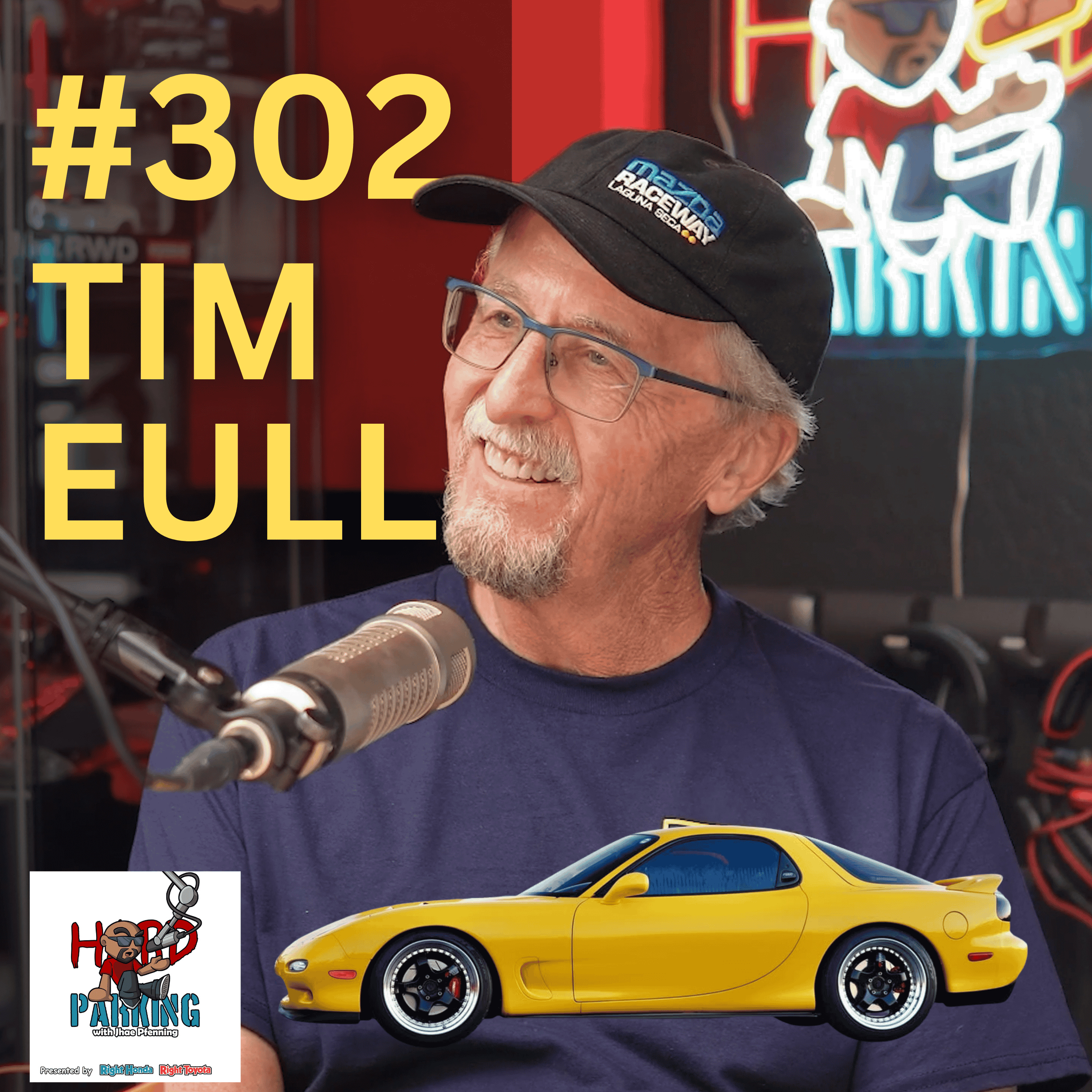
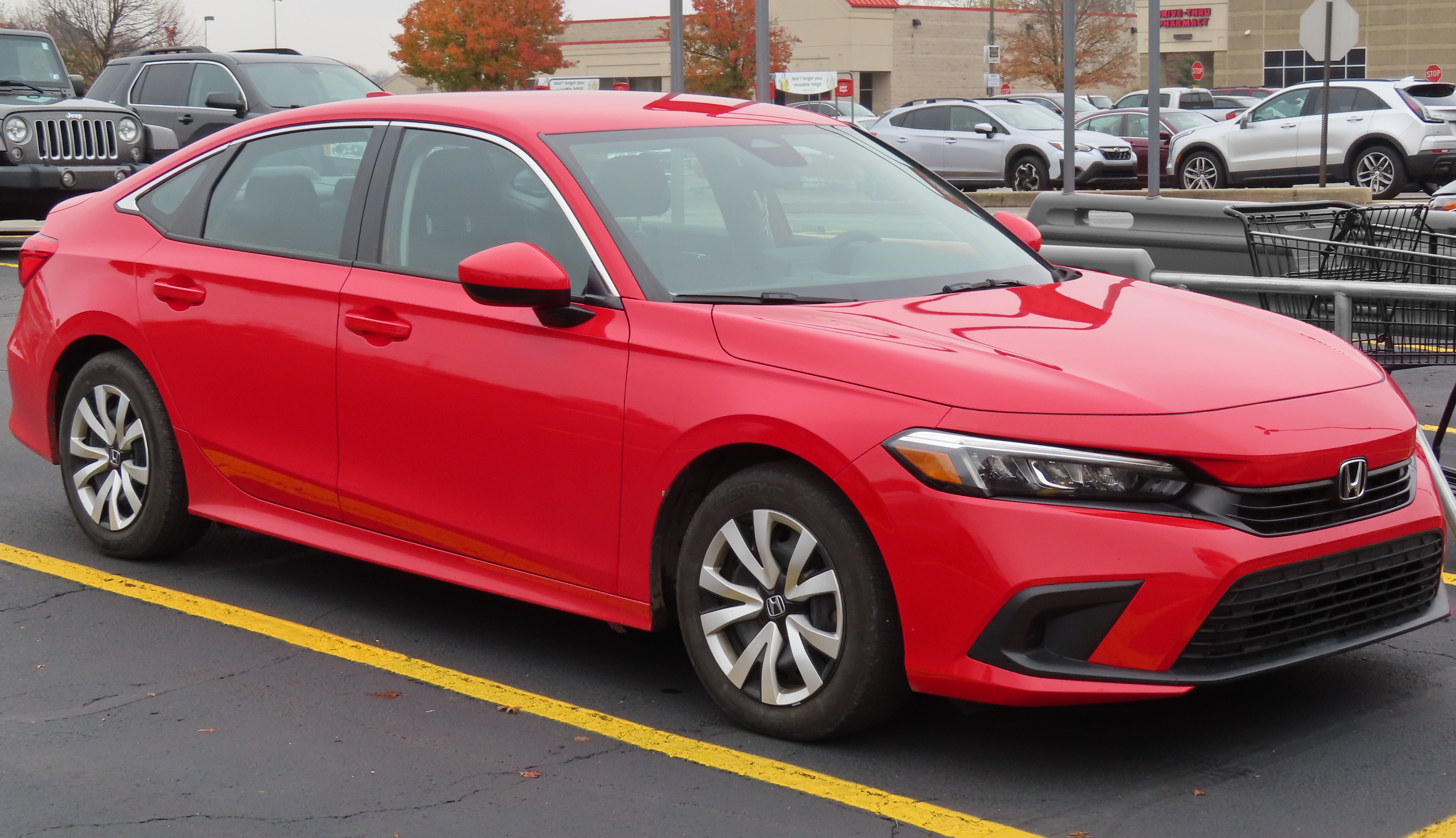
The Mazda RX-7 is a sports car that uses a unique rotary engine instead of a traditional piston engine. The 1993 version is known for being fun to drive and has a distinctive look.
The Corvette is a famous sports car made by Chevrolet. It's known for being fast and stylish, and it's been around for a long time, making it a classic in the car world.
Pearlescent paint is a special kind of car paint that looks shiny and can change color when you look at it from different angles. It makes the car look more fancy and eye-catching.
Term
Z28
The Z28 is a special version of the Chevrolet Camaro that is designed for better performance. It usually has a stronger engine and better handling, making it more fun to drive.
Plaid interior means the seats and inside of the car have a checkered pattern. It's a style that some people really like, especially in older or sporty cars.
The NSX is a sports car made by Acura, which is a luxury brand from Honda. It's known for being fast and fun to drive, and it was one of the first supercars to be reliable enough for everyday use.
The Chevrolet Camaro is a sporty car that many people love for its speed and cool design. It's been around for a long time and is often compared to other fast cars, making it a popular topic among car enthusiasts.
The 390 V8 engine is a powerful engine made by Ford that was used in big cars in the 1960s. It helped those cars go really fast.
Car
Chevrolet Z28
The Chevrolet Z28 is a special version of the Camaro sports car that is designed for better performance. It's known for being faster and more powerful than regular models.
Sevenstock is a big car event where fans of Mazda cars, especially the RX-7, come together to show off their cars and meet other enthusiasts. It's a fun gathering for anyone who loves cars.
Car
Ducati Panta
The Ducati Panta is a motorcycle from the 1980s that looks cool and is known for being fun to ride.
The air conditioning system in a car cools the air inside so you can stay comfortable while driving. It uses special parts to make the air cold and remove humidity.
Brake calipers are parts of the car that help slow it down when you press the brake pedal. They squeeze the brake pads against the wheels to stop the car.
Powder coating is a way to paint things using a special powder that gets baked on. It makes the surface tougher and helps it last longer without chipping.
Premium Japanese classic cars are older cars from Japan that are special and valuable because they are well-made and have a lot of fans. They are often sought after by collectors.
The Copper State 1000 is a fun car event in Arizona where people drive classic and special cars on beautiful roads. It's a chance for car lovers to enjoy their vehicles and meet others who like cars too.
Car
Mazda 1800
The Mazda 1800 is an older car from the 1970s. It's known for being one of the earlier models made by Mazda before they started using their famous rotary engines.
The Honda S2000 is a small, sporty convertible car that many people enjoy for its fun driving experience. It's known for being reliable and is often praised for how well it handles on the road.
The Chrysler Pacifica is a family-friendly minivan that has lots of room for kids and their stuff. It's designed to make traveling with a family easier and more comfortable.
The Toyota Supra is a well-known sports car. The second version of this car isn't as famous as the newer models, which is why it might not be noticed as much.
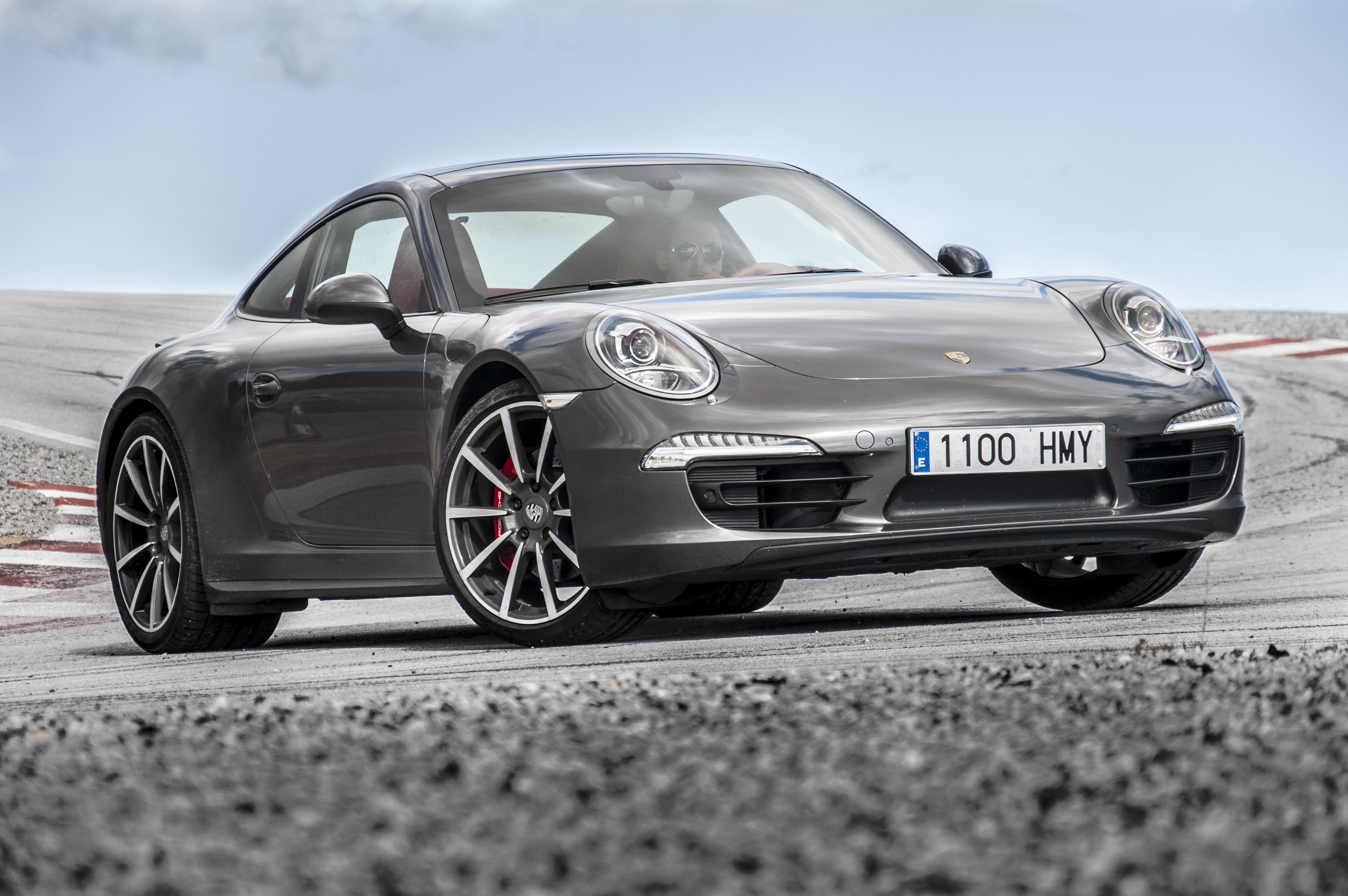
The Porsche 911 is a very famous sports car that people admire for its speed and stylish look. It's been around for many years and is loved by those who enjoy driving fast and having a fun experience behind the wheel.
The 1987 Honda Civic is a small car that many people liked because it was dependable and saved on gas. It was part of a series of Civics that Honda made.
The Ford Escape is a small SUV that people like for its ability to carry passengers and cargo comfortably. It's a good choice for city driving and family trips.
The Mazda RX-8 is a sporty car that uses a special type of engine called a rotary engine. It was made from 2003 to 2012 and is known for being fun to drive.
The Honda Civic Type R is a fast and sporty version of the regular Honda Civic. It's designed for people who love driving and want a car that performs well on the road.
LIVE
We've been calling you your wrong name the whole time I've known you.
This is Hard Parking, brought to you by Wright Hunt and Wright Toyota out of
Scottsdale, Arizona. I'm your host, Jay Finning.
What is it these days about? I mean, we're in 2025 and people are still
driving around with your blinkers on. I was behind a late model Mercedes GL,
one of the big, really cool ones, for about a mile and a half on a regular
road, and the blinker was just on. Does the thing not remind you when your
blinkers on or when you turn the wheel to the opposite side, doesn't the blinker
turn off? Apparently not. Coming up on today's show, Tim Yule, you guys in the
Arizona area know his car. He has a 93 yellow RX7, wins all sorts of awards,
but we've been saying his name wrong this entire time. Find out how to really
pronounce his last name. All that more coming up after this word from
Sparkforge. So quick story for you. A listener lost a big job, missed the call,
never saw the DM, probably because he has listened to this podcast. It happens
and it's fixable. Running a business shouldn't mean juggling a dozen apps
and missing opportunities. Sparkforge helps you reply faster, capture more leads,
and get more reviews, all without adding hours to your day. One simple place to
handle calls, texts, and social messages so you can focus on the work that pays.
It's like finally putting your business on cruise control without losing the
steering wheel. One login, one platform, all around your control, consolidate your
tech in one place to save time, money, and headache. The future is here and it's
powered by Sparkforge AI from our friends at Arcus Foundry.
Jump into a 30-day trial today by using code hardpark at
getsparkforge.ai and stop letting yesterday's tech eat tomorrow's profits.
Tim Mule, it is my pleasure to welcome you back on the podcast, first time in
studio. Thanks, Jay. Good friend of mine. Welcome.
Appreciate you having me. Of course. Absolutely. Love it.
So I figured we should get together and you kind of let people know your cool
story because you're the guy who has the really cool yellow ARC7 that wins all
the awards around here in Arizona. We used to.
Well, we used to win all the awards. It wins a fair amount, but yeah.
You told the judges to stop because you were running out of room.
No, my wife says I'm running out of room and she said if you win any more trophies,
just find somebody to hand them to. So there you go.
But I mean, for me, that's not what really the hobby is about. It's about
people and connections and if you win trophies, that's fine, but it's not the
end all be all for me for doing the car hobby.
So tell us who you are and what you have and why you're sitting here today.
So, you know, I, my name's Tim Ewell. I go by aisle, but some go by Ewell and I never usually
correct people because spelling in my last name is so wonky, E-U-L-L, phonetically it always comes
out Ewell. So we've been calling you your wrong name the whole time I've known you.
No, no, no, J. It's like I said. So it's aisle.
aisle. In German, in German, it was E with an umlaut over the U, L-L, which makes an O-I sound.
So oil or L, oil or L is like the German pronunciation.
Tim oil. Tim oil. Yeah. Oh, wow. I heard it here first. Yeah. All right. What else besides
everyone? Well, I mean, yeah. So, I mean, I moved to Arizona in 87, got a job working in Honeywell,
and I was into American muscle when I was younger. I had a 1993, or excuse me, 1973 Mazda, or excuse
two or three years. I obsessed over it, like every good enthusiast does. We're trying to
make it perfect. When I bought it, it was a really dark green, like a forest green,
or almost like a British racing green. Okay. Yeah. And hated that color. Didn't have any
spoilers on it. It was just a bare non-spoiler dark green car that somebody had painted. So
so that wasn't even the color of the car should have been, or they? No, it wasn't a factory color.
And a friend of mine owned a Corvette with that pearlescent white paint, you know,
with a little heavy metallic in it. And so I decided early on, I was going to put the all the
Z28 spoilers on it and paint it that Corvette white and go with plaid interior. I don't know why,
but for some reason I have always been drawn to plaid interior. And so
Can I interrupt you for a second? So I've heard not just you, but I've had other guests on,
especially with the older cars of painting and repainting and repainting. So we'll get back
to your plaid interior. I think it's, is it a generational thing? Because a lot of times I see
stuff and it'll be for sale. And like I have a guy who's selling an NSX right now, and it's a
beautiful NSX wants like 150,000 for it. And it's a repaint. It's not even the original color.
And when I look at that, I'm thinking, wow, you repainted this car and you're asking premium for
it. Whereas back in the day, you can repaint like, did it always affect the value as much? You think
it's just kind of a current thing. Or maybe it's just one of those things out there that doesn't
really mean anything. It's hard to say. I mean, I think that people over the last 20 years or so
have really got hung up on valuations and, and, you know, whether a car is all original or not
all original, whether it's low mileage and what defines low mileage. And so I always say, you
know, if you get, if you buy a car and it's low mileage, and you're hung up on valuation,
then you probably shouldn't own the car, right? Especially if you're an enthusiast that likes
to go out and drive. Same thing for repaints. Yeah. Yeah. Yeah. I think you should do what
you want with the car. It's yours, right? There you go. But I'm a fine one to talk because,
you know, I have a 79RX7 now that is supposedly original paint. The paint's almost too good,
in my opinion, to be original, but I don't have any paperwork over the lifetime of the car that would,
you know, denote otherwise. And so I'm assuming it's original paint still. But again, I, I got,
got, when I bought it, I had some plaid interior from Japan, some plaid material to put in the
inserts. And so I changed the seats to plaid inserts and on the 79. Yeah. On the 79. Yeah.
Okay, got it. Yeah. Those are my two cars right now. 79, all original, first year,
most RX7. And then the yellow one is a third generation. So I thought, if I'm going to own
two cars, why not have a first and a last, you know, first generation and last generation
RX7. Which I would love to do with the NSX. So back to your Camaro and the plaid. Yes. Yes. Yeah.
So back to my Camaro and the plaid. Sorry for pulling you off course there. No, no, no. So back
then, I mean, that was in the late seventies, early eighties. And back then, you know,
centerline wheels were all the rage, right? And with a lot of the people that I hung out with
in Minnesota, because I grew up just outside of Minneapolis. And at that time there was a club
called MSMA, Minnesota Street Machine Association. And MSMA consisted of really all the cool guys
with cars in the, in the Twin Cities metro area. And at that time, centerline wheels were the big
thing. Everybody was running centerline wheels. And a lot of guys were running slicks on the street.
And because there was a lot of street racing that took place on, right, probably around,
I think in Brooklyn Boulevard. Okay. Between, you know, midnight and 3am,
you'd see guys. Seems to be the same times. Let me get a shift change, probably.
Probably. I don't know. I don't know. Yeah. All I know is that, you know, anybody who was a serious
street racer would hang out at the restaurants and drive-ins along Brooklyn Boulevard at that time
at that time in my life. So not that I was a serious street racer. I've always been more of a car
show guy, right? I learned early on that, you know, no matter how fast you are on the street,
somebody out there is always going to be faster. And more power usually leads to more breakage,
which leads to more expense. And you reach that part where it's like, what's usable?
You have the bragging rights power, then you have power that you can actually put down on the street
and use. And then if you have all this usable power, you're still on the street.
Right. Right. You're still illegal, right? Yeah. To a certain extent. We've all been there,
done that to a certain extent. Yeah, I agree. Yeah. So anyway, that car kind of lit the flame
in me for the car hobby. My dad was a, he always loved cars and he always wanted a fast car,
but he was raising five kids on a limited budget. And so for my dad, my dad got a 1965 Ford Galaxy
500 with a 390 black with red interior. And I remember going out with that, that 390 screamed
in that car. That's as close as my dad ever got to having a quote unquote fun car for himself,
right? But just hanging out with my dad on Saturdays, washing cars with him and my uncles
were always into cars, Cadillacs, nicer cars. I was always kind of interested in cars.
Cars and then downhill skiing in the winter and golf in the summer, those were kind of the three
things I was interested in as a teenager. So when you were washing your cars with the dad,
was he so into it that he pulled out the chamois and all that kind of stuff? Or did you use detergent?
What did you use? I just, I just remember him having a big old soapy bucket and
thrown it under the maple tree and hosing it down and hitting it with a bucket. And
I don't remember him detailing the wheels or, you know, the tire, you know, the tires or wheels
or the interior. It was just basically kind of, he always had a beer in his hand.
Yeah, yep, yep. Always had a beer in his hand. Remember the brand? Yeah.
Grain Belt. Grain Belt beer. So whatever was on special. Sure. That he could find,
Fifers. Was that the 3-2 beer up there in Minnesota? Yes. Yeah, yeah, yeah, yeah.
That was something I had to get used to when I came down here too and to Arizona was,
in Minnesota, everything's, I mean, you have liquor stores up there, right? They don't sell,
at least, I think they maybe sell 3-2 now in the grocery stores, but back then, I mean,
you had to go to the state-owned liquor store to buy anything, right? You know, and so,
you know, when I came to Arizona and saw that you could get anything you want in the grocery
store, it was kind of like the Wild West, right? So yeah, I mean, you can go into Circle K and they
probably have little pints of whatever too. Exactly. Yeah. Exactly. Yeah. So yeah, I mean,
I had that, that Z28, I had that car all the way through college, believe it or not. I'd put it,
you know, into winter storage. That was a big thing in Minnesota in the winter time was, you
know, when we got into late October, you'd find a place to store your car for the winter,
and then you would go out and try to not spend more than a couple hundred dollars on a rusted
out winter beater, and you hoped it had a good battery and snow tires. Those were the two priorities.
And that's what you'd drive for the winter, and you hoped that your winter beater would last
for two or three seasons, because if it did, you got your money out of it, right?
What was your winter beater, do you remember?
My winter beater one year was a 68 or nine Ford Galaxy four door. And I mean, the floorboards
were rusted out of it, but it had, you know, studded snow tires on it. Our favorite thing to do
as teenage kids was to chase each other around our hometown, just after a heavy snow, you know,
if we got like eight inches of snow, all the guys with winter beaters were chasing each other
around the street, sliding sideways, going down through people's yards. Derbies. Exactly. Yeah.
Exactly. Yeah. But yeah, that was kind of our mischief as kids, but good clean fun.
So the crappiest car you had was that four door Galaxy?
Yeah. And I had a 66 or 67 Ford Fairlane. That was my car for college, right? And again,
that's had a 289 in it. Floorboards were all rusted out of it. And it was a piece of junk,
but it was highly reliable, good snow tires, tank heater, so you could plug it in. That's
a Minnesota thing. Plugging it in. Yeah. Yeah. I remember that as a kid. Yeah. I mean, anybody
who would never grow up in the Midwest always wonders, what's the plug hanging out the front
for, right? Yeah. Yeah. Yeah. Did you see the movie, The Ventures of Ford Fairlane, just because
of the name of the car? No. No. That's a, that was, remember, Andrew Dice Clay was on top of
the world for a little bit. I think that's the only movie he's been in, but yeah, he was a star
of the movie. Yeah. Yeah. Yeah. Yeah. So yeah, I mean, so then fast forward to Arizona and
my love of Mazda's and rotary engines, I think it was, I mean, I knew of rotary engines when I
was in college because I was in college from 79 through 84. And obviously 79 and 80 was one
of the first Mazda RX-7 came out. And you know, all the guys that were into American muscle
kind of just, you know, poo-pooed the rotary engine. They said it was just another,
Well, it's kind of wild though, right? Because at that point, the first RX-7 is so small.
And at that time, 70s and 80s American cars are huge. They were huge and not that fast.
No, underpowered. Yeah. They were really bad. 80s were terrible. Yeah. Exactly. Exactly.
But I mean, I remember the hype around the RX-7 when it first came out, because in 79,
Mazda didn't anticipate that that car would be as popular as it was. And so they didn't make enough
cars for the U.S. market. And so they were pulling cars off of the production line in Japan
and doing as much as they could to convert them to U.S. spec. So that's why some of the more highly
sought after and desirable 79 RX-7s are the ones where the hood prop rod is on the passenger side
and there's no passenger side mirror. And there's a couple other unique items that
were part of some of the Japanese production that made it to the United States.
Basically from, let's see, they started like February or March of 78,
right, were the early production numbers. And some of those early quirks lasted until
August or September of 78. And then 79 when they started the 80 production is when you saw a lot
of those things disappear. So the early cars are fun because of those weird items, but
there's stuff to look for. So what are the odds that, how many did they make in 79-ish? Do you
know? And then how many are still out there? That's a good question. I'm not sure the exact
production numbers. Come on, Rotor Daddy. I know. I mean, that is your name. You're the Rotor Daddy.
I want to say like 40,000, 50,000. That's a lot. 79. I could be way off on that.
But, but yeah, I mean, dealerships couldn't get them. You really couldn't order any options you
wanted. If you, you pretty much had to put your money down and just say whatever you get. The
first thing you get is what I'll take. I'll take the next one. I'll take the next one. You don't
know if it's going to be blue or yellow or what. Exactly. Yeah. Yeah. Things are different.
Very different. Yeah. Yeah. Yeah. Very different. So my friend, so a guy that I became really good
friends with, in fact, he's coming out next week for, to ride with me to Sevenstock or I should
say later this week, he is, I had a 79, a Silver 79 listed on Bring a Trailer and he was the winning
bidder. And when he won that car, he told me the story of his youth and him having that same
Silver 79 RX-7 and how he met his wife at a gas station and she knew what an RX-7 was.
And she was a cute young gal and he just was immediately drawn to her. They fell in love
through their passion for cars. And he and I became instant friends. So it's a testament to the
relationships you build in the car hobby. And the reason why I love the car hobby
actually is because of all the new friends you meet, all the stories you hear,
the people who, people come and go, but most times I stay pretty well connected with my car
friends. I've lost a few car friends in the last few years and that's pretty tough. It's pretty tough
to lose those people. Now is that the car or was it red? Is that the car that you sold after you
were on last time, the Copper State 1000? Yes. Yeah, yeah. So that car was sold this September,
the red 7 or 1980. And that belonged to a buddy of mine. His name was Stuart Ull. I mean,
what are the chances of meeting somebody whose last name is A-U-L-L and your name is E-U-L-L,
right? Yeah. Right? Probably next to nothing except for sitting in front of somebody.
Exactly. And so he and I met on online forums for RX-7s called rx7club.com.
They have communities for every generation of RX-7. And Stu was kind of viewed as the guru for
79, 80 RX-7s, but he lived in Fairbanks, Alaska. And so probably about
nine or 10 years ago, I get a text message from him saying, hey, you said I'm, my wife and I own
a rental home in Sedona and we're thinking about selling our house up here in Fairbanks and retiring
to Sedona. He said, are you fairly close by? And I said, yeah, I'm not too far at all. I'm a couple
hours. Yeah, definitely closer to the Fairbanks. Exactly. And so he wanted to know what the car
hobby was like in the Phoenix area. And I told him, you know, like all major metropolitan areas
in the United States, people are car crazy, you know? And so he moved down to Sedona and I met
him about a month after he moved here. He came with us to Sevenstock. He happened to move here
in late September, early October. And Sevenstock is traditionally the first weekend, the SEMA weekend,
or the weekend after SEMA, I should say, in November. And I mean, he and I were instant friends
from the moment we met. I always told people he was my rotary brother from a different mother,
because, I mean, we had kind of similar tastes in mods. We were just, you know, sometimes you
meet up a new friend and you're just compatible on so many different. Absolutely. Yeah. We just
clicked together as friends. So yeah. And then, you know, he was here for four or five years and
found out one day he had a sore throat and went to the doctor and doctor said, I don't like what
I'm seeing in the back of your throat. He said, I'm going to take a biopsy and sure enough,
it was throat cancer, but they thought they caught it early enough that he could
had a high likelihood of surviving it. And unfortunately, you know, within three or four
years he was gone. So yeah. Yeah. So I helped his wife sell his car. I helped his wife sell his
Ducati. Actually, his Ducati is still here in town. But the hope is that we'll sell the Ducati
locally. It was a 1981 Ducati. Oh, wow. Ducati Panta. Yeah. Yeah. I'll have to look that up. It
sounds like it looked kind of cool. I liked the old bikes. Yeah. That was cool. Yeah. And his bike
was red. His RX-7 was red and his Panta had gold wheels and his RX-7 had gold wheels. So
we sold the car on bring a trailer. Like I said, in September and the guy who won it lived in
California. Super excited guy. His name was Michael and asked me after the auction if we
could put air conditioning in it. And so I talked to my buddy here in town, Eric Greenbank. Eric says
skilly, Mazda mechanic and owns a little, I call it like a hobby mechanic business. He takes cars
kind of by appointment. Yeah. I think I'm going to get them. I'm going to throw the Z out. I'm
going to drive around in that and then tell me everything I need to fix. No, it's a good idea.
No, yeah. Yeah. Yeah. Because he's very meticulous. He looks at every car and every repair as if
it were his vehicle. And so he'll tell you, well, you know, you could cut corners and do this or
you could do that. But he always tells you what he would do if it were his car. Right. So
good friends to have. Yeah. Yeah. Yeah. Good guy. Good guy. So anyway, getting back to Michael,
we found enough parts to put together an air conditioning system, actually a really nice
air conditioning system. And it was a good exercise for myself and Eric because I've been,
I've got a new old stock air conditioning system for my 79 arc seven that I've wanted to put in
and I haven't gotten around to it. So now that I've done Michael's car,
So you tested it on Michael's car. Yeah. Yeah. Good job.
And it works really well. It blows really cold. Yeah. Good job. Yeah. Yeah. Yeah. So anyway,
that'll be my next project. I just had a project with the 93 arc seven. Oh boy, where I pulled
your car. Yeah, the yellow car. Okay. Yeah, let's just say it's a good transition to the yellow
car. Yeah. Yeah. I pulled off the brake gallipers and had them powder coated a different color.
Where'd you go with? So the strip bar in my car, I did a custom color. It's a powder coated
lollipop red, but it looks kind of like candy apple red. Okay. Yeah. It's a ruby red with a lot
of metallic in it. And so I went with that color on my gallipers and the McDonald's car.
People are going to start calling it a McDonald's car. Mustard and ketchup car.
Well, exactly. But I mean, in my opinion, it looked more like the McDonald's car with
the stock red gallipers. Right. Yeah, that's true. Yeah. I wanted to kind of subdue the gallipers a
little bit and put something on them that was a little more durable that wasn't subject to chips and
flaking as much, right? But, you know, taking the gallipers apart
and getting them powder coated and making sure you don't get powder coat on surfaces that are
tolerance specific. I learned a lot from it. I learned what I, if I ever do a set of
gallipers again, I know what not to powder coat, right? Because I went through the,
I went through the process of reassembly and putting them on the car and they weren't working
properly. And so I had to pull them apart again and so it was learning, learning exercise, but
everything worked out. What, what level of difficulty would you assign the task of removing
gallipers and kind of cleaning them up and getting them ready to for powder coating? Because it
seems that if you haven't done it before, it's almost a little intimidating, right? Yeah. But
once you do it, you're kind of like, oh, that was easy. I think there, I mean, for me, there's
always online tutorials. Everybody's done YouTube videos on just about every repair out there.
And I agree. Actually, the time that I got into the car hobby with my, with my 1993, the yellow car
was a really good time because it was the, it was kind of the advent of online forums. And then
after that, Facebook and YouTube, where everybody who had done a repair out there was making a video
of that repair, showing you how to do it, right? And so, so to answer your question, what's the
hardest thing or what's the level of difficulty? I would say it's probably about a four and a
half or a five on a scale of one to 10. There's some things you have to watch for and you have
to really make sure when you take the gallipers apart that you, that you keep the parts bagged
in their own individual bags and everything marked specifically which side it goes with.
Part of the problem I had was there was a emergency brake pin that was unique to the left
side that I got mixed up with the right side. And so I had the, I had those pins crossed over in my
gallipers. And so that's what necessitated me having to take him to part and put it back together
again. But, you know, it was a one day deal. It wasn't like it was something where I had to
tear it down, start over, get everything repowder coated. So, yeah. Sounds like kind of a mess.
A couple weeks ago, we were talking about this before we got started, you guys did a rally out
here. Yes. And you were one of the organizers. Yeah. Tell us a little bit about that.
So, so going back to, okay, so this story starts out in 2016, 2017. Some friends of mine,
locally here in Phoenix, went to California for an event at that time that was called
And then like they're going zigzag another. Right. And so, I think there were three Toge
events, one in 2014. Could be, they were consecutive 2014, 15 and 16. But anyway,
it was a one day rally for Japanese cars. Usually, it was sponsored by Ben Sue HSU. I think
Ben and another guy who owns Andrew, who owns Model Citizen and out in California. And it was a one
day event for, I'll call it premium Japanese classic cars because you had to submit an application
and you had to be picked. And there were only like 20 to 25 cars in the rally. And so,
I was lucky enough to be picked for their last event in 2016. Went out, it was a great day,
sponsored by Mazda. So, Mazda brought out a lot of nice old vintage Japanese cars for the rally.
It started out kind of in the Temecula area and went through those hills in Temecula,
kind of down towards the beach just south of LA and then up through Irvine to Mazda's R&D facility.
And but the thing that I really liked about it is it really felt almost like the Copper State 1000.
It felt like a really nice premium event for Japanese cars. And it was something
at a much higher level than just a bunch of guys getting together on a Saturday and deciding to go
for a drive. And so, I waited for the next Toge California event to happen and Japanese nostalgic
car and Model Citizen kind of decided, I don't know if they decided that they weren't going to do it
anymore. I think they just, it was a lot of work to put that event together. So, I had the idea to
put together a rally event here in Phoenix, similar to that. So, I approached, I was talking to
Brad DeSantis about the idea and Brad is, he has a podcast called Hard Parking and Brad's a really
big car enthusiast who moved here. Wait, he has a podcast called Hard Parking?
No, no, no, no. What did I say? He has a podcast called Auto Off Topic.
Auto Off Topic, okay. Auto Off Topic. You have to edit that.
I'll get it. I was like, oh, shit, I thought I was the first one. No.
No, Auto Off Topic is Brad's podcast. I got you. And anyway, Brad, you know,
Brad is a JTN nerd just like us and he loves old Japanese cars. And so, I came,
I got together with him, proposed the idea and he said he was, he really wanted to be on board with
it. And so, we got a group of three guys together and started planning about, we were going to hold
the event in October of 23. And we realized pretty early on that it was a bigger task than we were
prepared to pull off. And so, we postponed it until October of 24. And so, last year was when
we had our first Arizona Rising Sun Rally. And the inaugural event came off fantastic. We got
coverage from Jalopnik and just a lot of really great feedback from the participants.
So, this year we had our year two event. It was launched, it was two weeks ago on Saturday the
25th of October. We launched it. Rebecca hosted us over at the warehouse in Mesa. We launched it
from there, went up towards kind of Jacob's Corner up just south of Payson and headed down past
Roosevelt Lake into Globe. And then from there down to Whitman and from Whitman back up and then
finished it in Apache Junction. It's intended to be about a 200 to 250 mile one day
scenic drive for Japanese classic cars. So, what's the requirement? It just has to be Japanese
between this date and this date or just any time before this date? Any time before pre-2005,
right? So, if you had a car that's... So, the Z could go and kind of bring up the rear. Were there
any like super slow cars? Yeah. So, the oldest car there was a 1970 Mazda 1800 that was owned by
Sonny Griffith. Sonny Griffith has a nice collection of Mazdas here in the valley and that
old 1800 doesn't have a rotary engine. It's Mazda's piston engine version of
a rotary car they made in the late 60s, early 70s called the Luce Coupe. Luce. It's the only
front wheel drive car that Mazda ever produced. And so, Sonny had the oldest car, probably this...
I don't know if this was the slowest, but there were some interesting cars,
probably six or seven right hand drive cars. Okay. Yeah. And yeah, there's lots of pictures out
online. I encourage anybody to... So, if I still have the Z next year, maybe I should look into
joining it. I would love it. I would love it. Or, you know, like I said, find a friend with a,
you know, pre 2000 or anything, S2000 or NSX and join us, right? Anything.
Because I know you have the passion. And I think you'd like the event.
It looked like it was fun. I forgot. I think there was another event I was doing.
Yeah. We had the St. Mary's Food Bank. Yes. It was a one less event the same day.
Well, it wasn't one less. That's an official thing. One less is going to be a February,
but it was a... We were, because you were on the one auto as well. We linked up with ALG
accident attorneys and a bunch of the really cool bikes around here, motorcycles, Ducati Club.
Yeah. And that was for like St. Mary's. Yeah. Nice. Nice. Nice. Yeah. Yeah. That's what it was.
Yeah. Yeah. So, anyway, that's kind of the latest thing that I've gotten into.
But then you have seven stock coming up. Seven stock is coming up.
Why is seven stock? Because you do it all the time. I know it's probably the event you circle
every year. I have been... This year will be my 23rd consecutive seven stock.
And I've driven the yellow car, the FD, to seven stock every year, except two. One year,
I was getting the engine rebuilt in it. And the other year, I was a vendor selling things. And so,
I had to drive a minivan over there. What did you... I vended rotary calendars.
Okay. For the following year. And it was all images that a photographer had captured that were
really very well done. And he and I collaborated together and made a calendar. And that's such
a funny story. We collaborated and made 2000 calendars. Wow. And we thought we were just
going to go out there and make hay. And we got to the event. And the day of the event,
a cutoff low hit Southern California, and absolutely drenched the event. And so, not only
did half the car show up, but only about a third of the people that normally come to seven stock.
Which is normally how many? You'll normally get back in those days probably
450 cars and probably about a thousand to 1500 people. And so, yeah.
It's good showing. It is a good showing when the weather's good. So, yeah, it was a tough
lesson for me. Tough lesson. And what are the 2000 calendars? We ended up selling probably,
you know, a few hundred calendars the day of the event. And so, my friend Bernie Herrera,
Bernie is the leader of the seven stock team. And I'll be seeing him next this coming weekend.
Bernie helped me coordinate with a gentleman over in England who was head of the rotary community
for the London area. And he ordered 500 calendars from us. And so, he helped us a lot. Kind of
pain. But it was still a situation where after the fact, myself and Stephen both lost money on
the transaction. But live and learn, right? Sure. No more 2000 calendar orders. Now it's a limited
number addition. Which is what I should have done to begin with. Yeah, live and learn. Exactly.
Exactly. So, yeah, next week, next week, let's start over. This week coming up on Friday is seven
stock. There'll probably be, usually, there's around 15 to 20 cars that head over from Phoenix.
And usually, we have a nice crew that joins us from Albuquerque, New Mexico. And I did talk to
their leader just this afternoon before coming here. And he said they're gonna be coming over.
They'll meet us Friday morning. And we'll head over to Irvine together. That's fun. Yeah, there's
gonna be probably about 30 cars total. There's something magical and cool, right? When you're
on the highway and you're all like one of three generation cars and you're just cruising past.
And I always wonder, like, what's that? Some people love it. Some people are annoyed by it.
But it's the guy that's stuck driving the Chrysler Pacifica rental. And his family has
knocked out his wife, his nose deep in social media. And he's just like watching the cars go
by. And he's just like, oh, wow, what a dream that would be. Yeah, yeah, yeah. That's really true.
I mean, it never gets old. It never gets old. I mean, like I mentioned, I've been going 23
consecutive years. And I mean, the first year I went seven stock four back in 2003
was literally a week after the first Fast and Furious movie came out. So that tells you how long
I've been into Moscow Rotaries, right? And that event for me was pure magic because
you rolled into the event and there was press everywhere, not because really not because it
was seven stock, but because the Fast and Furious was such a pop. It was a craze. It was a craze.
And any event related to Japanese classic cars was covered by the media during that month-long
period, right? So yeah, it was a blast to be a part of. And it really, it kind of took me back
as to, whoa, what have I gotten into here, right? But yeah, I mean, it's funny. I always wonder if,
for me, almost every car in my life has aged and has gotten old, right? But for some reason,
that body style is timeless. Yeah. Yeah. Yeah. Especially the FD. I mean,
second generation, Arc seven, not so much. It kind of gets lost in the shuffle, doesn't it?
Yeah. Yeah. Yeah. You don't really see them either. Or maybe they're there. I just don't
notice. But you always notice when you see the first gen, you, of course, you notice when you see
the FD. Yeah. Yeah. I wonder why that is. Well, I think, you know, it was of the three generations,
it was probably the least loved of. Is it look, is it kind of, is it because it's too similar to
other cars visually? Like it doesn't really look like a Supra, but if you didn't really know like
your second generation Supra, they're kind of similar. Yeah. I think it's because it was a car
kind of searching for a purpose, right? Because it was, it really wasn't a pure driver's car,
it was more of a touring car, right? So it kind of appealed to a different audience.
It appealed kind of to the older, the older driver who was interested in maybe a 911 Porsche,
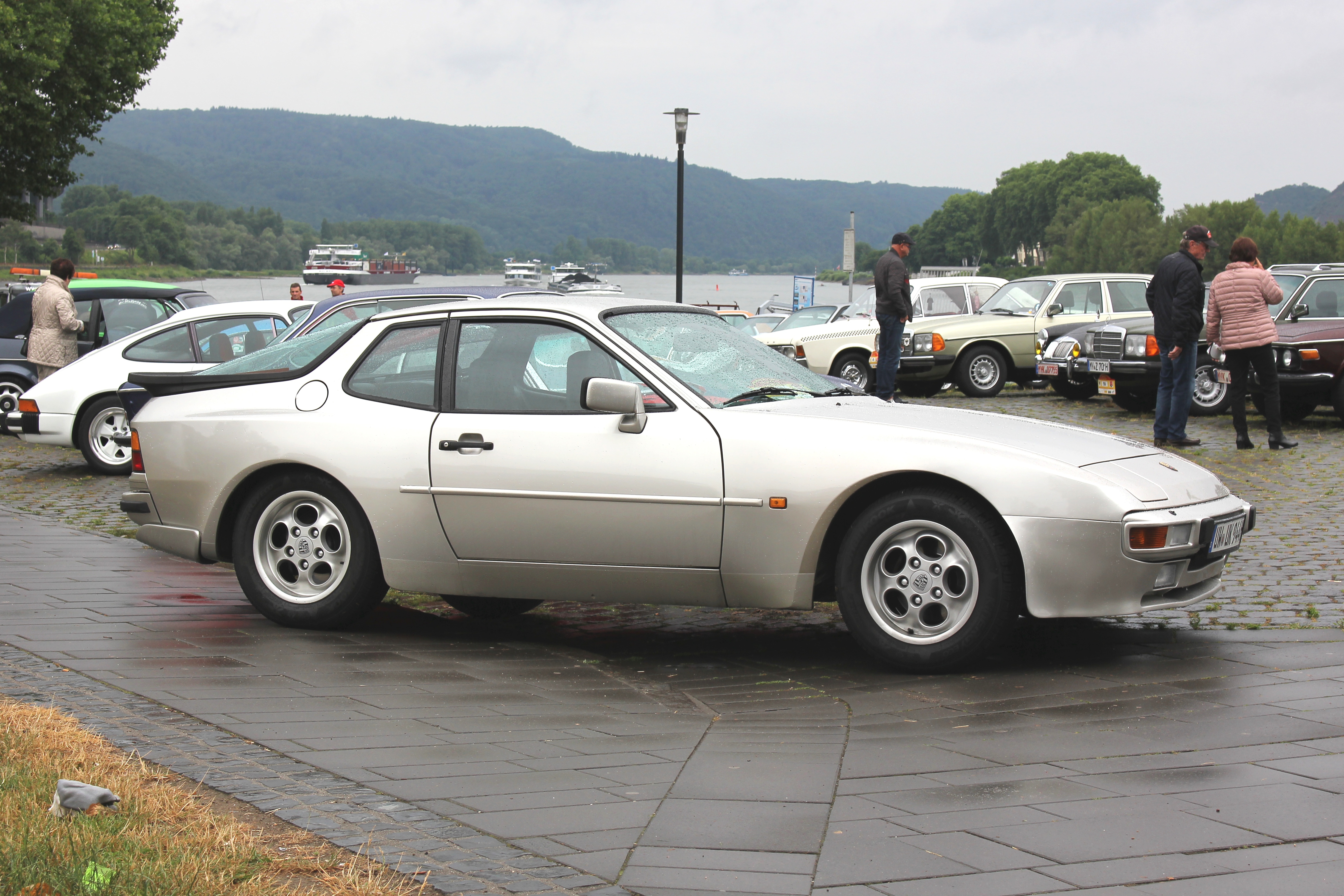
but not in, not a 911, a touring model. Like a 944 or something. Yeah. 944 or something like that,
exactly. And that was kind of how the styling, the styling was compared to 944 when it first
came out, right? It had some cues that were kind of 944-ish, right? Or 924-ish, especially. That's
what I meant. Like it kind of looks very similar to other cars at the time. Yeah. Other cars that
are fit in that touring. Right, right. Yeah. Did you always want your FD, your 93? Didn't
there a story you've kind of fell in love with it? It's about Hawaii, isn't it? My wife and I were
dating in 1993 when the car first came out. And we were on our way up to the Grand Canyon for a
weekend. And I'll never forget, there was a, we're on that long drive from Williams up to the canyon,
and a Montego Blue FD comes screaming past us. And I told my wife, I said, what on earth is that?
Because it was unlike anything I'd ever seen before, right? It kind of looked like a small
Corvette, but a little rounder. A little rounder in the tail lights, exactly. Exactly. And so,
so that kind of piqued my interest. And then when I got back to Honeywell, I worked at Honeywell
from 1987 until 2022. The only job you ever had? Down here, yes. Probably switching different
positions within the company. No, actually, I worked in the same department, just different roles.
It's kind of rare. It is very rare. Yeah, yeah. 34 years, I worked at Honeywell. Yeah. So,
but anyway, in late 93, a gentleman by the name of Dolph Strom, Dolph had,
he, Dolph was kind of the cool guy because he autocrossed all of his cars. And he always had
the latest and greatest cool car. And so he comes rolling into the parking lot at Honeywell,
which was Garrett air research at the time. He comes rolling into the parking lot one day
with this yellow FD. And I had seen the car before in other colors, but never that color.
And I was like, oh my God, what is that? What color is that? And then I learned
that it was a limited edition color only made in 93 and only 350 were made for the US market.
Wow. And so the rarity of the color combined with the fact that it was a yellow that had a lot of
metallic, it's got a pearl undercoat with a yellow coat over the top of it. So
the uniqueness of the color, the fact that it was only offered in the highest trim,
which was called an R1. R1 is the, was the kind of lightweight, better braking, better strap bars,
same power plant, right? It was kind of the stiffer.
It's like, in a way, it's kind of like the NSXR versus the regular NSX. People think the NSXR
is some amped up version. I go, no, it's the same. Yeah. Just tweaked a little bit. Right. Yeah. Yeah.
So, so yeah, that was in 2000 or 93. And so I lusted after that car for six or seven years.
I had kids that were teenagers at the time and I drove a 1987 Honda Civic wagon for 10 years.
Hondas were always my go-to vehicle for daily drivers because they were bulletproof, right?
So, but anyway, in the late, late 1990s, early 2000s, my wife said,
it's time for you to have your fun car. And so, what a wife. She was. Yeah. Absolutely. Yeah.
Absolutely. Absolutely. And so at the time, the choice was between a 2000 Civic Type R in yellow
or a 93 Mazda RX7 in yellow. And my criteria was to find one under 40,000 miles. That was a nice
condition, right? And at that time. It wasn't blown. That wasn't blown up. Yeah. And at that time,
the ones stateside were going for, you know, probably with that top of mileage, they were
going for between 22 and 25,000 bucks. You couldn't find anything under 20. So, I happened upon this
selling the car that eventually became mine. He was selling it on eBay in 2000 and he had no bids.
Like I said, it was located in Honolulu, Hawaii. So, it was geographically challenged. Yep. And
so, someone told me, they said, you know, eBay, if no one's made a bid on eBay,
you can contact the owner and they can shut down the auction and he doesn't have to pay a listing fee.
And so, I found out a way to get a hold of this guy and contacted him and he said,
I said, why isn't the car selling? He said, oh, nobody on the island has money, right? It was at
a time economically where it was pretty tough. And you have a limited customer or potential buyer
based too, because geographically challenged. Exactly. And so, yeah, he threw me a price that
was significantly below what they were going for in the US, stateside at the time, I should say,
and sent me detailed pictures. He had references at his local bank. The bank VP was good friends
with his mom. And so, I called the bank and the VP vouched for him and he was a firefighter
in Mililani, Hawaii. And yeah, super nice guy, easy to deal with, sent me all the pictures I wanted,
all the information I wanted. So, I bought the car from him, sight unseen, and 30 days later,
it showed up. Not too bad. Yeah, across the street. Yeah. So, I went from Mililani, Hawaii,
into a shipping container to Long Beach, and then from Long Beach on to a truck and over to Tempe.
Even though it was in a shipping container, did it escape any of the nasty air and dirt that I
guess cars collect or do they only collect those when they're out or don't you remember?
Yeah, I remember the rear pumpkin, any exposed aluminum, had a little bit of corrosion
from the salt air in Hawaii, but it wasn't bad. Not like some of the, you get some of the right
hand drive Japanese cars in, and some of them are really terribly corroded, right? So, it just
depends where they were parked, how well they were cared for. If they were outside, a lot in
Japan, you're going to get a lot of corrosion when that vehicle shows up, even if it is low
mileage, right? So, anyway, that's how I kind of got started with the car. And so, I had the car
for a couple months, and I was in love with the vehicle, and I wanted to get together with other
like-minded enthusiasts in town. Of course, it's what you do. Yeah, that's what I do. Who else has
one? Let's hang out. Yeah. And at the time, there were no clubs in town for Mazda rotary
engine vehicles. And so, I decided to go, you know, this wasn't old school back in the day,
this was the way you did it. I ran an ad in the Arizona Republic Sunday paper saying,
I'm interested in starting a car club for rotary enthusiasts, a rotary vehicle.
And if you're interested, come next Saturday up to the Five and Diner at the Scottsdale Pavilions.
And so, that following Saturday, we got probably about 15 or 16 people to show up.
Oh, wow. That was early social media right there. It really was. Yeah. And believe it or not,
so, I had my car, Dolph came with his yellow car, and another guy came with his yellow Canadian
market car. So, three yellows. Three yellows at the first meeting. Right. Yeah. So, that started
my passion, and then that kind of started what became to be known as our CCAZ Rotary Car Club
of Arizona. And that following summer, the following, we had a couple of drives in the fall,
couple of get-togethers at the pavilions, and then someone mentioned this seven-stock event.
And so, that was in 2000, 2002 that we had, went to the first seven-stock event. And, yeah.
So, is everybody still going? Are you the last from that trio?
Because people churn, right? Car clubs churn, events churn. People get married. They
unfortunately pass away, sell their cars. There's one guy that still comes with me periodically.
He hasn't been in the last couple of years, but he- Here and goes, doesn't he? Yeah. Yeah. Yeah.
For me, the other interesting thing about the car hobby, and I'm sure you've experienced this,
even though I'm much older than you, is about every 10 years, you get a new generation that
discovers what you love, right? And so, they have all of the questions you had when you first started
out, right? About the car, and what to look out for, and, you know, are they reliable, and,
you know, XYZ, right? Well, you got to hold it. You got to hold the banner up, because we've seen
people that have been around a long time, and they kind of forget where they came from. So,
the person that says, hey, where do I get this? Like, you just search online, but you're a very
patient person. So, you kind of counterbalance, because there's got to be like jerks that just
kind of look back at the noobs, I guess. There are, right? And then we all have them in every car
group. Yeah. Yeah. But again, I'm a people person, right? And so, if you're a nurturing type person
who likes to take people under their wing and lead them through, I think the thing that really bugs
me is when you try to help people, and they just go off and do what they want to do anyway, and then-
At least you try. It's very frustrating. And then they blow the car up and say,
it's a piece of junk, right? And you just go, well, I told you so, right? If you'd listen to me.
Yeah. But, you know, you can lead a horse to water, I guess, right? But I try to be a good
brand ambassador, because, you know, rotary engines aren't for everybody. You can certainly make a lot
more power with a lot less pain by just slapping a V8 engine in a rotary-powered vehicle. But for
me, it's kind of blasphemy, because, you know, Mazda went through a great deal of pain to make the
rotary engine work and to make it viable and marketable. And so, to me, I think that needs to
be rewarded, and it needs to be respected. That's one thing I've really learned about the Japanese
culture and learned to admire about rotary engines and Mazda, in particular, is just that
the passion, the reverence, just the respect for their history and what they went through to
develop that platform. And I, you know, try to honor it with everything I do.
What was your thoughts of the RX-8 when it debuted, when it was hyped and then it debuted?
Well, I mean, when it first came out, I thought it was really cool, because it was an X-Men.
It's a cool-looking car. I think they were supposed to deliver it with all this power,
and something happened. I don't remember what it was. This was late 90s, right? Early 2000s?
It was 2004. It was 2004, and they Mazda hyped it to be 220 normally aspirated horsepower,
like 210 or 220 or in that range. And when it came out, people were putting it on the dyno
and only making like 170, 155, 160. Yeah. And so, people were upset about that.
But the other thing that was interesting about the RX-8 is the way it was geared and
the way it was made, it was a very rigid car, and it was only a couple hundred pounds heavier than
the third gen RX-7. You know, it was a larger car. It had four doors, and so everybody automatically
assumed it was heavy, right? Yeah. Yeah. Yeah. It has those little rear suicide doors, right?
So, everybody assumed it was a heavy car, but it wasn't a heavy car.
It was more of a momentum machine. It was more like the first gen RX-7. It had great braking,
great balance. It was a great late braking car, so you could take it out on the track,
and where others in heavier cars had to slam on the brakes, you know, at the braking point,
you could go a little deeper into the cones before you had to hit the brakes.
And aftermarket came out with a few turbo kits. Some were successful, some weren't so much.
Petit Racing in Florida had a supercharger kit that was popular, and that was,
I think Camworth sold quite a few of those kits, but yeah, it's just,
they had a lot of recalls on early ones, 2007, 2008, for engine, for carbon seal issues,
coil issues, that they fixed in the second generation RX-8, which was the 2008 model and up.
But again, it just goes to show if you push a product and market it too early before it's ready.
I think that's my only criticism of Mazda is that
over the years, they haven't done as good a job as they could in developing the product
to maturity before fielding it, and then also training their technicians. I mean,
there's a lot of people out there that learned pretty early on to learn how to work on your
own car, because what used to happen with the FD and with the RX-8 is if they couldn't figure out
the problem, they'd just put in a new engine, right? Because it took longer to diagnose it
from a dollar perspective than it did to just put a new factory rebuilt motor in it.
So it sounds like really the RX-8 was a little underappreciated, even though it did have its
issues. What went wrong with the FD? Because the 93s, I remember, because I've always wanted one
of those cars, I still kind of do. I think they're a beautiful car. Everyone was blowing their motor,
went by 50,000 or 60,000. I became pretty good friends with a gentleman named Ari Allen,
Park7.com Ari. He was right down the street. His shop was right down the street from my house,
and when I worked at Taco Bueno, he'd come in there every day and we became friends.
But I was always a big fan of him and the car. And sometimes you're a fan of the car because
the people you know as well. But what was the major flaw in those 93 or 94 cars?
Again, it was, you know, a lot of it had to do with a mechanic base, right? The dealer network
that wasn't quite prepared to handle repairs on the car. But I think the other thing is
the way that the third gen was designed, it was designed with a cast iron manifold
bolted to the side of the engine and then cast iron twin turbos as well. And that setup generated
a boatload of heat that was pumped into the engine. And it was fed by us in extremely small
intercooler. In my opinion, it was inadequately cooled and too much heat generation, which aged
the seals inside the engine rather rapidly. Sounds like a recipe for disaster.
Yeah, I mean, if you looked at the, if you looked at a majority of the 93 to 95 Rx7s,
which was the third generation production in the US, a majority of the 93 to 95s
failed between 60 and 80,000 miles, right? Because the seals, the O-rings inside them
just got cooked, right? The book value on those things. I've never seen a car depreciate so quickly.
But it's wild. I think they've kind of, they've made a turnaround in the public perception. And
now everybody wants one. And I don't, I haven't looked for one in a long time. But I would assume
if I looked for one, I wouldn't get one for a very good deal anymore. I mean, from a market
perspective, I think, you know, you can still probably get right hand drive ones that aren't
fairly decent. Is it weird? I'm not interested in any right hand drive sports cars. I'm really
not. You know, I mean, I have the little, the Z in the garage, but yeah, and I try to be when people
like, Hey, it's right hand driving a sex. I'm like, cool. It's a great market car. There's some really
cool ones out there. But I just, if I ever get back and do it in a sex, it's got to be U.S. back
for me. Yeah. Yeah. Unless it's obviously I have a few money and I bought a type R one day. Yeah.
They can make exceptions. Yeah. I mean, for a while, this is probably three years ago,
was probably when they were at their peak. And they came down a little bit and now they're starting
to work their way up again slowly. But I think you can find a pretty nice FD for
somewhere in the 40 to $50,000 range. When I say, when I say nice, what I mean is,
you know, it's probably has, you know, under 60,000 miles, it's been well sorted. It's been well
maintained. It doesn't really have a lot of issues. Mechanical issues of the car.
You know, those types of cars you're looking at, you know, 24 to 30,000 and you're going to be doing
quite a bit of work. I always tell people to buy, especially if you're buying something you're not
familiar with, to buy the nicest example you possibly can, because as with a lot of these
older Japanese cars now, it's getting harder and harder to find parts. And it's next to impossible.
In Phoenix, there's a handful of guys that I would trust to even touch my car and work on it.
And so when you've got as many rotary engine cars and as many enthusiasts as you have in the
Phoenix area, all eventually needing some type of service on their vehicle, that's not a lot of
guys doing engine swaps, right? A lot of LS is kind of referenced that earlier. And it's like,
I never really know how I feel about motor swaps and cars, because I think it's cool,
but it's, it's one of those weird things was like, yeah, that's cool, but I don't think I would do it
not to a passion car. But I do know, like if I ever get an old alpha that I want, and they want to
make it faster and cooler for the build, I'm probably going to have to swap it out with something.
So I don't know, it's just one of those weird things. I just hope I never have to pick a side
of that. Like I see people with swap motor NSX's and I just kind of look at them a little differently.
But I see other cars that are swabbed, I'm like, okay, that's cool. I don't know why.
Or we always go to shows and we see that one guy, right? We would see that one guy who didn't
know how to stop, modify, right? When's the car no longer itself really at the end of the day?
And if the soul of the car is the motor, the engineering and everything that people rave about,
and that's no longer in there, no, I can see if you're a race car driver, if you're time trial,
and you pull the motor, you need more power and because the motor is very expensive,
like you're crazy if you're racing around on a first NSX or on the track, you need to pull that,
put something else in there for motor preservation. But to be cool on the street, be cool on social
media, it's your car. Like you said, if they're beginning of this conversation, do what you
want with it. But for me personally, I don't think I'll ever be doing that. What are you excited
about for Mazda? Are they, there's always been like rumors and talks about a next generation,
you know, RX and I think we've been talking about that for probably a decade. Are we close?
Yeah, like they were, so last month they rolled out a new concept that's supposed to be rotary
powered. It's supposed to have a twin rotor, I don't want to say electrical generator because
that would be disingenuous to Mazda, but it has a twin rotor motor and electric combined.
Some sort of a hybrid-ish. Some kind of a hybrid-ish making, they're quoting $500 power.
So we'll see. I mean, it's funny because ever since the RX-8 left the shores here in the US,
Mazda's been talking about what's next. And I get the fact that they have to make the numbers
because, you know, you don't get to, you don't get to, you know, car company doesn't stay on
its feet by making things that you have to warranty engines on every two or three years,
right? So I think they've, the RX-8 really kind of made them super cautious about their next
design. And I think they want to have something that's fairly robust.
But I know it's still part of their DNA. Mazda said that, that the rotary engine's part of who we
are and that there'll always be something in the design pipeline, whether it makes sense
from a business perspective or not. Yeah, the money has to work out, right?
The money has to work out. It's been a long time since we've had the RX-8.
Yeah, yeah, yeah. So you have 7-star coming up. We're going to be leaving for that.
That's a huge deal, 20 X years in a row, 23 years in a row.
23 years in a row. And we've got, like I said, why do you keep going back?
It's the relationships. It is, absolutely. It really is, yeah.
I mean, you worked at our, I think you again, at our NSX spot here as a volunteer.
That was a blast. That was a blast. I mean, those are the types of events that I really,
really like to show up at and help with, right? Because you really get that feeling,
that feeling that, you know, because it's not just two and a half hours of hanging out with
friends and then everybody goes separate ways, right? It's four or five days of community and
sharing and, you know, breaking bread at night. And just, you know, you get to spend time and get
to really know, get to know people very, very well. And so for me, that's what it's all about is,
is the relationships for sure. Yeah.
It's weird to me to have friends or people in my life that don't have something like that.
And I think it's, I don't feel bad for them as much, but it's when it comes to understanding
how those moments with those people move, people like us, I think it's harder for them to understand.
I just really wish that, you know, whether that's friends or family or, you know,
some sort of shared interest, I think everybody deserves to have something like that in their life,
right? Yeah. Yeah. Yeah. Exactly. Exactly. I was thinking about that question before
coming over here today and I thought, you know, we've always, you know, there's two types of
people you meet at car shows, right? There are people who are into friends and community and
then you have people who are into awards, right? Yeah. And the people who are into awards,
they aren't happy coming away from the event unless they take first place, right? And if they
don't take first place, they get all upset and ticked off because their car wasn't chosen, right?
But for me, that's like missing the whole meaning of why you're there, right? The whole reason why
you're there is to celebrate everybody's passion and everybody's ideas and everybody what inspires
everybody else. And if you end up coming away from that car show or that event with a new idea
or a new friend, then it's been a great day, right? So yeah. Yeah. I was going to jokingly say you
sound like somebody who's won first place just won too many times, but you're right though. And
it's like, if you don't win, it's okay. Why didn't you win? And then use that next time, but don't,
you know, because you're right. Some people show up and they put their chair down and that's just,
you know, you want to be there for the judges and most of these shows, most of these shows that
we've ever competed in, we've been at some of the same shows. It's community based. The judges
are volunteers. Most of them, unless you're at a legit concor event, they're not professional
judges. And so, you know, it's, it's whatever they decide. And they don't know that you have
these special breaks versus the Southern guys breaks. They don't know the difference. Yeah.
You know, it's like, are you kidding me? These breaks are $30,000. They got little auto zone
breaks over there. They won. They got more points. I mean, are you kidding? Like they don't, they
go to those competitions. If you need to go to SEMA battle of the builders and win a competition,
but anything local, chances are it's up to the judge and the rest of it just have a good time.
Yeah. Yeah. Exactly. I do, but I do enjoy shows though, where the judges show up and ask you
questions and give you an opportunity to tell your story. Right? That's how I went from fifth
place to second place for best modified at future club to car show with Fielding Shredder over
there. My official judge, you know? Yeah. Yeah. Yeah. Yeah. And you've, you won first place at
one of those shows. Yeah. Was that the year? I don't know who won. I think the Subaru won that
year or maybe it was you. Was it 2020? Yeah. 2020. 2020. I have to look over there. I can't tell
what years on that. 2020 was the year that I won. Was that the last? Yeah. So the last time it was
it? That was the last. Highline auto is. Yeah. That's the last time. Yeah. Oh, I'm sitting in front
of my competition. I got some poison here to give you. Hey, hey, hey. Exactly. Exactly. I'll share
the trophy with you for a while, buddy. I love what you do for the community. You do a lot of great
things, you know, through your initiatives out there too. And, uh, you know, your shirt says
driven by passion today. That's like my theme driven by passion, right? I started something.
I started an event at Honeywell, um, called bring your ride to work day. I thought, you know,
we can have events where people can bring their kids to work. Why not bring your car to work?
And so like 2004, I started this. I contacted our CEO at the time, which at the time the CEO
of aerospace was like an unapproachable person, but he had this mechanism called upward, upwards,
upwards, and you'd put together like a detailed email of something you thought that we could do
to improve the company and you'd send it to him. And he'd always respond to every one of your ideas.
So one year I sent him an idea and I said, you know, we've got a lot of people in the company
who spend their weekends working on cars and they're super passionate about their cars or their
off-road vehicles or their classic motorcycles. I said, why don't we have a bring your ride to
work day where people can bring their cars. We'll put them in a special area in the parking lot.
We'll have kettle corn. We'll have, at that time, there were some guys that had a Honeywell band.
I said, we'll have the Honeywell band out playing. And he loved it. He said, absolutely,
I'll fund it a hundred percent. Just tell me what you need. And so that started the first
of what ended up being seven Honeywell bring your ride to work days. And the whole
theme or the mission of the event was share your passion, right? Because passion is what drives us
at home and passion is what drives us at work. So yeah. And I used to get,
VPs would come to me after every quarter and would say, when are we having our next car show?
Because that's the only question I get from people over and over and over again is,
when are we going to do the next car show? So it resonated really well with people.
It tied us together as a company. And it gave people a chance to, you know, to kind of
show us something that we didn't know about them, right? Absolutely. Yeah. So, yeah. Tim.
I'll, I'll, I'll, walking down the aisle, baby. Oh, that's it. You just find that. It's like Eric,
Eric of last era. He goes, you never say my last name, right? I'm like, it's Pasha.
Like Sasha. Yeah. Pasha likes Sasha. I said a Pasea. I mean, he never corrected me. Yeah.
You know, I'll, Tim, I'll thank you so much. Thank you, Jay. Appreciate it.
About this episode
Tim Ewell shares his deep passion for rotary engines and his journey with Mazda RX-7s, particularly his award-winning yellow 1993 model. He discusses the challenges of car ownership, the importance of community in the automotive world, and the relationships built through shared interests. Tim reflects on the evolution of car culture, the significance of events like Sevenstock, and the unique experiences that come with being part of the rotary enthusiast community. His stories highlight the blend of nostalgia, friendship, and the joy of car modification.
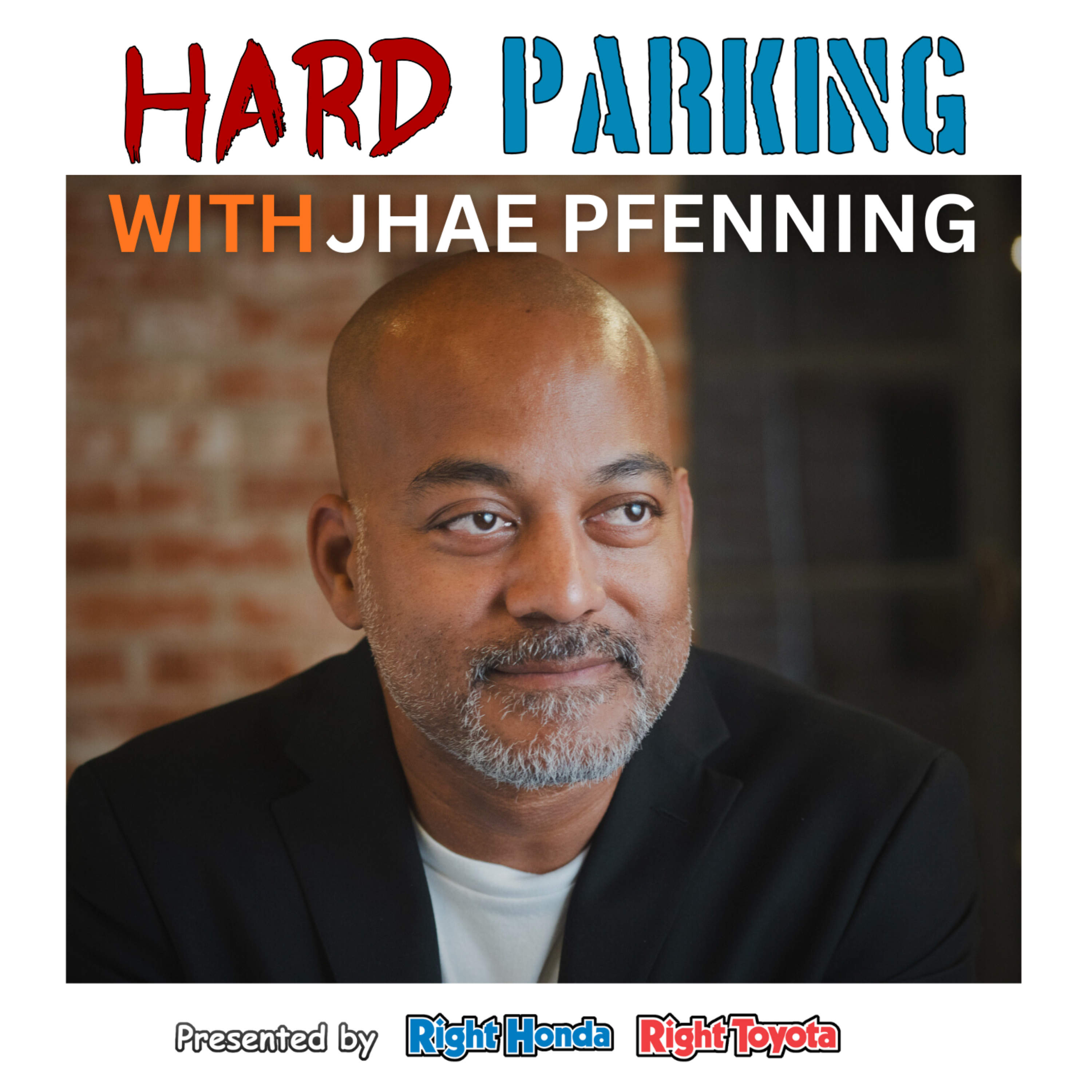
Jhae Pfenning welcomes local Mazda RX-7 icon Tim Eull on the Hard Parking podcast, diving into his Arizona car scene dominance with a trophy-laden yellow 1993 RX-7 and original 1979 model. Tim Eull traces his roots from a plaid-interior 1973 Camaro Z28 and Minnesota street racing to rotary obsession, sharing repaint debates, engine reliability tips, and community-focused events. Explore RX-7 history, from 1979 production quirks to the underappreciated RX-8 and Mazda's upcoming hybrid rotary concept. Tim highlights his 23rd Seven Stock run, co-organizing the Arizona Rising Sun Rally for pre-2005 Japanese classics, and launching Honeywell's "Bring Your Ride to Work Day." Prioritizing relationships over awards, Tim Eull inspires RX-7 enthusiasts with tales of car clubs, vintage mods, and preserving rotary heritage. Essential listening for Mazda RX-7 fans, Arizona rally lovers, and classic Japanese car collectors.
Tim Eull Instagram: www.instagram.com/hardparkingpod/
Chapters:
00:00:00 - Intro & Blinker Rant
00:02:06 - Welcoming Tim Eull
00:04:48 - 1973 Camaro Z28 & Plaid Interiors
00:15:41 - Discovering Mazda RX-7 Rotaries
00:29:37 - Arizona Rising Sun Rally Details
00:36:54 - Seven Stock & Rotary Events
00:56:32 - RX-8 Insights & Mazda Future
01:13:24 - Passion, Community & Wrap-Up
Main Show Sponsors:
Right Honda: https://righthonda.com/
Right Toyota: https://www.righttoyota.com/
Arcus Foundry: https://arcusfoundry.com
Autocannon Official Gear: https://shop.autocannon.com/