TMCP #624: SEMA 2025 Product Preview: Blaine Burnett on Ridetech’s All New Pro-Touring Chevelle (and GM A-Body) Replacement Chassis!
The MuscleCar Place
TMCP #624: SEMA 2025 Product Preview: Blaine Burnett on Ridetech’s All New Pro-Touring Chevelle (and GM A-Body) Replacement Chassis!The MuscleCar Place · Oct 24, 2025
SEMA is a big car show in Las Vegas where companies show off new car parts and accessories. It's a place for people in the car industry to see what's new and exciting.
RideTech makes parts that help improve how cars handle and ride on the road. They focus on making suspension systems, which are important for a smooth and controlled driving experience.
An A-body chassis is a type of car frame that was used for many cars in the past. It's important because it holds everything together and can be used for different kinds of cars.
Coilover systems are parts of a car's suspension that help control how the car rides and handles. They can be adjusted to change how high or low the car sits.
The Fox body Mustang is a type of Ford Mustang made between 1979 and 1993. It's popular among car enthusiasts for its lightweight and potential for upgrades.
A-Body cars are a type of mid-size car made by General Motors, like the Chevrolet Chevelle. They were popular in the 60s and 70s and are often modified for better performance.
The Corvette is a famous sports car made by Chevrolet, known for being fast and stylish. It's a favorite among car lovers and often competes in car shows.
A three-link rear end is a special way to connect the back wheels to the car, which helps it handle better when turning. It uses three arms to keep everything stable.
Plug-and-play means you can easily add parts to a car without needing special tools or skills. It's like connecting a device to a computer that works right away without setup.
The Las Vegas Bull Ring is a smaller racetrack next to the bigger Las Vegas Motor Speedway. It hosts local races and is shaped like a D, making it unique for racing.
The Las Vegas Motor Speedway is a big racetrack in Las Vegas where many types of car races happen, including NASCAR. It has different tracks for different kinds of racing.
Pro touring is when car enthusiasts modify classic cars to make them handle better and perform well on the road and track, while still looking like the original car.
The Good Guys Auto Cross series is a racing event where drivers compete by driving their cars through a course as quickly as possible. It's a fun way for car lovers to show off their cars and skills.
The Volkswagen Bus is a classic, boxy van that's famous for being roomy and great for road trips. Many people love it because it's fun to drive and has a lot of character.
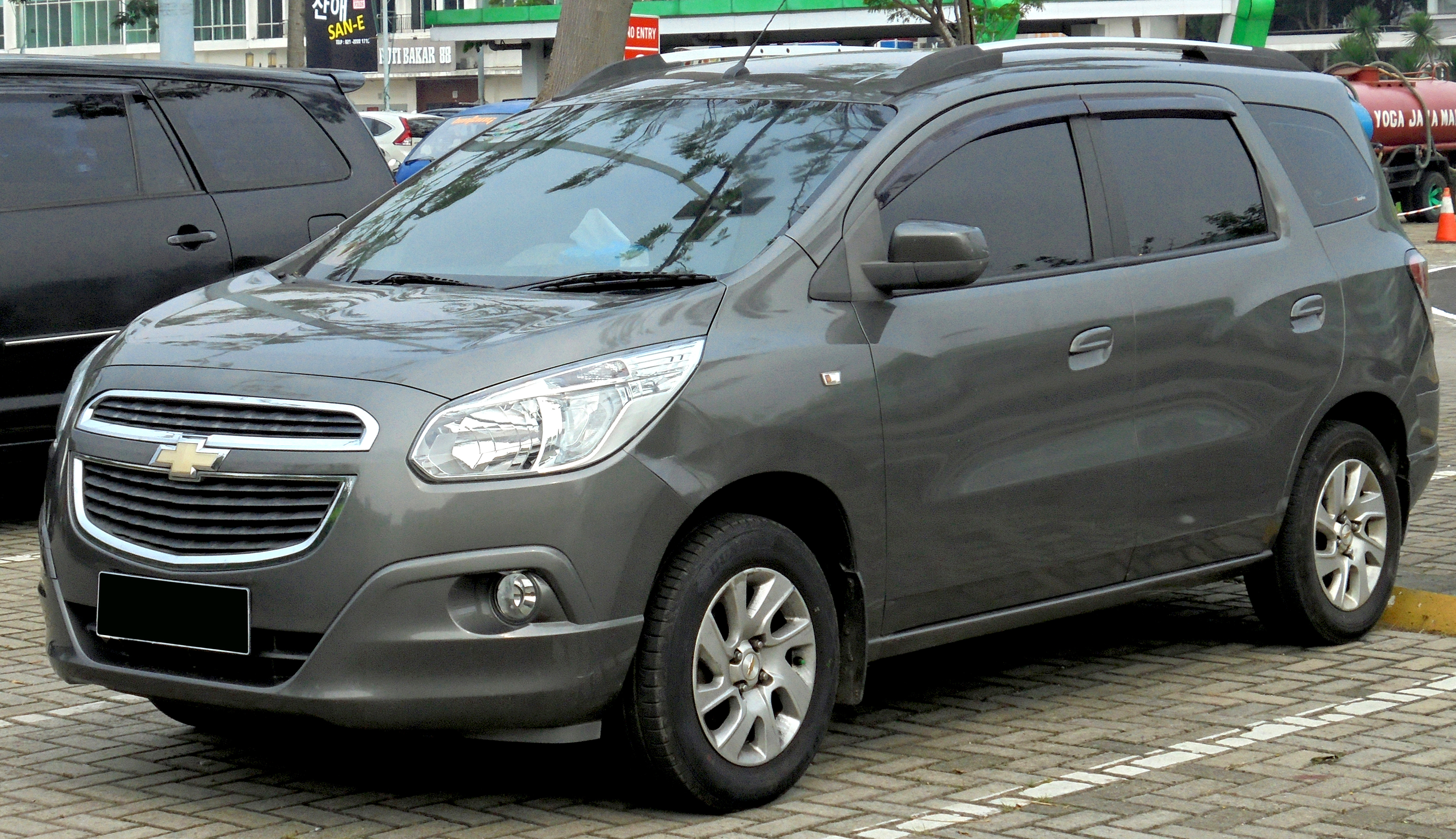
The Chevrolet Spin is a family-friendly car that has a lot of room inside for passengers and their stuff. It's a good option if you need a practical vehicle that doesn't cost too much to run.
The Mazda MX-5 Miata is a small sports car that is fun to drive and very popular. The NC version was made from 2006 to 2015 and is known for being light and easy to handle.
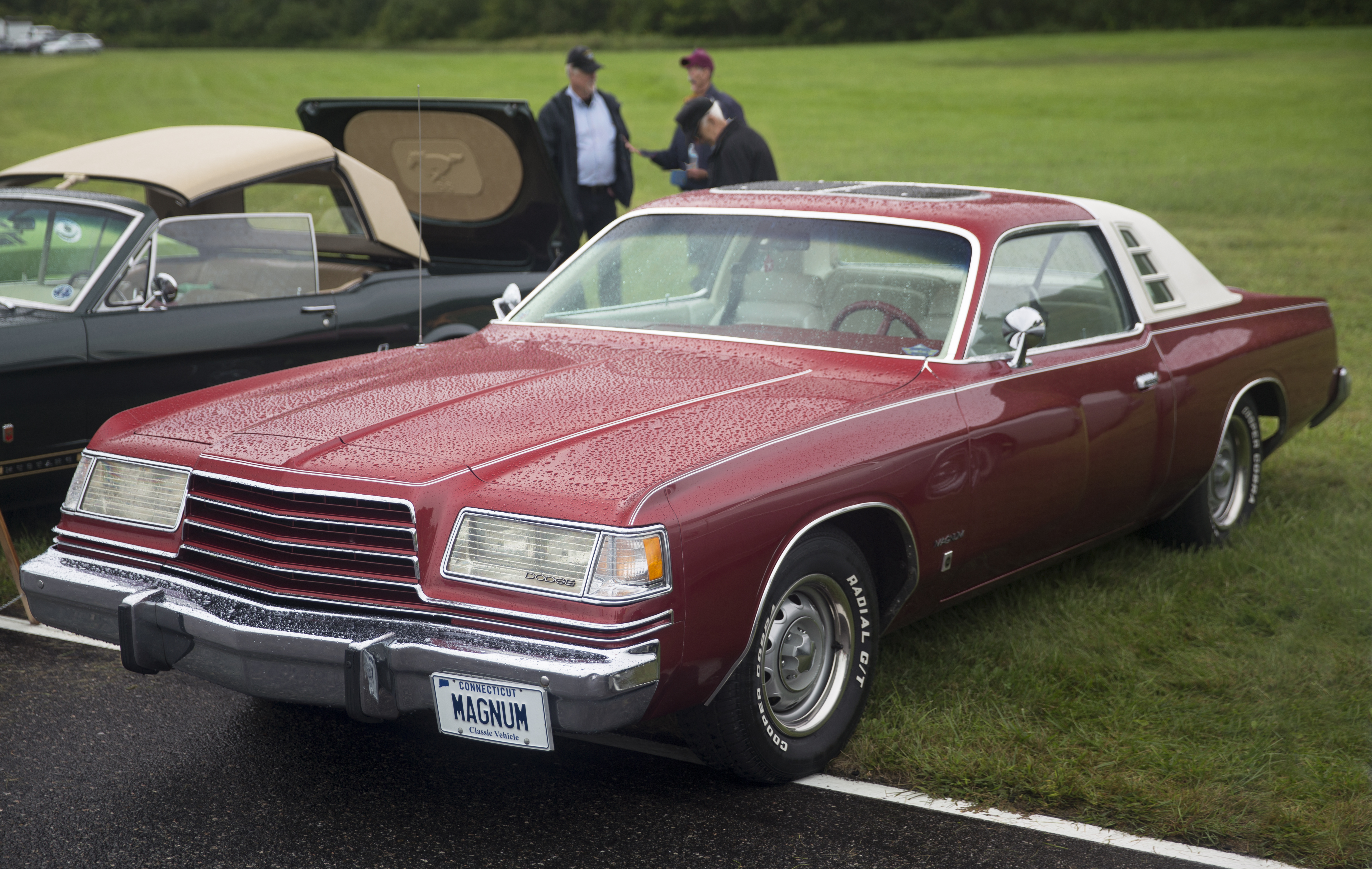
The Chrysler 300C is a big, stylish car that feels fancy inside and has a strong engine. It's a good choice if you want a car that's comfortable for long drives but still has some power to it.
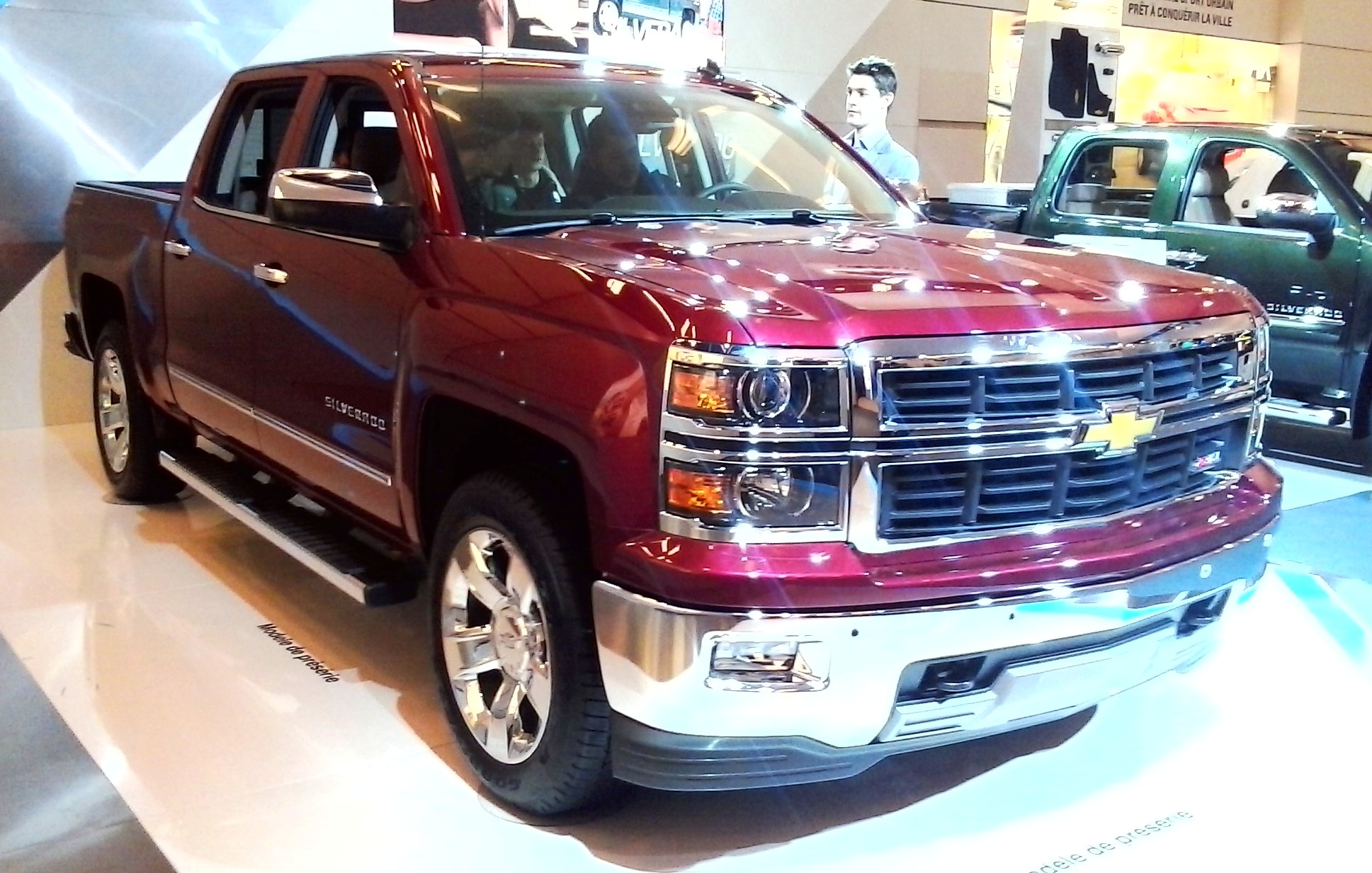
The Dodge Ram is a big truck that's great for carrying heavy loads or towing things like trailers. It's also comfortable to drive, making it popular for both work and everyday use.
The Cadillac Escalade is a fancy, large SUV that has a lot of luxury features and space for passengers and luggage.
LIVE
The Muscle Car Place, online podcast, episode number 624.
This week, a little sneak preview of a product line, I am very excited about seeing in person
at SEMA 2025.
It's a full A-body chassis, brand new, designed from the ground up, from RideTech, right?
Our guest is Blaine Burnett from RideTech, and for two years now, he's been their marketing
guru.
Well, RideTech, like a lot of other great suspension companies, was acquired.
For some, that's been a good thing.
For others, it's made them stale.
For others, it's been the kiss-a-desk.
But for RideTech, it's been a great thing.
They have kept the band together.
They're growing.
They're innovating new stuff, and for the first time ever in their history, have a full
perimeter frame available, starting with the A-body Chevelle.
We didn't have a hat that we could put on and continue selling to them, and give them
a solution for what they were after.
So, to be able to integrate all we've learned on both the air ride and the coil-over side
of the space into a chassis solution has been really, really helpful, and I think people
are excited about it.
This is the Muscle Car Place online podcast, brought to you by National Parts Depot.
This is the weekly show dedicated to people worldwide who love American muscle cars.
If you're buying, selling, restoring, even racing them, this is the place for you.
Now, here's your host, Rob Kibbey.
Yes, indeed, I am Rob Kibbey, and welcome to the Muscle Car Place podcast.
Well, here we are, everybody.
SEMA 2025 is just around the corner, and as you hear this, I'll be on my second trip
to Las Vegas over the course of, what, three or four weeks there?
More on that in a second.
Our guest is Blaine Burnett.
He is with RideTech.
Blaine and RideTech are both names that you long-time listeners know, but Blaine, you'll
remember back from his days at Holly.
Well, RideTech goes way back in our industry, too.
I remember the days when it was called Air Ride.
Remember that?
Air Ride.
And Brett Vocal was the only name that you knew associated with Air Ride.
Times have changed.
The company grew under Brett's leadership really well.
They added on a performance air suspension line system, not just bags to drop a car to
the ground and lay frame, but performance, and then coilover systems, and then bolt-on
suspension packages for all the popular muscle cars, you know them all, then subframes for
all the obvious stuff, Camaro Firebird, et cetera, but nothing further than that.
I mean, that ain't nothing right there.
That's a lot.
That's a major, full company, but they never got into the full frame development systems.
They never got into IRS or exotic stuff like that.
Well, since the acquisition by Fox, and you know, like Fox Shocks, like Off-Road Fox,
RideTech has only grown better.
And that's remarkable, because typically these acquisitions always leave you crossing your
fingers and hoping things will work out, or at least you don't lose ground.
But Fox liked what they saw, and they only wanted more of it.
So it seemed like 2023 when they came out with their first real big swing that I remember
in a while, a full IRS system for a Fox body Mustang platform.
That's a big deal.
Well, this year, they're coming out swinging.
And it's been in the works for a good long while, it's my understanding.
But it's a full replacement chassis for an A-Body Journal Motors car.
So 68 to 72 is available now.
I think it's all A-Bodies, not just Chevelles.
The 64 to 67 Chevelles is coming.
As I recall, that's how Blaine explained it to me.
The early body style will be Chevelles only.
And why that is different from other A-Bodies?
I guess I don't really know why that is.
But Tom and Debbie Farrington are testing the early chassis, like prototype number one,
and their famous Silver 66 Chevelle.
Now, if you don't know the Farrington's, Tom's been on the show numerous times.
They are the first people I ever met in the industry.
They gave me a ride in 2010 to the Ultimate Streetcar Invitational in that Chevelle.
They didn't even know who it was, but they're just great people.
They are also the most hardcore Chevelle or die people I know.
And they want Chevelles, they have multiple Chevelles, but they want those early Chevelles
to compete for the gold medal in a sea of Corvettes in the vintage car class.
And I mean, they just won't give up.
And after talking with Tom and what he was thinking of his prototype chassis,
I thought this might be a winner.
So I called Blaine and I asked him on the show to tell us more.
And the reason for that is because you never know how Seema is going to go.
Sometimes Seema goes exactly to play and sometimes everything falls apart
because other fun things have popped up or things that you couldn't get until you got there
or you couldn't schedule.
You never know.
I wanted the time, the full time that this was due to have a real sit-down interview.
So here we go.
I didn't ask in the interview whether they'd go further, like with a three-link rear end
or an IRS or anything like that.
This is a plug-and-play bolt-on chassis.
And while it is very, very racy in there, you can trim it out a little differently here and
there and make it more race car than other.
There are other more race car full suspension systems or full chassis systems out there.
That's probably true.
But after talking with Tom, he felt that he had a winner here and he could hang.
And this is a big deal.
I have a feeling based on the quality of this, the benefits of it and the price point of it,
it's going to be a big seller.
So that's all come up in the interview.
With that, that's all I have for you from a Seema and car perspective.
Nothing else is going on in my world right now except making things happen for racing.
So Burn, cue the Dallas KB Legends car racing update because I'm not here right now.
Burn, you know, be in Vegas.
I'm at the 2025 Legends Car Asphalt Nationals.
Burn, have you cued the intro yet?
Burn, what do you mean I'm running along in the wind up?
Burn, that's not cool.
Burn, please run the intro.
Finally, thank you, Bernie.
You know that he's turned 65.
He doesn't give a damn what I say.
Just does whatever he wants.
Okay, here we go.
Last weekend was weekend number one for Dallas and I in Las Vegas.
Last weekend was really a warm up for the one we're about to head to and I'm
about 45 minutes as I record this.
So last weekend was the finale local race event for the, what's it called?
The Bull Ring, the Las Vegas Bull Ring.
It's a small 3-8 mile track in the same facility and right next door to the Las Vegas Motor Speedway.
I don't know how to describe it.
If you took the Las Vegas Motor Speedway and sprinkled miniaturizing dust on it, it would be the Bull Ring.
The Bull Ring is a D-shaped track, just like the big track.
I don't know if the banking's the same, but I would believe that it was.
If somebody told me that, it's really cool.
It's the nicest venue we've ever gone to from kind of a big time perspective for a small time
track, if that makes any sense.
So we were planning to last weekend fly out at a nice leisurely Friday morning,
get there in the Friday afternoon, do the practice session, Friday night,
race Saturday, go home.
That's what we were planning to do.
But I got a call last Tuesday night and said,
hey, can you be here Thursday morning?
We got the track rented.
We got it at the last second.
This is the only time we could get it was for Thursday afternoon.
Can you be here?
And I said, well, no.
I said, that's a problem.
Then I thought, well, how bad could it be?
So I pulled the parenting move of the year,
taught my son some great examples, had him bail out of work, cut out of school.
I did get all that excused, of course.
Changed around my personal life and work schedule, rearranged by family.
And we got on a plane 5.45 a.m. Thursday morning.
And we got out to Vegas and we got there in time.
And he did the test session.
And it was just he and his new coach running some team cars.
And I'll get back to the new coach part in a second.
We did get there early enough for me to run them through the Las Vegas Strip once.
I can tell you the Las Vegas Strip at 10 a.m.
is not impressive, full of beautiful lights and stuff.
It's mostly just clutter with traffic.
So there's that.
He has seen the Strip.
I also took him to Fremont Street Thursday night to get pizza.
Dallas doesn't like the smell of weed, thank God.
So we were only there about a minute and we left.
We made it to the Las Vegas Bullring and he got to see his car again.
And it's not the same car.
It's the old car body on a new race car.
That's the reason we went out.
Well, that and the new coach.
So we had a new race car.
We needed to shake down that race car.
And really get to know his new coach.
Now his new coach is named Zach Miller.
Zach Miller is the founder of Miller Performance.
And Dallas's last car came from Miller Performance.
He has been the Miller Performance driver of the Midwest.
And Zach has coached him once at Charlotte.
But Dallas's prior coach, Jackson, he just isn't with the team anymore.
Their team has downsized.
And fortunately that means Jackson couldn't be there.
It was bad timing, certainly, and a bummer and kind of hard to swallow.
Because Jackson and Dallas really had each other figured out.
Dallas wanted to please Jackson and impress him.
And when Jackson was happy and pleased, Dallas felt good.
And when Jackson was disappointed in him because Dallas wasn't living up to his potential,
Dallas responded.
He always wanted to please him because he looked up to him.
Well, Jackson's just a kid to me too.
I mean, he's 24 years old, but I'm very fond of him.
I really am.
And while I'm sad that he's not our coach anymore,
just because of the good relationship they had,
I highly doubt it's our last time working together.
I don't know when our paths will cross again or how or what that will look like.
It could be in six months.
It could be in six years.
I don't know.
But I have a feeling that will probably happen.
But we need to get out there.
And I needed Zach and Dallas to get to know each other better.
Jackson was so nice about that.
He personally called Zach and said, here's what Dallas needs.
Here's what he likes.
Here's what he doesn't like.
When he says this, he really means this.
If he's doing this, you got to be direct.
He just did me a real solid and that was nice of Jackson to do that.
The good news about the new car, it's really good.
The bad news, it's a new car and it takes a lot of shaking new car out.
I'm so glad we got that test session.
What a relief.
I now know we'd have been screwed without it.
Because when you go to these normal races,
you just get five minutes of practice here and 10 minutes here.
I mean, you never really get enough.
We got four hours on that track.
And I think Dallas and his coach drove for three of them.
It's a lot of time in a race car, man.
Dallas is in a smaller seat now because Jackson, his coach,
I was about the last thing he did is he said,
that kid needs a smaller seat.
He's swimming around there.
This isn't working.
He changed that up.
And by the end of the four-hour session,
they had figured out some great setups,
not only for the cars they were driving,
but for the whole team cars.
They changed the whole setup of the whole team,
just based on what those guys figured out.
Dallas did have one problem.
He was blowing corners like bad, abnormally bad.
I mean, I'm his dad and I'm biased, but he's a good driver.
And he could not get the corners to work.
And then finally, Zach went out and drove the car
and he came back and he goes, OK, it's fixed.
And these cars have front and rear brake bias.
Well, they do and they don't.
They have front brake bias on the front left only.
So when you crank more bias into it,
you get more front left brake.
And again, this is a circle track car.
It's only turning less.
So if you want it to pull harder,
when you stab the brakes, you put more brake in it.
If you want it to not pull harder or stop,
if you want it to drive straighter
and allowing you to apply more brake
without getting yourself in trouble,
then you take some bias out.
The same thing with the rear, except it applies to both brakes.
Evenly.
The brake bias just between the front
or is just all goofed up.
They're both independent.
So there's two knobs in the car,
one for the front, one for the rear.
Zach got that straightened out.
The two of them kind of talked through it.
And you could adjust this while you're driving.
In fact, most drivers do,
but Dallas typically doesn't or doesn't very much.
Anyway, by the end of the session, things were getting good.
He practiced Friday.
He got to the race on Saturday.
He started eighth.
Got a little confused by their cost.
Their caution cone looks like it's just a giant orange stick.
That's an obstacle in the track.
Not a choose cone, but I don't know where he went.
He ended up in like 10th or 12th after that.
Races way back up.
Yeah, he got eighth.
I think he started eighth and he finished eighth.
He needs the car set up a little differently for him
to have success at the next race.
It needs to start set up a little differently
so that it ends well.
And it started out well,
and it kind of went sour as it got going.
And he needs to start on the other side of sour
so that it kind of comes in at the end of the race.
Zach Miller is a hero in the legends car industry.
His cars are great.
I saw one of his cars about a year and two months ago this time.
And that's why we're doing this now.
He's one of the top teams here.
And I'm glad we're doing this.
He is also a whale of a good cook.
So he loves to smoke meats.
I didn't know he was into this like at all.
The first thing he and all the guys that were there,
like they got out this little pit boss smoker,
like this little mini one, you know, the wood pellet smokers,
put two racks of ribs in their wrapped in tin foil
that just had some seasoning on them for three and a half hours.
At like 350 degrees, maybe 300.
I can't remember what the number was.
Then they took them off, opened them up,
took two sticks of butter, full sticks,
split them long ways to make like a half wide stick of butter.
So, you know, butter is like four or five inches long.
They put the butter down and then they set the ribs on top of it.
So the ribs were sitting on there like on a butter platform,
you know, butter prongs on either end.
Then they coated everything in barbecue sauce
and shot barbecue sauce, mostly under the ribs,
wrapped them all back up, stuck them back on the smoker
for another hour and a half, couple hours.
Then we had ribs for dinner.
And I'm talking fall off the bone.
Oh, so satisfying ribs.
And they had thrown in some mac and cheese
and they're like store bought mac and cheese.
They just got it super hot in the smoker as well.
And like, oh man, was that good.
Good eats.
There's a lot worse things you can do
than spend your night at a racetrack eating ribs.
I can tell you that.
So that is it for the Dallas Kibbe Racing Car Update.
Wish us luck. Wish him luck.
I enjoy spending time with Dallas.
I sure wish he weren't on his phone as much as he was,
like most teenagers, but I wouldn't trade this time
in my life for anything.
It's all worth it.
So Burn, go ahead and cue the outro.
Burn. Burnie. Burner, wake up.
Burn, I know you're not asleep.
I know it's just comedic effect of a 65 year old man.
Come on.
Thank you, Burn.
Great outro, Burn.
Okay.
Before we roll the interview, one more fun note.
Next week, before the Seamless Show,
we're going to have a bonus for you.
Typically, we release three shows a month,
sometimes two.
This month, we're releasing four.
Next week, we're going to have Dan Kahn on from Kahn Media
for a Crashers Guide to the Seamless Show.
So I had this idea and I pitched it to him.
He said, yes.
So Dan's the president and founder of Kahn Media.
He's been on all the SEMA boards.
He's a big deal.
So crashing the SEMA show is not something you should do,
but here's how I pitched him.
I said the point of this, Dan, would be to prepare listeners
on how to get the most ROI.
Let's call it that from going to SEMA.
So some of our listeners are going to go to SEMA
because they're in the social media game like I am.
Some are going to be there hunting for jobs
or just networking in general.
Some are going to be there because they are working a booth,
like maybe a first-time booth.
So I thought it might be fun.
Dan replied right back to me.
He said, I'm in 100%.
Yes.
Yes is the answer.
So he will be here next week.
He's a very big deal in our industry.
He'll never tell you that, ever, and he won't admit it,
but he is the most every man big wig I know.
Good dude.
You'll have a lot to learn from.
I always learned something from him.
Okay.
Don't forget, once per month,
we do have Mr. Rich Schmidt from NPD
on to talk all things National Parts Depot,
but you can ask him anything you like.
Send in your questions to me, Robert, at themusclecarplace.com.
And of course, visit nationalpartsdepot.com
to peruse for all your muscle car parts needs
because they find the source, they expect the best.
There is a difference and they've got the goods.
Your questions are for December.
We already have recorded for November.
That's how the timing has shaken out.
Can you believe it?
So send in your December questions.
I will ask them.
You got it.
I'm happy to email him stuff, by the way.
And I can comment on that in the shows throughout the month,
but our next formal recording is not until the December show.
Alrighty, here's the interview.
Up next, Mr. Blaine Burnett from RIDE Tech
on their all-new A-body chassis platform.
If Tom Farrington says it's worth trying out,
that's all I needed to know.
The Muscle Car Place Weekly podcast interview
is brought to you by our good friends at National Parts Depot.
See them through the link at themusclecarplace.com.
Today, we are speaking with Blaine Burnett.
He's a longtime friend of the show.
And as of two years ago,
he became the brand marketing manager for RIDE Tech.
So prior to that, he was with Holley.
And that's a company that I know well
and in fact, Blaine brought us on to Holley.
Well, if you know me,
you know that I have a keen interest in the world of pro touring.
Always have.
I specifically am interested in suspension companies
that go to the route of offering bolt-on components
to a factory chassis and now full replacement chassis
which RIDE Tech has done.
In fact, they're working with Tom Farrington.
He's shaking out one of their 64 to 67 A-body platforms.
He just finished third in its debut for him
at the Barber Motorsports Park finale
event of the year for Ultimate Streetcar.
Basically, if Blaine has sold Tom Farrington,
he's worth getting sold by.
So let's figure out what this chassis is.
Blaine, welcome back to the show.
Thanks for having me.
Thanks for having me, Rob.
I appreciate it.
It's good to hear from you
and good to be back on the show too.
Definitely.
We were friends long before this
and frankly, when I was looking up chassis stuff,
I thought, oh, that's Blaine in the videos.
This is even better.
I can go right to the source here.
So it's been a while.
I'm sure people will remember you.
Typically, there's been an interview
you've done one or two times a year,
but Blaine, give an overview of yourself.
Who are you?
What do you do for a living now?
Well, I am a car enthusiast first.
I always have enjoyed the fun smiles
that are to be had behind the wheel
and in the garage.
So a longtime car enthusiast
been blessed enough to have been able to make that
into a career.
I worked for Holley for a number of years
and right out of college
in the marketing department and events department
and wore a number of hats there.
Like you mentioned, just a little bit ago,
recently took a good opportunity to
carry some of those life lessons and experience
over to a company called RideTech.
So marketing manager for them now
and glad to be working in the suspension space.
We are doing some really cool things,
like you referenced here with the momentum series,
chassis and subframes.
A lot of RideTech firsts going on here
over the last couple of years.
Well, I'm aware of that.
And I don't remember when it occurred,
but obviously RideTech is a name that,
I mean, it somewhat pioneered the pro touring space here
as far as bringing it to the masses.
I remember RideTech specifically being the reason
that the Good Guys Auto Cross series
went from being kind of a couple of people trying it
to people going to that event solely to compete.
It's a big deal.
Yeah, very mainstream.
When was RideTech purchased by Fox?
It's been a few years.
I actually can't remember how many years now.
Yeah, it's been a little while.
That happened in, that would be 2019.
Oh, wow.
RideTech assets were acquired by Fox Factory.
So RideTech is now a subsidiary of Fox Factory.
We are glad to be part of them.
And kind of the question is like,
how did that happen probably?
We have been using Fox Factory shocks exclusively
in all of our air ride and coilover kits since 2012.
And so had a great relationship with them.
And when Brett was open to selling the company,
that conversation took place and the transaction transpired.
So we've been a part of them since 2019 and enjoy it.
They have a lot of awesome technology
that we can bring to bear in both the classic
muscle car hot rod space,
but then also in the late model car and truck space as well.
So you mentioned Brett and that's Brett Bockel.
And what Brett brought to the table for so many people was
what we just would call air ride.
And that was air bladder shocks kind of borrowed
from the semi truck and bus world to put on your hot rod.
So your hot rod could lay frame at a car show.
And it looks so cool.
And that went from that to,
I don't know if the company has ever called air ride,
but everybody called it that forever and ever.
And then I remember the day that Brett said,
we're going to offer coilover shocks.
I mean, it was like, you could hear tears across the car.
No, how could air ride offer a coilover shock?
And then, you know, that became a major deal
and full suspension systems for not just muscle cars,
but classics and all the stuff that you would expect
from a modern full service suspension company.
Just anecdotal thing about that is it was air ride for sure
that was great at a car show,
but he also made that handle effectively too.
Like you talked about being a pioneer in the pro touring space.
I have fond memories watching ride tech abstractly being at Holly.
They used to sponsor LS Fest in the early years
in Bowling Green, Kentucky.
They came one year and we did the engine swap challenge.
I remember after that was over
and the guy that won the challenge, Justin Dermady,
finished with the swap on the vehicle.
They actually took that vehicle over there
and put a full ride tech suspension on it.
I believe it was air ride if I'm not mistaken.
And that car handled, I think it was like seven seconds faster
around the autocross, they did it before and an after.
So it was really cool seeing them in that part of their timeline,
doing what they did best on the air ride side of things.
In fact, the company used to be called Air Ride Technologies.
What attracted you there?
And I'm going to set this up and I know that it has a happy ending.
So I'm okay saying it this way.
Often when you see a larger company purchase someone,
it is not uncommon for that company to buy it just based on
its laurels and its history of customers,
but not necessarily innovate any further.
And it's often common to see some employees leave.
I can tell you, I did my homework.
I called Tom Farrington and I said, what's up?
Tell me what you're doing with this chassis and how and why.
I won't share the details here, but he effectively said,
all I can tell you is that a lot of the faces that I used to know
are still there.
They're still working.
They still have a good heart and they're innovating.
That's a good sign.
When a company that's been acquired and it's several years ago now,
I didn't realize it's been since 2019.
That's a long time.
It's growing and it's introducing new product.
And it's not just sitting around saying,
buy the same stuff that we released 10 years ago or 15 years ago.
So that's what I see on this side of things.
It's cool.
Is that one of the reasons you went there?
What attracted you to Ride Deck?
First and foremost, it was kind of some of those fond memories
that I kind of regaled you with there about what I experienced with them
from previous data points.
So American made company located in Jasper, Indiana.
They put a fine point on premium components and manufacturing know-how.
And I really appreciated that.
You see a lot of things in the industry.
You buy products of your own to put on your own vehicles,
some better, some worse than others.
You kind of establish a little bit of an experience with what's good
and what's not in the space and who is authentic and genuine
with the products that they make.
And I always felt that Ride Deck was one of those companies.
So that was part and parcel to the decision.
On top of that too, to be able to focus solely in one category,
say suspension, performance and handling,
was pretty attractive to me considering some of the vast
areas of focus that I've had in the past to be able to kind of direct
solely on one aspect of a vehicle's performance
and extract the greatest amount of performance you can
is a fun exercise.
And so being able to promote our successes is pretty huge there.
And the fact that we are having some successes
is always fun to be able to talk about too.
So you mentioned innovation and Tom said that as well.
Yeah, that's what we're striving to do.
One of the monikers we've had on a hoodie that we sell
is always innovate, always Ride Tech.
And so when I started here, my first day at the company was FEMA.
My first day on the job with FEMA a few years ago,
it was awesome to walk in the booth and start learning what
products we had been coming out with,
one of which was a complete bolt-in IRS for a Foxbody Mustang.
And that was on the heels of a McPherson strut delete system
that had been developed for the front of those cars
to convert it over to a short long arm assembly,
which provided a whole lot better of a camber curve
and established a camber curve in the rear
instead of the stick axle that's installed in those cars from the factory.
And so just to kind of see some of those things,
some of those lofty ideas of halo projects,
not be pooed away by say a bean counter if you will,
is pretty awesome to be able to be a part of.
And those things were already well underway before I joined on.
So it was magnetizing to me, attracted me like a Moscow plane.
Let's talk about the big trigger here.
So I've known Tom Farrington since the day I was trying to break into this industry.
So I'm sure I've told you the story and the listeners are sick of it,
but I wanted to be in this business.
I launched this company in 2009 and in 2010,
I just flew out by myself to the FEMA show.
And all I knew was I needed to meet people
and I needed to end up at the Ultimate Street Car Invitational.
So I walked around, met a bunch of contacts,
and got a ride from this guy named Tom Farrington in a Chevelle
out to the Ultimate Street Car Invitational.
And he and his family, they didn't know me,
but they took pity on me clearly.
And I have stayed in contact with that family ever since.
I love them for all the reasons that they're loved,
but they love A-body Chevelles.
They love this industry.
They love to compete.
And they do compete.
They compete in everything they possibly can.
They do all their own work.
Tom and his son are both veterans.
I mean, they're family of firefighters.
They do CrossFit.
They're just the coolest, right?
So when I saw Tom had a ride tech momentum chassis,
I first said, what is a ride tech momentum chassis?
And then I Googled it and like, oh, it's a full chassis.
So where are we in the development process here?
And when did this come to the table?
Like how long has this been on the books
to get a chassis out in the market?
I'm not even sure if it's for sale yet to the public,
but when was this there prior to your entry
or did this happen after?
So we started working on momentum shortly after I joined the team.
And really what we were looking to do with that is bring to bear
all of kind of the ride tech brain trust,
if you will, of suspension innovation and know-how
into an area of the suspension space
that we had not been able to cater to
or had not chosen to cater to prior.
You would probably agree with the notion that ride tech,
I think you even said this a little bit ago,
was primarily focused on both on suspension components
for factory chassis or something to that effect.
And that's really been the case.
That's our bio, if you will.
So it's on our resume for both classic cars and trucks,
hot rods as well, tri-fives.
But when you have a customer call and say,
hey, I'm thinking about upgrading this vehicle,
but the factory chassis that I've got the frame
is less than stellar.
Say they're in a rust-ridden part of the United States
or what have you,
or they're trying to build it to a really high level.
We didn't have a hat that we could put on
and continue selling to them
and give them a solution for what they were after.
So to be able to integrate all we've learned
on both the air ride and coil oversight of the space
and do a chassis solution has been really, really helpful.
And I think people are excited about it.
You've seen a lot of acquisitions of chassis companies
in the space over the last couple of years.
I'm thankful to be able to say that ride tech
is innovating from within with a lot of our own know-how
and experience and bring that to market for customers to enjoy.
I'm a Chevelle guy through and through,
but a Chevelle chassis has a lot of pluses and a lot of minuses,
like any full-frame car,
but the pluses are that you have a full platform
and it's a replaceable platform.
So I assume that the goal of this was the obvious stuff,
a stiffer chassis, different pickup points on the suspension,
bigger wheel tire fitment, better spin, all the stuff.
Let's start there.
So what's the weight of it?
Is it the same as stock?
Is it heavier? Is it lighter?
It's fairly similar, probably a little bit heavier.
I don't have weights right here in front of me,
but what I will tell you, it is much more rigid.
So I believe the factor was around two and a half to three times
the rigidity of a factory C-channel, not boxed frame.
And what you get out of that is a much more planted
sense of presence in the car.
We isolate that with poly bushings in the vehicle
to keep some of that NBH out of the vehicle
and make it still pleasant to drive.
And you also called this out a second ago to beat me to it,
is there are limitations with the factory chassis
from 50 years ago.
The main limitation there is suspension geometry of the day.
That's old enough you could say suspension geometry of your.
And so we've been able to make a lot of improvement
with having our own back with our own pickup points.
And you can improve acronym, motion ratio,
improve camber gain as the suspension cycles as well.
So you don't have to run as much static camber
and chew up your tires prematurely.
So we're really excited to be able to bring
that kind of technology to a full chassis solution.
Whereas say one of our complete suspension systems,
and while those are great, people are looking
for different types of solutions based on the situation
they're in, a bolt on suspension system that we sell
might be perfect for a guy who has a chassis that's in good shape
or is only looking to accomplish a specific use case for his car.
And we can accomplish some suspension geometry improvements
by the location of the upper and lower ball joints,
improve caster, things like that.
But when it comes down to it,
you're still not able to move where that control arm
upper and lower mount to the frame.
And we can do that with a complete chassis.
There's other limitations on an A-body,
and one of the biggest is the inability
without significant modification
to getting a lot of wheel and tire on the front end.
It's just hard to do, especially on the earlier cars.
So the 64 to 67, at least in my experience,
is tough to get comfortably more than a 245 or a 255 on.
I know people have made 275s work,
but what is the design criteria of this?
Is that one a design criteria?
I know Tom, for a fact, wants a super big,
but he may be an outlier.
I don't know.
Well, I think you have two different use cases there
between your standard guy who's looking for
probably a little bit more than factory
and then a gentleman like Tom,
who is looking to compete at a higher level with a Chevelle.
So yes, the amount of wheel and tire
that you could fit under the front of those vehicles
is definitely an issue.
Whether you're talking about a 68 to 72 or a 64 to 67,
and in this case, speaking about those 68 to 72,
we were able to get an 18 by nine inch wheel
with a six inch backspace.
If you're looking at a 10 inch wheel,
you'd be looking at around a six and a half inch backspace,
but that allowed us to install a 275 millimeter wide tire
with no lock and lock steering issues
on the factory inner fender liners.
And that was without any sort of steering limiter installed,
which is huge.
And then also we use the Falken RT660 plus tire,
which if you look at the actual dimensions of that tire,
they're a bit wider than a 275 in terms of a measurement.
We were able to get a 295 out back,
which was more akin to a 305
based on how that tire actually measures out.
There's room for even more in the back,
assuming you are okay with many tubbing,
but I know we're talking about the front suspension here.
And we were able to put, I think,
the same wheel and tire on Tom's vehicle as well.
And he's enjoying having that extra contact patch up front.
If you wanted to go bigger,
and here's what Tom said exactly,
different wheel tubs up front and some type of a limiter,
if you need it.
And I'll tell you that Tom was just going
to try bigger wheel tubs.
He's got some specifically in mind.
And just see if that didn't solve it.
And if it didn't, he would put the limiters in.
Here's the next topic, steering.
For those that don't know Tom Farrington,
I mean, he was very competitive in multiple configurations
of his famous Silver 66 Chevelle.
That car will go on the Pro Touring Mount Rushmore someday.
And he had like an eight to one steering box in it.
And he said, that was a big change
because it's rack and penny.
And I think it's a Mustang,
Foxbody Mustang rack, but it's something like 12 to one.
Yeah, that's what ours is using, yeah.
Okay.
Is that the option for a steering rack?
I saw that you had kind of a couple of options
when it came to the spindles.
If you'd get a pin spindle or a hub spindle.
Yeah, with pretty much all ride tech products,
we tried to keep modularity in mind.
And so with respect to steering,
we're using rack and pinion on this particular chassis,
all of our chassis for that matter,
and the subframes too, which we can get into later.
But that obviously comes with certain benefits.
You look at an older ball valve style steering box.
It doesn't really have a lot of good feedback.
It doesn't incite a lot of confidence
and feedback into the driver behind the wheel.
And so we were looking to improve that
and bring that kind of late model performance
into a classic muscle car.
We always tend to look back, I say I, I'm 39.
So I wasn't exactly around when a lot of these muscle cars
were running around in mass.
But it is true that we tend to look back at classic vehicles
with rose colored glasses and say,
we want it just like it used to be.
But really and truly, that's not accurate.
We do want some of those creature comforts.
So rack and pinion steering was important.
And that rack that we're using is a quick ratio rack.
We sell that on our website.
It's from PSD.
It's a two and three quarter turn lock to lock
that we found was a pretty good balance
when it came to wanting to use something
that's a little bit more aggressive.
But you know, you're not going to sneeze
and end up in the other lane.
So you mentioned hub and pin spindles too.
So all of our systems,
whether you're getting one of our complete
bolt in factory style suspension
or one of our chassis or subframes,
you have the option of running an older pin spindle design.
Say you're trying to retain some upgraded brakes
that you've already purchased
and you don't want to move away from those.
You can pick the pin spindle option.
That's totally fine.
And then we've also got the late hub spindle style option
as well, which allows you to adapt to late model brakes.
So C5, C6 brakes factory style.
If you get some off of cartashpark.com
or if you're looking at getting some willwood
and super lights or something like that,
that's always an option too.
For the guy who's a little bit more motor sport focused
or just wants to put something
a little bit higher brow on his bill.
Okay. So not necessarily forcing you one route
or the other, you're going to pick whatever fits.
I would assume if you're looking for like a 15 inch wheel,
like if you don't want to go super big,
then you'd need the pin spindle anyway.
But I think it would work that way.
So when it comes to the rear end, it's a solid axle.
I don't think that's included in the chassis.
Is that correct?
Yeah, it is included.
You get your nine inch rear axle.
You get your axles as well.
Really the only things that you have to kind of purchase
out of cart, if you will, is because of the modularity system.
We don't know whether you're going to go with air ride or coil over.
So we don't include that into the base price of the chassis.
You have to select that.
And then you also have to pick your steering rack out.
You can use the PSC one or you can choose something off of O'Reilly's.
Or maybe you already have one.
We're not trying to hold you to that.
Sometimes chassis companies lock you in to using something
that they dictate with their design.
They also don't include that in the base price.
And they've got you a fish and a barrel,
and that just adds to your cost.
And it's not something that is immediately apparent at the outset.
So we're trying to keep from having that be the case
as much as we possibly can and allow a guy,
if he has already got several of these components,
he wants to carry over, like in Tom's case,
he already had a pretty awesome ball to the wall car built up.
He just wants to carry over some of these things to the vehicle.
So we want to make that as possible as it can be.
Okay. What about drivetrain configurations?
Do you need to say up front, I am running LSLT,
small block, big block, a coyote?
Or is it universal and you make it work with whatever you want?
So it's universal in the sense that we allow you to choose
what engine mount plate that you would like.
If you go over to ridetech.com and go into the momentum section of the site,
we've got a pretty easy chassis quote unquote builder, if you will.
It takes you through a multi-step process
and has a bit of an explanation on each of those steps
as to what you've got to decide here.
So are you going to decide between the hub spindle or pin spindle that we've talked about
when it comes to your nine inch rear end?
Do you need a narrowed or a stock width?
And then when you move on from there, you choose your shocks.
If you're selecting a third member, you can do that at that time.
Maybe you have one you're going to use and repurpose.
You don't have to get one from us.
You select your motor mounts.
We've got small box Chevy, big box Chevy LSLT.
Then you move on to the other steps.
Pick in whether you want a rear sway bar.
Are you going to get your rack and pinion from us?
We sell willwood brakes and bare brake systems.
So you can choose between either and pick your poison there.
And then we kind of take you over into the review of everything that you've selected there.
So as far as the modularity to there,
you have an adjustable transmission cross member that you can choose between,
you know, whatever popular manual or automatic transmission you want to run,
whether it's a T56, a TKX or something classic like a Montier or Saginaw.
Are you restricted from a fuel tank perspective?
That's sometimes a constraint.
Yeah. So what I would say there is on the 68 to 72,
we were able to adapt to a OE style fuel tank.
However, for some of the design to work,
you've got several different tanks that we've kind of approved for use, right?
We're not a fuel systems company,
but we did look at different tanks that were options from Tanks Inc.
I don't have those part numbers right in front of me,
but they are on the website.
Actually, here they are.
Yeah, we've got different ones for 68 to 69, one for 70, one for 71 to 72.
So those are all stock style fuel tanks.
I think they have wings cut on the corners
to allow for a little additional tire clearance there.
But we wanted to be able to allow someone to carry over as much as possible,
even when it comes down to the fuel system if they wanted to.
So those are OE style EFI ready fuel tanks with a 45 degree corner notch,
which offers some potential savings over other chassis.
Okay. Well, I think I've hit all of the big questions.
Tom and family being out in the field shaking things down will bear fruit here.
But I can tell you that Debbie Farrington said the car rides really pretty nice.
And I'm just driving it, no better than it was.
And it's certainly competitive right out of the gate.
Tom will be the first to say everything has its tweaks.
There's more to do.
There's more for him to learn and figure out.
But right out of the gate, he was competitive, which to Tom is important.
I'm very encouraged by this.
I'm very curious, what does it cost?
Is there a sticker price on this?
Are they available to purchase?
Yeah. So 68 to 72 is available now.
The base price for those is depending on hub spindle or pin spindle is anywhere from 19.5
to 19.650.
And then you add on your coilovers.
Do you want single adjustable HQ coilovers?
Do you want triple adjustables?
Your nine inch third member, your motor mounts, optional rear sway bar rack and pinion.
I think we had built out a base kit with single adjustable,
a third member, a set of motor mounts.
I'm actually doing this as we speak.
So I'm not making this up.
And this was filmed in October of 2025.
So you're listening to this five years from now, price may have changed.
I'm not going to include any breaks because we don't manufacture that.
But I think you're looking at about 25 out the door when you consider tax.
That would include your rack and pinion, a third member in your nine inch motor mount plates,
and a set of single adjustable HQ coilovers.
But if you're not sure what you're going to go with at the moment,
you can definitely get the chassis with none of that for 19.5.
And one of the real good advantages that I think we kind of did a research on
is a lot of fancy manufacturers out there, they don't powder coated or powder coating does come
at an extra cost.
And so that cost does reflect it being powder coated from the factory.
Okay. So trimmed out like, I mean, if you went super duper ultra, maybe you're close to 30.
Who knows?
By the time you put the brakes on it and stuff like that.
But somewhere in that 20 to 30 range, you have a full brand new powder coated modern day chassis.
Brand new nine inch fixed straight sway bar in the front.
And then you've got all of your upper and lower control arms, all of your steering,
all of that is brand new components.
And it is great to have brand new components when you're putting a vehicle together
and you're actually doing it yourself.
The other thing I would say about this too is a lot of times people poo poo at that cost.
I've been one of them.
I've never been able to be a chassis customer when it comes down to it.
But when you're looking at a vehicle that has a rotten frame under it like we talked about,
or depending on what you're looking at doing, there is some merit to the by once cry once
mentality of, Hey, what do I ultimately want to do with this vehicle?
And that's a question that our tech staff and sales team has with customers every day of the week
when they call in and they're sit balling and they're asking us questions is really, Hey,
sir, ma'am, what do you intend to do with this vehicle?
And if they can be honest with themselves and give us the idealized version,
sometimes it makes sense for them to buy once cry once and go for that right out of the gate
instead of the various iterations that the vehicle might have to go through over time.
And by that point they've spent, I don't know, orders of magnitude greater
than if they would have just bought a chassis in the first place.
I can tell you if I could go back in time to 2011 when I was building my car,
if a full chassis existed back then, that would have been the better route to go.
And we did all the stuff. It was even before some companies had kits to do this. I mean,
mini tubs, thin frame rails and really good bolt on suspension, no complaints, but
the front end still flexes all the time. It's full of compromise.
And there are a few things that I still look at it and say, I'm disappointed in that.
One of them was the fact that I couldn't get more than a 245 tire on the front.
I had to go with a really flat faced wheel. There's all sorts of things like this.
I'm curious, will there be more chassis for other vehicles to come? I'm guessing so.
Yeah. We're definitely looking to build momentum in the amount of offerings that we have.
Pun intended. The sub brand within the company actually works really, really well. We've been
working towards this moment for a really long time with everything that we've ever done.
And I think now it's the culmination of that with having full chassis.
But we plan on releasing more to the market as well. I would just say stay tuned for that.
And if your listeners would like to give us an earful about what they would like to see next,
we would welcome that. And any of the comments, drop us an email. If you'd like to see a specific
chassis from RideTech, sales at ridetech.com is a good way to reach out to us or hit us on
social media if you want. Either one of those avenues is totally fine. But we have listening
ears and we're interested in hearing what people are wanting to see as well. But we've got some
really interesting and fun things planned. We've been brainstorming a couple of different options
on our end as well that are really cool and exciting to think about and are innovative
in their own right. Very cool. Blaine, I have questions about other products,
but we're limited on our time. I have been messing with the website though. And there's
muscle cars and classic trucks and front clips and all this stuff. But I did click on the sports
car section. I see there's Miata offerings in there here now. Aren't you a Zee guy?
Aren't you like a Nissan Zee guy? I kind of thought maybe there'd be something like that in
here or maybe even vintage forerunners. Well, if I actually was on Zoom with a camera on my laptop,
you would definitely see my 90s garage behind me over my shoulder here. I walked out of my garage.
But no, we did come out with some coil overs for, it's really just kind of an HQ coil over
expansion, if you will, into the NC Miata space. And I know this is a muscle car podcast, so
don't crucify me upside down for talking about Miatas. But honestly and truly, it's one of the
most loved roadsters in the history of the automobile. One of the best selling too. And on any given
weekend, as the old adage goes, it is one of the most campaigned and raced vehicles and amateur
racing in the world. So the NC Miata is what we released some coil overs for. That's the 2006 to
2015. The guys did their homework on that application as well. We just went down to an event in
August called Miatas at the gap down there at the tail of the dragon deal gap and had a really good
time taking our development vehicle down there. What I would say about that is people would be
like, well, that seems a little bit outside of your lane, right? But what I would say about that is
sometimes it's helpful to take a step back and take the blinders off, if you will, and imagine
what you could be as a suspension company. Look at our box factory owners. They started in a
specific space, but grew in scale and focus. And we can definitely do the same too. So we've always
been focused on performance at a high level while maintaining ride quality. And that product checks
those boxes as well. We've also done that on the late model Camaro S550, S650 Mustang,
LX platform on the Charger Challenger 300C, Magnum, if you will as well. We've also got that for
plate model truck at 150 Ram and Chevy Silverado too. We just came out with Tahoe as well.
Really? Soccer moms are looking out there and you want to drop your Tahoe, your Suburban or your
Escalade. And we've got that as well. Something for everyone. I've actually been chopping for
a Tahoe. So I'll keep that in mind. All right, Blaine, good to catch up as always. I look forward
to seeing you at SEMA. I was glad we got to sit down for something a little more formal here
prior to SEMA. And I can't wait to see how Tom does there. RideTech.com is where people go.
Yeah, RideTech.com, RideTech suspension on Facebook and Instagram. We would be happy to answer any
questions on the Momentum Chassis. We didn't really talk about it, but we have subframes as well
for first and second gen GMF body as well. So 1967 all the way up to 1981. Those are really
awesome in terms of their performance potential as well. Very cool. Thanks, Blaine. We'll see you
soon. Take it easy, Rob. Thank you, Blaine. All right, awesome. That was a lot of fun to do.
I do plan to find Blaine at SEMA. Hopefully we'll go out and get some Mexican food. He's got to
join he likes. And I typically don't like Mexican food, but what he's got in mind, I'm in. I'm very
interested in that. So I'm going to close you out with this. So Tom Farrington, I talked to Tom.
I just asked Tom a few private questions that I'm just going to put like this. I said, Tom,
can you be competitive with this RideTech chassis with the other brands, the top brands,
you know, the speediest of brands out there? He said, absolutely yes. He said, you know,
I didn't know going into it. We just had a really good feeling when we met with the team at RideTech
in person. We changed the route we were going to do this and give it a shot. And he says,
I absolutely believe that I can be as competitive as I would be in any other thing. And I'll just
confess, I think SpeedTech and Roaster Shop are amazing. They're fantastic. They just are. They're
different products for different solutions. I think what RideTech is doing here is straddling
the lane of both worlds. It's a very nice piece. It's very racy. It's very high quality. It's a
good price. So I'm very excited to see where this goes for RideTech. I can't wait to see how it goes
for Tom, but he was already competitive in it and he hadn't really even tricked it out yet. So
all right, that's it for this week. Be back next week for the bonus show with Dan Kahn,
a Crashers Guide to SEMA 2025. Between now and then, though, hit me up on Facebook or Instagram
anytime. Be sure to sign up for our weekly email newsletter. You can do all that on the
homepage of themusclecarplace.com website. And as always, don't forget to keep chasing your
dreams like you've let me chase mine. Oh, by the way, if you would like to stream the Legends Racing,
you can. It's not free, unfortunately, but you go to uslegendcars.tv and you can get a subscription.
I think it's, I believe you have to buy the month and it's 25 bucks, but it's uslegendcars.tv.
Okay, see you later, everybody. Bye-bye. Thanks for parking at the Muscle Car Place
online podcast sponsored by National Parts Depot. Visit themusclecarplace.com to get the show weekly
through Apple Podcast and wherever you get your content. Don't forget to leave some feedback
about the show and keep up with us on Facebook and Instagram. Visit our sponsors often.
They make it all possible. See you soon at the Muscle Car Place.
About this episode
Blaine Burnett from RideTech joins the show to discuss their innovative new Pro-Touring chassis for GM A-Bodies, set to debut at SEMA 2025. The chassis, designed for Chevelles and other A-Bodies, offers significant improvements in rigidity and suspension geometry, allowing for larger wheel and tire fitments. Blaine shares insights on the development process, the benefits of modularity in design, and the competitive edge this chassis provides. The episode also touches on Tom Farrington's early testing results, showcasing the chassis's performance potential right out of the gate.
If you’ve ever dreamed of giving your classic A-body the precision handling of a modern performance car—this week’s MuscleCar Place episode is for you. Rob sits down with Blane Burnett of RideTech to dive into the all-new MOMENTUM Series Chassis, a complete foundation engineered for 1964–1972 GM A-bodies like the Chevelle, Tempest, Cutlass, and Skylark. Built on RideTech’s legacy of innovation—now strengthened through its partnership with Fox Factory Holding Corp—the MOMENTUM Series delivers modern geometry, rigidity, and customization in a true plug-and-play solution. Even better, a full chassis comes in at an incredibly competitive $20,000–$30,000, putting high-end engineering within reach for serious builders.
Adding even more credibility to the project, long-time Optima Ultimate Street Car competitor Tom Farrington has partnered with RideTech, trusting the new chassis under his ’66 Chevelle. Farrington’s proven record as a multi-event winner in the OUSCI series speaks volumes about RideTech’s confidence and craftsmanship. Tune in to hear Blane break down the engineering, options, and vision behind the MOMENTUM Series—and see it in action at RideTech.com or YouTube.com/@RideTechTV.