Tokyo Drift Lessons: Kelly’s Adventures in Japanese Car Culture and City Driving
To All The Cars I've Loved Before: Classic Car Restoration, JDM, and Automotive History
Tokyo Drift Lessons: Kelly’s Adventures in Japanese Car Culture and City DrivingTo All The Cars I've Loved Before: Classic Car Restoration, JDM, and Automotive History · Dec 24, 2024
The Honda Prologue is a new electric SUV that Honda is making. It's important because it shows that Honda is working on cars that are better for the environment.
The Volkswagen T2 Microbus is a famous van from the 1970s known for its unique shape and roomy interior. It's often seen in movies and is a symbol of fun road trips.
The throttle cable is a wire that connects the gas pedal to the engine. When you press the gas pedal, it tells the engine to go faster. If this cable breaks, the car won't respond when you try to speed up.
The Pontiac Fiero is a small sports car that was made by the Pontiac brand. It has a unique design and was popular in the 1980s for being affordable and fun to drive.
Car
MG TC
The MG TC is a small, classic sports car from the late 1940s. It's known for being fun to drive and has a vintage charm that many car enthusiasts love.
The accelerator cable is a part that connects the gas pedal to the engine. When you press the gas pedal, this cable helps the engine know to go faster. If it breaks, the car might not speed up properly.
A carburetor helps mix air and fuel so that your car's engine can run properly. It's an important part of older cars that helps them get the right amount of fuel to make them go.
The Volkswagen Bus is a classic van that many people love because of its cool shape and ability to fit a lot of people. It's a symbol of fun road trips and has a lot of history.
The cam is a part of the engine that helps control how air and fuel enter and exit. It makes sure the valves open and close at the right times for the engine to run smoothly.
Engine failure means the engine stops working because something inside it broke or went wrong. This usually means it needs a lot of repairs or even a new engine.
A short block is a part of an engine that includes the main components like the block and pistons, but not the top parts like the heads. It's often used when people are building or fixing engines.
The Toyota 4Runner is a type of SUV that can handle rough terrain and is great for adventures. It was first made in 1984 and is known for being tough and reliable.
The Volkswagen ID. Buzz is a new electric version of the old Volkswagen bus. It looks similar to the classic bus but runs on electricity instead of gas, making it more environmentally friendly.
K cars are small, affordable cars made by Chrysler in the 1980s. They were popular because they were easy to drive and park, making them a good choice for many families.
Car
Chrysler K car
The K car was a type of car made by Chrysler in the 1980s. It was popular because it was affordable and had good fuel efficiency, which made it a practical choice for many drivers.
The Honda Stream is a type of car that offers more space and seating compared to a regular sedan. It's built on the same design as the Honda Civic but is taller and can carry more passengers.
The Honda S2000 is a sporty little car that has two seats and is known for being really fun to drive. It has a powerful engine that can go very fast, making it popular among car lovers.
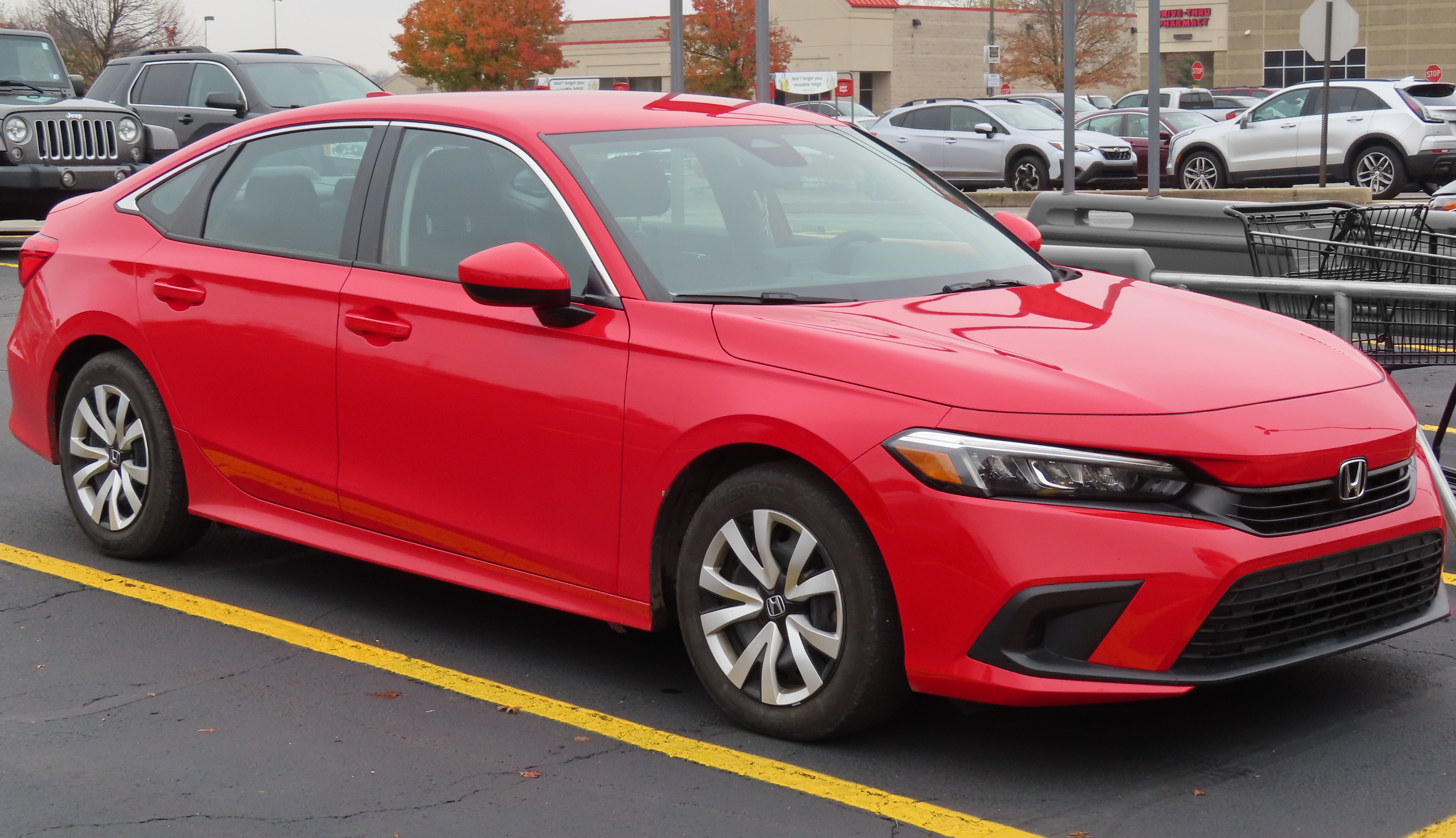
The Honda Civic is a small car that many people like because it's dependable and saves gas. It's been around for a long time and comes in different styles, making it a popular choice for many drivers.
The Ford Orion is a small car that was made a long time ago and is known for being practical and good for families. It's not very common today, but it was popular back in its time.
The transmission helps your car move by taking power from the engine and sending it to the wheels. It's like the car's way of changing gears, similar to how a bicycle works.
Brakes are what help your car slow down or stop. They work by pressing against the wheels to create friction, just like how you might squeeze the handles of a bike to stop it.
Rims are the metal parts of the wheels that hold the tires, which are the rubber parts that touch the road. Changing them can make your car look better and help it drive better.
LIVE
Welcome back to all the cars I've loved before your authoritative podcast on automotive nostalgia.
Season three, episode five, our buddy Kelly talks about living and driving in Japan, being
a veteran.
You're going to like it.
Take a listen.
Listener Land, you have found the podcast that's balanced and rotated but never aligned.
It's leaking a little from the oil pan yet still overflowing.
The podcast who's timing belt needs a few more notches, but the extended warranty will always
get you to that next mile post where sheet metal gets metaphysical, where horsepower takes
a backseat to horse play.
Doug likes that one.
That's his favorite one.
It's very creative.
It's thank you.
It's all the marketing people.
We've hired all the voices in my head.
The podcast that sits at the corner of memory lane and nostalgia avenue, you're about
to take a permanent detour.
We have no intention of fixing.
You have found to all the cars I've left before your podcast where every car tells a story,
every machine has a soul and every car has its culture.
All right.
How's that for the opening?
Do it's grown on you, right?
It's growing.
It's growing.
It's all the marketing people.
Every car has a culture.
Has a culture.
Every car has a culture.
Okay.
Is that what I said?
We even wrote it out.
Nope.
Oh, my bad.
My bad.
Apparently, you need to hire a new co-host along with some new marketing people.
I'll get it right one day, but we are so happy for today's guest, close personal friend of
mine, and let's see, before we get there, let's get a theme.
We've got to have today's theme.
Today's theme, what movie gives you or movies gives you fave agnubin when you see them.
By that, of course, what am I referring to, the old VW, and we're on a VW kick, I apologize
in advance.
This will make Gwynevere happy.
Yes, Gwynevere.
This is partly for you, but it's just on our minds.
It's on our minds recently.
Today's guest went with me to the rarer show with me and my kids, but okay, let's get
back to today's theme, VW is in the movies, right?
We're going to count it down.
We're going to come up with some memories here in a moment.
We'll revisit this theme here in Listener Land here in a moment.
So buckle up, get that thinking cap on.
Doug, give me, yes, I'm putting you on the spot.
Yes, it's uncomfortable.
Top three movies with VWs in them.
Can you give me three?
Just real quick before we go.
One is easy, Herbie, The Love Bug.
So good.
Such a great film.
Yep.
Voltaugans.
I'm going to give you 10 in a couple of minutes, and you're going to flip that
you forgot.
How about any movie about the 60s, Voltaugan Bus?
Yes.
Cool.
One more before we go any further.
Let's get one more.
I think we need the Jeopardy music here.
But it's a we move on.
We move on.
Well, how about you must have one?
I got I'll get to him in a minute.
Get to him in.
OK, so calls to action.
You know, we got to do it.
We got to feed the beast.
We got to grow.
If you like and listen, tell a friend and share.
We let's see.
We just have stood up our YouTube presence.
Check it out to all the cars I've loved before you'll find it.
So we have we have the tags and the metadata and all that good stuff for you.
Of course.
Of course.
And we have we have guys on it.
We have all our podcasts up there and we have our first video,
which was a visit and interview to James McCrae,
previous guest season one, season two,
episode seven, I believe, his shop.
And if you like Porsches, there's several in that shop.
Craig, it's great.
Can't beat McCrae.
Hey, so that's really neat, man.
That means that we've we've not been at the podcasting thing for very long.
But now we've got video content up, too.
And you know, he and I were going through each other's phones
and we found all kind of buried automobile content.
So we'll kind of bring that to the fore.
I found a bunch of videos of, you know, driving through Ireland
that we're going to throw up there.
Anyway, all right, well, thank you for that.
The YouTube presence being stepped up.
OK, and if you like it, tell a friend, follow, download.
The big thing is to follow and have your friends follow, too.
As we mentioned last time, the link tree is up and running.
Link L I N K T R dot E E slash cars.
Love will get you to really sort of a switchboard
that'll get you to all of our online presences.
But the big thing this week that we're really happy is registered another domain.
I love when this happens to Qing Network Solutions.
Every car has a culture dot com.
I love it. I love it.
And so that's what's what's the deal on that?
That's up and running, ready, ready to roll?
Of course, it is ready.
It's beautiful. It's alive and online via GoDaddy,
not Network Solutions, but that's OK.
Dig it. OK, so let's get back to where we were here.
All right. OK, so it calls to act very good.
So, yeah, as I was mentioning before, time to introduce
today's very special guest away there yet.
Let me a little bit more prologue, a little bit more prologue
before we pull Kelly in today.
So count just a few weeks ago, Kelly, myself and my two younger
sons went to the rare air show in Pensacola.
Oh, I have the domain.
If we can stick that in the show notes here, too, it's rare air VW.com
slash show underscore information and maybe just rare air gets you.
Rare air air VW.com.
Yeah, get you there.
It will. And we had the best time.
We had the best time.
And no, Kelly, for a few years now, he's in my my closest
sort of brotherhood of guys that we hang out with.
Oh, slight detour here.
We all went out for pizza last night here in Pensacola, Tuscan
Oven, great place.
Give him a shout out.
Visit there if you can.
Really, I mean, but and we were at dinner of just a bunch of us guys.
And with us, I'm not going to mention the name was someone
who'd been a guest on the show prior.
And he said that was really cathartic.
Doug, I don't think I've told you this because it's just it's not
even 24 hours old except for the last night.
And he said it was really cathartic being on the show because
being interviewed, he kind of talked through a lot of things
that had happened in his life.
And as we are very verbal, you know, a lot of times you don't
bring up the past in a setting, you know, outside of, say, a therapist's
office, but we just kind of talking through some incidents in his early life.
And he just found it really cathartic being here.
He really enjoyed it.
And he was telling Kelly that he would have a good time, too.
So that has brought Kelly to our doorstep.
So Kelly, how you doing, man?
Welcome to the show.
How you doing today?
I'm doing well.
Love it.
Love it.
So Kelly, by way of introduction here, like all kinds of machines,
But before we do, I got you guys and I tease a little bit about the theme
of of VWs and movies.
So Kelly, can I get three from you?
Probably not.
I didn't look.
You're seeing you are the biggest, but Kelly's and put him on the spot
because he's one of the biggest VW guys.
I didn't know this until we went to the show.
And he's, he's like, Hey, hey, come here, guys.
He's yanking me.
I'm like, he's like, look at this engine.
Look at stock.
They changed this.
Look at they've updated this.
And this is, you know, this is not original.
This is look with it coming up all sides.
I mean, he was geeking out on it.
I didn't know that he was so into it.
So out there in listener land, before we interview Kelly about his cars,
if you can go to evansvokeswagon.com slash 10 dash movies, dash featuring
dash VW dash classics, he's got 10.
You I'm just going to count him down real quick.
Herbie, we know, right?
Obviously.
Yes.
Footloose.
There's one in Footloose.
And that that's my favorite, right?
OK, what is it about now?
And when I go to I'm definitely going to have a Carmen guia before I die.
I need a bigger garage, but pretty in pink 1986.
That's what Molly Ringwald is driving around a dented, beat up, old pink
Carmen guia. Yeah, yeah.
Yeah. Oh, herbie the love bug was 1968.
By the way, I want to sneak that here, but go to this site.
There's all this good stuff.
Happy Gilmore.
Fifty first dates.
Little Miss Sunshine with a bull.
Yeah, they had the 1971 VW T2
micro bus, which which I saw in the Peterson Museum.
No way.
The actual one.
Yeah. Oh, must go, must go.
So Bumblebee, Bumblebee in 2018, the Transformers movie was a
sixty set yellow, obviously, sixty seven VW Beetle, right?
Once upon a time in Hollywood.
Oh, Carmen guia, sixty four, baby blue.
Yep.
I'm going to have to go watch that.
Yeah, Brad.
Yeah, Brad Pitt really puts that thing through the paces.
It's a good. Yeah, he rags it out.
Yeah, I've got to check that out.
The shiny 1980.
OK, I know.
What is it with the yellow Beetle?
Seventy three yellow Beetle.
And lastly, Doug, I can't believe you don't remember this.
Back to the future.
1985, when the the attackers come to shoot before he goes back
in time, it is a blue bus.
The VW T2.
I am a machine.
You are a mess.
So now somebody comes back to the future.
There are the cars in that movie.
Now you know.
All right, but I'm going to be quiet because Doug's got the itchy trigger
finger and he wants to learn all about the cars from Kelly's early days.
I do. I do.
Let's get into it.
Yeah, so so Kelly Christian kind of teed off.
We might be hearing about Volkswagen's.
So tell us about your first car, Mr. VW.
We call it Mr. VW.
Sorry, guys.
So I got pretty lucky when I turned 16, we were living here in Pensacola.
And my parents owned a house in Virginia Beach
and they rented that house out to a friend of theirs.
And he had a 1972 Volkswagen bug.
So jealous. Orange.
And he had a Jaguar.
So. And he was a single guy.
He did not need two cars.
So I guess my parents cut him a deal on renting the house
because he was like, yeah, I got this car.
You guys can have it. Just come and get it.
I didn't know that part of the story.
I didn't know all that.
Yeah, yeah.
So my mom flew up to Virginia Beach,
picked up the car and drove it back down here to Florida,
which is, I don't know, it took her two days to do it.
Yeah.
You know, no air conditioning.
Yeah, of course.
And no idea, you know, how reliable the car is,
you know, driving it pretty far.
So, you know, thank you, mom.
We're going to get in the car and I was working.
I was a lifeguard on the Navy base.
And I was on a break because I wasn't in the stand.
And I saw my car drive right up in the parking lot.
And I was like, oh, well, yes, the car is here.
You know, I was pumped.
We got to swap because I had her car, which was a Buick.
And then.
So I like had to finish work.
And then end of the day, I go to drive home
and start it, put it in gear.
I back out and I go to drive off.
And the gas pedal just goes straight to the floor.
First time I tried to drive it, it broke.
It made it all that way.
And the throttle cable broke.
Yes, it did not break on my mother, which was very nice.
Thank God. Yeah, it broke on me.
And it turned out you had a drive stick shift already.
So I did.
My dad had a 85 Fiero.
He had a Fiero. I didn't know that either.
I can't wait to have your dad on the show to hear about his dad's trip.
You're not going to believe this.
Yeah, I mean, he grew up in L.A.
So he's got some real good stories from the 50s and 60s in L.A.
Now, what's the green car that he just sold?
That was the car he bought in high school.
That was it. Was it the NG or something?
Forty seven MGTC.
Oh, man, you see nice car.
He got pictures, too.
Sorry, I'll be quiet.
Yeah. Don't wait.
I'm trying to get both of his parents to be on the show.
His dad, we were at a tailgate.
I think it was last weekend hanging out and his dad was getting all excited.
I was like, man, we're going to do it.
All right.
Yeah, you got to kind of drag stuff out of him, but he's full of stories.
Like, is he? I mean, he's seen so many things.
Like, just you're like, oh, I know this guy.
Oh, yeah, I ran into him once.
I'm like, yeah, I hope you're writing this down because he's going.
Yeah. Yeah.
But yeah, so the Volkswagen had crapped out the first time I drove it.
And it turned out that the accelerator thing was a thing.
We got it towed to a mechanic or like, oh,
we don't know what it is, you know, but I ended up having this car for.
Well, I mean, in total, we had this car for over 20 years.
Oh, wow.
But it turned out that the gas pedal thing was a thing with that car.
Like Volkswagen said, a cable, you know,
I mean, there's literally a cable is hooked to the gas pedal.
And the other end of the cable is hooked to the carburetor.
Like it's a straight shot.
There's nothing fancy about it.
But on my bug, the gas pedal had wore away in such a way that it would
crimp the wire every time you hit the gas pedal.
So eventually it would just snap.
Yep.
And then on borrowed time.
Yeah.
So, you know, you learn how to drive with a pair of ice grips
clamped on to the end that's sticking out, which is tough.
Have you ever tried to drive with your right foot next to your right
or your next your right hand next to your right foot?
It's not easy.
But you can get around.
Amen.
You're the second person I've heard of doing that.
So, yeah, it's a tabling thing.
Yeah.
But I mean, owning a Volkswagen is kind of
it's a constant battle.
It's like home ownership, like there's always something wrong.
You know, there's always a thing that's on the list
that you have to take care of.
Like, so I had a bug and my buddy, Charlie,
he also had a bug.
His was 70, I think, and it was green.
And then in high school, I gave him a ride to school
like our whole senior year because his generator had quit.
So if he wanted to drive, he had to put his car on a trickle charger
all night and then he could like drive to school.
He could drive home.
And that was about it
because the battery wasn't very new either.
But so I gave him a ride.
And then he went off to the army and joined the reserves.
And then I went off to Florida State.
And then he came to Florida State.
He just like literally knocked on my door in my apartment.
And he's like, hey, man, how are you doing?
I was like, well, hello, how are you doing?
So we actually like became better friends after high school.
But like the two of us, we'd have our cars
like just parked next to each other like every weekend,
you know, just trying to keep one or the other of them on the road.
I mean, but like we carry enough stuff
like I had a toolbox, I had a jack, I had jack stands.
Smart man.
I mean, literally had enough stuff to pull the engine
and do repairs.
And I know that because we did it in our front yard.
We pulled his engine out.
And later we did mine and parking lot.
But yeah, you can carry enough stuff in a bug
to keep a bug on the road.
Heard that.
So what what ended up happening to that car?
So I caught the VW, you know, disease.
I see from having that car.
I am aware, you know.
So I had to get the coolest to me Volkswagen.
And that was the Westphalia bus.
So, you know, back then there was no internet.
You know, there's no bring a trailer.
So you're just you're just perusing the classifies every day
to see if something cool shows up.
Yeah. And I lucked out a 1966 Volkswagen bus.
Westphalia in really pretty nice condition
just showed up for 2,500 bucks.
So on the other side of town, like on the west side of town.
So my dad went with me and we went and checked it out.
And he had that bus and he had a 21 window deluxe,
which is now, you know, the whole.
Yeah, those are desirable now.
Yeah, but that one in whenever this was 1991,
it was already in pretty bad shape.
So I imagine it's pretty much returned to the earth by now.
It was it was missing some of the windows.
There was rust everywhere.
It was it was not in pretty shape.
The wheel wells have been cut, which is, you know, horrendous.
Yeah, it happens.
But so so the what happened to the bug?
How long did you have the bug before you moved on to the bus?
And then what happened really ultimately happened to the bug
if it stayed in the family or not?
I really only drove it for a year.
And then when I bought the bus, my dad was like, oh, I can use a car.
So it became his car and he drove it.
A lot for a while.
And then I ended up swapping back
because I went to Tallahassee, went to Florida State, had a lot of fun,
did not learn much, too much university.
University had enough of me, so they kicked me out.
But I stayed in Tallahassee for about four years total, but I worked.
I was a delivery driver for a while.
And the bus was not great for that.
So I ended up selling it.
And then my dad gave me the bug back, which was very nice of him.
So it became mine again.
But before I sold the bus.
So when I bought the bus, it had this hot, hot motor in it.
It had a glass pack exhaust,
a little Weber two barrel progressive carb,
this fat cam.
So like at idle, it was just like
like the whole bus shook at idle.
And I was like, I'm not letting that motor go.
So before I sold the bus, I swapped the engines.
So I put that bus motor into the bug and put the bug motor in the bus
and then sold the bus and kept the motor smart.
And you'd think it was cool for about a year.
And then I was in Tallahassee.
I was a delivery driver for costas,
subs and salads, which unfortunately just closed like two, three years ago.
Yeah. And costa died back in 2017.
But he was the best boss I ever had.
Great dude.
But I was driving.
I think I was on Gaines Street and Tallahassee.
And the engine just quit.
And I took it a mechanic.
Mechanic took the engine apart.
I had asked him just to tell me what was wrong.
He completely disassembled the engine, charged me for it,
gave me back my engine in a box and it turned out that
so like the stock cam is a single piece
like molded and then and then machined.
And then aftermarket cams, there's the cam and then there's the gear
and the gear is bolted on with three bolts.
And one of those bolts backed out and caught and exploded.
And there's just metal pieces everywhere and the cam, you know, was shot.
So the whole engine was pretty much garbage at that point.
So I was out of work because I was a delivery driver.
That's right. Yeah.
That was a big problem.
So one of my roommates, Jason, was out of town
and he'd left his car.
So I borrowed his car for about two weeks
and then kept working.
And then I found the VW shop on the south side of Tallahassee
and it was this old hippie who was now old and bitter.
He was having a affair with a woman who owned a campground on the north side of town.
To my knowledge, his wife was not aware of it.
Oh, dear.
But then there was two dudes, two younger guys who worked there
and they were both cool.
Now, look, you can come in, you can work here, you can do break jobs
and do oil changes will pay you.
And while you're doing that stuff, you can go through some of the parts we have here.
You can find stuff and you can build your own motor.
I'm like, I don't know how to build a motor.
Like, don't worry about it.
I will just we'll tell you how to do it.
So I so I went through, I don't know, like three or four
short blocks trying to find one that was relatively straight.
So we take them all apart, put them back together,
see if all the pieces fit together the way they should.
Eventually we found one.
We sent it off to the machinist, had him,
you know, clean everything up, order new bearings
and put a whole new motor back together.
And I did it and they just told me what to do.
And that's the only time I've ever done that.
But it's pretty cool to have done it.
Yeah, definitely.
Just to have the the help and experience.
It reminds me of that movie, Christine, where the guy got to work in the
he got to work in the shop.
The movie, Christine, but yeah, I don't think there are any bull.
He wouldn't be sitting in the chair.
He would be he would be good anyway.
Yeah, yeah, be a victim in the 80s horror film is exactly what he would be.
Yes. Yeah. So it was.
Very gratifying to have done that.
I remember like starting the engine for the first time.
We started it without the exhaust all attached that was extremely loud.
But it ran first time.
It was pretty cool.
Good job, man. Yeah.
But then, yeah, so I had a working car again.
That was good.
I went back to being a delivery driver.
And then.
I came back to Pensacola to visit my parents
and I was driving around on.
Scenic Highway down by where
Calvert's is. Yeah, like right there on the corner.
Yeah. And there was a 1984 Toyota 4Runner
for sale. It was five thousand bucks.
And I saw it and I was like, I got to have that.
You remember the price for everything you pay to.
I don't think I can remember the prices for things.
Not every memory, but a few things.
So I ended up with that Toyota 4Runner
and it was a tan at the white top that came off.
Oh, it's a horrible art set.
Yeah, it was.
But like the funny thing is that.
So it was an SUV.
It only had two doors, but but my particular one only had two seats.
So like there was a there was a spot where the seats could go,
but they had put in a metal panel.
So it was just a truck bed in the back.
Right. And there's just a
a short wall, like a six inch wall right behind where the seats were.
They didn't know what an SUV was.
Like they didn't know what people were going to buy back then.
So you could buy a two seat 4Runner.
That I didn't that I didn't know it was 85 the first year.
Must have been close.
I think 84 was the first year.
OK, OK. Yeah.
Yeah, you know, those speaking of retro coming forward
and then I have a question about that, what's old is new.
I don't know if you saw for I think for 2024,
Toyota started offering a 80s graphics package on the new.
Yeah, have you seen it?
Yeah, I like it. Yeah, it's pretty cool.
It's total total retro.
Just exactly what you'd expect on on your 4Runner.
Yeah. And speaking of which, since Volkswagen family,
obviously they've had a reboot of the Volkswagen bug.
That's now passed us, but there is a Volkswagen bus coming out.
That's going to be electric.
Yeah, the ID buzz.
Have you have you looked at it?
I mean, I've seen the pictures. Yeah. Yeah. Yeah.
Could you see yourself driving around in one of those again?
Yeah, yeah, I could.
Yeah, I don't think I'm going to have the money it takes to do that for that one.
But yeah, I still think they're cool.
Yeah, there's some there's some good video reviews on YouTube on it.
So yeah, it's pretty it's pretty neat.
Can't wait to see if it catches on as the next generation of minivan.
I do want to break in.
We have for this podcast, we had we just hired dozens and dozens of
automotive historical research analysts.
And I was just handed a note that said first generation 1983.
So there you go.
Very good looking, even from the day also called.
Wait a minute.
Wait, wait for this because there's a segue here.
Kelly, the Toyota Hilux serve in Japan and the Toyota Hilux 4Runner.
So Kelly, I have endless questions about what it's like driving in Japan.
And Kelly and I were at a party.
Might have been a New Year's Eve party, but it was a ton of crap going on.
But I just just I just peppered in with questions for like an hour
on what it was like to drive in Japan.
But Doug, let me toss it back to you.
I'm sure you have a. Yeah, no, no.
Yeah, I think so this Volkswagen bug was in the family for 20 years.
Did you say it?
My dad kept it after I got the 4Runner, he held on to it.
And I think in.
When was it?
Maybe 2012.
2013, maybe somewhere in there.
It caught fire driving it.
And somebody was like, hey.
Cars on fire, bud.
Obviously, the engine to the back, and that's where the fire was.
But turned out, you know, some of the rubber hose
that the fuel ran through rotted and the gas just came out
and leaked all over the hot engine and caught on fire.
And I don't know if that was the end of the bug,
but it was the end of the bug for us.
It wasn't it wasn't the damage beyond repair.
And probably somebody has it and is driving it.
But yeah, my dad was done with it.
As as fresh a brother says, everybody has a Volkswagen story.
And I think we heard at least two, if not three or four.
Yeah, yeah, yeah.
So what so before we, Doug, can we ask him about Japan
or did you do you have a further line of questions for the witness?
God, we were half.
I think we're going to have to have a whole season dedicated
to Volkswagen with all the Volkswagen people that we've been
finding. Yeah, we definitely struck a vein here for sure.
But you know, every every car has a culture, right?
And every Volkswagen has a culture, I think.
Yeah, you got it.
Everybody has a culture with Volkswagen.
We'll figure it out.
So Kelly, I promise not to repeat the New Year's Eve party
faux pas of a year or two ago, but can you just talk about
a minute or two of what was it like driving in Japan?
Yeah, absolutely.
It's a very different experience from the very beginning.
Like when you show up, you have to take a class about drive.
I'm like, you know, you show up knowing how to drive,
you have a driver's license, but you have to get another driver's license
there. And the biggest thing that they tell you is like, in Japan,
driving is a privilege.
You're supposed to drive like you are a professional driver.
And it's a privilege that they'll be quite happy to take away.
And so that's like the biggest difference.
Like everybody's supposed to drive, you know, like they know what they're doing.
So like because it truly is life and death, right?
I mean, well, there's so many people like we were in the Tokyo area
and there's so many people, there's so many cars
and there's nowhere near as many roads or as, you know, as easy roads
to drive on as there is here, like every road.
Like the only flat land in Japan is manmade.
It was a volcanic island.
So like all the roads are up and down, left and right.
They're skinny, they get skinny, they get big.
Like the main road from Yokosuka up to Tokyo.
Goes to two lanes for like a third of the way.
And that was one of the biggest roads.
Like, and you're just expected to deal with it.
But they put their money into, you know, trains and they.
Yeah, cars were secondary.
Did you did you see a lot of K cars, K E I cars there?
Oh, yeah, yeah.
And that's like when when we had to buy a car,
like I was like, we got to pick something on the smaller side
because the bigger it is, just the harder it is to park it.
Right. And harder it is to get around.
And I think taxes as well, right?
That was the K car.
That was a big thing of the K car.
Yeah, efficiency standards.
One of the biggest things is that the K car,
you only have a whatever, six hundred and sixty C C engine.
You're correct. Yeah.
Because they want efficiency.
Like the size and the efficiency, both for the K cars.
But they make sense there.
Like here, it's, you know, weird novelty.
But over there, it totally makes sense.
Very interesting. Yeah.
We had.
Like there's a used car lot on the base.
So you just show up and whatever is there, you pick something.
So we got a Honda Stream.
It was a 2000 Honda Stream.
And that's a Honda Civic, but it's like a tall wagon Civic.
So it had three rows of seats.
Oh, the ceiling is a little bit higher.
It was it was a perfect car.
It was a great car to have there.
And then you were done with it.
You just brought it to that lot. Right.
Well, we actually just gave it to a friend.
OK, we're done. I'm done with it.
And you want it. Yeah.
Can't take it with us.
Can't take it with us.
Yeah. And then I got a wild hair
and went out and bought a motorcycle.
So that's by far the easiest way to get around.
Like the side of the lane belongs to two wheelers by law.
Like you have to give room and that's really meant for bikes and scooters.
But if you're on a motorcycle, you can use that space
and you're allowed to, you know, filter and lane split.
So at every red light, you just roll to the front.
So like even if there's traffic, like you're not sitting in traffic,
you just roll to the front of every stoplight.
And so like if you drove, we lived in Yokohama for a while.
So if you drove in the afternoon.
Like in the morning, it was 35 minutes, like at six in the morning.
It was a 35 minute drive at five o'clock.
It was 90 minutes.
And but on the motorcycle, it was only 50.
So it's a huge difference.
Yeah, lots on that.
Yeah, it was a lot of fun.
I toured around some and I had a small bike.
It was a perfect bike.
It was a Suzuki DR 250 XC Gible.
And that's DJBEL, which is, I think, mountain in Moroccan.
But it was a dual sport on off like it had a top case on the back.
So I always kept my helmet in there.
Now, how long did you live there for?
Three and a half years.
OK, that's the second time.
So when I was nine and 10 years old, we lived there for a year and a half.
And then 30 years later, I went back and in fact, like my daughter.
So I moved there like on Christmas break of third grade.
And my daughter moved there on Christmas break of third grade.
Wow.
Did you even see exactly what you were doing?
Yeah, yeah.
So that family of veterans, right?
Yeah, yeah, my dad was a Navy officer.
My mom was a Navy officer. Wow.
In fact, both of my in-laws were in the Navy also.
OK, so that's as far as like my kids go,
like all four of their grandparents were in the Navy.
Now, I don't know if you knew this county,
but that's that's beautiful and thank you and thank your parents.
I'll thank him next time.
I seem to love hanging out with your parents.
But you know, one thing you can do in the Navy
that you typically can't do anywhere else
is to drive an aircraft carrier to actually be at the bridge or helm
of an aircraft carrier.
Do you have any such knowledge of this experience?
I do. In fact, I was not a surface warfare officer.
I was a naval flight officer in the P3 Orion aircraft,
which was a land based four engine anti-submarine warfare plane.
So I wasn't the pilot.
I was the guy in the back who was supposed to be running the mission
like tracking a sub or doing whatever we're supposed to do.
Right. So that was my official job.
However, when you're a P3 guy or nowadays a P8 person,
you're supposed to do what they call a disassociated sea tour.
So you do a sea tour has nothing to do with whatever platform you came from.
We call it our squadron appreciation tour.
So you go to sea on a ship.
It makes you see how good you had it when you were in the squadron.
But I actually really enjoyed my time on the ship.
So we were in Japan because I was stationed on the USS George Washington,
which was a nuclear powered aircraft carrier. Wow.
It is 1,092 feet long, 100,000 tons, draws about 40 feet of water.
They're amazing pieces of engineering.
For sure.
Two nuclear reactors, four screws, two rudders.
They are the ultimate expression of the American hot rod.
Like it's all all engine.
It's all in a straight line.
Like the amount of power at your disposal is mind blowing.
Yeah, for sure.
And when they say you can do greater than 30 knots, that's that's legit.
And that's pretty darn fast for a vessel.
So what was it like?
What was it like?
I just can't imagine being that high up.
I've actually been on an aircraft carrier and you kind of kind of, you know,
leave the tour and you tiptoe over to the side and you look down and you're like, wow.
I mean, there we are high up and then up on the bridge or you're even higher.
What was it like being up there?
What was it like being in command of that?
Maybe you just you just kind of framed it.
But no, it's it's pretty awesome.
And the the funniest part is that there's no formal training.
Like when I showed up on the ship, they're like, do you want to be
the tactical action officer or do you want to be the officer of the deck?
And I was like, I think I'll be the officer of the deck.
They have windows you get to see outside.
You can go for weeks on an aircraft carrier and not see the daylight.
It's not hard to do.
But yeah, I was like, yeah, I'll be the OOD.
So they're like, OK, talk to the ANAV.
So the assistant navigator, he's one of the guys in charge of putting
the watch teams together.
He's like, yeah, I'll be on watch at this time.
We'll meet you here.
So just come up.
So you come up. I'm like, this is cool.
You know?
And he's like, OK, well, you need to be the conning officer.
I'm like, I don't want to be the conning officer.
I just got here.
He's like, no, you can be the conning officer.
We'll tell you what to do.
I'm like, OK.
So literally the the first time that you set foot on the bridge
to be on the watch team, they just put you in.
They just kick you right in there.
And that's it.
You have on the job training.
There's nothing formal about it.
You just learn as you go.
There's three officers on the watch team.
So you get to be the junior guy.
Once you qualify in that, you move up and then
so you start as junior officer of the watch.
You become junior officer of the deck, and then you become officer of the deck.
So the deck is a guy like in charge of making sure
that ship is where it's supposed to be.
It's doing what it's supposed to be doing, that everything is safe.
Like you're the guy like actually operating the ship on a minute to minute basis.
Yeah, that is really neat.
It's not your ship.
It's the captain's ship.
But you know, his seat, he sits to your left.
You have a desk.
And then the guy to your right is the conning officer.
So whoever is actually giving the commands to the helm and Lee Helm
is the conning officer who'd be standing right in front of their station.
So the helmsman has the wheel.
The Lee Helm has the broadels.
So there's two guys who are actually they're physically driving the ship.
The conning officer is giving the commands.
Officer of the deck is making sure that everything is happening the way it's supposed to.
Because it's not like drive.
It takes a team because captain can't be there 24 hours a day.
So it's really by committee and obviously a rotation for fresh eyes, fresh minds,
that sort of thing to give him a break.
We did four hour watches usually, which takes about,
you know, five or six hours to do
because you don't just show up like we would meet in the wardroom downstairs.
We go down, we talk to the engineering office of the watch.
We talk to, you know, the weather guys.
We talk to air ops.
We talk to all kinds of people and sort of work our way up to the bridge.
So you get you build a picture of what's going on.
Yeah. And then you show up on the bridge.
He gives you a brief and then you turn over the watch.
So well, that takes an hour.
Oh, man, I'm sure that your checklists had checklists.
Well, that's so neat.
Thank you for sharing that.
And sure, when we have guests on the show, we very often ask
if they have causes or things that they would like to promote things on their
mind, raise awareness of and for Kelly, the perfect segue into veterans,
veterans issues or veterans, veterans causes.
So can you talk about that for a moment?
I don't have a specific cause that, you know, that I support
being a veteran.
You know, it's important to
to me that we keep looking out for veterans.
I do that at my job.
I've hired a bunch of them.
Thank you. And some of them have been good and some are not good.
You know, the military community is really just a microcosm of America.
So, you know, some people are duds, but,
you know, it's good to at least give them the opportunity.
It's a big.
It's a huge change in your life, especially if you've been in for,
you know, six years or 10 years or 20 years, whatever, the longer
you've been around, you sort of get used to that.
It is a little bit weird, you know, to be back out on the outside.
Sure. Yeah.
So yeah, just the veterans in general.
That's I like that.
That's yeah.
And Kelly and I spend a ton of time together.
And so we're always he's so open and honest about his experience.
One of the things I really treasure about him.
So you mentioned your hiring for your company
and you're actually a small business person, too.
Would you like to talk about that for a moment before we conclude here today?
Sure.
Like I just said, you know, it's a big transition
coming back to the outside.
I spent, I don't know, four months.
Yeah, four months, you know, every day
putting in job applications, not getting a whole lot back.
Yeah. Yeah.
So that got kind of old.
But while I was in, I had gotten a master's in business administration.
So that had given me the idea, at least, of maybe having my own business.
So as the job search sort of got stale,
I started looking for business opportunities.
And I sort of leaned towards franchises just because I was like,
I haven't done anything outside of the military time for a new chapter in a long time.
So I'll do a franchise and they're going to have some sort of program
that's going to help get me up to speed.
And that's exactly what happened.
So I picked ScreenMobile
and they're a company that does home improvement stuff,
window screens, screen doors, patio enclosures,
motorized roll downs, anything screen related on your home.
The only thing we don't do is build pool enclosures.
I got the license for it.
We just haven't taken that swing yet.
Got you. And that's the screenmobile.com.
And I can read Doug's mind.
He wants to hear about the fleet of machines.
You just can't you can't stay away from owning multiple trucks, cars, etc.
So a word about the fleet, what do you got?
How's it running? Would you make a safe choice again?
Yeah. Well, we were smart in the beginning.
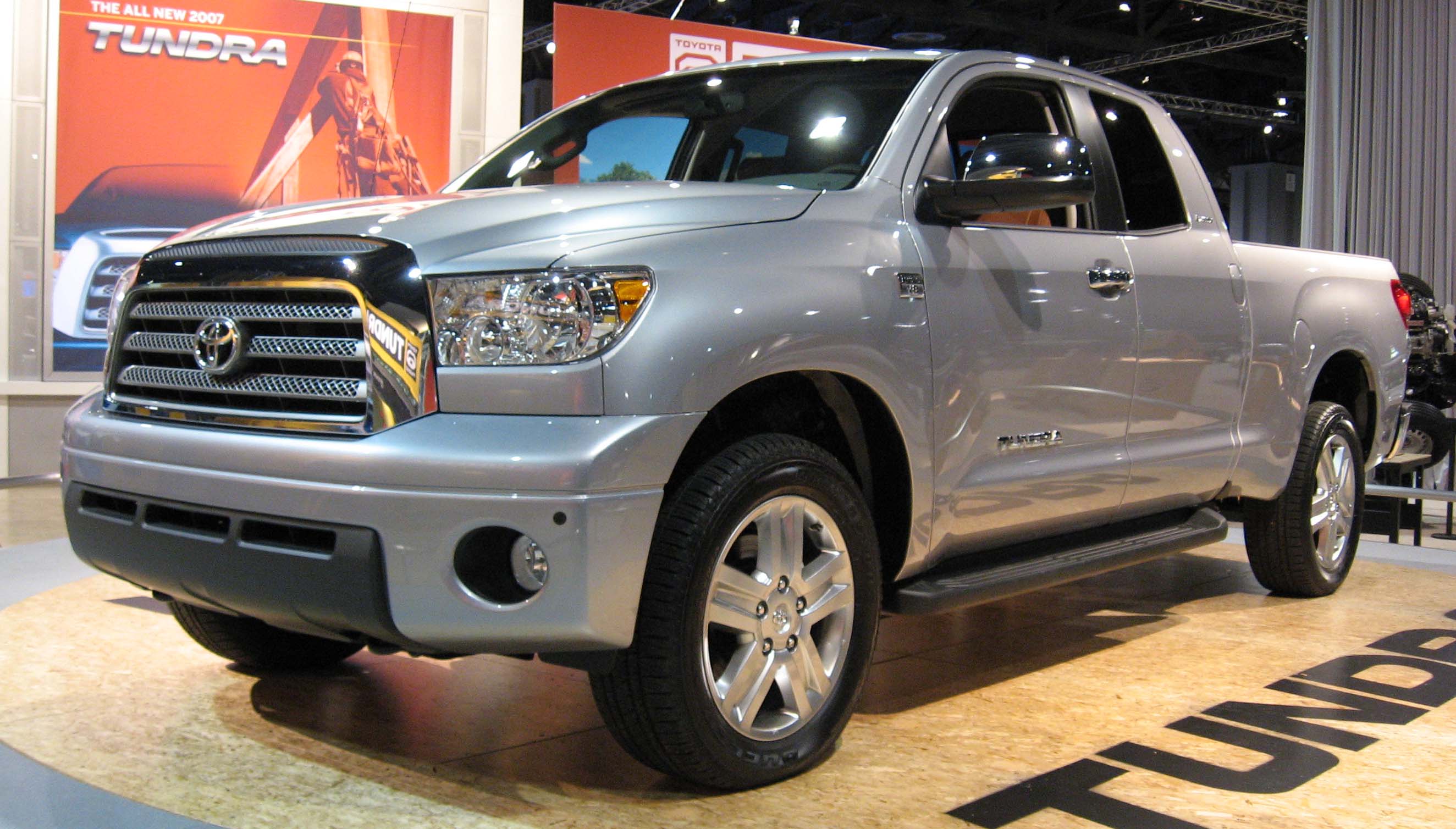
My dad has a friend who's a car dealer in the area.
And he's like, look, I can get you a Toyota Tundra for,
you know, it was a really good deal.
It was. I don't know.
Yes, you're thirty thousand four hundred bucks.
And like you could look online
and you would not find that price anywhere.
So it was a good deal.
So he got us that Tundra and that was our first service vehicle.
It's got one hundred and seventy something thousand miles on it.
I was twenty twenty five thousand miles a year on it for a while.
But I've had the only problems I've had with that truck
were caused by the dealer.
So there was nothing wrong with the manufacturing of that vehicle.
The only problems I've had were caused by the dealer.
And they had to fix it, fortunately.
So that's been a great truck.
Yeah. And I know you you drive a lot for work.
I mean, your shop is the trucks, right?
And so we have two trailers now.
Yeah. And I know you have a great.
You have a great time of year now down here in Florida to be outside,
because the weather's kind of turned for you.
So it's going to be going to be lovely to be to be outside here.
Yeah, we've done a lot of time outside.
It's a great now with a high of seventy eight.
It's a lot better than a high ninety six and hundred percent humidity.
Indeed. Yeah.
But yeah, we got two other trucks, too.
A one fifty and old, you know, Ford van and really old
a two thousand two Dodge van.
That I just it was forty five hundred bucks.
So that's still the best deal.
Dang on a dollar per mile basis.
Because that's the we've put a hundred thousand miles on it.
Golly.
And a new transmission and a whole new front end.
New brakes, you know, chasing electrical gremlins.
But it does pull the trailer and I put new.
I put rims and tires on it, so it actually looks cool, too.
I'm sure that is important.
You want to track these track the young talent, right?
Like you get in the oldest vehicle with the coolest wheels.
There you go.
It does have a leaky head gasket.
Those fun days might be numbered.
Well, speaking of days being numbered,
pal, it was it was great having you on the show.
It would try to try to make it work with Kelly for a while.
One of my closest friends, just a prince of a guy,
a blast to always hang out with.
So thank you for making the time.
But being here as always, veterans, small businessperson,
mechanic, this guy does it all.
Maybe the most interesting man in the world.
At least Florida.
What do you think, Doug?
I think he's right up there with the last
most interesting guy in the world.
Yeah, they got the beer comer.
Kind of looks like him a little bit, too.
Anyway, beard.
Yeah. Well, thank you, pal.
It was great having you on the show.
Appreciate it. Great meeting you.
Thank you for your time.
Yep. Thank you for having me on.
It's been a good time.
Thank you, pal.
Well, you have just heard the high revving
low mileage, late model goes to 11 car podcasts.
Greatest car podcast in the world for you to share your story.
So remember, thank you for listening.
Keep the rubber side down.
We will see you next week.
On. On. Oh, yeah.
Sorry. So carslove.com to all the cars I've loved before.
Christian at carslove.com, Doug at carslove.com.
New. Let's see.
Our new every car has a culture.
Hit that. Check us out on YouTube.
We're unstoppable.
We are, you know, we're hiring hundreds of people.
If you're looking for a job, go to carslove.com.
Always hiring mechanics and everything else.
Not really. But all right.
Check us out. And if you want to be on the show, it's real easy.
Ask guys. See you soon.
Have a great week.
About this episode
Kelly shares his unique experiences of living and driving in Japan, highlighting the cultural differences in car ownership and driving etiquette. He discusses his journey with Volkswagen cars, including his first car, a 1972 VW Bug, and the challenges of maintaining it over the years. The conversation also delves into the nostalgia of VW culture in movies, the practicality of K cars in Japan, and the thrill of riding motorcycles in a bustling city. Kelly's stories blend humor and insight, making for an engaging exploration of automotive life across cultures.
Kelly transports us to the bustling streets of Tokyo, sharing his firsthand experiences navigating one of the world’s most complex – and car-loving – cities. As an American and lifelong car enthusiast, Kelly had to relearn driving on Tokyo’s left-hand roads and quickly adapt to tiny kei cars and high-tech parking systems. He vividly recounts his first time behind the wheel in Japan, white-knuckled in a Kei-class Honda, and how he grew to love its efficiency in dense urban traffic (finding the best to get around Japan by car became his personal mission!
From late-night tours of Tokyo’s expressways (think Midnight Club vibes) to peaceful Sunday drives in the countryside, Kelly opens a window into Japanese automotive culture: the courteous manner of local drivers, the popularity of nostalgic ’90s sports cars like the Nissan Skyline GT-R, and the charm of roadside “driver’s cafes” catering to car clubs. He also shares tips on renting fun cars in Japan – including his spur-of-the-moment decision to rent a Mazda MX-5 Miata and join a local meetup of convertible owners by Mt. Fuji.
Kelly’s adventures are both informative and heartfelt, highlighting how cars can make even a foreign place feel like home. Whether you’re curious about practical travel insights or the legendary Japanese car scene, his journey offers a fascinating, emotionally rich ride through the Land of the Rising Sun.
*** Your Favorite Automotive Podcast - Now Arriving Weekly!!! ***
Listen on your favorite platform and visit https://carsloved.com for full episodes, our automotive blog, Guest Road Trip Playlist and our new CAR-ousel of Memories photo archive.
Don't Forget to Rate & Review to keep the engines of automotive storytelling—and personal restoration—running strong.