ECU stands for Engine Control Unit, the computer that manages fueling, timing, and other parameters. In diesel performance builds, changing the ECU (or the ECU tune) is a major way to alter how much power the engine makes and how it behaves under load.
A drag strip is a straight race track where cars run down the lane to see how fast they can accelerate. It’s a common place to test big-power diesel builds.
Rack-and-pinion is a steering setup that helps the steering feel direct and precise. In a build like this, they’re upgrading it so the truck steers reliably under competition stress.
A transfer case routes power from the transmission to the front and rear axles in a 4WD drivetrain. A billet transfer case is machined from a solid billet of metal, which can be stronger and more resistant to the torque and shock loads seen in high-power competition builds.
Sled pulling puts huge twisting force on the back of the truck. A “sled pulling rear end” upgrade is about making the rear axle and differential stronger so it doesn’t break during competition.
Term
125 mil plus chargers
In this context, “chargers” means turbochargers. “125 mil plus” is basically a way of saying they’re using very big turbo hardware to chase huge power—harder to keep consistent than smaller setups.
A turbo setup is the parts that use exhaust energy to spin a turbine and cram more air into the engine. That extra air helps the engine make more power, but it also has to be managed carefully to stay consistent.
Consistency means the truck performs the same way again and again, not just once. In racing, that repeatability often matters more than chasing the absolute biggest number.
A dyno is a testing machine that lets you measure how strong an engine is while it’s running. It can help tune the setup, but what you see on the dyno may not be exactly what happens during an actual event.
A standalone engine is set up so it can run on its own, without relying on the original vehicle’s complicated systems. That makes it easier to swap engines quickly at an event.
“Tranny” means the transmission, which is what sends power from the engine to the wheels. If it has issues, the car may shift poorly or not handle the power as well as it should.
The clutch connects and disconnects the engine from the transmission so you can change gears. If it’s worn or slipping, the car can shift weirdly and may need replacement.
“Jets” are parts that affect how much fuel gets delivered. Using bigger ones can make more power, but it can also make the engine run hotter and risk damage if you push too far.
“Tuning” means adjusting how the engine computer runs the truck. It can change things like how much fuel is injected and how the boost is controlled to change power and drive feel.
“Transmission” is the drivetrain component that manages gear ratios so the engine can stay in its best power/torque range. In tuned diesel builds, transmission behavior (shift timing and torque handling) is often coordinated with engine tuning to prevent harsh shifts or driveline stress.
Brand
Corkiverse
Corkiverse is mentioned as one of the host’s trusted contacts for truck builds. The segment doesn’t explain exactly what they do, but it’s part of the “who you trust” theme.
Amsoil is a brand that makes engine oil and transmission fluid. People use it in trucks because it’s meant to protect the drivetrain, especially when things get hot under heavy use.
Brand
DPC
DPC is one of the host’s trusted companies for parts or support. In this snippet, they don’t specify what DPC supplies.
Brand
freedom racing engines
Freedom Racing Engines is mentioned as a place the host uses for an engine package. That usually means they help provide a ready-to-run engine setup for a build.
Dynamite is mentioned as a company that makes diesel injectors. Injectors control how fuel is sprayed, so the right ones help the engine run correctly when you’re aiming for more power.
Injectors are the parts that spray fuel into the engine. On a diesel, if you want more power, you may need injectors that can deliver more fuel reliably.
“400% overs” is a way of saying the injectors can deliver much more fuel than stock. More fuel can mean more power, but it has to be set up correctly so the engine runs safely.
In this context, “fleets” means groups of vehicles operated together for a business—often with standardized maintenance, purchasing, and service schedules. Fleet managers typically develop preferred brands and service relationships based on long-term experience.
Term
maintenance part
A maintenance part is something you replace or service to keep the truck healthy. Examples mentioned here include filters and oil, which help the engine run right.
The air filter keeps dirt and debris out of the engine. If it’s dirty, the engine doesn’t get the right amount of clean air and can feel sluggish or run worse.
Preventative maintenance is fixing or checking things before they break. It’s like doing regular checks so you don’t get stranded or have a failure during an important day.
Ball joints are small suspension parts that help the wheels move smoothly. If they get worn, the steering can feel loose and you may need to replace them before it gets dangerous.
A torque converter is an automatic-transmission part that uses fluid to transfer power from the engine to the gearbox. If you race hard, it can wear out, so fresh or inspected converters can help avoid breakdowns.
U joints are the joints that let the driveshaft flex while still turning the wheels. They wear out over time, and when they do you can get noise or vibration.
Maintenance interval just means when you’re supposed to do service—like oil changes—based on time or miles. Doing it on schedule helps prevent parts from wearing out faster.
Term
drops temps
“Temps” means temperatures. If you change airflow or fueling, the engine can run hotter or cooler, and that affects how safe and efficient it is.
Oil analysis means sending used oil to a lab to see what’s in it. It can show whether the engine is wearing abnormally or getting contaminated, so you can fix issues sooner.
Oil test results are what the lab reports after testing your used oil. They can tell you if the engine is healthy or if something is contaminating or wearing it out.
Particulate counts are basically how “dirty” the oil is with tiny particles. More particles usually means more wear or contamination inside the engine.
Term
fiber counts
Fiber counts are a way to measure fibrous debris found in the oil. If you see a lot of it, it can mean something is breaking down or shedding material into the engine.
Coolant is what keeps the engine from overheating. If coolant shows up in the oil, it usually means something is leaking internally, and that can damage the engine quickly.
Fuel in the oil means gasoline/diesel is getting mixed into the crankcase oil. That can thin the oil and make it less protective, which can lead to faster wear.
Ring gap is the small clearance built into the piston rings. It affects how well the rings seal as the engine heats up, and that can influence how much combustion byproduct ends up in the oil.
An oil cooler is like a radiator for engine oil—it helps keep the oil from getting too hot. The speaker says their truck doesn’t have one, so temps stay higher.
A dry-sump is a racing-style oil system that stores oil in a separate tank. It helps keep oil where it needs to be when the engine is being pushed hard.
UCC is a diesel event where people bring their most heavily modified trucks to compete. It’s also where you can see lots of aftermarket parts and builds aimed at top performance.
A turbocharger is a device that helps the engine make more power by forcing extra air into it. It uses the exhaust to spin and compress the air before it goes into the engine.
Pulling axles are the axle parts made to handle the heavy strain of sled pulling. They’re meant to survive the big torque and traction forces that street driving doesn’t usually see.
The Ford Escape is a small SUV meant for regular daily driving. People bring it up when they’re deciding whether a compact SUV fits their needs. It’s called an “Escape,” so it can also get mentioned in wordplay during casual conversation.
“Aftermarket” just means parts made by companies other than the original manufacturer. For car builds, it’s important because it affects how easy and affordable upgrades are.
The speaker describes an era when diesel performance parts were “custom,” meaning fewer mass-produced components existed and builders often had to fabricate or source one-off solutions. That kind of limited supply makes projects more expensive and slower compared to platforms with large, mainstream aftermarket support.
They’re talking about a diesel truck that you can use like a normal car every day, but it can still tow and handle rough roads. The idea is to balance everyday usability with serious pulling power.
They’re saying UCC builds aren’t only for one kind of racing. Instead, the truck is set up to do well in different situations, not just one event type.
“Clean diesel fuel” refers to diesel that’s been filtered and treated to remove contaminants like water and debris. Fuel cleanliness matters because dirty fuel can reduce power and accelerate wear in the fuel system components.
A fast fuel system is an add-on that cleans and conditions the diesel before it reaches the engine. The goal is smoother fuel delivery so the truck can run stronger and more efficiently.
The Lucid Air is an electric car, meaning it runs on electricity instead of gasoline or diesel. The fuel-system talk in the excerpt doesn’t really apply to how the Lucid Air works, because it doesn’t use diesel fuel. It may just be mentioned while the podcast is explaining how other vehicles protect their systems from water or debris.
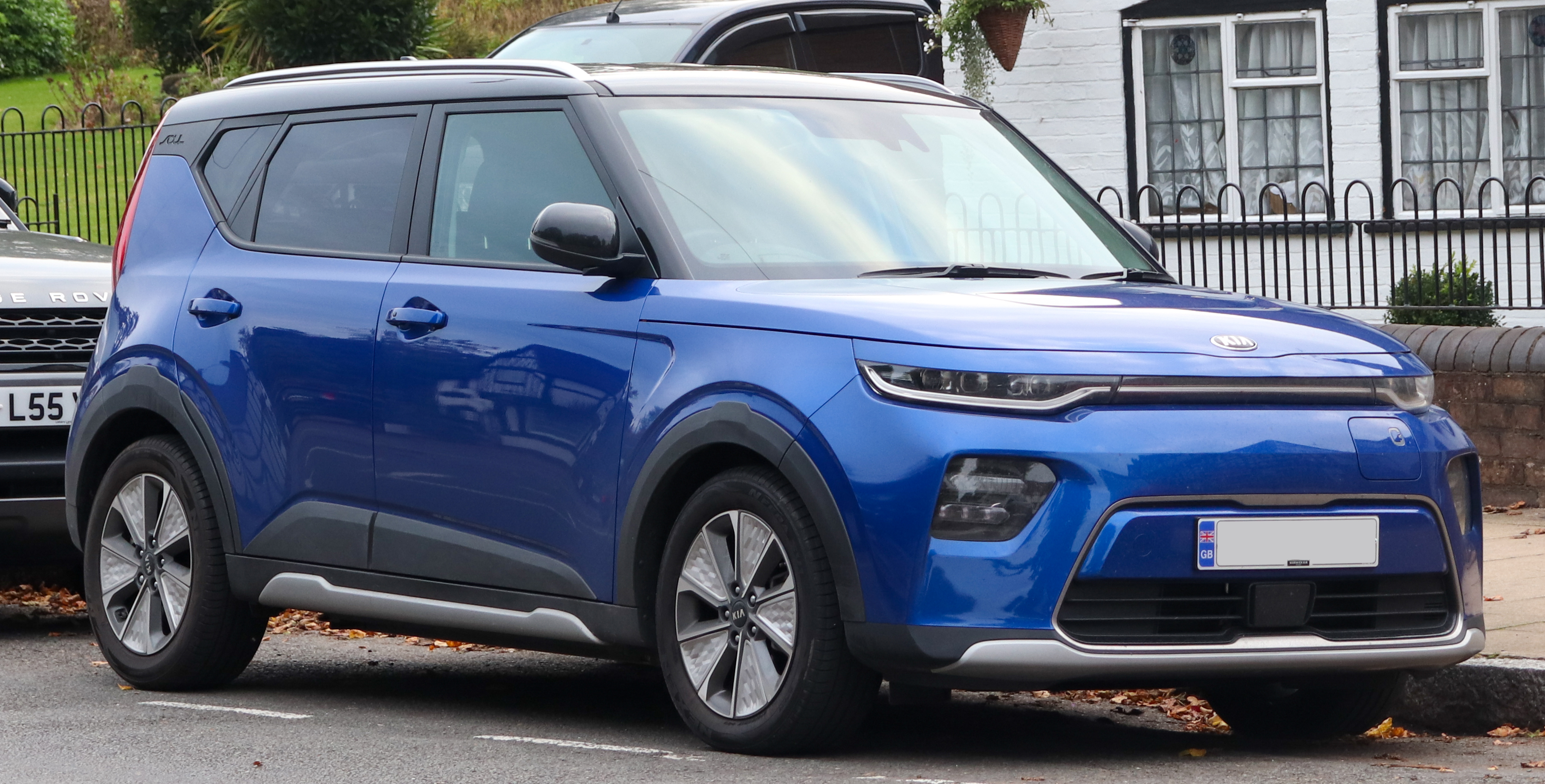
The Kia Soul is a small crossover SUV with a simple, roomy layout. People often talk about it as a comfortable, easy car to drive day to day. The “soul” comment is just a fun way of saying it feels good to drive.
Term
Borg Warner units
BorgWarner makes turbochargers. A turbo helps a diesel make more power by forcing more air into the engine.
Term
dual pumps
Fuel pumps supply diesel to the engine. With big performance setups, two pumps can help keep fuel pressure up so the engine doesn’t run out of fuel when you push it.
The phrase means online, people tend to keep raising the bar for what counts as impressive. That can make normal daily-driver numbers seem less exciting than they really are.
Horsepower is basically how strong the engine is. More horsepower usually means the truck can pull harder and feel faster, especially when you’re towing or driving hard.
The Dodge Charger is a performance car, usually known for strong acceleration. When people mention a “charger” with a specific size, they’re usually talking about a turbocharger that helps the engine make more power. The podcast is likely focusing on how that turbo setup can support very high horsepower.
Term
14 mil pump
On a diesel, the fuel pump controls how much fuel gets sent into the engine. A “14 mil pump” is an upgraded version that can deliver more fuel, which helps the truck make more power when other parts are also modified.
A “72 millimeter charger” is a turbo upgrade. The turbo forces more air into the engine, and that extra air helps the engine burn more fuel for more power.
Term
300% overs
“300% overs” means the truck is being fueled much more than stock. More fuel can make more power, but it can also increase wear and risk if the engine isn’t built to handle it.
“Can tuner days” is a reference to older tuning setups that were less refined. They often made power feel like it was either on or off, rather than smooth and controllable.
A tube chassis uses welded steel tubes as the main structural frame instead of relying on a conventional stamped factory frame. It’s common in hardcore competition builds because it can be made very rigid and tailored for packaging, weight, and suspension geometry.
Term
450s
“450s” usually means upgraded injectors that can deliver more fuel. More fuel (when tuned correctly) helps the engine make more power.
A points calculator turns performance results into a score for the competition. The idea here is that certain power levels give you a big points lead.
Concept
build it once
“Build it once” means doing one careful build and then driving it, instead of constantly rebuilding. The goal is to make it work well and stay dependable.
The engine “block” is the main part of the engine where the cylinders are. The point being made is that the build isn’t just about the engine—it’s also about the truck’s overall condition and setup.
Frame rails are part of the truck’s main skeleton. They’re important because they help hold everything together and take a lot of the forces while driving.
“Timing” is when the engine injects fuel during the engine cycle. Changing it can affect how well the fuel burns—too aggressive can make the engine run worse or feel rough.
“Duration” here means how long the fuel injection lasts. More duration can add fuel and power, but if you push it too far the engine may burn fuel poorly and run rough.
Pulse width is how long the injector sprays fuel each time it injects. If you make it too long to chase power, the fuel delivery can get inefficient and the engine may not run cleanly.
“Efficiency” means how well the engine turns fuel into power. If you add too much fuel or timing without matching the rest of the setup, you may not get much extra power—and the engine can run worse.
“Bottom end” is shorthand for the lower rotating assembly of an engine—crankshaft, connecting rods, and related bearings. When the host says the bottom end “came out,” he’s describing a severe internal failure where the crank/rod assembly is no longer intact, often requiring a full rebuild or replacement engine.
It means the engine breaks badly—usually a connecting rod fails and can damage the engine block. It’s the kind of failure you’re trying to avoid when pushing power.
A turbo kit is an upgrade package that adds a turbo to make more boost. It includes the parts needed to install and run the turbo system.
Term
nitrous routing
Nitrous routing is the way the nitrous system is plumbed through the car. The layout can affect how consistently the nitrous hits the engine.
LIVE
Ready to soundtrack your summer? With Red Bull Summer All Day Play, you choose a playlist
that fits your summer vibe the best. Are you a festival fanatic? A deep-end DJ? A road dog?
Or a trail mixer? Just add a song to your chosen playlist and put your summer on track.
Red Bull Summer All Day Play. Red Bull gives you wings. Visit redbull.com slash Bright
Summer Ahead to learn more. See you this summer.
Welcome to the Diesel Podcast presented by DFC Diesel. And welcome back to the Diesel
Podcast. Can't believe how quick time has gone since we chatted last time about the Ultimate
Call Out Challenge and your truck. And gosh, it's right around the corner. So I figured it would
be really cool to reconnect with you and talk about 2026. So welcome back to the podcast.
Thanks, Ben. Yeah, excited to be back on, excited to be competing again. We took the year off last
year due to, you know, some things going on in life and, you know, kind of sad to sit it out.
But, you know, glad we had a little more time to fit things in and make some changes and,
you know, move forward with the truck. So for people who aren't familiar with your maybe they
didn't catch our last episode, tell us about the truck. Tell us a little bit like recap the last
UCC you did and then we'll kind of jump into some changes or updates or your focus here in 2026.
Yeah, it's a 2006 Dodge Ram. It's orange, not red. That's always comes up. It's a freedom racing
engines, deck plate, 6.7 liter Cummins, 48 RE. Last UCC we were running an 849 ECU,
but we changed that up this year. 2024 we competed for the second time and ended up just doing
really well. You know, we didn't expect to go and, you know, change the world or, you know,
set the world on fire, but we just kind of like did what we knew we could do. We, you know,
we hit the drag strip pretty well. We ran like a 529. We went to the dyno hoping to make
2200 horsepower and just whacked it pretty hard, made 2800. Kind of surprised everyone,
surprised me the most. It just turned out well. And then we went sled pulling and took first
and sled pulling too. So it was like a first, second, first kind of placing and first overall.
And it was just kind of a dream come true after being involved with it and watching every year
and competing the two years. So it's just, you know, it was a dream come true. I don't know if
it ever gets better than that. I'm like, I joke with my family and friends like it's all downhill
from here. You know what I mean? It was like a bucket list item that just checked off, you know.
Does it, does it sort of transition into maybe consistently or consecutively trying to do it?
Like to be able to kind of string, string together some performances?
You know, I'd like to place well, just kind of have a strong running, you know,
every year it is just getting more and more competitive and it's like how much deeper
down the rabbit hole you want to go. You know what I mean? Like in 2024, we cut the front end up,
rack and pinion, you know, solid motor amounts. Like, you know, this year we went Motec ECU
with hard way performance tuning and we did like a billet transfer case and
new sled pulling rear end and all that. And it's really hard to stay competitive. You know,
like there's people running 125 mil plus chargers on their, you know, turbo setup. And,
you know, we're still at the 106 and they're running, you know, multiple 14 mils. It's just
like you got to keep dumping it in. And, you know, to make that 3500, 4000 horsepower, you just
got to really be willing to lay it all on the line. You know, we're seeing some pretty big
numbers now and just to, we know how competitive the landscape is. So like saying, yeah, we're
going for first is, I don't know if I could say that confidently. You know what I mean? Like
we've always been the consistent guys and as unexciting as it sounds, we're just like trying
to make strong numbers across the board and, and you know, pan out well.
Is consistency really the key in something like this where you have so many competitive trucks
and sometimes like in the past, when I would watch them, like you'd be looking at a truck,
you know, it makes a ton of power, but it might have an issue say drag racing or something
happens on the dyno. It seems like consistency is really the name of the game. And then recently,
like I had Josh McCormick on last year and, you know, like the number he's making, it's like
there's just a little bit more power in it, but the consistency is like the foundation of the
performance. Yeah, I think you have to consistently do well. You know, there's,
there's like, you know, the people that like really get hung up on the dyno and they just want to,
they expect to blow up the engine on the dyno and then just, you know, throw something in.
Hopefully it's not pieced together. Hopefully they have a full standalone engine ready to drop
in without any kind of like band-aids and weird stuff going on. But for us, we've always wanted
to like get through the entire event with one engine. So we kind of always leaned a little bit
more conservatively. You know, we've always, you know, this will be our third go round and we've
never missed an event, right? Like we've never, you know, not competed in sled, pulling drag
racing or anything. We've always made it all the way through on the same engine, same turbos.
You know, we have had some tranny issues, but no brakes more like open it up, kind of shifted
weird, replaced the clutch, just put it back. So, you know, we've been fortunate in how we've
competed. So yeah, I mean, I think to win, you got to be willing to like, like I said, lay it all
out there. The dyno hit, we had bigger jets available. And I remember, you know, everyone
in my ear, especially like Ryan at Hardway, like put the biggest ones in there, man. And I'm like,
you know, these engines, you know, we only run them, you know, at this event in the year. And,
you know, we probably do a couple of test hits. And well, that's the way I do it. Anyways, I want
everything as fresh as possible. And the last thing I want to do is just completely grenade the
thing right there on, you know, the first event that I, you know, I perform in. So, you know,
there's a lot of other kind of outside things going on in my head where it's like,
you want to still be able to run this engine, right? Or then you got those competitors where,
nope, it's like, yep, this engine was here for UCC and we're going to blow it up here at UCC,
you know. Hey, Diesel fans, our friends over at Kershaw Knives have a 20% off code for you. If
you go to kershaw.kaiusa.com and use code 20TD8FR26, you get 20% off your cart and free shipping over
$50. So, if you're in the market for a new EDC knife, something for hunting, fishing around the
job site, around the house, they've got you covered with a whole bunch of different choices for
blade steel, blade shape, different opening mechanisms, different handle designs, and
it's great way to save some money and get some cool gear. Again, go to kershaw.kaiusa.com,
use code 20TD8FR26 and get 20% off your cart and free shipping over $50.
Something I thought is a really cool parallel between, like, say a truck like yours and some of the
other competitors out there. Like, to the average guy, that seems so far advanced and so far
specialized with the parts that build the money. But I think you and them face a similar issue.
And that issue is when you're putting together a truck, like, who do you trust to partner with,
whether it's with the engine, turbos, tuning, transmission, clutches, shafts, like fluids,
whatever it might be. Because I think the guy who's towing every day, he gets bombarded by
sponsored ads, by Google AdWords, social media posts, and it's like, which do you trust? And I
think that'd be a great way to kind of connect both ends of the diesel spectrum. So, what do you and
your team go through? I'm sure you did it before UCC, but I imagine each year it comes up like
how do you pick the right partners for your truck? You know, for me, it's like, I want to be associated
and work with someone that is both technical and communicative. So, like, someone that I can talk to
and will answer the phones and, you know, be a good person on the other end when I'm trying to,
you know, figure out a problem. And I also want to just like a trusted brand. And I've kind of
established my ring of people, right? Like, you know, I know who I go through, Corkiverse, it's,
you know, DPC. I know I go through, you know, freedom racing engines for an engine package.
I know I, you know, I trust, you know, Amsoil for my transmission fluid and my engine oil. I trust,
you know, I'm trying to think about it. Oh, DDP, Dynamite, you know, anything, I'm like,
if they sell it and their name is on it, I know it kind of sounds like I'm blindly trusting,
but I've just established these relationships over the years where it's like, if their name's on it,
I trust it. You know, Dynamite, you know, they're injectors. If I'm like, hey, man, I'm going to
UCC, they're like, all right, we're going to send you something. And they're like, you know, we're
going to set you up with 400% overs. We've made bigger, we've made smaller, but this is what we'd
run at UCC. And I'm just like, all right, we're going to run it. And it's just, you know, having
kind of without talking about the negative experiences, I've had the good ones and I've
kept the people with the good experiences, you know what I mean? So that's kind of how it's filtered
out. Did a lot of that start with like your business, you have a diesel shop and like the
experience being there and working on daily drivers and hot shot trucks and all that and just
getting a feel for all the different brands that are out there and how they communicate and how
they service you. Yeah, exactly. You know, it pretty much starts with phone calls, you know, well,
I'm a, I'm a phone call person, I want to talk to someone, you know what I mean? So I'm going to
call up a company and, and honestly, how they act on the other end, how the office person acts and
then how, you know, when they transfer me to someone technical and how they talk to me, I kind
of, that's how I feel it out, right? And then if they're, you know, happy to talk to me and they're
okay to get technical and tell me the details about what they plan on sending me and why,
that's kind of what solidifies it for me. And the people I list are those kind of people, you
know what I mean? Like they know the details, product and they, you know, have a reason
for why they're setting you up with what they're giving you. Do you find, for somebody who's on
that other end of the spectrum, like using in a daily driven capacity or for work,
and that they're trying to find companies to work with, like that, like to kind of sidetrack a little
bit. I did an episode the other day with a company, we're talking about fleets. And he was telling me
about these fleet managers that have been around for 20, 30 years and they're kind of setting their
ways and they know what works and they have these favorite brands, right? And when we only have one
truck, we don't have that kind of experience, we're not dealing with 1020, you know, 200 trucks
and get to see everything. I think it's easy to make mistakes when it's doing that. So what are
a couple tips you would give someone if they're looking to make their truck run better or looking
to find, it could be a maintenance part, it could be oil, an air filter. What should
they look for when they're calling around or looking at a website or emailing and communicating
with different companies?
I mean, I'm a big data person, right? So I like looking for the data. If they've got, you know,
comparative testing from other manufacturers, I like charts, I like numbers, you know, I don't like
stage two, I like 63 millimeter, 68 turbine, you know what I mean? Like I like, I like comparing
things in that sense, where there's numerical values. So when I look at, you know, manufacturers
and they give values and they compare it to other people, they don't have to list the other people,
but, you know, I, and a lot of the time you can say, oh, they put brand X, Y and Z and just
based on the colors, you could tell who they compared it against, right? But like, that's kind
of what I lean towards. And then I always, like I said, pick up the phone and call people and just
kind of feel them out. You can kind of tell when someone's trying to smoke you or like, you know,
you know, give you an answer. They don't really understand the thought logic behind. So,
you know, as for like, what to do with your vehicle, you know, treating it right, right? Like,
I'm more of a preventative maintenance person. I like to inspect and check things before there's
an issue. I know you could probably spend more money than you want, but maybe do it more so on
the proactive side than the reactive, you know, that steering linkage is starting to feel a little
sloppy. Maybe check it out and replace the, you know, the ball joints or the tie rods before
it's too late or, you know, maybe make that oil change a little more sooner than waiting for the
recommended value or the oil filter at least, you know, injectors. So like injectors and torque
converters, I do this a lot. Like before going to UCC, I send my injectors out to get read tested
and calibrated before even competing. My torque converters, they both work fine. I just went racing
on them, but guess what? I want fresh, two fresh torque converters for UCC. So I'm going to get
them cracked open and sent back before it causes any other issues. Same thing, you know,
I mean, that just goes for a lot of like components like U joints, you know, I like to show up
with fresh parts that are, you know, likely to wear, beware items or sacrificial parts, clutches,
oil, injectors, all that stuff that just has limited time, especially competing at the level
that we're at. But even on your, you know, your daily driver, you don't have to do it like almost,
you know, once a year, like I do, but just to stay on top of that maintenance interval is key.
I like how you mentioned the data, because sometimes I see something that says like,
flows more air. I'm like, cool, how much more air or drops, drops temps? Well, how much, like,
how much are the temps dropping? Like, I kind of need a value, you know?
Yeah, and, yeah, and, and you got to, you got to be aware, you know, kind of, you got to look a
lot more air than stock, but is stock sufficient? There's been a couple of things where, you know,
that has popped up in the industry where it's like, oh, you know, it, you know, flows this much more
fuel and it's like, well, does it need to flow that much more fuel? Or, you know what I mean,
it's just kind of critical thinking.
With, I was going to ask you about the, like, engine oil and analysis, because that's something
that the last couple of years I've really gotten kind of educated on is the importance of that.
I imagine with that freedom racing engines, that's probably a big part of what you do. Maybe in the
off-season or downtime is just sending off a sample, seeing if there's any sort of abnormalities,
you know, in the, in the wear or anything like that, just to stay on top of it.
Yeah, and we've actually done that. You know, we've got the, the oil test results back and
I was kind of blown away because I've never, never done that before. But, you know, the last
couple of times we have, and you could even tell if you, you know, your shop rags are dirty, right?
There's particulate counts. There's like fiber counts. There's, you know, if you run coolant,
we've seen that we don't run coolant anymore. So we've got rid of that problem. But, you know,
and just getting that kind of like breakdown of, you know, what, you know, the sick content or
like, you know, how much, you know, fuels in your oil. So in our truck, we, you know, we run things
a little bit looser, you know, so you get a little more like contamination in the oil
pretty easily, you know, all that extra fuel, all that, you know, little more extra ring gap, etc.
But, you know, what that comes down to is can you use an oil that will handle those kind of
contaminants and still provide the lubricity that you need. And that's kind of why we don't skip on
oil. We, you know, we make sure we get the best we can. And that's always been the AMS oil, right?
The competition diesel. And we put it through the ringer a lot. So like kind of one of the things
that happened to us a couple of weekends ago is our truck is solid, right? There's no water
jackets. There's no coolant. We don't even have an oil cooler on the thing, unfortunately. It's
just a dry sump pumping through the block and then goes to an oil tank. And we kind of got up,
got caught in some hot runs in the drag strip where they were running us every like 45 minutes.
And that truck just does not cool down very well. And we were in Arizona and, you know, we were
getting the temps up, you know, 190, 200 degrees. And we were still back in the staging lanes, you
know, we're let, I think we got it down to like 150, 160, but with, you know, fans and ice, but
we just kept running it back to back. And that's just faith in the product, right? That's like,
you know what, we trust the product. We hope that everything's gonna look good and the truck
just runs great. So it's like some of those things where if you're running just oil, it's a good idea
to run the right oil, you know what I mean? Don't be going down to your local grocery store and
throwing something knockoff brand in there. It's so important with from two different perspectives
like the cost and investment and the time that you have in that truck and that engine for this
performance, but then also in a truck that you would use for making money or operating a business
or something like that. It's so, it's so easy number one. And then two is the longevity is what
everybody wants with a diesel truck. I think it's probably one of the main reasons they buy one to
use them, you know, daily is, is the torque and the longevity of it. So it definitely, definitely
makes sense. I wanted to step back for a second with like ultimate call out challenge and ask
you a question is what does it do for you like personally and then also with business to be able
to go across the country, take this, this vehicle you invest a lot of time and money into and be
around other people who are as driven as you are who spent this time to build their trucks for this
one day. Like what, what is that like? Is it all just straight competition? Is there a little bit,
is there camaraderie? Is there, are there rivalries? Like what is that side of it like?
And your last name? The Snake. Dream team. The new habitats. Zootopia has a secret reptile population.
You can watch the record breaking phenomenon at home. You're clearly working at. Zootopia too.
Now available on Disney Plus rated PG. Yeah, so UCC for me has always been like
about the build. I like building a really cool truck or like making things modular and fit together
and being able to break down between drag racing side pulling and dyno, right? And having some sort
of logical thought process on that build. Going to UCC is really cool because you get to see all
the other people that you usually just kind of watch on Facebook or Instagram, right? Like
here in California, we don't have this level of diesel performance, you know, especially in like
Northern California. So kind of like what I've got going on in the area is kind of like top tier.
And if you want to see better than what something like that I got, you got to go to the east coast.
You got to go to UCC. You got to go to some of the other racing circuits, you know, from a drag
racing perspective and, you know, sled pulling. We got some good sled pulling here, but nothing
like you see on the east coast, you know what I mean? So ultimate call out challenge is kind of
an opportunity to see, you know, that higher epsilon of diesel performance. So especially
like all the booths, all the vendors, like new transmission housings, new pulling axles, new
turbocharger setups, like just the vendor booth setup is cool. And seeing all the trucks where
people are that committed to go to, you know, the top of the pyramid and put
everything like like time, money, resources, everything they've got into this because
that's what UCC takes. If you're going to compete at UCC and you want to go and be, you know,
a top contender, you're going to have been up, you're giving up a lot. And I have mentioned that
and I, you know, me, I have, I have a full-time job and then the shop things, I guess I'd hobby,
like I sell stuff, I sell custom parts, but I've got a full-time job and I've got two kids
and a wife, you know, and they need time and UCC is just a sink of resources, time and money,
you know what I mean? So it is a big bite to chew. Is that maybe one of the hardest,
the hardest aspects to it is balancing all the different parts of life to build this truck and
then haul it to Indiana. Oh yeah, you know, and it is like everyone, you know, trying to get it all
together is a huge life balance. And, you know, you want to accept help from people, you know,
people, people are in the diesel industry like, hey, we'll, you know, we'll help you with this and
that. And the thing is, is a, you don't want to let them down, right? There's that like, you know,
me, I want to go out there and I want to represent people well and be like, you want to give them
their value back, right? And that means competing at this level. So you can't pull out, you got,
you are now committed, right? People have invested in you and you have to go forward.
And that's something where I, like I talked about last year, I had like a family thing come up,
come up and I had to pull out. And those were some of the toughest phone calls I had to make
where I had to just tell people, you know, hey, I can't do it this year. And honestly, it went,
the reactions kind of showed the people I was working with even more so, right? They were
super understanding, don't worry, we'll do it next year, you know, etc. But it's still like,
I kind of felt that weight, you know what I mean? But, you know, working with the best in the industry,
they've kind of seen it all. So, you know, I really appreciate their supporting through thick
and thin. Is this truck and competing with it? Is it an outlet for you? Is it like an escape,
something that maybe, not where you lose yourself, but you kind of find yourself,
but it kind of takes you out of the daily elements and maybe a career and you have this whole other
thing where you can just invest passion and vision and the competitive side and just kind of escape
reality in a way and invest it in this truck. Yeah, I mean, it's funny, like, you know, it's only
gotten more and more serious because the more time I have put in, the more the truck has given back
and it just keeps, it's a give and take, right? Like, the more I invest, the more, you know,
the truck performs, the more people see it and then it just becomes like part of your identity
almost, you know what I mean? It's like, you start getting to the point where people don't know
who you are, but they know the truck, right? You know, you know, that's the orange truck or whatever.
And, you know, it's great to have the following and, you know, but at the end of the day, I'm
just doing what I really like to do and that's just design and build things and like to see a
project come together. I mean, me as a person, you know, I do that for an engine, for a living,
I'm an engineer, but what I like to do is just build and make stuff, you know, like I, you know,
pretty much G seed my house when we built our house, I did, you know, our septic system, gas,
everything concrete, I like building trucks, fish ponds, I like building, you
know what I mean? Like I'm just a builder and the racetrack thing is probably just more of what
I'm known for because it's, it's pretty successful and it's just made a hit in the industry.
But yeah, that's, that's kind of like what I like doing that and, you know, my wife and I like to go
out and socialize and hang out with our friends. We're blessed to have a lot of friends in this
area. We're both from Santa Rosa, California and live here and or grew up here. So we've
got a lot of family in the area. But besides that, it's a racetrack is life pretty much.
I don't remember if I asked you this before when we talked last time, but
what would drew this desire to build and put something together to diesel's because there's
so many other platforms that are out there to go faster to compete, right?
I know I, I talked to my buddy about this all the time. Like why couldn't I, so it was my first
truck, it was a 24 valve, you know, second gen Cummins and that's what just set the hook. And
like my buddy and I were joking like, why couldn't it have just been like an LS gas powered truck
or something? Because it's so much cheaper. So I mean, to an extent, right? The parts are more
available. Like, you know, for the longest time, you know, all the diesel stuff was everything was
so custom, you know, we didn't have major manufacturers making all these parts for us.
And I mean, it's still pretty expensive compared to the gas stuff, but
you know, that's where it all started. It just had to be happened to be my first vehicle.
One of the things that pulled me into is I didn't start interested in diesel. I started in
other things that like LS stuff first, and then it was like gas trucks and everything,
but it was the utility, the ability to have something that made good power
could tow, you could off road if you wanted to. And then you could just daily drive it and,
you know, in the back of your mind, you thought I could drive this for 300,000, 400,000, 700,000
miles. And it just combined everything. And I think that's like the part of UCC
that really stands out to me is it's not just building a drag truck or a sled pulling truck,
it's doing these different things. So it kind of combines that utilitarian kind of
viewpoint of it, where it can do a little bit of everything.
I 100% agree. I think that's like one of the coolest things about a diesel truck, right? You
still get like good fuel mileage while still rocking a thousand horsepower while still towing
an excavator around. And I think you're onto something because that's kind of the attraction
of UCC for me, right? It's like I like being able to put it through everything. And five,
10 years ago, when I started looking into doing this, everyone told me I would have to pick at
some point, right? You're either a drag racer or you're a sled puller. It can't be both.
And just over the years of UCC, people have shown that you can do both pretty well.
Yeah. Maximizing power, reliability, and efficiency begins with clean diesel fuel.
That's why fast fuel systems remove air and vapor up to 99% of water
and filters debris down the two microns. This alone can triple the life expectancy of your fuel
system while also restoring lost power and efficiency. Whether you have a diesel pickup
truck or commercial vehicle or anything in between, there's a fast fuel system for your rig
made right here in the USA. Visit fastride.com to find the perfect fuel system upgrade for your
truck. Like one of the coolest things that you probably agree with. And maybe not with this
truck. Maybe it was a little bit earlier in its evolution, but you take it to a drag strip, you
go out there. You can't reason with the sun. Trust us, we've tried. This summer, it's time to put
that angry ball of fire on mute. Columbia's OmniShade technology is engineered to protect you from
the sun's harsh rays that can burn and damage your skin. The sun is relentless, but so is our gear.
Level up your summer at columbia.com to spend more time outside and less time slathering on
all pollution. You're welcome. Columbia engineered for whatever.
You just destroy stuff. You go back, air up the tires and you drive it home. And then you could
take it, you know, change the tires, spend what your setup was, but then take it to work the next
day. And I think when you see stuff trailered there and your truck is faster than it, it's like
it warms, it warms the soul a little bit, right? That's one of the really cool aspects of it.
Yeah. I mean, there's nothing like going on the freeway with your, you know,
four door pickup truck and a vet just tries to pass you and you just, you know, roast them on the
highway. You know what I mean? That was honestly like, I miss it. My truck needs to be daily driven.
You know, I had a 63, 75, 63 mil in the 75 millimeter Borg Warner units and, you know, some small
DDP injectors and dual pumps and it would just make it 850 to the tire. And I towed everything
with that. I drove it around, you know, built transmission, obviously, but that thing just
hauled, you know what I mean? Just anywhere light up the tires. People are doing that with
a thousand horse now, but like it was so dependable. I drove that to Tahoe, which is high altitude.
I drove it, you know, towing anything I wanted. And I just missed those days, right? Just being able to,
you know, the horsepower was at will anywhere you were driving, you know.
As an enthusiast, how, what do you think of that? Because
like, we remember the days of like magazine covers was like thousand horsepower daily driver,
right? Well, now people do it so easy and it's like a 1500 horsepower daily driver. And people
don't really raise their eyes and go, wow, that's really cool. I think until you get like over 2000.
And then now, you know, people pushing it to three and four and even, even farther than that,
like how do we keep the, how do you keep that enthusiasm for the daily driven
850 horsepower truck when all the people you watch in social media is showing you stuff in
2000, 3000. Yeah, it's the social media inflation, man. It's like, oh, 3000 is almost
not even that cool anymore for the biggest guys, you know what I mean? And it's like, come on, man.
You know, like the daily drivers like, oh, you gotta have a thousand horsepower daily driver.
Like, have you driven a thousand or like, you know, 90% of the world is not driven a thousand
horsepower or even 850 is like, it's fun and it's wild. Like, you know what I mean?
I like 850. That was plenty for me. 1000 would have been pretty wild. But it's just so easy now.
I don't know. Like, like, I think the internet has really helped us all out or just made it
easier to do, right? Everyone knows the secret combinations now. And, and I'm just seeing,
I don't know, younger and younger kids like 18 years old with 1500 horsepower set up. So I'm like,
wow, that is, that is insane, you know. And I mean, I'm sure my dad and, you know, his dad
were thinking the same about me, you know, but it's just funny how, how much horsepower
everyone's making now so soon in the game. You know, I think the internet has like really helped,
like, you know, oh, you just need a 14 mil pump, you know, a 72 millimeter charger and you're making
a thousand horsepower with, you know, some 300% overs or whatnot. Like the fast 72 class that
we're putting on, or that you see is putting on this year, like, a lot of those trucks are making
over a thousand horsepower with a 72 millimeter charger, you know, and it's, it's just crazy
how far we've come. It's funny when you mentioned that because my dad had a 73 power stroke and
I had a 67 Cummins and I'd say, Hey, I'm just gonna do anything to that. And he'd had it,
he bought it new and it was like 70 years old. He's like, Nope, tows my trailer just fine,
starts every day. Don't got to worry about it. And he's like, Why are you putting all that stuff on
your truck? And I'm like, I don't know, like, because I can, like, it's kind of fun. And,
you know, like they looked at different, it was, it tows fine, it gets good fuel economy,
it starts every time that's all I need. And then the younger generation was like,
it's Cummins, I got to get 600, 700, 800 horsepower got to do this kind of stuff too. And I think
that just progresses to where now that, that entry level power number, like to me 1000 seems
kind of seems aggressive for the street. But there's probably people laughing at me right
now because they're like, No, it's not. But to me, it does. And it's just how that has
changed over the years. And I think it's a testament to the companies and the parts
and the tuning, like, yeah, if I live on, on those 607s or what you're doing with Motec and that
kind of stuff, like it's just crazy what it's allowed us to do. Oh, yeah, man, like back in
the can tuner days, like, Yeah, you didn't want 1000 because it was terrible to drive, you know,
it was just like coming out all, you know, all the values were maxed and it was just
on or off, you know, so. Oh, yeah. I kind of think of anything I want to talk about specifically
for UCC or about the truck. I don't know, have you seen the lineup yet? Have you seen who's coming?
I've seen a few but not the full lineup. I have seen. So I went on the website now I'm just
crawling the website, right? I want to see who's on there. Looks like we got some of the older,
you know, people that have competed in the past, we've got some newer guys.
I'm just, I'm excited to see some of the new setups, like some are really cool.
If you've been following, like, Cody Hawk, truck looks beautiful,
turret max looks like it's just completely built top to bottom, almost looks like a tube chassis.
And then you got Meyer from Power Driven, that thing is like a go-kart, it's all tube chassis
damn near and he's running fours. And also, I think, too, Logan or Logan Eppling's listed,
I don't know if he's coming back. I even saw Justin Ziegler's name on there, which is like,
if that guy's bringing Diana running 450s, we're all in trouble.
It's, there's so many, it can be kind of like overwhelming, like this time of year, just to
like do podcasts and talk with all the different racers because they change so much and there's
so much jump in technology that happens like year to year that happens, it's like,
it's just like the Super Bowl every year, but even like better than the Super Bowl because
you kind of know what to expect, like with sports, but this is just that bar keeps getting pushed
farther and farther and just how competitive it is. Like I've had Cody on, he's talked with me
about his turret max and I mean, that's really cool and some of the other people out there and
then like your truck, it's just, it's an awesome time to be able to cover and then just sit back
and watch and just see like what happens. There's always like some sort of drama on the track or
something that happens or it's super tight at the end and who's going to get, pull those
couple extra feet and it's a really exciting time. Yeah, I hope like, because we had like a,
when we in 24, we like rained on Dino Day, you know what I mean? And they were like putting the tent
up and then I've had, you know, Drag Race days where it rained. The weather in Indiana is just
terrible every time. It's never good. It's either blazing hot or like monsoon, you know, like,
I don't know, super much, you know, it's a bunch of rain, but
yeah, I don't know. I'm wondering if we're going to see a big horsepower number. I don't know if
we're going to hit a 4,400 though. I think that's a high altitude thing, but we might be hitting a
36, 37. I want to see that. What do you think? I mean, maybe, I mean, I had Josh on not long ago,
we were talking about that and like, you know, in my mind, I'm like, well, is the engine going to
handle it? Like what kind of turbos are you using? He's like, it's the tires, man. Like I got to find
tires that hold this kind of power. Like that's the challenge and I'm not sure if they're out there
or not, or if you found them, but that just completely took me off guard to think, man,
it's exceeding like what these tires can do. This is, it's just crazy.
Isn't that wild? I mean, I thought these were meant for like top fuel cars, some of these,
you know, tires, but I don't know if it's the knurling or the, the instant, I mean, I don't
know, you'd think that'd be like right up the same design kind of alley is, is what they do on the
drag strip, right? Like instant acceleration and stuff, but I don't know what's causing it.
I'm kind of like you though, like what, what really impresses me is when I see the consistency,
like, yeah, that top number is really cool, but I appreciate the consistent performance a bit more.
Like that gets me more excited and I'm trying to like, when I look at the lineups and I look at the
trucks and maybe I've talked with the owner on the podcast, maybe I haven't, is I think, well,
who's going to be the most consistent? Because to me, that's like the hardest. It's hard to
see in anything in life is just being consistent, but especially with a truck with unknown variables,
the weather is sometimes there's just a mechanical issue with a truck or a fuel pump or an injector
or turbo or just, there's so many variables into it. So when something performs consistently,
that's what really jumps out to me, I'd say more so than the big number or the fast time. It's like
how they do in all the different sets of the event. Yeah. I mean, that consistency is key,
but dude, if you can smack a dyno number on dyno day, like at UCC, the event's yours. If you can get,
you know, like, I have like a points calculator online. And, you know, if you can hit 36, 3800,
like, you're going to have to be getting like a mid four and like a super insane
sled pull to keep up with that. It's pretty heavy. Like, I feel like the dyno has the biggest
opportunity to make the points. And, you know, it's not unfortunate because, you know,
everyone comes, I feel like the most publicity comes from the dyno and the biggest explosions,
right? I was going to say that'll get you like social media, YouTube famous, depending on how
much you make 100%. And I feel like this is one reason why I don't have like a huge media
following is because I don't have the big explosions or, you know, the huge dino smacks.
I think there's a lot of, you know, followers to be made if you're willing to, you
know, to blow it up. But do you want the followers and do you want like the clicks on YouTube or
Instagram or do you want, do you want the finished result? You know, that's probably,
that's probably a big temptation. Oh, yeah, absolutely. And to me, I'm like, I just want
to build it once kind of guy, you know what I mean? I don't like, you know, like people like, oh,
just, you know, get a new engine, right? Blow it up. For me, my truck, I put a lot of time into the
details on my truck. And if I blow it up, it's not going to be just the block, right? It's
the fiberglass that's painted inside out, it's the frame rails, it's the, you know, the firewall
that I just, you know, made a nice, you know, template for it. It's just a lot of time. And
then I associate that time with trying to get it back with time away from the family and time,
you know what I mean? Like, I kind of like building it once, making it run good, hopefully,
reliably, and then using it and then parking it, you know what I mean?
What would you say? We can have it be about your truck, but I think maybe some of the
principles you talked about will apply to somebody with a build that they're doing,
like a street truck. What's key to avoiding that temptation of just sending it,
throwing a bit more fuel at it, a bit more timing, air, like,
how do you hold yourself back from doing that to keep that consistency?
See, I've always tried to build in balance, right? I'm not going to just go get 500%
overs and leave the turbocharger stock, right? I've always kind of liked building things
that are matched, you know what I mean? Like, you know, you get your 100% overs and you're,
yeah, I can't, you're 66, you know, 480 kid, or you know what I mean? Like, you,
maybe I don't have the match right now, but like,
match your airflow and your fuel, right? Match your transmission with your horsepower. Match,
you know what I mean? Like, have a goal and build a recipe around it. Don't just, like,
throw the biggest injectors you can and then leave the stock turbocharger in there, right? Like,
I'm, I've always tried to keep it all balanced, you know what I mean? So that you're working
comfortably within the product's, like, performance range, I guess you would say.
You know, if you want 800 horsepower, build a 1000 horsepower setup and dial it back and get
1200 horsepower rated injectors, pull the duration back. The only time I've usually found things
are ugly is when you're like stretching like pulse width on injectors or like you are adding
way more timing to try to make a couple more horsepower. You know what I mean? It's just
the efficiency goes out the window. You might get a couple more horsepower, but things just
are ugly and they don't run right. So it's just got to have that number in mind. And then I would
dial back or have the number and build more, build, build 30% more on everything.
Do you think people, do you think they get tempted because it comes down to one of two
things? It's either the competition that day and they're wanting to win, or we talked about like
the Insta fame or like the, like YouTube short fame and you're just like, let me add a little bit
more. Is that, is that what tempts people to do that? Do you think? Oh, a hundred percent, right?
It's like, how cool would it be if it survives? You know, or, you know, I, I've had a couple of,
you know, friends that fell victim to that. A buddy of mine or my truck was down and he wanted
to compete. I went there to support him. Jordan, if that's you listening, I'm talking about you.
So he like, we had, we brought him up to Oregon to compete and I was like, let's do it. You know,
we did drag racing and we did dyno. I was helping him out, helping him with spraying the truck,
you know, kind of getting them up there, making good numbers. And we did a whole day of drag
racing and dyno and we're like, all right, time to, you know, drive 13 hours home and he goes,
oh, they're gonna do a burnout competition. I said, don't do it. Don't
And I, and I walked away and I came back to the truck because we're all supposed to be loading
up and heading home and we hear this loud explosion and it's his rods are on the ground.
He, he went and competed anyway. And just the whole bottom, the bottom end came out
on his truck, dude. It was just like sitting there on the rev limiter and just donated it.
And we had to load it up, you know, not under its own power and like, it was just a disaster.
And, but to his, you know, benefit or me to, to give him credit, he did get, find a junkyard
engine and get one back in there pretty fast. But, you know, just a lot of extra work for,
he got a trophy.
That was always my biggest fear. Like you jogged a memory of mine. And when I started in this,
in this industry, I was like, you know, working the phones and stuff. And the guys had a little
downtime in the back. And I wanted to dyno my truck. I wanted to see what it made. And they're
like, Oh, we'll pull it back there. We'll do it for you. And I'm there on the phones and I hear
like, I hear it going on the dyno, right? And I'm like, damn, that sounds really good.
And it's quiet for a little bit. And one of the guys walks in, he's like, man, I'm so sorry,
dude, you got to come see this. And they took some like old rod parts and just threw them under my
truck. And I felt my heart sink. Cause I'm like, man, I just threw the rods through the block.
I'm on the phone talking to people. What am I going to do for an engine? Like, oh, we're just
getting with you. We just like threw those on the ground. But that was always my biggest fear
was like spitting rods when I'm not ready for it. Like ideally I'd like to avoid it and just
build it. But, you know, just kind of pushing that, that, that envelope or pushing that line,
you know, where it's safer versus not safe. Oh yeah. I mean, like that's easy. C2 is like,
you want to test as close to and get prepared to as close to you're going to hit. But at the same
time, you don't want to put all that extra stress on the engine. Michael Brown just went to like
Firepunk and put down 2,600 horsepower on their dyno. You know, we're weeks out from the event.
And it's like, that's a gamble. That's, you know, you just stressed everything, right? You now have
a like pretty dialed setup where you just increase the jet size. But you just strip, you know,
you there's fatigue going on, right? You just fatigued a lot of stuff. So there's that gamble of
like, we found the recipe and we know like exactly what we're going to do now. But we kind of
fatigued some parts. So yeah, you just never know what you're going to get now.
I imagine that's a very delicate balancing act between the fatigue, which in my mind,
I think about nearly everything like that. Not even just automobile stuff, but anything
mechanical I think about it. But then also being able to say, well, I need to know it's consistent.
I need, I'd rather find it here on this day in this shop than find it out on the track at UCC.
So how do you find that balance between the two? Oh, yeah, I know. And that's something like
I try not to go to extra events. I try not, you know, I'm like,
like the dyno day for us last year, it was a complete guess or the last time we competed
was a complete guess. We had never run that dyno tune. This year is going to be MoTek controlled,
but still it's like, how big of a jet? How big of, you know, when do you ram it in?
You know, what RPM? What, you know, so it's like, it's, it's, it's probably an educated guess,
working with some of the bigger people in the industry, but at the same time,
my truck has never done it. My nitrous routing, my, you know, exact injectors, my turbo kits, my,
you know, turbo tractor ARs, you know, like everything's going to be different.
Um, so it's, it's a guess.
And it's, it's, I'm excited for this year. It was really cool to chat with you and kind of
break down not just the truck, but some of the other aspects of it and the build philosophy.
I'm really excited for it. It was cool to chat with you. I would love to do another one with you,
maybe after you CC and connect like the, the, the pre-discussion we had to the post,
see how everything, you know, kind of worked out, but it's always a cool time chatting with you.
Ken, I appreciate your time this afternoon chatting with me. Best of luck. Um,
at ultimate call out challenge and, uh, I'll be watching. I'll be following it and, uh,
load bill connect with you after it. Yeah, absolutely. I look forward to it.
Don't forget diesel fans. Make sure and head on over to kershaw.kaiusa.com. Use code 20 TD 8
FR 26 to get 20% off your order. Kershaw has got a whole lineup of knives to meet any budget that
you might have, whether it's a new knife or EDC hunting, fishing, something around the job site
around the house. They've got you covered with a bunch of different choices for blade steel,
blade shape, different handle designs, opening mechanisms, and you also get free shipping over
$50. So we really appreciate them offering that discount code just for diesel podcast listeners.
Also want to give a shout out to some of our Patreon supporters, Robert, John,
TSW diesel, all of our other Patreon supporters, all of you who follow us on social media. We
appreciate all your support here in your 10 of the diesel podcast and look forward to bringing
you more of the content that you want to hear in 2026 till next time. Keep the shiny side up.
About this episode
A UCC competitor breaks down their 2006 Dodge Ram diesel build and the “perfect daily driver power level” mindset—aiming for 2200 horsepower on the dyno but making 2800, then backing it up with sled pulling results. The hosts dig into why consistency beats peak numbers, how they tune conservatively to get through the whole event, and why tires, weather, and oil/maintenance data matter. The conversation also covers balanced fueling/airflow upgrades and what “daily driver” horsepower should really mean.
2024 UCC Champ Ken Bruner talks with us about returning to the event
this year, what’s changed, and how he picks the right parts to run. We
also discuss how that translates to daily drivers and where the sweet
spot is for power, towing, and reliability! @amsoil
Learn more about your ad choices. Visit megaphone.fm/adchoices