The Toyota Supra is a popular sports car known for its speed and performance. The Mk4 version is the fourth generation, which many car enthusiasts love for its powerful engine and racing capabilities.
Drag racing is a race where two cars go straight down a track to see who can get to the finish line the fastest. It's all about speed and quick starts.
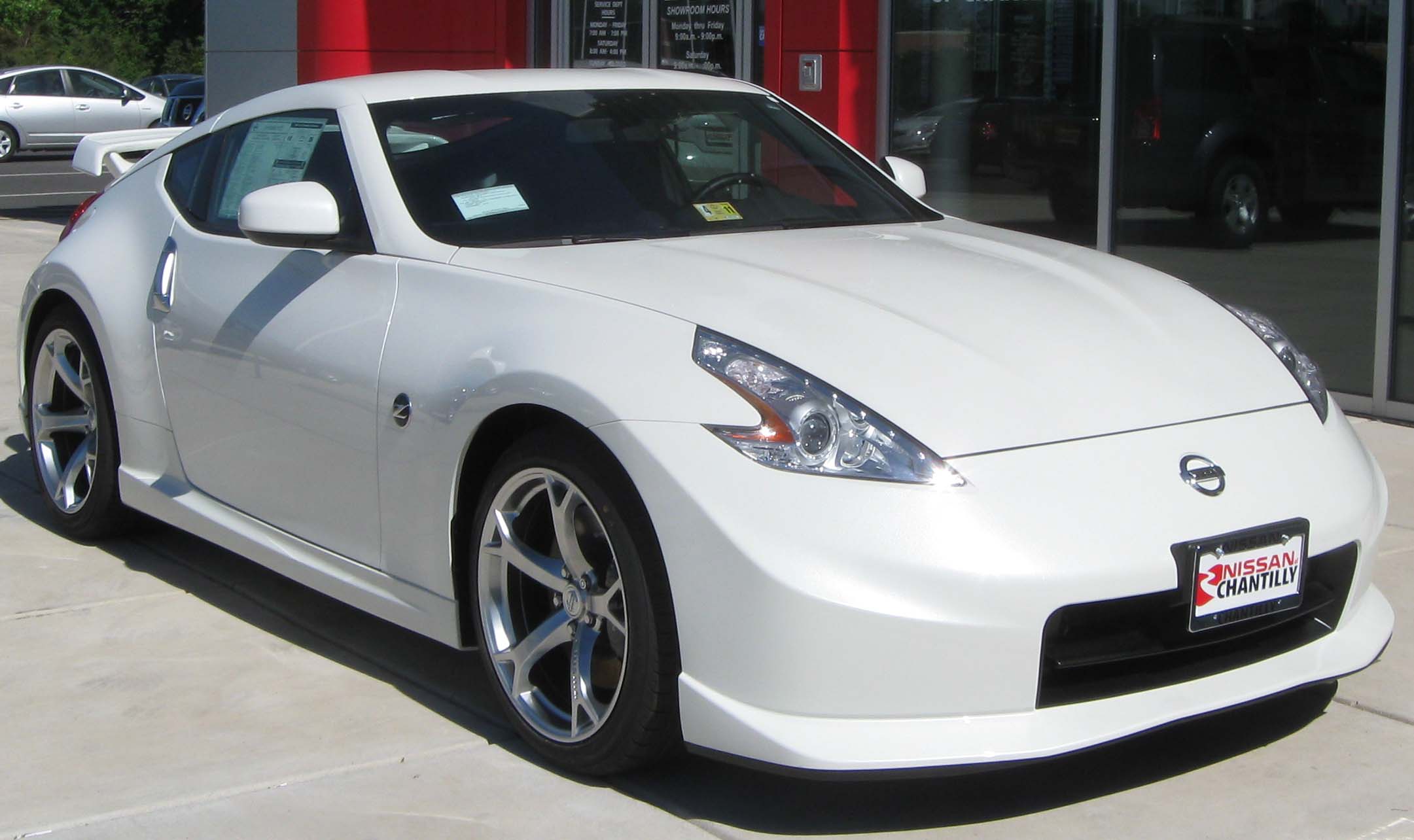
The Nissan 300 ZX is a sporty car that was made in the 1980s and 1990s. It's known for being fast and having cool features, making it popular with car fans.
Exhaust systems are parts of a car that help remove gases from the engine and make the car quieter. Some people upgrade them to make their cars perform better and sound cooler.
Right-hand drive cars are cars where the steering wheel is on the right side, which is how they are set up in some countries where people drive on the left side of the road.
A catalytic converter is a part of a car's exhaust system that helps clean up the gases that come out of the engine. It makes the car less polluting by changing harmful gases into safer ones.
A boost controller helps manage how much extra air pressure a turbocharger creates. This lets you change how powerful the engine is, making it safer and more efficient.
E.V.C. is a tool that helps control how much power a turbocharger gives to an engine. It makes sure the engine runs smoothly and efficiently by managing the air pressure.
The NHRA is a big organization that runs drag racing events, where cars race in a straight line to see who is the fastest. They have different classes for different types of cars.
The Ford Mustang is a popular sports car that has been around for a long time. It's famous for being fast and stylish, and many people love it for its fun driving experience.
A limited-slip differential is a car part that helps the wheels get better grip on the road. It makes sure that when one wheel spins faster than the other, the power is still sent to both wheels, which helps the car handle better.
The Toyota Celica is a small sports car that used to be made by Toyota. It's known for being fun to drive and has a lot of fans who like to customize it.
The 2JZ motor is a strong engine made by Toyota, often used in sports cars. It's well-known for being able to produce a lot of power and is popular among car enthusiasts for modifications.
The Mazda RX-7 is a sporty car that is known for being lightweight and having a special type of engine called a rotary engine. It's loved by many car enthusiasts for how it drives.
The Chevrolet Camaro is another well-known sports car that has been around since the late 1960s. It's designed to be powerful and looks cool, making it a favorite among car fans.
The Toyota Camry is a popular family car that many people trust because it's reliable and gets good gas mileage. It's a great choice for everyday driving.
The Nissan Pathfinder is a family-friendly SUV that has a lot of space for people and cargo. It's great for families who need a comfortable car for trips.
The Ford Model T is one of the first cars that regular people could afford. It helped make cars popular and changed how people traveled in the early 1900s.
The Ford Bronco is a tough SUV that people love for off-roading adventures. It was first made in the 1960s and has come back recently, making it popular again.
Car
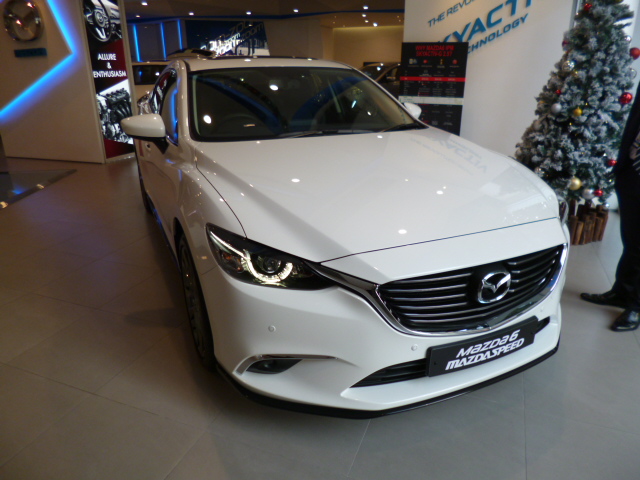
Mazda Speed
Mazda is a car company from Japan that makes different types of cars, including sporty ones and family-friendly SUVs. People like Mazda cars for how they drive and their unique designs.
The Nissan Rogue is a small SUV that many people like because it's easy to drive and has a lot of space inside. It's a good option for families and everyday use.
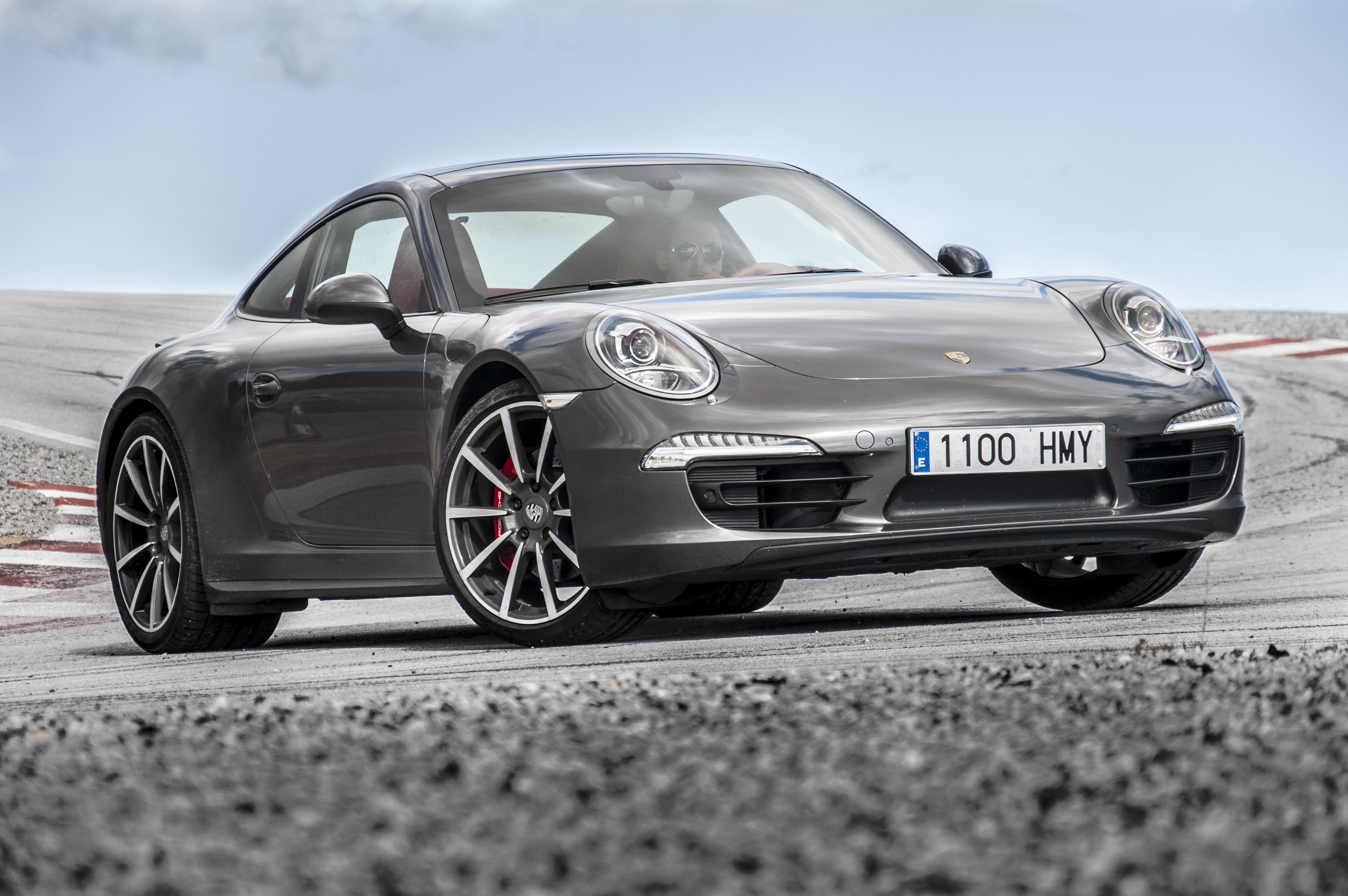
The Porsche 911 is a famous sports car that's been around for a long time. It's known for being very fast and stylish, and many people dream of owning one because of its luxury and performance.
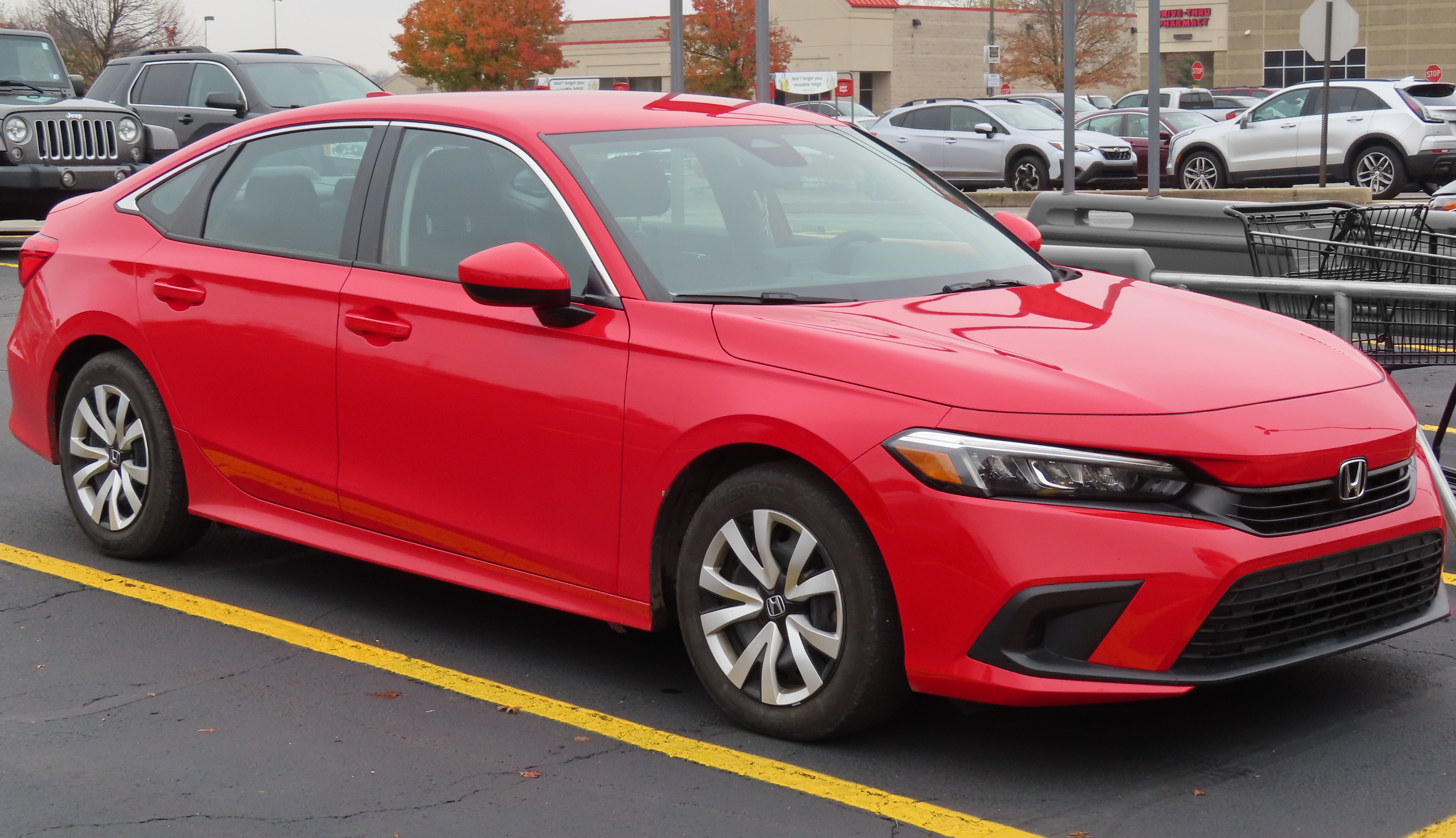
The Honda Civic is a small car that many people like because it's reliable and gets good gas mileage. It's a great choice for everyday driving and is often seen on the road.
The Dodge Ram is a big pickup truck that's great for carrying heavy loads and doing tough jobs. It's popular among people who need a strong and reliable truck.
The Nissan GT-R is a super-fast sports car that has been around since 2007. It's known for being really powerful and is popular among car enthusiasts who love speed.
The Renault Modus is a small family car that was made in the 2000s. It's designed to be practical and has a lot of space inside for passengers and cargo.
LIVE
If you're a podcast host, listen up this one's for you.
My name is Allie Jackson.
I'm the host of Finding Mr. Height,
a dating and relationship podcast
that I've been doing for four years now,
sharing my positive and practical approach to dating
that's built on my own life experience.
And I wanted to share another experience that I've had,
my secret behind monetizing my show.
It's called Red Circle.
And I was just telling my colleague
about how much I love their platform.
With Red Circle,
not only am I getting a seamless hosting experience,
but I also love the support I receive in ad sales.
It's not just typical ad sales either.
It's targeted opportunities based on my show and my life.
And the platform is super simple.
You just set your preferences
and Red Circle matches you with sponsors
that align with your show.
You can vet every opportunity
and their platform gives you great analytics.
More recently too,
my Red Circle team has brought me opportunities
outside of my podcast on social media.
To really augment the podcast partnerships,
bring them full circle.
I just can't recommend them enough.
If you want to give it a try,
go to redcircle.com to get your free trial.
That's redcircle.com for a free trial.
Welcome back to another episode of the Street Alpha podcast.
I am your host, Tukes.
And we have another one for you guys
out here in Long Island, New York.
This is where I was born and raised.
And I had the pleasure of living pretty close
to the shop we're in right now.
We're here with Vinny Ten,
who is another legend.
We've been having a lot of legends on the podcast.
If you guys watched the Titan Motorsports episode
with Nero,
Nero actually brought up Vinny Ten
and he mentioned that he was racing with him
back in the day.
There was pretty much a lot of rivalries
that you guys had back then between the Supras,
going back and forth,
a lot of legendary races back then.
But growing up on Long Island,
I always thought that Vinny was primarily a 350Z shop.
I didn't really know he had any involvement
with Mark IV Supras up until the podcast with Nero.
So apparently, Vinny is the pioneer
for the Supra in drag racing, right?
He was the first to go 12s, 11s, 10s, 9s, maybe 8s too?
Sevens?
All the way from, we took it from 12 to sevens.
And then we went from 112 miles an hour to 191 miles an hour.
And that was in a 2850 pound, three quarter,
back half car,
actually it wasn't even a three quarter car.
So it was just a back half car.
And yeah, we broke the mold in the sense of,
nobody was out there doing anything with Toyota.
It was really early on.
We're talking about,
so I'm considered the first shop in the United States.
So I started my shop in 1992 in Manhattan.
With the average speed, it's like eight miles an hour.
But I lived in Manhattan.
I worked in Manhattan for a lot of years.
I knew there was a lot of motor sports in there
and we started in Manhattan.
And that's really where the first Supras started to roll in.
And before that,
we were doing lots and lots of Nissan 300ZXs.
That was my primary car that I was building a lot of,
was the 300ZX.
And the Mitsubishi Eclipse came on,
in 1999 or 1990.
We were doing a lot of those.
I had the first 11 second Eclipse in the area.
And just an array of seven MGs,
the single turbo 300ZX stuff.
But then the Supra came along.
And the first guy brought it
and I looked at it and I was like,
this is just one big motorcycle motor.
And it was an immediate attraction, whatever it was.
It was like, whatever, love at first sight,
whatever you want to call it.
But it was an immediate attraction.
And still in Manhattan.
And I was only there for three years.
So even before like 93, 95, 94,
we were already putting single turbos on them.
And we were doing it with Trust, which is Gretti USA now.
And so we were putting in Gretti,
front-mounted into cool as Gretti had our,
they used the Mitsubishi turbos back then.
I still think they're using those.
And it was all Gretti stuff.
I was more of a Gretti guy,
a more of a Trust guy back then than an HKS guy.
My competitors had HKS.
So, and I liked Gretti, I liked their company.
So, and we started doing business
before they were in America.
So I was ordering these parts, mostly exhaust systems.
And what we would do is I'd order like 20 exhaust systems
from Japan and they would come.
And then for like three days straight,
we would just do exhaust systems.
Now, you know, it's not was, it was just both on
because they were right hand drive cars.
So it was always a little welding, a little cutting.
The flanges on the catalytic converters were always different.
So that was the first thing we had to do
is chop off the catalytic converter fans
and then weld the actual thing on.
And then some of the hangers.
And we go three, four days straight
just putting on exhaust systems.
They didn't have anything, you know,
there was nothing in comparison to today to do anything.
So we also, at the same time, we're, you know,
looking at like Carboy and options
magazine out of Japan.
Carboy, yeah.
Yeah, yeah.
So, and then I picked up the phone and I called,
because I was pretty successful with doing it with Trust.
So I picked up the phone and called Vealsight.
And started talking to them.
They had one guy there that, you know,
actually spoke English and I started talking to them.
And the next thing I know,
I was able to get one of the first Vealsight.
No, the first Vealsight kit in America.
And we put it on a Supra.
I mean, if you looked at a Vealsight kit on a Supra
in 1993 or before, you've never seen anything like that.
That was something you've just never seen.
And, you know, got me on a magazine cover in Turbo magazine.
What year was that with the Vealsight
when you first installed it on the Supra?
I would say 95.
OK, 95, 96.
The Vealsight was popular before because I know Vealsight
because of Fast and Furious.
No, 1995.
I know, but I'm saying for me.
Yeah, yeah, yeah, yeah.
Like I didn't know about that brand until the movie.
Sure, sure, sure.
So, you know, a lot of you guys are doing stuff way before.
And I'm sure that those movies got inspiration
from what you guys were doing back then.
Well, we could talk a lot about that.
That's that's that's for sure when it comes to at least
the first Fast and Furious movie.
So, you know, I was able, I got him really cool.
I was still in Manhattan.
It was maybe I was two years into this business
that didn't exist anywhere else.
Yeah.
And, you know, I was making a lot of money.
I was working for the dealerships and I was making a lot of money.
I was a good tech and fast and I had no reason to leave.
I was union shop steward.
I had seniority and to leave that for a unknown.
I used to tell people I'm going to modify
Japanese performance cars.
They had no idea what I was going to do.
I had no, I didn't have almost everyone.
I had everyone tell me not to do it.
My girl, I was with at the time.
My shop steward, my service manager,
they were like, well, we'll bring into management.
You know, just don't do this.
You're a talent here.
You're going to go far.
And I'm like, I can't imagine that this is going to be my life.
I can't imagine it.
I just can't imagine it.
I just thought of something different
that there was more of something for myself.
Just like just like my guys, my guys work for me.
Because they don't want to do the same thing every day.
They want to do they want to challenge themselves.
They want they want to see the more difficult work.
You know, whereas in the dealer mentalities,
you want to do the easiest, graviest jobs.
My guys are like, give me the hardest stuff.
Give me the difficult stuff.
And, you know, I wanted to challenge myself.
And I didn't think and plus when I was growing up,
I wanted to be actually a motorcycle racer.
And that really? Yeah.
Yeah, I was into bikes and racing bikes
long before I was racing cars.
And I turbocharged motorcycles before I turbocharged cars.
Yeah, my first turbocharged vehicle was in 1980,
which was a Kawasaki 1000Z went on a bike on a bike.
Yeah. Wow.
So, yeah.
And I was all about maybe a little taller in Joey,
but probably not much more weight, probably one hundred,
fifteen, one hundred and twenty pounds.
So, you know, I did well on the bike.
I'll just say that.
And my friend that that we first turbocharged those bikes,
my friend, Fast Frank, is still in that business today.
OK. And he's actually not too far from here.
So it's a low amount.
Yeah. Yeah. He he owns a company called Powerhouse Motorcycles
right here on West Babylon.
Well, he's in the next town over West Babylon.
And he's still doing his thing, you know, building turbo bikes.
And I'm over here building turbo cars.
And in fact, we work together, believe it or not,
right across the street.
So it was really, really crazy when I got a spot.
It was like a full circle.
Yeah. You know, of coming coming back here.
So and then, you know, getting back to the super,
it was just it was an immediate love affair
because I understood the car right away.
And the car told you what it was.
It wasn't a twin turbo car.
It wasn't a sequential turbo car.
It was a two way twin turbo car,
because that's actually what's on the valve cover.
A lot of people misunderstand that.
And when you have a better understanding
of how that turbo system worked,
you were able to hook up boost controls
like a boost controller.
And I literally have in my toolbox
faxes that I was faxing back and forth to HKS
because their original instructions for the E.V.C.
was didn't work and, you know, I got it to work
and sent the fax back and said,
hey, this is how this works.
And, you know, the E.V.C. started working on
because when they first came out, the E.V.C.
they didn't work on it.
They would make more boost,
but they weren't on the control boost.
And but eventually we figured it out
and sent them the stuff and and everything worked out after that.
So what were some of the challenges you were facing
because being a pioneer with the Supra?
Of course, you have to be the first to do stuff, right?
You know, it's beautiful today
because you order a turbo kit and that thing comes completely
like every clamp, every nut, every ball, you know, for the most part,
there's still a little shenanigans going on.
But for the most part, it's all there.
Like for us, a turbo kit was a manifold.
Like if we had a turbo manifold, we were good,
then we can build out the rest.
And that's really where it all started
is just if we can get a manifold.
And one of the first companies that's in America
that started making manifolds was RPS, the RPS Clutches.
Oh, yeah, Bob Smith had a guy that made these incredible headers
and they were stupid expensive.
Like like my header back in the day cost $1,700.
Like that was like four or five thousand dollars today.
It was just a ridiculous amount.
But I got to know the guy and I got it cheaper.
And then we did some other stuff.
You know, we changed the primary tubes on them.
Yeah. And and when stats started happening,
that was like in more like 95, 96, everything started to come around.
And the the the business exploded
in the sense of the industry, not really the business,
but the industry exploded.
Every every American manufacturer wanted to get involved.
Every Japanese company wanted to get here.
One of the cool things that that actually created,
like guys like you, it created, it created a whole
generation of people that wanted to do this.
And now we see more, you know,
small time manufacturers making really super high quality parts,
you know, CNC machining, obviously, was involved in that.
Obviously, the explosion of the internet.
Yeah. You know, one of the things that, you know, the irony here is like
I literally had an entire career, right?
That even a well educated guy like yourself,
well, knowledgeable guy of the industry had no idea.
You know, I had a whole career.
I changed this entire industry.
Yeah. You know, and then got out of the super.
You know, not, you know, God got me out of the super
because I crashed it on my birthday.
I always say that was the greatest gift he ever gave me.
Actually, yeah, it was on your birthday.
It was on my birthday. Yeah. Yeah, absolutely.
Greatest gift ever happened.
So your birthday is in August?
August, August 30th.
And I I crashed.
I crashed racing Paula Fontis.
Yeah. Yeah.
And and that that's a story in itself.
It was, you know, I look at, you know, and for some of the young guys
that are going through bad times, you know, I thought that was the worst day
of my life and it actually turned out to transition.
It's one of the best opportunities because we were contacted by Nissan
by Nissan dealership and that I had that I actually helped out earlier in the year.
I actually helped them out.
I hooked them up with the right people and move their program, you know,
at least forward and they contacted me because they owned the body shop as well.
And they said, hey, you know, you know, we we're looking out for you.
And if you want, you can bring the car to the body shop.
So I go over there and meet with them, you know, thank them and stuff like that.
Tom, I don't have a lot of money in.
I'm not really sure if I'm going to go forward.
There wasn't a lot of I made a living in 2003 and 2004.
But it was really, really difficult to do it.
You know, let me just tell you the scenario in New York.
You cannot be broke in New York.
You can't be broke in New York.
You could be broke anywhere else, man, but you cannot be broke in New York.
You just can't.
It just you can't.
You can't be a brokester and live in New York.
You just can't.
So for me, you know, you're from New York.
I mean, you know, Long Island at that.
Yeah. Long Island at that.
And you need a car out here, too.
Yeah, it's just you can't be a brokester and in New York, you know,
you're not going to live off the land here.
You know, it's just not one of those places where if you're not earning
an income that you're going to have any kind of substantive life.
So, you know, for me, it was always about providing.
You know, providing, you know, and so I.
Wasn't sure at the time, whether I was going to go back and not to racing.
And they said, OK, well, you know, well, it just meant the
the subframe bar over a little bit and look worse than it was.
And they did that.
And, you know, you know, and.
There's always something else to a deal, you know, to somebody being nice to you.
I hate saying it, you know, but there seems to always be something.
And they were like, you know, we could use somebody around here to build some engines.
And so, you know, as as an engine guy, I said, OK,
where we build engines where for the for the dealership,
because they were running a street tire car.
They were running a street tire car.
Yeah, they were running a performance.
The name of the place was Performance Motorsport.
And they were running a street tire car,
but literally every past they were blowing up a motor and literally putting
a brand new motor in the car and running.
Oh, yeah. Oh, man, it was it was ugly.
And, you know, I built every engine I've ever raced,
whether that's my motorcycle, turbo engines, every super engine,
you know, how I make a living, I build engines every day.
So and I had the fastest outlaw car out there by like 12 miles an hour.
So it was it wasn't like I was fast in you by a little bit.
I was fast in you by a lot in my class with cars that were
better chassis, running like I ran like in the end,
I was running seven thirties pretty consistently at one hundred and ninety
miles an hour in a twenty eight hundred and fifty pound back half car.
Yeah, against cars that were running three quarter chassis.
M one methanol, you know, and I was still putting those cars to shame.
Those car that, you know, those teams were only going like one hundred and eighty four miles an hour.
So I'm on C sixteen. You're on methanol.
You've got a three quarter car.
I got a back half car and I'm still laying waste here.
You know, and it's on the videos, you know, there's plenty of videos, I think,
on one hour on our YouTube channel that has those videos.
So, you know, everything, by the way, it's going to be a lot of shit going on in this video.
And if this is your camera right here, you guys can you guys can check it all out.
You can check it all out.
So we were just doing really well.
And, you know, we had won a championship.
And, you know, I think we were the one of the few people to win a champion.
There was three series at the time, NHRA, IDRC and Nopi.
OK, and I won first place in IDRC and third place in Nopi and NHRA.
And then before I won all third place in all three, even with the accident.
And I still took third place in those series.
So we, you know, we we were very well known.
I was I was, you know, I've always been a very
big person in promoting import racing.
OK, yes, that included in promoting myself.
But it was really because, again, I wanted to make a living doing this.
This is what I wanted to do.
And I knew I had to promote you to do it.
I had to promote you to do it.
I had to promote you to do it like I had to promote everyone.
Everybody, you know, just like now, you know, you walked through my shop, right?
Right, we just walked through my shop.
You met all my guys, right?
Yeah, make sure you guys check that out, too.
By the way, you know, you you met all my guys, you know, you met my partner
over here at Nissan and Bayshore, you know, everybody met my wife
because these are the people that support me.
Yeah, I pay them. I get it.
But they do a phenomenal job for me.
And without them, I wouldn't be able to go racing, especially this thing.
This thing's a bad work on.
This is like working on this is 10 pounds of shit in a one pound box right here.
OK, the same 20 pounds of shit in a 10 pound box.
I signed up for that.
This is 10 pounds of shit in a one pound box.
And these guys, they stuffed everything in there.
Yep, I build the motors, I'll set the motor in and then I'll walk away
and Steve and Joey and Characal put it back together.
Yeah, you know, I put the trainees in because I kind of like working with the trainees.
You can take that anyway you want, guys.
What was what was the reason for the crash?
I don't think I asked you that.
Uh, so I'm in second place.
Paula Fontes is in first place.
Right. We're in Maple Grove.
Obviously, I crashed that echo, but we'll get to that.
We're at Maple Grove.
OK, now, in order for me to take him out early on, I came up with a plan.
He qualified number one.
I told all the guys I'm going to qualify.
There was only eight guys in this class.
So I said, I'm going to qualify number eight and I'm going to race in first round
and I'm going to take him out.
And that was that was the plan.
OK, so Saturday comes.
Everybody rolls up.
I qualify last eight.
That means number one is going to race number eight.
And I'm going to get him in the first round and we're going to go from there.
I already got him covered.
We're good to go.
So I don't need to run my car again.
Everything's beautiful.
So he spun the bearings in his motor.
Going for number one.
OK, great.
So, you know, they're capable.
So, you know, we're friendly.
I'm over there and I see, you know, you got to pull the motor out and, you know,
pull the bearings out, change the bearings.
So they're up all night, changing the bearings in the motor.
One thing led to another.
I don't know what happened over there in that camp, but one thing led to another
and they didn't finish.
So now I walk over there at like 6 30 in the morning.
I see the motor on the floor.
I'm like, they're not going to be ready.
There's no way.
I'm like, I can't ask for a more perfect thing.
But overnight it rained and it rained hard.
So I go out to the track tracks dry.
I'm like, great.
I'm literally having a cup of coffee and the owner at the time was a guy named
George Case who rolls up on his scooter and he's like, how you doing?
I'm like, George, it's you know, sunshine's out.
So beautiful. It's a beautiful day.
He goes, not so fast.
I'm like, why? What's up?
He goes, remember the rain we had?
Yeah, it was torrential.
I said, I was already out to the track track track.
He goes, yeah, the track's dry.
But the return road is on the four feet of water.
We don't have any pumps to pump that much water out.
Yeah. They canceled the event.
You know, that deck. Yeah.
Now they're going to run the three rounds of eliminations
from Maple Grove at the next event at ACCO.
OK. OK.
So your first round of qualifying, you're going to go through first round
of eliminations, technically at the same time.
So now I obviously qualified.
Eight.
And it's one thing not to have lane choice at Maple Grove
because, again, they were good friends of mine over there.
There's no good friends.
And believe me, that track doesn't matter what lane.
But this time I'm at ACCO now to make up the race.
So we're going to the first round.
And now I don't have lane choice.
And now I'm stuck in the left lane.
The left lane, although it was a little faster, true.
But it had a hump in it.
And the right lane was smooth and fuck.
And two other cars had crashed in the season.
Actually, Pepe Loco and Manny Cruz, both crashed
in the left lane earlier in the season.
And and now I'm I'm in that lane.
And I was really aggressive with the tune up and the clutch.
And I put too much clutch in it.
I didn't put enough slip in it.
Clutches need to slip. Right.
And I put too much clutch in it.
So when I dropped the pedal, the clutch pedal, the car bogged for a second.
But I knew I could catch them anyway.
Yeah. So I just stayed into it.
And the car picked back up, you know, immediately, it's like split second,
you know, picked right back up and takes off.
But now the rear suspension is not loaded like it should.
And so I go out whatever, 180 feet, whatever, 300, whatever it is.
There's a bump in the left hand lane.
And if your car leaves and it's not fully compressed
when it hits that bump, it's going to take you.
So what happened was now it unsettles the car.
Yeah. And I'm drifting over.
I'm drifting over.
I'm drifting over.
I don't see Paul.
I don't see him, which means I'm ahead of him.
Yeah. Right.
I look over, I don't see him.
I'm like, I can't I can't go in his lane.
I just can't.
The car makes a like a pole like it's going to go into that lane.
And I just.
You like the wheel over the wheel.
I'm not going to crash into somebody else and possibly kill him.
So we got the wheel over and hit the wall and bounced off the wall.
And it was a great video.
It was exciting.
I didn't get hurt, came out, 68 heartbeats a minute,
blood pressure 110 over 80.
At the time I spoke, I was smoking a cigarette.
The lady was like that.
The ambulance lady was like, you better stop it, baby.
You know, I'm not about enough of you.
And I'm like, that's the thing.
There's nothing wrong with me.
So they grabbed my helmet.
They see that it got a mark in the helmet from the cage, whatever.
Yeah. They're like, how's your head?
I'm like, great.
So he's cracked your helmet.
I feel great.
They're like, no, we're going to take you to the ambulance.
Me throw none of that.
I'm like, yeah, you know, with your head injury, I'm like, listen,
I've been hit a lot harder than that.
So we're not going anywhere.
My blood pressure is good.
My heart rate is good.
Let's get this car off the track and let's get that out of here.
And I whacked the car right there.
And that that that ended it for that that season.
The pro import was that started because of you.
Is that true?
I think that I had a lot to do with early on, along with others,
OK, along with others, specifically Pepe Loco.
He was him and I.
We met early on before there was any organized racing.
OK, OK. So and remember, we all were street racers.
That's right, ladies and gentlemen, don't do street racing is dangerous.
Tell me a drag race and start out street racing.
OK, tell me, oh, well, that's because you're a girl, baby.
All right. But most most drag races,
and whether you want to admit that, whether it's a dirty secret,
you're going to start off street racing.
I mean, that's just where it is.
I mean, maybe maybe the road racing guys, you know, they start off in the go
carts, yeah, we're going to start off at the light on the avenue.
That's that's where it all starts all the time.
No, but I was just a strong, strong proponent of of import racing.
And so was Pepe. OK.
And together, you know, we we formed this thing at Echo Raceway
called the quick eight and basically it was eight guys put in a pot of money
and we go racing on that Sunday.
And it just really blew up really, really, really fast.
And the next thing we know, people are building back half cars
and then three quarter cars and then, you know, pro cars.
But it all it came year after year after year. OK.
You know, so I don't think I was involved in the pro
import class in the sense of developing that that that was already done.
You know, they were doing a good job.
The you know, at one point, you know, just give you an idea
how big import racing was.
It was three series. Hmm.
You don't have any three series for any.
I mean, you got IHRA and NHRA competing.
Can you imagine having no PRC and NHRA? Yeah.
And it was good because for a local guy like myself,
I didn't have to go like NHRA had races in
they have Colorado.
It's like, yeah, come on, man.
It's turbo cars.
What the hell are we doing in Colorado?
Yeah. First and second of all, it's an urban sport.
All right. True. OK.
Yeah. Yeah.
Colorado doesn't strike me as the urban epicenter of the Midwest,
if you know what I mean. Yeah. OK. All right.
I mean, maybe you've got the Colorado Timberwolves of something,
and that's going to be it for you. All right.
Everything else is going to be, you know, you know, so always,
you know, always made me think like I can't travel around the country like that.
Like I didn't have any sponsors.
I didn't come from money, you know.
So and I had a business and my business paid for my racing.
And so if I was too away too long from my business, it would suffer.
And, you know, we've been in business 30 March will be 34 years.
It's like I'm not going out of business for any addiction,
whether it's drugs or or alcohol, women, you know, racing.
I'm not going to do it. You know, I'm not going to be. Hi, my name is Vinny.
You know, I'm a degenerate drag racer. Hi, Vinny.
You know, you know, races are anonymous or something like that.
Yeah, I'm not doing that.
So so I I was able to take advantage of all of these series
by going basically from here to Florida,
mostly from here to Maryland and picking out all the ones that I wanted to go to.
OK, there was three more tracks out there.
There was Moroso, Akko and English Town, which have all been closed by now.
So so there was a lot of racing going on.
And so we were able to pick and choose which races we would go to.
And the ones we could make the money from, you know, they were paying out money.
So we were racing for the money.
And what do you what do you think you have the most inspiration in terms
of cars being built around that time to drag race?
I mean, I don't even want to answer that question,
because I don't want to sound like a complete jerk.
You know, I mean, but I can be straight up.
I mean, we're not going to take it away. All right. Well, then what I did.
What I did then, everybody came after me.
Yes, say how it is, you know, in New York, you know that.
Well, I mean, there is.
But, you know, we're talking to a bigger audience.
But, you know, that's that's really the truth.
You know, I that was the first person to make a thousand horsepower on a super.
I was the first person, you know, to, you know, are these facts, though?
So what's wrong with saying that?
So, you know, just say how it is. What are these facts?
If they fax, you're going to say they are facts.
There's no. OK, so first thousand horsepower Supra.
Oh, yeah. OK. Yeah, it was funny because it was actually done out here.
I had the shop in Queens when I come all the way out here to go to a place
called Mustang Magic. Oh, yeah, that's by my house.
Well, I used to live in your party.
And the tuner used to come and meet me there and whether, you know,
and I and I wrecked a lot of motors, you know,
we were having a lot of problems keeping, you know, one of the dirty secrets
of the Supra is that because of the design of the motor,
it loves to burn up bearings, you know, main bearings and stuff like that.
And remember, we didn't have nice king bearings.
We didn't have an ACL race.
But yeah, we were using an aluminum NDC bearing from from effing cleavite
and and, you know, spin the bearing or, you know, lift the head.
And, you know, I went out there like 10, 12 times and, you know,
paid the tuner every time. And wow.
And, you know, I go there and they're strapping the car down and he goes,
what are you going to do here today?
That's not going to blow the fuck.
I'm going to blow it up right now.
I'm going to blow it up, man.
You know, just so that they couldn't say it. Yeah.
Just and you got a sin.
I'm in a Mustang shop.
Right. Right. No love or very little.
And, you know, I just kept coming back and, you know, we were still racing.
You know, we'd race in 800 or a spiral car, 900.
But, you know, we wanted to get faster.
And so as we turned it up, we had created more problems.
And finally, we we made like a thousand 13 and the guy, you know,
and every time he would charge me, I'd make one pole, blow it up, charge me,
you know, the tuner charge me. Yeah.
You know, everybody, you know.
So this time when I made the, you know, the first thousand horsepower,
you know, it was impressive.
It sounded great.
It lived. We made a couple of more poles that kept living.
I'm like, OK, we're race ready now.
And so I walk up to him like, what do you know?
What do I owe you? You know, he's like, no, this one's on me.
You know, and I could just I felt such a satisfaction of, you know,
finally achieving that that right four digit number,
but also doing it in front of a bunch of Mustang guys in their own shop.
So that made me feel good.
So that was what the that was Supra.
Yeah, that was right.
What other like accolades I would say, did you feel like you kind of?
Well, you know, I think we did a phenomenal job with the super.
And the reason why I think we did it and I'll get to that.
I think the reason why we did a phenomenal job with the super.
And I think what it means, why I was so popular and what it really meant is I really.
We really paved the way to show what others can do.
So I took it so far, right?
Like I took it to a certain point, right?
Yeah. So, you know, the way I look at it, this is how I, you know,
when we talk about the history of supers, because every once in a while,
like, you know, I'm scrolling through Facebook, the old man stuff,
and I'm scrolling through it.
And, you know, I see I see somebody in an interview and, you know, yeah.
And and it just it doesn't make me mad.
It doesn't drive me crazy or anything like that.
But it certainly puts a smirk on my face where they, you know, some super guy.
And I recently heard this and he's like, yeah, we're the first to do this.
We're the first to do that.
And I'm like, man, you know, it's like you don't, you know,
at that point, you don't even know what you don't know.
True. Yeah. Yeah.
So I just put a smirk on my face.
But, you know, the way I think I like to look at it is that
I took it from nothing to a seven second car and showed the world what can be done.
And I kind of that was I was kind of tapped out on the chassis.
And, you know, we didn't have any real, real sponsors.
I had one, which maybe we'll get to later.
But I also look at it like then Titan picked up that ball.
Like, I think I brought it to the sevenths and then Titan brought it to the sixes.
And then, you know, that whole crew with E canoe then brought it to the fives.
It was the same crew that brought it to the sixes was the same crew that brought it to.
Yeah, it was Shane T.
Eric Lozinski, Gary White, you know, in Nero and Bottle, those are the guys.
And of course, E canoe himself, you know, that's who brought it to the fives,
you know, without his, you know, vision and his commitment.
That would have never happened.
And it was 100 percent. Yeah.
You know, it was a great day.
But, you know, when we were going sixes, you know, we were fastest pro stocks at that point.
We were going way faster than pro stocks.
You know, when we were in the pro class, our pro class was already
fast at an NHRA pro stock.
And today that we're in the fives, you know, I know, I know, I know,
Unleashed, they could probably run like a 511, like Josh John, Josh Taylor did recently.
But I think under like an NHRA rule package where pro mod runs like five
sixties and five seventies, I think that there's definitely an opportunity for,
you know, pro mods to race against pro imports.
Wow. Yeah.
So I definitely think there's an opportunity there.
I did a podcast with Titan, of course, right?
And one of the things where did you get that chair for Nero?
Nero, you ain't the king.
Nero, I swear to God, you ain't the king.
I beat you like a dirty dog before.
I beat your street tire cars.
I beat your pro cars.
I beat your Brad person that drive with a year unbeaten.
I beat you all don't sit there in the king's chair.
All right.
But I love you, Nero.
You know, I love you.
Oh, my God, you know, so.
So I didn't ask.
I didn't bring that up because of that, but um, shout out to Nero.
So I know I joke around.
I'm very sarcastic, but I know the people that we're talking to really well.
And I have a great deal of respect and a bigger amount of love for him.
I mean, I love Nero.
I mean, he's he's a really good dude.
He's he's one of my favorite people in this industry.
You know, he's a shrewd guy.
Yeah, shrewd, shrewd business guy.
But I respect that and other people do too.
And he's done a lot.
You know, he's done a lot for this industry.
Um, and Titan Motorsports as a whole has done a lot.
He's contributed a great deal at one time.
I think he was running three pro cars or two pro cars in a street car.
That's a huge, huge commitment.
So and he, uh, he really carried the torch, you know, I think others did too.
But yeah, you know, you had in his reign on that deal, you know, you had
bread personette, like I said, you had, um, God, what was his name?
Another famous guy, a bunch of famous guys on Jay Shamrock.
Um, uh, Matt Hoffid, um, run in the pro class.
He's a pro stock driver today.
He's winning an HR in a national events.
He owns total steel piston rings.
So there was some real hardcore talented guys in there.
And, um, you know, he's just one of them.
You know, he, I, I respect him because he, I, if there's anybody else
that probably on this planet that loves import drag racing as much as me,
I wouldn't say more than me, but as much as me, it's definitely, it's
definitely Nero and, and I love him because he's such a shit talk
and he won't take any crap.
So I love that guy and it was good with that, uh, big Mac guy, right?
That's good.
We can get to that too.
Um, so the reason I brought him up was because I posted a video
about how he, uh, went fives.
So you can do was the first to go fives, right?
And people were complaining and saying that that's not a real
Supra because there's basically the cars, just two chassis car.
So what I wanted to ask you, how else do you get a car to go fives?
So what I wanted to ask you, you know, again, you know, all you guys are great.
You know, all the people that watch his video, great.
My videos are great, but you know, you got to learn a little bit about
before you ask that question, you know, you're never going to get a car, so to
speak, I mean, they all look like cars from the outside.
Um, but that was more of a car than what we're running today.
Cause that was still a pretty much, um, steel car.
It was all tubed out on the inside.
Yes, that's for sure, but it still had pretty much the same body panels on it.
Whereas today, you know, the cars are all stretched and fiberglassed out.
That was still, I think a real car.
You know, okay.
So what about it makes it a real car for people who, cause people, these
are just people in the comments.
Nobody's an expert.
Yeah.
Yeah.
So, so this is like a real car.
So this sits on a unibody chassis, still uses the factory rear, you know, even
if you change the rear in this car, you know, not to make it a solid rear,
okay, but drive chef shop, they, you know, those guys over there, they make
a really, really nice billet, um, steel welded nine inch housing or 88 inch
housing for these cars that bolts right in.
You hear me Lee?
You listening?
Okay.
So, um, but I don't have one on this car.
Did you hear that Lee?
And, um, but we're, um, and this actually runs still in the LSD.
So this is, you know, you could probably get a car like this, um, in this
form, seven eighties, seven eighties in this form.
Yeah.
And this form, I think so.
So at what point would you like now the next to get it to a lower ET time?
What would you have to do to, to remove weight?
Or I think you'd have to back half the car.
You know, what does that, what does that mean?
So that means like we're going to cut the floors out of this car, um, yeah.
The whole inner structure and we're going to weld in a whole cage and we're
going to put a solid rear in the car and we're going to put a bigger tire in
and narrow the rear and, you know, really more for safety than anything else.
I mean, these are heavy cars.
Yeah.
You don't want these cars going as fast as they are and they are.
And so it's crazy that they are.
I mean, I just went a hundred and seventy four in this car.
And it's at the time when I went there, it was 3,500 pound car.
Yeah, that's, that's a heavy car.
Yeah, that is.
3,450, so almost 3,500.
I didn't even know these cars weighed that much.
Well, they don't.
They actually, my car was heavier than stock because we had the turbo kit,
the intercooler and the roll cage in the car.
Yeah, still heavy, though, still heavy.
Yeah, it was it was 3,550 pounds.
It was 3,450 pounds.
Yeah.
Um, and it was heavier than stock.
Um, everybody I'm racing is way lighter.
So last season, the beginning of 2025, we decided just to put the carbon doors on,
put the carbon deck and put the carbon hood.
That was it.
And, you know, got it down a couple of hundred pounds.
Yeah.
It went a little bit quicker.
Um, but I think right now, my biggest problem with this car is the rear.
It just, it just, it can't take the launch.
I think I'm driving through the rear.
Um, so what I'm going to do about that right now, I don't.
You get your steak back in cash with Ben MGM second chance offering.
You have a chance to keep the fun going after the first player crosses the goal line.
Try first TD score wager with confidence today.
Ben MGM, making legendary.
1-800-Ribbett's offer Iowa 1-800-981-0023 for rotary code,
assistant customer offer, subject to eligibility requirements, rewards, payback
and unrestricted with drawable funds in partnership with Kansas crossing
casino and hotel.
After the holidays, there's so much to clean up and get ready for for the coming year.
This leaves me exhausted and a lot of things falling off my to-do list.
It's time to lock in and Omaha Steaks delivers everything you crave to reset
after the holidays in order from them means having high quality Omaha Steaks
on hand at all times.
I'm a big meat lover myself and I always go with medium rare, but there's also
plenty of poultry and other options available.
Omaha Steaks offers unrivaled quality and variety and every bite is backed
by their 100% guarantee.
A family owned company with over 100 years of expertise in the meat industry.
Let Omaha Steaks deliver high quality proteins right to your door.
Visit Omaha Steaks dot com for 50% off site wide during their end of season
sale and for an extra $35 off, use promo code YUM at checkout.
That's O M A H A stakes dot com promo code YUM.
Terms apply.
See site for details.
Go to www dot Omaha Steaks dot com to get 50% off site wide during their end
of season sale and use promo code YUM at checkout for an extra $35 off.
Minimum purchase may apply.
Thanks to Omaha Steaks for sponsoring us.
No, but we'll say I think I might have a trick or two up my sleeve.
Um, then from there, you back half a car and the car's like got a big tire on.
It's got a little mini tub in there and then you can still run like a stock front
end, right?
So no, nothing, nothing in the front.
Yeah, nothing, nothing touched.
And then that's truly a back half car.
And that's what the super was.
And the other cars that I was racing in my class, um, because NHRA is pliable.
We'll just say that NHRA is pliable.
Um, so in the super, going back to the super, well, if we go, so if you took
this car and you cradled it with tubes and put struts in it, then you would
make it a three quarter car.
It would still be a regular car, regular car, but it's going to be a three
quarter car.
Then after that, when you look at a pro car, a pro car is just fully tube
chassis with a fiberglass body on it that emulates, you know, looks like the actual
Yeah, the actual car that is trying to bake.
You know, people say, well, that's not a real car, but that's still the
real power plant that came out of that.
Like this still got the VQ in it.
You mean in terms of the engine?
Yeah, yeah, you know, you know how many Celicas that they're racing have a
two JZ in it, right?
So at some point you got to walk away from the thought of, oh, this is a street car
or this is a, you know, this is a street car or this is a, you know, um, a fast
car and understand that you got to build a race car, yeah, safe and to go fast.
You're not going, you're not going to be El Nati and go 260 miles an hour.
I mean, you know, you got to, you got to think about it, you know, but you
know, one of the things in my career that I'm most proud of or, or pretty
proud of, I should say is that so the two JZ Toyota brand timing belt cast
iron motor, inline six, aluminum head, you know, right?
Real simple, very basic.
Um, well, when I got involved with Nissan, now I got a V six, all aluminum
chain motor, yeah, you know, completely different.
Like just like totally different than everything I cut my teeth on except
for the earlier stuff with Nissan, like the 300 ZX stuff.
But that was different too, because that was a cast iron block.
The setup was completely different.
They, the cam setup was completely different.
The timing chain, the, the 300 ZX used a belt, this used a chain, you know, is
this thing going to hold on at 9000 RPM?
Like there was just so many questions and I really questioned my own ability.
Did I get lucky and just get lucky with the two J or am I really that good?
You know, am I, am I good, not that good, but just am I good?
And, um, so when they asked me to build some motors for them, I was like, yeah,
let's do that.
You know, and, um, so I started building a motor for them and, uh, you know,
they seen my presence and they seen that I could run a shop, so to speak.
And then they said, Hey, would you come work for us?
And I said, well, I have a shop, you know, I'm not, not racing right now, but I
plan to get in, no, you know, we'll come race with us and we, you know, maybe
we'll get some other cars.
Okay.
You know, that, that's always interesting.
Yeah.
Um, you know, we're having a pro car built right now and I'm like, really?
And he's like, yeah, and it's, um, it wasn't, it was a pro car, but it was a
super comp car that they basically were making a mold body for and doing all the
updates on it.
So it wasn't a purpose built car.
Um, but I said, yeah, yeah, let's, uh, let's rock and roll.
So I built, they had a street tire car just like this on a BF Goodrich tire.
And, you know, that car was light.
They gutted it.
The rules were different.
Um, that car only weighed 2,800 pounds, but you know, that I had to make 1,100
horsepower, you know, in order to be competitive.
Yeah.
I mean, it's an eight second class.
Even back then it was an eight second class and I'm like, you're going 11s.
I got like 38 days to put a, you know, put this whole thing together.
And, um, and, uh, you know, we had a lot of help.
Um, one of the, one of the people I worked with, um, back then was a George
I know who was a really famous racer, probably one of the most, um, naturally
gifted and talented races out there.
He's also a mo tech tuner.
Um, he helped me out putting the mo tech in my car.
Um, really great guy.
We don't really speak that much anymore.
Um, he's, I think he's on the other side of the country, but really it's just a
naturally gifted guy and he was part of that team and I was in charge of building
the motors and, and, um, setting up the turbos and he was going to be in charge
of all the electronics and, you know, and together within like 38 days, uh, we put
together a package and we went down to Texas and we ran 833 in Texas at like
176 on an old BF Goodrich tire.
And, um, do you know John Shepard is Shep transmission?
Yeah.
So when one of the qualifying runs, this kid goes out, car is on a tear.
So he gets in front of John and the car makes a left hand turn.
I mean, straight left.
I thought it was going to go, it's the closest to this day and think about the
thousands and thousands of videos I've watched in drag racing.
And to this day, it's still the, I, I watched the shadow close between the car
and the wall and somehow, which I'll never can explain the kid that was driving
it, um, turned out wheel and at the last second, the car just snapped, didn't hit
the wall and drove right in front of John.
And it would have been a horrific accident.
John, you know, T bone this kid.
And, uh, but we, we, we put the mark out there.
We went, you know, we were, this, this team was left at, you know, the last race.
And then the next race, they come in and take five seconds off of what they were,
you know, whatever four seconds off of what they were doing.
And, uh, you know, got in the middle of the field.
I think they qualified, uh, I think he qualified number two or three with that.
And, you know, we had some other issues, but you know, that car went on to, to,
to do really well.
And that's when they said, okay, well, can you build us a pro car now?
You know, can you do this for a pro engine?
And I'm like, yeah, well, we need like 1700, you know, I'm making 11.
I don't know if I can now the challenge is even greater.
So, you know, we, we put that car together again.
Um, that's when I brought Shane in and a bunch of other people, um, George had
left the team at that point and, um, and, uh, we were, uh, bring it.
We brought in some other people.
We brought in Shane and we had Motek make us a harness and, um, Nathan
Techison actually made us the harness and what I think he was working for
Motek at the time might even be so make working for Motek now.
Um, and we got that all together and, uh, the owner was supposed to drive the car.
So I'm just there as like at this point, crew chief, shop manager, and, you know,
it was then decided that, you know, we need somebody with more experience in the
car.
So at that point I got the, I got the keys and, um, you know, now I got to show
what I did works, right?
Right.
Right.
Right.
Um, we go out, we're having a terrible time with the clutch, you know, just, just
terrible time with the clutch.
Just can't get it right.
And, um, just can't get it right.
And shaken, uh, you shook the tire.
I did like testing.
I did like nine hits and every hit 30 feet out, rattled the tire.
And you people don't know about a pro car.
You're sitting so far back that the wheel well, if this is the back of the seat,
the wheel well is right here.
So when that thing shakes the tire, you know what shaking the tire is actually?
It's like, just picture this.
It's, it's like when you drive over the tire, so picture a basketball and just
tuck the basketball in and then have that energy released.
Oh, wow.
Okay.
But do that like when the tire is spinning that, you know, 6,000 RPM, it's
like bang, bang, bang.
And it's knocked people's teeth out.
It has knocked doors off of cars.
It has knocked stuff loose in the car.
And we couldn't get the clutch.
We, it's all in the clutch when it's doing that, you know, it's, so the
clutch is the reason why it kept shaking the tire.
And we just couldn't get a grab on it.
And, uh, and we rented the track basically for the whole weekend.
This was Saturday.
So Sunday I get up and I try to get up and I, I can't get up.
I'm beat up so bad.
Like I can't stand up.
Like it took me a while because my back was so bruised.
It was like it hit with a baseball bat and phone books, you know, you didn't see
the mark, but it was there.
Yeah.
And, uh, but you know what?
I took a hot shower, it was a new day and, uh, whatever.
So I went back at it and we still didn't get the clutch.
And then our first race came up, um, which was at Moroso.
And, uh, we decided to go.
We were like, maybe it's the track, maybe the track prep's not right.
So I didn't, I actually, I didn't want to go.
I figured let's stay back here.
Let's just continue the time, but everybody want to go to Florida.
So Florida is where we went.
So we go to Moroso Park and I literally qualified number eight.
And I got a race, uh, bad person that I believe, I believe that was the driver.
Yeah, I'm pretty sure it was him.
And, um, you know, one thing about Brad and a couple of the drivers is that
they don't like the stage first.
And of course, as a driver, you know, I'm always out there watching when I'm
not racing, I'm watching you.
Yeah.
When I'm not racing, I'm watching you, man.
I'm watching everything you do.
I'm sitting there.
I'm watching how you stage.
If you stage the same way at the same time, do you have a certain routine?
Do you go through that routine the same way?
What happens if something upsets that routine, you know, when you get up to
that starting line, you have to command that starting line.
That's your starting line.
It's nobody else's starting line.
It's your starting line.
Um, and I kind of take that attitude, um, when I get up to start a line.
Once, once I'm in the burnout box and those wheels are turning, it's like,
this is my track, you know, um, and it's just a mental thing.
You know, it's just like, you know, this is my track.
You ain't, you, you know, I'm, I'm going to race you.
You know, you're going to get raced right now.
And so, um, we go up there and, you know, he's playing a staging game.
You don't want to go in.
I'm like, yeah.
Now understand that these guys all see me at the lower class, the outlaw class.
Yeah.
And I dominated that class.
Like take their ass, you know, that's, that's a fact.
Now I'm going into the big boy class, you know, so, right?
A bigger car, an outlaw car is, you know, maybe a seven second car.
This is going to be a mid six second car, you know, big jump in, you know,
driving ability.
So I, I don't know if they thought that I was going to be shook or whatever,
but man, we burned down both those cars before, before we went in and, you know,
and then finally, you know, we went in and, you know, we didn't have the clutch
set up right.
And I knew that going in, I knew I was going to lose, lose this race.
Like nothing changed.
So I doubt very much if this car is going to go 60 feet and it didn't, but I
would not let him, you know, take control of that race.
Like, you know, that was it.
So, um, I was pissed now.
Now I'm losing in competition.
So like, you know, it's one thing to f up in testing or not get it in testing,
but when you don't get it in competition, when everybody's out there, you know,
everybody's looking at your underwear, they see what you're doing.
It's like, oh man, you know, I don't want to, you know, I, I couldn't allow that,
you know, so all the way home, you know, I'm pissed.
I'm just, I'm on fire.
You know, I'm trying to figure this out.
We were driving up and there's an IDRC race and Maple Grove.
And I'm like, let's go, let's go there.
Let's go there for the weekend.
I'll make some arrangements with Mike where they can spray down a lane.
I know Maple Grove is a great track.
You know, I know everybody there.
I know they're going to take care of us.
Let's go.
So finally.
Cooler heads prevail and continue to test without everyone there.
Yeah, you know, even though there was an IDRC event at that point, sorry to say
that, you know, the IDC was kind of falling off.
They used to be the biggest, but they were kind of falling off and not do their
own fault through some real shenanigans by this industry.
It wasn't really Mike's fault or the IDRC series in itself.
Yeah, it was just that he was a small player in a big pond and he didn't own
the tracks and they were just pushing them out and, you know, and that's exactly
ultimately what happened there.
But we go to IDRC and I'm like, OK, let's take the clutch out.
You know, they they all fit in the same manifold setup.
Oh, and this is a kit from a company that you can buy. Yeah. OK.
Yeah, I I mean, I'll give this company a shout out.
You know, it was pure turbos, but the turbo I had.
It was really early on, you know, early, early, early stuff.
And I just don't think it was like I think if you bought something today from them,
it would be different.
But I got them early on and.
You know, I just they did something.
I mean, they made more horsepower, but I was I was expecting more.
That's what they never broke.
They never went bad.
I just was expecting more horsepower.
But again, ladies and gentlemen, it was like when they first, first,
first made the first turbos for that particular platform. OK.
So, you know, don't I'm sure I'm positive
that they've gone above and beyond at this point. OK.
So you mentioned that the it's the VR 30 is pretty similar to the VR 38.
So is the VR 30 like a baby GTR, basically?
Like how similar are they?
Can you change the parts?
No. OK. No. No.
Is there any is there any platform that you can change parts with maybe put
like from a skyline of turbos or something like that?
I believe that you could bolt on GTR manifolds onto an HR motor.
And I'm going to an HR motor. Yeah.
And I'm about to prove.
Yeah. OK. The manual.
So the GTR comes with the manifold in the turbo all in one.
They're all connected in one piece.
So I believe that that will bolt right on.
In fact, we're we're coming really close to proving that.
We kind of proved it earlier in a video.
But I kind of want to see it myself.
You know, I don't know we we we didn't dive deep
and up into that car to figure out exactly how that went.
It wasn't adapt to play it, right?
OK. See, that's what I wasn't 100 percent sure.
So either we're going to make an adapt the plate to make that work.
OK. Or, you know, we'll figure out another way around it.
But I believe that that will work.
And that's what will be the benefits to doing that.
Cheap. It's cheaper.
Yeah. For the power that you're going to make.
Just cheap.
You can buy probably a set of used manifolds with turbos from a GTR
for a couple of grand and just make the intercooler piping and down piping.
And you got a turbo. What chassis?
Any of the 37 chassis. OK.
Interesting.
I need any 37 and any HR.
I think it'll fit. I would think so.
OK. Have you ever had an experience with any of the VK 56 stuff?
Because that's on the that's on the.
So it's so funny you say that.
So prior to me, put deciding to go with the VR 38.
Yeah, I bought a VK 56 motor.
OK. It is now I have another shop where I keep.
Damn, you know, you asked me earlier about this
and I didn't think about the VK 56 power wise.
I didn't think about that platform and how.
Yeah, I could have said that.
It might have been a close.
I could have been a close one.
Not going to lie. And for the price, you can pick those up for cheap.
You know, also VR 38 sleeves, pistons, rods and 2000 horsepower.
You're you're there.
You know, I don't disagree with that.
It's a big motor.
Yeah, it is a V8, though.
It is a big motor.
I really like what that gentleman is doing.
John Rogers. Yeah, John Rogers.
Thank you for telling me his name.
I didn't want to not mention his name.
I really like what John's doing.
I've never spoken to him or anything like that.
I am definitely a fan of what he's doing.
Again, it's another it's, you know, it's another person that, you know,
if I was ever in a position to
from an Nissan position to help a guy like that out,
that's the kind of guy I want to help out.
Yeah, because everybody knows him
and he's done some really incredible stuff.
But we were looking at that motor
10, 10 years ago, and that was something.
It's not new.
It's people have been doing swaps with those.
Yeah, yeah, but I don't think anybody's brought it brought it to John's level.
And, you know, again, just like myself, bringing the 2JZ
and then later on the VQ platform to another level,
it always takes that one individual like John to do that with that
and really show what it can be done.
And so, you know, again, I recognize that what he's doing.
And, you know, it's in a six beat.
So, you know, it's got a pretty consistent six second.
You know, he's again, the East onto the front.
And, you know, he's going to be a killer.
He's going to be a killer coming up this year.
He's not going to play.
He's running sixes.
Yeah, but he's running sixes pretty quickly.
And again, the supers still struggle to run sixes.
They run them.
Yeah, you know, Granis is out there.
You know, there's a couple of other guys out there.
Granis is six fifties, I think.
Yeah, but not like this guy with the V8.
You know, it's right up there, lays it down, comes back around, lays it down again.
The 2J is not going to be able to keep up with that.
And you would have the same, I believe, the same very similar.
Outcome if used the VR 38 as well.
I don't think you would have much of a different outcome, maybe a little bit
different, but not much.
Right. Well, you have two, you have two extra cylinders, right?
Yeah, it's not that.
It's the same reason why I believe that the GTR R35 motor will eventually
dethrone the 2JZ motor, and it's very simple.
It's not horsepower.
It's not the potential of horsepower.
It's the potential of torque.
So the V6 makes so much more torque.
So even if we go to same mile per hour in that course of the 1320 feet,
I'm going to accelerate that much faster than you.
You know, I never really understood the difference.
And for me, is torque more of a feeling or does it actually apply down?
That's what makes you feel like this.
Right. But how does that really translate to ET times?
And the more torque you can put down, for instance, it's all torque,
the first eighth of a mile.
The first eighth is all torque.
All torque. OK.
And then it's all horsepower from there.
After. Yep.
Yep, mile per hour represents horsepower.
So when you see a big mile per hour, you know, which is what I always like
seeing, because that represents how much horsepower I'm making.
So when I out horsepower you, that means I'm making more horsepower in you,
which means I'm a better engine builder than you.
OK, so when you have that's what it means.
I mean, I'm not being an asshole.
That's what it means. Of course, you're not doing that.
So but when you have more torque, is it harder to manage traction?
Sure. OK. Sure.
It's the control of that talk.
But like, you know, we're talking about, like, again, the 2JZ.
When it comes to torque, just like the Rotary.
So, for instance, 2JZ doesn't produce a lot of torque either.
Right. And Rotary's produce even less torque.
Right. So Rotary's just went fives.
I mean, just four weeks ago was the first rotary in the fives.
Why? Because they don't have enough torque to drive them out of the hole
and get them out there.
They had pretty good horsepower.
I've seen 230. I've seen Rotary's go 230, 6162, 230.
They had the mile per hour.
They had the horsepower.
They didn't have the torque.
So and then, you know, that translates to the 2JZ, too.
It's got a lot of horsepower, but it doesn't have, you know, the torque is way lower.
But on the VR38, you make a mungus, much more amount of torque,
which I think is really the reason that the cost efficiency,
the amount of time that you can run the VR35 as opposed to the 2JZ,
I think all of those things will come into play and, you know,
and really make it competitive.
I mean, it's going to be a, you understand, like, when we come out with this
kind of battle we're going to have, we're going to have no friends.
We're not going to have any rotary friends, obviously.
We're not going to have any RB friends, even though we're cousins, OK,
we're definitely not going to have any 2JZ friends.
And for damn sure, we're not going to have any domestic friends.
You know what I mean?
So this is a call that nobody, this is a platform that nobody's race yet.
And that's why I want to race it, because I, I believe just as I believe.
You know, that the 2JZ was going to be king, that eventually V6 modus will be the king,
that now this is the next transition and that will be the king.
OK, which is why you said, which is why when I said on the
shop tour that RB is going to be king in the next five years, you laughed.
I understand now, makes sense.
Well, we'll see.
I hope that, you know, I hope that we'll see what you're saying.
I mean, there's a lot, there's a lot that's got to, you know, go in, you know,
I mean, and the VK is also another platform that, you know, it's a great platform.
It's a great platform.
It's again, Nissan makes some good stuff.
So where do you see the future is for drag racing right now?
I've been to events the past.
What events have you gone to?
I've been to the World Cup, which is my favorite event.
How crazy is World Cup?
It's my favorite event that I've been to.
I haven't been to Pan Am.
I haven't been to any of like the pro mod events yet, like snowbirds and the
last stuff. OK.
But I think that World Cup is probably racing wise.
To me, that's the best event to go to.
Personally, I've experienced CX UK is great, too.
Different, different cars there, of course.
FL 2K is also.
Yeah, that's what that's what I was going to say, isn't there another one
in FL 2K? Yeah, FL 2K is great.
It's just the weather is the downside to that event.
But as far as the cars, we're always fighting the weather.
Yeah, but as far as the cars, I think, you know, World Cup is probably
the most exciting event if you want to see like the fastest cars go on the track.
Last year was off the hook.
Yeah. Yeah.
And the year before that, I went and that was off the hook.
And the last ticket was two years.
I mean, I'm thinking two years ago, you know, like, do you think that the sport is dying?
Drag racing.
Hell, no, not even close.
OK. Not even close.
I think I think what's happening is that people are moving out of urban areas,
populated areas and moving on because as motorsports guys, we just,
like you said, the police, this, that and the other.
Yeah, yeah. But, you know, slow and down.
No, they're they're record attending at this point.
At the bigger events, you mean?
Yeah. And I think, you know, I think that, you know, as far as spectator attendance,
that's what I'm more so probably looking at, you know.
So when we talk about spectator attendance, you know, you you you.
That is no longer a metric to be used. OK.
So what are you looking at?
I'm looking at the complete event coverage,
like most of these event coverage are on flow racing.
True. Or or some other type of medium.
So, yeah, you're going to lose some spectator count
because I can watch it from my big screen TV at home.
So is that is that like what they always implementing that?
Or you could watch it on YouTube?
Or is this? Yeah, you can watch flow racing on a lot of events.
For I'm saying for how many years this has always been a thing.
No, I would say I would say no, because the technology wasn't there.
So I would say I would say maybe the last and I could be wrong about this,
but I would say the last five years, I think five years.
You know, I think first of all,
I think import racing is has been a steady.
I mean, steady as a rock compared to any other domestic racing.
Domestic racing just by the numbers, the people are a lot.
This was a big transition of a lot of older guys that got out.
Yeah. And it was just recently that we see a lot of younger guys getting in.
Yeah. And we and we can almost thank the LS engine platform for that
because it allowed every. Yeah.
You know, everybody else in the world, you know,
you know, put on eBay,
turbo and eBay manifold that you were out racing.
And but as far as I mean, as far as the events go,
and it's as far as import racing goes,
you have to think about import racing for a second in like a different way.
So you're talking about FL2K.
You're talking about what's the other one?
TX2K. TX2K.
You're talking about World Cup.
Yeah. Pan-Americans, you know, a couple of other events that are out there.
And when you talk about those events,
you have to take it under the perspective.
It's probably going to get me in a little trouble
that most of those promoters are fighting with each other
and don't like each other.
You know, you.
You have to understand we don't have a series.
We have no organization.
So if you were talking to me about import racing,
we have no organization.
We have no series.
We don't even have a rule book that complies from one race to another.
It burns me so bad that these promoters
can't figure out a series.
Let's let's just take, for instance, just take this one caveat.
So let's just talk about the guys we know we just said.
So you go FL2K, Y2K.
Or Texas 2K.
You have Pan-American.
You have World Cup.
Let's say you throw in Fall Nationals
and maybe Fall Nationals and maybe Spring Nationals.
So let's let's say, right?
So that would look like a pretty good series.
You would have six events, seven events, and you would go,
you know, to those racers and you would actually have a series.
Do you know what the importance of a series is?
The importance of a series is that as a racer,
you have something to sell to a sponsor.
Hey, I'm going to be part of this so-and-so racing series.
I am going to be going for a championship in this class.
We don't have that because we have a bunch of numskulls
that want to f and fight with each other and won't get along.
Yet there is an answer for that.
The answers for that is, of course, that nobody, you know, of course,
again, my event doesn't dilute the environment.
Your event dilutes the environment.
It's always the other person's event that harms the environment.
Now, to be honest with you, all you guys are hurting the environment.
You're helping and hurting.
Greatest event ever, Pan American.
Greatest event ever, you know, World Cup.
Greatest event ever, FL2K.
Greatest event ever, TKX.
OK, so why don't we have these events, right?
Right?
Each promoter.
They keep their gate money, but each promoter of your track owner
Yeah, puts in a fund, puts in money into a general fund
to pay all the races that go to their series.
But you keep all of your gate.
OK, OK.
You don't have events on top of each other.
You start out in March.
Where do you start out in March in Florida?
And then you go to Texas.
OK, you know, and then you come up to the East Coast,
maybe go to Maryland for one race, maybe come up to the PA to do one race.
Then you do, then you do Pan Americans.
Then you go back down to Maryland, you do what you call it.
And at the end of the year, you got a series.
You go to FL2K at the end of the year.
Now you got a seven event series that races can go out and petition.
Sponsors say, hey, we're going to be on flow racing.
We're going to have this much coverage.
This is how much on site people we're going to have.
But they can't this it's so effed up that these guys can't even get together
and put a series together.
I'm actually thinking of calling the IHRA or even the NHRA and say, hey, listen,
you know, you want to put a series back together to give you a little benefit
over the IHRA and call the IHRA and say, hey, listen, the NHRA threw us out.
You're going to welcome us.
Come on in, you know, and then all these other tracks.
What are they going to do then?
If somebody comes up with a series and it's outside these tracks,
these tracks that are holding these events right now, you know,
maybe not some of the big, big ones, but some of them are going to be F.
You know, so I mean, and it breaks my heart because I watch TV.
You know, I'm still old.
I'm not, you know, just doing the bad thing all day long.
So, you know, on Sunday, sometimes I'm going through ESPN.
I've watched the snapper race snapper one mower racing series.
So you're telling me that people are racing lawnmowers on fucking ESPN,
but I can't get an import series going 260 miles an hour with 50,000 people
being there. It's like, are you serious?
Are you effing serious?
I love mowers is crazy.
But they are doing it.
Yeah, that's kind of wild.
Like that's how bad my industry is, is that lawnmowers have a series on ESPN.
And we can't organize ourselves.
These promoters get together, get in the room and work it all out,
which benefits everybody.
Everybody keeps their event.
You know, everybody keeps their event.
Everybody keeps their gate money.
Yeah. You know, you're just going to put in the money
as a general fund for the races to go around.
And that series will bring more and more spectators to your event,
you know, because now we get to FL 2K.
That would be technically the last race of the year.
Yeah. That's where all the champions happen.
Well, World Cup would be laughter.
No, no World Cup, and then it's FL 2K, isn't it?
No, I felt two keys in October and then it's OK.
So yeah, OK, so it's like the month they're like a month apart.
OK, so then what better way to end the year than at World Cup?
Yeah, that's how it ends.
It's like, right. So what better way to end it, right?
At World Cup, right?
So, you know, but you can't get these guys in a room
and you can't get them to understand why they're hurting the racer.
If you want to know why the race is going away,
it's because the race doesn't have any money.
This is true.
He can't even go to his local hardware store and say,
listen, I'm going to be on TV just a promotion alone.
You know, give me whatever, five grand or something.
Nothing, because there's no series.
You got nothing to sell. Hey, how are you doing?
I'm Vinny. I got on the cell.
I want you to give me money.
How's that working?
Yes. Hey, hi, I'm Vinny.
I got another cell. I got a fast call. Give me money.
How does that work?
So what you had to become is your own media company.
That's how you.
So now what has transitioned is because we've been out on our own.
And we're sitting out here in the dustbin of history of, you know,
now we just go to one, you know, which are great events.
Yeah, you know, 50,000 people, 30,000, a pan American over, you know,
per day, you know, when we talk about a 50,000 people showing up,
we're not talking about over three days or four days.
We're talking about per day.
You know what I mean?
You know, Saturday is 50,000 or 40,000 at World Cup.
You know, Sunday is 45,000 sold out.
Yeah, sold out. Sold out.
Not a ticket to be found.
So, you know,
not trying to take away anything from those guys, not trying to take away
anything from Pan American or FL2K or TKX.
But you guys got to get in a room and put a series together.
Keep all your gate money.
Keep all of that, putting in a general fund to run a series.
So people know that, you know, just like people know World Cup is on so and so.
People know the spring nationals will be on so and so.
The four nationals will be on so and so.
Why TK, you know, TKX will be so and so, FL2K will be so and so.
Then there's a championship.
You can run for that.
You can be on TV.
You're going to have flow racing.
I mean, not being able to sell an ESPN package when it's so easy
that even a FN lawn mower company can do it, then, you know,
I've been hearing about import racing dying since the day I showed up at a track.
OK. Yeah.
And it's still the number one spectator sport at any track.
There's no track really on the east coast that can survive without import racers.
OK. If it's not for the import races,
they can't survive on domestic alone.
There's not enough car count for you to survive on domestic alone.
So don't bullshit me about how the import racing is going away.
No, import racing saved drag racing, OK, saved drag racing, OK,
saved drag racing and saved a whole bunch of other businesses along with it,
like the machine shops that were losing all their business to crate motors.
Well, now you can't buy a crate motor, which we're going to work on.
OK, you know, and here's another here's another.
Here's another unbelievable thing, OK, unbelievable.
Like when I bring this to your attention,
you're not even going to you're going to be like, wow, you're right.
So at the birth of drag racing and even drag racing today,
even at the birth of drag racing, since the beginning of drag racing
to today in the domestic market, Ford, Chevy, Mopah,
you know, Dodge, all involved, right?
Yeah, all involved, all about the sponsor cars, sponsor events, sponsor teams.
Right. OK. What Japanese manufacturer ever, ever, ever, ever,
ever has sponsored a fucking car in America?
What Japanese manufacturer ever sponsored an event?
OK, none, not one, maybe Mazda at the World Cup finals with NHRA back in the day.
They gave them $50 or something. OK, we've done this entirely,
entirely without any factory support.
We have carried our racing through the last 30 years,
entirely without, without any zero.
When they're talking about some, they're talking, we gave you something,
zero manufacturer support.
They don't sponsor a car, they don't sponsor an event.
And you know what?
That the insanity here is that we perpetuate the entire market of resale
of these cars and products based on what we did in import racing,
because we showed you what we could be done with your Honda.
We showed you what you could be done with your Toyota.
We showed you what you could be done with your Mazda.
So people went out and bought those cars to modify.
What do you think they're driving?
Unmodified cars, unmodified BMWs, unmodified Toyota Supras, unmodified,
you know, four hundred seats.
No, every one of them modified.
And where they learned to modify from the track, from people going to the track.
And so a large part of their business was given to them without any cost
to them of their involvement in import racing.
So we've stood on our own.
So when you say, well, import racing is dying, how is that?
It can only die when we say it's going to die because we pay the bills.
You can go on to the domestic and HRA event or HRA event.
You walk through the pitch.
You see almost every single car has got some sort of sponsor.
There are zero major sponsors on any level.
And I and I even say some to the aftermarket companies.
OK, I'd look at the some of the biggest aftermarket companies.
OK, no bullshit.
Not not trying to again, not trying to throw shade, not trying to.
Again, not trying to cause any trouble.
But where's the turn 14 fucking car?
Where's the turn 14 car?
You've got all these shops buying all these parts off you
and we can't sponsor a drag car.
We can't sponsor a drag event or an import event or any kind of event.
Nothing, nothing.
Just take my money, buy the parts, give me that, you know,
and they're a great company.
They're a great company again.
Yeah, but they're not my master.
So I will criticize and I love the company again.
Two things can be true at the same time.
OK, so you get a turn 14 or a motor state or or a summit.
You know, and some of it actually sponsored in back in the day,
the import series won't do it now.
You know, so we we've done this entirely on our own.
OK, so drag racing is not dying.
Yeah, got it.
Yeah, well, that's because you and my idiot friend over there is a bunch.
Drifted.
Oh, let's go drifting.
Oh, let's go to a judge.
I'm asking, I'm asking the question.
I didn't say it was.
I'm just asking if you feel it is based off of what I've witnessed.
That's all.
But again, there's plenty of other drag racing that happens in different states
that I don't go to like 1320 covers.
A lot of events that most people don't go to that's fully packed out.
So the other thing that would would really be super cool.
Again, and again, World Cup does does do it, you know.
You know, again, everybody's afraid of the looting their series.
But, you know, even if you took that package of excuse me,
that package of rules and apply those rules so domestics can race.
So then there'd be like no guarantee of the race ever not being populated, right?
But, you know, I'm sure Jason's great guy.
I speak to him. He's great.
I mean, he's a great guy.
I mean, I text him.
He answers my text and or I email him.
He emails me back.
He's a great guy. He's done a phenomenal job.
I know his dad I raced before Jason had World Cup.
I actually raced there at an import race for his dad many, many years ago.
Great operators.
But, you know, he's afraid or concerned.
I don't know if afraid's not probably the right word, but he's concerned that,
you know, what he's got works so well right here.
Why should I try to give it up somewhere else or blueprint it to, you know,
another event and to a certain degree, he's true.
It is true.
But I think that sometimes you have to think about things being bigger than
yourself and I think import racing can be bigger than than what we even think of.
And that shows us every year at World Cup.
It shows us every time we go to FL 2K.
It shows us even even if they got, you know, you go to domestic races, right?
Right? Like you've not been to a domestic race, right?
Me? Yeah.
At Braden's in one time.
OK. And how many how many people understand?
I mean, when I went, it wasn't many.
No. So see, the thing is, is that true?
The domestic's got the competitors.
They have more competitors than we have.
People have been modifying domestic cars a lot longer.
So they naturally have, you know, a higher rate of participation.
But you know what they don't have?
They don't have one thing that we have.
They don't have the rabid fans that we have.
OK. That's why when even you show up at a full national or spring national or,
you know, not even a major, major race, there's still 10, 15,000 people that showed
up there. There's still 9,000 people that showed up there.
Yeah. OK.
You go to the domestic race, you find their families eating lunch in the stands.
That's who's in the stands.
There's no real spectators.
These are real fans.
These are hard cause you go to Pan American and they take over the upper
upper levels and they start camping out on the stands.
It's crazy. Yeah, we got I got to go this year.
I mean, it's until you I can't describe it until you go.
Yeah, I can tell you you're not going to believe it.
But the moment you go, you're going to know, like, wow, I've never like
somebody's experiences like you're never going to you can't you can't
duplicate the Pan American anyway.
It's like that is a race.
And, you know, it's at Maple Grove now, which I'm really happy about.
But when it was at Akko, it was like it was just and it's still that way.
Yeah, there's still, you know, like you say, you know,
sometimes there's a little delay in people moving over from, you know,
I think you said used into whatever.
It's a Dallas from Dallas to Houston or Houston to Dallas.
So, yeah, sometimes there's going to probably be a little delay of people
coming over there. But, you know, and that's sort of like the transition
they're doing from Akko to Maple Grove.
But the last two events were, you know, last two years that I went anyway.
Very good crowds. I mean, we're talking about
15 plus thousand easily.
OK, in some track and it's not even like, you know, outside of PA, you know,
I mean, so what is the future for Vinny 10 racing looking like?
As of right now, obviously you have this car.
So this car, I race this car one because I love this car.
It's just just a good car and I've had it for so long.
And I just I love racing it.
It's it's a very easy car to drive.
And I race it to stay sharp because I knew eventually either
I'm going to bring out the Supra or I'm going to bring out the Nissan.
And the Nissan just is almost ready.
So the pro car is going to be ready for testing less than 60 days at this point.
OK. But the reason why I started racing this car a few years back was
I'm a little older than you.
I'm a little older than everybody else, you know, and I wanted to make sure,
you know, racing is not just about getting in the car.
That's the day at the track in driving is the easiest.
That's the most peaceful part of my whole day is when I'm strapped in.
Everything after that is a ton of work.
There's a ton of work before weeks, months before.
Yeah, there's a ton of work to get it ready to get all the food ready to load everything.
There's a ton of work at the track, and it's usually hot at the track.
Yeah. And there's a lot of pressure at the track.
And I had to make sure that, you know, I can still.
Yeah, I can drive, but can I do all the other stuff?
Right. Right.
You know, because I'm not going to have a money team.
My guys are all volunteer.
I don't make them go.
If they show up, I got more help.
If they don't show up, I have less help.
That's just the way it is.
But me and my wife, Christine, you know, we go together and we unload the thing.
If it's just us, that's it's just us.
And we're going to go out there and race just us.
And we're going to be out there for, you know, whatever, three minimum three days
on the road. Yeah.
And you got to make sure that you can still do that.
Don't fuck with me, kiddies.
You know, but, you know, you got to be able to still do that.
And that's one of the things and also you got to be used to doing it.
So I didn't want to just, oh, yeah, here I am.
I'm Vinny 10.
I'm just going to drop into a five second car and just beat a man.
No, no, I want to stay sharp.
I want to stay fresh.
I want to stay around the track.
I want to, you know, keep learning things from other people.
Yeah.
And keep seeing what things, you know, look like and watch those
broke cars go down and, you know, and just try to learn as much as possible
while I'm there, but also to compete as best I can.
Get this thing go as fast as I, you know, could get it to go.
Does it have the record for this?
Oh, yeah, this is the fastest independent rear wheel drive.
You know, we can go down to, you know, it's the fastest independent
rear wheel drive, blue car, Nissan, you know, people come up with records.
This, as far as rear wheel drive, independent suspension car,
this is the fastest 350Z as I know in the world.
And that's everything I have ever driven.
Like everything I've ever driven or raced, it becomes number one.
I can't be number two.
Can't.
I don't want to be number two and I'm not shooting for number two.
When we bring out the pro car, it will be, you know, the fastest.
There's no rules for pro cars.
So it will be the fastest Nissan is the first goal.
That'll be the first goal.
And the second goal is to be then the fastest.
Fastest Nissan.
Yeah.
And what is the fastest Nissan?
I guess your boy.
Who?
Mac, right?
He's the fastest Nissan.
Yeah, I think so.
Will he run?
I think it was five seventies, maybe.
Yeah, five seventies.
So he's vulnerable at five seventies.
You run five seventies, you're vulnerable in this in this class now.
Fastest Nissan, but the Nissan would just be the plot, the engine
platform is considered.
Yeah, that's what it's powered by.
So that's just hands down.
You want to make this platform, this engine power plant, the VR 30.
I want to kill the RB.
I'm going to kill the two JZ.
And then I'm going to just keep going with the R30 VR 38.
Are we ever going to see a Supra build in the future?
Absolutely, absolutely.
So we're the car's chassis is all done.
So we were going to talk about this, but I said I didn't want to.
And so we got here.
Okay.
So I love that car.
Like that's, I mean, I that car still smells like when I get in that car,
it's got certain smells to it.
Yeah, it's got a certain feel to it.
It's still structurally a Supra.
It's not stretched or anything like that.
It's still all the bars are within the the confines of the car.
And it was a real car.
You know, it was a real Supra at one point.
I got that car because I was, I was, I was building the car.
I was building a car with a with a with an 85 Supra.
And I was putting a two JZ in that.
I feel a light car and we're going to go racing.
And I get a call from a guy named Angie.
And he owns actually a salvage yard out here.
But at the time he owned this place called or ran a place called Metro Auto
Salvage and he's like, Hey, we just got a Supra.
And I don't know what it is, but it's stripped as hell.
I'm like, I'll come right down.
So I go down there and the car is completely stripped.
The only thing in the car is the block, the block in the head.
The turbos were off.
The intake manifold, maybe the intake was on, but the exhaust manifold was off.
No doors, no wheels, no suspension, no nothing.
And so I go, how much you want for that?
And he goes, Oh, I got to get four grand, but I got to, I got to get,
I got to cut the car in half and sell it to you because it's a junkyard.
They can't sell a whole car.
OK. So I said, well, he didn't cut the car.
Fuck it.
If I buy this thing for four grand, that four grand in whatever it was, 95,
you know, it's a good amount, but I had a friend of mine named Danny Lu.
He's actually been by here a couple of times, old Chinatown friend met him
when I was had to shop in Manhattan, great guy along with Paul Chan
and a couple other guys over there, really, really cool guys over there.
And he had a non turbo.
So I called him up and I'm like, hey, I'll sell you a turbo motor for four grand.
He's like, yeah.
And he's like, yeah, but I don't have any money.
I said, four grand, I'll put it in for you.
He says, OK, I said, but you got to bring me the money tomorrow.
So he brings me the money.
I go out, I buy that car.
I take the motor out of that car.
I thought it was good.
I put it in Danny's motor.
Yeah, it's Danny's car.
It's still in his car right now.
He still has the original car with that motor that I put in there from that car.
And I convinced them not to chop the car in half because they were a salvage
odd, they can't sell me a whole car.
Yeah, they were going to sell me or junkyard.
It wasn't even a salvage odd.
They have to sell me a back half car and a front half car.
And of course they gave me two receipts, but they never cut the car in half.
You know, so I dragged that car out and I dragged it into a corner.
So that car.
Was a junkyard car.
You understand what I'm saying to you?
It's a junkyard car, because that's what I do.
I fucking take junk or broken shit or platforms that nobody wants.
And I will make you a fucking champion.
OK, we don't we don't build fast cars.
We build winners.
We make winners.
That's what we do.
We make winners and we do it because that's what we'd love to do.
Not because you're paying me to do it, but because I want to see you win.
I want to see you do good.
And so if I could take a car that came out of a junkyard and make it the most
famous car ever to exist in drag racing history and a champion, can you imagine
what I'm going to do with a real program?
I got nothing to say about that.
Yeah, I got nothing to say about that.
So that's that's that's who I am.
Like the only sad thing about the super and maybe more people now.
Is like like you, like a whole effing generation.
Don't know what started at all.
It wasn't Titan, you know, I love you, Nero.
It wasn't you, you know, it wasn't Titan.
It wasn't canoe.
It wasn't anybody else.
It was that car.
That's what started.
That's what perpetuated import racing.
And that's what's perpetuated the entire two JZ movement.
One of the popular things with these platforms and VRs, maybe VQs as well,
is like flames and verbal tunes and all this other stuff.
Right. That was a very, very popular thing or probably still is with these cars.
Right. So it's it's it's horrible.
It's it's you're an idiot.
So what are the downsides to having a flame map or some type of flame to
where's the flame come out of the exhaust comes out of the exhaust?
Where the flames start?
Well, I guess in the cylinders, right?
Yeah, it did.
It sure did.
It bounced off your small plug, wet past your exhaust valve,
bending it up, making it a nice and hot get past your turbine wheel.
Bang, the what about the concussional effect?
Pretty loud, right?
Yeah, right.
So that's what's going on when you're piston is in.
It's like that's what's going on between your piston relationship
and your cylinder relationship.
Now, you're hearing that concussional effect 15 feet later at the back of the car.
What do you think is happening inside that cylinder?
What do you think I if you watch the video that almost got a million views?
I mean, not as many as yours, of course.
But, you know, you'll you'll get a pretty good explanation of it.
And it's it's incredibly bad for the car.
Now, there are some softwares out there.
You know, that can do it through cam phasing,
which is a little gentler on the car.
But ultimately, it's it's really bad for the car.
And and as I said in the video, it beats up your valve seats.
It beats up your valve of your valves.
It beats up your rings.
It beats up the piston beats up the head gasket,
beats up the turbos and turbine wheels,
cracks the cats in your car if you have any.
And as I said in my video,
I encourage you to keep doing it because it's really good for business.
OK, how so how long?
I'm sure it doesn't matter.
That doesn't matter how long you're doing this for.
Like, is it like people because people believe that if you're not doing it
too much that you won't hurt the end, sure, but you're still doing it too often.
That's true.
It's like I'm only having sex with you for one second.
Does that really count as sex?
You know, the analogies are crazy.
So is this something that when people come here,
do you you don't put this on on their car?
You don't offer this as a service?
I absolutely do. Oh, OK.
So for about five years, I refused to do it.
I lost a tremendous amount of business having morals and ethics.
I sit here. I tell you that.
I explained to you what it was going to do.
Why is it going to do it?
How is it going to do it?
What the ramifications are when you do it?
And they still do it.
Or or or they wouldn't tune the call
because I didn't want to do it and I didn't do it for like five years.
And I said, you know what?
I'm an idiot.
So you know what?
Guess what I'm going to do?
I'm going to do the barbell tunes, whatever flame tunes, whatever you want to call it.
You're going to sign a release and you're going to pay me an extra
150 bucks for doing it.
So again, you want it?
I'll do it.
You know, do I think it's bad for your engine?
I think it's really bad for your engine.
And guess what happens when you buy a Vinny 10 racing engine and I tune your car?
You ain't getting no verbal tune on my motor.
You ain't going to beat up my motor.
I work too hard to put your motor together.
You only pay me once and then when I come back, oh,
you know, my car is got like a little miss.
Yeah, because the valve can't seal anymore because they're waffled from the heat.
You know, that generates all of that heat.
Yeah.
You know, you wouldn't put your hand in the back of the tailpipe, right?
What do you think your valve is experiencing?
True.
So how does that?
How does that compare to like two step or any leg?
So they're all the same.
So but they use differently and certain correct.
So, you know, where it became popular, where
verbal tunes really became popular, a couple of places they became popular.
Obviously, they became popular
because people with turbo cars needed to do that when they launched the car.
Yeah, build the boost, build the boost, take off, right?
Big flames.
Everybody loved that.
It also came from rally racing where they used to go around the turn.
You know, I think I'm around the turn.
Listen, it's exciting.
It's fun. I don't disagree.
I had a loud cars in my past.
Yeah.
But again, because I never really had, you know,
financial support, if I blew something up, I couldn't put that on my mother's credit card.
Not because my mother didn't love me, because she didn't have a credit card,
because we weren't financially able to have a credit card.
So that wasn't going to happen.
She wasn't going to come here and throw down three cards and pay for my motor.
Like I see a lot of these kids though, which I would never let my mother do that anyway.
But, you know, these kids do, you know, with a five thousand, five thousand, five thousand,
okay, 15 grand, get your motor.
And we see it all the time.
Don't we, Jeanine? Where is she?
There she is.
And she's the one that takes the money.
So I don't have to feel bad that I warned you and told you.
But you had a kid in here.
He just constantly blew up his ship because he's just constantly on
because he was cold and made him a superstar.
I mean, in my day, back in my day, I was your age.
But, you know, we were trying to get away from the cops, not attract them to us.
Hmm.
OK, OK, we weren't trying to say, oh, look at me.
I'm an idiot.
Come get me and take it.
Oh, follow me to the street races.
You know, you made a comment that, like,
Texas is really cracking down.
Yeah, yeah, they are.
Well, you guys probably would have got away with it for so much long.
If you look at me, look at me, look at me, look at me, look at me, look at me.
Look at me straight racing in El Paso.
You don't think they're watching the media?
That's a hundred percent what it is.
Yeah, yeah, you guys gave up yourself.
They didn't even have to come down for you.
They leave you alone.
They put the little cameras up on the pole when you're out sleeping.
And then when they come down and just watch you, they don't even come down and
just put the cameras on the pole, take everybody's plate number,
well, figure out where you live, follow your home, give you a bunch of tickets and
pound your car like it's supposed to be secret.
It's supposed to be a society.
Yep, you know, we're supposed to be mobsters.
You know, this is like being in the mob.
You know, you got to keep it quiet.
You don't tell, hey, no, I'm in the mob.
No, and this shit's like the mob.
It's almost like ass backwards.
So for me, if you want to put the verbal turning on question,
extra one hundred and fifty bucks, sign a waiver, have a great day.
That's how much it costs to do it.
If you would just come in and no, it's one hundred and fifty bucks on top of the tune.
OK, so what did the tune go for roughly?
Steve.
Nine fifty somewhere between depends, you know, it starts at nine fifty.
You can go as high as fifteen hundred, depending, you know, how many maps you want.
Is it a turbo car?
Is it a big turbo car?
You know, how much time you guys spend on it?
If we built the car, it's usually less because nothing's going to start to go wrong
on the dyno. Yeah.
The amount of cars that come in here and say they're going to be tuned
and and actually get on the dyno and get tuned is probably two out of every ten.
I want to tune.
OK, when's the last time you changed the oil?
Oh, when was the last time you changed the spark plugs?
Spark plugs?
Those are a hundred thousand miles, aren't they?
Oh, are you bringing the car to check out the car to make sure it doesn't have any oil leaks?
None's going to fall off.
The wastegate pipes not burning on, you know, the boost line or anything like that.
Guys got no brakes in the car.
No brakes.
Oh, I want to go fast.
You got no brakes in the car.
There's times when we don't tread on the tire, right, Steve?
No tread on the car.
The cords are coming through the tire.
I'm not putting this on my dyno.
So, you know.
Oh, man, well, it's keeping you busy, right?
It keeps me busy.
It keeps me busy and we do a good job.
And what what really makes this shop different, what makes this shop different is
that we are brutally honest.
I don't need to sell you anything.
I'm not going to sell you anything if I ever and I mean ever and I fucking mean ever
had one of my guys sell something just to get more hours out of the job.
I will fire you right then and there.
No discussion.
None, zero.
I told you never to do that.
I've enforced that that rule over and over again.
There's no reason to upsell anybody, anything that they don't need.
You know why?
Because these cars are so effed up that there's plenty that if you look at them
thoroughly enough, you'll find everything that's wrong with them.
Because most of these cars have been molested by people
that just don't possess the talent to do it right.
Yeah. So when they come in and they're modified,
I don't need to say anything.
I need to save you.
I'm going to save you money.
You know, it's going to cost you money to save money, but believe me,
you're saving money because half of the shit will either get you killed,
get you crashed or get your ship blown up.
Yeah. So every mostly every car that comes in here, we try to do a checkout on it.
You know, just to make sure it's safe.
And if it looks ready, it's definitely getting a check out.
If we don't know you, you get checked out, you know.
And you know, you know, everybody that owns a motor sports business know,
you know in your heart of hearts that we operate in a very gray area.
OK.
Yeah. Because of emissions and EPA.
OK. OK.
OK.
And it sucks.
It sucks.
It effing sucks that I got to work this effing hard and still being a gray business
when the EPA can come in here or whatever, whatever other environmental
agencies and shut us down.
I love PRI.
I love SEMA.
I think they do a phenomenal,
phenomenal job with SEMA and PRI.
Hands down.
I'm so grateful that there is a PRI.
Mostly because then people like Steve and myself and Yarek and Joey,
we don't feel so alienated because we don't have any real friends.
This is what we do.
And we do it at such a level that
you understand it's like whether we hate each other or like each other.
We're forced to like each other because we're in this clique.
And they all know, they all know, you know,
every shop owner knows that we operate in a gray area.
Yeah.
The manufacturer can make the product.
The manufacturer can make a product.
They can sell it to a distributor,
distribute it to sell it to a retailer.
OK, retailer can sell it to a shop owner, shop owner installs in the car.
I got the fucking EPA on my door.
How does that work?
How does that work?
So nobody's responsible here.
Nobody except for the guy that actually takes your products 365 days a year.
Every freaking product that's made, every shop owner takes your product.
OK, the lowest guy takes your product and makes you look good.
And for that reward, we have absolutely zero
effing protection from you, from PR, I or SEMA, zero.
You were supposed to get the RPM act passed.
You didn't do that.
Well, now we have the biggest deregulation president ever to exist.
We had him in 2016 to 2020.
He was a deregulation president and you didn't do anything about getting this thing
passed. You didn't go to the EPA chief at the time and try to get some things
deregulated. Well, now he's back in office and obviously he's deregulating like crazy.
Right. Yeah.
And also Lee Zeldin right out here from Long Island, who was instrumental in
getting the racetrack out here, the race track out in Calvin made.
OK, when he was congressman, he's a dynamite guy.
He's a motorsports guy.
He understands what we're going through.
Why don't.
OK, that PR, SEMA, executives haven't made them.
I'm never going to get an appointment with Lee Zeldin.
Am I? No, no, because I'm a nobody.
I got no money and I'm a nobody.
OK, but PR, I and SEMA and the powers that they and their legal team.
OK, certainly can get an appointment with Lee Zeldin and really deregulate this
industry to make it palatable for us not to have to worry about every frigging part
that we put in the car that we're committing some sort of fucking felony.
OK, that's what my industry has done to me.
It wants to make me a criminal for the products that it makes.
But it's not here to stand for me and protect me, even though I go to your show,
I sign up for your stupid membership, all of that stuff.
But in the end, if God forbid, Mr.
EPA walks in here and I don't do anything, you you will be
blue in the face trying to make me take out your cat.
You will I make power with cats.
I use the Gezi cat.
I'll use a good cat.
OK, I'm not taking the cats any car.
I'm not I'm not good shops aren't shutting off emissions codes.
They're not taking out and deleting emissions devices.
The good shops, the smart shops,
figure out how to make horsepower with those things in there.
If a GTR can make 600 horsepower from the factory with a cat in it, so conveying 10.
You have the power at PRI and SEMA to get an appointment with Lee Zeldin,
EPA chief, and get some of this shit that we have to go through as shop owners
off our backs, because on top of every freaking thing else that we got to worry
about payroll, comp, insurance, health insurance,
you know, building insurance, you know, now we got to worry about one day
after 20 years or 25 years, somebody could come in here and nitpick.
And you know, you would think that it was handled in the first Trump administration.
No, didn't get handled.
Well, now we're into the year into the new administration.
Did we hear anything from PRI or SEMA?
That they got an appointment with Lee Zeldin to make our industry great again?
No, no, you haven't.
So we got a big problem.
We got electronic fuel injected modern cars.
You know what?
If I got a carburetor car, no problem.
I could walk up to that car, adjust the fuel, adjust the timing.
Yeah. Right.
Why can't I do that with a fuel injected car?
I'm not allowed to.
Why? Just because it's fuel injected?
The car doesn't wear out just as much as a regular carburetor car?
No. So you've removed an ability for me to adjust cars for putting the parts
in the car that the industry sells.
And I can go to jail for it.
My business can be shut down.
I can be sued.
Where is PRI and SEMA to protect shop owners like me with legislation
through a deregulatory environment, which we have right now, to save some of these shops?
We have a problem.
We have a twofold problem.
So if the EPA is going to shut us down because you're not going to do anything, right?
OK. And single operator, owner, operator tracks are going out of business.
So we can't run the products that you're selling on the street and we can't
bring them to the track because the tracks are going out of business.
So where do you think you're selling these parts?
Where do you think this industry is going then?
OK.
So you have to solve these problems that his investment bank is and these big
corporations, they should be the ones buying the tracks.
There's no longer a single operator, owner, operator operating a track.
It's too difficult.
It's too risky.
It's too much in terms of like buying one or buying one, running one.
It's just way too much.
We need real corporations with real corporate structure to run these tracks,
like English town.
Like, can you imagine you have?
I'm sorry, I just get to be crazy.
You have a major
motor sports facility, you can call it a drag racing facility, but they have
autocross, they got go-karting, they had the motocross series sponsored by Kawasaki
there and then they had drag racing.
Yeah.
So you've got a motor sports park, literally 30 minutes outside of Manhattan.
And you guys can't figure out how to make that make money.
And at the same time, solve your problem.
Like investment bankers are the ones and the big corporations are the ones that need
to buy these tracks, because if the EPA keeps going and you don't do anything about
it, well, then the only place we're going to have is tracks.
But unfortunately, the tracks are closing.
So where do you think this is all going?
Five, six, seven years.
Is that looking too hot?
It potentially doesn't look too hot.
But thank God that we're rugged individuals,
not the warmth of collectivism, that's for sure.
We're rugged individuals and we're always going to find a way to make through this.
But it would behoove us and be a lot easier if we can get this industry to get
this administration's ear and get somebody's problem solved for us.
So again, love PRI.
I love SEMA.
Take the phenomenal job, their organization.
It's unbelievable.
It's like candy land you go there.
It's the greatest thing for anybody in this industry to go to those shows.
But my God,
you guys got the power.
We don't.
We're shop owners.
We're only the victims.
That's what you're making us.
You're making us victims.
And I tell you, I'm not a victim for anybody, for anything.
OK, I will always find my way, my way through this.
But man, it just makes navigating through this industry that much harder.
Do you want us to be in this business?
You want us to sell your parts?
You want us to tune your cars?
You want us to perpetuate the industry?
Give me an environment to do it in.
OK, all right.
I will come up on time now.
Yeah, but I do want to say I just I just want to I just want to say one thing.
Good, good.
OK, I really have to give all the accolades and all, you know, all the credit
to my wife and my guys.
They have been behind me and the forefront and the success of my business or our
business together.
Yeah, you know, I may be the front guy, that's true.
And I may be the engine guy and that's true.
And, you know, obviously I'm a personality that that all may be true,
but make no mistake, I don't walk around here like that.
These guys are the real heroes that come in here every day and, you know,
do an outstanding job and they work their asses off.
And so Joey and Jarrick and Steve,
you know, these guys are really engineering or really my fundamental
foundation to making this go and so I want to thank them and appreciate them.
And obviously, you know, I can't say enough about my wife.
You know, I've had other long term relationships that didn't work out because.
Yeah, my name is Vinny, you know, I'm an addict, you know,
race is anonymous and, you know, if you're going to ask me to stop racing or leave
you, yeah, well, there's more women than race cars, that's for sure.
So I moved on and but, you know, I found a winner with Christine and I've never
been happier and I'm so happy that she's experiencing this part of my career with
me. It's really wonderful because I never took any other women to the racetrack.
I always thought it was bad luck, but, you know,
I changed my ways when I came back racing a few years ago and she's my ride and
dive partner and I couldn't do it without her and I don't want to do it without her.
Or else I'm going to starve, not sleep.
I'll be sleeping in my truck, not eating.
You know, she makes sure I'm fed, I'm clothed, I'm housed.
She makes sure everything's there.
I just make sure the car shows up in the race ready.
But, you know, Steve,
Janine, Yarek,
Joey, my relationship now with Nissan at Bayshore, Simon,
Israeli, and I finally found a car guy that, you know, the meaning of the minds
and no competition to you, of course.
But I really got to give my two film guys, the video guys that have been now with
me for like six or seven months and I kind of get no competition.
There's no, they do completely separate things.
They do, but, you know, I'm always respectful for what you do.
And, you know, you know,
you know, they're they're
they're involvement in the last six or seven months.
I mean, you know, a big difference just not so much in business,
but so much in presence, a little bit in business, but a lot of presence,
a lot of online presence and stuff like that, which I think, you know,
boils out, eventually comes to the surface and more business will come.
Yeah, absolutely.
So, you know, these guys are just doing a phenomenal job.
I'm their first client,
but I've been, you know, I've gotten a lot of people there to start in their break.
And, you know, they certainly deserve it and they've done a wonderful job.
So, you know, to Mike and Alex, you know, from
from Rikimoto,
they do a phenomenal job.
So, you know, in the future, when I'm done dumping them to hire you,
right, you know, you could go out and hire them yourself.
But in the meantime, you only hire me to do a podcast.
No, no, no, I'm not even charged for this.
I got a lot. So it's not even a thing.
Yeah.
Well, I'm so entertaining you should be paying me at this point.
I mean, hey, we can talk about that.
I'm joking. I'm joking.
But anyway, no, I just want to thank my guys, thank my wife, thank my family
and thank all the people that I do business with.
Jim Wolf, Carillo, Joe from ProTalk, Zeke from Ferrera, you know, just,
you know, feels that really came through for me this year.
A drive shaft shop that does a great job.
You know, they just, just, you know, the people on my on my car, they're my friends.
You know what I mean? They're not.
You don't want to miss anybody, though, you know?
Yeah. Oh, VTR.
Well, if you don't know this, if you don't know, this is the place right now.
I mean, you'll never know.
If you're in the New York area, yeah, right from South Bay.
Yeah. Yeah.
Hey, listen, I'll even throw a shout out to my boys and Garrett.
You know, I'm waiting on the check.
You said Garrett.
Yeah, damn.
Yeah, I won't comment.
We'll we'll do a follow up at another time.
It's it's 1030 and these guys are all still here that he's talking about on the
podcast, and that says a lot because most interviews I do, you don't only see the
workers here, but they're all here.
So I can't believe it's 1030, man.
Yeah, it's 1030.
The whole team.
I said a new record.
Another record.
They have a new record.
The longest podcast on the street off of.
Yeah, man. Another record in E10.
But I mean, I feel like Nero said, you know, it's going to be a good podcast.
So I kind of figured it would be, I said two and a half hours, close to three.
But I don't want to miss anything because I feel like there's a lot of history.
And I honestly wouldn't make sense to come back and try to, you know,
yeah, edit it all out and put it all together.
I just like, I feel like I'm already here.
It's just the best.
No, it's the first time, you know, we're actually meeting.
Absolutely.
So yeah, it's the best time to kind of get all absolutely.
And that's why I didn't want to do any rehearsal.
I don't want to go over anything.
Look over notes.
Just a little different.
But I barely I honestly didn't even look at the notes.
I normally don't.
But yeah, it's just this flowed pretty easily.
Yeah, really good flow.
But I want to do it.
Yeah, no, 100%.
I do want to thank you for taking the time.
I did change my flight to make this happen.
Yeah, no, you did.
You were a very important guest.
Well, I appreciate that.
I had to I had to make sure I had to be on the podcast.
Now, I appreciate that.
Thank you so much for making this happen.
And thank you for calling me and letting me know you couldn't because,
yeah, you know, obviously, some people, maybe their priorities are a little different,
but you had a serious situation.
So I said, you know what, I'll make it work.
Like I said, you know, I only got one Godson, you know what I mean?
One Godson.
So, you know, no, 100%, you know.
So for people who are looking to work with you in the future,
if they have a VQ or if they have a 350Z, I build everything.
So how do they get in contact with you?
If you have a piston and a fuel injector, I'm your guy.
So domestic or import doesn't really matter.
You know, we do a great job all around.
So it doesn't really matter if we can't handle a job.
We always tell you because it's easier that way.
Yeah.
Like I said, we do a lot of business with the Hemifest crew and some other people
that I can't mention, you know.
But but if you want to get in touch with me, just call, you know,
Vinny Ten Racing in New York.
It's pretty easy.
I mean, and this is Lynn Lynnhurst.
Yeah, this is Lynn and her style Long Island.
So I wound up.
But now it's it's great.
I love the building, you know, I love I love the space.
So, you know, I appreciate that I'm here.
But yeah, just Vinny Ten Racing on Instagram, Vinny Ten Racing on Facebook,
Vinny Ten Racing, you know, in the phone book, if they don't even exist.
I haven't seen a phone book since I was eight years old.
I know I threw it out there.
But, you know, you know, Jeanine and Steve are going to pick up that call.
You're not going to, you know, is everybody here you can talk to.
But Jeanine does a great job and she'll guide you through, you know,
she's more knowledgeable than most most of the guys that come in here.
And she's picking it up really fast.
So she's doing a great job.
Steve, obviously a vast wealth of knowledge.
So you're you're going to be literally talking to my right hand people.
You know, there's there's no buffers and whatever you need, you know,
you come see me and once you hear, I'm here.
I'm here a 30 a 30, you know.
So when you come here, like I'm I can't get on the phone for everyone
because I would never be able to do anything.
And but, you know, when you're here, I usually take the time out to meet
as many customers as I can because I because I appreciate them, you know,
coming in here and choosing, choosing us. Awesome.
Well, thanks again so much for your time.
Pleasure, my man.
You guys have it.
If you guys do want to get in contact with Vinny or work with Vinny
on your future projects, you guys know where to reach him.
That concludes the episode pretty much.
So if you guys are listening and always watching, continue to keep listening
or watching, also make sure you hit that like button and subscribe
and also head over to streetofford.co to copy your merch.
Until next time, guys, we'll catch you on the next one.
Peace.
If you are a podcast host, listen up this once for you.
My name is Ali Jackson.
I'm the host of Finding Mr.
Height, a dating and relationship podcast that I've been doing for four years now,
sharing my positive and practical approach to dating that's built on my own
life experience.
And I wanted to share another experience that I've had, my secret
behind monetizing my show.
It's called Red Circle.
And I was just telling my colleague about how much I love their platform
with Red Circle, not only am I getting a seamless hosting experience,
but I also love the support I receive in ad sales.
It's not just typical ad sales either.
It's targeted opportunities based on my show and my life.
And the platform is super simple.
You just set your preferences and Red Circle matches you with sponsors
that align with your show.
You can vet every opportunity and their platform gives you great analytics.
More recently, too, my Red Circle team has brought me opportunities
outside of my podcast on social media to really augment the podcast
partnerships, bring them full circle.
I just can't recommend them enough.
If you want to give it a try, go to RedCircle.com to get your free trial.
That's RedCircle.com for a free trial.
About this episode
Vinny Ten shares his journey from pioneering drag racing with the Toyota Supra to building high-performance VQ engines. He discusses the evolution of import racing, the challenges of running a shop in New York, and the importance of integrity in the automotive industry. Vinny emphasizes the need for better organization in import racing and the potential of the VR engine platform. With insights on engine building, tuning, and the future of drag racing, this episode is packed with valuable knowledge for enthusiasts.
In todays episode we sit with Vinny Ten who breaks down the worlds fastest 350Z and explains how he builds record setting VQ engines for extreme horsepower and reliability. He also covers the return of his legendary Toyota Supra to competitive drag racing and the future of drag racing
Vinny Ten Official Instagram: https://www.instagram.com/vinnytenracing
00:00 Intro
05:18 First Veilside Supra In America
06:41 Vinny’s Belief In Opening Up A Import Performance Shop
08:06 Vinny’s Experience With Motorcycles
09:13 First Supra Boost Controllers
10:07 Creating The First Parts For Imports In The Early Days
12:35 Vinny’s Nissan Dealership Race Car
18:16 How Vinny Crashed His Supra
23:35 How The Pro Import Class Started
27:27 The First 1000HP Supra
30:15 How Vinny Ten Paved The Way For Supras
33:04 Titan Motorsports Vs Vinny Ten
35:10 Getting a Car Into The 5s Based On Chassis
39:58 The 6.33 Run
52:12 The VR38 Will Be King In The Next Few Years
01:03:57 C16 Race Fuel Is King
01:05:34 High Horsepower With Factory Intake Manifold
01:09:47 Fox body VR38 Swap
01:11:46 Imports Have Proved Themselves
01:13:53 Nissan Connecting Rods Weakness
01:19:03 The Cons of the VR30
01:22:13 Why BMWs Have Taken Over
01:25:57 Why They Used The VR30 In The New Nissan Z
01:38:58 Ford Copied Nissan
01:41:03 The Best Way To Deal With Copycats
01:44:18 Sacrifices Made In Racing
01:47:44 Vinny Ten Designed The Ram Style Intake Manifold
01:53:36 Single Turbo vs Twin Turbo
02:06:21 Building a VQ35
02:09:02 VQ35 Cylinder Heads
02:10:50 Whats The Best VQ Engine To Build
02:12:35 Why Vinny Chose a DE engine Instead of HR
02:13:35 Sleeving Blocks
02:15:53 VR38 Blocks Cracking
02:19:07 The Cost of Running a Shop In NY
02:24:17 Shops Doing Bad Work For Customers
01:53:36 Single Turbo vs Twin Turbo
02:06:21 Building a VQ35
02:09:02 VQ35 Cylinder Heads
02:10:50 Whats The Best VQ Engine To Build
02:12:35 Why Vinny Chose a DE engine Instead of HR
02:13:35 Sleeving Blocks
02:15:53 VR38 Blocks Cracking
02:19:07 The Cost of Running a Shop In NY
02:24:17 Shops Doing Bad Work For Customers
02:41:55 VR30 Engine
02:44:15 Port Injection On VR30
02:47:56 VR38 Manifold Fitting on A VQ35HR
02:49:23 VK56 Engine
02:56:37 Is Drag Racing Dying?
03:08:25 Manufacturers Not Sponsoring Cars In America