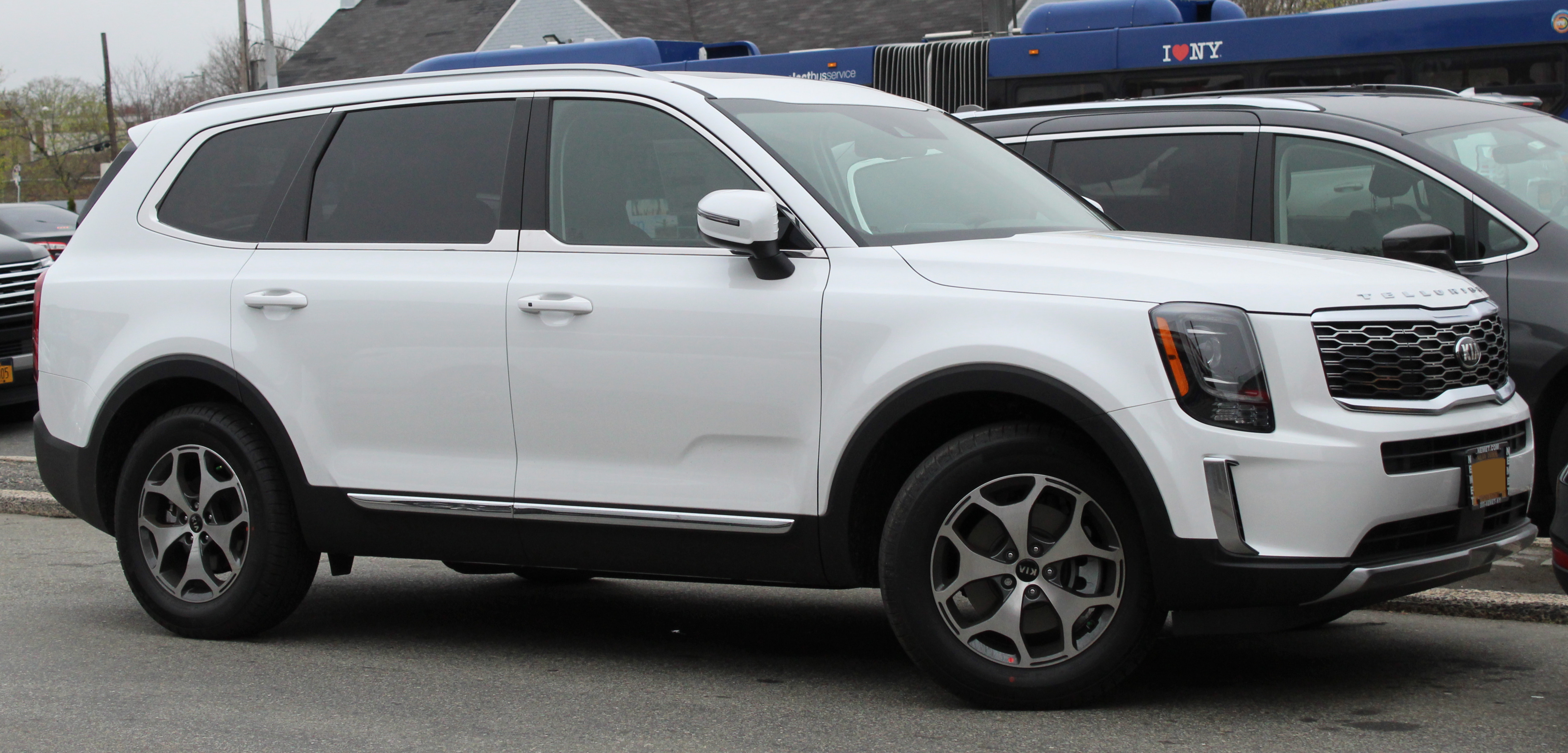
The 2026 Subaru Outback is Subaru’s rugged family car that’s been redesigned. The big change here is that it looks more like a real SUV now—taller and more upright—rather than the older “lifted wagon” style.
“Trim levels” are the different versions of the same car model. They’re how manufacturers sell the same basic vehicle with different feature packages and looks.
A “lifted wagon look” is when a wagon is raised up so it looks more rugged, but it still looks like a wagon. The host is saying the new Outback is trying to look more like a proper SUV instead.
Vertical bumper kickups are the parts of the bumper that curve or step upward at the corners. They’re a styling detail that gives the car a more rugged, off-road look.
“Overriders” is an old-school name for bumper protection or bumper extensions. The host is saying the part still exists, but the name has fallen out of common use.
A 12.3-inch display screen is the big touchscreen in the dashboard. It’s where you can control things like navigation and music, and it’s sized to be easier to see while driving.
A four-cylinder engine is an engine with four cylinders that work together to make power. It’s a common design because it can be efficient while still being strong enough for normal driving.
Towing means pulling something behind the car, like a trailer. If a car is “better for towing,” it usually has more power and capability to handle that extra load.
All-wheel drive means the car can send power to all four wheels. That helps it grip better on wet, snowy, or rough roads, so it feels more confident day to day.
A downshift is when the car changes to a lower gear. That usually helps it accelerate faster, but if it takes too long to do it, the car can feel a little sluggish when you ask for power.
Off-road means driving on rough, unpaved, or uneven ground instead of normal streets. If they didn’t try it off-road, they’re basically saying they didn’t test how well it handles dirt trails and bumps.
The Honda Passport is another midsize SUV. The host is using it as a comparison for size, saying it’s in the same general category even if the price is different.
The Chevrolet Blazer is an SUV that the host brings up as a competitor. They’re comparing it mainly on how much it costs and how it stacks up in size versus the car being reviewed.
Miles per gallon (MPG) tells you how efficiently the car uses gas. Higher MPG usually means you spend less on fuel, and it can drop when driving gets harder or slower.
A CVT is a type of automatic transmission that can change ratios smoothly instead of using set “gears.” That can help the engine stay in a good power/efficiency zone, but it can also feel different when you’re trying to accelerate or climb.
“Low” usually means a low gear setting that makes the vehicle crawl with more pulling power. It’s meant for tough terrain where you want control and torque, not speed.
Hosts kick off with a trip through vintage full-page car magazine and dealership newspaper ads, pointing out how the cars were often rendered as drawings instead of photos, and reminiscing about brands and promo pricing. They then pivot to Houston date-night picks—speakeasy vibes and historic bars—before reviewing the redesigned 2026 Subaru Outback. The Outback gets styling and interior screen highlights, plus a practical rundown of CVT AWD, towing, MPG, pricing, and how it feels in everyday commuting.
The fastest way to time-travel through car culture is to flip through old ads and we do exactly that, one glossy page at a time. We react to vintage magazine car advertisements packed with chrome, bold taglines, and illustrated renderings that feel closer to concept art than photography. Along the way, we ask a simple question with a complicated answer: why did car marketing used to feel so direct, and why does it feel so scattered now?
From there, we chase the nostalgia into newsprint. We talk about the era of full-page dealership newspaper ads, the ones that listed rows of cars with prices you could circle, plus weekend service specials like oil changes and tires. It’s a practical look at how inventory, consumer laws, and modern buying habits pushed that whole experience online, and what we miss when the entire local market no longer fits on one page.
Then we point the car toward Houston with a set of driving destinations built for date night: a tucked-away speakeasy-style cocktail lounge, a neon-soaked quirky spot with pizza, a historic wine bar with haunted reputation, an outdoor beer garden, and a small retro neighborhood bar. We close with a real-world 2026 Subaru Outback review, covering trims, standard AWD, CVT behavior, fuel economy, and why the return of physical buttons matters for everyday driving. If you like car history, smart travel ideas, and honest new car reviews, subscribe, share this with a friend, and leave us a rating and review.
Disclaimer: This post contains affiliate links. If you make a purchase, I may receive a commission at no extra cost to you.
---- ----- Want more In Wheel Time car talk any time?
In Wheel Time is now available on Audacy!
Just go to Audacy.com/InWheelTime where ever you are. ----- ----- Be sure to subscribe on your favorite podcast provider for the next episode of In Wheel Time Podcast and check out our live multiplatform broadcast every Saturday, 10a - 12nCT simulcasting on Audacy, YouTube, Facebook, Twitter, Twitch and InWheelTime.com.
In Wheel Time Podcast can be heard on you mobile device from providers such as:
Apple Podcasts, Amazon Music Podcast, Spotify, SiriusXM Podcast, iHeartRadio podcast, TuneIn + Alexa, Podcast Addict, Castro, Castbox, YouTube Podcast and more on your mobile device.
Follow InWheelTime.com for the latest updates!
Twitter: https://twitter.com/InWheelTime
Instagram: https://www.instagram.com/inwheeltime/
https://www.youtube.com/inwheeltime
https://www.Facebook.com/InWheelTime
For more information about In Wheel Time Podcast, email us at