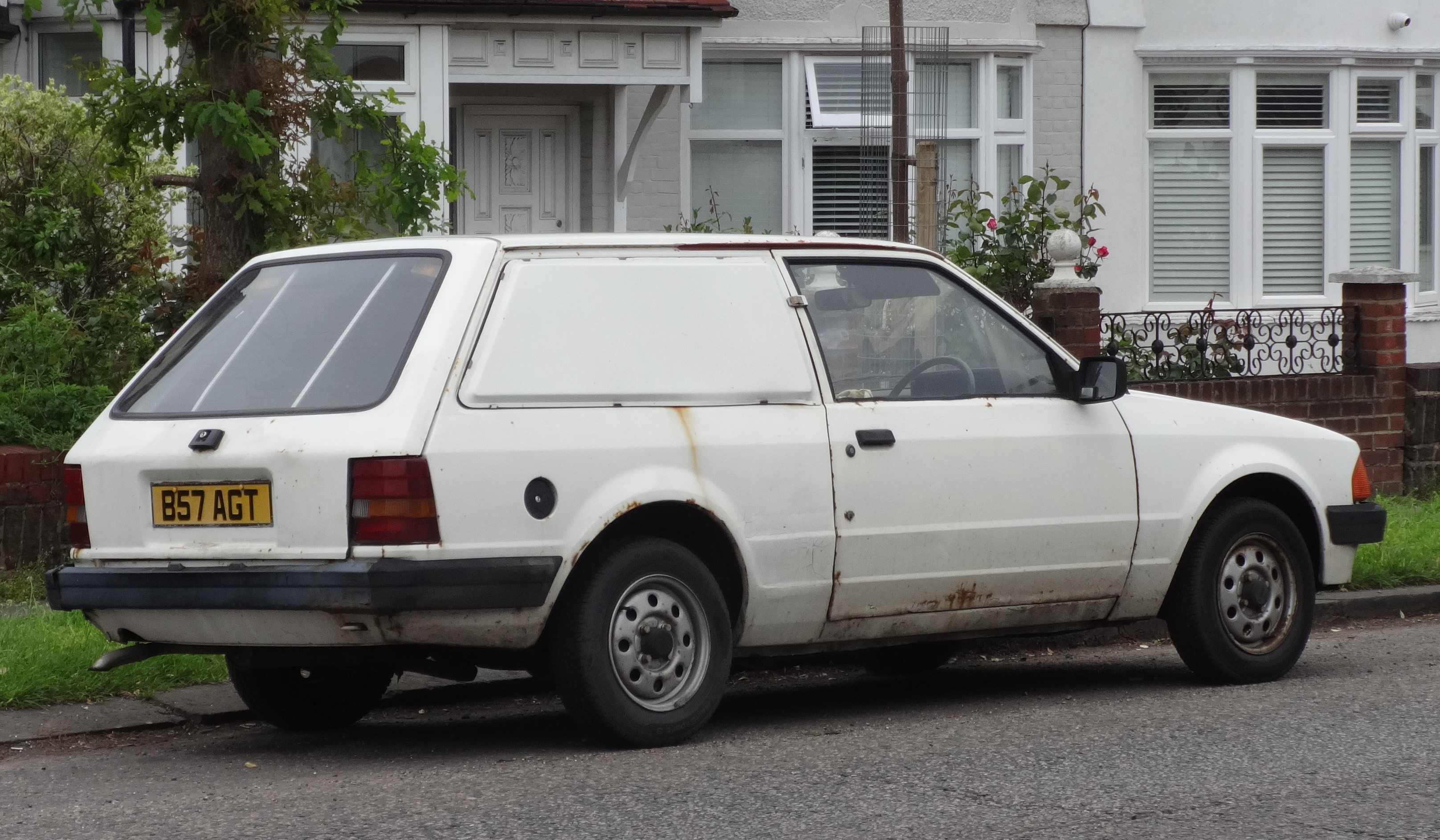
Ford is a well-known car company in the United States. They make many types of cars, including the Ford Escort, which is a smaller car that was popular for many years.
Bracket racing is a type of drag racing where drivers try to get as close as possible to a set time without going faster. It's about consistency rather than just speed, making it fair for different types of cars.
The Chevelle is a car made by Chevrolet that was popular in the 1960s and 70s. It's known for its powerful engines and sporty look, often seen in car shows and races.
The Plymouth Road Runner is a famous muscle car from the late 1960s and 1970s. It was known for being fast and powerful, and it had a fun cartoon character as its mascot.
The Ford Escort is a small car that Ford made for many years. It was known for being affordable and a good choice for people looking for a reliable vehicle.
The Trans Am is a type of sports car made by Pontiac. It's known for being fast and stylish, and it was featured in popular shows and movies, making it quite famous.
KITT is a fictional talking car from a TV show called Knight Rider. It was a special car that could do many cool things and helped the main character solve problems.
Car
Studebaker 1964
The 1964 Studebaker is an older car that many people find interesting because of its unique design and history. Studebaker was a car company that made vehicles a long time ago, and this model is popular among car collectors.
Car
Studebaker Superhawk
The Studebaker Superhawk is a type of car made by the Studebaker company. It's known for its unique style and was popular in its time.
Car
Studebaker
Studebaker was a company that made cars and trucks in America. They were known for their unique designs and were popular many years ago.
A 'pro car' is a car that's been specially modified to perform well in races. It usually has better parts than a regular car to help it go faster and handle better on the track.
'Stock suspension' means the original parts that help the car's wheels move up and down. These parts are what the car came with when it was made, and they are usually not as good for racing as upgraded parts.
The Kia Soul is a small car that looks a bit like a box. It's popular because it's roomy inside and can be customized in fun ways, making it appealing to younger people.
The Hyundai Santa Fe is a medium-sized SUV that's great for families. It has a lot of space for people and their stuff, and it comes with many safety features.
A dragster is a car made for racing in a straight line as fast as possible. They are built to go really fast in a short distance, like a quarter-mile race.
Those are those sounds straight out of Oaktown right there, man.
It's good to be back on screen with you, brother. How are you?
Much better than last week. I apologize.
Last week I was a little under the weather.
Had a pretty good cop going and lost my voice, so it wouldn't have been a
very good one to listen to me, so thanks for letting me have the week off.
Hard enough as it is, brother. I need you 100 percent.
No, man, got to take care of yourself, a lot of stuff going around.
The Thanksgiving crud, I heard it called, and a lot of people at my office were immediately
sick right after Thanksgiving, so pretty common situation, I think, that you were in.
Definitely.
Definitely.
I was a little chilly down in Vegas, and obviously I was out in the weather most
of the time, but I think that's probably where I got it from, but feeling a lot better now.
Well, that was a pretty good trade-off.
That was a pretty good trade-off for you, right?
You traded a cold for four stacks.
Yeah, just a couple stacks.
Yeah, man.
Yeah, we had a pretty good weekend down there, made 32 runs on the car.
We're starting to slowly get it figured out, lucked my way into the low-roller gambler win.
I wasn't driving great.
The car was definitely holding me up more than I was giving it justice, but had Marco
Paravilaris in the final there.
He clicked it right a little bit, but it's always tough to race Marco.
You always got to get up for him, and so I was 12, I think.
He was 12 red, so just one of those races where you got lucky.
Yeah, man, Marco's a tough out.
He probably gave you all you wanted had he not clicked it red, but pretty stoked, man.
I was hoping there was some better way to follow the race over the weekend.
We just pretty much laid low for Thanksgiving, but yeah, no live stream, there wasn't really
any good place to stay up on it, so I appreciated getting some updates from you.
I saw Coop cashed in on the high-roller side, and then it looked like, from what I know,
a pretty broad smattering of different people seemed pretty competitive, a lot of different
names on the winner's sheet.
It was a weekend not really dominated by a single person.
I guess I could give the MVP the greatest of all time of last week.
Right now, Trey Vedder, in my opinion, he was the most dominant.
He deserves the MVP spot.
He had a semi-final finish in the Thursday 5K, and then closed it out on Sunday with
the 5K win, so Trey Vedder MVP greatest of all time of last week.
That's pretty solid.
What was he driving?
He was driving the dragster this weekend.
It's a little bit expensive to bring the Superstalker out for a bracket race, but I do love seeing
those big wheelies.
Yeah, man, that thing gets busy.
Well, that's cool.
That's pretty deserving over a weekend where nobody was dominant.
It sounds like he was closest to it.
I don't know how he did any of the other days, but he probably had to have some
of the most round wins or real close to it for the weekend.
Definitely up there.
Oh, Trey.
Yep.
Some other winners, like you mentioned, the high roller gambler, Cooper Chun.
I'll just run through the SuperPro winners and then Pro and Sportsman.
SuperPro Thursday, Jake Jones out of Northern Utah got it done.
Friday, Gabe Torres, a little more known on the NHRA side, but came out bracket
racing with his brother and his nieces and brought the home to win on Friday.
Saturday, Seth Paulvedor.
Seth kind of taken a step back from traveling.
He's been doing most of his racing at Tucson lately, but the Thanksgiving
race gets people out and about.
Seth came up from Arizona and got it done on Saturday, and then the
aforementioned Trey Vedder rounded out the weekend with the win on Sunday.
Anybody in there you want to touch on or should I move on to Pro?
Yeah, man.
Just keep it rolling.
But Pro Thursday's winner, Tony Marconi, he's got a roadster.
I don't even know what it is.
It kind of looks like a Ford Escort to me.
I don't, like I said, I don't know exactly what it is, but it's not your
typical roadster, but he runs that in Pro off the bottom and then he runs it
in SuperPro as well.
I don't know if he's swapping delay boxes in or out, but he went a lot
around in SuperPro as well.
Friday, Jason Horn.
He's known to be our ET Finals team captain.
Jason didn't really start bracket racing until just a handful of years ago,
but he's really grown and he's been turning on a lot of win lights lately,
and it's cool to see somebody just up and start bracket racing.
I don't know his roots or what got him into it, but it's cool to
see him turning on the win lights.
Saturday, young Paige Smith, she's got a sweet, sweet Chevelle.
It's the older style.
Her and her brother both got matching ones.
Hers is black, his is gray, but they're beautiful rides.
And I believe both of them run Sportsman and Pro.
They double enter at every weekend they come.
So she got it done and Sunday.
So she swaps in feet then?
I think she's swapping.
Nice.
Yeah, and.
Well, yeah, it would make sense, right?
They're running Sportsman and Pro.
She could take a button that you could take a button out,
just like you take a box out, but.
Yeah, you're right.
You know, but most people just swap feet.
Yeah, either way, they're they always crush it in those cars.
They're always in deep.
And then, like I said, Kurt is in the lead to round it out.
The dog.
He's always tough.
Man, Curtis is Curtis is such a good dude.
Such a nice guy.
Does he have the yellow like Roadrunner?
Yeah, the yellow Plymouth, man, yellow and purple.
It's got like a, you know, just perfect, you know,
80s pro street paint job on it.
It's a it's a big car and it's quick.
I think he runs like six, ten, six, you know, low, six, 20s.
You know, for a big of card is like it, it hauls the mail.
And I think it's went fives before.
Like it's a it's a ripper, man.
And he's such a nice guy and he gets around.
You know, I met him at the Woodburn.
This is Bracket Racing Elite Fest years ago.
He's usually down in Tucson, but you'll see him also.
It tracks out in Illinois out in the Midwest.
I think he's originally from I think I 57s,
like his original home track as a kid.
Or at least for certainly some portion of his life.
So Curtis gets around.
He's a good dude.
And yeah, his car, man.
It's one of the cleanest no-pars in the building.
It's it's sweet.
I got a first hand look at that car on a Sunday, actually.
He beat me and I think it was fifth round.
Not exactly sure, but yeah, he's always deep in the rounds.
And I love that car.
It's it's mint.
Yeah, man. It's pretty nice.
I was way off Tony's car is a Plymouth arrow.
Not a Ford Escort.
I'm getting people saying there's no audio.
Can you hear me?
Can you hear me?
I can hear you. Yeah.
Sound great.
If it's for reals, you're not getting audio,
please post another comment.
Otherwise we're going to keep cruising.
Sportsman, you can't enter the chat
without mentioning the name CW Hofer.
He was your sportsman winner on Thursday.
And from what I hear,
I had a little bit of a Facebook post
where I asked how many runs is the most runs
you've put down in a weekend?
And I don't think it was the most runs
he's ever put down in a weekend,
but CW had well over 50 runs this weekend in the same car.
He was running Sportsman Pro and Super Pro.
And I saw him just
he was making the drag strip a NASCAR track.
That's like a whole season for me almost.
Like, well, dude, because, you know,
if I go to if I go to six events a year,
you know, I mean, if you count time runs,
you get eight runs on your car,
that means you went six rounds.
We usually don't have six rounders.
We got, you know, maybe five or six rounds
and I ain't never been to the final yet.
I don't ever make it past the semis.
So, you know, a good, a good day for me
has been six, six, seven runs times eight,
you know, eight times that I'm still sub 50, you know?
So that's pretty, that's pretty awesome, man.
It'd be so cool to be able to get that kind of,
that kind of seat time and put that kind of laps
on the ride, man, that's getting it done.
Yeah, sorry, back to that little bit of a Facebook post.
It's crazy how many people have put down
40 or 50 runs in a weekend.
It's like, you don't even have time to think at that point.
If you're on a roll, you're just,
you just keep going, you know?
As you don't have time to think,
you just show up and keep letting go, right?
And that's one of the, one of my favorite things
about like the Thanksgiving race or a Forsythe race
where you can just show up and double enter
and you can put down a lot of runs in one weekend.
Yeah, man, I think the most I've ever had
was like 24, 27 came this year.
I had a pretty good run at Woodburn's Night of Fire.
You know, made it like six, eight cars,
pretty much everybody except the final day.
And that to me, like walking out of there with a,
you know, a stack of 25 felt like, you know,
time to rebuild the old girl.
Like we wore it out, you know?
And so yeah, doing double that in a weekend, man.
You putting in some work
and turning on some wind lights for sure.
Mm-hmm.
Well, Friday we had Justin King,
Saturday, Jeff Arnswald,
and I believe CW and Jeff are pretty good buddies.
So I'm no surprise there.
And then rounding it out on Sunday,
Cole Rouse was your winner there.
There was a couple specialty races.
We have the Geyser Gambler,
and that's for guys and gals.
I think it's over 50 years old, it might be 55.
I'm not exactly sure.
Not quite there yet, so haven't looked into it.
And then we have the Dicast Shootout.
So if you're not familiar with the Dicast Shootout,
they take eight cars,
and it's the race track staff's picks.
So they pick eight cars,
that remind them of the Hot Wheels or Dicast cars.
And we had like a front engine Jeep
that was like a front engine Jaguar,
but it's a Jeep, like it was pretty sick, right?
And then like some Studebakers,
and I was really hoping that we'd qualify
with the Trans Am this year,
because it kind of looks like kit from Night Rider,
but I think we're gonna have to add
that little red bar in the front to make it happen.
Man, I thought you might get picked.
It looks to me like the racer series
or whatever you might get in a Hot Wheels pack.
So I was thinking you'd be in the mix, that's too bad.
You know what?
All eight cars were very deserving of their picks.
Maybe sometime in the future we could get picked,
but this year wasn't our year.
But the winner of the Giezer Gambler
and the Dicast shootout,
maybe he should have been the MVP of the week,
but Kevin Hansen in his 1964 Studebaker
brought home the win in both of those specialty races.
Yeah, Studebaker car or truck?
Like is it like a Superhawk or what?
Like an old Superhawk car?
I didn't lay eyes on this one,
but it probably wore me out at some point this weekend.
But yes, it is a Studebaker,
not sure if it's a truck or a car.
I think they had like a kind of a big sedan looking thing
at one point that kind of looks like a big Austin,
you know, like a full-size Austin.
Back when I was growing up,
one of the cars I loved the most,
Boyd Cottington did a Studebaker Silverhawk.
And like I still have pictures of this thing saved
to my computer hard drive
because it was like the coolest car I'd ever seen.
So old Studebakers are cool, man.
I'll do some homework.
Excuse me.
They take a picture every year of the eight contestants.
All like lined up, it's pretty sweet.
And I'll bring that to here.
We need a full report next week.
Well, talking a little bit of bracket racing
is a great segue into, I think the next part of our show,
our guests should be joining us.
You know, we were pretty NHRA heavy
to start the podcast.
We came in at a time where that's,
where a lot of action was, a lot of story lines.
But we also want to talk about some bracket racers, you know,
and most anybody you find that does any class racing
in on the NHRA level, also bracket races.
But that's not always the case the other way around.
You got a lot of people who turn a lot of laps
on Saturdays and Sundays at their local track
that you'll never see at a division or national event
because all they do is bracket race.
Not exactly the way our guests,
we're going to have Henry Robertson here does it,
but you certainly will see him on the bracket racing scene
much more than you'd see him in any kind of, you know,
series like that.
Of course, he runs his local track point series and stuff,
but really chases after the bracket racing stuff
out here on the West Coast.
And when I think about bracket racers out here,
I don't really know who's waving the flag as loudly
and as highly as Henry Robertson is for the West Coast.
You know, he's certainly a great self promoter,
brings a lot of awareness to his program
and to his sponsors and what he's doing.
But while he's doing it, he performs, man.
And this is a guy who has turned on a ton of wind lights
at just about every track, you know, West of the Rockies.
So really excited to talk to Henry
and learn a little bit about where he came from,
why he chases what he chases.
And, you know, I've always kind of wondered
what his ultimate kind of end game is,
where he's trying to go.
So hopefully we can drag some of that out of him here today.
So I don't know if he's on yet.
He's here.
Yeah.
You want to do it?
You want to read some of those stats?
I'd love to.
I know he'd like to hear him too.
He probably likes to hear him get read back.
So we're going to have Henry Robertson
straight out of California.
He's California to the core, very accomplished,
obviously a highly visible West Coast racer
if you pay attention at all.
And he's done a lot of winning.
Winning rookie of the year honors clearback
as early as 2005, multiple driver of the year awards
in 2018 and 2024, 2018 D7 ET finals champion
in sportsman, 2019 NHRA Heritage Series champion.
And I think like a six time track championship
or six time track champion
and, you know, well over 15 big check wins
and big money events across the West Coast
and somebody who I've known now for a few years
and had the pleasure to become friends with
and really appreciate that relationship.
Henry Robertson, welcome to the show, brother.
It's going on, man.
I appreciate you guys having me
on the most handsome podcast.
You know, let me come.
Bless you, man.
I appreciate the opportunity, Troy and Parker, man.
Thank you so much.
And now let's have some fun talking, man.
It's real handsome now, boy.
We could all three of us together.
Clean up.
I don't think I could grow a beard near as nice as you,
but I could try my best.
We'll leave that to him.
The wife, the wife loves it.
The grades are coming in strong, you know what I mean?
The bald head with the gray beard.
She can't wait.
So I turned into a silver Fox fully, you know?
It's an avalanche, man.
Once it starts, bro, it's just like
you're on the trail now.
It ain't no stopping it.
I feel like I've earned the wisdom.
So, yeah, they're coming in.
They make just for men for that, guys.
When you turn 30, then we'll talk again.
I'm not gonna have any hair by the time I'm 30,
so we're good.
So, Henry, I know, you know, busy guy.
Really appreciate you making some time.
I know you've been on the grind.
It's the busy season for what you do as a UPS driver.
So appreciate you making some time for us here
this weekend during the busy, you know,
holiday season and all that.
So it's good to have Jan, man.
And I just, you know, for anybody
who hasn't become acquainted with you,
maybe just tell us a little bit about yourself.
Give anybody out there who doesn't know Henry Robertson,
the elevator introduction, you know,
how you got to this point, your early start in racing.
Maybe give us the brief history.
Bring us up to where we're at today.
Yeah, for sure.
My name is Henry Giselle Robertson.
Robertson Racing, Inc. on all social media platforms.
Basically, you know, Northern California base
grew up at the racetrack Sacramento Raceway Park,
watching my father race since I was basically born
and hanging out at, you know, the racetrack
with the owner of the track
and the big names that came out of Sacramento
and Sonoma area back in the, you know,
early 90s and late 90s.
And then once I got my permit when I turned 15,
I started my racing career per se.
I didn't get a chance to do juniors
as it was just a little too expensive for my dad to muster.
You know, he would have had to pick
between his racing program
and trying to support me, you know, running juniors as well.
It just wasn't feasible at the time.
So, so started off in a big car,
just a street car, Buick Regal, you know, 17 second car,
you know, and I cut my teeth from the ground up
just, you know, learning how to turn
on wind lights with subpar equipment
has pretty much been my MO since I started racing.
And I truly believe like that builds
you into a really good bracket racer
once the equipment comes around.
Like, so nowadays that the, you know,
the car is so good, like just I can rely on the car
can, you know, dial the car.
Like, and the way I grew up was holding numbers
and the car may swing a 10th either way
at any given round.
So I'm holding, you know, a 10th or more at all times.
And that's, I mean, that's, that's the essence
of bracket racing is that you don't have to have, you know,
a ton of money, you don't have to have, you know,
the best equipment, you can still have success
in this game by, by just being consistent
and, you know, putting the car on the number
as well as cutting the light, like, and,
and then honing those skills over the years.
I've endured a ton of accolades and success
and just been very blessed, man.
Thankful for the sport, everything that has given
to me and the opportunities I've been afforded,
you know, by the sport and by my parents
and just always trying to show gratitude
and be very grateful just to be able to do what I do.
Man, that's one thing I've definitely noticed about you,
you know, you get a lot from the sport,
but you're, but even in that, you know,
grateful and see you trying to give back,
I want to touch on something real quick.
You know, one of the things I think that makes you
especially dangerous these days is,
is knowing where you came from
and that situation with, you know,
less than ideal equipment.
Over the past few years, right,
you've gotten yourself into a position
just in a season in life and financially
and whatever to where you've really been able
to concentrate on your program and on your car.
And just in the years that I've known you,
you know, from a seven second and 11 second type ride
to now, you know, low sixes and, you know,
into the nines, you've really put some time
and some money into making upgrades.
And so now with all that history,
with all that kind of foundation
of knowing how to wheel something that ain't good,
you've turned stickers into just a deadly, deadly tool, man.
And I think anybody who has to line up to that thing,
you know, especially right now, man, they're in for something.
So talk a little bit about that shift from,
you know, you could have just kept doing that, right?
Driving junkyard motors and doing that thing,
but you made a conscious decision to invest the time
and the money.
So talk a little bit about that transition
as you take that part of your program a little more serious.
Yeah, for sure.
I mean, as far back as I could remember, you know,
when I started racing, like the goal is always
to have nicer things to be faster.
But I mean, that's what the essence of bracket racing is.
You do what you can, you know,
you get to the track by any means.
And if you're really serious about, you know,
becoming better than you have to show up and participate.
So, I mean, there wasn't many races that I've missed,
especially on my home track, Sack Raceway,
you know, over the past 23 years.
So, yeah, I mean, the goal always is though
to make the car better, make yourself better
and to, you know, continue progressing.
So I believe it's funny, man.
Like I think back, like I started racing,
like I went down the track the first time in 2001
when I was 15, I just got my permit,
you know, at 15 and a half years old.
So from 2001 to almost 2000, probably 14 or 15,
like I think of that as almost like one career.
That was like running multiple different race cars
that my dad, you know, old school,
it's a pick and pull 350 Chevy with, you know,
camel hump heads, some fuel-y heads and a, you know,
and a lopsided cam, you know what I mean?
And that's a race car.
Like three-core race car, you know.
Yeah, slapper bars and that's a race car,
you know what I mean?
Like that's what I grew up racing was, you know,
racing cars like that.
And then from 2016 until present,
like I almost think of it as like a second career almost.
It's where like I had bought stickers from my friend.
It obviously wasn't the car that it is today,
but over the, you know, past 10 years,
I've built it into what it is.
And like I said, man, I think this is all just
kind of an accumulation of the essence
of bracket racing is that like you can,
you can take something that's not great
and still do well with it.
But like, like I said, once you're progressing yourself
and progressing the car, like the numbers show it,
the game has changed as well.
Like the numbers have gotten a lot tighter over the years
and you got to tighten up with it, you know.
So like the, the onus that I put on myself
to perform every weekend is, I mean,
I hold myself to a really high standard
and I expect myself to perform.
And I'm very disappointed in what I'm not,
but you guys know I go live every single round.
So everybody's there doing, you know,
endure the successes and accolades with me
as well as my failures and shortcomings.
So like I try not to sugarcoast stuff,
but man, it's a great thing to see though, man.
I definitely still have more goals for the car
as far as turning into a true pro car.
Like it's still stock suspension in the back,
you know what I mean?
Like I'd love to many tub it
and get a bigger tire into the car,
but we're making progress in the right direction, man.
And with every change that I make to the car,
I think it gets a little better.
And that's a good thing.
One of the things I want to chime in in here
is you said you have the camera in the car every run
and you go live almost every run.
Do you think that having the camera in the car
and talking through your strategy and game plan
all do accountable to stick to a game plan?
Like I've noticed lately,
like you've seen some of my videos
and I love watching your videos,
but lately when I talk through a run
it kind of makes everything fresh in my mind.
Like it's easier to make decisions at the finish line now
now that I've already gone over it
rather than I'll just figure it out
as I'm going down the track.
So can you kind of walk us through that version
of how you do it?
Yeah, definitely.
I mean, I think before I,
so I started going live on Facebook back around 2016
kind of sparingly, you know, just here and there.
And then I went full blown every,
like I made a vow to myself,
you know, as long as people were hanging out
and having fun and I'll go live every single round.
But yeah, definitely before I was going live,
I believe I still had the same dialogue inside of the car.
It was just an internal dialogue
instead of, you know, vocalizing it.
So I mean, it's super routine too.
Like you can click on any round,
you know, of eliminations that I'm live
and like it's pretty much the same stuff,
you know what I mean?
That I'm saying to myself
that I'm breaking down of what's gonna happen
and what the goal is for the round.
But I think like you gotta have a strong game plan
coming into the round
and needs to be somewhat concrete in your mind
like what the race is supposed to look like,
what you're expecting to have to do at the finish line.
And I think vocalizing that
whether it's internal or, you know, out loud,
I think it does.
It kind of concretes just the way
that it's supposed to happen
while going down the track.
And it makes the decision making a lot easier down there.
Like this is, you know, split seconds of a second decision,
you know, between win and loss.
And so if you're not concrete in your game plan
then the execution side of it
probably isn't gonna come out the way that you like it too.
Yeah, I love that.
Me too, man.
I love that, you know,
when you put it out there like that,
you're going, you know, every round, right?
You're putting it all on front street.
And, you know, you're a shameless self promoter
and you're really good at it, right?
But you have something to promote, right?
And you have something to be proud of because you win a lot.
You turn on a lot of win lights.
And I love that at the end of the day
every one of those videos is the receipt.
You know, that's you keeping the receipts
all the way through.
And, you know, I just kind of love that transparency.
And, you know, it'd be one thing if you, you know,
had the kind of setup you do
and didn't produce the results, but you do.
And so I think it's pretty cool, man.
And it's been fun to watch.
You know, you mentioned your dad
growing up watching your dad.
I've had the pleasure now to meet your dad.
What a super cool dude.
And if anybody hasn't seen the way your dad hits the tree,
when you have to hit the tree, he counts it down
and he points and off you go, man.
It's one of my favorite things.
And anytime he's around, I'm always like,
I'm watching for it.
And he sends you down every pass, man.
And, but right, the roles have kind of shifted now.
You grew up watching him.
He was mentoring you.
I think he's in his young 80s now, right?
You know?
That's our 83.
But there he is now riding shotgun with you
to the events and be in there.
Talk a little bit about that dynamic, that relationship.
That's a camaraderie I think every son
hopes to have with their father.
Not everyone gets it, but pretty cool that you have that.
Maybe talk a little bit about
how you and your dad get down.
Yeah, absolutely, man.
Once again, just extremely blessed, you know,
and thankful to still have my parents
and especially my father, you know,
who introduced the sport of racing to me around.
But yeah, man, like the way that he came up racing
was Street Racer, San Francisco in the hills,
the San Francisco as a kid, you know?
And I mean, this is a long time ago
where there wasn't even sanctioned racetracks
really yet, you know?
And then once Bracka Racer became a thing
and he started racing, you know?
Like, I don't know, he fell in love with it,
but he doesn't, like he's a Street Racer mentality
at the end of the day.
So for, like what he taught me as a young man,
as far as like, you know, holding numbers
and making sure you're able to run the number.
You got to put something on the window
that you could run, you know what I mean?
And like general ideologies like that,
but then like he's always in awe, you know,
just of the, like I said,
the game has gotten a lot tighter over the years,
but he's always in awe of what I'm able to do
as far as, you know, throwing together packages
around and around it.
And he's just a proud papa, man.
Like, I imagine, you know, if I ever have a son
and my son takes over, I'm gonna be just like my dad
is, you know, just super proud of every step of the way.
And I could, you can tell in his, you know,
in his eyes that every time I win a race, like,
that's his boy, you know?
He's super proud of that.
And I love him and love him to death, man.
He's a great dude for sure.
That's awesome, man.
I always enjoy getting to watch that.
There's, you know, it's a common story.
In some ways, right?
Everyone has their own details and ins and outs,
but the, you know, life of watching your family do it,
watching your dad or your mom do it,
and then eventually you grow up and you do it,
and then they're with you.
It's a common thread we all have.
And I think for me too, you know, when I first saw,
like the first video I ever saw of you,
I'm like, who's this guy?
You know, like, who's Cali?
What's Cali doing?
Who is this cat?
You know?
But I watched and I watched
and now I've gotten to know you and it's like, man,
you have a story that I think a lot of people
can relate to, right?
Humble beginnings, a seed planted from your family,
and then growing that into something, you know, pretty awesome.
And so at the end of the day,
I think you have a story that maybe on the surface,
some people may not realize,
but one that a lot of people could relate to, man.
I mean, that's like a once again, man.
That's like the coolest thing about bracket racing,
we all come from different backgrounds, demographics,
and socioeconomic status, like all that doesn't matter.
Like you can have success in this sport, you know,
by just being good at it, essentially, you know what I mean?
Or even just participating, like if you show up
and race enough, like people will understand
that that's what you are, you're a bracket racer, you know?
So, but yeah, man, I love this sport with a passion,
man, just that it's a really equal opportunity sport.
It's not based off of like grudge racing,
where it's almost the deeper pockets have, you know,
so much of an advantage.
Like obviously when you get to a certain, you know, level,
obviously, you know, better equipment, you know,
maybe made more consistent or more reliable,
but they get cracked just like anybody else.
Any given round by that street car,
sitting over there running, you know, 12 seconds,
you know what I'm saying?
And I love that about this sport,
that there's no, you know, real advantage
until that tree drops, you know?
Once that tree hits green, then it's fair game.
It's who can throw up a better package, you know what I'm saying?
Well, man, it's funny, like two of the most famous
bracket racing cars in the game right now
are Kia Soul, somewhere out in the Southeast,
and whatever Deandre's driving, you know, like,
like there's so many sweet rides out there,
and two of the most recognizable rides
right now in in bracket racing are Kia Soul
and whatever Hyundai Santa Fe, you know, whatever that thing is.
We've been dealing with Deandre
and that Santa Fe for a long time, man.
They say nothing new.
I'm gonna say nothing new as soon as he got his license,
you know what I mean?
He's always just something slow
and he's still, he's formidable.
He's deadly, you know what I mean?
That's the great thing about this sport though, man,
as you put a dial-in on it, you know what I mean?
And you don't have to be perfect every round,
you know what I'm saying?
You have to be 1,000 total better than your opponent.
That's it, you know?
So, I mean, obviously, like-
That's all you gotta do, guys.
That's all you gotta do.
That's it.
There's levels to this though, you know what I mean?
Like I said, like I'll hold myself to a high standard.
I'm shooting to be eight to 13 on the tree
every single round.
I'm pretty upset with myself when I click at 22,
you know what I mean?
Like I missed it 10.
Like that's not, I'm not trying to be 22.
You know what I mean?
And same thing, like if I'm gonna turn it red,
1,000 red, whatever, 10 hits, I can live with that.
Like I'm not aiming to be 40, you know what I'm saying?
So I can live and die by trying,
striving to be good on the starting line.
I really believe that the biggest advantage
that you have in our sport is that starting line advantage.
That's where it all starts.
Like you can hold as many numbers as you want.
If I got you dominated by 15 on the tree,
your windlight's not turning on, you know what I mean?
Like we can go through time slips of, you know,
the past hundred passes I've made, you know what I mean?
And if I got you on the tree,
most likely the windlight's on, you know what I'm saying?
Like that starting line is so important.
I love that.
I love that you're so passionate about the starting line
because I think that's one of the,
like we can't go out in our backyard
and go practice driving the finish line, right?
I mean, unless you got a couple homies
and a golf cart or something, maybe,
but the one thing that we can't control
is hitting the practice tree, right?
So I love how passionate you are
about being able to hit the tree.
And I love that a 10 minutes makes you mad.
Yeah, absolutely.
This is why Henry has 29 wallies and I have zero
because I'm trying to be 22 and he ain't.
20, 22 is a pretty good light.
Uh-huh, Troy.
I'm feeling good, baby.
If I, you know, if I'm averaging 24 on the weekend,
watch out another semi-final finish for your boy.
I mean, this is a numbers game.
It's all statistics.
Like if you take the statistics,
the ratio of wins and losses when you're double L
versus when you're team versus when you're 20,
like your odds of winning rounds
substantially go up as your life is better.
You know what I mean?
So I mean, it's a numbers game, bro.
Like I said, and I can live with clicking it red
every once in a while.
I don't like to.
It's not ideal, you know what I mean?
But I'm not trying to be disadvantaged
at the starting line.
I don't want to be, you know,
15 behind on the hit.
That's, that's a tough way to,
that's a tough way to live.
Yeah, man, I think about that a lot
because when I went out,
I'm the same as you.
I'd rather be three red than 38 and lose.
But when you get that red slip, you're like, you know,
you're like, man, I didn't even give myself a chance.
It's funny, depending on which time slip you're holding.
You know, if you're holding the one where you were 38
and way behind, like, you know,
you just know it's garbage.
I can never decide in the moment.
Like right now I can tell you I'd rather be three red,
but man, when I'm three red,
I sure get mad about those too.
The worst part about it is that that three red,
you know, sixth round quarterfinals
is usually accompanied by a 40 in the other lane.
You know what I mean?
To where you're like,
like if I had to just turn the green,
the wind lights on, dang it, you know, but.
They're 171.
Yeah, I, I don't, I don't,
I don't even bat an eye when that happens.
Like it's, it's not on my opponent to be good.
Like it, I honestly,
I could care less what my opponent does, honestly.
Like I'm holding myself to a standard.
That's like,
I've been talking with people lately about this.
Like that's why I stepped up from sportsmen.
I got away from sportsmen
and stepped up to pro and super pro.
I've always doubled dip as long as they've allowed it
at our local tracks.
You know, when I started racing,
I triple dip like CW back in the day
when they would allow it, you know what I mean?
But my car was a true sportsman car.
Footbrake, you know,
two-wheeled Dolly towing from,
all the way from Arizona to Washington,
you know what I mean?
When a footbrake 11, 1160 car, you know what I'm saying?
And pause right, pause right there too.
Like that's one thing.
Like we, I tried to bring it up a little bit
about the hustle and the grind.
And I, you know,
I know a lot of people know you and know that,
but to anybody who's not like,
this is a guy who used to,
to put his car on a two-wheeled Dolly
and disconnect the drive line
so he could take it to a race.
Like what, you just tone it on the slicks?
No, so I changed, I changed the rear tires
and tie up the,
I just removed the drive line,
move it to the side and tie it up with a bungee cord.
And, and yeah, man, like I said, man,
if there's a wheel, there's a way,
like you want to go racing, you can.
And obviously we're way spread out here on the West Coast.
So, you know, you want to go racing,
you got to travel a little bit, you know what I'm saying?
But yeah, definitely, like I,
I love it, man.
That's such an old school.
That's just such an old school thing, man.
I love it.
And we'll get into a little bit
of this California stuff here soon.
I know, I know Parker's maybe got some rapid fires
that he wants to, that he wants to throw at you, though, too.
Yeah.
First off, I hear that Henry's a big dragster guy now.
He's kind of forgetting about the door car of a dragster guy.
He's going to the dark side.
Yeah, I ain't go lie to you, man.
It's a lot of fun for sure.
That was, that was my first taste of a dragster
and it's funny because it was off the bottom, you know,
that my first time driving a dragster,
I'm trying to smack the bottom, you know, with zero rollout.
But, but yeah, man, it's definitely a lot of fun.
I've always, I've never had anything against dragsters,
you know, and I know a lot of people talk mess about them.
But, but I mean, it takes, you know,
it takes a certain place in your life
to be able to get to that point of having a dragster.
So I'm not there yet, you know what I mean?
I ain't got a shop to have it.
And I don't think it even fit in my, you know,
my trailer that I currently have my enclose,
you know what I'm saying?
Like, but, but someday I'll let it have a dragster,
you know, let me have a door car and a dragster.
And yeah, that'd be awesome.
I ain't got nothing against dragsters.
It's just a lot of fun for sure.
That first 80 feet is hard to beat, man.
Like the first 80 feet in a dragster is a lot of fun.
Yeah.
When you go from a dragster though to a door car,
you never want to go back dragster.
Like take it from me.
You don't want to go back that way.
But when you have a door car
and you get a little bit of a taste of a dragster,
they're pretty dang cool.
So you're looking at this from a different angle than I am.
Like for me, when I think, you know, 10 years down the road,
when I show up to the spring fleeing million,
I want to have a door car and I want to have a dragster.
And you know what I'm saying?
Like I want to attack, you know,
both sides of the field if possible.
Like I think that's more where in my mind
is it ain't about having fun or, you know what I'm saying?
The dragster is a tool.
It's a tool to get the job done.
You know what I'm saying?
Like they took it away from us, you know, a few years ago,
but we used to be able to run super pro door car
as well as pro with the same car.
You know what I mean?
And that's exactly what I was showing up doing.
You know what I'm saying?
And then they took that away from us.
So now I need a second car.
Now I got to jump in Parker Stocker
to run super pro door car next year.
You know what I'm saying?
I think you already like play them on that.
Yeah, get it on.
OK, so now that we've got that out of the way,
so you've ran sportsman and pro, and I'm not sure
what your local track runs.
You used to have Sacramento, which I hear
was pretty dang close to you.
Now I'm sure you run Sonoma.
Is that your closest track?
Yes, sir.
Yeah, yeah.
Born and raised at Sac Raceway.
Sonoma's like, I think, 100 miles away, like 90,
95 miles away from my house.
You know what I mean?
So Sac was 15 minutes down the road.
I was home.
Obviously we lost and still forever sad about that.
But yeah, Sonoma's the home track.
Redding's about 2 and 1 half hours north.
Baker's showed us like 5 and 1 half hours south.
And Fallon's about four hours east.
So I mean, ain't nothing real super close.
And it's a sad the state of bracket racing around here
right now.
We're losing Sac because of how many events
that they held every year.
Like it was really comparable to Woodburn
as far as specialty events, crowd-pleasing events
with they would sprinkle in big bucks racing on those.
Our community here at Sac is definitely missing Sac Raceway.
It hurts to have it be gone.
Sorry.
I was lost in losing tracks.
We've lost a couple of Rocky Mountain and Fontana.
And the traveling is definitely probably
the most difficult thing for you.
And I know it's difficult for us here
where the closest track is still two hours away.
I was getting at your local track.
Does it run sportsman and pro quarter mile or is it eight?
So I think I believe Sonoma and Redding
are both super pro is only eighth mile, I believe.
Wait, no, that's not true.
Yeah, I think super pro and pro are both eighth mile
at both tracks.
Yeah, so sportsman and motorcycle are still
quarter mile at both tracks.
And yeah, I mean, for me, man, I grew up racing quarter mile.
Like I always love quarter mile,
but I also had a lot slower car with a lot less
expensive equipment, you know what I mean?
So once the car progressed and being faster
in the quarter mile, eighth mile became a lot funner.
And once you realize how tight the racing is and for me,
like my car, I'm spending 7,700 through the quarter mile.
Like my car, the engine is hanging at the quarter mile.
And it is definitely to pick up what?
25, 30 miles an hour between the eighth and quarter.
Like it's almost like wasted energy.
And there's a lot more time to play games, which is cool.
And I enjoy running both, but I definitely
check the box and coast on the eighth mile side nowadays.
Well, it's funny.
I've been looking into it quite a bit.
It's like the never ending topic about eighth or quarter,
eighth or quarter.
And obviously, whatever camp you're in,
most people are pretty passionate about that camp.
IHRA way, way back in the day started
as an eighth mile sanctioning body.
So we have drag racing routes in eighth mile.
And I think back in the day, you needed a quarter mile.
You didn't want to race if you're going to break 100.
And you needed a quarter mile to go 100 miles an hour.
Nobody wanted to race and have 65 mile an hour time slips,
I'm sure.
You wanted to go 100.
I'm sure that was like a big thing.
And you needed a certain amount of real estate to do that.
But you don't need that anymore.
Cars are way faster.
Now you're doing 105, 110 to the eighth
in just a respectable bracket car, not even a super fast one.
So I personally, I grew up on the quarter mile stuff.
As West Coasters, I think we have a much stronger
and deeper connection to that history.
But like, man, I'm not that attached to it.
And eighth mile is a lot of fun.
And now the generation is coming up less and less
and less of those people have that connection
to that old school style of California hot routing.
And I think, you know, it's only a matter of time.
I think eighth mile will, you know, except for maybe
exhibition purposes and things like that, like we'll all go eighth mile.
I think at some point, it seems like the future and I'm good with it.
Yeah, I mean, everything's a triple down.
Like, like, look at the big boys, you know, like top fuel and funny car,
you know, that they had to cut it down to a thousand feet.
Like the tire compound technology isn't even able to keep up
with how much horsepower they're making.
You know what I mean?
So, I mean, yeah, as our cars progress and get faster as bracket races.
Yeah, I think I think eighth mile is perfectly fine.
I love both, but but yeah, like I said, I'll check eighth mile.
Well, speaking of eighth mile and bracket racing,
you have well over 15 big checks and you have back to back wins
at the summer showdown at Troy's racing in Oregon.
Are you going to go try and make it a three
Pete and add another big check to your wall?
Yeah, absolutely. That's the that's the plan, man.
I, you know, Troy's been doing a great job of promoting the event
and putting it on and I had an amazing time last year at the inaugural
and just happy to support, you know, support my homie, my boy
and and, you know, made the hall for literally one day of racing
and was blessed to, you know, take home the take home the bag
and the the big check, you know what I mean, back to California.
Actually, that's this year.
That's that's last year's right there, that one.
But but yeah, man, just super blessed and thankful.
And yeah, no, I definitely I'm the type of person, man.
If you build it, I will come, you know what I mean?
So if if stickers is together and and it's advantageous,
you know, between my wife and allowing me to, you know,
go do what I want to do, then I'll be at every single race.
I can, you know, work permitting as well.
But man, and I want to I want to say something about the big checks, man.
It's funny, too, because, like, like I think about people on the East Coast,
you know, posting wins and stuff like, like they give out big checks
like all over the place for, you know, local races,
bracket races, stuff like that.
Like out here on the West, like, I mean, some tracks are starting to do that.
But you win your local points race, like you're not getting a big check.
You know what I mean?
Like that's the recently it's went to that.
But but man, like, you know, you said 15 big checks or something like,
I mean, I probably have 250 wins.
Like they could all be big checks, you know what I'm saying?
And but but but that's a that's a big difference between East and West Coast
is that we didn't prioritize, you know, the big checks.
And so recently, and I love to see it, man, like I'm a big trophy guy.
Like I when when, you know, when I was young,
my dad would take the trophy and I take the money.
You know what I mean?
And it's it's definitely shifted in my mind.
Like the money gets spent so quick.
But these trophies tell a story.
These trophies are forever.
You know what I mean?
Like if if I'm blessed to have kids and and they have kids
and it's somebody that, you know, they can look out like, dang,
like, you know, my dad or grandpa was, you know, he was pretty good at whatever
this, you know, whatever he was trying to be good at.
You know what I'm saying?
That's pretty cool.
So so, man, I think these trophies are and the big checks are an extension
of a trophy.
Like I think they're I think they're really important
to be given out to races that excel on a weekend.
One of the most impressive things that I did see on your on your stat sheet,
you have twenty nine wallies.
And the reason why I think it's so impressive is you're not racing
for a wally every race you show up to.
It's not like you're racing a divisional or national when you go racing.
It's it's it's a local point series.
It's bracket races.
So to have twenty nine wallies racked up at the very limited amount
of wally races you attend.
That's that's outstanding.
Yeah, no, I definitely appreciate it, man.
And I'm glad you're able to recognize that, you know what I mean?
Because I definitely think about that, is that, you know, I would love
to run the NHRA tour, you know what I mean?
The West Coast tour and chase divisionals and nationals.
And just I'm not I'm just not not there quite yet.
You know what I mean?
And now with my career, it'd be really hard to truly pursue something
like that, but I want to dabble in it possibly like next year,
like soon, you know what I'm saying?
But but yeah, man, my all of my wallies are from national opens.
They're from your local track when they come and do, you know,
the the national open.
So so yeah, our majority of them.
Anyways, I got the two, the divisional and the national.
But but yeah, man, it's a I definitely we have, you know,
one opportunity per year at each track, you know what I'm saying?
So for a walley race and no, I'm very proud of that, man.
My dad and I spoke about this plenty of times, you know, that my dad,
you know, he raced he still he still would race if if he could,
you know, sacrifice was just he's got to travel to it now.
But he's raced majority of his life and doesn't have a walley, you know?
And and I know that he would like one, you know what I'm saying?
There's a ton of people that we race with that have raced their entire lives
and don't have one. So like, I know I'm extremely fortunate
and blessed to have accumulated as many as I have.
And and I'm a but I'm a wally hog.
Like I want I want them all ash catch them, you know what I'm saying?
I'm trying to catch them all.
Well, you're off to a good start, man.
And, you know, I know you've gotten some specialty trophies.
I was really stoked to be able to hand you to now from the summer showdown.
And and that's why I wanted to make the trophies cool, right?
Because because they do mean something down the road.
You know, just just a year or two before
we we thought of the race, I was cleaning out my dad's house
after he passed and and found old trophies that him and my mom won.
These two sand drags, you know, and I found the trophies.
And it was like, I remembered some of that stuff.
And it was like, we didn't have whatever prize money they had
or whatever they won.
We didn't have any of that, but I had that trophy, you know?
And and so it's cool.
And and, you know, stoked that you've supported that race.
That one of the reasons we put it on you you hinted at that is like,
there's just not as many opportunities out here.
There are fewer and further between.
There's been some series come and go.
The only real consistent fixture over the last ten years has been
Chris Forsythe, you know,
and everything else has came and went, even really good ones
that that maybe didn't even stop for any real good reason.
They just have run their course.
But, you know, he's been the consistent person.
But that's been it, right?
And and, you know, I remember getting into
the race and family up here and the community up here and and just here.
And they're like, why don't we have stuff like that?
Why don't we have a big money race?
Right? Because we're watching something on YouTube and it's like, well,
let's have one and we're starting to build it, you know?
And I hope we can continue to do that.
But I think that gets into to one of the things I wanted to talk to you about.
And you've kind of alluded to it, kind of the state of racing,
especially within the state of California, right?
We're talking about the the homeland, really.
And it's in dire straits a little bit.
You know, you got some things holding on.
But I think even some of the tracks that are still open,
there's question marks.
What's up with Sonoma's bracket program?
You know, what's going on at Redding?
Famoso's there, right?
But it's just different.
The landscape has changed so much.
Maybe talk about, you know, kind of the current state of things,
you know, from your great home state.
Yeah, no, definitely.
I mean, you hit the nail on the head.
And I mean, the the worst part about it is that us as racists,
we have no control over any of this, you know?
Like we just where they put the schedule out.
We try to show up in in arms, you know, a bunch of us go to them.
But but we have no control over over, you know,
tracks making decisions to close or or, you know, counties
and cities not wanting them there, you know what I mean?
As it was with Sac Raceway, like, like it is what it is type of thing,
you know, and it sucks for the kids, like the next generation.
That's where it's terrible, you know?
Like for somebody like me and, you know, our racing friends,
like wherever the race is, we're going to show up, you know?
Like if we can make it happen, we'll be there, you know?
But but these kids, like you see what's going on in
California with these side shows and shutting down the freeway
and stuff like that, you know what I mean?
Like you have to have an outlet for these kids to go safely,
have fun with their vehicles, you know what I'm saying?
And if you take away a legal entity for them to explore that,
then this is what happens, like, and there's there's no way around it.
So I mean, it sucks to see, you know, tracks close and all of that.
But I mean, it's also a sign of the times, you know?
So technology is going to keep getting where it's going.
And and I mean, if the tracks continue to close down,
I mean, we'll we'll support the ones that are still open and supporting us
bracket races, you know? Yeah, man, it's a tough situation, you know?
Places are growing and things happen and things change.
And I think we all like we all get it, you know,
it doesn't make it any less unfortunate, you know, recent over the Thanksgiving
holiday saw some like a montage of a couple of different drag strips
that have closed down recently.
And it's crazy if you want to know how much work
your local tracks putting in to their track,
all you got to do is look at some of these pictures of these tracks
within a matter of weeks after they close down
in in disrepair almost immediately, right?
And one of the things that that made me appreciate, it's like, wow,
you see a track that's shut down for six months.
It looks like nobody's raced there in six years.
That just showed me how much work it takes to run one of these facilities
and it kind of gives me a new appreciation for what it takes.
But then also that then gives me perspective to understand like,
man, especially if you've been in it for a long time as a family
operation or something like that, finally get to the point where you're like,
you know what, we're walking away from this.
You know, it's hard to blame.
It's hard to blame people.
It's it's probably a really crappy business model, you know?
And and so, you know, and the love for it can only take you so far.
So yeah, it's a it's a child.
It's a child of love for sure.
Like, I mean, luckily Woodburn, you guys got Steve that lives on property
and and does this thing.
We're making that place look like a state park every weekend.
You know what I mean? But big shout out to him.
But but yeah, definitely.
Yeah, it's I would imagine it's super difficult.
Pleasure dealing with, you know, personalities every weekend,
especially, you know, as bracket ratio types that like to, you know,
have it our way, you know, so so it's definitely I would assume
it's not easy to, you know, to run a facility.
And and I don't I don't hold anything against people, you know,
or tracks that have clothes by by choice.
And, you know, it is what it is, you know, like we had an
announcer years ago at Sonoma that would always speak on
like the history of California.
He passed away rest in peace, you know, and so he I think
he had sent me or showed me this website where they have
like the history of California race tracks, drag strips.
There was something over like 60 drag strips in California.
Like it's crazy.
And on this website, there was like pictures and videos of each
track that somebody had submitted.
So it was really cool to see like and now we're down to what?
Five? You know what I'm saying?
Like it's it's definitely it's definitely 2025 out here.
You know what I'm saying?
Yeah, man, the I may have been probably looking at the same
site about the tracks in Oregon.
And it's funny you start to notice there was a culture
like every airstrip was a drag strip back in the day.
Like every county airstrip was the county drag strip and every
every county had one, you know, and and that's the way I still
feel when I go back to the southeast.
You know, we see that out there.
These guys racing for five, 10, 20, 30 grand like every weekend.
It's almost even more impressive because there's so many tracks
that you could race for 10 grand in place, some place
out there at five different places on on any given Saturday night,
right, a 10, 10 grand or psych just a normal Saturday night out there.
And and it still seems to some extent certainly more than out here.
If there's 600 feet of pavement,
they're going to make a drag strip out of it out there.
And so it's one thing I love about getting to go visit
that part of the country.
But and at each of the mom and pop
strikes, they have 100 entries at each of those tracks.
You know what I mean?
Like there's a there's a lot more people in the Midwest East Coast.
You know what I mean?
We're spread out out here.
That's one of the issues of being out on the West Coast is that we're so spread out.
Like I if if LA could have a racetrack once again,
like there's enough people there to facilitate it.
You know what I mean?
Like we all have to we all have to congregate two racetracks out here.
And you have to haul. Yeah. Yeah, man.
It's a haul. And I think the class racers and stuff probably understand that.
I think there's probably a large crowd of the bracket racers
from other parts of the country who if they've never been out here,
they just don't quite grasp the distance.
You know, I always think Tucson's a great example for for us up here.
We're like, oh, man, we all want to go race Tucson.
It looks so much like so much fun down there.
There's all kinds of great events.
Four Sites event in the spring is an incredible show.
But we got to drive to Vegas, which is 14 hours away.
And then we got to drive nine more hours.
You know, like it's so far like these places are so far away.
It's amazing that we're able to even keep divisional schedules
together anymore in D6 and D7, I think.
Right. And it's a it's a huge commitment for those people
that are committed to run in those series,
because they're going to have to put some miles on, you know.
Yep, definitely much, much respect to them for doing it.
You know what I mean?
Like that's that's one thing.
Like I didn't I didn't grow up on the NHRA side.
Like the, you know, chase individuals and stuff.
Like that's not what my dad was.
So I didn't I didn't even honestly grow up like watching the big boys.
Like I've never been to a national event.
You know what I'm saying?
Like people were surprised when I say that.
You know what I mean?
We got to fix this and we're going to have to we're going to have
to have a break break down, get together at Vegas.
Yeah. I mean, I've just I've always told myself when I go, I want to
I want to race like I want to be there to race.
I'm not trying to go watch.
I don't that's not fun to me.
You know what I mean?
I want to I want to be in a car.
So so it'll it'll happen someday.
But but I didn't grow up, you know, on the NHRA side of it.
I grew up on the, you know, local bracket side of it.
And and it's it's almost like two different worlds.
Like I know you said earlier that most NHRA guys bracket race.
But like you said, it's not the other way around so much, man.
The the local bracket scene is is very much a local bracket scene.
You know, until you get to these bigger money events,
like your yourself is put on where you're going to draw people
from outside of your city and state to come support it.
Yeah. But but I want to tell some of those stories here.
There's some personalities here, you know, in that form of racing.
And I won't get too deep into it, but but was that the Woodburn
banquet a couple of weeks ago, Derek Jackson,
who's a very accomplished racer up here in the Northwest.
He's been a world champion before.
He's made the E.T. Finals team thirty five years in a row.
Yeah. You know, and like so so he gets to do this
NHRA thing like once every once in a while.
But otherwise that whole story and everything that goes into it
all that time, like is relatively under the radar.
And so stories like yours, stories like Derek's, those are the kinds of things
I eventually want to want to tell of the West Coast racers out here,
because I think there's so much of that because of the style that we have.
And the styles that we don't have out here, so many different stories.
We're running up on the one hour mark.
I don't know what else Parker has.
I have one more question, maybe that will be a good one to close us out.
But Parker, I didn't know if you had anything else you wanted to get in here.
I do have two more questions.
First off, do you have any good Kyle Seipel stories?
And remember, this is a PG, maybe that rated podcast.
That's honestly the issue, man.
Yeah, Kyle was a special dude, man.
Like he's like anybody that really knew Kyle Seipel knows that he was one of a kind.
You know what I mean?
Like he's the type that would captivate the room and say the craziest thing
and then follow up by doing it type person.
You know what I mean?
And honestly, like I'm so much younger than him.
Like I didn't have the relationship with him that like, you know,
Sean Clark or Eric Reyes, like they grew up racing
with him, like traveling out of town and racing with him.
And the stories that I've heard are just not podcast worthy.
You know what I mean?
But but but man, I just I've always been since I was a young man, you know,
he believed in me and and I'd always obviously looked up to him
just for his his racing prowess and his father as well.
And mother, you know, Georgia and Ted are great people.
They ran Sonoma for, I don't know, 50 years.
Probably probably longer than that, you know?
And and so just growing up and being able to watch that and his success
as I was a kid, watching him dominate, you know what I mean?
And then, like I said, I didn't really know him like that or whatever.
But then, you know, he reached out to me and had made it very apparent
that he was aware of what I was doing, you know, with my little my little
12 second setup, you know, and and kind of just always made sure to
to check in on me and and like, like, though, I mean, he started the fling
in whatever year it was, I think they just passed their 10th year, you know,
and like he had made it clear from probably around the time when he took over
Sonoma like 2018, he's like, dude, you need to be at the fling.
Like what what do I have to do to make sure that you're at the fling?
Like, how can I make sure that you come?
And I'm just like, yeah, like, I don't know if I, you know,
if I should be there or how I'm going to get there or, you know,
my cargo blow up on, you know, and so when I made the conscious
decision, decision to go for the first time, it would have been 2020.
Like I pre-entered the pro 38 at the time.
And and Kyle, we had a race at Sonoma and he came and found he's like,
hey, like I see your name on the list.
Like, I'm so excited you're coming.
Like, people need to like, bro, are you going to make some noise?
Like, I'm so excited.
And he's like, he's like, so you what type of weather station do you run?
And I'm like, it was like, weather station.
What are you talking about?
He's like, you're telling me you don't use a weather station.
I'm like, no, like, no, not at all.
So he comes and finds me later in the day.
He gave me his weather station, his handheld, you know, perform air.
And he and he gave me all of his formulas and always told me, like,
you know, if you have any questions or, you know, like, you'll start to see
trends, though, like pay attention to them.
He's like, this is imperative for going to a place like the fling where
you're going to, if you win first round, you're waiting six hours
for a second round, you know what I mean?
And then I'd have been in there just pissing in the wind.
You know what I'm saying?
On dial in, you know, where but he tried to send me up for success.
He gave me his gave me his weather station.
And and a terrible part of the story is, unfortunately,
I backed over it.
I had it tied in the shade underneath my underneath my tow vehicle.
And I backed over it and cracked the case.
So so if anybody could point me in the right direction to getting
Kyle Cyples handheld perform air fixed, let me know because I'm
not getting rid of it.
It's something that I like to fix some day and utilize again.
So you still have it?
Oh, yeah, absolutely.
Yeah, it's just the screen doesn't work and it's busted up a little bit
on one of the corners. Man, that's so classic.
You're talking about the trophies, right?
What the trophies mean?
And like, that's its own.
That's that same kind of deal, man.
Like I, of course, never got the chance to get to know that guy.
I hear just all the stories and, you know, to be able to have
something like that connected to a story like that.
That's pretty rad, man.
I love it.
I my my last and final question, I guess it's not mine.
Chad Simonton really, really wants you to tell the story
about your burnout in the Sacramento winter circle.
Oh, man.
So yeah, so that was our final our final race at Sac Raceway.
It was crazy like they had announced, you know, this would be the last
the last of the last event.
And then literally two days after that event, they're like, hey,
next Saturday, what are you guys doing?
You guys want to come back for another last last event?
And then everybody was like, of course, like, we'll be there.
You know, so that was that event, the last last.
And and we had we had took pictures in the winter circle
just, you know, just the last time, standing there and all that stuff.
And and one of the photographers was like,
you should do a burnout in the winter circle.
I was like, no, like, bro, that's a huge.
That's like to me, that's something that's disrespectful.
You know what I mean?
But I'm like, man, this is the last event, though.
Like, there's there's not going to be any more racing here.
Like I'm just disrespecting who, you know, so.
So I'm I'm I'm pretty easily coerced.
You know, I'm saying to him and a few other people were like,
you you're Sac Raceway like you need to you need to do this.
And it was an amazing photo.
Man, I'm forever forever grateful that I made the decision to do that.
The the track owner's daughter, Jen,
was always pretty upset about it at first until I spoke with her.
You know what I mean?
But I mean, it's a it's a it's a once in a lifetime type of thing.
And that picture, the value to me of that picture is
is insurmountable. I love it.
Well, it's not a crappy picture, right?
It's set up, it's framed well.
And like that's part of the story now, right?
That moment, that final burnout and smoke show with the sign behind it.
That was it, man.
You know, and that's the that was the final, you know, exclamation point on
what was a great run for a great track for a lot of people.
And so, you know, I think that's pretty cool.
And it's a quality enough photo that I would not be surprised in 30, 40, 50 years.
Like that thing will pop up, you know, and that's
that was the final chapter, you know, the final word.
In a in a long story.
So it was definitely the right decision.
So and then I don't know if you guys can see these ours right here.
So I have I have I have two of them, kind of a Robertson racing or whatever.
But these are off of the burnout box
concrete when you're coming into the water box.
You have the Sacramento raceway.
These are straight from the track, man,
that the track allowed me to keep those as a, you know, keep sake.
And and there's something that, you know, carry forever.
Like, like we all we all miss our track, man.
I know you guys, you know, can understand the sentiment of losing a racetrack.
You know, I know Parker with, you know, Rocky Mountain like this.
It's not it's not a good feeling, man.
Like you you grow up at the track and like the people become family,
you know, like an extended family.
And and then you have thoughts of raising your kids there
and experiencing some of the things that you experienced.
And then to have that all taken away is it's not a good feeling.
Yeah, man, that sucks.
And, you know, I mean, Pomona is probably the next one to go, which is which is so wild.
You know, I think Bakersfield will be there forever.
You know, it would it would be blasphemy, I think, to ever get rid of
like I just don't ever see I see it somehow making it.
You know, I'm sure Reading is safe for a long time, at least location wise and all that.
So I hope I hope you guys don't lose anymore.
I know there's that newer, new ish track there.
I think they just finally got some timing systems involved too.
There's there's Mendota and and some other track too, I think.
So so maybe there's some opportunities for some new facilities and
you know, maybe a resurgence
and some people on the come up to fill the gaps, man.
I hope anyway. Yeah, I would love it.
Would love to see it or or even the tracks that are here just investing in those.
Like like somebody needs to go throw a bunch of money at Medford
and, you know, and take over there and, you know what I'm saying?
So I forget what the other track is up there by Ben, the eighth mile track.
Madras, Madras, I've never been there before.
But I love to go. I've been to Medford once.
I had a great time, you know what I mean?
And and had success there.
One when the shoot out on Friday night, like it's a it's a has great bones.
It just needs some money and structure thrown at it.
You know what I mean, to be a really cool facility.
Yeah, Medford's a unique facility in that the county owns all that property.
So it's like part of a county owned motor sports complex.
And they lease out the management and, you know, have some kind of deal
for whoever runs the show.
But it's a cool track.
I know they've made some recent improvements in Medford return lights
lights on the return road, which was that was that was a scary place
in the nighttime, getting back down that return road through the trees.
But I think they got lights there now.
And that's all fixed.
So I hope that they continue.
Madras has been one of my favorite places to run the last few years
and have had a lot of fun up there, plenty of room to grow.
It's an interesting kind of demographic, and it's just kind of out
in the middle of nothing. But but we're lucky.
We're fortunate here to not really have anything on the way out,
though, you know, as it would seem anyway, so definitely feel lucky.
I want to get you out of here, man.
I really appreciate the time, but you hinted at this a little bit.
And I just wanted to close out.
For someone now who has won multiple track championships,
you've got a pile of wallies.
You got big checks.
You've won E.T.
Championships for your division.
You've won World Championships in the NHRA Heritage Series.
Kind of what's the end game?
What are you still chasing?
You know, there's I think we're all one of the things I love
about drag racing is you have so many people on not even parallel paths,
but these people on all these different paths and journeys
on on like totally different planes.
Some people are going for their first win.
Some people are going for their 100th, right?
And everything in between someone's just trying to get to the 9s
or get to the 10s.
There's all these different things.
And and somehow or another, even though they're all on different planes.
In between those starting line beams, all of those paths intersect.
And it's I think it's such an amazing part of of the sport.
But it but it gets me always wondering and thinking like,
what are what are people chasing?
Because everybody's chasing something.
What are you still chasing and where are you trying to go?
Quite simply, I'm chasing myself.
That's it.
I'm I'm I've I've spoke about it in the past,
like when I had my last, you know, big podcast with Luke,
you know, five years ago, is that like when I think about
the the setup that he is built for himself as far as a platform,
like that is a goal of mine.
And and when I when I think about being all set
and done with racing myself, like, I would like people to look back
at my career and say, like, he was one of the best to ever do it.
Like, and that is a super lofty goal.
Like, and I'm not saying it to be cocky or funny or anything,
but like, that is what I'm striving towards.
Like, I'm trying to be great.
I'm not trying to be OK mediocre.
Like my my expectations for myself are that high.
And it takes us like a certain like my personality type or whatever.
Like, you know, you listen to Jordan speak or you listen to Kobe speak.
Like, I love listening to those dudes speak.
Like, there's a there's a different type of animal
that that is able to get to that type of success.
You know what I mean?
Like, we all love listening to Luke speak, you know what I'm saying?
And and I try to do my part.
My platform is obviously a lot smaller,
but the people that tap in every time I go live or, you know,
share my stuff or like, I get a ton of people that just message me,
you know, and ask questions or whatever.
Like, I always got time for anybody that wants to be better
or has wants to pick my brain about what they think or what I think.
You know what I mean?
Like, I love to take the time and and, you know, try to build people
that make people better racers.
Like, like I put it all out there like it's on live.
Like if I had to race myself,
I feel like I would beat myself nine out of ten times.
You know what I mean?
And it's on live.
Like the the footage is there, you know what I'm saying?
So people have insights when they're lined up next to me.
They probably think they know what I'm going to do, prove it.
You know what I'm saying?
You still got it. You still got to turn it on.
You know what I'm saying? Let's go.
And but but yeah, man, I'm I'm chasing myself, man.
I just I want to I want to strive to be the best possible racer that I can.
And and there's a ton of time, you know,
towards chasing towards that goal as far as from now till then.
So so we'll just keep, you know, showing up and trying to turn on
wind lights one round at a time.
And that's that's what it is, the chips of far way to do.
Man, I love that so much.
And I think about sports like drag racing, individual sports,
like drag racing or track and field or boxing.
There's there's a certain audacity
that you got to have to think that you could be one of the greats, right?
Because it's an individual sport.
That it's almost an unreasonable.
It's an it's an illogical goal, almost, you know?
And it takes some sort of possession to to go after it.
But there's a but there's a beauty to that.
And there's almost a romantic element to just somebody
even having that type of quest, you know, it's so big.
And then at the end of the day, because the way that those sports are,
there's a there's a justice in the result, right?
With drag racing, there's such a finality in that.
And and you have two people who have worked
however they've worked, going after what they're doing.
And there's an objective way to settle this thing.
And so I just think that's a beautiful part of the sport, man.
And, you know, I don't think.
I don't think you're off to a to a bad start.
You know, if you're if you're up against yourself,
you have a lofty competitor, you know, if you're going against yourself
and you've proven that time and time again, week in and week out
year after year, it's been great to get to know you over the past few years
to watch you work and appreciate the the ambassador you are for our sport,
for our sport in this part of the country and the way we do it
and where we all come from.
So just appreciate you for that, man, and really appreciate you taking the time
to to sit down and talk with us today.
No, man, I thank you from the bottom of our heart, man.
And I believe, you know, platforms like this are important, you know,
and I've supported it since you guys have opened it up.
And I did want to touch on real quick, though, like I know Parker
has been in the Winter Circle, so I know he can resonate for you.
Maybe next year, you know what we're talking about.
But like the pursuit doesn't end like when you win an event,
you know, come Monday morning, it's where's the next race?
You know what I'm saying?
Like there's no I'm not celebrating for two weeks.
You know what I mean? Like, like, yeah, we're going to celebrate that night,
you know, but come Monday morning, it's back to work.
It's where where's the next event?
When am I leaving?
You know, and how can I put myself in the best position to win that event as well?
Like, and there's no there's no there's no end to that.
You know what I mean?
So he's done to me.
Parker, did you hear him just son me like that?
You know, like, I thought he was dogs.
You know, that that was my dog down there, right?
Let me let me and Henry talk for a second.
Yeah, you go, you go get there.
Troy, man, you've been in the lead with me, you know what I'm saying?
For a few years now, that's that's where we got to know each other.
You know, like this network of people just like Kyle Cyple introduced me
to Peter beyondo and Sean Clark and Sean introduced me to Luke Bogacky.
And you know what I mean?
Like this this network of people and obviously Troy as well.
Like, you know what I'm saying?
Like this network of people within our our spear, it's it's incredible, man.
It's a great group of people, you know, and and we're like,
nobody's looking to tear each other down.
Like, like when the when we're staged up, yeah, I want to chop your head off.
But as soon as we hit the finish line, like we're friends again, you know what
I'm saying?
Like that's something that's so unique to bracket racing.
Like people come from other forms of racing and can't fathom
that we're friends with our opponents, you know what I'm saying?
Or that you would go out of your way to help your opponent
that you're going to race the next round.
You know what I mean?
Like that is so that is so only bracket racing.
I guess maybe grad racing, that type of stuff too.
But but the in the forums are so segregated.
Like like grad racers hate no time racers hate, hate no prep racers.
And most people hate bracket racers and everybody hates role racers.
You know what I'm saying?
Like, but you know what I mean?
Like we can all enjoy this sport together within our subsections of it.
You know what I'm saying?
And it's a it's a beautiful thing, man.
People like yourselves that are doing a podcast like this, man.
I commend you.
I'll tap in as often as possible while I'm driving that big rig for UPS.
Work at 14 hour shifts and just keep pushing, man.
Keep driving to be great.
And I'll be saluting and rooting for you guys for sure.
Thanks so much, brother.
We really appreciate the time to anybody who is joining us
for the first time, who hasn't got a chance to know.
Now you know, Henry Robertson flying the flag for the West Coast
proudly for many years now.
Once again, brother, we really appreciate you stay safe out there.
You know, drive safe.
Looking forward to seeing you this next season
and hope you have a fantastic holiday, brother.
Yes, sir. Much love, man.
Y'all have a great holiday as well.
We'll see y'all soon.
All right. Thanks, Henry.
We'll talk to you later.
There's no doubt in my mind that if if Henry keeps doing what he's doing,
he will go down as one of the greatest of all time.
Yeah, man, the proof's in the pudding
right at the end of the day and you can look back, you know,
like I said, there's there's a record of this.
We have a record of the events and if you didn't,
he made sure to record them all, you know?
And so he's got the receipts and and who knows, right?
Like, I'm never one to proclaim anybody the greatest
if they're still active.
You know, greatest is a is a culmination of things.
Best and greatest sometimes can be the same person,
but they're not the same thing.
You know, and if you're talking about the best,
who's doing it the best out here on the West Coast right now?
That's a guy that's certainly in the conversation with a few others,
you know, and and we'll see, you know,
I know he's going to come swing hard this next year.
Sound like he dropped a little hint
and maybe trying to trying to get into some sort of NHRA
divisional, maybe throw a throttle stop on that thing
and go super street and or something like that.
He could almost go super gas racing in it if he wanted to.
So it'd be interesting to see if he makes a step like that,
but a great conversation with one of the most
prolific West Coasters doing it right now, Henry Roberson.
Yeah, I love listening to Henry's point of view on on some things.
It's it's very interesting to see
I'm back to the door card to dragster and dragster,
the door car conversation.
But you know what drag racing is just cool in general.
It doesn't matter what you what you run
if you run in your G body or or you're running a six
oh dragster, it's just it's a numbers game
and it's just fun all the way around.
Yeah, man, it's it's the coolest thing I've ever done
and feel fortunate to, you know, to be a part,
a small, small part of the drag racing family out here
in the Pacific Northwest and on the West Coast.
I think that'll pretty well wrap us up, man.
We got to we'll figure out a show for y'all next week.
We're going to take the week of Christmas off.
I'm going to be out of town.
Coop will be with his or Parker will be with his family.
But we might have Cooper Chun coming on.
I wasn't just thinking about Coop.
I think I just think about Coop all the time.
Next week we have Bill Kidd coming on.
Oh, so look at me.
We'll do a double guest.
Maybe we could book to next.
Or we got some post Christmas.
You know, maybe we'll have some after Christmas, Coop.
Yeah, that would be a good one.
Yeah, next week, Bill Kidd's coming on
to discuss all things Hangover Nationals
in Tucson, Arizona.
If you guys don't know what that is
and are itching to go racing,
that we got the Hangover Nationals in Tucson.
They pay five grand each day to win
in both Super Pro and Pro.
They have junior dragsters.
They have a golf cart race.
They have sportsmen, too, I believe.
But it's a it's nice.
Very similar format to
the Thanksgiving Nationals.
But yeah, nice.
They'll be fun.
If you're interested, check it out.
I think it's on Tucson's website.
There is a pre-entry that is about
one hundred bucks cheaper than if you wait
until after December 20th.
So check it out and we'll talk to you,
guys, more next week about racquet racing.
Yes, sir.
We'll see you.
Thank you.
About this episode
Henry Roberson shares insights from the Thanksgiving Bracket Nationals, highlighting a competitive weekend with multiple winners across various categories. Notable performances included Trey Vedder's dominance in the dragster class and impressive runs from racers like Marco Paravilaris and CW Hofer. The episode also discusses the unique Geyser Gambler and Dicast Shootout races, showcasing a mix of classic and modern vehicles. With plenty of stories and camaraderie, the hosts reflect on the excitement of bracket racing and the community surrounding it.