Winter wiper blades are special windshield wipers made for snowy and icy conditions. They have a rubber cover that helps them work better when it's cold outside, so you can see clearly while driving.
Visibility means how clearly you can see while driving. It's really important to have good visibility to stay safe on the road, especially when it's snowing or raining.
Audi is a car brand from Germany that makes luxury cars. They have a system called MMI that helps control things like music and navigation in their vehicles.
Mechanical knobs are the traditional round controls in cars that you can turn to adjust things like volume or temperature. They are easy to use because you can feel them as you turn them.
Haptic controls are touch-sensitive features that give you a little buzz or vibration when you press them, making it feel like you're pressing a real button even on a screen.
The Tesla Model 3 is a type of electric car that runs on batteries instead of gasoline. It has a simple design with a big touch screen inside that controls most of the car's functions, making it different from traditional cars.
An infotainment interface is the system in a car that lets you listen to music, get directions, and connect your phone. Tesla's version is known for being easy to use with a big screen.
The Lucid Air is a fancy electric car that can go really far on a single charge. It has a lot of high-tech features and is designed to compete with other luxury cars.
Land Rover is a brand that makes luxury SUVs, which are big cars designed for off-road driving. Their technology can be hit or miss, meaning sometimes it's good and sometimes it's not.
The Lucid Gravity is a new electric SUV that promises to be fancy and powerful. It's made by a company that focuses on electric cars and aims to provide a lot of space and comfort for passengers.
Battery percentage shows how much charge is left in the battery of an electric car. It helps you know how far you can drive before you need to plug it in.
Ford SYNC is a system in some Ford cars that lets you use your voice to control music, make calls, and use navigation. The first versions had problems where it would take a long time to respond when you touched the screen.
MyFord Touch is a technology in some Ford cars that lets you control things like music and navigation using a touchscreen. Some people found it hard to use compared to regular buttons.
The Ford Explorer is a type of SUV, which is a larger vehicle that can carry more people and cargo. It's known for being family-friendly and good for various driving conditions.
The Hyundai Genesis is a luxury car that offers a lot of comfort and nice features. It's made by Hyundai and is meant to compete with other high-end cars.
The Pontiac Firebird is a classic car that was built to be fast and sporty, similar to the Camaro. It has a cool design and is loved by many people who enjoy cars from the past.
The Ford Mustang is a famous car known for being fast and stylish. It has been around for a long time and is popular with people who love driving and car culture.
The Jeep Wrangler is a tough car made for driving on rough roads and trails. It looks unique and is great for outdoor adventures, but it can also be used for everyday driving.
The Chevy number 99 is a race car used in NASCAR, which is a popular type of car racing in the United States.
LIVE
Hello, and welcome to the Truth About Cars podcast. I am Tim Healy, the Managing Editor,
and this week we're talking about buttons and cars, windshield wipers, and NASCAR. Analyst
Ed Kim talks with us about consumer demand for buttons and knobs inside cars, and T-Tech
contributor Matthew Guy and I discuss winter windshield wipers. Matthew and I also talked
about the future of NASCAR driver Daniel Suarez. But first, buying a car should feel secure.
Start to finish. That's why you should buy your next ride on eBay. See, eBay has got everything,
from classics to trucks and imports. Now with secure purchase, sellers and titles are verified,
and financing, delivery, and insurance options are built right in. Plus, eligible vehicle purchases
are backed by up to $100,000 in protection. So buy your next car in eBay. eBay, things people love.
Secure purchase is powered by Carmo dealer services LLC in eBay subsidiary. If you like what you
hear on the Truth About Cars podcast, please go ahead and leave us a review. You can also find
us online at t-tech.com, that is t-t-a-c.com, or the Truth About Cars, allspulledout.com,
where you're home for car reviews, car news, and so so much more. Here on the Truth About Cars
podcast, we are always talking about the stuff that we use in our homes, in our cars, and on our
cars with t-tech contributor Matthew Guy. Matthew, how are you doing today?
Hi, Tim. I'm doing pretty good. How are you?
I'm doing well. I am doing well. So let's talk about, as the snow will be flying soon, it's
actually already flown here in Chicago at least once, into our wiper blades.
For real, and it's snowed at least once up where I am too. It seems to be a bit earlier this year.
For a little bit, yeah. Yeah, a little bit more than the last few years for sure. But
once the snow did hit, I mean, I thought it was a pretty good idea to talk about this,
you know, winter wiper blades, because it's something that's really overlooked on a lot of
cars. And what I mean by winter wiper blades are the ones that have the typical, they look,
they're not the frameless ones, the quote unquote frameless ones that are just a rubber.
I've seen those advertised as winters, and I kind of get it because, you know, they won't
freeze up in the same way that a regular wiper would. But the ones that I like are a typical
normal wiper, but it has a rubber sleeve over it. And the design behind that, the thought behind
the design, I should say, is that all of those hinges and all of those flexible parts that are
part of a wiper that are required to keep the wiper pressed down smoothly on your windshield,
so that you've got good coverage and you don't have chattering and things like that.
The thought is, is that these winter wiper blades with the rubber sleeve over them allows those,
allows those hinged parts to be covered up. And so that way it doesn't get gummed up with ice
and everything like that. So I picked up a few on eBay there the other day, because we've got a
couple of cars in their household and picked one up. And they're very, very affordable. They weren't
all that much more. They were about $2 or $3 more each than a regular wiper. But I felt it was
worth it just because visibility is one of the most important things that you need to have when
you're driving. Absolutely. And it's a public service announcement. I almost put this on social
media. I have not done it yet, I'm not sure I will. But earlier this, before we recorded this
podcast, it did snow here in Chicago a little bit, and I was driving to the airport for a business
trip and a gentleman in front of me did not snowbrush his car, did not use his wipers. I
couldn't even pass him because he was going in between the lanes because he couldn't see. So
long story short, brush your snow off and then also make sure you use your wipers to get your
windows as clean as possible and use your frosters of course. But these wipers that you can get on
eBay will certainly help with that, obviously. So if you live in a winter place, place where it
snows, you want to consider these winter wipers, but either way, make sure you can see.
Absolutely. And that's your, you're so right. I didn't even think to bring that up. But so many
times you'll be driving on the interstate or it doesn't matter where it is, rural roads anywhere,
just clean your car fully of snow. Just get it out of there. If you can do it, you know, I mean,
I know some vehicles are really tall, especially pickup trucks and stuff, but try to get it off
the roof too, because that stuff, as your car heats up, you know, just the heat in the car,
it will dislodge the snow that's on top of it. And that will fly back at the car behind you. And
I'm sure you've had it happen too. Oh yeah. Right. And it's just the worst in the world
having all that snow flying back at you. And there's absolutely nothing you can do,
other than watch it splash itself all over the front of your car. But these winter wiper blades,
I know they're a few bucks more expensive. And it's another thing to change on your car once
winter comes up. But I like them. Yeah. I've seen dad used to run them all year round because he
was like wiper's wiper, you know, this is the best one I can get. I'm going to use it all year round.
So there's a, there's an argument for that too. But so it can be used your all year round problems.
Yeah, you can use them all year round without any problems. They look a bit chunkier. So for
aesthetic purposes, some people don't choose them because of that. But you know, I think I'd rather
see them. Obviously, if you've, you've met me, you know, I'm not exactly Mr. Stile.
Uh, neither am I. So I know I'm not one to talk.
So if something is functional and helps me draw it better, I'm probably going to take it.
Yeah. And then, um, on that point too with the with wipers, if you're afraid of putting them on,
most winter wipers are easy enough to change that even the mechanically challenged can do it.
Very much. If you, if you really struggle with it, if you, if you can't handle any kind of
mechanical tasks at all, even basic ones, most auto parts stores will put it on, uh, typically
free or low charge. You know, you just ask a counterman at AutoZone or Riley. I can't speak
for them. We don't work for them, but a lot, a lot of countermen will do it. And then mechanics
will do it. They will charge though. So typically a small charge, but it will be a charge.
That's a really good point. And a lot of, um, wipers these days are of the type where it's
just a hook and might be a little bit fiddly getting the old one off. Um, but putting them on
is no different, no, no harder than plugging, you know, your kettle into the socket at home.
Just clicks on really, really easily. And with that in mind, if you are changing your wipers,
you know how you can pull the wiper arm up, of course, into the service position.
Just be careful. Don't leave it up like that, you know? Be careful that it doesn't snap back
down and crack your windshield. Um, if there's no wiper on it, right? During that change over,
when you're like, got the old one off and you're gone back into the garage to get the new one,
that type of stuff. Um, I know this sounds, yeah, I know that sounds silly, but I've seen it happen
so many times. So I've happened to the dealership on time and then, you know, they had to replace
the customer's windshield. So, yeah. Yeah. Yeah. No, right. So that's something just to keep in
mind while you're servicing your own car. Or like you said, going in and after you bought these off
eBay, getting someone who does this stuff in their sleep to, to do it for you. There's nothing
wrong with that either. Sure. For sure. Anything else we should add before we go ahead and wrap
the segment? No, nothing I can think of. Thanks, Tim, for having me on again this week. Yeah,
absolutely. Thanks for having me on, Matthew. So once again, Matthew Guy with Stuff We Use here
on the Truth About Cars podcast. Thanks, Matthew. Thank you.
Here on this week's Truth About Cars podcast, we were talking with Ed Kim, the
president and chief analyst at AutoPacific, an automotive analyst firm, and we're talking about
buttons. No pun intended, a hot button. Well, actually it is kind of intended, a hot button
issue when it comes to consumers and car buying. So Ed, can you please kind of talk us through what
you guys have found as you talk to consumers and whether they prefer to have touchscreens
or buttons in their cars? Yeah, sure thing. Well, first of all, thank you, Tim, for having me on
the show. Thanks for having me on. Yeah, it's great to be here. And yeah, this is a really great
and relevant topic because as we know, virtually every vehicle on the market today has touchscreens
and they've become ubiquitous in new vehicles. And what our data is showing is that by and large,
people seem to like the look of having large screens in the car. There is sort of this high-tech,
very modern atmosphere that goes along with having all of these screens. But consumers are also
telling us that they don't necessarily like to operate everything through a touchscreen. And in
fact, many, many consumers are really wishing for the return of more buttons in the interior.
You think about when you're driving a vehicle, you and I, Tim, drive a lot of vehicles
in our profession. And you and I have all been there. We're driving down the freeway at 70,
75 miles an hour. And you might want to make a climate temperature change. And now you have to
go dig through a menu to get to the appropriate climate function that you want to change.
The old way was, hey, there's a button on the dash. I'm going to hit that button. And now the
air conditioning is doing what I want. Things have gotten a little more complex with that. And
consumers are absolutely telling us that operating everything through a touchscreen
generally isn't how consumers would like to operate all the various functions and features in their
new vehicles. Yeah, that makes sense. I mean, I think as we, as you and I test a lot of cars,
as you said, I know that I personally found that there's a lot of menu diving with such screens,
oftentimes more so than with knobs. And sometimes you want a simple adjustment. Just want to turn
the music up. I don't need to, all I want to do is twist the knob or from tuning the radio station
or, or fan speed and temperature sometimes, fan speed, especially on air conditioning.
But then I also, you know, a lot of these touch screens, they get dirty too. Your fingerprints
get on them as your time goes by. Yeah, yeah, the fingerprint thing. That's a, that, that is very
true. I may get my car washed on Wednesday and by Thursday. That screen is all smudged up with
fingerprints. If you think back to about 20 years ago, the Germans, if you recall, were really big
into using rotary dials instead of touch. I'm not saying that was better or worse, but one of the
reasons, and it's such a stereotypical German stereotypically German reason, why, why they
stuck with rotary knobs for so, for so long was that they just didn't like the idea of having
smudged up screens in these beautiful interiors. So the Germans, you know, that wasn't the only
reason, but that was one of the primary reasons why so many of the German automakers, you know,
were really devoted to the rotary knob. You know, that's of course, since gone by the gone by the
wayside, because touch screens really, frankly, are easier to use than a rotary knob, especially
when you're digging through menus and all that stuff. But yeah, so the fact remains that with
touch screens, fingerprints are absolutely an issue. Yeah, for sure. And when we talk about
touch screens, we're also, we should also clarify, there's touch screens, which literally you're
touching the screen. But in some cases, as you mentioned, you have the knobs, which can be
initially like BMW's iDrive initially was really complicated, and I think more difficult to use
than standard volume button knobs, although it has gotten better over the years, I think
the same can be said of Audi's MMI or master system. But I also wanted to differentiate too, we have
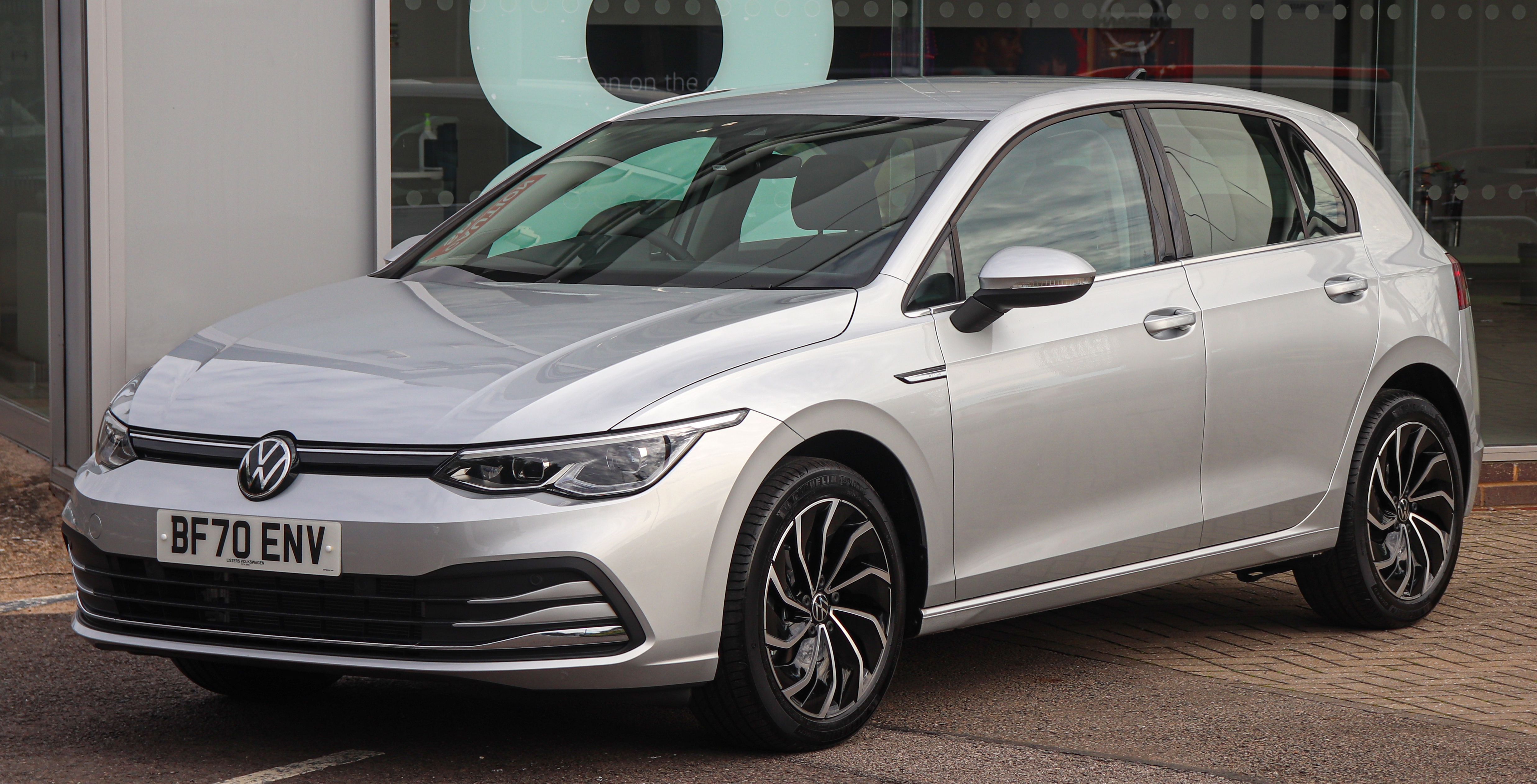
Heptic touch as well in some cars, which I just the last car I tested was a Volkswagen Golf R.
And changing the temperature for the climate control requires pressing, there's a little red
and a little blue line just below just below the touch screen. Those are your temperature
adjustments. And it was a little bit clunky to use. I tend to go between 60 degrees and 72 degrees,
depending on the outside temperature. And here in Chicago area, we've had kind of an up and down
fall in terms of weather has been kind of warm one day and cold the next and trying to adjust it
for that has been a little tricky had been a little tricky while I had the car.
So that's another thing that sometimes I just wish there was buttons or a simple slider, you
know, it just or and that's or a knob just such a pain in the butt to try and just make a simple
climate adjustment. And then also going from carplay to the radio or carplay to get satellite radio
was a little tricky as well. And I just wish this was simpler. Yeah, yeah. And, you know, I feel
your pain because I actually own a Volkswagen. So I have those capacitive climate, you know,
temperature sliders, just like one that you're describing. And, you know, I guess, I guess,
you know, on one hand, having that capacitive slider means that you're not using the screen.
And, you know, there was a little bit of a detent so your finger can kind of operate it by feel
sort of. But, you know, ultimately, it still doesn't have the sort of tap, you know, the sort of
positive tactile, positive engagement that an actual mechanical knob or a mechanical slider would
provide. So at which automaker, in your opinion, you test a lot of vehicles as well as I do,
does it best? Which one does it worse when it comes to knobs, buttons, have to touch and touch
screen? Okay, no, these are these are all great questions. I think right now, as far as as far
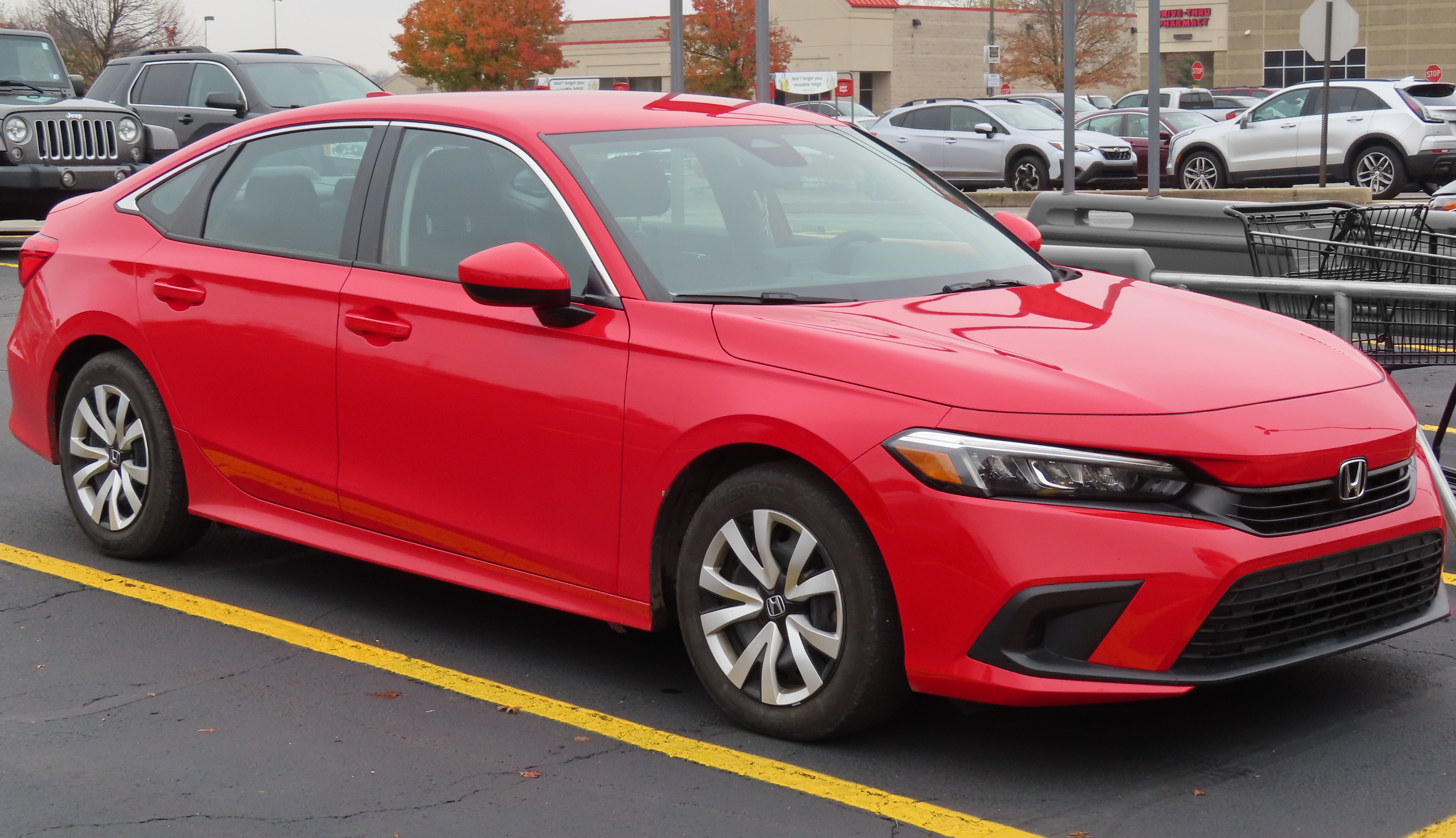
as providing actual, you know, actual knobs and physical controls, Honda immediately comes to mind
as an automaker that does tend to still use a lot of physical controls. It's Honda's kind of
interesting because, you know, I'm sure you've noticed that Honda's tend to have smaller screens
than a lot of the competition. I think, you know, like, like, I think the Accord and the Civic both
use like nine inch screens, which by today's standards, you know, when you know, 12, 15,
17 inches, nine inches is kind of small. But in return for that, you do get all these lovely
physical controls that are totally itty-proof. I mean, nice big knobs, you know, a very positive
feel, positive engagement, you know, you can you can operate them while you're going down the
freeway without even looking at it. So I guess, you know, there, I'm sure there are others beyond
Honda that do this well. But Honda is kind of the first one that comes to mind as far as an
automaker that still gives you a lot of physical controls. And really frankly, it enhances the
whole drive experience. And, you know, it's no surprise then that, you know, Honda's are always
kind of renowned for their drive character and all that stuff. And philosophically, it kind of
makes sense that Honda's sticking to these physical controls. And then you were asking for, like,
the worst offender as far as screens. In your opinion, of course. All right. Let's let's see.
It's funny because we were talking about Volkswagen earlier. And I would have to say that for me
right now, the Volkswagen infotainment is particularly not to my liking. Now, they did
now they did just recently introduce sort of a 2.0 version of their current
that, you know, that fixes some of the issues. But the one that you tried in the Golf R, if I
recall, there's no backlighting for those capacitive sliders, which is which is really,
you know, I don't know if I drove the car at night, but I don't think there is.
Yeah, it does drive at night. And I don't recall seeing them. Yeah. Yeah, they're
they are not backlit. Now, in the 2.0 version of the system, that's kind of rolling out in some
of the newer vehicles, they did finally go ahead and backlight those. But I mean, the fact that
you can't even see the temperature controls at night, unless, you know, unless I mean,
you can also operate it by the screen, but then that means you're stuck using the screen at night.
And, you know, the whole so in addition to it being so touchscreen based, I mean, every,
you know, virtually, you know, there are virtually no physical buttons in that, you know,
in these new Volkswagen's, you know, aside from what's legally necessary, like, you know, you have
like by law, you have to have a physical push button for the, you know, hazard lights, for
example. So it has that, but, you know, everything else is either capacitive or it's on a large
touchscreen. And the touchscreen itself, the interface is pretty clunky. You were talking
about how clunky it is to get to Apple CarPlay. I also, I also experienced that as well.
You know, just, just getting to CarPlay took a lot more steps than it really should have.
So yeah, that system to me is probably one of the less user friendly in the marketplace right now.
It's just the whole, that whole system is so dependent on touch. And, you know, it makes,
it makes the whole thing less easy to use and, you know, ultimately a lot less satisfying.
Let's see, what was the next category you were asking, Tim?
Oh, I was just asking in general, the best and worst, whether it was haptic touch,
buttons, touchscreen, or some combination thereof.
Yeah, haptic touch. Let's, we don't have to do all three categories. I'm just,
just, you know, a really good one and a really bad one would be perfect examples.
Yeah, yeah. So let me see, for haptic touch,
actually, let me think, who's doing a really good one? I think, I think,
I think some of the GM stuff that uses haptic controls, you know, they've,
I remember the early ones, like I think Cadillac was, I think Cadillac was the first brand within
GM to use haptic controls. Yeah, the Q system, which was, oh God, which was kind of a disaster,
but it got better as time went on. Yeah, yeah. So it did get a lot better as time went on.
But I will say, even with haptic feedback, you know, that helps, that helps somewhat in the,
in the sense that, you know, when you touch that part of the screen and you get a little bit of
physical feedback, that's good. I mean, you know, now you've, now there's, you know,
some kind of confirmation that you've activated the feature that you're trying to activate,
but still at the same time, you know, and, you know, you still, you still probably have to
take your eyes off the road to operate the function because, you know, there's, there's no,
you know, you still have to, you know, locate the control, push it and all that.
And then I, and then I do want to give a quick mention to Tesla. So if you recall, Tesla,
you know, Tesla, you know, kind of like, you know, the modern Volkswagen's out there,
it's almost an entirely screen-based interface as well. You know, they use a very large touch screen.
In the case of the Model Y and the Model 3, it only has a touch screen. It doesn't even have
a traditional gauge cluster. So, you know, you got to look at the touch screen to see how fast
you're going and if your turn signals are activated and all that, and all that, which is,
which is very unusual. But having said that, I do think that the Tesla infotainment interface
is kind of the gold standard for an all, an all touchscreen-based system. It's still not my
preferred way to go, but if you're going to go that way, at least Tesla does have a very,
very logically laid out screen interface. You know, there's enough screen real estate,
so there's enough screen real estate so that, you know, you can put many, many functions on
that screen and, you know, fairly easily locate them without having to dig through a ton of menus
like you do in a lot of systems that have smaller screens. In that sense, the big screen approach
is, can be helpful because, you know, there's just more screen in which to arrange your functions
instead of, and it reduces the amount of digging that you have to do through menus. But yeah,
overall, I actually find the Tesla interface to be surprisingly good for an all touchscreen
interface. So I guess that's one example of a touchscreen interface where it's not perfect,
but it's better than most. I actually haven't driven a Tesla in quite some time,
probably almost 10 years. So I really can't comment on Tesla. I will say so when it comes to the
automakers that have really good and really bad systems, I think you're spot on with Honda. I
are small. Volkswagen is awful. It just is. They have to touch the system. And I'm not necessarily
completely opposed to have to touch Mercedes. I was an okay job. Land Rover, Jaguar are hit or miss,
but they're not terrible systems necessarily. Lucid air. I was just in the Lucid air a few weeks ago,
and that like the Tesla is highly digital, although it's a little more traditional, the gauge
clusters in front of your face. It's so it's not hard to figure out how fast you're going. But
some menus, some things were a little bit harder to figure out. I took me a little bit of time to
figure out where to where to find the remaining range I had in the car. It was showing me percentage
and I was like, Oh, better percentage is nice. But I want range. And I want another miles ahead of
it took me a little bit of thinking to figure out more thinking that it should have required to
figure out how to change that menu. But overall, I thought the Lucid air was pretty easy to deal
with, even though it's mostly a touchscreen and a little bit of haptic touch, I think
even open the trunk was all touchscreen and that worked pretty well. Yeah.
That's right. Yeah. So, you know, I've driven the air as well. I've also driven the gravity,
which has sort of a which has sort of the next generation of that system. And, you know, I also
think that, you know, in the Lucid products, kind of like with Tesla, there's just a lot of screen
real estate. And that does help in terms of, you know, just being able to lay things out across
all the screens and minimize, you know, the amount of menu digging that you have to do.
But yeah, I had the exact same issue with the, you know, range versus battery, you know,
battery capacity, battery percentage. That was a lot more clunky and difficult to find than it
should have been. But I found the general operation of it to be, you know, good for an all touchscreen
system. But still, I would, I mean, you know, like you said, you know, to open the trunk,
you got to use the touchscreen granted. I mean, it's not hard to find it. And, you know, it's,
you know, fairly logically arranged. But, you know, I, from my tastes, I'd still rather have
a few more buttons. Yeah, I agree. As I said, as I said at the outset, I think, for me, and this
is just my personal opinion, and everyone can be, everyone can have their own thoughts, obviously.
But for me, I think at a minimum volume for the radio, tuning fan speed for the for the
climate control and perhaps temperature should be some sort of button or knob,
something you can easily adjust quickly without taking your eyes too far off the road.
Other stuff I think that you don't use as much, it's probably okay to use
touchscreen or or haptic touch. And of course, we have anything really got into
Apple CarPlay or Android Auto, but you know, for those apps, generally speaking, I'm a CarPlay user
of an iPhone, I have not really used Android Auto much for those seen others use it. Right.
I feel like CarPlay, you can generally, with some exceptions, but generally, it's not too
distracting to take your, you don't take your eyes off the road for very long to use the mapping
system for navigation, or to have it read you a text or anything like that. So generally speaking,
I just want to be as easy as possible and not have to keep, and I want to keep my eyes on the road
as much as possible. Right. And Tim, you touched on something that I think is an important point,
which is that touch screens aren't going away. I mean, they're here to stay, but I
absolutely agree with you that there has to be a healthy balance between screen versus physical
controls. And as we've been saying, there are systems that accomplish that better than others.
But yeah, finding that healthy balance of screen versus physical controls is really
important. And exactly like you said, Tim, I think that frequently used controls like volume,
you know, some of the climate settings, you know, I'd really rather have those as physical
controls. Other less used functions, I don't mind those being on the touch screen. But
you know, the stuff I'm going to use all the time, please just give me some buttons and knobs.
Yeah. And another thing too, I think we haven't really touched on is lag time too. It's gotten
better with most manufacturers, but occasionally when you're using a function, I haven't really
run into a problem with too often with radio volume or tuning or fan speed or temperature,
but other functions I have, or sometimes you're pressing a button on a touch screen to get
to a certain function and it lags and you're kind of sitting there like,
you know, I'm driving here, I'm 80 miles an hour on the freeway, I need this to happen right away.
And then if you start getting frustrated, that gets you distracted as well.
Well, and that's a great example of, you know, that's a great example of when a touch screen
interface provides a markedly inferior user experience than a simple button. You know,
there's generally no lag with a button or a knob, you know, you push it or you twist it
and it does its thing immediately. But, you know, with a system that is more touch screen based
and if there is notable lag, then yeah, you're making it harder to use, you're making the
operation slower, and that's just not good. So, but, you know, to your point earlier,
I would agree that this is fortunately, thank goodness, much less of a problem than it used to
be. I mean, do you remember when my Ford Touch came out years ago? And it's just like, you know,
the simplest operations, you hit the screen, you have to wait like two, three seconds before it
even did anything. And it's just like, oh my God. And, you know, I remember that system very
justifiably got really, really creamed by the media for just how clunky and terrible it was to
use. Fortunately, I think that's mostly a thing of the past. But, you know, there are still,
you know, there are still examples out there where, you know, the screen just doesn't operate as
quickly as a button or a knob. And, you know, that's very unsatisfying ultimately.
Yeah, my Ford Touch is a good example of a system that was
ahead of its time in terms of probably, probably wasn't fully baked when it came out,
just like Cadillac's Q. And I also think there may have been, you know, well, let me try and
rephrase it. It's also silly, the naming convention that led to a lot of inappropriate jokes. So,
you know, that was, that was a mistake on Ford's part. But I think,
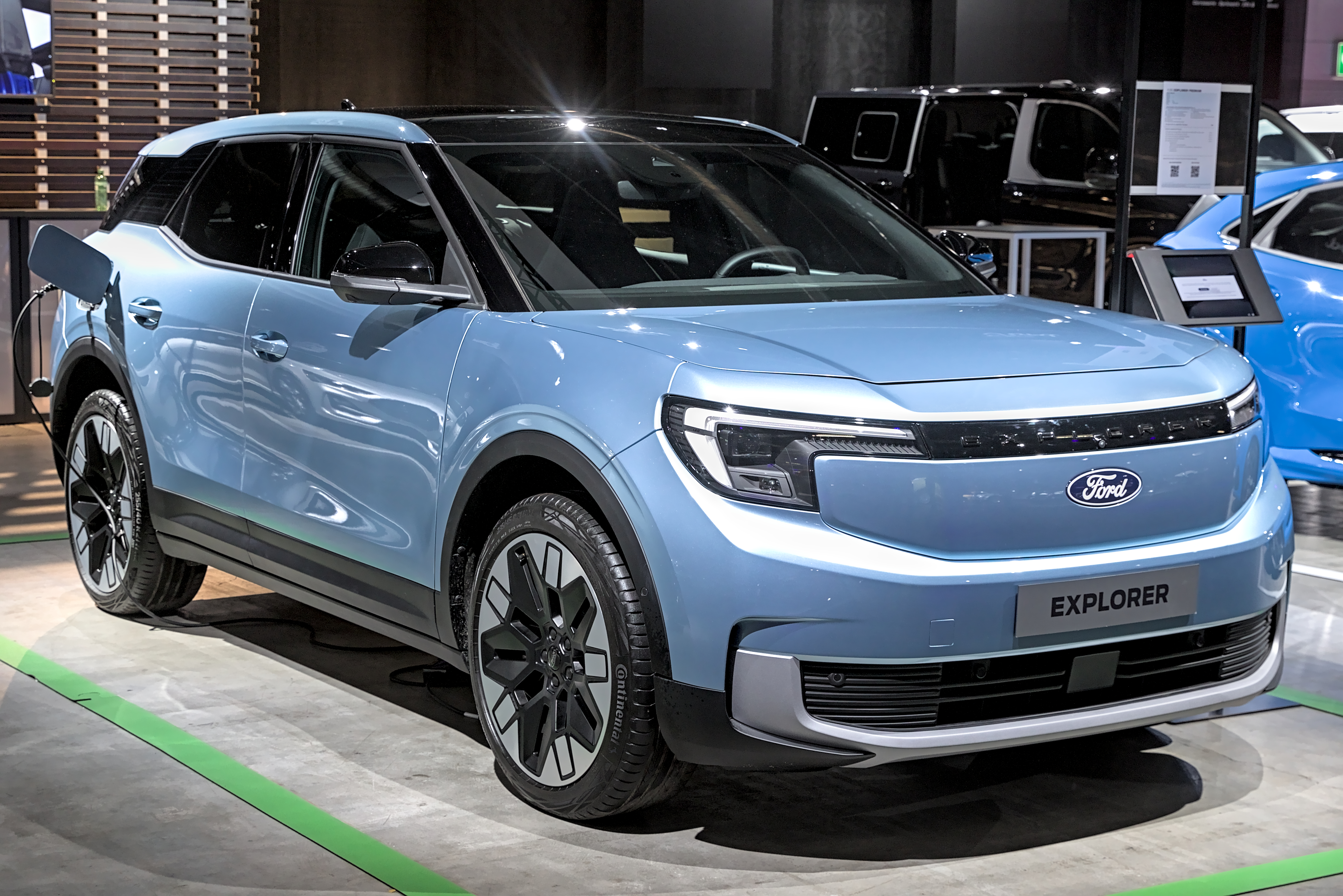
and I think if I remember correctly, I believe it had my Ford Touch. I had an Explorer brick on
me. And I say brick, I mean, the car still ran. It was because it was an internal combustion engine,
obviously. So, you know, it was still drivable. I just had no infotainment for half an hour or
two an hour. And it had to cycle the key a couple of times before it came back. And I had literally
no radio, no, I don't recall if the air conditioning went out. I know I couldn't change it. I think
it may have still been blowing cold air. But, and I had to call the press fleet and say, what's
going on here? And they walked me through, okay, well, you know, park it, let it sit for a few
minutes, restart it, it should be fine. And I'm not quite sure if it was running an update and that
froze it, or if it just hadn't had it, this is a decade ago. So it may have just been, you know,
a software bug. But either way, that's, that's a problem too. And we've seen less and less of that
as over the air updates have improved. And I wanted to ask you, you talked to automakers in
a different way than we do as journalists, journalists, we ask the automakers questions,
and they try and spin us and try and give the most positive answer possible. On the analyst side,
you can get a little bit more in depth with them a little more off the record stuff. And obviously,
I'm not going to ask you to get yourself in trouble here. So you don't have to disclose
anything that'll get yourself that'll cause any relationship troubles. But at least in general,
tell me what you can say what you've heard from automakers, in terms of improvements that
they're working on for the future, whether it's going back to buttons and knobs, whether it's
improving leg time, whether it's improving touchscreens, you know, anything that you've heard
in your work that you want to kind of say, Hey, this might be different in next year,
three years, five years down the road. Yeah, no, that's, that's an awesome question.
So my answer to that is there, there are kind of two, in some ways, sort of, I don't know,
I guess kind of dichotomous movements going on, but they are ultimately, I think they are ultimately,
I think, complimentary. So on one hand, there is a lot of work being done throughout the industry
to benchmark and benchmark and match the these very, very advanced, you know, Chinese infotainment
systems that you see in, you know, the latest Chinese cars, if you've ever had the opportunity
to play with these things, holy smokes, I mean, I've not yet. No, you know, in terms of their
functionality, their speed, I mean, we were talking about lag time and all that. I mean,
the speed, the response time of these systems, it's just, it's mind blowing how, you know, it's
like, it's, it's, it's truly as good as using, you know, an iPad or, you know, any other Apple
device as far as, you know, just how responsive it is, how smooth, how smooth the animations are,
the graphics quality. So yeah, there's a lot of work being done on that end, but at the same time,
a lot of automakers, a lot of automakers are getting the message loud and clear through,
through research companies like us who have consumer data that clearly show that a lot of
people are very frustrated with these touchscreen interfaces and, and, and really want the simplicity
and tactile feel of buttons and knobs. So, and, and in fact, we've seen some recent concept cars,
you know, that, that really, that depict and perhaps suggest that a lot of automakers
are going to be putting a lot more of these, you know, analog style controls back in.
One of the, one of the, one of the ones that immediately comes to mind is that,
I forget the name of the concept, but it was a Genesis, it was a Genesis like off-road SUV.
I know what you're talking about. I can't remember the name either, but it was shown.
Yeah.
I think last year.
Yeah, it was like, it had like, I remember I had the word, it had the letter X in it.
That's all I remember, you know, pretty cool looking vehicle, but the most striking thing is
when you look at, you know, when you get into the concept, it has, it has all these round analog
gauges where actually, I think they're actually screens, but they're, but, but they sit in individual,
I guess, cups, so to speak, you know, kind of like on an old, you know, Camaro or Firebird.
You know, so, so you've got, and you've got, you've got these analog style, you know, round,
you know, you know, gauges, you know, there's no big screen in the center, you know, it,
there's a lot of buttons and knobs in, in the center stack.
So it's, it's really kind of harkening back to an old, you know, to, you know, back to an era where,
you know, we, you know, we looked at gauges and dials and we pushed buttons and turned knobs and
all that. And when they were introducing that concept, they did speak to some extent about,
about how this more analog approach was very, very intentional,
and that they are actively studying, you know, how to best, you know, bring some of that analog,
you know, tactile, you know, tactility back to new vehicle interiors. So,
so yeah, we have this kind of dual movement happening, you know, better software, better
screens, but also bringing back more of the physical, physical controls. And ultimately,
I think that, I think that really does get at what the consumer has been telling us,
you know, they, they like, you know, they like having some amount of screens. In fact,
you know, a lot of them really like the look of, of these screens, but they want them to be,
you know, but they want to be able to operate more things with physical controls
than they, than many of them are able to right now.
Yeah. And I think too, we need to remind ourselves and, and our listeners that
consumers may be screaming and media may be screaming, oh, this is too much touch screen,
too much haptics. It's not working real well. It takes a lot of makers time to adjust. So like,
using Volkswagen as an example, they know there's, I've talked to some Volkswagen internals and,
and over the past year or so, and I have seen some, without getting too specific,
because I don't think I have been given any specifics. I think it's just general
kind of speculation, but it sounds like Volkswagen will probably pull back a little bit
on that. And they've gotten, you know, they've gotten the feedback from consumers,
but it takes a while because it takes time to redesign and refresh a new car. We all know it
takes three to five years to design a new car or do a full redesign of an existing car.
A refresh is probably a year or two of, depending on how much certification needs to be done.
So it takes time to adjust. So if Volkswagen, just as an example, launches a bad system
and everyone pans it, it's going to take a model year or two for them to fix that.
And I also want to, we have only just a few minutes left. One thing that kind of popped
in my head as we were talking, and the Genesis concept is a good example of it. You kind of set
up my next question nicely without even knowing it. But, you know, design plays a part in this,
as you said, consumers, like the way touch screens look, it is, it can be a really clean
look. It does look futuristic and high tech, but there's also a design element to knobs and buttons
too, especially for anyone who's over 40 and remembers cars from the 80s and 90s. I remember
some of the Ford sliders that you would see in the Ranger and Bronco and Mustang back then. And
you would see kind of little light up buttons. And I've seen, I can't think of an example,
I can't think if I make a model, but in my head, I've got an interior pictured of
just kind of cool looking knobs for HVAC controls for heating, ventilation, air conditioning.
So there, of course, even gauges. I know a lot of gauges have gone digital, but gauges can also
be a design thing. And of course, you can mix and match there too. You can go digital with some
gauges and then have some analog gauges that look really good. Or you can do a Ford is done with a
new Mustang and give drivers the option of using digital to bring back old, old school gauges.
You can now have a Foxbody gauge look in your Mustang, an S795, a 1994 Cobra, or the original
gauges. It's all digital reproduction. It's pretty cool. Yeah. So there's a design element to this
too. It's not just user X, user interface, you know, what's easier to use, what's hard to use.
It's also what looks good. And so I think that plays a part as well. And I don't know if you,
I don't know if what you've seen in that topic. Yeah. Well, no, I couldn't agree more that physical
controls can absolutely be a design element. And in fact, you know, there are plenty of,
you know, there are quite a few vehicles out there today where the physical controls actually add
very significantly to the design of the interior. You know, one example that comes immediately to
mind is the current Jeep Wrangler. Now, here's a vehicle that actually does have a fairly sizable
standard tough screen. It's a 12.3 inch, you know, wide screen that comes standard on every Jeep
Wrangler. But below that screen, I mean, there are, you know, all these chunky knobs and toggle
switches that, I mean, they look really cool. It's, you know, it fits in very well with what the
Wrangler, you know, what the Wrangler represents, you know, these physical controls look chunky,
they look tough, you know, they just, they just match the vibe of the Wrangler really,
really well. And then also, you know, to a lesser extent, that same Genesis concept I was talking
about, you know, I actually got to see the concept up really close about two weeks ago in person.
And, you know, they're, they're just, I mean, these, these, these knobs and switches are just
so beautifully crafted and, you know, just imagining similar controls in a modern
production vehicle. Yeah, I mean, heck yeah, they look great. Yeah, yeah, they do. So we,
I would like to spend a little more time on that, but unfortunately, we don't have,
we don't have the time, we have about a minute remaining. So Ed, I thank you so much for your
time. Again, Ed Kim, the president and chief analyst over at Auto Pacific and
automotive analyst firm. Thanks again. Tim, thanks so much for having me.
Yeah.
eBay has reinvented vehicle buying from click to curb. Everything's covered.
It's all thanks to their new secure purchase. Ever try to buy a car and end up in a parking
lot with a stranger and some blind trust, or spend half the day at a dealership talking to
push you salespeople and signing paperwork, or maybe worst of all, wait for hours at the DMV
just to transfer the title. That air is over. For years, eBay has been the go-to for gear heads,
collectors and DIYers, because whatever you're into from classics to SUVs and trucks to imports,
eBay's got it. And now with secure purchase, eBay isn't just where you find your next ride. It's
verified, paperwork is handled by experts and payments are traceable and digital. So you know
exactly who you're dealing with and exactly what you're getting. Plus, you can finance insure and
register your vehicle all in one place. No more hours at the dealership. No more trips to the DMV.
Get your vehicle, plates and paperwork shipped to your door, ready to drive. And it's all part of
one seamless process designed to feel as easy as buying anything else online. And eligible vehicles
purchased on eBay are backed up by up to $100,000 in purchase protection. Thinking about selling
your ride, secure purchase makes that simple too, because you know your buyer and their funds are
verified. If you still own your car, the financing payoff is fully integrated, so you're not chasing
paperwork or waiting in checks to clear. And with secure purchase, you get paid fast. And you're not
going to be stuck chasing no shows or answering the fifth still available message. This is what
modern car buying looks like. Skip the DMV, skip the sketchy meetups, buy it on eBay. eBay. Things
people love. Secure purchase is powered by Carmo Dealer Services LLC in eBay subsidiary.
Here on this week's Truth About Cars podcast, we're talking NASCAR. And this is our first
silly season topic or silly season episode of the year, our first off season, our first weekend
without a race. In fact, yours truly forgot there wasn't a race. And it was kind of like,
oh, wait a minute, there's no race on TV, no race to watch. We were, we were all done. So
we will start as always, we have Matthew Guy, T-Tech and Trippity with us. Matthew, how are you
doing today? Hi, Tim, doing pretty good. How are you? I'm doing well. So we'll start and we'll
probably have a little shorter episode than normal or shorter neck, excuse me, shorter NASCAR segment
than normal, just because this topic is not going to take a ton of time. But we're going to talk
about Daniel Suarez in his new ride with Spire Motorsports. So Suarez up-and-comer, 33 years
old. I interviewed him a year or two ago at the Los Angeles Auto Show. So I've kind of kept
behind his career just to see how he's done. Because sometimes you interview a driver and you're
like, oh, curious how he's going to do after this. I would put Suarez in the B list just outside of
the championship contenders. I don't think he made the playoffs this year, if I recall correctly.
But I think he has the ability to get there. He's got a few wins, and he's a good road
course driver. So two-cup series wins, Sonoma and Atlanta. And I think he could do even better.
So he's gone to Spire Motorsports for a place with Justin Haley, I think. And Matthew, what do
you think about that? I think it's a really good fit. I think that he'll do well over at Spire,
because he's going into a Chevy. And we know that Chevy has been putting a lot of effort into
their car, especially coming up for 2026, something new in Daytona. And easy young guys from Mexico,
right? And then he's moved to the track house for about five years, I think.
Something like that for a while, yeah. Yeah, something like that. And I mean, last year alone,
I mean, the man had a couple of top fives, which is nothing to sneeze at at this level of the game,
right? And he had seven top tens, which that's more than respectable for
a non, what you would call, you know, top tier team, right? I mean, Spire Motorsports is not
generally considered in the same breath as Hendrick, for example, if you're sticking with
Chevys. Yeah, Hendrick or 2311 or Joe Gibbs being in Penske being the big ones right now, I think.
I think you're right. And I mean, Spires has been the last five seasons or so at the wheel of the
number 99 Chevy for anyone who doesn't know with track house racing. And he's going to make his
first start for Spire during the preseason, actually. And this is going to be fun. I know
that they've gone to Bowman Gray Stadium in the past at Winston Salem in North Carolina. So,
but that's the first time we'll see him in the number seven for Spire Motorsports is at the
preseason festivities to put it in a to put to put it interestingly, right? The preseason festivities
at, excuse me, at that place at Bowman Gray Stadium there in Winston Salem. And that's,
I really, really like that place. I know that sometimes people are like, Oh, well, you know,
it's only a little teeny tiny track and it's inside football stadium almost. And it's something that
the cars get jumbled up pretty quickly. But I think it's great. I think that, you know, they
had a here and they had the same race at the LA Coliseum for a while. So I think that that stuff
is pretty good. But back to Suarez, freeway insurance is going to be his anchor sponsor,
or part which was already his sponsor with the previous team. Right. And I think,
what do you think Tim? Like, I mean, that speaks to, I think Suarez being a very good commodity
that his sponsor came with him. Don't you think? Yeah, I think it shows that he's on the rise and
he's got, he's right into his mid thirties, or which tends to be prime for NASCAR athlete,
because you tend to have still young enough to have youth on your side, but now also in a spot
where you've got some experience. So when I said he was on the B list, I did not mean that in a bad
way necessarily. To me, actually, it didn't mean in a bad way at all. To me, the B list is guys
who are just outside that top tier, whether their team is doesn't have the quite the resources
of a Penske or Hendricks, or the driver just hasn't quite broken through. You know,
Bubba Wallace was in that group for a while, and I think he's made his way into the A list.
You know, a lot of these drivers, when they're young and they're first starting out, and by
young, I mean under 35, really, in most cases, maybe under 30. A lot of these guys, they come out
and they show flashes. They get a win here or there. They're in top five here or they're top
10. But they don't do as well as they probably could based on their talent, maybe because their
team doesn't have the resources. Maybe their car isn't quite as good. And we always forget, I think,
driver, to me, a car and the driver both are contributing to success. A great driver can do
a lot with a bad car, but it can only do so much. And vice versa, a great car can only,
a great car, but an average driver, a bad driver, won't necessarily do all that well.
You have to have a driver who's very, very talented and has good reflexes and good strategy
from crew chiefs. And that's another part of it too, is the better teams, the bigger teams,
higher, better pit crew members and the higher, better crew chiefs and to make better decisions.
But better spotters, of course. So, you know, a good driver, when we talk about driving talent,
it's not just reflexes or being able to see a little better than the other guy or being a little
bit quicker on the gas or the quicker on the brake. That's all part of it. But it's also
making decisions, knowing it's making strategic decisions with your crew chief and your spotter.
It's placing the car a certain spot. Sometimes being a few inches off can be a difference between
spin out and being, and being getting past the guy. It's knowing how to draft and all sorts of
stuff. So, that's a long way of saying that. I think Suarez is in that group of guys who
has shown flashes and you listed them a few seconds ago, but he's not quite there yet. And
to get into, to what I call the A-list, you need to really be, you don't have to win a ton of races
because winning a Winston Cup race is, or I called it Winston Cup. Wow, that's showing my age there.
Winning a Cup Series race is difficult to begin with, but and even the best guys don't get a ton
of wins in a year. I don't think there were too many drivers who have more than 34 wins in any
given year. But to me, A-list would be constantly running near the front, constantly threatening
to win. Top five, top 10s in any race that you finish, and most races that you finish, obviously
even the best drivers occasionally crash out or have bad luck or mechanical failure. And some
drivers, of course, get caught up in big ones at Daytona and Talladega. So, you know, that's just
bad luck and luck is not going to determine talent. But if you're in the, if you're constantly in the
playoff conversation, constantly in the, in the, this guy could win today conversation,
constantly in the, well, the guy didn't win, but he was really close conversation. That to me puts
you in A-list. And to me right now, the A-list is by William Byron. It was the four, it was the
championship four. So, Chase Briscoe, William Byron, Kyle Larson, and Denny Hamlin. And I would add
Joey Logano to that list. Bubba is probably right there. He used to be on the A-list. He's
fallen off this year, Kyle Busch. I didn't, I don't think we'd be on the A-list anymore, but
there was a time when he was. There's a couple other guys, Chase Elliott would be in that list,
I think, Ryan Blaney. Pretty much all the playoff drivers this year, except for Shane
van Gisburgen, because he's, he's still, Shane's a great driver, but he's still so road course
focused and he's so good on road courses. And he's still really learning to drive ovals. I think
Shane van Gisburgen could be on the A-list in a year or two. But right now, Suarez, to me, is
probably the one driver who's on that B-list who can crack the A-list. So, we'll see how this
changes with a, you know, a new team giving him new resources. Agreed. And I think you're right. I
mean, if SVG figures out ovals, then that's it. Everyone, he'll be at the top of the points for
a very long time if he figures out ovals given his city for wiping the field on road courses.
Yeah. Right? And the cool thing about Suarez, I was reading here his biography and he started
carts when he was about 10 or 11 and then was doing like a lot of that racing in Mexico,
where he's from, right? He did some national karting champions, championships. I mean,
my goodness, if you're only 12 years old and doing that, you've got a level of talent that
I was not born with. No, me either. And it's not just, I'm sure taking the sponsor with him helped
a lot going to Spire. You know, I mean, these teams always need to have this stuff bankroll.
So, it's pretty cool that his sponsor is that committed to him, right? Having freeway insurance
following him on, you know, his journey. I think that that's pretty, pretty cool. And don't forget,
I mean, the man won the Xfinity title in 2016. He's had, I'm just reading here over two years,
span of two years, he had three wins and 45 top tens. That's a lot. That's a lot, right? In the
Xfinity. Yeah. So, his past success, just to me, that he should be able to break through without too
much trouble. Agreed. And especially once you get, once you get behind the wheel of a good car,
and I think you're right when you said that having a good crew chief having your back is also very
important. Yeah. I think NASCAR, especially at the cup level, you know, this is not a go-kart race
where you go out like, I'm not sure how organized carding works. I don't follow go-karting leagues
or anything. But like, if you, if you and I and 10 buddies are doing go-karting and K1 speed,
right? We don't have spotters. We don't have a crew chief. We don't need a pit stop. You know,
it would just be about talent and experience. Some people can pick up go-karting right away,
some take some time. You and I have both done some track driving so we would have some experience,
even if we didn't have, you know, regardless of our talent level, we'd at least have some experience.
So, you know, if you and I and 10 other automotive journalists are drinking buddies or whoever were
out at, not to say we'd be drinking during go-karting, of course, but if we were out at K1 speed and
having a showdown of 10 people to 10 random people out the street with various talent levels,
it's all on the driver. The driver's going to make the choices. The driver's going to make
decisions on when to brake, when to gas, when to turn in. It's, it's, it's going to be the driver
has to figure out the track. And NASCAR, it is a team effort by far. You know, you've got your
spotter in your ear telling you where to go, telling you where the other cars are. You can't
always see the other cars, even though you've got mirrors, because you do have blind spots.
You've got, you have to learn, you have to know how to draft in a pack, you know, without driving
to the car in front of you or getting the car behind you driving to you and cause a wreck.
You have to know when to come in for fuel, when to come in for tires. We saw Denny Hamlin get
burned by that by, by a controversial decision in the championship race. And your crew chief is
part of that. And of course, we've seen drivers every year it happens, lose track position almost
every week it happens, because their team wasn't fast enough on the pits or made a mistake. So,
obviously, it's a huge effort. You've got a driver, crew chief, spotter. I think there's six guys
over the wall and six guys behind the wall and pit crews plus, plus reserves, backups in case
someone's sick or whatever. I think there's an assistant crew chief. A team is probably 20 to
30 people, plus anyone doing behind the scenes work testing mechanics. Guys, you don't see
during the race, because we were working in the car after and at the offices and in the garage
in between. So, I'm, I'm pointing at the obvious here. I think any NASCAR enthusiasts
understand this, but I also think it, what I'm trying to say is, and it was a long memory way
of saying it was just, which tends to be my way of doing things. It's a long way of saying that
Daniel Suarez has talent, but he's going to need resources to really get that talent.
I think Shane Van Gisburg is in the same boat a little bit too. But Daniel Suarez has talent,
but he needs resources to maybe move from where he is now to being an A list and maybe the switch
to Spire Motorsports will do that. Yeah. And it could be just the proper kick that he needs.
Cause you know, I mean, the man bounced around a little bit in, in cup series. He started with
JGR because that was his, that was his team in Xfinity and he was there for a couple of years
and I don't know why. I mean, they, I can say they didn't give him a fair shake, but two years
in the 19 is not a long time. And I think that does speak to how some of the top tier teams
want success right away and don't let it percolate, right? Don't allow enough time sometimes for all
of this to gel with each other. But, but being, you know, at track house for five consecutive years,
I think that that was good for him. And now moving, moving over to Spire, I think will help him
in his quest, you know, for more wins. I really do. I really do. Yeah. And one more thing I think
that we can wrap this up because we can only speak so, so long on Daniel Suarez, but I think also
too, and I don't know any background information. This is just pure speculation. It's very possible
that he only lasted two years with JGR because of maybe a personality conflict or a strategy
conflict as well. We've all known people and I think this applies to all walks of life. We've
all known people who, who are good workers when they really fit well at a company with their
bosses and a change in a boss or a change in a company can, a person who is actually a good
person and a good, good worker doesn't fit and doesn't work out. So I think that's really true
and especially true in sports. We've all seen, if you file stick in ball sports, we've all seen
a player go to a team, you're like, Oh, that's a really good fit for baseball, football, basketball,
whatever. And it just doesn't work. Maybe the coach and player don't get along, maybe the player
was being misused in terms of strategy and matchups or, or whatever personal life problems,
who knows. Same thing with Suarez. Maybe he didn't get along with the crew chief or, or maybe he
got along well enough, but it wasn't good enough to win. You know, you can also have a scenario
where you guys are kind and polite and there's no beef, but it doesn't click well enough to win
either. So I don't know that for a fact. And I think you're probably more accurate with just the,
the, the higher teams having, and that's a stick of ball sport thing too, right? All the high,
high end teams oftentimes don't allow young players to, to flourish. The pressure to win
right away is so immense. And we've all seen a football player get drafted by a team that
does really well or a baseball player that's maybe a young prospect. And they come up to the
big leagues and then they don't do well there because the pressure is too high. And then they
do well, they leave and do well somewhere else because maybe they were just needed more time
to develop. So it could be the case with Suarez too. And again, this is all just spitballing
because we're just sitting here at our desks talking about NASCAR. I don't have a phone call
into a source at JGR or anything like that. So, you know, I don't please don't take it the wrong
way. We're not reporting anything. This is, this is opinion and not news. But yeah, if you want to
add anything about Daniel Suarez, Matthew, feel free. And then we'll, after that, we'll go ahead
and end our segment. For real. I think that he's just got a fire. He's got a hunger to win. And I,
you know, think that then he'll find success in the number seven car coming up in 2026.
Yeah, I think he will too. I'm not sure if he'll be right away. It might be another year or two.
But I think we'll have enough success to at least not be looking for another ride anytime soon. So,
you know, I think he'll very least maintain the same level of success that he's had. And if he
does that, that should be pretty good. But like you might be right, he might actually be able to take
that next step in 2026. So, with that, we will go ahead and wrap this week's NASCAR chat on the
T-TAC podcast. Thank you, Matthew, for your time. And thank you for listening. This will be all for
NASCAR talk on the Truthwell Cars podcast. Thank you, Matthew. Thank you, Tim. That's all for this
week's Truthwell Cars podcast. I am Tim Healy, the managing editor. And you can find us wherever
you get your podcast. You can also find us at t-tech.com. That's t-t-a-c.com or the Truthwell
Cars, allspeltout.com. We thank Ed Kim and thank you guys for your time. And Matt Poskey for editing.
Most of all, we thank you for listening. We'll see you next time.
About this episode
A lively discussion kicks off with Ed Kim analyzing consumer preferences for buttons versus touchscreens in vehicles, highlighting the growing demand for tactile controls. Matthew Guy and Tim Healy then delve into winter windshield wipers, emphasizing their importance for visibility and safety during snowy conditions. The episode wraps up with a look at NASCAR's Daniel Suarez, who has moved to Spire Motorsports, exploring his potential for success in a new team environment. The conversation touches on the complexities of driver-team dynamics and the importance of resources in achieving racing success.
Why do new cars not have enough buttons and knobs?
We find out with analyst Ed Kim from AutoPacific.
TTAC contributor Matthew Guy and I discuss winter windshield wipers and the future of NASCAR driver Daniel Suarez.
We thank Ed and Matthew for their time and Matt Posky for editing. Most of all, we thank you for listening!