00:00
Hello and welcome to The Gas, or perhaps we should call it the break this week, because
00:11
we have breaking news.
00:13
I'm Gary Gastelew, and this is the official podcast of American Cars and Racing.
00:18
Well, the NASCAR Antitrust lawsuit trial was expected to take two weeks, and it has,
00:25
but that's because it has ended early with a settlement.
00:28
NASCAR 2311 Racing and Front Row Motorsports announcing on Thursday that they'd reached
00:33
an agreement that's satisfied everyone.
00:36
Financial terms are being kept confidential, but the big news is that NASCAR has agreed to
00:39
make the 36 charters held by the teams permanent.
00:43
Evergreen is out, put it.
00:44
This was a key point in the trial, and something even the teams that signed the most recent
00:48
agreement had been lobbying hard for.
00:50
For those not familiar with them, the charters are similar to sports franchises that guarantee
00:55
entries at every race and a share of NASCAR's revenue.
00:59
It's not clear what pushed the two sides to come to a deal at this point in the trial
01:03
after the plaintiffs had rested their case, and a lot of dirty laundry had already been
01:08
hung out for everyone to see, including previously private financial information from the teams
01:13
and many comments made by NASCAR officials about their concerns about competition and
01:18
not wanting to make the charters permanent.
01:21
2311 Racing owner Michael Jordan said outside the courtroom afterwards that level heads
01:27
When you get to the finish line, sometimes you have to think not just for yourself, but
01:31
you've got to think about the sport as a whole, and I think both parties got to that
01:35
point, and we realized that we could have an opportunity to settle this, and we dove
01:40
in and we actually did it.
01:41
Unfortunately, it took us that long, but we got here.
01:44
All of the details that will affect the other charter teams have yet to be officially
01:49
released, but according to the Associated Press, they'll now be able to share in the
01:53
international revenue.
01:55
That wasn't the case before.
01:56
They'll also get a third of the revenue from IP, and while the charters are permanent,
02:01
they will be renegotiating terms of the revenue share with each meteorite's deal.
02:06
Now probably a few days before this all shakes out, so we'll be getting into it
02:09
in more detail on the next show, so check back for that.
02:13
But for now, this is the Gary and Alex show, so let me bring in my co-host Alex
02:18
Nunez, who looks like he just left the barber.
02:20
I wish we had video because he is freshly short.
02:23
That is a tight cut, sir.
02:25
I am freshly short, like a sheep, you know, in from the field.
02:31
You know, I don't know about you.
02:32
I don't have nearly as much hair as I used to.
02:36
But I was thinking about this when it comes to age.
02:38
You and I are both old enough to remember in person America's bicentennial in 1976,
02:45
I remember it very well.
02:46
I went to the sort of the parade of tall ships when when they came through New York
02:52
Harbor, my parents had a friend who had an office down in lower Manhattan.
02:57
So we went and had one of those like really good views of as all those things
03:01
went by. And even though the printed photos in the photo album
03:05
somewhere in my parents' house seems like a long time ago,
03:08
also seems just like yesterday.
03:10
One thing I didn't remember, though, and I'm not sure you did was
03:15
that in 1974, two years before the Bicentennial,
03:19
Chevrolet introduced a line of spirit of America models, special edition models
03:24
of the Impala, Nova and the Vega to celebrate the Bicentennial.
03:29
Not sure why they felt like they needed two years lead time on that.
03:32
But they have kind of collectibles.
03:34
One of them was just on Bring a Trailer.
03:36
One of the Impalas sold for $16,000.
03:40
And now next year, of course, 2026 is the Sesquicentennial,
03:45
which I think is going to be the word of the year next year,
03:47
because nobody's ever heard that word before, the 250th anniversary of America.
03:53
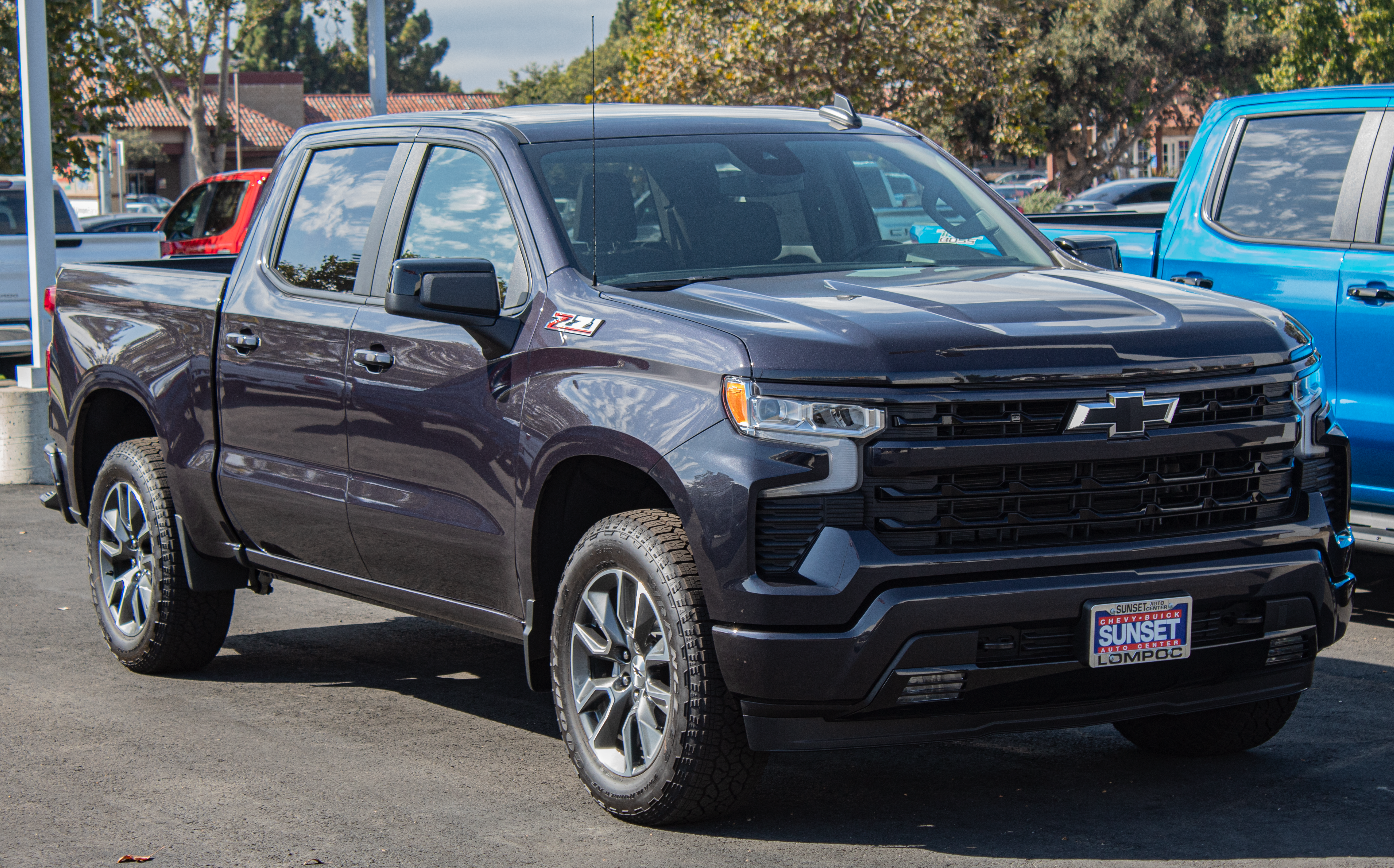
And to celebrate that, Chevrolet has just revealed a new line of special edition cars.
03:58
This time, it's called the Stars and Steel Collection.
04:02
And it's actually the Corvette, the Colorado and the Silverado Light Duty,
04:06
Heavy Duty and EV, you know, they've got flag motif decals, red brake calipers.
04:15
They're actually not very red, white and blue.
04:16
There's not much blue in these cars.
04:18
I'm a little disappointed in that, but they do celebrate the 250th anniversary
04:23
and every purchase of these cars is going to send $250 in donations to veteran charities.
04:30
Do you think these sorts of things are a good marketing hook?
04:33
It seems real cheap and easy for me.
04:36
And you've got to jump on this bandwagon, don't you?
04:38
It's low hanging fruit.
04:39
You do have to jump on the bandwagon.
04:41
The thing is, when you do it, you do have to market it.
04:45
I'll be interested to see, you know, if there's any push behind these
04:49
beyond this initial sort of news release and the earn media pickup.
04:55
But listen, who doesn't love a good tape stripe package?
04:59
That stuff only gets cooler as it ages.
05:02
I saw an old car the other day with nice classic pinstripe.
05:06
I mean, not even that old of a car that was from the 80s.
05:08
And it's funny how that's gone away.
05:10
These are a little more bolder, the graphics you get on this.
05:13
But they are going to be limiting the Corvettes to 250 units
05:18
and you can get on any Corvette, but the other ones are all open.
05:21
You can order as many of these Chevrolet, Colorado's and Silverado's as you like to.
05:26
Jeep also is getting into this game.
05:29
They are an official sponsor of the America 250 organization.
05:32
They're going to be supplying cars to that and help them promote that.
05:35
That's the group that's actually organizing all of the national events next year.
05:40
And at some point, it is going to be releasing some special edition models,
05:44
although we haven't seen them yet.
05:46
Not exactly sure when they're coming out.
05:49
You know, one thing missing from this anniversary that we had back in 1976
05:54
was a company called American Motors, Alex,
05:58
which, of course, went out of business in 1987 when it was purchased by Chrysler for,
06:02
I think, one point five billion dollars.
06:05
Can you imagine buying anything today for one point five billion dollars?
06:09
Not something that big.
06:11
But for those of you nostalgic for the American Motors days,
06:14
there is now a six part documentary series
06:17
that you can watch on PBS or YouTube called The Last Independent Automaker,
06:21
which chronicles the rise and fall of American Motors.
06:25
And joining us now to talk about it is the producer of this series
06:28
and longtime automotive journalist, also probably America's biggest AMC fanatic.
06:34
You're certainly king of the AMC fanatics.
06:36
Now, Joe Ligo, thanks for joining us, Joe.
06:39
Hey, thanks for having me, Gary.
06:41
And I have to have to be careful.
06:43
There's a lot of AMC enthusiasts bigger than me out there.
06:47
You should see some of the collections these guys have.
06:52
If you're not at least in the teens or 20s,
06:55
I don't think you can be considered the biggest AMC enthusiasts.
06:58
The people tend to collect these cars.
07:00
And once you get one, you can't stop.
07:02
But I'm very grateful to be part of the community.
07:05
Yeah, the AMC world is a great place to be.
07:07
And it's just been awesome to see the response
07:10
to The Last Independent Automaker.
07:12
People were really excited to see this story told.
07:15
Are you a longtime AMC fan or something recent?
07:18
And then that sparked you to make this documentary series.
07:21
I guess you could say long time.
07:23
Yeah, I mean, it's probably been about, you know, half my life.
07:25
I got into cars right around the time
07:27
I was getting my driver's license.
07:28
And there was just something about AMC.
07:31
The underdog story appealed to me, right?
07:33
It's, you know, things that aren't here anymore.
07:36
You know, the company was long gone by the time
07:38
I got my driver's license.
07:40
But there was something about the story of AMC,
07:42
the fact that they weren't around anymore.
07:43
I wanted I wanted to figure it out.
07:45
Why? What happened to them?
07:47
And so I've spent a good part of my life
07:48
figuring out what happened to AMC
07:50
and putting it into this series.
07:53
And let me ask you, as far as the what happened part,
07:55
I don't want you to give away the whole series.
07:57
Obviously, people want to watch this thing.
07:59
But when it comes down to that moment in 1987,
08:02
when Chrysler wrote the check and bought the company,
08:06
was there a moment where it finally went wrong for AMC?
08:10
Was there a left turn they could have made
08:12
instead of a right and stayed an independent automaker?
08:15
Or were there just so many wrong turns
08:17
that there was no way to change things at that point?
08:21
I actually wrote an article for the Autopian
08:23
because that's a really good question.
08:24
I mean, an AMC guys still argue about this today.
08:27
But I wrote an article that was about, you know,
08:29
different forks in the road, you know,
08:32
multiple periods where major decisions were made in,
08:36
you know, in the 60s and the 70s and the 80s,
08:39
where, you know, you had lots of little decisions,
08:42
but some really key big decisions
08:44
that kind of set them down a path of no return, you know.
08:48
And the film talks about these some, but, you know,
08:51
in the 60s, George Romney leaving the company
08:54
to go into politics, you know,
08:55
and certainly the world would have been different
08:57
if he'd stayed in the automotive business in the 70s,
09:00
investing tons of money in the design
09:02
that would become the AMC Pacer and then having that not pan out,
09:06
getting to the point where they invested so much
09:08
that the car would have had to sell so many copies
09:12
that it fiscally wouldn't have made sense.
09:14
I mean, they needed the Pacer to be a vehicle
09:16
that sold, you know, 300,000 cars a year.
09:19
And, you know, I think AMC's total sales
09:21
were like 400,000 cars a year,
09:23
and so it just wasn't going to happen.
09:25
And then even in the 80s, yeah, I mean,
09:27
I think one of their biggest mistakes
09:28
and it's something you're seeing automakers wrestle with now
09:32
is AMC, when they merged with Renault
09:36
in the late 70s, invested a lot of money
09:38
into building a new subcompact
09:41
because that was the hottest segment in the market,
09:44
except subcompacts aren't very profitable.
09:46
And so by the mid 80s, when gas prices went down
09:49
and, you know, inflation went down,
09:51
everybody started buying big cars.
09:53
And here was AMC left holding the bag
09:55
after investing 200 million to build a subcompact in America.
10:00
You know, and that's the thing
10:01
we're seeing automakers struggle with right now.
10:02
I mean, literally in the news,
10:03
the president's talking about
10:04
we want to have small cars back in America
10:06
and, you know, and the automakers
10:07
have all abandoned small cars
10:09
because they're not profitable.
10:10
And so it's the same industry,
10:11
the same problems just a different decade, you know.
10:15
And it did have Jeep.
10:16
That was the golden apple,
10:17
the thing that Chrysler wanted to get its hands on.
10:20
It was cool back then.
10:22
It did well, but it certainly wasn't the big mega brand it is today.
10:27
Yeah. Was the market just not ready yet?
10:30
Or did AMC just not know how to play Jeep at that point?
10:33
That was it. Well, you know, I think we have to figure.
10:36
AMC was figuring it out as they went,
10:38
as were all the automakers,
10:39
that they were consistently being surprised
10:43
that SUVs and trucks saw increased volume every year
10:47
from basically the seventies onward.
10:49
And so I think AMC made the mistake
10:52
a lot of automakers made during that time,
10:54
which was underestimating demand for SUVs.
10:57
And so, I mean, you had every year, Jeep was, you know,
11:00
the Toledo plant that built 90 percent of the Jeeps
11:03
was at capacity every year.
11:05
You know, extra shifts, extra hours, whatever.
11:08
And so I think every year, AMC was like,
11:10
wow, we keep selling more and more and more and more Jeeps.
11:13
But then as we talk about in the documentary in 1979,
11:18
the second energy crisis hits and Jeep sales fall by half.
11:23
I mean, I mean, like you can imagine
11:26
the the fiscal brutality of that happening to any company
11:30
if they had a brand fall by half in under 12 months.
11:34
And I mean, that's really what kind of put AMC on the ropes.
11:37
And eventually Jeep sales rebounded in the 80s.
11:40
But yeah, it wasn't until Chrysler came along
11:43
and bought American motors.
11:45
AMC did great with Jeep, but Chrysler understood
11:48
how to turn Jeep into just a massive cash generator.
11:53
Yeah, I don't think AMC necessarily did anything wrong with Jeep.
11:56
I just think that like a lot of automakers in the seventies,
11:59
they could not predict how big SUVs would become.
12:02
And so I think they were always a good place to be,
12:05
which was running the factory at maximum capacity.
12:08
But yeah, the SUV thing, that's a that's a tricky one.
12:13
Jeep was definitely a big reason why
12:15
Iacoco wanted to buy American motors.
12:17
I mean, some internal analysis at Chrysler said that
12:21
for Chrysler to develop its own SUV line in the 1980s
12:25
would have cost at least a billion dollars.
12:28
And for one and a half billion,
12:31
Iacoco got the best known SUV brand in the world,
12:34
which included four or five models.
12:37
So I mean, you know, and he got all of American motors on top of that,
12:40
which included some other pretty good assets
12:42
as far as a brand new factory in Canada
12:45
and the brand new design of several other vehicles and stuff.
12:48
So yeah, I mean, he he made out like a bandit.
12:51
You mentioned George Romney.
12:53
He was the one that really pushed AMC
12:54
toward the small cars in the in the fifties and sixties.
12:58
He, of course, is the father of Mitt Romney,
13:00
who you feature in the show.
13:03
You actually got him to talk to you about this.
13:05
This is one of my favorite parts of the series.
13:08
And I think what's great about it is even though he was just a kid at the time,
13:11
he seems to remember what was going on well.
13:14
And he has a lot of interesting things to say
13:17
about those years when his dad was running AMC.
13:20
Yeah, Mitt was great.
13:22
I think, you know, first off, he and his staff
13:24
were incredibly gracious and accommodating.
13:26
You know, it was kind of a bizarre request.
13:28
It's like, hey, can we come
13:29
to interview you about your dad's time in the auto industry?
13:32
And at the time he was still a senator,
13:33
we went down to D.C. to interview him.
13:35
But yes, his staff was incredibly gracious.
13:37
Mitt was super polite and great to talk to.
13:41
And it was really nice to talk to him
13:42
about something other than politics.
13:43
I think it was kind of nice for him to get a break
13:46
from politics and just kind of reminisce about his dad.
13:50
And yeah, he was a great interview.
13:52
And yeah, we really talk about an episode one
13:55
how George Romney really Volkswagen gets a lot of credit
14:00
for popularizing small cars in America and they deserve it.
14:03
But even before Volkswagen was selling
14:06
six figure sales, you know, American motors
14:10
was selling six figures worth of ramblers in the United States.
14:13
And so I think VW and American motors
14:16
should get shared credit for popularizing,
14:19
you know, compact cars in America.
14:21
And if you zoom out, I think the two big innovations
14:24
AMC did in the times when the company was most successful
14:29
was in the 1950s when they pioneered small cars.
14:33
And then, you know, in the 1970s,
14:36
when they pioneered four wheel drive vehicles through Jeep.
14:40
And I think the two times AMC did the best
14:42
is when they were in market niches
14:44
that the rest of the big three hadn't found yet.
14:47
And so if you look, I mean, our automotive world today
14:50
is still influenced by American motors.
14:53
I mean, two entire categories of vehicle
14:55
in the United States, compact cars and SUVs
14:58
are thanks to, in large part, the work of American motors.
15:02
Jeep, interestingly enough,
15:04
has been using the American motors logo
15:07
on some new merchandise, not with the name AMC,
15:10
but the triangle rectangle thing.
15:12
Is that a name that logo? Is there that known as anything?
15:15
Some people call it the A mark.
15:17
There's some there's some corporate reports,
15:19
you know, some stock order reports around the turn of
15:22
I think it was like into 69 into 70
15:24
that AMC came out with that logo.
15:26
And so people tend to refer to it as the A mark logo.
15:30
You'd mentioned you're a younger fan of AMC.
15:34
Do you find there are many people born after 1987
15:38
who are into the brand and might connect with that?
15:40
Or is that really more a nostalgia
15:42
hit for people who were in the AMC back in the 70s and 80s?
15:47
Certainly the the club, the American Motors Owners Association,
15:51
I think, you know, the mature, well, maybe not the majority,
15:54
but certainly the largest percentage,
15:57
the biggest group within that club
15:58
is people who are into 70s cars,
16:00
you know, baby boomers that have Javelins,
16:03
Those are kind of the hot ones to have.
16:06
But I think that there's a lot of people my age
16:09
who maybe weren't around when AMC was in business,
16:13
but they grew up in a world where AMCs
16:15
were still showing up on used car lots.
16:18
They were, you know, cheap cars that you could buy.
16:20
And I don't know, I think there's a cool factor.
16:22
It's the fact that they're not around anymore.
16:23
And I think, you know, the rise of Radwood
16:25
and other types of automotive culture
16:27
that celebrates things beyond muscle cars
16:30
have made it so that AMCs kind of have a place in the conversation
16:34
because they're cool, right?
16:35
I mean, people like Eagles, spirits are interesting, gremlins are cool.
16:39
And so I think you do see people who were born
16:44
after 1987, who are into American motors.
16:47
It's not a huge group,
16:48
but I think the Internet makes it easy
16:50
for these fandoms to connect and to grow.
16:53
Alex, are you more of a javelin AMX guy,
16:56
a gremlin-pacer guy or an AMC Jeep guy?
16:58
Oh, God, I would love to have a javelin.
17:00
Maybe it'd be so much fun to have a javelin.
17:03
But I also, I love the styling of the gremlin.
17:07
I mean, it's so much fun when you see like a gremlin anywhere
17:11
because like many of these cars that were from the 70s,
17:15
most of them are just dust now.
17:17
So if you see a gremlin or a pacer
17:20
in any form in any state of just basic assembly,
17:25
it's like seeing an ancient civilization, you know, almost.
17:29
But when you see a nice one, it's like,
17:32
it really is a testament to like the person
17:34
who either restored it or like somehow managed to keep it,
17:38
you know, that way.
17:39
You're more likely to see like a rebel machine
17:42
or a javelin or an AMX, you know, in really good shape
17:45
just because those are the more collectible cars.
17:48
But like when you were just saying,
17:50
like if you see an eagle or a gremlin or a spirit
17:52
or something like that, that's in good shape.
17:54
Those are, those draw crowds
17:57
like at your local like cruise night thing.
17:59
In some ways it's like it's more exotic than like a LaFerrari,
18:02
you know, in real world terms, you know,
18:05
out there at the local cruising.
18:10
And you're totally right, Alex, that, you know,
18:12
I've talked to guys in the club, they say, you know,
18:14
I took my gremlin to the cruise in
18:15
and I parked it next to a Corvette
18:17
and the guy got mad at me
18:18
because people would come over to look at my gremlin
18:20
and not notice his Corvette.
18:22
And I think part of it, there's a couple of factors
18:24
talking to the collector community.
18:26
Part of it is that AMCs were for a long time
18:29
on the collector market a lot cheaper.
18:31
I mean, a javelin was a lot cheaper
18:32
than a Mustang or a Camaro.
18:33
I mean, that started to change, prices have gone up,
18:36
but they were more affordable as collector vehicles.
18:39
And I think that was one thing
18:41
that drove interest in the brand was that like,
18:43
and then I think also people, you know,
18:45
there's Camaros and Mustangs everywhere
18:47
and they're great cars,
18:48
but I think people want to be different.
18:50
And so javelins, AMX's are cool.
18:52
And then even, you know, gremlins,
18:54
I think gremlins are easy to make go fast.
18:57
And I think people like that, you know,
18:58
you can easy to drop a V8 in,
19:00
it's easy to, you know, hot rod them and make them fast.
19:02
So I think there's an appeal there.
19:05
And as far as the 80s cars, you know,
19:07
the Spirit and the Concorde and the Eagle, you know,
19:11
aside from the Eagles four wheel drive,
19:13
which is very state of the art,
19:14
the rest of the vehicle and the powertrain are very dated,
19:19
but in a way that turned out to be a blessing
19:21
because they outlasted a lot of other 80s cars.
19:25
You know, a Spirit, a Concorde and Eagle
19:27
is a lot more durable than, you know,
19:30
a Chevy Citation or something like that.
19:33
And so, you know, while Ford may have sold
19:35
way more Tauruses in the 80s,
19:37
I think a lot more of the Eagles have survived
19:40
because they were just a lot more durable.
19:41
You know, Taurus was a car he drove 150,000 miles and scrapped
19:45
and an Eagle, it's a car that can stand,
19:47
stand the test of time a little bit better.
19:49
And so now in the collector market, you know,
19:51
those kinds of things are pretty cool.
19:53
Stellana still owns all of the IP these names
19:57
and the American Motors brand.
19:58
Have you heard or do you think
20:01
there's anything more they could do with it?
20:03
Could they bring American Motors back
20:06
in some way other than merchandise?
20:08
We've seen the model names pop up again,
20:10
but do you think they can even go bigger than that?
20:12
Or is that just a pipe drink?
20:13
I mean, I think Stellantis has too many brands as it is
20:17
and, you know, too much, too many brands
20:19
and too low of volume as it is to introduce a new brand.
20:23
But I do think there's things they could do
20:26
I think bringing back the logo on Jeeps and stuff
20:31
I think Nostalgia is kind of having a moment.
20:33
People are nostalgic about things from the 80s and stuff.
20:35
I think certainly if they made a model
20:39
called the Jeep Eagle that was like a more, you know,
20:41
kind of four-wheel drive cross-over-type wagon thing.
20:44
And I think people would be super excited about that.
20:47
You saw how popular the Challenger,
20:49
all-wheel drive Challenger was.
20:51
I think there's still a place for all-wheel drive cars,
20:54
especially when they're kind of
20:55
in the wagony crossover type area.
20:57
So I do think there are ideas they could pursue.
21:01
As far as bringing back AMC as a brand,
21:03
I think that's unlikely.
21:04
I know Gary, you and I joke that Stellantis
21:06
should just rename their corporate-brand American motors
21:09
because it would be way more recognizable than Stellantis.
21:13
Nobody knows what a Stellantis is.
21:15
Yeah, I think there's certainly some branding things,
21:18
I mean, the Dodge Hornet sadly is nowhere near as cool
21:23
But yeah, I think there's some branding things
21:26
they could do with Jeep.
21:27
There's some names they could bring back.
21:29
I mean, I don't really like the Gladiator.
21:32
I think they should have brought back, you know,
21:33
the Comanche or like the J-Series trucks or something.
21:36
I think that would have been way cooler
21:38
than the name Gladiator.
21:39
But I don't know, there's definitely things out there
21:43
I think Stellantis could do to lean into that heritage
21:46
as far as, you know, acknowledging that AMC existed.
21:49
But the thing is they don't even acknowledge
21:50
barely that Chrysler exists.
21:52
So it's kind of a tricky thing for them.
21:55
But as an AMC enthusiast,
21:57
I think that, yeah, more recognition
21:59
for the company is a good thing.
22:01
We want to see their story get told.
22:03
You did mention the small car talk here in the US.
22:06
They have to President Trump said he'd love
22:07
to see the Japanese style K cars come to the US.
22:10
Stellantis's Fiat brand just announcing
22:13
it's going to be bringing the electric topolino
22:16
to the US probably next year.
22:19
Unfortunately, this isn't actually a real car
22:21
or even a K car in Europe.
22:22
They're sold as a quadricycle,
22:24
has a top speed of 28 miles per hour.
22:26
And when it does go on sale in the US,
22:29
it'll probably be one of those neighborhood electric vehicles.
22:32
But here's something interesting I found.
22:34
The original Jeep CJ 2A, back when it was Willys
22:38
before AMC owned that, it was 130 inches long
22:42
and 59 inches wide and a 60 horsepower engine.
22:45
The K car regulations in Japan,
22:48
maximum 134 inches long, 58 inches wide,
22:52
58.3 to be precise,
22:54
and 63 horsepower maximum power.
22:59
Jeep can bring back the CJ 2A as a K car today.
23:03
And it would pretty much fit the bill
23:05
if we get these regulations passed.
23:07
What do you think about this idea?
23:08
You know, it's funny.
23:09
I have thought for a long time
23:11
that there needs to be a smaller Jeep,
23:13
especially because the Wrangler's gotten so big
23:15
and it's super popular as a big vehicle.
23:17
But I think there's room for a smaller Wrangler
23:20
And it's funny, AMC toyed with this, you know,
23:23
and then when Chrysler bought AMC Chrysler toyed with
23:25
this, they called it the JJ program.
23:27
And because, you know, the Wrangler was the YJ
23:29
and then they were going to have a JJ
23:31
which was the junior Jeep.
23:32
AMC had concept vehicles and they took it to auto shows
23:36
and said, oh, we're going to build a mini Jeep.
23:38
We're going to build a mini Jeep,
23:39
a 30 mile per gallon Jeep.
23:41
And there was always some reason why it didn't work out.
23:44
And, you know, the AMC's case,
23:46
it was they didn't have the capital to tool
23:48
for a new body and a new vehicle and a new chassis.
23:51
But then in Chrysler's case,
23:53
what I had always heard was that, you know,
23:54
they were really serious about putting
23:56
the JJ into production,
23:58
but then so many executives saying,
24:00
well, it has to have this and it has to have that.
24:02
You know, we can't just have a soft topic.
24:04
I have a hard time.
24:04
And they added so many features to it
24:06
that financially it wouldn't have made sense.
24:08
It would have competed with the Wrangler too much.
24:11
And it's one of those things where it's like,
24:13
well, if we make it cheap enough
24:14
to make it different from the Wrangler,
24:15
nobody will buy it.
24:16
And if we make it nice enough,
24:17
then people will just buy a Wrangler.
24:19
I think it would be really cool to have,
24:22
maybe not a K-Card Jeep that's that small,
24:24
but I think certainly a junior Wrangler,
24:27
you know, that's just a four cylinder
24:29
and, you know, a four seat or two door type Wrangler.
24:32
I think, oh man, I think they would sell a ton of them.
24:35
I was talking to Mike Manley,
24:36
the former head of Jeep a decade ago
24:39
about the baby Jeep.
24:40
They were thinking about it then,
24:41
but just can't kind of pull the trigger on it.
24:44
I have one more story.
24:45
We were talking about the Spirit of 76 cars.
24:48
This, it's surprising to me
24:50
that AMC never made a Spirit of 76 deal.
24:53
I mean, of all the companies
24:54
who could have made a Spirit of 76 thing,
24:57
They used it in some of their promotion
24:59
and some of their, you know, dealer advertising.
25:01
They had some signage and stuff.
25:03
The only like Spirit of 76 product I can find
25:07
that they built was,
25:09
there was a state farm insurance agency in Kenosha, Wisconsin
25:13
that special ordered like a dozen Pacers
25:17
that had, I think it was,
25:19
they were white with a red stripe and a blue vinyl top.
25:23
And so it was like a special package.
25:24
You couldn't normally get,
25:26
yeah, you couldn't normally get from the factory.
25:28
Stand up and salute that.
25:30
Right, they wouldn't let you combine those colors,
25:33
So, but you could order, it was like white,
25:34
I think it was white with a two-tone red and white
25:39
And one of them still exists.
25:41
It is, it makes its appearances
25:43
at the Kenosha homecoming car show every three years.
25:46
And it's pretty cool.
25:47
It has the original state farm logo painted on the side
25:50
and you know, it's trimmed out
25:52
in pretty nice condition.
25:54
So that's a cool thing to see.
25:56
AMC never made an official, you know, Spirit of 76 product.
26:00
But I guess there's probably other insurance agencies
26:02
or other fleet sales that year
26:04
that they maybe offered that as like an off the books option.
26:07
So that's a pretty cool thing to have seen that at least.
26:10
It's the closest you get.
26:11
Joe Lago, the last independent automaker on PBS and YouTube.
26:16
Thanks again for joining us today.
26:18
Absolutely, it was a blast.
26:21
You know, Alex, November car sales just came out
26:24
but there was something you won't find on those lists.
26:26
Turns out the Chevrolet Camaro is outselling the Ford Mustang
26:30
even though it's been out of production for two years.
26:33
Not on the street, but in NASCAR
26:37
where surprisingly two teams are switching
26:41
from Ford to Camaro next year.
26:43
The Haas factory team and Rick Ware racing.
26:47
Camaro, they've got the new redesigned Camaro coming out
26:49
even though there is no new production Camaro.
26:52
And I guess it either looks really good
26:54
or Chevrolet's write them a little check under the table.
26:58
I'm not sure, but they're stealing sales.
27:00
I'm joking about sales,
27:01
but you know, we're talking seven, 14 cars, race cars
27:05
and then they're going to be racing them on the track.
27:08
And then they're going to be winning races.
27:09
And then people are going to be going to Chevy dealers
27:12
instead of Ford dealers,
27:13
but they're going to be buying trucks instead of Camaros
27:16
because there is no Camaro to buy at the Chevy did.
27:19
I'm begging Chevy to just come back
27:22
with another Camaro as quickly as possible.
27:25
That's the best looking of the three cup car bodies.
27:31
Please, Chevy, do right by people.
27:37
Let's have another Camaro as soon as possible.
27:40
We'd love to see one before next NASCAR season,
27:43
but that's not going to happen.
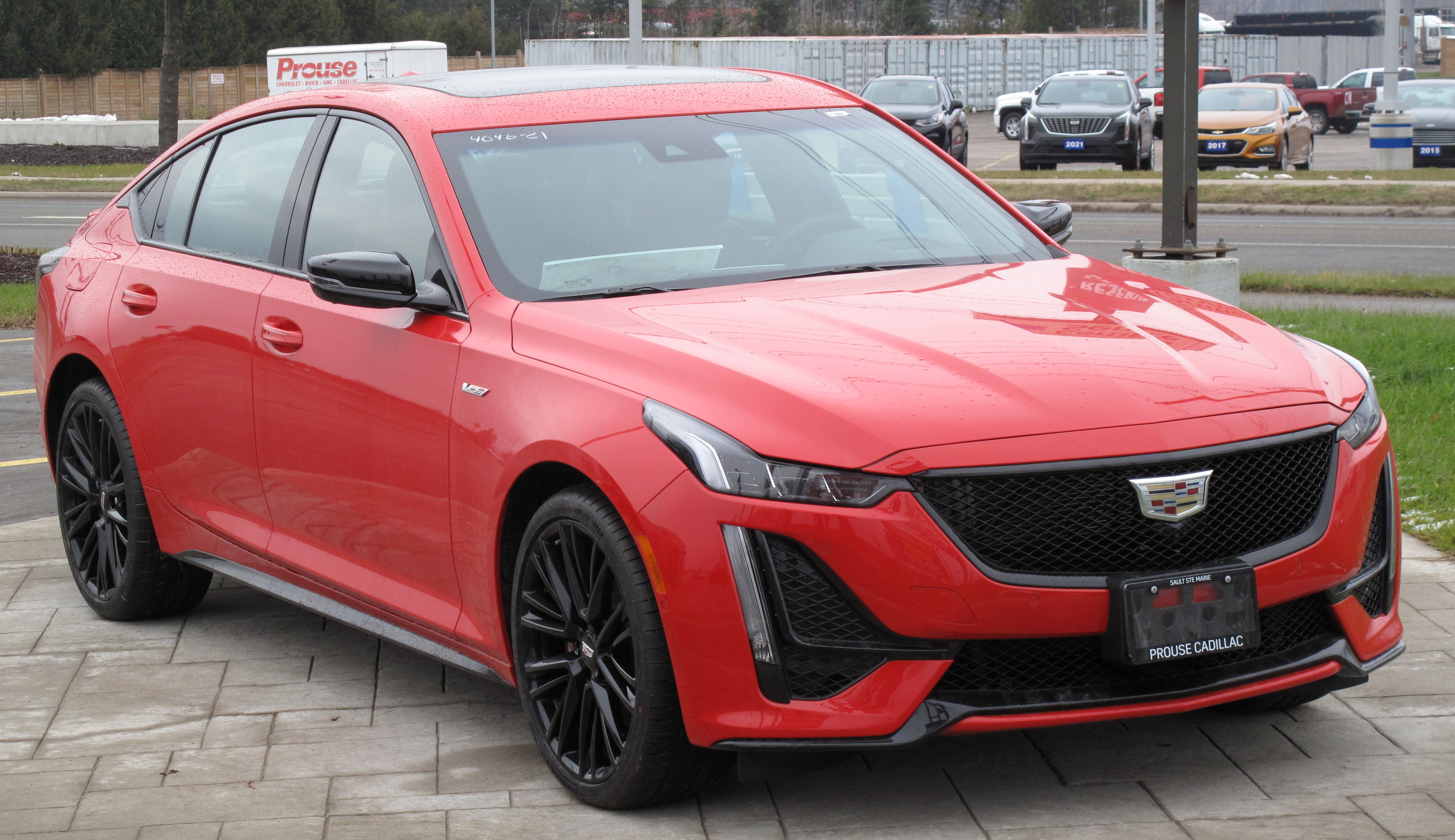
27:44
Maybe 2027 when the new Cadillac CT5 comes out,
27:48
they might throw Chevy a new sports car then.
27:51
In any event, thanks again to Joe Lago for joining us today.
27:54
Good to see you, Alex.
27:55
Keep the hair as short as you can
27:58
and we'll be back next week.
28:06
The gas is production of eight car media
28:08
and American cars and recent.com.