The Acura Integra is a small, sporty car that’s fun to drive and lasts a long time. Many people like it because it can go fast and handle well on twisty roads.
The Acura RSX is a small, sporty car that’s fun to drive and made by a company known for making reliable cars. Many people like it because it’s easy to fix and can be made faster with some changes.
Hydraulic steering helps you turn the steering wheel more easily by using special fluid inside the car. This makes driving less tiring, especially when parking or turning.
Touring car racing is a type of car race where cars that look like normal street cars race on tracks, but they are specially changed to go faster and handle better.
The Skyline R33 is a fast and sporty car made by Nissan that people like because it can go really fast and handle well. It was made in the 1990s and is popular with car fans.
The Mitsubishi Lancer Evolution 8 is a fast and sporty car that came out in 2003. It has a powerful engine and special four-wheel drive that helps it drive well in all conditions.
When a car is shown in a popular movie, it can make a lot of people want to buy that car because they think it looks cool or exciting. This helps car companies sell more cars.
The Mitsubishi Lancer is a regular small car that many people used for daily driving. It’s not too fancy but gets you where you need to go without many problems.
All-wheel drive means the car sends power to all four wheels instead of just two. This helps the car grip the road better, especially when driving fast or on slippery surfaces.
Car
Mitsubishi 4G63 engine
The 4G63 is a type of engine made by Mitsubishi that has four cylinders and a turbocharger, making it powerful and popular for tuning.
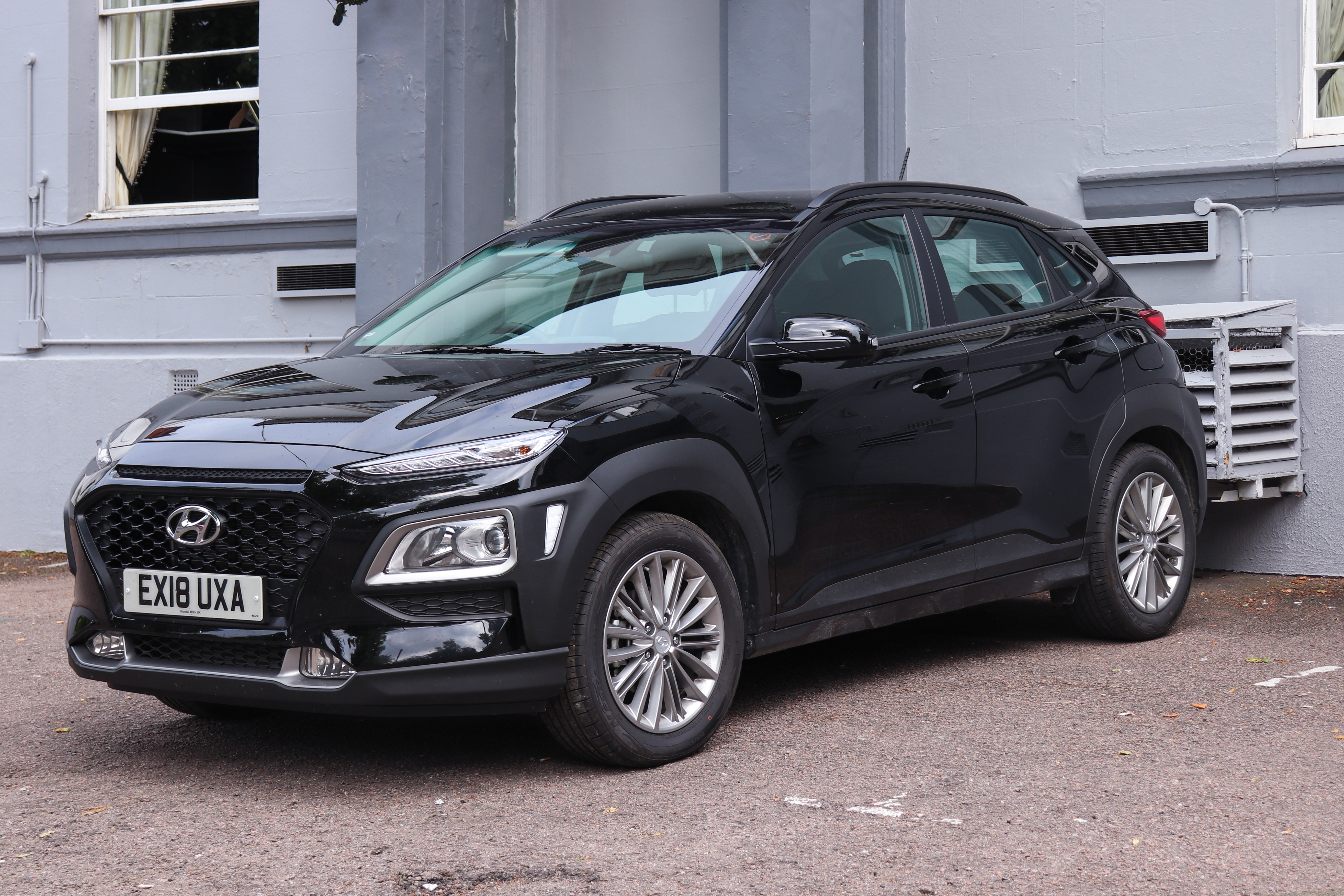
The Hyundai Kona is a small SUV that’s easy to drive and has lots of cool features. It’s good for people who want a car that’s comfortable and can carry things or passengers without being too big.
The Subaru WRX is a sporty car that can drive well on all kinds of roads, including rough ones, because it has special features that help it grip the road better. People like it because it’s fun to drive and works well in races and video games.
Rally racing is a type of car race that happens on different kinds of roads, like dirt or gravel, and the cars need to be strong and fast to handle it.
Understeer means the car doesn't turn enough and wants to go straight instead of following the curve.
LIVE
Hey, and welcome back to the next episode of the right hand drive guys podcast, the podcast for guys who like right hand drives. I'm Bobby. This is Aaron.
Yo, yo. And we are here in the garage. And, you know, it is about to be a new year.
Yep. New year new.
It really is.
Me or whatever.
What?
I don't know. Whatever they say.
So yeah, it's it's about to be a new year. And, you know, last year we did an episode on, you know, what are the new cars for 2025 that are going to become legal that are exciting, right?
And if you miss that episode, go check it out. But realistically, all those cars should be over here by now.
So you probably know kind of figured it out.
And so we were reviewing the cars that become legal in 2026 and we were going to do, you know, kind of a mirror episode of last year and we're like, wow, these cars kind of suck.
Yeah, what what happened when they in 2001 where they just dropped decided not to come out with any new generations or like
or just anything super exciting, right? Like, if you think if you quickly just think about here, right in the year 2000, we had an EM1 Civic SI, right?
We do we're killing it, dude. B series royalty, like we were like there, right? Dude, 2001, they come out with that new weirdo civic body style with the D series, like not and then and then follows up with the EP3, you know, so like,
yeah, even here in 2001, we like fell off. Like, I don't I don't I don't know what it was. But was it 1998? I tell you that.
Dude, that's that's for sure. Yeah, 1998 was like killing it. That was pinnacle. So yeah, we're looking through these cars and we're like, dude, these kind of suck.
And, you know, only two stood out to us. And we figured, hey, why not just showcase these two vehicles instead of just ramble through? I don't even remember what some of those ones you said were half.
More than half the cars were just normal daily driver type toyotas. And I mean, other than the two that we're going to talk about the only one that really stood out was the V 35 Skyline, which is like, I mean, whatever, it's not that exciting.
Yeah, I mean, yeah, that's yeah, it is what it is, like you said. And so we figured, okay, both of these cars, we both have been like fans of right, whether it was their successors or whatever, right, you know.
And so let's just focus on that. And these two cars are first and foremost the Integra DC five. And secondly, the Evo seven. And I think the significance of these two models specifically are they are both successors to a previous generation.
And in 2001, they released new body styles of both, right, that kind of a tried attempted to bring the models into like the new the modern. Yes, new generations, right?
And because before this, with these two cars, like the previous generation was, I mean, they were making them in the mid 90s, early 90s.
Yeah, for sure. Yeah, yeah. And so that would that would be, of course, the DC two Integra Type R, which was the first Integra Type R, and the Evo six, which is still like that mirage base kind of, I don't know, they had been running it out between the four, five and six. Yeah.
So, all right, let's start out with the DC five. So this this car, I feel like back then, right, was either loved or hated, right. And of course, we got the RSX here in North America, right. And then and then our, it's not a type R, but our like performance version was the type S.
Yeah. And they I think they had like an A spec as well. Yeah, something, you know, some had like ground effects and whatever. Yeah, a little bit nicer. Yeah. So but over there, you know, they had got the base, the type S and the type R. And and that's always how it is, right? You know, up until, you know, whatever these last 10 years, Japan always got the good stuff.
We all know that. That's why we sit here and wait for it for 25 years. Like, it's kind of ridiculous. You know, and so one of the big things I feel like that they really kind of, I wouldn't call it upgraded, but they they pushed out there was the K 20.
Right. This, the DC five was the first Integra that came with a K series motor. And as we both know now that K series, that original K series motor started a whole thing that is still lasted now.
A super reliable motor that can make power that you can swap.
It's popular now more than ever with the K series, with like how they're doing real world drive swaps with them now. And that whole thing like the K series has really stood the test of time.
Yeah.
Thinking thinking back, you know, they first put it in a car 25 years ago. 25 years ago.
And we're just now figuring out that like, this is the right. This is the one. Yeah. Yeah. This is actually good.
Yeah. So that is like, right. So them dropping this K series motor in this like legendary second version of an Integra type R was definitely them trying to push the envelope.
I don't feel like it was, I don't feel like things had dropped off so much by then at the beginning when they were designing this, right?
It feels like after this, we had this giant dip, you know, just like weird cars and that weren't that great. And, you know, so anyways, as I digress, you know, of course, with the DC five, they upgraded the styling looks, you know, they enhanced that spoiler.
They gave it even better, like, you know, lip package and all that type of stuff got rid of the four door got rid of the four door.
Yep. They didn't do like a DBA style, which probably was just production issues, you know, like there, there is no four door RSX.
Right. So I mean, there's other city and Hondas, they can buy for sure.
Yeah. Yeah. So it's like, you know, I feel like at this point and in who knows, you know, if you look back from 96 to 2000, what were the DBA sales actually, right?
You know, like was the DBA actually popular? We don't know. For us, it's, it's sick. It's a four door, you know, it's a four door type art.
It's kind of like the Autech 33. It's like this unicorn thing that you don't see as much.
So we don't know the sales amounts, but that could also act.
But they did redeem themselves with the FD2 type art.
Yeah.
Which was sick.
Yeah. Yeah. And it was sick because it was like made in Japan. They knew what they were doing.
So, you know, beyond that, you know, they upgraded to the six speed transmission and that's like a generally a K series thing anyways.
Yeah.
And, you know, they had hydraulic steering, you know, as opposed to the, you know, a lot of the 96s for the Integra type R were without power steering.
Did you know that?
I didn't know that.
Yeah. So, you know, it's like the modern type R, Integra type R, right?
And so, I don't know, what did you think like back in the day when the RSXs came out and the, you know, these DC5 period came out?
What, like, what was your impression of them?
It weren't you? I mean, let's see, we're talking 01. You weren't quite at a dealership, a haunted dealership yet.
So, and you wouldn't have been seeing the Acura's anyways.
Right. Right. I never really saw many of them.
Yeah.
Good handful, but that's about it. But no, whenever they first came out, I was, I liked them because I liked hatchbacks and I liked compact cars, right?
So, like, the new Acura in the States, you know, the new Acura comes out and it's just like, okay, that's sick.
Like that's their sports car. It comes with a six speed.
Yeah.
It has this, you know, cool styling. It just looks kind of sporty. I don't know.
Something about a two door hatchback. I don't know. I was into those type of cars.
Plus I was riding bikes a lot. Now I always wanted the hatchback so I could throw my bike in the back.
Yeah.
So it was like one of those things where like, you know, I looked at cars like that too, whenever, even before I could even drive.
So I was definitely into it. And I mean, you definitely saw them around RSX, you know, you definitely saw them around a lot, you know, and they were cool.
I liked seeing them.
Yeah, for sure.
What did you think about them?
I wasn't like, I don't know. I wasn't like the biggest fan because I saw it as like, like, I didn't like the change necessarily.
Yeah.
You know, I liked what we had. But then a friend of mine down in Nashville actually had, or two of my friends had the burnt orange one, you know, like that like sunset orange type.
Yeah, yeah, yeah.
Kind of like the neon type.
I forgot about those.
Yeah. And so they each had that.
And, you know, they did mods to it and I got to ride them and I was like, okay, like these aren't bad.
Like I was into Evo's at that time, but I was like, okay, for like, you know, like the K series, it was my first time pretty much riding in a K series car.
Yeah.
I was like, oh, okay, because I was used to be here.
Why does a shifter feel so funny?
Yeah, yeah, yeah, why is it?
Because they went from like actual linkage to the cables.
Right.
Which like, you kind of lose, I feel like you lose a lot of feel with that.
Yeah, for sure. But that's like part of them doing what they have to do.
And so I was like, not sold on it.
And then, you know, through my friends, I was like, okay, like these could be cool cars, you know, I immediately back down.
I'm like, oh, how could you turbo this thing?
You know, like just thinking like, how can you get more?
I mean, also thinking back, my dad and I would always watch like touring car racing on speed vision or the speed channel.
Speed.
And there was always an RSX like in the field somewhere.
And I just remember also seeing and thinking, oh, damn, that's super cool.
Like, also kind of maybe more.
And so I think the biggest difference between the DC2 and DC5 is the extra like 38 horsepower that the DC5 has.
You know, you know, factory to factory, like the DC5 is is going to outperform the DC2.
Like it just is what it is.
Like we've already talked about the B series is like an amazing motor.
But when you put the B and K next to each other stock for stock, the K series is just yeah, it's just better.
Yeah, you know, you can't.
Yeah, I mean, they can compare like, I guess, but it's just yeah.
They're not totally in a different league.
But like, you think about the the B series was designed in the 80s.
Like, you know, the base design of it, you know, so like the K series definitely got more modern technology.
And yeah, I mean, realistically, it dropped 23 years later.
That's pretty, pretty long time to figure some shit out.
You know, like realistically.
So yeah, I mean, however, like me personally, when it comes down to it, I like the looks of the DC2 better.
I don't know.
Like, I don't know the DC5 looks never fully grew on me.
And maybe that's because I am like a product of the 90s, you know, and like Nestaush is a bitch.
And like, you know, you're like, yeah, the new one's cool, but the old one.
And that's why we have a garage full of 90s cars, right?
Because we're like, well, you know, the new one's cool, but the old one, you know, so that just is what it is.
But overall, like, hey, Honda was trying to continue the legacy, which I think is more important than anything else.
Oh yeah, absolutely.
You know, like if in 2006, if you think about it, if they had came out with a DC7 or whatever it may be,
like had continued it, what would that be like?
Right.
You know, instead, like they kind of did.
Honda's pretty good at preserving their heritage too, I feel like, you know, they don't put the type R badge on anything.
Right.
You know, they like, they know what the type R means.
Yes.
And they hold that very close to them.
And I mean, it shows.
Yeah.
And that's why they didn't merge with Nissan because they know that Nissan throws a Nismo logo on anything that moves.
Yeah, no doubt.
Dude, you don't like the Nismo Leaf?
The Nismo March, the Nismo.
Yeah.
No, I know every vehicle.
Like, yeah.
The Nismo Armada dude, come on.
That one actually is pretty sick.
Like, but...
But right, I see what you're saying.
It's almost like Subaru with the STI badge.
Yes.
Like, because they saw a lane, the manufacturers saw a lane to sell more units by strapping on some flair and a badge.
They did it.
Honda never did that.
Like you said, they understood that the type R meant something so much beyond.
Yeah.
Like just an everyday car that they wouldn't do that.
Which, you know, Nissan kind of did with like the GTR, right?
They wouldn't put that, like there wouldn't be like a March GTR.
Right.
You know what I mean?
Like in that sense, they kind of kept the GTR just like the type R thing.
But yeah, I agree.
Honda has been good about preserving that.
And if they don't have something that's that earned the badge, they won't put it on there.
Right.
I mean, case in point, the S2000.
They never had a type R because it's a convertible.
Right.
And it can't be a race car.
It's not really a...
Yeah, right.
It's a sports car, but a race car.
Right.
Yeah.
Yeah.
Very true.
Okay.
So onto it.
The Evo 7 is the other vehicle that in 2001 was the first production year.
Evo 7.
So we did not get those in the States.
No, that was...
Because this gets confusing a little bit, I feel like.
Yeah, for sure.
Because, all right, in too fast, too furious, that was an Evo 7, right?
Yes.
And that was left-hand drive.
Or yeah, the green with the crazy red.
Yeah, whatever.
And that was left-hand drive, but we never got those in the States.
That was like a European model or something like that.
Which doesn't make sense for the movie because...
But then again, think about this.
There was not a single right-hand drive car in the first Fast and the Furious.
In the first one.
Other than the Big Bird R33.
Oh, true.
The Yellow 33.
I think that's really...
Because everything else was left-hand drive.
Yeah, everything else was left-hand drive.
Probably low budget.
They didn't really have a lot of money to source these exotic import cars, so to speak.
But then too fast, too furious, comes along.
And then the first scene.
Yeah, the skyline's right-hand drive.
Right.
But then, right, they have a left-hand drive Evo.
Yes.
Which...
That we didn't even get in the States yet.
That we didn't even get...
Because, think about this, right?
That was 2003.
That they shot too fast, too furious.
Or that it came out.
Sorry, that came out.
So that means in 2001, 2002.
Pretty much as soon as the first one hit, got really good feedback.
They started on the next one, right?
They're like, oh shoot.
So anyways, that's before.
Because in 2003 is when the Evo 8 premiered in the United States.
So that was even before.
So it's not like they took an Evo 8 and made it look like an Evo 7.
They weren't even here.
Yeah, I mean, that movie obviously had some help with Mitsubishi.
Because like the two Evo cars was a...
That's true.
Spider, Eclipse, and...
I don't know where they confiscated the rims from.
They start out with a 34 GTR.
Everybody in the theater is puckering their butt.
They're like, yes, dude, yes!
Dude, he crashes it into a parking meter.
That's the last time you see it.
It's like, dude, what the frig...
Put the Evo into the parking meter, dude.
Right, right, come on.
But yeah, I mean, so that was a 7.
7 is the last one that was not available in the United States.
7 is the first one with that body style that continued through the 8 and the 9 until the 10.
The X or whatever.
And so prior to that, like you mentioned earlier, was the big fog light kind of squared off headlight,
like mirage style Evo, still 4G63, all of that same stuff.
But they dramatically changed the looks of the car between the 6 and the 7.
And then for the 8, they didn't really change it that much, just the front and rear bumpers.
And they like rounded the headlights a little bit more, but otherwise, all the same.
Same rear end, everything.
How many years did they make the 7?
The 7 they made in 01, 02.
And then, so only like three years.
Only three years was the 7.
So that's not that much.
It's like they put it out and then was like, oh, shit, we forgot to make these changes.
And they changed it super quick.
But I guess nowadays, that's not that crazy of a thing for a car to have three years.
Yeah, I mean, nowadays, no.
And I think the big thing for the Evo 7 that when they came out with it that they were pushing for was the first one with the active yaw control.
Because when Mitsubishi was coming out with these cars, especially like the 8, this technology was their thing.
Because they know that they've had the same motor since literally almost the first one.
But now they're putting technology where you can control the diff.
You have active yaw control.
You have different modes for snow and in all of these things that kind of obviously change the parameters within the computer to help you drive better.
So I think that that was pretty much what they were pushing on.
It's like, hey, this is like the new less just mechanical Evo.
This is the new technological Evo for the 7.
And so, yeah, I mean, I would say that the Evo, like think about this, right?
That movie comes out in 2003.
One of the hero cars is an Evo.
And this does make sense with the involvement that you're talking about with Mitsubishi is that they know that the 8 is dropping in the US.
They were almost like prepping the market for it.
I believe that if the 8 was not dropping in the US, I don't think they would have put the money into that movie like they did, you know, because they knew that people were going to fall in love with that car.
And it is similar enough to an 8 to create that want, you know, in that exposure, you know, they saw what it did for the skyline or whatever, right?
So they're like, OK, we want that exposure.
Makes perfect sense.
Now you've got kids like my friend Randy back then.
We watched the movie together.
He goes and buys an Evo 8, literally.
And that's now his favorite car because of that, you know, and whatever, right?
It's just interesting how that marketing behind the scenes kind of works and we don't necessarily.
Yeah, I never even really thought about it like that deep until you just said that.
And yeah, it makes total sense.
Like they were definitely, you know, prepping the market for this new sports car to drop.
Yeah.
Because yeah, I mean, we I think we had Lancers.
Yes, we had regular Lancers.
What the heck are those?
You know, and so it's like, of course, one thing.
OK, so one thing about the seven that that I thought was interesting.
It is the only evolution that was offered in an automatic GTA configuration.
So this this vehicle is any grand theft auto grand theft auto.
Yeah.
I know.
I think it's like GT automatic.
I see.
Yeah.
So the regular, you know, whatever regular Evo five speed, you know, we're not at the six speeds yet.
Those don't come along until the nine year at a five speed, but they offered an automatic transmission.
Yeah.
For the people that wanted the all will drive performance.
I guess until the 10, right?
Or did that have like a DCT?
Well, yes, until the 10.
Right.
But as far as the automatic was only seven, right?
Which was an ultra rare option, which you wouldn't think because basically like when you go on gunet, right?
And we were looking at these like eight or nine months ago, we're like, dude, we should probably jump on some sevens because they're going to become legal next year, which is 2026.
We should probably jump on some of these because at the time I was finding the manual transmission Evo sevens for about 15.
Yeah.
And I was finding the automatics for seven, seven thousand dollars.
Dude, you can't tell me that there isn't Evo transmissions somewhere that you could swap it out with for seven thousand dollars.
You're getting a four G six three with a whole body.
Yeah.
Like for seven grand.
Yeah.
And all you got to do is swap a tranny in there.
I don't know.
I'm not saying that that's super easy, but like it's been done plenty of times.
I'm sure it's been done.
Yeah.
That's not bad.
I mean, for the for the price, like you can't really do that.
And even that turbo four cylinder like nothing you're not you're not getting anything.
Yeah.
Seven grand.
You're not getting like Evo eight and nines right now here in the U.S. are going for 20 plus 20 plus plus.
I can't even remember the last time I saw one of those.
Yeah.
Like in and if they're if they're in great condition, they're 40 plus, you know, like in it, which is insane, you know, like,
it is insane.
I remember I think Randy got his it was an Evo eight and this was in 2005 and it was a no three.
And I think he got his for like 24 back then with like low, low miles.
So yeah, I don't it's pretty crazy, but these so we did another check up.
We're like, OK, well, we know where they were at eight months ago.
That's cool.
Yeah.
But where are they at today?
So you're looking at about 10 grand because because eligibility is coming up, you're looking
at about 10 grand for the autos and about 20 to 25 for the manual transmission.
Right.
And that's Japan price.
That's Japan price.
Nothing else.
No tariff.
That's buying at the dealer.
And that's it.
Yeah, that's it.
So, you know, I mean, it's creeping up there.
And as these cars continue to become eligible, that's all that happens, right?
Like people are like, oh, I'll wait till it's eligible.
Yeah.
But like, dude, if I had bought one for $7000 eight months ago, I would be like it's eight
months.
I would be $1,500 in storage.
OK.
Now I'm at 8500 bucks.
I'm still saving 15 to 2000 now that they're closer to eligibility even while storing it.
You know what I'm saying?
So it's like sometimes waiting for them to like most of the time that doesn't work out.
Yeah.
Not if you're trying to get a deal.
Yeah.
Like if you just have money to blow and you don't want to put in the footwork, like, sure,
wait on it.
Right.
Wait for it to become legal.
But like if you're one of those dudes that, you know, you're trying to get the best deal
and you don't mind putting in a little bit of work and a little bit of searching and
talking to people and like finding the one for you, then yeah, absolutely.
You should hop on Kona right now and start doing it.
Yeah.
Yesterday you probably should have.
But yeah.
And that's kind of the thing, right?
Like even if you look at, you know, the guys that have like the M-spec nerds and like the
V-spec twos and, you know, that bought them pre-eligibility, right?
Yeah.
They got the best deals by far.
There are dudes that got M-spec nerds for 150 and now they're worth 400 plus.
You know what I mean?
Yeah.
Just because they had the foresight to be like, look, these cars are not going to get cheaper
when they're eligible.
More people are going to come in to get them.
And so I think that if, especially if it's something you want for your personal collection
and you have the patience to wait, you should absolutely get it before eligibility because
you will get the best deal and probably have the largest selection.
Yeah.
I can see that as.
Yeah.
So yeah.
I mean, Evo 7, I think it's an awesome car.
I personally am an Evo 9 fan because of the, the body styling really got refined for that
final year of like the CT9A chassis.
Like the, that's perfect.
But if you look back where that chassis started with the Evo 7, like you could see where they
were going and like, I think that they did a great job.
What?
What?
What were you going to say?
I forgot.
Okay.
So if you had to choose, right?
You got, you got a championship white.
Okay.
Champ white.
Champ white.
Red Recaros.
Yes.
DC5 on your left.
On your right, you got the Wicked White.
Okay.
Is that, is that really what it was?
Yeah.
Wicked White.
Wicked White.
Okay.
You got the Wicked White.
Okay.
Evo 7 with the Black Recaros.
Left and right.
Both stock for stock, both a 2001.
Keys are just dangling in front of you like a carrot.
Which one are you choosing?
I'm going to go with the DC5 Type R all day.
I don't know.
I, I never was a huge fan of the Evo's.
Like, I don't know why.
I mean, I thought they were cool, but I just weren't into them.
Clearly you've never been in one that made your, the ball of poop roll down your ankle.
I haven't.
And like the only reason I say that is like, obviously I played video games a lot.
But when I played Gran Turismo, I was always the Subaru WRX over the Evo guy because like
in rally racing, that was like the huge, you know, rivalry there.
So I never really got super into the Evo's.
I was aware of them.
I thought they were cool, but like, I didn't think they were the coolest.
But yeah, I don't know.
I would definitely take the DC5 Type R just because I don't know.
It's the Type R dude.
That Type R badge, that legendary Type R, you know, you can't go wrong with it.
Yeah.
I mean, I guess I would agree to an extent like, you know, that, that badge and like that just
heritage is like huge, right?
Like whether you're a Honda, Honda guy or not, Honda guy, whether you're one of those dudes or
not, you can definitely appreciate the heritage behind the Type R, you know, in the extra steps that
they took to make the chassis rigid to, you know, make it lightweight, like all these different
things.
However, you know, the Evo 7 has much more potential in my eyes, you know, depending on
what you're using it for.
Like, yeah, K series, like of course, first year awesome, you know, 2.0 liter, like, yeah,
but like you can get to good horsepower quicker to all four wheels in a 4G63 than I believe
you can in a K20A.
That's just my opinion.
Right.
That doesn't mean that it's absolutely true.
But what I'm thinking, dude, is I can picture myself just winding out that K20, dude, Revenant
to 10, dude, banging gears, you know, doing that.
I just can't picture that in an Evo 7.
I just picture it.
What?
You've got like the Type R.
I don't know.
I don't know why it's just in my head.
I haven't been.
I guess I got to get an Evo to show you what's going on, dude.
Like come on.
Because here's here's my thought.
Right.
Okay.
I am picture, I am picturing coming around the corner in the track, spinning all four
wheels at 22 PSI sideways around that track, as opposed to understeering into a corner,
trying to pull it out.
Like, you know, I'm just like, yeah, like, I don't know, I get it.
But I do think that you need to have the experience of driving like a, you know, whatever, even
just 500 horsepower Evo to see what that feels like.
Because when you just went, I'm like, okay, like what's, what's he doing?
Or if you get the automatic.
Yeah.
But I mean, either way, they're both amazing cars.
We're, you know, even though we're coming to the end of like the golden age, for sure,
as you can tell last last year's episode, we had like 10 cars that were becoming eligible.
This year's episode, we got like two that are worth talking about, you know, and next
year, I don't think there'll be this episode because there's not anything new.
Right.
That's going to really become eligible.
Right.
Yeah.
Not much.
Yeah.
I can't, I like it.
Like, yeah, off the top of my head, I can't really think of anything because like I said,
in 98, 99, they like, dude, they blew their load.
Yeah.
For sure.
All the, all the manufacturers.
They peeped.
Like it's just like for, for new cars.
Yeah, I agree.
All right, guys, let us know in the comments DC five or Evo seven, which would you rather
have the, the winding out to 10 K DC five or the Evo seven, let us know.
But for this episode, oh yeah, you can always, you can always get ahold of us on, you know,
YouTube, Instagram, all that good stuff at our HD GUIS.
But for this episode, I'm Bobby.
This is Aaron.
See ya.
Peace.
About this episode
The hosts dive into the 2026 federal import legality changes and reflect on the decline of exciting right-hand drive cars since the late 90s. They focus on two standout models becoming legal: the Integra DC5 and the Evo 7, discussing their significance as successors to beloved earlier generations. The conversation highlights the DC5's introduction of the K20 engine, its mixed reception, and how it compares to the DC2 Integra Type R. They also touch on Honda's careful preservation of the Type R legacy and the broader impact of shifting automotive trends on enthusiasts.
In this episode of the Right Hand Drive Guys Podcast, we take a look at the cars that officially became federally legal in 2026 under the 25-year import rule — including icons like the Mitsubishi Lancer Evolution VII and the Honda Integra Type R (DC5).
While these cars are still exciting additions for enthusiasts, this new class of imports raises a bigger question: are we reaching the end of the JDM golden era? Compared to the flood of legendary cars that became legal over the past decade — R32s, Supras, FD RX-7s, and eventually the R34 — the pipeline of truly must-have JDM cars seems to be slowing down.
We discuss what makes the Evo 7 and DC5 special, why the early-2000s era feels different from the 90s boom, and whether the future of importing will ever match the excitement of the golden years. Is the best behind us, or are there still hidden gems waiting their turn?
🎙️ The next generation is here — but is the magic fading?