Cars have a small battery called the 12 volt battery that powers things like your headlights and radio. Even electric cars use this battery for some parts.
The Hyundai Ioniq Hybrid uses both gas and electric power. It had a special button to start the car even if the small battery was dead by using the big battery instead.
Electric vehicles are cars that run on electricity stored in batteries instead of gas. Switching from gas cars to electric ones is a big change that takes time and money.
Leasing a car means you pay money every month to use it for a few years, then give it back or buy it. This can affect how happy people are with a brand.
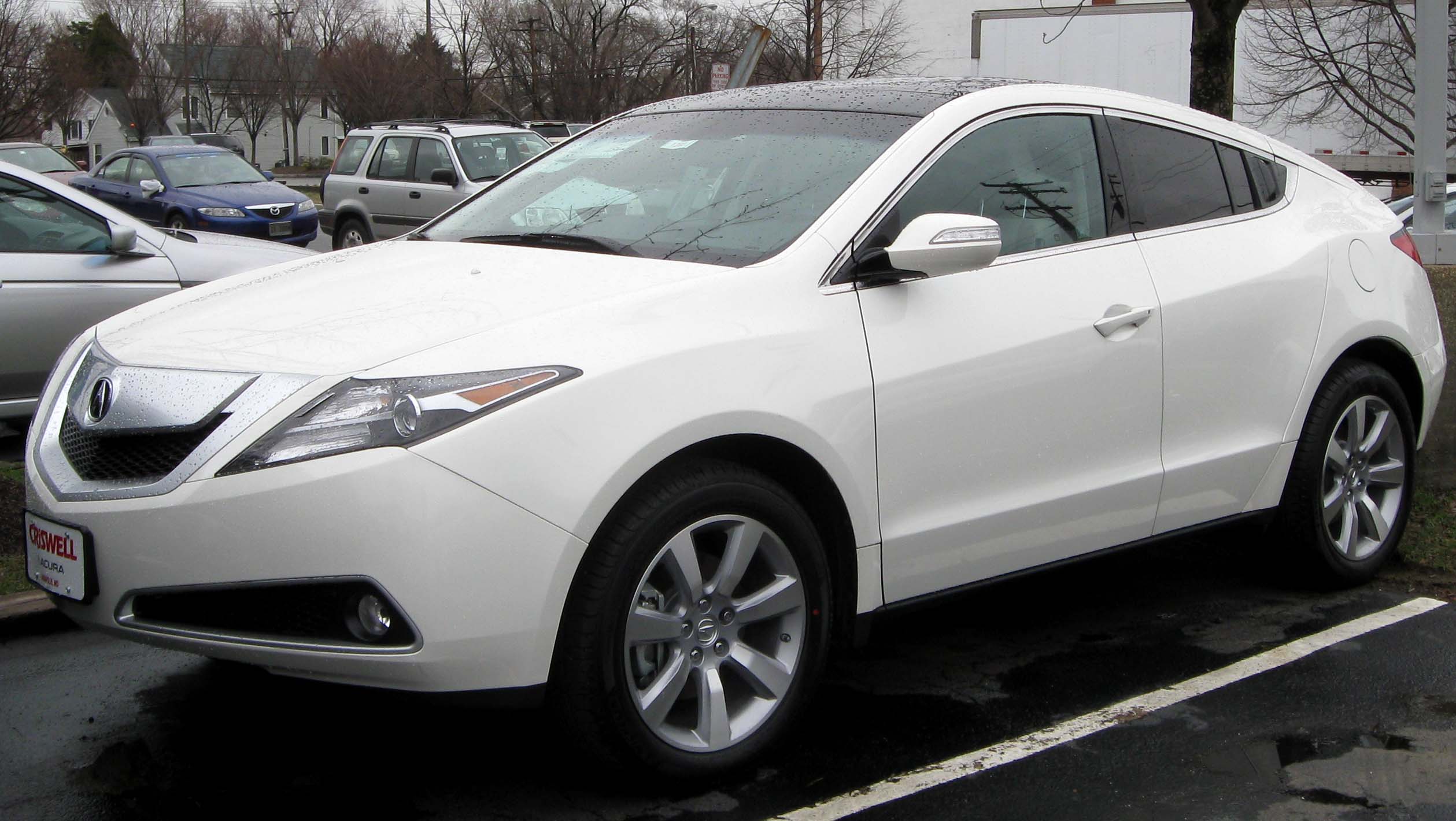
The Acura ZDX is a luxury SUV made by Honda's luxury brand Acura. People are talking about it because they wonder if it will get good support since it shares parts with GM.
The Acura RDX is a smaller luxury SUV made by Honda's luxury brand Acura. It's talked about here because it might not be sold anymore when Honda switches to electric cars.
Car
Honda RSX
The Honda RSX is a small sporty car from the early 2000s that was different from other Hondas and fun to drive.
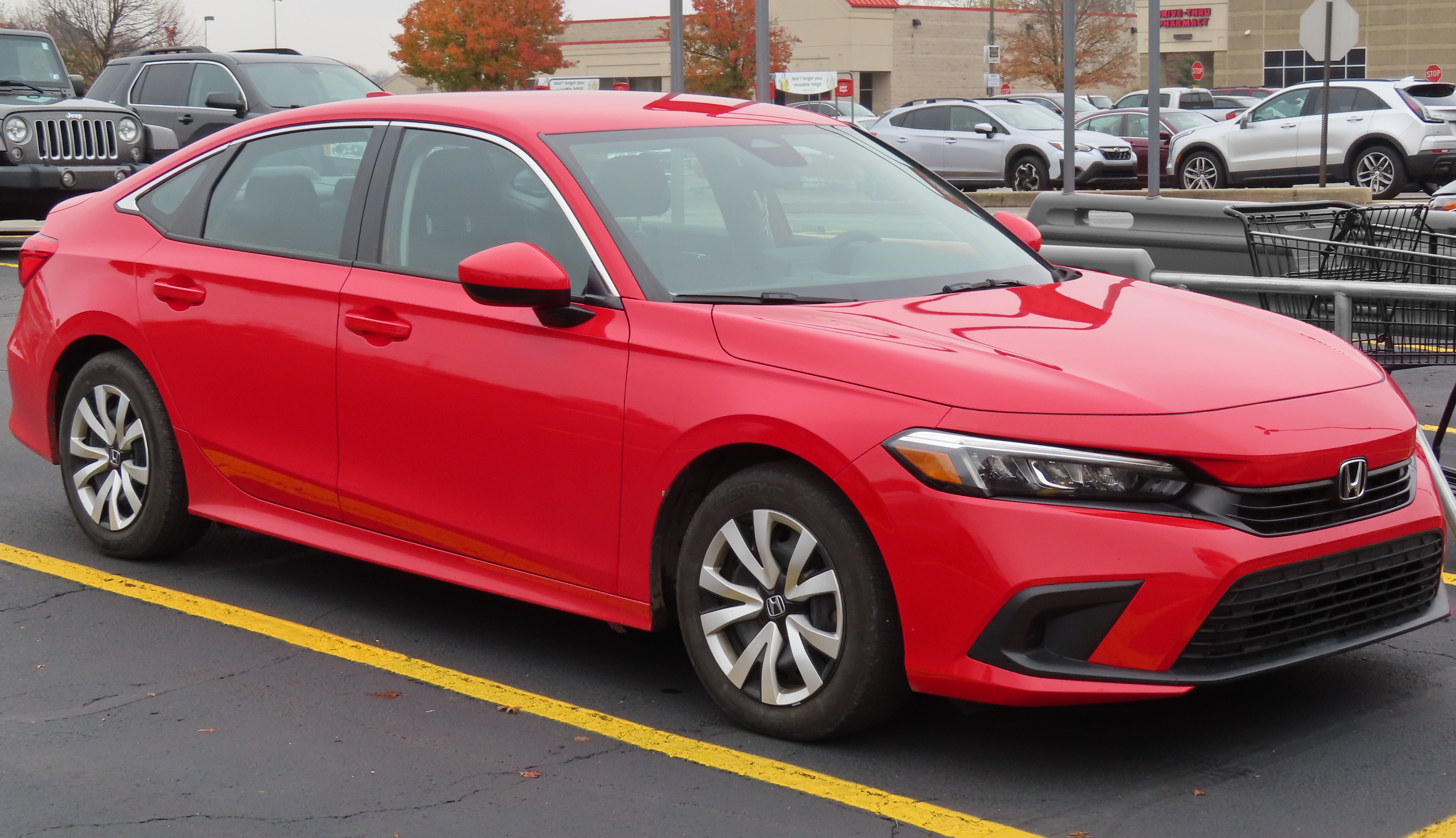
The Honda Civic Hybrid is a car that uses both gas and electricity to save fuel and help the environment. It is like a regular Civic but better for gas mileage.
The Honda Ridgeline is a type of truck that feels more like a car when you drive it. It has special features that make it different from other trucks and is very comfortable.
Car companies look at what people like and don't like about electric cars. This helps them make better electric cars that more people want to buy.
LIVE
Hello and welcome to another episode of the auto buyers guide podcast today Travis and I are going to be joined by a very special guest where we are going to take a deep dive into Honda and their electric woes and really sort of everything that Honda is and isn't doing maybe at the moment.
But before we get to that, of course, let's roll the intro and then dive into our five star reviews.
Alex, we have a couple that came in hopefully next time we'll have a few more but let's start with Matt are he says such a great podcast I've been watching Alex's main YouTube channel for many years, even before it was auto buyers guide.
And I've always done and provide the best and most technical information out there regarding the automotive industry. This is my go to listen to the two in the car from to and with work just don't worry that was me.
Thank you both for providing such a great content and navigating all the intricacies of the industry PS. I'm not an Apple person either Travis. Don't worry about not reviewing yourself. We got you covered. Thank you Matt are for looking out and giving me the bail out that Alex will not buy unfortunately.
Because I mean Travis has yet to review his own podcast on Apple.
I know I just I'm so torn up about it. It's not right.
It's one of those very things we need these reviews. So come on.
There's another one to you that might end up on my personnel review. I don't know. I'm not sure exactly how the HR system works.
Roll through the next review because this one called us informative and witty and witty. Thank you.
The content coverage is great. Both hosts are knowledgeable and funny.
Most importantly the recording audio level is just about right. And that actually is a huge thing. Have you ever had that next podcast come on as it skips around and that is not the same volume you had the last one at.
Yeah. And sorry for having one podcast a few ago that only had one channel. Oops my bad.
Also elephant in the room. I'll talk about this little guy here. I managed to literally trip and pour myself into a pile of bricks last week.
So unfortunately you know what wasn't recording the cameras around the house or you haven't shown that to us yet.
And the intro that I got when I first signed on.
Was recording. I think that video snippet will will be taken to my grave.
Yeah that makes sense. But when I logged in to this call a gift that I had sent Alex was well part of part of the wit that you're referring to.
I had a light show going on. There was a specific music in the background and Alex got to debut his all new look.
Yeah Travis Travis has my sense of humor. So this arrived in the mail.
And you know I will say it covers most everything except for the edge of the brick bruise right down around around there somewhere.
So with that let's introduce our special guest we have Mac joining us from inside Evie's and Mac. What is your title there these days.
It is technically interim editor in chief. I prefer deputy editor but you know either works. I also have some brick related trauma if that helps.
We'll go with big cheese. Can we can we call you the big cheese there. I am the big cheese. I've been there. I mean that's been my role in every place I've ever worked the big cheese.
But when I was like 10 we were at a neighbor or a friend or family friends house that had a trampoline with no net and the way to get on the trampoline was a pile of bricks they had arranged in the shape of a staircase because it makes me sound like I grew up in the 70s.
This was the early 2000s. Hey now.
Sorry. But yeah and then unbelievably with the net without a trampoline or the trampoline without a net and eight people on it. Me the tiniest kid got launched onto the pile of bricks and landed right here and I the scar went away like two years ago.
This has been 20 years later so we have both been brutalized by a pile of bricks before so they're sneaky.
Hey at least you got to experience childhood like I did I mean trampolines not only didn't have the nets they didn't have anything to cover the springs if you jumped on a spring that was that was just tough.
Too bad for you.
One time my babysitter caught me I was fully upside down heading on to the trampoline and the babysitter caught me by the ankles.
I think you just saved me from paralyzation so.
I mean you guys you guys also didn't know the true danger of the lawn dart.
What is a lawn dart.
Exactly as dumb as it sounds big big missile shaped things of the pointy dart at the front and you like threw them at the lawn or at each other because let's be honest they really didn't just end up in the lawn.
And bad kids would throw them at their brothers sisters etc.
It was a recreational javelin.
Yeah.
Yeah, they weren't they weren't great.
We used to be a country.
We used to be more of us ended up dead maybe that whittling whittling the week out of the out of the flock here.
So, let's drive through our viewer questions here because we did have an email in from the Lee family that's right up all of our aisles here I think.
And they're asking did toyabaru state the you know the toyabaru dealie here. What kind of battery is used for the small auxiliary battery in busy woodland and trailstaker.
My memory is that it's a regular old flooded lead acid battery and if either of you know anything different, but he's asking have they fixed the battery drain problems.
I didn't think to ask about that I don't know. I'm not familiar with that problem.
I had to look it up because I didn't realize that it was also suffering from the issue and I can find nothing saying that it has been fixed or yeah, or that it's truly pervasive either so like either end of this thing.
I did write this story on like you're worrying about the wrong EV batteries of how everyone is worried about their, their giant high voltage battery which all the data suggests lasts very long and if it's going to fail fails early in within the warranty period.
But man these companies cannot figure out their 12 full batteries for I mean, I didn't know that Toyota was having a problem or look and as per usual with you know, reliability data it's hard to get the signal through the noise of.
There's obviously just the situation of there's not the warning that you get with a gas car right where you start getting the slow crank and you can pick up on it you know it took me three months of not replacing my battery before.
I just ignored the slow crank on my old Tahoe, but with EVs it's a much more binary like yes no and I think that that catches people out. But yeah, I wasn't familiar with this.
I am. I have to admit I'm surprised that manufacturers don't use an even smaller little battery and just depend more on the high voltage battery and some sort of DC DC converter in there which they're obviously using any way to keep the 12 Volt battery topped up it's not like there's an alternator hanging out and there somewhere.
Rivian did that and then they were having vampire drain problems. Yeah, so like there there's the yin and yang of that of like you want and I think a lot of one of the challenges with over the air updates for some of these companies is the the legacy companies are less willing to there was all these situations
early on with Rivians and Teslas where they would try to do an update and they would run out of 12 volt power power and then that would break the car and I think that is like, you know, category five nightmare scenario for all these legacy companies.
And so they want to build in that buffer and yet still I mean, we know Hyundai can't figure it out. And we know there's an all the one warning light I think I've ever had on the blazer EV was when I got it it had been sitting on the lot for like five months and I assume.
And I think the 12 volt was low which triggered a warning for the low voltage but also triggered a warning for the high voltage battery we brought it in and there was.
There was no problem but I think there was something going on there.
And that was that was, you know, the first drive I ever took it and then since then there's been nothing so have you replaced the battery in your Tesla Travis.
No, I don't believe I have yet but that's it's one of the things that Tesla kind of got to get on early. But it's strange because we're talking about this big battery technology and it's the old battery technology that seems to be holding it back.
It's going to be one of those like the last remaining systems from a pick a decade when the car battery became part of the solution, because we're asking to do things that it has it before we're talking about.
That are going to tap into it and then a high voltage battery that either has to kick all the way on to recharge it or it's just slowly going to trickle down.
But that's the reason why you don't have smaller batteries because there's this this need for there to be some power there at some point or regularly depending on how often you check your app your connectivity.
But it is it is strange because yes, you could you could get away with, you know, nearly nothing a cell phone battery would do it, but you just have to make sure that it's maintained.
Yeah, we talked about how much power you need really to maintain it yet to find the whole system.
The theory here is that that the 12 volt battery is acting as the ballast for the 12 volt system and a lot of a lot of vehicle systems still depend on 12 volts the headlights that the windshield wiper motors the window motors etc.
So there could be a situation where, you know, if you've stalled your window motor and your, your wipers are on all the wipers are on all the headlights are on a set of blower fans high whatever that maybe you have reached a point where you're drawing hundreds of watts from the 12 volt side.
And that would require a bigger DC DC converter so they just jam a smaller one in there and a bigger battery and make that do its thing.
But any, any gas car battery right is going to require enough amperage to crank and like that's that's why you know exactly when you turn the car on right all the radio powers down briefly.
And so it's interesting because the use case is just so different where you have a much longer load that maybe uses more wattage but you don't have that crazy spike.
But there was an interesting solution to this I think the Autopia and recently reported on this and the old Hyundai Ioniq hybrids where there was a button where if your 12 volt battery was completely dead you could press it and it would close it had enough energy stored I think to close the
contactors and engage the DC DC converter and start the vehicle without using a 12 volt battery. And it's the only car I know if they ever did that which is really interesting.
And I'm sad that they didn't continue that because the way they did that was it was actually part of the high voltage traction battery it was like segmented and it was like this parts for the 12 volt system.
And then we'll let you draw that down and then sort of give it a zap with the other side seems like a really good idea maybe it was just too expensive.
It would be great if you had that. So that ICC you didn't break you but it is interesting the one benefit I've noticed though is that most of the traditional car companies when they dive into the EV space they bring with them all their low power draw
phone interfaces and the cell modems and everything else and and those systems don't use as much power as the Rivians and the Tesla's of the world where they're trying to do everything with one central computer that uses just a lot more processing power.
So the vampire drain and all the long term EVs that we've had have been best by far in the traditional auto companies EVs versus Rivian or Tesla's that we've we've owned those definitely chewed through their battery parked real quick.
Well that was part of how Rivian address this with the gen two upgrade because on the gen ones in order for that when it detected the battery was getting low it would automatically connect with to the high voltage battery engaged DC to DC and top it off.
But what they ran into is in the Rivian there was no way to engage that without powering on the whole system including the central computer and all these things that and in the gen two they now have a float system that allows them to trickle feed it without engaging all of the other electronics which I believe has
mostly solved the vampire drain issue but yeah I have no vampire drain that I can detect in my blazer EV but yeah the flip side of that is when I you know send a remote start command or remote unlock command it takes 30 to 45 seconds or sometimes doesn't happen at all so.
Exactly that's the pros and cons this leads me on to our topic of the day which is Honda and before we dive into there I just want to read these two quotes from Max piece here that I thought were really interesting which is why he's on this episode to begin with the first one
is quote I regret buying what company executives were selling back then this time we're serious they said we're committed but since then there has been just retreat after retreat they dialed back EV investments killed off the CDX all will insisting
that the zero series would prove the doubters wrong today they proved us right and the second was from decade long saga of teasing a new NSX to decade long saga of saying this time we're really serious about EVs the company has a terrible habit of building hype for non existent products
three years ago they heavily implied to me that an electric s 2000 and an electric NSX or both in the works now I can't even get a replacement electric crossover I'm exhausted and I'm out of hope I feel lied to.
So with that let's let Mac introduce the origin story of this because Honda has been on a culling game lately.
Yeah so this was written in response to Honda announcing that they were killing the zero series US market models the zero alpha is still going to come to India and Southeast Asia but the flagship program of their EV efforts.
If you could call it that is the zero series which is supposed to be built in Ohio encompass the zero series saloon which is that fast backy cool Reiki looking thing or cool or weird depending on how you look at it the SUV and then the accurate RSX which was notably
supposed to replace the CDX before we knew the CDX was going away and then they cancelled the CDX and then also presumably was going to really fill in the role of the RDX which now their main volume for you know high volume product for accurate
so we've seen a lot of these retreats and I think there's so many parts of the Honda story that people don't even remember like this big partnership they had with GM as I spoke to the CEO in 2022.
It was like first of all he was saying you know we're two similar size companies which already was you know they were similar size by revenue globally encountering all business or encompassing all business units yes.
But yeah they were talking about oh it's not just going to be a rebadge of the blazer to become the pro like we are going this was before we knew those names and stuff but this was we're going to have this long partnership that's going to lead to affordable EVs and we're going to work together on all this next generation stuff.
And that just fell apart very quickly and then next it was zero series and they came out of the gate saying oh yeah we're going to do an SDV we're going to do a software defined vehicle it's going to have an AI assistant all of these areas where I would say Honda does not has never
demonstrated a core competency right and I would say Japan in general hasn't had a huge AI boom that we've seen yet and so it was a big big shot and we only knew very few details about it like that the RSX would have double wishbone front suspension which is extremely
accurate coded language to be like yeah it'll kind of be a driver's car but you know they didn't really say anything specific about it besides I think over 300 miles of range it came out that this was going to be a 400 volt class system.
So we've seen some suggestion that this maybe wasn't going to be the most competitive product but the big the thrust of the piece is that at some point you got to get in the game right like you can do as much as you can learning from other competitors mistakes.
But one thing I think we've learned a lot over the past 10 years is even if you wait for a long time to do something like Stellantis was late to the EV games their first major long range EVs still came out under baked right Toyota was late and they still struggled with a lot of problems with the
BZ4X in terms of not being able to fast charge it twice in a day and things like that or even when you look at Toyota's experience being late to the turbocharged truck game right then it comes out and it's it still doesn't work right because the first time you do anything anyone who's ever done anything can tell you this the first time you do something is very difficult
and I think a lot of companies especially the Japanese companies are very prone to letting perfect be the enemy of good where they are waiting for everything to be worked out and the thrust of the piece is that like these things don't get worked out by themselves companies work them out
people work them out and if you don't have any customer data you don't have any product in the marketplace you can learn second order lessons from what publicly shared lessons other automakers learn but you are always going to be learning behind and learning less deeply the people actually learning this
and that's the main thing that I get from this as well the battery issues for instance not every EV has a battery issue manufacturers have solved this work through this how do we know that something this simple that the industry will say oh that was solved a decade ago how do we know that when Honda doesn't finally pop up with the new EV that little things like that are still going to be creeping into the product because they didn't do it
right yeah I mean you don't know they said oh well we learned a lot about obviously they got pretty close to the finish line these products were supposed to launch this year now I know saloon was pushed back RSX was supposed to be in production only in a few months I mean so that that should have been a 100% fully baked prototypes rolling down the road kind of thing
yeah and I think it's just it's quite challenging where you get you do all that engineering work which surely they learned some lessons there but there are some lessons where you know as every automaker has learned the hard way there's a lot of lessons you learn once the customer gets the car right GM learned at the hard way with Altium Hyundai is learning it with the ICCU situation Toyota learned it with the like these lessons are really hard and I think when you assume that you can just catch up later it's a very different
dangerous assumption especially when you know one thing I took the inside EVs job thinking about is just if you accept that the transition from gas vehicles to electric vehicles is a more complicated and more expensive and bigger transition from the disk or than the difference between film and digital cameras and if you expect that the investment timeline is longer you can't pivot as quickly in this industry with a lot of fixed costs
then logic dictates that like there is going to be a Kodak moment some of these companies are not going to make it are not going to thread this needle right and obviously you know Honda's decision is rooted in the fact that for most people EVs aren't profitable right now and that's just the truth that's a difficult and now they're not being pushed towards it
but Honda was a company that I think is very keen on promoting itself as being focused on fuel efficiency and practicality and you know the buyers seem interested prologue sells relatively well with heavy incentive spend
yeah and it's just like you need to eventually learn these hard lessons and they're not going to get cheaper over time I don't think and I don't think customer patience is going to let like you could in 2021 you can make some pretty serious mistakes with customers understanding that this is a novel market but if someone's owned
two GM EVs you know and finish their two three-year leases in a row and then in 2028 goes to the Honda dealership and is having the same problems that their 2024 GM EV had like that's going to be a real reputational risk for this company
or my wonder here to be to be perfectly blunt and honest is what if it's the opposite problem what if it's a prologue owner or a ZDX owner that that loves their prologue or ZDX and now they've leased this thing they go back and they were a die hard
Honda fan maybe they didn't know or they'd only heard in passing that it was related to a GM product but now they really know now they're like oh wow this is like not Honda at all like everything including the Honda logo is made in a General Motors factory and I love it
so now you buy a GM pro car like right how many I could see people making that transition honestly especially ZDX we actually received an email in about that because they wanted a ZDX as they loved Acura's and they wanted Supercruz so it was like this interesting convergence like they always had
Acura's there's this ZDX thing they're worried about the GM connection like will it be supported for long term etc but they're like but I really like the look and I like the Supercruz and they didn't like the Cadillac look so I'm like hmm where's that customer going to go
and that customer who got the two year or three year lease right they're going to come back and not only is there no at the Acura dealership not only is there no electric alternative there's no gas alternative there's no RDX you know there won't be when they come back and I think that is a real risk in that for all part of why Toyota stepped up their EV investments is they're recognizing that like
for all the challenges of selling the EV once you sell it the customers are very happy and they want to come back and they like this experience because all of the reasons I think all three of us are interested in EVs right they're quieter they're smoother cheaper running costs you know you don't have to worry about maintenance
and all of that just so fits with the Honda brand of like you know I was speaking to someone at Honda about this where I was hearing some of the justifications of it and I said all these justifications of how Tesla was doing Tesla was a once in a lifetime thing you couldn't replicate that or Chinese EVs or exit you know
it sounds a lot like what a GM PR person would have talked told me in the 1970s when Honda showed up and proved that you could do this all without catalytic converters like that's why I'm a Honda fan that's where this sort of anger or disappointment comes from I've been a Honda fan my whole life I've owned as 2000s and the Acura CL type S and couple Hondas here and there and recommend them to my family because I believe in reliability I believe in practicality I believe in efficiency and yeah it's just disappointing where like this is a moment where that
sensibility is I mean a civic EV is like something that I would just love to see in the marketplace right now and this brings me on to my next question if I can yeah we'll start with Travis Travis when you think of Honda what does what does Honda mean to you like what is what is the attribute that is Honda
so honest and like Mac you know I'm generally a fan of Honda I've owned a few in my day and it's it's because they've had some some uniqueness within their product lineup right it'll fall in a category but there's something that makes it a little bit different so I'm left to thinking
if someone comes back not ZDX to something like an RSX but maybe the prologue owner comes back and goes oh here's an RSX I would expect that RSX to have been different but I'll never know what that different looked like that's a that's a small thing for me but it's just it's just been a way to find find their way within a niche the problem has been that that niche does not carry on mainstream in mass in ways that support so that decision making
element CRC S2000 for adjectives what what three or four adjectives come to your mind when when someone says Honda
so I would say it's a reliable I would also say affordable people look to them as not gonna bust the wallet and I would say I would say creative somewhere within there there's a creative element to it
um oh goodness
I'll stick with three
okay I'm I would my my natural instinct is somewhere along those lines the the the Hondas from my childhood were were I'm thinking here you know the 90s 80s and 90s where it was like they were the fun the more fun alternative to the Toyota like you want the toy if you want actual reliability and you buy the Honda because it's almost as reliable but it's a bit more fun kind of a thing
what about you Mac what are what are your adjective thoughts here yeah I would say reliable and like practical slash affordable efficient and fun in that order like the descending order I think of Honda in like the 2000s to have like the world of the
and yeah I agree with Travis as well I mean this is one of my core ones but I do think they're they've always been willing to go a little outside the grain rage lines an example of that but so is S2000
um yeah and I thought there was I think I really agree with Travis this point of I would I was looking forward to seeing what their form of different looks like because in a lot of ways these look like replacement level vehicles that are similar but things like the way that they were talking about the body twisting as part of as someone who loves a car that rolls and talks to you that way
it loves the way Miata does that I thought that was going to be really interesting um but yeah I think that's one of the the core disappointments here of like you know when or lose if Honda built the EV then it's a Honda EV but right now they don't have a
Honda EV they have a GM EV that feels I like I mean I'm a fan of the prologue and that I Lisa Blazer EV I like that car um but yeah that I was really looking forward to feeling like what is it what does it actually look like when the company tries here
and this is I think going back to maybe my larger point here which is let's reassess some of these thoughts because I think that Honda as it is in the harsh light of day right now and the Honda of my memory and my natural thoughts of the brand etc and their product line they're not exactly in agreement
because I think if we go down this list reliability has been oddly enough something that Honda has had some issues with they've had definite five speed and six speed automatic transmission issues in a few years ago they've had some 10 speed automatic issues relatively recently that
1.5 liter turbo has had some you know teething troubles at the beginning there are these questions around CVT reliability and and the push towards CVT is etc so the reliability it's like yes I think statistically Honda does very well in all the metrics that we can see but they aren't where they used to be and often we now see Hyundai or Kia above Honda or Buick now and then being inserted above Honda Mazda for instance above Honda very regularly on some of these data sets and then the affordable
question is also something that I don't necessarily see there anymore when when we get customers or you know viewers in asking questions and they're talking about what's the most affordable this what's the most affordable that it's never a Honda because the Hondas are actually quite expensive for their
segment when you look at really how the the pricing builds base prices comparable quick prices average transaction price etc they are they're in an odd window because they're not the most affordable option even though they may transact less than some of the competition which is also kind of an interesting
twist when I looked at average transaction prices for pilot for instance versus Palisade Palisade transact higher and the average transaction price of the Hyundai portfolio is pretty healthy compared to Honda because they have more expensive models so I'm just wondering like
does it do they fit this mold anymore do they fit what our adjectives say they should be
I feel like Honda is missing a little bit of creative right now right now that was one of the things is you mentioned the fit and Ridgeline and Odyssey all these cubbies all these ways to make things interesting
but one of the things that customers are looking for right now one of the most important things is dynamic powertrains and you look at Odyssey Ridgeline
pilot passport they're all missing a hybrid they're all missing a turbo they're all they're all missing something that has put these other manufacturers ahead of Honda either in a power performance efficiency way and there is no answer on the horizon so we're looking at some
something like the Toyota offering no it's not so so is that enough for the consumer right now maybe the market just isn't looking for what Honda has been bringing forward and Honda needs to be able to adapt to that that might be where it's falling behind
we would go hey this is interesting but no one's looked at the prelude and said oh my god what an incredible value for such a unique product in the world that everyone's asking for this and I'm someone who likes the prelude
yeah I agree with what you said I think that was a big part of my piece too regarding you know when you look at Toyota's slowness on EVs right their thing was we're going to focus on hybrids and Honda kind of said the same thing except Toyota kind of meant it and Honda doesn't seem to have meant it in terms of you know Honda has that one hybrid powertrain which I think is great in the civic pretty good in the accord and not very good in the CRV and
I remember driving to my driving roads up here it requires like a 70 mile per hour highway that you gain a lot of elevation and that engine is just screaming the whole time in the CRV I was so I really like the new CRV until I got to that point where I'm like oh my god if there's a long highway grid you really feel that this is not a lot of power for this application
and yeah on the on the higher end that was something I pointed out of like yeah they say they're so committed to hybrids but you know they say I think sometime in 2027 they're expecting to have some large hybrid system introduced and it's just it's bizarre to me because they had a hybrid system in the MDX 10 years ago and then it never went anywhere right like that that was the performance upgrade at the MDX in the Acura products but yeah I think always I have struggled with I mean as far as
far back as when I was working at a Honda dealership in 2015 I was like it never felt like the pilot or the passport which came later but the pilot or even the Odyssey was losing a little bit of that like special feeling that made it feel like a Honda because yeah it was a pretty I mean that engine is pretty nice that V6 is nice in terms of how it revs out it's nice that it's still naturally aspirated for some buyers but you know the SUVs have never a Mazda CX-9 for all of its faults or
now still felt like a Mazda through and through and I never really felt the same way and like a pilot right it felt like a Highlander and you know there was no and I think your point about average transaction prices I would not be surprised in so many of these segments to see that you know Hyundai enters at a lower point and also reaches to a higher point because they loaded up Palisade as a truly aspirational product in a way like Telluride I get people who have no interest in cars being like oh what is that
and I've never had that what is that moment with a pilot I think the passport is getting there yeah especially with the focus on trail sport but yeah it was I have felt like they I don't think that they have lost anything and I think Civic and Accord are I think the current Accord is an excellent car but as the market has so heavily shifted towards SUVs that has just never been where I think Honda has done an amazing job and to your point Travis about uniqueness like the first and second Gen C are just like
CRV were really unique looking cool lifestyle products the comfortable runabout vehicle as it is called as it stands for and then I think that switch from the second to third generation CRV is truly one of the worst redesigns in history in terms of just going from something that had so much charm to something that was such a blob and I think we've been a little bit on that blob trajectory ever since
and this this makes me ask the next question then we'll start with you Mac if you think of the Honda product line which Honda product do you think is the absolute undeniable best in its category and that you would pick over the competition
I don't think you're gonna agree with me here because I know you have different thoughts of the
that's a point to another hybrid but I think the civic civic hybrid is still just for like 27 grand like that's an excellent car so Civic hybrid anything else oh that any oh sorry I thought I was only picking one anything else that's best in class because I would agree with you on Civic hybrid I really like the Civic hybrid and I think that the performance is the answer because for it yes the Prius is more efficient yes the Corolla is more fit yes every other hybrid in that segment is more efficient but none of them are fun
yeah and efficient and more efficient than average I think that combo is I think a good idea and I actually would even be fine if they slapped an SI badge on on one and gave it better breaks and some cool tires etc.
Yeah I have to refuse myself from the other segments in that like the last time I drove an accord hybrid in three years ago when I worked at road and track I thought it was my favorite in the class but I haven't driven the new generation of Camry I haven't driven the new generation so not I haven't driven a lot now that I'm focused mostly on
most of those segments I haven't I would not be surprised if passport was my favorite in the class but I don't I haven't driven it so I don't know.
Ah that's the question I guess favorite for personal thoughts separate from I would say statistically mathematically yes you know objectively better than X.
Because I do like the passport I think the passport is a good formula for Honda if they could shrink that to a CRV and the CRV could look like that then ooh I'd love one.
Yeah, but I don't I just don't see a reason to buy a CRV over a lot of the other options I don't see a reason to buy most of their products over the competition in that way that there used to be I would say.
Yeah and I will say the CRV and that's that it's the best in its class of plug-in hydrogen fuel cell vehicles hands down.
True. Yes that is so true.
True true true.
I'm just glad that they're responding to customer choice and consumer preference by that useless EV tiny EV segment and focusing on really matters hydrogen.
Hydrogen yes.
Hey I had a hydrogen car once so I'm I'm your hydrogen boy once and we're what are your thoughts what what what Honda product would you say is objectively best in class.
So I would I would go civic hybrid but I think what we're running into the problem is that it's not it doesn't hunt it doesn't win on the objective front because even us saying civic hybrid is subjective.
So I like the passport.
I also like the Ridgeline I think it's the best riding truck you can find, especially in its class everything else is not not nearly as comfortable or or as creative but on paper.
You wouldn't get a map for hybrid instead.
That's what I'm saying on paper.
What is a Ridgeline do better than anybody else and not enough for people to look at the paper.
The first thing they see or in this day and age.
What does chat GPT say I'm looking for the highest fuel economy blank.
It's not going to be a Honda.
I'm looking for the highest horsepower blank doesn't end up being a Honda.
And so it comes down to the subjective.
Can we even get to the point where we're having this objective conversation where does the objectivity take everything completely out even when it comes down to a couple miles per gallon a couple horsepower.
I want turbo charge.
There go all those v6 Honda's you know yeah I just to jump in on Ridgeline real quick because this is a this is one area where I do have some experience together.
That was always something that frustrated me especially when you look at online car discussions comment sections about like oh I like that Honda made the truck that like truck buyers actually need and it's like it's so much more objectively better.
And it's like no it's not you look at any like it's not actually more efficient than like the real trucks in the segment.
So the only way it's better is Travis you're correct it rides better than the rest of the competition.
But when you look at what you trade off in terms of you know towing capability or just that I mean people like that truck like feel people like being able to go off road people like a low range transfer case is really important when you are you know first gen Ridgeline said a big problem with overheating their
I think has been addressed in the trail sport now.
But you know there is that thing of they were doing it the Honda way but really not doing a ton of work to convince us why the Honda way was better besides the fact that it road and handled better than Colorado or Ranger but in that segment that's not what people are buying on.
And you've got to drive it to get to that point and to end to that you got to go to the dealer and see the dual action tailgate and the in bed store and you go oh my gosh this is so great for a consumer but did the consumer even go to the dealership to give it a chance to test drive.
Yeah, I think the only some products I think like Ridgeline I my argument for Ridgeline would be it prevents the customer from leaving sort of like the reason they need an EV.
To keep the customer from leaving.
The only Honda EV you can have in your driveway right now is a Clarity an old Clarity EV.
There's one in my neighborhood.
The fit EV was a lease only right even you know the fuel cell hydrogen.
That's a fuel cell only we have never had a mainstream competitive Honda EV the closest you can get is a Clarity if you look at 2014 2015 those ran to something like that.
And you look at every other EV that was right around that category.
I mean, it had twice the range of a volt.
Yeah.
And notably the Clarity plug and hybrid was fantastic.
Absolutely.
And notably the Clarity plug and hybrid I had that as a press card.
There's 100 reviews about it.
Find me one professional review of a Clarity electric.
You can't they don't exist as far as I don't think there was ever a press.
You did it.
Yeah, you need to work on your.
They had them.
They had them.
They had them in the in the fleet here we had we had all three Clarity's we had the hydrogen Clarity we had the plug and hybrid Clarity we had the electric Clarity.
Yeah, it was the least phenomenal phenomenal as far as the EV range and then the performance when you switch over to hybrid mode.
The efficiency it was so much better than the vault.
I mean it was bigger.
It was more comfortable.
I thought it looked better than the vault.
It was more fun than the vault.
Everything was better about the Clarity plug in and then they remind me which plug in hybrid they follow that up with.
I just I can't.
I can't put my finger.
What did you do?
Yeah.
The two leaders in that class just yeah, I mean there was there wasn't a cord plug in hybrid once upon a time.
Yeah, very briefly.
Yeah.
But yeah, I think that's talking about the Clarity hydrogen talking about the what is it the CRV E colon fcv or something.
That was another point I made in the story of like, you can see what it looks like when this company actually cares about the technology.
Right.
Like they are they are like damn the haters.
We're going to keep doing this because we see the long term potential.
Okay.
And it's like, you can't even build a lease only California special EV just to learn something you can't import a couple Honda users.
And I mean, that's the other component of this that I didn't get all the way into which is just like, yeah.
I mean, even when they brought the Honda E to Europe, they got creamed immediately.
So when they have tried they failed and then often they have canceled it before they have gone, you know, even gotten there.
And let me preface this by saying by talking about the realities with Honda and their the way they do business.
If we're talking about motorcycles, they're a big motorcycle company made 21 million motorcycles in 2025.
But that's a different side of Honda than it has anything to do with the cars and Honda will like to tell everybody over an engine company.
Yeah, but those engines and these engines, not the same engines.
And I don't know if I need my car to be related to a lawn mower.
Anyway, so there's that problem.
But on the car side of things, Honda is actually a really small company that I think a lot of people don't realize they have a very small presence outside of North America.
If we look at their global volume is 3.4 million or so in 2025, about how almost half of the volume that Honda produced was built in North America for North America, because China is operated as a 4951% joint venture.
So and none of those none of those things are related to any other Honda anywhere.
So like they're working with their Chinese partner to create things for China in the Chinese market that never go anywhere else.
There's no institutional learning being pulled out of this joint venture.
They're just Honda branded things in China that are related to other Chinese cars out there.
So to be honest, I would really throw all the Chinese numbers out, but being generous will give them half the sales volume in China.
It really shows that when you when you look at Honda and the way that they're structured, they're a North American car company that happens to have a parent company in Japan that does other things.
And I wonder, is that maybe the problem is that there's simply just not enough global volume to help them through some of this, this, this R&D expense, because CRV hybrid is such a lazy hybrid to me, because the hybrid drivetrain seems fine, except that higher speed fuel efficiency is a problem.
They tweaked it a bit for better performance and towing in the CRV with the now to speed lockup setup.
But the battery placement is just idiotic.
You've got the magic second row seat, which is lovely, like the seat bottom cushion lowers down and then raises up to give you a higher seating position when you're in it and a flatter floor when you're not in it.
But guys, that's where the battery should have gone.
Instead, they not only block off the spare tire well with the battery, but they don't actually even put the battery in the spare tire well because they wanted to share so many components with other batteries in the lineup and other vehicles in the lineup that they didn't restructure it to fit better in the storage area.
So what they did was they put the battery on top of where the spare tire would go, leaving the entire spare tire well empty.
So you can't put a spare in it and you can't use the space either.
That's not very hot.
I mean, that's the whole thing we were talking about the practicality of yeah, and it is so their pride.
I want to use the word pride because that's a nicer word than hubris but the worst thing that can ever happen to a company is success.
And there's this thing of like, okay, we can't sacrifice magic folding seats because that's so important to us that you make this much bigger compromise right it's like that's like Chrysler being like well the Pacifica hybrid must have stolen go and therefore we're going to block off the trunk.
Right.
You need to know when to let things go.
And I do think there is so much pride in themselves as an engine company that does and I do think there is some shared knowledge between these different components.
But yeah, they are.
They are also really hurt by the weird role, this sort of vortex of Toyota in Japan where Toyota is now almost like, I mean, Mazda is like a client state of Toyota.
Yeah, they're an octopus they're just slowly right and it's like everywhere all at once.
Right.
The government of Japan from what I understand does not want that much further consolidation in terms of they don't want Toyota just eat the whole country.
But that's created this weird imbalance of like, okay, so Toyota works with Subaru on EVs and then with Mazda on hybrids.
And then the only company that is considered a big enough real challenge to them is Honda, which means it's the only company they don't help.
But that Honda's only opportunity is to go work with Nissan, which is they keep trying to find a way to make it happen.
But would would Honda even ask or want to help even if Toyota was willing?
I don't know.
That's where the pride comes in.
But I mean, clearly they were willing to make a deal with GM, which I think I would bet they have less institutional respect for.
I was surprised by that.
And I actually wanted to give them credit in the sense that, okay, I mean, I Mac, I'm with with your original quote was like, you know,
I bought in, I heard Honda say, listen, we're going to be working on this, but we don't want to slap dash whatever we can find and put it out to market and it not be a fully baked product with that we want to put our name on.
And I said, okay, so good for you for being willing to partner on the ZDX and the prologue, which are not distinctly Honda products in any way shape or form.
But I think they did enough to massage at least the visuals to say, oh, okay, this is kind of interesting Honda.
So we're ready for the next, the next line.
And it was, it was the zeros.
It was the RDX.
And now I'm wondering is the only baked Honda product in the EV segment going to be a Fila.
And is that ever actually going to hit the road?
But that in and of itself is also another partnership, which again, I said, okay, Honda says we don't have this already to go in house.
We're going to partner.
Good for you.
Well, but they didn't have to partner with those manufacturers.
Mazda and Toyota and Subaru and Toyota, those partnerships are, you know, baked in essentially Honda said, we're going to get creative.
We're doing something different.
I just wish they had taken any of those learnings and applied it to themselves because they get to dip their toes in the water, get some of this EV data.
What are consumers liking?
Not liking.
How can we mix and match that within our own product lineup?
Because they're now our customers, but not distinctly in our product.
And we're not able to capitalize on that.
And the part of the part of what I find a little disappointing in this is that given and the reason I mentioned Honda's volume is I think it's really important for Americans, especially to think of it this way.
This is a car company that is significantly smaller than Hyundai and significantly in the things that they build themselves in house again, because China is a wackadood a little world.
And then they're very small sales volume in Europe and the vehicles they make for Japan are intrinsically quite different from a lot of the products they make for the United States.
Like these, there's not a lot of shared stuff going on.
Whereas when you look at Hyundai's product portfolio, they sell the same vehicles that are sold in the US in a larger, much larger global network, for instance.
You see Acura versus Volvo and Volvo sells a significantly higher volume of XC90, for instance, versus MDX globally because of the number of markets it sold in, simply sold more places around the world.
But that allows them to spend more R&D money on the thing to make it, you know, have more variations, have more options, have more whatever customers are interested in.
And so that's why part of me is sad that they didn't go deeper in with GM and really go like, here's the deal, we'll sign on to Altium.
Maybe we relabel a prologue blazer thing at the moment, and then this transitions into a system where we buy batteries and we cooperate on control systems and chargers and DC DC inverters but we make our own motors or something like that and then we design our own car to fit this thing.
To be perfectly honest, one of the failures I think with the Series Zero is that it wasn't a collaboration. They could have styled the outside, they could have taken over the UI, they could have taken over all of that, made it in a Honda factory, built with Honda reliability, etc.
But sweet baby Jesus, why are you trying to make your own battery?
But it was a collaboration with Sony Honda, which also now the lawsuits about the dealer network are going to be more complicated that you don't have your own EV to sell them.
Which seems to be like that's why they're going to stick a fork in it, like why bother with all the lawsuits?
That's another car product that's supposed to be here this year that in January they were just talking about it.
I said, oh yeah, it's on its way, it's going to start in California.
What is?
This is a huge challenge for the Japanese automakers that are at Toyota because I think one thing that I've talked about a lot too is that it's tough for European companies now because Europe, let's assume you have a home court advantage, right?
Which I think is pretty demonstrably true of how Volkswagen sells EVs in Europe and GM sells so many here and nobody really sells much the other direction.
There is a real challenge for European automakers, which number one, their market is not very profitable as it is and is shrinking.
And then also they don't have as many tech companies and companies that I've experienced with integrating AI and all of these things that they are telling us are going to be important for the future.
But if you look at Japan, they have a much bigger issue of, you know, when we talk about the world sort of going through its different corners, right?
Like Japan has no meaningful EV market whatsoever and their car market is large but so, so distinct from the rest of the world to the degree that like you go to South Korea and like the cars look like the Hyundai's and Kia's you buy here.
And because they they're driving on mostly in roads that were built in a sort of American model and it's just a much more similar driving situation to and very highway focused.
All these things that really help make cars that are also good in America.
And Japan doesn't have that and Toyota has the scale and the the footholds in all the developing markets where they've had to be good all over the world and they're so flexible and having.
They're not using one platform for everything like everyone else says they have all kinds of products all over the world and very good detailing to local solutions and the scale to be competitive in all of these places.
Honda does really have that I think a lot of their interest in developing market goes to the power sports and the, you know, the motorcycle market where they are huge.
But then they don't have a huge presence in, you know, Latin America or Middle East or anything like that so they don't get scaled there.
In general, even Toyota struggles in Europe it just Europe really prefers European vehicles and again no one's making that much money.
And so yeah, it collapses down to America as the center of gravity for everything and so they more than even sometimes American companies are really at the whims of these regulations.
But that's what's so challenging because they are, you know, when I was in Japan at this time where I talked to the CEO they're doing.
We're making biofuels on the roof of our factory which has solar panels and we're going to make carbon neutral fuels for our planes and all these things like we really care about this we're driving towards carbon neutrality.
And then the regulations change and they're out and the way that the only EVs they have ever made have been California's Ev mandate EVs and least things like a 50 EV.
And there is this thing of they want to be idealistic they want to be a cutting edge player across the world, but they don't really have the scale to do that and they don't really have the core competency to do that and like, you know, so much of the failure is like, they only have one brand really
and Acura Global Honda does not like when Acura like that's why the Integra Type S is not any quicker than the Civic Type R because it can't be because Civic Type R is a global product that has to be the halo and then Acura has to be the specific thing for America.
But if you don't let the luxury brand ever beat the main brand, what is the aspirational quality to it?
And just one one quick correction here in the European Union, Toyota is the number two passenger car brand. This old 1.3 million last year.
So I guess Lexus never being able to let yeah Lexus is a pretty small one but it but it's I think it's understandable why and this I think goes back to the original premise here.
77% of Toyota sales in Europe were hybrid there's some diesels in there but it's basically a hybrid brand and that's I think why they've done well there.
Honda's sales volume was 5% of that in Europe they sold 70,000 things.
Yeah, yeah, in Europe, total in Europe, yes, and Europe plus the UK like it's very small player.
Max not the only one who in 2015 was working at a Honda dealer but I worked at a joint Honda and Toyota dealer.
We shared walls and it was almost double the sales staff and it was nearly double the sales in general and we're talking about oh it's Honda and Toyota and so many Americans would say oh Honda and Toyota are the same.
We're talking about oh the same thing just different sides of the coin.
No, no very different because no one came into Honda to buy a truck.
It was Toyota to buy a truck and no one came into Honda to buy a hybrid.
They went to Toyota to buy the hybrid and that was even when you know if you look at just how many sports car.
If you're a Corolla you had a Supra you had the 86 or the you know the FRS whatever it was at the time and you had more affordable Scions who had either existed or just got rolled into the Toyota portfolio.
I mean it was it was a crazy world where you go Toyota has two or three answers to one category where Honda says we might be in that category.
And I'm wondering if the biggest issue is that what we like about Hondas are the small ones when America is done with small cars.
They don't have cars in general.
It's all about crossovers.
So what's that transition?
How do you how do you capture the fun of a Civic in a pilot?
Because is that what Honda is trying to do or needs to do?
Because that's that's a big ask.
Yeah and I think your point yeah to broaden the point which I think is true by the way also what we love about Hondas niche products and this is not a market that supports niche products anymore.
You need scale and like perfect example of that is like I pointed out in the story like I know the development costs weren't very high but prioritizing putting out a prelude over an even like that is not in the best case scenario that is not that is not a product that is going to exist on the balance sheet in Japan.
Right.
It's just that segment is too small.
But Travis you like it right because you're an enthusiast you like that I you know I haven't driven it.
I'm like okay a $45,000 coupe that I'm five six and I can't fit in the back up is like I found it's such a play to Honda purists but I think that's a problem where Honda is trying to maintain and it's not Honda's fault.
It's like yeah we are we want to do all of the things Toyota does and we don't have the scale.
We want to do niche things but niche things are really hard to do and our core competency is small and light and simple which is exactly what Americans are rejecting and it's also why you know Toyota with Lexus was able to say okay Lexus is going to even know it's a luxury brand we're going to
or even though we want to focus on our reliability it's a luxury brand so we're going to introduce new tech and push the limits there.
Honda has always applied the same formula to Acura that applies to itself where it's focused on practicality and simplicity and all these things where you know okay you want a cutting edge driver assistance system.
Great you can get it into the ZDX like that's the one that we make that has that and then everything else is using Honda Sensei because we can't we can't do what you.
Acura watch.
Acura watch yes very different yes so the MDX great to drive yes how much room does it have not as much as other brands and then there's the asterisk cheaper but then there's the asterisk there I think MDX is fun to drive in in a vacuum where a lot of the other competition doesn't exist.
Right and and now unfortunately does so Acura had this this segment of the the easy practical three row thing that was moderately fun to drive a lot cheaper than the European options but the moment the European options started having bigger three row things.
MDX sales have suffered and this year it looks like Volvo with the combination of EX 90 and XC 90 actually outsold MDX in the US Lexus TX blew it away moments moment TX came out.
Everybody ran for the hills and was like oh well that's what we really wanted in the first way everyone loves to drive the TX because it's so excited to drive right.
But that's that that's part of my thought on on on prelude prelude I think is is a lovely thought.
It makes sense in the Honda way of things.
It's too expensive for what it is that I think it should have been either a $10,000 less expensive and a higher volume product or be $10,000 more expensive and Acura and had more power like it's stuck in this weird middle land where you're like,
why would I not just get a civic hybrid or a guess I or something else.
If that had been an Acura and they'd given it 50 more ponies.
So there was a reason to get it over a civic hybrid.
It would have made more sense.
Yeah.
Yeah.
I think there's also the challenge of yeah with Acura just like when they introduced the the slogan is precision precision crafted performance.
Does anybody think of Acura as a performance brand except for its own marketing executives because I get Jason.
Yes, I know.
No, I'm just kidding.
Because he's.
Also great.
But no, like I think we all agree like an Integra is a very fun product to drive.
But then you get in this weird thing where it's like, okay, I can either get the normal Integra, which is underpowered for its class.
Or I can get the civic type or sorry, the Integra type s, which is just like not really a luxury product anymore.
It's so focused on the performance, right?
And I'm still somehow isn't as much fun as an Audi.
I disagree with that entirely.
I don't think Audi's made a fun to drive car in a long time, but the RS.
The RS three is really fun.
Yeah, that's true.
Although the one that we had for performance car of the year at Road and Track was making crunchy diff noises within like one lap of hard drive.
No, I love the civic type R and the Integra type.
I think they're awesome for me, a guy who does not have $60,000 to throw up this car.
And even if he did, wouldn't I be spending on an SUV because I do off road and adventure stuff.
But then you've been taught to shows their development budget hand because there's no automatic and I love a manual.
I owned manuals.
Yes.
But that's not what sells.
Yeah.
And I think what I was going to say is just the nuance of trying to explain to people that we are a performance brand.
Like the reason you buy accurate as for performance, except we're the slowest in every category and we don't make, we don't make any of any unique engines.
We don't do anything that Honda doesn't like precision crafted performance so long.
I guess the now the MDX type s is the turbo, which is like different.
Yes.
That's finally different.
Thank God.
But also, but also, hey, that is the engine that the passport needs.
So guys, can you stop being different for a moment and stick that puppy in the past?
Be more different, except don't be different.
We need more.
Don't be different.
Differentness, please.
Right.
But both you need to do more things that you can't afford to do.
Right.
Yeah.
And just the, I think they, the passport is the first time where they're catching on.
They're like, oh wait, what excites SUV buyers is different than what excites are sedan buyers.
And I think that's a good trend line for them.
But yeah, I mean, there's, there's just a real challenge of like, what do these brands really
mean?
And I think Honda still has so much goodwill.
And this is something that me and Alex were texting about that led to this of, you know,
there is some consumer surveys show that if you look at normal public opinion and Alex
pointed out this may not be car buying intended people and maybe low information people.
But a lot of people think that if you, who makes the best EV is, is Toyota and Honda.
And why do they think that?
Well, because those companies let on, they've always led on fuel efficiency.
They've always led on hybrids, even though, you know, we can argue about whether or not,
I think what Alex pointed out or sorry, what Travis pointed out that Honda and Toyota are
seen as the, the same is, has been really valuable to Honda of like,
Yeah.
To be honest, a lot of people lumped Nissan in there too, because they're like, oh, they're
Japanese.
Right.
Right.
And we're super.
And yeah, but I think we're sorry, why is that going with this?
I don't know.
Basically, the point of just being that there is such a large gap between these companies
and Honda not knowing how to position itself in this world where Toyota is so aggressive
in the hybrid world.
And then also not having, oh, that both of these companies are seen as leaders in EVs
when that's objectively not true.
I mean, no one that we talked to in this industry would believe that Toyota at least has a few
options, Honda has no leadership whatsoever.
But I was telling Alex about this where you can sustain that belief for a long time based
on your reputation.
But eventually public opinion is not completely divorced from reality.
It does catch up to you.
And by the time it catches up to you, it's too late.
By the time people no longer see you as a leader, they don't, when you come out next year with
an interesting product, it's going to take them three years to realize that that's on
the market.
And so you have these buyers who have always purchased based on efficiency, who have always
trusted you in that to be a tech leader.
And they are so deep in their trust that they will ignore objective reality on the ground.
That can't last forever.
And Toyota has at least offered a good enough options now in a couple of segments where like,
yeah, I don't think like the busy woodlands like software is as good as like a GM EV,
but it's way lighter and more efficient and that's more range on same battery.
So there's some real argument there.
And by the time the next generation comes around, maybe it has one pedal driving and route
planning and we get there.
But Honda, I mean, when you don't even have anything in the pipeline, you just eventually
going to realize like consumers are going to catch on that, hey, if I want an electric
car, don't go to Honda.
They do hybrids.
They do naturally aspirated V6s.
And that's going to be a real problem in 2032 when you're not looking for a gas car, right?
Like you're going to have in your head that like, oh yeah, Honda is like kind of behind
on this stuff.
And it takes a while.
It takes a really long time to build as good of a reputation as they have.
And it doesn't take as long to lose it.
And then it takes even longer to get it back.
I mean, how many Cadillac Redemption arcs did we need before we finally got one that seems
to be sticking a little bit, right?
Well, Cadillac's one of those brands that's always in reinvention.
Yeah.
But I found the survey you're thinking of, the EV Intelligence Survey.
They surveyed 3,000 people, which is usually the minimum for an independently led survey.
You can call up all sorts of survey companies, be like, I want to survey consumers, go find
me weighted averages of ages and demographics and whatever, and 3,000 is the cheapest number
you typical survey set.
So it's a relatively small survey.
They weren't in market.
These are just random consumers, which actually I think is valuable in one way, but also in
a different way, is not indicative of what consumers buying cars are doing, but is telling
us what, you know, everybody around the kitchen tables talking about, or when your uncle is
like, I might need a new car.
I don't know what EV to buy.
And someone's like, buy a Honda EV, right?
So useful in that sense, because these, these views are really head spinning Toyota tops
on there with 49% having a positive view of their EV brand Honda at 44.
Then it's BMW Audi Porsche.
Strong, holding strong for Honda.
Uh-huh.
So, so in order Toyota Honda BMW Audi Porsche Chevy Cadillac Ford Nissan Hyundai Volvo GMC
Volkswagen Kia Genesis Rivian Lucid Cruise Waymo Zooks and Tesla.
By the way, you can't go buy a cruise or a Waymo or a Zook.
So I have no idea why they're even on that list.
Tesla's not loving that situation at all.
Tesla's Tesla is was drawn down because even though their, their positivity score was about
the same as Volvo.
So people were as positive about their EVs as Volvo EVs.
They have a 37% negative.
Apparently that shifted dramatically because of Elon's politics.
Not surprising.
Right.
My headline for that story was consumers have no idea who makes good use.
Because it, I mean, seriously, it would be more accurate if you read the chart fully upside
down, right?
I mean, Hyundai and Kia and Tesla and Rivian and Lucid are near the bottom and then the
top two.
I mean, BMW being three.
That's okay.
The legacy.
Well, like that's great.
Um, but yeah, it's like, well, why are BMW and Audi right behind Toyota or Toyota and
Honda?
Because low information consumers are like, these guys make cutting edge technology, right?
And I do think you are right, Alex, in that there's a limitation of this being not in-market
consumers, because once you do research, some of these things are going to disappear.
Yeah.
But the herd wisdom, I see this every time I talk about, I remember this week where I
had, you know, back to back, I think it was an Ioniq 6 and then a BZ4X.
This was two years ago or something.
And I was talking to a group about, oh yeah, you know, I was like, oh, what are you been
driving recently?
I said, oh, I had this Hyundai Ioniq 6.
It was really cool.
And just like eyes closed over, didn't care.
And then I was like, yeah.
And then I had this Toyota EV and they're like, ooh, how's that?
Like the way people's hearts just open up.
Like Toyota, oh, my lovely sacred company that could do, I mean, the brand.
This will be my salvation.
No, 100%.
People think that they just can't do any wrong.
And, you know, I think Toyota recognizes the value of that and doesn't want to lose
that.
I just love it.
Similar because on the other side of that wall is a materials engineering company.
So we get customers coming through for that side all the time.
And because I do what I do, some of them will swing by my office.
And when they're car shopping and be like, so what about this?
What about that?
And the funniest thing I ever heard was a guy who had bought a Toyota Tundra.
And he's like, he's like, what do you think of the Tundra?
I bought one because I was looking for the most reliable truck in the segment.
I've heard all these other ones have engine issues.
And I was like, you know, you're going to need a new engine, right?
Yeah, just a whole new one.
But isn't it great that you can drive yours for a while and then get a brand new
engine?
Like, isn't that cool and exciting?
We had a comment this morning on a Key of Telluride video that said, I don't
trust these Korean companies.
And I was like, that, and that's fine, right?
Have your thing.
But that's a 30 year ago opinion, 20 year ago opinion.
That's not going to help.
20 years ago.
But the funny part of that was he was like, he thought that the recall was a
feature, not a bug.
He's like, oh, but to it is doing something about it.
And I'm like, so when Ford recalls an engine, are they doing something about
it?
And that's a positive thing.
Oh, no, that was a bad design.
Yeah.
Like, and this is, this is where the being behind on technology is better
thing has started to sink in.
And I just think it's so interesting because like, what are some of the
things that we've talked about today?
Alex, the five and six speed transmission problems.
That's a pretty, I mean, if you're still having problems with five and six
speeds, right?
Like that's our camp technology.
What is the biggest engine recall news of the past year?
6.2 liter push rod activated V8s from GM, right?
So many, obviously there is a cost of doing new things and you mess up more
of new things.
But there's this assumption that because we've been building it for a while,
we can just keep building it and it will all be perfect.
But quality is a choice you make every day.
And it's an institutional choice.
And yes, some of that is Toyota takes a minute to study things and puts it
through rigorous standards.
But as it's proven, like they took a long, long time going turbo in those
cars and they still absolutely blew it.
And also the new Tundra, it wasn't just the turbochargers that had issues,
right?
It was also like literal chassis problems of just like water and
grass or, or, or squeaks from the rear.
And when you do a wholly new platform, you're going to have problems,
even if that platform is not the cutting edge thing, because you've,
you did that last Tundra platform for 15 years.
Like, yeah, you got pretty good at building that exact one.
But by the time I was writing a review of the 2018 Tundra for CNBC,
and I think it's the most negative response I've ever gotten,
because I was like, yes, this is more reliable, but it's less safe,
way less fuel efficient, less comfortable, louder.
It's worse in every single metric, except for maybe it'll be more reliable,
but it's not like an F 150 is going to send you to the, you know,
poor house, keeping it on the road, right?
Like those are not unreliable products.
And I think there is this, again, perfect being the enemy of good of like,
yes, you do want to use things that are proven.
And I am a big believer in reliability, but ultimately like,
you do need to continue innovating because at some point,
like this was something I was talking to my, my dad about when he was looking
at like he wanted a, he was considering getting a Toyota Land Cruiser
instead of getting a BMW X five because of he was worried about the maintenance costs.
And I was like, that's totally fair.
Except like when you factor in that you're going to get 14 miles per gallon instead of 22.
Yeah.
Over time, like what does that actually mean for your like,
it's the extra couple hundred bucks on maintenance.
Like, you know, there's a, there's this,
especially on internet communities, this deification of reliability that I've
definitely contributed to it because I really believe that it's still underrated
by a lot of consumers, but on the flip side,
like it can't be the excuse for never doing anything new and never getting better, right?
Like we need to learn these things.
It is intriguing because when we looked into the actuarial costs,
like Edmunds uses a third party insurance repair cost estimates for some of their
total costs to own.
And when you look into the actual ownership cost of a forerunner versus a grand Cherokee,
you'll discover that they're actually not that far off.
And the grand Cherokee, because of the cash on the hood,
the reality that you'll get 11% off MSRP and how that affects the resale value
calculation at the end, the actual out of pocket cost on a grand Cherokee is generally
speaking less than a comparable forerunner because they're more efficient and they
just started out less expensive.
Yeah.
Sometimes the doubly true on the use market, right?
Yeah.
Like if that's why when people like I'm talking about,
I was talking about shopping for trucks.
I was looking at Colorado's and Rangers and someone's like,
why don't you get a Tacoma?
I'm like, because I spend 10 grand more to get the same truck.
And I know it will probably be more reliable,
but I'm not spending 10 grand on maintenance on either of these platforms in the next
five year horizon that I'm planning to use.
And if it does break, it's like, well, the parts are cheaper too.
And it's easier to work with.
So yeah, there is a limitation.
I think cost of ownership is really important.
But yeah, recognizing that all of these things,
fuel economy and repair costs and parts costs, all these things factor in.
And I think if you, and not only that,
but considering reliability on a brand by brand basis is just,
it's directional and it can provide you some value.
But in general, every cart, like who makes a more reliable truck?
Ford or Chevy?
The answer is that changes almost every generation.
It depends on which one you get too.
Which engine did you get?
What trim did you get?
And there's so many different options.
What's the most reliable Silverado engine right now?
It's the 2.7 turbo.
That's, I mean, from everything I've seen and from GM's internal metrics,
the one that everybody was afraid of.
Right.
And it's just like, well, when they're afraid of it,
maybe they put more effort into it.
Whereas, you know, the 6.2 that they've been making for 18 years is like,
Oh God, that one's been a nightmare.
So that's one unpopular thought before we continue on to our game,
which will end the episode.
And that is part of me actually is okay with the cancellation of the Acura EV.
Because I think that Acura is an already such a weird spot with almost half
of their sales volume being offline.
I mean, the 15% practically of Acura was being built by General Motors.
They killed off RS, RDX.
So 28% of their sales volume is gone.
And their sales volume should be as a result in 2026,
about the same as it was the first year they launched in America.
So not ideal, right?
And I think that honestly, the EV as it would have come would have been such
and also ran that I think actually maybe it would have been worse for the
reputation than anything in the light of the Volvo EX60 getting 400 miles of range.
The IX3 giving you 400 miles of range,
both of them actually being priced a lot lower than I think everybody else
had expected and charging really, really super duper fast.
So how would an Acura that was significantly lower range and 25% less range
and charged 50% took 50% longer to charge?
Like that number doesn't doesn't help square the circle,
especially given the elephant in the room, which is Tesla.
And there's still going to be the bigger sales volume here.
So was that the right way?
Or should they have just delayed it and maybe spent more money on it?
I mean, that's the catch 22 that they've backed themselves into, right?
Where it's like, well, if the argument is this is the right decision
because you couldn't have competed anyway, which is something, you know,
like I had someone from internal Honda department I never worked with before
reach out saying, you know, yeah, I'm really sad this is dead.
Also, it wasn't going to be competitive.
This was zero series overall.
So I get it.
I don't know how to feel.
And then I had an Acura salesman from Canada reach out and be like, yeah,
already we have a problem of people come in and there's not enough choices.
And now there's going to be even fewer choices.
And so, yeah, I don't know.
It's not a good sign for the company that the choices are don't compete or get clobber.
But I do think there's a lot of loyalty and there's a lot of buyers that I think,
like you said, it's not great for Honda and Acura that so much of their product
strategy right now seems to be loss aversion of like, we don't want you to
leave to buy a truck somewhere else.
So Ridgeline exists.
But I do think there's a real aspect of that of like Travis pointed out earlier,
ZDX lease returns are going to come in and you want to be able to keep them
somewhere in the family.
And like, what are you going to do?
Tell the guy to get an ADX?
Yeah.
So I think, yes, I'm not going to cry over them canceling it because I agree that
I don't think this would have been super competitive.
But also, I think we could admit that most of the Acura products of the last 10
years haven't been super competitive and at least their products and they exist.
And you can learn from that.
You can presumably make some money.
The fact that they would have lost money on it though, maybe it isn't that bad that
it was canceled.
But I do think just having any experience selling EVs at this point would have been
valuable to the brand in terms of selling it a product that you actually can take
feedback from customers and incorporate it rather than ZDX where they can tell you,
hey, we don't like this.
And they say, well, that was a GM decision.
So we can't do anything about it, right?
So speaking of hard decisions, it's time to play our game.
Would you rather I'll present Travis and Mack with two features items or other
vehicle attributes and you have to make a choice between them.
They will be banished from existence forever.
No take backs.
So choose wisely here and you have to be able to defend your choice as well.
So we'll start with Travis, which of these should be burned with fire manual
transmissions or air conditioning?
Mail transmissions.
Oh, how sad.
No, are you in agreement manual transmissions?
Absolutely.
Next, we'll start with Mac forced induction, any kind of turbo superchargers,
even E superchargers, et cetera, or all electric vehicles, period.
Turbo chargers.
Turbos.
One is going to go away in 10 years.
I would have gone for the middle ground plug in hybrid.
What about you, Travis?
No, the answer is turbo chargers because hybrid is the new turbo.
So sad.
So sad.
All righty.
Traction control or four wheel drive slash all wheel drive.
Oh, four wheel drive.
You can't have both.
So you have four wheel drive and no traction control.
No, get rid of four wheel drive as well.
Yeah.
So you'd have a, you'd get rid of four wheel drive.
I'd have the right tires.
Okay.
Okay.
That's an interesting one.
Let's try to do the Rubicon trail with traction control.
I'm super curious.
Hey, whoever wants it, we'll do it.
Give us a call.
Four wheel drive with open diffs and no traction control is so
little grip.
And you, and like for the average person,
I'm just thinking in the snow,
I would rather them have stability control.
The unknown confidence of stability control saving their ass rather
than the known confidence of four wheel drive, making me think a
four wheel drive vehicle without stability control is all of the
confidence of a crazy Subaru owner with none of the security.
I will say actually four wheel drive with open diffs and no
traction control is not that bad because that's currently what
my grand Cherokee is.
All of its verilocks are done.
Watch that.
That's not true because the center is locked,
but the front and rear verilocks are totally toast.
So there's nothing there and a mouse chewed one of the wheel
speed sensors.
So the track control is done.
So it doesn't do anything at all.
The traction control does so much that people aren't aware of that
the, the, the roll on effect would be honestly unfathomable.
Right.
It's that one little incident.
We go, ooh, traction control saved me.
And then you move on with your day, but that save you literally
could have been saved you.
Right.
And if you, if you know,
you don't have four wheel drive, all wheel drive,
you are going to drive to accommodate that.
Whereas traction control is there when you have already not
accommodated for that.
And we saw what happened when someone's traction control completely
did not save them a couple of weeks ago, Alex, right?
You would have so much more of that.
Also notably in the EV world, like that no traction control would
be really, would never make an EV without like 250 horsepower
because you would just kill everyone.
And like, yeah, that was part of the defense of the manual and
the turbo charger thing is like, well, in an ideal world,
20 years from now,
we won't have either of those things. And I know people,
people are sad about the manual thing. I get it.
I am a man.
I got a test recently because that's the one gas car.
I miss and I love a manual, but also as car guys got to recommend
or car guys and gals got to understand we lost less than 1%
of the market.
It's, it's for poor show.
Not even just here.
Lovely.
It's going.
So our next hard choice here will apply to EVs as well.
So we're going to start with the manual.
Sunroofs of any description.
Safari windows,
Panna roofs,
moon roofs,
whatever you're going to call any hole in the ceiling that opens
or does not open.
All glass.
All glass.
Anything up there that is,
that is see through or opens anything up there in the heavens.
Right.
or leather,
pleather,
Naga hide,
et cetera,
any kind of non fabric seating service.
Does the first one include convertibles?
No, we'll let you have your convertibles.
Nobody buys them,
but we'll let you have one.
I guess,
you know,
I'm not trying to get too into it.
Do seat covers still exist?
No, no burn forever.
Yeah.
Yep.
No take backs.
It's just classic velour.
You can have your fancy velour again.
I'm banding leather.
I don't care.
I love a,
I love an open top.
I love like,
I mean,
I love convertibles,
but I don't know when buys them,
but my EV panoramic roof is,
I live in San Diego.
So I'm all four windows down and it's on roof.
Hope in a lot of the time.
Every time.
I'm in Seattle and it's a dark gray or light gray.
And either way,
it's less gray with an all glass roof.
So yeah,
I think I'm getting rid of the leather.
Okay.
Next,
next up deep dive here.
Are you,
are you sending Mercedes or BMW into the fire?
Mercedes.
Ooh.
Wow.
And this is nothing against Mercedes,
but if I get a choice,
I would rather have BMW in the market.
I have never,
ever,
ever shopped for any version of a Mercedes vehicle.
It's never fallen into my realm of interesting.
They,
what they do very well is a very little interest to me.
So that's,
that's what it comes down to.
I guess the larger knock on effect is.
No sprinter fans and no commercial fans.
No commercial trucks.
They'd all be gone.
That's what I'm thinking is,
are we going to lose a big chunk there?
But it's not like that couldn't be picked up by somebody else.
So.
Yeah.
But that's actually the biggest fall is like sprinter bands.
For me.
I agree with something against Mercedes,
which is I grew up more of a Mercedes fan.
I actually like,
I'm still considering just getting a W two 12.
Sorry. No, W two 11.
E class.
The early 2000s.
I think that's one, because I just, to me,
that's like ultimate simple luxury.
But the reason I loved Mercedes growing up is the focus on just like,
just really nice experience and the reputation for reliability.
And I feel like in the last 10 years, I've not,
I think their interiors have gone so big into the Vegas nightclub
sort of.
I find like a BMW five series is maybe not as good of a BMW as BMW
fans would want,
but like the G series five series,
I think is the best Mercedes E class ever built.
Like I just think all the controls are really nice.
I think BMW does better software.
I think they do better engines.
I think the B 58 and B 48 are incredible.
And then I think their EVs are better and more compelling.
And so to me, it's an easy, easy choice,
even though I do love like an old Ben's like the big luxury plus chair.
I love a Mercedes seat so much.
We agree on that one.
And I don't even like an old big Ben's.
Yeah.
Yeah.
So a frunk or spare tire?
Spare tire.
Wow.
You'd rather have a frunk.
Wow.
Says the man who doesn't have a frunk.
He cracked.
So I don't have a frunk or a spare tire.
So I've already given a bull.
Travis has a frunk.
What are you giving up?
I'm giving up a spare tire.
You're not the spare tire.
Okay. Wow.
And here's the thing.
I don't, I don't,
I don't think nobody needs a spare tire.
I just think we're at the point where.
Remember this would be banished from existence.
Nothing would have a spare tire to pick up.
Fair free.
No, it would not have a spare tire slot,
but it doesn't mean somebody couldn't put an extra.
No, no.
There would be the absolutes here.
You're talking about a spare tire as applied by the manufacturer.
There's nothing to stop someone from putting an extra tire.
This, this edict would, it would, it would instantly evaporate.
Once there was any extra tire inserted in any manner on tour
into the vehicle, it would just disappear.
Yeah.
That's just.
I think.
Okay.
On the tire front,
summer tires or winter tires?
Summer.
Summer tires.
Because I already got rid of a four wheel drive.
Okay.
Convertibles or pickup trucks?
Mac.
I don't know.
I really like convertibles and pickup trucks,
and especially the one at the corner of my street.
That's a Dodge Dakota pickup truck.
But I would get rid of convertibles.
Unfortunately, trucks do need to exist.
Wow.
Tough choices here.
I think I get rid of trucks.
Wow.
Well, okay.
So you do all the truck things in your convertible.
I'm holding on to the whimsy.
I mean, it was last.
I saw a man bringing home a 55 or 65 inch television in his
Mercedes convertible.
You don't tell me it can't happen.
Would you ditch power seats or hatchbacks?
Hatchbacks.
They don't exist in our market anyway,
in any meaningful capacity.
Nothing with a hatch.
Oh, nothing with a hatch and no SUVs.
Oh, power seats.
They could have power.
They could have barn doors.
Oh.
I think they all should have barn doors.
Yeah, actually.
Okay.
I'm back to ditching hatchbacks.
I want that DC charging or AC charging.
DC.
DC, no.
So no road tripping your EV then.
I mean, they're not going to install a DC charger at my house.
So, I mean,
I think it comes down to the larger roll on effect and that
becomes EV adoption disappears if there's no AC charging.
And DC charging cannot be,
it will not be brought home in any affordable capacity.
So I guess, yeah, I'm going DC.
And then we'll end our episode with the eternal battle,
Wrangler or Bronco?
I would banish Wrangler because to me the only,
I think the Wrangler is a better off-roader.
And if I was more hardcore, absolutely.
But the thing to me is like,
I can deal with uncomfortable ride and the bad,
like the packaging compromises of either of those.
The one thing that really exhausts me in a Wrangler is that I
can't drive it for a couple hours on the highway because I'm
just this the whole time and just having a normal steering
system that tracks straight is so valuable to me.
Yeah.
You think that's bad?
Try a Grenadier.
Which, which are you burning Travis?
I think I'm getting rid of the Bronco.
And, and it's because, you know, as fun,
as, as fun killing and funny daddy as I can be,
the Wrangler world just is such,
such a part of Americana car culture.
And I don't think I'd ever own a Wrangler,
but I think that one's got to stick around.
And if we followed your edict, then OJ wouldn't have gotten away.
Oh, you didn't get away, whatever.
Now, part of me is sad that we,
that they didn't call it a Bronco three.
Maybe Bronco two was so bad that they just couldn't do it.
But part of me was like, hmm, just lean into that one.
Try it again.
At any rate with that,
it is time for us to end the episode.
Where can everybody find you Mac?
You can find me at inside EVs.com deputy editor there.
So read and edit most of the stuff on there.
Her interim editor in chief, I should say.
We also have our own podcast,
the inside EVs plugged in podcast.
How they recommend checking that out.
If you were willing to listen to an hour and a half of this,
you're willing to probably listen to an hour and a half or an hour of that.
All right, everybody.
Catch you later.
Don't forget those reviews.
About this episode
A deep dive into Honda's struggles with electric vehicles and their broader challenges in the automotive market. Guests discuss Honda's retreat from EV investments, the cancellation of key models, and the impact of partnerships like the one with GM. The conversation covers Honda's brand identity, reliability concerns, and how it compares to competitors like Toyota and Hyundai. They also explore Honda's niche products, hybrid efforts, and the difficulty of balancing innovation with tradition. The episode ends with a fun game debating automotive features and brand preferences.
In today's episode, Alex, Travis and Mack Hogan from InsideEVs attempt to diagnose what exactly is wrong with Honda lately. From canceled EVs to joint ventures without a future, sagging Acura sales, and some products going stale, Honda is betting a great deal on their new large car platform, which is still a decent time away.