The VIN number is like your car’s fingerprint. If you type it into a recall lookup tool, it tells you whether that specific car is affected by any safety recalls.
A rear-view camera shows what’s behind the car on the screen when you back up. The hosts are saying some Tesla setups may not show that image reliably.
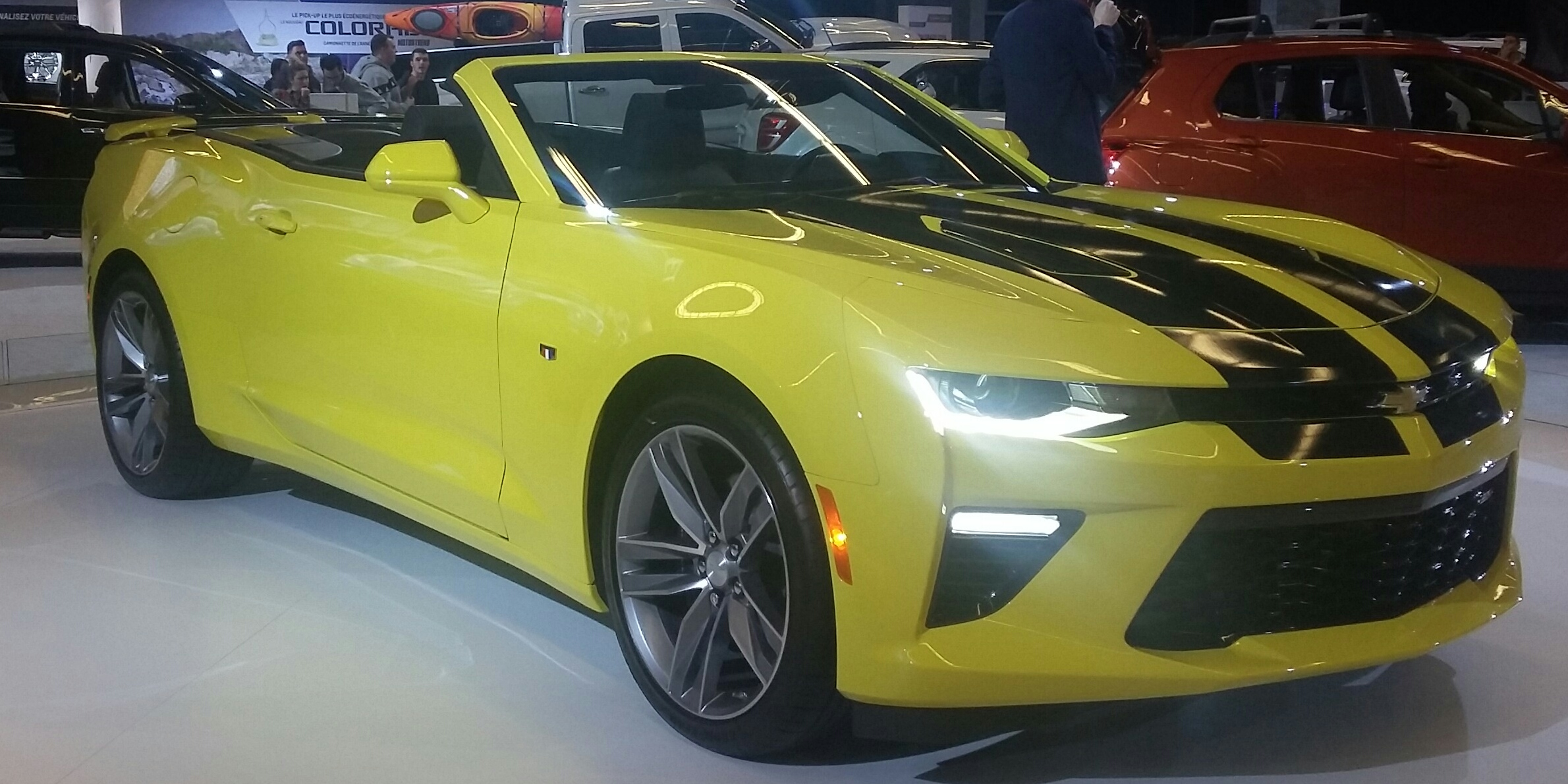
A 1969 Chevrolet Camaro is a famous classic muscle car from the late ’60s. In this segment, they’re talking about whether the specific car being auctioned is built like the original Z/28 version or if it’s been modified.
A six-speed manual is a car with a stick shift and six gear choices. They mention it because the original 1969 Z/28 setup wouldn’t have used that modern-style gearbox.
Term
DZ engine
“DZ engine” sounds like a specific engine option for the 1969 Camaro. The host is saying the engine choice matters because it helps tell whether the car is truly built like the original Z/28.
A four-speed manual is an older-style stick shift with four forward gears. They’re using it as a clue that the car should match the original Z/28 configuration.
“Big block” means a larger V8 engine. People like them because they usually make strong pulling power and sound great.
Car
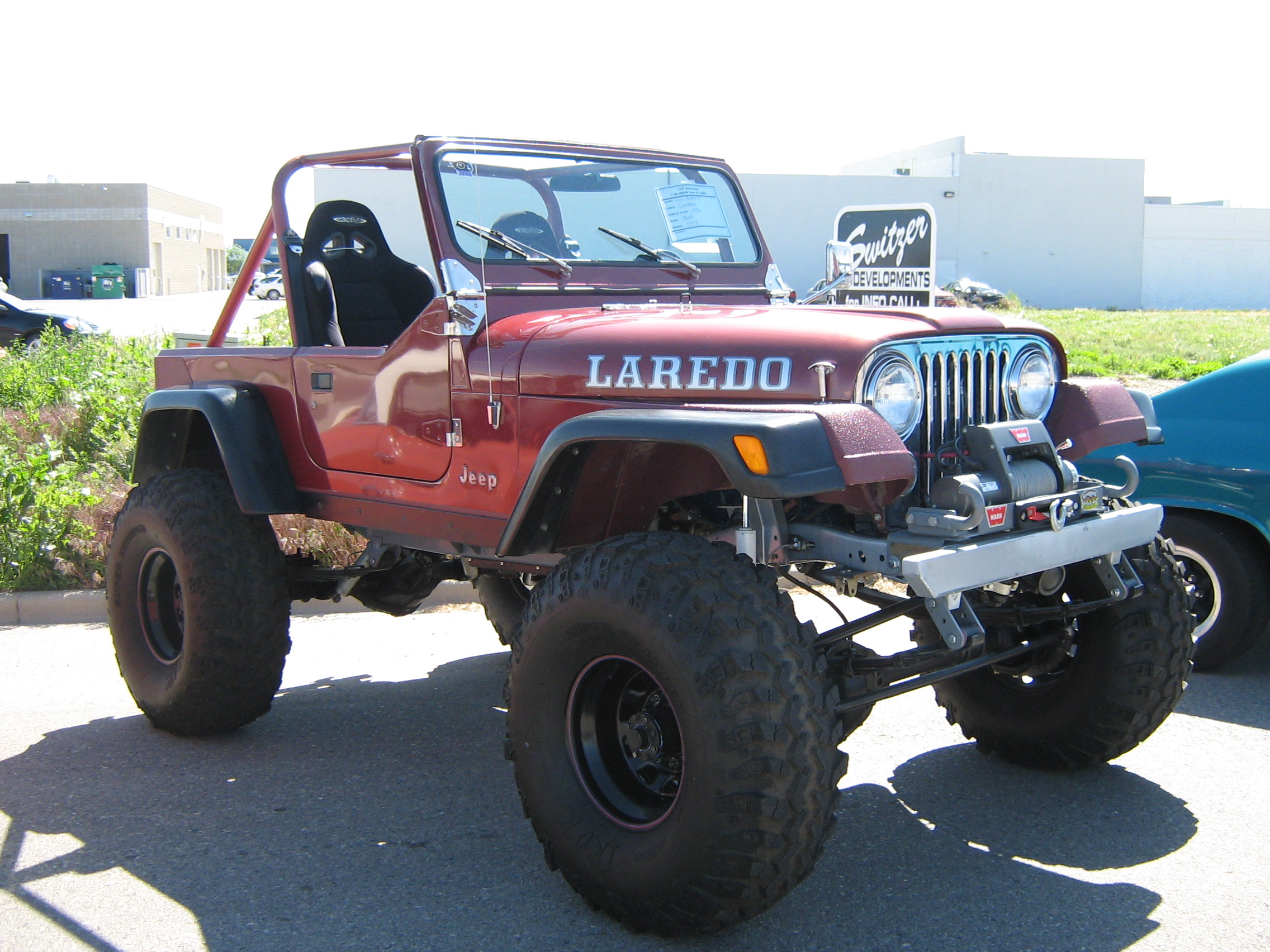
1986 Jeep CJ7
The 1986 Jeep CJ7 is a classic Jeep made for off-roading. Here they’re talking about a particular look up front—square headlights—and that Jeep didn’t keep making that exact setup.
Square headlights refer to a particular headlamp shape and housing design used on some vehicles. In collector terms, the exact headlight style can matter because it’s tied to specific production details and replacement-part availability.
A V8 conversion is when someone changes a car so it runs a V8 engine instead of the original engine. It’s more than just dropping in the engine—other parts have to be changed so everything works together.
“LS” usually means a GM V8 engine family that a lot of people swap into other cars. It’s popular because there are lots of parts and it’s easier to make work than many older engines.
The 1967 Ford Mustang is a famous classic muscle car from the late 1960s. Here, they’re talking about a fastback-style version that looks mostly original, which can strongly affect what people are willing to pay at auction.
A fastback is a car shape where the roof smoothly slopes down toward the back. It’s a specific look, and on classic Mustangs it can matter a lot to collectors.
A 1969 Pontiac Firebird is a classic muscle car from the late 1960s. The hosts are talking about whether this one is “all-original,” which can make it more desirable to collectors.
“All-original” means the car still has most of its original parts and hasn’t been heavily changed. Collectors often pay more for that because it’s more authentic.
RAM air is an intake system that uses the car’s forward motion to help push more air toward the engine. If it’s functional, it’s a more “real” performance feature than just decoration.
“400 cubic inches” tells you how big the engine is, based on the total cylinder size. A bigger number usually means a larger engine, and collectors care because it affects what the car originally came with.
This is a classic Lincoln Continental made as a convertible. It’s the kind of car people associate with Hollywood glamour, and that reputation can affect what it sells for at auction.
A flathead V8 is a classic type of V8 engine. It’s called “flathead” because of where the valves sit inside the engine, and it’s a big part of why some older cars are so desirable.
The Ford Falcon is an older Ford car that came in a bunch of different body styles. Here, they’re talking about it in wagon and panel-truck forms, which is why it feels unusual and interesting.
Car
1997 Mercedes-Benz SL600
The 1997 Mercedes-Benz SL600 is a fancy convertible roadster that’s powered by a large V12 engine. The point here is that it has a 6.0-liter V12, and that kind of engine is known for strong pulling power.
A V12 is an engine with 12 cylinders arranged in two groups that form a “V” shape. More cylinders like this usually means smoother power and strong acceleration.
The intake manifold is the engine part that delivers air to the cylinders. How it’s shaped can change how well the engine breathes, which affects how it runs.
Torque is the engine’s twisting power that makes the car pull strongly. It’s what you feel when the car accelerates, especially when you’re already rolling or starting from a stop.
Adaptive headlights are headlights that change direction or behavior while you drive. The goal is to light up the road in the direction you’re turning, not just straight ahead.
Seat belts are the straps that hold you in place during a crash. They’re one of the most important safety features in cars, and the episode credits early safety-focused designs like the Tucker effort with helping push that idea forward.
A mid-engine car puts the engine closer to the middle of the vehicle. In racing, that often helps balance the car better, which is why the sport started moving in that direction.
Unsafe at Any Speed is a landmark consumer-safety book by Ralph Nader that helped shape public perception of certain car safety issues in the 1960s. In this segment, the hosts say the Corvair couldn’t overcome the stigma created by that book.
This is a safety feature that makes it harder to start the car unless the seatbelt is buckled. The idea is to encourage drivers to wear their belts, and the segment says the U.S. started testing these rules.
Recalls and VIN lookups kick things off, including a Mercedes-Benz seatbelt issue and reminders to check safercar.gov using your VIN. From there, the hosts connect safety tech to the broader market—explaining how auction prices and originality debates (Camaro restomods, Mustangs, Firebirds, and a flathead-powered Lincoln) reflect what buyers value. They also tie in modern finance pressure with negative equity and longer loans, then wrap with motorsports timing and local event chatter.
Recalls, auction shockers, racing, and a little automotive history whiplash all land in one fast-moving hour, and it starts with a simple reality: most of us are driving computers on wheels now. We dig into the latest vehicle recalls, from Mercedes-Benz instrument display issues and seat belt concerns to Tesla rear view camera problems and a Ram tire speed-rating warning. The most useful tip is also the easiest one: we walk through how to use SaferCar.gov with your VIN so you can confirm open recalls and get them handled before they become expensive or dangerous.
Then we jump into Hemmings online auction results and play “guess the sale price” with everything from a 1969 Camaro restomod to an ’86 Jeep CJ7, a clean 1967 Mustang fastback, and a jaw-dropping 1969 Pontiac Firebird that sells for serious collector money. Along the way we talk about what actually moves prices in the classic car market: rarity, originality, documentation, and the small details that separate a fun driver from a top-dollar collectible.
We round out the show with the racing calendar (yes, even lawn mower racing), plus NASCAR, NHRA, Formula One, and Indy chatter. Auto history takes us from the Tucker 48 Cyclops Eye headlight to the Corvair’s final days and the infamous seatbelt ignition interlock experiment, before we end on a modern buyer problem: JD Power numbers showing more early return cycles, more 84-month car loans, and more negative equity showing up at trade-in time.
Subscribe for more real-time car talk, share this with a fellow car nerd, and leave a review to help more drivers find the show. What’s the most surprising recall or auction price you’ve seen lately?
Disclaimer: This post contains affiliate links. If you make a purchase, I may receive a commission at no extra cost to you.
---- ----- Want more In Wheel Time car talk any time?
In Wheel Time is now available on Audacy!
Just go to Audacy.com/InWheelTime where ever you are. ----- ----- Be sure to subscribe on your favorite podcast provider for the next episode of In Wheel Time Podcast and check out our live multiplatform broadcast every Saturday, 10a - 12nCT simulcasting on Audacy, YouTube, Facebook, Twitter, Twitch and InWheelTime.com.
In Wheel Time Podcast can be heard on you mobile device from providers such as:
Apple Podcasts, Amazon Music Podcast, Spotify, SiriusXM Podcast, iHeartRadio podcast, TuneIn + Alexa, Podcast Addict, Castro, Castbox, YouTube Podcast and more on your mobile device.
Follow InWheelTime.com for the latest updates!
Twitter: https://twitter.com/InWheelTime
Instagram: https://www.instagram.com/inwheeltime/
https://www.youtube.com/inwheeltime
https://www.Facebook.com/InWheelTime
For more information about In Wheel Time Podcast, email us at