Restomod is when you take an old car, fix it up, and add new parts to make it better. It's like giving a classic car a modern upgrade so it looks cool but drives well too.
Lotus Advanced Performance is a part of Lotus Cars that helps customers create unique and high-performance versions of their cars, much like how McLaren has a special division for custom cars.
OEM means the original maker of a product. In cars, it refers to companies that make parts or cars that are sold under another brand's name.
Car
Aston Martin Valkyrie
The Aston Martin Valkyrie is a super high-performance car designed for speed and technology. It uses both a gas engine and an electric motor to go really fast.
The Aston Martin Valhalla is another high-performance car from Aston Martin, designed to be fast and fun to drive, using both a traditional engine and electric power.
The Aston Martin DB11 is a high-end sports car known for its beautiful design and strong performance. It's part of Aston Martin's lineup of luxury vehicles.
The Aston Martin DB12 is a newer model that follows the DB11, offering improved features and performance while maintaining the luxury appeal of the brand.
'Show or display' is a rule that lets people bring special cars into the U.S. for shows instead of driving them on the road. It's mainly for rare or unique cars that aren't sold here.
The induction system is the part of the engine that brings air in for combustion. It helps the engine run better and can change how the car sounds when you drive it.
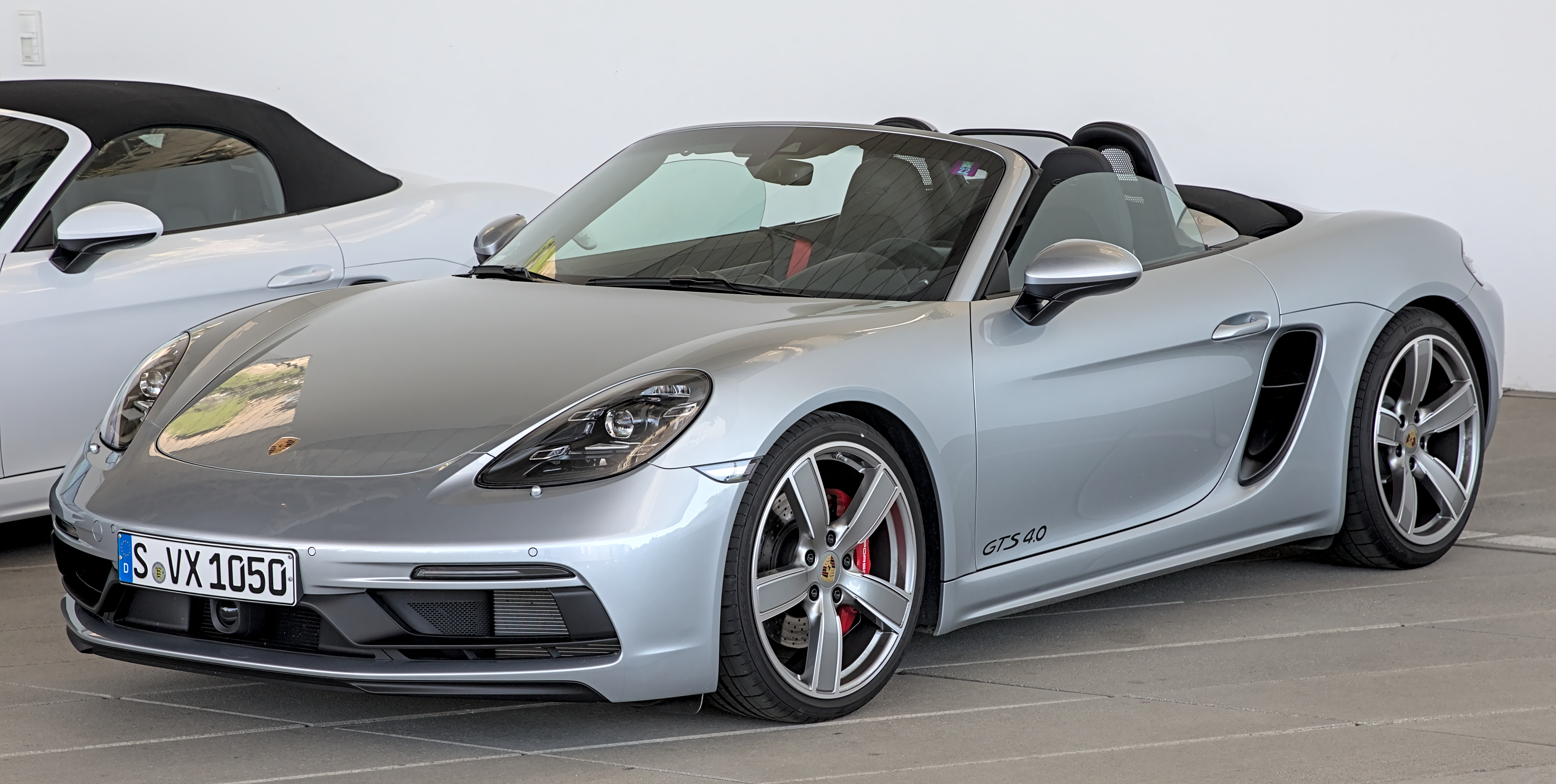
The Porsche Cayman is a small sports car made by Porsche that is designed for people who love to drive. It has a powerful engine and is built to handle well on the road, making it fun to drive. Many car fans talk about it because of its great performance and stylish design.
The Lotus Emira is a brand-new sports car that aims to be lightweight and fun to drive. It has its engine in the middle, which helps with handling and speed. People are excited about it because it looks great and is designed to be enjoyable for everyday driving.
VAG is a company that owns many car brands like Volkswagen and Audi. They are a big player in the car industry and have a lot of different types of cars under their name.
The Lamborghini Urus is a fancy SUV that combines the speed and style of Lamborghini sports cars with the space and comfort of an SUV. It was introduced in 2018 and has become very popular because it offers both luxury and performance. People often talk about it because it's a unique option for those who want a high-end vehicle.
The Porsche Cayenne is a fancy SUV that can carry more people and stuff than a regular sports car. It has a powerful engine and is designed to be comfortable and stylish, which is why it's popular among people who want a luxury vehicle. Many discussions about it focus on how it helped Porsche stay in business.
The Porsche Macan is another SUV from Porsche, but it's smaller than the Cayenne. It's designed to be sporty and fun to drive, appealing to those who want a luxury vehicle that's easier to handle.
The Lotus Evija is a very fast and high-tech electric sports car made by Lotus. It's designed to be super light and aerodynamic, making it very powerful.
A V8 is an engine with eight cylinders that work together to make the car go faster. It's known for providing a lot of power and a smooth ride.
Car
Aspree
The Aspree is a type of car that was developed and is considered to be of high quality. It's part of a discussion about building new vehicles based on existing designs.
The Renault 25 is a big car that was made in France from the mid-1980s to early 1990s. It was known for being comfortable and having some advanced features for its time. People talk about it because it was an important car in the history of European vehicles.
The Chevrolet Corvette is a classic sports car from America that people love for its speed and cool looks. The C5 model, which started in 2004, had a new design that made it better to drive and more fun. It's often talked about because it's a symbol of American car culture.
The Audi S3 is a sporty version of the smaller Audi A3, designed for people who want a fun and fast car. It has a powerful engine and a nice interior, making it a good mix of speed and comfort. Car lovers talk about it because it's a great option for those who want a compact car that still feels luxurious.
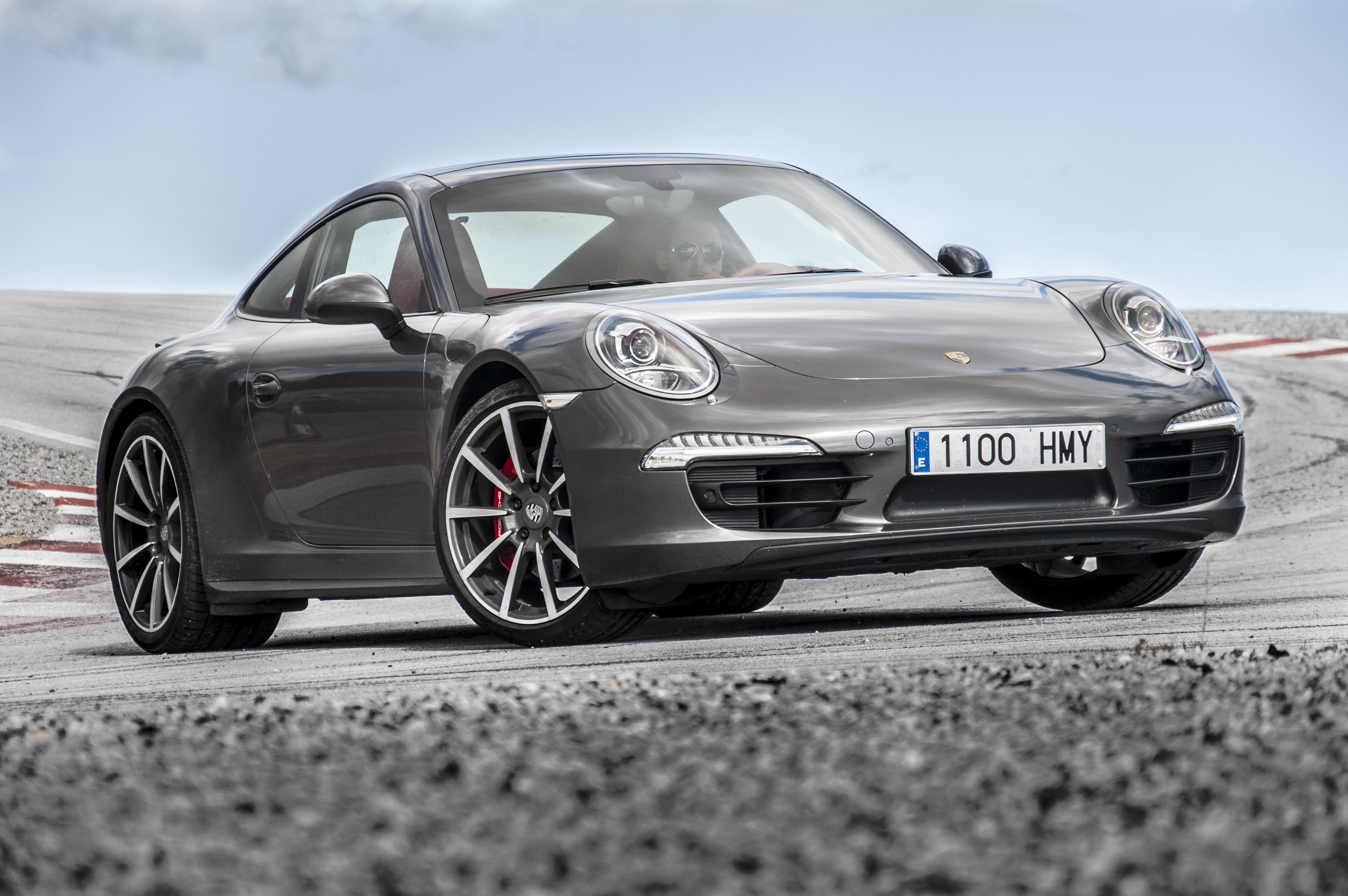
The Porsche 911 is a famous sports car that has been around for a long time and is known for its unique shape and powerful engine in the back. It's loved by many for being fast and fun to drive while still being comfortable enough for daily use. People often talk about it because it's one of the best sports cars ever made.
LIVE
Welcome back to the Intercooler podcast
everybody. The podcast powered by car
finance specialist JBR Capital. This is
episode 289 with me Dan Proser and him
Andrew Frankle. Andrew, we wanted to
dedicate an entire episode to the
British sports car industry.
>> Yeah.
>> And also the sort of the emerging resto
modding industry that's really thriving
in this country at the moment. We wanted
to do this with some authority.
>> Are you saying that is something that we
lack? No, but our guest today, Simon
Lane, knows
>> a great deal about this world. A great
deal more about this world than we do.
>> Well, he's actually getting his hands
involved.
>> And he's he's been part of this scene
for well, decades, I suppose. Simon, now
do you you've worked at a very, very
senior level for two of the most famous
British sports car manufacturers. Can
you tell us which ones they are, or
would you rather not say?
>> No, I don't think I can keep that a
secret. Um okay so most recently Lotus
uh so I was an executive director at
Lotus um uh responsible for a department
called
>> Lotus Advanced Performance which I guess
you could think of as the equivalent of
MSO [clears throat] at McLaren similar
and then prior to that um I was the
director of Q and special vehicle
programs at Aston Martin.
>> Yeah.
>> So uh yeah in total 30 years in the
industry actually most of it on the
retail side. um Lati with Porsche Retail
Group and Jardine Motors Group. So I ran
um Aston Martin Cambridge and Latly
Porsche Center Cambridge as dealer
principal and then Aston Martin offered
me a role um in the factory. So I made
the unusual leap I suppose from retail
into OEM at quite senior level.
>> So what sort of Aston were you working
on then?
Um, so Q was responsible for everything
from uh a customer that wants a
different colored stitch or a particular
stripe.
>> Um, through to all of the limited
edition models that Aston delivered on
the core uh product line through to all
the commercial aspects of Valkyrie,
Valhalla, DB5 Goldfinger, basically
anything that was away from the main
production line kind of fell under uh my
team's responsibility. um right from
conceiving a business case um through to
launch and um uh delivery of the cars
out to customers and specing and all
that sort of thing.
>> Cool.
>> So you you you you've worked at board
level at Aston Martin at Lotus. So
you're you're very familiar with the ins
and outs of companies like that. Um
you're now working on a a resto modding
company of your own that we will come on
to. So you're becoming increasingly
familiar with that world as well. And I
know you work with at least one other.
Um, and so the idea here is that you
have this view of the British sports car
scene and rest modding scene that few
have. Um, we wanted to talk to you about
what makes that world, the Brit the
British sports car scene what it is,
what its huge advantages are, what it's
very very good at, but also drill down
into some of the challenges that it
faces. And goodness knows it's no secret
that the likes of McLaren Aston Martin
Lotus plenty of others
they have a really difficult time Andrew
staying afloat sometimes don't they just
keeping heads above water and it's
almost it's an ongoing cycle with some
of them isn't it
>> and it's interesting you know you take a
company like Aston Martin um you know we
know that they have ongoing difficulties
and they you know that company's been
going up and down for well ever since it
was originally founded in 1930 13. But
we often say there's there seems to be
very little wrong with a product.
>> And it just seems to be an incredibly
difficult world to make progress in
because it's not like you know LVM8
selling Gucci handbags for margins of
thousands of percent. margins are always
very very tight and you are so these
cars are so complex and particularly if
they're not owned by you know a massive
OEM like Volkswagen um you know if you
get a problem in your supply chain or
whatever that can trip the whole apple
cart so Simon I just could you just sort
of talk us through generally speaking if
you are a low volume by by which I mean
I guess sort of you know fewer than
certainly 10,000 cars a year maybe five
type of manufacturer a Lotus or an Aston
Martin um just how difficult is life out
there at the moment?
>> It's very difficult. Um and even more so
if you are out on your own as in you
don't have a benevolent parent. So Aston
Martin going back, you know, a couple of
decades had Ford uh as a as a parent
company to lean on and um
>> yeah, it's it's it's very difficult when
you're a small manufacturer asking for
5,000 widgets when you're you know that
supplier may well be dealing with
Volkswagen Group who are going to order
a million widgets.
>> Yeah. uh and uh so there's an an
inevitable economy of scale attached to
that and that affects the bill of
materials which is the effectively the
cost price per unit of a car
>> but also presumably your ability to get
the widget in the first place. I mean, I
can remember, and I think I've mentioned
this before, um, Bentley went to Bosch
and said they wanted some engine
management um, in the late 1990s, and
the bloke just laughed. And then he rang
back and had the same conversation a
year later, but Bentley now owned by
Volkswagen. And funnily enough, the
Bosch bloke went, "Yes, how can I help?"
>> Yeah. Mhm.
>> Yeah. So, Bentley have that advantage
um, as D Lambo and their other brands.
But um really there's two there's two
elements really to to the to the cost to
a manufacturer. The actual initial cost
is the is the upfront investment.
>> Yes.
>> So a decade ago you could do a global
sports car for say 250 million. Today
that's twice that amount of investment.
You know you you would be looking at
£500 million today to develop a car like
the DB11 DB12 those kinds of cars.
>> And that's inflation adjusted. That's in
real terms. So why is it so much more
expensive?
>> So uh one of the reasons is type
approval.
>> Yeah.
>> So type approval has just become so
complex now. And uh the OEMs that I
worked with and the same in every other
OEM, they'll have a department dedicated
to that and they're having to map out
constantly all the rules and regs
changes that are coming down by market.
Um and then to get your car into each
global market will require some form of
homologgation. So in the EU, we're very
familiar with EU certificates of
conformity, um, which is a defined set
of tests that every car has to go
through, which includes crash tests,
emissions tests, range tests. But if you
then want to put a car into South Korea,
for example, they have equally very
strict uh, homliggation now,
>> but completely different,
>> but completely different, and you have
to do it all again. You're into crashing
cars again. Um, and that's one example
of a market that very often when we were
talking about low volume runs of cars
would be pretty early on the chopping
block for we're not going to omllegate
for South Korea because if you're going
to sell
>> 19 of something Yes.
>> and you might sell one in that mark,
it's just pointless. You know, you're
never going to return that that that
that investment. Um and the same with
you know all the other markets that you
would think of as being you know pretty
good opportunities that obviously u the
USA, North America and Canada have
separate uh
>> and somewhere like the US I think is it
you are legally allowed to not wear a
seat belt aren't you?
>> I believe
>> um I don't know if you're allowed to
legally not wear a seat belt but
certainly my recollection is the airbag
has to be capable of uh
>> functioning for somebody who isn't
wearing a seat belt. Exactly. And that
that in itself is and that's not
homologation. That's an entire
engineering issue, isn't it?
>> Yes. Um and then you know a lot of the
the low volume hypercars are are are not
actively sold into the US. They're sold
from the UK and the customer then has to
import the car.
>> Yes.
>> And the manufacturer will then offer
what support that customer needs to get
that car in through something called
show or display which is currently a
>> a method that you can bring a low volume
specialist car in. you have to prove in
the application that the car is of
historical significance or technical
significance um in order to get uh
agreement in principle that the car
meets show or display requirements and
then it goes through uh a fairly
extensive set of tests similar to a
normal type approval but you don't have
to worry about things like I don't know
um rear view cameras for example which
are not federal type appro there's no
federal approval for rear view cameras
but you can get a car through with them,
>> show display with them on
>> and and also things like ride height. So
the US cars have to sit higher because
there's a rollover foot.
It's a test that's designed to make sure
the car doesn't impact your foot. Um so
the car has to sit a bit higher. So when
when we talk about type approval, it's
an incredibly complex topic. um which uh
was a constantly moving feast and u in
my previous life you know all OEMs
operate around monthly product
committees um so both LOS and Aston
Martin and every other OEM I'm aware of
um has a a monthly uh a monthly sort of
meeting um where the senior team
involved in product will meet and review
not only um the product plans but
they'll also start looking at at time
normally they open looking at type
approval
>> yes what's the latest news? Um, and uh,
and it's very challenging, Mark. Uh,
China, um, getting a CCC to get into
China, you not only do you need to get a
a CCC, which is a China certificate of
compliance, if you're then going to sell
parts in China, every part has to have a
CCC on it, which means that a lot of the
OEMs don't supply parts directly into
China because it takes too long because
they then get inspected at port. So, you
end up having to have a parts depot
specifically in China. So yeah, for for
OEMs certainly over the last decade, it
has become more and more uh complex
>> and that's a good reason behind the kind
of difficulties that they they're facing
at the moment.
>> Yes. Because if you're a manufacturer
that builds 5,000 cars a year, you've
got to immortalize that investment over
a relatively small run of cars.
>> Yes. And then you'll also
proportionately be billing be paying a
higher bill of materials cost because
you haven't got the negotiating power of
a big OEM going to buy lots and lots and
lots of something. Um and then
inevitably your labor cost is going to
be higher because it's a more manual
build process. It's not as automated in
all of these OEMs. So yeah, it's really
tough and a lot of the regulation that's
coming down the track, certainly at the
sort of sports car end of the market
that we're talking about is not
necessarily conducive with the things
that people want to see in a sports car.
>> Yeah.
>> Um and uh you know, I was actually
listening to your last episode on the
way up here and you were talking about
the drive by noise limit. I mean, that's
just one example of
>> Can you going to change?
>> Can you flesh that out a little bit for
us because I I heard that from you, so
you're clearly very familiar with it,
but it it does sound
>> like it's going to be trouble. Did do we
get it right on that? So, I think there
was this was actually I think that was
like three podcasts ago. Um, did we
actually get that right in terms of the
ramifications of what's going on?
>> Yes. I think you got the decibels right.
I think it's dropping from 72 is
currently the driveby noise limit and
it's dropping to 68
>> which is much more than it actually
sounds, isn't it?
>> Yes, it is. Yeah. So, on on your ear
that's a significant reduction and um
yeah, it comes in from from next year.
So all of the OEMs that want to supply
cars in in Europe and the UK will need
to comply with that new drive by noise
limit.
>> And is the the outcome there that cars
are just going to sound less good to the
ear as they drive by?
>> Um inside as well.
>> So as as Andrew mentioned, you know, I'm
sure that that there'll be there'll be
ways to make the car sound great inside.
I mean, going right back to my Porsche
days with the 991 when that was first
introduced, that had a diaphragm in the
in the rear of the car that when you hit
the sport button, it activated that
diaphragm that was then connected to the
induction system and gave you a whole
load of intake noise inside the car.
There'll be ways of there'll be ways of
doing it, but yeah, in having a having a
very loud exhaust system, um yeah, those
days are they're not they're not over
yet, but certainly it's it's starting to
change. And and does this apply? Are
there any exemptions for very low volume
manufacturers or is it everybody?
>> Uh it if so if you want an EU uh
certificate of conformity then you will
need to have
>> you'll need to you'll need to achieve
that uh that you know that that decibel
limit. Yeah. So
>> and how how are things going to become
harder or easier as the years go by as
we move towards electrification? Does it
just become tougher and tougher and
tougher?
>> It just becomes different. So, you know,
I've been watching Longbow's activity
over the last week or so with with great
interest. Um because,
>> uh, you know, I was intimately involved
with an electric hypercar.
>> Yes.
>> As you might know, which had a huge
amount of power and incredible
performance. But, um, it doesn't matter
really what you do with electrification,
you're not going to have that emotive
sound that I've just touched on, and
you're not necessarily going to have the
interaction with the gearbox that we're
we're used to. It's it's different. Um,
so, you know, I I wish Longo all all the
success in the world, but they've still
got that issue to contend with and it
would appear that Porsche have delayed
or have slowed down the launch of the
Boxster during Cayman. And and I think
that's that's clearly part of the issue
is that when you look at um
social media and and forums can't be the
only uh benchmark that you go by, but
certainly I have yet to see anyone say
they want an electric box or an electric
Cam.
>> Yeah.
>> No one's told no one has said that that
I've seen. So
>> So is your point ultimately that the
demand for electric sports cars just
isn't there at the moment?
>> I just don't see it. I don't see it in
the marketplace. And um
>> you know in in my own business, we
looked early on at at having an
electrified version of the car and I
just
>> I just we we just couldn't do it because
I just felt it was just too high risk
and I just didn't see the the demand in
the market for that.
>> Can you take us into the boardroom of a
British sports car manufacturer? How how
difficult is it to get interesting ideas
off the ground and what kills those
interesting ideas ultimately?
I mean like any big corporate company uh
you know just just walking into a
meeting with I've got a great idea
>> is [laughter] not necessarily going to
fly. Um and and and you know I'll be
candid with you I had a pretty uh pretty
steep learning curve when I when I made
the leap into corporate around um a term
called nemaashi which is a Japanese term
uh that that is the art of
pre-negotiation
>> before you go into meetings. So, um, if
if you if you've got an idea for
something that you want to do, generally
in an OEM, it's a pretty good idea to go
and pre-align that with key players. Um,
there are very few people in in a big
company that can have an idea and just
make it happen other than the CEO. Yes.
>> Um, so, uh, so yeah, so that that
>> that there's that and inevitably there's
politics in every company and people
have different
>> agendas and and yeah, you've you've got
to sort of n navigate that that that
path. But
>> presum presumably what happens is you
walk in and you go I've got this great
idea guys and then a whole bunch of
people queue up to tell you why it could
never happen.
>> Yes. Um and then there's obviously a
limited pot for investment and different
conflicting uh needs for for every
business. Um there's ways around that
which is why you see so many deposit
funded programs.
>> Yeah. Yes.
>> Because you can then you know reach out
to a customer and say you give us
deposit but actually that's actually
funding the course the engineering and
development of the car. But if you're
actually asking the customer, the
company to invest its own cash in
something, yeah, it becomes becomes more
more tricky.
>> And um so that I think is a really good
explanation as to why building five or
up to 10,000 sports cars is such a
difficult business. Um
but what is what do these companies get
right? Is it true that the demand for
the cars is still there? Is it true that
the quality of the cars is still high?
Is it true that the brands are still
aspirational around the world? Is all
that stuff still true?
>> Yes. Yeah, I absolutely. And if they
build the right product, the customers
will come.
>> Yeah.
>> Um, so, you know, I've touched on the
fact that it's very it's very difficult
to make a one-sizefits-all car. You
know, you're having to design it from
the outset to go into lots of different
markets and comply with ADAS and all of
this stuff, which is massively expensive
for a small low volume manufacturer. But
um but is the demand there? Yeah,
absolutely. I mean the the Amira, I
think by the time I came into Lotus, we
had something like 10,000 orders for
that car.
>> Yeah.
>> When it was launched and yeah, there's
there's definitely um uh and
particularly markets like the US still
crave sports cars.
>> Um so
>> why do you think we make more of those
sorts of cars than anybody else? Are
there so I mean I'm talking all the way
from you know aerial making probably
fewer than 100 cars a year up to you
know to Aston Martin or Bentley or
whatever we just seem to do more of
those sorts of cars than anybody else
and yet if you look at our roads and you
look at our weather you wouldn't have
necessarily equated the two with each
other.
>> Goes back a long way though doesn't it?
I mean when you're thinking about the
brands that we're talking about whether
it's and you know Aston Lotus you know
they they both started really in
motorsport. Yes. um as did you know
Bentley had very early roots in in in
pre-war motorsport. Yeah.
>> Um and McLaren came from motorsport. Um
so we we've got an amazing grounding in
motorsport in the UK. Um and a lot of
the business I'm doing at the moment is
in and around Silverstone in that sort
of Northampton shear, Oxford shear, uh
Warikshire motorsport belt. Um and you
know going going back to if you think
about the end of the Second World War,
we had a huge amount of aerospace
engineers um who all of a sudden were
starting to find they had nothing
nothing to do.
>> Um and it's a pretty crude way of
looking at it, but turned the wings
upside down.
>> Um [laughter]
and you got down
>> um and uh so you know I don't think it's
any coincidence that we ended up with
most of the F1 teams in in the UK. And
uh and I think you know certainly a lot
of a lot of people that I speak to
outside the car industry don't realize
how many people we employ in the UK. You
know we got just under 900,000 people
working in the UK motor industry.
>> Goodness.
>> It is huge.
>> Wow. That's why it needs to be
protected, isn't it?
>> Absolutely. And uh I I am I am as I know
a lot of my colleagues are constantly
frustrated by our lack of joined up
Yeah.
>> government strategy
>> to support our industry. Um there's a
there's an awful lot of stick at the
moment around all the things that we
can't do.
>> Um but I don't see a huge amount of
support and encouragement. Um I think
the SMMT have been doing a great job in
trying to engage with government.
>> That's the Society of Motor
Manufacturers and Traders, which is the
trade body for the car industry in this
country.
>> Yes. But inevitably they're very focused
on um volume car manufacturing. Um they
did do uh a forum very recently for for
small for smaller manufacturers but
we've got this fantastic cottage
industry with really gifted designers
engineers in the UK that most other
countries don't have. M you know when I
think about what what I'm doing now with
uh with my own business you know could I
go and set that up in Canada or you know
there are other countries look at
countries around the world it's not many
places that have the kind of resource
that we have
>> and so much that is just it's the
expertise isn't it? Yes. Yes.
>> It's the it's the knowledge, the
experience to be able to do. But we will
come on to what you're up to at the
moment in a minute, won't we?
>> Um, and just to go back to this point
about the the power, the brand power of
an Aston Martin, of a Lotus. In other
parts of the world, are they still
aspirational brands? Do people still
desire those cars?
>> They are. In both brands, um, there was
an issue overseas with brand
recognition. So, you know, Lotus, for
example, is a very, very loyal following
in the States. Um, people do know the
brand, but it's not anywhere near as
established as Porsche. Um, uh, and
Aston had the same problem, which is why
you've seen so many manufacturers switch
away from having a small badge that you
can't read on the back of the car to
Aston Martin written across the back.
And the same with Lotus have done it. mo
a lot of OEMs. You'll drive around now
and you'll see they've got their brand
actually spelt out across the tailgate.
>> Well, that's not to do with this market.
It's it's markets overseas where they're
trying to they're trying to make sure
that people understand who they are.
>> So, it's not a given then, is it? That
because you're a Lotus or Aston Martin
that you're known around the world. It's
there's still work to be done there all
the time.
>> That's interesting.
>> There's that story, isn't there, about
the director of Ford and Dearbornne who
thought they bought a company called
Austin Martin.
>> Yeah.
>> Yeah. [laughter]
>> Yeah. Yeah. And and he was in the
business.
>> It's um it's often said that the likes
of a a Bentley, an Aston Martin, a
Lotus, a McLaren, they're better off um
as part of a bigger family, a bigger
OEM. Uh Bentley, as you mentioned, is
part of the Volkswagen group.
Are they better off? And if they are,
what are the challenges that come with
being part of a bigger group?
Well, there's the inevitable distance
between um the people that are designing
engineering and building the cars and
the and the very upper echelons of the
of the management in a big group like
that. And uh I mean I know a number of
people that have worked within the VAG
group for those brands that have told me
that you know inevitably there's some
tricky politics between the UK and
Germany.
>> Yes.
But um the conversely they've got a a
benevolent parent which in the case of
Bentley I think has been very patient
over [snorts] the years. Um uh and and
and that company now is now doing
fantastically well.
>> Yes.
>> Um but they've got they've got uh a
global uh supply chain to tap into which
>> the the smaller companies don't have and
and I do know what a difference that
makes especially when it comes to things
like infotainment systems.
>> Yeah. you know, they cost a fortune to
develop now and um and you know, you're
you're able to pick and choose
off-the-shelf kit that you can bring
into your into your into your product.
That makes a massive difference. Even
things like switches and
>> all the stuff that just costs money to
develop um bespoke examples. And of
course, with things like the
infotainment systems, it's so easy to
just reflash them and rebrand them. You
have no idea where those screen whether
it's the same screen as another product.
It doesn't matter. um it's the software
that you can you can change. So yes,
they definitely have an advantage being
part of a bigger family.
>> So in summary then it's it's not that
the cars are not good enough. It's not
that they don't look good enough. It's
not that the brands aren't strong
enough. It's not that there's no demand.
The product generally is pretty good
although not flawless as we all know.
It's the harsh realities of
manufacturing cars
on the global stage that makes these
businesses so difficult and it's so hard
to make them consistently profitable
year after year after year, isn't it? Is
that fair?
>> It is. Um because uh you know I talked
about the upfront investment. Um Porsche
over the years have been so disciplined,
haven't they? I mean certainly when I
worked for them you you knew that when a
car was launched exactly at 3 and a half
years there would be a dot 2 there would
be a facelift and then exactly at 7
years there would be the new model
>> and so customers became educated with
that they understood that you know once
we got a GTS we were coming towards the
end and you you could either buy the the
car that's about to leave us which has
got everything on it and has a great
value proposition or wait for the very
first of the new Carrera which is going
to have nothing and you're going to have
to spec it up and you won't get a 4S
straight away cuz that's coming year two
blah blah blah. Um so you know they've
been they've been fantastic over the
years for for a small OEM to keep up
with that
>> level of change cycle is really even
Porsche um we were talking about this
off air earlier have had to completely
rip up their plans even the most you
know objectively you know most in terms
of you know profit per unit one of the
most profitable successful car
manufacturers in the world did you say
down their profits are down 98%.
>> Yeah.
um as they've had to just completely
rethink everything because of the
challenges of electrification. And
that's Porsche who are so good at that
sort of thing and have such an amazingly
strong brand. It must be unimaginably
difficult for someone without that kind
of clout, without a group like
Volkswagen behind them um confronting
the headwinds and frankly ever changing
winds um that they face in the modern
car industry today.
>> Yes. Um, and uh, you know, it's it's bit
frightening to be honest looking at
Porsche and and and what's going on with
uh, with their financials at the moment
and obviously they've now got a new CEO
coming in. But given I worked in Porsche
for five five plus years and I know what
a disciplined business it is. Uh, and so
for even them to have come unstuck with
this, it just shows you how difficult it
is for a sports car manufacturer,
>> which I'd argue Porsche still is. Yes.
>> 80 plus% of what they build has got four
doors now.
>> Yes.
>> But they've managed to do a very good
job of of maintaining that that image of
themselves as a sports car business. Um
but you know for them to have found it
this difficult to move towards
electrification just shows you what a
what a challenge it's going to be for
the others. Um and I watched with
interest when Ferrari made their
announcement a few weeks ago and
>> the uh the result on their share price
uh literally immediate wasn't it?
>> It just went boom.
>> Yeah. Um it's it's scary. uh but they
are all of the OEMs are going to be
pushed in that direction through
regulation and that's why I'm saying
it's not just the UK I think in Europe
there needs to be a really a joined up
>> strategy with industry and government on
how do we navigate this is this is the
biggest change to our industry since the
invention of the car
>> absolutely
>> not what we're going through right now
>> one of the things that sports car
manufacturers have done in recent times
to try to put themselves on a more
stable footing is diversify into SUVs,
bigger cars, five-door cars, led by
Porsche really, but they're all at it
now. Um, and in the case of Lotus, Aston
Martin, and we think McLaren soon as
well, amazingly,
>> is is it the right plan? Is it working
for them? Do you do you get the sense
that it's it's a good thing for them?
>> I think there's varying degrees of
success depending on which business you
look at. You know, Bentley have done
very well with the Bentega. It's been a
great car for them. Lamborghini have
done phenomenally well with the Urus.
Um, you know, that's now more than half
their volume.
>> Um, and some of the others maybe not
>> maybe haven't gone as well as those OEMs
had had hoped, but there's no ways about
it. There's a market for
>> a premium badged uh or luxury sports
brand badged SUV. Um, Porsche uh you
basically saved saved their business
with the Cayenne. Um so
>> so the point the point is it's the
synergistic relationship between the
sports cars and the SUVs in so far as
the SUVs provide the spit profits um
which pay for the sports cars and the
sports cars pro provide the image which
makes people want to buy the SUVs and
it's that relationship which
[clears throat] Porsche nailed with the
Cayenne
>> they did
>> which um has transformed their business
and provided the template for all the
others to try and follow.
>> Yes. Um and uh I mean I had a look at
the the Porsche figures for um for 2024
and it surprised me the Cayenne was the
number one selling Porsche still even
though they have the Macan which you
would think would be
>> yeah I think they have sort of like been
you know one year one year it's the
Cayenne but yes
>> but I think it was 96,000 KN's last year
just as mega isn't it? Huge numbers that
they're still turning out
>> you know and not just huge numbers but
big margins too and that's the and
that's the dream isn't it?
>> Yeah it is. Um, so you know, Porsche
have been very, very clever in their
marketing. You know, if you have a look
at their Instagram page, pretty much
everything that's on there, motorsport,
>> it's sports car derivatives, it's
classic heritage, and then the odd
picture of a lifestyle vehicle, whereas
in actual fact, their business is
>> the other way around.
>> Yeah. But they they've done a really
good job of that.
>> That's fascinating. Very smart. So
before we move on to the rest of modding
side, what what's your sort of level of
confidence in the likes of McLaren,
Aston Martin, Lotus that they can last
long into the future and keep building
great cars?
>> Well, firstly, no one can take away
those brands, can they? In the history
of those brands, there's immense value
>> in all of those uh in all of those
those.
>> So, you think they have some kind of
future, the names, nothing else?
>> They do. Um uh what what they look like
in 10 or 20 years time,
>> it's hard to predict. Um, you know, we
know McLaren are obviously going down
the route of of an electrified SUV. Um,
I just hope that they can balance that
with,
>> yeah, as I've just mentioned, Porsche
have done. Um, and I think that's the
key really. you know, they're going to
move more and more towards uh low volume
sports cars, keeping the brand credible
and still being able to tell that brand
story whilst building cars that they can
sell in volume or mortise the enormous
upfront investment costs that I
mentioned um and be a profitable
business,
>> which ultimately they all need to make a
profit.
>> Yeah.
>> Uh in order to survive and and give us
the cars we want.
>> Yeah.
>> It's a tough challenge, isn't it,
>> Limey? It really is. M [clears throat]
um so tell us what you're up to in the
rest of modding world.
>> So uh
>> and why
>> why um so I mean I've alluded to all the
things that sort of going on in the in
the wider industry and um
>> I think as you probably both know I'm
I'm a died in the wool petrol head at
heart.
>> Yeah.
>> And uh and I just wanted to get back to
building fun
>> sports cars that aren't necessarily
constrained by all the rules that I just
talked about.
>> Yes. So, um, I, you know, I teamed up
with, uh, the the designer at Lotus who
designed or led the design of the Amir,
um, Dan Durant, and, uh, we went out and
found some investment partners. Um, and
we launched our well, we we started our
company just over a year ago, Encore
Design, and we wanted to revisit the
Aspree. Um, we knew the Aspree was going
to be 50 years old uh, in October this
year. Yes. and uh just wanted to get
back to doing something lightweight um
and fun but address all of the
shortcomings of the original car. The
build quality, the reliability, all the
things that that uh I know you know and
I I owned an Aspree GT3, you know, I I
know all that car shortcomings. So,
>> um so that's what we've done and we've
we've we've
>> we've taken an Aspree V8 as a donor.
>> Um but we're going back and it has to be
a V8.
>> It has to be a V8 because we wanted that
powertrain.
>> Yes. And also over the 30-year
development of the Aspree, by the end,
they were the best cars.
>> Yes.
>> So, uh, we're taking the most recent of
them, keeping the essential bits that we
wanted to keep, which is the backbone
chassis, the engine block, the gearbox
casing, and a few ancillary bits.
>> Yeah.
>> And building a new car.
>> So, we've engineered a completely new
carbon body shell to sit on that
>> steel backbone chassis. Um, and the
advantage of doing that means that
everything we then hang off it, uh, will
fit together in a way that no Aspree
you've seen before. So, we've got
consistent 3M panel gaps on our on our
body.
>> Um, it's also, uh, the structure of that
body shell is also far more rigid than
the original car.
>> Um, and it's lighter. So, we're going
from I think the Aspree V8 was just over
1300 kgs wet. We're under,200.
>> Wow.
>> So, we're lighter. um our engine. Uh
we're going right back to the block and
then rebuilding the engine with all new
components. So, we've got new pistons.
We've got a beautiful I've I've just
asked our uh photography uh uh team to
take a take pictures of the throttle
body cuz we've got a machined from solid
casing for this throttle body which has
been made completely just for us. Yeah.
>> Um and unlike the original Aspree V8
which had a cable throttle, we've got an
electronic throttle um with its own
special uh specially made um engine
management um computer. So we're getting
a much more even throttle, a much more
even idle uh when we're on tick over,
but then much better engine control. And
we've turned the power up. So we've gone
from not gone crazy. We've gone from 350
to 400 horsepower.
>> Yeah,
>> that engine was actually originally de
developed to put out up to 600
horsepower.
>> So you could go there. Would you need to
put intercoolers on it or
>> need to put intercoolers on it? So,
>> but you could do that.
>> Ultimately, you could. We haven't done
that. Um,
>> we feel 400 horsepower of,200 kgs for a
road car is absolutely perfect. And it
means you're going to be able to have a
lot of fun on it on the road.
>> It's right in what we would think of as
being the sweet spot, wouldn't it? Isn't
it?
>> And there really isn't anything else on
the market right now that's
mid-engineed, manual gearbox, V8 in the
back. Um,
>> is it the same? You said is it you said
it's the same gearbox casing?
>> Yes. Everything in it is new. Yeah.
>> Um so
>> was it a Renault gearbox that you Yeah,
it was a Renault 25.
>> Yeah.
>> Um I think somebody said to me they used
it in the traffic van as well. It was a
it was a a pretty bad gearbox. Um
>> so we've had to revisit that. So we've
got completely new first and second
gear. Um third, fourth, and fifth we
replace.
>> Um and then we've strengthened all of
the internals in the gearbox. We've got
new um new uh bushes, new synchro mesh
rings. You know, we we've changed
everything inside it to make it a more
precise gearbox to use and more robust.
>> Um so changing it for another gearbox
was something we looked at doing, but
didn't matter what we did, we were going
to end up having to cut into that Colin
Chapman era chassis frame, which we just
didn't want to do,
>> of course. So uh we have made that
gearbox significantly better
>> and same um suspension design.
>> Uh it's the same um suspension geometry
but we have changed um the shocks and
the springs have both been replaced with
the sport 350 spec
>> which was the last 50 V8 spre. So it's a
bit stiffer um than the than the V8. Uh
so they're um they're Billstein shocks
and IBback uh springs. Um, we've got new
suspension arms that are machined from
solid um, beautiful new all new brakes.
So, significantly increase the the the
size and the power of the brakes. So,
we've gone up to an AP Racing six pot on
the front and a fourp on the rear.
>> So, you've had to up the wheel size as
well presumably.
>> No. Okay.
>> So, we stuck with the wheel geometry.
So, we've we've we've let me just say
we've taken advice from uh someone who's
been very helpful that was involved very
closely involved in the development of
the Sport 350.
>> Right. I can't name him because he's
working for another OEM, but he's been
helping us with ride and handling. And
his advice was very much um stay with
the original tire wall because it was
part of the suspension.
>> And actually when we tried increasing
the the the wheel size on the Aspree um
up to an 18 in on the front, the car
just looked wrong. Um so it left us with
a challenge with tires because
>> yeah, of course. Um, the Aspree V8. I
think the most recent tire that you can
buy for an Aspree V8 on its existing
wheel size is a Michelin Pilot Sport 3,
>> which is, you know, it's a new tire, but
it's 20-y old tire technology.
>> Yes.
>> Um, so we found Bridgestone Patenza, the
very latest Bridgestone Patenza, which
we we've put on our car, um, which will,
you know, significantly improve grip.
Yeah.
>> So, we're we're going to we will turn
better, we'll stop better, we'll go
better. Um, and then inside the car
there's everything that you would want
in a modern car, but nothing that you
don't need. So, you know, we're we're
not putting uh uh the ability for you to
sit in the passenger seat and watch
YouTube. Um, but but it does have
CarPlay. It does have a 360°ree parking
camera system um which is built into the
car.
>> Air conditioning, cruise control,
>> proper air conditioning, no cruise
control. Um, but we do have heated
seats. Um, you know, yeah, it's it's
it's going to be an easy car to live
with.
>> I'm saying this because I'm 6' 3. Is the
interior package, have you found any
more room in it?
>> No.
>> Okay, fair enough. [laughter]
>> No. Um although um I I actually was
talking to uh a let me let me say a very
tall supermodel who's well known on TV
recently and uh she said to me that
she's never had a problem driving around
in an Aspree and she's way you know way
over six feet tall. So good. Um, you
know, yes, it's not it's not any better.
We did look at putting a thinner seat
in, but
it was it just wasn't going to be
comfortable enough for touring in. So,
we've we've uh we've we've stopped.
>> Are there enough donor vehicles out
there for you to do whatever it is you
need to do?
>> Yeah. Uh, so over 1,600 V8s were built
>> um of which we think around 1,200 still
exist.
>> Yes.
>> Um, so, you know,
>> one of which is still in Argentina
presumably.
>> Yeah. Very very possibly. I actually had
a a call um a couple of weeks ago from a
chap looking at buying one who's in
Taiwan and he said he's got one of three
aspreviates in the whole country um in
in Taiwan. So you know they are spread
far and wide but we know the bulk of
them went to the US.
>> Yeah.
>> Um the UK and and Europe but the the UK
and the US actually took the line share
of the of of the production. So, those
are probably our two key markets just
because there are so many cars
available.
>> Yeah.
>> But, you know, I I I've read some of the
comments online about, I can't believe
you're cutting up a spree V8s to to do
this. I mean,
>> the cars that we are using, um,
certainly the first cars that we've
built as our prototypes and the first
donors that we've we've brought in are
not garage queens.
>> They are cars that were literally on
their last legs, if not
>> dead.
>> You don't want them to be, do you? No.
>> It's just unnecessary experience. Just
giving them another life really, isn't
it?
>> Yeah. Our our first prototype was anote
failure. Um, and and probably was never
going to go back on the road again, but
but the important bits that we needed,
the the chassis, the block
>> you can see how much more animated Simon
has become in the latter part of this
conversation because it's clearly so
much more fun [laughter] to be involved
in this world.
>> It is. Um, it is. You know, it's not
that we're, you know, we're engineering
this car so it's far better than it ever
was when it was new. It's stronger. It's
safer. We we discovered the original
Aspree actually had no rollover
protection in the in the roof. Right. So
in our new carbon body shell, we've got
proper rollover protection built in. So
um it's not that we're not paying any
attention to regulation at all. We we
are and the car will be engineered to a
very high standard, but we're not having
to contend with all the stuff that I we
were talking about earlier earlier in
>> Can can you just give us a few of the
headlines? How many you going to make,
what it's going to cost, and when people
going to get to see it or drive it or
own it?
>> Yep. Um so from from the outset I wanted
to come to market with a car not with
renders which I was forced to do so many
times in my previous life. So um we
actually announced the brand on the 2nd
of October. Um and we were already way
into the build of our first and second
prototypes at that stage.
>> So our first prototype we finished at
the end of this month. Um we'll studio
shoot it and then we're going to do some
press previews in the first week of
December um and put all the imagery out.
our website will go live, our
configurator will go live um online. Um
and then the first time we're going to
show it to anybody is at the um SEC
private members winter ball as a private
preview for 200 supercar owners um which
is happening at Red Bull Formula 1 um on
Saturday the 6th of December. Um but it
will then start to appear in public. We
are doing our media drives uh in
Portugal in the second week of March.
Um, and we're going to use some of the
some of the roads that Evo have used in
the past for doing their car of the
year. Um, so, uh, you know, fantastic
roads for that car.
>> So, and then next summer, you know,
it'll be at all of the the key events
that you'd expect to see it at around
the world.
>> So, that's the sort of timing. In terms
of price, um, it's £430,000 plus VAT
>> plus donor car or not?
>> Plus a donor car.
>> Plus a donor car. And what would
somebody do? Do they source the donor
car or do you source the donor car?
>> We can help.
>> We can help.
And and what sort of money are you
paying for a ratty V8, the Spree? Now,
>> I think the cheapest one, I checked
about 2 weeks ago, and I think the
cheapest car in the UK was for sale at
24K, which is what we paid for our first
prototype as a nonrunner. Um, a nice V8
starts at about 50.
>> Okay.
>> We don't need a nice one.
>> So, they're bizarrely they're more
expensive overseas. So, in Europe, the
going rate for a V8 sort of 70 or
80,000,
>> but you But so you're all in for half a
million effectively.
>> Yes.
>> Yeah. Yeah. Okay. Yeah. Yeah. Um and uh
in terms of volume, um we've got our two
prototypes, but in addition to that, we
will build 50 production cars.
>> So, um there's there's obviously a
significance to the 50.
>> Well, yeah, of course.
>> And and and is the idea that this then
becomes I presume you're not just going
to stop there. By then, by that stage,
you're going to do something else after
that.
>> Yes. Um we have got future plans. Uh
like any OEM, I can't dul.
>> No. No. I would I wouldn't [laughter]
ask, but but would they be uh given your
background and given what the first car
is, would they be on the basis of doing
another Lotus base car or or or could
you go anywhere?
>> We we think we've got quite a bit of
mileage on Lotus. Yeah. Um uh uh so yeah
we we've got other things that we want
to do there and and yes I'd love to
touch some of the the the things that I
did elsewhere in my career in the past
at some point but it
>> is really important that we try not you
know we had this conversation amongst
ourselves as founders you can't get too
carried away with that at this stage we
have to focus on car one and and uh you
know I think we
>> we we went out last year and brought our
investors on board and um at the
beginning I said to them, you know, I
want enough investment to to do all the
engineering, all the design,
engineering, development work on this
car and bring it to market without us
having sold, which means we have to keep
it a secret. Even though, you know, a
year ago I could have gone out with
renders and said, "This is what we're
going to do. Give us a deposit and help
fund my company." We haven't done that.
Um, but obviously the industry is
>> rife with that, isn't there? There's a
lot of that that goes on. Um, and that's
why I really dislike the term restood
because it's such a broad church.
>> I know. I know. If someone comes up with
a better one, I'll happily use it.
>> Yeah, I haven't come across one.
>> I think it's just a really ugly word,
but we need to get into the whole
phenomenon of it. And as somebody who is
absolutely at the coldface,
>> why has it come up? I mean, I know that
people have been doing these things for
a very long time, but it has become such
a thing recently. Uh, and there are so
many different ones out there, uh, now
obviously including yourselves. Why have
people suddenly decided to go down this
route? I mean, I kind of think that I
know the answer. It' just be interesting
to hear the take of someone who is
actually doing it rather than a couple
of idiots sitting in a studio gassing
about it.
>> So I think I there's there's lots of
reasons and probably talk all day about
this but you know if we start with the
customers
want to have something that other people
don't have. Um which means buying
something low volume and that's becoming
increasingly difficult to do as an OEM.
Um so us doing a run of 50 cars we can
do it because I'm not having to smash 70
cars into walls and roll them over. Yes.
>> Or or all the stuff that I would have to
do to to to put cars in all over the
world. Um so there's that, you know,
super low volume exclusivity. Um and
then also being able to deliver the
things that customers want or that they
love. So in the case of our car, we've
got pop-up headlights. Well, when was
the last time uh there's a bit of
trivia. Who was the last manufacturer to
make a car with pop-up headlamps?
Corvette C5 started in 2004.
>> So, you know,
>> there hasn't been a pop-up for 21 years.
>> Um, so, and we have the pop-up
headlights. They're completely new.
They're new by LED units. And, uh, they
they they open at a much lower angle
than the original Aspree, which has it
had a sort of eyelid, didn't it? The way
they open.
>> Mine used Mine used to wink at passers
by.
>> I had an S3, a 1981 S3. Um, and you'd be
driving along, one of them would just go
up and go back down again.
I had a TVR Tasmin 25 years ago and uh I
remember getting to a petrol station
switching the headlamps on and one came
up and the other one didn't and I put I
then switched the headlamps off and the
other one came up. [laughter]
>> So on a vacuum car won't do that.
>> No, they'll both come up at the same
time and when you want them to.
>> That's progress.
>> So So yeah, we could we can make we can
make the cars that with with with
features in that the customers want. So
>> including the fundamentals, manual
transmission, lightness, naturally
aspirated combustion engine.
>> Yeah. Yeah. So you know I'm working with
a number of other companies uh as you
mentioned at the moment and and one of
them is Theon Design who are based in
Oxford doing a 911. Beautiful car
similar thing 400 horsepower, 1200 kilos
or less than,200. I think the most
recent one was 1150. you know, just
they're just perfect for a road car and
you for an OEM to deliver that now is
really tough, especially with an
internal combustion engine and a manual
gearbox. It just not going to happen.
>> Is it going to be called the Encore or
Spree?
>> Encore series 1?
>> Series one. You're not going to use the
word a spree.
>> Um, and have your chums at Lotus been in
touch about it?
>> No, not yet.
>> Not yet.
>> Um, you know, I really hope that they
see this as being supportive of Lotus.
you know, none of us have got anything
against um Lotus or want to see Lotus be
a successful brand, you know, and uh
still have great affection for it as a
business. So, um no, I I I I think what
we're doing effectively is a very heavy
restoration of an old car.
>> Yeah.
>> Um
>> and visually, is it going to look more
like a Jarro car or a Peter Stevens car?
>> It's going to look like a Jarro.
So, when we say series one, we have
revisited we have revisited the purity
of the original design. Yeah.
>> Um, but nothing in the body or in the
body shell is carry over. So you you'll
recognize the silhouette of a series 1
spree.
>> Yes.
>> But every part of that body is new um
and has been been changed by Dan. Um and
so he calls it a nip and a tuck.
>> It just looks a bit more a little bit
more muscular um and just more modern.
Um I mean some of the very early um
customers that have come in and seen the
car um in the last couple of weeks have
said you know if you hadn't told me that
this had a connection to a 1975
>> Aspree in terms of its in influence of
of design I would have just thought it
looked like a fresh
it does look really fresh um as as a
body shape which is amazing given that
we haven't seen wedges
I didn't actually think about what was
the last wedge. Good point.
>> But well, the Aspree V8 must have been
one of them. It was right at the end,
wasn't it? Um so yeah, it was an era.
[sighs]
[gasps]
>> We need to um wrap this one up. So,
thank you for coming in and telling us
about Encore. We look forward to seeing
the car. Look forward to having you go
in the car.
>> Not long.
>> Yeah. Yeah. Good.
>> March.
>> Can't wait.
>> And and thank you for talking us through
the British sports car scene as well.
It's been fascinating to hear an
insider's point of view on all this
stuff. We talk about it a lot, but um to
hear it from someone who's been there
and done that is
>> is really really cool. Um thank you
again for coming in. Um and we'll we'll
speak again soon, I'm sure. To everyone
watching, to everyone listening, please
just follow the show. If you're watching
on YouTube, just hit the follow button.
Um sorry, the subscribe button. If
you're listening on uh a podcast app,
just follow the show. It helps us find
new listeners and it just it means that
you don't miss an episode. Uh so please
do that. And in return, we'll be back
next week.
About this episode
A deep dive into the challenges facing British sports car manufacturers like Aston Martin, McLaren, and Lotus, featuring insights from industry veteran Simon Lane. The discussion covers the complexities of low-volume production, the impact of regulations, and the financial struggles these brands face in a competitive market. Lane also shares his experiences transitioning to the resto-modding scene, where he aims to revitalize the iconic Asprey with modern engineering while maintaining its classic charm. This episode offers a unique insider perspective on the evolving landscape of luxury automotive manufacturing.
Dan Prosser and Andrew Frankel examine why British sports car makers have such a difficult time returning good profits, or even just staying afloat. They're joined in the studio by Simon Lane, who has held senior board-level positions at Aston Martin and Lotus. What do Britain's most famous automotive brands get right, and why do they do often flirt with bankruptcy?
In this episode, Dan and Andrew also quiz Simon on the flourishing restomod scene, which has numerous advantages many bigger car manufacturers would love to have.
Use coupon code pod20 at checkout to get 20% off an annual subscription to The Intercooler's online car magazine for the first year! Listen to this podcast ad-free, and enjoy a subscriber-only midweek podcast too. With a 30-day free trial, you can try it risk-free – https://www.the-intercooler.com/subscribe/
Find out more about JBR Capital here – https://www.jbrcapital.com
Use coupon code Ti10 to get 10% off your Supernatural Car Care order – https://supernaturalcarcare.com/