LO206 is a type of go-kart racing category where the rules keep the engine pretty much the same for everyone. That means you can race to improve your driving instead of spending a ton of money on performance parts.
Go-karts are small race cars that many drivers start with. They’re great for learning how to control speed and steering because the car reacts quickly.
A spec Miata is a Mazda Miata that’s modified for a rules-based race series. The rules limit what you can change, so it’s more about driving and tuning the car correctly than spending unlimited money.
A momentum-based class is a race where keeping the car moving fast matters more than having extra power. Drivers try to carry speed through turns and avoid big slowdowns, because that momentum is what keeps you competitive.
VVT means the engine can adjust valve timing as you rev. That helps it run stronger at different speeds instead of only performing well at one RPM range.
Concept
just a shell
“Just a shell” means the car was basically a bare body with few working parts. The builder then has to install everything needed to make it run and handle for racing.
Homestead is a race track in Florida (Homestead-Miami Speedway). It’s the kind of place where teams test and race because the track layout is reliable and well known.
The Rolex 24 is a long, 24-hour race where teams keep the car running for a full day. The speaker is saying they were working that race, then had to leave to test their own car.
“Spotting” here means helping out during the race—like being part of the crew that watches what’s going on and helps the team. It’s not the same as driving the car.
Daytona is a famous race track in Florida (Daytona International Speedway). People use it as a big reference point because it’s a high-speed track that’s well known in racing.
Topic
majors race
“Majors race” sounds like a bigger, more important race in their racing series. The speaker is saying they went to Homestead and raced in the main event.
A track day is when regular drivers go to a race track to drive their cars around for experience. It’s not a points race, but it can still feel stressful because you’re responsible for the car.
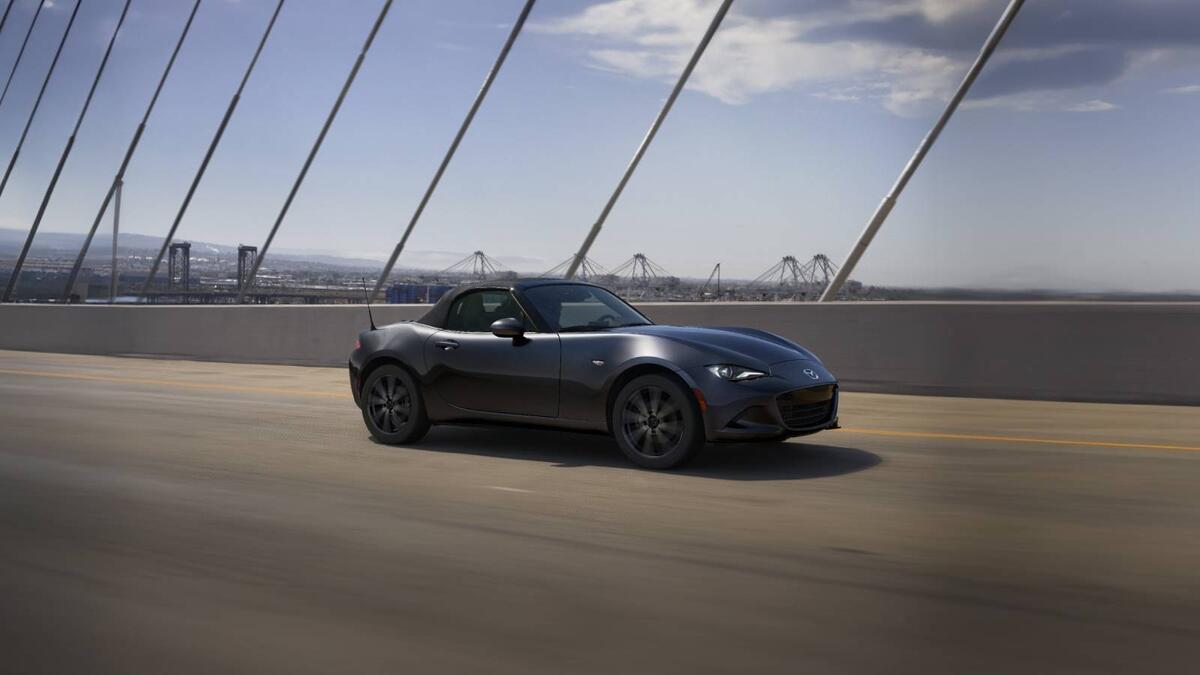
The Mazda MX-5, or Miata, is a small two-seat convertible made for fun driving. It’s designed to feel nimble and easy to handle, which is why people often talk about it when they’re learning to like sports cars. The podcast mention likely connects to someone changing their mind about how good it is.
Term
MX five cup
The MX-5 Cup is a racing series where everyone races very similar Mazda Miatas. Because the cars are matched, it’s easier to see who’s the better driver and team.
A “cage” is a strong metal frame put inside the car for racing. It helps keep the driver safer in a crash and can also make the car’s structure stiffer. Because it takes up space, you may have to cut or reroute other parts so everything fits around it.
BSI is the shop they sent the car to. It’s where the safety “cage” work was done. The speaker says they trusted the people there to do it correctly.
Concept
spec me out
"Spec me out" means getting the car set up to the exact plan the team wants. It’s like making sure everything is done the same way every time so the car is safe and predictable.
A tire sheet is basically a checklist/log for the tires after each run. It records things like tire condition and temperature so the team can learn what worked and what didn’t.
A checklist is a step-by-step list the crew uses to inspect the car. It helps make sure important safety items are checked every time, not just when someone remembers.
NASCAR is the big American stock-car racing series. Brad is describing how he raced on weekends in NASCAR-related events while working and learning the business during the week.
ARCA is a stock-car racing series. An “ARCA debut” means it was his first time racing in that series—an important first step toward bigger NASCAR-level opportunities.
Watkins Glen is a famous race track in New York. It’s a road course, meaning the cars turn a lot and brake hard, so it’s a big deal to make your debut there.
LIVE
Hello, everybody, and welcome back to this week's episode of the Be Differential podcast.
I'm your host, Ava Gregory, and this week, we are joined by driver and mechanic Brad
Perez.
Welcome.
Hello.
I'm so excited to get into this conversation and learn a little bit more about you.
We have not met before.
This is always fun when it's just like an on the spot conversation and kind of interrogation.
Brad, is there anything you want the listeners to know just kind of high level about you
before we really get into it?
If I had to like elevate or pitch myself, I'd be like, imagine you went to a furniture
store and the person that you bought furniture from also built the furniture and also had
to sell you the furniture and then also delivered the furniture to the furniture store and that
is me.
That is the realist intro I've ever heard and I think every entrepreneur can resonate
with that statement.
So I might take that for future intros.
That's fantastic.
You can take it.
Well, Brad, why don't you tell us what got you introduced to motorsport and then maybe
we'll kind of get into like what your current roles are now.
Yeah, motorsport for me, I kind of had like a blind exposure to it if that makes sense.
I didn't necessarily have a family member grow up and be in racing and go into the track
every weekend.
I got a poster from my grandma and it looked so cool and I was like, wow, like the cars
are nice.
Can I please sit in one?
Can I see one?
And they took me to a race when I was like five and I have been obsessed ever since chasing
that high.
That is awesome.
I love that.
You know, it's something so cool.
I feel like in this industry, there's people that grew up completely around it and were
fully immersed or kind of found it by accident and like myself included, I found it completely
by accident in college and now it is completely taken over every aspect of my life.
So let's talk about, okay, you said, how can I get involved?
These cars are cool.
What's up with them?
What was kind of your first introduction to actually getting behind the wheel and like
getting your hands on a car?
So I was eight years old and I begged my parents to take me to the go-kart track.
So this is like three years removed from the first time they ever let me see cars in person,
like race.
And I was like, okay, I'm here at the go-kart track.
I had a blast.
They put me in an actual like, I guess professional kids' car at the time and like within the
first two laps of me driving, I got to the limit and I crashed.
Oh my God.
Yeah.
And my parents were like, nah, like we are not doing this at all and didn't get to see
the track for a couple of years after that.
It kind of sucked.
Yeah.
Oh my gosh.
Well, I can imagine as a parent, I'm not a parent, but I can imagine, you know, watching
your kid crash.
That is a scary moment.
As an individual that's like, no, hell yeah, let's get up and do it again.
Talk to us then.
I mean, when did you, a couple of years later, you kind of said, okay, like I guess I'm still
interested, like this, this memory of a crash did not scar me enough.
Let's try again.
What did that look like?
Yeah.
I tried going to the local go-kart tracks and like, you know, like your, you know, K1 speeds
and things of the sort at the time that we had down in South Florida.
And I would, I would always do the carts, the rental carts, and I'd win.
I'd beat some of the adults.
Like we didn't have like split classes at the time in some tracks.
Brad, you know you had that weight advantage.
If you were a young kid, get out of here.
Get out of here.
I was a kid.
No.
You were half their weight.
What do you mean?
Hey, I was going fast though.
But yeah, just to that, I mean, I, I was really obsessed and I found a way to, or whatever
I could to get in and after that amount of time and doing other things like I did sports,
I did music, I did a bunch of other things to try to like kind of take my mind off of
it.
But I was still a fan.
Like every week I was watching whatever races that were on, whatever discipline, F1, Indy
car, World of Outlaws, NASCAR, whatever, NHRA.
And I just, I couldn't take my mind off of it.
And when I was 16 in high school, I was like, I got to find a way to do this.
Like I'm making money now.
Like I have a job.
Like, you know, I could do this.
So I have the go-kart track and I met with the same guy who owned the track that I crashed
at when I was eight.
And I was like, look, I'm very interested in this.
I am way behind because I have not raced the cart since I was eight years old.
And like, I just want to get involved.
And he told me about this class called LO206 and I just kind of went with it and we won
a bunch of races and it was awesome.
And I was like, oh, wow, I'm actually good.
Like it's not like it's a BS and kind of spring roll from there.
Yeah.
No, that's incredible.
It's so funny hearing LO206 is like, so takes me back when I was in college, I worked at
Atlanta Motorsports Park, which is a go-karting facility.
And that was my first introduction to like what different...
I didn't even know go-karts could have different types of engines and all that.
And LO, man, that's like, that's the next step up.
That's awesome.
That's a really cool intro.
So I guess when I was learning and like creeping a little bit on your credentials ahead of
this, I learned that you built your own specmiata to race SCCA.
So can you talk to us about what was the transition of going from LOs and racing and go-karts
to getting involved at SCCA?
Well, like, as you know, like LO206 is such like a momentum based class and you have to
be so perfect to be competitive because everyone's so close.
So you always get like the newbies in there, and then you get some of the experienced people
and they kind of like all mesh into the class and it gets like super like like elbows up.
It's aggressive.
And getting introduced to that really early, I felt like helped my development.
I think that like without showing up and being like, man, if we finished like six, we'd
have like a great day compared to like the competition that we had as like me being like
a rookie quote unquote.
Yeah.
And I felt like that pushed me to like not, I would say not accept failure, but like understand
that like, like you got to earn it, like you really have to earn it when you really earned
it.
And I never had it kind of handed to me in classes where it was like two competitive
cars or something like that.
And that was a trend going on to specmiata, like specmiata is such a competitive class
and in South Florida we had, I would say the top like 12 every week in a regional would
be running for the national championship.
Like that was how competitive the class was.
And at first we didn't know anything.
Like I knew how to wrench on a go cart.
My dad did not know how you just know how to wrench on a go cart.
He was an electrician.
So like he knew tools about it.
He didn't know anything about how to work on cars or how to make them go faster or set
up or even we shut up the places didn't even have a damn set up.
It was, back on it, I felt stupid.
Hey, hey, that's, that's great.
Intinacity right there.
That's you showing up and doing it again and again.
I love it.
Blind faith, I guess at the time.
But yeah.
And then in specmiata, we bought a car.
It was like a $9,000 car came with spares.
Everything is like a great deal looking back on it and ran kind of, you know,
mid-pack for nationals, which was pretty cool.
And like we won a couple of regionals, but we're like, oh, if we wanted to compete
in it for an international championship, which was like the goal, then I have to
build a car because like to buy a new car and specmiata at the time was like 30
grand, which is insane.
Oh, wow.
Yeah.
Wow.
We pieced together this like car we got from like co-part and it was like a,
it was an NB, 2001 NB, VVT car, came with just a shell and like a really
crappy engine and we took everything out.
We redid it like over time, over like a year when we were racing our other car.
We're building this car.
It took probably at the end of it.
It was 20,000 built into it, but it's 20,000 built over like almost two years
worth of.
Yeah, yeah.
So it was a, it was like probably like my most proud achievement at the time
when we finally got it done.
We didn't have a garage either.
It was like outside our house with like a tarp.
Oh, no, that's too real, man.
Hurricane would come and just like put seven tarps over the car.
Oh my God, not the hurricane.
I forgot it was in Florida.
Oh, Jesus.
So you built the car and okay.
So what was your first race in your specmiata that you built?
It was, and I will never forget this either.
It was the Homestead majors.
We had tested it before.
I remember I had to work the Rolex 24.
I was spotting the Rolex 24.
And then I had to like leave the Rolex to go like make sure we test the car.
Oh my God, I drove from Daytona to Homestead tested the car.
Like it was terrible that we had like, I was like, I wish I could help you dad.
But like, I got to work the Rolex.
So he had a couple homies that I like called up.
I was like, Hey, like now that I had some more connections, I was like, Hey,
can somebody please look over my car?
I don't know what to do.
My dad definitely doesn't know what to do and work the Rolex came back and
and ran the majors race at Homestead.
I remember there was like 60 cars that showed up and like crazy names,
like Todd Burris, who had like a Michelin pilot challenge experience,
like Preston Partis, who's like, now we race together.
But he's like, at the time, it was like the best speck me out of race here
in the country, like Danny Stein, Jim Ferry, all national champions.
And I was like, Oh my God, this is awesome.
All five, like, I think 15th.
And I was like, Whoa, this is crazy.
And I'm like 60 with this new car.
And yeah, it was a, it was a crazy weekend.
I was so nervous at like, after the first session, like 60 cars on the racetrack.
I was like, uh, man, like if I screw up qualifying, we're done.
We're going to wreck this car.
Like that's such a scary pressure to have of like, I have to hand this over to
someone else.
Like I have to make sure I'm not just obliterating it.
Like that is, that's, I had a conversation recently where I was like, Oh my gosh,
that is such a true factor.
So anytime that I've done any track days, it's not really sharing the car.
It's like the risk is scary in itself, but like you have a whole other layer
of caution when you do have to hand it over to someone else, which I feel like,
okay, good for safety, but like, you know, limits the performance a little bit,
you know what I mean?
Exactly.
Well, let's, so let's talk about, okay, I, I will admit to you, and I know this is
our first time meeting.
I used to shit on Miata's and spec Miata's a lot.
Okay, but, but allow me to share that I have evolved.
Okay.
And I say this because Miata racing, as you mentioned with the go kart side of
LO's, Miata's are so competitive.
Like their classes, it's truly shouldn't be, but is like bumper cars and is so
aggressive and actually so much fun to watch.
Like the MX five cup is, it's so interesting to me now.
Um, but okay.
So you got into it because you literally built this car.
Talk to us.
I want to come back to the racing, but talk to us about the car portion for a
second, your technical knowledge, what you learned, how much of it was literally
wrenching, like learning from wrenching with your own hands versus like being
taught or having like a resource.
For the most part, it was like YouTube, like literally YouTube
mechanic.
Listen, I tell me about all the time, do not discount YouTube.
I replaced an engine for the first time watching YouTube videos.
Like it is literally YouTube university for the win.
So you said you kind of changed everything about the car, right?
Like it was like, okay, it had a shoddy engine.
It was the shell.
What projects, like some of the specific projects did you work on the Miata
before you raced it?
So the main thing, I mean, like, like, you know, like taking a part of cars,
probably the easiest part and putting it back together is the hard part.
And that was really it because when we know you take it apart a car and the
idea, like take it apart any car, you know, just put it back to the exact
same way you took it apart.
Obviously, yeah, but like if you write everything down, you get it.
But now we're like, what things are necessary for racing and what
things can be just completely removed because there's a street car.
And then all that, there's no like yes or no, like it was all about
people on the internet and forums.
Like, like you see a forum post from like 1999 that you're like digging through
like, yep, I didn't put this in here and you ask some of the other
expect me out of racers and we're like, oh, everyone gives you a different answer.
Everyone has a different philosophy.
And I was like, all right, we'll just do the half.
And then when we show up to the racetrack, I'll ask as if like, I had no idea.
And then do shit at the racetrack to make sure that I didn't.
Oh my God.
And yeah, I think the hardest part really was once we did put the cage in.
So we shipped the car, we sent it to BSI at Daytona.
Oh, yeah.
I'm currently the owner of BSI with her husband, Nick.
And at the time, I think Paul Shepherd was running that place.
We sent the car over there because we trusted him and they caged it.
It was beautiful.
Awesome.
Okay, still have it.
Every time I look at it, I'm like, this is the greatest thing I've ever seen.
So other than like NASCAR stuff.
And then I, when they got the car back, we got the car back, we're putting stuff together.
We're like, oh, well, the cage runs through here, so you can't put that on.
And the cage runs through here, so you can't put that on.
Oh, we got to cut this around the cage.
And then we're like, oh my God, like I was scared to cut into stuff
because I didn't know it was going to work right.
And that took me really long.
Like that one, that was a whole project on its own.
Putting something like the interior dash paneling back in the electronics.
Like my dad is electrician, so he knew for the most part.
But like the way we're going to look, I had an idea.
I was like, I wanted to look professional.
So if I sell this car, it doesn't look like shit, like, you know, all that stuff.
And I'm like, I don't know what to do properly, but I was trying my best.
No, OK, I have to say, I hate that I resonate with this, but I get it.
I'm building out a car right now.
And literally the projects that we have done are with the thought in the back
of our mind, if we have to put a roll cage in, like what can we do before versus after?
And that has dictated so much.
So honestly, I completely get where you're coming from.
And I love that you mentioned Shea, because that's literally the show
what was her show on Amazon, but first the finish, I think.
Yeah, that's like literally the show that got me.
OK, like realizing that it was kind of cool.
But no, Shea's come on the podcast and showed her story.
So it's cool to see that kind of full circle network there.
OK, so I love the projects that you guys worked on.
I love that it was just like, we'll figure it out.
And I appreciate so many things because you're right.
These online forms and regulations are so unclear, like literally there's a car
that I'm building out and it is like my mentor and I have just done hours of research.
And like, but what is the rule?
Because like, if we show up to race or compete in something, are we going to get
turned away because of some weird online like discord that was actually inaccurate?
So listen, I appreciate this so much.
Oh, my God. OK, let's pivot a little bit because I have more questions I want to ask.
And this is so fun already.
So OK, you mentioned that you were spotting for Rolex 24, right?
And from what I researched and learned, you have stacked internships
across multiple organizations, different disciplines.
We're talking NASCAR, MSET, SCCA and NASA before you were ever actually getting paid to race,
which bless your heart.
But which one, what did each of those teach you that the others maybe didn't?
Like, were there different things you took away from each?
Yeah, for sure.
And the the regional racing stuff, definitely there's not a lot of pressure
involved and it a mess up.
It's OK to ask a ton of questions.
And most of the time, this is when I also realized that like a lot of the people
that are quote unquote in charge of what you are doing, probably don't know either.
And it's OK to like interpret something in your own way.
And like, not only, I guess.
I would say like, you know, you used to your regular job, right?
If your regular job, you have a manager, the manager is supposed to know everything.
If the manager doesn't know everything, they bring it up the board here.
It's like, if somebody doesn't know anything, you don't have to listen to this person.
Ask somebody else.
Like somebody completely your team and like the idea of that was very foreign to me
because like, what do you mean?
Like, if you don't the person who's in charge doesn't know what's going on.
They don't know what we're talking about.
Yeah, like, what do you mean?
Ask somebody on a completely different team.
And like, it's that kind of community.
And I think that level of community, I did not realize existed and I realized
that like, we're just don't hate, we don't hate each other.
Like, we're all here to have fun.
Yeah, I'm sick of that from like a team perspective.
So that regional racing thing, actually, I feel like I've taken that mentality
with me everywhere I went, even when it to professional racing.
And so everyone helps each other to like, except maybe the people that are in charge
are in charge for a reason because they do really know and like, they know that
because they've been there for a while and they do it at the highest level.
So you can trust them.
But if you did need something, you do, there are other people will for sure help you.
And understanding that before I was actually working, working and got paid
and stuff like that was crucial.
Yeah, so understanding, especially that regional side and component,
what then was something you maybe took away from like the formalized organizations
like IMSA or NASCAR that were a bit higher tier, higher stakes?
It was definitely the organization.
Like, you know, when you're doing the regional stuff,
like you're only as organized as the most organized person.
And usually most people aren't because they're like doing it for like a hobby,
you know, like you don't really care.
But I remember that when I was starting to do some NASCAR work
and then going back to do my spec me out of stuff,
like I thought about like after every run in NASCAR,
we have a tire sheet with your builds, you have a tire sheet with your heat,
you have a checklist that you go through every single thing on the car,
you put it on stands and then you can bring it back out.
You have to check everything on that before you do it.
Spec me out and sometimes we were coming in,
like tire pressure is memorizing a little bit and then just, all right, just sit there.
Hoping for the best.
And looking back on that, I'm like, what are we doing?
Like, we got to check all these things, like for safety or, you know, whatever reason.
And learning that level of, even at like the lower level NASCAR teams,
knowing that level of organization and like being on top of your stuff
and P's and Q's and being prepared, taking that to the regional level
where like nobody does that was definitely a mind blowing thing.
Yeah, totally.
So, okay, having worked at these internships,
having participated with spec me out of being involved with SCCA,
you moved to North Carolina in 2019.
And I'm sure there was a dream here,
but there was not necessarily like a guaranteed seat and that move was a big bet.
So what was the actual plan or did you have one?
I had like a like small internal plan that was like,
I am going to race somehow in NASCAR or like regionally in NASCAR,
like late models, something like in five years.
I was like, it's going to take me five years to do it.
Like just trust the process.
I'm going to do it.
The, I guess more sort of formed idea was that like,
I was going to move and get either getting a job for a team.
It could be like a crappy team.
I didn't care, but I wanted to learn everything.
Like I wanted to be able to do everything.
I want to be able to crew chief this thing by the time I leave.
And I had that opportunity at JD Motorsports
because I had a friend who had worked there that I met on the internet,
racing on the internet.
And he got me in and I got to know everybody and I got put on a team
and I learned how to be part of a team and learned how to work at the shop.
Like what it means to work late hours, that sucks and all these other things.
I was making like $500 a week.
Staying on my friend's couch, Ryan Vargas, who's another racer.
And cause I barely could afford rent.
So like I was like, I will pay for like some groceries and stuff.
Like I'll make different couple of nights if you just let me stay at a couch.
And I figured like doing that is not going to be glamorous
and it's not going to be fun for like probably a year.
But like I'm going to do that for like a year.
And then if I'm good, which I'm going to put my mind to that,
like I will start moving up to higher teams, getting paid better.
And then the side quest is like racing.
So like race, you know, summer shootout, which is on a Tuesday.
I'll, on our off week, I'll race Hickory.
I'll come up with some money to run Hickory.
Like doing that and meeting those people.
I figured working there, meeting the right people who were already there anyways.
And then doing the little side quest thing.
They will come together at some point when that will happen.
I don't know, but we'll try.
It will culminate into something good.
No, I get that.
Well, I appreciate the freaking tenacity so early on to say like,
I'm going to figure it out.
I think there's so many stories that I hear or that you see that are like advertised on the media
of just people that have kind of were handed this opportunity or, you know,
they don't quite have the same grit when you are the one that's working seven days a week
or a sleeping on a couch or figuring it out.
And I say that as someone that literally was like less than paycheck to paycheck
and working seven days a week and all these things just to achieve,
you know, some idea or some dream.
So you did end up working with some teams and you worked as a tire specialist in a truck series.
And now you're a driving instructor at two top performance schools in the country.
Talk to us a little bit about those varying experiences
and maybe how seeing the sport from the pit box and the passenger seat
change between each other and how they differ from your previous driving experiences.
That's a really good question.
So when I was doing the wrenching stuff,
I knew it was it's like the least glamorous thing on the world.
Like your chop smells like asbestos.
Like it was like disgusting.
We're rolling to the track.
We're driving 12 hours to the damn racetrack.
Like didn't even get to fly sometimes.
Like it was terrible, but learning that and then learning the ins and outs of that.
I knew that once I got to the point where I was like, okay,
like I have the type of connections where I can start driving for real and like
I don't have to spend 14 hours of my life at the stop.
Like I don't have to live my life or I don't have time to actually make real money
because I'm making terrible money that do that.
That's when I got the opportunity to work at the BMW school in South Carolina
through another friend who used to race James Bigford.
He won a couple of like Arca East or Arca West races back in his day.
And we bonded over like NASCAR dreams and stuff like that.
And doing that, like just that kind of work right now even
helped me understand the hospitality aspect.
Like I didn't have proper like sales marketing experience.
All I knew was things that I had learned from people, the internet and whatnot.
So getting to learn like how those big schools like attract big clients
and like who pay thousands of dollars to show up for like four hours to drive a car.
And they're like so stoked to do it.
I'm like, oh man, like now, okay, now I'm starting to get it.
Like I don't, I knew this, I'm like work on the car part.
And now I didn't know like the glamorous, this is why people spend the money part.
And getting to put those two together like it was a big like bowl in my head.
Yeah. I mean, having experiences from all facets and being able to bring perspective from,
okay, I've worked on this side, I've worked on this side.
I think just makes everyone like a more well-rounded individual
and a greater contributor to whomever they're working for or with at the time.
I think about that. I used to work at Rhode Atlanta and during that time it was,
there were, you know, some people that had kind of been in positions for their entire
tenure was the same kind of part of the industry.
And then seeing examples of others that were just willing to say yes.
And even for myself included, like being on the hospitality side, then sales and operations,
like now in marketing, I feel that I can bring perspective.
And hopefully, you know, your people that you work with and leaders will see that.
But I just, I do, I think it brings so much more value in a lot of ways than people that maybe
just show up with one expertise level. So that's incredible.
Talk to us now because, so you've done some regional things, you have worked as a tire
specialist, you've been involved in some other kind of areas of driving and structing,
and you did end up getting a seat and competing in some other series, right?
So let's talk about kind of your driving experiences now.
Yeah, the, the funny part about that, that whole situation is like I,
the, once I made to the point where like I could get out of a lot of the working all the time to,
to try to like learn, like once I found a way to be on the road every week, which was
an opportunity that I had with Martin's Motorsports, Tommy Joe Martin.
Um, being there on the weekend and during the week doing the BMW thing,
I had the time now to actually put together deals and like learn how the business worked.
And I was selling corporate events for BMW to like do driving school.
So like I understood, I started to get real sales experience with the real professional
driving school stuff, which I had never even attended a driving school, but I was like working
at one. And then also doing the, the, the NASCAR stuff on the weekend to keep like in tabs with
stuff. I, I got to be good friends with Josh Williams, who raced in Xfinity at the time.
And I got to work on cars with him. I got to be close with him and his family.
And I got to understand what it took. And he was super transparent with me.
He was like, this is how much it takes to do this. And this is, you know, let me know when
you find the money. Spoiler alert. It's not cheap. It was like, it was actually a fair deal that I
looked back on it. It was actually a very good price that he gave me. And I think that was due to
us having like a rapport, you know, sure. And so when I was putting together deals, I was
basically collecting handshakes over the course of like two years that in 2021, I finally made my
ARCA debut at Watkins Glen. And like this was like so telegraphed, like I had planned this
freaking forever. Like I was originally planning to do the Daytona road course at COVID,
but like a couple of the companies that I was looking at, they all had to shut down during COVID.
And I think that weekend in New York in 2021 was like the first time like there was like sporting
events in New York that were allowed to have fans. So like it was like the perfect time of like one
of those states that had everything closed. So Josh, we put together the deal. The team that,
the real X factor that was, this is a great story. I was working for Rackley War in the
truck side. So I was, I was doing tires that year for a truck team and an Xfinity team on the same
weekend, which was absolute hell and I will never do it again. I was stretching myself very thin.
Yeah, it sounds like it. Yeah. And Curtis from Rackley Roofing, he's the CEO of Rackley Roofing,
and he had started that race team and he didn't really know much. And I was teaching him about
the whole tire selling grind. I told him about all the logistics that I had learned like in my
two years of experience, which is like the crazy that it was more than him. And I was always like
straightforward with him about how the money stuff worked. And he appreciated that. And whenever I
said I was like trying to run this arc a race, he was like, he's like, what do you need? And I
was like, I just need this much. And he goes, here. Oh my gosh, what an opportunity. Holy cow.
I couldn't believe he did that. Like I had never asked him for anything. Like I never, I always,
because I knew he was like a freaking, and he was rich. Like I knew there wasn't like,
there wasn't a surprise, but like, I just felt like it was in poor taste to ask. Like I didn't want
that. And he, he made it happen. And even that day, he was like at the pit box, like he like took
time out of his day to watch the race. And it was such an amazing day. I ended up not even finishing
the race because of mechanical failure. And I cried. It was so bad. But like that day,
I think set me up for like kind of the rest of my life. Like I think if that day didn't even go
any differently than it did, like it definitely changed my life.
Well, so let's talk about that then. I mean, the actual transition itself from working with teams
to your first driving season in ARCA. I mean, what was that like?
Uh, so yeah, the ARCA thing, I actually, I tried to get out of ARCA as quick as possible because
the, this sounds so crazy, but the, the Xfinity series, the way that it was at the time financially,
like the purse money compared to how much money it costs to compete
was pretty close. I mean, the purse money was almost above it. So you can run for like pretty cheap
if you can make the race. Cause like not everybody was guaranteed to make the race.
Like let's say 40 cars would show up for 38 spots. So two went home,
which you were the, one of those go or go home cars. So you had to, you had to basically
time yourself in on qualifying to guarantee a spot. But like if you didn't time yourself in,
you didn't get your money back. So it's a, you're, you're betting on yourself. And I was like,
if I can get approved for Xfinity, I felt like I could do it. Like I felt like I could tie myself
in these races. And that's what I did. Like I ran that one ARCA race. I got approved to run Xfinity
and I just didn't run ARCA. Oh my God. I didn't realize that well. Yeah. I attempted my first
Xfinity race in Indianapolis and I missed the field. Oh my God. And I missed it by like
three tenths of a second. And it was to somebody who got wrenching. It was so bad. But I could have
made the race. I looked back on it. I could have made the race. I know where I messed up,
but I lost it to one of my, like my idols, Scott Hekert, who was a long time sports car racer
who raced in NASCAR for a lot of the early part of his career. And like I leaned on him a lot.
Like he's worked him on the auto. Like I've leaned on him so much for like help. And uh,
to lose to him, I was like, Hey, let's, I got to just step up. Is what it is. Yeah.
I made my next race after that. I actually timed myself in the show. I had to do it again,
bet on myself and made the race. So what does this season look like for you? What are your
commitments? Who are you running with? Uh, so I kind of like do the same thing. Like I'm looking
for the best opportunity. Like I wanted to branch myself out to ovals and that was my goal over the
last two years. It was like, do more ovals, be more well rounded. Don't be the guy that everyone
just wants for the road courses. And like, I don't want to just get a cheap deal for the road
courses. I want to be good enough to get it for everything and gain some experience so that when
I do get a proper opportunity, whenever that may come, like I'm prepared and I'm, I don't,
I'm not starting, you know, from square one at a discipline that I don't know yet. So
I've been doing some more ovals at this year. Um, I got my best career short track finish,
which was 21st, which this is like, I was mad that I didn't finish 14th because I made a bad
decision that screwed me over. Uh, but like those are the things that are like looking back on it.
And I'm like, wow, the fact that I'm mad at myself for screwing up an Xfinity or Riley
race at Martinsville because I made a bad decision. Like imagine that. Like, yeah, that's right.
Like one, that that's your reality and two, that it's a lesson you can learn from.
So, okay, I want to, I think that I read as well that, um, you received or you had like
Bubba Wallace's live to be different foundation backing your car behind your car. First of all,
shout out because I naively did not know that that foundation existed and love the be different,
be differential here. Um, but giving his own story and breaking barriers in NASCAR,
what did that mean to you to have that kind of support?
It was huge. And it was that Martinsville race. Funny enough, uh, I, I have always admired Bubba
and he's been somebody who I've been a fan of. Like, I, you know, now that I have his phone number
and like talked to him randomly. It's incredible. I know it's cool to have this full circle moment,
right? I always have my mom send me pictures of stuff that I have of his at the house in Florida
of like, Oh, look at this hero card that I got. Cause I've mailed it in one time or like,
I have his old die cast when he was driving the six. Like I have a bunch of stuff and
I didn't expect him to help me at all. Like it came out of the blue. Like I never even asked
for him to do that. And he even told me, he goes, I never checked social media. Like obviously,
you know, he gets a lot of hate and stuff like that. So like I'm not checking social media.
Yeah. He's like, I just so happened to download it and I saw your posts first and I'm like,
now I got to help. And I'm like, dude, I barely talked to you. Like I've talked less than maybe
five times ever. And it's been like less than 30 second conversation. Sometimes it's just like,
we pass each other, just make a look. And I'm just like, Hey, those impressions last,
that's incredible. Seriously. And to have such a big name, but also just that support is huge.
So I want to ask as well, as we're looking at kind of people entering in yourself,
still breaking into areas of NASCAR, if you could look at one structural thing
about how drivers break into NASCAR and change it, what would it be?
Man, that's a, that is a low because there's so much. I can have like a dissertation about all
Okay, we'll be following up and expect that dissertation. Thank you.
Yeah. Like, man, I'd love to open up that can of worms so heavily. But I think the barrier of
entry is the biggest issue that we have. And that barrier of entry is mostly financial. Like at
the end of the day, like, like, you know, if I gave you $2 million today, you can make a career
in racing work. And it doesn't matter who you are, what you look like, what you do. But the fact
of the matter is that even like most people in the world, like there's a lot of rich kids out
there, but most people in the world still wouldn't even have that. So the only way that they can get
in is being a part of the community. And but the problem is like not everyone, unfortunately,
is built for the realities of the community. And the community can be sometimes they can be
like a club that feels like you can't get in. It's like
that it feels intimidating because like even what we talked about, like talking about the
forums and like going through forum posts and deciphering things from like 19. Like anything
you could possibly get into, if you want to get into volleyball, there's probably like a large
community of people that can help you figure that out. But for racing, because of being usually
a person that has a lot of money, if you have a lot of money, you're probably older.
If you know, or you know, like all the different types of things that are into it, like old guys
and, you know, old guys and dudes and blah, blah, like, it's hard to
like figure out what is the information that you need. And I have that helping hand that's easily
accessible to you. So it is up to kind of the next generation, like myself and us and
general, like to make that more accessible, even when it comes to just information, like forget
money, just information to get people involved. And I think that is like the ground level of it.
That is not even like, we're not even like at level two yet. Like that is immediate thing that I feel
like prevents most people from getting into the sport. I honestly love that you mentioned that
because I feel that's such a common topic discussed across this platform is that
increase in visibility, the invitation, it's like there's so much territorial kind of tendency
that occurs, especially from the driver side, you know, it's bad, like in many ways of just
corporate and motorsports automotive, but from the driver side, especially it's this, there's the
scarcity complex of we all are fighting for the same funding. We're all doing these things. So
yeah, I can only imagine how limited that information is and how non available it is to get,
you know, that that support and help even just from that information perspective. So
I guess along those lines, I would also ask you if you had a piece of advice for people that were
interested in starting their career in motorsports, what would that piece of advice look like for you?
I would say spend the absolute least amount of money to get the knowledge because that is
like people think they need to go to this trade school. They think that they need to go to this
university and it's like, I like, I know that's like the traditional mindset, but the reality is
is that a lot of this information can come to you for free and like people are so nice, like
you may not know them, you may not have never met them yet, but people are so nice and they will
give you this information for free because it is their passion, like racing is a passion project,
there's no functional purpose for driving around in a circle. They will not cure cancer, it is not
like no, people because they love it, they do it. And I feel like if you show that passion,
people 100% will want to help you, so go to your local racetrack. If you're scared to go by yourself,
bring a friend, bring a friend that's extroverted, if you're an introvert, to like meet the people
because if you show a genuine interest in trying to be involved, even at like some sort of level,
even if it means you're freaking on Facebook, posted for some old dude that just wants to show
his friends that he's driving a car or something, like that's something, that is something a way
to get in. So don't dwell on the fact that like, man, like there's no way I'm going to get the
credential for this IMSA race, for this NASCAR race, like I don't know anybody who races in my
family and whatnot, like there's got to be a track near you. And if there isn't, like if you love it
enough, you're going to find a way to get there. Go find it. So looking up, we all can help everybody
on the internet, so helpful now in this current age, so do that. No, I think that's a good call
out, you know, just talking about like increasing visibility while there's still certainly work
to be done. It has evolved so much, social media has made huge jumps for that. And you know, it is,
it's really, it's just ask the questions, it's absorb, it's you can Google anything at this point,
like if you have a question, there is at least a conversation started around it, they can kind of
give you that first step. So I think that's a great piece of advice. If you're right, like even
myself, you know, I have like some degrees, but I started working full time while I was still in
school. And it's truly through your learned experiences, it's those networking, the conversations,
the hands on, the where you end up getting the most in my opinion. So yeah, I completely support
and agree with that. I want to ask kind of as we're starting to close out, looking five years
down the line, you know, you're still kind of entering and getting your foothold, you're coming
in, you've got some races under your belt, some series experiences. But what does success look
like for you a few years down the line? I mean, I think for racing and for drivers, especially,
it's like, okay, podiums, that's the clear metric of success. But what does that look like for you?
Or do you think your definition of like, oh, making it has shifted since you started this journey?
Oh, yeah, my, my idea of making it has changed so many times, like,
little kid, you're like, I'm gonna be a Cup Series champion. And then like,
then you're like, oh, I just want to race. And then like, you're like, oh crap, maybe I was a
little too low. And I was like, oh, like, I mean, now, I mean, selfishly, this is just like a personal
goal that like, I want to be full time in a NASCAR series, like I want to run a full season. I just,
I want to make it happen once. But you know, at the end of the day, I know like, whether or not I
achieve that. And I'm still pretty dead set on the fact that I will achieve that. But even like,
let's say after it happens, like, I don't want my journey to be like the only journey that exists
the way that it does. Like, and this is gonna sound so like, I'm gonna sound terrible when I say this,
but like, I can't name more than maybe two people that I know that have done it exactly the way
that I have done it. Like, parents not having enough money to go more than afford one vacation a
year if we really saved our money kind of thing. Like, and not having a single connection, I have
not run a full season of anything at this point in my life. Like I am 29 in NASCAR, I've never
run a full season of anything. I'm not, I'm talking like go-karts never ran a full season. So
I don't want my journey to be the only time that ever happens. And I want to help the next generation
of kids like, and it's not even just next generation kids to be a good race car driver. I
want, like, and it has to be multifaceted. I want everyone to figure it out the way I figured it out,
but I want to help because there's, there's so many things that you cannot read in a book
how to get to this point in your life. And it's not fair. And obviously nothing in life is fair,
but it shouldn't, shouldn't extra be not fair to somebody who's not in the club, you know? So I
want to be that for the next people. No, I think that's such a good call out to, you know, there's,
there's so much of this like, okay, if you weren't in it, it's just who you know. And there are times
where you have to insert yourself, right? Or you have to introduce yourself and say like, okay,
I have to take it upon myself to learn and to meet people and to allow myself to be in opportunities
where things could come out of it. But you're so right, you know, too many people are experiencing
adversity in so many facets that are outside of their control that there has to be success stories.
And there has to be the, we made it out of here. And so I think that that's incredible. And, you
know, you're mentioning too, like, there's not people that have done the same story or made the
same journey. It's so true, like, in this industry as a whole, no matter your role in it as it drives
birth as someone in the corporate world is whatever it looks like, no, no one path is linear, like
they have all gone on some vast journey. And, you know, even myself, like I'm a planner and I'm
someone that's like, yeah, this is what I thought was going to happen. God, if it doesn't change
every couple of months, I feel like, but really, it's, you know, can you adapt? And then can you
keep getting up over that? And, you know, you mentioned like, mechanicals or failures that
have happened throughout your experiences and your driving. It's like the confidence that you have to
know that you came out of that and then get to try again, like, that's something that leads to
success ultimately. So I appreciate that call out of just like, okay, we're going to champion and
cheer on the people that come after us and help so that we can at least minimize
the adversity in their control and what that looks like. Brad, what is a piece of advice or
what is something, it doesn't even have to be advice, but what is something that you would
want the listeners to walk away after hearing today? So there's a Dusty Baker who is like a
longtime MLB manager, like, like absolute American hero, like, it just, like, there's not many words
in the dictionary that I can use to describe how great he is to me. He sponsored me last week and
the race definitely did not go exactly how I wanted. It's just the worst, probably worst race
we can even imagine. But he had a piece of advice for me. And I think he didn't know all my story.
He doesn't know my backstory. He doesn't know anything like that. And I don't expect him to,
but he said something that resonated with me a ton. And I felt like it's made a big difference in
how I think now. But I felt like that's kind of how I was before, but I didn't quite get it. And
there's nothing that I could have put together to, like, make it feel real. And he said, Hank
Aaron told him one day, he said, Son, you can never be scared, just nervous. Nervous, not scared.
And that is a great thing that I'm taking with me forever. And it's like, that's everything,
everything I've ever done. Like, I've been nervous to run any race, but I've never been
scared for the outcome of going to do anything and racing and meeting people. Like, I've been
nervous meeting certain people, but I was never scared. Like, I never was going to get deterred
by being scared, but it's okay to be nervous. This is so cool. And it's like, you know, I've
heard this statement and I feel it's a similar kind of idea, like not quite word of the same,
but it's like, do it scared, you know what I mean? And like, or do it nervous or do it, you know,
I think so many times in my career, I've had to do the same thing of just like, okay, I'm just
going to like spit out a word so I can't not say whatever I have to say now or whatever it is.
And it's like, I'm a little nervous, but like, we're going to do it anyway. That's, that's a
really, really good takeaway that I think a lot of people can resonate with and carry with them.
Brad, thank you so much for sharing like the smallest snippet and just taking a little bit
of your time of sharing your experiences and what your journey has looked like so far. We're
going to be talking about a couple of things that we're going to use in that is to follow
for Brad. Where can the listeners follow along on your journey? So then keep up.
I am a primary Instagram user. I used to be a primary Twitter user, but it got weird over there.
Brad, UH Brad on Instagram. And I have still Brad X Perez on Twitter, or the artist formerly
known as Twitter still. That's really the only things I use. I have T-Trock and whatnot,
but I don't really use it as much, but uh, yeah. No, that's perfect. Well, we will have all of
Brad's information in the description below so you can find it with ease. Brad, thank you again
for taking some time and sharing your thoughts with us listeners. Thank you for tuning in this
week and we'll see you next week. Bye.
About this episode
Brad Perez’s NASCAR path starts with “blind exposure” to motorsport rather than a traditional racing upbringing. He gets hooked early—then learns to wrench through YouTube, building and rebuilding spec Miatas from a shell. Karting and LO206 teach precision, while his NASCAR climb leans on shop work, tire logs, and relentless organization. Along the way, he navigates financial barriers, leans on community support, and defines success as running full-time—staying “nervous” instead of scared.
What does it actually take to break into professional motorsports when you don't have the budget, the backing, or the blueprint? In this episode of the BeDifferential Podcast, we sit down with Brad Perez — NASCAR O'Reilly Auto Parts Series driver, ARCA Menards Series competitor, high-performance driving instructor, and one of the most compelling stories in racing today.
Brad is a first-generation racer who didn't start karting until age 17. From there, he built his own Spec Miata from the ground up, stacked internships across NASCAR, IMSA, SCCA, and NASA, and made the leap to North Carolina in 2019 with no guaranteed seat — just a belief that getting inside the sport was the only way forward. He's worked as a tire specialist in the Truck Series, earned his ARCA Menards Series debut in 2021, and has since racked up NASCAR Truck Series and O'Reilly Auto Parts Series starts, most recently driving the No. 42 Chevrolet for Young's Motorsports with support from Bubba Wallace's Live to Be Different Foundation and the Boys & Girls Club of St. Lucie County.
In this conversation, Brad gets real about what he learned wrenching on his own car, what each internship taught him that the others couldn't, and what it felt like to finally transition from the pit box to the driver's seat. We talk about the difference between oval prep and street course prep, what a more stable team home means after years of one-off rides, and what he would change about how NASCAR develops new talent. And when we ask him where he sees himself in five years, his answer might surprise you.
If you've ever wondered what it looks like to build a motorsports career without the traditional ladder — this episode is exactly that story.