About this episode
The 2025 Zeekr 9X, dubbed the 'Silicon Sovereign,' is a groundbreaking SUV that merges hypercar performance with luxury and advanced technology. With a tri-motor system delivering 1,381 horsepower and a 0-100 km/h time of just 3.1 seconds, it redefines what an SUV can be. The episode explores its stunning design, including a massive chrome grille and advanced lidar sensors, alongside its luxurious interior featuring zero gravity seating and a 32-speaker audio system. The discussion also highlights its L3 autonomous capabilities and ultra-fast charging technology, making it a formidable contender in the ultra-luxury segment.
Hosted on Acast. See acast.com/privacy for more information.

Zeekr 9X
"Ladies and gentlemen, allow me to introduce the 2025 Zeekr 9X, or as I like to call it for this review, the Silicon Sovereign."
The Zeekr 9X is a new luxury electric SUV that offers high performance and advanced features. It's designed to be a top choice for those looking for a premium electric vehicle.
The Zeekr 9X is a flagship SUV from the Chinese electric vehicle manufacturer Zeekr, which is a subsidiary of Geely. It represents a blend of luxury and performance, aiming to compete in the high-end electric SUV market.
32-speaker audio system
"Now, before we even tap the power-operated door, before we hear the first note of its 32-speaker Nyeem audio system, imagine this."
A 32-speaker audio system means the car has 32 different speakers to create amazing sound. It's designed to make listening to music or other audio really enjoyable while driving.
A 32-speaker audio system refers to a high-end sound system in a vehicle that uses 32 individual speakers to deliver an immersive audio experience. This setup is typically found in luxury vehicles and enhances the overall driving experience with superior sound quality.
horsepower
"...with every millisecond of its 1,381 horsepower tri-motor system. You'll want to look away from the specs, but you can't."
Horsepower measures how powerful an engine is. More horsepower usually means a car can go faster and accelerate quicker.
Horsepower is a unit of measurement for power, commonly used to describe the power output of engines. In automotive terms, higher horsepower generally indicates better performance and acceleration.
tri-motor system
"...of its 1,381 horsepower tri-motor system. You'll want to look away from the specs, but you can't."
A tri-motor system means the car has three electric motors. This helps the car go faster and have better control when driving.
A tri-motor system refers to a vehicle that uses three electric motors, typically to provide all-wheel drive and enhanced performance. This setup allows for better torque distribution and acceleration.
zero to 100 kilometers
"...but you can't. You'll want to ignore the 3.1 second zero to 100 kilometers"
Zero to 100 kilometers means how fast a car can go from a complete stop to 100 kilometers per hour. It's a way to see how quickly a car can speed up.
Zero to 100 kilometers is a performance metric that measures how quickly a vehicle can accelerate from a complete stop to a speed of 100 kilometers per hour. It's a common benchmark for evaluating a car's acceleration capabilities.
electric vehicle
"This is the in-depth review of the 2025 Zeekr 9X, the silicon sovereign."
An electric vehicle is a type of car that runs on electricity instead of gasoline. They are better for the environment because they don't produce harmful gases when driving.
An electric vehicle (EV) is a car that is powered entirely or partially by electricity. EVs are known for being more environmentally friendly than traditional gasoline-powered vehicles, as they produce zero tailpipe emissions.
full-size luxury
"...it places itself firmly in the realm of the full-size luxury elite, a true land yacht for the digital age."
Full-size luxury cars are big, expensive vehicles that provide a lot of comfort and high-quality features. They are often chosen by wealthy people who want a stylish and spacious ride.
Full-size luxury refers to large, high-end vehicles that offer premium features, comfort, and performance. These cars are typically spacious and cater to affluent buyers looking for a combination of luxury and status.
land yacht
"...a true land yacht for the digital age. The face of the 9X is an immediate assertive shock."
A land yacht is a big, fancy car that feels very comfortable to ride in, similar to how relaxing it is to be on a yacht. It's more about luxury than speed.
A land yacht is a colloquial term for a large, luxurious vehicle that offers a smooth and comfortable ride, akin to the experience of sailing on a yacht. These cars often emphasize comfort over sportiness.
Chrome grille
"...It adopts the world's largest one-piece Chrome grille. This grille, spanning 1.2 meters, is not merely a design element."
A Chrome grille is the shiny front part of a car that looks nice and makes it stand out. It's often used in luxury cars to show off their style.
A Chrome grille is a front grille of a vehicle that is finished in chrome, a shiny metal that enhances the car's aesthetic appeal. It often signifies luxury and can be a prominent design feature.
lidar
"...bodywork, lidar, and lineage. The clamshell hood is vast, blending seamlessly"
Lidar is a technology that helps cars see by using lasers to measure how far away things are. It helps the car know what's around it.
Lidar (Light Detection and Ranging) is a technology that uses laser light to measure distances and create detailed 3D maps of the environment. It's commonly used in autonomous vehicles to help them understand their surroundings.
L3 autonomous capability
"...that enable its L3 autonomous capability. The 9X is a rolling supercomputer, and its body"
L3 means the car can drive itself in some situations, but you still need to be ready to take over if something goes wrong. It's like having a really smart co-pilot.
L3 autonomous capability refers to a level of vehicle automation where the car can handle most driving tasks under certain conditions, but a human driver must be ready to take control when needed. This level of autonomy allows for features like automated highway driving and traffic jam assistance.
PHEV
"...the megawatt PHEV Jolt, the 900-volt architecture, power, and efficiency. Let's look past the sheet metal and peer into the Trimotor plug-in hybrid PHEV heart of this new sovereign."
A PHEV is a type of car that can run on both electricity and gasoline. You can charge it at home and drive it using just electricity for short trips, which is better for the environment.
PHEV stands for Plug-in Hybrid Electric Vehicle, which combines a conventional internal combustion engine with an electric motor and a rechargeable battery. This allows the vehicle to operate on electric power alone for a certain distance before switching to gasoline or diesel.
900-volt architecture
"...the 900-volt architecture, power, and efficiency. Let's look past the sheet metal and peer into the Trimotor plug-in hybrid PHEV heart..."
The 900-volt architecture is a type of electrical system in some cars that helps them charge faster and perform better. It’s like having a stronger power source that can do more with less weight.
900-volt architecture refers to the electrical system used in some electric and hybrid vehicles, which allows for faster charging and more efficient power delivery compared to traditional 400-volt systems. This higher voltage can improve performance and reduce weight by allowing smaller wiring.

Zeekr
"...Zeekr has utilized its SEA hybrid system built upon a revolutionary 900-volt high-voltage architecture. This is the key to its simultaneous hypercar performance."
Zeekr is a brand that makes electric cars. They are known for using new technology to create high-performance vehicles, and they are part of a larger company called Geely.
Zeekr is a new electric vehicle brand that focuses on high-performance electric cars, often utilizing advanced technology and innovative designs. It is a subsidiary of Geely, a major Chinese automotive company.
turbocharged
"A highly efficient 2.0 liter, four-cylinder turbocharged engine is paired with a sophisticated arrangement of electric motors..."
Turbocharging helps an engine produce more power without increasing its size. It uses a turbine to push more air into the engine, making it more powerful and efficient.
Turbocharging is a technology that uses a turbine-driven forced induction system to increase an engine's efficiency and power output. It compresses the intake air, allowing more air and fuel to enter the engine, which leads to increased performance.
kilowatt
"total system output, top trim, a breathtaking 1,030 kilowatts or 1,381 horsepower, total system..."
A kilowatt is a way to measure how powerful something is, like an engine. The more kilowatts, the more power it has.
A kilowatt (kW) is a unit of power equal to 1,000 watts. It is commonly used to measure the output of engines and electric motors, with higher numbers indicating greater power output.
torque
"torque, a monumental 1,410 Newton meters, 0 to 100 kilometers per hour, a stunningly fast 3.1 seconds."
Torque is how strong the engine is at turning the wheels. A higher torque means the car can accelerate faster and pull heavier loads.
Torque is a measure of rotational force, which is crucial for understanding a vehicle's acceleration and pulling power. In this context, 1,410 Newton meters indicates a significant amount of force available to propel the vehicle forward.
0 to 100 kilometers per hour
"0 to 100 kilometers per hour, a stunningly fast 3.1 seconds. This is not just power."
This is how fast a car can go from a complete stop to 100 kilometers per hour. A time of 3.1 seconds means it's very quick.
The '0 to 100 kilometers per hour' metric measures how quickly a vehicle can accelerate from a complete stop to 100 km/h, which is a common performance benchmark in the automotive industry. A time of 3.1 seconds indicates exceptional acceleration.
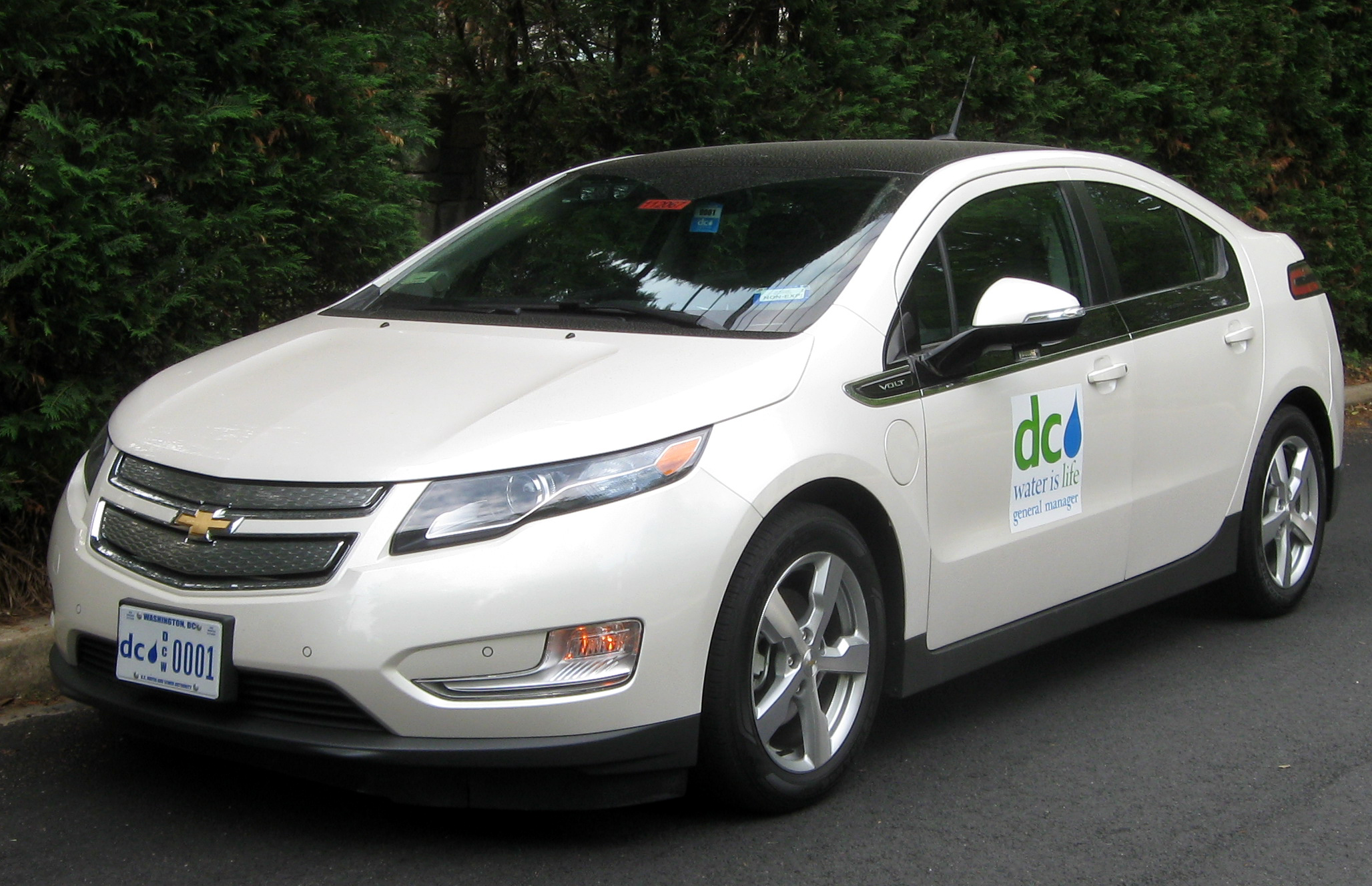
Chevrolet Volt
"...owatt hours might seem modest for an SUV, the 900 volt architecture unlocks a crucial advantage, 6C ultr..."
The Chevrolet Volt is a special type of car that can run on electricity and gasoline. This means you can charge it at home to drive short distances without using gas, but if you need to go further, it can switch to gasoline. It's a popular choice for people who want to save money on fuel and reduce pollution.
The Chevrolet Volt is a plug-in hybrid electric vehicle that combines a gasoline engine with an electric motor to provide an efficient driving experience. It was significant for its ability to operate on electric power for short distances while still having a gasoline engine for longer trips, making it a practical choice for many drivers looking to reduce fuel consumption. The Volt is often discussed in the context of advancements in hybrid technology and its impact on the automotive industry.
6C ultra-fast charging
"...6C ultra-fast charging. This technology is the true weapon. It allows the battery to charge from 20% to 80%..."
6C ultra-fast charging means the battery can charge really quickly, six times faster than normal. This helps electric cars get back on the road sooner after being charged.
6C ultra-fast charging is a technology that allows batteries to charge at six times their capacity, significantly reducing charging time. This is particularly beneficial for electric and hybrid vehicles, enabling quicker turnaround times at charging stations.
adaptive algorithm
"...and power must be managed by an equally sophisticated chassis. Zekers engineers have deployed the Hau Han AI Digital Chassis, which includes three core components."
An adaptive algorithm helps cars automatically adjust how they drive based on different situations, making them safer and more comfortable.
An adaptive algorithm in automotive contexts refers to a system that adjusts vehicle dynamics and performance based on real-time data and conditions. This can enhance handling, stability, and comfort by modifying settings like suspension and steering as needed.
dual chamber air suspension
"...which includes three core components. Dual chamber air suspension provides an adjustable ride height"
Dual chamber air suspension is a special system that uses air to make the car ride smoother and can change how high or low the car sits based on the situation.
Dual chamber air suspension is a type of suspension system that uses air-filled chambers to provide adjustable ride height and improved ride quality. This allows for better handling and comfort by adapting to different driving conditions.
dual valve continuous damping control
"Dual valve continuous damping control, CDC, reads the road surface thousands of times per second, adjusting the damper stiffness instantly to maintain composure during dynamic driving or glide over city cracks."
This is a system in cars that helps make the ride smoother by changing how stiff the suspension is, depending on the road surface. It helps the car handle better and feel more comfortable.
Dual valve continuous damping control (CDC) is a suspension technology that adjusts the stiffness of the dampers in real-time based on road conditions. This allows for improved ride quality and handling by adapting to various driving situations.
48 volts active anti-roll bar system
"48 volts active anti-roll bar system. This is the key to its handling dominance. It actively counteracts body roll during aggressive cornering."
This system helps keep the car from leaning too much when going around corners. It uses electricity to adjust how stiff the bars are, making the car feel more stable and easier to handle.
A 48 volts active anti-roll bar system is a technology that uses electric power to actively control the stiffness of the anti-roll bars. This helps to minimize body roll during cornering, enhancing the vehicle's stability and handling performance.
augmented reality head up display
"...into the massive augmented reality head up display, ARHUD, projecting critical information, navigation overlays and LiDAR data directly onto the road ahead."
An augmented reality head-up display shows information like directions directly on the windshield, so you don't have to look down at your dashboard. It helps you focus on the road while still getting important details.
An augmented reality head-up display (ARHUD) projects important information onto the windshield, allowing drivers to see navigation and other data without taking their eyes off the road. This technology enhances situational awareness by overlaying digital information onto the real world.
central touch screen
"...the main interface is a 17 inch floating central touch screen that controls everything from the tri-zone climate..."
A central touch screen is a big screen in the car that you can touch to control things like navigation and air conditioning. It makes it easier to use the car's features without many buttons.
A central touch screen in a vehicle is a large display that serves as the main control interface for various functions, including navigation, climate control, and entertainment systems. It allows drivers and passengers to interact with the car's technology intuitively and conveniently.
electric powertrain
"...the inherent silence of the electric powertrain create an ideal canvas for the immense naïm audio system."
An electric powertrain is the system in electric cars that uses electricity to make the car move, instead of gasoline or diesel.
An electric powertrain refers to the components that generate power and drive the vehicle using electricity, typically including electric motors and batteries.
naïm audio system
"...the immense naïm audio system. With up to 32 speakers and an estimated power output of over 3,800 watts, the system delivers sound quality that is typically reserved for high-end home theaters."
The naïm audio system is a fancy sound system that makes music and sounds in the car sound really good, like a high-quality home theater.
The naïm audio system is a high-end audio system known for its premium sound quality, often used in luxury vehicles to enhance the in-car listening experience.
electronically limited top speed
"...its 240 kilometers per hour electronically limited top speed, the second row occupant can conduct a business call..."
This means the car has a speed limit set by its computer, so it won't go faster than that limit, even if the driver wants it to.
Electronically limited top speed refers to a maximum speed that a vehicle can reach, which is controlled by the car's electronic systems to prevent it from exceeding a certain limit. This is often done for safety and performance reasons.
Advanced Driver Assistance System (ADAS)
"...the true essence of the silicon sovereign lies in its G-Pilot H9ADAS, Advanced Driver Assistance System."
ADAS is a set of technologies in cars that help drivers with things like keeping the car in its lane or stopping automatically if there's an obstacle ahead.
ADAS refers to a collection of safety features in vehicles designed to assist the driver in driving and parking functions. These systems can include lane-keeping assistance, adaptive cruise control, and automatic emergency braking.
level three autonomous driving
"this is level three autonomous driving readiness. The hardware underpinning this capability is relentless..."
Level three autonomous driving means that the car can drive itself in many situations, but you still need to be ready to take control if needed. It's more advanced than basic cruise control.
Level three autonomous driving refers to a stage in vehicle automation where the car can handle most driving tasks independently, but still requires human intervention in certain situations. This level allows for more complex driving scenarios than lower levels of automation.
Tera operations per second
"providing an astronomical 1,400 tops, Tera operations per second of computing power."
Tera operations per second is a way to measure how fast a computer can work. It tells you how many trillion calculations the computer can do every second, which is important for self-driving cars.
Tera operations per second (TOPS) is a measure of a computer's performance, indicating how many trillion operations it can perform in one second. This metric is crucial for evaluating the capabilities of processors in autonomous vehicles.
torsional stiffness
"achieving a torsional stiffness of over 41,600, a monumental figure that speaks to its robustness."
Torsional stiffness is how well a car can resist being twisted when driving. A stiffer car usually handles better and feels more solid on the road.
Torsional stiffness refers to a vehicle's resistance to twisting forces, which is crucial for maintaining structural integrity during dynamic driving conditions. A higher torsional stiffness generally results in better handling and ride quality.
active safety features
"The active safety features are also AI-driven, smart lifting system, adjust the suspension instantly upon collision risk to minimize impact force."
Active safety features are technologies in cars that help avoid accidents. They can automatically brake or steer to keep you safe while driving.
Active safety features are systems in a vehicle designed to prevent accidents or reduce their severity. These can include technologies like automatic emergency braking, lane-keeping assist, and adaptive cruise control.
automatic emergency steering
"Automatic emergency steering, capable of intelligently avoiding collisions at speeds up to 130 kilometers per hour."
Automatic emergency steering is a feature that helps steer the car away from danger if the driver doesn't react quickly enough to avoid an accident.
Automatic emergency steering is a safety feature that can take control of the steering to help avoid a collision when a driver is unable to react in time. It uses sensors and algorithms to determine the best course of action.
Request an Explanation
Heard something you'd like explained? We'll add it to this episode.
Sign in to request explanations for terms you heard.
Want to learn more?
Browse our glossary for plain-English explanations of automotive terms, jargon, and concepts.
Help improve this episode
See something that's not quite right? Our annotations are AI-generated and can sometimes miss the mark. Click the flag icon on any annotation to suggest a correction.