The Dealer Playbook
Michael Cirillo
Updated about 18 hours agoThe Dealer Playbook is the podcast for serious automotive professionals. The ones who think beyond the transaction. Hosted by Michael Cirillo, now in its 12th year, The Dealer Playbook delivers straight-talk conversations with the dealers, operators, and leaders who are actually building something. If you run a store, lead a team, or are building a career worth having, this is your show. New episodes every week. Follow so you don't miss one.
Are you the creator? Get your badge · Claim this podcast
Episodes (716)

Grant Cardone: Do You Have A Rapid Growth Mindset?
🎧 Subscribe on Apple: https://dpb.fm/apple🔊 Subscribe on Spotify: https://dpb.fm/spotify🔗 All our links: https://dpb.fm/playIn this episode, Michael experiments with something new by revisiting an older episode that has stood the test of time. With nearly 600 episodes, many of them recorded in a way that ensures they remain evergreen, the host dives into an interview with Grant Cardone that was recorded six years prior. The original episode, “Grant Cardone talks about money and how to get a mentor,” included discussions about topics still relevant today, such as branding, social media marketing, and a growth development mindset.Michael provides commentary and his thoughts on the interview:Grant Cardone is a man with an insatiable appetite to give before he takes. He understands that to take care of his family, he must take care of his customers. He goes on to mention the importance of investing in education and not relying solely on what the school system teaches us.2. Grant Cardone's message is clear: go to work with the intention of making money. Don't go to work just to work. Work to prosper and make some bank. We all have big dreams and aspirations, and there's no reason to shy away from them. While it's important to be grateful for where we are, it's equally important to strive for more.3. In today's market, we need to do more with less. It's essential to invest in education, stay up to date with the latest trends, and continue to grow. This is what sets us apart from others and what enables us to provide exceptional service to our customers. 4. Making money is essential. It's not something to be ashamed of or shied away from. We all need to make a living and take care of our families. We all have causes and community outreach initiatives that we care about, but at the end of the day, we need to sell more services to keep the bays full, technicians fed and happy. 5. Grant reflects on the importance of education in business, noting that leaders in the automotive retail industry should prioritize educating their teams about things that academia doesn't teach. Listeners can expect to hear discussions about how Grant Cardone developed his Uncle G brand, his thoughts on branding and social media marketing, and why he believes getting a mentor is essential for success. The podcast episode promises to be a fascinating and insightful listen, with Michael’s thoughts and reflections on the interview providing added depth and context.Listen to the full episode for insights and context from Grant Cardone! ⭐️ Like this show? Please leave us a review here — even one sentence helps! Consider including your LinkedIn or Instagram handle so we can thank you personally! Thanks, Grant Cardone!If you enjoyed this episode featuring Grant Cardone, support us by clicking the links! Connect with Grant Cardone on LinkedInConnect with Michael CirilloConnect with Michael on LinkedIn- - -Leave a Review:If you're enjoying the podcast, we'd love an honest review here. - - -Socials:Follow on LinkedInFollow on YouTubeFollow on Facebook
Weldon Long: The Power Of Changing Your Mindset
I'd like to welcome my guest this week, Weldon Long, who provides an insightful and practical guide on how to change one's life by examining and transforming one's mindset. He also happens to be one of the nation’s most sought-after sales experts.In 2003, Weldon Long walked out of a homeless shelter after serving 13 years in prison. A 9th-grade dropout and 3-time convicted felon, he found himself broke and unable to gain employment. In just 5 short years he grew his company from $0 to $20 million and was selected by Inc Magazine as one of the fastest-growing privately held companies in America.Weldon has since trained thousands of sales reps, generated over $40 million across his 6 companies, and over $480 million for his clients including Fortune 500 companies like FedEx, Home Depot, Wells Fargo, and Farmers Insurance. He’s also a NY Times bestselling author of The Power of Consistency, Consistency Selling, and Upside of Fear.Today, Weldon is one of the nation’s most sought-after sales experts.In this episode, we discuss the power of having the right mindset and how it can help individuals thrive in the face of adversity.Weldon shares his personal story of being in and out of prison and how the death of his father was the catalyst that pushed him to start reading and learning about what successful people do differently."My father's death was a life-altering experience that made me realize the destruction I had caused in my life and those around me."Weldon shares his experiences of how he transformed his life by examining and changing the contents of his 'box,' a metaphorical representation of his mind. He learned to be mindful of his thoughts, the origin of his emotions, and how every thought triggers an impulse that leads to a chemical reaction in the brain. He also delves into the importance of examining one's life and filling the 'box' with one's own beliefs and ideas, rather than those imposed by others.DPB host Michael connects with Weldon about his own decade-long struggle with suicidal depression and how he changed his mindset to overcome it. He shares his experience of dealing with suicidal depression in his twenties and how changing his mind was one of the most difficult things he ever had to do. He emphasizes the importance of changing one's mindset and provides insights into the connection between thoughts, emotions, behaviours, and results."A prosperity mindset is the key to thriving in the face of adversity."Long's story is a powerful example of how mindset can change your life. His journey is a reminder that no matter where you are in life, it is never too late to change your mindset and create a new path for yourself.Listen to the full episode for insights and context from Weldon Long! Like this show? Please leave us a review here — even one sentence helps! Consider including your LinkedIn or Instagram handle so we can thank you personally! Thanks, Weldon Long!If you enjoyed this episode featuring Weldon Long, support us by clicking the links! Connect with Weldon Long on LinkedInConnect with Michael CirilloConnect with Michael on LinkedInMore Dealers Are Choosing To- - -Leave a Review:If you're enjoying the podcast, we'd love an honest review here. - - -Socials:Follow on LinkedInFollow on YouTubeFollow on Facebook
Sandy Zaninno: The Most Important Work In Automotive
🎧 Subscribe on Apple: https://dpb.fm/apple🔊 Subscribe on Spotify: https://dpb.fm/spotify🔗 All our links: https://dpb.fm/playSandy Zannino is the founder of Innovative Auto HR Solutions and started in the car business in 1998 as a dealer’s assistant and corporate office manager. She's a passionate problem solver with a broad range of experience and has found ways to save dealers money while minimizing risks and exposures.In this episode, we discuss many of the challenges facing dealership managers and employees. Sandy emphasizes the importance of active listening and treating employees as internal customers to improve communication and enhance employee engagement. The episode also highlights the impact of active listening on lead handling and customer satisfaction."By developing active listening skills, dealership managers can improve performance, employee engagement, and customer satisfaction. It can also create a culture of open communication, foster trust, enhance employee engagement, have a positive impact on lead handling, and improve conversion rates."Another topic we discuss is inclusion and how diversity in the workplace alone is not enough. It is vital to examine and understand our own biases to create a more inclusive society that accepts others' differences. We also explore how biases can impact our decisions and interactions with others and how being immersed in other cultures can broaden our perspective and increase empathy.Get Five More Tips On How Dealers Can Improve Employee Retention RatesRead MoreSandy points out the impact of biases in the automotive industry and how many dealerships need to attract more workers, especially from younger generations. We highlight the challenges that the industry faces in attracting millennial and Gen Z workers, who may have biases against the industry due to perceptions passed down from their parents.The conversation emphasizes the importance of personal fulfillment, making a difference, and doing what makes you happy. Sandy suggests investing time in connecting with employees and sharing personal experiences to gain new perspectives and discover hidden talents. This episode is a must-listen for anyone interested in becoming a more effective leader and creating a more inclusive and successful organization.Listen to the full episode for insights and context from Sandy Zaninno! ⭐️ Like this show? Please leave us a review here — even one sentence helps! Consider including your LinkedIn or Instagram handle so we can thank you personally! Thanks, Sandy Zaninno!If you enjoyed this episode featuring Guest Name, support us by clicking the links! Connect with Sandy Zaninno on LinkedInConnect with Michael CirilloConnect with Michael on LinkedInMore Dealers Are Choosing To Partner with FlexDealerLooking for a reliable,- - -Leave a Review:If you're enjoying the podcast, we'd love an honest review here. - - -Socials:Follow on LinkedInFollow on YouTubeFollow on Facebook
Aaron Sheeks: Building a Successful Automotive Business
Aaron Sheeks is the co-founder of Auto Miner and President of Pure Cars. In this Episode Aaron Sheeks joins us to discuss the journey of building a successful business in the automotive industry. We delve into the importance of discipline and the pursuit of violent forward motion, rather than simply grinding. The conversation also explores the topic of clean data and its significance in the industry, as well as the benefits it can provide. Sheeks shares his experiences and insights, providing valuable advice for entrepreneurs and anyone looking to succeed in their respective fields.Aaron shares his own experiences of leaving the Navy and finding his way into the automotive space, where he fell in love with the salespeople, problem solvers, and go-getters who make things happen in the industry. He describes the importance of discipline and violent forward motion in achieving success, rather than relying on a façade of grinding or motivation.He shares his philosophy that "discipline equals freedom," and how this mindset has given him the freedom to think critically, solve problems, and live life on his own terms. He also emphasizes the importance of knowing your definition of success and how building a successful business is about convincing others to join you on your journey. Most people associate freedom with the ability to do whatever they want, whenever they want. However, for Sheeks, freedom is a state of mind that comes with discipline and the ability to solve problems. He discovered that taking care of those around him and being disciplined with his time and resources allowed him to have a great deal of freedom in his life.He envisions himself as a 65-year-old who travels around the world, helping small business owners and people find their greatness. He doesn't want to stop working entirely, but he wants to be able to do mission work while his company continues to pay him. He believes that he has received a glimpse of what it means to be free, and he wouldn't trade the last 10-15 years of discipline for anything.Aaron Sheeks believes that running a company for 20 years to be financially independent and free at the age of 40 while still being an amazing dad is success. It's not about being acquired or having a specific amount of revenue. It's about having the freedom to choose how you want to live your life and to spend time with the people you care about.This episode takes a deep dive into what it takes to create a thriving life and how to leverage the automotive industry to help you do that. Apart from the episode being informative and insightful, it also provides valuable lessons for anyone looking to build a successful business or achieve success in any aspect of life.Listen to the full episode for insights and context from Aaron Sheeks! ⭐️ Like this show? Please leave us a review here — even one sentence helps! Consider including your LinkedIn or Instagram handle so we can thank you personally! Thanks, Aaron Sheeks!If you enjoyed this episode featuring Guest Name, support us by clicking the links! Connect with Aaron Sheeks on LinkedInConnect with Michael CirilloConnect with Michael on LinkedIn- - -Leave a Review:If you're enjoying the podcast, we'd love an honest review here. - - -Socials:Follow on LinkedInFollow on YouTubeFollow on Facebook
Subi Ghosh: Can Dealerships Thrive in Challenging Markets?
🎧 Subscribe on Apple: https://dpb.fm/apple🔊 Subscribe on Spotify: https://dpb.fm/spotify 🔗 All our links: https://dpb.fm/playIs Your Dealership's Marketing Strategy Failing? Tune in as Stream Companies EVP Reveals the Key to Thriving in a Challenging Market.Subi Ghosh is the Executive Vice President of Strategic Partnerships and Marketing at Stream Companies. In this episode Ghosh shares her insights on the current state of the automotive industry from a marketing perspective. She notes that many dealerships tend to cut marketing spend during times of instability, but those that focused on branding and positioning during the pandemic were the ones that thrived. In light of rising interest rates, financing difficulties, inflation, and a softening market, Ghosh believes that dealerships should focus on brand, positioning, and messaging to attract customers. She emphasizes the need to develop unique selling propositions that go beyond logos and help customers see the value in doing business with a particular dealership.Many dealerships have a short-term mentality when it comes to marketing, focusing on the next 30 days rather than long-term goals for the year or quarter. She encourages dealerships to think beyond immediate sales goals and consider what will help them achieve their long-term objectives. She stresses that it's essential to have long-term conversations with clients, plan for goals for the year and quarter, and work backwards to fill in the gaps to achieve them. She also suggests doing the thumbprint test on a dealership website, covering the logo to see if there is anything outstanding that convinces people to do business with them. Ghosh explains that focusing on your brand is a longer-term play, and it can be difficult to reconcile in an industry that traditionally focuses on short-term wins. Your brand is a crucial element in this strategy because it helps customers see the value of doing business with a particular dealership.We also discuss how companies can use the internet to reach their target audience and the various ways that companies can track their customers' behaviour and preferences and use this information to influence their purchasing decisions. One example is using geo-addressable displays to target households and how to use platforms like TikTok to run effective advertising campaigns. We also discuss the changing attitudes of younger generations towards targeted advertising and how companies can take advantage of this shift.By developing unique selling propositions (USPs) and thinking about long-term goals, dealerships can attract customers and build strong relationships that will help them weather any challenges that come their way.Listen to the full episode for insights and context from Subi Ghosh! ⭐️ Like this show? Please leave us a review here — even one sentence helps! Consider including your LinkedIn or Instagram handle so we can thank you personally! Thanks, Subi Ghosh!If you enjoyed this episode featuring Subi Ghosh, support us by clicking the links! Connect with Subi Ghosh on LinkedInConnect with Michael CirilloConnect with Michael on LinkedIn- - -Leave a Review:If you're enjoying the podcast, we'd love an honest review here. - - -Socials:Follow on LinkedInFollow on YouTubeFollow on Facebook
Lisa Gener: Is There A Right Way To Run Ads?
Are you ready to get more leads with an improved ad strategy? Then this episode is for you!Lisa Gener is a Chief Revenue Officer (CRO) at Dealer Alchemist and a seasoned expert in the world of digital advertising with 17 years of experience in the automotive industry. Lisa's passion lies in utilizing cutting-edge digital technologies and e-commerce solutions to drive success for dealerships.She is dedicated to educating dealers on the ins and outs of digital advertising, equipping them with the knowledge and best practices needed to succeed in a constantly evolving industry. Lisa's unwavering commitment to transparency and her focus on understanding the impact of advertising make her a valuable asset to any team.In this episode we recorded during NADA 2023 in Dallas, we talk about the importance of digital advertising in the automotive industry and how technology can be leveraged to make it more effective. She suggests that product-focused ads are more effective than branded commercial ads, as they are tailored to the consumer's specific search interests. She also emphasizes the importance of customization in advertising campaigns, taking into consideration the dealership's market, consumer demographics, and transactional data to create a more effective strategy.In the current marketplace, there is a shift in inventory awareness and the adjustment of pricing. Lisa stresses the importance of spending money wisely and avoiding waste, as consumers have changed the way they buy products, now focusing on searching for a specific product, similar to shopping on Amazon. Lisa also emphasizes the need for better quality leads rather than more leads, and the importance of focusing on the conversion of buyers when spending money on paid search and social media.As the digital landscape evolves, it is increasingly important for businesses to have a comprehensive digital marketing strategy that effectively reaches their target audience. One aspect of this strategy is Over-the-Top (OTT) advertising, which is focused on delivering product-specific advertisements to targeted audiences. While Over-the-Top (OTT) advertising can be a part of a successful strategy, search-based advertising should be the primary focus, as consumers who engage in search-based advertising have a higher level of intent to purchase. Customization is key to a successful strategy, taking into account the dealer's market, goals, and transactional data. Additionally, it's important for businesses to stay up-to-date on the latest changes and best practices in SEO, now focusing on technical and off-page factors, with content SEO being secondary.Thank you for tuning in to the Dealer Playbook Podcast and until next time, keep playing and keep winning!Listen to the full episode for insights and context from Lisa Gener! ⭐️ Like this show? Please leave us a review here — even one sentence helps! Consider including your LinkedIn or Instagram handle so we can thank you personally! Thanks, Lisa Gener!If you enjoyed this episode featuring Guest Name, support us by clicking the links! Connect with Lisa Gener on LinkedInConnect with Michael CirilloConnect wit- - -Leave a Review:If you're enjoying the podcast, we'd love an honest review here. - - -Socials:Follow on LinkedInFollow on YouTubeFollow on Facebook
NADA 2023 Recap
In this episode, Michael takes us on a journey through the recent NADA 2023 event that took place in his hometown, Dallas. Michael reflects on the unique energy of the event and how attendees were more focused and open to conversations compared to previous NADA conferences. 2023 is off to a roaring start in the automotive world!Michael also touches on the buzzwords that are present during the NADA event, such as conversations around Google Analytics Four and returning back to auto industry basics.While there are many factors contributing to the shift in market conditions, Michael highlights the importance of moving beyond the "returning to basics" sentiment into a place of tangible action. Building relationships, having a service mindset, and going above and beyond are key elements of the basics in the auto industry. What are you actively doing to achieve these things and make them work for your dealership?Returning to Basics in Car SalesOne of the key challenges with returning to basics in car sales is that people may have different interpretations of what these basics are. To some, it might mean building relationships of trust, whereas for others it might be about maximizing profits. However, the reality is that building relationships of trust should be the foundation of car sales. This means having a service mindset over a profit mindset, and going above and beyond to provide great service to customers. If you do this, the profits will follow.Despite the challenges, returning to basics is an important consideration in our current market conditions. Inflation rates are up, interest rates are up, and people are paying more for basic necessities than ever before. This means that people are starting to shift their focus to preservation mode and pay more attention to their expenses.Supply chain shortages and price drops are also making it a competitive market for dealers. This is why it is now more important than ever to focus on the basics and differentiate yourself from the competition. One way to do this is to offer great service, doing things that no other sales professional or car dealership is willing to do.Sure, some people may be handcuffed by regulations and other factors that prevent them from offering the level of service they would like. Nevertheless, it is important to strive for excellence in all areas, including building relationships of trust and providing great service to customers.While returning to the basics of car sales might have its challenges, it will be an important thing to keep in mind moving forward. Whether it means building relationships of trust, offering great service, or simply focusing on the basics, dealers should strive to differentiate themselves from the competition and provide the best possible customer experience.This episode provides a comprehensive recap of the NADA 2023 event and sets the stage for the next several episodes of the podcast - you don't want to miss it!Listen to the full episode for insights and context from Michael Cirillo himself! ⭐️ Like this show? Please leave us a review here — even one sentence helps! Consider including your LinkedIn or Instagram handle so we can thank you personally! Connect with Michael CirilloConnect with Mic- - -Leave a Review:If you're enjoying the podcast, we'd love an honest review here. - - -Socials:Follow on LinkedInFollow on YouTubeFollow on Facebook
Ali Reda: Is selling 100 cars a month still possible?
In this episode of The Dealer Playbook, host Michael welcomes Ali Reda, the world's top-performing car sales professional. Yes, you read that right! Instead of a traditional interview format, Michael presents exclusive audio from a monthly office hours call for clients only, featuring Ali Reda and other dealers asking him questions.Is selling 100 cars a month still possible? In today's digital age, it can be easy to get caught up in the hype of lead generation and social media ads, but the truth is, selling cars is still very much a people business. Building relationships within your community and properly training your sales team are keys to success.In this episode, we explore the mindset and tactics needed to reach the milestone of selling 100 cars a month. As Ali mentions, many in the industry may think that 30 sales a month is the limit, but he himself has broken through that barrier and even reached a record of 209 sales in one month.One key aspect that he emphasizes is the importance of a good coach and mindset. He mentions Damian, his coach, who helped teach him the mindset needed to achieve success. The two even wrote a book together on the topic, entitled "How to Sell a Hundred Cars," (which can be found here), and is a quick, valuable read that focuses on getting back to the basics of patience, starting over, and relaxing to let things come to you.Another important aspect Ali talks about is the dealership process. As Ali points out, even if you have the best digital and social media marketing strategies in place, if you don't have a solid process for handling leads and giving customers a positive experience, you will not be able to reach the level of success you desire. This is where the longevity of a career in car sales comes in, as building relationships with customers is what leads to repeat business and long-term success.It's also important to remember that not every lead will turn into a sale, and it's crucial to have a plan for handling and retaining those leads that don't buy a car. Focusing on building relationships with customers in your community and providing excellent customer service will lead to word-of-mouth recommendations and repeat business.In short, selling 100 cars a month is still possible, but it requires a shift in mindset and a focus on building relationships and properly training your sales team. Focus on building each salesperson within their own community. With the right approach, you can achieve your sales goals and grow your dealership for the long term.During this interview, Ali shares his story and provides real-world, tangible advice about how to build a business within the business. Pay attention if you want to sell 100 cars or more per month!Listen to the full episode for insights and context from Ali Reda!Like this show? Please leave us a review here — even one sentence helps! Consider including your LinkedIn or Instagram handle so we can thank you personally! Thanks, Ali Reda!If you enjoyed this episode featuring Guest Name, support us by clicking the links!Connect with Ali Reda on LinkedInConnect with Michael CirilloConnect wi- - -Leave a Review:If you're enjoying the podcast, we'd love an honest review here. - - -Socials:Follow on LinkedInFollow on YouTubeFollow on Facebook
Ted Lam: It's Non-Prime Time!
Ted Lam is the Founder and CEO of AITHR Automotive Intelligence. Ted has a wealth of experience in the industry, including a background in the non-prime market and a fascinating story about why he decided to build a software for dealers.In this episode we're taking a different angle on the topic of non-prime conversations. We're going to talk about how to create a prime experience for subprime customers in your dealership.It's important to remember that subprime customers are not archaic, and they deserve the same level of service as any other customer. One way to do this is to empower your sales team to educate themselves about credit and finance. This not only makes them better equipped to serve subprime customers, but it also makes them better salespeople overall.Ted shares his unique approach to making the car buying experience a success for all parties involved.He explains that his store had four different processes and four different ways to approach customers, based on their personality type. This allows the dealership to tailor the experience to the individual and make it as smooth as possible. He goes on to give the example of an engineer personality, who just wants to eat, lunch, and leave. By understanding and catering to this type of customer, the dealership can ensure a positive experience.Another key strategy is to train your sales team on how to be listeners. In the subprime market, the role of a salesperson is to be able to empathize with their customers and truly understand their needs. This requires not just knowledge of the product, but also the ability to actively listen and understand the customer's situation.One way to create a prime experience for subprime customers is to start the process early. Just as it's possible to get preapproval for a mortgage, it should also be possible for customers to get preapproval for a car loan. This allows them to shop within their budget and avoid the disappointment of being denied financing later on.It's important to remember that the culture of your dealership is key. If the sales team feels pressured to sell cars at any cost, they are less likely to provide a positive experience for subprime customers. Empowering your team and creating a culture of transparency and honesty is essential for success in this market.So if you're looking to improve your dealership's performance in the subprime market, consider investing in some sales training or using A I T H R to help your sales team succeed. Ted also touches on the current market conditions in Canada and the impact of government stimulus and inflation on the auto industry. He shares his outlook on the decline in wholesale values and used car vehicle values, and how it pertains to the industry.Listen to the full episode for insights and context from Ted Lam! ⭐️ Like this show? Please leave us a review here — even one sentence helps! Consider including your LinkedIn or Instagram handle so we can thank you personally! Thanks, Ted Lam!If you enjoyed this episode featuring Guest Name, support us by clicking the links! Connect with Ted Lam on LinkedInConnect with Michael CirilloConnect with Michael on Lin- - -Leave a Review:If you're enjoying the podcast, we'd love an honest review here. - - -Socials:Follow on LinkedInFollow on YouTubeFollow on Facebook
Elise Kephart: Is A.I. Going To Take Over Car Sales Jobs?
Elise Kephart, founder of The Elise Kephart Experience, a leading training company in the automotive industry. Elise Kephart or maybe you know her as "The YouTube Diva" is a five-time guest on the show and master of BDC lead follow up.In today’s episode we discuss the buzz around artificial intelligence and its potential impact on the job market. Elise believes that AI should be seen as an enhancement rather than a replacement for human labor. She notes that while machines can perform certain tasks faster and more efficiently, they will never be able to replace the personal touch and emotional intelligence of a human being, particularly in sales transactions. Elise also points out that people should be aware of the importance of providing value to customers and being motivated in their work, as customers will be able to sense when a salesperson or BDC rep is not genuinely interested in helping them.In today's digital age, technology has transformed the way we analyze data and make decisions. In the past, teams of people were required to analyze data and make decisions, but now with the advancements in technology, it's possible for a computer to ingest all of the data and make decisions in a matter of seconds. But the power of technology doesn't stop there. In the world of customer service, technology can also be used to enhance and streamline conversations between customers and agents.By using pre-written responses, agents can engage customers in a more natural way, without the customer realizing that the responses are pre-written. This can save time and reduce the busy work that agents often have to do. However, it's important to note that technology should not be used to replace the need for human agents. Instead, it should be used to enhance their skills and make them more efficient at solving problems.As we've seen with some AI and chatbot systems, there are still kinks to work out in order for the conversations to feel more natural. At the end of the day, technology can be a superpower when used correctly. It can eliminate the grind of the job, and allow agents to focus on what they do best: solving problems. With the help of technology, it's possible to become the best, most skilled, trained, and exercised agent there is.Overall, Elise emphasizes the need to strike a balance between utilizing AI for its benefits while also valuing the contributions of human employees. It's important to embrace technology as a tool to enhance and streamline customer service, but not at the cost of losing the personal touch and emotional intelligence of human agents.Listen to the full episode for insights and context from Elise Kephart! Like this show? Please leave us a review here — even one sentence helps! Consider including your LinkedIn or Instagram handle so we can thank you personally! Thanks, Elise Kephart!If you enjoyed this episode featuring Elise Kephart, support us by clicking the links! Connect with Elise Kephart on LinkedInConnect with Michael CirilloConnect with Michael on LinkedInMore Dealers Are Choosing To Partner with FlexDealerLooking for a reliable, high-performance - - -Leave a Review:If you're enjoying the podcast, we'd love an honest review here. - - -Socials:Follow on LinkedInFollow on YouTubeFollow on Facebook
Emer Sanabria: Leadership Lessons from a 20-Year Marine
Emer Sanabria is an accomplished Marine Corps veteran and a highly-successful business leader. His experience both on and off the battlefield has made him a sought-after leadership consultant with a track record for turning stagnant businesses into growth machines. What we discuss in this episode:Key takeaway points from the episode:Involving the team in goal setting is important for strategic planning and ensuring the team is invested in achieving the goals.Encouraging team members to teach back their understanding of the goals and plans can help ensure they are committed to achieving them.Maintaining a focus on growth and continuous improvement, both individually and as an organization, is important in the goal-setting process.Anticipating challenges and having a standard operating procedure in place can help a team navigate difficult situations.Business leaders should set SMART goals (sustainable, measurable, achievable, relevant, and time-sensitive) with a focus on growth.In this episode, we discuss how to make wise decisions under pressure. Emer shares his thoughts on how business leaders should focus on the excitement of setting smart, sustainable, measurable, achievable, relevant, and time-sensitive goals with their organizations. He emphasizes the importance of being excited about growth, even if it may not be big, and of not letting nerves hold you back, but instead using them to guide you toward your goals. Emer also shares his experiences from military missions and how they apply to the business world. He talks about being able to make wise decisions under pressure and being able to adapt to new situations. He advises business leaders to be growth-minded and to see challenges as opportunities to get creative.Emer also discusses the concept of the "leader sets the thermostat," and how the mood and attitude of a leader can have a huge impact on the rest of the team. He confides that feeling nervous as a business leader is normal and that it's OK to have those feelings, but leaders can use them as a guide toward goals. He shares his thoughts on the importance of having a clear vision and being able to execute it, as well as the value of surrounding yourself with a team that you can trust and rely on.We discussed the importance of having a standard operating procedure (SOP) in place for unexpected events and how it can help an organization to be prepared and respond effectively. Emer expresses concern about how the past few years of stability in the market may have made people soft and worries that this may negatively impact their ability to adapt to the changing landscape in the cominTune in to this episode to get valuable insights and wisdom from Emer on how to navigate the unpredictable landscape of 2023 and beyond. Whether you're a business leader or just looking for some guidance on how to stay motivated and focused in these uncertain times, this episode is definitely worth a listen!Listen to the full episode for insights and context from Emer Sanabria! ⭐️ Like this show? Please leave us a review here — even one sentence helps! Consider including your LinkedIn or Instagram handle so we can thank you personally! Connect with Michael Cirillo- - -Leave a Review:If you're enjoying the podcast, we'd love an honest review here. - - -Socials:Follow on LinkedInFollow on YouTubeFollow on Facebook
Michael Cirillo: Will 2023 Make Or Break The Car Industry?
🎧 Subscribe on Apple: https://dpb.fm/apple🔊 Subscribe on Spotify: https://dpb.fm/spotify🔗 All our links: https://dpb.fm/playAs we approach the end of 2022, it's important to reflect on the events of the past year and look towards the future. This year has certainly been a rollercoaster, with the ongoing pandemic, economic challenges, and various other obstacles. However, it's also been a year of resilience, innovation, and adaptability for many in the retail automotive industry.In this episode we'll be discussing the events of the past year and how they've impacted the automotive industry. We'll also be chatting with retail automotive professionals who have made key decisions that have allowed their operations to stand out in the crowded market. We will reflect on these individuals insights and experiences, providing valuable lessons and inspiration for others in the industry.What we discuss in this episode:Key takeaway points from the episode:The current market and challenges facing the automotive industry, including softening markets, rising interest rates, chip shortages, and compression in the marketDespite the challenges, there are opportunities for growth and success in the retail automotive industry.The importance of rallying together as a community and learning from others in the industry.The host's mindset on the future of the automotive industry and how to navigate challenges.Michael believes that those who are prepared, have implemented processes, and are willing to let their entrepreneurial spirit shine will see the greatest opportunity for growth in the next few years In addition to looking back at the past year, we'll also be exploring the current market and discussing how to navigate the challenges that come with it. As we all know, the automotive industry is constantly changing and evolving, and it's important to stay up-to-date on the latest trends and developments. We'll be discussing topics such as softening markets, rising interest rates, chip shortages, and other factors that may impact the industry in the coming year.Despite the challenges that may lie ahead, there's always room for optimism and growth. That's why we'll also be looking towards the future, discussing the opportunities that exist for those in the retail automotive industry. Whether it's embracing new technologies, finding new markets, or simply staying true to your values and mission, there are always ways to succeed and thrive in this exciting industry.As the year 2023 approaches, it's important for every individual and organizations in the automotive industry to have a guiding light to help them navigate through the challenges and opportunities ahead. One organization has taken the initiative to come up with a word that will serve as their guiding light for the year, while each individual within the organization also comes up with their own word. One individual has chosen the word "depth" to focus on developing deeper relationships, both personally and professionally. Another individual has chosen the word "grit" to represent their willingness to do whatever it takes to grow ethically, no matter the circumstances.As we move into the new year, it's also important to consider our own- - -Leave a Review:If you're enjoying the podcast, we'd love an honest review here. - - -Socials:Follow on LinkedInFollow on YouTubeFollow on Facebook
Michael Svoboda: How To Sell 30 Cars Daily
🎧 Subscribe on Apple: https://dpb.fm/apple🔊 Subscribe on Spotify: https://dpb.fm/spotify🔗 All our links: https://dpb.fm/playMike Svoboda is the GM of Buchanan Automotive and Buchanan Auto Park in Waynesboro, PA. In a town of just over 10,000 people, Mike has taken his dealerships from being average to being the best in their area and region in sales. Mike uses a combination of his marketing strategies and forward-thinking to keep his stores on the cutting edge. Pushing his team to continually strive for more, Mike has taken his insights from the automotive world and brought them to his stores. From his management style to how his team handles their sales, Mike has created a culture of success and excellence.In this episode, Mike discusses his success in selling large numbers of cars on a consistent basis, largely attributed to the strategic system he and his team have developed. The system includes a multi-point touch system that works in teams, as well as a focus on training and retaining top salespeople. Svoboda also touches on the importance of creating a positive work environment and the role that it plays in the success of dealerships. Overall, the interview provides insight into the strategies and tactics that Svoboda uses to drive sales at his dealership.Key takeaway points from the episode:How to create a successful dealership and thrive in the retail automotive industry.Mike Svoboda shares his strategies for consistently selling over 30 units per weekend.Systematic approach including team-based structure, multi-point touch system, and focusing on customer experience.Importance of training and development for sales staff and adapting to new technology and processes.Emphasis on reputation and customer satisfaction to drive business.The auto industry is the wildest in the world; every month brings fresh themes and incentives, and we only have a month to make the most of them. How do we get the word out to our current customers in a timely manner, and more importantly, how do we find new clients to sell cars to who aren't already in our database? Listen as Michael Svoboda delves into his marketing techniques, tactics, and secrets that will help your dealership break sales records, all while helping you sort the wheat from the chaff.Mike emphasizes the importance of continuous learning and growth in achieving success. He mentions the "law of the lid" from John Maxwell's 21 Irrefutable Laws of Leadership, which suggests that a leader's growth determines the growth of their team. Mike discusses their personal goal of attending 10 automotive seminars and reading 63 books in a year, and how he has incorporated learning into the culture of his team by encouraging them to attend seminars and making it a part of sales contests. He talks about the importance of surrounding oneself with successful people and emulating their actions, as well as the value of hiring individuals who are willing to learn and grow. Overall, the speaker highlights the role of discipline, focus, and consistent learning in driving success. He also highlights the need to adapt to changes in the market, such as during the COVID-19 pandemic and the recent inventory shortage. Overall, the importance of ongoing learning and growth is emphasized as a key compon- - -Leave a Review:If you're enjoying the podcast, we'd love an honest review here. - - -Socials:Follow on LinkedInFollow on YouTubeFollow on Facebook
Carol Marshall: Why the Human Touch is Still Vital to Dealership Success
🎧 Subscribe on Apple: https://dpb.fm/apple🔊 Subscribe on Spotify: https://dpb.fm/spotify🔗 All our links: https://dpb.fm/playCarol Marshall is the Chief Operations Officer at ActivEngage, Inc., an innovative leader with expertise in building teams and developing the very best collaborative environments. Carol has extensive experience in the automotive and contact centre environments, and her strategic vision and analytical skills have proven to drive results while creating trust and passionate team members in a culture of accountability.A great customer experience requires a human touch.Great discussions are memorable. You recall them fondly, and they frequently inspire future talks. They become part of our most treasured memories. Consumers are more demanding and have more options today, and dealerships must step up and cater to their customers and prospects with exceptional customer experiences. In this episode, Carol Marshall dives deep into the question of whether car shoppers want to even talk to car dealerships anymore.Answering the question, Carol says, "They never didn't want to talk to car dealers! It's vital that they talk to someone at the dealership, but their ability and their willingness to wait on that person to provide the information is shrinking."When shoppers click into a messenger-style chat box on your site, they're ready to do business. And they will tell you if their concern is a market adjustment or what their hot button is. So your staff needs to be trained. You need to make sure you have the right people who can handle those queries and address them. Be an active listener. Acknowledge what it is they're concerned about and address that concern.When people install a tool like Active Engage, the common misconception is that messaging is easier than being on the phone, but the truth is that it's more difficult because it's so stark. If you're dealing with a tricky consumer, even the smallest misstep can tick them off. So the first thing to think about is who is handling the conversations and making sure that they're ready for all objections, questions, and conversations.Active Engage has tools with the ability to track where the consumer entered your site, so you can get a sense of where that shopper has been and what they're thinking. Did they go to the new cars page, then to the search results page, and then to your used car inventory? Perhaps they didn't find what they were looking for. "It's a great question to bring up in the conversation and gives you leverage in already assuming what they might be looking for and where they are in the buyer journey."Car shoppers are predictable.Being predictable doesn't necessarily mean that the car shopper or customer is dumb. If they're asking the same questions or asking about similar things, then it is incumbent upon whoever is working with that customer to take that data, take that predictability, and for heaven's sake, find out the most efficient, personable, relationship-building way to answer those questions. Stop being robotic in your responses! Instead, think to yourself, "How can I show tender care and concern for them in a much more human approach?" And circling back to this whole concept of what's going to happen in the economy and t- - -Leave a Review:If you're enjoying the podcast, we'd love an honest review here. - - -Socials:Follow on LinkedInFollow on YouTubeFollow on Facebook
Colby Joyner: Are Your Dealership Processes Doomed?
🎧 Subscribe on Apple: https://dpb.fm/apple🔊 Subscribe on Spotify: https://dpb.fm/spotify 🔗 All our links: https://dpb.fm/playColby Joyner is Vice President of Sales at Konect.ai, a lead management system that is primarily housed and geared around artificial intelligence (AI) and a leader in automotive artificial intelligence. Their mission is to maximize conversion rates and profits for dealers with faster and more efficient AI engagement. It's all very cool!Colby Joyner has worked in the auto industry, the Air Force, as an air traffic controller, a massage therapist, and then as a dealer and partner in the auto industry. These experiences have enabled him to see things from a new perspective and assisted him in organizing and automating operations for the dealerships he works with. Colby is a certified solutionary, creating new routes in the land of solutions, and I'm so excited to dive into his world!He discusses the knowledge he has obtained via experiences, such as strategic thinking and organizing. Because he was not an exceptionally organized or structured individual before his experiences but managed to become one, he believes strongly that anything can be taught.There are two sides to each story in the automobile industry, especially given that we are currently entering a recession. Still, nobody in authority wants to accept it, and we all know that panic will ensue as soon as they do. Whenever this happens, we have a tendency of returning to the principles we have difficulty absorbing - dealership processes are a particular example. And the two narratives that exist are either that you embrace your processes or you are doomed.This brings us to the essential query: are we doomed?!Coby believes we will be doomed if the current condition of affairs persists:"In the automotive sector, there is a great deal of preaching about processes, but little execution on any of them.The method varies so greatly from store to store that if we continue on our current path, we are doomed. We must pivot; we must move; we must alter our trajectory. And not just in terms of the vendors we work with or who we employ for this or that. We need to get to the root of things. It is all elementary, and elementary concepts can be taught. Everything is something that can be taught."Colby believes that if we do the same thing within the car industry and say, "Look, we're here to teach you, but you have to go all in," then dealers will have no choice but to participate. As long as there is valid proof and we can demonstrate that the concept works, the entire industry is not doomed.The auto industry has been basking in the recent "golden days," but they can't last forever. We have to come together cohesively to say, "Okay, we need to make a slight adjustment." If you are a prosperous dealership or dealer group it's OK (and smart) to say, "Everything is operating smoothly. Great. But... we do need to tighten things up a bit."Processes need to be executed precisely. Bring in your managers, your GMs, your GSMs, your fixed operations directors, service directors, parts directors, and marketing and advertising directors. Bring everyone together and hold a forum: a venue for open dialogue and collaboration that ensures all issues are addressed by all connected depart- - -Leave a Review:If you're enjoying the podcast, we'd love an honest review here. - - -Socials:Follow on LinkedInFollow on YouTubeFollow on Facebook
Glenn Pasch: Should Car Dealers Cut Or Reallocate Marketing Budgets?
🎧 Subscribe on Apple: https://dpb.fm/apple🔊 Subscribe on Spotify: https://dpb.fm/spotify🔗 All our links: https://dpb.fm/playGlenn Pasch is CEO of PCG Digital, an Inc 5000 agency that specializes in helping dealerships and businesses generate qualified shoppers. As a leader in digital marketing and leadership training, he’s been featured in CBT News, Dealer Marketing Magazine, Auto Success, and Automotive News.He is also the host of the “You’re in Charge – Conversations That Spark Change” podcast. Co-author of two books including Selling Cars in the Digital Age and The Power of Connected Marketing. As well, he is an adjunct professor at Northwood University and is also a relatable international speaker.In this Episode Glenn answers the question to if “dealers should really consider cutting their marketing budget?”When you look over the last two years when things were going wonderfully, dealers were locked into the inaction of taking things for granted.They didn't wanna look at their marketing and dive in as deeply because while we're making money, it must be working. But Now that we're coming into a time period where rates are going up, inventory levels are starting to come back in some way.Used car prices are coming down, dealers now are starting to ask themselves the question “was my marketing really working? Or is it just because I had the inventory or did I not really look because things were So well?” it's more about reallocating based on what you're trying to accomplish, based on your manufacturer, and your inventory levels and what you're really trying to sell.During economic downturns, corporations often curtail spending, particularly on marketing budgets. Right now, advertising agencies are struggling to stay afloat, and Google and Facebook are reporting substantially lower ad revenues as marketing spending dives with the business cycle (cyclical marketing). Yet, that is the modern-day analog of bleeding, a once-common treatment that now serves only to weaken patients' immune systems.Companies that have bounced back most strongly from previous recessions usually did not cut their marketing spend, and in many cases actually increased it. But they did change what they were spending their marketing budget on and when to reflect the new context in which they operated. As Glenn says it’s more about reallocation more than cutting.As an example, consider Reckitt Benckiser: The corporation started a campaign during the economic downturn that followed the 2008 stock market crisis to convince customers to keep buying its more expensive but higher-quality brands. Reckitt Benckiser increased their advertising spending by 25% as its competitors decreased theirs, resulting in 14% revenue growth and 8% profit growth, respectively, when most of its competitors reported 10% or greater profit declines. Rather than seeing advertising as a cost, they saw it as an investment.During economic downturns, commercials need to address the difficulties people are having in their daily lives. Shoppers in a rough economy value brands that stand together for them. Successful brand advertising amid a recession not only injects comedy and passion, but also provides consumers with a response to the question, "How can we help?"Typical marketing expenses might be quite substan- - -Leave a Review:If you're enjoying the podcast, we'd love an honest review here. - - -Socials:Follow on LinkedInFollow on YouTubeFollow on Facebook
Nathan Hays: Is Selling Cars Still Worth It in 2023?
Nathan Hays is a car sales professional who has risen to the game's highest level by building local community relationships. His popular hashtag, #AskForNate has become a staple among his clients and has helped generate new car sales opportunities through repeat and referrals.In this episode, Nathan shares his story of how he joined the auto industry as we also discuss if Selling Cars is Still Worth It in 2023.Nathan begins the episode by explaining how he stayed focused the last couple of years during the uncertain pandemic period "My thought process was, I have to sell cars now, but I also have to sell cars later. And so when you're coming to work, and you're telling people, I can't sell you a car, and they think that's crazy because it's a salesperson's telling them, I can't sell you a car. I was always trying to arm myself or give myself ammunition of how can I sell this person a car later or let them know that they could now buy this CRV or this Hyundai Tucson or Nissan Rogue or whatever else."Quoting his words, "if you know, like, and trust someone, everyone kind of knows and trusts people at their core. But you need to find the people that will like you." Continue to focus on people I know will like you, and then stay consistent on social media for top-of-the-mind awareness. And try to be consistent.Drawing an example from his experience of always wearing a name tag. Do I want to be flashy? Do I want to pass my business cards out everywhere? No. But if I want to be successful, I want to maintain the message And let my customers or future customers know that I'm going to be there for them. I have to put myself out there. And some people are highly introverted and don't want to do that. And I've seen a lot of people be unsuccessful because they're afraid to have a Facebook page. They're afraid to give customers their cell phone numbers. I work with people who don't have voicemails set up, which is crazy. I wouldn't say I like voicemail, but at least if someone calls me or I call them, they call me back. My voicemail tells them who I am and whether they want to talk to me.Creating an environment in which people will want to stay and can thrive should be the top priority for leadership.For leaders, so much work is about setting up your team members for success. This isn't about micromanaging and trying to control their every move. It's about giving them the tools and resources they need to succeed. One fundamental way for leaders to do this is by creating an environment where employees can thrive. When leaders intentionally cultivate a work culture and office life that helps their employees work at their best, it's an investment in the success of the team as a whole.The strength of having a good networkQuoting from a book called The Platinum Rule, which says Instead of Treating others the way you want to be treated, treat others the way they want to be treated. I've always told people, people come in, and they don't buy a car, and they apologize. They feel bad for wasting my time. And I say, if I take care of you, I know someday you'll take care of me. And it's how the law of Reciprocity works. And it's not that I like, I'm going to be nice to you that way, later on, you give me money or buy a car for me because it's the right thing to do. Because people don't know, you meet people that only bought two cars in their life, have no idea wh- - -Leave a Review:If you're enjoying the podcast, we'd love an honest review here. - - -Socials:Follow on LinkedInFollow on YouTubeFollow on Facebook
Ben Hadley: Can digital and physical meet at the dealership?
🎧 Subscribe on Apple: https://dpb.fm/apple🔊 Subscribe on Spotify: https://dpb.fm/spotify🔗 All our links: https://dpb.fm/playBen is the CEO and founder of Autogenous, a community of high-growth dealership marketing specialists that identifies challenges and creates innovative technologies to solve them.Ben has worked at some of the most prominent firms in our industry, including Prodigy (now Upstart), Clarivoy, and Dealer Inspire.He has over a decade of experience in the automobile industry and has assisted thousands of dealerships in maximizing their sales efforts by streamlining the coordination between their marketing channels and in-store sales process. He is also an expert at making connections that others miss - what a skill!This episode delves into the history of vehicle dealerships and explores what's on the horizon for the industry overall—and perhaps most importantly—how car dealerships can prepare to meet shifting customer expectations.Compared to the earliest gas-powered automobiles produced in the 1880s, electric and hybrid vehicles of today (EVs) are almost unrecognizable. The same cannot be said about the actual procedure of purchasing a car, which has remained mostly the same over the years. While technological, cultural, and societal changes have affected the old dealership model, most car-selling procedures have remained the same. Where does that leave us?As more consumers seek the opportunity to buy cars online, auto dealership owners and general managers (GMs) must assess how the traditional car-buying cycle must change to suit customer expectations.Ben believes that technology does not replace humans but enhances them by making them smarter, faster, and better at connecting the dots. He continues by explaining his thought process: "The first places we created transparency weren't brand and culture. We began by evaluating pricing and the vehicles, both of which reduce our work to a commodity. It's okay if the customer negotiates if you only discuss the price. Because you basically told them already, is that all you possess? And that was all we did for a considerable amount of time."Consequently, when you commoditize your product, you also create a second-order impact of commoditizing the client, akin to the perfect storm of reducing customers to mere steel. And automobiles are essentially identical to repurposed steel; they are merely commodities.Then it will get easier and more accessible for technology to comprehend commodities, and you will have essentially laid the groundwork for technology to replace humans. Consequently, we need to double down on humanity and double focus on technology geared toward the end user rather than the customer.Another common thread among the various technological advancements and innovations of the past ten years or so is that nearly all of them were made with the car buyer in mind. They weren't made with the BDC worker, marketer, or GM in mind."Those guys were kind of the other option, and so I picture a future that we need to pivot towards, which is kind of like Ironman, where, you know, Jarvis actually makes Ironman great, but he is not as good on his own. Even with Tony Stark in there, it just isn't the same. You have to take action by pressing buttons, giving orders, etc."W- - -Leave a Review:If you're enjoying the podcast, we'd love an honest review here. - - -Socials:Follow on LinkedInFollow on YouTubeFollow on Facebook
Ilana Shabtay: Get More Customers To Buy Your Vehicles
🎧 Subscribe on Apple: https://dpb.fm/apple🔊 Subscribe on Spotify: https://dpb.fm/spotify🔗 All our links: https://dpb.fm/playIlana Shabtay is an expert in digital marketing, AI, and the automotive industry; she is also an inventor and growth hacker. Skilled in Public Speaking, Customer Relationship Management, Social Media, and Search Engine Optimization (SEO). Excellent community and social services professional with a Barnard College BA in Psychology and Neuroscience.In this episode, Ilana shares her thoughts on what it takes to be a great marketing leader and the emotional triggers that go hand in hand with effective marketing tactics.Every decision we make is influenced by emotions, both conscious and unconscious. When creating effective marketing materials, an in-depth understanding of emotional triggers can go a long way. The majority of us share the same fundamental mental triggers that motivate action. Understanding these triggers and how to position them to achieve the appropriate response is crucial in marketing.Customer experience marketing is placing the consumer at the center of your company's marketing strategy and promoting the usage and acceptance of your products and services to meet customer needs. The concept is straightforward: customers will become your strongest advocates if they enjoy their interactions with your business throughout the whole customer journey. If your consumers are satisfied, they will refer you to their friends, family, and coworkers. These long-term benefits for your organization include increased brand loyalty, enhanced client retention, and increased net income.We tend to look at things throughout if we just stopped and realized that, We can leverage Technology, we can leverage in-store experience. We can leverage our people and empower ourselves and our people. If we started focusing on the right things, perhaps, just maybe. We won't be so worried about surviving through economic downturns, and we will actually thrive like those rare few who really do thrive during seasons, like what we're all going through with high inflation and interest rates and all those sorts of things.There have been concerns about employment losses due to the rising use of machinery/automation with dealers. With each new breakthrough, someone has faced the possibility of irreversible changes to their standard of living or way of life, and dealers were extremely scared that it would take over their jobs. "first of all, Technology's coming, whether dealers like it or not.So they might as well figure out a way to make it more efficient. Meaning anyone who's using Technology, it should just make their processes more efficient. Um, and I think that should be our, we should educate on that so that dealers have a more positive relationship, and I think we're getting there, but a positive relationship with innovation."Ilana talks about CDP and why dealers should use it - A customer data platform, often known as a CDP, provides a centralized data platform with a comprehensive view of the customer's behavior and insights. It lets you save your consumer data securely across several channels, mediums, and touchpoints. As automobile marketing enters a new era, dealers must utilize CDXP technology. In addition to consolidating dealership data, it improv- - -Leave a Review:If you're enjoying the podcast, we'd love an honest review here. - - -Socials:Follow on LinkedInFollow on YouTubeFollow on Facebook
Shaka Dyson: Effort vs. Time and Making the Most of Both
🎧 Subscribe on Apple: https://dpb.fm/apple🔊 Subscribe on Spotify: https://dpb.fm/spotify🔗 All our links: https://dpb.fm/playShaka Dyson is the Founder and CEO of Dealer F&I University, He was also a teenage father, a high school dropout, and somebody abandoned by his mom at two years old. Today's guest truly knows how hard life can be. Today, as an entrepreneur, a business expert, and a powerful speaker, he's managed to turn that pain into purpose and grow his business to massive levels!In this episode, Shaka shares the background story of how he got started in the car business leading all the way up to what he's doing for dealers today.Shaka encourages dealers to look beyond their challenges: "I tell dealers to remove themselves from staring at the challenge and start staring at the target, right? Hurdles, issues, mountains, walls, and challenges all come with pushback. It's always gonna be there. But if you keep your eyes on the prize, if you keep your eyes on the target, then you'll never worry about the challenge."Relying on or bragging about one's time in the business indicates that someone is stuck on what he used to do and where he's been rather than what he currently brings to the table and where he is going. The skillset you acquire for your next job is far more critical than tracked time. And if you're in the market for an employee, it's time to start looking beyond the résumé. "They used to hire based on a resume, but if you hire the right person with exemplary character, work ethic, integrity, honesty, and somebody who's goal-oriented - if you hire that person, you can teach them the skillset."In times of uncertainty, the key to long-term thinking is to remain committed to the goals, core values, and mission you are working towards each day. More importantly, ensure your team is aligned at all times and that everyone is rowing in the same direction. Alignment is greater than assignment, and the alignment will always keep the long-term vision in focus.What do you care about more: effort or time? You're familiar with the phrase, "in due time." But what if we flipped it to be, "in due effort." Time can tick by, and maybe things aren't due to you in time at all. But the effort, well, that's when you get your dues! Both time and effort are important. Not everything can be rushed, and sometimes things just take the time they take. But your efforts can certainly help speed things up!Listen to the full episode for insights and context from Shaka Dyson!⭐️ Like this show? Please leave us a review here — even one sentence helps! Consider including your LinkedIn or Instagram handle so we can thank you personally!Thanks, Shaka Dyson!If you enjoyed this episode featuring Shaka Dyson, support us by clicking the links!Connect with Shaka Dyson on LinkedIn Connect with Michael CirilloConnect with Michael on LinkedIn More Dealers Are Choosing To Partner with FlexDealerLooking for a reliable, high-performance - - -Leave a Review:If you're enjoying the podcast, we'd love an honest review here. - - -Socials:Follow on LinkedInFollow on YouTubeFollow on Facebook
Michael Cirillo: Big Takeaways from the 800% Auto Club Retreat
🎧 Subscribe on Apple: https://dpb.fm/apple🔊 Subscribe on Spotify: https://dpb.fm/spotify🔗 All our links: https://dpb.fm/playThis episode of The Dealer Playbook Podcast is unique as Michael Cirillo is on location with Glenn Lundy and dozens of automotive industry professionals at the 800% Elite Automotive Club retreat in Atlanta. With loads of fascinating conversations happening surrounding technology, culture, sales, and so much more, Michael was there to capture the action and bring it to DPB listeners.In this episode, Michael questions several owner-operators in attendance to help inspire and motivate listeners with ideas about how we can successfully make it through this next phase of growth.Michael interviews some of the top names in the automotive industry. In a conversation with Damon Lester, soon to be the former president of the National Association of Minority Automobile Dealers (NAMAD), who also recently acquired a dealership despite the doom and gloom that's being shared throughout the industry, Damon says, "There's a massive opportunity if people pay attention to people. People still need transportation to get to and from work. People still need a vehicle to take to go on vacations with. And cars do matter, but people matter more. And so long as we bring back the value of why dealers exist, then we're fine."Damon also shares that there are crucial points about how employees in his dealership work differently from the rest. For example, they make the decisions right then and there - the sales team votes and fights for the price using their own experience, knowledge, and brain power. Each employee is empowered. They know what they need to do and have the authority to get it done in the dealership.In a chat with Aaron Lange from Lange & Fetter Motors in Ontario, Canada, Michael and Aaron talk about the need for action within a dealership: "We need to just start. Sometimes you can explain a vision to people, and then what I find works well is we'll do it together until we get good at it. And then everybody can play to their strengths and do their thing. Trust them to get it done."Michael also had an opportunity to tour Beaver Toyota in Atlanta, Georgia, which was an eye-opening experience. Beaver Toyota operates like no other dealership you've likely ever seen. It's an experience: a place where you go to enjoy the cool amenities as much as a place to buy a car. We know that new shoppers are aligning themselves in this way: with experiences, connections, and memories more than just "things." And here we have dealerships that are taking that notion and really running with it.There is so much more to digest in this episode - you don't want to miss it!If you want to watch the full video and put faces to the voices, check us out on our YouTube channel, Instagram, Facebook, and LinkedIn.We hope you enjoy this episode and thanks for continuing to support the Dealer Playbook Podcast.Listen to the full episode for insights and context from {guest name}!⭐️ Like this show? Please leave us a review here — even one sentence helps! Consider including your LinkedIn or Instagram handle so we can thank you personally!Thanks everyone for taking part in this episo- - -Leave a Review:If you're enjoying the podcast, we'd love an honest review here. - - -Socials:Follow on LinkedInFollow on YouTubeFollow on Facebook
Michael Cirillo: How Sales Pros Can Thrive In A Slow Economy
🎧 Subscribe on Apple: https://dpb.fm/apple🔊 Subscribe on Spotify: https://dpb.fm/spotify🔗 All our links: https://dpb.fm/playIn this episode of The Dealer Playbook Podcast, Michael shares his thoughts and ideas on how sales pros can not only survive, but thrive in a slow economy. The world hasn't exactly stopped before; there may have been a few pauses along the way, but they only lasted as long as it took for someone to think outside the box and find a solution—to go on by taking the next logical steps forward.What Michael discusses in this episode:In business, especially in the automotive industry, the economic climate is always changing. For much of the time, the changes that take place are caused by outside factors we are powerless to control. In that case, do we need to fear or panic?No! We need to be prepared to take action and do whatever is ethically necessary in order to. Take the opportunity and seize the opportunity that is in front of us now.The key to Ali Reda's success as a top car sales professional is what we'll refer to as "relationship selling." Relationship selling is a method in which the salesperson puts their relationship with the customer ahead of everything else about the sale. They develop trust, usually by adding value and spending a lot of time with prospects before attempting to close.Compare and contrast Ali Rita’s interview with mine and think about what he's saying and how you can apply it to the context of your circumstances. You're not in the same city, you're not selling the same product, you're not in the same market or community or whatever it may be. There's going to be some nuance and subtle differences. So listen and say, "Okay, so what am I doing currently? What do I think I could be doing differently to strengthen these relationships? What's that one crazy idea that I've always had that I want to try to build a relationship with somebody that I haven't done it yet?It doesn't matter if you're selling super luxe cars or used Saturn ions. What matters is what kind of relationship you build with people, especially during this period of time that we're about to embark on - and that, frankly, we're already in, but nobody is willing to admit it yet. It's on us to stand out.We’ve been here before. Times have been tough. We’ve survived and learned valuable lessons along the way to make us better people, smarter salespeople and stronger business leaders. If you believe the depressing and negative news, you'll struggle through difficult times. But if you take a break from the news and concentrate on what's positive in the world and the principles we talked about in the episode, you'll soon come up with innovative solutions on how to thrive in such a slow economy.⭐️ Like this show? Please leave us a review here — even one sentence helps! Consider including your LinkedIn or Instagram handle so we can thank you personally!Connect with Michael CirilloConnect with Michael on LinkedInMore Dealers Are Choosing To Partner with FlexDealerLooking for a reliable, high-performance - - -Leave a Review:If you're enjoying the podcast, we'd love an honest review here. - - -Socials:Follow on LinkedInFollow on YouTubeFollow on Facebook
Shari Levitin:The Power of Leveraging Video in Your Sales Process
🎧 Subscribe on Apple: https://dpb.fm/apple🔊 Subscribe on Spotify: https://dpb.fm/spotify🔗 All our links: https://dpb.fm/playShari Levitin is one of the top Keynote Speakers in #Sales and the best-selling author of Heart and Sell: 10 Universal Truths Every Salesperson Needs to Know. As the creator of the Shari Levitin Group, she has assisted businesses in more than 40 countries in generating an extra $1 billion in income.In this episode, Shari shares insights on how to use video to increase sales and exceed quotas.What we discuss in this episode:Find out why using videos to sell is one of the most effective marketing strategies in 2022, what kinds of sales videos to produce, how to use them, how to engage your team, and so much more.Making simple sales video messages will assist your sales team in connecting with existing clients and contacting new prospects, all while developing a virtual connection and brand trust. Using video for sales can reap the same benefit you have been getting from in-person communication — the authentic human connection — and help you crush your sales targets.Asynchronous video is nothing short of a sales secret weapon since it restores the mutual accountability and high-fidelity face-to-face connection that occurs with in-person interactions. Asynchronous video messages help vendors stand out from the competition by allowing customers a behind-the-scenes look at their personalities. Salespeople put their humanity on full display while explaining their offerings, advantages, business methods, etc.The sales process doesn't matter. What matters is the buying process.Daily sales emails are sent to potential consumers. With a sales video, you can stand out from the crowd of prospecting emails. Whereas it's simpler to make your views understood in a video than in a lengthy email or PDF.The better you convey the benefits of listening and watching your video, the more engagement you will get. The goal is to make them interested enough to reply. That's it. No more. No less.Listen to the full episode for insights and context from Shari Levitin!⭐️ Like this show? Please leave us a review here — even one sentence helps! Consider including your LinkedIn or Instagram handle so we can thank you personally!Thanks, Shari Levitin!If you enjoyed this episode featuring Shari Levitin, support us by clicking the links!Connect with Shari Levitin on LinkedInConnect with Michael CirilloConnect with Michael on LinkedInMore Dealers Are Choosing To Partner with FlexDealerLooking for a reliable, high-performance dealership marketing partner? Visit https://www.flexdealer.com to discover why more and more dealers are choosing them over big-box providers.- - -Leave a Review:If you're enjoying the podcast, we'd love an honest review here. - - -Socials:Follow on LinkedInFollow on YouTubeFollow on Facebook
RC Hazzard: Can Car Dealers Create Their Own Warranty Company?
🎧 Subscribe on Apple: https://dpb.fm/apple🔊 Subscribe on Spotify: https://dpb.fm/spotify🔗 All our links: https://dpb.fm/playRC Hazzard, Servant Leader, Army Veteran, and Country Singer, is now among the top car dealers in the auto industry.Working with Protective as the Regional Sales Director, RC shares his background story of how he came about joining the auto industry after serving in the army for six good years while singing country music, his evolution, what changed, and how he found himself in the auto industry.What we discuss in this episode:In this episode, RC Hazzard expands on his role in helping automotive dealers around the United States review their current reinsurance positions and create the most effective reinsurance or DOWC (Dealer Owned Warranty Company) to assist their future growth.RC makes keen observations about the auto industry: "I had these single moms coming in or people that were from depressed areas and people would judge 'em when they saw 'em. They wouldn't ask 'em what they needed. They were just trying to sell them something. And very quickly, my managers realized I wasn't there to sell people anything. I was there to help people accommodate whatever they needed in their life."RC believes that helping others can dramatically benefit your business. Helping is the new economic currency that can revolutionize businesses in the auto industry.Dealers should not compare themselves against other dealers or get discouraged over where they're positioned versus where their competitors are. All that matters is what they can do within their context of circumstances and forget about what others are doing. "If you're a, you know, a 20-store dealer and your goal is to get to 40, you can't compare yourself against a, you know, a Dan Cummins that's trying to go from a thousand to 1,500."The car dealer, male, female, whoever they are, can always make as much as possible without negatively affecting anyone around them.RC aims to help every dealer understand what they have in their reinsurance position and then show them what they can do with what they currently have or what they can do if they take a different opportunity.Listen to the full episode for insights and context from RC Hazzard!⭐️Like this show? Please leave us a review here — even one sentence helps! Consider including your LinkedIn or Instagram handle so we can thank you personally!Thanks, RC Hazzard!If you enjoyed this episode featuring RC Hazzard, support us by clicking the links!Connect with RC Hazzard on LinkedIn Connect with Michael CirilloConnect with Michael on LinkedIn More Dealers Are Choosing To Partner with FlexDealerLooking for a reliable, high-performancedealership marketing partner? Visithttps://www.flexdealer.c- - -Leave a Review:If you're enjoying the podcast, we'd love an honest review here. - - -Socials:Follow on LinkedInFollow on YouTubeFollow on Facebook
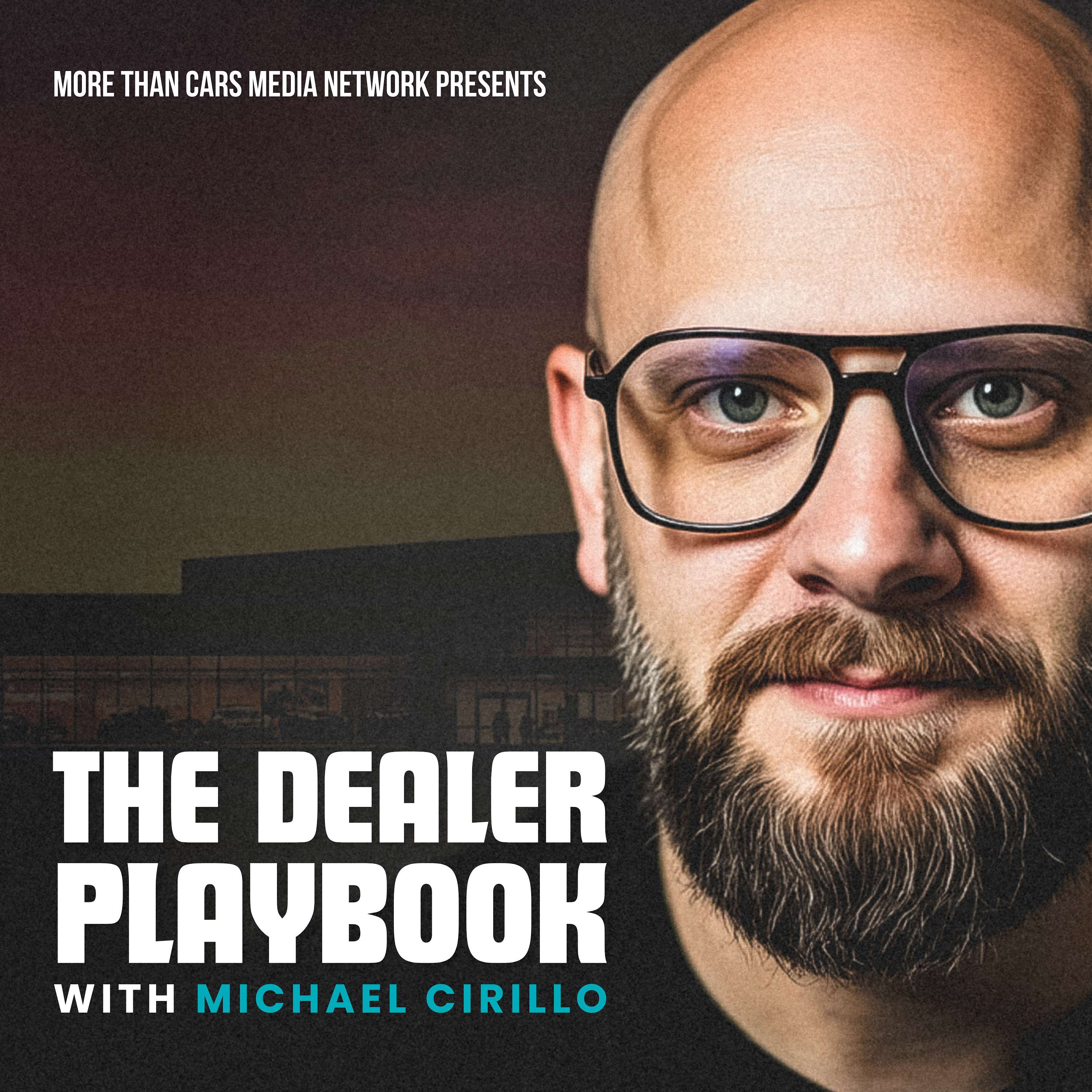
Glenn Lundy: Save Your Dealership
🎧 Subscribe on Apple:https://dpb.fm/apple🔊 Subscribe on Spotify:https://dpb.fm/spotify🔗 All our links:https://dpb.fm/playGlen Lundy is the CEO of the 800% Elite Automotive Club and founder of Breakfast with Champions on Clubhouse. Lundy is an extremely successful automotive industry expert who has made it his mission to help other dealers across North America.Glenn grew a small dealership in a 9,600-person town by 800% in just 5 years, making it the second-largest used vehicle franchise dealership in the nation. Additionally, he has worked with hundreds of dealerships around the country, is a renowned author, a keynote speaker, and a two-time winner of the Chevy Dealer of the Year Award. He has also been featured in well-known automotive journals and prominent television outlets.How To Save Your DealershipBy growing a small used car shop in Lexington, Kentucky into the second-largest company of its kind in the US, Glenn began his ascent to success in the auto sales market. Under Lundy's direction, the dealership saw an 800% increase in sales, ranging from selling roughly 120 automobiles a month to over 800. In this episode, Lundy shares how he got started in the auto industry, his experiences along the way, and the creation of the 800% Club.What is the 800% Elite Automotive Club?Glenn shares his story of how he grew as an individual. He went from salesperson to general manager of an initially small dealership in a small town and grew that dealership by 800% in just under six years.We have many different vendors that serve various purposes for marketing, websites, and so many other things. We also have much different management, finance, and sales training programs. But the auto business is lacking one thing: nobody is training the owners and holding them accountable.Dealers require responsibility, plans, and a network - a group of people with whom they can grow with, address difficulties as they arise, and discuss topics that are not merely business-related, such as how to improve as a leader in one's job or how to improve their marriage when they're scaling and growing.There is always more to learn as a dealer, whether you have owned a dealership for a short time or many years. Both success and failure foster individual and professional development. But it's always a good idea to take a few cues from some of the best and most experienced auto car dealers.Listen to the full episode for insights and context from Glenn Lundy!⭐️Like this show? Please leave us a review here — even one sentence helps! Consider including your LinkedIn or Instagram handle so we can thank you personally!Thanks, Glenn!If you enjoyed this episode featuring Glenn Lundy, support us by clicking the links!Connect with Glenn Lundy on LinkedIn Connect with Michael CirilloConnect with Michael on LinkedIn More Dealers Are Choosing To Partner with FlexDealerLooking for a reliable, high-perf- - -Leave a Review:If you're enjoying the podcast, we'd love an honest review here. - - -Socials:Follow on LinkedInFollow on YouTubeFollow on Facebook