
Automotive media grew up on television and in magazines, and most of it has moved online. The biggest stage now is YouTube. More than three-quarters of the shows we track run a YouTube channel alongside the audio feed, so the line between podcast and video show keeps blurring. We index the audio side, one slice of a bigger picture. It still looks sprawling on its own, hundreds of shows, yet a small number of them are far more prolific than the rest.
Look closer and the sprawl sorts into distinct segments: industry news, EV coverage, buying advice, the trades, collector and classic cars. Each has its own vocabulary and its own one or two prolific anchors. What you picture when you say car podcast depends on which of those segments you already follow.
As of June 2026, Car Curious tracks 321 automotive podcasts, 270 on active feeds. From the feeds we mapped who hosts them: 354 named hosts in all, which is how we see who runs the space and how the shows are built.
One person hosts three shows
John McElroy has more shows to his name than anyone else, three, all under the Autoline banner he has run out of Detroit for decades. Two still publish weekly; Autoline This Week has gone dormant. Together they split the format: a daily brief, a long-form interview show, and a weekly roundtable.
1,089 episodes. An 8-minute daily brief on the global auto industry.
795 episodes. Long-form with designers, engineers, and product planners.
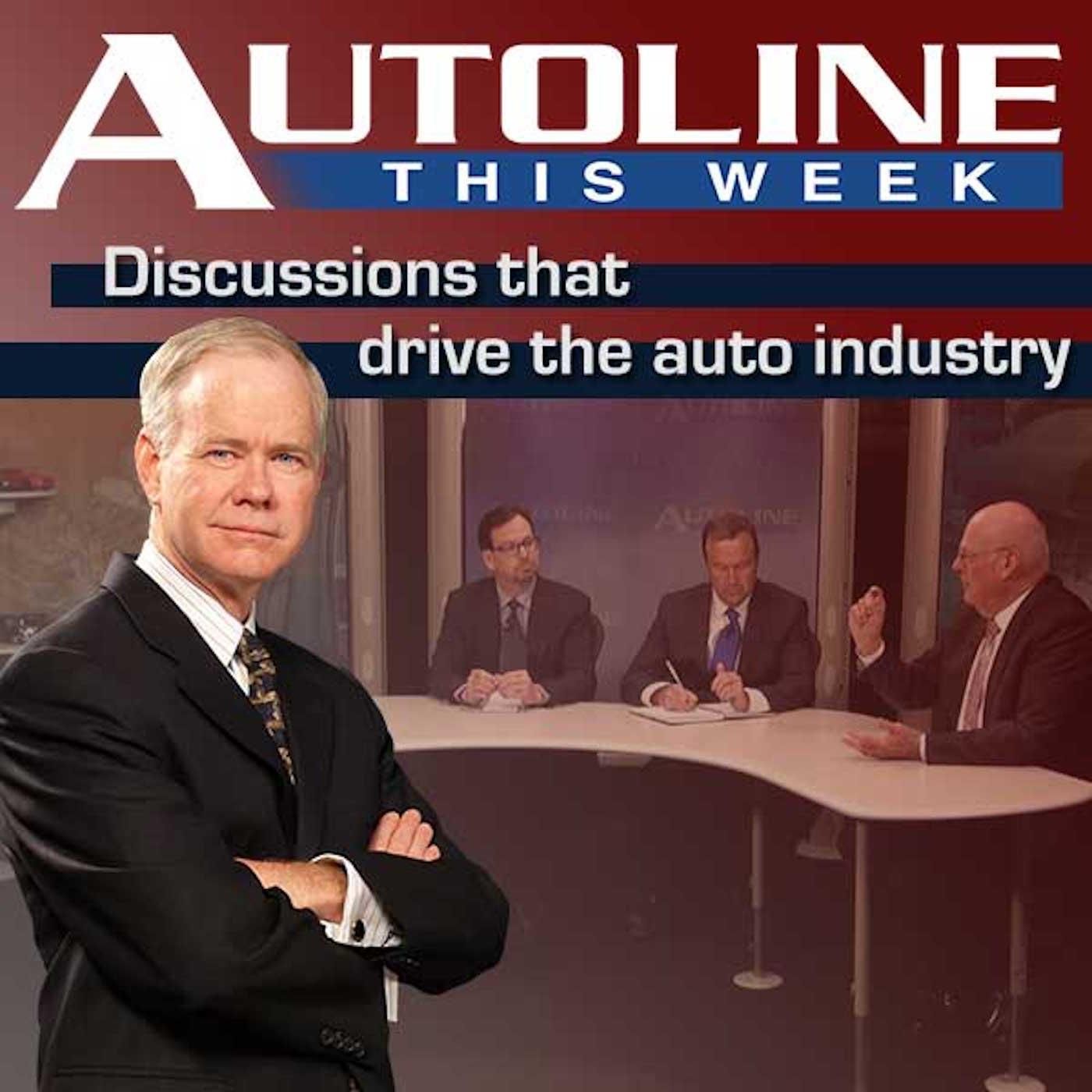
685 episodes. A weekly roundtable with journalists and analysts. Now dormant.
Mark Greene built Cars Yeah four days a week from 2014, then sold it to Ginger Baker Rust in January 2025; she hosts it now:

2,578 episodes. Mark Greene built it solo, four days a week from 2014, then sold to Ginger Baker Rust in January 2025; she hosts it now.
The format split: 129 solo, 71 duo, 27 ensemble
Most podcast directories surface one name per show. The format across these shows is more crowded than that. Of 227 shows with named human hosts, 71 run as a two-person format, nearly a third of them.
The longest-running of them shows what the format is for. On Everyday Driver Car Debate, listeners send in a budget and a situation, and hosts Paul Schmucker and Todd Deeken talk it down to a specific car. In a 2026 episode, a listener shopping used EVs gets walked from a decade-old Tesla Model S to a Kia EV6 to a Mustang Mach-E, each weighed on practical points like a low load floor, before one host lands it: "get yourself a Mustang Mach-E, plug it in at night, and you're done."
Paul Schmucker and Todd Deeken, 1,159 episodes.
27 shows run with three or more regular hosts. The ensemble format is more common than it looks from outside the space.
The fourth-highest episode count is Spanish
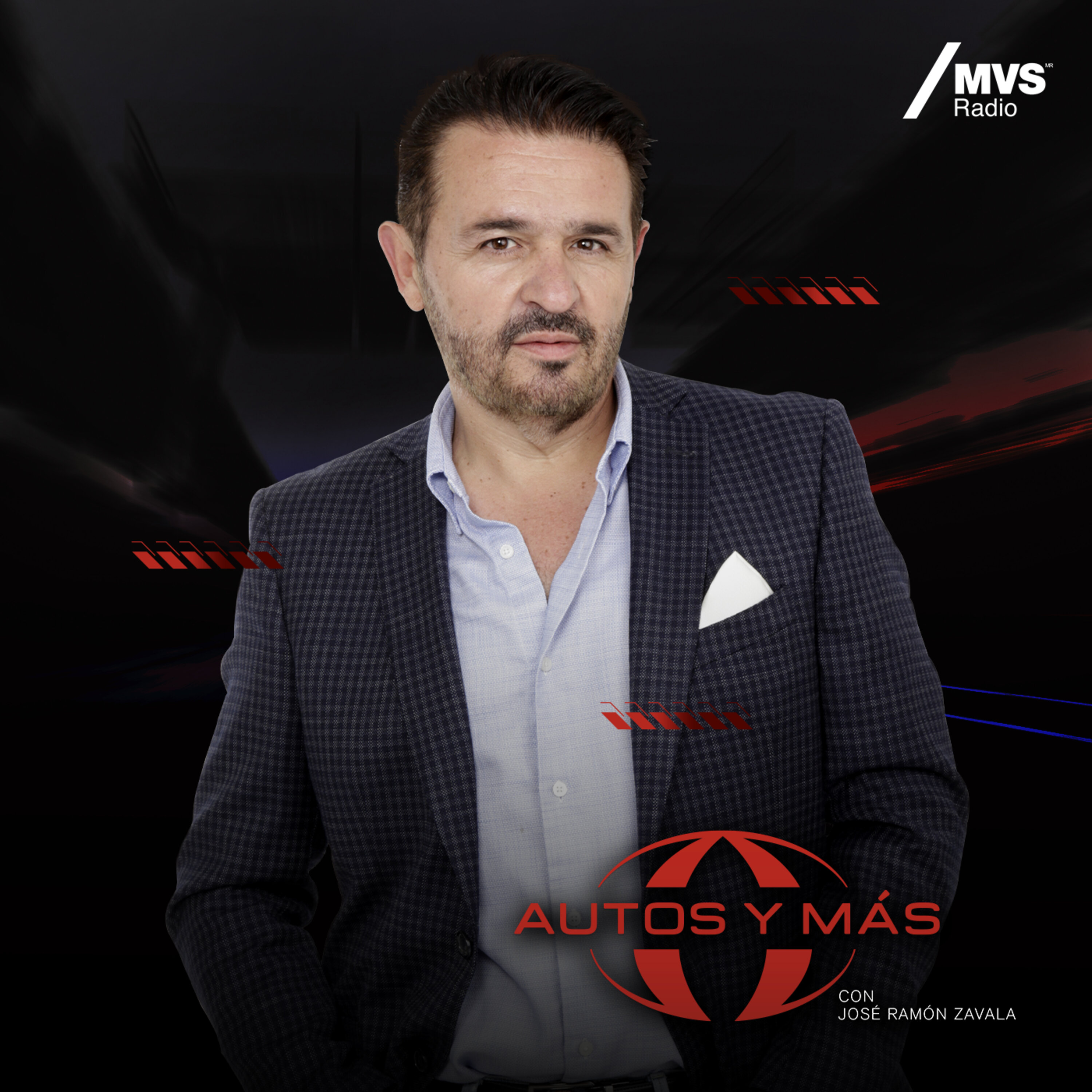
José Ramón Zavala, 1,602 episodes. Entirely in Spanish.
José Ramón Zavala hosts Autos y Más with 1,602 episodes, fourth by episode count. The only ones ahead: Cars Yeah, McElroy's three Autoline shows, and In Wheel Time, a three-host Houston talk show.

Don Armstrong, Michael Marrs, and Jeff Dziekan, 1,731 episodes. A Houston talk show on the Audacy Network, one of the most prolific we track.
Zavala publishes entirely in Spanish, which makes one of the highest-volume shows we track easy to miss if you only follow car podcasts in English.
When the Ferrari Luce broke, Autos y Más covered it in the same news cycle as the major English shows, and landed a blunter verdict than any of them:
"¿Verdad que el Luce bien feo?… Está horrible. O sea, ni Tesla tiene coches tan piñatas."
"The Luce is really ugly, right?… It's horrible. Tesla doesn't even make cars this piñata-like."
The EV beat has its own universe
EV coverage runs on its own clock, separate from the rest of automotive. Rob Maurer built Tesla Daily into the most prolific EV-specialist show we track, 1,428 weekday episodes on Tesla the company and TSLA stock, before he signed off and ended the show in January 2024.

Rob Maurer, 1,428 episodes. Final episode January 2024.
The EV beat kept going. A cluster of active specialists now covers the same ground daily and weekly, none yet at his volume.

764 episodes. A daily brief on the technology and business of EVs: charging specs, manufacturing, policy, and a recurring China edition.
713 episodes. EV news roundups paired with owner and guest interviews, from charging and recalls to autonomy, batteries, and the occasional full earnings call.

570 episodes. A weekly Tesla-focused show, the closest active analog to Tesla Daily. Long episodes work through FSD rollout, model and pricing changes, and occasional guests.
Where Tesla Daily was a single daily voice, the beat now runs through several.
The buying-advice show
Every other high-volume show we track skews toward enthusiasts, collectors, or industry insiders. Jerry Reynolds built CarPro Radio around the opposite: people who need to buy a car and don't want to get taken.

Jerry Reynolds, 1,026 episodes. The longest-running show with a single named individual host.
His most-mentioned cars are F-150 (6.8× the average), Toyota Camry (4.9×), and RAV4 (54 mentions). That list mirrors the national new-car sales charts, not enthusiast taste. Most other shows skew toward sports cars, classics, and EV speculation. CarPro is the outlier: 1,026 episodes anchored to the mainstream market.

Ray and Zach Shefska, 490 episodes. The same buying-advice lane, built around data tools and AI-assisted negotiation rather than radio-show expertise.
The trades side
The trades side runs on a different calendar and vocabulary from the enthusiast and industry shows: shops, technicians, service advisors. Carm Capriotto has hosted 565 episodes of Remarkable Results Radio, the highest episode count among shows focused on the aftermarket repair business.
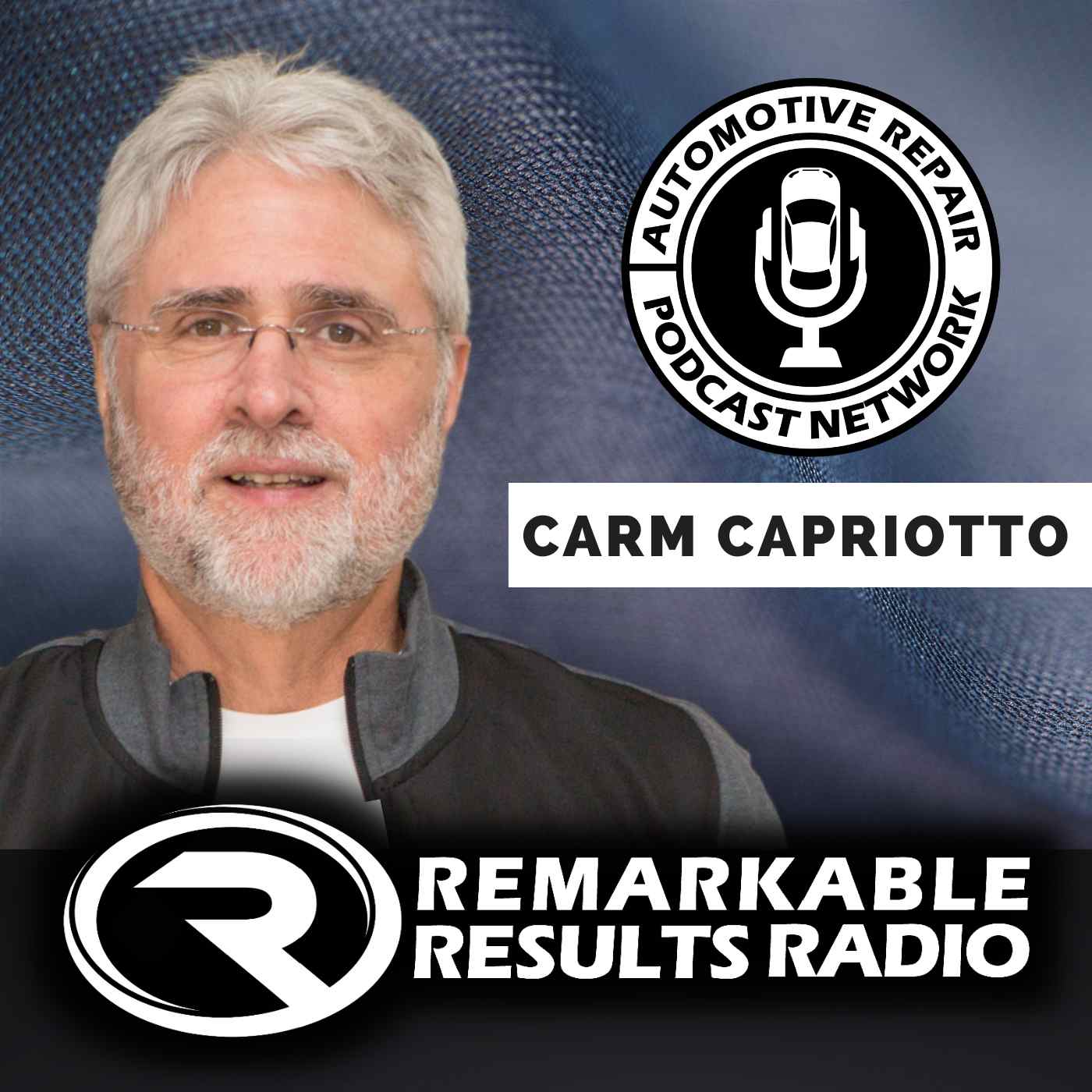
Carm Capriotto, 565 episodes. The most prolific host on the trades side.

Yossi Levi, 496 episodes. The dealer-side view: inventory, margins, and how the retail end of the industry works.
Capriotto covers service and repair. Levi covers the showroom. Both speak to the business of cars rather than the enthusiasm for them: shops, inventory, and margins.
The independent enthusiast shows
Most automotive shows are built around opinions: what to buy, what just happened, who won. A smaller, independent group is built on conversation instead: long interviews and chat with collectors, restorers, and enthusiasts about the cars they love.

Carly, Doug, and Dave, 163 episodes. Guest interviews built around a person's history with specific cars: Porsche, classic restoration, JDM, and racing.

Greg Stanley, 508 episodes. The longest-running indie show in this tier. Stanley, an RM Sotheby's consultant, interviews collector-car insiders: restorers, auction announcers, and consignment dealers on the market.
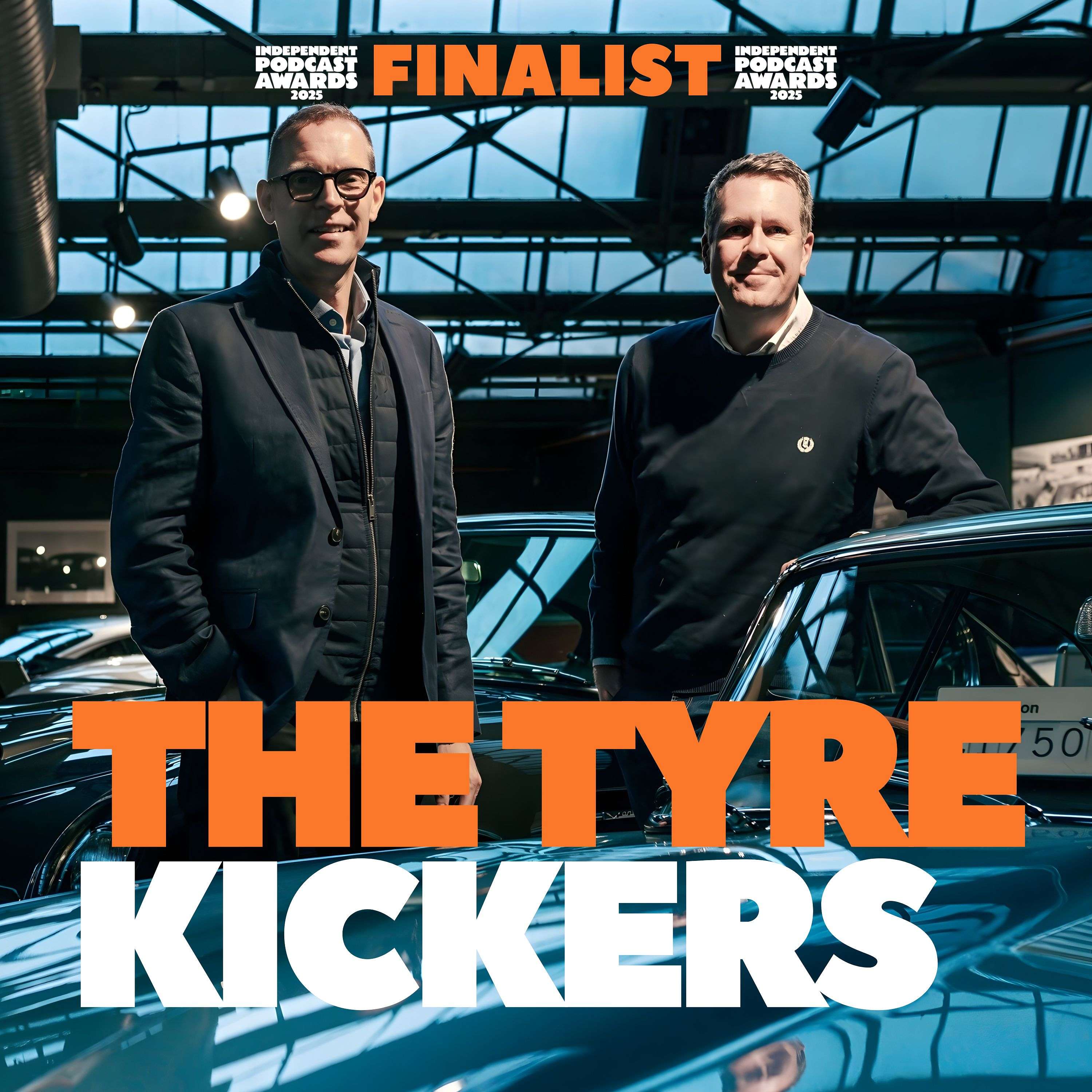
Max and Matt, 75 episodes. Humour-led UK classic-car chat: pre-purchase inspections, spotting old cars in music videos, and the costs of running them.
Small, independent, and off the news cycle, these shows are about the cars people keep, not the ones for sale this year.
The most-discussed people don't host
Across the episodes we have annotated for people so far, two names recur more than any other: Jony Ive, whose studio LoveFrom designed the Ferrari Luce, Ferrari's first EV, and Michael Schumacher, more than a decade past his last race. That layer is thin, a few hundred episodes out of tens of thousands, so read this as an early signal rather than a count. It still points one way: the people car podcasting talks about most don't make podcasts.
Hosts who show up on other shows
A few hosts appear on both sides of the graph: they run their own show and turn up on others as a subject. Both of the clearest examples got there through their day jobs, not through podcasting.

Ford's CEO hosts 45 episodes here. He also turns up as a subject on Everyday Driver, CarCast, Midweek Motorsport, and Automotive News Daily Drive.
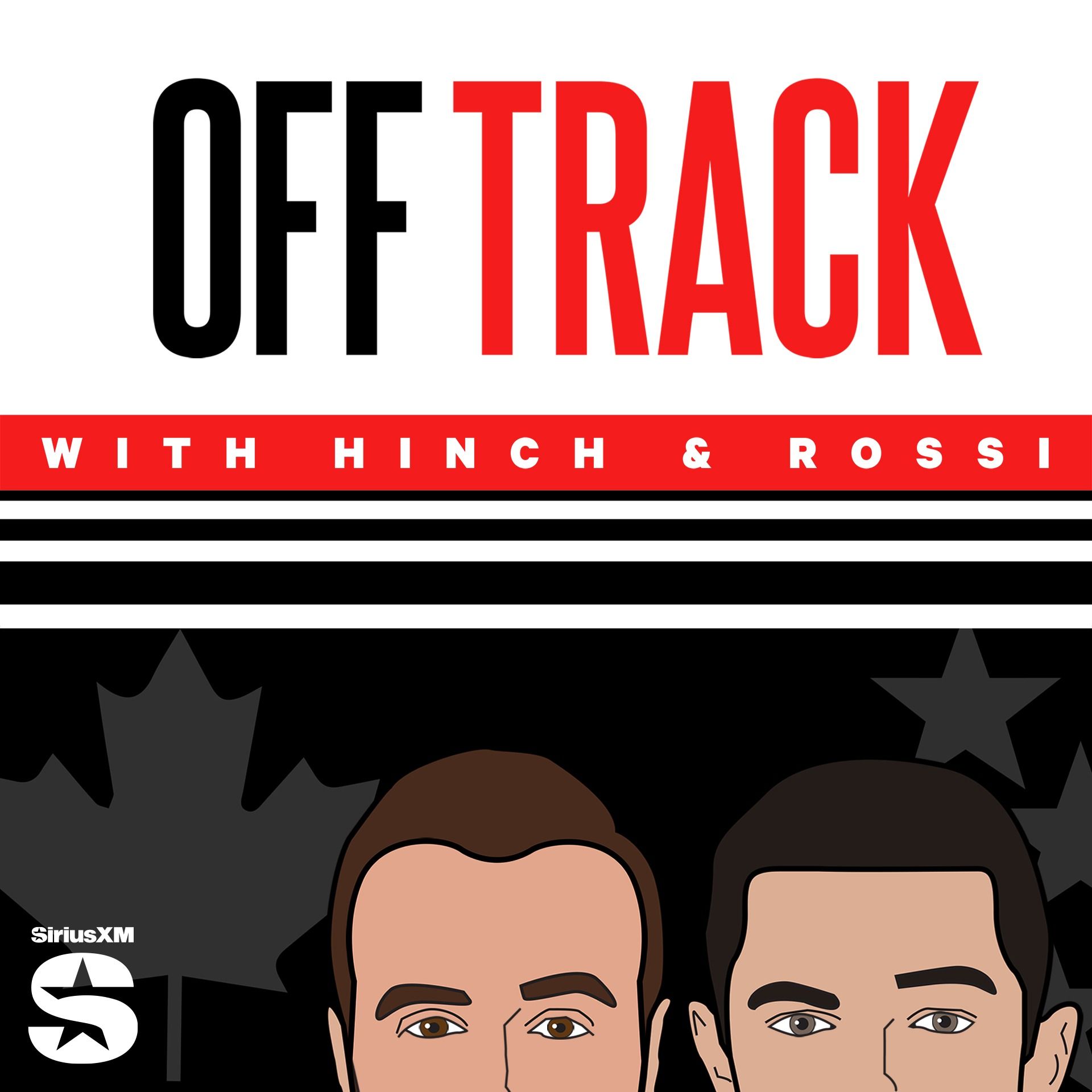
Alexander Rossi co-hosts here and gets mentioned on SPEED with Harvick and Buxton, The Marshall Pruett Podcast, Midweek Motorsport, The Pits Are Open, Frontstretch, and The Late Braking F1 Podcast.
A map, not yet a network
Lay the shows side by side and two patterns stand out. A few shows are far more prolific than the rest, and the segments barely resemble each other in content. McElroy anchors the Autoline shows, Capriotto the trade side, Zavala Autos y Más, Maurer's successors the EV beat, Jerry Reynolds the buying-advice lane. The cars they return to differ as much as the formats: CarPro keeps coming back to the F-150 and the Camry while the enthusiast shows stay on sports cars and classics. And two of the names the space keeps coming back to, Jony Ive and Michael Schumacher, host nothing at all.
This is the map of who makes the shows, not yet of how they connect. Hosts stay in their own lane almost by definition; the connections live a layer down, in the guests and recurring subjects who move between shows. Some are already visible, like Jim Farley and Alexander Rossi turning up as subjects on shows they don't host. Tracing who else travels between these segments, and where the segments turn out to overlap, is the next piece in this series.
What this graph doesn't show yet
The graph has two sources. Host names came from RSS author fields, manual corrections, and enrichment passes. <itunes:author> rarely names a host cleanly, so most shows needed intervention. That layer covers every episode in a feed, transcribed or not. The mention layer is different: it comes from LLM-extracted person annotations, a recent and still-thin addition covering only a few hundred episodes. That's where Jony Ive and Schumacher come from.
The Podcasting 2.0 spec defines <podcast:person>, a tag that carries names, roles, and per-episode attribution in the RSS feed itself. 18 of the 321 shows we track emit it, about 5.6%. We checked all 321 raw feeds.
At the transcript level, the Podcast Annotation Format defines a participation field on person annotations (guest, host, or mentioned), so a timestamped moment carries both who was named and how they figured in it: present as a guest or host, or only mentioned. That field lets the guest edge layer derive from annotated transcripts rather than guesswork.
Host data alone places almost no one across more than two shows, and McElroy's Autoline trio is the clearest case. Filling in who actually moves between these worlds is the next piece in this series: a guest layer built from the transcripts annotated so far, so it stays thin for now and will sharpen as more come in.
Explore the full catalog: browse all shows.