029 | Street Legal Drag Racing Explained + Nissan 370Z Review + Why V8 Engines Still Matter
Cool Cars with Chris: Car Talk, Driving Tips & Auto Life
029 | Street Legal Drag Racing Explained + Nissan 370Z Review + Why V8 Engines Still MatterCool Cars with Chris: Car Talk, Driving Tips & Auto Life · Apr 13, 2026
Le Mans refers to the 24 Hours of Le Mans, one of the most famous endurance races in the world. Mentioning it signals that Courage’s car experience includes high-level racing, even if the current segment is about drag-style track days.
A misfire means the engine doesn’t burn fuel correctly in one or more cylinders. It can make the car run rough and might cause damage if you keep driving it.
An automatic transmission shifts for you. That can make launches and acceleration more consistent because you’re not coordinating the clutch and timing.
Traction control is a system that stops your tires from spinning too much. It does that by reducing power, which can help you launch, but it can also make you slower if it cuts power at the wrong time.
Oil life percentage is an onboard calculation that estimates when engine oil should be changed. Instead of using only mileage, it factors in driving conditions and sometimes oil condition to estimate remaining life.
A “10 speed” means the transmission has more gear ratios than a typical older automatic. That can help the engine run at lower, more efficient RPMs when you’re cruising on the highway.
When they say the exhaust is already done, it means someone upgraded the pipes and mufflers. That usually changes the sound a lot, and sometimes helps performance too.
Four wheel drive means the truck can send power to all four wheels. That helps with traction on slippery roads or when you want more confidence off the pavement.
They’re talking about V8 engines—engines with eight cylinders. People like them because they usually feel powerful and sound great, but they can use more gas than smaller engines.
“Chevy” means Chevrolet, a major car brand. The host is saying Chevrolet is still investing in bigger V8 engines even though the world is pushing toward cleaner, more efficient cars.
Forged internals are stronger versions of the engine’s internal parts. The idea is that they can handle more stress, which is helpful for performance or higher power.
They’re talking about the Dodge Charger and how Dodge is trying to bring back a V8-style approach. That matters because the Charger is known for big-engine performance.
It looks good. Like it's like, it's almost like everybody likes the, you know, like the
Raptors and everything. Right. That's a Raptor. It does kind of have that Raptor look.
And everybody can use it for Raptor when they see it. Oh, it's Raptor. So not really, but, you know,
okay, fine, whatever. Yeah. It's like, I can argue with you. Go ahead. You want to believe it's a
Raptor. You believe it's a Raptor, but that's one thing. It's like, you kind of get that Raptor
feel and it is four wheel drive and it has all that stuff. And it even has a V8,
which is where the Raptor is back then didn't have V8s other than the type R, which is like
mutual dinero. And so for a lot less, you know, for a lot less than the price of Raptor
and it tows more than a Raptor. Because the Raptors, you know, it's because the Raptor uses
their crazy suspension they have because they use that crazy suspension off with suspension.
They don't have the quite same towing capabilities as a regular F 150.
Like we were saying, you could have towed your, you could have towed your Z.
I could have towed my Z. I thought about that, you know, renting a trailer and towing
but dude, you're thinking about bed, gas mileage now.
I can't even imagine what the mileage would have been like five, maybe, you know, I don't,
I don't even know. Now the good news is my truck has lots of extra features, including a bigger
fuel tank. It has the upgraded optional upgraded fuel tank of 36 gallons.
It's a lot, which, which is good for like, if you're a tow, something like that,
three times my like car skin. Right, right, right. Well, safe to say I've never like
filled it from empty. I've always taken out the half and filled it up.
Yeah. Even when I went to Vegas, when I went to Vegas with it, I think I got down to a quarter
tank maybe, but I'm not one of those people that take it down to the light comes on.
Yeah. You're a better man than me. I always, I always just, I always just
take it, take it to half a tank and then I just, you know, keep it full or whatever.
I like to kind of keep both my cars full, my cars kind of full. It's a weird thing, you know,
like I like to take it as full as possible just because in the event that like get the
evacuated or something or something, I don't know, most is weird thing that like there's
something happens, not that I'm a kind of person, not like I'm a doomsday, you know,
bunker liver kind of living in a bunker kind of thing. You know, it's just a fact we have to go
anywhere in a hurry. Yeah. And we got to go. Well, gotta get gas first. Right. The gas stations
closures are the one line or whatever. You know, I mean, it's good to have gas in your car,
especially now on the gas. It's so expensive. So it just feel like tomorrow's prices might
be a number expensive than today's prices. So if I get it today, I have a full tank,
it's even better. I don't know. It's a weird thing, but, but I get it. Like, I mean,
theoretically, whether I buy two half tanks or one full take is still the same price in the
so one thing about V eights, which might be like a small little segue. We don't have to spend a
lot of time talking about this, but, you know, we do, we talk a lot about like V eights and,
and, you know, maybe not getting great gas mileage. And obviously like these days,
you know, companies may be not being able to have big V eights because all of the,
you know, different emissions and all these kinds of things. But
Chevy basically, you know, coming out with the grants for it and, and coming out with a bigger
V eight than they've already had is, it seems like an interesting move kind of in this day and age.
Now, is this VA going to be their traditional like cast iron block or are they going like
full like a lot of the V eights, like mine is a cat is a full aluminum.
Yeah. Are they doing an aluminum or doing full cast iron?
That's a good question. I'm not exactly sure. I had some stats up just kind of licking earlier.
But the other one is cast iron, the one that used the Corvette. I believe it. Maybe it could
be wrong. Yeah. But they were using that for a long time and it's actually like a standard
like block they've been using. I think, so what size are, is this new guy going to be that they're
going to put out there? Is this over seven liter? No, no. So that was, well, I was, I was thinking,
we were talking about the older, I think it was the older zero six, I think to have a seven liter,
but I did look up real quick though that the, I don't know what it's, what it's overall like
construction is, but it's apparently going to have forged internals as like stock components
within it. So that's, that's pretty impressive. But it's a six point seven liter V eight.
Well, I think the Dodge charger challenger, not the hell, is it the six point four they
using there in theirs? I think so. Yeah. Six point seven, not much bigger than that. I mean,
I see, listen, I don't know if you took a six point four and a six point seven side by side,
I'd be like, which one's bigger? I don't know. Like, I don't know if you can tell the difference
by looking, I don't know if you can tell the difference. The only thing is, is it going to fit?
Yeah. It's going to fit the car. That's kind of the big, it did always impress me back to that
with the, I mean, we, we talked about cars with crazy boat, like eight, eight point four liter
and a viper with the V 10. That's like a big engine. That's humongous. But even like a seven
liter engine and like the older Corvette, like it didn't really look like that car could accommodate
something to that size, but surprisingly they made that work. But yeah, it's interesting that,
you know, that when you think of it that way, like with the Hellcat, with the, with the Hemmys
and like where they got inside is like, it's, it's not that big of a difference per se, but
I thought it was interesting as I was talking about is that, like, you know,
Dodge has gone like a totally different direction and they're trying to maybe come back now and
put a V eight in the new charger and everything. Whereas like Chevy already has been like killing
it with the Corvette and all these different variations, but they put the V eight in though,
Chevy really nothing aside for the pickup trucks. Yeah. Yeah. Oh, the Tahoe
and Suburban. Yeah. We rented a Tahoe once and I drove it and I was like, yeah, you know, I mean,
it feels like a station wagon bit bigger or whatever. I mean, I don't know what I was supposed
to, I wasn't going to expect by driving it. I was like, yeah, I get this. It's boxy. I think it might
have been the Ford version. I'm trying to remember the Ford version or not. We had it for like a
weekend or whatever. I forget. We drove it around and like I was curious. I don't know if you do
this. Do you have this thing where you rent a car? You immediately like look it up online to see
what the same costs, because I do that. And I see like, okay, this time we rented, how much does
this thing cost? Like where to buy? I think the price was like 50 grand is somewhere around there.
Yeah. Like 50 grand Tahoe. Like, I mean, I don't know. And the Suburbans are like six
year or whatever they're like big freaking like, you know, school buses. I usually don't look
at price unless like I'm like really interested in the car. Like if it was something that was
actually interested in potentially me, yeah, I think the Tahoe was kind of thinking like if we
upgraded, you know, from, from my ex-wife had to explore and going bigger because I remember her
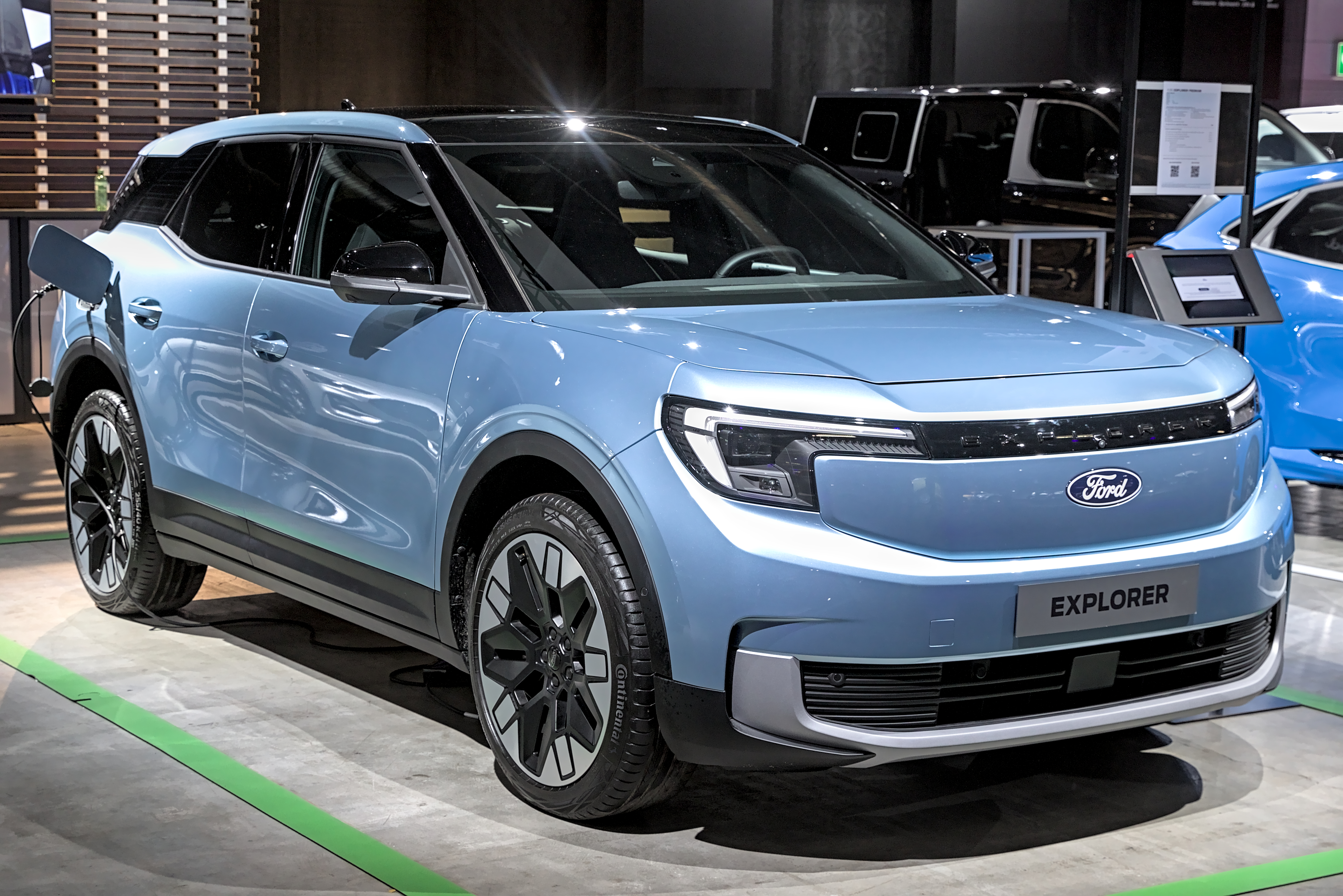
Explorer was a good size, but like she was always filled with stuff and everything too. So I think
that's part, it was part of it. I remember I rented a expedition once and with the EcoBoost,
I think it was fast for being, for being like a bigger car. It felt like nimble and quick.
I'm messing with Ford. Ford's going with everything. EcoBoost, everything.
EcoBoost. Yeah. And I was looking it up and you, in terms of like what cars, what Chevy cars
still have V8s really, obviously it's the Corvette line right now, but then yeah, the Suburbant,
the Tahoe, and then the, and then actually the, well, the Silverado, obviously that still has a
V8, but the Chevy Express. What's that? I'd have to look that up too, but
So it's not like a car only sold in Mexico. I'm sure like it's the name in it.
It's funny living close to the border. I see a lot of these cars across the border,
these weird Nissan variations. Do you ever see that? Yeah. Like those like weird like
variations. They're like not sold here trucks. I saw us word Ford. They have this Ford,
old classic Ford Ranger with four doors, which is kind of a weird, very, because you don't have
those. They don't have those. Like talking like the, you know, 80, not like like a 95 Ford Ranger
with four full doors. Weird. The weird thing is, is that you instantly know, like this is,
this, this not from here kind of thing. Like some of them, like they, you have different,
like completely different, like there's a Nissan one truck. It's, I think it's Navarro or
something weird thing like that. And it's like a weird Nissan. It's like a minute to many,
then not a frontier, but it's like smaller. It's like the size of like the old classic
Nissan's the back of the day. Like that size kind of goofy thing. All kinds of weird stuff.
But yeah. So what's the deal with their new engine? Is it just going to be like crazy?
Lots of power, just like nuts. Yeah. It was a one, one quick thing. So to express,
you ever see those like, I'll show you a picture since you're here, but
those like camper van ish style, like, like, uh, like little Chevy Vans.
That looks like a Tahoe kind of, but it's like, it's, it's more of like those back in the day
where people just had those big old, like they weren't camper vans, but they were like, they
were these big, like long like a shell on the pickup truck. No, like it was, it was like full
on like a van. Like it was like, party van kind of. Yes. We had, well, we had, my parents were,
my parents were hippies, I guess they were into vans back in the day. We had, we had like a couple
of different vans growing up and they had like kind of camper ish. Like when we had for a long
time, we had like a sink never worked in like a bench and a table in the back, you know,
and that was like our carpool car to take kids to school. Like my mom did like,
basically a bus. Pretty much what I were kind of deal and simple had those where it was like,
you go in the van, cause you got two front seats and then, and then the middle was like
nothing but carpet, just nothing. And it had a one bench in the back and that was like the van.
And we all piled in that thing and went to school back and forth kind of deal.
Apparently they still make these like, I don't, I don't know. Maybe it's for like retail. Maybe
it's for like, uh, Amazon deliveries and like UPS style, like like deliveries. I know Dodge had one
because I worked for the freight company. There was a guy that was independent contractor
and he had this weird Dodge van. It was kind of like, not as big as a van van, but not as small
as like a small SUV. It was kind of like a mid range kind of thing. It was like a cargo van
kind of deal, but it was like by Dodge. Yeah. And he used it to like haul stuff and it wasn't
very big. I remember that kind of like, I guess kind of like those smaller Amazon vans, but not
the big one, but like a smaller one. And they have like the Nissan has that weird box thing.
That's what I'm thinking of. Yeah. Yeah. Yeah. And then you had like the, you know, the one,
even like Rivian like has some stuff now, like, you know, their little like storage box little
like box car, box truck kind of thing. Like it, I think all companies like, you know, to try and
get fleet sales kind of have something that they want to have that's sort of in that range, but
I don't think Ford has, well, maybe Ford has those vans for like the transit van. That's what it is.
Yeah. Yeah. Mercedes has theirs and all that kind of stuff. Yeah. Yeah. But you see those a
lot. Actually those Mercedes, I think those are for far as Mercedes go. Yeah. They're cheap.
Yeah. You want, you want a bunch of Mercedes get one of those. But like, yeah, I drove Mercedes.
I mean, what's, what is it? The van transit van thing. Imagine that like pulling up to
like some chat date or something or whatever. Like you, you, you flaunt your key around the
shirt. You got the Mercedes Ben shirt, whatever and all that. You know, they're rolling around
like it's, it's the cargo van. It is a Mercedes. What do you want from me ladies?
You know, that's it. But man, dude, this has been so great, man, coming out here today and
doing the cars, doing the car talk, cool cars with Chris, the backyard here, Courageous House,
but this is great. Man, I really enjoy coming up here, man, and hanging out with you guys and
your kids. It's been a great time. No, I appreciate it, man. It's good having you. It's good. It's
good. You know, just kind of the, to be face to face as I know we talked about. Sometimes we
don't always do this. And so it's cool to do that. And you know, also, like I said, I just love
talking cars. So don't we all love driving cars, talking cars, get me behind the wheel of the car
and going for a ride and make sure you don't get carsick. That's the thing too. So you listen
at home, make sure you stay safe, be legal, make sure, you know, don't crash your car. I hate to
see it. I hate to see you on the next Instagram reel of some kid, you know, showing off out of
the cars and coffee and just wiping out into a telephone pole. I did see one recently where
they did that. I don't know if I shared it with you or not, but there was one where somebody
like literally, they might have been a Mustang, ironically, and he like left the cars and coffee
and just slid right into a tree or something like that. Like just, just relieving the place kind
of thing. Please don't do that. And oh, by the way, you can check out the whole cool website,
which is cool cars with Chris.com. Everything's right over there. You can follow me. You got
links to everything. And of course, I'll put links to all the courageous stuff right in the
show notes of this very episode. You can go on down there and check that out. Cool cars with
Chris.com. And we'll see you on the very next episode.
About this episode
A live backyard studio chat covers Courage’s trip to Street Legal Dragway for 330-foot, unprepped street-legal runs—how check-in works (web app, live stats), staging with a light tree, and why being perfectly positioned matters. They compare tire choices, launch control/traction control tradeoffs, and discuss manual vs automatic consistency. Chris then reviews his Nissan 370Z ownership: firm suspension, low seating, occasional drone, limited cargo space, and why the analog feel still beats modern “iPad on wheels.” V8 talk closes with Chevy’s rumored larger V8 direction.
In this episode of Cool Cars with Chris, we take a deep dive into street legal drag racing, real-world car performance, and what makes driving feel truly exciting.
Recorded live from the backyard studio, Chris and Courage break down their experience at a street legal dragway, including what it’s like to race your own car, how a 330-foot drag strip works, and what beginners need to know before hitting the track.
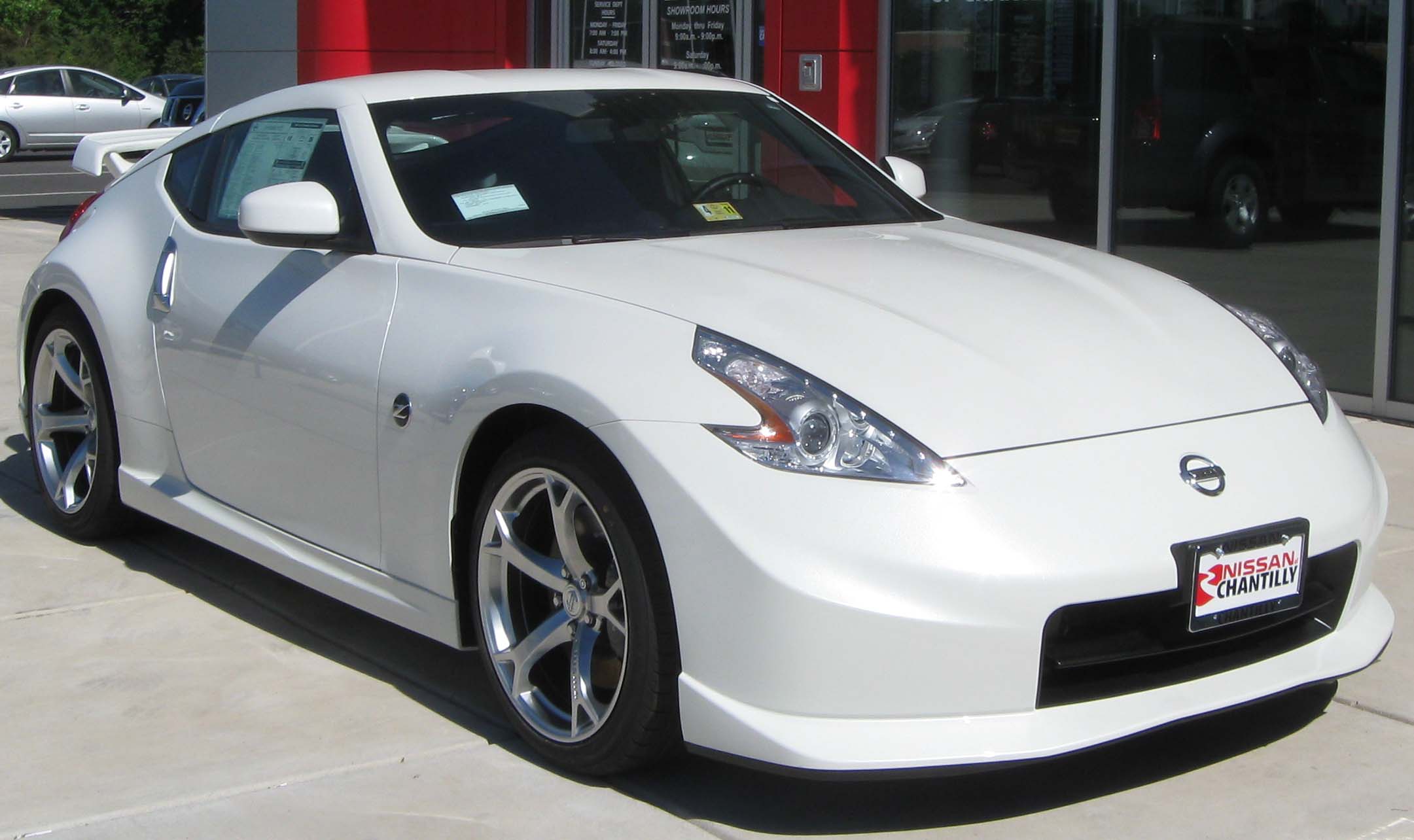
We also explore the raw driving experience of the Nissan 370Z, and why it stands out in a world full of modern, digital sports cars. From exhaust sound and suspension feel to road trip comfort, this episode highlights what makes analog cars so engaging.
Plus, we get into a full discussion on V8 engines, including real-world ownership, fuel economy, and why V8 power still matters in today’s turbocharged era.
📲 FOLLOW & CONNECT
Love cars, racing, and real automotive talk? Stay connected and don’t miss future episodes:
How drag racing staging lights (the tree) actually function
Beginner drag racing tips and common mistakes
Manual vs automatic performance on short drag strips
How tires and grip affect your race times
What it’s like driving a Nissan 370Z daily
Analog vs digital driving experience (and why it matters)
Real talk on owning a V8 truck
Why modern cars feel different—and sometimes less exciting
00:00 🎙️ Intro – Live from the Backyard Studio 00:25 🏁 What Is a Street Legal Dragway? 02:25 📍 Track Location + Fire Scare Story 04:06 🚗 How a 330-Foot Drag Strip Works 07:31 🧾 Registration, Staging & How Runs Work 08:49 🚦 Drag Racing Lights Explained (Tree System) 11:22 🛞 Why Tires Matter (Street vs Track Setup) 12:35 ⏱️ Improving Times & Breaking Into the 5s 13:53 ⚠️ Risks of Drag Racing Your Daily Car 15:38 🔥 Why Short Tracks Are Easier on Cars 16:25 ⚙️ Manual vs Automatic – Which Is Faster? 19:20 💸 Cost to Race + Unlimited Runs Explained 20:22 🚀 Launch Control & Traction Control Tips 22:36 🐍 Hellcat vs Grip Launch Story 24:07 🛣️ Nissan 370Z Road Trip Experience 27:13 🔊 Exhaust Sound, Drone & Driving Feel 30:15 🎮 Analog vs Digital Cars – What Feels Better? 31:06 📱 Why Modern Cars Feel Like Video Games 35:16 💰 Old 370Z vs New Z Price Comparison 37:13 🧭 Interior Gauges & Driver Experience 42:12 🛻 Ford Roush F-150 V8 Talk 43:59 ⛽ V8 Fuel Economy & Real Ownership 50:30 🔥 Why V8 Engines Still Matter Today 55:00 🎯 Final Thoughts – Track vs Street Driving 57:32 👋 Outro
In this episode of Cool Cars with Chris, we break down the full street legal drag racing experience, including how a street legal dragway works, beginner drag racing tips, and what to expect on a 330-foot drag strip. We also dive into a real-world Nissan 370Z review, covering its analog driving feel, exhaust sound, suspension, and how it compares to modern digital sports cars. Plus, we talk manual vs automatic drag racing, launch control, traction control, and how tire setup impacts performance and race times. To top it off, we get into why V8 engines still matter, including ownership insights on a Roush F-150, fuel economy, and why V8 power continues to dominate car culture. If you’re into car podcasts, drag racing, sports cars, or automotive performance, this episode is packed with real-world experience and enthusiast insights.