031 | Built vs Bought? Turbo Mods, Daily Driver Truths & Car Culture Debates
Cool Cars with Chris: Car Talk, Driving Tips & Auto Life
031 | Built vs Bought? Turbo Mods, Daily Driver Truths & Car Culture DebatesCool Cars with Chris: Car Talk, Driving Tips & Auto Life · Apr 27, 2026
Annotations will appear as you listen
0:00
80:21
Term
octane learn a boost
Fuel has different octane ratings. If you use higher-octane gas, the engine is less likely to knock, so you can often run more boost safely. The “boost” part depends on how the car is tuned.
“Built vs bought” is a car-culture debate about whether it’s better to start with a factory car and modify it (“build”) or buy something already set up (“bought”). The discussion often comes down to cost, reliability, performance goals, and how much the owner values the process. It also affects how people think about daily-driver practicality versus enthusiast projects.
A daily driver is a car you use regularly for everyday needs, not just for weekend fun. The segment contrasts that with impracticality concerns for certain enthusiast cars, asking whether a small two-seater can realistically serve as the only vehicle. This concept matters because modifications and tuning choices can affect comfort, reliability, and usability.
The Miata is a small two-seat sports car made by Mazda. It’s designed to be light and easy to drive, so it can be fun even for daily driving. That’s why it’s often suggested when someone wants a simple, compact car.
psi is just a way to measure pressure. In turbo cars, it’s commonly used to say how hard the turbo is pushing the engine. Higher psi usually means more boost and more power potential.
Willow Springs refers to Willow Springs International Raceway in California, a track where drivers can test performance and tuning under real load. Mentioning boost targets at the track highlights that track driving can stress engines differently than street driving. It’s a useful context clue for why someone might run conservative settings at other times.
A “max tune” refers to the most aggressive calibration a tuner has set up for the engine—typically the highest boost/power target with the most timing and fueling. Running less than the max tune (like 21–22 psi) is a way to be conservative for safety, heat management, or fuel quality. It’s a common strategy for daily driving or when conditions aren’t ideal.
Octane is basically how resistant your fuel is to knocking. If you put in lower-octane gas, the car may protect itself by dialing back power; higher-octane lets it run harder. Some cars even adjust automatically based on what you’re using.
Octane is how well the fuel resists pinging/knocking inside the engine. Turbo cars can knock more easily under load, so the car may pull back power if you use lower octane. Premium usually helps the engine run its best.
A turbo is like an air pump driven by the exhaust. It helps the engine make more power by forcing more air in. But every turbo has a range where it works well, and pushing beyond that can cause problems.
Entry speed is how fast a spacecraft is going when it comes back into the atmosphere. The faster it is, the more intense the conditions become, so the path has to be carefully controlled.
The Morgan Plus Six is a small sports car designed to be fun to drive. The podcast talks about it reaching very high mileage, meaning it can last a long time when maintained. It’s mentioned as an example of a sports car that can rack up miles.
Artemis is NASA’s plan to send astronauts back to the Moon. People compare it to earlier Moon missions like Apollo because the goals and excitement are similar.
Free fall is basically when gravity is doing all the work and you’re not being actively slowed down yet. On rides, you usually drop first, then the ride brakes you near the bottom.
Some rides use magnets to slow you down without touching you. By changing how the magnets are arranged, the ride can slow your drop and even send you back up.
It’s the feeling that you can’t control what’s happening. When you’re along for the ride and can’t change anything, it can feel scarier—even if it’s safe.
Motion sickness is when your brain gets confused about movement—your eyes and inner ear don’t agree. The host is using it as a comparison for adjusting to a new situation.
A turbo inlet is the part that routes air from your intake to the turbo. If it’s shaped or mounted poorly, the turbo may not get air as smoothly, which can make the car feel less responsive.
An aftermarket intake replaces or modifies the factory air intake system to change airflow characteristics. The goal is often to reduce restrictions and improve throttle response, but results depend heavily on the specific design and how it interfaces with the turbo inlet and intake plumbing.
Sometimes a mod adds more airflow, but the rest of the system still has a smaller opening that limits how much air actually gets through. The smallest restriction is what usually controls performance.
The throttle body is the air “gate” controlled by your gas pedal. It decides how much air can get into the engine, and on turbo cars its placement can affect how snappy the car feels.
Hard pipes are the rigid metal/plastic tubes used for air plumbing. Because they don’t move around, it can be harder to reach the bolts when installing or removing parts. That’s what makes the job annoying in this segment.
Forge is a company that makes aftermarket performance parts for turbo cars. The host is saying their part is designed to be easier to take off later, which matters if you plan to work on the car yourself. It’s basically a “serviceability” compliment.
Hex bolts are fasteners with a hexagonal head, typically tightened with an Allen key or hex socket rather than a standard socket wrench. Using hex bolts can improve access in tight engine bays and make removal/installation easier. In this segment, they specifically contrast hex bolts with “regular socket wrench bolts” for easier service.
Concept
serviceability (install vs removal difficulty)
Serviceability is how easy a part is to install, remove, and access during maintenance. They’re noting that some mods are “easier to put back on than to take off,” which is the opposite of many typical jobs. This matters because real-world ownership costs include time, frustration, and the risk of damaging fasteners or surrounding components.
A dyno is a machine that tests your car’s power while it’s on rollers. It helps you figure out whether your mods actually made more power compared to stock.
Max boost is the peak “pressure” your turbo pushes into the engine. More boost can mean more power, but it can also make the engine work harder, so it needs to be tuned safely.
“To the wheels” refers to wheel horsepower—power measured at the drivetrain output. It’s usually lower than advertised engine horsepower because of losses through the transmission, differential, and tires.
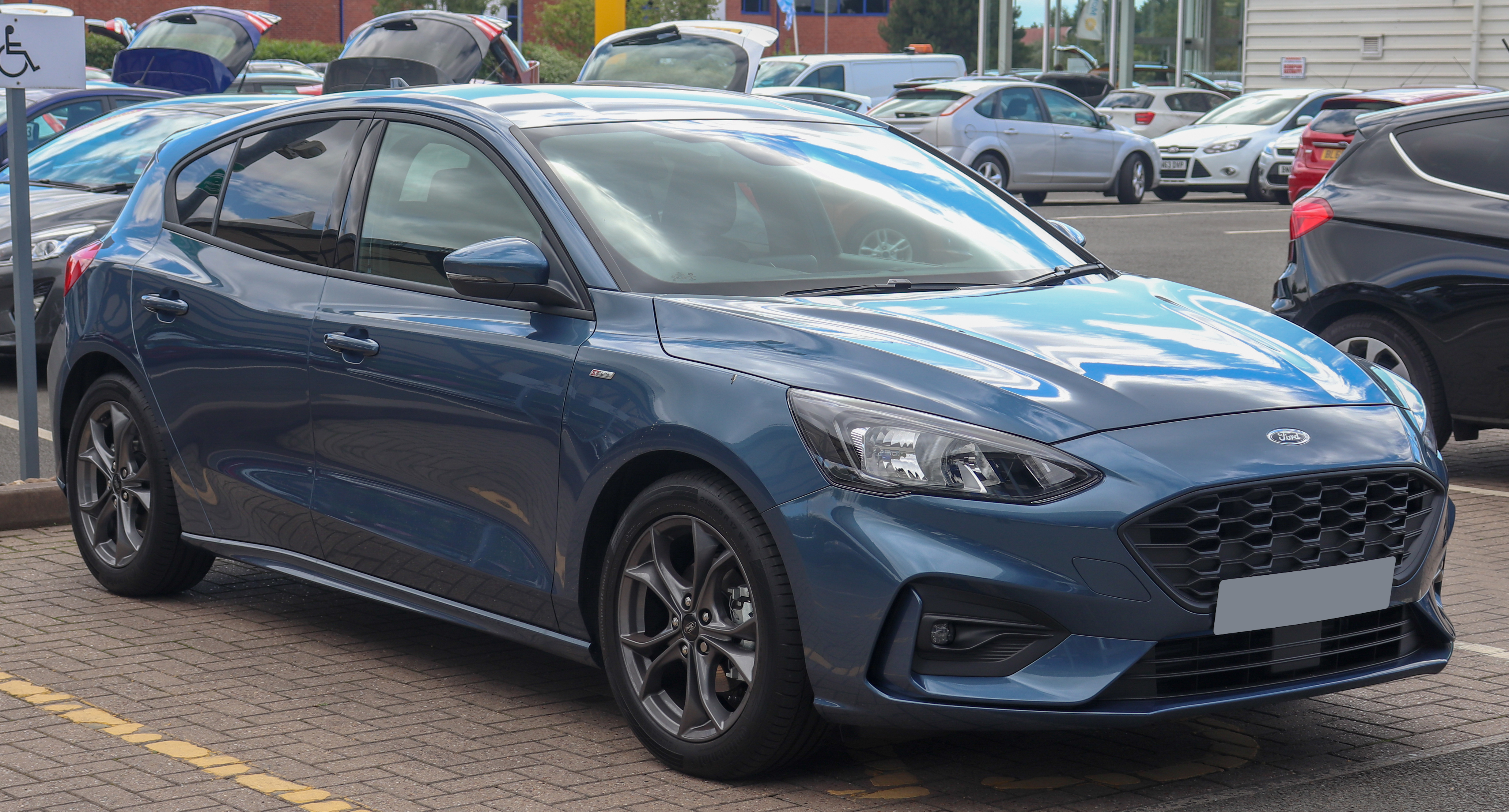
The Ford Focus RS is a fast, turbocharged front-wheel-drive hatchback from Ford. People mention it when talking about how powerful stock front-wheel-drive cars can be.
Torque steer is when a front-wheel-drive car “wants” to turn left or right when you punch the gas. It’s caused by the two front wheels not getting the exact same push under acceleration.
Front-wheel-drive means the front wheels both steer and pull the car forward. Under big acceleration, those front tires can run out of grip sooner than on rear-wheel-drive cars.
An electronic diff is a system that helps decide how much power each driven wheel gets. It can react fast when the tires start slipping, improving grip and making the car feel more controlled.
Car
rear wheel drive car
Rear-wheel drive means the back wheels do the pushing. Compared to front-wheel drive, it often feels different when you accelerate hard because the front wheels are mainly steering.
Drivetrain loss is power that gets “used up” inside the car before it reaches the tires. So the number you see at the wheels can be lower than what the engine is making.
Wheel horsepower is the power that actually makes it to the tires. Because the drivetrain “uses up” some power, wheel numbers are often lower than the factory engine rating.
Term
octane learning
Cars can “learn” how your fuel behaves. If you put in higher-octane gas, the car may adjust timing so it can use the fuel more effectively and reduce knocking.
Crank horsepower is the engine’s power number before it goes through the drivetrain. Wheel horsepower is what actually reaches the tires, so it’s usually a smaller number.
Term
AI simulations
They’re using computer modeling to estimate horsepower. The idea is to combine known numbers, but real cars don’t always match the model perfectly.
This is a common driving phenomenon: your brain adapts to a car’s performance, so it can start to feel “normal” even if it’s objectively fast. Switching tunes, vehicles, or power levels can reset that perception and make the car feel exciting again.
JB4 is a device that helps control the engine’s settings. It can run different “maps,” which are like different power levels, so the car can feel calmer or more aggressive depending on which map you pick.
A turbocharger is a device that uses the engine’s exhaust to cram more air into the engine. More air usually means more power, but it can also change how the car feels when you press the gas.
Car
LS
“LS” usually means a Chevrolet V8 engine family that’s popular for engine swaps. Swapping one into a small car can make it much faster, but it can also change how the car handles and feels.
The Charger is a larger Dodge car that’s built for strong acceleration. Some versions can be upgraded with performance parts to make more power. In the podcast, it’s brought up as a platform people like to modify.
Term
tire horsepower
Tire horsepower is the power that actually reaches the wheels. Engine horsepower is what the engine makes before the drivetrain loses some power on the way to the wheels.
Straight-line power is about how fast a car can accelerate in a straight run. The host is basically saying that sometimes people chase big power just to show off, even if it’s not what the car is best at.
The Ram TRX is a high-performance pickup known for its supercharged V8 and dramatic sound, which makes it a popular reference point when discussing supercharger “noise” and character. The host uses it as an example of how forced induction can create an unmistakable, V8-like soundtrack.
The Ram is Dodge’s pickup truck. Some versions are built to be very fast and capable off-road, not just for hauling. The podcast brings up the TRX as an example of a high-performance Ram people show online.
A V6 is an engine with six cylinders. It’s usually less powerful than a V8, so people often debate whether to upgrade it or just buy the higher-power version.
Concept
upgrade vs trade into the car you want
This is the “built vs bought” decision: whether to invest money and time modifying your current car or to sell and buy a higher-spec model. For many enthusiasts, the key tradeoff is that upgrades can be fun, but buying the right platform often saves money and improves reliability and drivability.
Variable valve timing (VVT) adjusts when the engine’s valves open and close to improve efficiency and power across different RPM ranges. The speaker argues that if Ford had used more modern V6 tech like VVT, the older Mustang V6 could have made significantly more horsepower.
Term
double herd cam
This sounds like they mean “double overhead cam,” which is a way of controlling the engine’s valves. It’s often used on engines that are designed to make more power.
A turbo is a device that helps the engine make more power by forcing extra air into it. People add them to make their car faster, but it usually costs more than just buying the car you wanted.
Term
zipper chargers
They likely mean superchargers—devices that make the engine feel stronger by pushing more air in. It’s another way to boost power, but it can lead to more spending on upgrades.
It’s the difference between buying a car and upgrading it yourself versus buying a car that’s already set up the way you want. The speaker is basically asking whether the upgrade path ends up costing more than just getting the right car first.
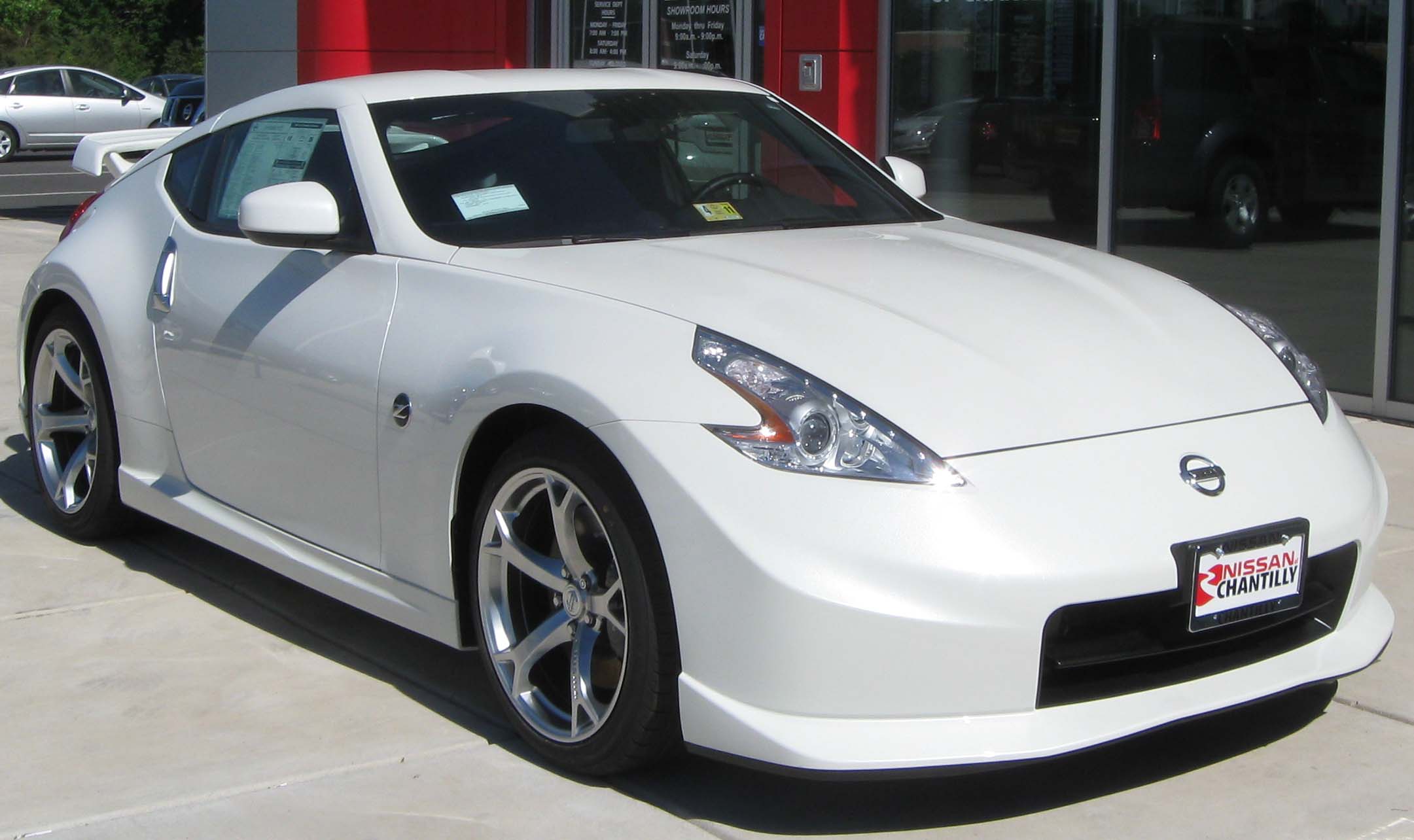
The Nissan 370Z is a Z-car sports coupe known for its enthusiast-friendly platform and naturally aspirated performance. The speaker is describing how hard it is to find one that’s “toy stock” (unmodified), which highlights the tension between buying a clean original car versus building one with mods.
A backup camera (rear-view camera) helps drivers see behind the vehicle when reversing, reducing the risk of low-speed backing accidents. In the transcript, it’s used as an example of “light” modern convenience mods/features that don’t change the car’s performance.
Window tint is a dark film on the windows that helps block sun and glare. The speaker is treating it like a common, non-performance upgrade on an otherwise clean car.
Aftermarket parts are upgrades made by companies other than the car’s manufacturer. The speaker is basically asking whether you can buy and install them through the dealer and whether that keeps your warranty intact.
This means you finance the car and the upgrades together, so you don’t pay for the mods separately. It can be convenient, but you’re borrowing more money overall.
Roush is a company that makes performance upgrades for certain Ford cars. The speaker is saying that when Roush-installed parts are included with the car, the warranty situation can be different than if you add random aftermarket parts later.
A window sticker is the label on a new car that shows what the car costs and what equipment it has. The speaker is saying some performance packages can come with extra paperwork showing the added parts.
Hennessy Performance is a shop that makes cars faster with upgrades. In this discussion, they’re used as an example of a company that can modify your car and still offer some warranty coverage for what they did.
Shelby is a performance brand that does upgrades and special builds. The point here is that warranty coverage usually depends on what they installed or changed.
This is the idea that warranties may ask: “Did your upgrade actually cause the problem?” If it’s not obvious, the claim can get denied or partially covered.
The rear axle is part of the system that helps send power to the back wheels. The host is using it as an example of a failure that might be blamed on—or unrelated to—an earlier performance modification.
A leaf spring is a suspension part that helps support the vehicle and absorb bumps. In the story, it’s mentioned as something that could break after modifications, which can make warranty claims harder.
“Bumper-to-bumper” means the warranty covers most parts of the car. The hosts are saying it’s usually easiest to get repairs covered during that initial period.
An aftermarket warranty is an extra repair plan you buy after the original warranty. The hosts are warning that it often has stricter rules and can cost you money when you actually need to use it.
When your car is in the shop, you may need a rental. The hosts are saying some warranty plans won’t cover that fully, so you can end up paying out of pocket.
An extended warranty is extra insurance for your car after the original warranty ends. It can pay for repairs, but it often has rules and you may still have to pay a deductible, so it’s not always a good deal.
Concept
upfront cost vs expected value
This is basically a “pay now, maybe never use it” situation. If you don’t end up needing repairs, that upfront money can feel wasted.
Dave Ramsey is a personal finance personality who argues against buying extended warranties, framing them as a business model that collects premiums from many people while paying out to a smaller fraction. The host uses his reasoning to support the skepticism about warranty value.
Warranty work means the car company pays for certain repairs because the car is still under warranty. Not every problem is covered, and there are limits like how many years or miles you’re allowed.
Hyundai is the brand being used as an example of a company that offers long warranty coverage. They may also extend warranties for certain parts (like a fuel pump) if there’s a known problem.
The fuel pump is what sends gas to the engine. If the warranty is extended for it, it usually means that part is more likely to fail than expected, so the company is covering it longer.
A recall is when a car company says, “We need to fix something in these cars.” If your car is affected, the repair is typically covered by the manufacturer.
The Cougar is a Mercury-branded car that was made in multiple generations. The podcast mentions a specific example: a 2000 Cougar with a V6 engine that someone owned. It’s brought up as a personal ownership reference.
The Toyota Crown is a Toyota sedan that’s meant to be comfortable and stylish. The podcast compares its shape to another older, full-size sedan look to help describe how it appears. It’s brought up as a visual reference point.
The Eclipse is a sporty two-door car made by Mitsubishi. It was popular in the early 2000s, and many people liked customizing them. The podcast mentions it as one of the cars that was popular back then.
The RSX is a sporty Acura coupe. People liked it because it could be driven for fun and also modified for more performance. The podcast brings it up as one of the cars that was popular with car enthusiasts around that time.
The Prelude is a Honda sports coupe that was popular in earlier decades. People liked it because it drove well and could be modified. The podcast brings it up as one of the cars that was “hot” back then.
If a car cuts out at higher engine speeds, it can be because the engine isn’t getting enough fuel. The host thinks his fuel system was failing, which matches what the recall later addressed.
“Re-piping” an exhaust means replacing or re-routing sections of the exhaust piping, usually to change flow, sound, or fitment. The host says he had the exhaust re-piped at a shop, and he’s emphasizing the sound quality he got from the modification.
“Modified cars” refers to vehicles that have been changed from stock—here, mainly with an exhaust upgrade. The segment contrasts the fun of mods (sound, feel) with the reality that other issues (like fuel system failures) can still happen and may be unrelated to the modifications.
“2.5 liter V6” tells you the engine’s size and cylinder layout. It’s a way to describe what kind of engine the car had, and the host is using it to explain why the performance felt “decent.”
Term
double over cam
“Double over cam” is likely a reference to a dual overhead cam (DOHC) valvetrain, where two camshafts manage valve timing. DOHC setups are common in performance-oriented engines because they can improve breathing at higher RPMs.
Zevo is mentioned because there was a recall about the fuel pump. The podcast says the car was having fuel-related problems, so it was taken to a Ford dealer for the fix. The main point is that the fuel pump issue is being handled through a recall repair.
“Modified exhaust” just means someone changed the exhaust from the factory setup. That can cause problems with warranty work because the dealer may not want to touch anything that could be related to the change.
The check engine light comes on when the car’s computer finds a problem. Sometimes it turns off after a repair, but it can also go off if the codes are cleared, so you want to know what caused it.
When you change parts on your car, it can make warranty repairs harder. A dealer might say the modification caused the problem, or they may require you to put the original parts back first.
Concept
reversible mods vs irreversible mods
The speaker distinguishes between mods that are “reversible” (you can swap back to stock parts) and mods that are harder to undo. Reversible changes are often viewed as lower risk for warranty and resale because you can restore factory configuration if needed.
Concept
built vs bought
This is the choice between making your own car changes versus buying a car that’s already been modified by someone else. The big difference is risk: DIY mods can cause warranty problems, while dealer-supported mods may come with some protection.
Gap insurance helps pay the “gap” between your loan balance and the car’s value if the car gets totaled. If your car is worth less than you still owe, it can prevent you from paying out of pocket.
LIVE
Hey, what's happening? How are you doing today? Thank you so much for being here.
I am Chris and you clicked on the world famous cool cars with Chris. Hey, I bet you know,
the show is actually world famous. Well, it is over 40 countries around the world. Say it is.
And there is that. So today on today's fantastic episode, we're talking about encourages and car.
What is the octane learn a boost? What does that mean? And how does he fix it or adjust it?
What modifications has he put on the car and what's possibly next with encourages and series car?
And then we got the question that came in whether or not what is something that is built versus
bought? What does that mean? Built versus bought big debate on the show where we diving into that
and then topping it off, you know, that some cars obviously like my Z are so impractical.
Like if you have like a single car for your everyday use, something like the Z or a Miata,
something small, two seater, how do you pull it off? Can you use it as a single car? Is it
practical? Can you do it? I don't think so, but we'll find out more of that on this episode. Let's go.
Hey, welcome back. We are coming to you live. The coolest podcast about the coolest cars in
the world, especially with purges. Fantastic end car. How you doing anybody? I'm doing good,
man. As usual, great to be on as usual. Yeah. Pick it up ends. How is the end machine doing?
Yeah, today was project day today. What could you possibly work on the end today, man? Don't
tell people the engineer. You put the boost that car yet up to like 30 psi yet. Boost is right,
right where I need to be. I know we're talking about, you know, but one of the guys when we were
out at Willow Springs where he was saying how much he's, he's pushing boost up to like 29 30 psi.
And I, my, my jaw dropped in comparison to where my peak boost is on the car. But two has been
holding well. Although, you know, I haven't, I haven't been doing like my, I call it the
max tune right now. So conservatively, the, the 21 to 22 psi is actually again, pretty conservative
for that car. And it usually sits there, you know, for the most part. So it's been doing good.
What's usually said that when, when you like buy the car brand new or what kind of boost levels
it at? Yeah. So I'd actually did a small plug, but I did a video on this on my YouTube channel.
But the, there's sort of two modes. Like the car has like this non-octane mode where it'll,
it'll peak at 15 to 16 psi. But once it, once it senses like a certain fuel octane,
which usually like if you're running 91, like it'll sense it a lot faster than if you're running
87, you can run 87. You can run 87. Yeah. They don't, they, they, they always say like, they
don't recommend it like for peak performance use, like use premium, but you can, it'll adapt to 87.
And people do it all the time. I just have never been that. I've always been used to
using 91 in my cars, but when it does octane learn peak boost is actually 19 to 20 psi.
So, you know, up in that by like one or two psi, even like three psi isn't actually really that
much for that car. And, you know, you, you get guys that are actually pretty comfortably kind of
sitting at the 25, 26 psi range. And it just gets interesting when you get into turbo charging,
what you can do with it, you know, what, you know, where certain turbos can handle and everything,
but it's been doing good though. I haven't had any issues. I literally, we went down to San Diego
yesterday. We were trying to catch the, the, yeah, the, yeah, we're trying to make sure that we still
feel like regulars of San Diego, even though we're up here in Temecula, but went down to try and,
try and see what we potentially could have saw with the Artemis lot launch or Artemis landing,
even though as we all found out, like we, nobody was really able to see it with their naked eye
from the coaster listening to it. Like I was like watching it live on television, you know,
at the screen door opens a nice day, you know, and all that out. And I'm like listening outside
for something cause I heard there was supposed to be like a sonic boom over San Diego. And I'm
like listening. I'm like, I hear nothing, but whatever. Maybe, you know, maybe, I don't know.
You know, so, but maybe because I think a sonic boom might have been closer to Hawaii,
I think they came in with that approach. I don't think it came in from the,
I don't think it came across the country. I thought they came across the ocean.
Yeah. I think so too. And yeah, if they were saying it was anywhere around like,
you know, 60 to 80 miles off the coast of San Diego, yeah, you're,
a lot of people are saying you're closer to Hawaii at that point than, than San Diego anyway.
Yeah, but they're coming in cause when they come, like,
No, I know what you're saying. Yeah.
Like the sound there, making the sonic boom would be them traveling faster than the sound
barrier. And they'd be having, they'd be doing, be doing that as there would be approaching into
the atmosphere. And that would be happening cause they kind of like swing around the earth.
I'm just like a loop around the earth before they land. So like, they kind of be like swinging in
crossed, would that be by Japan? I guess, you know, and then kind of coming in that angle,
like, maybe Hawaii and flying over Hawaii side. I mean that area somewhere in that kind of landing.
So listen, I'm no NASA nerd. So I don't know this stuff, but
the craziest stat, the craziest stat of that whole thing though, is just their entry speed.
I mean, let alone just the distance they traveled 600, I think it was six plus,
600,000 plus miles in total, like that they traveled, but their entry speed back into,
this was something I nerded out about was initially 20, what, 24,000 miles or something
like that, miles per hour entry speed. You can't even like fathom that's why they loop
around the world. They like loop around in like one little shot and then land or whatever kind of
deal. So I mean, can you imagine if you had a flight and went, that's fast to be like in Tokyo,
like in like an hour, maybe, maybe not in that one, I mean five minutes. I don't know.
Yeah. Yeah. That is, you might as well be time traveling at that point.
That's crazy, man. Yeah. I like all the space stuff. I watched Apollo 13 a million times and it came
out. It's exciting that Apollo 13 made me remind me of the whole event going on with the Artemis
two crew thing. It's very similar, you know, and stuff. So that's pretty exciting stuff. Now
they're making comparisons of course, like the Katy Perry, like space thing she did with like
the not real astronauts to compare it to like the Artemis crew, like real astronauts kind of thing
or whatever. So leave her alone. She got to do something that I know a lot of people probably
would have wanted to do. Like, you know, it costs a lot of money too. It did cost a lot of money,
but hey, I mean blue, cause it was blue origin, right? It did. And you know, they're a private
company. Like, but actually with, without trip, what they really do is they go up into low
atmosphere and kind of like, like drift a little bit and then come back down, like a big like
up and down kind of things. What they really do. I heard they don't really go into outer space,
kind of like they go up high enough and it's like a free fall kind of thing or something like that.
I was it on there. I don't know. But if you get like a minute or less than a minute, whatever it
is of like, you know, floating around, that's pretty cool. I think, you know, like the vomit
comment they do with the all the test runs and stuff, you know, like, like, would you ever do
that? Would you ever go on the vomit comment for like a ride? I mean, I'm just really not that big
on rollercoaster to be honest. You don't do the free fall and like not free farm. I have never
done it. Yeah. And I remember like when they would, they have drop zone. Was that at like
magic matter or six flags or something like that? They have one like that. They have another one
at six flags magic mountain. It's like a drop tower. It's like a not Marvel. It's like a DC
themed. It's like Superman villain themed, like Lex Luthor kind of themed ride. I think it's called
like Lex Luthor's drop a fund or something. I don't know. Anyways, and it's supposed to
like one of the tallest ones out here. And I did that last time I was out there. It's pretty high,
but the cool thing with one of the knots that it bounces you back up because it's done by
magnets. There's like a magnets that slow you down. So they reverse the magnets and like it,
you know, reverses and it bounces you back up, which is kind of a fun experience.
And one at the other one just drops you and like slows you down to the very bottom,
but I used to be scared of death. Those things. I don't think I think I've gotten over them now.
I don't know. I actually enjoy doing them, which is, I think it's, I've just had such a large gap
in there. And, you know, and to be honest too, like, I, there's just something with me, like
not being in control of the whole situation where I'm just like, I'm just at the whim of this.
Again, some people enjoy that. Like they enjoy the fact that the, you know, I'm, I'm like,
I don't know what's going to happen. It's like, I don't know how it's going to feel,
but like I'm going for a type thing. Like I'm a little bit more like, you know, the opposite,
where I'm like, I, the dude is controlling this thing could just be out of his mind right now.
And, and I'm just kind of at the whim of this, like, you know, this situation. So
again, that's just how I think, think about it. And I'll probably get out of it because I got
two young kids. And to be honest, I'll probably be going through the phase.
Do you think they're going to want to ride stuff like that?
My oldest says absolutely not. Even like right now, like he's, and he's, he's going to be seven
this year. He's like already on that. When I was, when I was at age two, I was the same way too.
Like I, I, my first like real roller coaster that I rode that had like a loop in it or whatever,
I would consider it was like Magic Mountain. And I was probably like maybe middle school,
you know, and I was scared to death to ride anything like that. For me, like Disneyland was
like as thrilling as it gets. Yeah. And then, and then my son, my brother wanted to ride that,
whatever and stuff. And I said, well, if he can ride it, maybe I'll ride it too. And I was scared
to death. Like I'm talking about white knuckling the entire time. Yeah. And this isn't so bad,
you know? And I think for me, when I did ride that kind of stuff and I built the courage to
ride that kind of stuff, kind of got like this. Well, I got kind of like this, like excited,
like look what I can do. Like kind of like a, like I'm the mountain kind of thing, you know?
And so for me, it started going from there a little bit. And when I could see that happening,
when I took the kids to Magic Mountain last summer, they want to ride everything. They were
running, I mean, running to every ride to get the front of the line of everything we went on.
We rode like everything in the park. And I held up, but there was some time where I was like,
I need to bend it guys. Like I need a minute to chill out. Like literally we're running
from one roller coaster that makes you want to throw up to another roller coaster.
Like I did get on this one, but I don't know how, how well I'm going to do on the next one.
Your body needs time to re-adapt, like readjust, like, like these astronauts that kind of came
into earth to kind of like re-adapt to like earth's gravity and like figure out how to use
things and like, you know, motion sickness and things like that. So it's kind of the same thing
with the, with the, that's what you should do. NASA, NASA, if you're listening, you need to send
your astronauts to like Magic Mountain and just like, I'm telling you, they've probably got something
way more intense than Magic Mountain that they're probably training with. I know, but it's like
astronauts in training out there. If they want to get, you know, practice, you know, go out there
and go get started, like start there. Like when you're like way, like, you know, way before you
even get to us like NASA and then like we'll put you through your real paces, like with whatever
we're doing. But back to the end car. So the end car feels like a rocket ship. Yeah.
It feels like a roller coaster. I get it. Yeah. You get a little bit of the push for sure. And
today I, I, there's been a mod that I've been pushing off for a while because
it's not really like a very, it shouldn't be a hard mod to do, but it's, this is like a small
rant, you know, where, where mechanics a lot of times don't like engineers. The placement of,
of, of the bolts that basically I was doing a turbo inlet where, you know, basically.
Turbo inlet. Yeah. So, so I have, I have an aftermarket intake on the end right now.
How dare you? Yeah. Exactly. Yeah. We'll, we'll, we'll fly out of the radar for a little, I think
it is car bleep. You live in Mexico though, wink, wink, right? No, I live in the boondocks
actually and the undisclosed boondocks. So, but, but yeah, it's, I've had the intake for
almost a year now at this point. And the, the thing about it is that, you know, you're, you're
basically bringing in more air from the intake, but squeezing it into the stock diameter inlet.
And I don't know the exact stats. I'm going to funnel down for like,
it funnels down. Yeah. Like if you've seen my body, so like a throttle, no throttle body,
is the turbo sitting right at that? It's, so yeah, it is because the throttle body is towards the
back of the engine. So essentially it's like feeding right directly into, through the back of
that. And then the intake comes around, you know, from the inlet of the turbo and then comes up to
the front of the car. If, you know, obviously we had a video that would like, you could,
you could show that, but essentially, yeah, like what the inlet is is just you're,
you're putting a bigger inlet on the turbo so you can bring more air to actually,
you shove into the turbo and create more power. And it's a, it's a pretty common mod on these
because that actually does kind of create a little bit more of a power boost, but it's just
a really annoying mod to do because again, the placement of the bolts is, you know, they say,
like, you know, when you, when you work on cars, like, you know, you're getting into knucklebusting
territory. And, and I literally, like when I first started doing this, trying to cram my hand behind,
you know, these pipe, these hard pipes that you can't move to get to these bolts and things,
it was, you know, I cut my, cut my like knuckles up all on like my right hand side trying to do it.
Dude, I did the same thing on my other Z when I was doing my intakes too. Same kind of deal.
And like I kept dropping bolts and dropping things and I couldn't get to them. Like, oh,
well, I don't know what they're at now, but. I was, I was real good about that. Like I got
really strategic with like some magnet placement and just, you know, real slow with like taking
out some of the bolts and things, but once it, once it was out, once the stock ones out, the
new one, you know, shout out to forge. They make a really good one, obviously not sponsored, but
the new one is definitely, yeah, I never know. But they, they, the new one is definitely going to
be a lot easier if you ever had to take it off just because of how they designed it. The bolts
are more inset. They use hex bolts instead of, instead of regular socket wrench bolts. It's just,
it's going to be way easier to get that off if you ever needed to. And so this is one of the
few mods where installation back on was way easier than getting it off. A lot of times,
it's for me, at least it's been the opposite where getting the part off is usually the harder part
or no, it's easier to get the part off, but then it's harder to get it back off.
Yes. Yes. Yes. It always is. It's weird how it works that way. It seems like never what you're
working on, taking things apart are so much easier than like putting, I didn't want to
have to move from the other house to this place and like take apart like the TV and the stereo
stuff and like the computer, the computer stuff too. Like it was boxing it up. It was like,
I want to try making everything kind of strategic, like putting everything together,
but like taking it all apart was a big deal. But when I got here to put everything back,
holy crap. It was like, hard, I'm going to work. Like, I couldn't figure out what's, you know,
like all this stuff. So, but so you, so you're working on that and you got that figured out.
So, so what was the advantage for you like installing or doing what you were doing with this?
So it will be good to get it on the dyno because I want to see if that does have any power increase
over stock at like my max boost, which max boost I've put down about like 320 to the wheels.
That's nuts for a front-wheel drive car. What is the max that you know of on record
of a front-wheel drive car powered to the wheels that has not been boosted, like not been like
crazy modified like stock? Oh, well stock. I mean, you'd be kind of in like, you know,
kind of the civic, like the EK built like built motor. Not talking about the motor. I'm talking
like, what's the, what's the most horsepower that any manufacturer puts in a front-wheel drive car?
Yeah, without turbo charging. It doesn't matter. But like saying in a stock car, because like,
because if you can get modifications, you can go nuts. You can go like,
Ella, swap the damn thing if you wanted to, you know, that doesn't count. What I'm saying, like,
like say from, from, you know, infinity or even from like, I guess, maybe Acura or whatever.
I think actually Ford would have to take that because I think the, the, the Ford Focus RS,
I think that was known as like one of like the most powerful like four-cylinder
front-wheel-drive when it came, front-wheel-drive four-cylinder cars when it came out.
You get to like a steering. What's it called? The steering?
Yep. The torque, torque steer.
Yes. Yes. So that's, there's a point where you have to go over a little drive.
So I'm saying, what, what point is that with a front-wheel-drive car? Can you go
power wise where you have to go a little drive? It's interesting now because when the, when the
Focus RS came out, people will probably pounce all over this, but they, they had a very early,
you know, kind of form of like electronic diff or differential technology for the RS.
I don't even know if it was actually electronic diff or not, but a lot of newer cars like the
N and like some other cars have like an electronic diff where it can now like, it can calculate all
these different variations and how the wheels are spinning like, you know, thousands of times a second.
And so I actually don't really experience a lot of torque steer even at like my power level,
which is probably about the same like to the wheels as like a, you know,
like say a stock Focus RS was back then. I've seen guys that I was at a dyno event about three,
four months ago where some guys are putting down 390 to 400 to the wheels on this platform.
And, you know, at that point, you probably are going to start to feel something almost the same
with a rear wheel drive car where if you got way too much power, the moment you get on the power,
yeah. So it's, it's a similar kind of a similar feel, except obviously like, you know, you're,
you're getting it from the front of the car as opposed from the back of the car.
But yeah, definitely you hit those limits a lot sooner with a front wheel drive car,
probably like around the 400 mark, I would say is probably like your limits.
And with your car being so close to the front and being so close to the tires itself,
is there much of like a, I don't know, like engine power to tire power? Is there much of a difference?
Oh, like you mean like the drivetrain loss? Yeah, because it's not really a drivetrain.
Yeah, no, that's a good point actually. And yeah, you, you definitely get a little bit less than you
would with say a rear wheel drive or even like my car will drive car like, you know, I will drive
because it's feeding all four and it's got all these complicated, you know, drive shafts and
different things to, to route the power. So, you know, front wheel drive in that respect, you,
you're keeping a little bit more of the power because it's like right there, your power and the
wheels, whatever the power that the car like, say your car says it makes 270 stock or whatever
at the wheels, you're probably pretty close to that, right? You, so I did actually dine on my car
stock and stock, they say it's 270 to the wheels and non-actane learn the car put down to 45 to the
wheels. So I've, I lost about 30 horsepower, weirdly enough, when we got into that whole octane
learn thing, I actually, the car put down 270 to the wheels, like octane learn. And that was no
modifications or anything. So the whole underrated concept kind of comes in the question there.
But yeah, you're, I would say like, you know, I probably am still like losing about 25 to 30
horsepower even still, but you know, I, I think like the, what was it? The, the 300 ZXs were rated
at 300 horsepower back then. And I knew a guy who dinoed his and his was completely stock and his
put to the wheels about 230 or 240 and they were rated at 300 horsepower. So that's, that's a crank
horsepower. So crank, yeah, great. Yeah. So this crank horsepower is three, you know, 300 horsepower.
He put down on a dino about 330 or so. It was like between three third and three 40. I can't quite
remember, but you know, so the loss was definitely bigger than, you know, definitely. Yeah. Then
what it was with front wheel drive, but it's an interesting discussion for sure.
I was trying to figure out the crank horsepower on my car. I was running through AI simulations
and given the numbers and things like that to do the calculations and the math on like you're
saying. And, and what I've come up with, because I like the big number of, I mean,
there's dino dino powers you melt lower at. Here's the facts I know. I know what the crank
horsepower is on the engine from the manufacturer. I know that the particular intake I have has
got, it's got dino horsepower gains that it claims. I know the type of exhaust that I have
exhaust that are similar to it and design make dino gains of this number,
but they don't match because they have dino gain numbers. And then if you got Craig,
you got crank horsepower from the manufacturer and that kind of figure out the math on it.
And so based on that estimate, it's all big estimate here. It's estimating that at the crank
I could be on a good day. I could be, I could be making at the crank somewhere in the ballpark
of a peak, 373 peak that once it make out to the wheels, I don't know. Probably,
I don't know, 300 ish maybe. Yeah. Yeah. Yeah. Yeah. I don't really know, but, but that's what
it says based on just, this is just like based on what the, you know, intake claims for the
manufacturer, the intake in, in that kind of thing. So, and it does feel fast. I remember the
fuel much faster than my other Z, although it had been a small amount of time since driven the
other Z, but still, it still felt fast. And now I think I just feel like I'm used to it. Do you
ever get like that with your car? Do you feel like you just kind of get used to the power,
kind of get used to it now?
There's some points where you do, but again, this like kind of ability with the JB four to
switch maps in the car kind of gets me out of that because like every once in a while,
go down to just like, you know, map one, which, you know, even if the car is not octane learn,
it keeps it at about like, you know, the 20 PSI mark in terms of boost. And I'll just kind of
sit there for a bit and, you know, just do regular driving. But every once in a while,
when I like switch back to map six, which now peaks more like towards 23 or 24 PSI,
it kind of like, it kind of wakes me back up again to realize like it's got a bit more power.
But if I had the cartoon and it was always pushing the same amount of boost and had the
same power output, I probably would have gotten to a point now where it just, you know, I'm just
super used to it. And it feels like a normal, normal tier or whatever. Yeah. And then I'd be
itching to like try and make more power like we all do that. They have their car modified or
whatever they put the, you know, whatever they do to their car, hit certain power level, they get
used to it. And they're like, I want more power. Does it feel slow? Now it feels slow all of a
sudden. It's cars that feels fast. And I think it does help. At least for me, I think it does is
when I switch vehicles, one vehicle to the other vehicle and things like that. It does help
because when you get in the car, you're like, Oh yeah, I think it's fast again, kind of a thing.
It's a bit of a hot, a bit of a hot take on that. In my opinion, I feel like the, you know,
the way to kind of, you maybe get over that is, is just kind of knowing like what the car is made
for, not saying that that's like what you need to do. I'm just saying in general, like if you,
like certain cars just aren't like, you know, just meant to be a straight line, fast car.
Like, you know, if you buy a Miata and like even if you slap, if you go, you can slap a turbo
charger like you're saying, you can slap an LS in it and make the thing just, you know, a complete
rocket ship, but you're, you're changing the characteristic of that car so much that it almost
becomes a little bit pointless in my opinion. And like, if you know what the car is for,
like a lot of times you can make do with like a solid like lightweight car that only has like 200,
250 horsepower, like, you know, that, that car doesn't really need to be a rocket ship
and straight line because it just handles so well with like, with, with that minimal power that it
has. Yeah, but I think it's just bragging rights. Oh yeah. It gets to a certain point. I was telling
my son today, we're driving my truck and my truck, when I bought my truck, they did sell the Roush,
did sell a supercharged version of my truck with, with my motor and I could buy a supercharger from
Roush and have the dealership I bought the truck from, install it. They would do it all right
there for me. And there's a warranty on all that stuff, right? You know, whatever. I forget the
cost on it, but it adds like almost 700, 700 horsepower at the truck. I don't know if that's
the tire horsepower or the engine horsepower. I don't know. It's probably great, but still, that's,
yeah. And I'm thinking like, what would I do with that? Like, like, I'm thinking like,
it's, it's kind of the thing where it's just bragging rights. I mean, straight line power,
bragging rights. The only thing I, the only thing I say though is, man, that thing would sound
ridiculous. Like here in a supercharger wine is like one of my, like, I love how turbocharger
sounds, but I'm like definitely biased to how it's supercharger sound. It feels like a V8.
A supercharger attached to a big V8. Like you ever heard, that's just a match made in heaven.
You ever heard like a Ram TRX, like you see videos on Instagram where it's like the Ram
TRX is going full blower and you hear the supercharger going, all that kind of stuff.
But yeah, I could have bought one, I could have bought one with my other truck. In fact,
when I was, when I was there, you know, before I bought this truck, I was there with my other
truck and the guy told me, we'll make a supercharger for your truck. And I'm like, really? My truck?
Yeah. And I thought about it, you know, like, but then I think like, what am I going to do
with that? You know, like, it sounds good. Put a supercharger on it. But then it's like the car,
the truck kind of makes a decent amount of power already. You know, I can tow stuff. I can haul
stuff. I can go off road and do whatever and stuff like that. So it's not like, it's not like a
truck has a four cylinder in there, you know, had it had my truck had a small engine in there,
like a four cylinder in there. They'd be like, let's supercharge supercharges thing all day
or whatever. In fact, my son is thinking about wanting to do that for his car,
for his Mustang. I said, well, I'll learn how to drive a thing first. But it's like,
and I only have like 210 horsepower, whatever it has stock, you know,
you know, those phonies first, right, right. But, but, but I could, but I could see potentially
where when you have a car that is like the V six version of the Mustang, oh five Mustang,
that, you know, obviously you don't have the V eight. So it's either you swap in for a V eight.
And I told him this, listen, what you probably should do is just like upgrade the car, like drive
the car for a while and either like save some money, trade into the car you want, like say you
want a faster, better car, maybe a GT or maybe who knows what instead of trying to make like the V
six Mustang, a GT, why don't you just get a GT? I think that's what I would do. I think most
will do. But I think, you know, I think it's fun to wrench in your car and make your like little
V six, like as fast as a GT or whatever. But I was telling them too that like had Ford back then,
had Ford made their little, the V six engine of the Mustang back then had they made it like
double herd cam and variable valve timing and all the most like modern V six type stuff like the
Z has, it wouldn't be pushing over 300 horsepower in that car easily, but they don't want to do that
because the Mustang V eight only had 300 horsepower. They wouldn't, they wouldn't overpower the V
eight with the V six, you know, that kind of thing. So I think it's kind of interesting how people like
when they want to wrench on their car and modify their car for whatever needs that they get into
a car. And, and I think that like, like for me, like when I had bad credit or whatever,
and I could just get into whatever I could get into, it was, it wasn't like I had a choice of
like a GT or non GT would be like, for me, you'd be like, why get into the V six or whatever smaller
than that, just because that's all I could get into. And now that you got into it, you're like,
okay, now let's start with the fun and begin and see what we can do to make this thing go as fast
as we can. But then at the end of the day, you're spending all this money on mods and turbos and
zipper chargers that you could have just like saved that money and bought the GT in the first
place or whatever. This is interesting. And I know there was another topic we wanted to get to,
but I felt like this is a good segue to that other topic we were kind of talking about. And
in a bit of a shout out to my buddy, Tallis, checking out with cars or checking out cars,
he, he sent a question in and I thought it would be, I thought it'd be interesting to kind of,
kind of talk through that. Cause I think it's exactly that is, you know, you, that, that sort of
built, not bought mentality versus, you know, now I think we are maybe a little bit more in
more of a like buy the car, expect the car, like, you know, how you want it. And you basically have
that car the way that you want it to be out of the gate or you buy a, you know, buy a car second
hand that maybe already has had like all the mods that you want. And you kind of skip a little bit
of the, the, you know, the built phase of the car. That's kind of what I did with the G, you
know, I mean, I mean, listen, if I could have found a toy stock 370Z that was untouched,
which is too tall order. Well, you know, even my other Z, which was fairly untouched,
like modifications had no mods at all. Only it had done with the stereo was done with the
subwoofer in the back and the stereo in the front and the camera, like a backup camera
and had the wheels on it. And that was, and the window tint, like that was all it had
when I bought the car. And this one had that plus, plus more than that. And so with the intake and
stuff, but, but yeah, I know that now, like if you wanted to, you could go and say forward, for
example, Ford does have, I know a lot of dealerships probably do. I think I'm sure Hyundai does this
too, where they have like after market parts available in the dealership that they will install
on you for you. Will they do that there? Do you know that they have like some special,
like in performance, like in some things like that. I, I would curious about actually like doing
the installs there, but they are like actually Hyundai, like, you know, produced in performance
parts. So yeah, I think that kind of falls in that line. I think you can put it all on your loan.
So when you buy the car, you just wrap it all into one loan kind of thing. I think so, but if the car
has it already put it, because sometimes like in the Ford dealer, I bought my truck at,
they specialize in Roush stuff, you know, and they have like a Roush Mustang that has like
all the Roush stuff and all the stuff kind of put on, they'll have some aftermarket stuff.
They'll have like the, like with my truck, they had a window sticker and then they had a second
window sticker to the window sticker from Ford. Then they had another window sticker from Roush.
It was like all the additional stuff that Roush puts on. They put another window sticker,
but you didn't financing the whole thing anyways is one big giant car.
You know, and so I wonder if that's the way people want to go versus having like, you know,
order the parts, work on the parts, stall them or have them installed and things of that sort.
And maybe it's warranty too, because I think about it from Ford, most places that give you
like a 36, was it bumper to bumper, 36 months or 36,000 or three, three year.
Whatever it is. They give you something like that. And then, and then I think it covers all
that stuff too. Cause I knew one about my truck, the Roush truck, it had that same kind of warranty
right from Ford and it covered all that stuff too. I think Roush had a warranty put part of it too.
I'm not sure. I know it was all of that stuff was kind of covered from Ford. I didn't have to like
add any extra warranty on top of that stuff. It kind of covered it, but now I'm so out of warranty
now, knock on wood, but yeah. Yeah. And that's, that is an interesting point when it comes to that,
where it's actually like having those like as dealer installed options, you know, or, or like,
you know, some of these companies where, you know, they'll, you, you can actually, I guess,
take your car, like there's already is, you know, that you already bought and take it to
Roush or, or like, you know, was it Hennessy is like a big, you know, Hennessy performance is
like a big one where you can take a lot of different cars to Hennessy and have them like
actually, you know, do those modifications and have a warranty on it. Yeah. Shelby, you know,
all of those companies that from Shelby, Shelby or Hennessy probably only cover the parts that
they worked on. Did it? Yeah. There's, there's usually a gray area of like, you know, cause and
effect. If you do ever have an issue of like what was really, you know, what really caused the
issue at the end of the day. So like, I put a super charger on from Hennessy, but yet my like
rear, like axle, something, I don't know, like leaf spring or something snaps. Like how can you
connect the two? I don't know that, you know, kind of thing. You still, yeah. You still probably
got some gray areas in that name of itself, right? Well, that's the thing about warranties too. When
you buy a car to dealership, like usually the first 36,000 mile bumper to bumper usually covers
pretty much almost everything. Once you get out of that, they're really picky. But when you're
out of that and you do like an aftermarket warranty, they're very, very picky. Even though
they say they cover everything, they really don't. And you got to pay a deductible. And even then
it's like, but you got to buy the rental yourself. You're out of a car and then you got to pay the
deductible. And then they say, well, we'll cover this, we'll cover that, whatever. And there's
all these different things. So when I had work needed to do on my other car, I skipped the warranty
place altogether. Cause I knew it would be a big pain in the butt. I just paid for out of pocket.
I went to a place, pay for out of pocket, screw them. So when I bought my truck, I said, don't
give me an extra warranty. And the same thing about my car, same thing, just give me the car.
And I don't want to, because dealing with the extra aftermarket warranty crap is a nightmare.
And they don't even cover your crap anyways. And you got to pay a fortune. I mean, literally a
fortune for that crap. It's like three grand, maybe even more on a warranty on a car. On a warranty
you may never use. And they try to sell you on that crap, but oh, a new engine costs this.
New engine costs that. Well, guess what, dude? I changed an oil. Like, I know how to change the
oil. How'd you get the oil change? You know what's stupid, you know? Yeah. Well, that's,
so back, back in the olden days, way back when, when Doug DeVio was getting popular and they
were doing the whole car car max thing where car max used to like have the bumper to bumper
warranties that they would give on certain cars. And I was just, just remember this because I
was listening to something that he was talking about earlier, but they, they, you know, he had a
Land Rover that he had and he had a bumper to bumper warranty on it. And that was one of the
few like instances I feel like, you know, that somebody actually like came out on top
with like an extended warranty because he had so much warranty work done during the extended
warranty period that he said that he's probably one of the contributing reasons why they don't
do it anymore the way that they used to. And they have so many more stipulations on it now.
But for the most part, a lot of times, you know, people are just kind of paying that extra money
up front. And yeah, like probably running into the fact that they end up paying deductibles on
things they weren't expecting and, or just not using. And, you know, that's just like that upfront
cost that just kind of went to waste kind of deal. Right. Well, I remember watching a Dave Ramsey
video years and years ago, and he won this big rant about why you should never ever buy extended
warranties on anything, whether it's electronics, a car, anything. And he said that basically,
if I remember correctly, something to do with like one out of like every 10 or 20 units
needs like all the warranty work like Doug DeMiro, right? But they collect money on all 20
different war different, you know, vehicles or whatever. Right. And so they're, they're basically
like imagine the business where like you're collecting 100% of the income, but you don't have
to spend 10% back basically the way the numbers come out too. And so the way Dave mentioned in his
video, I think I saw something like that you should have money set aside to be able to take
care of any kind of problems that could arise in a vehicle or anything like that or whatever.
And of course he's saying, you know, pay cash for the car and no finance and don't have payments
and all the stuff we all do anyways and stuff like that. But that when it comes to warranty work,
cause I'm thinking like there's been a few times when I had like my other truck and you did a whole
new engine and it was probably like $8,000, $10,000 a job, you know, it was all said and done. Of
course it was covered under the, you know, Ford warranty, not like any aftermarket warranty,
but the Ford warranty covered it, you know, which is fine, whatever, you know, but the thing is,
is that every new car that I've ever seen or purchased comes with a free warranty
from the manufacturer like free like Hyundai. Does Hyundai still do the 10 year 100,000 mile?
They, yep, they, so the one thing I figured out with that is at least with, you know,
with certain, certain cars, they, you know, you're not the second owner of the car doesn't get the
full brand new off the lot. They still offer, yep, they're two, they're 10 years. Nope,
nope, that comes with it. And they will warranty certain parts. Like I got a, I got a letter
recently that they actually extended the fuel pump warranty on the car to 150,000 miles or 50,
that are 50 or 15 years, which is crazy. Like, you know, they have a recall in the car. They
usually, they usually, they'll usually extend. Yeah. They'll, they'll take care of whatever
that part is, but yeah, Hyundai's still, you know, known for that. And although, although
I'll tell you about the warranty, but the cut, but doing recall stuff on my car.
So my other car I used to have, so the Z has never, has not been my first sports car
or sporty car really. My first real sporty car that I owned myself was I had a 2000
mirkary cougar V6. Now that was when the mercury cougar switched from like this grandpa looking
car to this fun looking Eclipse, you know, Mitch BG Eclipse looking car. That's for the best
comparison I can make to it. Had like a Mitch BG Eclipse style. Although those older cougars
that had that like front, those front like headlights that actually like tucked underneath,
like they, they, it looked like a grill all the way along until like the headlights came up.
I think those are like 60s, like 70s. I'm talking like 80s and 80s and 90s. No, I do remember those
cougars. Those definitely weren't exactly. They look like a, a crown Vic with like a
two door crown Vic is what it looked like. That is, that is true. And so when they switched over
to this like modern like front wheel drive sports coupe, cause I was all in the like
fast and furious days and like late, you know, 90s, early 2000s, that style was all the rage.
The eclipses were hot, the accurate taggers and then the RSX is, and then the preludes and what
else was hot around then? Oh, did mods have something? Well, they had the RX seven and I
was like, I'm talking like front wheel drive fun coupes, right? And so Mercury got one and they
made their brokerie cougar a front wheel drive coupe, right? And I had the V six version.
I bought it at a tent sale, crazy high interest. Don't ever do this kids. You never, ever, ever buy
a car that's like cheap, but you're paying high, high interest on the cars. You're paying like
super expensive mistake. But anyways, those cars had bad fuel pumps and sometimes the fuel would
just like shut off on me at like 5,000 RPM, 6,000, just like to stop with the carbon sputter,
stop, go nuts. And so, but I had already done some modifications to the car, speaking of modified
cars. I had the exhaust redone. I love my exhaust, right? So I had the exhaust all re-piped, all redone
at a mouth or shop. They had the whole new thing for me. Great. Sounded great. And so in fact,
people said it sounded like a Porsche a little bit, but I don't know. People say things when they hear
things. It sounded decent because it was only a 2.5 liter V six, a 2.5 liter V six,
double over cam, front wheel drive. I think it pushed somewhere around the ballpark of
two, about 170 horsepower for a car that the size of like an eclipse, you know, so it's decent,
you know, or prelude and play me, you know, kind of size. And so anyways, it had the fuel problems.
And so I got this letter saying, Hey, you know, the dealership is going to give you the, you know,
there's a, there's a recall on your full fuel pump. Like, right, it's doing the fuel issues.
Great. It's taken in there. I dropped the car off that Ford dealer, right? Drop it off there,
waiting all day, get a call from them. And then they tell me, they say, yeah, so your car has
a modification, modified exhaust. This exhaust is not stock. See, I know that since it's like
blocking our path to get into where the fuel pump fuel tank is to get to the fuel pump,
we can't touch that. We can't remove that. And I'm like, what am I supposed to do?
They say, well, you need to take the car to where we got the exhaust on, have them remove that,
and then bring it back. We're kind of, I don't have a backup exhaust to put on the car to get
over there kind of thing, you know, like they toss the old exhaust out, put a new one in.
And so I was so pissed. I was like, whatever, got the car. And that's when I noticed like,
whatever they did, I don't know if they did something or what, but the check engine light
went off on the car without a check engine light too. And, and it immediately took it
and traded it on either truck. Just give it a super thing while you can.
Yeah. We talked about some warranty stuff. Yeah. It gets, it gets, you know,
sometimes it gets a little trick, especially when it comes to mods. I've said the same with,
you know, with the end, like, you know, I, I kind of to take that risk knowing that I've
done some mods on the car. And, and, you know, I've kept it light to the sense where like,
I have all of my stock parts and it's pretty reversible, but it's, you know, it's still,
you know, it's a risky take for sure. Well, I thought that like, I didn't think about it.
I'm like, well, can you like remove the exhaust? Well, I guess because it was warranted because
it was warranty work. I don't know. I really don't know. And so I was like, I find whatever, you
know, but that's as risky take. We start modifying your car, wrenching your car, you know, doing your
own things to your car. And I think that's why that I know that if you take it to a regular
mechanic, not the dealership at a regular mechanic and you pay real money, they'll do whatever you
want. Yeah. And so, or you can do it yourself. If you know what you're doing and you have the
tools to do it, the place to do it, then do whatever you want to do to your own car. Go right
ahead. You know, it's only when you go into like warranties and dealership stuff and new build stuff
and things like that. And that's, that's when kind of things get a little tricky because
if you try to do a modification on a newer car and these love boys, the warranty,
we're not touching that. We're not touching that. And so that's why I'm like, well,
maybe you should never got the warranty in the first place. I mean, I know cars come with warranties,
but paying extra. Yeah. That's why when they offered it to me on the Z, I was like,
I laughed at them and they're fast. No, no. I don't want the extended warranty. I know that
like my other car, I basically didn't use the warranty in the other car and I paid the good
things fixed on the other car. I mean, yeah, it sucks, but you know, it's, it also sucks paying
that's your four grand upfront and knowing you never get the money back. Yeah. You know, it may
never need it. You know, but no, I mean, maybe to sum up that whole building I bought is like,
you know, it's benefits on both sides, but I feel like, you know, you find a good, you know,
you find a good situation where you bought something and say you bought one of these, like,
you know, say aftermarket modification, but through like the dealer or through like a
Roush or Shelby or whatever, quote unquote, you have a warranty. I know you got to jump
through some hoops every once in a while, but you got a warranty and you got a car that you
probably are going to enjoy and you got something that probably performs more than the stock car,
you know, versus, you know, built. It's like, yeah, you put your own, you know, your own touch
on the car. You were able to modify and do it, but you got the inherent risk of most likely
none of that's covered under a warranty. And so, you know, you got to deal with that if that comes
up. And a lot of times people are doing these, maybe to older cars that are already out of
warranty. So, you know, that kind of indicates that argument too, but yeah. Okay. I wanted the
limit is on, you know, because all these companies you'll see on TV, you'll sell you like an extended
warranty for your car kind of deal. Yeah. There's a limit for sure. Yeah. Well, I wonder how
I wonder about that. You know, if you had a car from like the eighties or whatever, right? So,
you had a original five, oh, Mustang or whatever, you know, and you're like, and it's even if it's
stock or whatever, I don't think it just so happened to be like, you know, it had like 50,000
miles on it, right? Cause it's just out there or whatever. Yeah. Could you get a warranty? I'm sure
you can get some kind of warranty of some kind, but then even then the warranty itself would probably
cost you the same as repairs. That's kind of why I look at it. Like the cost or the car or the car.
Right. So it's like, that's why I'm like, well, screw your stupid war and screw that because,
I mean, you know, I don't know. It's just, it's something, I know people love to do that. They'll
buy, they'll get like every gap insurance. They'll throw everything out of the book at their car
because they're like, oh my gosh, cause, you know, all this stuff, whatever. But I guess,
I don't know. It just depends on like, I mean, cars are meant to be fun, you know,
have fun with your car and don't surround wrap the thing, I guess, but I know things break. I mean,
cars, I mean, basically basic maintenance on the vehicle, like change the oil pretty often. I mean,
I've seen lots of videos where people pull the valve covers on these engines. And then they're
like mud and glue, like dark glue and mud, like how does it even happen? And then see,
well, it hasn't changed the oil in like 50,000 miles. I say you're free to kidding me.
You know, like, I mean, I don't know. I didn't think it was even possible,
but, but maybe if you're driving far, maybe you have like a job where you have to like commute
from like here to like Colorado or every day or something, you know, kind of a thing that maybe,
you know, I mean, I could see even then, I still want to change the oil though. I wouldn't
be like put it off that long, you know? Yeah. Unless you're just in that mode, I got to get
where I got to get like, because there are cars like that, like highway driven cars where like,
you know, they, they commute, you know, multiple hundred miles a day in a car and they rack up
miles super quick. And, you know, the probably the last thing they're thinking about is changing
the oil and those, those a lot of these change oil change places that I've been going to now
are so quick, you don't have to get in the car. Like, you don't have to get, but if you go to
dealership, you don't have to do what I'm doing, crawling up under the car. Right. Right. Right.
Right. I had to do it now actually. Oh my goodness. Oh my goodness, man. I mean, I mean, but I feel,
but if you enjoy that, that's a thing too. So I'd be able to enjoy doing that kind of stuff.
But if you enjoy doing that kind of stuff, wrenching your car, changing your oil,
doing that kind of thing, go right ahead and do it. I don't think there's a cost savings as much
as it would be just take it to a place. No. Yeah. That's, that's been a, yeah,
ongoing discussion too. And I mean, the cost savings on my end, maybe it's just that I, like,
you know, I usually buy like a couple of filters, like, because I always try to stick with the OEM
filters and I usually go to the dealership and I'll buy like two or three of them at a time.
I already have like the equipment that I use all the time when I use it and like oil for me,
like you, I use like just one of those five quart, your large jugs, like, you know, and maybe
like a small, like I have a small extra one, but it doesn't take a whole quart of that. So I usually
have one left over. And so the oil cost me, you know, 40, $45 or so. So what does it cost you?
Like all parts, not labor, but just parts alone, you think? If it was just like, yeah,
because like I said, I have all of the tools and everything, like just the oil on the filter is
probably about $60. And that's the price for, well, okay, at some of these quickie places,
they advertise like 50 bucks for the oil change. They're talking probably regular oil, not synthetic
oil. Yeah. Usually when it's synthetic, it kind of goes up a little bit. Yeah. I think, I think
I pay about a hundred bucks when I do, when I just did the Z about a hundred bucks, my truck is about
a hundred bucks depends, you know, it takes a lot of oil and stuff too. So it depends. I might,
I might be thinking about switching my truck over to full synthetic. I just use whatever the
motorcraft like synthetic blend. That's all I've been doing or whatever. But I might switch over
to full synthetic. I might be time, I might be time to make a jump. I think it might be worth it.
I mean, I've always run full synthetic and it's, but I've never like, I've never
maxed out like the length of, you know, using full synthetic. Like, you know, some people might say
like the intervals I change oil at, I might as well, like, you know, not use full synthetic
because you're not like maxing it out to where they're saying, but to your point, it's like,
you know, I'm, I've always just been on like the three to five thousand mile intervals on,
you know, pretty much all my cars. And, you know, they've, they've lasted pretty, you know,
pretty well. I haven't, you know, knock on wood had any like major issues with, you know, even
like I said, my almost like 20 year old infinity M 35, like that car drives like a dream. And
it is. That's the BQ thing though. That's why the BQ as well. Yeah. You know, it doesn't
be Q is hands down my favorite V six of all time. Set it into it. Set it into their V six of all
time. I can see it. It's, it's won this war by for sure.
It's got tons of awards. It's, it's, it's, it's overly engineered. It's puts in lots of power,
lots of mid range power. It's actually won races. It's actually, I was looking into this. It's actually
my V six, my, my Nissan, my Z has won some endurance races, 24 races with that engine.
Yeah. So I mean, that's pretty incredible. Think about it. Like an engine that's
yeah. Infinity in general with like, you know, some of their like, you know,
major engines, like the V Q's, you know, some of the others, they, they did have a V eight that
they were running that one of the random fact is that the, the generation of the FX, the second
generation, the FX 50 had a V eight that they were running that they only used in the FX 50.
And then they used it in a race car that they built. I can't remember exactly which car it was in,
but they, they, it was only used in those two cars. It was used in a race car and then it was
used in that, in that SUV. And the, I mean, the track record of engines that they have,
like, let alone like the five six that's like in the Armada and the, you know, the QX 80,
like they're, they've just been so well engineered over, you know, over these years that they're,
like they're, they're, they're so stout and, you know, people still swear by them today.
Like, you know, there's the, you know, people can talk all of all they want about like the BMW
engines and all those things, but, you know, Nissan, they have a treasure with those. Obviously,
they've moved on and they got different, you know, different engines and different things
they're working with now. But, you know, the VQs and those engines are definitely just like,
you know, they're, they're, they've made history at what they've been able to do with those.
They say those VQs can run over 200,000. I mean, I don't plan on putting 200,000 miles of my Z,
but I've owned personally now three different VQs in my lifetime. And two of them are the same,
I guess I was in Cal, those two, two, three 70 Zs, both at the same VQ engine. But my first VQ
engine was in my Nissan Frontier. It had the 4.0, it was a VQ 4.0, which is basically the,
it was basically a 3.5 DE engine with a longer stroke.
Interesting. And it had, it was a VQ and it had, you know, it sounded like a VQ, you know,
of course it, it ran like a VQ. It didn't like rev out like a, like a Z did or anything like that,
because it was more mid range and low end power kind of thing. It's truck, you know, it's a pickup
truck, but it sounded great. It had exhaust on that and intake on that. It sounded great. It's had
that, that kind of VQ legendary, you know, VQ-ish sound that you kind of hear when you get up in
the RPMs. It had had that sound because it was a VQ. It was literally the same engine.
And so, and it felt great. I mean, when I, when I went for a test drive in the, in the truck,
before I bought it, the salesman said, this thing's like a little hot rod because it had
the VQ engine in there. And he was talking about the VQ and stuff. And like, I knew some about
the VQ back then, but I had no, a lot about the VQ was, I just knew that it was the same engine
they put in the Z was going to be the same engine they're putting in this truck. And I was like,
Oh, how interesting is that? You know, it was back then in the mid 2000s, they put
VQ engines and everything from the minivan, the Z, the frontier, you know, I think the
ultimate maximum, obviously, Montrano had it. Xera had it. They put in everything. One engine,
you know, really. One engine and they had like, you know, just if they, that was the whole chassis
deal too, where they like had everything kind of on like similar chassis, but just different,
like overall body work and, you know, really just had it to the point where it was just like,
almost like, you know, like Lincoln law or like, you know, like, you know, just blocks,
like we put this motor, this transmission, this chassis, put this body on it.
Well, it's like the Model T Ford, Model T, like, you know, designed back in the day,
when then they have like assembly line going, it's like same color, same thing,
same engine, same transmission, like maybe you can get like a truck version, maybe you can get
like a car version, like that was pretty much it or whatever back in the day. So,
hey, speaking of new cars coming out, man, I heard, you know, rumor has it that your favorite
little pony car might be coming back. Yeah. Yep. I was pretty, you know, I was pretty
excited to see that. And yeah, I mean, I mentioned, I love the Camaro and, you know, there's word.
So really the, the story that I've been hearing is that they, they're thinking about doing like,
sort of a Buick sedan, but because of the fact that they would be investing in a Buick sedan,
they would sort of chain this out, almost like we're talking about to be able to use
sort of like the underpinnings to build two or three new cars, which would be like a new CT5,
the Cadillac, you know, CT5, and then potentially a new Camaro. And, you know, we, we talked about
how the Camaro has, you know, it's coming gone, you know, now at this point, multiple times.
And, you know, I mean, a resurgence of the Camaro, I know a lot of people will be excited about
that, you know, who knows how it's going to sell, because honestly, that was the reason why the
last generation just got discontinued was because of sales. But it seems like that's been a strategy
to help. Like sports cars in general, like cars, I wonder if we're going to make the pivot
where people are going to get rid of the SUVs. I don't think it's going to happen. I think SUVs
are here to stay. I remember some time around, I don't know, maybe, maybe early 90s-ish,
maybe mid 90s, it was like SUV, SUV, everything. And then like 2000s, SUV, everything. And now
it's like SUV, SUV, everything. Look at Hyundai's line, I forgot to say. Kia's, Hyundai's,
it's like SUV, everything. Ford, I think, I think got rid of their cars. I think they're just doing
SUVs and trucks. They, they had, yeah, except for the Mustang, really. Right, right, right. So
it's a big gamble for a company to want to invest in like a sporty type car. Something other than
SUV, yeah. Or even like, like, I don't think any, is there any company out there today making
like a traditional like sedan? I mean, you still got the Camry's and the, you know,
it's true. Like that, and that's the, I think that's the biggest reason why a lot of people
want to, yeah, like the Camry and the Corridor just like, you know, they're, they're actually like
good cars now. Like they, you know, just as like a car, they, they are like great performance. Like,
you know, obviously got all of the livability, comforts and things. And, and a lot of people
don't want to mess with it anymore. Like Chevy had like the Impala and the Malibu for a while.
And they were just literally like rental car fleet specials. Oh yeah. And that was really
with the, with the ultimates who I should rent as a mall tour or, or what's the small one they
had? Sentra maybe? They had the Sentras. Yeah. I actually did see, I saw a new Sentra SR,
like a, I think it was the 2026 model of the SR and it caught me off guard because I didn't
know what it was. Like there's, there's few cars where I just like see it like from a distance
and have no idea what it is. Cause they changed the design so right. They changed the design a
lot and it actually looks really good. Like I was actually impressed. Yeah. They're probably nice.
I mean, a lot of cars design wise, they all look fairly good. Like, yeah. Like I don't know
if there's a car out there today, a newer car, I mean, aside from the Tesla Cybertruck, aside from
that, that is like, I know some cars that are like out to like brand new cars, like a modern cars.
Not that they like physically they aren't garbage. Like in the sense where like they,
they work well as a car. Like they, they don't, it's not as if like, you know, back in the day
where you could buy a car, like you could buy a four pinto that like you could drive it off the
lot and it could break down. Like you're not going to, you don't really have that happening.
No, but I, no, yeah, there, there are a couple cars that I'm like, when I see them and I just,
you know, I, I cringe. Like honestly, there's a couple Nissan cars to be honest. Like the,
how dare you? It's like, it's not any of the ones that we're working, that we are like even
thinking about on a daily basis, but like there's, there's some like, you know, like the Nissan van
that they have like the cargo van. No. So they actually have like a van van. Yeah. It's like a
minivan, but it's like really, it's really overly boxy for a minivan. And it's like,
I wish we could like post a picture of that. But yeah, it's like, there's certain cars,
like even modern cars where I'm just like, that design does not work for me.
But it works for what it's supposed to be. But it does. That's the thing. It's like,
it's like my work truck. It's like a certain design to the truck, you know, and there's
how much you really can do with it. We take a semi truck and there's lots of different versions
of semis, lots of different companies. And they try to get these aerodynamic looks to them and
these chiseled looks in the front grill and headlights here and there and in all these
different kinds of things and stuff. But the, but in the day, like the initial design,
not as a semi truck, but any kind of pickup truck really, the design of a pickup truck is pretty
much the same design for all trucks. It's like you get the, the nose for like what the engine would
be. You get the little cab part and then behind the cab party at the bed, right? I mean, I mean,
there's different variations of it. I guess maybe the grills different or the headlights
are different or whatever, but the initial design is kind of the same. So it's kind of one of those
things with, with some things, there's only so much stuff you can do to point where it's like,
yeah, you know, I mean, and I know some people love new design cars. And if this Camaro comes out
and it does look like at least like the old Camaro a little bit or maybe I don't know what's
going to look like. Yeah. It would be really interesting to take that they decide because
it would be hard to like, to kind of try to redo sort of like a retro like the,
it would be hard to remake like the last generation Camaro, but make it new because
it's just already been done before. And it's almost just going to feel like almost kind of
what they did with the Newsy where it's a little bit of the criticism of like it really at the
end of the day almost just feels like refreshed like 370, but with like more power. Why do you
think the Newsy isn't selling? They started selling a lot better when they added a manual
and then when they dropped the price like when, because I think, you know, they were getting
dealer markups and things like that, but even like base price, I think they were like somewhere in
the fifties or close to sixties initially. Yeah. I think for that price, people are seeing like,
I could probably get a close to a base model, Camaro, Camaro, Camaro, Corvette, maybe C8,
maybe I don't know if those go for, but maybe you're, you're definitely going to use one for
around then. Well, I mean, you gotta, you gotta pair apples to apples. You got to compare new to
do. So, so say, say new. So like, was the super, but you're also in like BMW territory. Yeah.
Like Supra like, you know, maybe not M3, M2s, maybe. Yeah. Like, you know, and even like the,
the 340, the 340i was like a, you know, pretty good competitor. I mean, those things had like
380 horsepower and, you know, even though they're, you know, sedan essentially, like they, those
things still, they had the same motor as the Supra. And so those things were, but yeah, like
when you're in the 50, 60 range, like that, that starts to be a little less compelling. But
when they started dropping them into the 40s, I, it seemed like they had enough tick and sales
from the 40s right now. Yeah. I gotta go to dealership. I'll be right back. We'll be right
back after these messages. Okay. I'm back. I got the brand new Z, by the way, wrecked it right
now. I went, I went side show circus on this thing. I was trying to make it back. And yeah,
I got the gap insurance. We're good though. They're going to cover the whole thing.
Yeah. They said it's warranty work as well. Like, you know,
they're going to put the whole fender back together, you know, and the axle I left back
by that tree over there, but don't worry about that. But no, listen, I saw the auto show. I sat
him in the auto show. I saw the hood. It looks like a very, very sharp car. I've seen them in
purpose as a person. I seen them, you know, on the roads down there, not a lot, but I've seen
them on the road now and then, but it's funny. I don't, I don't see three seventies as much on
the road either. So maybe they are out there. You know, I see three, I do see these cars out there,
but the three, the new Z, I haven't seen a ton. It's, it's really rare. Like I, like I, I wasn't
joking when I mentioned why we were out at Willow Springs, that like that was, that was the most
like, you know, Z's I had seen like new Z's that I'd seen in a while, you know, and, and I think
even since we've been back, like, you know, this was a couple of weeks ago now at this point,
I did see one randomly on the freeway while I was driving, actually while we were driving down
to San Diego the other day, I saw one and I was, oh man, like it, because it really is a good-looking
car. Like I like seeing them around. They, you know, they, they obviously like they're performers
and everything too, but you don't, you don't see them around a lot for sure. And, you know,
a lot of them that have been more modified though, when I see them, when I see the ones
that have been modified, they look much better than stock. When they look stock, they, at least
from the back end, it does look more like a plain Jane car. It has that. Yeah. It, I just
don't know if it was, I mean, the Z is not, is never really been all that showy in general.
Like, I mean, you know, I won't say that they were like, you know, they were subtle. Like they,
you know, you knew a Z when you saw it, but like flashy, like a Supra. Yeah. Like, you know,
wasn't it, they never really been that way. And so, you know, you can almost say the Nissan did
the right thing by not trying to go like overly crazy. But at the same time, I feel like there
was a level of that where they could have stepped it up a little bit to garner a little bit more,
like attention to that. But at the end of the day, like you were saying, it just, it really does
make it such a harder, you know, kind of pill to swallow when these companies decide to make
something like, you know, like the Z or, or bring back to Camaro, like, you know,
because people buy SUVs, they buy family cars, they buy trucks, they buy things like that,
at least here in anyways, in the United States, where we have these big open roads and we do
road, big road trips when you travel around, we do things like that. And, you know, and the Z
literally like, like having one, when I drove out of the springs, I know that like it's so
impractical. It's so impractical of a car. Like mine's low with the ground and all that kind of
stuff and everything and a stick shift. And it's not practical for like, you know, running around
town and like, I mean, listen, it does, it does okay, but I know people use these cars,
they're a daily car and I get, I use it for work. I use it for things like that. I actually took
a trip in the car. I know, but it's, it's going from that compromise. Yeah. But going from that to
like a SUV or going from that to a truck or whatever, we have all the space and room to put
stuff and move stuff and do things like that. It's, it's, I don't, I don't think, I think it's
hard to have a car like a Z as be like your only car. Yeah. And I'll say it won't work, but I think
it's hard just because there's that time you need to move something, carry something, go on a trip,
take more than two people. There's situations where you're going to need something a little bit
bigger, not much bigger, but just a little bigger. And I think that if you have $50,000 to spend on
a car and you're thinking like, well, I could get the Z or I get something like a four door,
something sporty, but four door, you know, like maybe the new Integra or the Type R is something
that, that can accommodate more stuff and people, but still give me that fun sporty vibe.
Then maybe you slide into that route and that's probably why a lot of those like Zs aren't selling
it. It could be that. It could be the fact that maybe people don't want the turbo, maybe
people want the, people want the VQ like me. They love the VQ and they want to stay VQ and
they're like, well, you know, I will say though, the, the, on that talk of the JDM side, I was
listening to some recently on the new, the new Supras and how like, you know, they got that
criticism for, you know, sharing parts with BMW and, and all this, you know, if you joke, joke
about all you got your BMW Supra and like how that has been going around for a while, but those
have like held their value really well. Like weirdly enough in an age of like you were describing
where a lot of people were choosing maybe more practical, you know, performance or sports cars
over like, you know, maybe more dedicated, like two door sports cars. The Supra has kind of like,
has kind of stood up a little bit to, especially when they added a manual to that, like, you know,
once they added that, you know, a manual option to the Supra, it really seemed like people kind
of gravitated to those a bit more, but it's just, it's just weird to just kind of wonder why the
recipe hasn't worked for the Z. Like maybe it is for like some of the reasons you just mentioned,
but you know, from a marketing perspective, there's probably a lot of people scratching their
heads. Like, you know, we, we did everything right. Like, you know, people love the Z brand
and we brought it back and we made it better and, and yet it's still not selling.
Like that market, market cap, the market audience for the Z is so small. It's more,
much more smaller than you think. And it's much more smaller than the mass appeal of
the general population. Yeah. Most people, like you go anywhere in most places, you see nothing
but SUVs, you know, and trucks, you know, very rarely do you see sports cars. And you do see them
out there, of course, and things like that. But I think sports cars, and I think that, like with
my Z, for example, is that I could not ever own the Z and have it be my only car. I just
couldn't do it. I just, I just could not do it. I just, I would need a bigger car for different
things and stuff. I would just, I was, I just couldn't have, I just couldn't have it. It's my
only car. And so when you're talking about a car that's, you know, 50 grand, maybe even more,
man, I mean, there's a lot of other, there's a lot of other options out there for that price
point. Now it had the Z, now if the new Z was priced under $30,000 new, I'd probably sell like
crazy, I would think. Yeah. I'm trying to look up right now the new, the new Z is like current MSRP
just to see where it sits. Cause I do remember that there was like a pretty big like
public price drop on that. And so, yeah, this is the manufacturer's just retail for the 20,
yeah. So that was the 25 year. I wonder if 26 was, you know, for base models was 42,
42 K, like you would, you would start to get the, obviously the Nizmos and the 60s,
the, the Z performance is like mid 50s. And this is not, you know, what the dealership's
going to charge or interest rates or, or extra warranties or extra crap they throw on the car
or gap insurances or whatever else they throw on there. This is just like your starting price
from Nissan itself, the MSRP. Yeah. 42,000. So you think that 42,001 isn't going to be 42,000.
It's probably closer at the dealership. It's probably closer to 50.
Like I'm seeing a few here, but these, yeah, these are older models now. These are like,
oh, they got a 20, oh, they got a 20, 24 Nizmo for 46.
I see those too. Don't forget those are all automatics.
Yeah, that's true. But I mean, maybe I haven't driven, see, I've never driven the automatic
Z and I kind of wonder what it feels like with it. One like mine has a seven speed automatic
and I heard it doesn't feel like a double clutch. It's a really laggy. It's still like,
yeah, I don't, I think it's, I don't think it is a double clutch. No, it's not. It's not,
but it doesn't paddle shifters like the, like the, you know, like the GTR, but it has that
when you, when you hit it, I heard from watching YouTubers or whatever that it is a little laggy
that you had the seven speed. So it's not like pretty quick, but I don't know if they're comparing
it to like a Lamborghini or something. What are they comparing this thing to, you know, so.
Well, but even like, you know, cheaper cars and cheaper price brackets now got DCTs, like, you
know, the, I mean, the N, the N has a DCT, like a wet clutch DCT, which used to be, like you said,
reserved to like the higher sports cars and stuff like that. And so, you know, could be part of it.
You know, I don't know what people, I'm not in marketing. I'm not in car sales marketing.
And I kind of wonder, you know, what people want in their car, you know, what, what,
what draws people to their car? In fact, my car, my Z, the things that I love about the car
are the things everybody hates about the car. It's loud. It's low. It's clunky. It's got vibrations.
You got to shift it. And you got to use the clutch and it's all analog. There's no digital
nothing. It's completely analog car. It's an analog experience. It feels like a vintage sports car.
It feels like I'm driving an older car, but like newer-ish, you know, the only real tech is probably
tech you don't really even see. Tech is like in the engine with like a double over cam, the VVTL
or whatever it is, variable cam lifters, whatever it's got, that kind of stuff. You don't see
the stuff people see when they get into a new car and they, and they pop it open, they look inside
and they, the first thing to do is check all the radio display and all the, all the screens and
all that stuff. Oh, it's got climate control in the back and the massage your feet and your butt.
Oh my gosh. See, that's stuff you'll care about. And so that's why they put that crap in all the cars
is because people, you know, that's what it gets itself. Yeah, that's what they do. Yeah, that's
the sales. So, but I think it's fine. If I find extra 42 grand laying around, burning whole my
pocket, I probably go over there and pick one up, but I love Z stuff and that kind of thing.
But they even still like, if I had 50 grand cash right now, I would be like, I don't know about
this, man. I'm like, I, there's so much on the use market that I would be. Okay. Let's say,
let's say hypothetical worlds here. Yeah. If you have 50 grand in cash right now,
for fun, you can spend on whatever you want, you know, car wise, car wise,
use new. It doesn't matter. What would you do? 96 Z 28 SS manual and then what do you with extra
money? Mod it. Cause I don't think it's cost 50 grand. No, they, they are going up for about like
20, 20 to 25. Surprisingly. Now they've gone up a lot over the last couple of years, but you,
you'd spend the money in that mod mod mod it out. Okay. Okay. Okay. Okay. Okay. What would you buy
if it was like all the money went to the car itself, not money to the car itself? Yeah.
That's a good question. I would, I would probably, I would probably look at a,
like probably something like, you know, in the mid 2010s range. I mean, I, I really liked the,
what do you call it? I actually really liked the, the M 40, the M 340 I was talking about earlier,
those, the BMW M 340 is just because they're a little bit of a sleeper, but again, having the
same motor as the Supra, like, you know, and then the same tuneability as the Supra, like, you know,
again, it is a four door, but like the, the power level that that car has and like the sound that
that car, like that car had the early 2020 ones had like a verbal tune from the factory. Oh, nice.
And I would probably look at something kind of like that if, if like all the money had to go to
the car, cause they're still like around like they're like high 30s, 40s ish. So, you know,
I'm, I'm still thinking like taxes and everything too. Like you would, you would probably get to
that point. Okay. What about a new car though? 50 grand, 50 car, 50 grand, new car. Don't want to
bet the MSRP, just MSRP it. Hmm. Hmm. Hmm. Does it, well, do I still have to use all of the 50?
Does it have to be right there at the 50 grand around, around 50 grand, the new car out the
car, new truck, new, whatever. Yeah. Hmm. Cause that like, cause everything I'm looking, I'm
thinking about now is over that. Cause I was like, I mean, I'm in the SUV. Maybe I'm off my prices
then. Well, 50 grand, what's it even get you? Well, it gets to get you the Z, Z's in there.
Yeah. Maybe a Mustang GT. You could get a GT Mustang. Nicely equipped Mustang GT.
They probably still maybe got some, no, I doubt they still got some like some, some,
some Camaros, like some 24 Camaros from the last year that just haven't sold yet. Cause I know
that happens every once in a while where like you have a car that, you know, it'll, even though
it's model years past, like they just, the dealer has never sold it. And so it's just been sitting
on a dealership lot and it's still like qualifies as new, but I doubt that now cause it's been so
many years. But, uh, I mean, to be totally honest, like I would, I would look at like, if it's not
my only car, like I still have the other cars, I would look at like, you know, kind of top of the
line, like, like GT 86 or something like that GT 86 or even like a Miata, like top of the line,
like the Miata, like RF with like the, the actual like automatic retractable roof.
Oh, look at that. Right.
Manual, like, you know, I would probably still have a little bit ahead of room in terms of budget,
but like, it would be cool to have that where like that was like my like, you know, focused
fun car and, and then still have like the other cars like for, you know, needing to use them for
other things. That's the thing too. It's like, it's like, you know, if you ride a motorcycle,
it can't be your only vehicle you have. Yeah. I would think you'd have to have another vehicle
of some kind. I mean, people probably try to pull it off. Maybe it depends where you live.
Maybe if you have everything delivered to you, you know, you have to worry about going, we can
go to work or whatever, but it's like carry anything. Yeah. Yeah. Well, I mean, you know,
I know cars, I mean, I don't work in the automobile industry. I don't know, but I see a lot of things
go in electric. A lot of things are SUV, you know, big trucks are always being sold. There's
always trucks on the road. There's always, you know, Raptors. I don't see Raptors every day.
Dude, they must make a bunch of those or what? Cause I see them everywhere and they hold their
value. Raptors seem to hold their value. You know, if you were to buy one, I use market. They're
pretty pricey still. And so another car that holds this value pretty well for sure. What would you
be? What would be a, be a one like brand new car with a 50 grand budget where you would be at?
Oh, I don't know. Outside of the Z. Yeah. Yeah. I know. I know outside of the Z.
I've always liked the, like the Corvette. I don't think 50 grand. I don't think I'm
fine with 50 grand. Probably not. It's not a new one anyways, but 50 grand.
You know, base CA you could be close. You would, you would have to stretch a little bit, but
like the, like the first generation, like first year-ish.
What are you? I'm going to say like new though. Oh, but new. Yeah.
Yeah. I don't know what you find new these days for 50 grand. Maybe a Bronco. No, keep
it up. No, the Raptors are like a hundred grand for those things. So I don't know.
Yeah. Base MSRP stingray is 70. Yeah. Yeah. Yeah. So, so it's a weird spot to be in because 50 grand
doesn't quite put you into like super cool mode, like price stuff, you know, but it still kind of
keeps you out of like the base model stuff, like the Centros and like that kind of, it kind of
gets you above like Centros and like base Launtras and things like that. Yeah. And so,
but it puts you, doesn't quite put you into like the Corvette range. So maybe, maybe a Mustang,
maybe a nicely equipped Mustang. You know, I don't know. I don't, I don't know. It's hard to tell.
I mean, I think a bit like a, you know, like a GT, like, you know, even like they had like the GT
performance, like would be a solid, solid car for like around that like 40 to $50,000 range,
though. Like I would, I would probably change up potentially the Miata for something like that
because it's, it's just not a lot that compares that again, since you can't get a Camaro anymore,
you know, you can't get a Challenger or a Charger anymore. That's true. You know, brand new,
like, you know, there's nothing else that really compares to like a Mustang, you know,
for that price. So I would probably change up to be honest, to be honest.
You know what, okay. I, I, I just want to answer, you know what I'm going to get?
I'm going to get that brand new Tesla V8 Roadster. It's coming out.
Yeah. Yeah. They'll probably have to give that to you. Like,
Oh, just kidding with that. That's a hot tease. By the way, they don't make those yet. Tesla does
not make gas powered engines. FYI, I probably already knew that already. But, but no, I don't
know, man. Like, I mean, there's so many choices that are out there. I think it's why, I think,
I think I'm starting to lean with you, like use car stuff, like looking at the cool you stuff,
because the new cars seem to just suck, you know, they're overpriced and they just suck.
You know, just don't feel like you're getting really what you're paying for.
I feel like we never really do, but, but, but you, but you, but in that regards, I mean, you know,
supposedly, you know, they're new and fairly reliable and you get that warranty usually
from the manufacturer. It kind of covers the first, you know, three years or whatever it is.
So you kind of have some things to your advantage when you buy like a newer used car or whatever,
but a newer car really than a used car. But, you know, I mean, it just seems like there's
some cars that I miss, like the 350Z and 370Z and I'm like, or the 300ZX or whatever, things
like that. If you can find one in good condition, you know, they're like, Oh, that's so cool. They're
still available and stuff. I think that's why sites like used car sites, you know, they do like
bring a trailer and those kinds of things are popular because people like find vintage cars
that sell like, there's this auction thing. I fall on Instagram. They think still auction on
these old cars and they, they're like everything from like old Toyota pickup trucks to like old
Fox body mustangs to like nothing, nothing fairly new. Like it's all stuff from like
usually, you know, years old, but they're selling for like hot, hot items, hot, you know, a lot
of people don't know, you know. So, you know,
Man, I, sorry, I got distracted here. I did not know, I, because I was what popped in my head
and it just now was like the Mustang Dark Horse. And I was like, I wonder where that falls in
terms of pricing. How much do you think base, I think you probably, I told you this, I was,
I was, I was having a dealership a few weeks ago or a month ago. And I,
What was the episode for you there? 70, I think it was.
I'm seeing right now for a 26 for like the, the Dark Horse base is 103.
Well, maybe. Well, maybe, maybe supercharged.
It blows my mind. I don't know.
No. Yeah. That's, that's the base without, because I know they're, they're coming out.
They're supposed to come out with the supercharge version.
I don't, I thought it was 70 or 80. I don't remember. Maybe it was a hundred grand.
That's a lot of money, man.
For that. Like, I mean, the, the, the Dark Horse is definitely one of my favorite Mustang
iterations. Oh yeah. I saw one at the gas station the other day. You know, I,
I see him around now and then and stuff. And, and you know, what's funny about
whether you have a Dark Horse Mustang, a GT Mustang or a base model Mustang,
I could tell you this most chicks will not know the difference.
Yeah. I saw, I saw a video today. A guy was complaining about his BMW M4,
whatever he was saying. It's like, whether it's this one or the base model,
then no, no chicks don't know the difference. Like only people are guys, like dudes know the
difference. If you want to track more dudes, then go right ahead. But, but like if you're,
if you're, you know, bought the car to pick up on girls, they don't know the difference.
In fact, I remember I had my old Ford Ranger way back in the day. I was trying to, you know,
I was like trying to act cool whenever I had exhaust on the little four cylinder made like
90 horsepower on a good day. Anyways, because I had the exhaust and everything, I convinced
some chick that had a V eight and that thing. And it was like special mod with a, you know,
Mustang V eight. And then she went like, we went back to the party we were at and she goes
and tells everybody this truck's got a VA. That's unbelievable. You check out that thing.
And it was like, what? You know, so, but, but it's kind of funny how things work. And,
and you know, I like cars, cars are cool, but they aren't getting so damn expensive.
Yeah. And, and I think that if you want to like, you know, keep yours running, you know,
I mean, keep it on the road, you know, maybe, you know, find a good use one in decent condition
and be ready to like, you know, make sure that if something goes to go wrong on the thing
that you have to, you know, take it in and take care of or take care of yourself.
Yeah. That's what it's all about, man. Well, courage. I know it's getting late and I want to
say thank you once again for stopping by today, man. I really appreciate you and your time and
all your cool stuff, your cool wisdom. And you're like the, you're like the cool cars
with Chris, you know, specialty guru, car guru, bladder for sure. And I, I just have fun because
this, uh, this makes me think about some things that I wouldn't normally think about when it comes
to cars too. So it's always a pleasure to get a chance to chat and work and everybody find your
wonderful YouTube stuff. I appreciate it. But yeah, feel free to check out the driven dad 22 on
YouTube and Instagram. Uh, got some fun stuff coming, some, some highlights from some, some
endeavors that we've actually been on together as well coming out pretty soon. So feel free to
check it out. And if you want to check out everything else for this podcast and videos,
all kinds of cool stuff, head over to the website that is cool cars with Chris.com.
Link in the show notes below links, encourage your stuff in the show notes below and we will
see you on the very next episode.
About this episode
Boost control, octane learning, and the real-world pain of turbo intake installs kick things off, with the hosts comparing boost targets (15–16 psi vs ~19–20 psi with octane learning) and discussing why front-wheel-drive power hits traction limits earlier. The conversation then pivots to “built vs bought” car culture, weighing dealer-installed performance/warranty options against DIY mods and the headaches of extended warranties. They also debate practicality of single-car ownership (Z/Miata vs SUVs/trucks), plus a broader look at why some halo sports cars struggle to sell as prices climb.
In this episode of Cool Cars with Chris, we dive into one of the biggest debates in car culture: Built vs Bought—and whether modifying your car is really worth it.
Chris and Courage break down real-world experiences with turbo mods, including how boost PSI and octane learning affect performance on modern cars like the Hyundai N platform. If you’ve ever wondered how much power is too much—or how tuning actually works—this episode gives you practical insight without the fluff.
We also get into the realities of owning a daily driver sports car, including whether cars like a Nissan Z or Miata can realistically be your only vehicle. Plus, we explore how quickly drivers get used to power—and why faster never feels fast enough.
Beyond performance, this episode dives into the ownership side of being a car enthusiast:
Should you build your car or buy one already modified?
Are dealership performance upgrades worth it?
What happens to your warranty when you install mods?
Are extended warranties actually a smart move—or just a money grab?
We also touch on driving tips, maintenance habits, and how to avoid costly mistakes when owning or modifying a car.
Whether you’re new to cars or deep into the car enthusiast lifestyle, this episode is packed with real talk, practical advice, and honest opinions.
🔗 FOLLOW & CONNECT
Stay connected with Cool Cars with Chris and the crew:
This episode of Cool Cars with Chris is packed with real-world insights into car culture, car enthusiasts lifestyle, and the ongoing built vs bought car debate. We break down turbo mods, boost PSI, and octane learning, while sharing practical driving tips for anyone modifying or daily driving their car. Whether you’re into daily drivers, high-performance builds, or learning how to get the most out of your vehicle, this episode covers everything from horsepower and dyno tuning to car maintenance, warranty risks, and insurance hacks. If you’re passionate about car tuning, performance upgrades, and smart car ownership, this is a must-listen for every modern car enthusiast.