

Volkswagen Transporter
The Volkswagen Transporter Kombi (T6) is a van that can carry people and also handle practical everyday cargo needs. The podcast mentions it in connection with a plug-in hybrid version. That means it can use electricity part of the time, which can reduce fuel use depending on how it’s driven.

Ford F150
The Ford F-150 is a large pickup truck made for hauling and everyday work. The podcast mentions a “backup switch,” which is a feature meant to help provide power when you need it. That’s useful if you’re running tools or other electronics from the truck.
Volkswagen Transporter eHybrid
This is a Volkswagen van that can run on both gas and electricity. It’s a plug-in hybrid, meaning you can charge it, and it also has a gas engine for longer trips. VW sells it in different van shapes and sizes.
plug-in hybrid
A plug-in hybrid is a car that uses both electricity and gas. You can charge it from a plug, so it can drive on electricity for a while before it switches to gas.
panel van
A panel van is a work-focused van meant mainly for carrying cargo. It usually has fewer windows and more space for goods.
combi
A combi is a van layout that can be used for both people and cargo. It’s meant to be flexible—passengers in front and/or rear, with room for bags or gear too.
shuttle body styles
Shuttle is a Transporter-derived body style aimed at passenger transport, typically with more seating and a more people-oriented layout than a panel van. It’s commonly positioned as a family- or group-travel option within the van lineup.
short or long wheelbase
Wheelbase is the distance between the front and back wheels. A longer wheelbase usually gives more room and a steadier feel, while a shorter one is easier to drive in tight spaces.
powertrain
Powertrain is the car’s “moving system”—the parts that make it go. In this case, it includes both the gas engine and the electric motor working together.
kilowatt hours
Kilowatt-hours (kWh) tell you how big the battery is. Bigger kWh usually means you can drive farther before needing to charge.
E-REV
In this context, “eRev” is a label for a type of electrified vehicle that can run on electricity and also has a way to extend its driving capability. The host is mainly using it to compare battery sizes.
extended range EV
Extended range EV is a way of describing an EV setup meant to go farther than a basic EV. Here, it’s mainly about having a bigger battery so you don’t run out as quickly.
AC charging
AC charging is the common kind of charging you’ll find at homes and many public stations. The higher the AC charging power, the faster the battery can refill.
Transporter eHybrid
This is a Volkswagen van that can run on electricity but also uses a hybrid system. The host is talking about how much it can tow and carry, which matters for delivery and other work.
payload
Payload is how much weight the van can carry inside (cargo and passengers). For a work vehicle, it’s one of the most important specs.
towing capacity
Towing capacity is the maximum weight the vehicle is allowed to pull with a trailer. It matters for work vans that haul tools or equipment.
short wheelbase
Short wheelbase means the van has a shorter axle-to-axle length. That can make it easier to maneuver, but it may reduce cargo space compared with a longer version.
trim
Trim is the version of the car/van with a certain set of features. Sportline is one example of a trim level with its own equipment and price.

Ford Transit
The Ford Transit Custom is a van used for work, like deliveries or service jobs. The podcast talks about it in connection with Ford’s technology and a technology agreement. That matters because the right tech helps make vans more suitable for electrified use.
BEVs
BEV means battery electric vehicle. It’s a car that doesn’t use gas—its energy comes from a battery you charge.
ICCT
ICCT is a research group that looks at how clean-transport policies and technologies affect real-world outcomes. Here, they’re used as a source for EV pricing trend data.
Fraunhofer Institute
Fraunhofer is a well-known German research organization. In this episode, it’s cited as part of a study that analyzes EV pricing trends.

Ford F-150 Lightning
The Ford F-150 Lightning is Ford’s all-electric pickup truck. Here, it’s being used like a backup power source for your house, so you can run things without relying on long extension cords.
transfer switch
A transfer switch is a safety device that decides where your home’s electricity is coming from—either the grid or backup power. It helps keep the backup system from accidentally pushing power back into the utility lines.
Pro Power Onboard
“Pro power on board” means the truck can generate and send electricity out to your home or devices. Think of it like a built-in power generator, but inside the EV pickup.
9.6 kW
9.6 kW is the amount of electricity the truck can provide. Higher numbers generally mean you can run more things in your house at the same time.
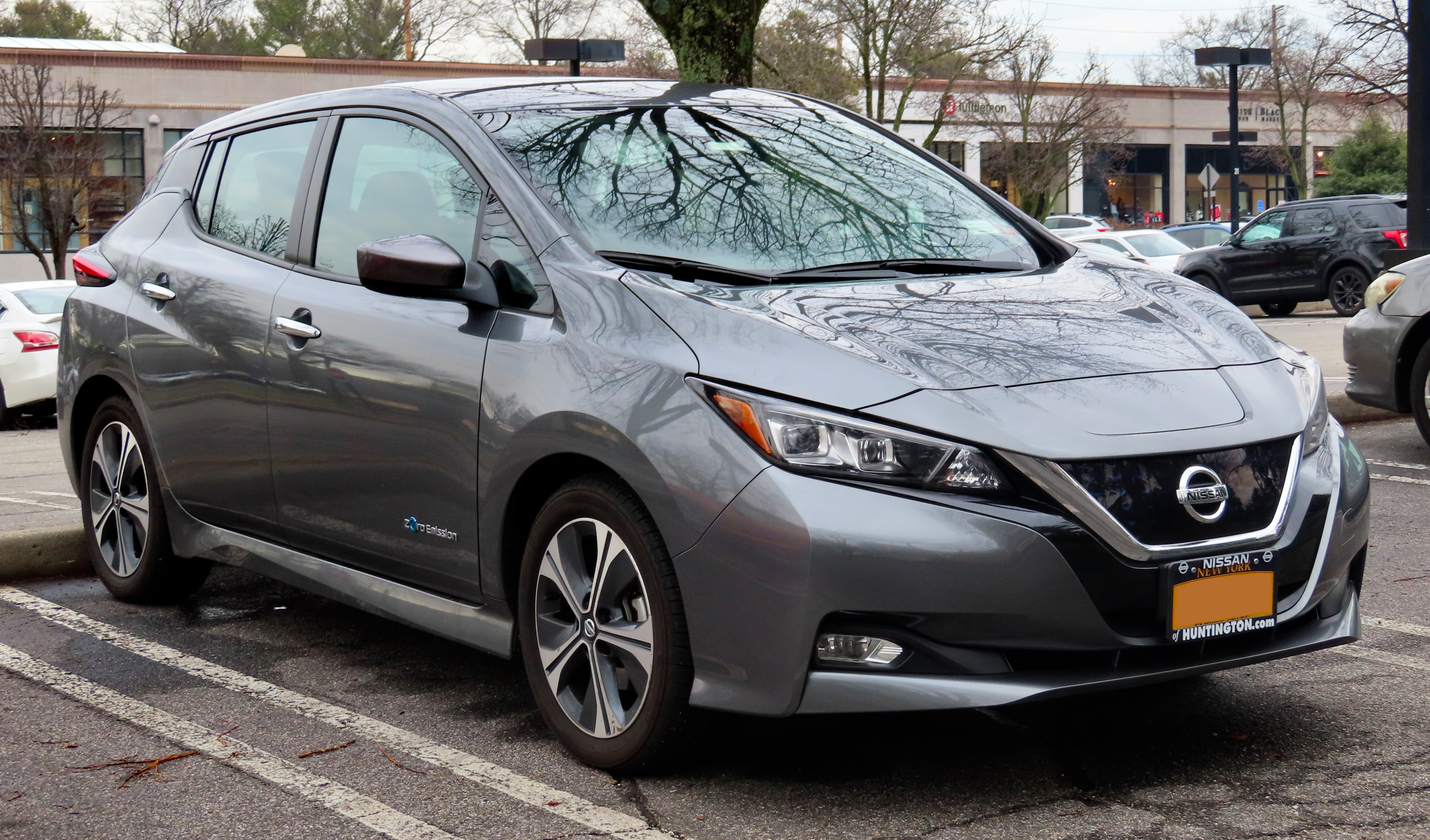
Nissan Leaf
The Nissan Leaf is an electric car that runs on a battery instead of gasoline. The podcast says there will be a Nismo version in Japan, which is a more sporty version of the same basic car. It’s mainly about making the Leaf feel and look more performance-focused.
Nismo
Nismo is Nissan’s performance sub-brand, used for tuning and styling upgrades intended to make a car feel more aggressive. In this segment, Nismo changes are described as software, throttle mapping, tires, suspension, and aero/visual cues for the Leaf.

Nissan Juke
The Nissan Juke is a small crossover. The point here is that some people think putting the Nismo badge on a Juke doesn’t make sense because it’s not the kind of car most people expect to be “performance-tuned.”
throttle mapping
Throttle mapping is how the car’s computer interprets your gas pedal. If it’s changed, the car can feel quicker or smoother when you press the pedal.
aero cues
“Aero cues” are design details meant to look like they help the car cut through air better. They often come with real aerodynamic tweaks, not just decoration.
duck tail spoiler
A duck tail spoiler is a small spoiler on the back of a car. It’s shaped to help the car stay more stable at speed by pushing the car down a bit.
downforce
Downforce is the aerodynamic “push” that presses the tires harder onto the road. More downforce usually means better grip, especially at higher speeds.
silicon carbide anodes
In an EV battery, the anode is one of the electrodes that helps store and release lithium. Using silicon-carbide-based materials is one approach companies use to try to get more battery capacity and quicker charging.
graphite anodes
Graphite anodes are the common “standard” electrode material in many EV batteries. The segment compares them to silicon-based anodes that can hold more lithium but behave differently when the battery charges and discharges.
energy density
Energy density is how much “battery power” you can fit into a certain size or weight. More energy density usually means you can drive farther on the same battery.
charge cycles
A charge cycle is basically one complete round of using the battery and then recharging it. Silicon inside the battery can swell and shrink during this process, which can cause wear over time.
silicon blended with graphite
This is about the battery’s anode material. Adding some silicon can help the battery hold more charge, but too much can wear out faster, so companies mix it with graphite in controlled amounts.
sealer
Sealer is a company making battery materials. In this segment, they’re described as building a new factory to produce anode material for EV batteries.
gigawatt hours of annual module capacity
This is a way to describe how much battery production a plant can make in a year. Higher gigawatt-hour numbers mean more total battery energy output is possible annually.
silicon rich anodes
Silicon rich anodes mean the battery uses more silicon in the part that stores lithium. This can help the battery perform better, but it can also make the battery wear out sooner unless it’s engineered carefully.

Mercedes Benz AMG GT four door
This Mercedes-Benz AMG GT four door is mentioned as an example of a production EV using newer battery materials. The takeaway is that silicon-based anodes are starting to show up in real cars, not just prototypes.
CCS charging
CCS is a fast-charging plug/standard for EVs. When you see “CCS charging,” it means the car is using that common system to charge quickly at DC fast chargers.

Rolls-Royce Spectre
The Rolls-Royce Spectre is Rolls-Royce’s electric coupe. The hosts mention it because it’s selling extremely well for an EV in the luxury world.

Rolls-Royce Cullinan
The Rolls-Royce Cullinan is a very expensive luxury SUV. The podcast brings it up because it’s been selling well, and that helps show what customers want. That sales success can influence what the company builds next.
instant torque
Instant torque means the car’s electric motor gives you pulling power right away. So when you press the pedal, the car responds immediately instead of waiting for an engine to spin up.
home charging
Home charging is the practice of charging an EV at the customer’s residence, usually with a dedicated wallbox or charger. It’s often central to EV ownership because it reduces reliance on public chargers for daily driving.
1,500 kilowatts
“500 kilowatts” is how fast the charger can deliver electricity. In general, higher charging power can mean you spend less time charging, assuming the car and charger can both support it.
Rolls-Royce Halo EV
Rolls-Royce’s Halo EV is described as their most special electric project—something built like a custom coach rather than a typical production car. It’s meant for buyers who want something unique.
coach-built
“Coach built” means the car’s body is made in a more custom, tailored way for a specific buyer. It usually implies a very high level of personalization compared with normal production cars.
GridServe
GridServe is a company that runs EV charging stations in the UK. The episode focuses on how their sites are set up like destinations, not just quick places to plug in.
M1 Junction 29A Markham Vale
This is a specific spot on the UK’s M1 motorway where a new EV charging station is being opened. Places like this are convenient for people traveling long distances.
400 kilowatts
That “400 kilowatts” number is how fast the charger can put energy into the battery. Bigger numbers usually mean you can charge faster, so you spend less time at the station.
ABB
ABB is a company that makes electrical equipment. Here, it’s the company behind the fast-charging hardware used at these stations.

Neuer Class
Neue Klasse is BMW’s plan for a new generation of EVs. It’s basically a new “base design” that future electric cars will be built on. The podcast brings it up because it signals what kinds of EVs BMW is preparing next.
BMW iX350
The BMW iX350 is an all-electric BMW SUV. The host mentions it to illustrate how quickly an EV like this can add range at a fast-charging station.

Hyundai Kona
The Hyundai Kona is a small SUV-style car. In the podcast, it’s mentioned in a real-world situation where it could get into a place or position that was needed. That’s relevant because it shows how the car works in everyday driving.
renewable energy
Renewable energy is power made from sources like sunlight or wind. The host is saying these charging sites try to use more of that cleaner energy.
solar panel
Solar panels turn sunlight into electricity. The host is saying the charging location has them to help generate some of the power used on-site.
Rainwater harvesting
Rainwater harvesting means collecting rainwater instead of letting it run off. The host is mentioning it as another eco-friendly feature at the charging location.
public chargers
Public chargers are charging stations you use outside your home. The host is saying most EV owners don’t rely on them often because home charging is easier and cheaper.
YouGov
YouGov is a company that runs surveys. The host uses it to back up claims about how EV owners use public charging.
off-peak electricity
Off-peak electricity is the cheaper power rate you get at certain times, usually when demand is lower. That’s why home charging can be much cheaper than using public fast chargers.
Osprey
Osprey is a company/brand that runs EV charging stations. The host brings it up while talking about how public charging can cost more than charging at home.
rapid charging
Rapid charging is the fast kind of public EV charging. It’s usually more powerful than home charging, so it costs more to run and install.
VAT
VAT is a tax added to goods and services. Here, lowering VAT on home electricity makes charging at home cheaper than before.
Australia Post
Australia Post is the national postal service, and it’s using EVs at scale for deliveries. The episode highlights its existing electric fleet and a new funding program to electrify heavier vehicles and add depot charging infrastructure.

Dodge Charger
The Dodge Charger is a car model that’s known for a sporty, performance-oriented design. The podcast mentions it while talking about setting up charging locations and electrical upgrades. That matters because charging infrastructure is what makes EVs easier to use day to day.
load shed management
Load management is how a charging site avoids using too much electricity at once. It coordinates charging so the power system doesn’t get overloaded.
battery warranty
A battery warranty is protection for the EV’s battery. For used EVs, it can cover problems or performance drop-offs so you’re not stuck with the full cost if the battery isn’t healthy.
thermal management
Thermal management is how the EV keeps the battery at the right temperature. If the battery runs too hot or too cold, it can charge worse and wear out faster.
state of health threshold
State of health is a way to estimate how good the battery is. The threshold is the number they use to decide if the battery is bad enough to trigger warranty coverage.
flash test
A flash test is a fast check of an EV battery. Think of it like a quick diagnostic that helps estimate battery condition without taking forever.
battery drops below the threshold
The “threshold” is a minimum battery condition number they’re using as a cutoff. If your battery is worse than that, you may qualify for a refund or compensation.
battery health testing
Battery health testing checks how “worn out” an EV battery is. It can tell you whether the battery still has most of its usable range and how it’s likely to behave over time.
self-charging hybrid
A “self-charging hybrid” is a hybrid that recharges its battery while you drive. It doesn’t need to be plugged in, because it recovers energy through braking and the engine.