12,000 HP, Ron Capps, and Racing Her Heroes | Stacking Pennies
About this episode
Road-trip stories kick things off, from Franklin County mountain roads and a brake scare to race-week production shifts after Kyle Busch’s news. The conversation then jumps between NASCAR-style aero and strategy—diffusers, downforce, and body rules—and NHRA drag-racing details: ET vs RT, missing the tree, clutch timing, and why teams keep a backup car. Ron Capps comes up through the guest’s Top Fuel opportunity, plus women’s NHRA history and the realities of funding and sponsorship.
NHRA Top Fuel rookie Maddi Gordon joins Corey LaJoie and Skip Flores to explain what 12,000 horsepower really feels like, how she earned her way in the shop, what Ron Capps saw in her, and how she once won a round with no shift lights, no two-step, and no data.
Corey and Skip also recap Nashville, SVG’s continued rise, Denny Hamlin’s move, O’Reilly racing, and why simple floors and big horsepower might be the answer.
All this and more on Stacking Pennies Podcast.
See Privacy Policy at https://art19.com/privacy and California Privacy Notice at https://art19.com/privacy#do-not-sell-my-info.
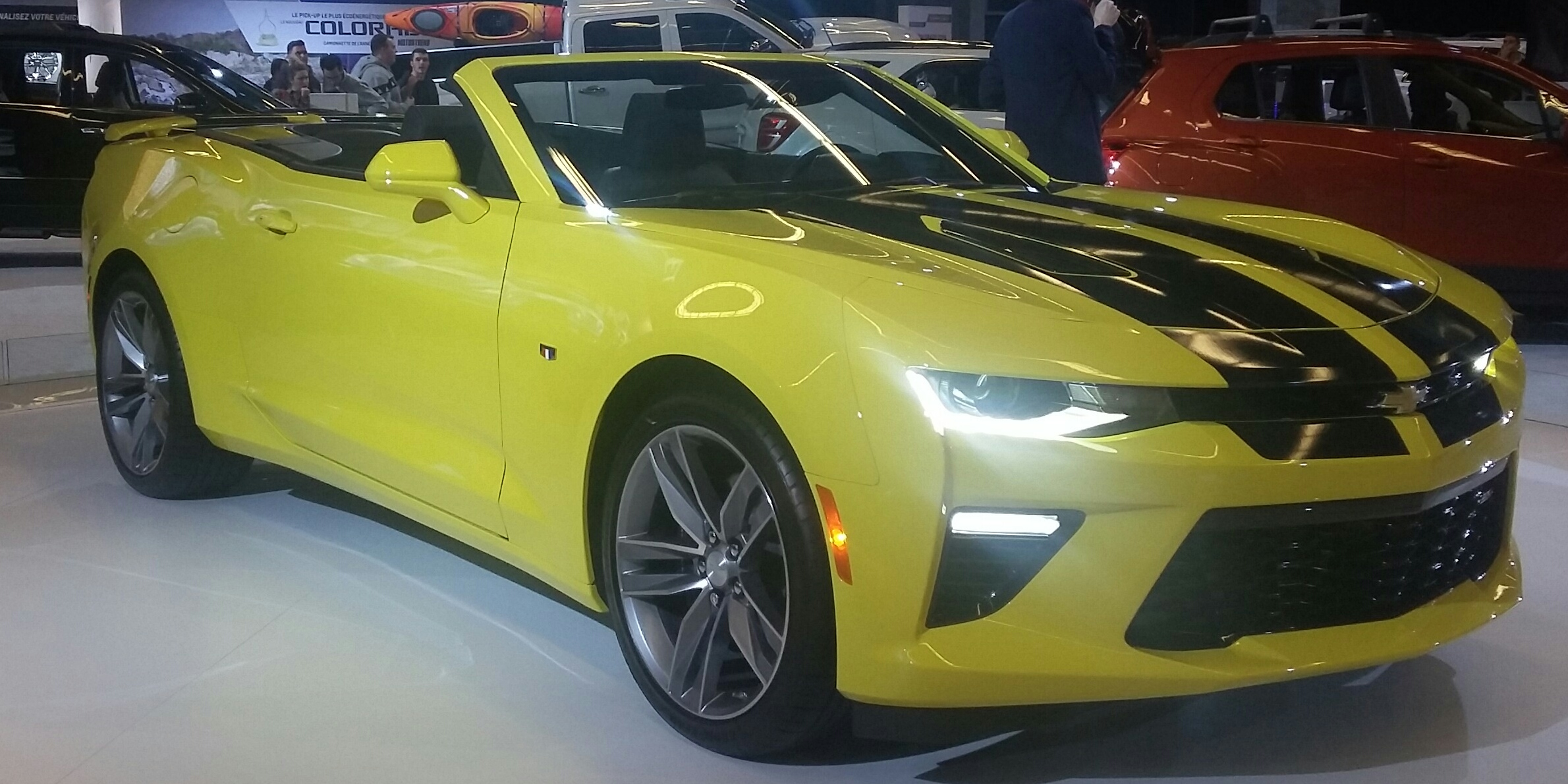
Chevrolet Camaro
"...cause of what happened to dale when he drove that camaro so blaney told me that so when dale wrecked that ..."
The Chevrolet Camaro is a sporty car made for fast driving. People talk about it a lot in racing because it can be driven hard. In the podcast, it’s brought up because someone had a wreck while driving one.
The Chevrolet Camaro is a performance-focused American sports coupe/convertible known for its strong engine options and track-capable heritage. It often comes up in motorsports discussions because it’s a common platform for racing and high-speed driving. In the podcast context, it’s mentioned in relation to a crash and how another driver reacted to what happened.
lucky dog
"we went a lap down early got the lucky dog free the truck up got a driving a little better"
A “lucky dog” is a rule that helps the first car that’s a lap behind get back on the lead lap when there’s a caution. It’s basically a way to give a struggling car a second chance so it’s not stuck a lap down all day.
In NASCAR-style racing, the “lucky dog” rule gives the first car a lap down (due to an incident) a chance to regain a lap when a caution comes out. It’s designed to keep more cars on the lead-lap and reduce the penalty for being caught out early.

Volkswagen Rabbit
"... got a driving a little better we almost pulled a rabbit out of the hat we played a little strategy in the..."
The Volkswagen Rabbit is a small, everyday car. In the podcast, it’s used in a common expression about making something happen unexpectedly. The point is the strategy and timing, not detailed car specs.
The Volkswagen Rabbit is a compact car that’s known for being practical and easy to drive. It’s mentioned in the podcast as part of a phrase about “pulling a rabbit out of the hat,” which suggests a sudden improvement or clever strategy. In other words, it’s used more as a reference point than a detailed technical discussion.
stage break
"put rights on it at the stage break cycled to fifth maintain fifth sixth seventh somewhere in there"
A “stage break” is when the race is split into parts. Teams can pit and adjust their strategy at that break, and drivers can earn points for how they finish in each stage.
A “stage break” refers to NASCAR’s stage racing format, where a race is split into multiple segments. Teams can pit and make strategy changes during the stage break, and points are awarded based on stage results.
cycled
"put rights on it at the stage break cycled to fifth maintain fifth sixth seventh somewhere in there"
“Cycled” here means they pitted and then rejoined the race, ending up in a new position. It’s basically describing how pit timing shuffled their ranking.
In pit-strategy talk, “cycled” means the car’s position changes after pitting and rejoining the race. For example, cycling to fifth implies the timing of the pit stop put them back on track in that spot.
caution
"the rest of the day caution come out with I don't know 15 18 to go line up on I chose sixth"
A “caution” is when the race slows down because something happened on the track. Drivers have to be careful, and teams often change their game plan for the restart.
A “caution” is when race officials slow the field due to an incident on track, typically using yellow flags and/or a pace car. During cautions, teams often adjust strategy—like when to pit or how to line up for the restart.
tech
"how about the first time I've in a long time we want to try contract unloaded and went through tech and they were like nope loaded up an east truck"
“Tech” is the inspection where officials check the car against the rules. If it doesn’t pass, the team may have to fix something or swap to a backup car.
“Tech” is short for technical inspection in motorsports, where officials check cars for compliance with the rulebook. Passing tech means the car is allowed to race; failing tech can require changes or a backup car.
standardized body
"it's a lawless game with those bodies they need to get to a standardized body for them well that's a whole nother conversation"
A “standardized body” means the race trucks are supposed to use body parts that are built to the same rules. That helps keep the competition fair so teams can’t gain an edge just from custom bodywork.
A “standardized body” means race teams use bodywork that’s tightly controlled to match a common spec. That reduces the advantage from small aerodynamic or fitment differences and helps ensure competition is more about driving and setup than body fabrication.
backup
"they were like loaded up bring out a backup the bot it's a lawless game with those bodies"
A “backup” is a spare race truck the team has ready. If the main car can’t race (like after an inspection issue), they switch to the backup so they don’t lose the event.
A “backup” is a spare race car prepared in case the primary car fails inspection, gets damaged, or can’t be used. Teams often have backup cars ready because tech failures or repairs can be time-critical.
composite bodies
"trucks I thought the truck should have been the first series to go composite bodies because they spend college spends so much time just getting bodies to fit templates"
“Composite bodies” means the car’s outer body panels are made from engineered materials (not just steel). The goal is often to make them lighter or easier to standardize, but repairs and fitting can be different.
“Composite bodies” are vehicle body panels made from composite materials (like fiberglass/carbon-fiber composites) instead of traditional steel. In racing, the idea is to reduce weight and improve consistency, but it also affects how teams repair and fit panels.
downforce
"[306.1s] and as big as windshields are in those things as big as the spoilers are in those things [310.0s] you're talking half inch here three eights here on the roof location it's massive amount of dragon [315.7s] downforce so we're off on that by a lot but my guys are hard to work at it we're going to"
Downforce is the “push down” effect from the car’s shape and wings. It helps the tires stick to the road so the car can go faster through turns. The tradeoff is that it can make the car harder to move through the air.
Downforce is the downward aerodynamic force that pushes a race car toward the track. It’s created by features like spoilers and wings, and it helps the tires maintain grip at speed. More downforce generally improves cornering traction, but it can also increase drag.

Ford Mustang
"[362.5s] home from Proc man leaving leaving uh John force in the off season he was a three-time champion [368.8s] back-to-back champion we'll talk about that with Maddie once he gets here but he struggled to start [372.6s] the year and like when we saw him at Charlotte he was wearing it but us but he put up he put [377.8s] the pieces all together and got his first win in a Ford Mustang freaking impressive that they"
The Ford Mustang is a famous Ford sports car. Here, they’re talking about it in a racing context—meaning the Mustang is being used as the race car that won.
The Ford Mustang is a long-running American muscle car platform that’s also heavily used in racing series. In this segment, it’s specifically tied to a win by John Force’s team in a Ford Mustang, showing how the Mustang nameplate carries over into motorsport competition.
diffusers
"yeah Bubba ramps his right right rear in defense brother get rid of the diffusers now that race was awesome it was and like we took the diffusers off simple floor big horsepower"
Diffusers are parts under a race car that shape the air flowing underneath. They help the car stick to the track by improving downforce, so taking them off changes how the car feels and handles.
In race cars, diffusers are aerodynamic underbody panels that help manage airflow under the car to create downforce. Removing them can reduce aerodynamic grip, but it may also change drag and how the car behaves in traffic and at speed.
big arrow
"and they like they wouldn't get that big arrow tight big wake behind them like yeah this is less sick"
When they say “big arrow,” they mean a big rear wing/spoiler. That wing pushes the car down onto the road, which helps it grip and stay stable at speed.
“Big arrow” is a shorthand for a large rear wing/spoiler setup that increases aerodynamic downforce. More downforce generally improves traction and stability, especially in corners and high-speed sections.
big wake
"and they like they wouldn't get that big arrow tight big wake behind them like yeah this is less sick"
A “wake” is the messy air a car leaves behind as it drives. If another car follows too closely, that air can reduce grip and make the car harder to control.
A “wake” refers to the disturbed airflow left behind a race car. When a following car gets into that wake, it can lose aerodynamic efficiency and downforce, making it harder to run close or pass.
Hall of Fame
"give Alan his flowers man that guy's a Hall of Fame he's such a good leader such a smart guy been doing it at a high level since 2003"
A “Hall of Fame” is an award/recognition for people who were the best or most influential in their sport. In racing, it usually means they had an outstanding career.
A “Hall of Fame” is an honors program that recognizes exceptional achievement in a sport or industry. In motorsports, it typically reflects a driver’s long-term impact, wins, and career accomplishments.
Gibbs cars
"dude I mean I don't know dude three Gibbs cars bro well those things yeah well if the five has a bad day when it was correct Mark drives 2009 right you can drive back to eighth with your eyes closed"
“Gibbs cars” means the race cars from Joe Gibbs Racing. They’re being used here as a shorthand for a specific NASCAR team’s performance.
“Gibbs cars” refers to cars run by Joe Gibbs Racing in NASCAR. The team’s cars are known for strong engineering and consistent performance, which is why the hosts compare their competitiveness week to week.
Toyotas
"and right obviously it's tough I don't know the Gibbs cars are so good right now the Toyotas are hauling the mail the second week in a row where it's been three of the top four"
“Toyotas” means the Toyota-branded cars competing in NASCAR. They’re talking about which manufacturer is doing well that week.
“Toyotas” here refers to Toyota-branded NASCAR entries. In NASCAR, the manufacturer brand is tied to the team’s car program, and it’s often discussed in terms of which makes are performing best.
reaction time
"[1209.2s] et is elapsed time and then your rt is your reaction time exactly so you add those [1215.5s] up and that's your full pass run right exactly yes"
Reaction time is how fast the driver gets moving after the lights tell them to start. Faster reaction time can help you win because it counts toward your overall time.
Reaction time (RT) in drag racing is how quickly the driver responds after the starting signal. Drivers and teams focus on RT because it directly affects the total pass time when added to elapsed time.
elapsed time
"[1209.2s] et is elapsed time and then your rt is your reaction time exactly so you add those [1215.5s] up and that's your full pass run right exactly yes"
Elapsed time (ET) is how long the car takes to go from the start to the finish in a drag race. It’s a key score number people look at after each run.
In drag racing, elapsed time (ET) is the total time it takes a car to cover the measured distance from the start to the finish line. It’s one of the primary numbers used to compare runs, along with reaction time.
et
"[1209.2s] et is elapsed time and then your rt is your reaction time exactly so you add those [1215.5s] up"
ET is “elapsed time,” meaning the total time it takes to run the drag strip. It’s one of the main numbers used to judge how fast you went.
ET is the abbreviation for elapsed time in drag racing. It measures the total time from the start to the finish of the run and is used alongside reaction time to evaluate performance.
rt
"[1209.2s] et is elapsed time and then your rt is your reaction time exactly so you add those [1215.5s] up and that's your full pass run"
RT just means “reaction time.” It’s how quickly the driver reacts when the race starts, and it’s part of the timing score.
RT is the abbreviation for reaction time in drag racing. It’s the driver’s response time after the starting signal and is combined with ET to determine the overall pass result.
tire slip
"[1234.0s] um the crew chiefs go off of a million different things they can you know control the tire slip [1240.1s] with they have uh clutch"
Tire slip is when the tires spin more than they grip the track. Drag racers try to manage it so the car hooks up instead of just spinning.
Tire slip is when the tires rotate faster than the car is actually moving, reducing traction. In drag racing, controlling tire slip is crucial for maximizing acceleration and keeping the car stable under extreme power.
hydraulic cylinder
"[1240.1s] with they have uh clutch they have a uh basically it's a bearing controlled by hydraulic cylinder [1247.1s] that will push that bearing in which applies clutch quicker or slower"
A hydraulic cylinder uses fluid pressure to push or pull parts. Here, it helps control how the clutch engages so the launch is consistent and controllable.
A hydraulic cylinder uses pressurized fluid to move a mechanical component with strong, controllable force. In these drag cars, hydraulic actuation is used to precisely control clutch engagement timing and how aggressively it applies power.
ignition timing
"[1247.1s] that will push that bearing in which applies clutch quicker or slower and more aggressively [1252.2s] they have ignition timing they have fuel pressure"
Ignition timing is when the spark plug fires during the engine cycle. Changing it can help the engine make more power and run more smoothly under hard acceleration.
Ignition timing is when the engine’s spark occurs relative to piston position. In high-power drag racing, adjusting ignition timing helps optimize combustion for power and throttle response while managing stability.
fuel pressure
"[1252.2s] they have ignition timing they have fuel pressure they have so much stuff um so we don't have shift [1258.0s] points"
Fuel pressure is how hard the fuel system pushes gas into the engine. For drag racing, teams tune it so the engine gets the right fuel when you’re going all-out.
Fuel pressure is how strongly fuel is delivered to the engine’s fuel system. In drag racing, teams adjust fuel pressure to ensure the engine gets the right amount of fuel for the power level and to help prevent issues like misfire under extreme loads.
flood
"[1264.4s] this 12 000 horsepower race car between the lines and um because we have so much horsepower each cylinder [1272.1s] is more horsepower than an entire nascar engine thanks so um it's pretty insane when we flood [1282.5s] a cylinder and basically it tries to yank us all around the racetrack"
To “flood” a cylinder means the engine gets too much fuel for the spark to burn it correctly. When that happens, the engine can misfire and the car can get pulled around instead of accelerating cleanly.
In this context, “flood” refers to flooding a cylinder—when too much fuel (or an overly rich condition) prevents proper combustion. That can cause the engine to stumble and the car to behave unpredictably under massive power.
English town
"[1300.5s] shirt on i grew up by english town but i my fondest memories are my dad bringing me to [1305.8s] english town for friday night qualifying but i bring my daughter religiously like we go sit in"
“English town” is a drag strip in New Jersey (Englishtown Raceway Park). The speaker is talking about going there for drag-racing events with their dad.
“English town” is a nickname for Englishtown Raceway Park, a well-known drag strip in New Jersey. It’s referenced as a formative place for the speaker’s drag-racing memories and family outings.
lose a cylinder
"but when you guys do lose a cylinder it moves that car quick crazy like it's [1327.0s] can you feel it right away oh yeah"
It means one part of the engine isn’t firing correctly, so the engine makes less power. In a fast race car, you can often feel it right away because the car’s acceleration changes instantly.
“Losing a cylinder” means one cylinder stops contributing power, usually because of an ignition or fuel problem. In a high-power drag car, that sudden drop in usable power can make the car feel like it “moves” or surges differently immediately.
clutch timing
"you talk about all [1338.7s] the things that the crew chiefs have right you got clutch timing and all fuel and all the stuff"
Clutch timing is about exactly when the clutch is engaged during launch. If it’s off, the car can hesitate or spin; if it’s right, it accelerates hard.
Clutch timing is how precisely the driver engages the clutch relative to engine speed and vehicle launch. In drag racing, small timing changes can strongly affect acceleration, traction, and whether the car bogs or hooks up cleanly.
alcohol funny car
"so in 2020 when all school went online my sister and i took full advantage of that and we became [1406.6s] our full my dad's full-time crew members on the alcohol funny car"
A funny car is a drag-racing car built for short, straight runs. “Alcohol” means it uses a different fuel than regular gas, and that affects how the engine is tuned and how the car performs.
An “alcohol funny car” is a drag racing Funny Car that runs on alcohol-based fuel instead of gasoline. Alcohol-fueled setups are common in certain classes because they can support aggressive tuning and high power while changing how the engine and fuel system are managed.
lift blowers
"so like we had to lift blowers lift engines build piston racks lift the body it's [1416.4s] 250 pounds"
A “blower” is a device that helps the engine make more power by pushing extra air in. “Lift blowers” means the crew has to take that big part off and put it back on during work on the car.
“Blowers” in this context are supercharger units used to force more air into the engine for big power. “Lift blowers” refers to physically removing or installing that forced-induction hardware during maintenance or engine swaps.
build piston racks
"so like we had to lift blowers lift engines build piston racks lift the body it's [1416.4s] 250 pounds"
Pistons are parts inside the engine that move up and down to make power. A “piston rack” is basically a way to keep pistons organized while the crew rebuilds or repairs the engine.
“Piston racks” refers to organized storage/handling setups for pistons during engine rebuilds or repairs. In drag racing, pistons are high-wear components, so crews often manage them carefully to speed up rebuilds and keep parts organized.
clutch specialist
"so when i was driving in 2024 and 25 i was our clutch [1444.5s] specialist so i would build the clutches take transmissions in and out"
In drag racing, the clutch is what helps the car launch hard. A “clutch specialist” is the person on the team who focuses on getting the clutch built and ready for the next runs.
A “clutch specialist” is a crew role focused on the drag car’s clutch system and its setup. That can include building or preparing clutches and ensuring they’re ready for repeated launches and high-stress runs.
take transmissions in and out
"so i was our clutch [1444.5s] specialist so i would build the clutches take transmissions in and out and then if we blew"
That phrase means the crew removes the gearbox and puts it back in. Race cars sometimes need gearbox swaps after hard launches or if something breaks.
“Take transmissions in and out” means removing and reinstalling the gearbox assembly as part of maintenance or after failures. In drag racing, transmissions can be stressed heavily by launches and power levels, so swapping them can be part of keeping the car running.
brake rotors
"we got them from brake rotors we all have like from working on the short tracks we're working on the car you're reaching there oh brake rotor yep"
Brake rotors are the discs your brake pads squeeze to slow the car. When you brake hard, they get very hot.
Brake rotors are the metal discs that the brake pads clamp onto to slow the car down. In motorsports, rotors can get extremely hot and may be swapped or resurfaced frequently depending on track conditions and braking demands.
top fuel dragster
"it's like hang on let's let's strap my daughter eventually into a top fuel dragster on a 335 yeah that's way safer than gymnastics summer salts on the padded mat"
A Top Fuel dragster is a super-fast drag racing car built just to go in a straight line. It’s famous for being incredibly powerful and going extremely fast over a short race.
A Top Fuel dragster is a purpose-built drag racing car that uses a highly specialized fuel system and produces enormous power for straight-line acceleration. These cars are known for extreme speeds and rapid runs over a short distance.
junior dragster racing
"literally literally and um so we went and started junior dragster racing when i was eight years old my sister's a year and a half younger and then so when she turned eight she started as well"
Junior dragster racing is drag racing for kids using smaller cars made for their size and experience level. It’s often how people get started in racing.
Junior dragster racing is a youth form of drag racing where children drive smaller, age-appropriate drag cars. It’s commonly used as an entry point into motorsports, with coaching and safety rules tailored to younger drivers.
eighth mile
"it's called a junior comp car okay and it's a little bit of a six times in the eighth mile paddles or uh we had buttons okay"
The eighth mile is a short drag-racing distance—half of a quarter-mile. Because it’s shorter, the race happens faster and the car’s acceleration matters a lot.
The eighth mile is a drag racing distance equal to 1/8 of a mile, commonly used in youth and bracket-style drag racing. It’s shorter than the quarter-mile, which changes how cars are tuned and how drivers manage acceleration.
auto shift
"we had buttons okay so we had we had auto shift too because it was way more consistent but i mean there's times when it didn't shift"
Auto shift refers to an automated gear-shifting system that changes gears without the driver manually operating a clutch and shifter. In racing, it’s often used to improve consistency and reduce missed shifts, though some drivers prefer manual control for feel.
Shirley Moldowney
"[1623.0s] yeah so that that's so erica and i don't know a ton of history on females in drag racing right but [1630.3s] it seems like were they one of the first ones to kind of break in who kind of set paved the way [1636.8s] Shirley Moldowney, Shirley Moldowney was the first professional woman to kind of"
Shirley Moldowney was a pioneering drag racer in the NHRA. She was one of the first women to compete at a fully professional level and helped open doors for other women in drag racing.
Shirley Moldowney is a landmark figure in NHRA drag racing as the first fully professional woman in the sport. The hosts credit her with paving the way for women in NHRA, including winning many races and taking on the pressure that came with being a trailblazer.
Shirley Sheahan
"[1636.8s] Shirley Moldowney, Shirley Moldowney was the first professional woman to kind of [1641.2s] be really engulfed uh Shirley Sheahan was the first woman to ever win and we actually had her out [1646.9s] in Pomona it was really fun i got to meet her previously but she was the first woman to win"
Shirley Sheahan is credited here as the first woman to win an NHRA drag racing event. The host also says they met her and highlights her historic first.
Shirley Sheahan is mentioned as the first woman to win in NHRA competition. The host also connects her to a specific milestone: being the first woman to win an NHRA event.
NHRA
"[1651.5s] an NHRA event but Shirley Moldowney paved the way really for women in the NHRA uh she was the first [1657.5s] like fully professional woman and she won a lot of races and um definitely took the the the heat"
NHRA is the main organization that runs and organizes drag racing events in the U.S. The host is talking about NHRA history and milestones for women racers.
NHRA stands for the National Hot Rod Association, the major U.S. sanctioning body for drag racing. In the segment, it’s used to describe the events and categories where these women made history.
Pomona
"[1641.2s] be really engulfed uh Shirley Sheahan was the first woman to ever win and we actually had her out [1646.9s] in Pomona it was really fun i got to meet her previously but she was the first woman to win"
Pomona is a place where NHRA drag races are held. The host is saying they had Shirley Sheahan there for an event.
Pomona is referenced as the NHRA venue where Shirley Sheahan was brought out. In drag racing context, “Pomona” typically refers to the NHRA event held at the Pomona track in California.
Antron Brown
"[1715.1s] eight field dragster now okay yep yep she's on uh Antron Browns i think it's called the A B [1721.0s] accelerating program so basically where he tries to bring up drivers through categories to the"
Antron Brown is a well-known drag racing figure. Here, the host is saying the driver is part of Brown’s program that helps racers move up toward the top fuel class.
Antron Brown is referenced as being associated with a driver development program for drag racing. The host says the rider/driver is on Antron Brown’s program that feeds talent upward toward the top fuel ranks.
top fuel ranks
"[1721.0s] accelerating program so basically where he tries to bring up drivers through categories to the [1725.9s] top fuel ranks and she's one of the drivers so you've you've obviously been just born and raised"
“Top fuel” is the top class in NHRA drag racing. The host is saying the program is meant to train and move drivers up until they reach that top level.
“Top fuel ranks” refers to the highest tier of NHRA drag racing, where Top Fuel dragsters compete. The host is describing a ladder system: developing drivers through lower categories until they reach the Top Fuel level.
alcohol run
"so you ran how much alcohol did you run before so i uh crewed for six years and drove for two of [2101.4s] those years yeah how much of a jump is it from your alcohol run to a top fuel run"
An “alcohol run” refers to drag racing runs using an alcohol-based fuel rather than gasoline. Fuel choice affects how the engine makes power and how the car behaves during the launch and acceleration phases.
g forces
"the speed [2109.3s] is massive it's huge and the g forces is on i mean it's hard to explain like the best way i can [2117.1s] explain it is i mean just off the line you hit the gas and you're pulling close to four g's"
G forces are how hard the car is accelerating, measured compared to gravity. In drag racing, those forces can be so high that they feel like your body is being slammed.
“G forces” are the acceleration forces felt by the driver, expressed in multiples of Earth’s gravity (g). In Top Fuel, the car can generate several g’s immediately off the line, which is why the driver’s body experiences extreme loading.
g meter
"and you're pulling close to four g's and then [2122.4s] the g meter does slightly lay over to like three g's at about 300 feet"
A “g meter” is an instrument that measures and displays the vehicle’s acceleration in g’s during a run. The speaker describes it “laying over” from about four g’s down toward three g’s as the car continues accelerating.
engine rpm drop
"and you can hear the engine rpm drop but you would think it's [2133.5s] gonna go slower but these things like low like it drops and it's like it wants to go"
RPM is how fast the engine spins. When the clutch grabs, the engine can slow down briefly, but the car still accelerates because the power is being transferred differently.
An “engine rpm drop” is the decrease in engine speed when the clutch engages and the load on the engine changes. The speaker notes that it can sound like the car should slow down, but in these cars the drivetrain engagement helps it accelerate harder.
g's
"you're going from positive four g's to negative 45 probably positive six to negative six okay and that immediately so i was one of those people that got to fly an f-18"
“G’s” is how strongly the body is being pushed during fast acceleration or turns. Positive g’s press you into your seat, while negative g’s can make you feel like you’re being lifted or pulled the other way.
“G’s” is a unit for acceleration relative to gravity. When they say they went from positive g’s to negative g’s (and later mention pulling 9 g’s), they mean the body is being accelerated so hard that it feels like gravity is dramatically stronger or even reversed.
Thunderbird
"people that got to fly an f-18 with the Thunderbird yeah yeah we pulled 9.2 oh my gosh and i started"
The Thunderbirds are a famous U.S. military flight show team. They do tight, high-speed maneuvers that can make your body feel extreme forces.
“Thunderbird” refers to the U.S. Air Force Thunderbirds demonstration team, which flies precision aerobatics in military jets. The speaker’s point is that the team’s maneuvers can generate very high g-forces and disorienting sensations.
funny cars
"[2648.0s] well he's been racing for it's probably around for something he's been racing for a hundred years [2652.0s] too yes yes what do we got keyed up here we got a video keyed up here funny cars [2657.7s] what is this give me some context chase uh okay so i saw actually a t-shirt uh of yours"
Funny cars are a type of drag-racing race car. They’re built to go extremely fast in a straight line over a short distance, and they usually have a special body and chassis made for racing.
Funny cars are a class of drag racing where purpose-built cars run short, straight-line sprints. They typically use a lightweight body over a purpose-built chassis and are known for very high power and quick acceleration.
junior dragsters
"[2668.7s] this backstory behind this well let's hear it so so your last one of the stage line yep playing [2674.6s] the game right how he blows up we win hey so you started in funny cars so i started in junior dragsters [2683.4s] junior comp then i went to super comp which is a smaller traction than the one that i run"
Junior dragsters are smaller drag-racing cars for younger drivers. They’re like a training step that helps drivers learn drag racing before moving up to bigger, faster cars.
Junior dragsters are youth drag-racing cars designed for younger drivers, usually with smaller dimensions and power than full-size dragsters. They’re a common entry point for drivers who later move into higher-level drag racing categories.
super comp
"[2674.6s] the game right how he blows up we win hey so you started in funny cars so i started in junior dragsters [2683.4s] junior comp then i went to super comp which is a smaller traction than the one that i run [2689.4s] right now and then i went to alcohol funny car drove us for two years"
Super Comp is a class in drag racing. It’s basically a level of competition with specific rules about what the cars can be and how they’re set up.
Super Comp is a drag racing class/category that sits within the Comp bracket structure. It’s defined by rules around car setup and performance, and it’s typically a step between junior categories and higher-level classes.
traction
"[2683.4s] junior comp then i went to super comp which is a smaller traction than the one that i run [2689.4s] right now and then i went to alcohol funny car drove us for two years so this weekend was the [2697.7s] middle of my rookie season"
Traction is how well the tires grip the track. Better traction usually means the car can launch harder instead of just spinning its wheels.
In drag racing, traction refers to how effectively the tires can grip the track surface without spinning. More traction generally helps the car accelerate harder and stay in control during launch.
wally
"[2705.6s] win i dreamed of this moment i kid you not i have woken up in the middle of the night just dreaming [2710.7s] of doing an interview at the top end and um and holding a wally so this weekend [2720.0s] ron approached my dad in the staging lanes and asked him if i would be interested in driving a"
A “Wally” is the trophy people win at NHRA drag races. It’s the official prize for event winners.
A “Wally” is the trophy awarded in NHRA drag racing events. It’s named for Wally Parks, a major figure in the sport’s history.
top fuel car
"[2720.0s] ron approached my dad in the staging lanes and asked him if i would be interested in driving a [2725.6s] top fuel car for him in 2026 and this was the first week i ever heard of this there was no [2730.7s] talks about this we had never approached ron asking for this opportunity no and"
A top fuel car is the fastest, top-level kind of drag-racing car. It uses a special fuel and engine setup made for huge acceleration over a short straight-line run.
A top fuel car is the premier class in NHRA-style drag racing, using a highly specialized dragster powered by a nitromethane-fueled engine. These cars are built for maximum acceleration over a short race distance, with extremely high power output.
staging lanes
"[2710.7s] of doing an interview at the top end and um and holding a wally so this weekend [2720.0s] ron approached my dad in the staging lanes and asked him if i would be interested in driving a [2725.6s] top fuel car for him in 2026 and this was the first week i ever heard of this"
Staging lanes are the areas at a drag strip where the cars line up before the race. It’s where drivers get ready and set up for the start.
Staging lanes are the pre-race positions at a drag strip where cars line up and prepare to start. Drivers stage the car by bringing it into position for the timing system to begin the run.
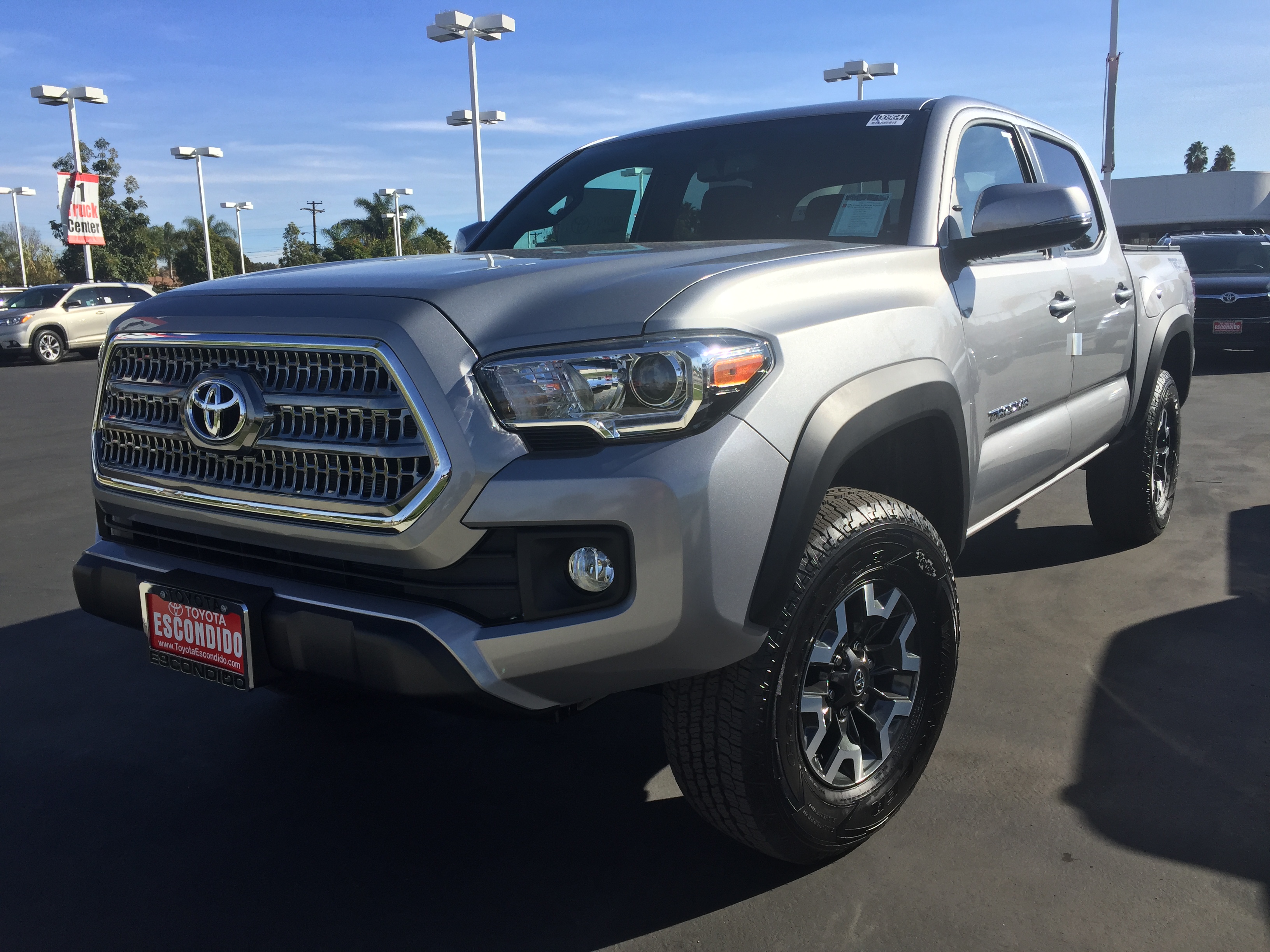
Toyota Tacoma
"...re really cool and um i drive uh i drive a Toyota Tacoma but i got it when i was 15 and a half because it'..."
The Toyota Tacoma is a pickup truck, meaning it has a cargo bed for hauling things. It’s made to be useful for both normal driving and tougher roads. The podcast mentions it because the speaker has been driving one since they were a teenager.
The Toyota Tacoma is a midsize pickup truck built for everyday driving and off-road or work use. It’s significant because it’s widely owned and known for being practical, especially for people who want a truck that can handle rougher conditions. The podcast mentions the host’s personal experience driving one starting at a young age.
six inch lift
"i didn't like a stock Tacoma so i put a six inch lift on it and 35 inch uh tires"
A “six inch lift” means the truck is raised higher off the ground. That can help it drive over bumps and rough terrain without scraping.
A “six inch lift” raises the Tacoma’s suspension to increase ground clearance. That helps the truck clear obstacles and improves tire fitment when running larger tires.
35 inch
"so i put a six inch lift on it and 35 inch uh tires okay we call those swamp donkeys"
“35 inch” is the size of the tires. Larger tires can grip better on rough ground and help the truck clear obstacles.
“35 inch” refers to the tire diameter, which is a common off-road size upgrade. Bigger tires usually improve traction and obstacle clearance, but they can also affect steering feel and gearing.
swamp donkey
"okay we call those swamp donkeys ... one with mud tires it's swamp donkey okay fatty gordon drives a swamp donkey"
“Swamp donkey” is slang for a truck built to handle mud. It usually means it’s lifted and has chunky tires for traction.
“Swamp donkey” is a slang term for a mud-capable, lifted truck running aggressive tires—basically a playful label for an off-road “mud machine.” It’s not a formal vehicle category, but it signals the truck’s intended use: traction in messy conditions.
cruise shifting
"four deep i had cruise shifting on the shifter like it's hilarious"
“Cruise shifting” in this context means shifting gears while you’re just cruising around. The host is using it as a funny way to describe how the truck is driven.
“Cruise shifting” here sounds like a playful description of shifting gears while driving at a steady pace—often associated with manual-transmission habits. It’s being used as a humorous detail about how the truck is driven, not as a standardized performance technique.
Cletus McFarland
"cletus mcfarland type corvette ... we actually raced it one of his events um in 2024 ... they had a burnout pit going crazy"
Cletus McFarland is a popular racing personality who puts on events and posts race videos. The host says they raced at one of his events and saw the burnout setup.
Cletus McFarland is a well-known American motorsports YouTuber and racer associated with drag racing and big burnout/track events. In this segment, the host references racing at one of his events and mentions the crowd and burnout pit.

Chevrolet Corvette
"...e it like a drag car like a cletus mcfarland type corvette and like how much do you like do you follow along..."
The Chevrolet Corvette is a fast sports car designed for performance. People often talk about it when they’re discussing racing or drag-style driving. In the podcast, it comes up as an example of a Corvette being driven for maximum speed.
The Chevrolet Corvette is a high-performance sports car known for its speed and driver-focused design. It’s often discussed in racing and enthusiast circles, including talk about setups that resemble drag-style driving. In the podcast, it’s referenced in a conversation about how someone might like or follow along with a Corvette being driven in that kind of performance context.
nashville
"he's got it going on hey he was doing well this week a couple tough moments he ran nascar race at nashville"
Nashville is a city where a NASCAR race happened, according to the host. They’re using it to explain what racing event Cletus was doing.
Nashville is referenced as the location where Cletus McFarland ran a NASCAR race. It’s being used as a geographic anchor for the racing news in this segment.
Charlotte
"one race track i i would say i would go charlotte and that's super good facility [3496.3s] beautiful facility the track is super smooth and the night runs are really fast yes"
They’re talking about a famous racing venue in the Charlotte area. The point is that it’s a smooth track and the night racing feels especially fast.
“Charlotte” here refers to the Charlotte Motor Speedway area, which is a major venue for drag racing and stock-car events. The host highlights it as a smooth, fast facility—especially at night—suggesting it’s ideal for high-speed racing.
top feel drag
"the top feel drag sure that is the four wide sensation different it is for sure way different"
They’re talking about how a drag car feels when it’s going very fast near the end of the run. It’s about the sensation and behavior as speed builds.
“Top feel drag” appears to be a mis-transcription of a drag-racing concept about how the car “feels” at the top end (high speed) during a run. In drag racing, drivers often describe how the car behaves as it accelerates toward maximum speed.
four wide
"the top feel drag sure that is the four wide sensation different it is for sure way different um you can never give up like when you're running two cars if you smoke the tires"
“Four wide” means four cars race at the same time, side-by-side, on multiple lanes. It’s harder to judge what the other cars are doing because everything is happening at once.
“Four wide” is a drag-racing format where four cars run side-by-side on parallel lanes. It’s especially chaotic because drivers can’t easily see the other lanes, and the staging and timing become more complex.
smoke the tires
"um you can never give up like when you're running two cars if you smoke the tires and the guy goes rooming past you you're not going to get on it because you're not going to blow up your parts"
It means the tires start spinning instead of gripping the track. That usually makes the car slower and can ruin your launch.
“Smoke the tires” means the tires lose traction and spin, producing visible tire smoke. In drag racing, it usually happens during launch or early acceleration and can slow the car while also changing how the driver manages the rest of the run.
bulb
"confusing if somebody forgets like what lane they're in and what bulb is theirs and if they don't stage so like if everybody pre-stage"
They mean the individual start lights on the timing system. Knowing which light sequence is yours helps you launch at the right time.
In drag racing, “bulb” refers to the individual lights on the starting tree. Drivers need to know which light sequence applies to their lane so they can react at the correct moment.
tree
"if everybody pre-stage and then one guy doesn't stage after eight seconds the tree is the tree is dropping but you're still going to be looking oh is that guy gonna stage"
The “tree” is the set of lights at the start that tells you when to launch. If someone isn’t ready, the lights can start changing and it throws off everyone else’s timing.
The “tree” is the drag-racing starting light system that signals when the race begins. The speaker notes that if a car doesn’t stage, the tree can start dropping while other drivers are still waiting, creating uncertainty and mistakes.
pre-stage
"if everybody pre-stage and then one guy doesn't stage after eight seconds the tree is the tree is dropping but you're still going to be looking"
Pre-stage is the first “ready” position at the start line. It’s like telling the system you’re there, but you still have to fully stage to be ready for the actual launch lights.
“Pre-stage” is the first step in drag-race staging where the car is positioned to activate the pre-stage sensors, indicating readiness before the final stage. The speaker contrasts pre-staging vs actually staging and explains how missing that step affects the tree timing.
late
"then the alligators then you're alligated out and the tree already dropped and then you're late uh that's never good uh question number two is what's the most embarrassed you've been at the"
“Late” means you didn’t launch at the best moment when the start lights signaled. That usually hurts your run because you lose time getting up to speed.
“Late” here describes a late reaction to the drag tree—meaning the driver launches after the optimal timing. In drag racing, being late can cost acceleration and often results in a worse elapsed time and speed.
shift lights
"my dad gets on the radio as I'm back here from the burnout hey you're not going to have any shift lights no shift lights at all and in the car I was in the shift the rpm ramps up so fast were you in a pro stock top alcohol funny car and their shift lights so we have a shift light out"
Shift lights are warning lights on the dash that show you when to change gears. They help you shift at the right RPM so the engine doesn’t over-rev.
Shift lights are dashboard indicators that tell the driver exactly when to upshift based on engine RPM. In drag racing, they’re especially important because the engine can reach the next shift point extremely fast, leaving little time to react.
burnout
"my dad gets on the radio as I'm back here from the burnout hey you're not going to have any shift lights no shift lights at all"
A burnout is when the driver spins the tires on purpose before the race. It warms up the tires so they grip better when you launch.
A burnout is a controlled tire-spinning procedure done before a drag run to heat and clean the tires and improve grip. It’s common in drag racing because traction at launch heavily affects elapsed time and consistency.
pro stock
"were you in a pro stock top alcohol funny car and their shift lights so we have a shift light out"
Pro Stock is a specific drag-racing category with very specialized cars. The goal is to accelerate as fast as possible, and drivers have to shift at the right times.
Pro Stock is a class in drag racing where purpose-built cars run very strict rules and are optimized for quick acceleration over a short distance. The cars use highly tuned drivetrains and engines, and drivers rely on precise RPM targets like shift lights.
injector
"so we have a shift light out that's right in front of the injector so the injector is here the shift light outside the the body"
An injector is part of the fuel system that delivers fuel to the engine. In race cars, it’s controlled very precisely so the engine runs correctly at extreme RPM.
An injector is a fuel-delivery component that sprays fuel into the engine in precise amounts and timing. In high-RPM drag racing setups, fuel delivery and ignition timing are tightly managed, so the injector area is often referenced when discussing shift timing and engine behavior.
two steps
"um also the two steps not gonna work at that time basically we would I would roll into stage I would mat the gas all the way drop the clutch and that's how we would go"
A two-step is a launch helper that holds the engine at a set RPM while you’re staged. If it’s not working, you have to control RPM manually so the car doesn’t rev too high or launch poorly.
A “two-step” is an engine control feature used at the drag strip to limit RPM during staging. It lets the driver hold the engine at a target RPM before launch, improving consistency and reducing the chance of bogging or over-revving.
drop the clutch
"basically we would I would roll into stage I would mat the gas all the way drop the clutch and that's how we would go"
Dropping the clutch is how you start the car from a stop—release the clutch quickly so the engine power goes to the wheels. In drag racing, timing it correctly helps you launch hard without spinning out.
“Drop the clutch” describes the launch technique where the driver releases the clutch quickly to transfer engine torque to the drivetrain. In drag racing, it’s timed with staging and RPM control to maximize traction and acceleration.
tack
"look at my tack and go to like 6,800 so you're sitting here making that just that's your handbrake"
A “tack” is the RPM gauge on the dash. If the shift lights aren’t working, the driver uses it to know what RPM the engine is at.
“Tack” is short for tachometer, the gauge that shows engine RPM. In drag racing, the tach is used as a real-time reference when electronic aids like shift lights or two-steps aren’t available.
handbrake clutch rev it up
"so you're sitting here making that just that's your handbrake yeah handbrake clutch rev it up all right you know look at my tack and then roll it in with my brake"
Using the handbrake plus clutch control is a manual way to hold the car stationary while revving the engine to a safe target RPM. In this context, it’s a workaround for missing launch/shift aids so the driver can stage and launch without over-revving.
throttle
"my dad he told me wrap the throttle a couple times like wrap it a bunch so the other guy knows what you're gonna do"
The throttle controls how much the engine gets to breathe. “Wrapping the throttle” means quickly pressing it (or opening it) a few times to make the car respond the way you expect.
The throttle is the driver’s control for how much air (and fuel) the engine can take in. “Wrapping the throttle” here means quickly blipping or repeatedly opening it to signal or test the setup before rolling in.
parachutes
"I don't see him and I throw the parachutes in we freaking won let's go"
Parachutes are like speed brakes for race cars. After the car goes fast down the track, the chute opens to help slow it down safely.
In drag racing, parachutes are deployed to slow the car down after the run, especially at very high speeds. They’re typically used on top-fuel/funny-car-style cars where brakes alone aren’t enough for safe deceleration.
Epping
"where are you guys we're going to epping you want to epping my first time in epping"
They’re talking about going to an event in Epping. It’s the place where the next race or car-related gathering will happen.
Epping is referenced as the location of an upcoming event. In drag-racing contexts, “Epping” commonly points to a motorsports venue in the Epping area where racers gather for competition and fan activities.
Carlisle
"we have Carlisle shipped in a bunch of tools so we can be cracking our lobsters with some vice grips"
Carlisle is being mentioned as the place/brand that has the tools they need. It sounds like a supplier for the event.
Carlisle is referenced as a source of tools for the event, implying a brand or supplier that provides equipment for racers and attendees. In motorsports, Carlisle is often associated with parts and event-related vendor support.
Bentley
"and you get to hang out Bentley I'm pumped you guys go check out you guys are up there"
Bentley is a luxury car brand. They’re mentioning it as something you’ll get to see or be around.
Bentley is a luxury car brand, and here it’s mentioned as part of the host/guest’s car-show or hangout context. Listeners may be expected to recognize it as a high-end marque.

Dodge Ram
"...that's a year from where they announced the whole ram thing so they got some you know some emotional at..."
The Dodge Ram is a large pickup truck built for hauling and towing. The podcast mentions it in connection with when the “Ram” name was rolled out and how that affected what people were getting. It’s being discussed as part of a timeline of the truck line’s branding.
The Dodge Ram is a full-size pickup truck line known for towing and hauling capability. It’s significant in automotive conversations because “Ram” is also used as the brand name for the truck line, and the podcast references the timing around when the “Ram” branding was announced. In this context, it’s tied to how people felt about the change and what vehicles were available around that period.
Request an Explanation
Heard something you'd like explained? We'll add it to this episode.
Sign in to request explanations for terms you heard.
Want to learn more?
Browse our glossary for plain-English explanations of automotive terms, jargon, and concepts.
Help improve this episode
See something that's not quite right? Our annotations are AI-generated and can sometimes miss the mark. Click the flag icon on any annotation to suggest a correction.