Doug Gilmour, former Ford marketing executive, shares his journey from a 13-year career at Ford to becoming the dealer principal of Malone Ford. He discusses the challenges of transitioning from corporate life to dealership ownership, including the emotional and financial risks involved. Doug highlights the importance of building a strong team, implementing effective training programs, and leveraging technology to improve profitability. He also reflects on the evolving automotive landscape, the significance of customer choice, and the role of community engagement in his dealership's success.
Today I’m joined by Doug Gilmour, Dealer Principal of Malone Ford.
We get into Doug’s 13-year run at Ford, the 7% profit swing that put him on the map, and the all-in gamble that made his dream a reality.
This episode is brought to you by:
1. OPENLANE - The world’s best online dealer marketplace for used cars, bringing you exclusive inventory, simple transactions, and better outcomes. Learn more @ http://www.openlane.com/cdg
2. Repair360 - If you’re in the used car business, you know wasted time is wasted money. Check out Repair360—the first and only reconditioning software that connects every function in the dealership to tighten recon and help you sell more cars — No more hounding vendors. Goodbye endless texts and hallway chases. Repair 360 connects all the dots. See where every car is and what its recon is costing minute-to-minute in real time. Go to @ http://www.repair360.com
3. CDG Circles – A modern peer group for auto dealers. Private dealer chats. Real insights — confidential, compliant, no travel required. Visit https://cdgcircles.com/ to learn more.
Check out Car Dealership Guy’s stuff:
For dealers:
Industry job board ➤ http://jobs.dealershipguy.com
Dealership recruiting ➤ http://www.cdgrecruiting.com
Fix your dealership’s social media ➤ http://www.trynomad.co
Request to be a podcast guest ➤ http://www.cdgguest.com
For industry vendors:
Advertise with Car Dealership Guy ➤ http://www.cdgpartner.com
Industry job board ➤ http://jobs.dealershipguy.com
Request to be a podcast guest ➤ http://www.cdgguest.com
Topics:
00:34 Why leave Ford for dealership ownership?
05:12 How to pursue a dealership dream?
07:23 Biggest complexity in dealership ownership?
11:06 Key insights from the field?
14:54 Future of the auto industry?
32:51 Tesla vs. traditional automaker approach?
35:53 Solving vehicle affordability challenges?
43:09 Best team building and training strategies?
56:14 Future plans for the business?
Car Dealership Guy Socials:
X ➤ x.com/GuyDealership
Instagram ➤ instagram.com/cardealershipguy/
TikTok ➤ tiktok.com/@guydealership
LinkedIn ➤ linkedin.com/company/cardealershipguy
Threads ➤ threads.net/@cardealershipguy
Facebook ➤ facebook.com/profile.php?id=100077402857683
Everything else ➤ dealershipguy.com
"And the EVs is the most glaring example of that, right?"
EVs are cars that run on electricity instead of gasoline or diesel. They use batteries to power an electric motor, making them more environmentally friendly.
EVs stands for Electric Vehicles, which are powered entirely by electricity stored in batteries. They are becoming increasingly popular as an alternative to traditional ICE vehicles due to their lower emissions and running costs.
"Like, there's a lot of ICE vehicles, not just Ford, right?"
ICE vehicles are cars that run on fuel like gasoline or diesel. They use engines that burn this fuel to power the car, unlike electric vehicles that use batteries.
ICE vehicles refer to Internal Combustion Engine vehicles, which are powered by gasoline or diesel engines. They are the traditional type of vehicles that have been dominant in the automotive market for over a century.
A cycle plan is a schedule that car companies use to decide when to make and sell new cars. It helps them keep up with what people want, especially as more electric cars are being made.
A cycle plan refers to the strategy that manufacturers use to manage the production and release of new vehicle models over a set period. It helps manufacturers plan for changes in consumer demand and market trends, especially with the shift towards electric vehicles.
"I mean, but just to think how far Jeep and Ram fell off, I mean, those are iconic brands."
Jeep is a well-known car brand famous for making tough vehicles that can go off-road, like the Wrangler.
Jeep is an iconic American automotive brand known for its off-road vehicles and rugged design. It has a strong heritage and is often associated with adventure and outdoor activities.
"I mean, but just to think how far Jeep and Ram fell off, I mean, those are iconic brands."
Ram is a brand that makes trucks and vans, and it's known for building strong vehicles that can carry heavy loads.
Ram is a brand of trucks and vans that was originally part of Dodge. It is known for its powerful trucks that are popular for both work and personal use.
"like BYD, which is, you know, a very cool company. And honestly, just brings, we need that competition, right?"
BYD is a car company from China that makes electric cars and batteries. They are known for being innovative and competing with other car brands.
BYD is a Chinese automotive company known for its electric vehicles and batteries. It has gained recognition for its innovative approach and competitiveness in the global automotive market.
"...when Hyundai Kia first were coming to the US, I mean, and it, you know, it looked like, you know, funny looking Mercedes or whatever, look at them now."
Hyundai is a car company from South Korea that makes many types of vehicles, including sedans and SUVs. They are known for offering good quality at affordable prices.
Hyundai is a South Korean automotive manufacturer known for producing a wide range of vehicles, from economy cars to SUVs. They have gained a reputation for quality and value over the years.
"...when Hyundai Kia first were coming to the US, I mean, and it, you know, it looked like, you know, funny looking Mercedes or whatever, look at them now."
Kia is another car company from South Korea that makes a variety of vehicles. They are known for their stylish designs and good warranties.
Kia is a South Korean automobile manufacturer that is a subsidiary of Hyundai. They are known for producing stylish and affordable vehicles with a strong warranty program.
"...funny looking Mercedes or whatever, look at them now."
Mercedes is a famous car brand from Germany that makes luxury vehicles. They are known for their high-quality cars and innovative features.
Mercedes-Benz is a German luxury automotive brand known for its high-quality vehicles and advanced technology. The brand is synonymous with luxury and performance.
"...what he was doing with Stellantis, right, before he passed away. But now they're struggling..."
Stellantis is a big car company that makes many different brands of cars, like Jeep and Dodge. It was created when two companies merged together.
Stellantis is a multinational automotive manufacturing corporation formed from the merger of Fiat Chrysler Automobiles and PSA Group. It encompasses a wide range of brands, including Jeep, Dodge, and Peugeot.
Nissan is a car company from Japan that makes many types of vehicles, including electric cars. They are known for their reliable cars.
Nissan is a Japanese automotive manufacturer known for producing a wide range of vehicles, including sedans, SUVs, and electric cars like the Nissan Leaf.
"Like Ford consolidated, I mean, I forgot how many brands they had, Volvo, Land Rover, Jaguar, right?"
Volvo is a car brand from Sweden that is famous for making safe and reliable cars. They have different types of vehicles, including family cars and SUVs.
Volvo is a Swedish automotive brand known for its focus on safety and quality. The company produces a range of vehicles, including sedans, SUVs, and station wagons, and has a reputation for innovative safety features.
"Like Ford consolidated, I mean, I forgot how many brands they had, Volvo, Land Rover, Jaguar, right?"
Land Rover is a car brand from the UK that makes luxury SUVs. They are known for being able to drive off-road and handle tough terrains.
Land Rover is a British automotive brand known for its luxury SUVs that are capable of off-road driving. The brand has a strong heritage and is associated with ruggedness and adventure.
"Like Ford consolidated, I mean, I forgot how many brands they had, Volvo, Land Rover, Jaguar, right?"
Jaguar is a luxury car brand from England that makes stylish and fast cars. They are known for their beautiful designs and high performance.
Jaguar is a British luxury vehicle brand known for its stylish and performance-oriented cars. The brand has a rich history and is recognized for its sports cars and sedans.
"You know, Lincoln, Mercury, I know I'm forgetting something, but, oh, Aston Martin of all vehicles, right?"
Mercury was a car brand that used to be part of Ford. They made cars that were stylish and comfortable, but the brand is no longer around since 2010.
Mercury was a brand of automobiles that was part of Ford, known for producing mid-range vehicles. The brand was discontinued in 2010, but it was recognized for its stylish designs and comfort.
Aston Martin is a luxury car brand from the UK that makes very fast and stylish sports cars. They are famous for appearing in James Bond movies.
Aston Martin is a British luxury sports car manufacturer known for its high-performance vehicles and association with James Bond films. The brand is celebrated for its craftsmanship and elegant design.
"...Toyota hasn't consolidated and they kill it. Yes. They kill it. I mean, no one's even close to them."
Toyota is a car company from Japan that makes many popular and reliable cars. They are one of the largest car makers in the world.
Toyota is a Japanese automotive manufacturer known for its reliable vehicles and innovative production techniques. It has consistently ranked among the top car manufacturers in terms of sales and profitability.
"But do you think there's something, like there's, it seems like we have this tale of two worlds where you have the Teslas, you have very few SKUs, relatively speaking, right?"
Tesla is a car company that makes electric cars. They are known for being high-tech and environmentally friendly.
Tesla is an American electric vehicle and clean energy company founded by Elon Musk and others. It is known for its innovative electric cars and sustainable energy products.
"...options, you know, moon roofs, you know, massaging seats..."
A moon roof is a glass panel in the roof of a car that can open to let in light and air. It's different from a regular sunroof because you can see through it.
A moon roof is a type of sunroof that is made of glass and allows light into the vehicle while also being operable to let fresh air in. Unlike a traditional sunroof, which is typically opaque, a moon roof is transparent and often extends over the front and back seats.
"...massaging seats, you know, with your luxury customer..."
Massaging seats are special car seats that can give you a massage while you sit in them. They are designed to make long trips more comfortable.
Massaging seats are a luxury feature in some vehicles that provide a massage function to the occupant. This feature can enhance comfort during long drives and is often adjustable to suit individual preferences.
"...there's so many aftermarket companies that retrofit Teslas..."
Aftermarket companies make car parts and accessories that you can buy after you purchase a car. They can help you customize your vehicle or improve its performance.
Aftermarket companies are businesses that produce parts and accessories for vehicles that are not made by the original manufacturer. These companies often provide enhancements or customizations that can improve performance or aesthetics.
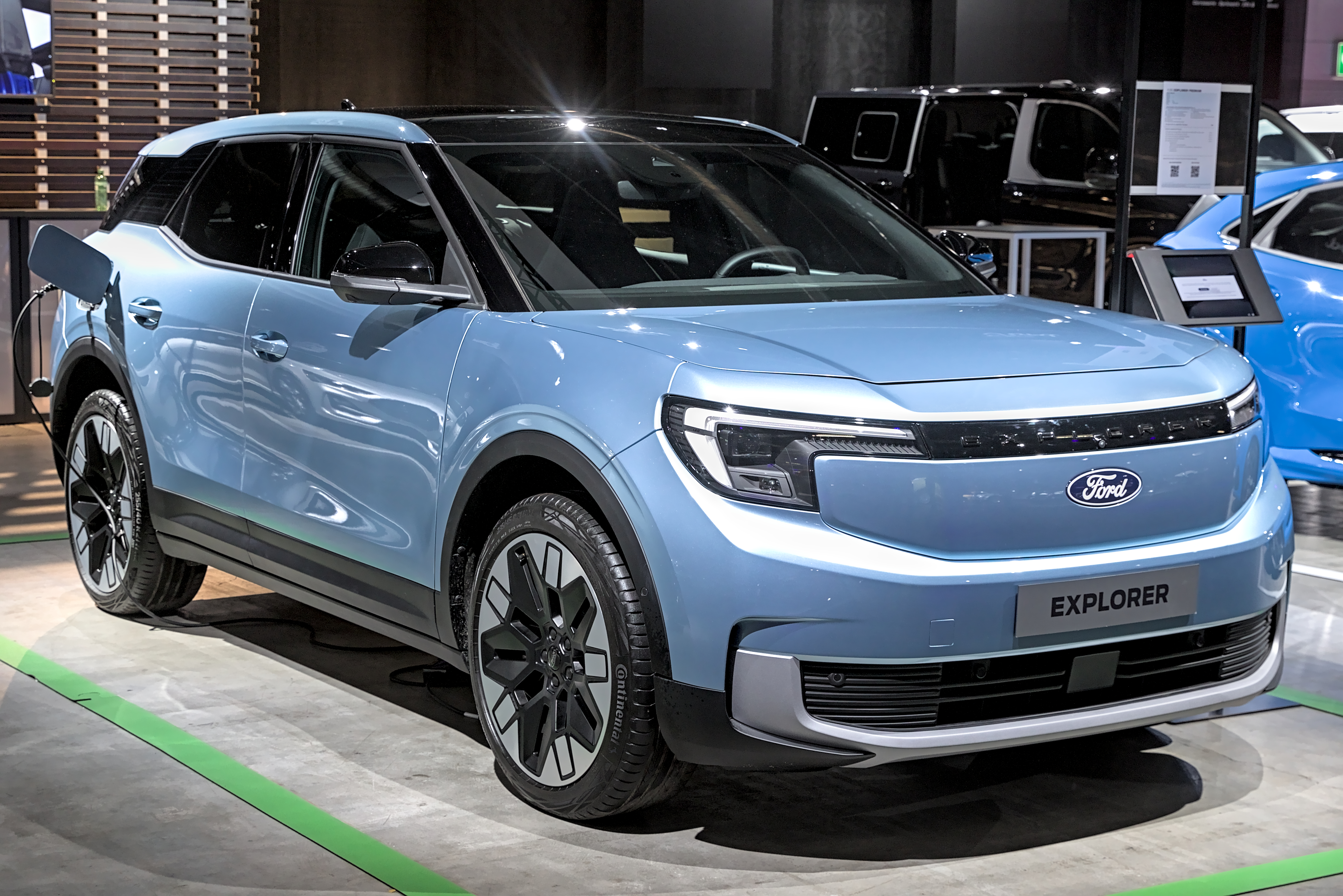
"..., I remember I was like, we had removed it, like Explorer was one of the vehicles. We removed a ton of con..."
The Ford Explorer is a large car designed for families and adventures. It has lots of space inside for passengers and their stuff, which makes it great for road trips or everyday use.
The Ford Explorer is a mid-size SUV that has been a staple in the American automotive market since its introduction in 1990. Known for its spacious interior and versatility, the Explorer is popular among families and outdoor enthusiasts alike, making it a frequent topic of discussion regarding SUVs.
"...it turned out there was some clerical error in India with Ford paying me on all my incentives and everything else..."
Incentives are money or deals that car companies give to help sell their cars. They can make the price lower or make it easier to buy a car.
In the automotive context, incentives are financial benefits offered by manufacturers or dealers to encourage customers to purchase vehicles. These can include cash rebates, low-interest financing, or special lease offers.
"...you buy and all the, you know, the below the line margins..."
Below the line margins are extra costs or profits that aren't shown in the main price of a car. They can include special deals or incentives that affect how much money a dealer makes.
Below the line margins refer to the profit margins that are not included in the standard pricing of a vehicle. They often involve additional costs or incentives that can affect the overall profitability of a sale.
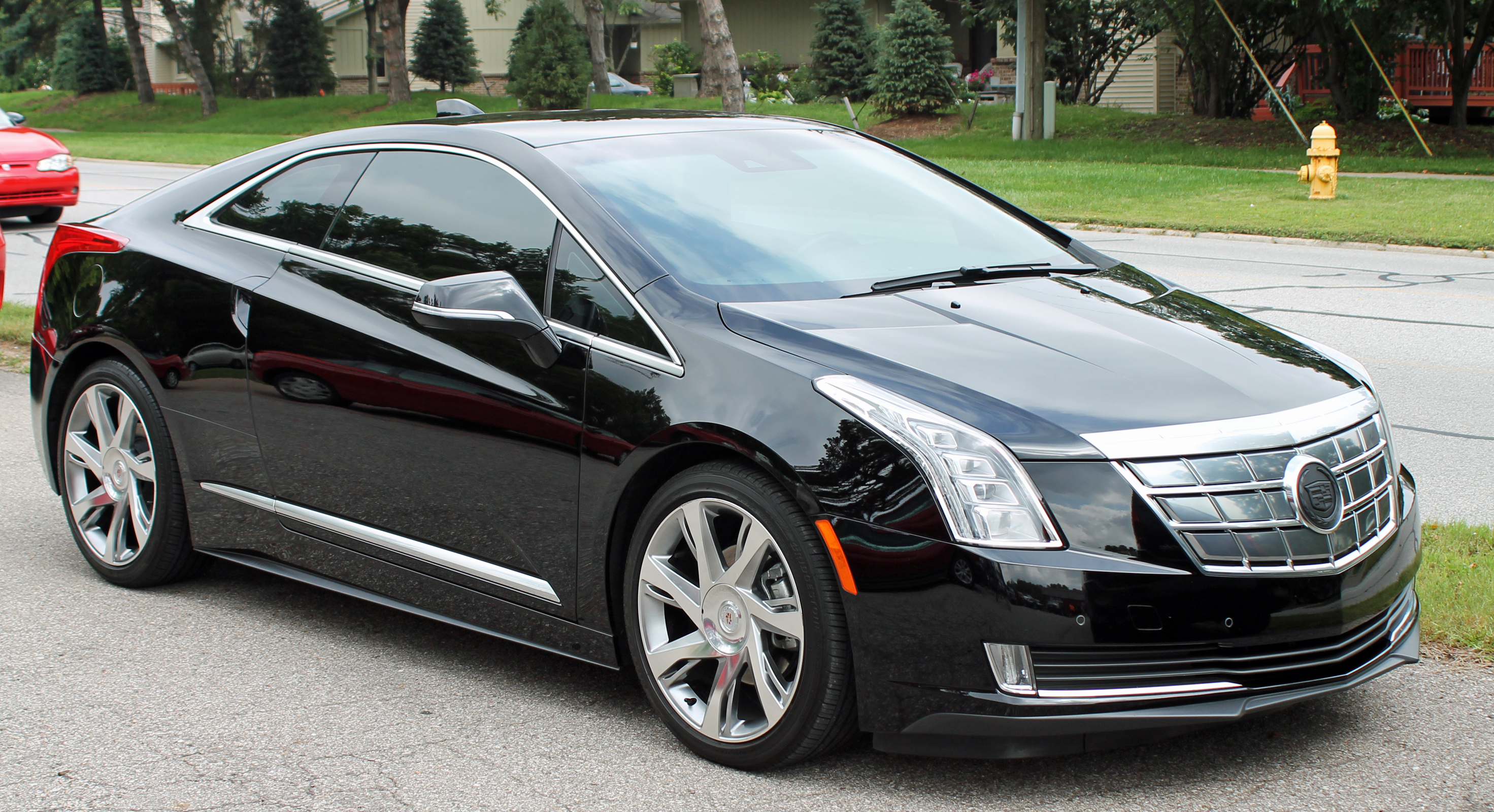
"...ring how important it is to use cars and focus on ELR and new video MPIs, you know, getting the team t..."
The Cadillac ELR is a fancy car that can run on electricity and gas. It's designed to be more eco-friendly while still offering a comfortable and stylish ride.
The Cadillac ELR is a luxury plug-in hybrid coupe that was produced from 2014 to 2016. It combines electric power with a gasoline engine for improved fuel efficiency and reduced emissions, showcasing Cadillac's commitment to innovation in the luxury segment.
"...like the service side and another guy's like, Hey, you ever heard of Dynatron?"
Dynatron is a brand that makes tools and equipment for fixing cars. They help mechanics do their jobs better and more efficiently.
Dynatron is a company that specializes in automotive service equipment and tools, often used in body shops and repair facilities. They provide products that help with vehicle maintenance and repair processes.
Why leave Ford for dealership ownership?
How to pursue a dealership dream?
Biggest complexity in dealership ownership?
Key insights from the field?
Future of the auto industry?
Tesla vs. traditional automaker approach?
Solving vehicle affordability challenges?
Best team building and training strategies?
Future plans for the business?
Select text to request an explanation
Dealers, early access to our private dealer chat groups
is now open.
Join top dealers at cdgcircles.com,
that's cdgcircles.com or hit the link in the show notes.
I'll see you inside.
Today I'm joined by Doug Gilmore,
dealer principal of Malone Ford.
After nearly two decades climbing the ranks
at Ford, Doug took the ultimate leap
buying and running a dealership.
Not only did he leave behind an impressive career,
but he bet the farm on his one shot at his ultimate dream.
A big thank you to our sponsors
for making this episode possible.
Open lane, repair 360 and cdgcircles.
And now let's get into the show.
Doug Gilmore on the cdgpodcast, Doug, welcome.
Thank you, I'm pretty sure you made a mistake.
I don't know why I'm here, but this is awesome to be here.
I did not make a mistake.
Actually, the mistake that I thought we made
was when I saw a 13 year factory guy
in the marketing department most recently, I believe,
now a dealer.
I was like, Doug, what's going on over here?
Like, how did this happen, right?
Give me, I need the backstory.
Who did you meet while you were at Ford as a marketer?
And you're like, I need to be a dealer.
Like, what is going on over here?
How did this happen?
The best part is nobody at Ford knew
I was doing what I was doing.
So I ran everything behind the scenes
because my background was marketing, sales and service.
So I knew all the guys, right?
And I knew there'd be either a conflict of interest
or just, you know, these are all the people
that approved me are people that I know personally, right?
And I didn't want to put anybody in an awkward position.
So as I went down this path, I did it truly independently
on my own without asking for any favors.
I'm making anybody feel uncomfortable.
So when I presented an application, it was here,
here's everything, you know, you know,
sign, seal and deliver, what do you guys think?
And so it was a pretty shocking conversation
when I did that.
All right, so just so I understand this,
you're at Ford at the moment
and there isn't like a program, right?
Obviously there isn't like, hey,
Ford corporate, come be dealers.
So what, like, what goes through your mind?
This is a very atypical career path
to go from factory to dealer this way.
So like, what happened?
It's, well, that moment was going through your mind
as you, you know, your puckered off
because you have no idea what the response
is going to be, right?
So you're basically saying, I want to move on
and do something different.
And is there a conflict?
I didn't know Ford is going to be like, you know what?
Hey, yeah, we'll review this,
but you no longer have a job here, right?
Like that was the part that was nervous.
You know, just, you know, just made me nervous, right?
And so the initial conversations were very hard,
but the people that are at Ford were incredible.
I mean, they couldn't have been more gracious, you know,
leaders and mentors that I talked to, they were shocked.
I mean, by the second day after they submitted my application,
you know, the regional manager who also
was a good friend of mine, he was like,
Doug, they don't know what to do with you.
Like no one's done this in recent history
where they've left, you know, at Ford
where they've left the factory and bought a store.
A lot of people have left to go run stores
and go work for dealer groups.
And, you know, a lot of my friends have,
but, you know, no one had really tried
just truly buying a store while they're at Ford.
So yeah, so made for some very delicate
and interesting conversations.
I can imagine.
So what happens behind the scenes?
Why did you do this?
Well, and so that's, you know,
and since I love you, you'll see,
because we're gonna get into all the drama
and everything else, but it's a long, you know, journey
of, you know, I'm a, you know, maybe a wanderer, right?
Like I love challenges, I love new things.
I had a stint in retail a long time ago.
I mean, not only know where to start
to kind of get you to where we're at,
but, you know, if I jumped to the end,
it was, I probably wasn't happy anymore
being like in a big bureaucratic company.
Nothing to do with Ford.
I love Ford.
I bleed blue, but I was on that, you know,
that kind of that bureaucratic, you know, rat race, right?
I was on the wheel just spinning.
And I was good at what I did and I had an awesome career
and I can't say anything bad about Ford,
but then the day I wasn't making the kind of impact
that I wanted to make, which is interesting, right?
Because I was working on billion dollar programs
or running teams of billion dollar sales.
So the economic impacts working at the factory
just incredible, right?
But it was that bureaucratic, you know, atmosphere
and it was no longer for me.
And I didn't know it.
I was in Vermont at a cabin on a lake
and it was in the summertime
and we were doing a celebration of life
for my father after he passed away.
And this was, you know, maybe three,
three years ago, three and a half years ago.
And I was with some good friends,
friends from graded school, high school.
And aside from my father passing away,
I mean, it was a celebration of life for that.
That part was fun.
It was expected, no surprises.
But they're like, you're not happy.
Like, let's go and we're sitting by the water.
Like, what's going on?
I was like, what are you guys talking about?
So they tell you this.
They literally tell you this to your face.
Yeah.
Yeah, I was like an intervention because like,
I was like, what are you guys talking about?
I was like, have an awesome career, you know,
working all at that point in time.
I was a chief product marketing manager.
So I'm working on future vehicles.
What could be more cool?
Like, you know, future EVs and stuff like that.
And they're like, you just, we can tell.
And they got in my head and I started thinking about it.
And, you know, and then one of my buddies sent me a podcast.
So I think it was from like Peter Atea,
the doctor does all the cool like, yeah.
You know, interviews with people.
He was interviewing this guy talking about,
you get stuck in this bureaucracy
and you don't even know you're stuck.
And again, I'm not, it's the right thing for a lot of people.
But for me, and I think it's just my makeup,
it was they're like, no, we see you more like building things,
you know, making an impact and things like that.
Got my head.
And so, and honestly, being a dealer has always been
in the back of my mind.
It's always something I joke to my friends.
When I retire from Ford, I'm going to be a dealer.
I worked with dealers for, you know, for years with Ford.
I had a lot of field jobs, right?
Had a stint, you know, running a family dealership
for a few years, turning it around.
So something I was like, I knew the dealer world.
It wasn't, you know, foreign to me or like, oh, hey,
I'm just going to go, you know, whimsy, you know,
jump into something I had no idea about.
But they're like, I think it's time.
And so, you know, fast forward a few days after I was like,
you know what, I think they're right, you know,
and they're kind of, you know, breaking that mold for me.
There was an ad from the Dave Canton group.
And I'm sure you've heard of them
and they're huge, one of the biggest, you know, M&A firms.
But Dave was, he had a dealer,
I think it was an accelerator program.
So it's basically the ad was for,
hey, if you're like a GM or something,
you've always wanted to own your own dealership,
give us a call.
So I picked up the phone and I called them
and I said, I'm probably not at all what you guys,
you know, are looking for.
I'm a factory guy,
but I've always dreamed about owning a dealership.
I was like, what do you think about that?
And the guy was completely shocked
because usually he's talking to GMs and sales managers.
And he goes, you know, most people,
he's like, my job is pretty much to screen most people
and help them understand why this probably
isn't the right move or, you know,
their ability to do something like this.
He's like, you're a different story.
And he's like, I need to have some other people call you.
And so next thing I know, I'm getting a call,
you know, from Ivan Raskin
and he's from Biltmore Consultants.
So they're like the white label firm,
M&A firm that Dave Kannon hired to manage this.
And, you know, and Ivan was like, this is fascinating.
Now he's a former like corporate guy, GE, you know,
consultant for Hyundai Kia, now he does M&A,
but his firm, and they still do it today,
they help first time dealers.
Like they're the guys that know how to do
the unique financial engineering
and know exactly what the factory is looking for.
And so I started talking to Ivan and he's like,
I think there's something here if you're willing,
basically if you're willing to go on the journey,
he's like, this is a long journey.
And I was like, I know.
And that's the thing, like I had approved a lot of myself
on the other side of the fence.
I've been through them, I've helped dealers go through them.
You know, and if anything, I probably realized, you know,
I realized I knew enough about it to realize
if I ever wanted to buy a dealership, I would need help.
You know, I think a lot of people the first time you're like,
no, I can do this, I can figure it out.
It is complicated.
And it's complicated for someone who knows a lot about it.
And a lot of that complications
is just managing all the resources, you know,
from the right accountants, the right lawyers,
you know, the right insurance agents on, you know,
how do you set up, you know, an SBA loan,
the right banks, right?
So you went SBA route?
I went the SBA route, yeah, Connor Duncan from Live Oak.
Now granted, like again, this is why it's good
to have intelligent people on your team.
People much smarter than me is that
I wouldn't have known to reach out to Connor,
but Ivan had already had a relationship with Connor.
He knew it would be a good fit for Connor.
So we reached out to Connor Duncan at Live Oak
and put me in touch with him and helped me set up
with an SBA loan, which was way more financing
that I thought I'd be eligible for.
But again, why smart to just bring in people
that know a lot more than you think, you know.
So a couple of questions there.
First of all, you were working at the factory,
you purchased the four dealership,
clearly some testament to the durability of the brand,
your belief in the brand.
What is it that led you to believe in the future
of the brand to put your own money, you know,
to put your name in SBA loan
typically requires a personal guarantee, right?
So that's a very strong belief in the brand.
Why did you come out of there
and like what led you to have that strong belief
in conviction?
Cause you could have gone for any brand technically, so.
I mean, the good and bad about an SBA loan
is that you can stretch the loan over 20 years.
So, I mean, my conviction is really out there
on the far horizon.
So I can't ever get into like, you know,
what I'd know about like future products,
but I worked on future products, right?
Like I could see the vision behind the scenes
of what Jim Farley's taken to the board of directors
and, you know, people like Jim Bombeck
and what they want for the company, you know,
what they're trying to plan five and two,
I believe in it, right?
You know, I grew up with Ford,
I've had family in Ford, my uncle worked for Ford.
So I do believe blue and it's not that I'm at all opposed
to, you know, acquiring another franchise,
but I was very clear to Bill Moore and Ivan's like,
hey, I'm going to buy a dealership
because they had other stores for me.
They're like, hey, we can get you in a store today.
I said, no, if I'm doing this as Ford is for me.
And again, and it's, you know,
sometimes that's the irrational part of it, right?
Like, so there was an irrational part for me.
I was like, no, I'm going to, I'm doing it with Ford.
But I do believe in the company.
I believe they've got the right products, the right lineup.
You know, they've got the right leadership
and beyond somebody like a Jim Friley,
like the next tier leadership is awesome at Ford
and Andrew Frick or Jim Bombeck.
I mean, these guys are incredible in the depth
that they have and what they bring in their, you know,
their years within the auto industries.
This episode is brought to you by Open Lane,
recently voted the most preferred digital wholesale
marketplace by dealers.
They've been busy using the power of people and AI
to build a more confident wholesale experience.
Open Lane condition reports now feature AI powered
and inspector confirmed exterior damage detection,
high quality engine audio recordings
and OBD two codes decoded into plain English.
If you've never used Open Lane before
or it's been a while since you have,
you're eligible to earn up to $2,500 in buy
or sale fee credits.
Learn more at openlane.com slash CDG
or click the link in the show notes below.
I think that question is especially important
given the fact that you worked at,
I saw on lots of EV marketing
and that was a pretty, you know,
tumultuous time for Ford EVs, right?
Things have gotten better and the market has changed
and shifted and credits have gone away.
And so I would say in some sense it's more stable now,
but again, you were working at Ford during this time
on, you know, EV marketing and it's just surprising to me
or it's, I mean, wow, to go from there,
I see you're smiling.
I mean, it's to go from there to acquire a Ford dealership.
It says something at least in your long-term, you know,
conviction.
So a lot of my history with Ford too,
but I mean, outside of like the product side, right?
Was being in the field, right?
I've been a marketing manager in the field.
I used to be the business development manager
for Quicklane in the central market area,
which is like Texas and Oklahoma going around,
helping dealers set them up and operate them.
You know, going to FDF meetings on the marketing side,
talking to dealers about,
hey, what are we gonna do for tier two advertising?
All the way up to, you know,
eventually as a regional manager in the Northeast,
you know, overseeing 130 dealers,
you know, helping them grow,
working on their allocation, their service growth,
their customer satisfaction.
So I spent a lot of time in the field working with dealers.
And the funny thing was is I always looked back
and I was so much working, I always found it fascinating.
Like I wasn't going,
I was the kind of regional guy going,
tell the deal, hey, this is how you're gonna run your business.
I mean, I just wanted to go in and just talk to people.
I mean, I just love learning from these dealers
and these guys.
And if I could give them a nugget of wisdom,
and it usually wasn't something that I was smarter than them.
I was like, hey, I've seen a few other stores
trying this, this, and this,
because I could bring that,
almost that 20 group worldliness a little bit to them.
And they're like, hey, yeah, I hadn't thought of that,
but let me go check it out, right?
But it was learning.
Like you had Fred beans on once, right?
So I used to call him Fred.
Fred the legend.
He is a legend.
And I love seeing Fred.
Every time I would see him,
it was so educational.
And I just love going to see Fred to sit down
and like take somebody like that,
that should know everything, right?
He's been doing it for, I don't know, Fred's in his mid 80s.
He's been doing it since the 50s,
started out with a gas station
and now he's got whatever, 30 stores
and one of the biggest parts guys in the country.
And he's so, to this day, he's still curious, right?
Like he's still learning about the business.
And I'm in there, he's shown me all his books on Audible
that he's reading as he's driving around
and he's used to escape, right?
But he's learning and he's sharing my nuggets.
And after I bought this store,
like I didn't know I had all this excess,
used in parts inventory, obsolete inventory.
And like, I'm just going to offload this now
and take the bite up front
so I can free up the space for my parts team
and just start clean.
But I couldn't get off of $50,000 of this whole person.
So I was like, you know what?
I'm going to give Fred a call.
I haven't talked to him in three years.
He probably doesn't even know, remember who I am.
I called him like at five o'clock at night.
He picked up like on the second ring.
He's like, Doug, how you doing?
I was like, oh my gosh.
He goes, I'm in a board meeting right now
with my, you know, wholesale distribution team.
But yeah, I saw you calling.
I was like, well, I was like,
I'm so sorry to interrupt you Fred.
No, what do you got?
I just bought a dealership.
And he's like, and I'm like, he was like, really?
And I start talking about what I'm doing.
I was like, I'm stuck on this obsolete inventory.
But I, I forget I just asked you if you knew anybody
I should call or how I should handle it.
He goes, I'm sending you over, you know,
I'm going to have the head of my, you know,
parts distribution center give you a call
and then we'll see what we can do.
And then he starts talking to me.
I was like, hey, how about your sales process?
I don't really have a sales process yet.
Fred, I just bought this store.
He goes, I'm going to send you over my sales process.
And he goes, what do you think about, you know,
you know, you know, single price, you know,
one vehicle price and all this other stuff.
And I'm like, why?
I don't know.
I think we're still negotiating.
He goes, I'm still negotiating too.
He goes, I don't like one price.
He goes, Doug, I don't like one price, you know,
because it's not the right price for every customer.
I mean, he's just thoughtful and energetic,
but it's something that I learned from all dealers, right?
Like it's, because I've met a lot of dealers that, you know,
within two seconds are just telling you,
they know how it is, right?
They're awesome.
A lot of those guys, I don't know,
he's the guys that have grown.
Yeah.
And the lifelong learner.
That was definitely the impression I got.
I had of him, you know, after he was on my podcast
and, you know, I've known of Fred for,
I grew up in this area near Fred,
near the Doyle's town and, you know, area.
But Fred is just such an incredible operator
and the enthusiasm, like you said,
the attention to detail.
It's very, very just incredible to watch from the side.
I got to ask you, and I want to talk more about your entry,
like you said, your kind of first initial days, months,
or weeks, months in the dealership,
but from your vantage point now,
you've been a dealer now for several years
and what is the factory getting wrong?
I bring on dealers all the time here and I ask them,
I say, hey, like, what would you do differently
or how do you operate with the factory?
But I don't really bring on many factory guys
or former factory guys in your case and say,
you know, what would you like the dealers
to do differently and why?
So you've seen both sides now at length.
And so what does the factory not understand
about dealers or dealerships?
What do you think, if anything?
The first one, and they've now fixed it,
was the importance of like a good field team, you know?
And, you know, during COVID, a little before that,
and this was a prior regime, you know, different leadership,
they cut way back, you know,
on the reps that call them the stores, right?
They cut them back and put more dealers
in the call centers and whatnot.
And then, you know, the few reps that were left
just had so many stores, you know,
and Ford sales and shares started falling, right?
And customer sat fell off.
And, you know, and dealers were frustrated
because they didn't have, you know,
the help they needed when something's going on
with the customer or the vehicle they're looking for
or something in service or parts, right?
And I feel like the OEMs or the best field teams
are the ones that kill it, right?
And Ford had that for years.
I mean, I think I was always so proud.
I felt like Ford had one of the best field teams,
the best partnerships with dealers.
I would see, you know, like,
I would be in dealer council meetings
when I was a regional manager
and Andrew Frick would be leading them.
And he is a dealer partner through and through.
And it was, if the, you know,
we had a rational conversation
and things that we were going in that management of us
to say, hey, you know what,
this is probably not gonna happen
or in the budget or whatever.
But we found a rational way talking about it
with the dealers.
Andrew would take it back and be like, no, we'll find a way.
You know, like a true partner of the dealers.
Then I felt like we've lost that for a little while.
And now Ford is getting it back, right?
They built up the field team.
You've got people like Rob Caffle, head of sales.
I mean, he is a dealer guy through and through.
So yeah, question.
When you say a good field team, how do you define that?
Like, because a lot of factory people
do listen to this podcast
and a lot of dealers complain about the manufacturer
and listen, dealers aren't perfect.
Manufacturers are not perfect.
It's at both sides, it's, you know, it's flaws.
But what's a good field team?
Like, what's your definition of that?
For any factory person listening, that might be curious.
It's the support and a lot of it,
it's not the individuals, right?
There's always great individuals in the field,
but do they have the resources to help the dealers, right?
And when the field team is, you know,
they're cut of their resources,
they have no budgets for customer sat.
Or again, one rep has, you know, 20 plus dealers
that the poor young man or woman's got a call on, right?
Straight out of college, right?
Or they've cut back on their training.
You know, it's hard for them to provide value.
But then when you get, you know, right now,
like my rep maybe has, my sales rep might have 10 or 12 stores.
I've got a service rep, you know, the same thing.
They're learning the business, but they're there to help, right?
So we got a question and I push this on my team every day.
They're struggles.
I was like, have you reached out to your rep yet?
You know, we call those sales rep and you call them
and they might not have the answer.
But what it is is they got the resources
to get the answer to help you out.
Of course.
Yeah, I mean, it's, you know,
and some of the ones that are consistent like Toyota,
I always, I'm so jealous, right?
But I always hear Toyota, like the Toyota factory
and that partnership with the dealers is just fantastic, right?
It's less about forcing programs on the dealer
and more about how do we partner together
and just, you know, you know, get rid of the roadblocks
and just help make the customers happy.
And Ford is back there.
So, I mean, Ford did the full U-turn on that,
which is awesome because that's always...
Yeah, and I'm not asking this question exclusive to Ford.
I think a lot of it will be from the Ford perspective
because you were there, but I think in general.
Okay, so putting the field team aside, that's one thing.
I believe you said you had another thing.
What else comes to mind as like a misunderstanding?
So, what you misunderstand is the consistency with products
and how important it is to dealers, right?
And the EVs is the most glaring example of that, right?
Like, there's a lot of ICE vehicles, not just Ford, right?
And you can name pretty much most manufacturers
where all these vehicles are getting, you know, chopped
from the cycle plan because they've got all these EVs coming.
Well, now the EVs aren't coming, you know,
and all of a sudden the cycle plan and your portfolio
is starting to look a little weak
on what you've got to offer for customers.
But for a dealer, a dealer needs a full family of vehicles
to offer for a customer, right?
And you can't pick and choose because you start
as a manufacturer.
If you're picking and choosing, you're like,
well, these are truly our highest margin vehicles.
Well, that might work in California or Michigan,
but does it work in Florida or Minnesota?
You need a full diverse set of vehicles
because certain ones are gonna sell better
in different parts of the market, you know?
And so, and again, now Ford's focused on vehicles.
I mean, I think, you know, I've heard a lot from friends
that have Stalanta stores, right?
Like they came up real short on a lot of vehicles for a while.
Now they're leaning back into like Tim Kaniscus,
I mean, which is awesome.
I mean, but just to think how far Jeep and Ram fell off,
I mean, those are iconic brands.
Like how could they fall when they did?
I mean, it's good for me and my local market,
but I mean, in general, I love the auto industry,
so I'd love to see great brands succeed.
What was your perception on foreign vehicles
or potential, I know Chinese vehicles is a bit further out,
but when you were at Ford and moving them to buy a Ford store,
did disruption go through your mind, right?
Like will Ford be here for another two decades?
Like what kind of thoughts went through your mind?
And do these existential thoughts cross your mind?
Because I'm genuinely curious, you know?
Like the EV program has cost a lot of money for Ford.
They've invested billions and billions and billions.
You know, they've gotten a lot of flak for that,
for better or worse, that's just a reality.
And so does just the staying power of the brand,
I know I asked you in the beginning, you know,
why so much, why go after a Ford store and you answered that,
but I'm still trying to understand if being in the factory
and seeing potential existential threats,
you know, other brands rising,
if that went through your mind as something to be,
you know, of concern in the near term.
Without, all right, so maybe this will help frame my answer too.
So for someone like me who's worked in the factory, right,
had a great career, which is, you know,
and I nothing can say bad about it,
but I'm not making, you know, dealer money, right?
Where I'm just going to go buy a store, right?
So for me to buy a store.
I'm not making dealer money.
I gotta make a shirt, I gotta make a shirt
and give it to people like on the pod.
I'm not making dealer money.
I love that.
Cause as you know, you'll see to buy a store,
I mean, even a small store is expensive.
And especially when the factory says, you know,
we want to see, you know, 50-50 debt to equity ratio, right?
Like, so you just got to show,
you got to show the money in your bank account.
Yeah, I got a huge SBA loan,
but I still had to show 50% of that as equity, right?
And for me to come up with that kind of equity meant
leveraging everything, right?
Like, like, I think this is funny to say,
because my dad was a no kidding cattle dealer.
Like, I bet the farm.
Like I leveraged our house by, you know, 401K,
the kids college funds.
I took a HELOC credit card debt, everything, knowing thou.
I was going to have 30 to 60 days of once I made my decision,
you know, to leave for to do this,
that everything's bet and then is a slim margin of error
to start paying it off, right?
Like, does that debt accelerate fast enough
that I don't make it in the first, you know, couple months?
So not like, so this is what's going through my head
as I'm thinking about, is this the right bet to make, right?
And I like risk.
And so it's one of those things that,
so I bet the farm, I rolled the dice.
And but part of that is, is, yeah,
I was looking kind of out of the future.
And Ford is one of those brands that's going to survive.
It gets a lot of, so this is part of it is,
and this is controversial.
I mean, because there's going to be a lot of, you know,
probably you pie the analysts from Wall Street listen
and who knows, but the Ford family still has
a tremendous amount of control and influence at the company.
A lot of people do not like that.
I think it's a good thing
because it gives it that long-term vision.
They're willing to make hard decisions for the future
to endure and they're willing to make decisions
that not only just impact the bottom line,
but also decisions that impact, you know,
the employees, the communities, the country, the world, right?
I mean, it's incredible to kind of see that, you know,
when you put it together and you hear something
like a Bill Ford talk or an Elena Ford
to see their passion for the dealers,
see their passion for the communities,
not only for dealers, but, you know,
where the factories are located,
the importance of having a manufacturing base
in the United States, you know, for our own, you know,
you know, economic security, right?
You know, and so not only with things like that,
but then it gives that long-term vision is, you know,
we're gonna have great products in the future.
I mean, because that's what we are, right?
And usually Ford, whenever Ford makes some mistakes
and they're backs against the wall, they always bounce back.
I mean, and it's been shown over and over again,
even in recent history.
And so, yeah, I think there's other, without a doubt,
because I mean, one of my jobs in product marketing
was studying all these brands, especially China.
I mean, I was working on products for China
with our China team.
So I was up, you know, late at night and early in the morning
just to deal with the time changes.
There's incredible, incredible, you know,
car companies in China, just with their tech
and what they're doing.
But, you know, some of the questions are,
and it's hard to see the full transparency.
Are they all profitable?
I mean, like, there's a lot of SEO, you know,
kind of going into that, you know, state-owned,
you know, financing going into that,
where, you know, are they there yet, right?
So it was great tech.
Is it gonna work everywhere?
You know, a lot of them have already gone under,
a lot have survived, a lot are incredible,
like BYD, which is, you know, a very cool company.
And honestly, just brings, we need that competition, right?
You know, like, if Ford was the only brand,
I mean, the products would be boring, right?
Like, so to me, it's good competition.
We don't have that competition though,
but we don't have any, you know?
No, we absolutely don't, that's why,
but I think having that globally,
we will at some point, I don't know when,
but I don't know how long you can kind of keep out
global brands like that, because they're global,
they're in Europe, they're in South America.
So Jim Farley has said he drives, you know,
a Chinese brand vehicle.
I forget which one specifically, you probably know,
but he said, you know, it's just phenomenal.
He said he hasn't seen anything like this,
or not to quote him, he tweeted this, I believe,
but it's something super impressive at, you know,
half the price point.
You're right, we don't know the economics of it.
It is state-funded to a certain extent,
and maybe they don't need to be profitable.
Maybe this begs into a larger, you know,
a different type of vision to where profitability
is just not the goal.
And so, you know, I don't think that's like,
I don't think it's a strong,
or it's just, we couldn't rely on that
because you just, you can have companies out there
that will just not be profitable for decades
just to, you know, win the market share
as the Chinese brands have done.
If you go to, you know, Europe,
and you go to certain countries in Asia,
I mean, it's just, you know, I don't want to say Africa,
which I haven't been, but I've heard, South America,
I mean, you see these things everywhere.
So it's pretty incredible.
It really is.
I mean, you know, we were so fearful
of new brands coming in, right?
But I mean, think of like, you know, the Koreans, you know,
like, and it's a little before my time,
but you think of when Hyundai Kia first
were coming to the US, I mean, and it, you know,
it looked like, you know, funny looking Mercedes
or whatever, look at them now.
Incredible, gorgeous, you know, world-class products.
I mean, but it's just driving us all to be better.
I mean, so things like that are coming.
I mean, it's, it's whether it's a year,
five years or 10 years.
I thought about this actually, what you just said,
and I'm probably going to butcher this
so someone is going to, someone who's just smarter
and while research right now is going to, you know,
listen to this and do some researching.
But when I think about how these brands
were able to enter the US, you know,
penetrate the markets and other brands have,
and the domestic brands flourished alongside them over time.
And again, they're bumps along the road.
I think of a couple of things, right?
Which is without seeing the numbers,
like immigration was under rise significantly, right?
And like, say up to the, I don't know,
I'm not even, I'm not even going beyond the year 2000,
but let's just go up to the year 2000.
So you had rising immigration, so more, more, you know,
more people, you also had a net positive birth rates
not that you don't have today, but last I saw,
I want to say on X was like birth rates
have been, you know, plummeted significantly
over the last two decades.
And so that of course results in reduced demand
and it takes time, but I'm just,
I'm just kind of putting these pieces together
and I was saying like is vehicle demand going to rise
or is it going to decline?
And how that is, how is that as a factor
going to impact these manufacturers in the future
and the ability for additional manufacturers?
Okay, so that's kind of the human macro side.
Then there's the other side, which is just technologically,
right?
If these things get so fricking advanced
and they need, you need such crazy budgets to, for R&D,
which means you also need to model them out
at greater numbers, greater volumes,
you're going to have to see consolidation, right?
Because in the past, maybe to build a vehicle
was less expensive or maybe not less expensive,
but required less research and development
or maybe that research and development did not need to be,
you know, reinvested so at such a high clip
every single year, then your overall operating model,
I would assume you just did not need to sell
as many cars to be profitable,
but now as those inputs have changed,
you need to sell higher volumes as we've seen with EVs.
We haven't even gotten close to them,
which all roads lead to consolidation.
So it's like, again, this is like super napkin math.
This is dealer math, right?
This is totally dealer math.
This is not Wall Street math, so excuse me, Wall Street,
but I just say like, I just, you know,
it's going to get tougher for the manufacturers.
If you could look at just macro,
you look at the, you know, population figures
or, you know, just consumption and you think about technology
and the needs or requirements from a brand
in terms of, you know, how much they can invest.
So I hope you enjoyed my dealer math there.
It is awesome dealer math.
It is fascinating to watch because some, you know,
especially when you talk consolidations,
like think of how, think of all the stories
where you see these big consolidations
and then you see these nasty breakups, right?
Like you were really set up.
I mean, Marchione did an amazing job.
You know, when it was, what he was doing with Stellantis,
right, before he passed away.
But now they're struggling,
but maybe they're going to figure it out again, right?
You know, or the, you know, the Nissan Reno,
like think about like how that fell apart.
But, you know, even Ford, I mean,
Ford is a poster child for it, right?
Like Ford consolidated, I mean, I forgot how many brands
they had, Volvo, Land Rover, Jaguar, right?
You know, Lincoln, Mercury, I know I'm forgetting something,
but, oh, Aston Martin of all vehicles, right?
They had all these, and then it wasn't working.
And then Al Malawi chopped them all
and all of a sudden Ford started doing better again.
Like, so it's fascinating.
Cause you're right, the economics say
there should be consolidation.
It's just, it has worked.
You have pulled it off Toyota hasn't consolidated
and they kill it.
Yes.
They kill it.
I mean, no one's even close to them.
I don't know, they made, what, $30 billion?
Sold the most cars of anybody.
And they're, you know, their market cap
is a fraction of what Tessels is, but they kill it.
This episode was brought to you by Repair360.
If you're in the used car business,
you know waste to time is wasted money.
Check out Repair360, the first and only
reconditioning software that connects every function
in the dealership to tighten Recon
and help you sell more cars.
No more hounding vendors.
Goodbye, endless texts and hallway chases.
Repair360 connects all the dots.
See where every car is and what its Recon
is costing minute to minute in real time.
Go to Repair360.com or click the link
in the show notes below.
Incredible.
Doug, what do you think you are a marketer for Lincoln?
Most recently, what do you think about Lincoln,
the future of Lincoln?
So I don't know the few, like I was working on future EVs
and that they've obviously changed course
since I was there, right?
I love the products that are out today.
I mean, you look at a navigator, you look at an aviator,
the new Nautilus want a tremendous amount of awards.
So I mean, we've got, you know, gorgeous products.
I'm just hoping the factory stays behind it, right?
They just need their resources.
They've got awesome dealers.
They've got great products.
They just need more products, you know?
And I hear that from Lincoln dealers like,
hey, we've got great products,
but there's four, give us a few more, you know?
And I get that now.
Now that I'm on the Ford side, I'm like,
yeah, I'd like a little bit more product diversity too.
So I totally get where they're coming from.
So they've got great products.
I'm just, you know, and I believe they will.
I just hope they get the vehicles to the dealers in time,
like the new products and new generations
over the next couple of years.
Is that your concern?
Yeah, it is because when you live in the product world,
everything takes so long.
It's not like, oh, well, the EVs are away.
Let's just come out with a new, you know,
flux capacitor for whatever.
It's like, it's like a five-year product plan, right?
It's the design, it's the engineering.
It's in the timeline, the lead time,
and it's for everybody, does take forever.
I mean, Tesla Braggs, but they're just updating software.
But if you're updating sheet metal and design
and platforms, you know, it's,
you need that time to do it right.
You need the design, the research
to make sure the customers are gonna love it.
You're forecasting out something
that's gonna look beautiful and sexy
and exciting in three to six years.
It is complicated, but that's how so many manufacturers
get it right and have awesome products on the road today.
But do you think there's something,
like there's, it seems like we have this tale of two worlds
where you have the Teslas,
you have very few SKUs, relatively speaking, right?
Like, couple models, a couple colors.
There's just not that many variations
of purchase in that vehicle.
And then on the other hand, you have other brands,
such as Ford, where you have, you know,
all these different variations, all these different colors.
Do you think it needs to be that way?
Like, could Ford go more Tesla with fewer models,
fewer variations, streamline the supply chain,
make it easier to get product into people's hands, right?
Likely also reduce costs along the way
because your supply chain is, you know, a bit simpler.
I know you're not like some,
you weren't like the head of supply chain or anything,
but you were a marketer
and you did have to control product and timing.
Is there a world where we see
that kind of stuff, the more simplicity?
It was like a former marketer, right?
Like, and as an owner of a dealership now,
which I think makes me just a customer advocate,
I truly believe customers want choice.
Could be paint colors, could be interior colors.
It could be options, you know, moon roofs, you know,
massaging seats, you know, with your luxury customer,
cloth seats versus leather, you know,
22 inch wheels versus 18s.
And like, all at the end of the day,
look at, there's so many aftermarket companies
that retrofit Teslas that put leather interiors in
or put packages on the outside
that make them look modified
and different than what their neighbors have.
You know, at the end of the day, customers do want choice.
And so I think customers,
what I believe I speculate and my hypothesis would be
is that customers are making a sacrifice for Tesla.
Cause what Tesla does have is they have awesome technology.
They really do.
And they got an awesome brand that Elon Musk has created.
That brand is volatile, but it's still awesome, right?
You know, and that's the speculation
that's driving the stock price so high too, right?
Like, so people are buying into the brand,
they're buying into the tech
and they're willing to make a sacrifice.
So it's like, I want a black Tesla with, you know,
or the black and cloth vegan interior
because, you know, it doesn't match my Birkenbeck,
but you know, right now I want an EV and I, you know,
and I want to be, well, now it's changing
based on politics, right?
But pre-politics, right?
Everybody just want to be part of the Elon crowd, right?
That was a very, you know, forward thinking,
tech forward type of crowd.
Now it's a different crowd,
but it's still brand-based, which is fascinating.
I agree with you that consumers make a sacrifice
when, you know, let's say that you buy a Tesla
or I should say differently,
you make a sacrifice in certain elements.
I think that there is a price or value associated
with choice and I think the danger for an OEM
is to be stuck in the messy middle, right?
If you maybe remove a couple options,
but not enough to create,
or you're not creating some other value alongside, right?
Maybe the vehicle is inexpensive enough
or cheap enough to where it's affordable or whatever maybe.
I do believe that it's at least worth exploring, you know,
where, what is of most value
and where can we maybe streamline to get costs down?
Because I really think affordability
is going to continue being the biggest challenge here.
We haven't seen a massive decline in prices
in the last couple of years.
And yes, prices have somewhat come down,
but average transaction prices, you know,
if you look at new vehicles have stayed very much elevated
in that we've now, you know, done away with the EV tax credits,
used cars are in no better shape.
They've come down, prices have come down
and used to like the mid-20s,
but you've also, you have a lot less supply.
So, you know, I just, I think about these things.
I try to go to like the source and say, you know,
is there a different way?
And I want to be very clear.
Like I'm coming to this with like full humility.
Like there's people that spend days, weeks, years on this stuff.
I'm just over here, you know, yapping away, giving my thoughts.
But, you know, I'm one consumer.
So I have an opinion and I welcome anyone
that's listening who's way more experienced in this
and deals with it on a daily basis,
maybe at the manufacturer to hit me up and give me their take.
No, you're absolutely right.
You'll see in these whole teams at the factory,
like I would spend hours with teams of engineers and finance
and everybody and how we can reduce costs, right?
And as a marketer, usually the counterpoint to those questions.
The interesting before I left, I remember I was like,
we had removed it, like Explorer was one of the vehicles.
We removed a ton of content and a ton of configurations.
But then they couldn't quantify, we were, we were,
we couldn't quantify the savings.
They're like, is it really saving us money at the factory?
Right. Some things clearly do, right?
Like if you can remove certain lines at a factory
and increase efficiency.
And then to your point, it's like the value.
It's like there are certain items that do have big value
and other ones that don't.
Like is really going from 12 paint colors to 10 paint colors
going to save that much money.
And I guess it depends how many paint colors
the line set up to manage, right?
So you're right.
It's all of an interesting dealer now.
Like I'm also, you know, speaking out on one side of my mouth
because I can't carry every combination on my lot.
And I sell most of my vehicles off my lot, right?
So our job is to help a customer who wants it as a vehicle
they've always wanted, regardless if it's the right color
or if it has a mood or if it's not.
Yeah. So you step into that dealership.
Now we fast forward to present day.
What aspects of just being a dealer have surprised you?
Is it maybe something that you're like, wow,
I can't believe this is being done this way.
We got to do better.
Or maybe something where you're just like,
I didn't even know that this exists.
Like what has surprised you?
For me, coming from the factory side of it, right?
It was, it's the human side of it, right?
You know, like on the factory side, you're in big teams
and people are moving around every 18 months
and so you kind of get to know somebody and they move on
and you're moving up or you get promoted.
And, you know, most people are successful
when you're high level in the factory, right?
So few people are talking about finance problems
or anything like that, right?
So when you're in a small business, you're there for everything, right?
You know, like these people, I've got people on the team
that have been on this same team in the same office 20 plus years,
you know, long before I got there, right?
You know, people with family issues, you know,
people with conflicts within the team, you know,
people that just need to be reassured.
And it was kind of like, wow,
I just need to have an open door every day
and I can do an open door.
But I mean, so much of it was, I wasn't, I was thinking,
hey, this is going to, you know,
coming from the factory, I'm ready for it to be all numbers.
PowerPoints, right?
I can analyze and put together a great, you know,
PowerPoint presentation of what we're going to do.
And I found out of, like, oh, my God, it's so much
about hard conversations or uncomfortable conversations.
And it's not just emotional.
The emotional intelligence.
Emotional. Yeah.
Yeah, the EI side of it.
Other than emotional intelligence, how has the store performed
when you came in today?
I mean, how profitable are we talking?
Like, where are you at?
So the most stressful the first couple of months, right?
You know, like so coming in, you know, I'm a long time ago
as a former Marine, right?
And so, you know, all about planning.
I had no way.
Why didn't I know that?
I don't know. But I had, you know, so like coming into it,
like I planned out everything, right?
We're going to take this and we're going to, you know,
conquer the world.
And luckily, one of the the biggest things that you are in the Marines is,
you know, every good plan, you know, doesn't survive first contact.
So you better be ready to adapt, right?
And I was pretty sure, right?
Nothing matched up on my pro forma, you know, like we're losing
money the first month in, last more money the second month in.
I mean, you're always talking about like, you know, profit as a
percent of sales, like mine was like negative four percent.
And, you know, going to the store with like, you know, a million
and a half working capital, like there's only so many more months
I can do this before, like I was like, this could be embarrassing
if I, you know, go bankrupt in six months, you know, just before you got
to call before you got to call Fred Beans to bail you out or I got
Yeah, we were losing money, but what I could tell, right?
You know, and this also is like where I can just, you know, tribute,
you know, just the lessons I learned in the Marines is just being calm, right?
Like, yeah, there's a lot going on, but be calm and look through.
Like, are we doing things the right way?
And I, I had, I luckily, I inherited an awesome team, right?
And I could tell, you know, we were changing things, but we were
doing the right things, you know, I bought it the end of October.
We're going into November and December and when you're in Northern,
Northern, Northern New York, I mean, basically Canada, those are your slow
months, right?
I mean, despite what's going on in the rest of the country.
And so we were slow.
I had started up, I mean, we weren't really selling cards till mid
November, because getting DMS is online and everything else.
Once we had that online, all of a sudden, you know, started making a little
bit of money, but I was like, but my, my bank account is going, why is
my bank account still going down?
Like, I'm running out of cash in my bank account, but I was like, everything
is showing us making money.
It turned out there was some clerical era in India with Ford paying me
on all my incentives and everything else.
So now I'm all of a sudden, I'm not getting my weekly incentive, you know,
and, and everything else that Ford's do, you know, based on the vehicles
you buy and all the, you know, the below the wine margins.
And then how much are we talking about?
How much money were you at?
By those 50,000 a week or something or more.
Wow.
You know, so I'm burning through cash and I, and it was all coming up
right before the NAD meeting.
I was like, guys, I was like, and I was all the regional team.
I was like, if we don't figure this out before the NAD meeting, I'm
going straight to the top at the factory meeting and let them know that
you guys are going to be the ones that put me out of business because I just
the cash was, and finally got that back on and they, you know, but it was
like a true up of like several hundred thousand dollars.
When you're in startup mode, doesn't sound like a lot of money today, but
when you're in startup mode and you hadn't made money yet, that's a lot
of money, especially when you lost money or course.
So it's, you know, just kind of going into it, you know, from that mindset,
it was like, you know, it's just staying calm and having trust in your team and
a confidence in your team that, Hey, if we're doing things the right way, it's
going to come around.
We're taking care of customers with selling cars, returning wrenches.
It's going to come in a dip and it's come around and the team is grown tremendously.
Right.
You know, one of the things I instituted and again, it's just kind of like
the discipline from the military side of it is like, everyone's going to be trained.
You know, you know, as a small rural store, so it wasn't a lot of formal training,
right? But I joined NCM 20 groups.
I'm a part of an NCM 20 group joined it pretty much day one.
They reached out to me and invited me to join.
I was like, yeah, this sounds great.
I'd reached out to an ADA and it didn't get a call back.
And then a group from NCM called me and said, Hey, we heard about you.
Somebody, somebody knows you and I joined that group.
Those phenomenal deals from around the country, hard chargers.
I mean, this isn't a kind of a group, but we're just going to have fun.
I mean, we're drilling each other, you know, every time, you know, all day long
in the meetings, I mean, they've made me so much better.
So I got lucky there.
But I learned a lot about it in NCM.
They've got this awesome training program.
They have their own, you know, General Managers Academy.
They've got senior training for like sales managers, service managers.
So I bought into the full training program and said, Hey,
all the leadership team is going through this and everybody's been through it.
And it's just amazing how much it's opened up their eyes.
It's one thing for me to know something, right?
But it's getting by and like, I'm the factory guy coming to something
this guy's been doing for 20 years.
Like I might know how to conceptually do something and I can say it.
But if they don't believe me, like, well, you know, what kind of
real credibility do I have coming in, right?
So I can be the guy that just starts barking orders and you will do this.
But I knew if I didn't get buy-in, nothing was going to happen.
It was all about the buy-in, right?
And that's, I mean, again, like that's a lesson for the military.
It's not about barking orders.
It's about trust, earning respect, getting people to buy into whatever the mission is.
And so I knew I was like, well, you know what, I'm going to be telling them this,
you know, but I'm also going to get other industry experts because they're
with other sales managers from across the country, other service managers across
so they're hearing how important it is to use cars and focus on ELR and new video
MPIs, you know, getting the team to go through that.
So with that, you know, so tying it all together, you know, whether it's
training and focusing on the key metrics that are going to drive the distance growth.
I mean, yeah, we're doing great.
The store has had its, you know, in August, we had our best month ever,
including the store's 60-year history.
In September, we had our best month ever, including the store.
What's the net?
What's the net to sales percentage there?
We're now at 3%, which is, I think is great considering where I came from.
And I, there's a lot of starting from a 7% swing.
That's a big deal.
And there's a lot of startup.
I'm still paying down all my debt is also, but not all of it.
A lot of my debt is still tied up in my expenses.
So, which is, but I can tell you also, like my NCM group, I think that
averages 4.8, you know, so like my guys are like, I'm still on the right
side of the page.
I'm like, but I'm up to three minutes, you know, like in there.
Like, and I've got guys in there that are four dealers that are over 7%.
If I remember correctly, I mean, they're killing it, right?
You know, so like, I'm with people that know how to, you know, you know, operate
a business profitable.
The four dealers over 7%, what do you think they're doing?
They're doing every, that's the thing you'll see.
They're doing everything.
You can't, they're not just a new car dealer, right?
They're a used car dealer.
They're a great service shop.
They're great parts.
They're not one dimensional.
They're not.
No, it's multi, multi-dimensional.
And they're, and they're consistent too, right?
You know, they're, there's discipline and consistency.
Um, and there's a lot you can learn.
Like I've, I, you know, like a lot of my vendors, vendor ideas came for them.
I was like, I knew things I needed to work on, but then I'd get these vendor
ideas from them, go back and implement and just, you know, wow, you know, huge
step forwards and different things.
This episode is brought to you by CDG circles.
Running a dealership today takes more than it ever has between new technology,
regulations and constant change, but the hardest part is doing it alone.
I've been there.
No one to call when things got tough, no place to ask what's actually working
for you right now is this vendor legit.
How would you fix this problem in your service department and much, much more?
And that's why I built CDG circles, a new kind of peer group for top
performing dealers with circles.
You get a dealer group chat, structured sessions, real time conversations, all
with the full confidentiality, antitrust compliance and a group of dealers
who actually get it.
Our goal is to end the isolation that costs dealers time, money and clarity.
We're not a 20 group.
There's no travel.
We're not retrospective and we don't group you by brand circles is for dealers
who are looking for in the moment insights, almost like having a personal
sounding board of top notch dealers who are playing on your level.
Over a thousand dealers joined our original waitlist.
In this month, we've officially opened up signups to additional founding members.
So join us and be part of the first wave.
Taking the car business back into our own hands.
Join us at CDGCircles.com or click the link in the show notes below.
Incredible.
So what's next?
Are we going to buy another store?
Are we going to continue growing this?
Do you have any entry?
Your family, you put them through quite the roller coaster with this.
I didn't even ask you about that.
Like what was the family impact and how did that go?
I was shocked at how supportive my wife is, right?
See something that's not quite right? Our annotations are AI-generated and can sometimes miss the mark.
Click the flag icon on any annotation to suggest a correction.