

Ram ProMaster Delivery Van BEV Super High Roof
This is an all-electric Ram delivery van. The “Super High Roof” version is the taller one, which gives more interior space for cargo or equipment.
Original MSRP
MSRP is the sticker price the manufacturer lists for the vehicle. “Original MSRP” is the starting list price before discounts.

Dodge Ram
The Dodge Ram is a pickup truck line. People often buy trucks like this for hauling, towing, or work needs. In the podcast, it’s mentioned because a dealer has several of them available.
kWh battery
“kWh” is how big the battery is. A bigger kWh battery usually means you can drive farther before recharging.
front wheel drive
Front wheel drive means the front wheels do the pushing. That can affect how the car grips and how it drives, especially when accelerating or turning.

Alpine A110
The Alpine A110 is a small sports car made for fun driving. It’s built to feel quick and responsive when you steer. In this episode, it’s brought up as part of the conversation about different vehicles and how they compare.
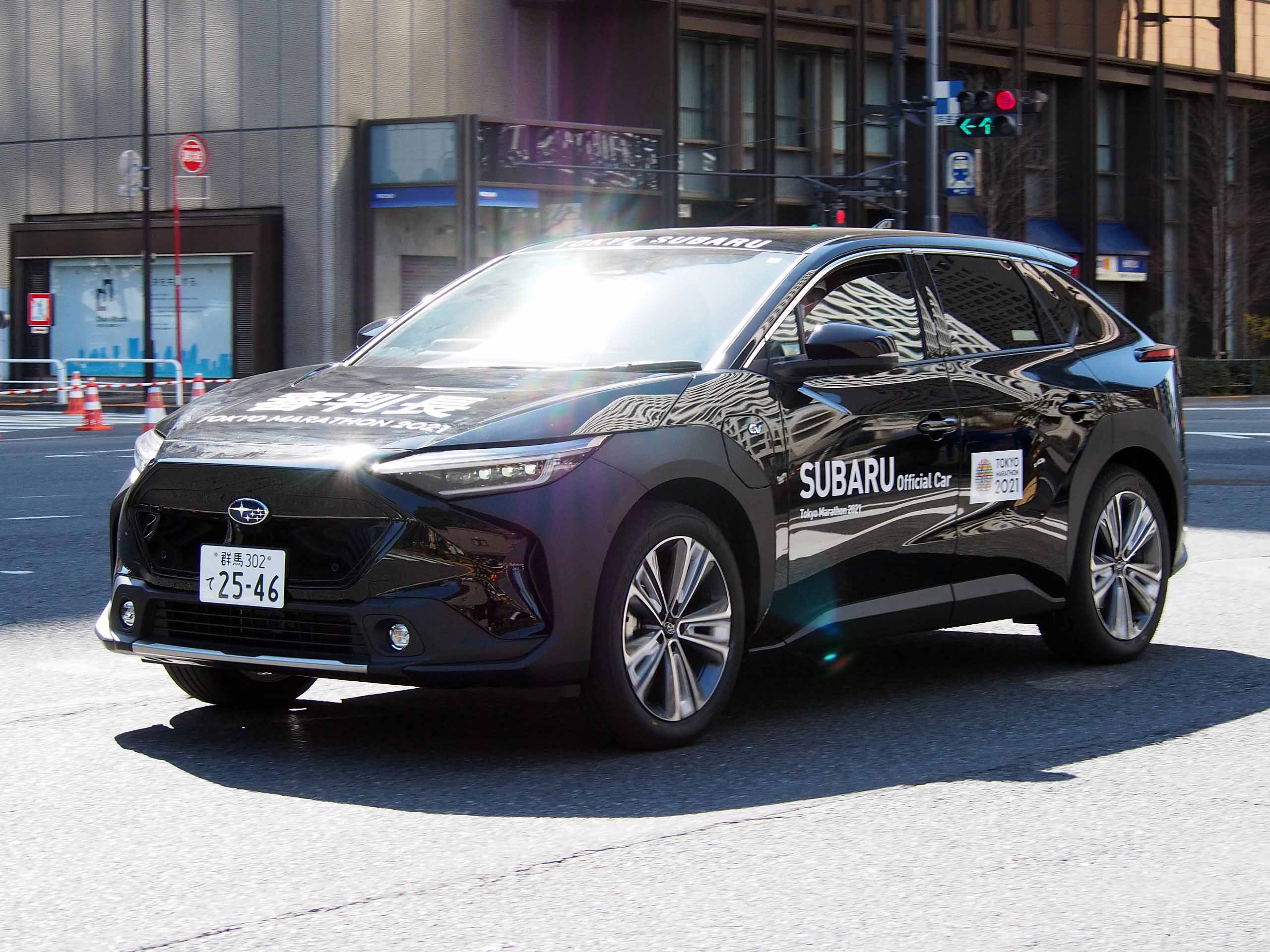
2023 Subaru Solterra
The 2023 Subaru Solterra is Subaru’s fully electric SUV. The big takeaway here is that it’s limited to 70 mph by software, so it won’t feel great if you want to drive fast on highways.
electronically limited
“Electronically limited” means the car’s computer intentionally caps something. In this case, it caps how fast the vehicle can go, even if you press the pedal harder.
electric delivery van
An electric delivery van is a work van that runs on electricity instead of gas. The story is about switching a delivery operation to EVs to cut down on fuel costs.

Tesla Model S
The Tesla Model S is an electric car from Tesla. It’s a well-known EV, and here it’s just being used to explain that the person already drives Teslas and wants to add another EV for work.
cost conscious standpoint
“Cost conscious” here means they’re thinking about what the vehicle will cost to use, not just what it costs to buy. The YMCA is looking at EVs because their current gas fuel bill is very high.

Zevo Bright Drop
Zevo is a company that makes an electric delivery van. In the podcast, it’s brought up because someone is comparing van options and pricing for deliveries. The focus is on whether it fits the budget and the job.
third party that handles our listings
Sometimes the website listing is run by an outside company, not directly by the dealership. If the listing math is wrong, the price you see online might not be the price you can actually get.
rebate
A rebate is like a discount that comes from the company after you buy—so the car ends up costing less than the sticker price. If it’s applied wrong, the “cheap” price might not actually be achievable.
bait and switch
It means a seller lures you in with a great deal, but then the real deal turns out to be different or not available. With cars, that can happen when the advertised price doesn’t match what you actually end up paying.

Fiat Ducato
The Fiat Ducato is a common type of van. The hosts are saying the vehicles they’re looking at are related to that van platform, which is why they might be priced or sourced the way they are.
EPA
EPA is the U.S. government agency that tests cars and publishes official range numbers for EVs. So when they say “EPA range,” they’re talking about the standard, official miles the car is rated to go on a full charge.

Volvo EX30
The Volvo EX30 is an electric SUV that’s designed to be small and efficient. It’s fun to drive, but if you have a family and lots of gear, the cabin and cargo space can feel too tight for longer trips.
highway range
“Highway range” is how far an EV can go when you’re driving fast on roads like the highway. EVs often use more energy at higher speeds, so highway range is the number that affects road-trip planning.
fast charging speeds
“Fast charging speeds” refers to how quickly an EV can add energy to its battery at a charger. For road trips, higher charging rates (and the ability to sustain them) reduce the time spent at charging stops.

Tesla Model Y
The Tesla Model Y is an electric SUV that many people choose because it’s easy to charge and works well for trips. The host says it feels more premium than the Volvo EX30—nicer materials, better build, and quieter on the highway.

Volvo
Volvo is the car brand being mentioned as a competitor. The speaker is basically saying Tesla’s Model Y feels nicer overall than Volvo’s EVs they’re considering.
FSD
FSD (Full Self-Driving) is Tesla’s software package aimed at advanced driver-assistance features. In this segment, it’s cited as one of the reasons the host believes the Model Y “does everything really well.”
standard
“Standard” here means the base/entry version of the Model Y with fewer features. The host is saying it’s cheaper, but you lose some convenience and equipment.
glass roof
A glass roof is a big window panel on top of the car that makes the cabin feel brighter. The host is pointing out that even though this trim has a glass roof, there are other downsides.
waterproof
“Waterproof” means protected against water getting in. The host is saying that in this Model Y “standard” setup, the front area isn’t sealed well enough to keep water out.
screen
The host is saying that instead of physical buttons/controls, you have to use the car’s screen to change the seats. That can feel less convenient than traditional controls.

EX60
The EX-60 is a vehicle that people are talking about as something that may be coming soon. The podcast question is basically asking when it will be available. That matters if you’re trying to plan a purchase.
UI
UI means the car’s touchscreen/menus—how you interact with the infotainment system. They’re debating whether the UI is annoying or actually pretty usable.
Android system
An Android system means the car’s screen software is based on Android, like a phone. The hosts are talking about whether that makes the car’s interface easier or harder to live with.
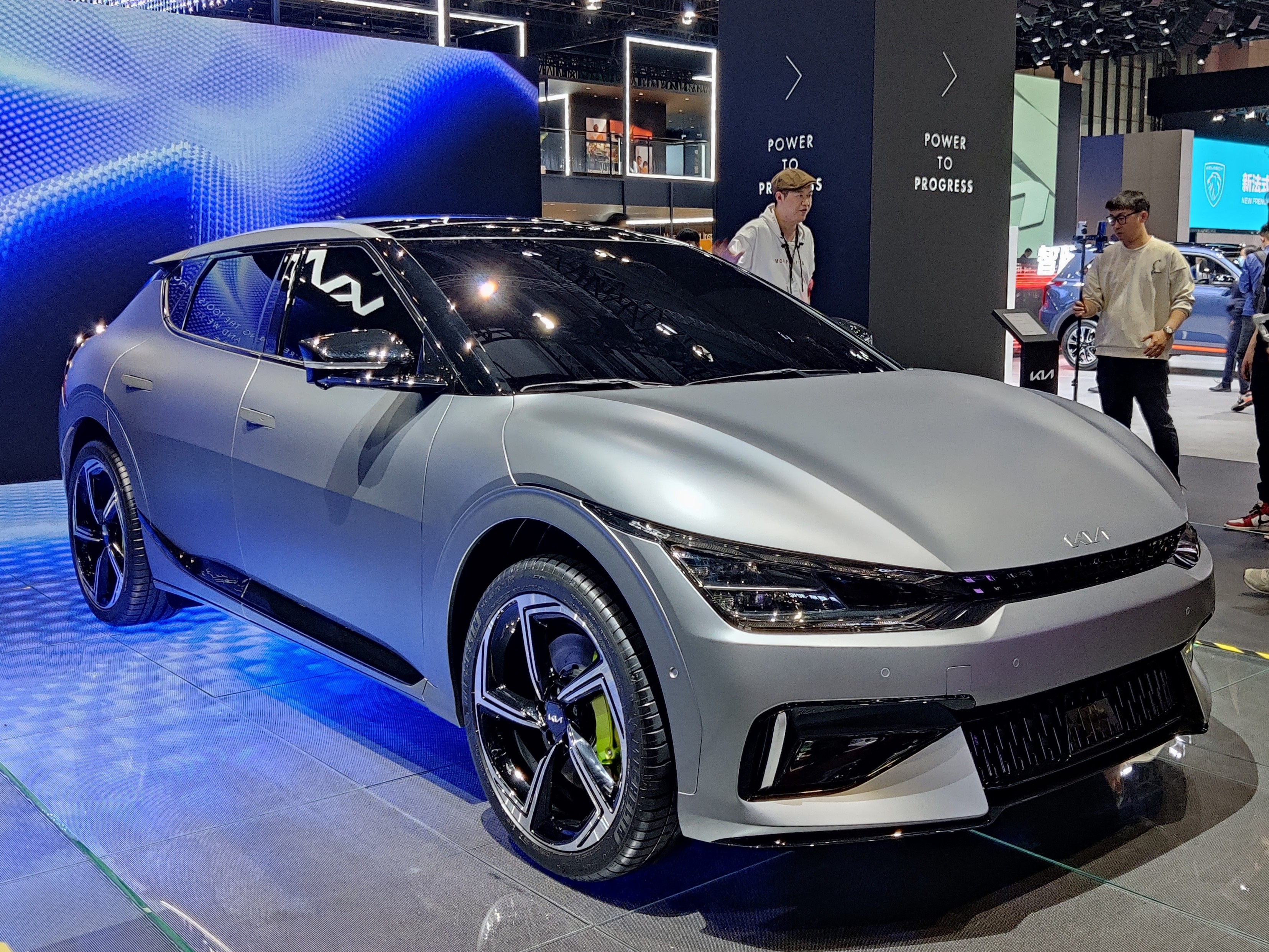
Kia EV6
The Kia EV6 is an all-electric SUV. It’s designed to be a practical daily driver and it can charge faster than some EVs. The podcast mentions it as one of the EVs worth considering.

Ford Mustang
The Mustang Mach-E is Ford’s electric crossover. It’s one of the EVs the host lists as a strong alternative if you’re shopping in this category.

Ioniq 5
The Ioniq 5 is Hyundai’s electric crossover. The host is listing it as one of the main EV choices in this price/size area.

Genesis GV60
The Genesis GV60 is an electric SUV that’s smaller than many family vehicles. It’s meant to be a comfortable, everyday EV with modern features. The episode brings it up because the hosts have experience with one and are comparing it to other EVs.
EGMP platform
EGMP is the shared “EV design” platform Hyundai uses for several electric cars. Because the cars share the same basic EV layout, they can have similar charging and packaging characteristics.
270 kilowatts
270 kilowatts is how fast the charger can deliver electricity to the car. Faster charging usually means you spend less time plugged in, but the exact time can vary depending on the battery and conditions.
10 to 80% in 18 minutes
This is a benchmark for how long it takes to charge the battery from 10% up to 80%. Charging tends to slow down as the battery gets fuller, so 10–80% is a common way to compare cars.
NAC supported
“NAC supported” means the car is set up to work with common fast-charging options used in North America. That can make road trips easier because you have more places to charge.
Juniper Refresh
A “refresh” is when a car gets updated after it’s been on sale—sometimes with new software and sometimes with hardware changes. Here, the speaker means Tesla made updates that fixed the problems they didn’t like.
Charges 10 to 80% in 16 minutes
That’s how quickly the EV can add charge at a fast charger. Going from 10% to 80% in 16 minutes is meant to show you can top up quickly for road trips.
super fast charging
“Super fast charging” just means the car can charge quickly at the right fast charger. The speaker is pointing to the earlier time estimate as proof.
0 to 60 in 4.4 seconds
“0 to 60” tells you how fast the car accelerates from a stop to 60 miles per hour. Faster time generally means quicker acceleration.
integrated booster seats
An integrated booster seat is a built-in seat for kids that helps them sit at the right height for the seatbelt. It means you don’t have to buy and install a separate booster seat.
heated booster seats
Heated booster seats are booster seats with a built-in heater. It warms the seat for kids, which can help in cold weather.
hard to tell what you're looking at and comparing
The hosts are describing a common EV-spec comparison problem: manufacturers may present “best of” numbers or mix specs across variants, which can make it confusing to compare two cars fairly. Their point is that you have to match the exact trim/variant to the range and other figures you’re comparing.

Kia EV3
The Kia EV3 is Kia’s smaller EV offering, positioned as a more compact alternative to larger EVs. In this segment, the hosts describe it as looking like a “mini EV9” and discuss whether it’s on sale yet, plus how it fits a tall driver.

Volkswagen Id4S
The Volkswagen ID.4 is an all-electric SUV. The podcast mentions that it’s no longer being sold, and that the speaker has owned a few before. That’s relevant if you’re thinking about buying one and want to understand what’s available now.

Volkswagen Tiguan
The Volkswagen Tiguan is a common compact SUV model. Here, they’re discussing a future electric version of it.
Aspect Reviews
Aspect Reviews is a channel that posts car reviews. The host is saying you can watch their review to learn more about the vehicle.
level two charger
A Level 2 charger is a faster home charger for an electric car. It usually plugs into a 240-volt outlet, so you can recharge more quickly between workdays.

Dodge Charger
The Dodge Charger is a larger car that’s designed to feel sporty and comfortable, especially on longer drives. If someone is thinking about charging at home, they’re usually trying to make EV ownership easier and cheaper. In the podcast, it’s mentioned alongside the idea of installing a home charger.
battery pack
The battery pack is the big battery inside an EV that powers the car. Over time it can slowly lose capacity, which can mean less range.
degradation
Degradation means the EV battery slowly loses some of its ability to store energy. That can lead to shorter driving range as the years go on.

Model 3
The Tesla Model 3 is an electric car. Here, they’re talking about a cheaper version that uses a specific battery type and drives the rear wheels, and they think it’s a good deal if you can find one under about $20k.
LFP
LFP is a type of EV battery. It’s often cheaper and can be long-lasting, so it can help you get a better deal on an electric car.

Kona EV
The Hyundai Kona EV is an electric crossover that’s often cross-shopped with other affordable EVs. In this segment, it’s recommended partly because the hosts mention a long EV battery warranty, which can matter if you plan to keep the car for years.
10-year, 100,000 mile EV system warranty
That’s a long warranty that covers the EV’s main battery system. If the battery or related high-voltage parts have problems, the warranty can help pay for repairs for up to 10 years or 100,000 miles.
transferable
Transferable means the warranty can stay with the car when you sell it. So if you buy a used EV, you may still get the same battery warranty benefits.
high voltage
High voltage is the electricity system in an EV that powers the motor and battery. It’s more complex and costly than the normal 12-volt electronics, so a warranty that covers it is a big deal.
power train warranty
A powertrain warranty is the part of the warranty that covers the big moving parts that create motion. On an EV, it usually covers the drive system components like the motor and the electronics that control it.
battery warranty
An EV battery warranty covers the battery pack itself if it fails or loses capacity too much. Since replacing an EV battery can cost a lot, this warranty matters a lot.
inverters
Inverters are the electronics that convert electricity from the battery into the right kind of electricity the motor needs. They’re important enough that if they fail, it can be a major repair—so warranty coverage matters.
trans axle
A transaxle is the drivetrain unit that combines the gearbox and the parts that send power to the wheels. In some EVs, the motor and control electronics are packaged inside that same drivetrain unit.
real world range
Real world range is how far an EV actually goes in normal driving, not just in lab tests. Things like weather and highway speed can change it a lot.
Hyundai Kona
The Hyundai Kona is a small electric SUV/crossover. They mention it as one of the EVs they were considering while shopping for a good value.

Chevrolet Bolts
The Chevrolet Bolt is an all-electric car. It’s commonly considered because it can be a lower-cost way to drive an EV. The episode includes it as one of the options to look at.
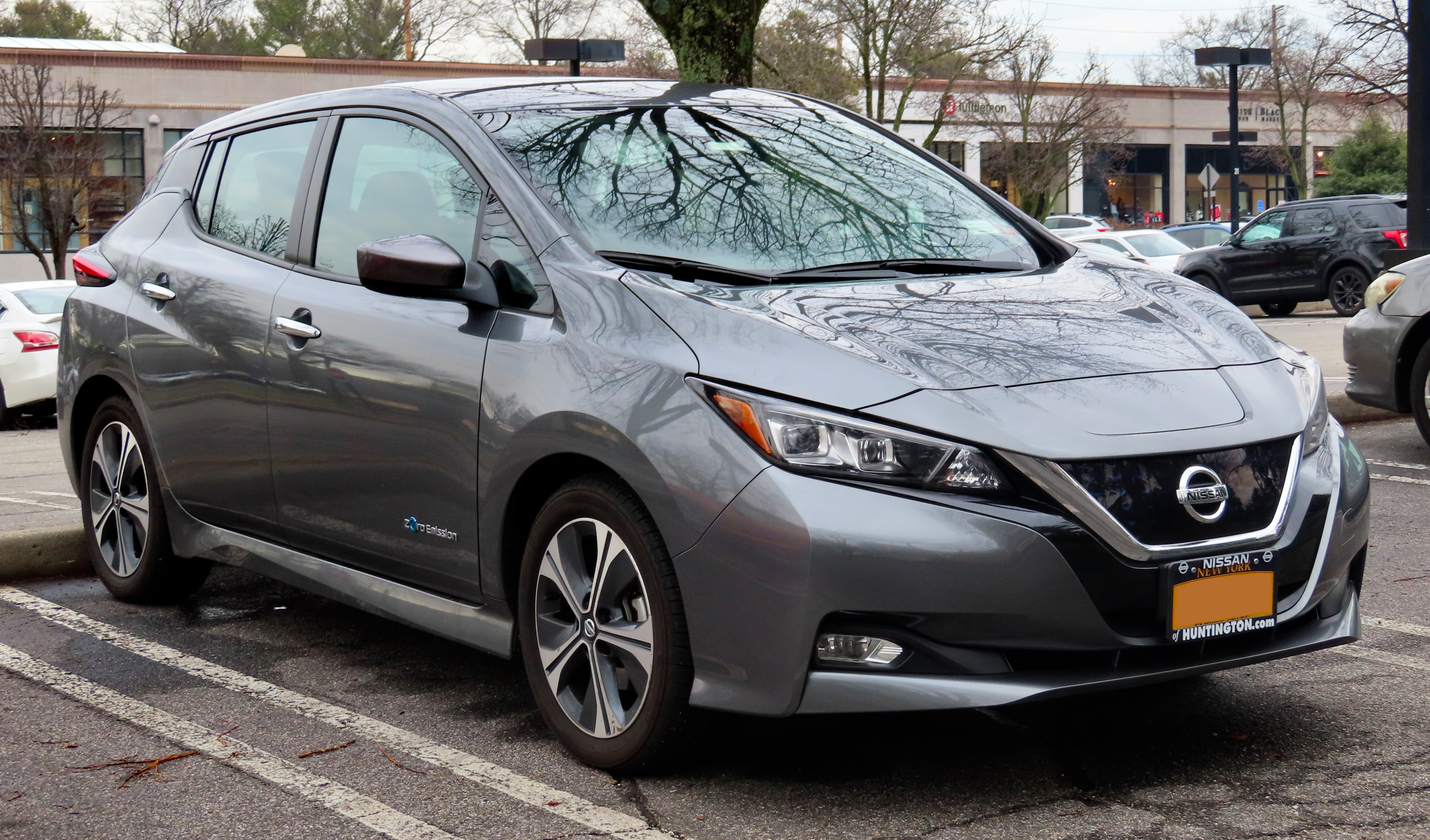
Nissan Leaf
The Nissan Leaf is a popular electric car. They mention it because it’s another EV they were thinking about for a practical daily-driving setup.
60-minute
They’re talking about how long charging takes—about an hour. The point is whether charging fits into your day so you can drive without stress.
keep the miles low
They’re saying they prefer a used EV with fewer miles. The idea is that lower mileage usually means less wear and more time left under the battery warranty.
penalty box
They’re using “penalty box” to mean a car that feels like a bad deal—like you’re giving up too much. Here it’s about avoiding an EV that would feel inconvenient to live with.
228 miles of range
Range is how many miles the EV can drive before it needs charging. They’re saying this one can go about 228 miles on a full charge, which matters for daily use.
72.8 kilowatt hour battery
That 72.8 kWh number is how big the EV’s battery is—basically how much electricity it can store. Bigger battery capacity usually means more driving before you have to charge again.
18 inch wheels
Wheel size can change how the car feels over bumps and how efficiently it drives. The hosts mention 18-inch wheels because it can affect ride comfort and highway behavior.
bumper to bumper
“Bumper-to-bumper” means the warranty covers a lot of the car, not just one major system. They’re talking about how long and how many miles that coverage lasts.
level two charging
Level 2 charging is the common faster charger you can use at home with a 240V setup. They’re saying if you charge at home most days, you don’t necessarily need super-fast charging on the road.
DC
DC charging is the fast public charging you use when you need to add a lot of battery quickly. The hosts are saying that if you mostly charge at home, you might not need this kind of fast charging.
off road capabilities
Off-road capability means how well the car can handle rough or unpaved paths. They’re saying the Solterra can handle “a little off road” for things like getting to a fishing spot.
ground clearance
Ground clearance is how high the car sits off the ground. If it’s higher, you’re less likely to hit the bottom of the car on bumps or rough trails.
water depth rated to 20 inches
This is a factory-tested number for how deep the car can safely go through water. It matters because water can damage sensitive parts, and EVs have lots of electronics that you don’t want submerged.
approach angle
Approach angle is how steep of a bump or hill you can drive up before the front of the car hits. If it’s not great, you can scrape the front when going over steep stuff.
X mode
X-Mode is Subaru’s special setting for slippery or rough terrain. It helps the car manage traction so the wheels don’t just spin when you’re on dirt, gravel, or snow.
traction control
Traction control helps stop the wheels from spinning uselessly when the road is slippery. It can cut power and/or brake a wheel so you keep grip and move forward.

Toyota bZ4X
The Toyota bZ4X is an electric Toyota SUV/crossover. The hosts are saying it’s basically the same kind of EV deal as the Subaru Solterra, so you can compare them when shopping.
100 kilowatts
“100 kilowatts” is how much charging power the EV can take at once. Higher numbers usually mean faster charging, but the hosts say the Solterra’s charging speed stays steadier than you might expect.
DC fast charge
DC fast charging is an EV charging method that uses direct current to deliver high power to the battery, allowing much faster top-ups than standard home charging. In this segment, it’s used to describe how often the hosts think you’d need to charge an EV like the Solterra for a commute, and how charging speed affects daily convenience.
active thermal management
Active thermal management is how an EV keeps its battery at a good temperature. If the car can’t actively cool the battery, fast charging can make it too hot and the car slows down to protect it.
flat curve
A “flat curve” means the car doesn’t slow down as quickly while charging. So even if it can’t hit the highest peak power, it may keep charging at a decent speed for longer.
pre-owned EV
A pre-owned EV is a used electric car instead of a brand-new one. The idea is to get a better price while still making sure it charges and fits your daily driving.
charging architecture
Charging architecture means how the car is set up to charge—what kind of charging it supports and how well it works on trips. If it’s good, you can usually find charging that’s faster and easier to use.
buying used
Buying used means you’re not buying brand-new. The idea is to pick a car that’s already been tested by other owners, so you’re less likely to get surprises.
manufacturer backing
Manufacturer backing refers to how strongly the automaker supports the vehicle after purchase—through warranty coverage, service network, and ongoing parts/software support. For EVs especially, strong backing can reduce risk if something needs repair or if charging/software updates are required.
800 volts
Some EVs use a higher-voltage battery system. That can help them charge faster when you use the right kind of fast charger.

Audi Etron
Audi’s e-tron is an all-electric SUV. In this conversation, it’s mentioned as a good used EV choice if you want something in that price range.
CPO
CPO means “certified pre-owned.” It’s a used car that a dealer has inspected and usually offers extra protection (like warranty coverage) compared with a normal used purchase.

Mercedes EQE
The Mercedes EQE is an electric Mercedes sedan. Here it’s brought up as a used EV you might consider, though the speaker thinks it looks a bit unusual.
hardware three
This means the car has one generation of the computer that runs driver-assist features. Newer or different hardware can be required to use certain advanced software options.
hardware four
This is a newer generation of the car’s computer for advanced driving features. If you’re trying to use advanced software, the hardware generation can matter.

Audi Q8 Etron
The Audi Q8 e-tron is a bigger, more premium electric SUV. The point here is that you might be able to find one used for less than you’d expect.

Honda prologues
The Honda Prologue is Honda’s electric SUV. It’s one of the EVs that can show up a lot when you search for used EVs.

Chevrolet Blazer
The Chevrolet Blazer is a crossover SUV. In this context, they’re talking about the electric version showing up a lot in used listings.

2024 Kia EV9 Light Long Range
This is a fully electric Kia SUV with three rows of seats. The host is saying the specific version they found has a long driving range (over 300 miles) and charges quickly, which is why it fits their budget.
charges quick
“Charges quick” means the car can refill its battery faster when you plug it in. That matters because it reduces how long you have to wait at a charger.
third row
A third row is extra seating in the back of the SUV. The host is saying it’s helpful for a growing family, and when you don’t need it, it can fold down to make more room for stuff.

Hyundai Ioniq 9
The Hyundai Ioniq 9 is an electric vehicle model. In the podcast, the speaker says they prefer its styling compared with another Ioniq model they’re considering. The discussion is about which one looks better to them.
Out the door
“Out the door” price means the full total you’ll pay at the end. It includes things like taxes and dealer fees, not just the sticker price.
Prologue Honda Prologa
The Prologue (Honda Prologue) is an electric SUV that the podcast suggests as a reasonable option. The speaker is saying it probably fits the needs better than some other choices. It’s mentioned as a practical recommendation.

Blazer EV
The Blazer EV is another Chevrolet electric SUV. In this segment, the host compares it to the Equinox EV and says they like the Equinox EV better—especially how low you sit and how it fits your needs.

Equinox EV
The Equinox EV is Chevrolet’s electric SUV. It uses the Equinox name, but it’s not the same as the regular gas Equinox—it's built as an EV. The host thinks it’s a good deal and likes how it feels inside.
adaptive cruise control
Adaptive cruise control is cruise control that can automatically match the speed of the car in front of you. If traffic slows down, it slows too, and when the road opens up it speeds back up.
lane centering
Lane centering is a driver-assist system that helps keep the car from drifting out of its lane. It uses the lane lines to guide the steering, usually along with cruise control that manages speed.
automated lane change
Automated lane change means the car can help you switch lanes more automatically. Usually you still use your turn signal, and the system only does it if it thinks the lane change is safe.
ventilated seats
Ventilated seats have built-in fans that blow air through the seat. They help keep you cooler, especially in warm weather.
all wheel drive
All-wheel drive means power goes to all four tires, which helps the car grip better on snow and ice. That’s why it’s popular for winter driving in places like Colorado.
201 horsepower
Horsepower is a measure of how much “pull” the car can make. Higher horsepower usually helps acceleration, but it’s only part of the story.