
155: The $19k 2023 Subaru Solterra: An EV Deal We Didn't Expect To Find
About this episode
A surprising EV deal takes center stage: the hosts zero in on a 2023 Subaru Solterra Premium priced just under $20k, then stress-test whether it fits real life. They cover the Solterra’s range and battery size, why charging speed matters less for Level 2 home charging, and how its factory off-road-ish specs (ground clearance and water wading depth) add confidence. They also compare charging limits and explain how to verify suspiciously low listings and pricing math.
In this episode of Battery Bargains:
• a Volvo EX30 lessee looks to move up to mid-size
• a gas car owner wants to go electric for under $20,000
• a family of four wants an EV for their secondary car
Our guests this week are Andrew Lambrecht from Ever Cars and Dave Conner from Out of Spec Dave on YouTube

Ram ProMaster Delivery Van BEV Super High Roof
"So this week's deal of the week goes to this 2024, let me just pull this up on the screen for you, Ram ProMaster Delivery Van BEV Super High Roof."
This is an all-electric Ram delivery van. The “Super High Roof” version is the taller one, which gives more interior space for cargo or equipment.
The Ram ProMaster Delivery Van BEV is a battery-electric delivery van, meaning it’s powered by an electric motor and a large traction battery instead of a gasoline engine. In this episode, the “Super High Roof” variant matters because it’s the taller cargo configuration, which is often chosen for delivery and upfitting needs.
Original MSRP
"Original MSRP was $88,999 with only 25 miles on the clock. This could be yours for $29,988."
MSRP is the sticker price the manufacturer lists for the vehicle. “Original MSRP” is the starting list price before discounts.
MSRP is the manufacturer’s suggested retail price—the list price the automaker sets before discounts. “Original MSRP” here is used to show how much the dealer’s price is below the van’s starting list price.

Dodge Ram
"...88. So the dealer Bob Johnson Chrysler Dodge Jeep Ram in Watertown, New York actually has five of them."
The Dodge Ram is a pickup truck line. People often buy trucks like this for hauling, towing, or work needs. In the podcast, it’s mentioned because a dealer has several of them available.
The Dodge Ram (Ram pickup trucks) is a line of full-size trucks commonly used for work and towing, and it’s frequently discussed in local dealer availability. In the podcast context, the mention is about a specific dealer having multiple units on hand, which can matter for pricing, selection, and getting a vehicle quickly. It’s not being discussed for EV charging here, but for availability and inventory.
kWh battery
"So if you're unfamiliar with the Ram ProMaster, it's a 268 horsepower front wheel drive delivery van with a 110 kWh battery, good for 162 miles of range."
“kWh” is how big the battery is. A bigger kWh battery usually means you can drive farther before recharging.
A “kWh battery” refers to the battery capacity measured in kilowatt-hours. Higher kWh generally means more stored energy, which usually translates to more potential driving range (though real range also depends on vehicle efficiency and conditions).
front wheel drive
"So if you're unfamiliar with the Ram ProMaster, it's a 268 horsepower front wheel drive delivery van with a 110 kWh battery, good for 162 miles of range."
Front wheel drive means the front wheels do the pushing. That can affect how the car grips and how it drives, especially when accelerating or turning.
Front wheel drive (FWD) means the engine’s power is sent to the front wheels to propel the vehicle. For EVs, FWD layout can influence traction, packaging, and how the vehicle feels in acceleration and cornering.

Alpine A110
"So if you're unfamiliar with the Ram ProMaster, it's a 268 horsepower front wheel drive delivery van with a 110 kWh battery, good for 162 miles of range. It's also important to note that if you like speed, this might not be the vehicle for you"
The Alpine A110 is a small sports car made for fun driving. It’s built to feel quick and responsive when you steer. In this episode, it’s brought up as part of the conversation about different vehicles and how they compare.
The Alpine A110 is a lightweight, sports-focused coupe known for agile handling and a driver-focused layout. It’s likely mentioned in the podcast as part of a broader comparison of vehicles and their specs, even though the surrounding context is about EV range and charging. Its significance here is mainly as a performance car reference point rather than an EV charging discussion.

2023 Subaru Solterra
"It's also important to note that if you like speed, this might not be the vehicle for you because it's electronically limited to 70 miles an hour."
The 2023 Subaru Solterra is Subaru’s fully electric SUV. The big takeaway here is that it’s limited to 70 mph by software, so it won’t feel great if you want to drive fast on highways.
The 2023 Subaru Solterra is Subaru’s battery-electric SUV, built around an EV powertrain rather than a gasoline engine. In this segment, the hosts point out it’s electronically limited to 70 mph, which directly affects highway usability and top-end speed.
electronically limited
"because it's electronically limited to 70 miles an hour."
“Electronically limited” means the car’s computer intentionally caps something. In this case, it caps how fast the vehicle can go, even if you press the pedal harder.
“Electronically limited” means the car’s software caps a performance parameter—here, top speed—regardless of what the driver requests with the accelerator. For EVs, these limits are often used for safety, efficiency, or to protect components.
electric delivery van
"the CEO of a YMCA in northeast Tennessee is looking for an electric delivery van. ... They've served two underprivileged children in the northeast of Tennessee, 250,000 meals last year, 33 separate locations."
An electric delivery van is a work van that runs on electricity instead of gas. The story is about switching a delivery operation to EVs to cut down on fuel costs.
An electric delivery van is an EV configured for commercial routes—typically prioritizing predictable daily range, cargo space, and lower operating costs versus gasoline. In the segment, the YMCA is considering EVs to replace multiple gas vans and reduce fuel spending.

Tesla Model S
"His wife drives a Y, he drives an S, Model S, you know, Tesla and Y and S, and he's a big EV fan, but he's also thinking about it from a cost conscious standpoint."
The Tesla Model S is an electric car from Tesla. It’s a well-known EV, and here it’s just being used to explain that the person already drives Teslas and wants to add another EV for work.
The Tesla Model S is a high-performance, long-range electric sedan known for strong acceleration and a large battery pack. In the segment, it’s mentioned as part of the YMCA CEO’s household EV lineup, showing he’s already an EV fan.
cost conscious standpoint
"and he's a big EV fan, but he's also thinking about it from a cost conscious standpoint. He doesn't want any seats in it."
“Cost conscious” here means they’re thinking about what the vehicle will cost to use, not just what it costs to buy. The YMCA is looking at EVs because their current gas fuel bill is very high.
A “cost conscious” EV decision focuses on total cost of ownership—how much the vehicle costs to run over time—rather than just purchase price. Here, the CEO is weighing EVs because he’s already spending $50,000 on fuel annually with gas vans.

Zevo Bright Drop
"...old, you know, cold storage. And so we found this bright drop van that was similar, $88,000 list price. I don't..."
Zevo is a company that makes an electric delivery van. In the podcast, it’s brought up because someone is comparing van options and pricing for deliveries. The focus is on whether it fits the budget and the job.
Zevo is mentioned in the context of a “bright drop van” with a listed price, implying it’s an electric delivery-van option being evaluated for commercial use. The podcast discussion focuses on comparing purchase cost and suitability for routes, rather than passenger-car features. The key point is that Zevo is part of the shortlist of delivery EVs under consideration.
third party that handles our listings
"And the guy started laughing on the phone and goes, Oh, well, we send this out to a third party that handles our listings. [..] And it seems like they applied the rebate that GM is providing to them of $20,000, which is great."
Sometimes the website listing is run by an outside company, not directly by the dealership. If the listing math is wrong, the price you see online might not be the price you can actually get.
When dealerships use a third party to manage listings, the advertised price and deal details can be updated or calculated outside the dealer’s direct control. That can lead to errors like rebates being applied incorrectly, making it important to verify the final out-the-door numbers with the dealer.
rebate
"And it seems like they applied the rebate that GM is providing to them of $20,000, which is great. But they applied it like four times or not four times, but like three times."
A rebate is like a discount that comes from the company after you buy—so the car ends up costing less than the sticker price. If it’s applied wrong, the “cheap” price might not actually be achievable.
A rebate is money the manufacturer (or sometimes another party) pays back after purchase or as part of the deal structure, effectively reducing the selling price. In this segment, they’re talking about a GM-provided rebate being applied incorrectly multiple times, which can drastically change whether the listed price is real.
bait and switch
"where there's all these things with, I don't want to say bait and switch, not all dealers are bad, but I think we just got to be careful."
It means a seller lures you in with a great deal, but then the real deal turns out to be different or not available. With cars, that can happen when the advertised price doesn’t match what you actually end up paying.
“Bait and switch” is a sales tactic where a seller advertises an attractive price or deal to get you interested, then changes the terms or availability so you can’t get the advertised offer. In car shopping, it often shows up as confusing pricing, missing rebates, or unexpected fees that make the final price much higher.

Fiat Ducato
"but if I'm going to spend all that money, these things are actually, well, they're branded, but originally they're from Fiat, right, the Fiat Ducato, just a little bit of van trivia there for you"
The Fiat Ducato is a common type of van. The hosts are saying the vehicles they’re looking at are related to that van platform, which is why they might be priced or sourced the way they are.
The Fiat Ducato is a light commercial van platform that the hosts mention as the origin of the “branded” vehicles they’re discussing. The point is that some EVs or badge-engineered vehicles can share underlying hardware with established van platforms, which can affect parts availability and pricing.
EPA
"Not for everyone, for sure. but what's the range on this thing, EPA? 162 miles."
EPA is the U.S. government agency that tests cars and publishes official range numbers for EVs. So when they say “EPA range,” they’re talking about the standard, official miles the car is rated to go on a full charge.
EPA refers to the U.S. Environmental Protection Agency’s testing and rating process for vehicle range. When the hosts ask for the “range… EPA,” they mean the standardized, published miles-per-charge figure used for EV comparisons.

Volvo EX30
"I'm currently leasing a Volvo EX30, and while it's been a fun, quick little car, my lease is up this December, and I'm ready to, for something bigger, the EX30 is just a bit too cramped for road trips with family, two kids, and gear."
The Volvo EX30 is an electric SUV that’s designed to be small and efficient. It’s fun to drive, but if you have a family and lots of gear, the cabin and cargo space can feel too tight for longer trips.
The Volvo EX30 is a compact electric crossover built around a small, efficient EV package—great for city driving but it can feel tight for families. In this segment, Derek says it’s been fun but too cramped for road trips, which is a common real-world tradeoff for smaller EV crossovers.
highway range
"I want something with solid highway range, a good charging speeds for road trips, and a bit more cabin space."
“Highway range” is how far an EV can go when you’re driving fast on roads like the highway. EVs often use more energy at higher speeds, so highway range is the number that affects road-trip planning.
“Highway range” is the distance an EV can travel at highway speeds on a full charge. It matters because EV efficiency typically drops at higher speeds, so real-world highway range is often lower than advertised city-range numbers.
fast charging speeds
"I don't know, I think there's just the classic several options, like Ioniq 5, if you want fast charging speeds."
“Fast charging speeds” refers to how quickly an EV can add energy to its battery at a charger. For road trips, higher charging rates (and the ability to sustain them) reduce the time spent at charging stops.

Tesla Model Y
"Tesla Model Y, honestly, truly, I think the Tesla Model Y interior is more premium than the EX30. The materials are better in the Tesla. The build quality is better in the Tesla. It's quieter on the highway as the 2026 refresh."
The Tesla Model Y is an electric SUV that many people choose because it’s easy to charge and works well for trips. The host says it feels more premium than the Volvo EX30—nicer materials, better build, and quieter on the highway.
The Tesla Model Y is a battery-electric crossover that’s widely known for its charging network and road-trip practicality. In this segment, the host argues its interior materials, build quality, and highway quietness are better than the Volvo EX30, and notes a 2026 refresh.

Volvo
"Like the new 2026 Model Y, I think fundamentally is a more premium, better feeling product than the Volvo."
Volvo is the car brand being mentioned as a competitor. The speaker is basically saying Tesla’s Model Y feels nicer overall than Volvo’s EVs they’re considering.
Volvo is the automaker being compared here as an EV alternative to Tesla’s Model Y. The host’s point is that the Tesla feels more premium and better overall, even before getting into software differences.
FSD
"He is so over the top sold on that Model Y for every reason, right? It's just, it's the FSD, it's the integration, it's the network, it's the app."
FSD (Full Self-Driving) is Tesla’s software package aimed at advanced driver-assistance features. In this segment, it’s cited as one of the reasons the host believes the Model Y “does everything really well.”
standard
"Now, about in mind, he just bought a Model Y, what they call the standard, which is kind of like the bare bones."
“Standard” here means the base/entry version of the Model Y with fewer features. The host is saying it’s cheaper, but you lose some convenience and equipment.
In Tesla’s lineup, “standard” refers to a lower-spec Model Y configuration (often the entry trim) with fewer features than higher trims. The host uses it to explain tradeoffs like equipment differences and how controls are handled.
glass roof
"which is kind of like the bare bones. It's not so great because it just, it has a glass roof, but it doesn't."
A glass roof is a big window panel on top of the car that makes the cabin feel brighter. The host is pointing out that even though this trim has a glass roof, there are other downsides.
A glass roof (panoramic roof) is a large section of transparent material that lets more light into the cabin. The host mentions it as part of the “standard” Model Y’s equipment, while also criticizing other limitations.
waterproof
"It's not so great because it just, it has a glass roof, but it doesn't. The front is not waterproof."
“Waterproof” means protected against water getting in. The host is saying that in this Model Y “standard” setup, the front area isn’t sealed well enough to keep water out.
“Waterproof” here is used to describe whether the front area (likely the front trunk/frunk or front opening area) is sealed against water intrusion. The host’s point is that the entry “standard” configuration doesn’t protect the front as well as expected.
screen
"In order to change the seats, you got to go to the screen."
The host is saying that instead of physical buttons/controls, you have to use the car’s screen to change the seats. That can feel less convenient than traditional controls.
Using the car’s screen to control functions (like seat adjustments) is a UI/controls design choice common in modern EVs. The host implies the “standard” Model Y makes seat changes less convenient by requiring screen interaction.

EX60
"So I don't think he's, I don't know. Well, so what is the status of the EX-60? When is that, when is that coming?"
The EX-60 is a vehicle that people are talking about as something that may be coming soon. The podcast question is basically asking when it will be available. That matters if you’re trying to plan a purchase.
The EX-60 is referenced as an upcoming or discussed vehicle with questions about its status and timing. In the podcast context, the speaker is trying to figure out when it will arrive, which is important for buyers planning purchases around availability. The mention is about product timing rather than detailed specs.
UI
"Because if you like the EX-40, and by the way, I think that, I know what you're saying, Andrew, about the UI."
UI means the car’s touchscreen/menus—how you interact with the infotainment system. They’re debating whether the UI is annoying or actually pretty usable.
UI here means “user interface,” the on-screen menus and controls you interact with in the car’s infotainment system. The hosts are comparing the UI experience across different EVs/brands and discussing whether it feels good to use.
Android system
"It's not, I've used the UI in the Volvos and the Pulse Stars, and it's the Google, what do they call it? The Google's Android system that's in there."
An Android system means the car’s screen software is based on Android, like a phone. The hosts are talking about whether that makes the car’s interface easier or harder to live with.
An Android system in a car refers to using Google’s Android-based software stack for the infotainment and apps. The hosts are saying the EX-40/EX-60 UI is built on an Android/Google-style platform, and they’re sharing whether that approach feels better or worse than alternatives.
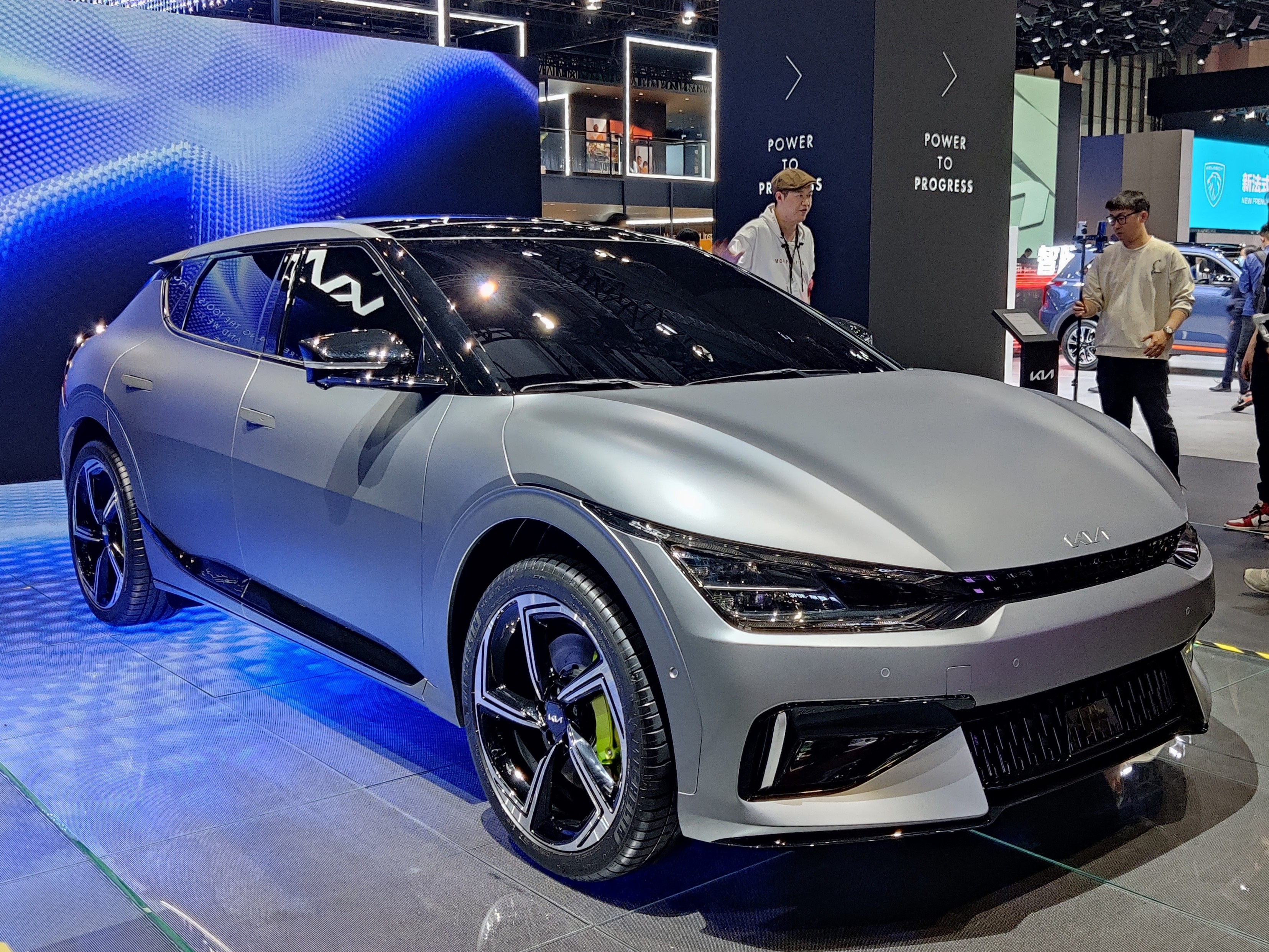
Kia EV6
"...ustang Mach-E, you know, there's the Ioniq 5, the EV6. I mean, even, even like a GV60, which is a small..."
The Kia EV6 is an all-electric SUV. It’s designed to be a practical daily driver and it can charge faster than some EVs. The podcast mentions it as one of the EVs worth considering.
The Kia EV6 is a compact electric crossover known for its performance options and fast-charging potential. It’s brought up in the podcast alongside other EVs because shoppers compare charging speed and overall usability. The context suggests it’s part of the same shortlist of vehicles the hosts are considering.

Ford Mustang
"But look, Andrew, you're right. The Mustang Mach-E, you know, there's the Ioniq 5, the EV6."
The Mustang Mach-E is Ford’s electric crossover. It’s one of the EVs the host lists as a strong alternative if you’re shopping in this category.
The Ford Mustang Mach-E is Ford’s electric crossover built on a modern EV platform and aimed at mainstream buyers. In the segment, it’s mentioned as one of the key EV options competing in the same general space as other popular EV crossovers.

Ioniq 5
"The Mustang Mach-E, you know, there's the Ioniq 5, the EV6."
The Ioniq 5 is Hyundai’s electric crossover. The host is listing it as one of the main EV choices in this price/size area.
The Hyundai Ioniq 5 is a battery-electric crossover known for its fast-charging capability and modern EV packaging. Here it’s grouped with other popular EVs as part of the same shopping set.

Genesis GV60
"...s the Ioniq 5, the EV6. I mean, even, even like a GV60, which is a small crossover, which we've owned, g..."
The Genesis GV60 is an electric SUV that’s smaller than many family vehicles. It’s meant to be a comfortable, everyday EV with modern features. The episode brings it up because the hosts have experience with one and are comparing it to other EVs.
The Genesis GV60 is a compact electric crossover positioned as a more premium alternative in the EV market. It’s discussed alongside other fast-charging EVs because buyers often compare charging performance and daily usability across similar-sized vehicles. In the podcast, it’s mentioned as a small crossover the hosts have owned.
EGMP platform
"I mean, even, even like a GV60, which is a small crossover, which we've owned, great car, it's the EGMP platform."
EGMP is the shared “EV design” platform Hyundai uses for several electric cars. Because the cars share the same basic EV layout, they can have similar charging and packaging characteristics.
EGMP is Hyundai Motor Group’s Electric-Global Modular Platform, a shared EV architecture used across multiple brands and models. Using the same platform helps engineers standardize battery and charging integration, which is why the host can talk about similar charging behavior across different cars.
270 kilowatts
"it's the EGMP platform. It'll charge wicked fast, 270 kilowatts, decent curve, 10 to 80% in 18 minutes, and you're on your way."
270 kilowatts is how fast the charger can deliver electricity to the car. Faster charging usually means you spend less time plugged in, but the exact time can vary depending on the battery and conditions.
“270 kilowatts” refers to a high DC fast-charging power level, which determines how quickly the battery can accept energy during charging. Higher peak kilowatt numbers generally mean shorter charging sessions, though real-world time still depends on battery temperature and the car’s charging curve.
10 to 80% in 18 minutes
"It'll charge wicked fast, 270 kilowatts, decent curve, 10 to 80% in 18 minutes, and you're on your way."
This is a benchmark for how long it takes to charge the battery from 10% up to 80%. Charging tends to slow down as the battery gets fuller, so 10–80% is a common way to compare cars.
“10 to 80% in 18 minutes” is a charging-time benchmark describing how long it takes to add usable battery capacity. EV charging is usually fastest at lower states of charge and slows as the battery approaches higher percentages, so the 10–80% window is commonly used for comparisons.
NAC supported
"And it's now NAC supported. So, you know, there's, there's a lot of choices."
“NAC supported” means the car is set up to work with common fast-charging options used in North America. That can make road trips easier because you have more places to charge.
“NAC” here refers to North American Charging (commonly used to mean compatibility with the North American EV fast-charging ecosystem). Being “NAC supported” implies the car can use widely available fast-charging networks in North America more easily than cars that rely on fewer standards or networks.
Juniper Refresh
"I wasn't, I wasn't a big fan of the Tesla Model Y until this Juniper Refresh. So the Juniper Refresh just fixes kind of the things that really bothered me."
A “refresh” is when a car gets updated after it’s been on sale—sometimes with new software and sometimes with hardware changes. Here, the speaker means Tesla made updates that fixed the problems they didn’t like.
“Juniper Refresh” refers to a Tesla update cycle (often tied to software and/or hardware revisions) for the Model Y. The host is using it to describe improvements that address specific annoyances they had with the car.
Charges 10 to 80% in 16 minutes
"So the P10, it's got 322 miles of range. Charges 10 to 80% in 16 minutes. So super fast charging, 0 to 60 in 4.4 seconds."
That’s how quickly the EV can add charge at a fast charger. Going from 10% to 80% in 16 minutes is meant to show you can top up quickly for road trips.
This describes EV fast-charging performance: how long it takes to add energy from 10% battery to 80%. The “10 to 80” window is commonly used because charging is usually fastest in the middle and slows as the battery fills up.
super fast charging
"Charges 10 to 80% in 16 minutes. So super fast charging, 0 to 60 in 4.4 seconds. So plenty quick."
“Super fast charging” just means the car can charge quickly at the right fast charger. The speaker is pointing to the earlier time estimate as proof.
“Super fast charging” is a marketing/descriptor for high-power DC fast charging that significantly reduces time spent at chargers. In this segment, it’s backed up by the stated 10–80% charging time.
0 to 60 in 4.4 seconds
"So super fast charging, 0 to 60 in 4.4 seconds. So plenty quick. Has two integrated booster seats in the second row."
“0 to 60” tells you how fast the car accelerates from a stop to 60 miles per hour. Faster time generally means quicker acceleration.
“0 to 60” is a common performance metric measuring how many seconds it takes to accelerate from 0 mph to 60 mph. It’s used as a simple way to compare acceleration between cars, though it doesn’t fully describe real-world driving feel.
integrated booster seats
"So plenty quick. Has two integrated booster seats in the second row. So if he's got two kids, I'm not sure what ages they are,"
An integrated booster seat is a built-in seat for kids that helps them sit at the right height for the seatbelt. It means you don’t have to buy and install a separate booster seat.
Integrated booster seats are built into the vehicle’s rear seating so children can use them without installing separate booster seats. The host highlights this as a practical solution for families with kids who need booster seating.
heated booster seats
"And I don't know if he needs this, but they're also heated booster seats. So I don't know."
Heated booster seats are booster seats with a built-in heater. It warms the seat for kids, which can help in cold weather.
Heated booster seats add a warming function to the built-in booster seating area. This is a comfort feature that can make cold-weather trips more pleasant for children.
hard to tell what you're looking at and comparing
"So they put the best specs for, you know, whichever one has the best spec and mix it all together. So sometimes it's hard to tell what you're looking at and comparing, but..."
The hosts are describing a common EV-spec comparison problem: manufacturers may present “best of” numbers or mix specs across variants, which can make it confusing to compare two cars fairly. Their point is that you have to match the exact trim/variant to the range and other figures you’re comparing.

Kia EV3
"You know, Kia recently is retiring the Nero and they've brought out the EV3, which looks like a mini EV9. The thing is sweet. I saw it at the New York Auto Show and I really liked that vehicle. And it had, I would say, because I've driven them, I've driven the Volvo EX30 and I'm a big guy, six foot five, and it was a little tight for me. That EV3, again, I don't know if it's on sale yet, kind of like the EX60, but I really liked that vehicle an awful lot."
The Kia EV3 is Kia’s smaller EV offering, positioned as a more compact alternative to larger EVs. In this segment, the hosts describe it as looking like a “mini EV9” and discuss whether it’s on sale yet, plus how it fits a tall driver.

Volkswagen Id4S
"...en, you know, Volkswagen is no longer selling the ID4s. I've owned two or three of those and they're act..."
The Volkswagen ID.4 is an all-electric SUV. The podcast mentions that it’s no longer being sold, and that the speaker has owned a few before. That’s relevant if you’re thinking about buying one and want to understand what’s available now.
The Volkswagen ID.4 is a compact electric SUV that’s been a mainstream option for EV buyers. In the podcast context, it’s specifically noted that Volkswagen is no longer selling ID.4s, and the speaker mentions having owned multiple of them. That makes the discussion relevant to availability, ownership experience, and what happens when a model is discontinued.

Volkswagen Tiguan
"but they're bringing that out again this fall, I think. It's going to be the Tiguan or something like that. An electric Tiguan, okay."
The Volkswagen Tiguan is a common compact SUV model. Here, they’re discussing a future electric version of it.
The Volkswagen Tiguan is a mainstream compact SUV line. In this segment, the host is talking about an electric Tiguan concept/variant, which would be a shift from the traditional gas/diesel Tiguan lineup.
Aspect Reviews
"Check out the reviews that Kyle did on the Aspect Reviews channel as well, because he was a big fan of that vehicle."
Aspect Reviews is a channel that posts car reviews. The host is saying you can watch their review to learn more about the vehicle.
Aspect Reviews is a YouTube channel the host points listeners to for EV reviews. The mention is used as a credibility cue for the EX60/EX30 discussion.
level two charger
"And I can install a level two charger at home. [1094.2s] My budget is strictly under 20,000. [1097.2s] I want something reliable with decent efficiency"
A Level 2 charger is a faster home charger for an electric car. It usually plugs into a 240-volt outlet, so you can recharge more quickly between workdays.
A Level 2 charger is a home EV charging setup that uses higher-voltage power (typically 240V) to charge faster than a standard outlet. For daily commuting, it’s the difference between “slow top-ups” and reliably recharging overnight.

Dodge Charger
"...ip, mostly highway. And I can install a level two charger at home. My budget is strictly under 20,000."
The Dodge Charger is a larger car that’s designed to feel sporty and comfortable, especially on longer drives. If someone is thinking about charging at home, they’re usually trying to make EV ownership easier and cheaper. In the podcast, it’s mentioned alongside the idea of installing a home charger.
The Dodge Charger is a full-size sedan that’s commonly discussed as a performance-oriented, comfortable highway car. In an EV-focused conversation, it’s brought up because the speaker is considering home charging options and wants a practical setup within a tight budget. The key point is how charging access and cost affect what kind of car makes sense for their needs.
battery pack
"I want something reliable with decent efficiency and ideally a battery pack [1102.2s] that holds up well over time so I don't have to worry about immediate degradation."
The battery pack is the big battery inside an EV that powers the car. Over time it can slowly lose capacity, which can mean less range.
The battery pack is the EV’s large rechargeable battery assembly that stores energy for driving. Its long-term health matters because battery degradation can reduce usable range over time.
degradation
"and ideally a battery pack [1102.2s] that holds up well over time so I don't have to worry about immediate degradation."
Degradation means the EV battery slowly loses some of its ability to store energy. That can lead to shorter driving range as the years go on.
Battery degradation is the gradual loss of battery capacity in an EV. As it degrades, the car may show less usable range even if the battery still “works.”

Model 3
"Oh, and of course a Model 3. I mean, they're trading really cheap now. You get a pick yourself up an LFP rear wheel drive Model 3 and you won't be disappointed."
The Tesla Model 3 is an electric car. Here, they’re talking about a cheaper version that uses a specific battery type and drives the rear wheels, and they think it’s a good deal if you can find one under about $20k.
The Tesla Model 3 is a mainstream electric sedan known for its efficient electric drivetrain and strong aftermarket support. In this segment, the hosts focus on an LFP rear-wheel-drive version as a budget-friendly way to buy into Tesla’s EV ecosystem.
LFP
"You get a pick yourself up an LFP rear wheel drive Model 3 and you won't be disappointed. Like, I don't know what they're trading at Dominic."
LFP is a type of EV battery. It’s often cheaper and can be long-lasting, so it can help you get a better deal on an electric car.
LFP (lithium iron phosphate) is a battery chemistry used in some EVs. Compared with more energy-dense chemistries, LFP batteries are often cheaper and can be very durable, which is why the hosts recommend an LFP Model 3 when shopping on price.

Kona EV
"But I would also say, yeah, 100%, I, sorry, Hyundai, Kona EV and Kia Nero. I think those are two great cars because those also have the 10-year battery warranty as well."
The Hyundai Kona EV is an electric crossover that’s often cross-shopped with other affordable EVs. In this segment, it’s recommended partly because the hosts mention a long EV battery warranty, which can matter if you plan to keep the car for years.
10-year, 100,000 mile EV system warranty
"So it's a 10-year, 100,000 mile EV system warranty. And especially if you're keeping it for a long time, it's like that might be a little nice"
That’s a long warranty that covers the EV’s main battery system. If the battery or related high-voltage parts have problems, the warranty can help pay for repairs for up to 10 years or 100,000 miles.
This refers to a warranty that covers the EV-specific high-voltage battery system for 10 years or 100,000 miles. For EV shoppers, it’s a key protection because battery and high-voltage components are among the most expensive parts to repair or replace.
transferable
"And by the way, that my understanding is that that, that battery warranty is transferable ...to the second and I think beyond any owner, it stays with the car, which is great."
Transferable means the warranty can stay with the car when you sell it. So if you buy a used EV, you may still get the same battery warranty benefits.
A transferable warranty means the coverage can move from the original owner to later owners when the car is sold. That matters for used EVs because it can preserve battery-system protection even after the first owner is gone.
high voltage
"there's also the EV system warranty that covers everything high voltage and that's 10-year, 100,000 mile and that does transfer."
High voltage is the electricity system in an EV that powers the motor and battery. It’s more complex and costly than the normal 12-volt electronics, so a warranty that covers it is a big deal.
In EVs, “high voltage” refers to the battery and electrical components that operate at much higher voltages than a normal 12V system. The hosts are emphasizing that the EV system warranty covers these high-voltage components, which is the expensive stuff you want protected.
power train warranty
"It had like a, had a bumper to bumper three-year warranty and then it had a five-year power train warranty and then it has, oh, actually the vehicle that I'm going to suggest,"
A powertrain warranty is the part of the warranty that covers the big moving parts that create motion. On an EV, it usually covers the drive system components like the motor and the electronics that control it.
A powertrain warranty covers the major components that make the car move. On an EV, that often includes the motor/inverter and related drivetrain electronics, not just the battery.
battery warranty
"then it has the electric, you know, the battery warranty, which includes in this case, the trans axle, which means that the motor and the inverters are all in the gearboxes are all covered under"
An EV battery warranty covers the battery pack itself if it fails or loses capacity too much. Since replacing an EV battery can cost a lot, this warranty matters a lot.
A battery warranty is the warranty coverage specifically for the EV’s traction battery pack. It’s usually the longest and most important warranty because battery replacement is expensive.
inverters
"the battery warranty, which includes in this case, the trans axle, which means that the motor and the inverters are all in the gearboxes are all covered under"
Inverters are the electronics that convert electricity from the battery into the right kind of electricity the motor needs. They’re important enough that if they fail, it can be a major repair—so warranty coverage matters.
Inverters convert the EV battery’s electrical power into the correct form for the electric motor. They’re a key part of the power electronics, so warranty coverage for inverters is effectively coverage for critical drivetrain electronics.
trans axle
"the battery warranty, which includes in this case, the trans axle, which means that the motor and the inverters are all in the gearboxes are all covered under"
A transaxle is the drivetrain unit that combines the gearbox and the parts that send power to the wheels. In some EVs, the motor and control electronics are packaged inside that same drivetrain unit.
A transaxle is the combined transmission/drivetrain unit that packages the gearbox and related components together. In many EVs, the motor and power electronics are integrated into a drivetrain module that can be described as part of the transaxle.
real world range
"It's like the two years old, you still got eight years of battery warranty and you got like 300 miles of real world range."
Real world range is how far an EV actually goes in normal driving, not just in lab tests. Things like weather and highway speed can change it a lot.
Real world range is the distance an EV can drive in everyday conditions, rather than the idealized numbers from standardized testing. It’s influenced by factors like speed, temperature, driving style, and how much energy the car uses for heating/cooling.
Hyundai Kona
"But so yeah, so I was thinking the same as you guys, like Chevrolet Bolts, Hyundai Kona, Nissan Leaf even."
The Hyundai Kona is a small electric SUV/crossover. They mention it as one of the EVs they were considering while shopping for a good value.
The Hyundai Kona EV is a compact electric crossover that’s often cross-shopped with other mainstream EVs. The hosts bring it up as part of their shortlist of EVs they considered when looking for a deal with manageable daily range needs.

Chevrolet Bolts
"...eah, so I was thinking the same as you guys, like Chevrolet Bolts, Hyundai Kona, Nissan Leaf even."
The Chevrolet Bolt is an all-electric car. It’s commonly considered because it can be a lower-cost way to drive an EV. The episode includes it as one of the options to look at.
The Chevrolet Bolt is a compact electric car that’s often discussed for its value and straightforward ownership. It comes up in EV shopping conversations because it can be a budget-friendly way to get into an EV. In the podcast context, it’s listed alongside other EVs as a candidate to consider.
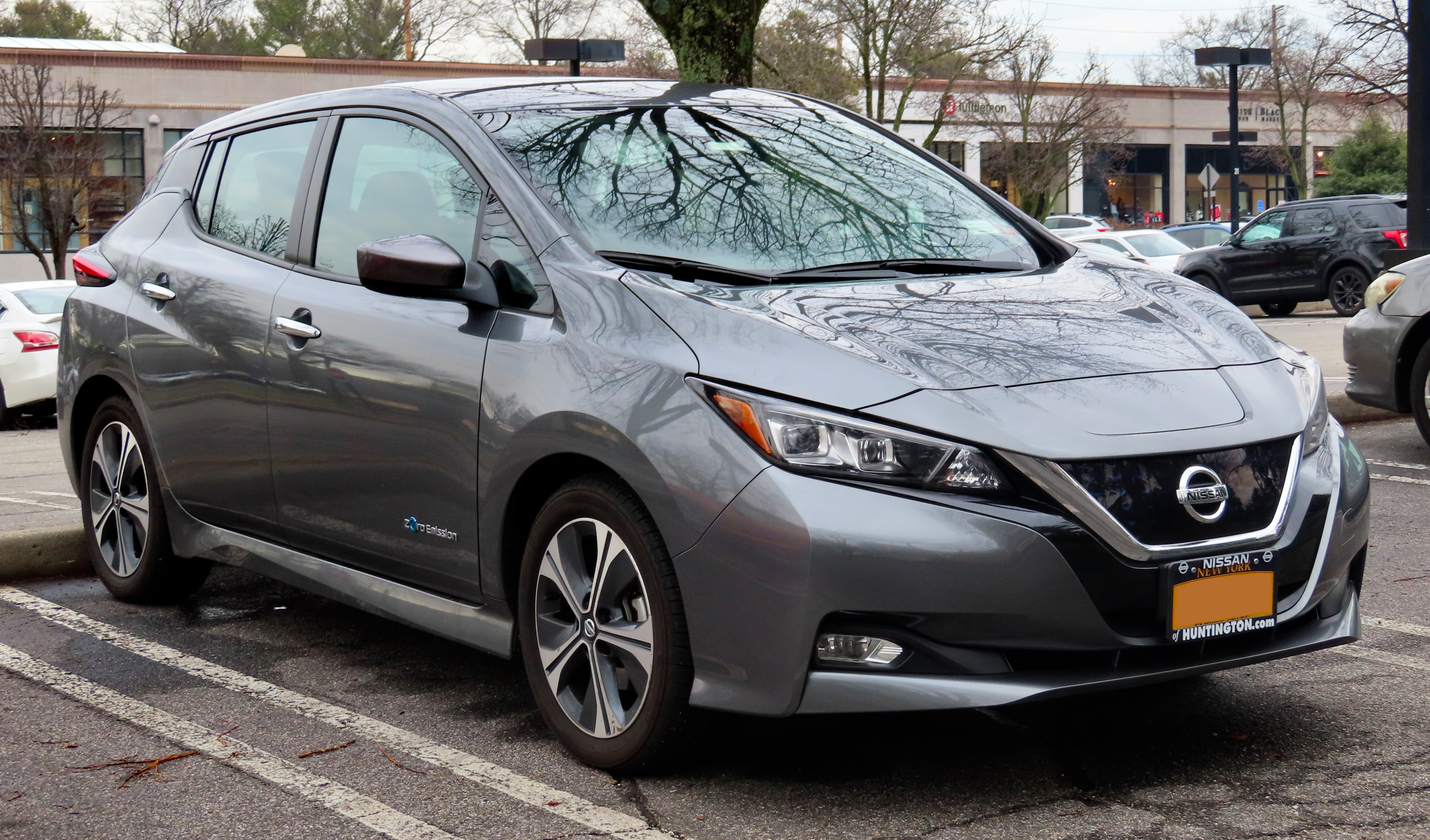
Nissan Leaf
"But so yeah, so I was thinking the same as you guys, like Chevrolet Bolts, Hyundai Kona, Nissan Leaf even."
The Nissan Leaf is a popular electric car. They mention it because it’s another EV they were thinking about for a practical daily-driving setup.
The Nissan Leaf is one of the most common mass-market EVs, typically used for commuting and city driving. In this segment, it’s mentioned as another option the hosts considered when trying to match charging time and daily mileage.
60-minute
"Since they're only adding like 60-minute, they're doing 60 miles every day though. So I figured it'd be best to keep the miles low"
They’re talking about how long charging takes—about an hour. The point is whether charging fits into your day so you can drive without stress.
“60-minute” here refers to charging time—how long it takes to add enough energy for daily driving. For EV shoppers, the key is whether the car’s charging speed and your charging setup make the routine practical.
keep the miles low
"So I figured it'd be best to keep the miles low and then recommend something that didn't feel like a penalty box."
They’re saying they prefer a used EV with fewer miles. The idea is that lower mileage usually means less wear and more time left under the battery warranty.
“Keeping the miles low” is a used-EV shopping strategy: lower odometer readings can mean less wear and (often) more remaining warranty coverage. Since EV battery warranties and charging habits are central to EV ownership cost, mileage becomes part of the value calculation.
penalty box
"So I figured it'd be best to keep the miles low and then recommend something that didn't feel like a penalty box."
They’re using “penalty box” to mean a car that feels like a bad deal—like you’re giving up too much. Here it’s about avoiding an EV that would feel inconvenient to live with.
“Penalty box” is a metaphor for a car that feels like a compromise—something you can own, but it comes with drawbacks that make daily use annoying or stressful. In this context, it’s about avoiding an EV that would feel limiting due to range, charging, or ownership trade-offs.
228 miles of range
"I think it's, yeah, 228 miles of range. [1514.0s] So for this guy's situation, it's fine. [1517.3s] It's got a 72.8 kilowatt hour battery."
Range is how many miles the EV can drive before it needs charging. They’re saying this one can go about 228 miles on a full charge, which matters for daily use.
“Range” is how far an EV can drive on a full charge under typical conditions. Here, the hosts cite 228 miles of range to explain why the 2023 Solterra can work well for commuting and weekend trips.
72.8 kilowatt hour battery
"It's got a 72.8 kilowatt hour battery. [1520.8s] It's got the 18 inch wheels on it with the premium. [1523.6s] That's what they come with."
That 72.8 kWh number is how big the EV’s battery is—basically how much electricity it can store. Bigger battery capacity usually means more driving before you have to charge again.
A kilowatt-hour (kWh) is the unit used to measure an EV battery’s energy capacity. A 72.8 kWh battery generally indicates how much energy the car can store, which strongly influences how much range it can deliver.
18 inch wheels
"It's got the 18 inch wheels on it with the premium. [1523.6s] That's what they come with. [1524.4s] So it's a bit more of a compliant ride."
Wheel size can change how the car feels over bumps and how efficiently it drives. The hosts mention 18-inch wheels because it can affect ride comfort and highway behavior.
Wheel size affects ride comfort and efficiency on an EV. Larger wheels (like 18-inch) often come with lower-profile tires, which can feel a bit firmer and may slightly impact efficiency compared with smaller wheels.
bumper to bumper
"Or even the, no, it comes to the full bumper to bumper three years, 30,000 or 36,000 miles. [1544.7s] So there could be a few months of that, I don't know."
“Bumper-to-bumper” means the warranty covers a lot of the car, not just one major system. They’re talking about how long and how many miles that coverage lasts.
“Bumper-to-bumper” is a warranty phrase meaning broad coverage across most vehicle systems, not just the drivetrain. The hosts mention it alongside mileage/time limits to explain how much warranty protection a used 2023 EV buyer might still have.
level two charging
"But if it's your daily driver and you're not, you're just level two charging it all the time. [1582.0s] It's like, why do you need something that charges fast DC?"
Level 2 charging is the common faster charger you can use at home with a 240V setup. They’re saying if you charge at home most days, you don’t necessarily need super-fast charging on the road.
Level 2 charging is home or workplace EV charging that uses a 240V outlet (faster than standard Level 1). The hosts argue that if you’re mostly charging at home on Level 2, you may not need the fastest DC charging.
DC
"It's like, why do you need something that charges fast DC? [1584.6s] Because it's like you're just charging at home."
DC charging is the fast public charging you use when you need to add a lot of battery quickly. The hosts are saying that if you mostly charge at home, you might not need this kind of fast charging.
DC charging (direct current) is the fast-charging method used by public fast chargers. It’s especially important for road trips or frequent long-distance driving, because it can refill the battery much quicker than Level 2 charging.
off road capabilities
"But that car is great because I think in terms of its off road capabilities, [1591.12s] "
Off-road capability means how well the car can handle rough or unpaved paths. They’re saying the Solterra can handle “a little off road” for things like getting to a fishing spot.
Off-road capability is how well a vehicle handles unpaved or rough terrain, typically influenced by ground clearance, traction, and drivetrain setup. The hosts connect this to the Solterra’s suitability for “slightly off road” trips, even though it’s still an EV crossover.
ground clearance
"You can't get anything else with over 8.2 inches of ground clearance. It's from the factory, it's water depth rated to 20 inches."
Ground clearance is how high the car sits off the ground. If it’s higher, you’re less likely to hit the bottom of the car on bumps or rough trails.
Ground clearance is the distance between the road and the lowest part of the vehicle. More ground clearance helps prevent scraping the underbody when driving over rocks, ruts, or uneven terrain.
water depth rated to 20 inches
"It's from the factory, it's water depth rated to 20 inches. So you can drive like decently off road."
This is a factory-tested number for how deep the car can safely go through water. It matters because water can damage sensitive parts, and EVs have lots of electronics that you don’t want submerged.
A factory water-depth rating tells you the maximum depth the vehicle is designed to wade through without causing water intrusion into critical systems. This is especially important for EVs because submersion risk can damage high-voltage components and electronics.
approach angle
"The approach angle isn't too great because I think the front overhangs are kind of huge. But it's like that thing's like not bad."
Approach angle is how steep of a bump or hill you can drive up before the front of the car hits. If it’s not great, you can scrape the front when going over steep stuff.
Approach angle is the steepest angle you can drive up toward an obstacle (like a curb, ditch, or hill) without the front bumper or underbody hitting first. Smaller approach angles mean more front overhang contact risk when climbing over obstacles.
X mode
"And then not to mention Subaru's X mode with their killer traction control. So not as not a bad choice."
X-Mode is Subaru’s special setting for slippery or rough terrain. It helps the car manage traction so the wheels don’t just spin when you’re on dirt, gravel, or snow.
Subaru’s X-Mode is an off-road driving mode that coordinates traction control and throttle/brake behavior to help the vehicle maintain grip on loose surfaces. The idea is to reduce wheelspin and improve control when traction is inconsistent.
traction control
"And then not to mention Subaru's X mode with their killer traction control. So not as not a bad choice."
Traction control helps stop the wheels from spinning uselessly when the road is slippery. It can cut power and/or brake a wheel so you keep grip and move forward.
Traction control is a system that detects wheelspin and then reduces it by adjusting engine power and/or applying braking to individual wheels. It’s crucial for off-road and low-grip surfaces because it helps the vehicle keep moving without losing control.

Toyota bZ4X
"That's basically a BZ4, right? BZ4X, the same thing. Yeah. And so, you know, you might want to look at some of the Toyotas as well,"
The Toyota bZ4X is an electric Toyota SUV/crossover. The hosts are saying it’s basically the same kind of EV deal as the Subaru Solterra, so you can compare them when shopping.
The Toyota bZ4X is Toyota’s electric crossover that’s closely related to the Subaru Solterra (they share platform and many EV components). Here, the hosts are treating it as the “same thing” as the Solterra for shopping purposes, then discussing charging power and daily range needs.
100 kilowatts
"now it only charges at 100 kilowatts, right? And the new ones are 150, but to your point, Andrew,"
“100 kilowatts” is how much charging power the EV can take at once. Higher numbers usually mean faster charging, but the hosts say the Solterra’s charging speed stays steadier than you might expect.
“100 kilowatts” refers to the charging power level the EV can accept from a DC fast charger, which strongly influences how quickly you can add range. The hosts argue that even if the Solterra tops out around 100 kW, its charging curve stays relatively flat, so it may not feel dramatically slower than newer cars that can reach higher peak power.
DC fast charge
"if he's just doing 60 miles a day and it's got about 220 miles of range, charge it every other day at DC fast charge it."
DC fast charging is an EV charging method that uses direct current to deliver high power to the battery, allowing much faster top-ups than standard home charging. In this segment, it’s used to describe how often the hosts think you’d need to charge an EV like the Solterra for a commute, and how charging speed affects daily convenience.
active thermal management
"there's no active thermal management. So you might end up heating up the battery pack and then you're going to really limit it in terms of your, your charging speed."
Active thermal management is how an EV keeps its battery at a good temperature. If the car can’t actively cool the battery, fast charging can make it too hot and the car slows down to protect it.
Active thermal management is the system that actively heats or cools an EV battery to keep it in an optimal temperature range. Without it, fast charging can cause the battery pack to overheat, which triggers protective limits that reduce charging speed.
flat curve
"But, you know, that 100 kilowatt charging speed on that Solterra, that's pretty flat curve. You're going to pull that, you know, deep into the pack."
A “flat curve” means the car doesn’t slow down as quickly while charging. So even if it can’t hit the highest peak power, it may keep charging at a decent speed for longer.
A “flat curve” describes the shape of an EV’s charging curve—how charging power changes as the battery state of charge increases. A flatter curve means the car maintains a higher charging rate for longer, which can make a lower peak-kW EV feel closer to faster-charging models in real use.
pre-owned EV
"He writes, Hi, battery bargains. We are looking to replace our secondary family vehicle with a pre-owned EV."
A pre-owned EV is a used electric car instead of a brand-new one. The idea is to get a better price while still making sure it charges and fits your daily driving.
Buying a pre-owned EV means shopping used rather than new, which can dramatically change the total cost of ownership. In this segment, it’s tied to the episode’s theme of finding an EV deal under a specific budget and evaluating whether charging performance still fits real-life needs.
charging architecture
"We prefer a crossover with decent charging architecture because we do occasionally take weekend trips to visit grandparents about 200 miles away."
Charging architecture means how the car is set up to charge—what kind of charging it supports and how well it works on trips. If it’s good, you can usually find charging that’s faster and easier to use.
Charging architecture is how an EV is designed to charge—its charging hardware, software, and compatibility with common charging standards. For road trips, the right architecture can make charging faster and more predictable, which matters when you’re driving long distances between towns.
buying used
"Since we're buying used, we want to make sure we're getting a vehicle that has proven to be reliable and has good manufacturer backing."
Buying used means you’re not buying brand-new. The idea is to pick a car that’s already been tested by other owners, so you’re less likely to get surprises.
Buying used is a strategy where you prioritize recent model years or specific trims that have already proven themselves in real-world ownership. In EV shopping, this often means looking for cars with a track record of good performance and support rather than taking a chance on the newest, least-proven option.
manufacturer backing
"Since we're buying used, we want to make sure we're getting a vehicle that has proven to be reliable and has good manufacturer backing."
Manufacturer backing refers to how strongly the automaker supports the vehicle after purchase—through warranty coverage, service network, and ongoing parts/software support. For EVs especially, strong backing can reduce risk if something needs repair or if charging/software updates are required.
800 volts
"Do you want something more traditional? Do you want something 800 volts? Because you can kind of go anywhere in that price range."
Some EVs use a higher-voltage battery system. That can help them charge faster when you use the right kind of fast charger.
“800 volts” refers to an EV’s high-voltage electrical architecture. Higher voltage can enable faster charging and lower current for the same power, which often means quicker charge times on compatible chargers.

Audi Etron
"But if you want to go used, um, there's also a lot of space. You can get Audi e-tron. That's a fantastic choice."
Audi’s e-tron is an all-electric SUV. In this conversation, it’s mentioned as a good used EV choice if you want something in that price range.
The Audi e-tron is Audi’s battery-electric SUV line. It’s being used here as a “used market” option in the same budget discussion as other EVs.
CPO
"You can get like a nice 2023 CPO e-tron, premium plus. That would be probably what I would lean towards."
CPO means “certified pre-owned.” It’s a used car that a dealer has inspected and usually offers extra protection (like warranty coverage) compared with a normal used purchase.
CPO stands for “certified pre-owned.” It’s a dealer-backed used-car program where the vehicle is inspected and often comes with added warranty coverage or guarantees compared to a regular used car.

Mercedes EQE
"You can get a Mercedes EQE, even one of those CPOs. Those look a little weird though."
The Mercedes EQE is an electric Mercedes sedan. Here it’s brought up as a used EV you might consider, though the speaker thinks it looks a bit unusual.
The Mercedes EQE is an all-electric sedan built on Mercedes’ EV platform. In this segment it’s mentioned as another CPO used option, with the host commenting on its styling.
hardware three
"So be careful on the Ys. Some of the cars were hardware three, some were hardware four. There is definitely a difference."
This means the car has one generation of the computer that runs driver-assist features. Newer or different hardware can be required to use certain advanced software options.
“Hardware three” refers to a specific generation of EV/driver-assistance computer hardware. Different hardware generations can support different levels of software features, which is why the host says there’s a difference.
hardware four
"So be careful on the Ys. Some of the cars were hardware three, some were hardware four. There is definitely a difference."
This is a newer generation of the car’s computer for advanced driving features. If you’re trying to use advanced software, the hardware generation can matter.
“Hardware four” is another generation of the car’s driver-assistance/automation computer. The host is contrasting it with “hardware three” to highlight that software like FSD may depend on which hardware generation the car has.

Audi Q8 Etron
"Q8s are getting close to that 35. Yeah, Q8 e-tron, yeah."
The Audi Q8 e-tron is a bigger, more premium electric SUV. The point here is that you might be able to find one used for less than you’d expect.
The Audi Q8 e-tron is a larger, more upscale electric SUV that sits above the standard e-tron in Audi’s lineup. In this segment, it’s brought up as a model that can sometimes be found near certain price points in the used market.

Honda prologues
"So when I did a search for this, at first, all I saw was Honda prologues and these Chevy Blazers."
The Honda Prologue is Honda’s electric SUV. It’s one of the EVs that can show up a lot when you search for used EVs.
The Honda Prologue is Honda’s battery-electric SUV offering, positioned as a mainstream EV alternative. The host mentions it because it shows up heavily in their search results, illustrating how certain EVs dominate used listings.

Chevrolet Blazer
"So when I did a search for this, at first, all I saw was Honda prologues and these Chevy Blazers."
The Chevrolet Blazer is a crossover SUV. In this context, they’re talking about the electric version showing up a lot in used listings.
The Chevrolet Blazer is a crossover that, in EV form, competes in the mainstream electric SUV space. Here it’s mentioned as one of the most common results the host saw when searching for a deal.

2024 Kia EV9 Light Long Range
"I used 2024 Kia EV9 Light Long Range with 10,920 miles for 30, basically $35,000. Near the top of his budget, but it's got over 300 miles of range. It charges quick."
This is a fully electric Kia SUV with three rows of seats. The host is saying the specific version they found has a long driving range (over 300 miles) and charges quickly, which is why it fits their budget.
The Kia EV9 is a three-row, battery-electric SUV built around an all-electric powertrain, so its key selling points are range and charging behavior rather than fuel economy. In this segment, the host specifically calls out the 2024 Kia EV9 Light Long Range with 10,920 miles, priced around $35,000, and notes it has over 300 miles of range and fast charging.
charges quick
"Near the top of his budget, but it's got over 300 miles of range. It charges quick."
“Charges quick” means the car can refill its battery faster when you plug it in. That matters because it reduces how long you have to wait at a charger.
“Charges quick” refers to how fast an EV can add usable battery energy during charging, which depends on the charger type and the vehicle’s charging capability. The host is treating it as a convenience advantage for everyday use.
third row
"It charges quick. There's a third row, so plenty of room for any future family expansion. But until then, it folds down flat."
A third row is extra seating in the back of the SUV. The host is saying it’s helpful for a growing family, and when you don’t need it, it can fold down to make more room for stuff.
A “third row” means the vehicle has seating behind the second row, typically for extra passengers or kids. The host highlights it as useful for “future family expansion,” and notes the seats fold down to increase cargo space.

Hyundai Ioniq 9
"I really do. I like it better than the Ioniq 9. I just styling wise, but they're basically the s..."
The Hyundai Ioniq 9 is an electric vehicle model. In the podcast, the speaker says they prefer its styling compared with another Ioniq model they’re considering. The discussion is about which one looks better to them.
The Hyundai Ioniq 9 is discussed in terms of styling preference, with the speaker saying they like it better than the Ioniq 9’s mentioned alternative. The context suggests it’s part of a lineup conversation where buyers are comparing design and overall direction of the EV range. The significance here is mainly the buyer’s preference and how it fits their expectations.
Out the door
"Out the door, you're going to be at 40 grand by the time you do dealer fees and taxes. But still, you know."
“Out the door” price means the full total you’ll pay at the end. It includes things like taxes and dealer fees, not just the sticker price.
“Out the door” (OTD) price is the total amount you pay to take the car home, including the base price plus taxes, registration, and dealer fees. It’s often higher than the advertised price, so it’s a more realistic number for comparing deals.
Prologue Honda Prologa
"...t probably makes more sense to recommend like the Honda Prologa. I thought was a pretty decent choice because it'..."
The Prologue (Honda Prologue) is an electric SUV that the podcast suggests as a reasonable option. The speaker is saying it probably fits the needs better than some other choices. It’s mentioned as a practical recommendation.
The Prologue is referenced as a recommendation candidate, specifically the Honda Prologue, in a context where the hosts are deciding which EV makes the most sense. The significance is that it’s being used as a practical suggestion based on the speaker’s reasoning, not as a deep technical dive. The podcast frames it as a decent choice for the situation being discussed.

Blazer EV
"It's basically the same as the Blazer. ... [2190.4s] I like that better than the Blazer EV. [2193.0s] I sit lower."
The Blazer EV is another Chevrolet electric SUV. In this segment, the host compares it to the Equinox EV and says they like the Equinox EV better—especially how low you sit and how it fits your needs.
The Chevrolet Blazer EV is an electric SUV that the host uses as a comparison point for the Equinox EV. They specifically say they prefer the Equinox EV’s seating position and overall size, implying the Blazer EV feels different in practice.

Equinox EV
"And, you know, one vehicle I'm a little embarrassed that I didn't talk about today [2183.8s] is the Equinox EV. [2185.8s] And I think that that's that's one that people should look at. ... [2196.3s] It has nothing to do with the conventional gas powered Equinox."
The Equinox EV is Chevrolet’s electric SUV. It uses the Equinox name, but it’s not the same as the regular gas Equinox—it's built as an EV. The host thinks it’s a good deal and likes how it feels inside.
The Chevrolet Equinox EV is an all-electric version of the Equinox nameplate, but it’s a different vehicle than the conventional gas Equinox. In this segment, the host highlights it as a value-focused EV and compares it to other GM EVs like the Blazer EV.
adaptive cruise control
"The standard features are great on there too. [2228.2s] You get lane centering adaptive cruise control. [2230.6s] I think you can do automated lane change as well."
Adaptive cruise control is cruise control that can automatically match the speed of the car in front of you. If traffic slows down, it slows too, and when the road opens up it speeds back up.
Adaptive cruise control (ACC) automatically adjusts your speed to maintain a set following distance from the vehicle ahead. Unlike basic cruise control, it can slow down and speed back up as traffic changes, which reduces driver workload.
lane centering
"The standard features are great on there too. [2228.2s] You get lane centering adaptive cruise control. [2230.6s] I think you can do automated lane change as well."
Lane centering is a driver-assist system that helps keep the car from drifting out of its lane. It uses the lane lines to guide the steering, usually along with cruise control that manages speed.
Lane centering is an advanced driver-assistance feature that helps keep the car near the middle of its lane using steering inputs. It’s commonly bundled with adaptive cruise control so the car can manage both speed and lane position in certain conditions.
automated lane change
"[2230.6s] I think you can do automated lane change as well. [2232.6s] So you just put in your blinker and you get ventilated seats on the base model, which is crazy."
Automated lane change means the car can help you switch lanes more automatically. Usually you still use your turn signal, and the system only does it if it thinks the lane change is safe.
Automated lane change is a driver-assistance capability where the car can help perform a lane change with less manual steering. Typically it requires the driver to signal with the turn indicator and the system checks that the maneuver is safe before initiating it.
ventilated seats
"[2232.6s] So you just put in your blinker and you get ventilated seats on the base model, which is crazy. [2238.5s] Ventilates is great. [2240.1s] Plus, I think it looks great."
Ventilated seats have built-in fans that blow air through the seat. They help keep you cooler, especially in warm weather.
Ventilated seats use fans (and often small air channels) to blow air through the seat cushions. This helps cool you in hot weather and can make the cabin feel more comfortable without relying only on the HVAC system.
all wheel drive
"[2291.5s] So might not be the perfect vehicle for them. [2298.2s] A lot of people in Colorado prefer to have like an all wheel drive vehicle for those, [2302.6s] you know, winter situations."
All-wheel drive means power goes to all four tires, which helps the car grip better on snow and ice. That’s why it’s popular for winter driving in places like Colorado.
All-wheel drive (AWD) sends power to all four wheels, improving traction when roads are slippery. The speaker connects it to winter driving in Colorado, where snow and ice make grip a bigger deal than on dry pavement.
201 horsepower
"[2305.5s] And it's 201 horsepower against 5400 pounds. [2309.7s] So it's not quick at all."
Horsepower is a measure of how much “pull” the car can make. Higher horsepower usually helps acceleration, but it’s only part of the story.
Horsepower is a measure of how much power an engine or motor can produce. The speaker uses it alongside vehicle weight to argue the EV isn’t “quick,” i.e., it doesn’t accelerate briskly.
Request an Explanation
Heard something you'd like explained? We'll add it to this episode.
Sign in to request explanations for terms you heard.
Want to learn more?
Browse our glossary for plain-English explanations of automotive terms, jargon, and concepts.
Help improve this episode
See something that's not quite right? Our annotations are AI-generated and can sometimes miss the mark. Click the flag icon on any annotation to suggest a correction.