A highway is a big, fast road meant for getting somewhere quickly. Driving on it usually means higher speeds and different merging and braking than in town.
Term
pothole hotline
A pothole hotline is a way to report broken roads to the city or road department. Calling helps them track where repairs are needed.
The alternator is what keeps your car’s battery charged and powers the electronics while you drive. If it’s not working right, turning on the headlights can make the dashboard lights dim or go out.
“Rat’s nest” is just a colorful way to say the wires are packed in tightly and are hard to sort out. That can make electrical repairs more difficult.
Term
fan trout off
They’re talking about taking off the cooling fan area to get better access to the parts underneath. Sometimes you have to remove the fan or its cover before you can reach something like the alternator.
A trip meter is the dashboard display that measures how far you’ve driven since you last reset it. Some cars also use the same screen/buttons for service reminders.
This is an older Honda Civic wagon from the early 1980s. The alternator in it failed, and the person replaced it themselves, showing that the car was simple enough to work on without a shop.
The Volkswagen Bus is a van made by Volkswagen with a boxy, recognizable design. It’s designed to carry people and cargo, so it’s often used for road trips. In the story, it’s being used as the vehicle for traveling while bringing back an alternator.
An engine cover is a panel over the top of the engine bay, often used for appearance and sometimes to help manage airflow or reduce noise. In the transcript, it’s where the speaker describes a switch matrix used to control lights.
Switches are the controls that turn electrical things on and off. Here, they’re used to control multiple lights so the van can display messages.
Car
Pontiac Coronet
Pontiac is a car brand that made lots of different models. In the conversation, it sounds like the speaker is talking about a specific older wagon from the early 1970s. People remember these cars by the year and the body style.
This means the car is getting rust on the bottom—where the frame and floor are. Rust in that area can become a bigger problem over time and may need major repairs.
A “carb class” refers to training focused on carburetors—devices that mix air and fuel for an engine using mechanical airflow and fuel metering. Carburetor classes often cover tuning, basic diagnosis, and how different carb setups affect drivability.
Term
mold making class
A “mold making class” teaches you how to create molds—tools that shape material into a specific form. People use molds when they want to make repeatable parts, like cast or fiberglass pieces.
Fiberglass is a strong, lightweight material made from glass fibers mixed with resin. People use it to make custom-shaped parts, including car body or accessory pieces.
Concept
car crush
A “car crush” here just means a casual car get-together. People meet up to hang out, talk about cars, and sometimes do something simple like a short cruise.
Topic
drive in cruise
A “drive-in cruise” is basically a meet-up where cars show up, hang out briefly, and then drive together. It’s usually not a competition—more of a casual group ride.
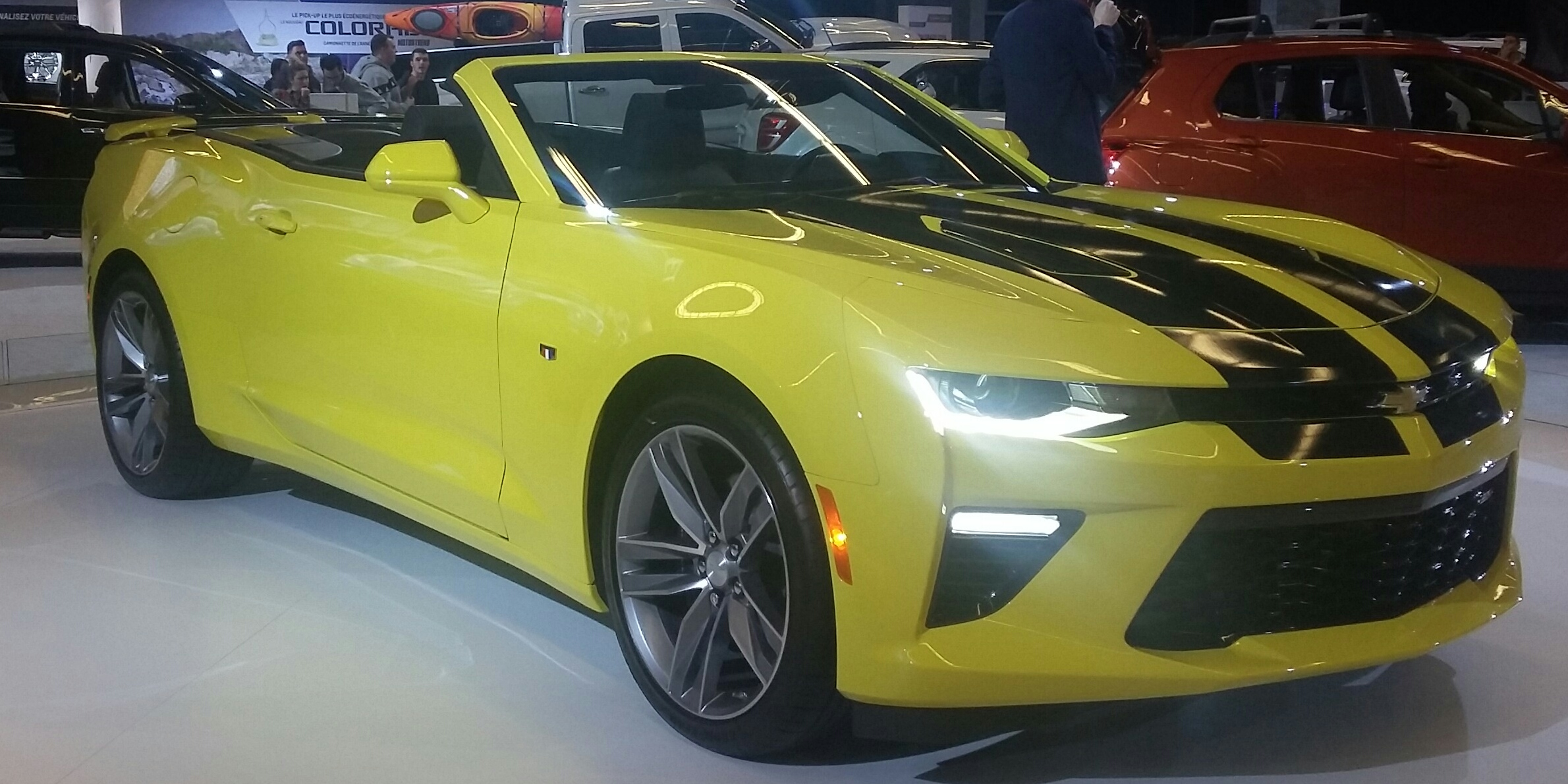
The Chevrolet Camaro is a car that’s designed to look sporty and drive with more energy than a typical family car. It’s usually a coupe, meaning it has two main doors. People often talk about specific years because the body and features can change a lot.
Topic
IROC 500
The IROC 500 is a specific kind of race event tied to the IROC series. Here, the host says it’s a dirt-track race where drivers who are legally blind compete.
A dirt track is a race track made of dirt instead of pavement. Cars can lose and regain grip more easily, so driving usually requires more control and momentum.
“Legally blind” means a person’s vision is impaired enough to meet a legal standard. The host is saying the race is for people who qualify under that standard.
Qualifying races help decide where cars start for the main race. Better qualifying usually means you start closer to the front, which makes it easier to get going without getting stuck in traffic.
Pole position is the very front starting spot for a race. Starting there usually helps you get clear air and avoid getting trapped behind other cars at the start.
The start is when the race begins and cars are allowed to move off their starting spots. If something goes wrong right at the start, you can fall behind fast.
Lap down means the car is behind by a full lap compared to the leaders. If you’re lap down, you’ve effectively fallen out of the main fight for top positions.
A governor is a limiter. In this story it’s like a physical stop under the gas pedal, so the driver can’t press it all the way down to get maximum power.
“Cheater” here means someone broke the competition rules to get an unfair advantage. They removed the limiter so they could push the car harder than they were supposed to.
An obstacle course is a track made of challenges—like tight turns or markers—that you have to drive through correctly. They’re saying this wasn’t just random driving; it was a course with specific difficulties.
A circle track is a race track shaped like a loop, usually an oval. Cars keep driving around and around, and the turns are a big part of the challenge.
A co-pilot is the person riding with the driver and helping them during the event. They may talk to the driver and help with directions or race information.
“Space Wagon” sounds like a nickname for a wagon-style vehicle that looks futuristic or unusual. In the podcast, it’s used in a joking way to imagine different meanings for what the vehicle could be. It may not be a single standard car model you can look up by that exact name.
It’s a rule about how well a car’s front bumper should handle a very slow crash. The goal is that at around 5 mph, the bumper should absorb the hit without causing major damage.
Concept
low-speed impact
Low-speed impact means a crash at slow speeds, like when you bump another car in a parking lot. The point is to keep the damage smaller so repairs aren’t as expensive.
“Totaled” means the insurance company decides the car is too expensive to repair after the crash. When the damage is costly, they treat it as a total loss instead of fixing it.
A bumper system is the whole set of parts behind the bumper cover. If the internal parts get damaged in a crash, the repair can be much more expensive than just replacing the outer plastic/metal piece.
Those “pistons” are internal parts that help the bumper absorb a hit. Instead of everything breaking, they’re designed to move in a controlled way so the damage is smaller.
Volvo is the car brand being referenced. The story is about a bumper system on a Volvo and how modifying it affected the bumper’s behavior and repair cost.
Emission systems are parts on the car that help reduce pollution coming out of the exhaust. The speaker is saying that in the 1970s, those rules made cars harder to make powerful and efficient.
Car
LS motor
An LS motor is a Chevy V8 engine family that’s popular because it makes good power and is easy to work with. The speaker is saying it can meet emissions rules and still get decent gas mileage.
CAFE standards are government rules that push car companies to make their overall lineup get better gas mileage. The speaker is saying modern engines can meet those rules without giving up all the power.
Miles to the gallon (MPG) tells you how far a car can go on one gallon of gas. The speaker is using MPG to argue the LS can be efficient.
Term
center cam motor
This is about where the camshaft sits inside the engine. The camshaft controls when the engine’s valves open and close, and its location can change how the engine is built and how it runs.
DOHC means there are two camshafts up in the cylinder head. Those cams control the valves, and having two can help the engine time things more precisely.
A pushrod engine uses rods to transfer motion from the camshaft to the valves. It’s a common older-style engine design compared with engines that use camshafts directly in the head.
Complete combustion means the fuel burns more fully instead of leaving some unburned fuel behind. When that happens, the engine can get more energy out of the same fuel.
Here, insurance companies are the businesses that sell auto insurance and decide how much you pay based on risk. The discussion is about how their incentives can affect what drivers are told they’ll save.
Your insurance bill is made up of different parts. The “collision portion” is the part that covers damage from crashes, and the speaker says the savings only applied to that part.
Term
$100 deductible provision
A deductible is the part of a repair bill you pay yourself before insurance helps. In this case, the policy mentioned a $100 deductible, which affects how much you’d save when insurance premiums change.
Collision insurance is the part of your auto insurance that helps pay to repair or replace your car after a crash. The episode points out that any premium discount was tied specifically to that collision coverage, not everything you pay for insurance.
Your insurance premium is what you pay (usually monthly or yearly) to have coverage. The episode is saying the bumper-related discount didn’t reduce the total cost as much as people were led to believe.
In this context, “bumper cars” means regular cars that got the new crash-focused bumpers. The speaker says the insurance savings story changed once those cars were actually on the road.
Term
locable to collision coverage
The episode is talking about how only part of your insurance bill was eligible for the discount. Even if the bumper helped collision coverage, it didn’t automatically lower the whole premium you pay.
They’re talking about a specific test speed—about 5 mph—used to compare how cars handle small crashes. It helps estimate how expensive repairs are after minor impacts.
This is a low-speed crash idea—about 5 mph. The point is that at very low speeds, damage is often limited, so repair costs can be much smaller than in faster crashes.
This is the bumper design meant to “soak up” crash energy, especially in small crashes. Instead of everything getting damaged, parts of the bumper are built to crumple in a controlled way—and after a hit, the whole bumper assembly may need replacement.
This is a safety organization that studies and publishes crash-related statistics. In the segment, the host is using its report to support a claim about how often certain types of accidents happen.
Whiplash is an injury to the neck that can happen when your head is jerked suddenly in a crash. People bring it up when they’re talking about whether a car’s design helps reduce injury in impacts.
Consumer protection means rules meant to protect car buyers and drivers. Here, the speaker suggests the bumper changes were more about protecting consumers from costs than about preventing injuries.
Term
$800 bumper
They’re using “$800 bumper” as an example of how costly bumper repairs can be. That price is part of their point about why the insurance math doesn’t feel fair.
Term
designed bumpers
They’re talking about bumpers that match the car’s original style. If you replace them with something else, the car may not look the way it was meant to.
That’s a bumper design from the early 1960s Chevrolet Corvair. Custom builders like it because the shape is very “of that time,” and the parts are made to fit those specific Corvair years.
They’re talking about a Pontiac Tempest bumper from 1961 to 1963. The point is that this bumper style is distinctive, similar to other years, and now harder to source.
The Chrysler Pacifica is a minivan, which is a type of vehicle made to carry people and cargo comfortably. It’s usually used for family trips and everyday errands. In the conversation, it sounds like the older ones are becoming harder to find in good shape.
A “lead sled” is a nickname for an older, heavy American car that people build into a custom hot rod. In this segment, it’s the kind of car that gets classic bumpers swapped onto it.
The Plymouth Road Runner is a famous old muscle car. Here, they’re pointing out that the “bumper” on a 1971 model is more like a chrome frame around the grille than a traditional bumper.
The Tesla Semi is a large electric truck used to move goods. Instead of using a traditional fuel like diesel, it runs on electricity stored in batteries. People talk about it because it’s a new approach to long-distance trucking.
Chrome plating means the shiny chrome finish is a coating applied on top of metal. That matters because it can’t be treated exactly like solid metal when you’re trying to polish or refinish it.
“Malaise forever” is an enthusiast nickname for a period when American cars were seen as less exciting and more regulated. Here it’s used to explain why older styling like chrome bumpers went away.
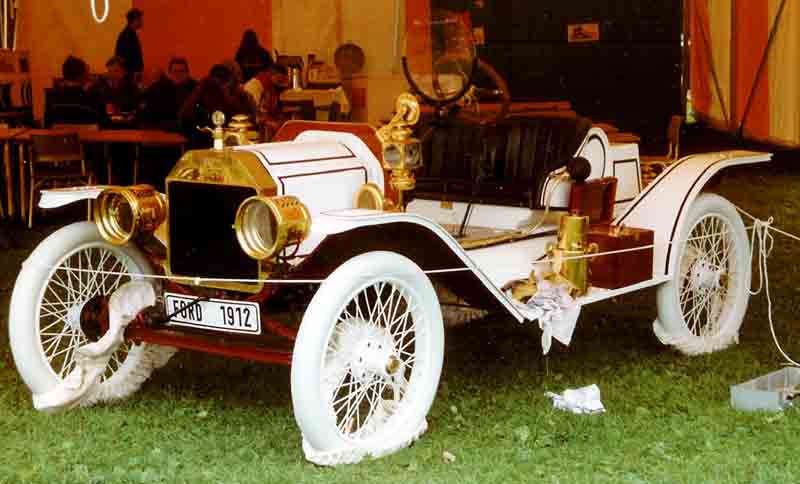
The Ford Model T is a very early, famous car from the 1900s. They’re saying they got the engine and transmission for a Model T build, meaning they’re working on a custom project car based on that classic.
The engine makes power, and the transmission sends that power to the wheels in the right gear. For a classic car build, getting both parts right is crucial so the car can actually move and drive.
LIVE
I think this is gonna be a good episode. Oh, you do? I do. Okay. Happy Wednesday. Happy Wednesday.
We're off to a great start. Yeah. Um, I'm Emily aka I'm dog nightmare. We haven't
collapsed. So you're trying to move on. That's why I'm sitting here. Such a good
beginning. That's why I'm sitting here in disbelief because you're like you're
skipping rule number two. I'm Emily aka I'm dog nightmare. I'm the queen of the
bands. And you're listening to the pile up up.
That's right. It's another Wednesday. Here we are. We're ready to go. Roses on our
second cup of coffee. I had a coke earlier. Gotta have that caffeine. The pile
up gotta be just right on the verge of pile up of my heart exploding right
before we record. So the pile up. I don't fall asleep. Very close. That's a
really good promo for our show. Yeah. I try not to fall asleep while we record 430
is such a long time ago. She gets up so early. I was getting up at 445. Now I'm
getting up at 430 to leave earlier so that I'm not like, you know what? I wanted
to tell you. I was thinking about it on my way in. Yeah, let's hear it. The new method
to go to work is working out. Okay. I have been jumping on the highway for a quick
second because it is a lot faster. But I keep forgetting they're gonna take a
jackhammer to I five. Oh yeah. I fight. I need to get used to going all the way
around to Lloyd. Okay. That's how I'm gonna have to go. Yeah. But you know why?
Because grand is a pothole piece of shit road. Well, are you gonna call the pothole
hotline? And it's loaded with cameras. Are you gonna call the pothole hotline? No.
I'm like, Hey, you need to rip up all of grand. I mean, they did just do a big
section of MLK and it is like a magic carpet. Yeah, it's so smooth. Yeah. Oh my God.
It's nice. I said somebody a video of me driving my economy the other day like out
of the parking lot to like, I guess show my shifter that comes through the wheel
tub and stuff. And then yeah, I was like, Sorry, I thought this would be cool. It
turns out I just have the squeakiest van on earth. Also to an economy owner and
he was like, Oh, no, mine's the same way. That's all I like. I must I must zone it
out because it's just like, it is a little bit squeaky. Oh my God. Every door. I
mean, I know that that back door, the hinge pin is broken. So I know that that
bottom hinge just kind of flops around. It's been like that. It was like that
longer than I've noticed. But anyway, squeakiest van on earth. Yeah. It's a
little squeaker. It's a bit of a squeaker. She's a squeaky. Well,
talk to me. What's going on? That's pretty funny. What's up? What is up? Oh, you
fixed my car. Oh, because I was having some electrical issues. Oh, yeah. And I
thought it was my alternator. And basically what was happening is when I
turned my lights on, my dash was either turning all the way off or going dark. So
dark that it was hard for me to see what was happening, like speed limit and all
that jazz. And so that was really said when I turned my headlights on, my dash
lights dimming. Yeah. So I thought, Okay, alternator problem, which right, you
agreed with me. It could be an alternator thing worth checking. Yeah. So check the
alternator. It's totally great. And that was fucking, even though that means it
was a bigger rat's nest, that was great news to me because the alternator is
buried under 5000 things. And you know, it's a Japanese car. So it's everything's
tiny. And I instantly was like, I'm never going to get that out of there to take
off the entire and take the whole car apart. I mean, I think it would have been
standard issue wrenching. Yeah, I mean, Rose is like, you might have to take the
fan trout off. Yeah, I can understand why you'd flinch if if you were like, Yeah,
I gotta take the hose off or something, which it might have might have been the
case. Yeah, I mean, I'm so slow that that would have been but I looked it up at
least a day job. The symptoms and it was like, Okay, the dash lights do dim when
you turn the headlights on. Yeah. Okay, that makes sense. Yep. Then I was like,
somebody else, the thing about modern cars to me is that typically if you're
having a problem, somebody else has had that problem. It's built in. Yep. So I
looked it up and somebody said, you know, maybe somebody went in to reset the oil
light after an oil change. And they dimmed your dash lights. And I was like, Oh
my God, they're the same thing. It's a little post and the post twists. That
post is what you do for your like your trip meter, but apparently there's a
sequence that is probably also the oil meter. Oh, okay. Okay. For the oil change
light or something. Yeah. Yeah. Or they're just they're just using a trip meter as
an oil change trip meter basically. Yeah, maybe. And as it turns out folks, that's
it. Well, not a hundred percent though. Oh, okay. Because it's still, so it's
turned up all the way now. Now at least I can turn it up all the way and it's not
bright enough that it blinds me at night so I can drive with it. But the car is
supposed to dim the dash a little bit. Remember we read that? Yes. As in you
actually read that. Yeah, we just, yeah, we just, we just went over that. Oh yeah,
just went over that. Okay. But when I turn it past, there's like a little click. So
it clicks and it goes all the way to the main brightness and then it doesn't dim.
But when I click it one over, which you can only, if you try to turn it down at
all, it just clicks one over, then that you turn the light on and it does go,
it goes super tim. So I knew I'll click it one. Yeah. So anyway, but it doesn't
matter. It's fixed enough. It's fixed enough and I think that's great. Emily had a
non-problem. Actually, that's, it's, I'm laughing at you now. You could laugh at me
then. However, the same thing happened to me in my Volvo and there was just a knob
that like, you know, it's fetish. So it just didn't, there was a knob and I was
like, I don't know what that knob does and I'd mess with it all the time. Then
eventually I was like, I don't have any dash lights. So it was also from prior
experience. Yeah. With the same issue. Yeah. I just didn't know what was what. But
we figured it out pretty quick. And you know, it's the little things in life that
drive you crazy. And now I can see at night, I can see my dash at night when
I'm driving. I thought you were going to say you're just a little more unraveled
still just waiting for the final day. No, why would I say that? Just one more
screw loose. Years off your life from this knob. What's really funny is that
when I was like 19 or 20, I had like an 82 or 83 civic wagon. What? What's really
funny when I was 19 or 20? Like, is this a, I'm going to say this is something
that happened. This is a story of the 70s hip hop song or rap song. Oh, funny.
1920. Okay. Well, anyway, I was, I was like, whatever. I was like late teens,
early 20s. And my alternator went out in my 82 slash 83 Honda Civic wagon. Super
cute car. And I went to O'Reilly's on grander and I picked up a alternator and
I rode the bus with it all the way out to Oregon city, which is where my car was
busted down. And I fixed it in the parking lot of the gas station by myself. And
I mean, I did it. It probably took me a little while, but like, I don't remember
it being this like crazy big deal where I didn't think that was where this was
going. That's okay. This is where it was going. What kind of car was it? It was an
82 Honda Civic wagon. There was more room apparently because I did it just fine. Like
I said, it probably took me a minute. Um, but I did it all by myself and I had gone
out the night before. So I was still wearing my like dancing clothes. That was
pretty funny. Anyway, I was in traffic the other day and it's like speaking of
wagons, one of the, uh, I think it's the Toyota like TRT or TRS wagon or whatever.
It's like a really early wagon that's like very boxy in the back. I think when
BC moved here, he said that was his first car. One of those blue past me in
Southeast the other day. That's good. Cute. Yeah. It just, it just made me think of
the era of cars we had just been talking about. Yeah. Yeah. It's right in there
with our shitty cars. Singing about it. I was like, we need like a, I love your
shitty car bumper sticker. Would you say the 82 Civic wagon is a shitty car? I
don't know. I visually can't, I can't visualize. They're so cute. They're so
cute and they just run. They're just a Honda. It's a Honda. Um, but anyway,
there's so much more in the way. So glad I didn't have to change out my alternator
is really the moral of the story. I think it was a TRS wagon. Anyway, I was sitting
in traffic the other day and I was like, you know, I really need like a, cause
like some people in a ranger the other day, like a nineties ranger were like
checking out the O'Connor line. And I was like, they don't know that I like their
ranger as much as they might like the van. Yeah. Like I need a bumper sticker that
says like, I love your shitty car. Well, you just need, you know what I always
want a flag of no, just like a, like, like a, like a, uh, uh, what is that pink?
Like a ping pong, uh, paddle or like an auction paddle that has signs on it or
words like, Hey, your car's cute. I was thinking about this van. Hold it up to
them in the winter. That's pretty good. That'd be fun. I was thinking about this
van that I saw in a seventies van magazine where the guy has all these
lights in his grill and he has this matrix of switches on his engine cover
where he can like spell things out in the grill, but he has to flip the
switches in the order to make this like pixel, basically in the engine bay.
Like, yeah, where does he, where does he control the lights from on the doghouse
cover? Oh, in his van inside. Yeah. Inside. Right. But like all the switches are
there. I don't know if he's laid them out in reverse so that it like matches.
It would like, Oh, cool. So he can write messages. He can write a message,
but it's like per pixel. You know, it's like, like I said, it's like a matrix
of lights, but he has to illuminate each individual light with the switch.
So it takes him a minute. Yeah. Okay. So he doesn't do it in traffic when he's
just trying to be like, Hey, cool car. Well, I always think about it because
it would be funny to be like, I like trying to write something to somebody
and then you're like, Oh, fuck. And then you just have to go on and try or he
just hold the light up. Yeah. Just waiting for you to get a pixel by pixel.
That's pretty cool though. I mean, for the seventies, it's sick. Yeah. That's
fun. Nice. What else did we got going on? Oh, we had a really, really nice
write in from Astro Friends.
From Astro Friends PDX. And it was about our year anniversary.
And I'm going to read episode, episode 52. Yeah. That actually got quite a few
listens so far. Oh, really? So, yeah, um, didn't I text you and say 80?
You said 70. Okay. And we had crested 80, I think on something else. So it's a
little bit of a come down. In my mind, I was like, Oh, maybe people didn't like
it. Mine had been tiny trucks. Yeah. Well, we didn't really, here's the thing.
The year episode took us so long to do that the, um, promotion was, uh, took a
backseat and we didn't really. Hey, maybe it doesn't even work anyway. Do any
promotion. Social media is so fickle that we're just grateful because it seems
like you all seem to listen. Yeah. All the same. Yeah. Which we love. Also,
Mateo, regular listener Mateo while we're in our listeners section here, got
awesome. Yeah. Sweet. Sweet and sweet. Okay. From Astor Friends, PDX. Love the
most recent episode about starting the podcast and the story behind car crush.
I've always been a car truck van person and grew up listening to car talk with
my dad. Just love the culture. Sadly, my brother got taught all the mechanical
skills from my dad growing up and me being a female, I learned how to scrub a
toilet like nobody's business. Step the F back, Mr. Clean. And this is something
you hear from women a lot that that, that happens. I just want to pop in there
and say that, which is, yeah, you do, which is too bad. Not all though. I mean,
you should, it's like cool to know how to clean a toilet, but also maybe the guy
can clean a toilet and work on the, you can do both. Sure. I mean, I'm thinking
a lot of you when I think about, you know, like Lottie wrenched with her dad.
Yeah. Yeah. Totally. Yeah. So it's not like we have friends. Yeah. Yeah. Yeah. It
is fairly commonplace. Yeah. Not knowing much about fixing or working on
vehicles still to this day. I take accountability at this point. Ha. I still
love listening to people talk about it as I too have always loved modes of
transportation and the freedom it symbolizes, whether you are running from
or to bring on the vans and the trains. Thank you for creating a woman led
community and sharing your deep knowledge. I laugh so hard and also take notes. I
just picked up a copy of engines of change. Thanks to a mention at some
point, which Rose mentions at every episode, but you laugh at us. I think
that's great or laugh with us, whatever at us with this. We don't care. That is
so sweet. Yeah. I love that because we do. You know, we're not necessarily
comedians by any stretch of the word. I saw a Mark Marin clip where he called
people like us fucking amateurs. Yeah, we are fucking amateur. He's 100%
correct. Yeah. But we try. We do try to be, we try to sort of try to be funny.
The funny thing about that is that somebody asked me to come work on a car
that I just saw him driving. Mark Marin? Yeah. Where did you see Mark Marin
driving a car? There's a 72 Coronet wagon in town. Okay. That is someone
else's that passed away a musician. Okay. And Mike ship John has it now and
was like, Hey, this thing's rusting underneath. And I'd like you to maybe
come take a look at it and let me know what you think is going to be the way
to preserve this thing mechanically. Yeah. But I just saw a video. Mark was in
town visiting with Mike and he drove the thing around. Mark Marin? Yeah. Oh, he
knows the Micke. Excuse me? Wait, he knows the Micke guy. Yeah. Sorry. I was
selling. He said Micke. Micke. He knows the Micke. Micke guy. You know what's
funny is that I backed out of here the other night and I saw the wagon because
he had just I mean, I saw it immediately on his social media and I was like,
Wow, that thing's cool. Yeah. And he wrote me about it. But we know each other
through a friend from Louisville. My friend drew that wrote in for the GTO
answer on Brain Buster a few weeks back. Okay. And I saw it going by and I was
like, Oh, shit. I threw in gear and tried to and he got the light and I
didn't right away. I was like, Fuck. And so I kind of just like watched it
gliding down MLK like all the way down. Wait, Mark Marin? No, just the wagon.
Just the wagon. Okay. But one degree of separation, basically. Yeah. From the
amateur's comment. Well, I think he would appreciate us. The effort. He would
appreciate the effort. He was slamming people, I guess, like Theo Vaughn and
stuff. He was like, what have we he's like, what has life become that we sit
around and we fucking listen to people talk about shit instead of reading
books and going and working on something or doing something. And he's
like, these people are fucking, they're just fucking amateurs. And I was
like, well, I hear you. Yeah. Sorry. Yeah. But here we are all the same. We're
going to keep doing it. I mean, that is to say that Mark's a pro. Yeah. No, he
is a pro. He's definitely he's I was watching. I was listening to some of
his comedy the other what we saw him at the comedy store. Didn't we? Yes. And
he was talking about orgasms and he was like, I just want to come as hard as
I can. He's like, I don't know what all these other people are about. I don't
remember that. Oh, really? Maybe that's a bit that I saw him doing. But I could
swear that that was when we saw him. And he was like talking about orgasms.
He's like, I just he's like, my I just want to come as hard as I can. He's
good. I don't remember like, I just remember the feelings that I got from
that show. I don't remember specific things. I know that he called the
slushing her like a adjective. A hussey. No, like, oh, he said she slushing her
to it because she came out like a hurricane and he was like, whoa, he came
on after her and his energy is so like to see the two of them back to back was
like jarring kind of as far as, you know, her energy and his energy and not
like I love his energy, but it was just like, it made it really obvious how
low his energy. Well, he thinks we suck. So that's fine. I love his low energy.
I saw him in Arizona, headlining a show, and that was really cool. And I saw
him on the street, actually, on the sidewalk, walking, you know, before
the show. And I just went, I looked right down him in the eyes and went
you became a mouse.
Like my whole face was like, like, and that was it. So practically best friends
at this point, she didn't have one more thing to say. She said, will there be
another block party in the future or classes? Well, what do you think? Will
there be another block party, Emily?
The block party is very expensive and it takes a lot of work to put on. So, you
know, I don't want to say never again, but for the moment, I don't have any
plans to do another one. I would like to because it is different than any other
car show I've been to. And I would like to see it come back because it's I want
to go to it. But classes, they have a lot of classes here at the Industrial
Arts Tool Library, and we often post them in our stories.
That's where we're recording right now.
Yes, that's where we record from. We're in the grotto. We're there. So if
you're motorcycle inclined, they're all motorcycle classes. But there's a carb
class that I took. We've been talking about doing a casting. Yes. And I was
about to mention the casting class. We've been talking about it. Also been
thinking about reaching out to Brett to talk about the mold making class or
fiberglass. Yeah, so similar. It's so close to it. Yeah. But Brett wants to do
like, I think Brett is held been on doing like four or five days. And I think
it should be three. So I don't know. I mean, a three day class is still like
that's a long time. Would it be like a Friday, Saturday, Sunday? I don't know.
Yeah. I think that would be so cool to do a three day class and I would try to
take it. Yeah, it depends. I really need to talk to Brett about it. I mean, he's
realistic. I'm usually I'm usually the one who thinks that a lot more can be
done. And don't think about how long it takes to do everything. Yeah. Because I
usually just that's how you get through something is you kid yourself and be
like, it won't be that bad. And then halfway through, you're like, well, we've
come this far. Yeah, I will drag my poor bones across the finish line. Yeah. Um,
yeah, I have talked about doing a car crush, get together of some sort here at
the queue. Yeah, we've talked about just like a little drive in cruise. We have
rolling death. And that was also for Joe Rizmo's birthday. And we have talked
about doing it. And when I mentioned it to Emily, she's like, I don't want to do
it. I don't think I said that. But did I say that? Yeah, you were like, Oh, did
I? I, my, my idea was doing a live version of the podcast here in the
auto on a night when we have people over and invite our friends to be in the
crowd and participate with us. Yeah. And Emily was like, I don't see how that's
possible. But I absolutely did not say that. She is lying people. That is not
true. That is something that's something I was thinking about that I thought would
be fun. Yeah, I think I said that I thought that would be fun too. Because
there's nobody, there's nobody like inviting us to do a live show at their
place. No, but we've got a spot here. Yeah. Yeah. So we've thought about doing
that kind of thing. Yeah, let us know what you think listeners out there that
are central to Portland. Would you come if we did a live show? Yeah, you want to
do that on a Wednesday night, about 430? Possibly participate. We would do it on
a weekend. It would be a party. It would be a party. And then, you know, we would
love audience participation. Come down for a couple of fucking amateurs.
Don't tell Mark. We'd be coming out with this. Yeah, no, I think that would be
really fun. So let the record show. I did not shoot that down. Let the record
show the record show. What the hell? I did not shit that down. Did
not shit the bed. What the hell are we going to get on about this week? Well,
we've got a few things. What I want to talk about is the Iraq 500. E-Y-E-R-O-C-K.
Okay. Not to be construed with that. There is a... I've resisted the urge to
just outright Google this. I've gone brainbuster style. Yeah. Because you told
me this and I was like, is she talking about the Iraq Camaro and the phone
just corrected this to E-Y-E? I didn't know. And then I asked you when we got
here and you were very secretive about it. You were being elusive. Well,
that's because I thought it would be best if I just told you. Sorry, you were
being evasive. I just... I feel like I just corrected you on that recently and
somebody got elusive into my head over evasive. I feel like you did that.
Aren't elusive and evasive kind of interchangeable? Elusive is a little bit
meaner, I feel like. Evasive is to evade something. Yeah, isn't elusive the same
thing? Elusive is like, you're hard to find. To avoid... You're avoiding someone
because you're hard to find. No, I didn't think so. I think if you looked them up
in a thresaurus, they would be in the same. What? They'd be in the same area. I think
to be elusive is like to be like, you know, the elusive Santa Claus. He's hard
to find. I think evasive is a little bit more gritty. Evasive is a verb. Elusive
is an adjective. It would be my... I think my definitive statement. Using
evasion or artifice to avoid shuffling, equivocating, containing or characterized
by evasion, artfully contrived for escape or illusion. An evasive answer
and evasive argument, escaping the grasp or observation, not easily seized or
comprehended. Okay, now let's go to the... See if they're synonymous. I'm just an
idiot. Difficult to detect or grasp by the mind or analyze. Elusive. Skillful at
eluting capture. Making great mental demands, hard to comprehend or solve or
believe. Okay, they're just in the same vein a little bit. Okay, it's not... Yeah.
They're not totally away from each other, but maybe they're not as close as I
thought. How about that? I'll give you that. So anyway, the IROC 500. It is a blind
driver race, car race. And it's on a dirt track. And it was in Lebanon, Valley
Speedway in West Lebanon, New York. 6,000 spectators came. Sure, you're gonna say
Lebanon, Kentucky. Sounds way more like Lebanon. Not to say that a lot of New
York isn't rural. Well, it was in Lebanon, New York. That track usually only had a
couple hundred spectators, but they got 6,000 this day. Holy smokes. Well, you want
to see blind people drive. That is fucking nuts, right? Oh, this is for people who
are legally blind. I think all the way blind and legally blind. Okay, I have
heard of this. Yeah, so I know legally blind, you can see probably some shapes
and cut like there is a little bit of... Yeah, that's how our cousin Pete Fox was.
We used to drive him to church, but like he wasn't. And Jimmy from
Winfields is like that. Right, yeah. Jimmy could see better, like light bothered
him less at nighttime. So he was always a night owl. A night owl, yeah. This guy
though that I heard this story from is actually from the Moth Story Hour. And
I'm going to put the link to that in the show notes because it's a really good
listen. Anyway, he I'm pretty sure was blind, blind. Was all the way blind. You
know, I think he was blind. He was all the way blind. It was a charity race held
by classic rock station PYX 106 FM and Greylock Federal Credit Union. The drivers
competed on an oval dirt track alongside the... Oh, I just got it. That's for the
joke legally blonde comes from. When did I... Yeah, legally blind drivers. I'm
pretty sure he was all the way blind though. He doesn't mention being legally
blind. He's not like blind blind, but like blind blind. You know what I mean?
What? Sorry, I was just giving you some valley. Anyway, how they did that is
they had a co-pilot race car driver in the passenger seat. Okay. And the race car
driver would tell them when to turn and, you know, when to go straight. I don't know
how blind driver works. Okay. I know. I'd never heard of this. I thought you were
going to be blown away. This is a game we play at the Van Nationals.
Really? Yeah. Oh, okay. I was like, this is so nuts to me. I thought this kid, this guy...
I think we did it at the Nationals. You came to. Okay. Well, you know, I guess never mind.
I thought it was a big deal. Well, yeah, I mean... You were probably putting
stuff over people's faces like kerchiefs and stuff because I'm sure your people could
actually see. I would say the answer, that's probably yes. Aside from Koop with his detached
retinas. Right. Koop still has his driver's license though, correct?
That's just so... It does. His retina has detached three times now. Right, but they...
It is quite painful, but they do reattach it for him. Yeah. But blind driver is... We do the van canna.
Right. Right. Where it's, you know, we set up a course to drive and you go for a time
and you have to do it a certain way. Right. But then we do blind driver,
where it's the same thing. You blindfold the driver and your passenger has to tell you where to go.
Yeah. But we do the same thing where you like, you need to go through this, go around this thing,
back into here. Yeah, but those people have driven a lot in their lifetimes, I'm assuming.
These blind people... I'm going to tell you, when you... When you put on a blindfold...
These blind people have not driven in their life. When you put on a blindfold,
it's like you've never driven in your life. And maybe some of these people had driven because
maybe they went blind later in life. I'm not sure, but... I'm not trying to take away from them.
I'm just telling you, I know how blind driver works. Okay. Well... When did this first take place?
This was in, I think, let's see, probably like the late 80s, early... I think it was early 90s.
It was early 90s. All right. Then maybe vanning got it from this.
Maybe. I mean, some big van in days came in the 90s. I mean, the 70s were huge,
but I don't know. I don't know when blind driver... I'd have to ask Scott...
I feel like Scott from Bluegrass Vanners could give me a more definitive answer.
Yeah. I just, when he was telling the story, I'd never...
It would be a good one to ask too.
I'd never heard anything like it. I'll ask you.
And I was just like, this is so incredible. This guy, Michael Corso, was really...
That's a great like 80s movie bad guy name.
Michael Corso?
Yeah, Michael Corso.
It was supposed to be a fundraiser. Like, don't do anything crazy and don't get hurt.
A fundraiser or a fundraiser?
A fundraiser. FUN-raiser.
But it did raise some fun too.
Oh yeah, it raised money for sure.
Or was it all tragedy?
It was a... Was it what?
Or was it all tragedy?
No. No, it was fun.
It was a fundraiser.
He wanted to win. He went in there wanting to win.
This guy golfed and seeded.
Who goes into a competition wanting to lose?
Really?
He probably wins a lot then, huh?
I don't know. This guy wanted to win.
He did... He did a lot of stuff that you would be...
I was really surprised like, oh, he's doing that blind.
Like golf was one of them and skiing downhill skiing, which I thought was pretty insane.
I don't know how that works.
But anyway, he was number 12 out of 14.
So he was like at the end, at the, you know, back in the back of the line.
Anyway, it took a while for them to take off because of everybody you've...
Yeah, how did they get their pole positions?
Draw straws or what?
Did they qualify?
It didn't say.
Okay.
Yeah, there was no qualifying.
It was just like, show up, you're going to race.
And here's your number.
Maybe they drew straws.
I'm not sure.
Maybe they did it like when you buy an airplane ticket.
Like you had to buy your ticket.
The sooner you buy your ticket, the higher your pole position.
I don't know. What does that mean?
They didn't buy tickets to it.
They got...
Some airlines, like you have to like this...
The sooner you buy your ticket, the earlier in your class you'll be.
Oh, okay.
Yeah, no, he got...
I think there was like three people left when he got, was able to get it.
You called the radio station.
They would put out an ad.
So you had to call a radio station?
On the radio station.
Yeah, like the radio station put out this ad.
Maybe that's how you got your pole position.
And they would say call in.
Yeah, maybe because there was like only a couple spots left.
Because that's a big deal.
I mean, that's what qualifying races are all about.
It's getting your pole position.
Oh, okay.
Yeah, I don't know anything about it.
But anyway, so maybe that's why he was so late in the game.
But before he was able to even leave the start, the pole, is that what it's called?
Before he was able to leave the start.
Starting area.
Yeah, I knew it.
Because it was kind of a clusterfuck.
Okay.
Cars 12 and three had already gone around.
So he was like, shit.
So then...
What?
Before he was even allowed to pull out?
No, before he could pull out because there was a clusterfuck happening.
Like he couldn't get out because the other cars were awesome.
He's a lap down.
So he's already a lap down.
Then he goes to drive and the car is like barely moving.
And he was like, what is wrong with this car?
It's an oldsmobile.
It was...
Yes, it was an oldsmobile.
But also it had a governor on it in the form of a wooden block underneath the gas.
It had a governor.
Underneath the gas pedal.
So there was a wooden block underneath the gas pedal so we couldn't push all the way down.
The other competitor did that to him?
No, they all had it.
Oh.
They all had it.
I thought he'd been foiled.
Because they were supposed to be going fast.
Then why is that relevant if everybody else had the governor?
Because he kicked it out of the way.
Oh, shit.
Yeah.
And then his co-pilot was like, oh, shit.
You're not supposed to do that.
And he was like too bad.
I just did it.
And um...
No.
So he's a cheater.
The hero of your story is a cheater.
Is this smokey eunuch?
I don't think he's a cheater.
They didn't say in the rules.
He was like, they didn't say in the rules that I could get.
Yeah, you're right. It's smokey eunuch.
Smokey got his stuff in the IROC 500.
He was like, they didn't say in the rules that I couldn't kick the governor out.
He kicked it out.
So now the car is like full power.
And they start going around and he's like, oh, you know, he's killing it.
And he just keeps going faster and faster.
At one point he went 100 miles an hour.
That's very fast.
Yeah, with other cars around.
Did the co-pilot jump out?
With being blind?
No, no, I think the co-pilot might have been like,
well, you're going 100 is a little fast.
But I think at this point the co-pilot also trusted him
because he was doing really well.
He was like, obviously, I don't want to die.
But he was steering really well.
Probably better than your friends at the Van Nats who were doing the blind thing
because this guy is blind.
And he knows how to do it.
Well, in that we're driving an obstacle course.
This sounds like circle track racing, is it?
It is a circle track.
Yeah, yeah, it's a circle track.
Anyway, he makes it to the finish line and the co-pilot is like, stop.
And so he stops and he gets out of the car
and he can hear the crowd screaming and he's waving and everything.
This is his first time driving?
This is his first time driving.
So he passes all the other parts.
So they automatically gave him a license, right?
I don't know if you have to have a license to drive on a private track.
I just felt like the state of New York would just be like, you know what?
Here you go.
Here you go, you won.
You earned it.
You won.
This is for you.
You won.
This buds for you.
So he's out there.
So he's out there waving at the crowd and everything.
And then he hears a car go past and he uses a co-pilot.
He's like, what was that?
And he was like, well, that was the winner
because you stopped about 50 yards short of the finish line.
No.
He was like, I didn't know you were going to stop so short.
So he drove the rest of the way to the finish line, but he came in second.
I know he got, he got.
That's devastating.
I know he was, he was devastated.
A little short-sighted.
A little short-sighted.
A little short-sighted.
Yeah.
So that's the story.
And you know, honestly, there's a lot more to this guy.
And if you listen to the Moth episode with him on it, it's really good.
Oh, it's his story.
This is, this is his story.
This is how I found out about it.
I wondered because I know a little bit about the Moth.
So I thought, I was like, who's telling about this race?
The Michael Corso.
Yeah, yeah.
And then he talks about when he went blind at the age of 12.
Okay.
And he was a gearhead.
So he's probably driven a little bit.
No.
I started driving when I was nine.
He grew up in Brooklyn.
Oh, so he's never driven.
So he's never driven.
He was never going to drive.
He was never going to drive.
Didn't matter.
I will say that I did once need a ride to the airport
and I had a Brooklyn driver staying with me at the time.
And he got me to LAX in record time.
Oh, I'm sure.
It was unreal.
He drove with no regard for anyone else's feelings.
I mean, it was, it was bananas.
That would be kind of fun.
It was bananas.
Yeah, I bet.
He was good at it too.
I'll give him that.
Yeah, I'm sure.
And a turbo GTI.
My GTI.
Damn.
Yeah, I would, I would do that.
I would try.
I would, I would let somebody that is a Brooklyn driver
drive me around in a city that's not Brooklyn.
I'd let them drive me around in Brooklyn too.
I don't know.
I don't think I would be your navigator for a blind driver.
No, you think you'd be a bad one?
I don't think it's on me.
Well, then you don't have to do it.
Nobody's asking you to.
I just don't think, think I would do it.
No.
Would you do a blind driver though?
Yeah, I think it'd be fun.
Yeah.
I don't know how good we would do.
I mean, I mean,
I mean, this was with people that actually race cars
were the co-pilots.
If there's no curbs, I guess.
So they know when to turn and when to push the gap.
You know, they are race car drivers.
So they're not, it's not like if I went on the track,
of course I would do probably pretty horribly
because I wouldn't know when to go and when.
I don't know about that.
You know, I wouldn't.
I think, I think the, I mean, that,
that takes away from how important steering is, I think.
When to hit the gas and the brake is like,
I think it's like navigating the turn,
like turn more and then like overturn.
Yeah.
See, that's what I'm, I don't wouldn't know how much.
I think that the fact that there are race car drivers really helped.
It seems, it seems bananas.
It, you, that's what, when I heard the story,
that's why I was like, oh my God, we got to talk about.
Do they continue to do it?
Well, I couldn't find, I could hardly find any information on this.
I found two news articles, but you had to.
Outlook is bleak.
You had to be the, a member.
You had to be subscribed to the news.
Oh my God, behind the paywall?
Yeah, it was behind the paywall.
But anyway, there is one.
I did find the Myra Foundations D5 Vision Race
is an annual blind race and it's raised $1,800.
And I'm not sure.
Same bill?
No, this is a different, whole different thing.
And this one.
In a car?
They do every year.
This is a car.
Yeah.
An annual car.
I'm pretty sure it was car.
Okay.
What if it wasn't?
What if it was chariots?
What if it was a foot race?
Yeah, I don't know.
I'm pretty sure it was cars.
I think it was cars.
I mean, I say car, but yeah, I don't know what the variant would be.
I think they were doing it.
I think that was a car race.
If it's not, I apologize.
Okay.
But yeah, I thought it was a super unique thing
and I thought it was really cool
and I just wanted to talk about it on the podcast
because that guy was really rad.
And like I said, I really recommend listening
to his whole episode.
Pretty remarkable.
Yeah.
Super remarkable.
So that's the meat of my story.
Meat of the bones right there.
Meat of the story.
I went back into continuing our love of shitty cars.
I just keep, I think it's my YouTube algorithm
just feeding me more and more shitty cars.
You're, now you're in it to win it.
The best of the shittiest years of cars.
Oh yeah, I watched a whole lot.
Are you still getting train videos
or is it all shitty cars now?
I mean, there's always plenty of train videos
which are very good, but there's,
you won't talk to me about them and that's fine.
That's not true.
It's just like my mystery science theater cars.
It's just not going to go anywhere.
I also said that we could do that.
It's not true.
Rose likes to act like I totally poo poo everything
that happens and it's not true.
Haven't watched any of it.
I was thinking about that again the other day
because I was like, oh my God, we could have done,
so I suggested just one movie loaded with 70s cars,
but I was thinking about one the other day
where it's got this giant like armored vehicle
and then it's got this motorcycle
that talks to the main character the whole time.
And then there's like a time traveling airplane
and another one, Time Chasers, one of my favorites.
Oh, that's cool.
That movie's almost good.
Well, we could do one of these.
I started watching the one that you wanted to do
and then you, you're the one that was like,
oh, let's not do this.
Laser Blast is good.
Yeah, I started watching it.
I did.
But not, I mean, the whole thing.
Because I had just started watching it
and then you were like, no, we're not going to do it.
No, we're not going to do it.
That's how it went down.
Well, there has to be a certain level of enthusiasm,
is what I'm saying.
I was enthusiastic.
I'm enthusiastic now.
Let's do it.
You heard it here first.
There's first books.
Let's do it right now on the spot.
We're going to do it.
You don't have to include that part, you know.
Yeah, probably we'll take it out.
Yeah.
Shitty Cars.
So you get Shitty Cars on YouTube is where you're at.
So YouTube continues to feed me the best of Shitty Cars.
Like I watched the video about the Malay's era,
which is like includes the citation and other.
Remember when we went to the car show
and we met the guy like in the Malay's car club
and he had the checkered, like the 70 checkered cab.
Oh, yeah.
It's like the same body from like 50 to 80.
What's the Malay's?
Malay's is like Jimmy Carter era.
Oh, okay.
All right.
Forever Malay's.
Yeah, I didn't know that.
Yeah.
Okay.
Well, I watched something that really is a very key point
of when the plane hits the fucking mountains
is the five mile per hour bumper.
Oh, yeah.
What, what is that?
That's a 1973 law passed by Congress
that a car should be able to sustain an impact
with a five mile per hour barrier and sustain no damage
and two and a half miles an hour in the rear,
which is the same as a car to car impact at 10 miles per hour.
So wait a minute.
If you're going two and a half miles per hour,
which is mind bogglingly slow,
the bumper will sustain no damage.
That's the idea.
Okay.
And if you're going five miles per hour in the front.
Yeah.
Okay.
And I think that by the next year, it had to be five and five.
Okay.
So with an old chrome bumper,
if you go five miles per hour with another chrome bumper,
you're going to need another set of chrome bumpers.
You're going to mingle them up.
Okay.
You're going to need another set of chrome bumpers.
Interesting.
That's it.
So what happened?
That's it.
That's the whole story.
I can't imagine.
It's a lot worse than that.
Yeah.
Let's give this dive deeper.
I found a titillating really well read article,
I believe from Road and Track.
It was on a website that was basically doing what we're doing,
rehashing someone else's writing
from another, as Mark Marin said, fucking amateurs.
Fucking amateurs.
So I believe this was a Road and Track article,
and it actually got into the meat of the bones quite a bit.
And it was very well written, unlike things that I write.
So what it discussed was that the law involved saving people money.
Oh, in wrecked cars?
In wrecked bumper cars.
Yes, exactly.
In damage to your car.
It would save the average consumer money,
and there was a statement that the law should not be passed,
should the effort that goes into it to produce it
didn't save money on the far end.
As in to say, whatever it winds up costing the consumer,
if it doesn't save them more than that,
then the law should not be passed,
or the standard should not be set.
So this article goes in and breaks it down further,
and it broke it down by numbers.
Because it was like, it says that the average person spends $43 a year in damages,
or they spend, sorry, I think it was that they spend about $2,300 a year in car damages,
like the average person.
This is in 72.
In 72, okay.
Wow, how much do cars cost in 1972?
Like $2,500.
So you spend as much as a car costs on damages a year?
Wow.
I guess on average of people tearing them.
I mean, I'm doing this without reading the article again.
I don't want to be staring in my iPad.
I'm doing my best to just give it to you from memory.
Give it to me.
So forgive me if some of the numbers are wrong.
Well, this is where we get the news wrong.
It is, and the idea was that people were spending about $2,300, I think,
on average for car accidents.
And then it was like their deductible was $100.
And what this goes on to point out was that the author was like,
who does this wind up helping?
It helps insurance companies.
And it's because the deductible was $100.
Well, okay, now this reduces the average person's cost of a repair from like
$230, I think, was like the singular repair.
And it reduced it down to like $43 because of this five mile an hour bumper.
Well, now you had to pay up to $100.
So it was like it was being covered.
The $130 over your deductible was being covered.
Now that $60 is not covered.
Right?
If you're averaging $43 in damage and it's like,
so it was figuring in that you were paying more because you weren't really using your,
like the deductible.
And then the there was a very complicated.
Well, there was a range.
Like they were like, okay.
And then let's say this many accidents wound up in the car being totaled.
And this many accidents were saved by the five mile an hour bumper.
It was like how many things in between required the full replacement of that bumper system?
Because the five mile an hour bumper has little pistons in it.
They're like gas charged.
And if you recall and like Haley with her Volvo, she like drilled those out
and then compressed the bumper back to tuck it in.
Oh, I didn't know that.
Yeah.
That's cool.
So it talked about the expense of that system and the total ran that up the average $2,300 amount
being ran it all the way up to about $8,000 through the math they were doing.
Well, how did it become $8,000?
Because of the expense of this like five mile an hour bumper over a standard stamped chrome bumper.
Okay.
It costs so much that the car was, where's the $8,000 coming from?
I'm sorry.
Like I said, there's a range of things where they hit something at five miles an hour
and it causes very little to no damage.
Right.
That saves people money.
But then there's also a range where cars just completely get totaled.
Okay.
But then there is 20% stated in this article left in a hypothetical scenario where they wind up
sustaining enough damage that they have to replace the bumper system.
Oh, okay.
All right.
The other thing that was borne out by this was that they were like, well, the bumper has to be
heavier itself.
That's more weight on the car.
Now the frame has to be heavier itself.
Now the heavier weight means that you'll be using more fuel.
And then it leaned into the fact that the year before, the government had tried to have to
prove that the lower fuel economy of cars today at that time, 73, was not from the emission
systems that they were forcing people to put on their cars, forcing Detroit to put on their cars
and making consumers essentially pay for, which whether they quote unquote prove that or not,
I mean, emissions cars were dogs.
Right.
Yeah.
We saw the worst powered cars of all time in the 70s.
Right.
Yeah.
And so it's like emissions did eventually get us more power with cars that do it.
Like if you look at an LS motor, right, LS motors reach their cafe standards.
They met the market and they have for a long time and you do get about 20 miles to the gallon
with an LS motor and make it around 250 to 300 horse by doing nothing almost.
So like, yeah, we do have power and mileage in something like the LS.
Yeah.
They hit the sweet spot.
Yes, they did.
For a center cam motor, you know, instead of like Ford going all the way with their big
mod motor and dual overhead cams and Chevy still like throw a cam down the center, push rod motor,
you know, coil packs over each cylinder makes a difference, more complete combustion, more power,
you know, more precision components.
But anyway, what they're saying is like, it probably didn't meet the mark that you're
putting in all this work, having to make the car heavier, the frame heavier.
And then it talks about like we're using more resources.
We're using more iron.
We're using more oil, right, through using more gas and like all of this costs the consumer.
And then pointing out how much the insurance companies are benefiting through this process.
And then the whole point was that the insurance companies told consumers they would save
20% on their bill.
The fact was later it came out that it was only 20% of the collision portion of their premium.
So it only actually came out to 4% that they were going to save on their insurance bill
when they'd been told that it was going to be 20%.
But it was actually 20% of the collision portion of their bill.
So the five mile an hour bumper, because you look stunned.
I am stunned.
Here we go.
Check this out.
Now this is this is me reading an article.
I apologize because I don't think this usually sounds good.
But in case I'm messing it up, this is a quote and this is January 1975.
Tom Lankard.
I think this is wrote in track.
And I'm reading it on the website curbsideclassic.com.
Thank you curbsideclassic.
This is a really cool article.
I believe it's showing a sob bumper, which looks like crap.
The Congress in passing the law specifically required that no standard would be set unless
the cost of the vehicle improvements necessitated by the standards were less
than the consumer benefits produced by such a standard.
Sounds good, right?
Right.
Since virtually all drivers purchased collision insurance with the $100 deductible provision.
The most significant savings to the individual would come in the area of reduced insurance
premiums in its major media program pushing the five mile an hour bumper.
One of the nation's largest insurers promised a reduction of 20% in the premium paid on any
car so equipped.
What was not fully explained until after the bumper cars became available
was that the promised reduction applied only to that portion of the premium
a locable to collision coverage.
As that part comprised on the average, but 20% of the total premium.
The initial savings on once premium amounted to a whopping 4% a year.
On the whole, it was projected that drivers would save about $15 a year.
Well in 1970s money.
What a fucking scam this is.
Yeah, that's a total scam.
Which means that it would take over nine years
to recoup the initial increase in the base price of the car resulting from the required
addition of the five mile per hour bumper.
Even when this savings is projected to the potentially logical maximum,
i.e. the ideal time when all cars on the road have bumpers,
the annual savings from such a premium reduction only reaches 4.7%.
So 20% was never going to happen.
That was bullshit.
Yeah, total bullshit.
Yeah, five miles an hour is not that is do a lot of people get into car racks, car wrecks,
car racks at five miles an hour?
60% of all accidents supposedly.
Oh, okay.
We're at that speed.
Wow.
That's, let me check.
I believe that's 100% correct.
This is road and track, by the way.
I'm correct.
Yeah, I believe I said 60% was at the five mile an hour.
Yeah, it's estimated that approximately 60% of all automobile accidents occur at or below
the five mile per hour barrier base speed.
In tests conducted by the Insurance Institute for Highway Safety,
the average cost to repair damage resulting from driving a representative selection of 72
model cars into a barrier at the five mile per hour speed set by the regulations was 243.71,
right?
So that's the average cost to repair the damage, 243 bucks.
For 1974 models, the average was $43.18.
Quite a savings, you're thinking.
And on the surface, so it appears.
I love this.
This is such good detective work.
I mean, this article is serious.
Like this is like blowing this shit wide open, Tom Lankard.
Like, do you think this article came out like now, how we see it on social media?
Like, you know, road and track, road and track author blows five mile bumper apart.
Wow, wide open.
Yes, for sure.
I mean, that's how it feels to me.
This is quality shit.
This is some real thinking.
This is a real think piece, if you will.
So quite a savings, you're thinking.
And on the surface, so it appears.
Remember, however, that most drivers have a $100 deductible collision coverage,
and that the buyer of the 74 paid an additional $137.50 for that fancy front bumper.
Right off the top, then, we can see that the cost to the consumer,
who has 15 mile per hour bash, have been increased by $80.68.
In 1972, the driver paid only the first hundred dollars.
In 1974, he paid the entire 43.18, right, didn't meet the deductible,
plus the $137.50 that increased the base cost of the car.
Oh, okay.
Okay.
Going on.
Yeah.
But what of the insurance companies?
At first glance, again, they appear to have won their point.
After all, their outlays have been reduced to the five mile per hour shunts from $143.71
to $143.71 minus the $100 deductible to zero,
since the consumer absorbs the entire 43.18 and the $137.50.
There are times, however, when the entire energy absorbing bumper system
must be replaced, and it is here that the insurance companies are being forced to
reevaluate their portions and their profit pictures.
Of those cars involved in accidents at speeds greater than the five mile an hour base,
we can assume that some are totaled and that some will be damaged and shunt so slightly in
the excess of five miles per hour base as to receive only minor damage to the energy absorbing
bumper.
Taking then, for sake of argument, a sampling of a hundred cars and forgetting for the moment
the 60 which were involved in the five mile an hour right 60%.
So we've dropped the 60 and we're left with 40 cars.
Again, for sake of argument, let's assume that half or 20
are in good enough shape to require replacement of the system.
Now, they don't back that up with data, but we're just splitting it down the middle.
Are in good enough shape to require replacement of the system?
This, it strikes me, is a rather conservative estimate.
For the National Safety Council reports that on the average only 0.3% of all accidents yield
fatal injuries and that bodily injuries including fatalities occur in only 8% of all accidents.
It seems logical that there be some correlation between accidents severe enough to cause bodily
injury and severe enough to damage the vehicle beyond repair total.
Department of Transportation estimates the average aftermarket replacement cost of the
required 1974 bumper systems market replacement costs at $470 per system.
To repair the 20 cars left in our example, therefore,
cost the insurance companies an additional $9,480 in such accidents.
The $100 deductible is absorbed in the first microsecond and thus is irrelevant.
So putting all this together from the individual driver's point of view,
we see the following. Using again our sample of 100 cars.
5 mile per accidents in 72 cost the consumers $6,000 and the insurance companies $8,623 in repairs.
In 74, 5 mile per hour accidents cost the consumer only $25,91 of repairs,
but costs of achieving that reduction was the $8,250 paid for the protective bumpers
and overall increase of $4,841. And similarly, the price paid by the insurance companies in
repairing higher speed damages for completely eliminating their cost in the 5 mile per hour
range exceeded that which they had paid out in repairs for previous such accidents by $857.
So was there any like safety?
Was the bumper thing like, was this a safety thing too? Like, did it help the car absorb
some of the impact so that you wouldn't get whiplash at 5 miles an hour?
I think it's all about consumer, in the guise of consumer protection.
Okay. I think it's the whole thing now.
So it didn't have anything to do with actual safety.
Yeah, and granted, like there's, I guess there's a little bit,
there's maybe a little bit of the math here that like, we haven't read this whole article
and it's pretty meaty. So maybe some of that doesn't like make a lot of sense completely
right as we get to this. And I mean, this goes on because he's like,
bear with me here for a few more minutes if that's not enough.
Well, I mean, they say enough, you say,
and the author insists that you bear with for more minutes to look at it from a national view.
But I haven't, I didn't even make it that far in the article myself, because I was, I had no idea
there was that much behind it. Right.
Because I mean, I've known, I guess, I guess really not like I didn't think about it.
I've never known it was from a consumer standpoint.
What did you think it was from?
I mean, I definitely thought it was crash standard, but I didn't think it had anything
to do with five mile per hour. And I didn't think it had a congressional consumer based
backing. Right.
It clearly the math doesn't math.
Who made money off of it?
Sounds like insurance companies.
Huh. Yeah. I thought the insurance companies paid more though.
I mean, the consumer doesn't reach their deductible.
Oh, right. So they, yeah.
Wow.
Because in that case, like if the average cost was what 238 or 236,
the consumer paid a hundred, the insurance company paid the 136.
Right.
So they paid more out than the customer.
Right.
Well, now the customer is just spending that money on their own, in my opinion,
that's what it seems like.
Yeah.
So they're on their own for the repair.
Right, which is less than $100.
I mean, they would have spent, yeah, they would have spent the hundred.
Now they're spending 40, but like again,
but they paid extra for that one.
Yeah. What if you just get into a little bit more of one and now you've got to get
the $800 bumper?
Yeah. Is that how much they cost?
And then, and then does your premium go up?
Right. Yeah. Oh, of course.
And then that fucks the whole thing up.
I mean,
Yeah, they love to put a premium up.
So it just doesn't, it doesn't seem logical.
And then my, my jumping off point from that is,
it was a, you know, sort of a fake, it seems fake or it seems stupid.
And what we lost was designed bumpers.
Yeah. That's what that's, that was your main point of contention.
I thought was that we lost
100%. We lost design bumpers.
And I wanted to go through a list of some of the best bumpers for customizing
from that era, uh, starting with a very popular slim one, which is the 60 to 64 corvair bumper.
Oh, didn't know that.
The rear one is fairly straight and then tucks around the body.
That's a good one to split.
People love their bumperettes, you know,
and the front is a V shape and then wraps around the front fenders.
Same thing. That's another good one to kind of split or cut pies into and make a full 90.
The next one is the 61 to 63 tempest bumper, very similar shape.
And those are what Jean used on the Pacifica.
And he said, those have gotten kind of hard to find the early tempest.
Now another one, again, these are all very similar.
They're like toothpick shapes, basically the 68 to 73 corvette bumper,
the little bumperettes that go, they have the little claw that goes under.
Yeah. Yeah, those are cool.
That's a good one. If you, I guess if you don't have a roll pan,
you could snip that off and cap it off or something or do something creative.
The 55 to 55 Chevy, like I think it's the 567 Chevy front bumper, the tri-five
bumper, turning the, taking the front bumper and putting it on the back of a lead sled.
Like a car that has two like peaks because the Chevy has like peaks on the front of that bumper.
And it wraps around them like, like the arches from the McDonnell dim, you know,
so you can turn those around backwards on a lead sled and they're awesome back bumper.
I think some people flip them over even and then it gets a really aggressive shape.
And then I think the 49 Buick overrider, the license plate overrider, those are really good.
People like to take those, the overriders sides look like the teeth from like a DeSoto.
And so people like to take those from the front and like put them on the back trim them.
We would like narrow them on cars. Overriders are very popular to modify and put on the back
for the license plate. And then the 70 and a half Camaro RS bumpers,
same thing, little bumperettes. I think the Van Gogh has those.
I think that's what the bumperettes that are on Van Gogh are made from.
Is the 70 and a half RS bumperette. And then I think another one, a big one for me,
like this isn't a customizing one, but I like this bumper even though it's ridiculous because
it's not really a bumper. Is the 71 Plymouth Roadrunner, it's a surround. So it just like goes,
it's like the grill. Oh, but it is technically the bumper.
Interesting. But it's the perimeter of the grill. Oh, I've never noticed that.
It's, it's weird. Yeah. I mean, there's a lot of other big bumpers that I think are nice because
they're just big chrome. I mean, I think that the super van bumpers, the Akona lines had two
different bumpers. And I had this set the later ones where they're just like viewed from the side,
they're just come up straight, have a little bump out of the top and go back. But like,
they look good on that van. Yeah. And the 71 to 77 Chevy, you can take that bumper, the van,
and put that all the way up to the 96 and you can make the newer vans look like a classic.
Whereas the other bumpers are really big. Oh, yeah. Like Frank Costa took that bumper on the
Never Enough van and he stacked the 80s Chevy van bumper and made it look like a semi truck
bumper. That's cool. Yeah. It looks huge. You know, I think that's a good bumper. I mean, I just,
hey, chrome, chrome, chrome will get you home. I mean, it costs like four or $500,
three chrome chrome bumper. Yeah. So they're expensive. And it sounds like they're delicate.
I mean, chrome is delicate, right? Like it is hard. And then there's industrial chrome
on shafts and stuff. That's a totally different thing. But I mean, chrome is like tough, but at
the same time you take, it's a plating. It's not, it's not like stainless so you can polish it.
Like, I mean, yeah, you can polish it, but you can't like sand it down and polish it back up
or like aluminum. Right. Yeah. But it doesn't oxidize. It looks good. It has a really high luster.
If you look at the Pinto, you look at the 72 Pinto versus the 74 Pinto,
it's a tragedy what that bumper does. Oh, like what does it do?
It's just like black and plastic and sticks out really far. And it's got this body painted
little shroud sort of thing that gaps from the bumper back to the front of the grille of the car
to fill in like the space. Whereas like the 72 is real slim. Also like the Corvair bumper,
like this kind of like toothpick bumper that's just like tucked in on the front of the car and looks
like nice trim. I mean Chevy was always like that. Harley Earl loved bright work.
Yeah. So Chevy bumpers are beautiful, but I don't know.
This has really got you a little bit of B in your bonnet. It really has. Yeah.
The B bit my bottom and now my bottom is big. Well, RIP chrome bumpers. Yeah,
You know, malaise forever. Not allowed to have them anymore. No more. A couple of local shows
coming up that we might find ourselves at. And so if you're in Portland, which some of you are,
we know, uh, matchless. Built. Is having a cruise in and park and chill. It's August 22nd
from seven to nine PM. They're on yawn. Yep. 4322 Northwest yawn. That's who gave us the
engine and transmission for the Model T that we're building. So we're going to go over and say hi.
And their warehouse is really cool. They make, um, their, uh, company that makes like installations
for other companies. Yeah. They're like a production company. As far as they make installations
and artwork and stuff for different companies. In fact, the, uh, the reason why we got that
Cadillac engine was because they bought a Cadillac to turn into a Pikachu. Yeah. No,
the guy wasn't super stoked on that project. We didn't get to see it, but like just the idea of
they took a Cadillac and turned it into a giant Pikachu is, um, pretty crazy to me.
They're lost our game. Yeah. So I think it's worth, uh, I think it's worth going. I'm gonna,
I'm definitely going to go. Neek is having a show. We went to Neek's last show and this one is,
is what, it's a toy. It's toy cars. Yeah. I'm gonna have to look home, a home built toy cars,
no 3d printing. Right. Yep. No 3d printing. So sounds neat. I would have loved to enter
something, but life's a little too crazy. So we're going to go down and check it out at the
design center. Well, it would, it has already happened at this point when, when this comes out.
Oh, the opening has happened, but it's open. Um, yeah, it's at the design library and it's, um,
it's on Harvey milk. But anyway, just Google a design library and I believe it's open from
two to five or something or something maybe later. Uh, but it is open to the public. It's like a
art, it's an art show. I think it'd be up for a month. And then August 27th,
rolling coffins, Bellingham doing a, doing a day thing. That's going to be a good show, huh?
Yeah, I'm sure. Thinking, still thinking, I'll find myself up there for that. Yeah. Yeah, yeah.
You've been, uh, threatening to do that. Yeah. So that makes sense. And, uh, you, uh, done been
piled up. You done been piled up. Bye. Bye.
You
You
About this episode
Road work, potholes, and a shifter clip kick things off, then the conversation turns to electrical gremlins: a dash going dark with headlights on, a squeaky door from a broken hinge pin, and a brightness issue likely tied to oil-change reminder resets. Classic-car stories follow, including alternator repairs and custom grille lighting. Later, the hosts get deep on “five mile per hour bumper” rules—costs, insurance math, and whether it really improved safety—before wrapping with racing anecdotes and local event planning.