
About this episode
Road work, potholes, and a shifter clip kick things off, then the conversation turns to electrical gremlins: a dash going dark with headlights on, a squeaky door from a broken hinge pin, and a brightness issue likely tied to oil-change reminder resets. Classic-car stories follow, including alternator repairs and custom grille lighting. Later, the hosts get deep on “five mile per hour bumper” rules—costs, insurance math, and whether it really improved safety—before wrapping with racing anecdotes and local event planning.
Emily covers the Eye Rock 500, 5 mph bumpers make Rose mad.
Recorded @iapdx
Recorded & mixed by Emdognightmare & Queen of the Vans
Editor: Emdognightmare
Production & research Queen of the Vans & Emdognightmare
Find us: Car Krush
Stay updated w/ our newsletter
Hugs, thank you & high fives to Greg Meleney for the killer tunez!
highway
"Okay. I have been jumping on the highway for a quick second because it is a lot faster."
A highway is a big, fast road meant for getting somewhere quickly. Driving on it usually means higher speeds and different merging and braking than in town.
A highway is a major road designed for higher-speed travel, usually with limited access points and multiple lanes. In car terms, it changes how you accelerate, brake, and merge compared with city streets.
pothole hotline
"Well, are you gonna call the pothole hotline? And it's loaded with cameras. Are you gonna call the pothole hotline?"
A pothole hotline is a way to report broken roads to the city or road department. Calling helps them track where repairs are needed.
A pothole hotline is a city or road-agency reporting line where drivers can report damaged pavement. It’s a practical way to get issues documented for repair scheduling.
shifter
"It's nice. I said somebody a video of me driving my economy the other day like out of the parking lot to like, I guess show my shifter that comes through the wheel tub and stuff."
A shifter is the lever or control you use to choose gears or modes. It’s what you move to go from park to drive, or to select different gears.
A shifter is the control you use to select a gear (or driving mode) in a manual or automatic transmission. When someone mentions a shifter “coming through the wheel tub,” they’re usually talking about how the shifter feels or how it’s positioned in the cabin.
hinge pin
"I mean, I know that that back door, the hinge pin is broken. So I know that that bottom hinge just kind of flops around."
The hinge pin is the part that lets the door swing on its hinges. If it’s broken, the door can flop around and make squeaky noises.
A hinge pin is the metal pin that allows a door to pivot smoothly on its hinges. If the hinge pin is broken or worn, the door can sag or move loosely, which can create squeaks and rattles every time you open or close it.
bottom hinge
"So I know that that bottom hinge just kind of flops around. It's been like that."
The bottom hinge is the lower joint that holds the door up. If it’s worn or damaged, the door can move around more than it should and start squeaking.
The bottom hinge is the lower mounting point that supports the door’s weight and controls its movement. When the hinge pin or hinge components fail, the bottom hinge can allow extra play, leading to squeaks and loose door feel.
alternator
"And I thought it was my alternator. And basically what was happening is when I turned my lights on, my dash was either turning all the way off or going dark."
The alternator is what keeps your car’s battery charged and powers the electronics while you drive. If it’s not working right, turning on the headlights can make the dashboard lights dim or go out.
An alternator is the engine-driven generator that powers your car’s electrical system and recharges the battery while you drive. If it’s failing, voltage can drop when you turn on electrical loads like headlights, which can cause dimming or even the dashboard going dark.
rat's nest
"It could be an alternator thing worth checking. Yeah. So check the alternator. It's totally great. And that was fucking, even though that means it was a bigger rat's nest"
“Rat’s nest” is just a colorful way to say the wires are packed in tightly and are hard to sort out. That can make electrical repairs more difficult.
“Rat’s nest” is a slang description for a tangled, densely packed wiring harness. It’s often used when electrical components are hard to access because the wiring is bundled tightly and routed through cramped spaces.
fan trout off
"Rose is like, you might have to take the fan trout off. Yeah, I can understand why you'd flinch if if you were like, Yeah, I gotta take the hose off or something"
They’re talking about taking off the cooling fan area to get better access to the parts underneath. Sometimes you have to remove the fan or its cover before you can reach something like the alternator.
This appears to be a transcription error for removing the “fan shroud” or “fan” assembly. On many cars, access to the alternator or other front-mounted components may require removing the radiator fan and/or its shroud to create working space.
oil change light
"somebody said, you know, maybe somebody went in to reset the oil light after an oil change. And they dimmed your dash lights."
That dashboard light is the car’s reminder that it wants an oil change. It’s there so you don’t go too long without fresh oil.
An oil change light is a dashboard reminder that the car’s engine oil service is due. Many modern cars track time and driving conditions, then trigger the light so you don’t miss an oil change.
dash lights
"reset the oil light after an oil change. And they dimmed your dash lights."
Dash lights are the lights on your instrument panel—gauges and warning lights. If they don’t dim at night, they can glare while you drive.
Dash lights are the illumination for the instrument cluster and dashboard indicators. If they’re too bright or not dimming correctly at night, it can be distracting or even unsafe.
trip meter
"That post is what you do for your like your trip meter, but apparently there's a sequence that is probably also the oil meter."
A trip meter is the dashboard display that measures how far you’ve driven since you last reset it. Some cars also use the same screen/buttons for service reminders.
A trip meter is an instrument display that tracks distance for a specific trip or reset interval. Some cars share the same control/menu area for multiple functions, so the “trip” settings can be used for service reminders like oil-change intervals.

82 Honda Civic wagon
"And my alternator went out in my 82 slash 83 Honda Civic wagon. Super cute car. And I went to O'Reilly's on grander and I picked up a alternator..."
This is an older Honda Civic wagon from the early 1980s. The alternator in it failed, and the person replaced it themselves, showing that the car was simple enough to work on without a shop.
The Honda Civic wagon (from the early 1980s) is a practical, boxy compact wagon that’s known for being straightforward to own and repair. In this story, the key point is that the speaker’s alternator failed and they replaced it themselves, which highlights how DIY-friendly that generation of Civic can be.

Volkswagen Bus
"...ander and I picked up a alternator and I rode the bus with it all the way out to Oregon city, which is ..."
The Volkswagen Bus is a van made by Volkswagen with a boxy, recognizable design. It’s designed to carry people and cargo, so it’s often used for road trips. In the story, it’s being used as the vehicle for traveling while bringing back an alternator.
The Volkswagen Bus (often called a Type 2) is a classic van known for its roomy interior and distinctive shape. It’s a popular vehicle among enthusiasts because it’s practical for hauling people and gear, and it’s strongly associated with older road trips and community. In the podcast context, it’s mentioned during a story about picking up parts and traveling to Oregon City, which fits the Bus’s reputation as a go-anywhere van.

Ford Ranger
"I was sitting in traffic the other day and I was like, you know, I really need like a, cause like some people in a ranger the other day, like a nineties ranger were like checking out the O'Connor line."
That’s a Ford Ranger pickup from the 1990s. It’s a common older truck people still notice and sometimes customize.
The Ford Ranger is a compact pickup truck, and “nineties Ranger” points to the 1990s generation. In the transcript, it’s used as a reference point for what people were checking out, implying it’s a recognizable enthusiast/collector-era truck.
grill
"where the guy has all these lights in his grill and he has this matrix of switches on his engine cover where he can like spell things out in the grill"
The grille is the front part of the car where air can flow to the engine cooling system. In this story, it’s also being used like a light display.
The grille (spelled “grill” in the transcript) is the front opening area of a vehicle that lets air reach components like the radiator and also acts as a styling feature. Here, it’s described as being used like a display by arranging lights to spell messages.
engine cover
"I was thinking about this van that I saw in a seventies van magazine where the guy has all these lights in his grill and he has this matrix of switches on his engine cover where he can like spell things out in the grill"
An engine cover is a panel over the top of the engine bay, often used for appearance and sometimes to help manage airflow or reduce noise. In the transcript, it’s where the speaker describes a switch matrix used to control lights.
switches
"where he can like spell things out in the grill, but he has to flip the switches in the order to make this like pixel, basically in the engine bay."
Switches are the controls that turn electrical things on and off. Here, they’re used to control multiple lights so the van can display messages.
Switches are the user-controlled electrical controls that route power to different circuits. In the transcript, the switches are arranged in a matrix so the owner can activate the lights in a specific order to form “pixel” messages.
Pontiac Coronet
"...id you see Mark Marin driving a car? There's a 72 Coronet wagon in town. Okay. That is someone else's that ..."
Pontiac is a car brand that made lots of different models. In the conversation, it sounds like the speaker is talking about a specific older wagon from the early 1970s. People remember these cars by the year and the body style.
Pontiac was a brand that produced many different cars over the years, including classic models that enthusiasts still track today. In the podcast context, the mention of a “72 Coronet wagon” appears to be about a specific classic wagon, which highlights how people remember particular vehicles by year and body style. Pontiac is brought up because it’s tied to that era of recognizable, collectible cars.
rusting underneath
"Hey, this thing's rusting underneath. And I'd like you to maybe come take a look at it and let me know what you think is going to be the way to preserve this thing mechanically."
This means the car is getting rust on the bottom—where the frame and floor are. Rust in that area can become a bigger problem over time and may need major repairs.
“Rusting underneath” refers to corrosion on the underside of a vehicle—typically the frame, floor pans, rocker panels, and other structural metal. It matters because underbody rust can progress from surface corrosion to structural weakness and expensive repairs.
carb class
"“they're all motorcycle classes. But there's a carb class that I took.”"
A “carb class” refers to training focused on carburetors—devices that mix air and fuel for an engine using mechanical airflow and fuel metering. Carburetor classes often cover tuning, basic diagnosis, and how different carb setups affect drivability.
mold making class
"“Also been thinking about reaching out to Brett to talk about the mold making class or fiberglass.”"
A “mold making class” teaches you how to create molds—tools that shape material into a specific form. People use molds when they want to make repeatable parts, like cast or fiberglass pieces.
A “mold making class” is instruction on creating molds used to form parts—commonly for casting or composite work. In automotive-adjacent maker contexts, molds are often used to reproduce shapes for brackets, housings, or fiberglass components.
fiberglass
"“...to talk about the mold making class or fiberglass.”"
Fiberglass is a strong, lightweight material made from glass fibers mixed with resin. People use it to make custom-shaped parts, including car body or accessory pieces.
Fiberglass is a composite material made from glass fibers held together by resin, widely used for lightweight, shaped parts. In an automotive context, fiberglass is often used for body panels, ducts, and custom components where you want formability and relatively low weight.
car crush
"“yeah, I have talked about doing a car crush, get together of some sort here at the queue.”"
A “car crush” here just means a casual car get-together. People meet up to hang out, talk about cars, and sometimes do something simple like a short cruise.
In this context, a “car crush” is a casual, community-style car meet-up—more about hanging out and showing cars than a formal event. It’s the kind of gathering where people talk cars, swap stories, and often organize simple activities like short drives.
drive in cruise
"“we've talked about just like a little drive in cruise. We have rolling death.”"
A “drive-in cruise” is basically a meet-up where cars show up, hang out briefly, and then drive together. It’s usually not a competition—more of a casual group ride.
A “drive-in cruise” is a low-key meet format where cars gather and then roll out together for a short, planned drive. It’s typically less structured than a judged show and more about community and cruising.
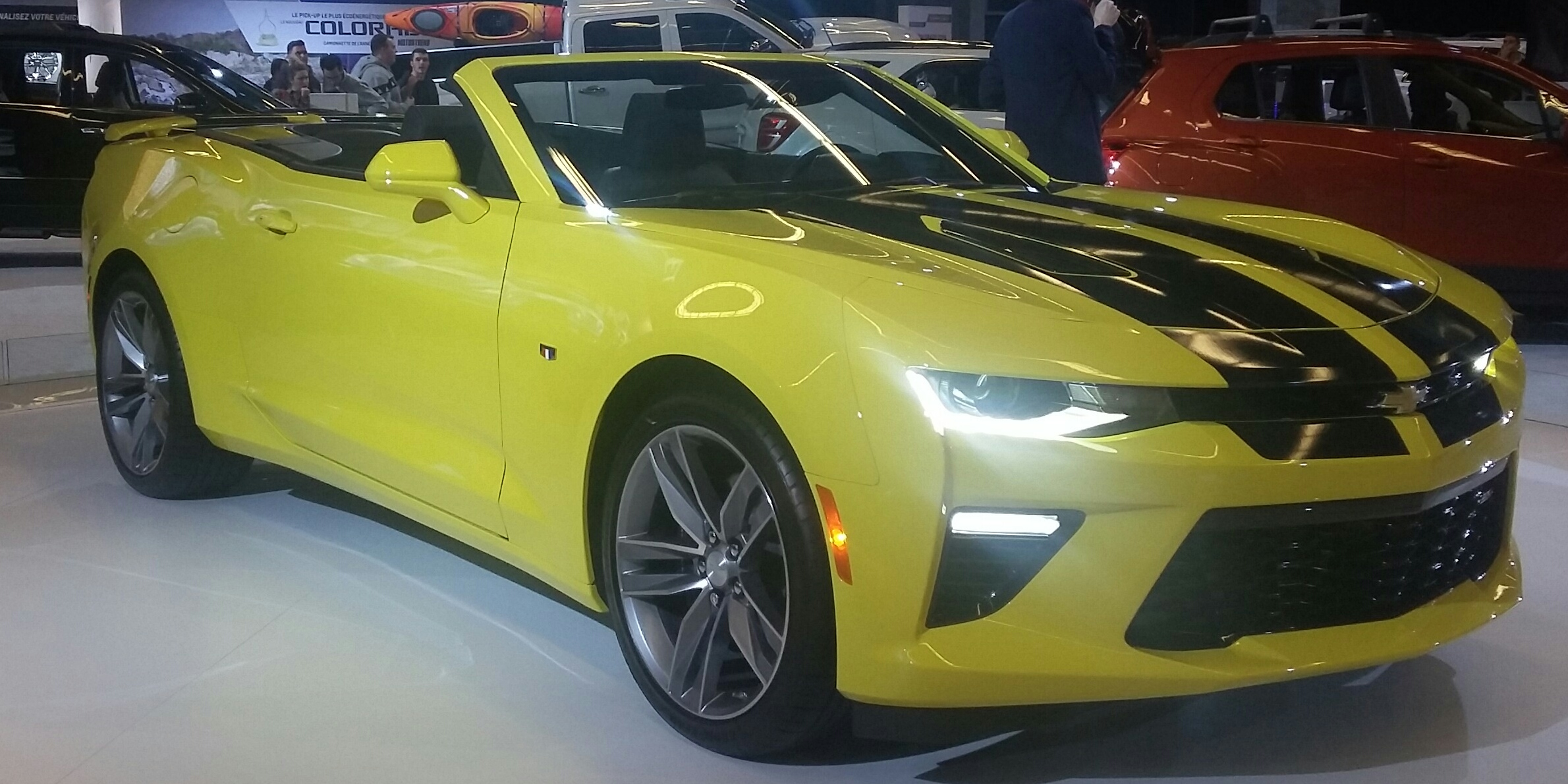
Chevrolet Camaro
"...his and I was like, is she talking about the Iraq Camaro and the phone just corrected this to E-Y-E? I did..."
The Chevrolet Camaro is a car that’s designed to look sporty and drive with more energy than a typical family car. It’s usually a coupe, meaning it has two main doors. People often talk about specific years because the body and features can change a lot.
The Chevrolet Camaro is a classic American sports coupe/pony car line built for performance and style. It’s frequently discussed because different model years have distinct looks and mechanical setups, and people often remember specific cars from their past. In the podcast context, it sounds like the conversation is about a particular Camaro being referenced or remembered.
IROC 500
"So anyway, the IROC 500. It is a blind driver race, car race. And it's on a dirt track."
The IROC 500 is a specific kind of race event tied to the IROC series. Here, the host says it’s a dirt-track race where drivers who are legally blind compete.
The IROC 500 is a race format associated with the IROC (International Race of Champions) series. In this segment, the host describes it as a blind-driver race held on a dirt track at Lebanon Valley Speedway.
dirt track
"It is a blind driver race, car race. And it's on a dirt track."
A dirt track is a race track made of dirt instead of pavement. Cars can lose and regain grip more easily, so driving usually requires more control and momentum.
A dirt track is a racing surface made primarily of packed soil or clay rather than asphalt. Dirt tracks change traction and grip constantly, so car setup and driving technique often emphasize managing slides and maintaining momentum.
Lebanon Valley Speedway
"And it was in Lebanon, Valley Speedway in West Lebanon, New York."
Lebanon Valley Speedway is a race track in West Lebanon, New York. The host mentions it as the dirt track location for the blind-driver race.
Lebanon Valley Speedway is a motorsports venue in West Lebanon, New York. In this segment, it’s the track where the host says the IROC 500 took place on a dirt surface.
legally blind
"Oh, this is for people who are legally blind. I think all the way blind and legally blind."
“Legally blind” means a person’s vision is impaired enough to meet a legal standard. The host is saying the race is for people who qualify under that standard.
“Legally blind” is a legal definition used to describe a level of vision impairment that qualifies for certain protections and services. In the context of this segment, it’s used to clarify that the race is for drivers who meet that threshold, not just people with general vision difficulties.
qualifying race
"[1884.6s] I mean, that's what qualifying races are all about."
Qualifying races help decide where cars start for the main race. Better qualifying usually means you start closer to the front, which makes it easier to get going without getting stuck in traffic.
Qualifying races are events used to determine starting order for a race. The goal is to earn a better position on the grid so you can avoid traffic and have a cleaner run at the start.
pole position
"[1888.1s] It's getting your pole position."
Pole position is the very front starting spot for a race. Starting there usually helps you get clear air and avoid getting trapped behind other cars at the start.
Pole position is the first spot on the starting grid. It’s awarded to the fastest qualifier (or winner of a qualifying session), giving the car the best chance to lead early and avoid mid-pack congestion.
start
"[1897.2s] But before he was able to even leave the start, the pole, is that what it's called?"
The start is when the race begins and cars are allowed to move off their starting spots. If something goes wrong right at the start, you can fall behind fast.
In racing, the start refers to the moment cars are released to begin the race from the grid or staging area. Delays or problems at the start can cause a car to lose positions immediately and get stuck in traffic.
lap down
"[1926.0s] He's a lap down."
Lap down means the car is behind by a full lap compared to the leaders. If you’re lap down, you’ve effectively fallen out of the main fight for top positions.
Being a lap down means a car has completed one fewer lap than the leader (or the reference car). It usually happens when a car is delayed by incidents, mechanical issues, or traffic, and it can make it hard to compete for overall position.
governor
"[1942.1s] But also it had a governor on it in the form of a wooden block underneath the gas. [1947.1s] It had a governor. [1949.6s] Underneath the gas pedal."
A governor is a limiter. In this story it’s like a physical stop under the gas pedal, so the driver can’t press it all the way down to get maximum power.
A governor is a device that limits engine or vehicle operation—here, it’s described as a wooden block under the gas pedal that prevents full-throttle travel. The point is that it enforces a rule by physically restricting how much power the driver can demand.
cheater
"[1973.0s] So he's a cheater. [1976.9s] The hero of your story is a cheater. [1979.2s] Is this smokey eunuch?"
“Cheater” here means someone broke the competition rules to get an unfair advantage. They removed the limiter so they could push the car harder than they were supposed to.
In motorsport talk, calling someone a “cheater” means they violated the rules to gain an advantage—here, by kicking the governor block out of the way so they could press the gas further than allowed. It’s a shorthand for rule-breaking in competition.
full power
"[1994.5s] He kicked it out. [1995.6s] So now the car is like full power. [1998.3s] And they start going around and he's like, oh, you know, he's killing it."
“Full power” means the car is no longer being restricted and can use its maximum engine output. Here, it happens after they disable the governor.
“Full power” means the engine and drivetrain are operating without the limiter being active—so the car can deliver its maximum available output. In this segment, it’s the result of removing the governor.
obstacle course
"Well, in that we're driving an obstacle course. "
An obstacle course is a track made of challenges—like tight turns or markers—that you have to drive through correctly. They’re saying this wasn’t just random driving; it was a course with specific difficulties.
An obstacle course is a driving layout with set challenges (cones, turns, gates, or other elements) that test control and precision rather than just top speed. The hosts are framing the situation as a structured course where blind driving and speed still have to be managed.
circle track
"This sounds like circle track racing, is it? It is a circle track. Yeah, yeah, it's a circle track."
A circle track is a race track shaped like a loop, usually an oval. Cars keep driving around and around, and the turns are a big part of the challenge.
A circle track is an oval or loop-shaped racing track where cars run repeated laps around a closed course. It’s commonly associated with stock-car and oval racing formats where maintaining speed through turns is the main challenge.
co-pilot
"Anyway, he makes it to the finish line and the co-pilot is like, stop. And so he stops and he gets out of the car"
A co-pilot is the person riding with the driver and helping them during the event. They may talk to the driver and help with directions or race information.
A co-pilot is the passenger who helps the driver during a race, typically by handling navigation, communication, and instructions. In motorsport, the co-pilot’s role can include calling out information so the driver can focus on driving.

Space Chariots
"What if it wasn't? What if it was chariots? What if it was a foot race?"
“Space Wagon” sounds like a nickname for a wagon-style vehicle that looks futuristic or unusual. In the podcast, it’s used in a joking way to imagine different meanings for what the vehicle could be. It may not be a single standard car model you can look up by that exact name.
“Space Wagon” is a nickname that can refer to a vehicle with a futuristic or sci-fi-inspired look, or to a specific custom/modified car described that way in a conversation. In the podcast context, it’s being used as a playful prompt about what the vehicle might be—chariots, or a foot race—suggesting a humorous, imaginative framing rather than a specific production model. That’s why it likely comes up as a concept or visual reference.
five mile per hour bumpers
"is the five mile per hour bumper. [2493.3s] Oh, yeah. [2494.5s] What, what is that?"
It’s a rule about how well a car’s front bumper should handle a very slow crash. The goal is that at around 5 mph, the bumper should absorb the hit without causing major damage.
A “five mile per hour bumper” refers to a regulatory crash-test requirement for bumpers: the vehicle should be able to hit a barrier at about 5 mph and come away with no meaningful damage. The idea is to make low-speed impacts (like minor parking-lot collisions) less likely to cause expensive repairs.
low-speed impact
"that a car should be able to sustain an impact [2506.9s] with a five mile per hour barrier and sustain no damage [2513.0s] and two and a half miles an hour in the rear,"
Low-speed impact means a crash at slow speeds, like when you bump another car in a parking lot. The point is to keep the damage smaller so repairs aren’t as expensive.
Low-speed impact is the kind of collision that happens at parking-lot or city speeds, where the goal is to prevent damage to the car’s structure and keep repair costs down. Bumper regulations are designed around these relatively small energy crashes rather than high-speed crashes.
totaled
"And then let's say this many accidents wound up in the car being totaled. And this many accidents were saved by the five mile an hour bumper."
“Totaled” means the insurance company decides the car is too expensive to repair after the crash. When the damage is costly, they treat it as a total loss instead of fixing it.
“Totaled” means the vehicle is declared a total loss after an accident because the repair cost is high enough that it’s not worth fixing. In insurance math, whether a car is totaled often depends on how much the bumper/structure and related parts cost to replace.
bumper system
"It was like how many things in between required the full replacement of that bumper system? Because the five mile an hour bumper has little pistons in it."
A bumper system is the whole set of parts behind the bumper cover. If the internal parts get damaged in a crash, the repair can be much more expensive than just replacing the outer plastic/metal piece.
A “bumper system” is more than the visible bumper cover—it includes the energy-absorbing structure behind it, mounting points, and related components that work together during an impact. In low-speed crash design, the system’s internal parts (not just the outer skin) determine whether the car needs major replacement.
little pistons
"Because the five mile an hour bumper has little pistons in it. They're like gas charged."
Those “pistons” are internal parts that help the bumper absorb a hit. Instead of everything breaking, they’re designed to move in a controlled way so the damage is smaller.
The “little pistons” are internal impact-absorbing elements inside some low-speed bumper designs. They help control how the bumper deforms under a hit, which can reduce damage and lower repair costs for minor collisions.
gas charged
"They're like gas charged. And if you recall and like Haley with her Volvo, she like drilled those out"
“Gas charged” means the internal parts are pressurized. That pressure helps the bumper absorb the impact and then rebound instead of staying crushed.
“Gas charged” describes a pressurized internal design where gas pressure is used to control the piston/absorber behavior. In a bumper context, that pressure helps the system absorb energy during impact and then return toward its original position.
Volvo
"And if you recall and like Haley with her Volvo, she like drilled those out and then compressed the bumper back to tuck it in."
Volvo is the car brand being referenced. The story is about a bumper system on a Volvo and how modifying it affected the bumper’s behavior and repair cost.
Volvo is the automaker mentioned here as the vehicle Haley owned when she modified the bumper absorber components. The key point is that some Volvo models (like many cars) can have low-speed impact-absorbing bumper hardware that’s expensive to replace if damaged.
fuel economy
"Now the heavier weight means that you'll be using more fuel. And then it leaned into the fact that the year before, the government had tried to have to"
Fuel economy is how far the car can go on a gallon of gas. If the car gets heavier, it usually takes more fuel to move it.
Fuel economy is how efficiently a vehicle converts fuel into distance, commonly expressed as miles per gallon (MPG). The segment connects added vehicle weight (from heavier bumper/frame requirements) to worse fuel economy.
emission systems
"prove that the lower fuel economy of cars today at that time, 73, was not from the emission systems that they were forcing people to put on their cars, forcing Detroit to put on their cars"
Emission systems are parts on the car that help reduce pollution coming out of the exhaust. The speaker is saying that in the 1970s, those rules made cars harder to make powerful and efficient.
Emission systems are the hardware and controls that reduce pollutants from an engine, such as exhaust aftertreatment and related sensors/controls. The speaker argues that government-mandated emission systems in the 1970s affected performance and fuel economy, and that the tradeoff was controversial.

LS motor
"And so it's like emissions did eventually get us more power with cars that do it. Like if you look at an LS motor, right, LS motors reach their cafe standards. They met the market and they have for a long time and you do get about 20 miles to the gallon"
An LS motor is a Chevy V8 engine family that’s popular because it makes good power and is easy to work with. The speaker is saying it can meet emissions rules and still get decent gas mileage.
An LS motor refers to General Motors’ LS-series V8 engines, known for strong real-world performance and widespread aftermarket support. The speaker claims LS engines can meet emissions requirements (“cafe standards”) and still deliver good fuel economy and horsepower with relatively straightforward tuning.
CAFE standards
"Like if you look at an LS motor, right, LS motors reach their cafe standards. They met the market and they have for a long time"
CAFE standards are government rules that push car companies to make their overall lineup get better gas mileage. The speaker is saying modern engines can meet those rules without giving up all the power.
CAFE standards are U.S. rules that set targets for an automaker’s average fuel economy across its fleet. The speaker uses “cafe standards” to argue that modern engines like the LS family were engineered to meet those requirements while still producing power.
miles to the gallon
"They met the market and they have for a long time and you do get about 20 miles to the gallon with an LS motor and make it around 250 to 300 horse by doing nothing almost."
Miles to the gallon (MPG) tells you how far a car can go on one gallon of gas. The speaker is using MPG to argue the LS can be efficient.
Miles to the gallon (MPG) is a common way to measure fuel efficiency: how many miles the car can travel per gallon of fuel. The speaker uses it to support the claim that an LS motor can achieve around 20 MPG in the right setup.
center cam motor
"For a center cam motor, you know, instead of like Ford going all the way with their big mod motor and dual overhead cams and Chevy still like throw a cam down the center, push rod motor,"
This is about where the camshaft sits inside the engine. The camshaft controls when the engine’s valves open and close, and its location can change how the engine is built and how it runs.
A “center cam motor” describes an engine layout where the camshaft is positioned in the middle of the cylinder head/valvetrain rather than at the ends. That layout is often discussed alongside other valvetrain designs because it affects how the engine times and actuates the valves.
dual overhead cams
"instead of like Ford going all the way with their big mod motor and dual overhead cams and Chevy still like throw a cam down the center, push rod motor,"
DOHC means there are two camshafts up in the cylinder head. Those cams control the valves, and having two can help the engine time things more precisely.
“Dual overhead cams” (DOHC) means the engine uses two camshafts located in the cylinder head to operate the valves. Compared with simpler layouts, DOHC setups can allow more precise valve timing and higher engine speeds.
pushrod motor
"and Chevy still like throw a cam down the center, push rod motor, "
A pushrod engine uses rods to transfer motion from the camshaft to the valves. It’s a common older-style engine design compared with engines that use camshafts directly in the head.
A “push rod motor” refers to an overhead-valve (OHV) engine design where camshaft motion is transferred to the valves using pushrods and rocker arms. It’s a different valvetrain architecture than overhead-cam designs and can influence packaging and how the engine revs.
coil packs
"you know, coil packs over each cylinder makes a difference, more complete combustion, more power, more precision components."
Coil packs are part of the ignition system. They create the spark energy that lights the fuel in each cylinder at the right time.
“Coil packs” are ignition coils that generate the high voltage needed to ignite the air-fuel mixture in each cylinder. Using coil packs (often one per cylinder or per pair) can improve ignition consistency and control compared with older distributor-based systems.
complete combustion
"coil packs over each cylinder makes a difference, more complete combustion, more power, more precision components."
Complete combustion means the fuel burns more fully instead of leaving some unburned fuel behind. When that happens, the engine can get more energy out of the same fuel.
“Complete combustion” means the fuel burns more fully, producing more usable energy and fewer unburned hydrocarbons. In engine discussions, better ignition and air-fuel control are often cited as ways to improve combustion completeness.
insurance companies
"And then pointing out how much the insurance companies are benefiting through this process. And then the whole point was that the insurance companies told consumers they would save"
Here, insurance companies are the businesses that sell auto insurance and decide how much you pay based on risk. The discussion is about how their incentives can affect what drivers are told they’ll save.
In this context, “insurance companies” are the firms that set auto insurance premiums and may influence vehicle design requirements through underwriting and claims outcomes. The speaker is tying insurance incentives to how much consumers pay and what gets marketed as savings.
collision portion
"The fact was later it came out that it was only 20% of the collision portion of their premium. So it only actually came out to 4% that they were going to save on their insurance bill"
Your insurance bill is made up of different parts. The “collision portion” is the part that covers damage from crashes, and the speaker says the savings only applied to that part.
The “collision portion” of an auto premium is the part of your insurance cost tied to damage from collisions (as opposed to other coverages like comprehensive). The speaker argues that the advertised savings were only on that collision component, not the entire premium.
$100 deductible provision
"Since virtually all drivers purchased collision insurance with the $100 deductible provision."
A deductible is the part of a repair bill you pay yourself before insurance helps. In this case, the policy mentioned a $100 deductible, which affects how much you’d save when insurance premiums change.
A “$100 deductible provision” is an insurance policy detail: the deductible is the amount you pay out of pocket before the insurer starts covering a claim. The transcript connects this to how much drivers would actually benefit from bumper-related insurance premium changes.
Collision insurance
"Since virtually all drivers purchased collision insurance with the $100 deductible provision."
Collision insurance is the part of your auto insurance that helps pay to repair or replace your car after a crash. The episode points out that any premium discount was tied specifically to that collision coverage, not everything you pay for insurance.
Collision insurance is coverage for damage to your car from crashes, regardless of fault. In the segment, the speaker discusses how premium reductions tied to the “five mile an hour bumper” were only applied to the collision portion of the overall insurance cost.
insurance premiums
"The most significant savings to the individual would come in the area of reduced insurance premiums in its major media program pushing the five mile an hour bumper."
Your insurance premium is what you pay (usually monthly or yearly) to have coverage. The episode is saying the bumper-related discount didn’t reduce the total cost as much as people were led to believe.
Insurance premiums are the regular payments you make to keep your auto insurance active. The transcript uses them to explain the promised savings from bumper compliance and then argues the real savings were much smaller than expected.
bumper cars
"What was not fully explained until after the bumper cars became available was that the promised reduction applied only to that portion of the premium a locable to collision coverage."
In this context, “bumper cars” means regular cars that got the new crash-focused bumpers. The speaker says the insurance savings story changed once those cars were actually on the road.
“Bumper cars” here refers to vehicles equipped with the low-speed impact bumpers required by the “five mile an hour bumper” compliance push. The transcript contrasts the marketing promise with what was clarified later about how insurance discounts were actually calculated.
locable to collision coverage
"What was not fully explained until after the bumper cars became available was that the promised reduction applied only to that portion of the premium a locable to collision coverage."
The episode is talking about how only part of your insurance bill was eligible for the discount. Even if the bumper helped collision coverage, it didn’t automatically lower the whole premium you pay.
This appears to be a transcription error for “allocable to collision coverage,” meaning the portion of the total insurance premium that is specifically tied to collision coverage. The key point is that the promised discount applied only to that portion, not the entire premium.
five mile per hour speed
"the average cost to repair damage resulting from driving a representative selection of 72 model cars into a barrier at the five mile per hour speed set by the regulations was 243.71,"
They’re talking about a specific test speed—about 5 mph—used to compare how cars handle small crashes. It helps estimate how expensive repairs are after minor impacts.
“Five mile per hour speed” here means the standardized low-speed test condition used in regulations and crash testing. It’s a benchmark for how much damage occurs in minor impacts, which then feeds into estimates of repair costs and safety benefits.
five mile per hour shunts
"After all, their outlays have been reduced to the five mile per hour shunts from $143.71 to $143.71 minus the $100 deductible to zero, since the consumer absorbs the entire 43.18 and the $137.50."
This is a low-speed crash idea—about 5 mph. The point is that at very low speeds, damage is often limited, so repair costs can be much smaller than in faster crashes.
A “five mile per hour shunt” refers to a low-speed impact test scenario where a vehicle hits a barrier at about 5 mph. In insurance and repair discussions, it’s used as a threshold for whether damage is limited to minor components or escalates to more expensive repairs.
energy absorbing bumper foam
"There are times, however, when the entire energy absorbing bumper system must be replaced, and it is here that the insurance companies are being forced to reevaluate their portions and their profit pictures."
This is the bumper design meant to “soak up” crash energy, especially in small crashes. Instead of everything getting damaged, parts of the bumper are built to crumple in a controlled way—and after a hit, the whole bumper assembly may need replacement.
An “energy absorbing bumper system” is the engineered front/rear bumper setup designed to take crash energy and reduce damage at low speeds. It typically includes the bumper cover plus internal structures (like crush elements) that deform in a controlled way, and sometimes the whole assembly must be replaced after a hit.
National Safety Council
"This, it strikes me, is a rather conservative estimate. For the National Safety Council reports that on the average only 0.3% of all accidents yield"
This is a safety organization that studies and publishes crash-related statistics. In the segment, the host is using its report to support a claim about how often certain types of accidents happen.
The National Safety Council is a safety-focused organization that publishes statistics and reports used in discussions about crash rates and injury risk. Here, it’s cited as the source for the share of accidents that result in certain outcomes.
protective bumpers
"In 74, 5 mile per hour accidents cost the consumer only $25,91 of repairs, but costs of achieving that reduction was the $8,250 paid for the protective bumpers and overall increase of $4,841."
Protective bumpers are bumpers designed to handle small crashes better. They aim to reduce how badly the car gets damaged so repairs cost less.
Protective bumpers refers to bumpers engineered to meet specific crash-performance requirements, especially for low-speed impacts. The idea is to reduce damage severity in common minor collisions, which can lower repair costs and insurance payouts.
whiplash
"Like, did it help the car absorb some of the impact so that you wouldn't get whiplash at 5 miles an hour?"
Whiplash is an injury to the neck that can happen when your head is jerked suddenly in a crash. People bring it up when they’re talking about whether a car’s design helps reduce injury in impacts.
Whiplash is a neck injury caused by a sudden back-and-forth motion of the head, commonly associated with rear-end impacts. In crash discussions, it’s often used as a measure of how well a vehicle reduces occupant motion during low-speed collisions.
consumer protection law
"I think it's all about consumer, in the guise of consumer protection. Okay. I think it's the whole thing now."
Consumer protection means rules meant to protect car buyers and drivers. Here, the speaker suggests the bumper changes were more about protecting consumers from costs than about preventing injuries.
Consumer protection in automotive policy debates refers to regulations intended to protect buyers and occupants—often by requiring certain safety or damage-mitigation features. In this segment, the hosts argue that the bumper rule may have been driven more by cost/consumer outcomes than by real injury reduction.
$800 bumper
"“...now you've got to get the $800 bumper?” “Yeah. Is that how much they cost?”"
They’re using “$800 bumper” as an example of how costly bumper repairs can be. That price is part of their point about why the insurance math doesn’t feel fair.
“$800 bumper” is a specific repair-cost reference used to illustrate how expensive bumper replacement can be. It’s not a technical part name, but it’s central to the argument about repair totals and how that can affect insurance costs.
designed bumpers
"“...what we lost was designed bumpers.” “Yeah. That's what that's, that was your main point of contention.”"
They’re talking about bumpers that match the car’s original style. If you replace them with something else, the car may not look the way it was meant to.
“Designed bumpers” here refers to bumpers that are styled as part of the vehicle’s original design, rather than generic or simplified replacements. In insurance/repair discussions, that distinction matters because losing the original look can reduce how well the car matches its intended appearance.

Chevrolet Corvair
"“...starting with a very popular slim one, which is the 60 to 64 corvair bumper.” “Oh, didn't know that.”"
That’s a bumper design from the early 1960s Chevrolet Corvair. Custom builders like it because the shape is very “of that time,” and the parts are made to fit those specific Corvair years.
The Chevrolet Corvair was an air-cooled, rear-engine Chevrolet from the 1960s, and its bumpers are a specific styling/fitment piece from that era. When people say “60 to 64 Corvair bumper,” they’re usually talking about the generation-specific front/rear bumper shape that’s popular for customizing because it looks period-correct and bolts up to the right bodywork.
bumperettes
"People love their bumperettes, you know, [3666.6s] and the front is a V shape and then wraps around the front fenders."
Bumperettes are small pieces attached to the ends of a car’s bumper. People like them because they change the look of the front or rear of the car.
Bumperettes are small, often decorative or functional add-on sections mounted to the ends of a car’s front and/or rear bumper. On many classic cars, they help define the car’s “face” and can also be swapped or modified for different looks.

tempest bumper
"The next one is the 61 to 63 tempest bumper, very similar shape. [3681.0s] And those are what Jean used on the Pacifica."
They’re talking about a Pontiac Tempest bumper from 1961 to 1963. The point is that this bumper style is distinctive, similar to other years, and now harder to source.
The “61 to 63 tempest bumper” refers to Pontiac Tempest front bumper styling from the early 1960s. The host is emphasizing that this bumper shape is similar to other years they’re discussing and that it’s become harder to find in early form.

Chrysler Pacifica
"...imilar shape. And those are what Jean used on the Pacifica. And he said, those have gotten kind of hard to f..."
The Chrysler Pacifica is a minivan, which is a type of vehicle made to carry people and cargo comfortably. It’s usually used for family trips and everyday errands. In the conversation, it sounds like the older ones are becoming harder to find in good shape.
The Chrysler Pacifica is a minivan model known for family-focused practicality and interior space. In the podcast context, it’s being referenced in relation to a specific person’s use of those vehicles, suggesting it’s part of a real-world story rather than just general trivia. It may also come up because older minivans can be hard to find in good condition as they age.

Chevrolet Corvette
"They're like toothpick shapes, basically the 68 to 73 corvette bumper, [3694.8s] the little bumperettes that go, they have the little claw that goes under."
They’re referring to a Corvette bumper from 1968 to 1973. It has small end pieces and a distinctive under-hanging shape that makes it stand out.
The “68 to 73 corvette bumper” is a classic Chevrolet Corvette bumper style from the late C3 era. The host highlights the look of the small bumperettes and the distinctive “claw” piece that tucks underneath.
lead sled
"the tri-five [3716.1s] bumper, turning the, taking the front bumper and putting it on the back of a lead sled. [3723.0s] Like a car that has two like peaks because the Chevy has like peaks on the front of that bumper."
A “lead sled” is a nickname for an older, heavy American car that people build into a custom hot rod. In this segment, it’s the kind of car that gets classic bumpers swapped onto it.
A “lead sled” is a hot-rod/custom-car term for heavy, older American cars—typically from the 1940s–1950s—built into a street machine. The phrase is used here because the host is describing how classic bumpers get swapped onto the back of these big-bodied cars for a custom look.
overriders
"And then I think the 49 Buick overrider, the license plate overrider, those are really good. [3751.8s] People like to take those, the overriders sides look like the teeth from like a DeSoto."
Overriders are extra metal parts attached to a bumper. They can protect the bumper and also make the car look more aggressive or more “classic.”
Overriders are metal guard pieces mounted to the front or rear of a bumper, often designed to protect the bumper and/or add a distinctive vintage styling cue. Enthusiasts commonly relocate or adapt them—like moving front overriders to the back—to create a more aggressive or period-correct look.

Plymouth Roadrunner
"Is the 70 and a half RS bumperette. And then I think another one, a big one for me, like this isn't a customizing one, but I like this bumper even though it's ridiculous because it's not really a bumper. Is the 71 Plymouth Roadrunner, it's a surround. So it just like goes, it's like the grill."
The Plymouth Road Runner is a famous old muscle car. Here, they’re pointing out that the “bumper” on a 1971 model is more like a chrome frame around the grille than a traditional bumper.
The Plymouth Road Runner is a classic muscle car from the 1960s–1970s era, known for its bold styling and performance-focused image. In this segment, they’re talking about a specific “surround” bumper design on a 1971 Road Runner that frames the grille rather than acting like a simple flat bumper.

Tesla Semi
"... the 80s Chevy van bumper and made it look like a semi truck bumper. That's cool. Yeah. It looks huge. Y..."
The Tesla Semi is a large electric truck used to move goods. Instead of using a traditional fuel like diesel, it runs on electricity stored in batteries. People talk about it because it’s a new approach to long-distance trucking.
The Tesla Semi is an electric heavy-duty truck designed for long-haul freight. It’s discussed because it represents a major shift from diesel trucking to battery-electric power, with a focus on efficiency and modern tech. In the podcast, the conversation seems to be comparing its appearance and size to other truck-like front ends, emphasizing how striking it looks.
chrome plating
"But it doesn't oxidize. It looks good. It has a really high luster. If you look at the Pinto, you look at the 72 Pinto versus the 74 Pinto, it's a tragedy what that bumper does."
Chrome plating means the shiny chrome finish is a coating applied on top of metal. That matters because it can’t be treated exactly like solid metal when you’re trying to polish or refinish it.
Chrome plating is a surface-coating process where a thin layer of chromium is deposited onto metal. In this discussion, they emphasize that chrome is a coating (not bare metal like stainless), which affects how it can be repaired or refinished.
chrome bumper
"Well, RIP chrome bumpers. Yeah, you know, malaise forever. Not allowed to have them anymore."
Chrome bumpers are bumpers with a shiny chrome coating. The hosts are basically saying that the classic shiny look is disappearing on newer cars.
Chrome bumpers are exterior bumpers finished with a shiny chrome plating. The hosts mention “RIP chrome bumpers” to contrast older, more decorative bumper styles with newer regulations and design trends that reduced or eliminated traditional chrome bumper looks.
malaise forever
"Well, RIP chrome bumpers. Yeah, you know, malaise forever. Not allowed to have them anymore."
“Malaise forever” is an enthusiast nickname for a period when American cars were seen as less exciting and more regulated. Here it’s used to explain why older styling like chrome bumpers went away.
“Malaise forever” is a car-enthusiast phrase referring to the late-1970s to early-1980s era in the U.S., when cars were often seen as heavier, less exciting, and more constrained by emissions rules and safety requirements. In this context, it’s used to explain why certain older styling cues (like chrome bumpers) didn’t last.
Portland
"A couple of local shows coming up that we might find ourselves at. And so if you're in Portland, which some of you are, we know, uh, matchless. Built."
Portland is the city they’re talking about for the car event. They’re basically saying, “If you’re nearby, come check it out.”
Portland is the city the hosts reference for where the upcoming car event is happening. It helps listeners understand the local context and where the community activity is centered.
cruise in and park and chill
"uh, matchless. Built. Is having a cruise in and park and chill. It's August 22nd from seven to nine PM."
It’s a laid-back car meet where people show up, park, and socialize. The hosts are mentioning it because they plan to go.
This refers to a casual car event format where people drive in, park together, and hang out. It’s relevant because the hosts are planning to attend and it sets the local-car-scene context for the episode.
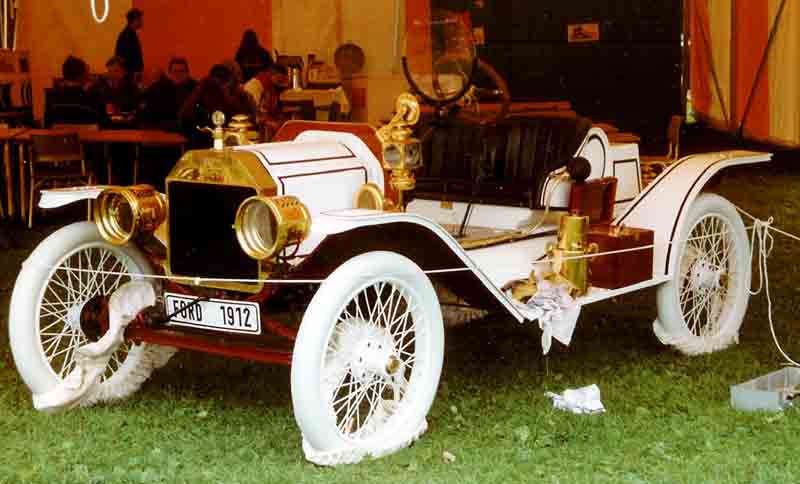
Model T
"That's who gave us the engine and transmission for the Model T that we're building."
The Ford Model T is a very early, famous car from the 1900s. They’re saying they got the engine and transmission for a Model T build, meaning they’re working on a custom project car based on that classic.
The Ford Model T is the famous early-1900s Ford that helped popularize mass-produced automobiles. The hosts mention they received an engine and transmission for a Model T they’re building, which is a key detail because it frames the whole “pile up” project as a custom build using drivetrain components.
engine and transmission
"That's who gave us the engine and transmission for the Model T that we're building."
The engine makes power, and the transmission sends that power to the wheels in the right gear. For a classic car build, getting both parts right is crucial so the car can actually move and drive.
The engine and transmission are the core drivetrain components that convert stored fuel energy into motion and then gear it to the wheels. In a classic build like a Model T project, sourcing the right engine and transmission is often the difference between a “rolling” car and one that drives reliably.
Request an Explanation
Heard something you'd like explained? We'll add it to this episode.
Sign in to request explanations for terms you heard.
Want to learn more?
Browse our glossary for plain-English explanations of automotive terms, jargon, and concepts.
Help improve this episode
See something that's not quite right? Our annotations are AI-generated and can sometimes miss the mark. Click the flag icon on any annotation to suggest a correction.