
About this episode
A lively, joke-heavy discussion veers from radio-story nostalgia to a surprisingly deep dive on how car platforms and badge engineering shape what we buy—and how people judge them. The hosts swap anecdotes about being labeled “gay” for driving certain cars, then debate touchy identity language while talking car culture. The core technical segment traces GM’s A–D body/badge-engineering era, why lookalikes lost market share, and how modern modular platforms let wildly different models share underpinnings. They also touch on quirky platform history like the VW 2CV and Chrysler’s Prowler/aluminum test-bed angle.
This week we cover all things cross platform and the shaming of GM
Recorded @iapdx
Recorded & mixed by Emdognightmare & Queen of the Vans
Editor: Emdognightmare
Production & research Queen of the Vans & Emdognightmare
Find us: Car Krush
Stay updated w/ our newsletter
Hugs, thank you & high fives to Greg Meleney for the killer tunez!

Volkswagen Cabriolet
"Rizzo wrote me and said, "My brother, parentheses not gay, had a Volkswagen Cabriolet and got called gay all the time." Which is funny because Rizzo has on the back of his car a sticker that says, "Sorry, boys, I only look gay.""
A Volkswagen Cabriolet is a Volkswagen convertible. Here it’s brought up because the owner got teased and judged, and the hosts are using the car story to talk about stereotypes.
The Volkswagen Cabriolet is a Volkswagen model name used for open-top, convertible-style cars. In this segment it’s mentioned as the car Emily’s brother had, and it’s used to illustrate how people were judged based on appearance and stereotypes.
Scion XV
"Scion XV was like non-binary, basketball shorts, plugged ears kind of thing. Yeah. And I feel like I got like the hardcore basketball shorts, plugged ears part right."
The Scion XV is a small Scion car. The hosts mention it as part of a joke about a certain look or vibe, not to talk about how it works.
The Scion XV is a Scion model associated with a compact, sporty look and a youthful, styling-focused identity. In this segment it’s used as a reference point for a “trope” the hosts are joking about, not as a deep technical discussion.

1986 Ford Ranger
"He said, "My first new car was a 1986 Ford Ranger, four-cylinder, five-speed. It was awesome. Great gas mileage, fun to drive, reliable."
The 1986 Ford Ranger is a small Ford pickup truck. The host mentions it had a 4-cylinder engine and a manual 5-speed, and that it lasted a very long time with minimal trouble.
The 1986 Ford Ranger is a compact pickup known for being simple and durable, especially in the era before modern electronics. Here it’s specifically called out with its 4-cylinder and 5-speed setup, plus a long ownership story that highlights real-world reliability and drivability.
fuel shutoff
"Drove it for 200,000 miles, then gave it to my brother, a Ford hater, and he couldn't kill it. It got rear-ended and the fuel shutoff was triggered, but he didn't know that, so he took it to a junkyard."
Fuel shutoff is an automatic safety system that stops the engine from getting fuel after a crash. It’s meant to lower the chance of a fire, and in the story it confused the owner because the truck wouldn’t behave normally afterward.
Fuel shutoff is a safety feature that cuts off fuel delivery after a crash to reduce fire risk. In this story, the Ranger’s fuel shutoff triggered after being rear-ended, but the brother didn’t realize what it meant and still took the truck to a junkyard.
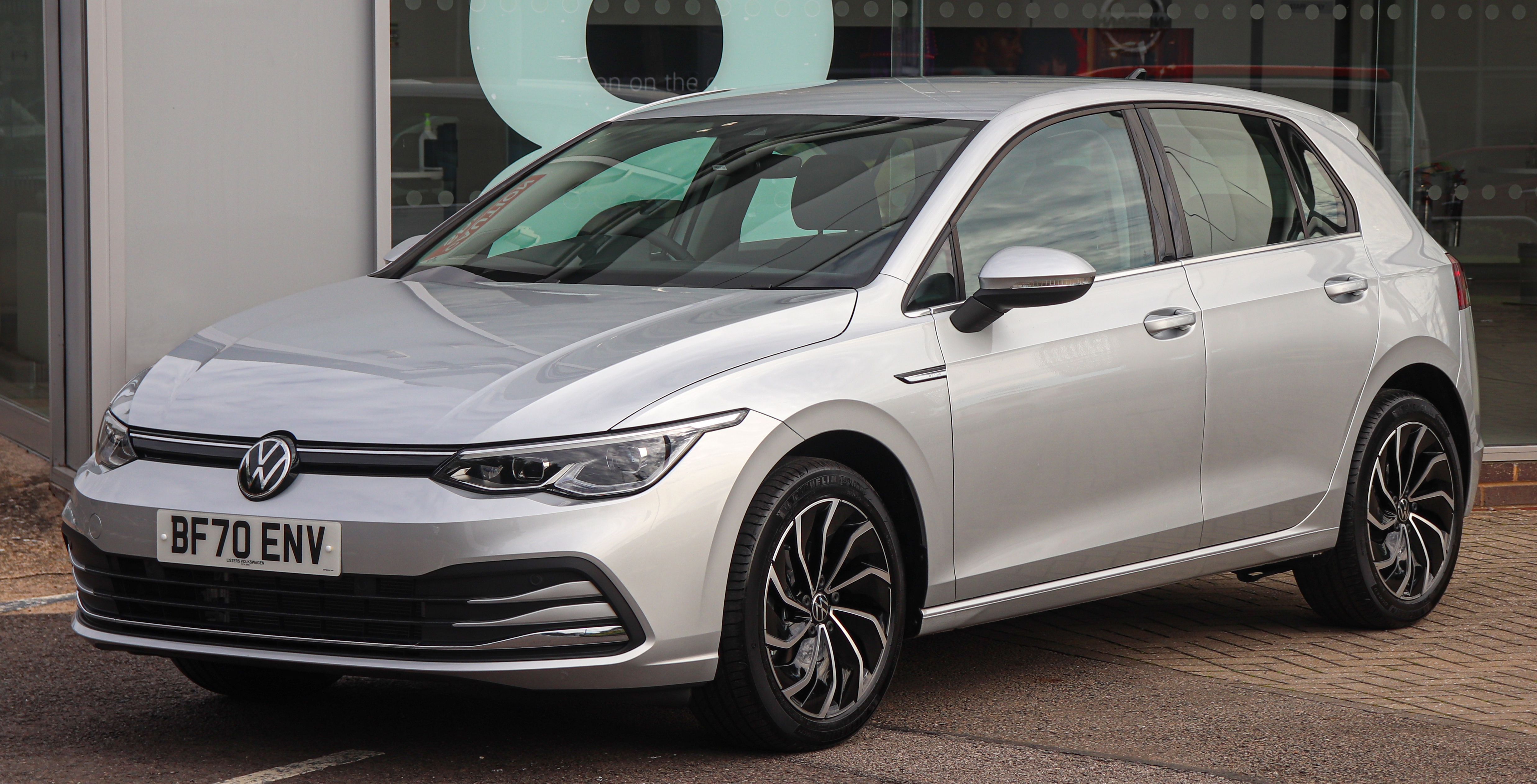
Volkswagen Gti
"...uper basic car. Rose EP53 2: Audi TT, Atlas, the GTI. Now the GTI is interesting 'cause we just went o..."
The Volkswagen Golf is a compact car meant for everyday driving. It’s popular because it’s easy to live with and comes in different versions. In the podcast, it’s likely mentioned to compare how different Golf models feel or perform.
The Volkswagen Golf is a compact car that’s known for being practical, efficient, and widely available in many versions. In the podcast context, it’s grouped with other performance-leaning models, which highlights how the Golf can be discussed both as a “basic” daily driver and as a platform that can be tuned for more excitement. That makes it a frequent reference point when people talk about what makes a car appealing in different trims.

Audi Tt
"Audi TT, Atlas, the GTI. Now the GTI is interesting 'cause we just went over the GTO,"
The Audi TT is a sporty Audi with a recognizable design. In this moment it’s just mentioned in a list of cars, not explained in depth.
The Audi TT is a compact sports coupe/roadster known for its distinctive styling and sporty driving feel. Here it’s name-dropped alongside other cars as part of a broader discussion list, not a detailed technical breakdown.

Volkswagen GTI
"Audi TT, Atlas, the GTI. Now the GTI is interesting 'cause we just went over the GTO,"
The Volkswagen GTI is a sporty Volkswagen hatchback. The hosts mention it briefly before getting into how the car layout works.
The Volkswagen GTI is a performance-oriented version of the Golf, famous for being a practical hatchback with a sporty character. In this segment it’s brought up as part of the hosts’ car-name discussion before they pivot into a technical explanation of a platform layout.
transverse front engine
"Now, this is a modular platform for transverse front engine, so it's a front-wheel drive layout with optional front engine four-wheel drive."
Transverse front engine means the engine sits sideways at the front of the car. It usually goes with front-wheel drive, and it helps the car fit the drivetrain efficiently.
Transverse front engine describes an engine mounted sideways in the front of the car, typically driving the front wheels. This layout is common in many mainstream cars because it packages the drivetrain efficiently, and it’s the basis for the front-wheel-drive (and sometimes optional AWD) setup mentioned right after.
modular platform
"Um, if you know the answer, keep it to yourself. Now, this is a modular platform for transverse front engine, so it's a front-wheel drive layout with optional front engine four-wheel drive."
A modular platform means car makers build different cars using shared basic parts and design “building blocks.” That helps them make many models more efficiently while keeping the driving layout similar.
A modular platform is an automotive design strategy where multiple vehicle models share common hardpoints and components. In this segment it’s tied to a transverse front-engine layout, meaning the same basic “architecture” can underpin different cars while still allowing variations.
front-wheel drive
"Now, this is a modular platform for transverse front engine, so it's a front-wheel drive layout with optional front engine four-wheel drive."
Front-wheel drive means the front wheels do the work of both steering and moving the car. It’s a common setup because it’s efficient and space-friendly.
Front-wheel drive (FWD) means the engine’s power is sent to the front wheels, which handle both steering and propulsion. The hosts contrast it with optional front-engine four-wheel drive, implying the platform can be configured for different traction setups.
front engine four-wheel drive
"Now, this is a modular platform for transverse front engine, so it's a front-wheel drive layout with optional front engine four-wheel drive."
Front-engine four-wheel drive means the car has power going to all four wheels, with the engine in the front. It’s often offered as an option for better traction in rain or snow.
Front-engine four-wheel drive describes an AWD system where the engine is up front and power can be sent to all four wheels. In this segment it’s presented as an optional configuration on the same modular platform, which is a common way manufacturers offer better traction without redesigning the whole car.
Vincent D. Kapter
"And we, well first we gotta go back to, uh, Vincent D., uh, Kap- Kapter. Uh, this guy, after 12 years, uh, as a body designer and engineer with Packard, he went to work with GM in the art and color, and he was a liaison, li- liaison to Fisher Body."
Vincent D. Kapter is mentioned as an automotive designer/engineer. The story is about how he worked at Packard and then later at GM, helping with things like body design and color choices.
Vincent D. Kapter is referenced as a body designer and engineer who worked at Packard and later moved to GM in the art and color area. The hosts use him to connect automotive design work (body design and color/finish) to the broader history of major automakers.
Packard
"Uh, this guy, after 12 years, uh, as a body designer and engineer with Packard, he went to work with GM in the art and color, and he was a liaison, li- liaison to Fisher Body."
Packard was a well-known American car company in the past. Here it’s mentioned as the place this designer worked before later joining GM.
Packard was a major American automaker known for luxury cars and engineering in the early-to-mid 20th century. In this segment, it’s part of a historical career path describing where Kapter worked before moving to GM.
GM
"after 12 years, uh, as a body designer and engineer with Packard, he went to work with GM in the art and color, and he was a liaison, li- liaison to Fisher Body."
GM, or General Motors, is a huge car company. In this story it’s where the designer went to work on things like design and color.
GM (General Motors) is one of the largest automakers in the world. The hosts mention it in a historical context as the company Kapter joined to work on art and color, connecting design roles to how cars were developed and styled.
Fisher Body
"and he was a liaison, li- liaison to Fisher Body. This is in the 1930s."
Fisher Body was a company that made car bodies. The hosts mention it because the designer had to coordinate with them as part of building and styling cars.
Fisher Body was a coachbuilding and body-manufacturing company closely tied to GM’s vehicle production history. In this segment, it’s mentioned as the organization Kapter liaised with, highlighting how body design and manufacturing were coordinated.
badge engineering
"Way back, and he came up with this, A, B, C, D bodies which turned into badge e- engineering- Okay ... which is what this, like, platform thing is. So in the late '70s, um, GM really went haywire with it, and, uh, they had... They started, okay, so in the late '70s is when they really started to do this, um, badge engineering."
Badge engineering is when car companies sell almost the same car using different brand names. They might change the logo and some styling, but the underlying car is basically the same.
Badge engineering is when a company sells essentially the same car under different brand names, with mostly cosmetic changes (badges, grilles, trim). The idea is to reuse one platform to cut development costs, but it can backfire if buyers feel the cars are just lookalikes.
platform thing
"Way back, and he came up with this, A, B, C, D bodies which turned into badge e- engineering- Okay ... which is what this, like, platform thing is. So in the late '70s, um, GM really went haywire with it, and, uh, they had..."
A platform is the shared base that multiple cars are built on. If different models share the same platform, they can be cheaper to make and may feel similar underneath.
A shared vehicle platform is the common engineering “base” (hardpoints, chassis structure, major components) that multiple models are built on. Using one platform across brands is a cost-saving strategy and is closely related to badge engineering.
steering column breaks
"if he wanted to, I'd try to corner it, but I mean, I was like, "My front end'll blow up," or so, you know, like... Just imagine that's the day that my steering column breaks or what's something, you know, like hard in a turn."
The steering column connects your steering wheel to the steering system. If it breaks, you may not be able to steer the car safely.
The steering column is the shaft-and-joint assembly that connects the steering wheel to the steering gearbox/rack. If it breaks, you can lose steering control, which is a serious safety issue.

Citroen 2CV
"...because from 1948 to 1990, more than 3.8 million 2CVs were produced. Rose EP53 2: had a lot of time. So..."
The Citroën 2CV is a small car that was made for a very long time, from 1948 to 1990. A huge number of them were built, which is why it’s remembered today. The podcast is likely focusing on its long production and how widely it was used.
The Citroën 2CV is a small, simple car that was produced for decades, with more than 3.8 million units built from 1948 to 1990. It’s significant because it became an iconic “people’s car” concept—built to be affordable and practical for everyday transportation. The long production run is a big reason it’s often discussed in automotive history conversations.

Chevrolet Nova
"Oh, it is still F? Yeah. Okay. Okay. I didn't know if it stayed F or not. Uh, now the Nova platform has got a number of our favorites, going back to the citation episode, which is the Chevy Nova, the Pontiac Ventura, the Olds Omega, the Buick Apollo, the Pontiac Phoenix, and the Chevy II, 'cause that's what, that's what"
The Chevrolet Nova is a well-known older American car line from Chevrolet. Here it’s mentioned as one of several cars that shared a common engineering base.
The Chevrolet Nova is a classic American muscle-era model line from Chevrolet, known for being offered in many performance and trim variations. In the segment, it’s referenced as part of a shared “platform” family of GM cars.
Chevrolet Chevy II
"the Buick Apollo, the Pontiac Phoenix, and the Chevy II, 'cause that's what, that's what"
The Chevrolet Chevy II is an older Chevrolet model. It’s mentioned here as part of the same family of cars that shared a common platform.
The Chevrolet Chevy II is a classic Chevrolet model line that predates the Nova name and is closely associated with the same GM compact/midsize platform family. In the segment, it’s listed as one of the cars sharing the “Nova platform.”

Pontiac Ventura
"Uh, now the Nova platform has got a number of our favorites, going back to the citation episode, which is the Chevy Nova, the Pontiac Ventura, the Olds Omega, the Buick Apollo, the Pontiac Phoenix, and the Chevy II, 'cause that's what, that's what"
The Pontiac Ventura is an older Pontiac model. In this conversation, it’s listed as one of the cars that shared a common base platform with other GM models.
The Pontiac Ventura is a mid-size American car line from Pontiac that was offered in various trims during the muscle-car era. It’s mentioned here as sharing the same GM “Nova platform” family as other GM models.

Buick Apollo
"which is the Chevy Nova, the Pontiac Ventura, the Olds Omega, the Buick Apollo, the Pontiac Phoenix, and the Chevy II, 'cause that's what, that's what"
The Buick Apollo is an older Buick model. In this segment, it’s listed as sharing a common platform with several other GM cars.
The Buick Apollo is a classic Buick model line from the muscle-car era. It’s mentioned in the context of the “Nova platform” family, meaning it shared a common GM engineering base with other listed cars.

Mercury Marauder
"...sorry. I, I do. I have an Olds, I mean." Um, Ford Marauder platform, Torino and Mercury Cyclone. Emily EP53 ..."
The Mercury Marauder is a car model from the Mercury brand. It’s being mentioned because it shares a similar basic design platform with other cars from the same time period. That can affect how the cars feel and what parts they use.
The Mercury Marauder is a model associated with the Ford “Marauder” platform era, discussed alongside other related vehicles like the Torino and Cyclone. In the podcast context, it sounds like the conversation is about shared underpinnings—how multiple cars can be built on the same basic foundation. That’s why it may come up when people compare performance, layout, or parts between these cars.
GMC Cyclone
"...." Um, Ford Marauder platform, Torino and Mercury Cyclone. Emily EP53 2: In, um, I think this was around i..."
The GMC Cyclone is a car model from GMC that’s known for being performance-focused. In the podcast, it’s mentioned because it shares a basic design foundation with other cars from the same era. That can make the cars feel more similar than you’d expect.
The GMC Cyclone is a performance-oriented vehicle that’s being discussed in the context of sharing a platform with other cars like the Torino and Marauder. That kind of connection matters because it can mean similar engineering choices, layout, and components across different models. The podcast likely brought it up to explain relationships between these vehicles rather than focusing on one standalone design.

Ford Torino
"Ford Marauder platform, Torino and Mercury Cyclone."
The Ford Torino is an older Ford muscle-era car. In this conversation, it’s listed as sharing a common platform with other similar cars.
The Ford Torino is a classic Ford model line from the muscle-car era, known for being offered in performance-oriented trims. It’s mentioned as part of the “Marauder platform” grouping, implying shared engineering underpinnings with other listed Fords/Mercurys.
shifter
"It was fine. It was a sporty little coupe. I mean, it was a Tudor, you know? And it was like, uh, one of the things I remember about it was that the letters for the shifter were misaligned, and I, like, as a kid, I was like, "How do you know what gear you're in?""
The shifter is what you move to choose the car’s gear. If the labels are wrong or crooked, it can be confusing to tell what gear you’re in.
A shifter is the control you move to select gears in a manual transmission (or sometimes a gear selector in an automatic). Misaligned shifter letters can make it harder to know which gear you’ve selected.
MLB Evo platform
"Rose EP53 2: ...One is the Lambo Urus and the Audi A4 using the MLB Evo platform."
MLB Evo is a car-company “building system” used to make different models. It lets them share a lot of engineering and parts, even if the cars look and drive differently.
MLB Evo is Audi/VW Group’s modular longitudinal architecture (often shortened to “MLB”) that’s designed to support multiple vehicle types—sedans, SUVs, and more—while sharing major structural and engineering components. “Evo” indicates an updated generation of that platform family.

Lamborghini Urus
"Rose EP53 2: ...It's the same platform, but you can buy two very different cars on it. One is the Lambo Urus and the Audi A4 using the MLB Evo platform."
The Lamborghini Urus is a high-performance SUV from Lamborghini. It’s an example of how car companies can use the same basic engineering “foundation” for different kinds of cars.
The Lamborghini Urus is a performance crossover SUV known for bringing supercar-style power and handling to an SUV package. In this segment, it’s used as an example of how the same underlying platform can support very different body styles.

Audi A4
"Rose EP53 2: ...One is the Lambo Urus and the Audi A4 using the MLB Evo platform."
The Audi A4 is a mainstream luxury sedan (or wagon/estate in some markets) that’s known for balanced driving dynamics and a strong interior. Here it’s paired with the Lamborghini Urus to illustrate that the same platform architecture can underpin both a sedan and an SUV.
8.8 rear end
"Rose EP53 2: ...Fox Body Mustang, uh, and it had a I- it's a, it's like a 8.8 rear end and it's four bar."
The “8.8 rear end” is the rear axle/differential assembly size Ford used on many Mustangs. People like it because it’s durable and there are lots of replacement and upgrade parts.
“8.8 rear end” refers to the Ford 8.8-inch differential housing used in many Mustangs and other Ford vehicles. It’s a common enthusiast upgrade target because it’s strong, parts are widely available, and it’s easy to work on.
four bar
"Rose EP53 2: ...it's like a 8.8 rear end and it's four bar. So independent rear suspension on all those cars."
“Four bar” means the rear suspension uses four control arms to hold the axle in place. That helps the tires stay better positioned as the car moves.
“Four bar” describes a four-link rear suspension layout, where four control arms locate the axle and manage wheel movement. This setup can improve traction and ride behavior compared with simpler solid-axle designs.

Ford Mustang
"Rose EP53 2: ...I remember working on a Fox Body Mustang, uh, and it had a I- it's a, it's like a 8.8 rear end and it's four bar. So independent rear suspension on all those cars."
“Fox Body Mustang” is the name enthusiasts use for a specific generation of Ford Mustang. It’s popular because it’s easy to modify, and this episode mentions its rear suspension setup.
The “Fox Body” Mustang refers to the 1979–1993 Ford Mustang generation, famous in enthusiast circles for its aftermarket support and drag-racing heritage. In this segment, it’s specifically tied to rear-end and suspension layout details.
independent rear suspension
"Rose EP53 2: ...So independent rear suspension on all those cars."
Independent rear suspension means the left and right rear wheels can react to bumps separately. This usually improves traction and makes the ride feel smoother.
Independent rear suspension (IRS) means each rear wheel can move somewhat independently instead of being forced to move together. That typically helps grip and ride comfort because one wheel hitting a bump doesn’t directly shove the other.

Dodge Viper
"...ose EP53 2: And then somebody else said that the Viper taillights are just Chrysler minivan taillights R..."
The Dodge Viper is a high-performance sports car made by Dodge. People talk about it a lot because it’s fast and has a distinctive look. Sometimes they also compare parts like the taillights to other Chrysler vehicles to see if they look similar.
The Dodge Viper is a performance sports car known for its aggressive styling and very powerful V10 engine. It often comes up in discussions about design details and parts sharing, like whether certain exterior elements resemble components from other Chrysler-era vehicles. That kind of talk is common when people notice similarities in taillight shapes or mounting styles.

Plymouth Prowler
"Rose EP53 2: ...Plymouth is, like, falling on its face, because this is a, this is a Plymouth problem is what the Prowler is all about."
The Plymouth Prowler is a weird-looking retro roadster from the late 1990s. The episode discusses how its engineering choices affected how well it held up.
The Plymouth Prowler is a distinctive late-1990s roadster built on Chrysler’s platform, known for its retro hot-rod styling and unusual engineering choices. In this segment, the hosts focus on why its drivetrain packaging and materials approach didn’t always translate into real-world durability.
longitudinally
"Rose EP53 2: Plus the... They used the... The way that these engines were used was, like, longitudinally. They weren't transverse when they used them in the cars, like, to be front-wheel drive. And in the Prowler, it's just, it's just longitudinal."
“Longitudinally” means the engine is set up front-to-back in the car. That changes how the powertrain fits and how the car is laid out compared with engines mounted side-to-side.
“Longitudinally” here describes mounting and driving the engine in a front-to-back orientation, which affects drivetrain layout and packaging. The hosts contrast this with transverse setups (engine sideways) used for front-wheel-drive applications.
6061 extruded aluminum
"Rose EP53 2: And the frame was 6061 extruded aluminum. So the Prowler was, like, their test bed for aluminum..."
6061 aluminum is a particular type of aluminum alloy used in manufacturing. “Extruded” means it was shaped by forcing it through a mold, and the episode says the Prowler used this kind of structure to test aluminum ideas.
6061 is a specific aluminum alloy known for good strength-to-weight and workability, and “extruded” means the metal was formed by pushing it through a die to create long structural shapes. The hosts connect this to the Prowler being a test bed for aluminum structures.

Chrysler Pacifica
"...y that I read it, um, was that, like, at Chrysler Pacifica, which is, like, their, uh, secret, uh, like, re..."
The Chrysler Pacifica is a minivan, which is a car built to carry people and gear comfortably. It’s made for everyday family driving, like school runs and road trips. The podcast likely brought it up because of some specific feature or detail about the model.
The Chrysler Pacifica is a family-focused minivan designed for passenger space, comfort, and everyday practicality. It’s mentioned in the context of “secret” or internal information, which suggests the podcast may be discussing a specific feature, trim, or model detail rather than performance. Minivans like the Pacifica are often discussed because they’re common, versatile, and packed with convenience features.
Request an Explanation
Heard something you'd like explained? We'll add it to this episode.
Sign in to request explanations for terms you heard.
Want to learn more?
Browse our glossary for plain-English explanations of automotive terms, jargon, and concepts.
Help improve this episode
See something that's not quite right? Our annotations are AI-generated and can sometimes miss the mark. Click the flag icon on any annotation to suggest a correction.