Toyota 4Runner
This is a Toyota 4Runner, a tough SUV built to handle rough roads. Since it’s a 2022 with about 70,000 km, the inspection helps you find out if it’s been cared for and if anything expensive is starting to show up.
pre-purchase inspection
A pre-purchase inspection is a mechanic’s check of a used car before you buy it. It helps you spot problems you might not notice and helps you judge whether the price is fair.
70,000 kilometers
Kilometers are just how far the car has been driven. Higher mileage usually means more wear, so it’s an important clue for what maintenance or repairs might be coming next.
timing belts
A timing belt helps keep the engine’s moving parts in sync so everything opens and closes at the right time. If it hasn’t been replaced when it should be, it can turn into an expensive repair.
mileage
Mileage is how many miles the vehicle has been driven. Mechanics use it to estimate when certain maintenance—like replacing a timing belt—should be done.
body on frame
“Body on frame” means the car’s body sits on a separate, truck-like frame. That can make the vehicle tougher for towing and rough driving, though it may be heavier than some other SUV designs.

Chevrolet Suburban
The Chevrolet Suburban is a large SUV made for carrying people and gear. It’s been around for many decades, so it’s often mentioned when people talk about how SUVs started. It’s designed to be practical for families and everyday use.

Ford Bronco
The Ford Bronco is an SUV made to handle rough roads and off-road driving. It’s one of the older models that helped define what people think of as an SUV today. That’s why it’s often mentioned in conversations about early SUV history.
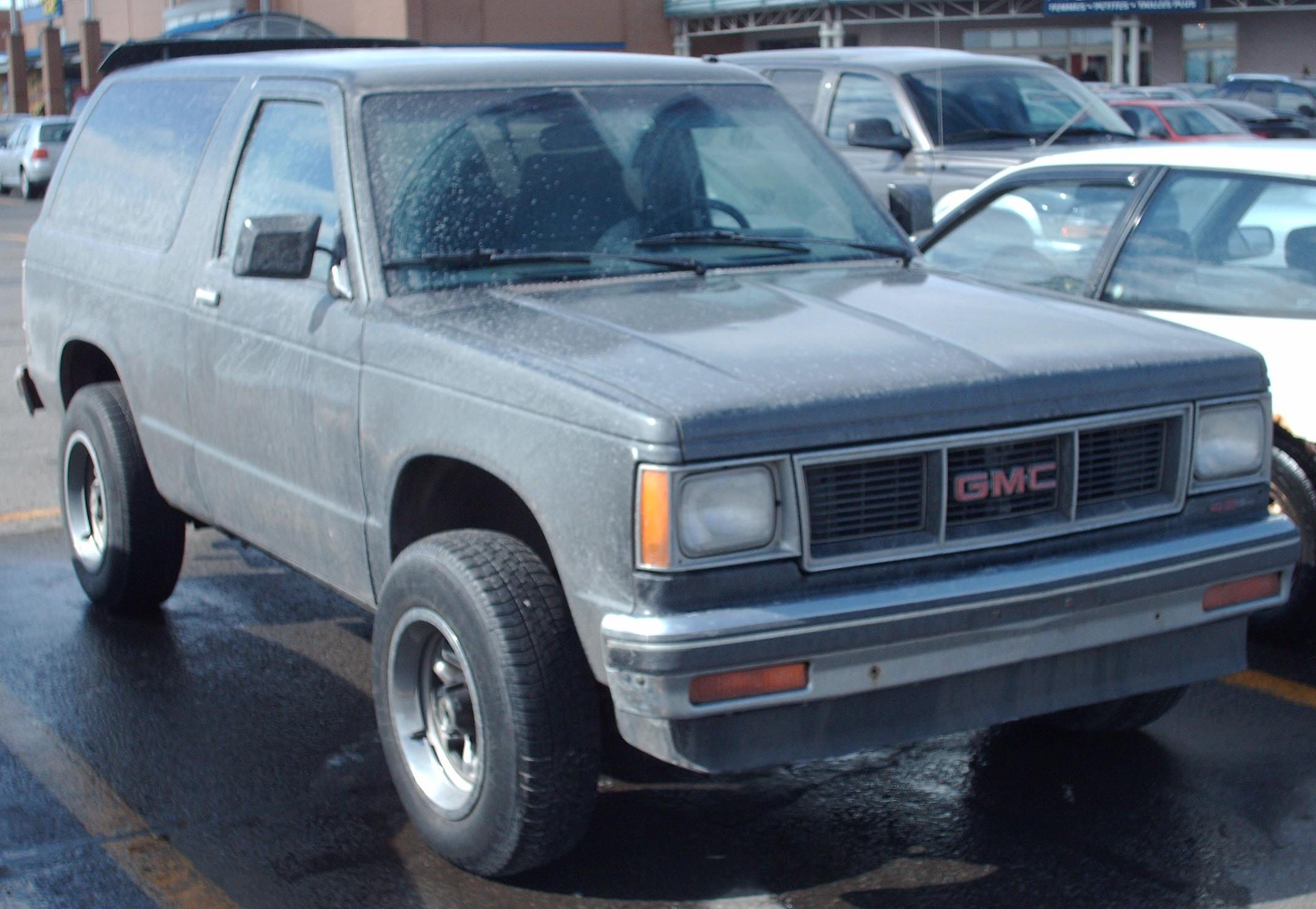
Gmc Jimmy
The GMC Jimmy (3-door) is an older-style SUV made for carrying people with a more rugged, higher-riding setup. It’s a smaller SUV compared with full-size models, and the 3-door design is part of what makes it feel “classic.” It’s mentioned as an early example of the SUV type.

Toyota Highlander
The Toyota Grand Highlander is a big family SUV with three rows. The hosts are basically saying it’s getting almost as large as older, full-size SUVs.

Honda Odyssey
The Honda Odyssey is a minivan designed mainly for families. It’s built to be roomy and easy to live with, especially for passengers and daily errands. People sometimes compare it to SUVs because it can feel similar in how it’s used, even though it’s a minivan.
hydraulic power steering
Hydraulic power steering uses fluid pressure to help you steer. You’ll often see a fluid reservoir for it, and it feels different from newer electric steering systems.
electric power steering
Some cars use a motor to help you steer, rather than hydraulic fluid pressure. That’s what “electric power steering” means, and it’s common on newer vehicles.
vacuum pump
A vacuum pump makes suction (vacuum) that other car systems use to work properly. Some cars need one because they can’t get enough vacuum from the engine alone.
brake master cylinder assembly
When you press the brake pedal, the master cylinder turns that input into brake fluid pressure. That pressure is what makes the brakes actually clamp down and stop the car.
vacuum booster
A vacuum booster helps you brake with less pedal effort by using suction from the engine. Some cars have a big round one; this one doesn’t, so the braking assist is arranged differently.
hydraulic unit
In this context, “hydraulic unit” means the brakes use pressurized fluid to do the stopping. It’s describing how the braking system creates the force, even if it doesn’t use the typical vacuum booster.
cruise control
Cruise control keeps your speed steady without you pressing the gas pedal. On newer cars, it may also work with braking so the car can slow down if traffic changes.
emergency braking features
Emergency braking features are designed to help prevent crashes by braking automatically if the car thinks a collision is coming. They use sensors and the brake system to react faster than a human might.
V6 engine
A V6 engine has six cylinders arranged in a V shape. It’s a common engine type that usually feels smoother than a 4-cylinder while still fitting in the engine bay.
multi point inspection
It’s a checklist-style car inspection where the shop looks at lots of different parts. Instead of just saying “it looks good,” they mark items so you can tell what’s fine and what might need work.
reds, oranges and greens
They use a traffic-light style system: green is basically okay, orange means “pay attention,” and red means “this is a bigger concern.” It helps you understand the inspection results at a glance.
cabin air filter
This filter cleans the air that comes into the car’s cabin through the heating and air conditioning. If it’s dirty, the fan may feel weaker and the air can smell stale.
wheel lock location
Some cars use a special key to remove the wheels. The “wheel lock location” is just where that key is kept, so you don’t waste time hunting for it later.
digital inspections
Digital inspections are pre-purchase inspection reports delivered through a link or app rather than paper. They often include item-by-item photos and notes, making it easier for the client to review and for the shop to keep consistent records.
body damage
“Body damage” means visible damage to the outside of the vehicle—scrapes, dents, and scuffs. Even if it looks minor, it can be a clue that the truck was hit or used off-road, which can lead to other hidden issues.
battery condition
“Battery condition” is how healthy the battery is. Inspectors test it so they can tell if it’s likely to start the car reliably or if it’s near the end of its life.
brake pads
Brake pads are the parts that squeeze against the brake rotors to stop the car. Checking their thickness tells you if they’re worn out and might need replacement soon.
rotors
Rotors are the metal discs the brake pads press against. If they’re badly worn or damaged, braking can feel worse and may require more than just new pads.
spark plugs
Spark plugs are what create the spark that starts combustion in the engine. If they’re worn out or due for replacement, the engine can misfire or run rough.
steering suspension items
These are parts in the front end that help the wheels steer and move smoothly. If they’re worn, the truck can feel loose or shaky and tires may wear unevenly.
exhaust system
The exhaust system routes fumes from the engine to the back of the car. If there’s a leak or damage, it can make the car louder and may affect emissions.
tire measurements
Tire measurements are checks of how much tread is left on the tires. Uneven wear can be a clue that the alignment or suspension isn’t right.