
hybrid
A hybrid uses both a gas engine and an electric motor. That can help with efficiency and make the car feel smoother, especially at low speeds.
automatic
An automatic transmission changes gears for you. You don’t have to use a clutch pedal to drive.
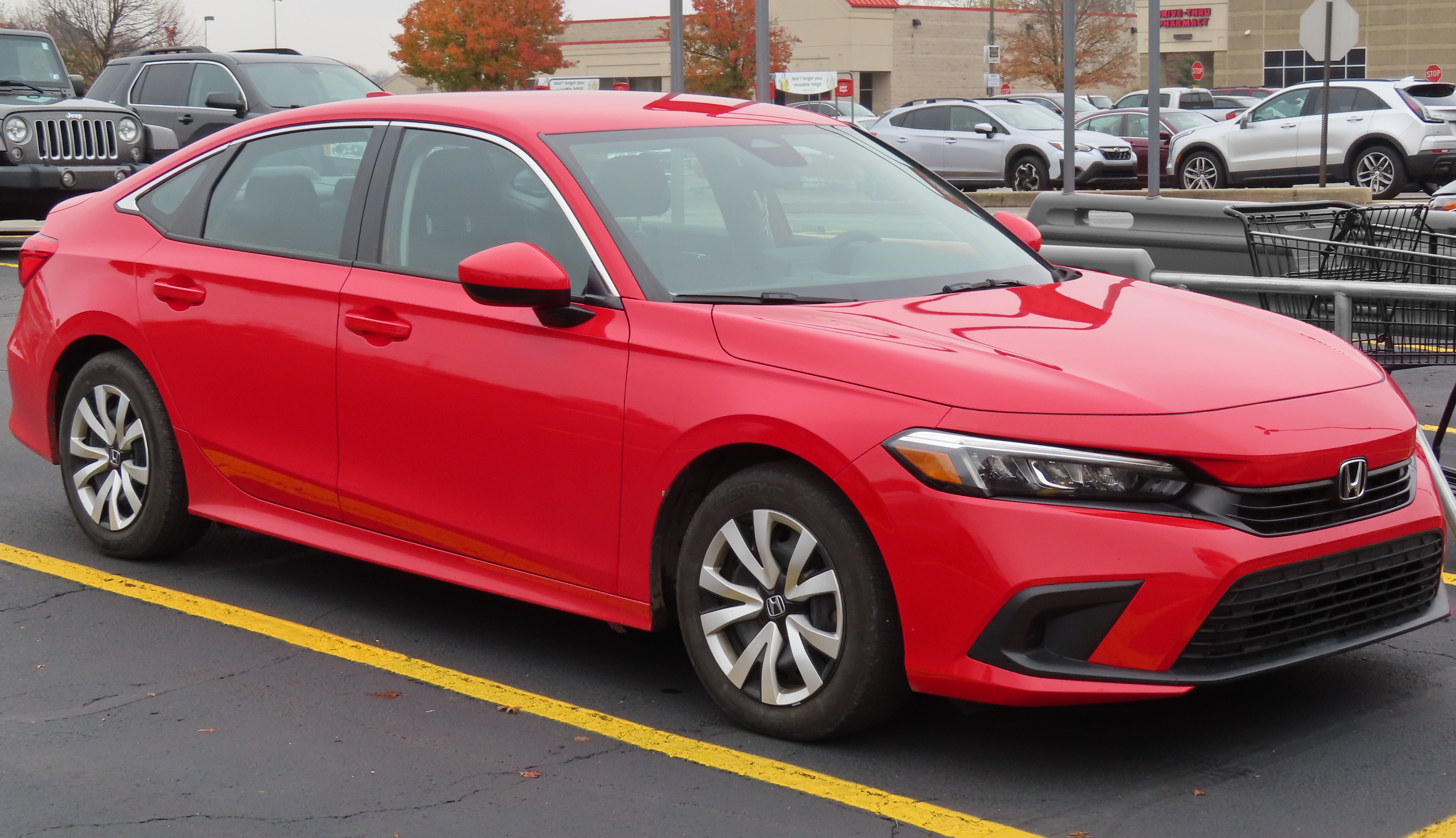
Honda Civic
The Honda Civic is one of Honda’s most common compact cars. Here, they’re using it as a clue about what the Prelude is related to or built from.

Honda Crx
The Honda CRX was a small, sporty Honda that people associate with a fun, lightweight feel. In this discussion, it’s referenced as an example of Honda using the same basic idea in different body styles.

Honda Accord
The Honda Accord has had coupe versions in the past. The hosts mention it to show that coupes used to be more widely available, not just niche.
coupes going away
They’re talking about how fewer cars are being made as traditional coupes these days. SUVs have become more popular, so coupes are rarer.

Renault Wind
The Renault Wind is a small convertible, meaning you can drive with the top down. It’s built to be compact and easy to handle compared with larger convertibles. People may mention it when talking about which specific Renault model they’re looking at.

Toyota Camry
The Toyota Camry has historically been offered in coupe forms in some years, and the hosts cite it as an example of mainstream coupes that used to exist. It supports their argument that coupes were once more common across brands.
Civic Si
The Civic Si is Honda’s performance-oriented trim of the Civic, typically emphasizing a driver-focused setup and—on many generations—a manual transmission option. Here, the hosts connect the Prelude’s controls and some powertrain choices to the Civic Si, including mention of a “stick shift turbo.”

Integra coupe
The Integra is another Honda model that people often associate with a sporty two-door. Here, they’re saying the Prelude feels like it could have been that kind of car, but it ends up mixing pieces in a way that doesn’t satisfy either side.
stick shift turbo
This means a car with a manual gearbox (“stick shift”) and a turbo engine. Turbos can make power feel stronger, and a manual lets you control the gears yourself.
parts bin car
A “parts bin car” is a vehicle that heavily reuses components from other models rather than being engineered as a fully unique platform. The hosts use this idea to criticize the Prelude’s identity—mixing Civic-derived efficiency and chassis elements in a way that feels contradictory to the car’s intended role.
manual
A manual transmission lets the driver select gears using a clutch and gear lever, generally offering more direct control than an automatic. The hosts note Honda historically offered the Prelude with a manual, which ties into their broader critique of how well the new car’s “mix-and-match” approach lands.
four-wheel steer
Four-wheel steering means both the front and rear wheels can steer. At low speeds it helps you turn and park more easily, and at higher speeds it can make the car feel steadier. It’s like giving the car extra “steering help.”
analogue brakes
“Analogue brakes” here is used as a contrast to more digital/assist-heavy braking feel, implying a more traditional, direct pedal response. Enthusiasts often prefer predictable, mechanical-feeling braking over systems that can feel overly managed by electronics. The key point is driver feel and feedback.
moon roofs
A moonroof or sunroof is a panel in the roof that lets in more light (and sometimes air). The hosts are saying this car doesn’t have one, so the roof stays fully closed. That can change how the cabin feels and how the car is built.
S Plus shift system
This is a shifting feature that tries to make an automatic-style drivetrain feel like it’s changing gears. Instead of a true manual, it “acts” like one through software. The discussion is basically whether that imitation is satisfying to car people.
simulates gears
Some cars can pretend to shift by changing engine speed and behavior, even if the transmission isn’t truly doing manual gear changes. It can make the car feel more engaging, but it might not feel as authentic as a real manual. That’s what the hosts are arguing about.
fake engine noises
Some cars add artificial sound to make the engine seem louder or more exciting. The hosts are saying enthusiasts often don’t like that because it doesn’t feel authentic. They want the real sound and real response from the car.
rear cross traffic warning
Rear cross-traffic warning helps you when you’re backing out of a parking space. It watches for cars coming from the sides and warns you so you don’t miss them. It’s meant to prevent “I didn’t see them” moments.
twisty roads
Twisty roads are the kind of roads with lots of curves. They’re where you really notice how a car handles—how it turns and stays stable. The hosts are saying the Prelude felt good in that kind of driving.
beginner's track day car
A beginner track-day car is one that’s not too difficult to drive fast on a racetrack. It should feel stable and easy to control so new drivers can learn safely.
leave it in D
“Leave it in D” means keep the automatic transmission in its normal driving mode. The hosts are saying you don’t have to fiddle with settings to enjoy it.
Honda Civic Hybrid Touring
They’re comparing the Prelude to a cheaper Civic hybrid version. The idea is that you can get similar fun and more everyday practicality for less money.
pop-up headlights
Pop-up headlights are headlights that move up from the front of the car when you turn them on. They’re mentioning this because the older look is part of why the car reminds them of a Prius.

Z
They’re talking about the Nissan Z as a more hardcore sports car. Even though it has strong power, it can feel tougher and louder to drive than the Prelude.
heavy clutch
A heavy clutch means the pedal is harder to push. That can make the car feel more work to drive, especially in traffic or when shifting a lot.
smooth powertrain
Smooth powertrain means the car delivers power in a gentle, easy-to-feel way. It usually translates to less vibration and a more comfortable ride.
engine's not screaming
They mean the engine doesn’t sound stressed or overly loud. A quieter, calmer engine usually feels more comfortable day-to-day.
consideration set
A consideration set is just the short list of cars you’re actually thinking about buying. The hosts are saying the Prelude might not fit neatly into the “sports” list or the “efficient” list for some shoppers.

Mustang
They bring up the Ford Mustang as a more traditional choice for people who want a sporty driving feel. It’s being used to show what the Prelude isn’t trying to be.

Prius
They mention the Toyota Prius as the go-to example of a very efficient car. It’s known for hybrid tech that prioritizes saving gas.

Integra
They mention the Acura Integra as another car people might consider if they want something more efficient. It’s grouped with other practical models rather than the hardcore sports-car picks.

Honda Crz
The Honda CR-Z is referenced as a past Honda model that returned with a hybrid system paired with a manual transmission. The hosts point out it wasn’t as efficient as a Prius and wasn’t really a pure sports car, but it had an appealing “something different” character.
used market
The used market is where you buy cars that someone else already owned. The idea is that this car may be pricey when new, but later it could be a better deal.

Porsche Cayenne
The Porsche Cayenne is an SUV made by Porsche. It’s meant to be more practical than a sports car, but still feel sporty to drive. People bring it up because it’s a Porsche you can use day to day.
car seat
A car seat is the safety seat for a child. They’re saying the car might be great to drive, but if you need to fit a car seat in the back, you’ll want to check space and usability.
cost per pound of car analysis
This is a simple way to compare cars: take the price and divide it by how much the car weighs. The goal is to see if one car is “overpriced” compared to another when you account for weight.
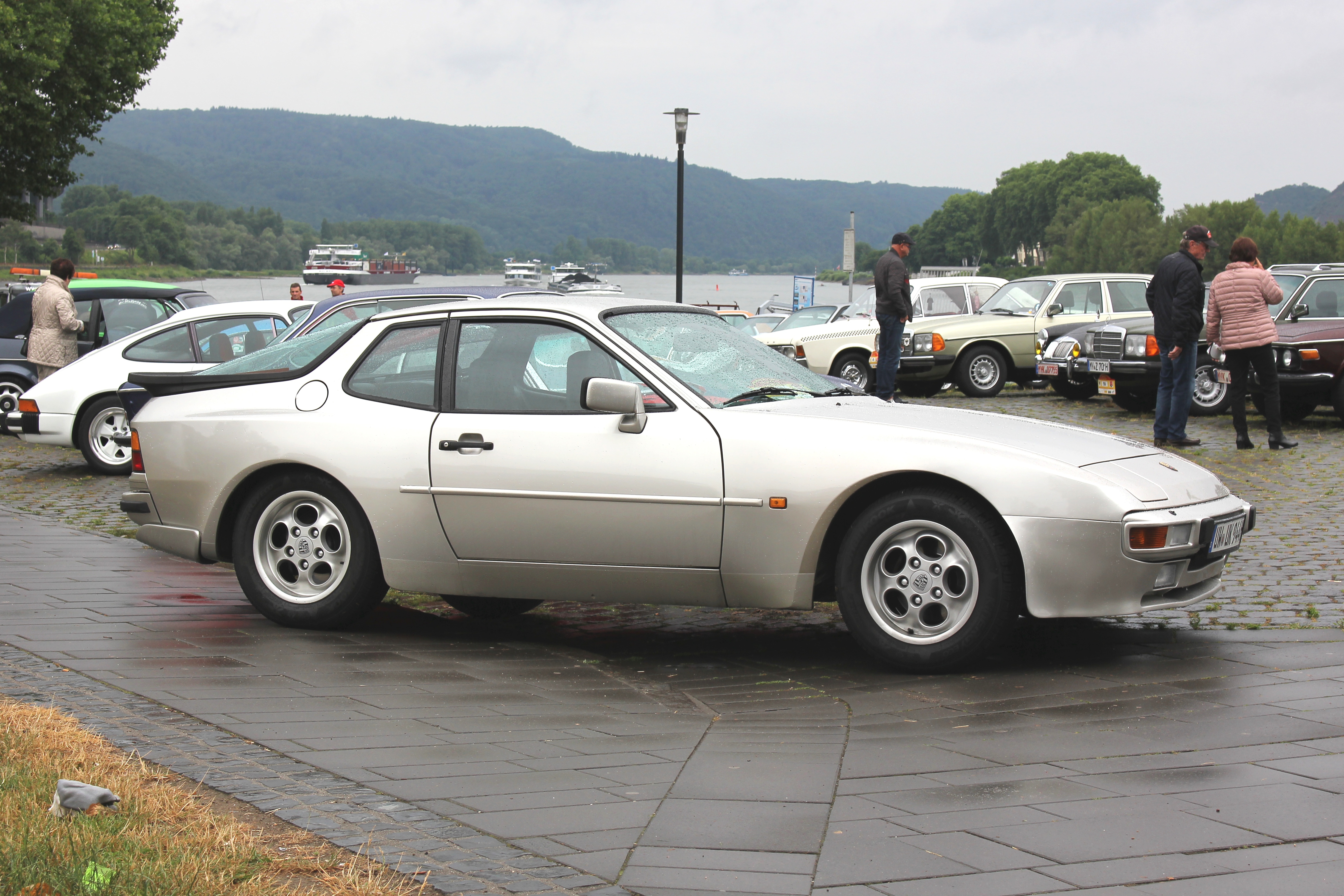
Porsche 944
A Porsche 944 is an older sports coupe that many people like because it feels smooth and “tight” to drive. Here, the hosts are saying it feels more comfortable and quieter than the newer car they’re reviewing.
grand tourer
A “grand tourer” is basically a car meant for comfortable road trips. The hosts are saying the car is being sold like that, but it doesn’t feel luxurious or relaxed enough to match the idea.
road noise
Road noise is how loud the outside sounds are once you’re inside the car. Quieter cars tend to feel more comfortable, especially on highways.
heated steering wheel
A heated steering wheel is a steering wheel that warms up so your hands don’t get cold. The hosts mention it because they think the car’s price should include comfort features like that.

Mazda MX-5 / Miata
The Mazda MX-5 (Miata) is a small two-seat convertible roadster. It’s designed to be fun and easy to drive, especially on twisty roads. That’s why people sometimes suggest it as an extra car for weekend enjoyment.
cargo cover
A cargo cover is a panel that goes over the trunk so people can’t easily see what you’re carrying. The host says it’s worth paying extra for if you want more privacy.
personal luxury coupe
A personal luxury coupe is a car that’s more about comfort, style, and feeling upscale than about being a hardcore sports car. The hosts are saying this kind of “nice and stylish” approach is coming back.
imported into a market with totally different regulations
If a car is built for another country, the U.S. may require different safety and emissions rules. When that happens, the car can cost more to bring over, or it might not be offered at all.
small volume vehicle
A small volume car is one that doesn’t sell in huge numbers. When that’s the case, the cost to make it legal and safe for the U.S. is harder to justify, so you may see fewer versions available.
crash tested
Before a car can be sold in the U.S., it has to pass safety rules. That usually means crash testing and paperwork, and it can be costly—especially for cars that aren’t sold in huge numbers.
certified
“Certified” means the car has been approved to meet U.S. rules. If a model is rare or comes from another market, getting it approved can be a lot of work and money.

Volkswagen GTI
The Volkswagen GTI is a popular sporty hatchback. They’re saying that even though a manual version might exist elsewhere, it can be difficult to offer in the U.S., especially when it requires extra effort to certify.
snow tires
Snow tires are tires made to grip better in winter. They help a car handle snow and ice more safely than regular tires.
long range EV tests
“Long range EV tests” refers to how EVs are evaluated for real-world driving distance, especially under conditions that stress the battery (like highway speeds and sustained loads). The hosts debate whether testing should match typical daily use (short commutes) versus extreme or less-common scenarios.
real-world driving vs test scenarios
This segment contrasts real-world driving patterns (like commuting around 40 miles per day) with test scenarios that emphasize long-range capability. It’s a discussion about how EV range results can be interpreted differently depending on whether you prioritize everyday use or less common long-distance trips.
zero to 60 times
Zero to 60 is a simple test of how fast a car can accelerate from stopped to 60 mph. It’s a popular number people talk about, even if it doesn’t match everyday driving.
horsepower
Horsepower is a measure of an engine’s power output and is often used as a headline performance number. The hosts mention it to make an analogy: people get excited about big numbers even when they don’t reflect most drivers’ needs.

Mercedes-Benz B250e
The Mercedes-Benz B250e is an electric Mercedes meant more for everyday driving than long road trips. The point here is that some EVs with less range can still fit many people’s routines.
consumer reports
Consumer Reports is a well-known car review and testing organization. Here they’re saying they adjust their testing/scoring so the results reflect what most drivers actually care about.
300 mile EV
A “300 mile EV” is an electric car that claims it can go about 300 miles on one charge. The point here is that many drivers don’t use anywhere near that much range every day.
40 miles a day
“40 miles a day” is basically an estimate of how far many people drive in a typical day. If that’s true, then you don’t always need the biggest range number to be satisfied.
EV market was filled with these compliance cars
A “compliance car” is basically a vehicle that exists mainly to satisfy rules or regulations. Even if it’s discounted, people may not want it if it doesn’t fit real needs like enough range.
EV incentives ("99 dollars a month")
They’re talking about deals that can lower the monthly cost of an EV, like “99 dollars a month.” The point is that even with discounts, people still won’t buy an EV if it doesn’t fit their needs.
EV range
Range is how many miles an EV can go before it needs charging. Even if a car has a big number on the sticker, your actual driving and charging habits can change what you really get.
plug-in
“Plug-in” means the vehicle can be charged from an outlet. If you’re using a temporary setup (like an extension cord) and it’s cold, charging and battery behavior can be less predictable.
road-trip range testing
Road-trip range testing focuses on how an EV performs when you’re traveling longer distances, often with different speeds, temperatures, and repeated charging stops. The discussion contrasts this with EPA-style testing, arguing that road-trip conditions better reflect how people actually use EVs.
EPA tests range
The EPA estimates EV range using standardized driving cycles that mix city and highway behavior. That means the published number is a controlled estimate, not a guarantee of what you’ll see on a specific road trip with your exact speed, weather, and accessory use.
plug it in
With an EV, you don’t buy gas—you charge. For everyday driving, you can usually just plug it in and be ready for the next trip.
high-speed highway driving reduces EV efficiency
EVs can use more energy when you’re driving fast for long stretches. Since you’re not slowing down much, you don’t get as much “free” battery recharge from regenerative braking.
regenerative braking
When you lift off the accelerator or brake in an EV, the car can slow down while also recharging the battery. It works best when you’re stopping and slowing often, not when you’re just cruising at steady highway speed.
range anxiety
Range anxiety is the stress of wondering if you’ll run out of battery before you reach a charger. It often comes from the gap between advertised range and what you actually get on your drive.
high speed charger
A fast charger helps you add battery much quicker than slower chargers. If your navigation can find one on your route, it makes long trips easier.
Google built-in ones
They’re talking about EVs that use Google’s navigation features inside the car. That can make it easier to plan a trip and find chargers when you need them.

Dodge Charger
The Dodge Charger is a larger sedan that can be built for performance. It’s the kind of car where features like navigation and route guidance matter during driving. People may mention it when talking about how the car helps you plan or follow a trip.

Honda Prelude
The Honda Prelude is a Honda sports coupe. The hosts mention it as one of the kinds of cars people might have in addition to other cars.

Miata
The Miata is a small, fun Mazda roadster. The hosts are basically saying some people end up collecting multiple fun cars.
cr.org
cr.org is where Consumer Reports shares its car testing and survey results. The hosts are saying they use that data to understand what people care about when buying.
range tests
Range tests are evaluations of how far a vehicle can go before it needs recharging, typically under controlled conditions. For EVs especially, range testing helps translate real-world usage into a number buyers can compare.
EV
EV means electric vehicle—cars powered primarily by electricity stored in a battery. The hosts mention survey data about what holds people back from buying an EV, which is useful context for understanding consumer decision-making.
nonprofit
A nonprofit is an organization that exists to serve a mission, not to make money for owners. The hosts say that helps them stay more independent when doing car research.
