
About this episode
Honda’s 2026 Prelude lands as a “parts-bin” hybrid coupe: 200 hp, automatic, and priced around $43k—yet it largely borrows Civic DNA. The hosts debate the mismatch of sporty suspension and efficient hybrid powertrain, plus the enthusiast-unfriendly S Plus fake-shift system and Prius-like styling. Still, on track and twisty roads, it can feel surprisingly coherent and fun, especially as a limited, personal-luxury-style coupe. The show also pivots to a Consumer Reports question about why EV range testing emphasizes worst-case road trips, not daily commutes.
This week, we cover the all-new 2026 Honda Prelude. We reminisce about past Preludes, discuss the 2026 model's hybrid-only powertrain and redesigned styling, and try to figure out who the Prelude is for: it's not sporty enough to be called a sports car, but it falls short on luxury touches to be considered a grand touring coupe. We also answer a question about Consumer Reports' EV Highway Range Test and explore why a buyer might need 300+ miles of driving range.
Join CR at https://CR.org/joinviaYT to access our comprehensive ratings for items you use every day. CR is a mission-driven, independent, nonprofit organization.
SHOW NOTES:
00:00 Intro & Why We Bought the Honda Prelude
00:57 What the New Prelude Is (and Isn't)
03:35 Design, Features & First Impressions
06:00 Driving Experience & Everyday Usability
08:21 How It Compares to Other Cars (Civic, Prius, Z)
10:50 The Identity Problem & Who It's For
12:58 Styling, Practicality & Value Debate
16:03 Final Thoughts on the Prelude
19:38 Audience Question: EV Range vs Real Driving Needs
22:12 Why EV Range Testing Still Matters
LINKS:
2026 Honda Prelude: https://www.consumerreports.org/cars/honda/prelude/2026/overview/?EXTKEY=YSOCIAL_YT
First Drive: Who is the Honda Prelude For?: https://www.consumerreports.org/cars/hybrids-evs/2026-honda-prelude-review-a7655687395/?EXTKEY=YSOCIAL_YT
2025 Honda Civic Adds Hybrid, Hatchback, Google, and More Power: https://www.consumerreports.org/cars/small-cars/2025-honda-civic-hybrid-review-a1056711696/?EXTKEY=YSOCIAL_YT
Consumer Reports' Real-World Electric Car Range Comparison: https://www.consumerreports.org/cars/hybrids-evs/real-world-ev-range-tests-models-that-beat-epa-estimates-a1103288135/?EXTKEY=YSOCIAL_YT
hybrid
"So what is this car? It's 200 horsepower. It's a hybrid. It's an automatic. It's a Civic. It's a coupe."
A hybrid uses both a gas engine and an electric motor. That can help with efficiency and make the car feel smoother, especially at low speeds.
A hybrid powertrain combines an internal-combustion engine with an electric motor. The goal is usually better efficiency and smoother low-speed driving, though the exact behavior depends on the specific hybrid system.
automatic
"So what is this car? It's 200 horsepower. It's a hybrid. It's an automatic. It's a Civic. It's a coupe."
An automatic transmission changes gears for you. You don’t have to use a clutch pedal to drive.
An automatic transmission shifts gears for you without a clutch pedal. In modern cars, automatics can range from traditional torque-converter designs to dual-clutch or continuously variable systems, depending on the model.
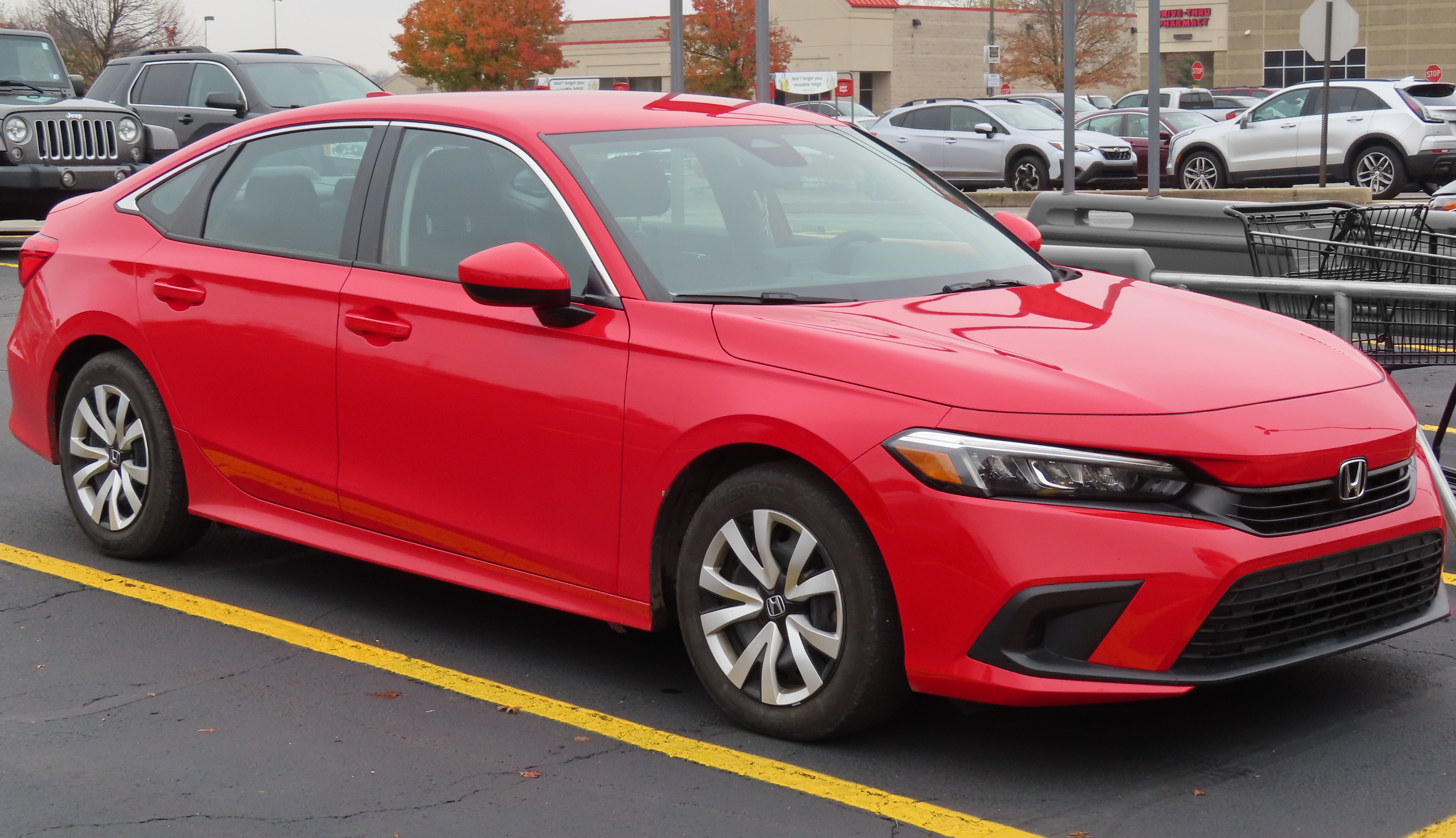
Honda Civic
"So what is this car? It's 200 horsepower. It's a hybrid. It's an automatic. It's a Civic. It's a coupe."
The Honda Civic is one of Honda’s most common compact cars. Here, they’re using it as a clue about what the Prelude is related to or built from.
The Honda Civic is Honda’s compact-car line, and it’s used here as a reference point for platform and positioning. The hosts connect the Prelude’s identity to the Civic family, implying shared engineering or design logic.

Honda Crx
"Like you look at kind of the Honda's like parts bins from like, you know, yesteryear, right? There was lots of different interesting variations... whether or not it's the Honda CRX, which was like the two seat version of the Civic..."
The Honda CRX was a small, sporty Honda that people associate with a fun, lightweight feel. In this discussion, it’s referenced as an example of Honda using the same basic idea in different body styles.
The Honda CRX is a compact, sporty Honda from the 1980s and early 1990s, often remembered as a lightweight, driver-focused hatchback. The hosts mention it as part of Honda’s “parts bin” history of different body styles built on similar platforms.

Honda Accord
"...the Prelude, which is kind of like the kind of like a coupe. I mean, there was an accord. Yeah, it was an accord coupe too."
The Honda Accord has had coupe versions in the past. The hosts mention it to show that coupes used to be more widely available, not just niche.
The Honda Accord has been offered in coupe form in certain years, and the hosts bring it up as another example of Honda offering multiple body styles. It supports their point that coupes used to be more common across mainstream models.
coupes going away
"Now we're in this world where everything is an SUV, right? There's different flavors of SUVs, like there used to be different flavors of cars... what really has gone away was coupes. I'm so happy to see another coupe."
They’re talking about how fewer cars are being made as traditional coupes these days. SUVs have become more popular, so coupes are rarer.
This segment discusses a broader market shift away from traditional coupe body styles toward SUVs. The hosts frame it as a change in consumer demand and product planning, making the return of a coupe noteworthy.

Renault Wind
"...It's the Prelude Cross. Oh, thank you that to the wind. It's not to be tires. So look, I mean, it wasn'..."
The Renault Wind is a small convertible, meaning you can drive with the top down. It’s built to be compact and easy to handle compared with larger convertibles. People may mention it when talking about which specific Renault model they’re looking at.
The Renault Wind is a compact convertible designed to deliver open-top driving in a smaller, more manageable package. It may be mentioned in a podcast alongside other Renault models because of how the lineup names and body styles relate to each other. In this context, it sounds like the discussion is about identifying the right car and its features, like tires and overall setup.

Toyota Camry
"So look, I mean, it wasn't too long ago that where there was like Camry coupes and Ultima coupes and everything."
The Toyota Camry has historically been offered in coupe forms in some years, and the hosts cite it as an example of mainstream coupes that used to exist. It supports their argument that coupes were once more common across brands.
Civic Si
"...I driving the car last night, I've got a Civic SI. It's very similar. The controls are pretty much similar... And then they have this fantastic stick shift turbo that they put the SI..."
The Civic Si is Honda’s performance-oriented trim of the Civic, typically emphasizing a driver-focused setup and—on many generations—a manual transmission option. Here, the hosts connect the Prelude’s controls and some powertrain choices to the Civic Si, including mention of a “stick shift turbo.”

Integra coupe
"...It could have been an Integra coupe... A lot of people were like, where's the two door? ... this almost feels like the two door Integra that everybody wanted..."
The Integra is another Honda model that people often associate with a sporty two-door. Here, they’re saying the Prelude feels like it could have been that kind of car, but it ends up mixing pieces in a way that doesn’t satisfy either side.
The Integra coupe is referenced as the model many buyers wanted when Honda discussed the “two-door” question. The hosts compare the Prelude to an “Integra coupe” idea, arguing the Prelude ends up as a compromise—using some parts that belong on the Integra but not delivering the full package people expected.
stick shift turbo
"...And then they have this fantastic stick shift turbo that they put the SI..."
This means a car with a manual gearbox (“stick shift”) and a turbo engine. Turbos can make power feel stronger, and a manual lets you control the gears yourself.
“Stick shift turbo” refers to a manual transmission paired with a turbocharged engine. In this context, the hosts highlight a specific driving feel—manual control plus turbo response—and argue Honda applies that recipe to some models (like the Civic Si) but not consistently across the lineup.
parts bin car
"...the prelude has always been kind of a parts bin car, right? Like originally, it took a lot from the Accord... This one takes a lot from the Civic..."
A “parts bin car” is a vehicle that heavily reuses components from other models rather than being engineered as a fully unique platform. The hosts use this idea to criticize the Prelude’s identity—mixing Civic-derived efficiency and chassis elements in a way that feels contradictory to the car’s intended role.
manual
"...You could get them with a manual. And like, something that Honda historically did was use the prelude to..."
A manual transmission lets the driver select gears using a clutch and gear lever, generally offering more direct control than an automatic. The hosts note Honda historically offered the Prelude with a manual, which ties into their broader critique of how well the new car’s “mix-and-match” approach lands.
four-wheel steer
"Here's a four-wheel steer version. Yes, four-wheel steer, analogue brakes, moon roofs."
Four-wheel steering means both the front and rear wheels can steer. At low speeds it helps you turn and park more easily, and at higher speeds it can make the car feel steadier. It’s like giving the car extra “steering help.”
Four-wheel steering (4WS) lets the rear wheels turn along with the front wheels, improving low-speed maneuverability and high-speed stability. The goal is to make the car feel easier to place in tight spaces while also reducing awkwardness on faster roads. It’s a technology that can meaningfully change how a car drives, not just how it looks.
analogue brakes
"four-wheel steer, analogue brakes, moon roofs. You can't get a moon roof or sunroof or any kind of hole in the roof on this."
“Analogue brakes” here is used as a contrast to more digital/assist-heavy braking feel, implying a more traditional, direct pedal response. Enthusiasts often prefer predictable, mechanical-feeling braking over systems that can feel overly managed by electronics. The key point is driver feel and feedback.
moon roofs
"analogue brakes, moon roofs. You can't get a moon roof or sunroof or any kind of hole in the roof on this."
A moonroof or sunroof is a panel in the roof that lets in more light (and sometimes air). The hosts are saying this car doesn’t have one, so the roof stays fully closed. That can change how the cabin feels and how the car is built.
A moonroof/sunroof is a glass or opening panel in the roof that can add light and ventilation. In this segment, the hosts emphasize that the discussed Prelude version does not offer a roof opening at all, which affects cabin feel, structural design, and weight distribution. It’s mentioned as part of the car’s “enthusiast” positioning.
S Plus shift system
"their special thing was the S Plus shift system. Yeah. Yeah. Which, you know, it simulates gears, but when you're going after the enthusiast market..."
This is a shifting feature that tries to make an automatic-style drivetrain feel like it’s changing gears. Instead of a true manual, it “acts” like one through software. The discussion is basically whether that imitation is satisfying to car people.
The “S Plus shift system” is described as simulating gears, meaning it likely uses a transmission control strategy (often on an automatic or CVT) to mimic the sensation of shifting. This is a common approach when manufacturers want a more engaging feel without requiring a full manual gearbox. The hosts critique it because enthusiasts want the real thing.
simulates gears
"it simulates gears, but when you're going after the enthusiast market, enthusiasts want something real. They want..."
Some cars can pretend to shift by changing engine speed and behavior, even if the transmission isn’t truly doing manual gear changes. It can make the car feel more engaging, but it might not feel as authentic as a real manual. That’s what the hosts are arguing about.
Simulating gears is when a non-manual transmission uses software to create shift-like behavior (engine RPM changes and gear-step feel) without actual gear changes like a manual. Enthusiasts often evaluate this by how “real” the response feels—whether it matches throttle input, timing, and the mechanical sensation of a true gearbox. The segment frames this as a key debate in modern drivetrains.
fake engine noises
"things like, you know, fake engine noises, like they reject that. Yeah. They want something that's real and it's not."
Some cars add artificial sound to make the engine seem louder or more exciting. The hosts are saying enthusiasts often don’t like that because it doesn’t feel authentic. They want the real sound and real response from the car.
“Fake engine noises” refers to artificial sound generation (often through speakers or engine-sound synthesis) used to make the car seem more exciting. Enthusiasts may dislike it because it can mask true mechanical character and create a mismatch between what you hear and what the car is actually doing. The hosts mention this as a reason some buyers reject certain modern features.
rear cross traffic warning
"thank goodness it has the rear cross traffic warning because if you're parked next to an SUV, you're not going to see anything when you're pulling out of a parking space."
Rear cross-traffic warning helps you when you’re backing out of a parking space. It watches for cars coming from the sides and warns you so you don’t miss them. It’s meant to prevent “I didn’t see them” moments.
Rear cross-traffic warning alerts the driver when vehicles are approaching from the sides while reversing out of a parking spot. It’s especially useful when visibility is blocked by SUVs, trucks, or tight parking layouts. The hosts connect it directly to real-world parking safety and confidence.
twisty roads
"But then I drove it and I got on some of the twisty roads around here and I got around the track and stuff."
Twisty roads are the kind of roads with lots of curves. They’re where you really notice how a car handles—how it turns and stays stable. The hosts are saying the Prelude felt good in that kind of driving.
“Twisty roads” is a driving context where steering response, balance, and traction matter more than straight-line power. The hosts use it to describe how the car feels in real-world enthusiast driving conditions, not just on paper. It’s a shorthand for evaluating handling traits like composure and turn-in.
beginner's track day car
"And I'm just like, this thing would be a great beginner's track day car. Go learn more about handling, learn more. And it's just, leave it in D, have fun."
A beginner track-day car is one that’s not too difficult to drive fast on a racetrack. It should feel stable and easy to control so new drivers can learn safely.
A “beginner’s track day car” is a vehicle that’s forgiving and easy to drive at a track without demanding advanced skills. The hosts imply the car’s handling is predictable and confidence-inspiring, which matters more than raw power for first-time track drivers.
leave it in D
"And it's just, leave it in D, have fun. It handles like a dream..."
“Leave it in D” means keep the automatic transmission in its normal driving mode. The hosts are saying you don’t have to fiddle with settings to enjoy it.
“Leave it in D” refers to keeping an automatic transmission in Drive rather than manually shifting or using sport/manual modes. The point here is that the car’s drivetrain and throttle mapping are usable and fun without extra driver input.
Honda Civic Hybrid Touring
"You have to imagine that there is no civic hybrid touring for $10,000 less that pretty much gives you the same enjoyment and more space and an actual backseat and it saves you money."
They’re comparing the Prelude to a cheaper Civic hybrid version. The idea is that you can get similar fun and more everyday practicality for less money.
The Honda Civic Hybrid Touring is positioned here as a value alternative to the discussed Honda Prelude—specifically, it’s described as costing about $10,000 less while offering similar enjoyment. The hosts also emphasize practicality like more space and an actual backseat.
pop-up headlights
"Remember the pop-up headlights or the little, the kind of, yeah."
Pop-up headlights are headlights that move up from the front of the car when you turn them on. They’re mentioning this because the older look is part of why the car reminds them of a Prius.
Pop-up headlights are headlight units that rise from the front of the car when activated, rather than being fixed in place. The hosts use them as a reference point for older Prius styling cues and how those cues have evolved.

Z
"compared to the Z. Yeah, the Z starts around the same price and you get twice the horsepower. It's 400 horsepower. Yeah. But the Z has that, the Z to me, you're fighting with it when you're driving it."
They’re talking about the Nissan Z as a more hardcore sports car. Even though it has strong power, it can feel tougher and louder to drive than the Prelude.
The hosts are comparing the Honda Prelude to the Nissan Z, focusing on how the Z delivers high performance but feels more aggressive to drive. They mention a heavy clutch and a harsher, noisier character, which they say makes it feel less “coddling” than the Prelude.
heavy clutch
"But the Z has that, the Z to me, you're fighting with it when you're driving it. It's got that heavy clutch. This is a car that I think if I were maybe, maybe if I'd had knee surgery, maybe if I didn't want to."
A heavy clutch means the pedal is harder to push. That can make the car feel more work to drive, especially in traffic or when shifting a lot.
A “heavy clutch” means the pedal requires more force to press down, which can make stop-and-go driving tiring. It also changes how the car feels during launches and gear changes, often making the driving experience more demanding.
smooth powertrain
"This is a very pleasant driving experience. I mean, it is, it's pretty quiet. It's smooth powertrain. The engine's not screaming."
Smooth powertrain means the car delivers power in a gentle, easy-to-feel way. It usually translates to less vibration and a more comfortable ride.
“Smooth powertrain” refers to how seamlessly the engine and transmission deliver power with minimal vibration, harshness, or abruptness. In the context of this comparison, it’s used to highlight that the Prelude feels more refined than the Z.
engine's not screaming
"It's pretty quiet. It's smooth powertrain. The engine's not screaming. It's more coddling than the Z's rough."
They mean the engine doesn’t sound stressed or overly loud. A quieter, calmer engine usually feels more comfortable day-to-day.
“Engine’s not screaming” is a descriptive way to say the engine doesn’t get loud or strained under normal driving. It implies better refinement—less noise and less aggressive sound character compared with a more performance-oriented setup.
consideration set
"So if you are wanting a sporty driving experience, you're going to look at things like the Mustang or the Toyo Brew or the Z or this or that. If you want something that's more efficient, you're going to look at the Prius, you are going to look at the other Civics, maybe even the Integra..."
A consideration set is just the short list of cars you’re actually thinking about buying. The hosts are saying the Prelude might not fit neatly into the “sports” list or the “efficient” list for some shoppers.
A “consideration set” is the shortlist of cars a buyer thinks about when shopping. Here, the hosts describe how people choose between sporty options (like the Mustang and Z) versus efficient options (like the Prius and Civics), which helps explain why the Prelude’s positioning matters.

Mustang
"So if you are wanting a sporty driving experience, you're going to look at things like the Mustang or the Toyo Brew or the Z or this or that."
They bring up the Ford Mustang as a more traditional choice for people who want a sporty driving feel. It’s being used to show what the Prelude isn’t trying to be.
The Ford Mustang is mentioned as an example of a car you’d consider if you want a more focused sporty driving experience. It’s used as a contrast point to the Prelude’s more comfortable, less “sports-car” feel.

Prius
"If you want something that's more efficient, you're going to look at the Prius, you are going to look at the other Civics, maybe even the Integra, which is, you know, in the mid-thirties."
They mention the Toyota Prius as the go-to example of a very efficient car. It’s known for hybrid tech that prioritizes saving gas.
The Toyota Prius is used as the benchmark for efficiency in the hosts’ “if you want efficient, look at…” comparison. The Prius is widely associated with hybrid technology aimed at maximizing fuel economy rather than sporty feel.

Integra
"If you want something that's more efficient, you're going to look at the Prius, you are going to look at the other Civics, maybe even the Integra, which is, you know, in the mid-thirties."
They mention the Acura Integra as another car people might consider if they want something more efficient. It’s grouped with other practical models rather than the hardcore sports-car picks.
The Acura Integra is mentioned as a more efficient option in the hosts’ “consideration set” of cars. They reference it alongside the Prius and Civics, implying it’s positioned as a practical alternative that still has some driving appeal.

Honda Crz
"It's just kind of like, I mean, it runs me a little bit. Remember the CRZ? Of course. So CRZ came back and it wasn't really a sporty car. It was kind of like, it was a hybrid, but it was a stick shift."
The Honda CR-Z is referenced as a past Honda model that returned with a hybrid system paired with a manual transmission. The hosts point out it wasn’t as efficient as a Prius and wasn’t really a pure sports car, but it had an appealing “something different” character.
used market
"...So you might want to wait till this goes on the used market. Exactly."
The used market is where you buy cars that someone else already owned. The idea is that this car may be pricey when new, but later it could be a better deal.
The “used market” is the secondary market where cars are sold after their original purchase. The hosts are predicting that the Prelude (or similar new enthusiast cars) will become more affordable later, making it easier for buyers to pick one up.

Porsche Cayenne
"...e like script that they have, you know, Carrera, Cayenne, this, but it's, you know, it's got the roof line..."
The Porsche Cayenne is an SUV made by Porsche. It’s meant to be more practical than a sports car, but still feel sporty to drive. People bring it up because it’s a Porsche you can use day to day.
The Porsche Cayenne is Porsche’s SUV, combining a higher-riding body with Porsche-style performance and handling. It’s often discussed because it brings the brand’s driving character into a more practical, family-friendly format. In a podcast, it may be referenced when talking about how Porsche models are identified by name and design cues, like roofline and trim.
car seat
"...But I also think that folks who have, if you need to put a car seat in the back..."
A car seat is the safety seat for a child. They’re saying the car might be great to drive, but if you need to fit a car seat in the back, you’ll want to check space and usability.
“Car seat” refers to child safety seats installed in the rear (or sometimes front) of a vehicle. The hosts are tying practicality to the car’s size—if you need to put a car seat in the back, packaging and rear space matter.
cost per pound of car analysis
"We should do a cost per, we should have a need to run a cost per pound of car analysis or inch, you know, and see like how much this is, [889.1s] how where this fits."
This is a simple way to compare cars: take the price and divide it by how much the car weighs. The goal is to see if one car is “overpriced” compared to another when you account for weight.
“Cost per pound” is a way to normalize pricing against vehicle weight, helping compare whether you’re paying for mass, materials, or efficiency. It’s a consumer-focused metric that can highlight when a car feels expensive relative to its physical size/weight.
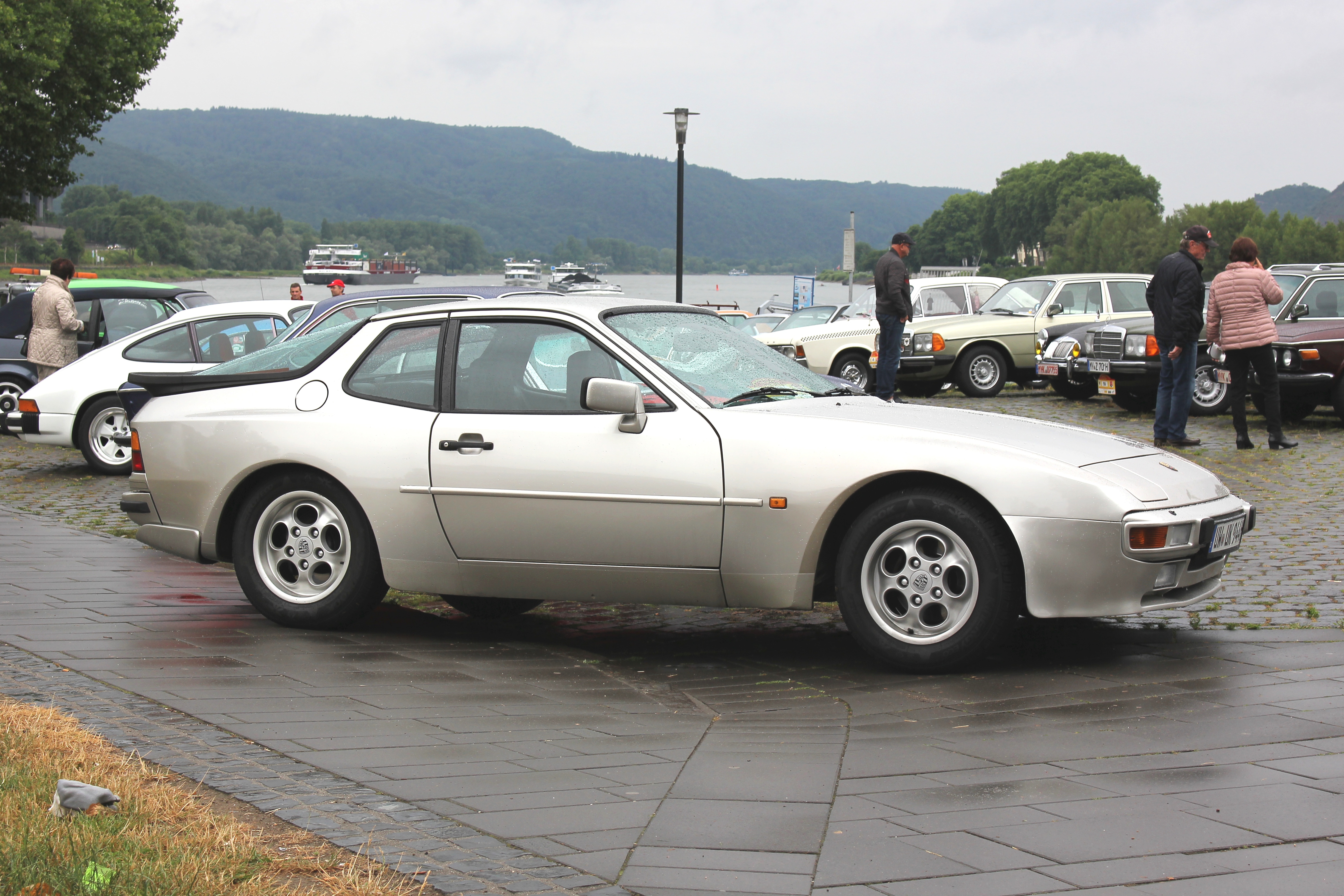
Porsche 944
"You know, my cage 944 has a smoother ride and... Probably less road noise. [911.0s] Yeah. Well, no, no, it doesn't have any windows. Windows help."
A Porsche 944 is an older sports coupe that many people like because it feels smooth and “tight” to drive. Here, the hosts are saying it feels more comfortable and quieter than the newer car they’re reviewing.
The Porsche 944 is a classic 1980s-era sports coupe known for its balanced, nimble feel and relatively refined ride for the era. In the segment, it’s used as a comparison point for ride smoothness and road noise versus the newer car being discussed.
grand tourer
"Honestly, I think how a lot of consumers think about things like, I'm gonna pay 43, I want something bigger. Yeah, you know. I want something more luxurious that [898.2s] the problem I had was they're, they're kind of positioning it as a grand tourer, but I don't [903.5s] get that vibe at all."
A “grand tourer” is basically a car meant for comfortable road trips. The hosts are saying the car is being sold like that, but it doesn’t feel luxurious or relaxed enough to match the idea.
A grand tourer (GT) is typically a car marketed for comfortable long-distance driving—often with a focus on ride quality, quietness, and amenities—rather than pure track performance. The hosts argue the car is being positioned as a GT, but they don’t feel it delivers that character.
road noise
"You know, my cage 944 has a smoother ride and... Probably less road noise. [911.0s] Yeah. Well, no, no, it doesn't have any windows. Windows help."
Road noise is how loud the outside sounds are once you’re inside the car. Quieter cars tend to feel more comfortable, especially on highways.
Road noise is the sound transmitted from tires, suspension, and airflow into the cabin. It’s a key part of perceived refinement—especially for cars marketed as comfortable or “luxury,” where quietness is expected.
heated steering wheel
"Like, [929.5s] the back seat is black cloth. It doesn't match the like pretty two-tone on our... Oh, yeah. [936.5s] There's no heated steering wheel."
A heated steering wheel is a steering wheel that warms up so your hands don’t get cold. The hosts mention it because they think the car’s price should include comfort features like that.
A heated steering wheel uses an electrical heating element (and often a control module) to warm the wheel for cold-weather comfort. It’s a common feature on higher-priced trims, so its absence can make a car feel less “premium” than expected.

Mazda MX-5 / Miata
"...nted a, you know, I think of a third car, like a Miata would be a better third car. I agree with that, b..."
The Mazda MX-5 (Miata) is a small two-seat convertible roadster. It’s designed to be fun and easy to drive, especially on twisty roads. That’s why people sometimes suggest it as an extra car for weekend enjoyment.
The Mazda MX-5, commonly known as the Miata, is a lightweight two-seat roadster focused on simple, engaging driving. It’s frequently used as a “third car” idea because it’s fun, relatively easy to enjoy, and doesn’t require big compromises to feel sporty. In a podcast, it may be mentioned as a practical way to add driving pleasure to a garage.
cargo cover
"But like, you know, for me, I would [992.2s] just, you know, get the cargo cover, $150 extra, it is not included. I would get the cargo cover, [998.4s] so my stuff's a little more private and, you know, have a ball."
A cargo cover is a panel that goes over the trunk so people can’t easily see what you’re carrying. The host says it’s worth paying extra for if you want more privacy.
A cargo cover (often a retractable or removable tonneau-style panel) hides items in the trunk to improve privacy and reduce visual clutter. The segment suggests it’s an optional add-on, and the host recommends it for day-to-day practicality.
personal luxury coupe
"The return of the personal luxury coupe. Yes. But it's a great advertisement for [1003.8s] "
A personal luxury coupe is a car that’s more about comfort, style, and feeling upscale than about being a hardcore sports car. The hosts are saying this kind of “nice and stylish” approach is coming back.
“Personal luxury coupe” is a historical category describing stylish two-door cars aimed at comfort and image, often with more amenities than a typical sporty coupe. The hosts call it “the return” of that idea, implying the car is trying to blend practicality with a more upscale, lifestyle-oriented vibe.
imported into a market with totally different regulations
"If it doesn't have to be imported into a market with totally different regulations, then, no, you're right."
If a car is built for another country, the U.S. may require different safety and emissions rules. When that happens, the car can cost more to bring over, or it might not be offered at all.
The segment highlights how importing a vehicle into the U.S. can require changes to meet different regulations (safety, emissions, and other standards). That regulatory mismatch can change the economics of the car—making it more expensive or limiting what versions are sold.
small volume vehicle
"This is the problem with any kind of small volume vehicle that you're absolutely right."
A small volume car is one that doesn’t sell in huge numbers. When that’s the case, the cost to make it legal and safe for the U.S. is harder to justify, so you may see fewer versions available.
A “small volume vehicle” is one sold in relatively low numbers, which makes fixed costs—like crash testing, certification, and compliance—harder to spread out. The hosts argue this is why niche cars often arrive with fewer configurations in the U.S.
crash tested
"It's got to get crash tested. It's got to get certified and all these things."
Before a car can be sold in the U.S., it has to pass safety rules. That usually means crash testing and paperwork, and it can be costly—especially for cars that aren’t sold in huge numbers.
To sell a car in the United States, manufacturers must meet safety regulations, which typically includes crash testing and certification. For small-volume or niche vehicles, these compliance steps can be expensive enough to limit which trims and configurations make it to market.
certified
"It's got to get crash tested. It's got to get certified and all these things."
“Certified” means the car has been approved to meet U.S. rules. If a model is rare or comes from another market, getting it approved can be a lot of work and money.
“Certified” here refers to regulatory approval that a vehicle meets U.S. requirements for safety and emissions. The hosts connect certification costs to why small-volume vehicles and certain configurations (like manual transmissions) may not be offered in the U.S.

Volkswagen GTI
"We don't have a GTI stick shift because it's too much of a pain to have, you know, a stick shift and a GTI..."
The Volkswagen GTI is a popular sporty hatchback. They’re saying that even though a manual version might exist elsewhere, it can be difficult to offer in the U.S., especially when it requires extra effort to certify.
The Volkswagen GTI is a compact hot hatch known for its blend of practicality and performance. The hosts specifically discuss manual-transmission availability, using the GTI as an example of what the U.S. market does and doesn’t get.
snow tires
"I could see. Probably drive as decent. You get snow tires."
Snow tires are tires made to grip better in winter. They help a car handle snow and ice more safely than regular tires.
Snow tires are specialized tires designed with softer rubber compounds and tread patterns that improve grip in cold, snowy, and icy conditions. The hosts mention them to suggest how a coupe like the Prelude could be practical in winter climates.
long range EV tests
"Jim asks, what is with consumer reports focus on long range EV tests? My understanding is that on average, we drive about 40 miles a day. So should testing not focus with this reality in mind?"
“Long range EV tests” refers to how EVs are evaluated for real-world driving distance, especially under conditions that stress the battery (like highway speeds and sustained loads). The hosts debate whether testing should match typical daily use (short commutes) versus extreme or less-common scenarios.
real-world driving vs test scenarios
"My understanding is that on average, we drive about 40 miles a day. So should testing not focus with this reality in mind?"
This segment contrasts real-world driving patterns (like commuting around 40 miles per day) with test scenarios that emphasize long-range capability. It’s a discussion about how EV range results can be interpreted differently depending on whether you prioritize everyday use or less common long-distance trips.
zero to 60 times
"It's a bit like the crazy focus on ever lower zero to 60 times or the excitement of a car with 500 horsepower, 100 to 150 miles of range is more than enough for 95% of driving."
Zero to 60 is a simple test of how fast a car can accelerate from stopped to 60 mph. It’s a popular number people talk about, even if it doesn’t match everyday driving.
“Zero to 60 times” is a performance metric measuring how quickly a car accelerates from a standstill to 60 mph. The hosts mention it as an example of how media attention can skew toward headline numbers rather than what most drivers actually need.
horsepower
"It's a bit like the crazy focus on ever lower zero to 60 times or the excitement of a car with 500 horsepower, 100 to 150 miles of range is more than enough for 95% of driving."
Horsepower is a measure of an engine’s power output and is often used as a headline performance number. The hosts mention it to make an analogy: people get excited about big numbers even when they don’t reflect most drivers’ needs.

Mercedes-Benz B250e
"Yeah, we found the fellow Mitsubishi owner. We found the Mercedes B250E driver."
The Mercedes-Benz B250e is an electric Mercedes meant more for everyday driving than long road trips. The point here is that some EVs with less range can still fit many people’s routines.
The Mercedes-Benz B250e is an electric version of the B-Class, designed for urban commuting with a shorter range than today’s long-range EVs. The hosts use it as another example of an EV that may be “enough” for typical daily driving rather than the extreme use cases.
consumer reports
"But I think this really were, you know, back in the name, like you said, and in the name consumer reports, we're here to kind of represent what consumers are looking for. So one is consumers don't really aren't looking for that four seconds versus five seconds."
Consumer Reports is a well-known car review and testing organization. Here they’re saying they adjust their testing/scoring so the results reflect what most drivers actually care about.
Consumer Reports is referenced as the organization shaping how vehicles are evaluated, particularly around acceleration testing and scoring. The hosts say they changed scoring so vehicles don’t get extra credit just for hitting very fast “zero to 60” times.
300 mile EV
"But in terms of the idea of like a 300 mile EV and went and again, he is completely right. Most people only drive probably have 40 miles a day."
A “300 mile EV” is an electric car that claims it can go about 300 miles on one charge. The point here is that many drivers don’t use anywhere near that much range every day.
A “300 mile EV” refers to an electric vehicle advertised with roughly 300 miles of range on a charge. The hosts contrast this headline range with real driving patterns, arguing that many people drive far less per day, so range marketing may not be the main deciding factor.
40 miles a day
"Most people only drive probably have 40 miles a day. Totally right. This really comes down to our surveys, asking people what they look for an EV."
“40 miles a day” is basically an estimate of how far many people drive in a typical day. If that’s true, then you don’t always need the biggest range number to be satisfied.
“40 miles a day” is used as a proxy for typical daily driving needs when discussing EV adoption. The hosts argue that if most people drive relatively short distances, then range anxiety and range marketing should be evaluated against real usage.
EV market was filled with these compliance cars
"And this is the number one thing is that for a while, the EV market was filled with these a lot of people call them compliance cars, right? There's EVs, they got 80 miles. Nobody was buying these, even though they were heavily subsidized."
A “compliance car” is basically a vehicle that exists mainly to satisfy rules or regulations. Even if it’s discounted, people may not want it if it doesn’t fit real needs like enough range.
“Compliance cars” refers to EVs that were produced largely to meet regulatory requirements rather than to satisfy consumer demand. The hosts connect this to limited real-world range (e.g., “80 miles”) and heavy incentives, which still didn’t attract buyers.
EV incentives ("99 dollars a month")
"So then they were actually quite like, there wasn't a lot of interest in that 99 dollars a month, some of them. Yeah."
They’re talking about deals that can lower the monthly cost of an EV, like “99 dollars a month.” The point is that even with discounts, people still won’t buy an EV if it doesn’t fit their needs.
The hosts mention EV offers like “99 dollars a month” to illustrate how incentives can make certain EVs look affordable on paper. They argue that despite incentives, some low-range “compliance cars” still weren’t compelling enough for buyers.
EV range
"...here's the thing about range is that, yeah, okay, fine. My commute is, you know, 20 miles each way... And I like the fact that we we test it..."
Range is how many miles an EV can go before it needs charging. Even if a car has a big number on the sticker, your actual driving and charging habits can change what you really get.
“Range” is how far an EV can drive on a full charge. The key point here is that real-world needs (commutes, detours, and unexpected trips) often don’t match how range is marketed or measured.
plug-in
"...or you with your plug in, plugging in the fiat with an extension cord. Well, because it almost froze to death."
“Plug-in” means the vehicle can be charged from an outlet. If you’re using a temporary setup (like an extension cord) and it’s cold, charging and battery behavior can be less predictable.
The “plug-in” reference is about using an extension cord/charging setup to keep an EV (or plug-in vehicle) powered when you’re away from a dedicated charger. The context mentions cold weather, which can affect charging and battery performance.
road-trip range testing
"...And I like the fact that we we test it... the real reason why we test range the way we do... different from the way the EPA tests range... we're testing it specifically for road trips because EVs behave..."
Road-trip range testing focuses on how an EV performs when you’re traveling longer distances, often with different speeds, temperatures, and repeated charging stops. The discussion contrasts this with EPA-style testing, arguing that road-trip conditions better reflect how people actually use EVs.
EPA tests range
"...the real reason why we test range the way we do, it's different from the way the EPA tests range. Because the EPA... it's more about this mix of city and highway driving..."
The EPA estimates EV range using standardized driving cycles that mix city and highway behavior. That means the published number is a controlled estimate, not a guarantee of what you’ll see on a specific road trip with your exact speed, weather, and accessory use.
plug it in
"The cool thing about an EV is that you never have to, if you're just commuting with it, you just, you just plug it in."
With an EV, you don’t buy gas—you charge. For everyday driving, you can usually just plug it in and be ready for the next trip.
“Plug it in” highlights the practical advantage of EV ownership: daily charging is typically done at home or at a charger, reducing the stress of finding fuel. The segment implies that for commuting, charging habits matter more than chasing a maximum range number.
high-speed highway driving reduces EV efficiency
"They actually do better. They actually, that's steady, long, high speed stuff. They don't do very well. Getting the benefit of regenerative braking, you know, slowing down unless you have nightmare traffic on the way..."
EVs can use more energy when you’re driving fast for long stretches. Since you’re not slowing down much, you don’t get as much “free” battery recharge from regenerative braking.
The hosts describe how EVs can be less efficient during steady, high-speed highway driving compared to stop-and-go city driving. This is partly because regenerative braking benefits are smaller when you’re not frequently slowing down, and aerodynamic drag rises sharply with speed.
regenerative braking
"Getting the benefit of regenerative braking, you know, slowing down unless you have nightmare traffic on the way, which in that case, I'm sorry. You hope for that to get longer range."
When you lift off the accelerator or brake in an EV, the car can slow down while also recharging the battery. It works best when you’re stopping and slowing often, not when you’re just cruising at steady highway speed.
Regenerative braking is how an EV slows down while turning some of that motion back into electricity to recharge the battery. It’s most effective when you’re frequently slowing down (like city driving), which is why EV efficiency can differ between city and highway use.
range anxiety
"because if a company is saying, this car has a 400 mile range and you think, okay, grandma's house is 380 miles away, great, I'll buy this car. And then as you're halfway there, it says that your range is... smaller..."
Range anxiety is the stress of wondering if you’ll run out of battery before you reach a charger. It often comes from the gap between advertised range and what you actually get on your drive.
Range anxiety is the worry that an EV won’t have enough battery to reach the destination or a charger. The hosts connect it to how advertised range can feel optimistic versus real-world conditions, especially when the trip is longer than expected.
high speed charger
"the route planning is fantastic. It will say, well, here's the high speed charger on your route, go here. And it's nice to have that option when, you know, stuff happens."
A fast charger helps you add battery much quicker than slower chargers. If your navigation can find one on your route, it makes long trips easier.
A high-speed charger (often meaning fast charging) can add meaningful range in less time than standard charging. The hosts emphasize that route planning that points you to fast chargers along your trip improves real-world usability.
Google built-in ones
"I've noticed on a lot of the EVs that have a, you know, kind of especially like the Google built-in ones, the route planning is fantastic."
They’re talking about EVs that use Google’s navigation features inside the car. That can make it easier to plan a trip and find chargers when you need them.
The hosts refer to EVs with Google-integrated built-in navigation/infotainment, which can improve route planning and charger suggestions. In practice, better planning helps drivers find charging options before they run low.

Dodge Charger
"...ntastic. It will say, well, here's the high speed charger on your route, go here. And it's nice to have th..."
The Dodge Charger is a larger sedan that can be built for performance. It’s the kind of car where features like navigation and route guidance matter during driving. People may mention it when talking about how the car helps you plan or follow a trip.
The Dodge Charger is a performance-oriented sedan that’s known for strong powertrain options and a sporty driving experience. It may come up in a podcast in the context of navigation or route guidance features, especially if the discussion is about how the car’s infotainment helps during trips. The Charger is often discussed as a “big, fast” option in the sedan world.

Honda Prelude
"And a prelude and a miata. We've got a fifth car. I don't, I think we need to have an intervention. Yeah, fifth car is, yeah. So yeah, great. No, no. But as long as it's not a prelude."
The Honda Prelude is a Honda sports coupe. The hosts mention it as one of the kinds of cars people might have in addition to other cars.
The Honda Prelude is a sporty coupe from Honda that’s known for its driver-focused handling and styling. In this segment, it’s mentioned alongside other enthusiast cars to illustrate how many cars people end up owning.

Miata
"And a prelude and a miata. We've got a fifth car. I don't, I think we need to have an intervention. Yeah, fifth car is, yeah. So yeah, great."
The Miata is a small, fun Mazda roadster. The hosts are basically saying some people end up collecting multiple fun cars.
“Miata” refers to the Mazda MX-5 Miata, a lightweight roadster famous for nimble handling and strong enthusiast support. Here it’s used as another example of a car people might own as an extra (beyond a daily driver).
cr.org
"But yeah, so we've got a bunch of answers to questions like that at cr.org. We've got our range tests. We have our secret sauce from our statisticians who aren't just figuring out how to score the cars, but they're also asking individual buyers what they're looking for."
cr.org is where Consumer Reports shares its car testing and survey results. The hosts are saying they use that data to understand what people care about when buying.
cr.org is Consumer Reports’ website, where they publish test results and survey-driven insights. In this segment, the hosts say they use range tests and statistical analysis to score cars and understand what buyers want.
range tests
"But yeah, so we've got a bunch of answers to questions like that at cr.org. We've got our range tests. We have our secret sauce from our statisticians who aren't just figuring out how to score the cars, but they're also asking individual buyers what they're looking for."
Range tests are evaluations of how far a vehicle can go before it needs recharging, typically under controlled conditions. For EVs especially, range testing helps translate real-world usage into a number buyers can compare.
EV
"Well, and if there's, if there's a question that we're not addressing, because, you know, we do have survey data saying people ask this, people, this is what's holding back a lot of people from an EV. If there's something we're not addressing, please tell us."
EV means electric vehicle—cars powered primarily by electricity stored in a battery. The hosts mention survey data about what holds people back from buying an EV, which is useful context for understanding consumer decision-making.
nonprofit
"And also speaking of the work we do, I don't know if you know this, but we are, we're a nonprofit. So there's a, there's a reason you don't, when you look at Consumer Reports magazine, you don't see advertising."
A nonprofit is an organization that exists to serve a mission, not to make money for owners. The hosts say that helps them stay more independent when doing car research.
A nonprofit organization is one that reinvests any surplus back into its mission rather than distributing profits to owners or shareholders. The hosts argue this structure supports more objective testing and survey work by reducing incentives tied to advertising or sponsorships.
Request an Explanation
Heard something you'd like explained? We'll add it to this episode.
Sign in to request explanations for terms you heard.
Want to learn more?
Browse our glossary for plain-English explanations of automotive terms, jargon, and concepts.
Help improve this episode
See something that's not quite right? Our annotations are AI-generated and can sometimes miss the mark. Click the flag icon on any annotation to suggest a correction.