
The 2026 Subaru Uncharted's Identity Crisis
About this episode
The hosts frame the 2026 Subaru Uncharted as an electric Crosstrek-sized SUV, built on Toyota’s E-TNGA platform, and share early numbers like an EPA-estimated 287 miles and dual-motor output. They then put the driving feel, quietness, and cabin usability under a microscope—praising AWD pull and surround-view visibility while criticizing cluttered, hard-to-read EV screens, distracting driver-assist cues, and confusing charging UI. Range and real-world charging convenience become the identity crisis.
Is the all-new Subaru Uncharted a rugged Subaru, a rebadged Toyota, or something in between? We share our first impressions of the compact EV's strong performance, comfortable ride, confusing ergonomics, and missing EV features. Plus, we answer a viewer's question about the best fun-to-drive car for a college student with a $35,000 budget.
Join CR at https://CR.org/joinviaYT to access our comprehensive ratings for items you use every day. CR is a mission-driven, independent, nonprofit organization.
SHOW NOTES
-----------------------------------
00:00 Introduction
00:23 2026 Subaru Uncharted Overview
01:36 Subaru-Toyota Relationship Explained
03:25 What We Like: Performance & Driving Experience
05:23 What We Like: Ride Comfort, Space & Seats
08:59 What We Like: Infotainment & Interior Features
11:42 Handling Impressions
13:39 What We Don't Like: Driver Display & Ergonomics
18:04 What We Don't Like: Center Console & Shifter
23:45 Is the Uncharted Behind the Competition?
27:37 Final Thoughts: Who Should Buy the Uncharted?
39:19 Audience Question: Best Fun Car Under $35K
----------------------------------
Model History: Toyota C-HR
https://www.consumerreports.org/cars/toyota/c-hr/?EXTKEY=YSOCIAL_YT
Test Results: Subaru Solterra
https://www.consumerreports.org/cars/subaru/solterra/2026/overview/?EXTKEY=YSOCIAL_YT
Test Results: 2026 Nissan Leaf
https://www.consumerreports.org/cars/nissan/leaf/2026/overview/?EXTKEY=YSOCIAL_YT
Test Results: Hyundai Ioniq5
https://www.consumerreports.org/cars/hyundai/ioniq-5/2026/overview/?EXTKEY=YSOCIAL_YT
Test Results: 2026 Kia K4
https://www.consumerreports.org/cars/kia/k4/2026/overview/?EXTKEY=YSOCIAL_YT
Test Results: 2026 Acura Integra
https://www.consumerreports.org/cars/acura/integra/2026/overview/?EXTKEY=YSOCIAL_YT
2026 Toyota GR Corolla
https://www.consumerreports.org/cars/toyota/gr-corolla/2026/overview/?EXTKEY=YSOCIAL_YT
Best Cars Under $30K
https://www.consumerreports.org/cars/best-new-cars-under-30000-dollars-a6574737993/?EXTKEY=YSOCIAL_YT
Model History: Kia Stinger
https://www.consumerreports.org/cars/kia/stinger/?EXTKEY=YSOCIAL_YT
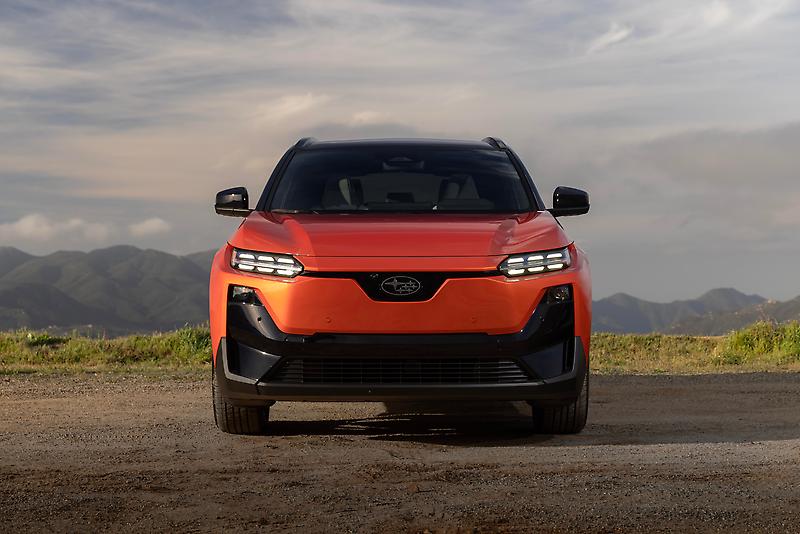
2026 Subaru Uncharted EV
"So today we're going to be talking about our first impressions of the all new 2026 Subaru Uncharted EV. Think of the Uncharted as basically the electric counterpart to the Crosstrek, right? So it's basically a fairly small EV SUV."
The 2026 Subaru Uncharted EV is Subaru’s small electric SUV. In this episode, they’re comparing it to the Crosstrek, but with an electric powertrain instead of gas.
The 2026 Subaru Uncharted EV is a small electric SUV positioned as an electric counterpart to the Subaru Crosstrek. It uses dual electric motors and is described here as sharing many underlying mechanical and platform elements with Toyota’s EV lineup.

Subaru Crosstrek
"Think of the Uncharted as basically the electric counterpart to the Crosstrek, right? So it's basically a fairly small EV SUV."
The Subaru Crosstrek is a small crossover SUV. The hosts are using it as a comparison to explain where the Uncharted EV fits.
The Subaru Crosstrek is a compact crossover that this episode uses as a reference point for the Uncharted EV’s size and role. The host is essentially saying the Uncharted is the electric version of that same everyday niche.
Subaru Soltera
"If you're wondering it, yes, it's smaller than the Subaru Soltera, but it does use a lot of the same mechanical bits,"
The Subaru Soltera is another Subaru electric SUV. The hosts mention it to say the Uncharted is smaller.
The Subaru Soltera is referenced as a larger Subaru EV than the Uncharted EV. Here, the key point is relative size: the Uncharted is said to be smaller than the Soltera.
dual electric motors
"and that includes the 338 horsepower from its dual electric motors. And lastly, what's the one thing that everyone wants to know about an EV?"
Dual electric motors means there are two electric motors working together. That can help the car put power down better and feel more responsive.
Dual electric motors means the vehicle uses two separate electric motors to drive the wheels. This often improves traction and enables more flexible torque delivery for acceleration and all-wheel-drive behavior.
EPA estimated 287 miles
"So for our Uncharted all-wheel drive test car, it has an EPA estimated 287 miles. As always, with every EV that comes through our test program, we will do our own 70 mile per hour highway range test"
“EPA estimated” range is the driving-distance figure calculated using U.S. Environmental Protection Agency test procedures. It’s a standardized way to compare EV range claims, though real-world results can vary with speed, weather, and driving style.
70 mile per hour highway range test
"we will do our own 70 mile per hour highway range test with the Uncharted once it goes through our program."
This is a test where they drive the EV at a steady 70 mph and see how many miles it can go. It helps show what range looks like on the highway, not just in lab conditions.
A 70 mph highway range test is a real-world-style evaluation where the EV is driven at a steady 70 miles per hour to measure how far it goes. It’s meant to show how range changes under typical highway speeds versus the more controlled EPA estimate.
destination charge
"Along with its $1,050 destination charge, the total cost for a test vehicle is $42,083."
A destination charge is the extra cost for shipping the car to the dealership. It’s part of what you pay on top of the base price.
A destination charge is a fee added to the vehicle’s price to cover shipping the car to the dealer. It’s a common line item in car pricing and can change the “out-the-door” cost even when the base MSRP looks similar.

Toyota CHR
"its interior size to its twin on the Toyota side, the CHR. And that used to be a gas powered car, kind of a small little SUV. And now it's all electric."
The Toyota CHR is the Toyota model they say is closely related to the Uncharted. They’re pointing out that it’s part of the same electric family of vehicles.
Toyota CHR is referenced as the Toyota-side twin to the Uncharted, sharing a similar spec sheet and interior size. The episode notes that the CHR used to be gas-powered, but this version is now electric.
Toyota's E-TNGA platform
"All of these are based on Toyota's E-TNGA platform. Similar interior across even the bigger ones."
E-TNGA is Toyota’s electric-car “base design.” If two cars share the same platform, they often have similar layouts and engineering choices underneath.
Toyota’s E-TNGA platform is an electric-vehicle architecture that standardizes key design and engineering foundations across multiple models. Using the same platform can lead to shared packaging, similar interior space, and common drivetrain integration strategies.
North American charging standard ports
"And they'll have the North American charging standard ports. That's the Tesla style slim connector."
This means the car uses the common charging plug type used in North America. That matters because it affects where you can charge without adapters.
North American charging standard ports refer to the connector type used for EV charging in the U.S. and Canada. The episode ties this to the “Tesla style slim connector,” implying compatibility with common North American fast-charging infrastructure.
Tesla style slim connector
"That's the Tesla style slim connector. All of them offer some version of this dual motor 338 horsepower drivetrain."
This is the common fast-charging plug shape used by many EVs. If your car uses this connector, you can usually use more of the chargers you see on the road.
The “Tesla style slim connector” refers to the modern, smaller fast-charging plug shape used on many EVs in North America. It’s a practical detail because connector type determines which chargers you can use and how seamless charging is on road trips.
74.7 kilowatt battery
"All of them offer at least one model that has the 74.7 kilowatt battery. But the interesting thing about the Uncharted is it not the Toyota version, but the"
74.7 kilowatt refers to how big the battery is. A bigger battery usually means you can drive farther, but it still depends on how you drive and the weather.
A 74.7 kilowatt battery refers to the battery’s energy capacity (often expressed in kWh). Higher capacity generally allows for more potential driving range, though real-world range still depends on efficiency and driving conditions.
front wheel drive
"Subaru being known for all will drive everything. Subaru is offering a base front wheel drive model that undercuts the CHR's base price."
Front-wheel drive means the car’s power goes to the front wheels. It’s often used on cheaper versions because it can be simpler and less expensive than driving all four wheels.
Front-wheel drive (FWD) means the electric motor(s) drive the front wheels. In EV lineups, offering FWD as a base configuration is often used to lower cost and entry price compared with all-wheel drive.
Toyota Chrs
"Subaru. Subaru being known for all will drive everything. Subaru is offering a base front wheel drive model that undercuts the CHR's base price. By about $2,000, CHR starts at around 37. Solterra starts at around 35. But you only get front wheel drive in that one. And that one has"
The Toyota C-HR is a small SUV meant for everyday driving. It’s often compared by price because it’s usually one of the more affordable options in its class. The podcast mention is about how another car’s starting price is lower than the C-HR’s.
The Toyota C-HR is a compact crossover SUV positioned as an affordable entry point in the market. In the podcast, it’s referenced in a price comparison where Subaru’s base front-wheel-drive model is said to undercut the C-HR’s starting price by about $2,000. That makes it relevant to discussions about value, starting MSRP, and which buyers might choose one over the other based on budget.
single motor powertrain
"And that one has a 221 horsepower single motor powertrain that isn't offered on the little CHR, but is offered on the bigger Toyota BZ."
A single-motor EV uses one electric motor to move the car. It’s usually simpler than having two motors, and it can affect how the car feels in acceleration and grip.
A single-motor EV powertrain uses one electric motor to drive the wheels (often the front wheels in an FWD setup). Compared with dual-motor AWD systems, single-motor setups can be simpler and cheaper, but may feel less forceful or less consistent in traction-limited conditions.
Subaru Crosstrak
"I think that this particular footprint, which is, again, about the same as a, as a Subaru Crosstrak, if that's, you know, if you're a Subaru buyer and that's what you're thinking."
The Subaru Crosstrak is another Subaru model the host uses to compare size. They’re basically saying the Uncharted is very close in overall dimensions, so it should feel familiar if you’re used to Crosstrak sizing.
The Subaru Crosstrak is used here as a reference point for the Uncharted’s size. The host is comparing footprint dimensions—length and width—so Subaru shoppers can understand how the Uncharted fits relative to an existing Subaru model.
all wheel drive
"Again, ours is the all wheel drive, which has power for that. But once you, you know, I've owned DVs and once you've owned one, you never have to worry about a highway merge."
All-wheel drive means power goes to all four wheels. The host is saying it makes the car feel more confident and responsive in situations like merging onto the highway.
All-wheel drive (AWD) sends power to both the front and rear axles, improving traction and making acceleration more consistent. The host ties AWD to confidence in highway merges because the car has power available when you need it.
EV
"and that's, you know, something that you really want when you buy an EV today... And it's also just really smooth."
EV means electric vehicle. It’s a car that uses an electric motor for power instead of a gas engine.
EV stands for electric vehicle, meaning the car is powered primarily by one or more electric motors instead of a gasoline engine. The hosts discuss EV-specific behavior like acceleration feel and smoothness, especially around speed changes.
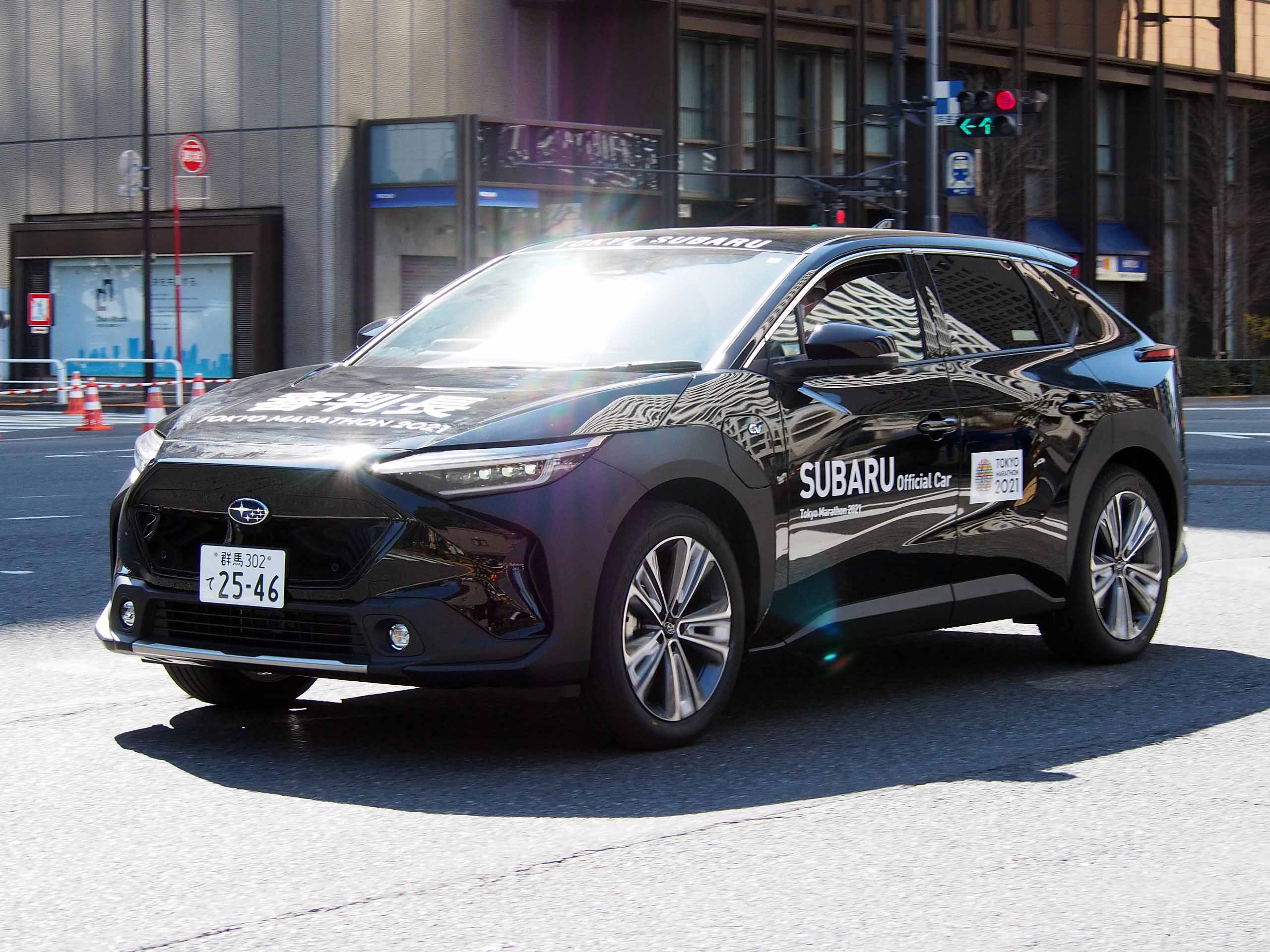
Subaru Solterra
"Totally agree. And, and, you know, that's the not, you know, the original Solterra we, we tested did not have a whole lot of power, right? There was, there's lower horsepower versions."
The Subaru Solterra is an earlier Subaru electric vehicle. The hosts are comparing it to the new Uncharted by saying the Solterra they tested came in lower-power versions, while this one doesn’t.
The Subaru Solterra is the earlier Subaru EV the hosts compare against. They note that the original Solterra they tested had lower-horsepower versions, while this newer Uncharted/trim being discussed is described as having no low-power option.
throttle
"And just about everything about this, whether it's on throttle, off throttle is just so easy to use and enjoyable to use."
Throttle is basically how hard you press the accelerator pedal. The host is saying the car responds smoothly when you press it and when you let off.
Throttle refers to how much you request from the power system—how much power the driver is asking for. The hosts say on-throttle and off-throttle behavior is easy and enjoyable, which is a way of describing how smoothly the EV responds to changes in pedal input.
EVs
"Again, a lot of EVs are quiet, not all EVs. Some have this, you know, pretty annoying high-pitched electric motorwind and you barely hear anything with this one, even if you floor it."
EVs are electric cars. Since they don’t have a traditional engine, the noise you notice is mostly wind and tire noise, plus any electric motor sound.
EVs (electric vehicles) use electric motors instead of an internal-combustion engine. Because there’s no engine noise, sound in an EV is dominated by wind noise, tire noise, and any motor whine—so NVH (noise, vibration, harshness) is a big part of how “quiet” an EV feels.
hatchback
"The trunk space is the thing that you find with EVs, the way it's architected. Basically, the surface of the trunk is a little high, and this one's a kind of hatchback."
A hatchback is a car where the back door opens upward and you can reach the cargo area from that one door. The hosts are talking about how this shape affects how much space you get in an EV.
A hatchback is a body style where the rear door (the hatch) swings upward and includes the rear window, allowing access to cargo without a separate trunk lid. EVs often use this layout to package batteries and maximize usable cargo space, which is why the hosts discuss trunk/cargo architecture here.
wheelbase
"Yeah, I mean, it surprised me because it has a shorter wheelbase than the Beat Toyota BZ, which we're also testing, right?"
Wheelbase is the distance between the front and back wheels. It affects how the car rides—how stable it feels and how it handles bumps.
Wheelbase is the distance between the front and rear axles. It strongly influences ride comfort and stability: a longer wheelbase often smooths out bumps and reduces pitching, while a shorter wheelbase can feel more agile but may ride differently over rough pavement.
pleather
"I'm just not a huge fan of the pleather material. It's sweaty. It's starting to warm up."
Pleather is fake leather used on car seats. The host says it can feel hot and a bit slippery, so you don’t grip the seat as well.
Pleather is a synthetic leather-like upholstery material. In this segment, the hosts dislike it because it feels sweaty and slippery compared with cloth, especially as cabin temperatures rise.
ventilated seats
"It's not super hot here, but it is just kind of sweaty. So, you need ventilated seats?"
Ventilated seats have small fans that blow air through the seat to help it feel cooler. They’re suggesting this because the seat material feels sweaty as the cabin warms up.
Ventilated seats use built-in fans and airflow channels to move air through the seat cushion and/or backrest. The hosts bring it up as a solution for the sweaty feel they associate with leather-like materials.
Star-Tex
"It's called Star-Tex. It's Star-Tex fake leather, and the material didn't bother me... other than it's slippy."
Star-Tex is a type of fake leather used on seats. The host says it feels like plastic and can get sweaty and slippery, while cloth grips you more.
Star-Tex is a brand name for a synthetic, leather-like seat material. The hosts describe it as fake leather/plastic that can feel sweaty and slippery on bare skin, while cloth tends to hold you in place better.
infotainment
"One thing that Suparus suffer from is you tap their infotainment, and you account one Mississippi. Oh, flag. The flag. Before it does what you want it to do."
Infotainment is the car’s screen system for things like music, maps, and phone features. They’re talking about how fast it reacts when you tap the screen.
Infotainment is the car’s integrated system for media and information—typically the touchscreen, navigation, phone connectivity, and related controls. Here, the hosts criticize a perceived delay between touching the screen and the system responding, and they compare it to the Toyota-based setup feeling more responsive.
one Mississippi
"One thing that Suparus suffer from is you tap their infotainment, and you account one Mississippi. Oh, flag."
“One Mississippi” is just a playful way to say “about a second.” They’re using it to describe a noticeable pause before the car’s screen does what they tapped.
“One Mississippi” is a quick, informal way to measure a short delay in seconds. In this context, it’s used to describe the lag they feel when tapping the infotainment screen before it performs the requested action.
physical odometer trip button
"I like simple things like there's an actual physical odometer trip button on the driver's left dashboard,"
The trip odometer measures how far you’ve driven since you last reset it. A physical button lets you reset it quickly without digging through touchscreen menus.
An odometer trip button resets the trip odometer, which tracks distance traveled for a specific trip or interval. A physical button is valued because it’s faster and easier to use without navigating menus on a screen.
emergency flashers
"I also am a big emergency flashers guy... But it's large and essentially located, and you really want a button that you can find and press quickly"
Emergency flashers are the hazard lights that blink to warn other drivers something’s going on. The point here is that you want a button you can press quickly when you need it.
Emergency flashers (hazard lights) rapidly blink all turn signals to warn other drivers that the vehicle needs attention or is stopped unexpectedly. The speaker emphasizes having a large, easy-to-find button for quick activation.
two-way opening center armrests
"I also really like the dual wireless charging pads and two-way opening center armrests... what we're talking about, folks, is that Toyota has this center armrest that you press a button and opens for the driver,"
A two-way opening center armrest can be opened from either the driver side or the passenger side. That makes it easier to grab things depending on where you’re sitting.
Two-way opening center armrests can be accessed from both the driver and front passenger sides, typically via separate release buttons. This improves usability when you want to reach items from either seat without awkwardly leaning across.
dual wireless charging pads
"I also really like the dual wireless charging pads and two-way opening center armrests, and I just wrote, love them."
Dual wireless charging pads mean there are two spots in the car where you can set your phone to charge without plugging in. You can charge two devices at once.
Dual wireless charging pads let you charge two compatible devices at the same time without plugging in cables. “Pads” refers to the charging surface area where the phone sits to transfer power by induction.
taco tray
"And does this one have the taco tray, like the RAV4? I believe you can take it out."
A “taco tray” is a removable tray insert in the center console. The idea is that you can take it out, flip it, and put it back for different uses.
A “taco tray” is an enthusiast nickname for a removable, flip-style center console tray insert. In this segment, it’s described as removable and able to be turned upside down and reinstalled, implying a flexible storage/serving surface.

Toyota RAV4
"And does this one have the taco tray, like the RAV4? I believe you can take it out."
The Toyota RAV4 is a popular compact SUV. Here it’s mentioned because it has a removable tray in the center area that can be flipped and reinstalled.
The Toyota RAV4 is a compact SUV known for practical interior features and family-friendly packaging. In this segment, it’s used as a reference point for a removable “taco tray” style center console accessory.
no glove box
"Part of the reason you need that flexibility, no glove box. Right, yeah, which is silly."
A glove box is the little closed compartment in the front passenger area for storing things. If a car has “no glove box,” it’s missing that usual storage space.
A glove box is the enclosed storage compartment typically found on the passenger side of the dashboard. Saying “no glove box” means the vehicle’s designers removed that traditional storage spot, which can affect how you store documents and small items.
surround view parking camera
"The surround view parking camera is great. It's always good to have like a simple button to push. I can see what's around me."
A surround view parking camera uses multiple cameras to show what’s around the car, often from above. It makes parking easier because you can see nearby obstacles more clearly.
A surround view parking camera system uses multiple cameras to stitch together a top-down or wide-angle view around the car. It helps with tight parking by making obstacles and vehicle position easier to judge than a single rear camera.
rear view mirror
"I can see what's around me. Kind of need that because the rear view mirror is kind of getting away. I'm short, and they're big, and they're right there."
The rear view mirror is what you look at to see cars behind you. The speaker says it’s harder for them to use because of their height, so the camera view helps.
The rear view mirror is the interior mirror used to see traffic behind the vehicle. Here it’s mentioned as less helpful due to the speaker’s height and the mirror’s position, motivating the need for the surround-view camera.
body roll
"But so when you push it a little bit hard on the back road, you're definitely going to feel some body roll. But at the same time, the chassis is very responsive."
Body roll is when a car leans over to one side while you’re turning. If the suspension is soft, it usually leans more. Less lean often feels more stable, especially in quick turns.
Body roll is how much a car leans to the outside of a turn when lateral forces load the suspension. Softer suspension setups tend to allow more roll, while stiffer anti-roll control reduces it. It’s a key feel metric for how “composed” a car feels on back roads.
soft suspension
"But it also has fairly soft suspension. But so when you push it a little bit hard on the back road, you're definitely going to feel some body roll."
Suspension stiffness affects how the car absorbs bumps and how it behaves under cornering loads. A fairly soft suspension can improve ride comfort, but it often allows more movement like body roll when pushed hard. The speaker links the soft setup to the back-road feel.
chassis
"But at the same time, the chassis is very responsive. So if you're going through a corner and it starts, you know, hiking over a little bit, you know, you can adjust"
“Chassis” is basically the car’s main structure—what everything is mounted to. When someone says it’s responsive, they mean the car feels quick to react and doesn’t feel sloppy. It’s about how the whole platform behaves, not just one part.
In automotive talk, “chassis” usually means the car’s structural platform—how the body and suspension mounting points work together. A responsive chassis implies the structure and suspension react quickly and predictably to steering and throttle inputs. The speaker contrasts that responsiveness with the car’s softer, more roll-prone behavior.
accelerator pressure
"you can adjust things very easily just by, you know, dialing back the accelerator pressure a little bit, or maybe even your steering angle."
Accelerator pressure means how much you’re pressing the gas pedal. In turns, changing how much gas you give can change how the car grips and how it feels. The speaker is saying you can calm the car by easing off the gas a bit.
Accelerator pressure refers to how much the driver is pressing the accelerator pedal, which controls engine torque delivery. In cornering, changing throttle can shift traction and balance, especially in cars where the chassis responds to weight transfer. The speaker describes using throttle reduction to manage the car’s behavior.
steering angle
"you can adjust things very easily just by, you know, dialing back the accelerator pressure a little bit, or maybe even your steering angle."
Steering angle just means how turned the steering wheel is. Turning more or less changes the direction the front wheels point. In a corner, small steering changes can help the car feel more controlled.
Steering angle is how much the steering wheel (and thus the front wheels) are turned away from straight ahead. It’s a direct input that changes the car’s path and can help correct balance mid-corner. The speaker mentions adjusting steering angle as a way to manage the car when it starts to move around.
turn in feedback
"Natural turn in feedback is pretty weak. But all of that overall, it's just a kind of a decent handling little car."
Turn-in feedback is how the car “talks back” when you first start turning into a corner. If it’s strong, you can feel how much grip you have. If it’s weak or muted, the steering can feel less informative at the start of the turn.
Turn-in feedback is the information the steering system and chassis give you right when you start turning into a corner. Strong feedback helps drivers judge grip and steering response; weak or muted feedback can make the car feel less communicative. The speaker says natural turn-in feedback is pretty weak.
artificial steering
"where it's all, you know, artificial. So it can be left to be, you know, I guess, very light steering or whatever they think will be most appreciated by the average driver seeing traffic."
Artificial steering is when the steering feels a bit unnatural or disconnected, like it’s not giving you the same road feel you expect. Some EVs can feel very light or “too controlled” depending on how the steering is tuned. The speaker thinks that can be a downside for some people.
Artificial steering is the feel some drivers describe when an electric power steering system (or steering calibration) doesn’t communicate road forces naturally. The result can feel “light” or disconnected compared with traditional hydraulic setups. The speaker groups it with other EV traits that can feel computer-like.
computer like
"Yeah, almost computer like, right, is what some EVs feel like. There's too much computer like in general going on, you know, from the lack of sound and then the artificial steering, right."
“Computer-like” is how some people describe EVs when they feel too smooth or too controlled, like there’s less natural feedback. The speaker says it’s partly because EVs are quieter and the steering can feel artificial. It’s a feel thing, not a technical failure.
“Computer-like” is a driver-perception term for how some EVs can feel overly processed: reduced mechanical noise and steering/response tuning that doesn’t mimic older analog driving sensations. The speaker attributes it to the lack of sound and the artificial steering feel. It’s about subjective feedback rather than a measurable spec.
Haterade
"What was that term you used about hating something? What was that? [834.0s] Haterade. Haterade. Haterade is the new term that Steph has developed."
Haterade is a funny made-up word the host uses for “hate” or complaining about something. It’s basically a label for negative vibes. The episode treats it like a new slang term.
Haterade is a coined slang term used in the episode for “hate” or negative commentary toward something. It’s not an automotive term, but it’s explicitly defined by the hosts as a new phrase. It’s included here only because it’s a defined term in the transcript.
driver's display
"It has the seven inch driver's display that sits right here on the dashboard. I think I might even be further away than that."
The driver’s display is the screen the driver looks at for gauges and alerts. Here, the issue is that the screen’s text is too small and confusing to read easily.
The driver’s display is the digital screen behind or in front of the steering wheel that shows the instrument cluster information. In this segment, it’s criticized for being too small and visually cluttered, which makes it harder to read while driving.
ergonomics
"but a lot of us were complaining about the ergonomics of this thing. And quite a few of us had the issue of the steering wheel blocks part of this teeny tiny panel."
Ergonomics means how comfortable and easy something is to use. In this case, the dashboard screen and steering wheel setup make it harder to see important information.
Ergonomics is how well the controls and displays are positioned for comfortable, safe use. The host argues the Uncharted’s screen placement and steering wheel height make the display harder to read, especially for people who sit farther from the screen.
instrument binnacle
"So what we have found so far is we've been having a lot of vehicles lately come through that especially because, you know, it's no longer like this instrument binnacle, right?"
The instrument binnacle is the dashboard area where the driver’s gauges and screens live. The point here is that newer screen designs may be positioned so the steering wheel blocks part of what you need to see.
An instrument binnacle is the housing/cluster area that contains the driver’s gauges and displays. The host contrasts older, more traditional gauge layouts with newer rectangular digital screens, implying the newer design increases the chance that the steering wheel blocks the top of the display.
rectangular screens
"It's they've gone rectangular screens. And so we're finding a lot of cars stuff towards the upper part of the instrument screen is being blocked by the steering wheel, right?"
Rectangular screens are the wide digital displays used for the dashboard. The complaint is that, with this layout, the steering wheel can cover part of the screen.
Rectangular screens are a common modern dashboard design where the instrument cluster is a wide, flat digital display rather than a more traditional gauge layout. The host says this format often leads to the top portion being blocked by the steering wheel, depending on how the driver sits and how the wheel is positioned.
head up display
"it’s basically placed so rather than in some cars, where you would look through the steering wheel at the instrument cluster dashboard, whatever, it’s set up high, almost where you would see like a head up display or something like that."
A head-up display shows important car info right in front of you, usually on the windshield. That way you don’t have to look down as much while driving.
A head-up display (HUD) projects key driving information onto the windshield or a transparent screen so you can see it without looking down at the instrument cluster. It’s meant to reduce distraction by keeping important cues in your forward view.
Rivian
"the graphics look very if like a Rivian or like a Rivian Tesla is like a PlayStation five, these, it looks very like,"
Rivian is an electric-vehicle brand. The host is using it as a reference point for how the car’s screen graphics look.
Rivian is an EV brand known for modern, tech-forward interiors and large infotainment displays. Here, the host compares the Subaru’s graphics style to Rivian’s UI look.
driver assist
"if you don’t have the driver assist stuff on, there’s a green icon that says ready and green letters the entire time you’re driving almost like there’s something else that you’re supposed to still do."
Driver assist is the set of safety features that help you drive, like warnings or keeping the car in its lane. The point here is that if it’s always showing you status, it can make real warnings easier to miss.
Driver assist refers to automated safety and convenience features—like lane keeping, adaptive cruise, and collision warnings—that monitor driving conditions and may intervene. The host is criticizing how constant “ready”/status visuals can distract you from genuinely urgent alerts.
wireless phone chargers
"I actually really don’t like that center console where, I mean, the two most prominent things are two wireless phone chargers."
Wireless phone chargers are pads that charge your phone without plugging in a cable. The complaint here is that the charger area takes up space and makes the phone hard to ignore.
Wireless phone chargers are charging pads that use electromagnetic induction to charge a phone without plugging in a cable. In this design, the host dislikes them because they force the phone to be visible/placed in a prominent center-console area.
wireless carplay
"Thankfully, it does have wireless carplay and wireless Android. That’s great. Some EVs don’t do that, but it just, it moves everything backwards."
Wireless CarPlay lets you use your iPhone in the car without plugging it in. It shows supported apps and navigation on the car’s screen.
Wireless CarPlay is Apple’s system that mirrors an iPhone’s compatible apps and navigation onto the car’s infotainment screen without plugging in a cable. It’s a convenience feature that can reduce clutter and make the screen more useful while driving.
wireless Android
"Thankfully, it does have wireless carplay and wireless Android. That’s great. Some EVs don’t do that, but it just, it moves everything backwards."
Wireless Android Auto lets you connect your Android phone to the car without a cable. It brings compatible apps and navigation onto the car’s screen.
Wireless Android refers to Android Auto running without a cable, mirroring compatible phone functions to the car’s infotainment display. Like wireless CarPlay, it’s meant to keep the interface convenient while reducing physical phone connections.
dumb shifter
"And then you have this dumb shifter that is, you have to like, so park is a separate"
A shifter is what you use to choose gears like Park and Drive. The host is saying this car’s shifter setup feels awkward or confusing.
A “shifter” is the control used to select driving modes like Park, Reverse, Neutral, and Drive. The host’s “dumb shifter” comment suggests the mechanism feels unintuitive or poorly packaged—especially since they mention Park being separate.
Android Auto
"Like, yeah, I mean, that's the whole point of, of, of Apple CarPlay and Android Auto, though, is that they're up on the screen."
Android Auto connects an Android phone to your car so you can use certain apps on the car’s screen. It’s meant to make it easier and safer to use your phone features while driving.
Android Auto is a smartphone-integration system that brings compatible Android phone features to the car’s infotainment display. It aims to keep common tasks—like navigation and calls—on-screen so drivers don’t need to pick up their phones.
Apple CarPlay
"So you, you suffer from some kind of OCD or something or whatever, like, you're easily distracted by anything. Like, yeah, I mean, that's the whole point of, of, of Apple CarPlay and Android Auto, though, is that they're up on the screen."
Apple CarPlay lets you connect an iPhone to your car and see certain apps on the car’s screen. The idea is to reduce phone handling while driving by using the dashboard display instead.
Apple CarPlay is a smartphone-integration system that mirrors compatible iPhone apps onto the car’s infotainment screen. It’s designed so you can use navigation, calls, and music without handling your phone while driving.
shift knob
"Yeah. This shift knob is worth getting into it. So you both drive a lot more, you know, if you get hands on it earlier with the cars than I do typically."
A shift knob is the handle you use to select gears in a manual or automatic transmission. In modern cars, its shape and placement can affect how intuitive the gear selection feels and how much space the center console takes up.

Hyundai Ioniq
"So I, I lease a Ioniq five, which has the Hyundai, it's a little protrusion out of the twist. And you turn, and I drive that car a ton."
The host mentions the Hyundai Ioniq 5 as an example of an EV with a gear selector that’s not very visible. They say you have to learn which way to twist it because you can’t easily see it.
The Hyundai Ioniq 5 is referenced as an EV example of a hidden, knob-style gear selector. The host explains that the selector’s position is hard to see, so drivers must remember the twist direction and placement to avoid selecting the wrong gear.
neutral
"And I've like actually thrown it into neutral at like 75 miles an hour. Because it's kind of good size... That's not to say that you won't occasionally go into neutral when you don't mean to go into neutral."
Neutral is the mode where the car isn’t actively driving forward or backward. The host is saying you can sometimes accidentally end up in neutral if the shifter/knob is easy to misread or you think you moved it far enough.
Neutral is the drive mode where the drivetrain isn’t engaged to move the car forward or backward. The host notes accidental or unintended shifts into neutral can happen with both modern electronic selectors and older-style shifters, depending on how the driver’s hand placement and expectations line up.
electronic ones
"I personally, I was, I'm not a defender of these different, all these different types of gear selectors, the electronic ones."
They’re talking about electronic gear shifters. Instead of a classic shifter that physically moves parts, it uses electronics to tell the car what gear/mode you want.
“Electronic” gear selectors (often called electronic shifters) replace a traditional mechanical shifter linkage with electronic controls. Instead of moving a lever directly into gear, the driver’s input is interpreted by the vehicle to command the transmission/drive mode.
gear selectors
"I personally, I was, I'm not a defender of these different, all these different types of gear selectors, the electronic ones."
A gear selector is the control you use to pick what the car should do—like drive forward, reverse, or neutral. The host is discussing how different designs (especially electronic/knob styles) can be easier or harder to use.
A gear selector is the driver interface used to choose the car’s drive mode (like forward, reverse, and neutral). In modern EVs and some newer vehicles, the selector can be a knob or electronic control, which can feel “tactile” but also increases the chance of selecting the wrong mode if it’s not intuitive.
beep, beep, beep
"A lot of people, it does have a faint beep, beep, not like full box truck, but like reverse... It's strange in a parking lot and you have to sit in reverse while you're waiting for cars to go by or something."
That “beep, beep, beep” is the sound the car makes when you’re in reverse to warn people nearby. The host thinks it’s annoying because it can keep going longer than you’d expect.
This refers to the reverse warning chime used to alert people nearby when the vehicle is backing up. The host finds it polarizing because it sounds like it’s active for longer than expected, such as while waiting in reverse in a parking lot.
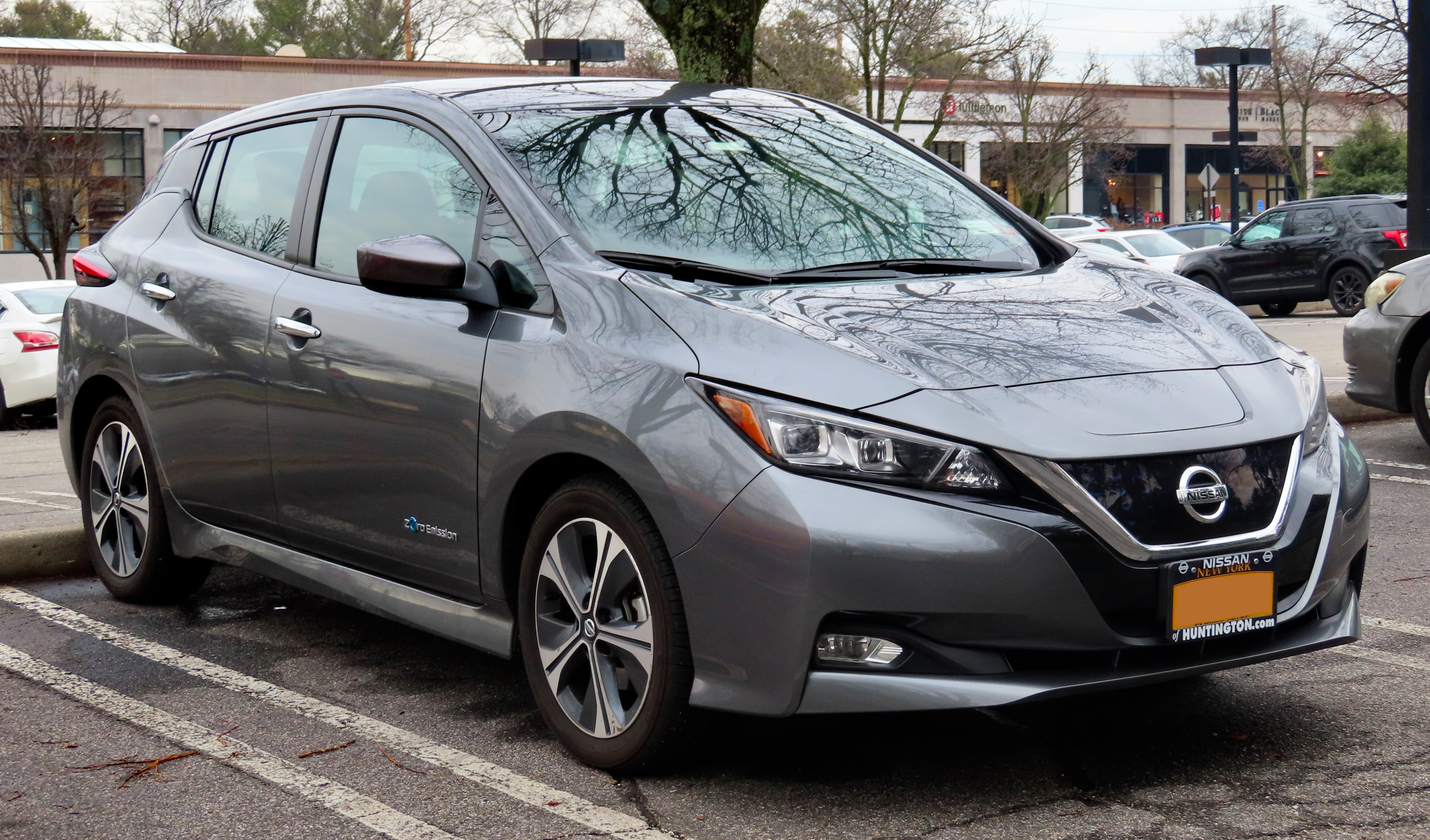
Nissan Leaf
"Cause I mean, when it comes to electric vehicle features after, you know, I just finished doing the road test for the leaf... the leaf feels like a newer car... the leaf's route planning was so good... the charging lock, like a lot of EVs leaf included will put the button to unlock the charger right by the charger."
The Nissan Leaf is used as the benchmark for modern EV usability in this segment. The host highlights Leaf features like route planning that can find chargers and plan stops based on battery state of charge, plus a charging workflow that unlocks the charger button near the charging station.
frunk
"Both don't have a frunk. That's annoying. Both don't have a rear wiper."
A frunk is a trunk in the front of the car. Since EVs don’t have an engine in the front, some models use that space for extra storage, and the host is disappointed this one doesn’t have it.
A frunk is the front trunk space on many EVs, created because there’s no traditional engine up front. The host says both the Leaf and the Uncharted lack a frunk, which they find annoying because it removes extra storage options.
route planner
"There's a lot of similarities, but there's no route planner on. Uncharted. Uncharted. Iron like it feels like back to back with the leaf."
An EV route planner helps you plan where to stop to charge during a trip. The host says the Uncharted doesn’t have that helpful feature, while the Leaf does it well.
A route planner in an EV context is the navigation system feature that plans a trip around charging stops. The host argues the Uncharted lacks this, while the Leaf’s route planning is praised for finding chargers and plotting stops based on battery needs.
state of charge
"If you put in a destination that was, you know, that would require a higher state of charge than you currently have, it would plot in points to stop."
State of charge is basically how full the battery is—often shown as a percent. The host is saying the Leaf uses that info to plan charging stops if your battery level isn’t enough to reach the destination.
State of charge (SoC) is how full the battery is, usually shown as a percentage. The host says the Leaf can use SoC to decide whether you need to stop and where to stop to charge so you can reach your destination.
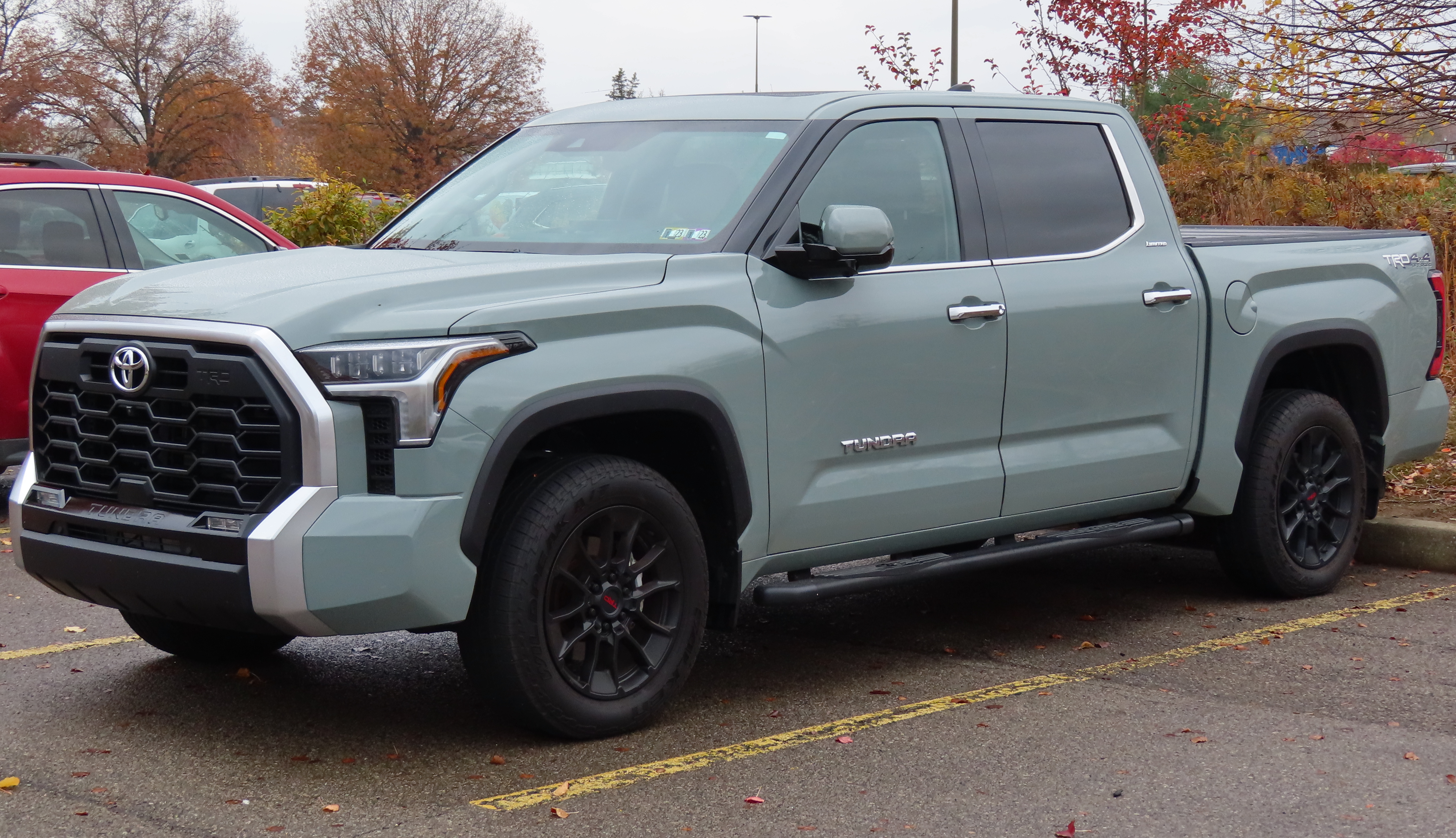
Toyota Tundra
"And this is, it just feels copied and pasted from the 2022 Tundra that I tested several years ago."
The host mentions the 2022 Tundra to say the Uncharted’s system feels reused from an older Toyota. Their complaint is that it doesn’t feel tailored to EV charging and trip planning.
The 2022 Toyota Tundra is referenced as the source of the Uncharted’s “copied and pasted” feel for its route-planning/infotainment logic. The point is that the host believes the EV’s software experience wasn’t designed from the ground up for EV charging needs.
charging lock
"And then there's the charging lock, like a lot of EVs leaf included will put the button to unlock the charger right by the charger. Well, this one, you know, it's kind of easy to accidentally leave the adapter in."
A charging lock is what controls when you can safely remove the charging plug. The host says the Leaf makes this step more foolproof, but the Uncharted’s setup makes it easier to forget the adapter.
A charging lock is the EV’s control that manages when the charging connector can be unlocked and removed. The host says the Leaf places the unlock button right by the charger, while the Uncharted’s approach makes it easy to accidentally leave the adapter in place.

Dodge Charger
"...s leaf included will put the button to unlock the charger right by the charger. Well, this one, you know, i..."
The Dodge Charger is a sedan (a four-door car) that’s built to feel powerful. People talk about it because it can be fast and still work for normal driving. The podcast mention sounds like they’re describing something you can do with the car’s button or controls.
The Dodge Charger is a full-size American muscle sedan known for strong engine options and a performance-focused layout. It often comes up in conversations about power, styling, and everyday usability because it can be both a daily driver and a high-performance machine. In the podcast context, it sounds like the discussion is about a specific Charger feature or interaction near the car’s controls.
regenerative braking
"And then there's regenerative braking, a lot of, you know, neither the leaf or the uncharted offer one pedal driving. But the leaf at least will give you stronger modes."
Regenerative braking is how an electric car slows down while also recharging the battery a little. When you lift off the accelerator or brake, the car recovers some energy instead of wasting it.
Regenerative braking is an EV feature where slowing down uses the electric motor as a generator. Instead of wasting energy as heat, it converts some of that motion back into electricity to recharge the battery.
one pedal driving
"And then there's regenerative braking, a lot of, you know, neither the leaf or the uncharted offer one pedal driving. But the leaf at least will give you stronger modes."
One-pedal driving means you can do most slowing down just by lifting your foot off the accelerator. The car uses the electric motor to slow you down and recharge the battery, so you don’t have to use the brake as much.
One-pedal driving is an EV driving mode where lifting off the accelerator provides strong deceleration, so you can slow down and often come to a stop with minimal brake pedal use. It depends on how aggressive the car’s regenerative braking is and how well the system is tuned.

Hyundai Ioniq 5
"...ell, at mid 30s, you're looking at, you know, the IONIQ 5 as well, which offers faster charging, which offe..."
The Hyundai Ioniq 5 is an electric car (it runs on a battery instead of gas). It’s talked about because it can charge faster than some other EVs. In the podcast, they’re mentioning it as a value option with quicker charging.
The Hyundai Ioniq 5 is an electric crossover designed around fast charging and modern tech. It’s frequently discussed in EV shopping because it can reduce time at the charger and offers a practical daily-driving footprint. The podcast specifically points to it as an option in the mid-$30k range with faster charging capability.
faster charging
"And then, you know, you've got the pricing. It's like, well, at mid 30s, you're looking at, you know, the IONIQ 5 as well, which offers faster charging, which offers all of these features and one pedal driving."
Faster charging refers to higher power delivery from the charger to the EV, which reduces the time needed to add a given amount of battery energy. In practice, it depends on the car’s onboard charging limits and the charger’s output.
Solterra Soltera
"...So I'm just like, I guess if you really like your Soltera and you want a downsize, perfect. You don't have ..."
Solterra is the name of Subaru’s electric SUV. In the podcast, they’re talking about it in terms of size—like who might want a smaller version or a more compact fit. The main idea is matching the EV to what you want day to day.
“Solterra” refers to the Subaru Solterra electric SUV, which the podcast frames as a downsized option for people who like the Solterra but want something smaller. The discussion suggests they’re talking about how the EV fits different buyer needs and what kind of compromise or fit it offers. It’s mentioned as part of an EV lineup conversation centered on size and practicality.
70 miles per hour
"we consider more real world, you know, situations where range really matters, which is on the highway at 70 miles per hour."
They’re using 70 mph as an example of highway driving. At higher speeds, an EV typically uses more energy, so the battery doesn’t last as long as the advertised test number. That’s why they want to see how the car does at real highway speed.
70 mph is used here as a representative highway speed to illustrate how EV efficiency changes with speed. Higher speeds increase aerodynamic drag and energy use, often causing real-world range to fall below the EPA number. The hosts say they’ll evaluate the EV’s range in these “range really matters” highway conditions.
charging features
"It's just like, it's a lot more livable when you have those extra charging features, when it's easier to charge away from home..."
Charging features are the things that make it easier to plug in and recharge while you’re out driving. The hosts are saying that better charging support can make the car feel more usable, especially when you can’t charge at home. It’s about convenience, not just raw battery size.
“Charging features” refers to EV software and hardware conveniences that make charging easier and less stressful. In this segment, the hosts connect them to being able to charge away from home and to reducing friction during real trips. Examples mentioned include route planning and the ability to find charging options without hassle.
adapter
"when you're not worried about, oh my gosh, I got the stupid adapter stuck in, it's cold and I'm grouchy and I'm having a bad day."
An adapter is a small connector piece that helps your EV plug into certain charging stations. The hosts are describing how, if something goes wrong with the adapter—like it getting stuck—it can make charging feel miserable, especially when it’s cold. It’s an example of the practical hassles EV owners deal with.
In EV charging, an adapter is the piece that lets the car connect to a particular charging connector type. The hosts use a “stuck adapter” scenario to illustrate how charging logistics can turn into a frustrating real-world problem, especially in cold weather. This is part of why charging convenience and ecosystem support matter beyond just battery range.
route planning
"and things like route planning, it's a lot less, you can do kind of aftermarket solutions, things like a better route planner, but it's also like, well, but then you have to input your car into a standalone app."
Route planning is how the car (or an app) helps you plan a trip with charging stops. For EVs, it can tell you when you’ll need to recharge so you don’t run out of battery. The hosts are saying some solutions work better, but may require extra setup in a separate app.
Route planning in an EV is the navigation and trip-planning process that accounts for charging stops and battery state. The hosts mention that you can use aftermarket solutions (like a better route planner), but those may require extra steps such as entering the car into a standalone app. This matters because good route planning can reduce “range anxiety” and make longer trips feasible.
hairpin turn
"but anytime you have to take, whether it's on a back road and you get to a hairpin turn and, or of course, any kind of parking maneuver when you start doing shuffle steering,"
A hairpin turn is a very tight corner where you have to turn the wheel a lot to change direction. It can feel tricky because the steering has to be precise.
A hairpin turn is a very tight, slow-corner that forces the car to change direction sharply, often resembling a U-turn. It’s a common test of steering feel because you need quick, precise steering inputs.
shuffle steering
"or of course, any kind of parking maneuver when you start doing shuffle steering, that's when the steering just feels, that shape of that wheel just feels odd."
Shuffle steering is what you do when parking—moving your hands around the steering wheel to turn it a lot at low speed. Some steering-wheel designs make this feel more awkward than others.
Shuffle steering is a technique used at low speeds (like parking) where you move your hands around the wheel to make large steering-angle changes without fully turning the wheel continuously. It can feel awkward with certain steering-wheel shapes.
detents
"we've seen this before in Toyota's and even Lexus is that the detents of these things, when you turn them, it's easy to turn it if you're trying to just do one degree and you turn it and it's so weak that it sometimes does nothing"
Detents are the little clicks you feel when you turn a knob to a specific setting. If the clicks are weak, it’s harder to tell you changed the setting by the right amount.
Detents are the small, tactile “click” points in a knob or control that indicate set positions. In climate controls, weak or poorly defined detents can make it hard to adjust by a precise amount.
Lexus
"we've seen this before in Toyota's and even Lexus is that the detents of these things, when you turn them, it's easy to turn it if you're trying to just do one degree"
Lexus is Toyota’s luxury car brand. Here it’s mentioned because the climate-control knobs can feel like they don’t “click” clearly when you adjust them a little.
Lexus is Toyota’s luxury brand, referenced here as another example of climate-control knobs with detents that may not provide strong feedback. The discussion is about how the knob feels when you try to make small temperature changes.
ground clearance
"And so, I mean, despite this being a Toyota underneath it, I saw a couple of traces that made me think, okay, I get that. The first... it's got 8.2 inches of ground clearance..."
Ground clearance is how much space there is between the ground and the bottom of the car. More clearance can help the car handle rough or snowy roads without getting stuck or scraping underneath.
Ground clearance is the distance between the road surface and the lowest part of the vehicle. More ground clearance helps reduce the chance of scraping the underbody and can improve confidence on uneven, snowy, or slushy roads.
X mode
"It also has Subaru the X mode, which you choose like snow and mud or deep snow and mud and get out with that."
Subaru’s X-Mode is an off-road/snow driving mode that adjusts traction and drivetrain behavior to help the vehicle move through low-grip conditions. The idea is to better manage wheel slip and maintain progress in situations like snow, mud, or deep snow.
horsepower
"338 horsepower in this does go like stink. So even though I'm saying here's some practical,"
Horsepower is a way to describe how strong the car’s power is. More horsepower usually helps with quicker acceleration, but it’s not the only factor.
Horsepower is a measure of an engine or motor’s power output—how much work it can do over time. Higher horsepower generally means stronger acceleration potential, though real-world performance also depends on weight, gearing, and traction.
test drive
"ones with more EV features, I'm not going to talk you out of it, but just test drive a few different ones. And if you are going on longer trips, you may want something that can chart a course a little better."
A test drive is when you personally drive the car to see if it feels right. It’s the best way to check comfort, how easy it is to use the controls, and whether the driving experience matches what you want.
A test drive is a hands-on evaluation where you drive the vehicle yourself to judge fit, comfort, visibility, and real-world drivability. For EVs and tech-heavy cars, it’s especially useful to see how navigation, charging planning, and driver interfaces work while you’re actually moving.
center console intrusion
"It might make me pause that center console intrusion. The armrests, both of the front armrests are very thinly padded."
Center console intrusion means the middle part of the car (the console/tunnel) takes up space where your legs or arms want to go. If you drive for a long time, it can make you feel cramped or uncomfortable.
Center console intrusion is when the center tunnel/console takes up space that reduces legroom or forces your body into a less natural position. It can be a big deal on long trips because it changes where your arms and elbows rest and can make the driving position feel cramped.
driver screen
"It's like, how about we come up with something in between a head up display and a regular driver screen and it's actually worse than either one, right?"
A driver screen is the main digital display the driver looks at for info like speed and navigation. The host is saying the Uncharted’s screen setup makes you look around more than it should.
A driver screen is the main digital display behind the steering wheel (or in the instrument cluster area) that shows speed, navigation, and vehicle status. Compared with a HUD, it typically requires more eye movement, which can be tiring or distracting—especially if the screen is positioned far away.
break in miles
"Another positive is that the Uncharted is currently racking up its break in miles. We do 2,000 break in miles on every vehicle we buy before it goes through our actual instrumented testing."
Break-in miles are the early miles a new car is driven before reviewers do their official tests. The idea is to let the car “settle in” so the test results are more consistent and fair.
Break-in miles are the initial distance a new vehicle is driven before formal testing, to let components settle and to gather consistent baseline behavior. The host mentions doing 2,000 break-in miles before instrumented testing, implying they want repeatable results rather than first-day quirks.
instrumented testing
"We do 2,000 break in miles on every vehicle we buy before it goes through our actual instrumented testing. And also Steph is hard at work right now on a first drive of the Uncharted that you'll see on consumerreports.org"
Instrumented testing is when testers use equipment to measure how the car behaves, not just how it feels. It helps them produce more objective, repeatable results for a road test.
Instrumented testing means running a vehicle while measuring it with specialized tools (sensors and data logging) rather than relying only on subjective impressions. Consumer-focused outlets use it to quantify things like efficiency, acceleration behavior, and other repeatable performance metrics.
heated leather seats
"I'd like premium comforts, but at a minimum, heated leather seats, a sunroof and a heated steering wheel."
These are seats made of leather that also have a heater inside. They warm up so you’re not sitting on a cold seat in winter.
Heated leather seats combine leather upholstery with built-in electric heating elements. They’re a comfort feature that can matter in colder climates because they warm the seat surface quickly.
sunroof
"I'd like premium comforts, but at a minimum, heated leather seats, a sunroof and a heated steering wheel."
A sunroof is a window in the roof that lets in more light, and sometimes you can open it for fresh air.
A sunroof is a glass or metal panel in the roof that can be opened or tilted to let in light and fresh air. It’s a common comfort feature that can change cabin feel, especially on short drives.
heated steering wheel
"I'd like premium comforts, but at a minimum, heated leather seats, a sunroof and a heated steering wheel."
A heated steering wheel is a steering wheel with a built-in heater. It warms your hands faster in cold weather.
A heated steering wheel uses electric heating elements embedded in the wheel to warm the grip area. It’s especially useful in cold weather because it improves comfort and helps reduce numbness during commuting.

Kia K4 hatchback GT line turbo
"I've currently been looking at the Kia K4 hatchback GT line turbo, a used second gen Mini Cooper Countryman, Volkswagen Jetta, GLI, GTI and the Mazda 3 turbo."
This is a Kia hatchback in a sporty trim (GT-Line) with a turbo engine. A turbo helps the engine feel more responsive, especially when you accelerate.
The Kia K4 hatchback (GT-Line with a turbo) is being considered here as a practical daily driver that still prioritizes driving feel. A turbocharged engine uses exhaust energy to spin a compressor, helping the car deliver stronger acceleration than a non-turbo setup of similar size.

Mini Countryman
"I've currently been looking at the Kia K4 hatchback GT line turbo, a used second gen Mini Cooper Countryman, Volkswagen Jetta, GLI, GTI and the Mazda 3 turbo."
The Mini Cooper Countryman is a bigger Mini with a hatchback/crossover feel. Here they’re talking about buying one from the second generation used market.
The Mini Cooper Countryman is Mini’s larger, crossover-style Cooper with a hatchback body. In this segment it’s referenced as a “second gen” used option, meaning the speaker is pointing to a specific generation of the Countryman rather than the newest one.

Volkswagen Jetta GLI
"I've currently been looking at the Kia K4 hatchback GT line turbo, a used second gen Mini Cooper Countryman, Volkswagen Jetta, GLI, GTI and the Mazda 3 turbo."
The Jetta GLI is the sportier version of the Jetta. It’s meant to drive more enthusiast-style than the regular model.
The Volkswagen Jetta GLI is a performance-oriented Jetta variant, typically tuned for more spirited driving than a standard Jetta. In this context it’s part of a shortlist aimed at “good dynamics” while staying within a budget.

Mazda 3 turbo
"I've currently been looking at the Kia K4 hatchback GT line turbo, a used second gen Mini Cooper Countryman, Volkswagen Jetta, GLI, GTI and the Mazda 3 turbo. What do you think? ... The Mazda 3 also, one of the higher reliability stores."
This is the Mazda 3 with a turbo engine. They’re also saying it tends to be more reliable than some alternatives, which is important for dependable commuting.
The Mazda 3 turbo is the turbocharged version of Mazda’s compact hatchback/sedan, aimed at giving more punch than the base non-turbo models. In this segment it’s singled out as having “higher reliability,” which matters for a student daily commute.

Volkswagen GTI
"I've currently been looking at the Kia K4 hatchback GT line turbo, a used second gen Mini Cooper Countryman, Volkswagen Jetta, GLI, GTI and the Mazda 3 turbo."
The GTI is Volkswagen’s sporty hatchback. It’s designed to feel fun to drive while still being practical for daily life.
The Volkswagen GTI is a hot-hatch known for balancing everyday usability with sporty handling and strong acceleration. Here it’s mentioned alongside the Jetta GLI as another option that fits the listener’s desire for engaging driving.

Mazda 3
"...er Countryman, Volkswagen Jetta, GLI, GTI and the Mazda 3 turbo. What do you think? I'm of course open to u..."
The Mazda RX-3 is an older Mazda sports car. It’s known for using a rotary-type engine, which is different from the usual engine most cars have. The podcast is likely mentioning it because it’s a memorable, enthusiast-style car.
The Mazda RX-3 is a classic Mazda model known for its rotary-engine heritage. It’s often brought up in enthusiast conversations because it represents a distinctive engineering approach compared with typical piston engines. The podcast includes it in a list of cars being considered for style and driving character, likely as a nod to older performance history.
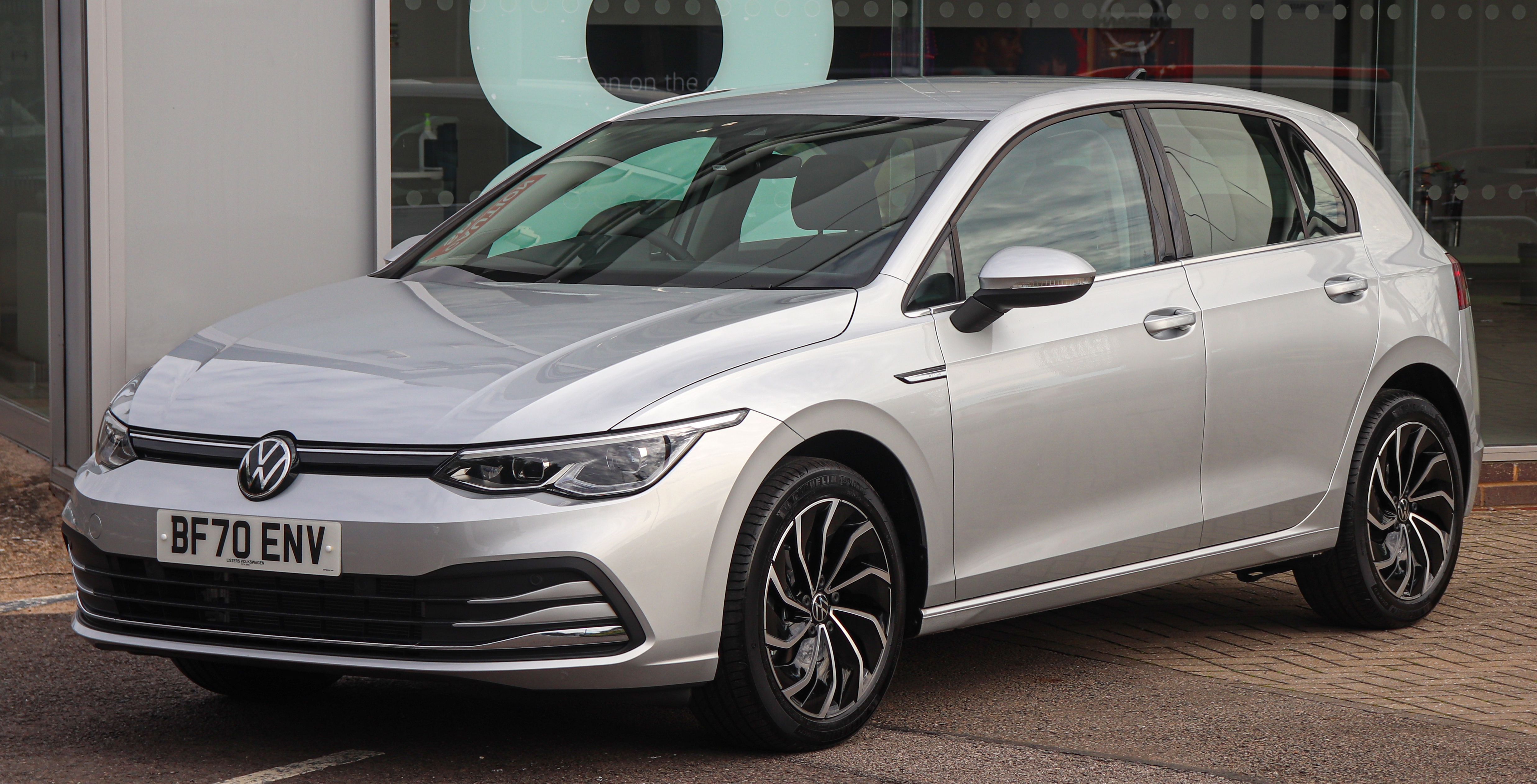
Volkswagen Jetta Gli
"at the Kia K4 hatchback GT line turbo, a used second gen Mini Cooper Countryman, Volkswagen Jetta, GLI, GTI and the Mazda 3 turbo. What do you think? I'm of course open to use vehicles, but I'd like to keep it as new as possible. Look, that's a lot. That's a lot of desires."
The Volkswagen Golf is a small hatchback car that’s meant for everyday use. Some versions are made to be more sporty, depending on the trim. The podcast is likely comparing it to other similar cars people might buy used or for a fun-but-practical setup.
The Volkswagen Golf is a compact hatchback known for being practical while still offering sporty performance options. The podcast groups it with other used or entry-level performance cars, indicating they’re comparing driving feel, size, and value. It’s likely mentioned because the Golf has multiple trim levels that can be tuned toward performance.

Acura Integra
"I'm going to go off script here. The Acura Integra we had with the manual is the type asset thing that we borrowed. It starts"
The Acura Integra is a compact Acura that the hosts previously borrowed. They mention it was a manual, which usually makes the car feel more engaging to drive.
The Acura Integra is a compact, performance-leaning hatchback/sedan from Acura that’s being referenced as a recent borrowed car in the show’s experience. The host specifically mentions it having a manual transmission, which is relevant because driving dynamics and engagement often change with gearbox choice.
manual transmissions
"I don't know if you're into manual transmissions at all, but I've heard even the automatic ones are pretty fun to drive."
A manual transmission is the kind of car where you shift gears yourself using a clutch and a gear stick. The host is saying that, for some people, that makes the car more fun to drive.
A manual transmission (stick shift) uses a driver-operated clutch and gear lever to select gears. The host is discussing why enthusiasts often prefer manuals for engagement, and notes that even some automatic versions can still be fun.

Honda Civic Si
"The infotainment, really easy to use, live with. The Civic Si also wasn't boring to me, but I could understand wanting to stand out a little more."
The Civic Si is a sportier version of the regular Honda Civic. It’s meant to drive more like a fun enthusiast car, and this host specifically likes how it feels with a manual transmission.
The Honda Civic Si is a performance-oriented trim of the Civic, typically tuned for sharper steering and a more driver-focused feel than the base model. In this segment, the host highlights its manual-transmission appeal and how it can still feel engaging even if it’s not meant to be “wild.”

Honda Integra
"No Hondas. Integra comes in a cool blue. That was a nice looking color. It was a very nice looking color."
The Honda Integra is a sportier Honda that’s designed to feel more special than a basic commuter car. The host is talking about how it looks—especially in a blue color—and why someone might choose it.
The Honda Integra is a compact sport sedan/hatchback-style performance model that’s known for being a driver’s car with a more premium look than the typical Civic. Here, the host calls out the “cool blue” color and frames it as a way to stand out without going “no Hondas.”
hot hatch
"If you're willing to compromise on the sunroof and go gently used, you get a legit hot hatch. The Toyota GR Corolla..."
A hot hatch is a small hatchback that’s been tuned to feel sporty and fast, not just practical. The host is saying you can get one without paying full new-car prices if you accept some compromises.
A hot hatch is a performance-focused hatchback, usually tuned for quicker acceleration and sharper handling than a normal compact hatch. The host frames the GR Corolla and the other hatch options as “legit hot hatch” choices if you’re willing to compromise on features like a sunroof.
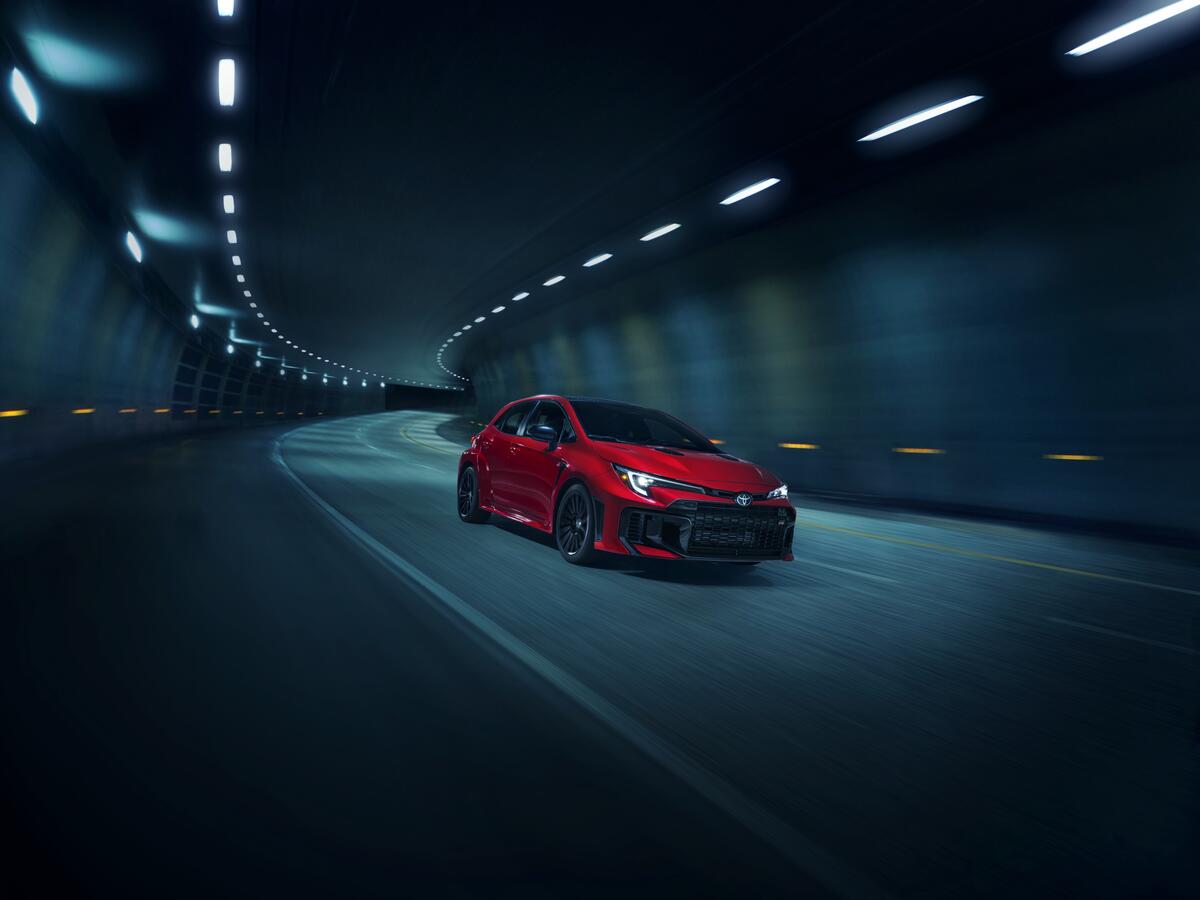
Toyota GR Corolla
"The Toyota GR Corolla, which I mean, both of these are cars that I'm like, I kind of want that. After I've tested them, I kind of want that. That's a super fun car."
The GR Corolla is a sporty Toyota hatchback meant to feel like a rally car. It’s the kind of car you can drive daily, but it’s also exciting—whether you choose an automatic or a manual.
The Toyota GR Corolla is a hot hatch built for rally-style driving, combining a practical hatch body with performance hardware aimed at grip and control. The host emphasizes that both automatic and manual versions are fun, and connects its vibe to rally-inspired cars like the WRX and the Mitsubishi Lancer Evolution.
buttons
"straightforward controls, which I'm sorry, I'm going to keep harping on buttons. I love buttons, but it's also hatchback."
The host is talking about physical buttons in the car—real knobs and buttons you can press—rather than relying only on touchscreens. They like it because it’s easier and faster to use while driving.
In modern cars, “buttons” refers to physical controls (as opposed to touchscreens or voice-only interfaces) for functions like climate, audio, and driving settings. The host repeatedly emphasizes liking physical buttons, suggesting a preference for tactile, quick-to-use controls.
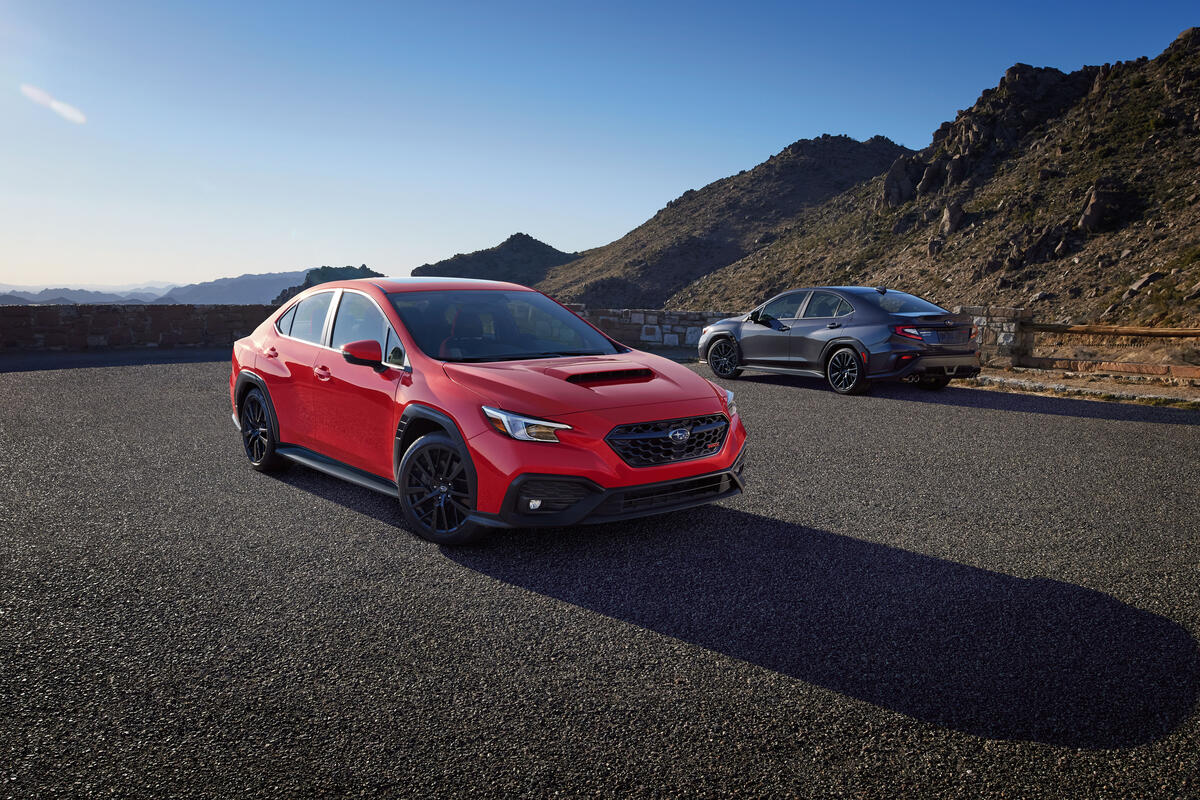
Subaru WRX
"... It's also pretty practical. It reminds me of the WRX and the EVO, these kind of performance rally insp..."
The Subaru WRX is a sporty compact car made by Subaru. It’s designed for faster driving but still works for regular commuting. It’s also known for having all-wheel drive and a turbo engine, which helps it feel capable in different conditions.
The Subaru WRX is a performance-oriented compact car that’s closely associated with rally-style driving. It’s known for practical everyday size plus all-wheel drive and a turbocharged engine, which is why it’s often discussed as a “do-it-all” performance car. The podcast compares it to other rally-inspired performance models, highlighting that shared character.

Kia Stinger GT2
"So I'm going to give them a used car that I came very close to buying a Kia Stinger GT2. These were made for, this was 2018 to 2023 model year... you get a ton like the GT2 trim."
The Kia Stinger GT2 is a sportier, more expensive trim of the Stinger. The host is saying they almost bought one used because it feels like a lot of car for the money.
The Kia Stinger GT2 is a higher-trim version of Kia’s performance-focused fastback, known for offering a more upscale, sporty driving experience than typical Kia models. In this segment, the host discusses it as a used-car near-purchase, and specifically references the GT2 trim as what you get “for what they cost.”

Bmws M
"He did everything. And for context, a lot of the credit for the design goes to this guy, Albert Bierman, who Kia posed from BMW's M Performance Division. So the end, if you're wondering why it's such an amazing car to drive, that's part of it."
The BMW M Coupe (E36) is a sporty two-door BMW from the 1990s era. It’s made for driving feel and performance rather than family practicality. The podcast mention sounds like they’re talking about who helped shape the design and why the car looks the way it does.
The BMW M Coupe (E36) is a performance-focused two-door coupe from BMW’s M division era, based on the E36 generation. It’s notable for its compact, driver-oriented design and for being a relatively rare and enthusiast-loved variant. The podcast context credits Albert Biermann for design influence connected to BMW’s M Performance work, which is why the car is being discussed.
360 camera
"If you can make do with that, like the 360 camera GT1 is also an option, but they're just kind of a sleeper car that I think hits a lot of what he's asking for."
A 360 camera shows a stitched, overhead view of the car using cameras around it. It’s mainly there to make parking and tight spots easier.
A 360 camera system uses multiple cameras around the car to create a top-down “bird’s-eye” view. It helps with parking and low-speed maneuvering by showing obstacles and the car’s position relative to them.
heated front seats
"And as far as features, heated front seats, a power driver's seat, and a power sunroof, if that's okay, Alex?"
Heated front seats are seats with built-in warming elements. They help you get comfortable faster on cold days.
Heated front seats warm the driver and passenger cushions using built-in heating elements. They’re especially useful in cold weather and can improve comfort quickly without waiting for the cabin to heat up.
power driver's seat
"And as far as features, heated front seats, a power driver's seat, and a power sunroof, if that's okay, Alex?"
A power driver’s seat can be adjusted with buttons instead of using your hands. It makes it easier to find a good driving position.
A power driver’s seat uses electric motors to adjust the seat position and sometimes lumbar support. Compared with manual seats, it’s easier to dial in a comfortable driving position quickly.
technology package
"If you add the technology package, you get ventilated front seats and a heated steering wheel."
A technology package is an option bundle that adds extra features. Here, it includes comfort and convenience upgrades beyond the base car.
A technology package is a bundled set of convenience and driver-assist features offered as an option. In this context, it adds items like ventilated seats and a heated steering wheel.
ventilated front seats
"If you add the technology package, you get ventilated front seats and a heated steering wheel."
Ventilated seats have fans that blow air through the seat. They help keep you cooler and drier, especially in hot weather.
Ventilated front seats use small fans and ducts to move air through the seat cushions. This helps reduce heat and moisture buildup, improving comfort in warm weather.
turbo engine
"but it does, this does have a turbo engine. And I thought that the handling was, was really good."
A turbo engine uses a turbocharger to push extra air into the engine. More air usually means the car feels stronger and more responsive, especially when you accelerate.
A turbo engine uses a turbocharger to compress incoming air before it enters the cylinders. That lets the engine burn more fuel (and air) for more torque, often improving responsiveness without needing a larger engine.
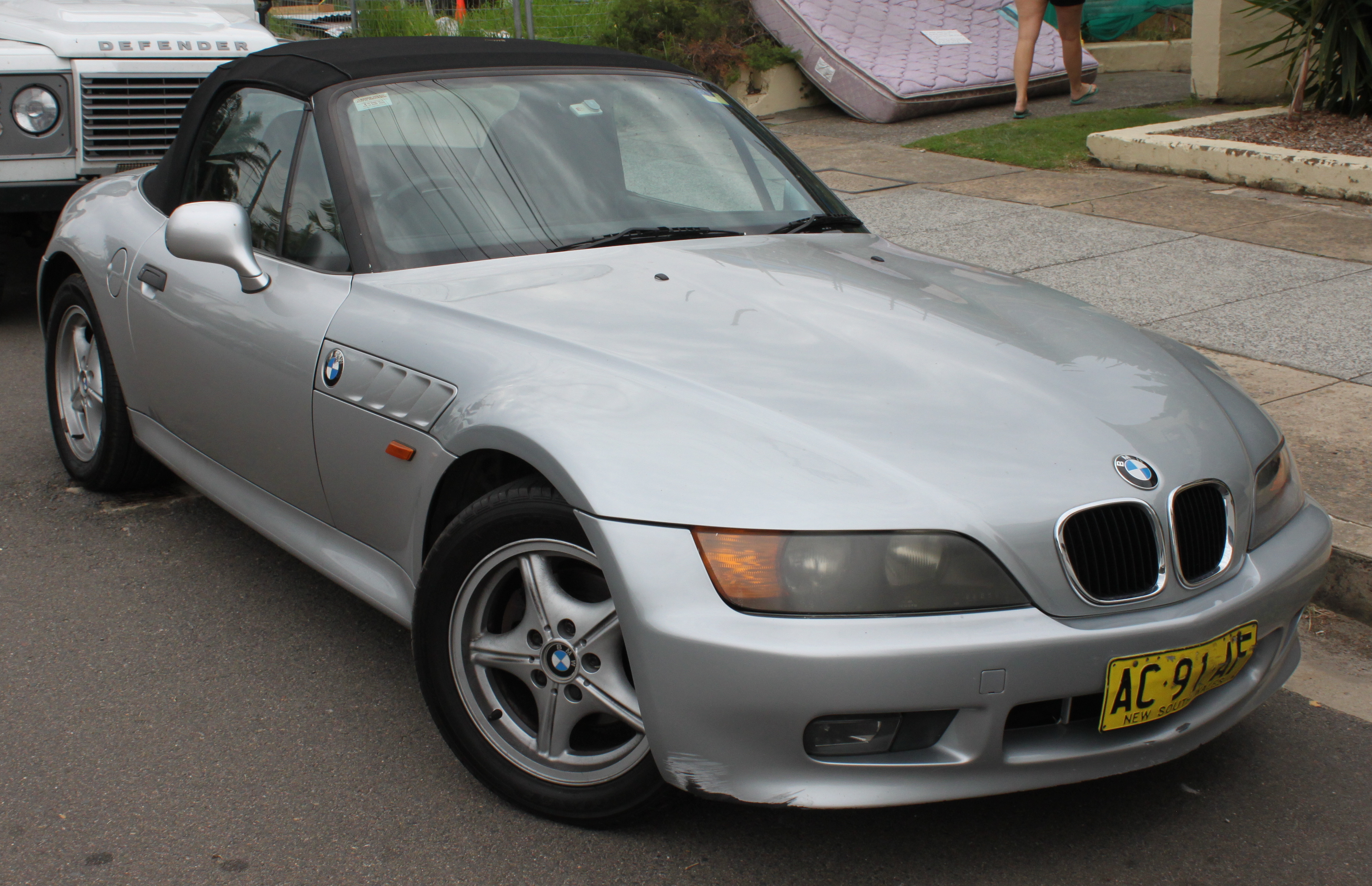
BMW Z3 Coupe
"it's a hatchback, but it kind of reminds me more of like, if, if there was a four door version of the BMW Z3 Coupe, or maybe the old Volvo 1800 ES"
The BMW Z3 Coupe is a small, classic BMW sports car. The host is using it as a style comparison for how this hatchback looks.
The BMW Z3 Coupe is a classic BMW sports coupe known for its compact, retro-styled proportions and roadster/coupe identity. Here it’s used as a reference point for the hatchback’s shape and “unique” styling cues.

Volvo 1800
"...oor version of the BMW Z3 Coupe, or maybe the old Volvo 1800 ES, which also I had the mustard like color was t..."
The Volvo P1800 is an older sports coupe made by Volvo. It’s known for its unique, classic look and for being a car enthusiasts talk about. The podcast is using it as an example while discussing different possible body styles.
The Volvo P1800 is a classic Volvo sports coupe known for its distinctive styling and long-running enthusiast appeal. The podcast context compares it to the idea of a four-door version of the BMW Z3 coupe, using the P1800 as another example of a particular classic shape. It’s mentioned because it represents a recognizable, older European sports-car design that people associate with character and design heritage.

Volvo 1800 ES
"or maybe the old Volvo 1800 ES, which also I had the mustard like color was the Volvo had that back in the day as well."
The Volvo 1800 ES is a rare, older Volvo coupe with a very distinctive shape. The host is comparing the new car’s look to that kind of retro styling.
The Volvo 1800 ES is a distinctive Volvo “shooting brake”/fastback-style coupe from the 1970s, famous for its long hood, short deck, and unusual profile. The host references it (including the mustard color memory) to explain the hatchback’s retro, design-forward vibe.
dual clutch transmission
"And it had some, you know, sort of like DCT, DCT like so dual clutch transmission, low speed oddities, but definitely not a deal breaker."
A dual-clutch transmission is an automatic gearbox that uses two clutches to shift faster and more smoothly than a traditional automatic. The host is saying this car sometimes behaves like that, especially when driving slowly.
A dual clutch transmission (DCT) uses two separate clutches—one for odd gears and one for even gears—so it can shift quickly with minimal interruption. The host says the car has some DCT-like behavior at low speeds, even though it’s described as a “true automatic.”
DCT
"And it had some, you know, sort of like DCT, DCT like so dual clutch transmission, low speed oddities, but definitely not a deal breaker."
DCT stands for dual-clutch transmission. It’s a type of automatic gearbox, and the host is saying it can feel a little weird when you’re creeping around slowly.
DCT is the abbreviation for dual clutch transmission, a gearbox type that shifts using two clutches for faster, more efficient gear changes. In this segment, it’s mentioned because the host noticed some unusual behavior at low speeds that felt DCT-like.
Request an Explanation
Heard something you'd like explained? We'll add it to this episode.
Sign in to request explanations for terms you heard.
Want to learn more?
Browse our glossary for plain-English explanations of automotive terms, jargon, and concepts.
Help improve this episode
See something that's not quite right? Our annotations are AI-generated and can sometimes miss the mark. Click the flag icon on any annotation to suggest a correction.
1 community members have helped improve this episode.