The Mazda Miata is a small, two-door car that is really fun to drive. It's popular because it's light and handles well, making it a favorite among people who love sports cars.
Wheel to wheel racing is when cars race against each other on the track at the same time. It can be very exciting because drivers try to pass each other and compete closely.
The Honda Fit EV is an electric car that looks like a small hatchback. It's designed to be efficient and is great for city driving, but there aren't many of them out there since they were made in limited quantities.
The Buick Gran Sport is a classic car that was made to be fast and stylish. It's part of the muscle car era and is loved by collectors for its powerful engine and cool design.
Bosch ABS is a system that helps cars stop safely without skidding. It makes sure the wheels don't lock up when you brake hard, which helps you stay in control.
GLTC is a type of racing series where regular people can race their cars. It's more about having fun and enjoying the experience than being a professional racer.
Time attack is a type of racing where drivers try to complete a lap as quickly as possible. It's not about racing against other cars directly, but about beating your own best time.
A halo seat is a special kind of seat used in race cars that helps keep the driver's head and neck safe in case of an accident. It has extra support around the head area.
The Honda S2000 is a small, two-seat convertible sports car that is really fun to drive. It's known for its powerful engine and great handling, making it popular among people who love driving.
Ball joints are parts of a car's suspension that help the wheels move up and down while allowing the steering to work. They are important for keeping the car stable and handling well.
Wheel to wheel contact is when two race cars bump against each other, usually at their wheels. This can happen when they're racing closely, especially around turns, and it can cause crashes or damage.
A blind spot is a part of the road that you can't see when you're driving. It's important to check these areas before changing lanes to avoid accidents.
The engine harness is like the car's nervous system, sending signals to different parts of the engine so they work correctly. If it gets damaged, the engine might not run well.
A grid penalty means you have to start the race further back than where you qualified because of a mistake you made. It's like getting a time-out in a game for breaking a rule.
The rear differential is a part of the car that helps the back wheels turn at different speeds when you go around corners. This is important for keeping the car stable and easy to handle.
Gear ratios are like the settings that control how fast your car can go and how quickly it can accelerate. Changing them can help the car perform better in different situations.
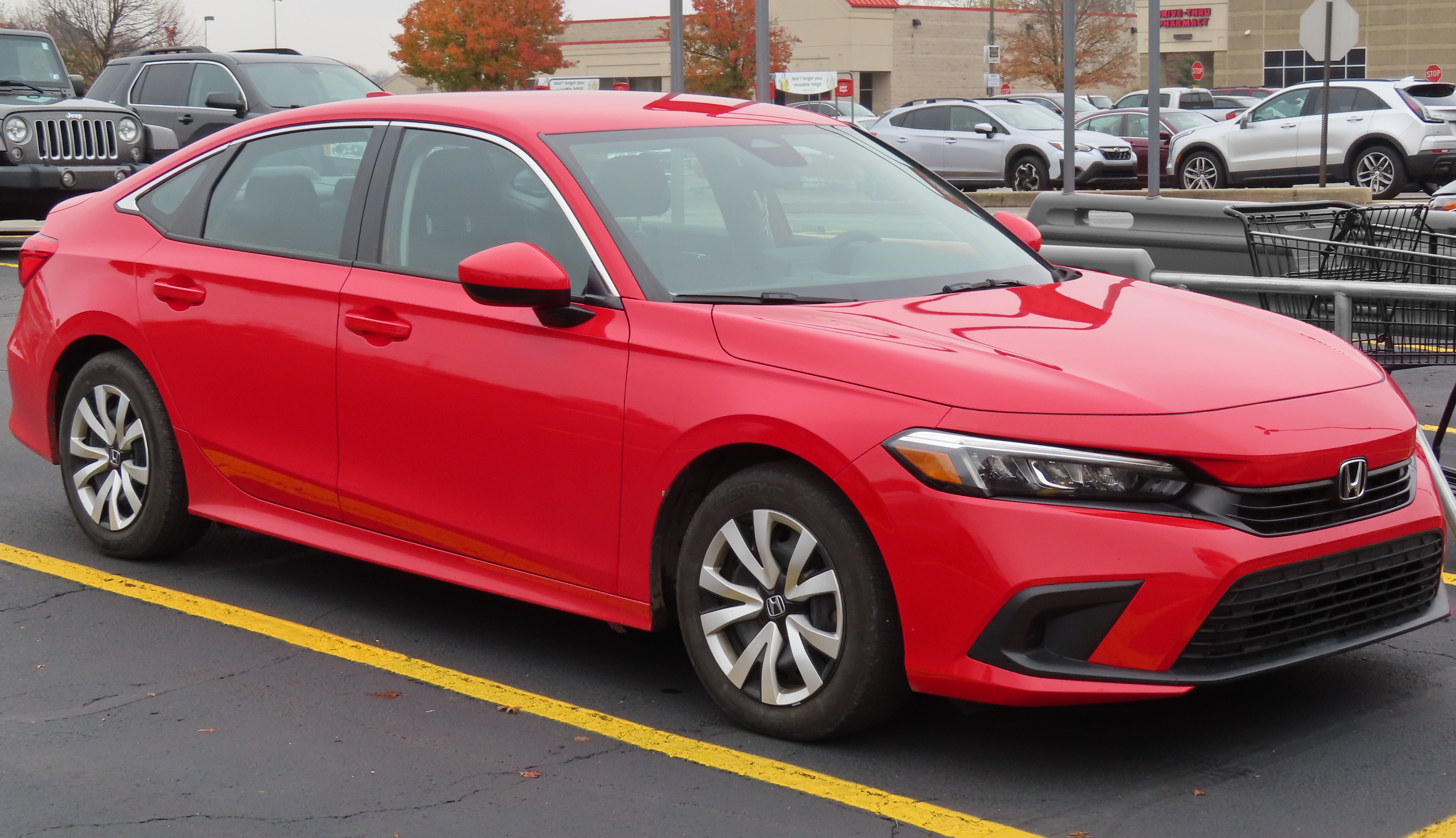
The Honda Civic is a small car that many people drive because it's reliable and gets good gas mileage. It's also popular for customizing and racing, which is why it often comes up in car conversations.
BOP means Balance of Performance, which is a way to make sure all cars in a race can compete fairly. It helps level the playing field by changing things like how much power a car can use or how heavy it can be.
Power to weight is how much power a car's engine has compared to how heavy the car is. If a car is lighter but has a strong engine, it can go faster and accelerate better.
The frontal area rule is a racing rule that says how big the front of a car can be. This is important for making sure all cars have a fair chance to compete.
Alignment is how the wheels of a car are adjusted to make sure they are straight and working well together. Good alignment helps the car drive better and makes the tires last longer.
A dipstick is a long, thin tool that you pull out of the engine to check how much oil is inside. It's important to make sure there's enough oil to keep the engine running smoothly.
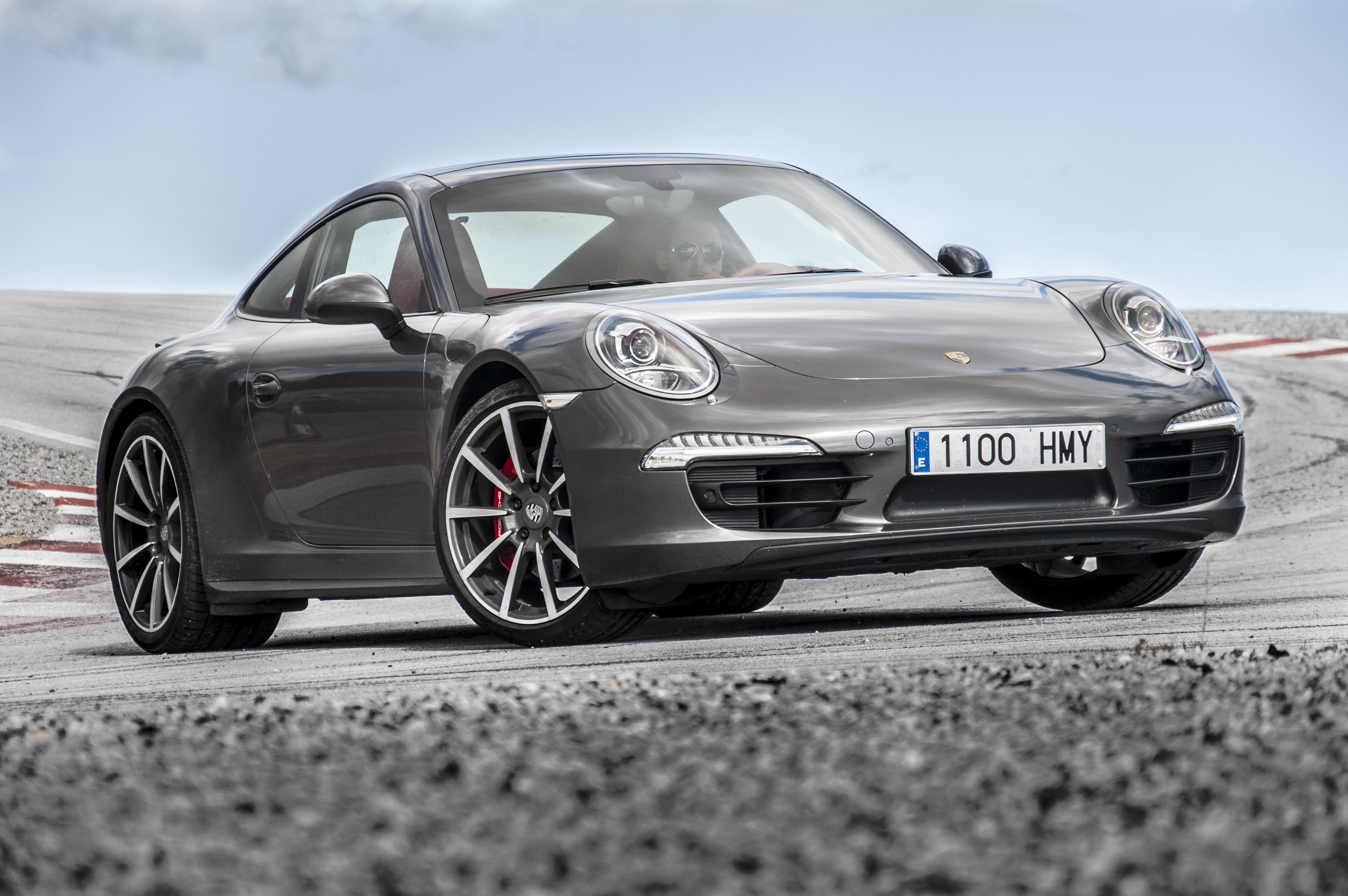
The Porsche 911 GT3 is a special version of the 911 sports car that is built for racing and high performance, featuring a powerful engine and better handling.
The Ford Mustang is a classic American sports car that is famous for being fast and stylish. It's been around for a long time and is loved by many car enthusiasts for its performance and cool looks.
LIVE
Hi, I'm Scott and I'm Seth and I'm Jim Jim did better on the intro than you did
so long pause. Oh well. Yeah. Hi. I'm Scott again. It is so cold here. It was decided
to be three degrees this morning when I left my house. Oh my God. And that was terrible.
The I haven't had this in a long time. It was warm enough yesterday that the inside of my car
must have been decently warm ish with some humidity because the inside of my windshield
was frozen over. So like the outside was fine, but the inside was wild. And like, I don't know,
it takes a longer to defrost. Yeah, 100% it does. And I thought about just scraping it off
with the ice scraper. But I felt like that would make it weird and dirty at some point. So I didn't.
What are you not making it streaky? The problem is you get so many streaks.
That's what I was concerned about. Are you not parking in a garage? What are you doing?
No, I'm not parking in a garage. Dude, it's there's no space in my garage for anything that's
driven on a regular basis. Kick Becky out of the garage and then she is one of the problems.
The other problem is the Miata. And then the other other problem is that stupid simulator
that's in there. You can't open a car door in there right now is what it is.
But I've made my... You've made your choices. I've made my choices. And now I'm drinking tea
because as I said, I'm cold. As I sit in my closet. So tonight we've got Jim Smith
back on the show. I wanted to catch up because he's been up to some things and trying new things
and doing some other things. But what... We talked to you... Well, your episode aired at the end of
January, 2024. And you've been doing some GLTC cents. You've been doing some Sunday cup things
cents. And now you're rethinking your whole life. Does that about wrap it up?
Yeah. Yeah. After doing, you know, good life since my first event in 2017 to going hard for
five years now since 21, I need to kind of like reevaluate how much effort I'm putting into it
and think about what my goals are and what the next steps are. Yeah. Well, have a good night
everybody. That'll wrap us up. So I think when was your first GLTC race? Was that last year?
Uh, yeah. It was 2024. Yes. It was, I think, September. So Audubon. That's right. It was
towards the end of the season. And remind everybody why, because you had been doing
time attack for quite a while and you purchased one of ASM's S2K's from Zach LaVoy.
And you wanted to go try your hand in this wheel to wheel thing.
Yeah. So I think I was probably smarter in 2022 when I got into Sunday cup.
And then what I realized at the middle of 2024 was I was becoming stagnant. I'm not really growing
as a driver. Like I realized that when I was like in line, I think at Midwest Fest for podium sprint,
I had, I think I qualified first for podium sprint. And I'm just not even that excited to go do laps
at Gingerman and Honda Fit. And so I'd actually bought a Corvette or I owned a Corvette in my
garage for a while. And then, uh, yeah, I actually had a C6 Grand Sport that was built a lot by G-Speed
and made like 550 wheel and had Bosch ABS. And, and then I kind of,
Were you going to, were you going to go do street GT?
No, I just wanted to have some new balances and gene shorts, I guess.
Geez, I guess that's, that's a lot of car just to like have.
It was the, I can't turn down a deal. And so I got a deal on it. But what I realized, like,
once I realized like I was stagnant at, you know, on the track and not really excited about it,
I thought about like what me for 2019 watching GLTC get started with thinking myself, not pursuing
that dream. So I was like, you know what, let's get rid of this car. Let's actually just make
GLTC happen. And so I was like, what's the best way to, you know, to get into it is to buy a car
that you think is already sorted, which is almost never the case. So then, yeah, I reached out to
Zach and I was like, we're on the street, your car is for sale. He's like, it's not not for sale.
So we kind of worked a deal out there and I picked it up and then proceeded to do a bunch
of stuff to prep it for me for a wheel to wheel. Yeah, he's a businessman. So yes,
is always the answer. Yep. So why, why were you thinking,
okay, so you thought that you were stagnant as a driver, having been in time attack for a while.
Why did you think wheel to wheel was the next step for you?
Yes, I thought about it. Like I wasn't learning new lessons really, like I had learned what I was
going to learn from, you know, doing hundreds of laps in a fit and like there's valuable lessons
to be had at prepping even a Honda fit for a time attack. Like people don't appreciate the level that
like a lot of the Sunday Cup guys go to to prep for an event. So new tires, alignments, brakes,
custom setups, all these things every single time. But what I was realizing is like one small
mistake in a session could cause you a whole weekend. And so like your performance doesn't
necessarily reflect in the results. And so it's kind of becoming stagnant from that standpoint.
And then I wanted to challenge myself and like do more wheel to wheel. So
I'd been doing a little bit of iracing and realized like there's so much more to learn.
And that really came apparent like on my first weekend. So I want to pause and go ask you about
something that you just said that the results weren't reflective of what you were learning
or of your performance. Can you, can you talk to me about that? That's interesting.
That's a fancy way of saying like I have racer excuses and like I'm famous in the Sunday Cup
group for having a huge list of them. But not just for me for anyone, right? Like you might get
someone blocking your way. You might like misshift. But so you like one small mistake might impact
your whole weekend where in a GLC race, like, like the whole thing is like minimizing those
mistakes. You're going to make them and you're not always going to make the right decisions,
but you can usually come back from it. So like if you want to allow yourself an environment
to make more mistakes. Yeah, I guess so. That's just one piece of what I was hoping.
So talk because I personally haven't ever purchased a race car, like a prepped race car
from anyone. So like we don't need to blast LaVoy on here, but what's the process of when you buy
somebody's race car? Sometimes you get spares. Sometimes you get spare wheels, parts, kind of
all that stuff. But what was your process after you bought the car of getting it ready to race?
Yeah, it has nothing to do with Zach, right? Like everyone gets is like going to go through a car
when they get it. So like the first thing I did is like, not in bolt checks. I let him keep his
old seat because I wanted a halo. So I had to get a seat that would work. Dude, he didn't have a halo
seat? No, yeah. Oh, he's too dear of a man to not have his head attached to his body.
Right. Okay. So like, I didn't want to wasn't it something about he wanted to be able to get in
out of the windows though? Maybe if you like sat really, really close to the, I don't know that
anyway. Yeah, if you can get out of a Miata with a halo, which is tricky, I feel like you
can get out of an S2000 with a halo. Just saying. It was my excuse to also bargain down the car. So
I was like, yeah, keep the seat, keep that cool suit, which is probably dumb. So like keep the
cool suit. But yeah, so I got it. And then Andy and ASM in general does an insanely good job of
prepping these cars and having logbooks. Like I have a logbook of like, every race it was in,
like we did, checked fuel, checked lug nuts, checked air pressure, changed the oil at this time. So
like crazy good job. It's more of just like, they put the car in the trailer after Midwest 2024,
and then had him in touch. So I've wanted to do some preventative maintenance. So
S2000s are known for the rear knuckles to fail. And Andy had worked with FDF to come up with these
new reinforced knuckles. So I wanted to do that. And then at that time, I wanted to double check
and see like, okay, how are the ball joints? So I found a couple ball joints that wanted,
I wanted to replace there's little play. So just little things like that.
That before I got in my first wheel to wheel race, I wanted to do and what I realized
during that race was I should have done way more to make it ergonomical for me. So I'm sure we'll
get into that though. So the process in 2024 to get into GLTC was effectively you
let them know your background, which you'd had quite a bit of time attack experience and
pretty much get approved relatively easily to go provisionally race. Was that right?
Yeah, I think they want to make sure people aren't like insane and kind of go out and like,
you know, take people out immediately. I think you were more worried about me doing that than
they were. Well, to be fair, we had iraced a few times. And my rig, my rig was trashed back then.
It was totally not me. Yeah, okay. Yeah. Yeah, it was funny considering I was the
development person in GLTC having iraced with you and you were coming in and I was like,
I'm going to be watching you. Don't fuck this up. It was fair though. So yeah, I think I emailed
Adam and he there's some back in with Renee, who was the race director and Abe and they
they vouched for me that I'm not an insane person. And I got a, what do you call my sponsor? I guess
Matt Waldbaum was my mentor. Yeah, not a sponsor. This or something else. And so my mentor and Matt
and I went through and before the event and he gave me tips and advice and like, he was amazing.
So I can't recommend Matt as a mentor enough. And then we had the rookie meetings, which was
really valuable too. So good. Good. And that year you were still driving Sunday Cup,
but you were also prepping this car to do wheel to wheel later that year, right?
Yeah, I think I had the S2000 by around Road America. I did the fit at Road America
and Sunday Cup and got obliterated by Miata up the straights. It's like,
everybody did. The drag coefficient. I guess it's just so much different. So,
but then I knew I was like, yeah, I'm going to just have fun with the fit now and then focus
heavily on Gilt DC and getting this car prepped for it. So yeah.
Well, I guess going into that weekend, that wasn't one of the weekends where you were doing
both, was it? No, I purposefully was like, there's no way I'm going to try to do both
here because we had to do like video review and I wanted to be able to focus on learning as much
as possible. I don't think it, I would not recommend anyone try to do both their first weekend,
especially like with how little experience I had. So yeah, it would, it would take a full crew to
like take care of the cars so that you could focus on other things to be able to make that work.
You have to have a full picker at that point.
So going into that weekend, you've been to Audubon plenty of times. Like you've got seat time there.
How are you feeling about the first weekend considering your only on track experience
had been time attack, but that you had done, you know, semi racing?
Yeah. So it's probably important to remember, like I hadn't driven an S2000 in like two years
and I'd prepped the car, but never really driven it. But I had, like I think I had the Sunday
Cup record at that time. So like I knew the track okay and it fit, but not necessarily,
I think I'd driven my S2000 there in like 2022. But so I hadn't driven S2000 in a while and I was
getting ready to do wheel to wheel. So I did a gingerman test day and did like, I don't know,
a couple of sessions before that. So I was mostly nervous about not knowing the car,
not being comfortable and not knowing how it's going to react. S2000s are kind of knife edgy.
So like in a wheel to wheel environment that can kind of make people scared a little bit
to be around you. And so when I come again, I just wanted to practice as much as possible.
So I paid for a test day too with ASM test day. Yeah. So how'd the, I guess,
keep going? How'd the weekend go for you? Yeah. So like quickly learned, well, I was coming into it.
My only expectation was to learn. I didn't care like where I finished. I wasn't one of those
people that wanted to come in and like make a statement. I really did not care. And part of
the rules back then was I believe that it's up to your mentor and the race director to decide
if you get knocked down from qualifying position. I think if you're new, they don't necessarily
want you towards the front if you have no experience. So they have the option to knock
you down places and qualifying. So I think, I think that was an option that was given.
I don't think, I think it may have been used once. Yeah. Once or twice, maybe, but in general,
that's only used for kind of an outside case. So that would have been a red flag had that been
used. I honestly thought about just asking to start from the back, but then I also thought
that might not be as good because like I had earned potentially a good qualifying position.
So in practice, I think I was running decent. Like I was keeping up with some other folks
that knew were quick. And then in qualifying, I kind of did a decent lap and assumed I was
like going to be a mid pack and just came off track. And I think I ended up accidentally
qualifying ninth. And I was like, Oh, no, like, I'm going to be in the thick of this. So I think
I was like fourth or fifth row or whatever it is. And that first race start was like,
I did not even, usually I come off track and I can replay the whole session in my mind. I came
off track and could not even remember the first two laps. I think we went three wide right off
the bat on that first race. And my buddies were like, you got hit. I'm like, what? And yeah,
I think another competitor got squeezed into me and we made wheel to wheel contact literally his
right front with my left rear. I was on the outside of turn three at Gingerman, or sorry,
Audubon and like got tapped. And it was just an experience. I'll tell you that. So
what, what was that like for you? It was overwhelming. I came off track like questioning
that I make the right decision is is is wheel to wheel right for me. And honestly,
like I kind of felt like that it took me a good probably five races, race starts to feel comfortable
to race starts. And I would encourage anyone that thinks they want to do GLTC to maybe rent a car
or just do as much iracing starts as possible before you just jump right in because it might not
be for you. So yeah, what race starts? Did it feel unsafe to you? Or what about it felt weird?
I think the level with which people were willing to just kind of commit and put their cars in places
that I didn't necessarily, I wasn't ready to attack at that level yet, because I was new,
I was coming in kind of like hesitant. And I was up there with, you know,
people that have looked up to for five years and watch streaming. So it was like, they're ready
to go and I'm just this new guy just trying to like find my place in the world. And then yeah,
getting hit immediately was kind of sketchy. The other thing that I realized was the ergonomics
and visibility of the S2000 was not very good whatsoever. So Zach had this rear view
mirror that was a video of every mirror is very small. And then the side mirrors were also
not convex. And so I could not see hardly anything. So I sat in Houghton's car later in the weekend,
the TSX and I'm like, Oh my gosh, this is a fishbowl. It's perfect. And so that was one of the
major changes I made between 24 and 25 is just mirrors and visibility and little things that
you don't think about when you just buy a car brand new and never down wheel to wheel.
Yeah, I got if that could be one of my taglines, it would be spend more time with ergonomics than
you think you need to because the better the seat fits you, the better it's you're going to be able
to drive. If you think your steering wheel is too close, it's probably not close enough.
Yep. If you think your visibility is okay, it's bad. Like there's you just keep just like car
setup like with ergonomics, try something because it can be better. I promise you.
Oh, yeah. Yep. And so that that I think was probably why I felt the most unsafe because
as soon as I fixed that and get to Midwest Fest this year, I felt because that was my first event
in 25, I just felt way more comfortable. I was fine like next to people like I'd been
like comfortable being close to people on track. It was more so like when they came up behind me
in a blind spot, like I would just give them the benefit of the doubt that they were there.
And so I was giving up a lot too. Yeah. Was that the only race in 24 that you did?
Yeah, it was Autobahn. And even then I only got to do like three race starts because the car kind
of blew up in their third race. Yeah, that's right. Was it the trans or the diff?
It was like a little bit of everything. The car was struggling getting into gear and what happened
was like I went to go to shift to fourth and it didn't go in and like I shoved it into fourth,
but it ended up being like kind of second because I got rear ended at the exact same moment that
happened. So the engine blew, I had to rebuild the transmission and all that. So yeah, it was
it was a lot over the last winter. Super cool. So yeah, so not only did you have a car to fix,
but you said you were at the same time like kind of questioning if you even belong there?
No, after the first race, I was definitely like this is way overwhelming. Like I should have
did way more homework for this to be at the front. I feel like if I was towards the back,
like some of the other rookies would have been totally fine, but should just throw myself
into the mix. Like at the front of the pack for a race start, it was not a good idea.
Yeah, I mean, yeah, you're a pretty good time attacker. So qualifying was always going to
be your strong suit for your first weekend, most likely. Yeah, I think I legit said like the fourth
or fifth fastest lap of the week of that event and in GLTC in that car, but it was very well set
up with motons and stuff. But it's like, I was not the right, I was a good enough driver at that
point in a wheel to wheel situation. Yeah. So going from 24 into 25 then, besides obviously
rebuilding the car, what were your goals for 25? Oh, this year, my plan is to do a few Sunday
up events for fun, represent acuity instruments and just show up and continue to prep that car
to the best of my ability while also, you know, getting more into the wheel to wheel stuff. Over
the winter break, I did, you know, an engine, rebuild the transmission, fixed a lot of the
visibility issues I had, and then did some safety stuff. So the car didn't have anti intrusion bars.
I had Andy had some of those. I wanted reliability. So we redid like the engine
harness and a bunch of other little things on the car because I didn't want to get into a
situation where like I couldn't get my real license. So I think maybe to Seth's point in yours,
I wanted to prove myself that I did belong there and earn my real license for GLTC because yet
at the time, I think you had to have at least 16 races or at least four events that you did well
in without causing major crashes. So that was my main goal is like get my GLTC license this year
and then just have fun in the Sunday Cup car. What made you feel like you didn't belong? Was it
simply the fact that you were new or what was it about that? I think I belonged to be there,
but more so that like to prove that I was good enough to be with, you know, the people you've
looked up to for so long. It's like, where do you stack up in this field? Because, you know,
there's aliens at the very top and then all these big names, but like, where do I kind of fit in?
And I was comfortable like not being towards the top like mid-pecs, good with me, especially for
the level of prep that I'm able to do to a car versus, you know, like Andy or you name it, the
top guys, Matan's like rebuilding this car every event, like different transmit the crazy stuff
they're doing. It just blows my mind. So I knew I wasn't going to be up with them, but like,
where do I stack up and what can I learn? So like Midwest Festival was like a huge wake up call for
me. And I learned more in that event than probably like two years of Sunday Cup. Yeah, I was going
to say so Midwest Fest 2025 was your first wheel to wheel race that season, right? Yeah. But you
also drove Sunday Cup. I only did one that event. I didn't do both cars. I just did the
JiltTC. Wasn't there one event you did both? I was going to try to do Mid Ohio, but I ended up
making more changes to the S2000 between Jinderman and the next Audubon event. Gotcha.
I knew you were thinking about it, at least for one of them. Yeah, that would have been bad.
Yeah, I'm glad you decided to kind of focus your energy on one or the other.
So what happened at Midwest Festival that was? So after that first weekend where you qualified
sorry, after that first weekend where you qualified really high, did you ever contemplate
just sandbagging to get yourself toward the back? Oh no, yeah, that's not who I am. But
kind of. What I did was I went out and I tried to spend more time at racing laps over the winter
to get more comfortable and try to fix the ergonomics. Because even at Midwest Fest,
even if I sandbagged, there's still 40 people out there. To qualify in the back, I'd have to be
running probably. I think the back of the pack is probably close to Sunday Cup times. So maybe.
Maybe. So how did Midwest Fest go for you?
Qualifying at Midwest Fest is an experience with 40 cars. I don't know if anyone was happy
where they finished up, but I think I was like 12th or something like that. I put new Falcons on
for that session and pretty much like I think I ruined them in that one session because I overheated
them, I'm sure. But yeah, I did okay. I think I qualified 12th. Yeah, that was fine.
Were you pleased with that? I didn't think I really, to Seth's point, 12th was fine with me.
Like that's higher than I'm fine with that. So I think I was right next to Dana and near Jackie
Ding and all these other folks that I knew were similar pace. So I knew Dana probably had more
actual pace because we like trying to get a clean lap there was wild. I think someone ended up
like oiling down the track and turned one like people were going off like crazy and
like we had like two or three cautions that session.
Yeah, that's, I was there for the couple of years when we had 55, 56 cars.
At least sign up, but I think for qualifying we had damn near 50. And yeah, it was really a
matter of who, who got a clean lap sort of thing. I think that's where it ended. So like,
I wasn't proud of the 12th, but I'm like, that's fine. What I didn't realize at the time is like,
were you qualify? And even after the couple, the first couple of races, where you end up,
it's really hard to work your way back to the front. Yes. Yeah. And that was, that was always
my MO back in the day was I would qualify poorly and I'd be able to do some pretty good work in
race one usually. And then race two used to be gridded on fast lap from race one.
Yep. And I was never had great outright pace. So I'd get kicked back for the start of race two
and then I'd have to work my way back up again. And it was just so frustrating.
It's so, so it's hard.
So if, if your first race at Audubon in 24 taught you, I guess demonstrated your need for better
visibility and the growth point of being able to do starts better, not be overwhelmed quite as much.
What did festival show you? Yeah, what I learned was this, there's a balance between aggression
and patience and being calm. The first race I found myself, I was battling with, I think it was
Robert Thorn and Eric Jensen. And we were in a three way battle, I thought. And, but really it was
Robert had gotten around me cleanly and then Eric and Robert were battling and I was inserting
myself in their battle. And I thought I was racing with them because we were close together,
but I should have given them the space to race. But I had, you know, more of red mist in, in,
in my eyes. And so I ended up trying to make a move in turn two where Eric went real wide and
then cut back, which for me, that's a little unconventional, I thought at the time for a turn
to a gingerman in our guilty C cars. So I stuck my nose in and he kind of pit maneuvered himself on
my front end. And so like I caused my buddy to go flying off. And like I felt horrible to the
point where like two or three cars got by me because I didn't know, like how did I didn't
react fast enough to like, okay, you're still racing, bud, keep going. So I felt bad for Eric.
My whole goal is to not have contact. And so what I realized was like, I should have taken a set
back, been patient, let Eric and Robert kind of have their battle and then, then can like initiate
my own if the time came. So based on that, I got a five place grid penalty. And that set me back
even further. So then I got to learn that lesson of it's really hard to work your way back through,
especially at Midwest Fest. But my car was really good at it didn't have any dig. So it's all
requires momentum. And the mid pack at Midwest, it was a lot of people that weren't used to
gingerman, I think. So they would check up at like turn five and six and three and caused me to lose
momentum. And so we were running 41 42 is not very quick. And it was really hard to pass people
with more torque and grind out of the corners. Not, not as an excuse. It's just,
it was hard to work my way back up. I'll put it that way.
Yeah. I mean, all the cars in GLTC now are pretty quick in a straight line. And so the,
especially in the mid pack, like trying to your, but yeah, like you said, the best place to
make passes is either under brakes or in the corners. And both of those require a level of
awareness on all drivers parts. So I ended up finding my groove of being able to pass like
into turn 11. I think it was getting a good run. Like some people will tactfully like break check
you and 10. So if you could time that right and then get a run on them through 10 up to 11,
that seemed to work. So race two, I was like overly cautious. I was, Matt was my mentor again.
And it was like calling me out like, dude, you're just letting people buy. Like, yeah,
I just hit my friend and then race three. That's where I like learned so much about being defensive
after conversations with Matt about car placement and yeah, you make them go around, make them earn
that pass or defend in the brake zone, that kind of thing. So yeah. So you had, and part of that
almost sounds like it comes from a time attack background when you're trying to be aware and
respectful of track and when you make a mistake, especially on Sunday cup, like you kind of get
offline and you try to get people around you because you've lost all of your momentum and
there's no getting a back sort of thing. So part of how I see time attack is being able to
know when you've messed up who's in front, who's behind, who's quicker, kind of helping,
like truly working as a team to try to get everyone's best lap time. But then in wheel to wheel,
when you make a mistake, you kind of don't get to punish yourself by just pulling over and letting
people by. Right. Like you have to kind of put that aside and carry on.
And my niceness was showing a little bit too much, I think. And some of this natural instinct,
like I would get up on people and then like when you're wheel to wheel, you kind of want to maintain
that proximity. But like I was naturally like giving people space without even thinking about it
and like ruining my run on people. And it's like, oh yeah, idiot, you have to actually,
you're trying to pass them. So, and everyone else is right, like willing to murder your first
born to get around you. So like this different level of like intensity. Yeah, it depends on where
you are on the track. Like a lot of thought I think in the mid pack is that you have to try to
murder people. Like that's how you get around people. But really like at the front, it's much
less like that. And I think at the back, it's much less like that. So how the weekends end up for
you? Yeah, I think I got into the points a couple of times. Again, I wasn't too worried about where
I finished. I worked my way back up from I think it was in the 20s to mid teens and then
was trying to work higher because I think I did really well in race three, but race four, there
was like multiple incidents at the start and I got caught up and hit pretty hard in the rear.
And after that, like I think I fell back to and out of the points after because I was in the lane
at turn three that gets held up the most everyone went around us after there was like a four car
incident in front of us. So yeah, yeah, that'll happen too. So that that was a great learning
experience. But by race four, I was like totally comfortable with the race starts and just excited
about it. So it set me up well for the next event. What what helped you be more comfortable on those
race starts? I think just doing them like doing more of them practicing them. So having that
visibility helps a lot. Yeah. Do you think it helps kind of getting to know the drivers around you
as well? It was kind of different at every start. So I do think that helps to like personalize it.
Like I made it a point to get there early and get out of the car and things that no one talks about
really is like, you know, it's it is kind of like you mentioned a team sport of like talk to the
people around you, prepare them for what we're going to be doing, come up with a plan. So even
if it is a competition, like you can still, you know, try to get a feeling for what people are
doing. So yeah, we get there early and try to have some conversations even though we were all
like I was nervous. So yeah, yeah, I did that a whole lot less than I wanted to just because
I if I was in the car and strapped down, I didn't have to be nervous about
getting in at the last second and feeling like I was having to rush sort of thing. So I was just
the one that got to grid early strapped in and I just kind of sat there and tried to sleep basically.
Yeah, I mean, that's astray. Whatever works for you, right? Yeah, it's, yeah, I wish it had been
easier to kind of get in and get all my stuff on and stuff. There's just like, I've got this long
mental checklist of things. So, you know, as one does, I wish I wish I could have music rolling
in the JiltTC car. My thing this year in the fit was like just jamming out to bagpipes and
as loud as possible, like making other people relax because of it. Because I see so many
competitors that take, you know, even Sunday Cup super seriously. I'm like, nothing gets people
to relax more than bagpipes and drums. Do you like bagpipes? Oh yeah. Oh yeah.
Max volume in the pits in the grid. Are you Scottish or you just dig the sound?
Oh, I've always liked it since high school.
I'll be damned. All right. All right. Hello.
Seth is shaking his head.
Hello. I had a friend when I went to school in Canada who played the bagpipes and they're very
much an outdoor instrument and she practiced them inside once and we banned her from playing them
in the building. They're so loud in person. It's phenomenal. Yeah, they really are. I mean, they're,
it's, it's meant to like herald a battle basically. It's meant to intimidate
her. I'll have to wear my kilt sometime. That'd be fun for me.
So what, what other races did you do this year?
The other, I was planning to do Mid-Ohio, but I ended up, after the realizing the car had no
grunt at Midwest, I ended up changing up a transmission and then testing that at a test day
at the rear diff blue. So I ended up changing up the gear ratios. So I didn't make it back out
in that 2000 until, until Audubon again. So that, that was the next event and that one I did really
well. Like I was pretty happy with how, how I did. I got, ended up, you know, I got re-ended the first
event I did. I got re-ended the second event I did and then ended up, yeah, getting re-ended again
at Audubon. I'm like, how many times my bumper must have its target on it?
Geez. Maybe you're breaking early. I don't know. Oh geez, come on.
What, um, so after having moved from a time attack as 2000 to a Honda Fett for Sunday cup,
that level of prep gets easier and the maintenance gets easier.
And then you go into a wheel-to-wheel less 2000 and none of that is easier or less time consuming.
At, at the point of like breaking stuff and spending money and like, were you, were you at
all second guessing your life's choices at that point? Yeah, this year was tough because I did
do like both cars. So like spending like Saturdays and Sundays prepping one or the other or both
and spending like nighttime trying to work on it. I'm not a great mechanic. Like I'm not fast,
so I'm pretty slow. So just trying to get all the cars ready for each event in turn
was pretty tough. So yeah, I was definitely second, second guessing my decisions at that point.
Hmm. Yeah. Cause like you've a whole thing sounds very expensive.
Yo, yeah. Yeah. I don't want to talk about that part. My wife might listen.
Yeah, I was going to say like you, you're married, you've got kids. So like all this time and money
is a real thing. Yeah, it has an impact. Like I think last time we talked a lot about the
sustainability of the sport and what you're doing to, you know, keep costs down and make it affordable
and reasonable. And then I went and ruined it and bought a guilty car and like, I don't know if
it's better to buy a prebuilt one. I think maybe it is, but then long term you might end up redoing
stuff anyway. So yeah, I went backwards on the financial part of it for sure, picked up some
extra like work teaching classes for an organization. So that helped. But other than that, yeah,
that also takes time and money or takes time. So did you get that job to help pay for racing?
I didn't not take it to help with the racing, but it was an opportunity. I was like, sure,
I need the money. All right. I see you and I enjoy teaching as we talked about before. Yeah.
Yeah. So you and I had talked this year too about Sunday Cup and how you're,
like you said, you were kind of felt like you had learned the lessons and just weren't finding the
drive and enjoy in it anymore. Is that still the case for you after this year?
I enjoy the people. I enjoy the like the competition aspect is always really close. But
yeah, like you have to question because Sunday Cup doesn't cost any less to go to the events
and to buy the tickets than, you know, any other class. So you have to start like taking into
account like the budget and value per dollar for something that I'm not really learning in.
I'm very fortunate. I've had lots of help from sponsors and things over the years. So
I wanted to make sure that I did right by them. But yeah, I think like for next year, I might just
do one, one Sunday Cup event just because like I want to hang out with the bros and still represent
if I can. So yeah, well, I'll see how many Sunday Cup competitors we have next year.
That should be, I know a few that are planning on coming back, but
okay, who have you heard from? Oh man, I'm gonna out him here. I think obviously Sam will probably
be back and Nick Berg and Mike Jansen will probably be back. Current champ. Hopefully they
hopefully they add even more BOP to the civics. Doesn't look like well, they added
2% or whatever extra 2%, which isn't much. Yeah, what's interesting is like,
I think at road America without a draft, the fastest I could go is 108.
And I think he hit 116 in the civic and like power to weight wise, based on the dyno, we
weren't that far off. I think like, because I was nowhere near maximized this year for power
to weight. I was just out there, like I said, having fun. I wasn't like trying to tune on the
dyno every time. I think I paid for the dyno, I don't know, 10 times in 2020. What for? So this
year, I'm like, I'm not paying anything. They can they can impound me if they want me to dyno.
So I was like running, I don't know, 26.2 to one. So yeah, I wasn't like maxed out, but like it was
pretty even and yeah, 8 miles an hour is a lot to make up at road America. And I was still within
like six tenths, but yeah, I don't think it's going to make much of a difference having 2%.
Do you remember the huge stink that everyone made when they introduced the
basically the frontal area rule and the provisionals a couple years back?
Yeah, I remember. Boy, we, they really should have stuck to their guns on that one.
Yeah. It might have saved some, uh, saved some headaches in GLTC too. It sounds like
cause the Corvettes are slippery over a hundred based on the live stream stuff.
Yeah. They changed some dyno procedures too. So, you know, they also made a lot of big changes, but
I was just in general, like it was clear, like, and like the road America, um,
like live stream of the civics versus the fit, it's like you're pushing a massive blob through
the air versus a slippery civics. So yep, is what it is. No, no road America this year either. So
yeah, and bomb. That was like my favorite event to go to. Yeah. Watkins Glen is still a thing from
the run up from turn two all the way through the bus stop. That's a,
it's a lot of uphill and a lot of straightaway time there. So that'll be interesting.
So after your experience at festival, testing, breaking, fixing, and then running at autobahn,
you've had some good results. It seems like you are improving getting better.
Yeah. I think I finished the eighth over for the event in GLTC at autobahn. I'm like,
holy cow, that's really good. Yeah, it is. I mean, I made some mistakes though too,
because I had made it up, I think seventh or sixth in one of the races and like went off
in six. I'm like, darn it. Uh, and worked my way back up. That's like my favorite race to watch
on the stream, but yeah. So like I was doing well. Yeah. Yeah. And how dare you make a mistake in
your third race weekend? So it was going off. It was just better.
Is it doing what you had hoped it would do driving in wheel to wheel?
I think so. I think it's, it's been fun. I've learned a lot of lessons. I put the car up for
sale and hopes to maybe like build my own the way I want to do it. I haven't really felt a huge
connection with this chassis in this car because I didn't build it, but yeah, I was looking at like
financials and stuff. And it's like, uh, I think I can get the same lessons potentially cheaper
doing something like endurance because I had an opportunity to do a NASA Trek event, which,
which is super fun this year. And I got a lot of the same kind of, I'm hoping I can get similar
lessons for maybe a little bit cheaper price point next year. And so maybe I'll do a couple
JLTC races if the car doesn't sell. But yeah, I think I was, I've learned so much and there's
still a way more to learn in wheel to wheel. I'm not going to stop. I don't think it's just
it's an expensive lesson to pay. Yeah. You got to drive a Honda fit on 225s, right?
Yeah. Yeah. OP. Yeah. Yeah. That car does not suck. Yeah. Yeah. And endurance racing,
you and I had talked about, cause I was, I was there that weekend as well, even though we were
definitely doing distinct things that day. Whoa. We were competitors. Yeah. I mean,
dude, we were, we were, how many alignments did we do that day? We did at least three different
alignments. Like we, who was, I think it was Emmett who started and it was his car. He drove
for like 20, 30 minutes, came in, we talked, decided we wanted to change when changed it.
Somebody else got in the car. It was so casual. We were taking it seriously, man. Our team wanted
to win it overall. I was like, geez. Yeah, you were. And you almost, you almost did. You were,
No, we won. We won. Like we were first overall. That's right. Yeah. Because there was a Thunder
Roadster who was out in front, but I think he just, he was soloing it. That guy's a beast. I
don't know how he did that. I feel like I, I think I heard you just kind of got tired of it and just
came in or something. I don't get it. Like so, I mean, not to change the subject too much, but like
endurance racing, I thought like I was in shape and I was ready to go and I've done, you know,
probably three, 4,000 laps at ginger men, no problem. But after 30 minutes, I could feel my
focus waning. Cause like I'm only out there ever for like 20 minutes at a time. The guy that owns
the team owns the car was like, you want, you know, water with you. I'm like, I'll be fine.
And like, I was regretting that decision. So like at one point I like missed the break,
my breaks for turn three, I like almost went off. I'm like, Holy cow. Like,
this is a whole another level of learning and focus for endurance. I'm pretty excited to
kind of do more of. Yeah. What, so you, you're feeling more drawn to the endurance stuff. What
is it about the endurance racing over sprint racing that's kind of calling you right now?
But the, the team aspect was like super fun. Cause being able to like compare lap times and
actually like having, like I've always felt like, you know, being a part of a team is
exciting and group activities. Like, so it's really cool to have competition where a group of
people are coming together to solve a problem. So I think that part of it's super exciting. And
then still getting to do the wheel to wheel stuff and learn. And then the new challenge of like
the physical aspect. So it's a good excuse to work out. So I'm not just like a fat dad bod at
the track anymore. So it's, it's not a fat dad. It felt like that. Like after two hours or whatever
the first thing was I got out and was like laying down the ground. Like, and what was
interesting was we went to lunch and I did another 30 minutes sent and I was like a second faster
just after eating and stuff. It's like, Oh wow, like this is the difference like having mental
focus makes. So yeah, I, I remember talking with my sister of fair bet who has done some
very, very long bike rides and runs and stuff like that. And like,
I feel like the way that those athletes take the hydration packets and the like little goo
food packets for glucose and like all that stuff. Feel like endurance racers could
probably learn something from some of the, uh, the marathoners out there.
Something to consider anyway. I'm pretty sure the good ones already know that stuff Scott.
Well, yeah, that's fair. We are not good ones like Scott's doing alignments and I'm out there
like not even taking water. The other issue we had was the, the mechanic forgot to put the
dipstick in when I first went out. So I did like one half a lap and I radio in I'm like,
it's smoking a lot. And they're like, Oh yeah, we know what that is. Come in. We thought it'd be
fine. And so like though my whole stem was like just burnt oil smell and like smoke the whole time.
They didn't tell you like, Hey, if you smell this, you should come in.
Yeah, they're like waiting for me to tell them. So
yeah, David best is going to be doing Sunday cup next year as well.
Yeah. He was the co-driver on the team. So
so yeah, they'll, they'll be a few Sunday cupers around anyway.
That'll be good. So I guess especially after last week's
basic announcement of me looking to sell the Miata,
now we've got an S 2000 for sale too. We should just start a podcast for sale page.
GLTC cars for sale. Yeah. Come and get it. I won't be sad if it doesn't sell,
but if it does, that's, that's fine too. It'll be a good car for someone if they want to use it
because I just don't know if I can afford to cross the country so many times this year.
Yeah. A lot of people are doing that mental math, I think.
Yeah, we'll see. So next year, gonna be doing more endurance racing, possibly GLTC,
if you've still got the car, maybe a Sunday cup event.
And you still doing instructing? Oh yeah. Yeah. I won't stop instructing. So
I do instructing with a group called CGI. They do Mondays at Gingerman. So we do that. And then
there's some private instruction too for like a smaller groups as well that I like to help with.
And sometimes we get to drive cool cars like GT3s and GT4 RSs and cool Mustangs and stuff.
So for sure. What I remember when you first got into instructing,
what, how has that experience for you helped you as a driver?
Having to explain to someone things that you just feel naturally like forces you to think about
like what it means and do be able to articulate it. So, you know, that's really helped out a lot
as a driver. And then watching people make mistakes, you start realizing, oh wait,
I do something very similar to that. Like I need to fix myself on this. Like being open and honest
with myself about my own driving. But yeah, I think that's, that's what's helped the most.
And the ability that, you know, to afford seat time, it's really nice to be able to,
to go and test there and to have that opportunity to drive. So. Sure. For sure.
Well, anything else fun coming up for you?
PRI is this weekend. Gridlife announced that there is a state of the grid this weekend and
that there will be an award ceremony. So we always like to go down and do some top golf.
On Friday and then, you know, celebrate with the homies on Saturday with the trophies.
Nice. Yeah. This is going to come out the Monday after PRI.
Sorry, everyone. So you missed it. Sorry. Yeah. Becky and I are going to be there
Thursday and Friday morning. So we won't be there for the, for the whole shindig and stuff.
But we'll, uh, I think Matt Daru already volunteered to live stream it again. So
thanks, Matt. I'll be interested to see what the new announcements are that they
haven't went over yet. So hopefully some more Midwest events. Maybe we'll see. We'll see.
But yeah, what, uh, when are you getting in? You getting in Friday night? Yeah. Yeah, we'll get
there. Well, we usually get there for state of the grid on Friday morning and usually we're a
little hungover. So this time it'll be nice to sleep in and get there, uh, later in the afternoon.
So perfect. Well, cool. Well, um, do you need to say hi and thank you to anybody or?
Uh, yeah. Like thanks, uh, acuity instruments for always supporting me and giving me opportunities
to drive with them. So look forward to driving for them more next year. Uh, Falcon, Falcon did
help out a little bit this year too with some tires of the GLTC car. So thank them and, um,
all the, uh, the different cool group chats that I like to troll in. Thank you guys too. So front
wheel drive is easier and should be penalized. That's, I have heard that, uh, that that should
be a thing. So, uh, rules are still provisional, um, right in now and, uh, let them know how you
feel. Yep. Without data, just let them know how you feel and how upset and angry you are.
I've heard it's, uh, is a winning strategy as well.
We are at track walking podcast on a bunch of stuff, but, uh, follow the link to the discord
because that's where we kind of hang out and do stuff and occasionally get on the sim and, uh,
talk shit to one another while we, uh, while we race. So, um, well, thank you again, Jim,
for coming back on one of our fewer repeat guests. So always appreciate it. Thank you for
that opportunity. Of course. Well, that's going to do it for us. Um, this week I'm Scott.
You have to wait for Seth and I'm Seth and I'm Jim. Have a good week. We'll talk to you next.
About this episode
Jim Smith returns to discuss his journey from time attack to wheel-to-wheel racing in GLTC, reflecting on his experiences and challenges. He shares insights on the transition, the importance of ergonomics in race car setup, and the lessons learned from his first races, including the need for better visibility and race start strategies. Jim also contemplates the sustainability of racing and his future plans, including potential endurance racing. The episode is filled with candid discussions about the realities of motorsport, including the financial and time commitments involved.
Seth lags... Jim had a secret Corvette... and Scott soapboxes about ergonomics...
Jim Smith returns! After deciding to move on from Sundae Cup, Jim joins us to share his experience with buying someone else's race car, his first wheel-to-wheel races, the difficulty of maintenance and car prep, and what he's looking forward to next.