They’re talking about an older Acura Integra (a 1992). As these cars get older, parts can loosen or wear out, and that can cause rattling noises when you hit bumps or change lanes.
They’re describing when the noise happens: turning, changing lanes, and hitting bumps. That kind of pattern helps figure out what part is loose or worn, because different noises show up when different parts move.
The steering column is the part that connects your steering wheel to the rest of the steering system. If it rattles, something inside may be loose or worn, and bumps can make the noise show up.
That “stabilizer link” is a small suspension piece that helps keep the car from leaning too much. If it breaks, you can hear rattling or clunking when you hit bumps.
Car noises don’t always come from where they sound like they do. Sound can bounce around inside the cabin, so the rattle might be coming from a different part of the suspension.
Term
front wheels
They’re saying the problem is at the front wheels. That helps narrow down where to look, because the front suspension parts are different from the rear. So the noise is most likely coming from something on the front suspension.
They’re talking about the anti-roll bar (sway bar) and the rubber pieces that hold it in place. Those rubber parts keep the bar from rattling. When they break, the bar can clunk over bumps and sometimes even contact other parts for a moment.
Those rubber grommets are the bushings that hold the sway bar securely. They also act like a cushion so metal parts don’t rattle. If the rubber fails, you’ll hear clunks over bumps, and the fix is usually replacing the worn rubber (often on both sides).
The lower control arm is part of the suspension that helps hold the wheel and lets it move up and down. The sway bar’s rubber mounts can connect in this area, so if those mounts fail, the whole setup can start clunking over bumps.
Sometimes suspension parts make noise only when the wheels hit a bump. If a rubber bushing breaks, the bar can shift and briefly hit something else. Then it stops until the next bump moves everything again.
Ball joints are like heavy-duty hinges in your suspension. If they wear out, the wheels can move in ways they shouldn’t, which can affect steering and tire wear.
The timing belt keeps the engine’s moving parts lined up. If it breaks or gets too old, the engine can be seriously damaged, so it’s important to replace it on schedule.
“Safety related” means the problem could make the car harder or riskier to drive—like affecting steering or stopping. Those repairs usually shouldn’t be ignored.
This is a specific Honda model and trim. The “Del Sol” is Honda’s small convertible, and “SI” usually means a sportier version than the base trim. The host is using it as the example car for what’s happening to him.
Mileage like “102,000 miles” is a key ownership metric because it roughly indicates how much wear a car has seen. It helps listeners gauge whether issues are likely to be normal aging items (like maintenance catch-up) versus something unusual.
If a car sits for a week, it can have trouble starting or running right because it isn’t being used. Things like the battery can weaken, and fuel can go stale, which can cause weird behavior when you finally drive it again.
If the battery is “dead,” it means it doesn’t have enough power to start the car. Sometimes it’s just an old battery, but sometimes something in the car keeps draining it.
The engine light (check-engine light) comes on when the car finds a problem. The best next step is usually to read the error code so you know what system is actually affected.
The ECU is the car’s computer. It controls things like how the engine runs and how emissions systems work, and if it fails you can get warning lights.
Term
economic control unit
They’re talking about the car’s computer. The correct meaning of ECU is usually “Electronic Control Unit,” but the idea is the same: it’s the brain that controls the engine.
Term
$1,200
They’re quoting a real price for the replacement part. Computer parts like an ECU can cost a lot, and the total bill often ends up higher after labor.
Labor is what you pay for the mechanic’s work time. With car computers, there can be extra steps like setup or programming, not just swapping the part.
If jumper cables are hooked up wrong, the electricity can flow the wrong way. That can fry the car’s electronics and sometimes cause smoke or fire, so it’s a big deal.
AAA is a company that helps drivers when their car has problems, like dead batteries. They often do jump-starts, which is why it comes up in a discussion about what might have caused later damage.
Before charging a car battery, it’s safer to disconnect it first. That way you’re less likely to accidentally short something or create sparks while connecting the charger.
A dead battery is when the battery doesn’t have enough power to start the car. You can often recharge it, but if it keeps happening, the battery or another electrical problem might be the real cause.
Jump-starting is a way to get a dead car battery working again just long enough to start the engine. You connect your car to another power source with cables, but the connections have to be done carefully.
Instead of using another car to start yours, you take the battery out and plug it into a battery charger. The charger does the work safely until the battery has enough power again.
A battery charger is a device that slowly refills your battery with electricity. It’s made to charge the battery safely, rather than forcing a quick power boost.
Jumper cables are thick wires used to connect two cars so the dead one can get power. You have to connect them in the right order to avoid sparks or problems.
Concept
engine block heater (cold-weather starting)
When it’s really cold, your engine oil gets thick and your battery has a harder time. Warming the engine ahead of time can make starting the next morning much easier.
Term
blockhead heater
A blockhead heater is a device that warms your engine while it’s parked. When it’s cold out, it helps the car start easier and can reduce strain on the engine.
A “five speed manual transmission” is a gearbox where the driver selects gears using a clutch and gear lever. Manual transmissions can change how no-start issues are diagnosed, because starting conditions and clutch/safety interlocks can be involved.
On a manual-transmission car, the clutch pedal disconnects the engine from the gearbox so you can start or shift smoothly. Some cars also require it to be pressed all the way to start.
This is a safety switch that stops the car from starting unless the clutch pedal is pressed all the way. It’s there to prevent the engine from cranking while the car might be in gear.
Some cars won’t start unless you do a specific action, like pushing the clutch all the way down. If a floor mat blocks the pedal, the car may not start until you fix the mat.
Floor mats can sometimes get in the way of pedals. If the mat is too thick or moves, it can stop the clutch pedal from going far enough down to let the car start.
Restoring an old car means fixing it up so it runs well and looks good again. It’s not just repairs—there’s usually a lot of planning and money for things that have worn out over the years.
A Mustang is a famous Ford sports car. People often restore older ones because they’re common, parts are usually available, and it can be a fun learning project.
Car
VW Microbus
The VW Microbus is a classic Volkswagen van. The hosts are saying older Volkswagens were simpler to fix yourself, unlike most modern cars.
Concept
DIY car repair vs modern cars
They’re talking about how older cars were easier to fix at home, while newer cars are more complicated. Modern cars often require computers and special equipment to diagnose problems.
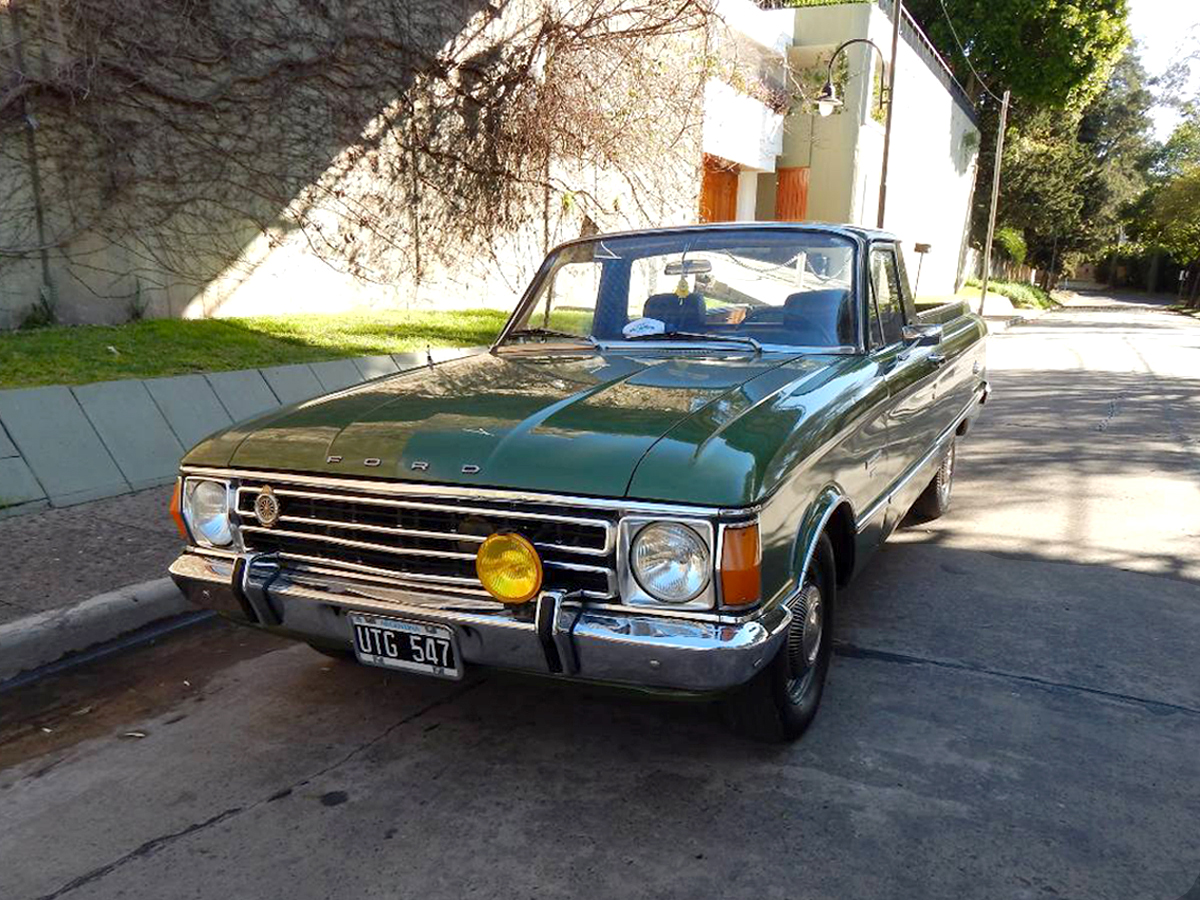
It’s a hybrid idea: the front feels like a normal car, but the back is set up like a truck bed. That way you get car comfort and still have space for gear.
The Nissan Quest is a minivan, which is a type of vehicle made to carry people comfortably. It’s designed for trips and daily driving with lots of room inside. In the podcast, it’s mentioned mainly because the name sounds like the word “quest.”
Brake lines are part of the system that sends brake fluid to the brakes. If they’re damaged, the brakes can feel weak or fail, so they’re a real maintenance item.
The “282 type” is describing a steam locomotive wheel arrangement: two leading wheels, eight driving (traction) wheels, and two trailing wheels. This layout balances stability at speed (leading wheels), pulling power (drivers), and support for the firebox/boiler (trailing wheels).
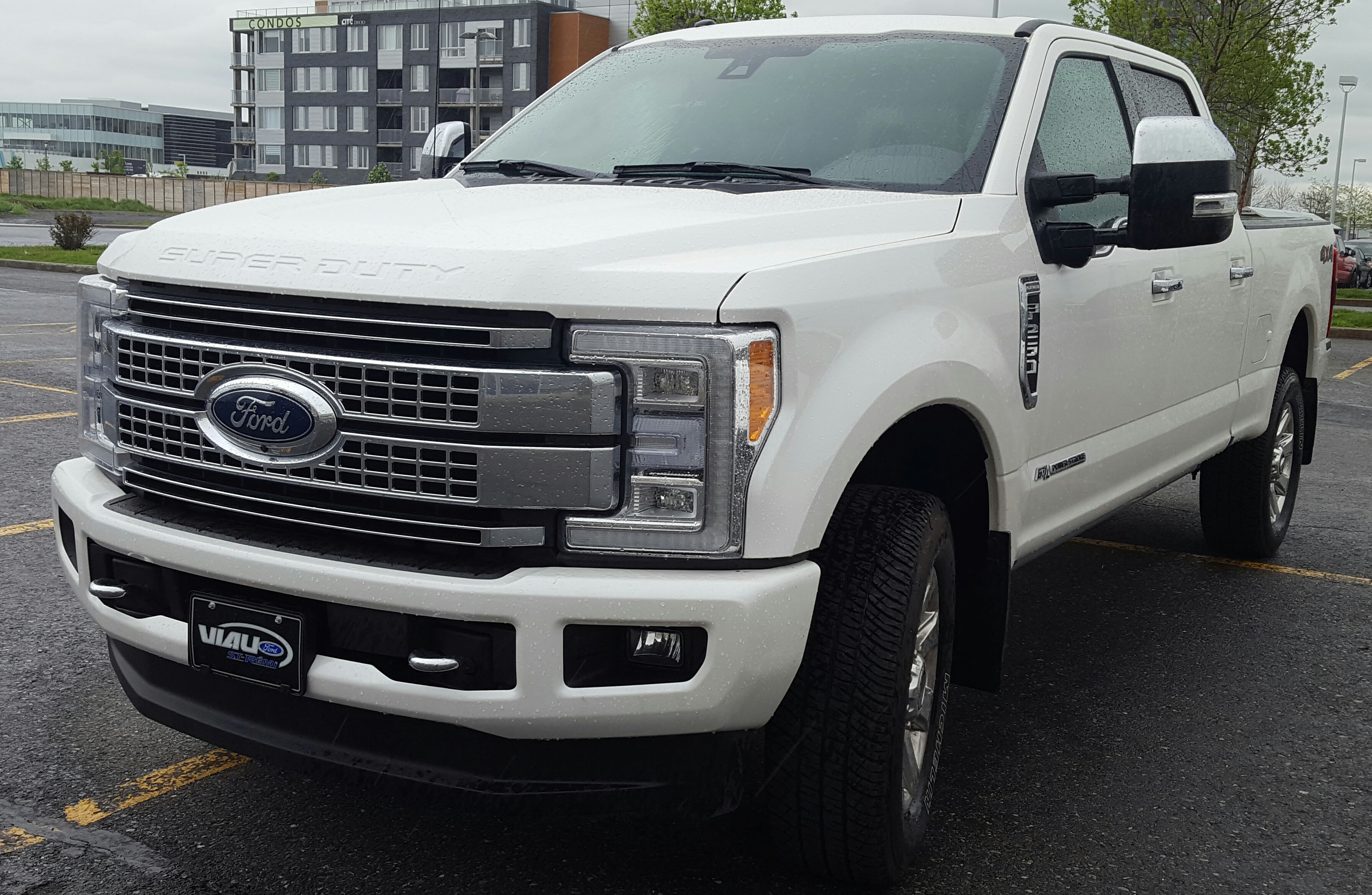
This is a Ford F-250 pickup truck with a diesel engine. Diesel engines are usually chosen for towing and hauling because they make strong pulling power. In this call, the truck is being used as the owner’s everyday work vehicle.
If a diesel truck smokes a lot right when you start it, something may be causing the fuel/air mix or combustion to be off during startup. It could be related to things like injectors or other engine wear, and what the smoke looks like (color) can give clues.
Smoke from a car can mean oil is getting burned or the engine isn’t burning fuel normally. What color the smoke is and when it happens (like cold mornings) can give clues about the cause.
Low compression means the engine’s cylinders aren’t sealing well or aren’t producing the normal pressure needed for efficient combustion. Common causes include worn piston rings, cylinder wear, valve problems, or head-gasket issues—each can also contribute to smoke and poor running.
Diesels don’t use spark plugs to start combustion. They squeeze air so much that it gets hot enough to ignite the fuel, and if that process isn’t right, you can end up with smoky exhaust.
Incomplete combustion is when the engine doesn’t burn all the fuel it injects. That can lead to smoky exhaust because some of the fuel is leaving the engine without fully burning.
A compression test checks whether each cylinder is “healthy” by measuring the pressure it makes. If the numbers are low, it often means the engine is worn out inside and may need a rebuild.
An engine rebuild is when the mechanic takes the engine apart and replaces the worn-out internal parts. It’s usually needed when the engine has serious internal problems, not just a minor maintenance issue.
The “3,000 miles” idea is a traditional schedule for changing engine oil. But if the engine’s internal compression is low, regular oil changes may not prevent the engine from needing major repairs.
The Nissan Xterra is an older SUV. The big problem they’re discussing is fuel—if the place you’re going doesn’t have unleaded gas, you may not be able to use the correct fuel in your Xterra.
When you ship a car to another country, you can’t assume it’ll work the same way there. You also have to think about what fuel is available and whether your car can run on it safely.
Unleaded gas is regular gasoline that doesn’t contain lead. If your car is meant for unleaded fuel and you can’t get it where you’re going, you could damage the engine or mess up the emissions system.
The catalytic converter is a part in your exhaust that helps clean up the smoke/gases coming out of the engine. People sometimes remove or modify it, but that can cause emissions problems and can also change how the exhaust flows.
On some newer cars, the “catalyst” isn’t just one small part. Instead, the emissions hardware can be spread along the exhaust, so messing with it may mean changing a lot more than you’d expect.
Term
pre-converter
A pre-converter is like an earlier catalytic cleaner in the exhaust. It helps treat exhaust gases before they reach the next emissions part.
Car
jaguar
They mention a Jaguar to show that their neighbor is good at keeping a car running. They don’t really get into which model, so it’s mainly an example of experience.
Cutting open a catalytic converter is a way people try to get at what’s inside. It usually ruins the part’s ability to clean exhaust and can lead to warning lights and exhaust leaks.
Term
screens inside
Inside a catalytic converter there are structures that help the exhaust pass through the catalyst efficiently. The “screens” are part of that internal design.
Oxygen sensors watch what’s coming out of the exhaust. They help the car’s computer adjust the fuel so the engine runs cleanly and efficiently.
Concept
disable this thing
Turning off or bypassing an emissions system can confuse the car’s computer. That can cause warning lights and may fail emissions inspections.
LIVE
This message comes from Charles Schwab with their original podcast Choisology,
hosted by Katie Milkman, an award-winning behavioral scientist and author of the best-selling book, How to Change.
Choisology is a show about the psychology and economics behind people's decisions.
Hear true stories from Nobel laureates, historians, authors, athletes, and more about why people do the things they do.
Download the latest episode and subscribe at Schwab.com slash podcast or wherever you listen.
Hello and welcome to Choir Talk from National Public Radio with us, click and clack the
Tapper Brothers, and we're broadcasting this week from the Department of Foreign Language Translation here at Choir Talk Plaza.
Somebody named Dave Newton from Thousand Oaks, California sent us this handy little translation guide, which he pulled off the internet, which means what?
He stole it.
Yeah, Paul.
And we don't know who the author is, but people will write to us and tell us.
They always do.
Well, this is sort of in the spirit of our never-ending effort to keep harmony and good relations.
Domestic harmony.
Domestic harmony, that's it.
Yeah.
I mean, what it says here is wife speak and English equivalent, which means your wife says this and here's what it really means.
Okay.
And I just picked out a few here.
One is we need, and what that means is I want.
Ah, yes.
We need.
She says you're so manly, which means in English, you need a shave and a shower.
This kitchen is kind of inconvenient, which means I want a new house.
That's how your wife started.
There wasn't this kitchen a little, this kitchen's a little small, isn't it?
Dark.
Dark.
If she says no, it means no.
If she says maybe, it means no.
No.
If she says sure, it means no.
And here are a couple of, if you say to her what's wrong, if she says nothing, it means something.
Oh, everything.
Everything.
Everything.
Everything.
If she says nothing really, it means just that you're a complete jerk.
I, this is Dave Newton.
I don't know who wrote this.
Why is it that I knew all the answers already?
Well, so did I.
What does that mean?
Well, it means we're tuned into our wives, while we've just heard the same thing over
and over and over again, that it's finally sunk in what they really mean.
Well, I mean, someone knew it enough to write it down, so maybe it's just common knowledge
and the only people who don't know it are the Boers and Yahoos, not sensitive men of the
thousands of the 00s as we are.
We're going to have a tough time for the next couple of decades.
Yeah, saying zero.
The zeros and the tens.
The zeros and the tens.
Well, the tens is the teens.
The teens, yeah.
That would be alright.
That would be alright.
But the zeros.
The zeros.
Nothing's going to happen for at least 10 years.
Well, nothing we can refer to.
Right.
Nothing.
Oh, no.
We'd be able to say, I remember back in ought six.
Ought six.
Ought six.
Wow, wow.
But I don't know what the whole decade will be now.
But that's going to be a problem for you, because you're going to remember two ought
sixes.
Anyway, if you'd like to translate your car speak for you, call us at 888-CAR-TALK, that's
888-227-825, hello, you're on car talk.
Hi, this is Andrea from Dublin, California.
Hi, Andrea.
How are you?
I'm doing great.
And where's Dublin?
Dublin is just east of San Francisco, about 50 miles east of San Francisco.
Oh, really?
Really?
Beautiful Bay Area.
Is it just past?
Are you ready for this?
Is it just past Hayward?
You got.
Oh, my.
Oh, my.
Do I know my geography?
Yeah.
I do.
No, no.
All right.
I have a 92 at Accurand Integra.
It has 120,000, 20,000 miles on it.
And it's a couple with a little rubber.
Turn a corner or change lanes on the freeway and go over the freeway bumps.
I hear like a rattling in the steering column.
And at first it sounded like just metal kind of clashing together.
Yeah.
And my friend Mary, she said it sounds like a bike chain rattling in either the dash
or the steering column.
Are you missing a bike?
No, no.
I have a bike and it's got a chain on it.
You hit a bump and you hear once or continuous.
Yeah, it rattles quickly.
And as soon as I smooth out of the bump, it stops.
And it sounds like it's coming right out of the dashboard.
Right.
Or the steering column.
Yeah.
Is it something to be concerned about?
Yeah.
What do you think it is?
How concerned should she be?
Well, I don't think it's really something that's going to cause you bodily harm.
What I think it is in your car is just the right age to have a broken stabilizer link.
Broken stabilizer link.
Yeah, which is right under the dashboard.
Well, it is behind the dashboard.
It is behind the dashboard, but it's about three feet away.
But travel, sounds travel.
Sounds travel.
Yeah.
And what you think is coming from behind the dashboard is actually coming from either
the right front or left front or both front wheels.
From the front wheel.
Stabilizers are little bolts with a bunch of rubber, thick rubber grommets that go between
the stabilizer and the lower control arm.
And when one of them breaks, it can cause the stabilizer part of it to bang against the
other part when you go over bumps.
And also to interfere with the axle so that when you do that, when you're going, you're
driving along and you hit a bump, the broken piece of the stabilizer will actually hit
the axle and go for a few seconds and then go away.
And the rest of the time, you hear nothing.
Exactly.
This is brilliant.
Isn't it, Andrea?
So what is going to cost me?
Oh, cheap.
Small, short money.
Short?
Okay.
As we say.
Yeah.
Short money.
Yeah, you probably need both of them replaced.
Both sides.
Yes.
They're just on the front.
And while they have it up in the air, they're going to discover that you need brakes, ball
joints, a muffler.
Tie rod ends, everything.
Yeah.
But basically, a broken stabilizer link on both.
Yeah, which is going to cost you, the short money is going to be a thousand bucks.
Are you serious?
No, no.
I mean, it should cost you a hundred, but it may end up costing you a thousand when
they find all the other things wrong with your car.
And of course, it's time for another timing belt and all that.
I would say sixteen hundred eight dollars.
Aren't you glad you called?
No, I didn't tell my timing belt replaced.
But you're going to need all this stuff and it's a lot of it is safety related and you
will thank us for saving your life even though it's going to...
Well, that's why I'm calling.
I just want to keep ignoring it.
No, that's right.
I mean, your life is worth at least sixteen hundred dollars.
I hope so.
Yeah, sure.
Okay.
Well, I appreciate your help.
I enjoy listening to you guys.
Thanks, Andrew.
Pleasure.
Thanks for calling.
Bye-bye.
Bye-bye.
Eight eight eight car talk.
That's eight eight eight double two seven eight two fifty five.
Hello, you're on car talk.
Hi, this is Tom.
How you doing?
Tom.
Where you from, Tom?
Trenton, New Jersey.
Trenton.
You know, I was in...
I was in Trenton just the other day.
No kidding.
And I was standing on the train, the Amtrak platform.
Okay.
And I struck up a conversation with a guy next to me.
Yeah, it was the basis of it was this.
Got any spare change?
That was the kind of conversation you'd have with the Trenton railroad station.
But he said, I used...
He, after we started talking, he said, I used to live in Trenton and I never come back
here if I don't have to because it is the worst city in the country.
Oh, that's mean.
Yeah, it is.
I'm just, I'm just telling you what the guy said.
He said, I moved out of Trenton when I got mugged five days in a row.
Oh, God.
The poor guy came home from work five contiguous days and every night on his way home from
work, somebody beat him up and took his money.
He was a Trenton.
Not his wallet because on the second day he didn't have a wallet.
Anybody's been to his own district.
Trenton used to be the capital of the United States.
Get out of here.
It was.
It was for a short period of time.
A week.
They mugged everyone and they left.
Alright, so I'll give a serious question.
Come on, we're killing valuable time here.
And nobody will visit Trenton now for the next 20 years.
What's up, Tom?
Well, I drive a 1994 Honda Del Sol SI.
Yeah.
It's got 102,000 miles on it.
About six months ago, the car had been sitting in my driveway for about a week.
My wife and I were away on vacation and I got in the car to start the car up to go
to work and nothing.
Battery's dead.
It's not doing a thing.
So I called somebody to give me a jump.
Got it.
Started up fine.
So I took the car to the dealer because I was concerned that maybe there was a problem
with the battery and sure enough, the battery was gone.
It was dead.
They replaced the battery and I went on my merry way.
About a week and a half later, I'm driving to work and my engine light comes on.
So called the dealer, brought the car down.
Yeah, yeah.
You need.
He said your ECU is bad.
Which, yeah, exactly.
Thumber.
That's the car's computer for those who don't know.
The economic control unit.
Well, the price of the part is about $1,200.
Yeah.
And then with the labor, it's probably 1,500.
He also said these things don't go bad very often.
He said it's very rare.
That's true.
I think we've replaced one on the computer in forever.
Okay, right.
And it started making me think, is it possible that getting the car jumped could have done
something to the ECU, even though it didn't show up as bad until a week and a half later?
The mind is a terrible thing.
I know, isn't it?
More importantly, is it possible that you can blame this on somebody else and get your
1500 bucks back?
People at work thought that's the reason why I was going to call.
And I really, it's really not.
It's just educational.
Right.
Well, certainly if you hook up the cables backward, you can cook everything on any car.
And certainly you could cook the computer.
Usually if you do that, if you hook the cables up incorrectly, the car won't start and may
even catch fire.
Yeah.
Something will usually blow up.
So there's a definite sign that they did it wrong.
Usually.
Well, you were there when who jumped the car?
AAA or some garage?
Well, it was somebody that AAA, somebody that works with.
And you were there.
I was there.
I watched them do it.
You watched them do it.
You turned the key and the car started right up.
Right up.
And how soon after that did the light come on?
About a week and a half later.
I doubt they're related.
So you don't think they're related?
Almost impossible.
So I don't think this guy did anything wrong to your car.
I think it was just bad luck.
Yeah.
Yeah.
And it runs all right now.
Oh, it runs fine.
It's a great car.
It's got 102,000 miles on it.
Yeah.
Don't go away anymore.
One safer thing to do, by the way, for anyone who has a dead battery, is to actually disconnect
the battery before you charge it.
Oh.
Okay.
Okay.
It's not really jump-starting.
So if your battery were dead, you could take the battery out.
You don't have the car towed to a gas station.
They would disconnect the cables from the battery and just charge up the battery.
And then when the battery is charged, they would disconnect the charger and hook your
cables back up, and there's no risk whatsoever then.
And that's the safest thing to do.
I see.
Now, if you had somebody come and give you a jump, would they be able to do that as
well?
No.
No, they couldn't.
No.
If you wanted to spend the morning with them and have Latte and Brioche.
But those guys don't do Latte and Brioche.
No.
So that's really the best way to do it.
That's the safest way.
Just connect the battery and have it charged.
But I wouldn't worry about it.
I mean, what are the chances that could happen again?
That's the kind of thing I worry about.
See ya.
Good luck, Tom.
Thanks a lot, guys.
Don't worry.
Bye-bye.
Appreciate it.
All righty.
Wait a minute.
If the truck drivers don't do Latte and Brioche, what do they do?
They do, like, mill a high life at seven o'clock in the morning?
Well, I don't know what they do, but I don't think Latte and Brioche is included.
One, eight, eight, eight cars.
Is that some kind of a blanket derogatory statement about tow truck drivers?
No, it's just an observation.
I mean, anything by it?
It's just a sweeping generalization.
Have we not alienated enough people?
Well, tow truck drivers, never mind.
I don't...
It's the screw up of tow truck drivers, too.
Yeah, you know, you ought not to mess with them.
Don't mess with them.
That's like the guy at McDonald's.
Yeah.
Funny man.
All right, Tommy, now that summer's here, your memory must be warming up.
You happen to remember last week's puzzler?
I don't think my memory is up to operating temperature.
You know what you need?
A blockhead heater.
This message comes from Progressive Insurance.
You're listening to this podcast, so you've got a curious mind.
Did you know that drivers who switch and save with Progressive save over $900 on average?
Visit Progressive.com and get a quick quote with discounts that are easy to come by.
Progressive Casualty Insurance Company and affiliates.
National average 12-month savings of $946 by new customers surveyed who save with Progressive
between June 2024 and May 2025.
Potential savings will vary.
Hi, we're back.
You're listening to Car Talk with us.
Click and Clack the Tappet Brothers, and we're here to talk, of course, about cars, car repair,
and the answer to last week's puzzler.
Okay, go ahead.
Anyway, this came from Rob, somebody or other, who used to work for Applied Logic,
because that's what his email address says.
And I say used to because I'm sure he's since been fired for writing personal email on company time.
Of course.
Anyway, he writes,
This is an overnight problem.
The next day, my wife gets in with her keys, turns the key, and it won't start at the dealership,
even though they said it was all right.
At which point I ask her, did you just buy something for your car?
She says, yes.
And the question is, what did she buy that was preventing her from starting the car?
I have to say that this is a...
You obfuscated this one really beautifully.
Well, I didn't.
I mean, Rob did.
You helped.
A little bit.
You helped.
Yeah, no, it's well done.
Very well done.
In fact, I will say that you did throw in a hint toward the end there that was unnecessary.
I did?
You said she got in the car again with her keys, and you didn't have to say that.
You just said she got in the car and it wouldn't start.
Oh, see, you could have been even more.
I really obfuscated it because you got the wrong answer.
Great.
It was a red herring.
What she had bought for her car on Rob's Applied Logic.
Let me guess.
Air freshener.
Floor mats.
Floor mats.
Yes, way back in the beginning, like about an hour ago, I mentioned that she had an old
achiever with a quad four engine and a five speed manual transmission, and because she
has a manual transmission, she has attached to her clutch pedal.
You didn't mention that she was short.
I didn't mention that she was short.
That would have been the hit.
She has a starter inhibit switch, and that is a switch located on the clutch pedal, which
prevents the starter from engaging unless the pedal is depressed all the way to the floor.
Right.
And when she put the carpet in, the new rugs in, it prevented her from pushing the thing
far enough down, but when Manly Rob, who I mentioned for Applied Logic.
Used to.
Used to work for Applied Logic, got in with his big legs.
He had no trouble mashing this pedal to the floor, and it was the case, the guys at the
dealership didn't have a problem either.
The end of thoughts.
Right.
Like I didn't go right through the floor.
And when it didn't start, they just pushed the pedal even harder.
Sure.
And the new floor, so all she had to do was cut a piece off of the floor mat, or pull
it back a little bit, and voila.
The car started.
All the hints were there.
I think it's great.
And Rob has a new career in the floor mat sales.
Installation.
I think it's great.
And who's our winner?
The winner is Charles Gruber.
From where?
Shapley?
Shapley, Maine.
And for having his answer selected at random, from among all the answers that we got, Charles
gets a $25 gift certificate to the contact store on our website.
Meezley.
Meezley, Charles gets a Meezley $25 gift certificate to the contact store on our website, with
which he can get five, six.
Are you ready for this?
Of a Dewey Cheetahman Howe embroidered polo shirt.
We leave off one sleeve.
Well, congratulations to you, buddy.
Well, anyway, we'll have a new puzzle from the train series.
The Amtrak collection.
That puzzle will be coming up in the third half of today's show, so stay tuned for that
if you'd like.
In the meantime, you can call us and ask us questions about your car or anything else.
The number is 888-CAR-TALK that's 888-227-8255.
Hello.
You know what that number is in binary?
Have we ever used this?
Yes, we have.
Call that number.
On your digital phone, if you will.
I love your uncart talk.
My name is Larry.
I'm from San Diego.
Hi, Larry.
How are you doing?
I'm doing good.
I was wondering if you could help me.
me, I have a 14-year-old son who is thinking about driving, and he's saying, you know,
Dad, let's buy a car and fix it up so that when I become of driving age, I'll have something
to drive.
Pretty hard to say no to that, isn't it?
I mean, it's a father-son project.
It's what every man thinks about when he has boys.
You do.
At some point, the boys and I are going to restore an old Mustang.
I know.
I kind of want to break into a Monty Python song about...
Yeah.
Tommy had that same dream, except the Mustang had hooves.
Well, I know, it does sound like a great time, and then the reality of my mechanical
ineffness and budget kind of comes to play, and that's where I was hoping you could help
me out.
Well...
This is good.
Something I should tell you about is, you know, one of his things that he likes to do
is he likes to surf, and so, you know, having something that he can drive places with and
maybe camp in or sleep in the back.
So what do you have in mind, Larry?
What do I have in mind?
Yeah.
A stalling.
So he gets a job and buys his own car.
Well, I think the...
You know, we think of the experience of this bonding as being the father and son working
side by side, replacing brake lines and putting in new pads, new shoes, and doing whatever
it takes, and the father teaching the son, but that might not be the right lesson.
Well, and it might require that you have something to teach if you don't know anything.
Well, that's the thing.
Larry said he doesn't have any idea how to do this.
What do you do for a living, Larry?
He's a computer programmer.
I'm a biologist.
Worse.
Yeah.
I actually...
You're a marine biologist?
No.
Unfortunately, you live in San Diego.
That's true.
Yeah, but I actually, you know, when I was in college, I actually had a VW Microbus as
you might have liked.
Ah, of course you did.
And I had a wonderful book called Something Like Volkswagen Repairs for the Complete Idiot.
Dummy.
Yeah.
Well, they do have that same book now, except it's 27,000 pages.
That vehicle, that Volkswagen, was the only vehicle made, perhaps, that allowed that book
to be written.
Because it was a simple enough vehicle, and with rudimentary tools, and basic knowledge
of physics, you could actually fix almost anything on that thing.
Most cars aren't like that.
And of course, the consequence of that was the car was a death trap.
Right.
You know.
Which is why we pretty much ruled that particular car out.
So that is out.
Yeah.
And any car that is made in the last couple of decades is going to be pretty much ruled
out in terms of your being able to do much to it at all.
But because you live so close to Mexico, you have a unique opportunity to go down to Mexico
and get your son a nice 57 Ranchero.
A Ranchero.
Yeah.
Now we're talking, huh?
For those of you who don't know what a Ranchero is, it's akin to the El Camino, which is
basically a car that was cut off at the behind the front seat in the back of which was a
pickup truck kind of thing.
Right.
So I think that should be your quest.
I think you ought to go to Mexico for a few weekends and search out a Ranchero.
See that?
Now it turns out that the bonding experience is not, rather than being replacing brake
lines and whatever else, the bonding experience comes from the creativity involved in figuring
out what to buy, trips to Mexico, who knows what else he'll learn on his way to never
mind.
Yeah.
I like it.
I say go for it, Larry.
Okay.
That's the vehicle for him, his surfboard will fit in the back and it'll be the coolest
thing when he sees it, he'll fall in love with it.
Okay.
See you, Larry.
You're not going to do it, are you, Larry?
No, he's not going to do it, but that's all right.
I mean, you did say thanks and I know you're just being polite because you think we're
Well, I knew that before I called.
But just remember it was my brother's idea, not mine.
No, actually, I actually think it's a pretty good idea.
I knew that.
And if we get it done, we'll send you a picture.
I'd love to see it.
All right.
See you, Larry.
Take it easy.
Bye-bye.
Bye-bye.
Okay.
Our producer wants us to take a short break now and prepare for the rest of the show.
He says it'll be better if we cram.
He didn't say cram, he said scram.
The rest of the show will be better if we scram.
Oh, okay.
We'll be back in a minute.
This message comes from Schwab.
With the new Schwab Teen Investor account, teens can gain hands-on investing experience
and build positive money habits.
It's an account co-owned by you and your teen, so you can monitor and engage with the
account while your teen learns how to invest and manage money.
Learn more at Schwab.com.
This message comes from Jerry.
Many people are overpaying on car insurance.
Why?
Switching providers can be a pain.
Jerry helps make the process painless.
Jerry is the only app that compares rates from over 50 insurers in minutes and helps you
switch fast with no spam calls or hidden fees.
Drivers who save with Jerry could save over $1,300 a year.
Before you renew your car insurance policy, download the Jerry app or head to jerry.ai.npr.
This message comes from Bombas.
Upgrade your summer staples with soft socks, cushy sandals, and breezy basics.
One purchase means one donated, with over 200 million donations and counting.
Go to bombas.com.npr and use code NPR for 20% off your first purchase.
Ha! We're back.
You're listening to Car Talk with us, Click and Clack the Tapper Brothers,
and we're here to discuss Cars, Car Repair, and the new puzzler.
Automotive in nature? Folkloric?
It's folkloric, it's historic, and it's, uh, lousy.
Locomotive in nature.
Locomotive but not automotive.
Is it semi-automotive?
Quasi-automotive?
Yes, master.
Yeah, go ahead.
This came from someone named Tim Sullivan, and I don't know if the facts are correct,
but the flavor of it is so good that it makes no difference if the particulars are right.
And would it make any difference to the answer?
Sure, of course.
He writes, years ago, when railroads used steam locomotives, the Baltimore and Ohio railroads,
we remember well, had a busy freight line running south from Rochester, New York.
Yeah.
Okay, hence the name Baltimore and Ohio, Rochester, New York.
Oh, we gotta go through.
You got me? You with me so far?
Why do you have to go through?
Never mind.
He writes, a single locomotive of the 282 type, which has a locomotive,
a single locomotive that has two wheels in the front, which didn't do much of anything.
Okay, eight wheels behind those, which were the drivers, four on each side.
And then two wheels in the back, which didn't do much except support the weight.
Hold up the train.
They're holding up the train.
Oh, really? So that's how they refer to them?
Yes.
282, five minutes already.
Two lead wheels, eight drivers, and two trailing wheels.
Could handle a train of 80 cars.
Okay, 282, 282, 80 cars.
I've got that now.
Okay, fully loaded, of course.
Why would you bring them out empty and take them back?
Well, sometimes you're empty, but most of the time they're full.
But you're ready for this?
Yeah.
On this particular run, it couldn't make it with 60 cars.
It had to have 80.
Oh, I thought it was the other way around, and it couldn't make it with 60.
It had to have 59.
Oh, no.
Oh, no, it had to have 80.
It had to have more cars.
And the hint is there's something unusual about...
Something south of Rochester.
About the run between Rochester and wherever it was going.
Baltimore.
Maybe Baltimore.
Who knows?
So it normally could figure that out.
Now, if you think you know the answer, write it on a postcard or a complete set
of 1869 Waterford Crystal Rune Valley Goblins.
And send it to...
Well packed.
Put it in all that...
You can just write it on the box.
Yeah.
Pack the Waterford Crystal.
Pack it very, very carefully, because that stuff is very delicate.
And send that answer to...
Puzzler Tower, Car Talk Plaza, Box 3500, Harvard Square, Cambridge...
Alificity.
...MAT 02238.
Or you can email your answer from the Car Talk section of cars.com.
If you'd like to call us, the number's 1-888-CAR-TALK.
That's 8882-278255.
Hello, you're on Car Talk.
I am Randy, and I'm calling from McCall, Idaho.
From Idaho?
From Idaho.
Idaho, do you end your name with an I or a Y?
With an I.
Cool.
So what's shaking, Randy?
Well, nothing's shaken, but it sure is smoking.
I have a 96 Ford F-250 diesel.
Wow.
This is my everyday rig.
Really?
We have horses and mules, and I need to drive a vehicle that I can haul
either a trailer with or hay with, you know, et cetera, et cetera.
Hmm, gotcha.
And I've had it since September of last year.
I bought it with 74,000 miles on it, and it has 90,000 now.
And my problem is that it smokes like a house on fire when I started up.
First thing in the morning.
Is it worse in cold, colder weather?
The colder it is, the darker the smoke.
She's, ah, because you didn't drive it for the first 74,000 miles.
Yes.
I'm afraid that whoever did didn't change the oil enough.
Well, you know, I spoke with the gentleman who had my vehicle.
Oh, you know him.
And he promised me that he changed the oil every 3,000 miles.
I don't believe him.
I believe him.
No, no, I don't believe him.
People in Idaho.
They don't lie, yeah, that's right.
It's not like the East, man.
It's my Eastern bias.
Not like the East.
People out there tell the truth.
They're honest, they have that pioneer mentality.
But it means more work for us.
Because the obvious reason for it smoking is that the oil wasn't changed during those
first 74,000 miles.
And if we're going to believe Clem, then we're going to have to come up with a different answer.
Yes.
The reason I think it's smoking, obviously, is that the compression is low.
And because a diesel relies on the heat of compression to combust the fuel,
it's incomplete combustion that's causing the smoke.
They have to do a compression test because that's going to tell you all.
And if, in fact, the compression is low, then whether Clem changed the oil is irrelevant,
you will need to have the engine rebuilt.
Wait, wait.
Did he say he changed the oil every 3,000 miles or at 3,000 miles?
He may have only changed it at.
Just once.
Just one time.
Yeah, the wording is crucial here.
I'll bet if you call him back.
I think I may be in trouble.
So have a compression test done because that's going to tell you everything.
Should I sell my truck?
No, you should fix it.
I should fix it.
It's almost brand new.
And it's exactly what you need.
It's exactly what it costs you to fix it.
It's going to be cheaper than buying a new one.
Plus, if you sell it, you're going to have to lie to somebody.
Right.
And if you become a liar, you can't live in Idaho.
Oh, but kick me out, won't they?
You'll have to move to Fall River, Massachusetts.
Or Boston.
You have to move back east because the liars are out.
I know where she's going to move.
Washington, D.C.
Oh, yeah.
There you go.
There are a lot of liars there.
Well, maybe you can get elected Senator from Idaho,
and then you can have your cake and eat it too.
Oh, don't even start with the...
We won't.
No, we won't.
We could do a whole show on that alone.
Don't get me started, Randy.
Don't get me started.
See you, Randy.
Good luck.
Thanks, guys.
Bye.
1-888-CAR-TALK, that's 888-227-8255.
Hello, you're on Car Talk.
Hi, guys.
This is Greg from Washington, D.C.
Hi, Greg.
What a coink-a-dink, as we say.
Are you a liar or a truth teller?
Oh, I am an absolute truth teller.
I work for the government.
Okay.
What portion of the government?
What branch?
That's it.
Well, the branch is very important here.
I work for the State Department.
And my question relates to that.
I'm about to go overseas to Yerevan, Armenia,
where they have no unleaded gas,
and I'm shipping my 2000 Nissan XTERRA.
I wouldn't do that.
You wouldn't do that.
Well, unfortunately, I think it's already on the ship.
Well, how long will you be there?
Two years.
Two years, and then I'll be overseas somewhere else.
But don't... won't you have, as we say in the...
Diplomatic community?
In the civilian world.
A company car?
Not exactly.
No, I'm afraid.
I'm afraid the bottom of the heap,
we don't get anything like that.
Yeah, but I mean...
This is my first assignment.
How much will you drive?
You have any idea?
Not too terribly much, I don't think.
But there's usually a shipping company
who will remove the catalytic converter for us.
But on post-1996 Nissan trucks, he won't touch them.
He says that the whole converter system
runs throughout almost the entire exhaust system,
that it would be removing three-quarters of the entire exhaust system.
Oh, you know why?
This must have more than one converter.
I think that's what he was saying,
that it's some kind of pre-converter and then something else.
But now, advice from my neighbor who...
And I believe what he says,
because he can keep a jaguar running by himself.
Oh, he's a genius.
He said, what you can do then is just cut it open,
get to where you can get a straight shot at the converter
at those screens inside.
And broom handle it out.
And broom handle it out, exactly.
Yeah.
You're going to have to do exactly what this guy said.
You're going to have to broom handle out the honeycomb.
Really?
Yeah.
And then the other warning that we got
is that that might damage the oxygen sensors.
Oh, you're going to unplug the oxygen sensors?
You won't be using them.
You'll be using a little piece of black tape on the dash.
Yeah.
I mean, you could refuse shipment of the X-Terror
when it gets there.
You could say, what X-Terror?
No, then they'll sell it to somebody.
No, they'll just send it back.
However, when you do disable this thing
by broom handling out the honeycomb,
you are going to incur a huge expense,
probably on the order of a few thousand bucks.
When you return stateside.
That I already knew.
And is there any other part of the engine
that I'm going to be damaging with this?
I don't know.
I do broom handle it out.
Am I going to ruin my engine all into the whole thing?
Yeah, but an engine isn't much more expensive
than the converters.
Buy one of those two.
And you probably aren't going to do any damage to anything else.
Okay.
Right.
And somewhere that you're going to go,
they're probably going to blow up your car anyway.
Thanks, guys.
And if you're lucky, it'll be like just before you have to come home.
Well, terrific.
Thank you very much.
Say you, Greg.
Bye-bye.
All right.
Well, it's happened again.
You've wasted another perfectly good hour listening to Cartel.
I certainly have.
Oh, listening.
Our esteemed producer has dug the subway fugitive,
not a slave to fashion.
Cute, cute, cute.
Berman, our associate producers are
Frau Catherine Pickle-Fenolosa
and Louis Cronin the Barbarian.
Our engineer is George Hicks.
We'll slow on the uptake, George.
Our senior Web Black, he has dug the old gray mare
and our technical, spiritual, and menu advisor.
Still celebrating his Tour de Fork victory is John Bugsy-Lawler.
Tour de Fork?
Our public opinion pollster is Paul Merkey of Merkey Research,
assisted by statistician Marge and O'Vara.
Our customer care representative is Heywood Jabuzov.
Our director of new product repair is Warranty Myfoot.
And our shop foreman is Luke Busy.
Our student and consultant is Norm DePoum.
Our dermatologist for teenagers is Don Pickett.
Our Japanese chef is Benny Honda.
And our staff tax preparer is Lionel Little.
The Car Talk musical director is Donna E. Mobiley.
Our divorce attorney is Carmine Narkyors.
And our seat cushion tester is Mike Easter.
And of course, as always, our Russian chauffeur
is Peek Off and Drop Off.
Our chief counsel from the law firm of Louis Cheaton
and how is you, Louis Dewey?
Known to the pigeons with digestive problems
in Harvard Square, as you, Louis Dewey.
Remember to tell you a story about that.
Thanks so much for listening.
We're Click and Clack, the Tabard Brothers.
And don't drive like my brother.
And don't drive like my brother.
We'll be back next week. Bye-bye.
And now we hear his Car Talk plazas.
Chief mechanic, Mr. Vinnie Gumbaz.
Hey, thank you very much.
You know, if you want to copy this year's show,
which number 27, you can get one on the web.
Just head on over to the Shameless Commerce Division
online at the Car Talk section at cars.com.
And what if I wanted something else, Vinnie?
I mean, what if I wanted like a Car Talk t-shirt
or the new book that we just wrote in our humble opinion?
Would I go to that same site or what?
No, you dope.
You'd go to www.VladimirPooteninBikingShort.com.
What are you, a complete moron?
Of course, you go to the same site,
the Car Talk section at cars.com,
or your order by phone.
Just call 888-CADJUNK.
Thank you, Vinnie.
That was a real eye-opener for me.
I'll open your eye, wise guy.
Car Talk is a production of Dewey Cheetahman Howe
and WBUR in Boston.
And even though Shaquille O'Neal
throws one into the mezzanine seats every time we say it,
this is NPR, National Public Radio.
This message comes from Midi Health, introducing Agewell,
longevity care designed by women for women.
Women can feel overlooked by the healthcare industry,
especially when it comes to aging.
Midi Health offers personalized services,
conveniently accessible through telehealth visits
and covered by major insurance providers.
Your health is worth it.
Book your virtual visit today at joinmidi.com.
That's joinmidi.com.
About this episode
A mix of shop talk and comic detours runs through the calls, from a rattling Acura that likely needs a stabilizer link to a Honda Del Sol no-start traced to floor mats blocking the clutch pedal. The hosts also weigh in on a father-son project car, steering the caller toward an older, simpler vehicle, then diagnose a smoky diesel truck with a compression problem. The closing stretch turns to exporting a Nissan Xterra overseas and the risky business of disabling its catalytic converter.
Larry’s 14-year-old kid wants the two of them to find an old car to rebuild so kiddo can drive it when he gets his license in a few years. What a great father/son bonding experience, right? You’d think our two hosts -who used to run a DIY repair shop years ago- might be all for it, but maybe not. Find out what Click and Clack think on this episode of the Best of Car Talk
See pcm.adswizz.com for information about our collection and use of personal data for sponsorship and to manage your podcast sponsorship preferences.