
About this episode
A mix of shop talk and comic detours runs through the calls, from a rattling Acura that likely needs a stabilizer link to a Honda Del Sol no-start traced to floor mats blocking the clutch pedal. The hosts also weigh in on a father-son project car, steering the caller toward an older, simpler vehicle, then diagnose a smoky diesel truck with a compression problem. The closing stretch turns to exporting a Nissan Xterra overseas and the risky business of disabling its catalytic converter.
See pcm.adswizz.com for information about our collection and use of personal data for sponsorship and to manage your podcast sponsorship preferences.
NPR Privacy Policy

Acura Integra
"“All right. I have a 92 at Accurand Integra. It has 120,000, 20,000 miles on it. And it's a couple with a little rubber. Turn a corner or change lanes on the freeway and go over the freeway bumps. I hear like a rattling in the steering column.”"
They’re talking about an older Acura Integra (a 1992). As these cars get older, parts can loosen or wear out, and that can cause rattling noises when you hit bumps or change lanes.
The Acura Integra is a compact sports sedan/coupe from Honda’s lineup, and the “92” in the segment points to a 1992 model. Older Integras are known for being straightforward to work on, but age-related wear can show up as interior rattles and steering-related noises.
rattle/noise diagnosis by driving conditions
"“And it's a couple with a little rubber. Turn a corner or change lanes on the freeway and go over the freeway bumps. I hear like a rattling in the steering column.”"
They’re describing when the noise happens: turning, changing lanes, and hitting bumps. That kind of pattern helps figure out what part is loose or worn, because different noises show up when different parts move.
Using specific driving triggers—like turning, lane changes, and hitting freeway expansion joints—helps narrow down where a noise is coming from. If the sound changes with suspension movement or steering input, it often indicates a loose component, worn bushing, or internal play in a nearby assembly.
steering column
"“I hear like a rattling in the steering column. And at first it sounded like just metal kind of clashing together.”"
The steering column is the part that connects your steering wheel to the rest of the steering system. If it rattles, something inside may be loose or worn, and bumps can make the noise show up.
The steering column is the shaft and housing that connect the steering wheel to the steering rack/gear. Rattles coming from the steering column often point to loose fasteners, worn bearings, or play in the column components—especially noticeable over bumps.
stabilizer link
"[318.8s] What I think it is in your car is just the right age to have a broken stabilizer link. [326.5s] Broken stabilizer link."
That “stabilizer link” is a small suspension piece that helps keep the car from leaning too much. If it breaks, you can hear rattling or clunking when you hit bumps.
A stabilizer link (also called a sway bar link) connects the suspension’s stabilizer bar to the control arms. When it breaks, it can rattle or clunk over bumps because the sway bar no longer transfers motion correctly.
sounds travel
"[341.0s] But travel, sounds travel. [343.3s] Sounds travel. [344.2s] Yeah."
Car noises don’t always come from where they sound like they do. Sound can bounce around inside the cabin, so the rattle might be coming from a different part of the suspension.
Rattles and knocks can seem like they’re coming from a different location than the actual source. In car cabins, sound waves reflect off panels and travel through mounts and cavities, so a noise “behind the dashboard” may originate elsewhere.
front wheels
"the right front or left front or both front wheels. From the front wheel."
They’re saying the problem is at the front wheels. That helps narrow down where to look, because the front suspension parts are different from the rear. So the noise is most likely coming from something on the front suspension.
The discussion is narrowed to the front suspension—specifically the right front/left front or both front wheels—so the likely source of the noise is in the front-end suspension hardware. That matters because front and rear suspensions use different components and mounting points. Pinpointing the side and axle helps guide what to inspect first.
stabilizers
"Stabilizers are little bolts with a bunch of rubber, thick rubber grommets that go between the stabilizer and the lower control arm. And when one of them breaks, it can cause the stabilizer part of it to bang against the other part when you go over bumps."
They’re talking about the anti-roll bar (sway bar) and the rubber pieces that hold it in place. Those rubber parts keep the bar from rattling. When they break, the bar can clunk over bumps and sometimes even contact other parts for a moment.
“Stabilizers” here refers to the vehicle’s anti-roll bar (often called a sway bar). It uses rubber bushings/grommets and links to reduce body roll when cornering and to keep suspension components from moving excessively. If the stabilizer bushings or related hardware fail, you can get banging noises over bumps.
thick rubber grommets
"Stabilizers are little bolts with a bunch of rubber, thick rubber grommets that go between the stabilizer and the lower control arm."
Those rubber grommets are the bushings that hold the sway bar securely. They also act like a cushion so metal parts don’t rattle. If the rubber fails, you’ll hear clunks over bumps, and the fix is usually replacing the worn rubber (often on both sides).
The “thick rubber grommets” are the bushings that isolate the anti-roll bar from the chassis and allow controlled movement. When these bushings tear or harden, the anti-roll bar can shift and make intermittent clunking or banging noises over rough pavement. Replacing them often restores quiet operation, though sometimes both sides are replaced together.
lower control arm
"Stabilizers are little bolts with a bunch of rubber, thick rubber grommets that go between the stabilizer and the lower control arm."
The lower control arm is part of the suspension that helps hold the wheel and lets it move up and down. The sway bar’s rubber mounts can connect in this area, so if those mounts fail, the whole setup can start clunking over bumps.
The lower control arm is a key suspension link that locates the wheel and controls how it moves. Anti-roll bar bushings/grommets can be mounted near or to components in the control-arm area, so a failure there can create noise during suspension travel. Even though the control arm itself isn’t necessarily broken, it’s part of the system that determines how the anti-roll bar moves.
intermittent banging noise over bumps
"And when one of them breaks, it can cause the stabilizer part of it to bang against the other part when you go over bumps. And also to interfere with the axle so that when you do that... the broken piece of the stabilizer will actually hit the axle and go for a few seconds and then go away. And the rest of the time, you hear nothing."
Sometimes suspension parts make noise only when the wheels hit a bump. If a rubber bushing breaks, the bar can shift and briefly hit something else. Then it stops until the next bump moves everything again.
This describes a classic “intermittent” suspension noise pattern: a broken bushing or loose anti-roll bar hardware can contact another component only when the suspension moves over bumps. That’s why the sound happens for a few seconds and then disappears until the next bump. Diagnosing these noises often comes down to correlating the sound with specific suspension travel.
ball joints
"And while they have it up in the air, they're going to discover that you need brakes, ball joints, a muffler."
Ball joints are like heavy-duty hinges in your suspension. If they wear out, the wheels can move in ways they shouldn’t, which can affect steering and tire wear.
Ball joints are pivot points that connect the steering knuckles to the suspension control arms. Worn ball joints can cause clunking, poor steering feel, and uneven tire wear, and they’re considered a safety-critical suspension component.
tie rod ends
"Tie rod ends, everything. Yeah."
Tie rod ends help connect the steering to the wheels. When they wear out, steering can feel sloppy and your tires may wear unevenly.
Tie rod ends are steering linkage components that help transmit driver input to the front wheels. If they’re worn, you can get loose steering, wandering alignment, and accelerated tire wear.
timing belt
"And of course, it's time for another timing belt and all that. I would say sixteen hundred eight dollars. Aren't you glad you called? No, I didn't tell my timing belt replaced."
The timing belt keeps the engine’s moving parts lined up. If it breaks or gets too old, the engine can be seriously damaged, so it’s important to replace it on schedule.
A timing belt synchronizes the crankshaft and camshaft(s) so the engine’s valves open at the right time. If it’s overdue or fails, many engines can suffer severe internal damage, so replacement intervals matter.
safety related
"But you're going to need all this stuff and it's a lot of it is safety related and you will thank us for saving your life even though it's going to..."
“Safety related” means the problem could make the car harder or riskier to drive—like affecting steering or stopping. Those repairs usually shouldn’t be ignored.
When mechanics say repairs are “safety related,” they mean the issue can directly affect braking, steering, suspension control, or other systems that prevent crashes. These items often take priority over non-essential comfort or convenience repairs.

1994 Honda Del Sol SI
"[537.6s] What's up, Tom? [538.6s] Well, I drive a 1994 Honda Del Sol SI. [542.3s] Yeah. [543.0s] It's got 102,000 miles on it."
This is a specific Honda model and trim. The “Del Sol” is Honda’s small convertible, and “SI” usually means a sportier version than the base trim. The host is using it as the example car for what’s happening to him.
The Honda Del Sol is a late-1990s-era compact convertible/roadster from Honda, and the “SI” trim is a sportier, more enthusiast-focused version. In this segment, Tom mentions his 1994 Del Sol SI as his daily context for the car problem they’re discussing.
102,000 miles
"[538.6s] Well, I drive a 1994 Honda Del Sol SI. [542.3s] Yeah. [543.0s] It's got 102,000 miles on it. [545.3s] About six months ago, the car had been sitting in my driveway for about a week."
Mileage like “102,000 miles” is a key ownership metric because it roughly indicates how much wear a car has seen. It helps listeners gauge whether issues are likely to be normal aging items (like maintenance catch-up) versus something unusual.
car had been sitting in my driveway for about a week
"[543.0s] It's got 102,000 miles on it. [545.3s] About six months ago, the car had been sitting in my driveway for about a week."
If a car sits for a week, it can have trouble starting or running right because it isn’t being used. Things like the battery can weaken, and fuel can go stale, which can cause weird behavior when you finally drive it again.
A car sitting for about a week can cause “start-and-run” problems or expose existing issues because fluids and systems aren’t being exercised. Common effects include battery drain, fuel system issues from stale fuel, and tires/fluids not reaching normal operating conditions.
Battery's dead
"[552.6s] to work and nothing. [554.4s] Battery's dead. [555.3s] It's not doing a thing."
If the battery is “dead,” it means it doesn’t have enough power to start the car. Sometimes it’s just an old battery, but sometimes something in the car keeps draining it.
When a car won’t start and the battery is “dead,” it usually means the battery no longer has enough stored electrical energy to crank the engine and power the car’s electronics. A dead battery can be caused by age, leaving lights/accessories on, or a charging-system problem that drains it.
engine light
"[575.4s] About a week and a half later, I'm driving to work and my engine light comes on. [580.5s] So called the dealer, brought the car down."
The engine light (check-engine light) comes on when the car finds a problem. The best next step is usually to read the error code so you know what system is actually affected.
The “engine light” is the check-engine light, which indicates the car’s onboard diagnostics detected a fault. It can be triggered by anything from a sensor issue to emissions-related problems, and it’s often worth scanning the codes rather than guessing.
ECU
"[584.6s] Yeah, yeah. [584.6s] You need. [585.6s] He said your ECU is bad. [587.8s] Which, yeah, exactly."
The ECU is the car’s computer. It controls things like how the engine runs and how emissions systems work, and if it fails you can get warning lights.
ECU stands for Electronic Control Unit, the car’s main computer that manages engine and emissions functions. When a dealer says the ECU is bad, they typically mean it’s failing internally or not communicating correctly, which can cause warning lights and drivability issues.
economic control unit
"[590.4s] Thumber. [591.2s] That's the car's computer for those who don't know. [595.5s] The economic control unit."
They’re talking about the car’s computer. The correct meaning of ECU is usually “Electronic Control Unit,” but the idea is the same: it’s the brain that controls the engine.
“Economic control unit” appears to be a misstatement of ECU’s common expansion. In automotive use, ECU is generally Electronic Control Unit—so the key takeaway is that the speaker is referring to the car’s main engine-management computer.
$1,200
"[595.5s] The economic control unit. [598.0s] Well, the price of the part is about $1,200. [602.1s] Yeah."
They’re quoting a real price for the replacement part. Computer parts like an ECU can cost a lot, and the total bill often ends up higher after labor.
The speaker cites a parts price around $1,200 for the ECU replacement. This is a useful real-world data point because ECUs are often expensive compared to typical sensors, and the final cost usually depends on the exact part and whether it needs programming.
labor
"[598.0s] Well, the price of the part is about $1,200. [602.1s] Yeah. [602.4s] And then with the labor, it's probably 1,500."
Labor is what you pay for the mechanic’s work time. With car computers, there can be extra steps like setup or programming, not just swapping the part.
“Labor” is the cost of the technician’s time to diagnose, remove/replace the part, and often program or configure it. For ECUs in particular, programming and calibration steps can be a big part of the labor bill.
jump start with incorrect cable connections
"Well, certainly if you hook up the cables backward, you can cook everything on any car. And certainly you could cook the computer. Usually if you do that, if you hook the cables up incorrectly, the car won't start and may even catch fire."
If jumper cables are hooked up wrong, the electricity can flow the wrong way. That can fry the car’s electronics and sometimes cause smoke or fire, so it’s a big deal.
Connecting jumper cables backward or incorrectly can create a reverse-polarity condition and dangerous electrical surges. That can damage electronics (including the ECU), prevent the car from starting, and in worst cases lead to overheating or fire.
AAA
"Well, you were there when who jumped the car? AAA or some garage? Well, it was somebody that AAA, somebody that works with."
AAA is a company that helps drivers when their car has problems, like dead batteries. They often do jump-starts, which is why it comes up in a discussion about what might have caused later damage.
AAA is a roadside assistance organization that commonly provides battery jump-starts and towing. In this context, it’s mentioned as the likely source of the jump that may have contributed to later electrical/ECU issues.
disconnect the battery before you charge it
"One safer thing to do, by the way, for anyone who has a dead battery, is to actually disconnect the battery before you charge it."
Before charging a car battery, it’s safer to disconnect it first. That way you’re less likely to accidentally short something or create sparks while connecting the charger.
Disconnecting the battery before charging is a safety step that reduces the chance of sparks, short circuits, or damage to sensitive electronics. It also helps prevent incorrect connections while you’re attaching the charger leads.
dead battery
"One safer thing to do, by the way, for anyone who has a dead battery, is to actually disconnect the battery before you charge it."
A dead battery is when the battery doesn’t have enough power to start the car. You can often recharge it, but if it keeps happening, the battery or another electrical problem might be the real cause.
A “dead battery” means the battery no longer has enough charge to crank the engine and power the car’s electronics. Charging or jump-starting can bring it back, but the underlying cause (like a failing battery or parasitic drain) may still need attention.
jump-starting
"It's not really jump-starting. So if your battery were dead, you could take the battery out."
Jump-starting is a way to get a dead car battery working again just long enough to start the engine. You connect your car to another power source with cables, but the connections have to be done carefully.
Jump-starting is when you use another battery (usually from a running car or a jump starter) to provide enough current to start a dead battery. It works by temporarily supplying power through jumper cables, but it can be riskier if done incorrectly.
charging a removed battery with a charger
"So if your battery were dead, you could take the battery out. You don't have the car towed to a gas station. They would disconnect the cables from the battery and just charge up the battery."
Instead of using another car to start yours, you take the battery out and plug it into a battery charger. The charger does the work safely until the battery has enough power again.
The safest approach described is removing the battery and charging it with a dedicated battery charger. This avoids the high-current, spark-prone environment of jumper cables on a car, and the charger controls the charging process until the battery is ready.
battery charger
"They would disconnect the cables from the battery and just charge up the battery. And then when the battery is charged, they would disconnect the charger and hook your"
A battery charger is a device that slowly refills your battery with electricity. It’s made to charge the battery safely, rather than forcing a quick power boost.
A battery charger is a device that supplies controlled electrical current to recharge a battery. Unlike jump-starting, charging is designed for battery chemistry and typically includes safety controls to prevent overcharging.
jumper cables
"And then when the battery is charged, they would disconnect the charger and hook your cables back up, and there's no risk whatsoever then."
Jumper cables are thick wires used to connect two cars so the dead one can get power. You have to connect them in the right order to avoid sparks or problems.
Jumper cables are heavy-duty wires used to connect a dead battery to a live power source. They can be used for jump-starting, but the connection/disconnection steps matter because improper handling can cause sparks or damage.
engine block heater (cold-weather starting)
"You know what you need? A blockhead heater... The next day, my wife gets in with her keys, turns the key, and it won't start at the dealership, even though they said it was all right."
When it’s really cold, your engine oil gets thick and your battery has a harder time. Warming the engine ahead of time can make starting the next morning much easier.
Cold-weather starting problems are often tied to engine oil viscosity and battery performance. An engine block heater reduces the temperature difference between the engine and the surrounding air, which can make starting more reliable—especially overnight or in very cold climates.
blockhead heater
"You know what you need? A blockhead heater. This message comes from Progressive Insurance."
A blockhead heater is a device that warms your engine while it’s parked. When it’s cold out, it helps the car start easier and can reduce strain on the engine.
A “blockhead heater” is a type of engine block heater used to warm the engine before starting, improving cold-weather starts. It’s typically an electric heater that warms coolant or the engine block so the oil is less viscous when you crank the engine.
pre-purchase inspection (PPI)
"Hi, we're back... and the answer to last week's puzzler... The next day, my wife gets in with her keys, turns the key, and it won't start at the dealership, even though they said it was all right."
A PPI is when a mechanic checks a used car before you buy it. It’s meant to find problems so you don’t end up with a headache right after purchase.
A pre-purchase inspection (PPI) is a third-party check of a used car before buying, meant to catch issues the seller may not disclose. In stories like this—where a car won’t start soon after a dealership says it’s fine—a PPI can help identify problems early and avoid surprises.
red herring
"Great. It was a red herring. What she had bought for her car on Rob's Applied Logic."
A red herring is something that distracts you. It’s a clue that seems helpful, but it doesn’t actually explain what’s really going on.
A “red herring” is a misleading clue that sounds relevant but ultimately points you toward the wrong conclusion. In car troubleshooting or diagnostics, it’s like chasing a symptom that isn’t the real cause of the no-start problem.
quad four engine
"Yes, way back in the beginning, like about an hour ago, I mentioned that she had an old achiever with a quad four engine and a five speed manual transmission, and because she"
“Quad four” here just means a four-cylinder engine. It’s describing the engine’s basic cylinder count, which can matter for how problems show up.
“Quad four engine” refers to a four-cylinder engine (often described as a “quad” of cylinders). The key takeaway is the engine layout being discussed—four cylinders—which affects how the car runs and how certain faults present.
five speed manual transmission
"...I mentioned that she had an old achiever with a quad four engine and a five speed manual transmission, and because she"
A “five speed manual transmission” is a gearbox where the driver selects gears using a clutch and gear lever. Manual transmissions can change how no-start issues are diagnosed, because starting conditions and clutch/safety interlocks can be involved.
clutch pedal
"has a manual transmission, she has attached to her clutch pedal. You didn't mention that she was short."
On a manual-transmission car, the clutch pedal disconnects the engine from the gearbox so you can start or shift smoothly. Some cars also require it to be pressed all the way to start.
The clutch pedal is the driver’s input for disengaging the manual transmission’s clutch. When the clutch pedal is fully depressed, it not only allows shifting but can also satisfy safety interlocks like the starter inhibit switch.
starter inhibit switch
"She has a starter inhibit switch, and that is a switch located on the clutch pedal, which prevents the starter from engaging unless the pedal is depressed all the way to the floor."
This is a safety switch that stops the car from starting unless the clutch pedal is pressed all the way. It’s there to prevent the engine from cranking while the car might be in gear.
A starter inhibit switch is an interlock that prevents the starter from engaging unless a specific condition is met. In this case, it’s mounted to the clutch pedal so the engine only cranks when the clutch is fully depressed—helping avoid starting in gear.
starter interlock (clutch safety switch)
"She has a starter inhibit switch... prevents the starter from engaging unless the pedal is depressed all the way to the floor. And when she put the carpet in... it prevented her from pushing the thing far enough down... cut a piece off of the floor mat... voila. The car started."
Some cars won’t start unless you do a specific action, like pushing the clutch all the way down. If a floor mat blocks the pedal, the car may not start until you fix the mat.
A starter interlock is a safety system that blocks starting unless the car is in a safe state—often requiring the clutch to be fully depressed on manuals. This episode shows how aftermarket floor mats can interfere with pedal travel, causing a no-start condition until the mat is trimmed or repositioned.
floor mat
"And when she put the carpet in, the new rugs in, it prevented her from pushing the thing far enough down... All she had to do was cut a piece off of the floor mat, or pull it back a little bit, and voila. The car started."
Floor mats can sometimes get in the way of pedals. If the mat is too thick or moves, it can stop the clutch pedal from going far enough down to let the car start.
Floor mats can affect pedal travel if they shift, bunch up, or are too thick. Here, the new rugs prevented the clutch pedal from reaching the position required by the starter inhibit switch, leading to a no-start that was solved by trimming or pulling the mat back.
Amtrak collection
"Well, anyway, we'll have a new puzzle from the train series. The Amtrak collection. That puzzle will be coming up in the third half of today's show, so stay tuned for that if you'd like."
They’re talking about a puzzle segment themed around Amtrak trains. It’s just part of the show’s upcoming content.
The hosts mention an “Amtrak collection” puzzle tied to the show’s “train series.” It’s a segment topic rather than a car-technical subject, but it helps listeners follow the episode structure.
888-CAR-TALK
"In the meantime, you can call us and ask us questions about your car or anything else. The number is 888-CAR-TALK that's 888-227-8255."
That’s the show’s call-in number. They’re joking about what the number would look like in binary.
“888-CAR-TALK” is the phone number listeners can call to ask questions. The hosts also play with the idea of converting it into binary, which is a fun aside rather than an automotive concept.
restore an old Mustang
"At some point, the boys and I are going to restore an old Mustang. I know."
Restoring an old car means fixing it up so it runs well and looks good again. It’s not just repairs—there’s usually a lot of planning and money for things that have worn out over the years.
Restoring an older car usually means bringing it back to a safe, reliable, and often original-looking condition. It typically involves budgeting for deferred maintenance (rust, worn suspension/brakes, aging wiring) and deciding how “correct” you want the final result to be.

Ford Mustang
"At some point, the boys and I are going to restore an old Mustang. I know."
A Mustang is a famous Ford sports car. People often restore older ones because they’re common, parts are usually available, and it can be a fun learning project.
A Ford Mustang is a classic American muscle car that’s popular for restoration projects. In a father-son context, buying an older Mustang to fix up is often about learning mechanical basics while building a car with personal history.

VW Microbus
"Yeah, but I actually, you know, when I was in college, I actually had a VW Microbus as you might have liked."
The VW Microbus is a classic Volkswagen van. The hosts are saying older Volkswagens were simpler to fix yourself, unlike most modern cars.
The Volkswagen Microbus (often called the VW Bus) is a classic van known for being mechanically simple compared with modern cars. In the transcript, it’s described as easy to work on with basic tools, which is why repair guides became popular.
DIY car repair vs modern cars
"Because it was a simple enough vehicle, and with rudimentary tools, and basic knowledge of physics, you could actually fix almost anything on that thing. Most cars aren't like that... And any car that is made in the last couple of decades is going to be pretty much ruled out in terms of your being able to do much to it at all."
They’re talking about how older cars were easier to fix at home, while newer cars are more complicated. Modern cars often require computers and special equipment to diagnose problems.
The segment contrasts older, simpler vehicles with modern cars that are harder to repair without specialized tools and knowledge. As cars have added electronics, emissions systems, and integrated modules, many repairs shift from “wrenching” to diagnostics and dealer-level service.
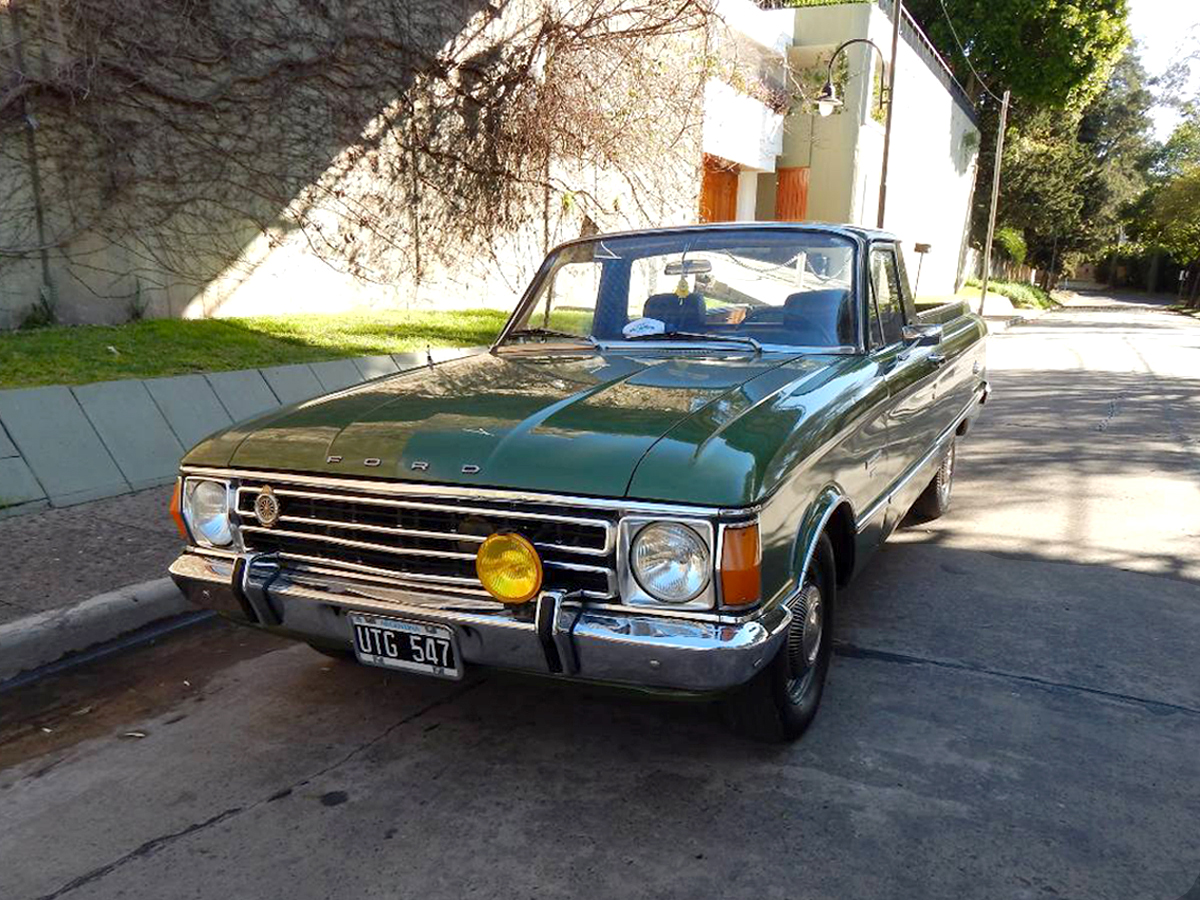
57 Ranchero
"But because you live so close to Mexico, you have a unique opportunity to go down to Mexico and get your son a nice 57 Ranchero. A Ranchero."
A 1957 Ford Ranchero is a classic car/truck hybrid from Ford. The idea here is that it’s an appealing older vehicle you might be able to find and buy.
A “57 Ranchero” refers to a 1957 Ford Ranchero, a classic American vehicle that blends pickup utility with a passenger-car body. The hosts mention it as a good, old-school option they could source in Mexico.

Chevrolet El Camino
"For those of you who don't know what a Ranchero is, it's akin to the El Camino, which is basically a car that was cut off at the behind the front seat in the back of which was a pickup truck kind of thing."
The El Camino is like a pickup truck, but it’s built on a car. It’s meant to look and drive like a car up front, with a truck bed in the back.
The Chevrolet El Camino is another “car-based pickup” from the same era as the Ranchero. They’re using it as a comparison so listeners understand the layout: a passenger-car front end with a pickup bed behind the cabin.
car-based pickup (El Camino/Ranchero style)
"For those of you who don't know what a Ranchero is, it's akin to the El Camino, which is basically a car that was cut off at the behind the front seat in the back of which was a pickup truck kind of thing."
It’s a hybrid idea: the front feels like a normal car, but the back is set up like a truck bed. That way you get car comfort and still have space for gear.
The segment is describing a “car-based pickup” concept: instead of being a full truck with a separate cab and bed, these vehicles use a car-like cabin and then add a pickup-style cargo area behind it. This hybrid approach is why the Ranchero and El Camino feel like cars but can carry bulky items like surfboards.

Nissan Quest
"Right. So I think that should be your quest. I think you ought to go to Mexico for a few wee..."
The Nissan Quest is a minivan, which is a type of vehicle made to carry people comfortably. It’s designed for trips and daily driving with lots of room inside. In the podcast, it’s mentioned mainly because the name sounds like the word “quest.”
The Nissan Quest is a minivan focused on family transportation—prioritizing space, comfort, and ease of use. The podcast line uses it as a wordplay “quest” reference, but the vehicle itself is the kind of everyday people-mover that often comes up in discussions about practical ownership. It’s typically discussed in terms of what it’s like to live with as a minivan.
brake lines
"Now it turns out that the bonding experience is not, rather than being replacing brake lines and whatever else, the bonding experience comes from the creativity involved in figuring out what to buy, trips to Mexico, who knows what else he'll learn on his way to never mind."
Brake lines are part of the system that sends brake fluid to the brakes. If they’re damaged, the brakes can feel weak or fail, so they’re a real maintenance item.
Brake lines are the metal or flexible tubes that carry brake fluid from the master cylinder to the brake calipers or wheel cylinders. The segment contrasts “replacing brake lines” with the idea that the real “bonding experience” is planning and searching for the right vehicle.
Baltimore and Ohio railroads
"when railroads used steam locomotives, the Baltimore and Ohio railroads, ... hence the name Baltimore and Ohio, Rochester, New York."
The Baltimore and Ohio Railroad was a big freight railroad in the U.S. The name comes from the places it served—Baltimore and the state of Ohio.
The Baltimore and Ohio (B&O) Railroad was a major U.S. railroad company known for freight service. In the segment, the hosts connect the railroad’s name to its route between Baltimore and Ohio, with a stop near Rochester, New York.
steam locomotive
"He writes, years ago, when railroads used steam locomotives, the Baltimore and Ohio railroads,"
A steam locomotive is a train engine that makes power by boiling water into steam. That steam pushes pistons to move the train.
A steam locomotive is a train engine powered by steam generated in a boiler. It was common on railroads before diesel-electric and modern electric traction became widespread.
locomotive wheel arrangement (2-8-2)
"a single locomotive of the 282 type ... two lead wheels, eight drivers, and two trailing wheels. Could handle a train of 80 cars."
The “282 type” is describing a steam locomotive wheel arrangement: two leading wheels, eight driving (traction) wheels, and two trailing wheels. This layout balances stability at speed (leading wheels), pulling power (drivers), and support for the firebox/boiler (trailing wheels).
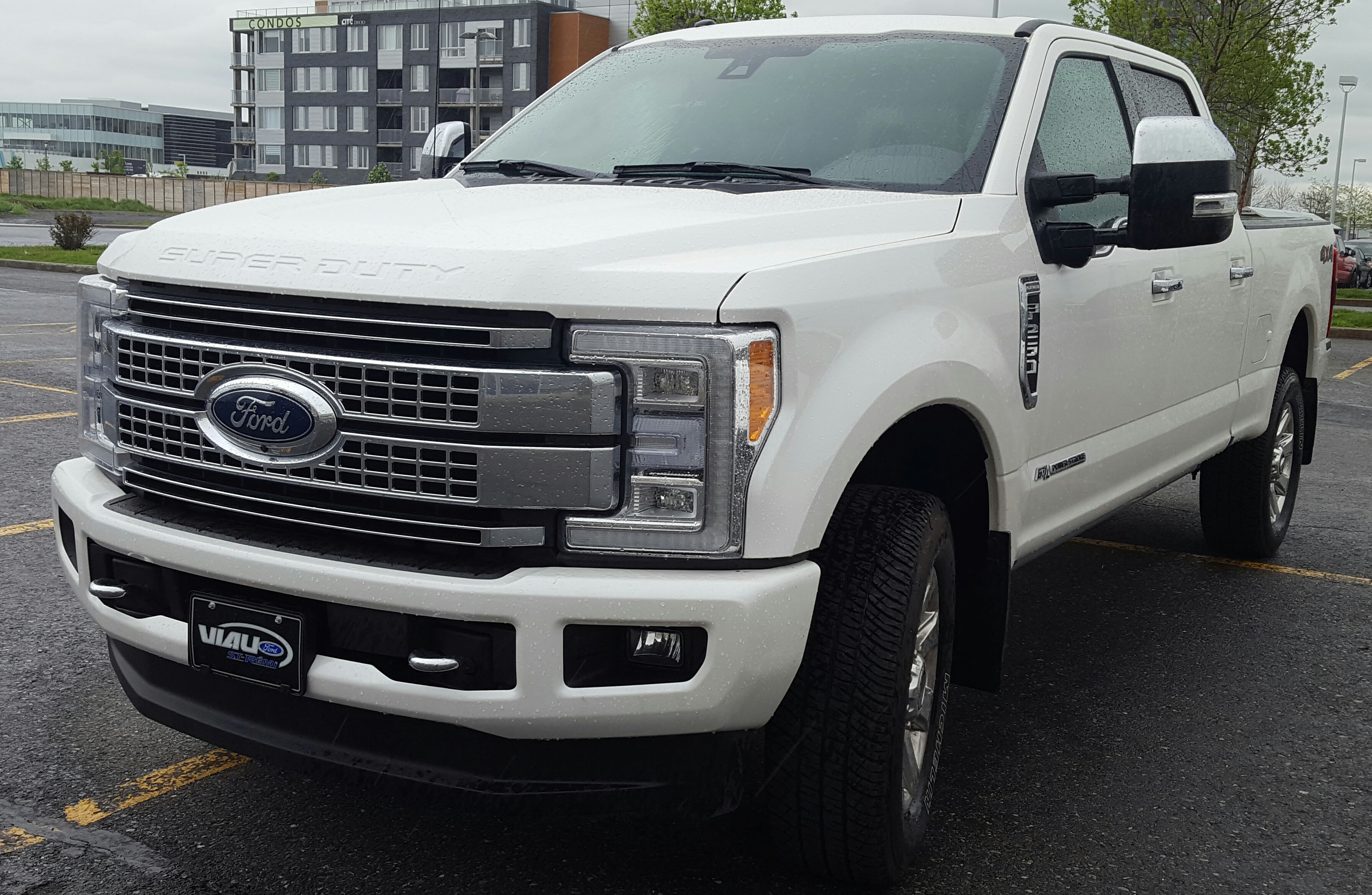
96 Ford F-250 diesel
"Well, nothing's shaken, but it sure is smoking. I have a 96 Ford F-250 diesel."
This is a Ford F-250 pickup truck with a diesel engine. Diesel engines are usually chosen for towing and hauling because they make strong pulling power. In this call, the truck is being used as the owner’s everyday work vehicle.
A Ford F-250 is a heavy-duty pickup truck, and the “diesel” part means it uses a compression-ignition engine rather than a spark-ignition gasoline engine. Diesel trucks like this are commonly used for towing and hauling, which matches the caller’s trailer and hay needs.
smokes like a house on fire when I started up
"I bought it with 74,000 miles on it, and it has 90,000 now. And my problem is that it smokes like a house on fire when I started up."
If a diesel truck smokes a lot right when you start it, something may be causing the fuel/air mix or combustion to be off during startup. It could be related to things like injectors or other engine wear, and what the smoke looks like (color) can give clues.
“Smoking on startup” is a common symptom that can point to issues like fuel delivery problems, worn engine components, or incorrect combustion. On diesel engines, the smoke color and timing (only at start vs under load) can help narrow down whether it’s related to cold-start behavior, injector problems, or excessive oil burning.
cold, colder weather
"Is it worse in cold, colder weather? The colder it is, the darker the smoke."
When it’s cold outside, the engine and oil don’t work as smoothly at first. That can make smoke show up more, especially right after starting.
Cold weather can make symptoms worse because oil thickens, combustion efficiency changes, and engines may take longer to reach normal operating temperature. That can increase visible smoke on startup or during warm-up, even if the underlying issue is the same.
oil wasn't changed
"I'm afraid that whoever did didn't change the oil enough... Because the obvious reason for it smoking is that the oil wasn't changed during those first 74,000 miles."
Engine oil has to be replaced regularly. If you don’t, it gets dirty and stops protecting the engine as well, which can lead to smoke and oil burning.
Regular engine-oil changes are critical because oil breaks down over time and loses its ability to lubricate and carry contaminants. If oil isn’t changed for a long period, wear increases and the engine can start burning oil or producing smoke.
smoking
"Because the obvious reason for it smoking is that the oil wasn't changed... And if we're going to believe Clem, then we're going to have to come up with a different answer."
Smoke from a car can mean oil is getting burned or the engine isn’t burning fuel normally. What color the smoke is and when it happens (like cold mornings) can give clues about the cause.
When an engine is “smoking,” it usually points to an issue like oil burning, incomplete combustion, or coolant entering the combustion process. The color and conditions (like cold weather) can help narrow down which system is at fault.
compression is low
"The reason I think it's smoking, obviously, is that the compression is low."
Low compression means the engine’s cylinders aren’t sealing well or aren’t producing the normal pressure needed for efficient combustion. Common causes include worn piston rings, cylinder wear, valve problems, or head-gasket issues—each can also contribute to smoke and poor running.
diesel relies on the heat of compression
"And because a diesel relies on the heat of compression to combust the fuel, it's incomplete combustion that's causing the smoke."
Diesels don’t use spark plugs to start combustion. They squeeze air so much that it gets hot enough to ignite the fuel, and if that process isn’t right, you can end up with smoky exhaust.
Diesel engines ignite fuel using heat created by compressing air, not a spark plug. If combustion is incomplete, you can get visible smoke, often tied to issues like poor fuel delivery, insufficient compression, or airflow problems.
incomplete combustion
"it's incomplete combustion that's causing the smoke. They have to do a compression test because that's going to tell you all."
Incomplete combustion is when the engine doesn’t burn all the fuel it injects. That can lead to smoky exhaust because some of the fuel is leaving the engine without fully burning.
Incomplete combustion means the fuel isn’t fully burned during the engine cycle. In diesels, that often shows up as smoke because unburned or partially burned fuel leaves the cylinder and exits the exhaust.
compression test
"They have to do a compression test because that's going to tell you all. And if, in fact, the compression is low... you will need to have the engine rebuilt."
A compression test checks whether each cylinder is “healthy” by measuring the pressure it makes. If the numbers are low, it often means the engine is worn out inside and may need a rebuild.
A compression test measures how much pressure each cylinder can build when the engine is cranked. Low compression usually points to internal engine wear or damage, and it helps determine whether the engine needs major work like an overhaul.
engine rebuilt
"And if, in fact, the compression is low... you will need to have the engine rebuilt."
An engine rebuild is when the mechanic takes the engine apart and replaces the worn-out internal parts. It’s usually needed when the engine has serious internal problems, not just a minor maintenance issue.
An engine rebuild is a major repair where worn internal parts are replaced or restored, often including components like pistons, rings, bearings, and sometimes the cylinder head. It’s typically considered when diagnostics (like low compression) indicate internal mechanical failure rather than a simple fix.
oil changed every 3,000 miles
"Did he say he changed the oil every 3,000 miles or at 3,000 miles? He may have only changed it at. Just once."
The “3,000 miles” idea is a traditional schedule for changing engine oil. But if the engine’s internal compression is low, regular oil changes may not prevent the engine from needing major repairs.
“Change it every 3,000 miles” is a common old-school oil-change rule of thumb. The transcript highlights that even if oil changes were done, low compression can still indicate deeper engine wear that oil alone can’t fix.

2000 Nissan XTERRA
"I'm about to go overseas to Yerevan, Armenia, where they have no unleaded gas, and I'm shipping my 2000 Nissan XTERRA."
The Nissan Xterra is an older SUV. The big problem they’re discussing is fuel—if the place you’re going doesn’t have unleaded gas, you may not be able to use the correct fuel in your Xterra.
The Nissan Xterra is a body-on-frame SUV known for off-road capability and durability. In this segment, the key issue is fuel compatibility: the speaker says Yerevan, Armenia has no unleaded gas, which raises concerns about whether a 2000 Xterra can be safely fueled there.
shipping a car overseas
"I'm about to go overseas to Yerevan, Armenia, where they have no unleaded gas, and I'm shipping my 2000 Nissan XTERRA. I wouldn't do that."
When you ship a car to another country, you can’t assume it’ll work the same way there. You also have to think about what fuel is available and whether your car can run on it safely.
Shipping a car overseas is more than just transport—it often involves fuel availability, emissions compliance, and whether the vehicle can be operated safely with local fuel. This segment highlights a practical “fit” problem: even if the car arrives, the local fuel situation may make it hard or risky to use.
unleaded gas
"I'm about to go overseas to Yerevan, Armenia, where they have no unleaded gas, and I'm shipping my 2000 Nissan XTERRA."
Unleaded gas is regular gasoline that doesn’t contain lead. If your car is meant for unleaded fuel and you can’t get it where you’re going, you could damage the engine or mess up the emissions system.
“Unleaded gas” refers to gasoline without lead additives. Many modern engines and emissions systems are designed for unleaded fuel; using leaded fuel (or the wrong fuel type) can foul components and can be illegal or harmful to emissions equipment.
catalytic converter
"But there's usually a shipping company who will remove the catalytic converter for us. But on post-1996 Nissan trucks, he won't touch them."
The catalytic converter is a part in your exhaust that helps clean up the smoke/gases coming out of the engine. People sometimes remove or modify it, but that can cause emissions problems and can also change how the exhaust flows.
A catalytic converter is an emissions-control device that uses a catalyst to reduce harmful exhaust gases. On many vehicles, it’s integrated into a larger exhaust system, so removing or modifying it can affect emissions compliance and engine-out exhaust flow.
converter system integrated throughout the exhaust
"He says that the whole converter system runs throughout almost the entire exhaust system, that it would be removing three-quarters of the entire exhaust system."
On some newer cars, the “catalyst” isn’t just one small part. Instead, the emissions hardware can be spread along the exhaust, so messing with it may mean changing a lot more than you’d expect.
Some modern exhaust systems use multiple catalytic elements and related emissions components spread across the exhaust path. When the converter system is integrated this way, removing one section can effectively mean removing a large portion of the exhaust, which can change backpressure, exhaust routing, and emissions performance.
pre-converter
"I think that's what he was saying, that it's some kind of pre-converter and then something else."
A pre-converter is like an earlier catalytic cleaner in the exhaust. It helps treat exhaust gases before they reach the next emissions part.
A “pre-converter” typically refers to an upstream catalytic element that sits before another converter or emissions component. The idea is to start cleaning exhaust gases earlier in the exhaust stream, improving overall emissions control.

jaguar
"And I believe what he says, because he can keep a jaguar running by himself. Oh, he's a genius."
They mention a Jaguar to show that their neighbor is good at keeping a car running. They don’t really get into which model, so it’s mainly an example of experience.
The speaker references a Jaguar as an example of their neighbor’s ability to keep a vehicle running. The point is less about a specific Jaguar model and more about the neighbor’s mechanical skill.
cut it open
"He said, what you can do then is just cut it open, get to where you can get a straight shot at the converter at those screens inside."
Cutting open a catalytic converter is a way people try to get at what’s inside. It usually ruins the part’s ability to clean exhaust and can lead to warning lights and exhaust leaks.
Cutting open a catalytic converter is a common “hacker” approach to access the internal catalyst material. However, it destroys the converter’s emissions function and can create issues like exhaust leaks, check-engine lights, and illegal operation in many jurisdictions.
screens inside
"get to where you can get a straight shot at the converter at those screens inside."
Inside a catalytic converter there are structures that help the exhaust pass through the catalyst efficiently. The “screens” are part of that internal design.
Catalytic converters contain internal structures (often ceramic substrates) that look like a honeycomb or “screens,” designed to provide lots of surface area for the catalyst. The transcript suggests accessing those internal elements directly.
oxygen sensors
"And then the other warning that we got is that that might damage the oxygen sensors. Oh, you're going to unplug the oxygen sensors? You won't be using them."
Oxygen sensors watch what’s coming out of the exhaust. They help the car’s computer adjust the fuel so the engine runs cleanly and efficiently.
Oxygen sensors (often called O2 sensors) measure how much oxygen is in the exhaust. The engine computer uses that data to keep the air-fuel mixture correct for efficient operation and emissions control.
disable this thing
"However, when you do disable this thing by broom handling out the honeycomb, you are going to incur a huge expense, probably on the order of a few thousand bucks."
Turning off or bypassing an emissions system can confuse the car’s computer. That can cause warning lights and may fail emissions inspections.
Disabling an emissions-related system can trigger check-engine lights, fault codes, and drivability issues because the car’s computer expects sensor feedback. It can also create legal and inspection problems depending on where the vehicle is registered and how emissions testing is enforced.
Request an Explanation
Heard something you'd like explained? We'll add it to this episode.
Sign in to request explanations for terms you heard.
Want to learn more?
Browse our glossary for plain-English explanations of automotive terms, jargon, and concepts.
Help improve this episode
See something that's not quite right? Our annotations are AI-generated and can sometimes miss the mark. Click the flag icon on any annotation to suggest a correction.