
About this episode
From MIT course-evaluation jokes to a deep dive on engine clacking, the show bounces between listener calls and practical diagnostics. A 1989 Nissan Pathfinder owner describes freeway driving and mileage, while the hosts trace a cold-start clack to oil starvation—possibly a weak oil pump or clogged oil screen—and recommend “Change the oil. Simple.” Later, a 1991 Honda Accord 90,000-mile checkup turns into a debate over timing belt scope and whether shops will also handle the water pump and cooling flush.
See pcm.adswizz.com for information about our collection and use of personal data for sponsorship and to manage your podcast sponsorship preferences.
NPR Privacy Policy

Nissan Pathfinder
"...hat's going on, Jamie? I got myself a 1989 Nissan Pathfinder. Let me give you a little backup on this. This th..."
The Nissan Pathfinder is an SUV, meaning it’s a larger vehicle meant for carrying people and gear. A 1989 Pathfinder is an older model, so it may need more maintenance than newer cars. People talk about them because they’re built to handle everyday driving and some rougher roads, but they can be tricky when they get old.
The 1989 Nissan Pathfinder is a mid-size SUV built for family hauling and light off-road use, using a body-on-frame design typical of that era. It’s often discussed because it represents a durable, straightforward approach to SUVs from the late 1980s, and older Pathfinders can be a popular “project” vehicle. In a podcast context, it likely comes up due to the owner’s experience with its age-related quirks and maintenance needs.
engine warms up
"Now, I also get this sound sometimes in [307.8s] the morning when I first started up for like the first five minutes until the engine warms up."
When the engine is cold, oil doesn’t flow as easily as it does when everything is warmed up. That can make certain noises show up for the first few minutes after starting.
Cold-start behavior refers to how an engine runs right after starting before it reaches operating temperature. Many lubrication-related noises are more noticeable early on because oil is thicker when cold and clearances and flow conditions change as the engine warms up.
oil starvation
"It says pick up a loaf of bread on the way home. It says starvation. [344.1s] Oil starvation. Yes. Oil starvation. What did you write down? Well, I didn't like this. [349.1s] I like oil starvation."
Oil starvation is when the engine doesn’t have enough oil flowing where it needs to go. That can cause noisy sounds because parts aren’t getting proper lubrication, and it can happen more when the engine is cold or if the oil system is clogged.
Oil starvation means the engine isn’t getting enough oil to lubricate its moving parts. When oil supply is low—like from a weak oil pump or a clogged oil screen—components can start clacking or ticking, especially when the engine is cold or after certain driving conditions.
oil pump
"Yeah, I mean, the reason it happens is that you have either a weak oil pump or a [382.5s] plugged up oil screen."
The oil pump is what pushes oil through the engine to keep parts lubricated. If it’s weak, the engine may not get enough oil pressure, and you can hear unusual noises.
The oil pump is the component that pressurizes and circulates engine oil through the lubrication system. If the oil pump is weak, oil pressure drops and the engine can experience oil starvation, leading to abnormal noises.
oil screen
"Yeah, I mean, the reason it happens is that you have either a weak oil pump or a [382.5s] plugged up oil screen."
The oil screen is like a protective filter inside the engine’s oil system. If it gets clogged, less oil can get through, and the engine may not be lubricated properly.
An oil screen is a filter-like mesh that helps keep debris from reaching the oil pump and critical engine passages. If it’s plugged up, oil flow can be restricted, contributing to oil starvation and noisy operation.
oil pan
"sucking oil out of the pan, which in a sufficient amount when you're going at low speed. But when you take the thing up to 70 miles an hour..."
The oil pan is where engine oil sits at the bottom of the engine. The oil has to be picked up from there and sent through the engine—if that pickup can’t keep up, the engine may not get enough lubrication.
The oil pan is the reservoir at the bottom of the engine where oil collects before being pumped through the system. The segment describes how, at low speed, the pickup can draw oil from the pan, but at higher speed it may not keep up if the pickup is restricted.
pickup screen
"you can't suck oil out of the pan fast enough [411.1s] because the screen is plugged up or the pump is weak."
The pickup screen is like a small filter on the oil intake. If it gets clogged, oil can’t flow properly, and the engine may start making noise because parts aren’t getting enough oil.
The pickup screen is the strainer at the oil pump inlet that prevents debris from being sucked into the pump. In the segment, it’s described as “plugged up,” which would restrict oil flow and contribute to noisy engine valve operation.
valves making noise
"you begin to hear the valves making noise because not enough oil is getting to them and they're getting filled with air."
When the valves make noise, it usually means the engine isn’t lubricating that part well. In this story, they think the oil isn’t getting to the valves properly at speed.
Valve noise typically refers to abnormal sounds from the valve train, often caused by insufficient lubrication. Here, the hosts connect the noise to oil not reaching the valves quickly enough, leaving them to run with air in the oiling system.
oil change
"Now, the remedy for this, you want a remedy? [434.5s] Sure. Change the oil. Simple. Yeah. You haven't done that yet, have you?"
An oil change means replacing the old engine oil (and usually the filter) with fresh oil. The goal is to keep the engine properly lubricated so parts don’t run dry or get noisy.
An oil change is the scheduled replacement of the engine oil and (usually) the oil filter. In this segment, the hosts argue that old or contaminated oil can’t flow fast enough, leading to poor lubrication and noisy valve operation.
crankcase
"I mean, your thought that maybe the oil isn't draining back into the crankcase is another possibility. And if you haven't changed the oil for a long time..."
The crankcase is the bottom part of the engine where oil collects. If oil doesn’t drain back there correctly, the engine can end up running with less oil than it needs.
The crankcase is the lower part of the engine that houses the crankshaft and contains the oil sump. The hosts suggest the oil may not be draining back into the crankcase properly, which would reduce oil available for lubrication at speed.
Colt Vista
"And if you haven't changed the oil for a long time, although this has not happened on the Colt Vista, if you haven't changed the oil for a long time, ugly stuff happens and plugs up all the way down."
They’re talking about a specific car called the Colt Vista. Their point is that if you don’t change the oil for a long time, dirty sludge can clog the oil system and cause problems.
The hosts mention the “Colt Vista” as the specific car they’re discussing while explaining a lubrication problem. They argue that if the oil hasn’t been changed in a long time, sludge can plug the oil pickup and lead to ugly running issues.
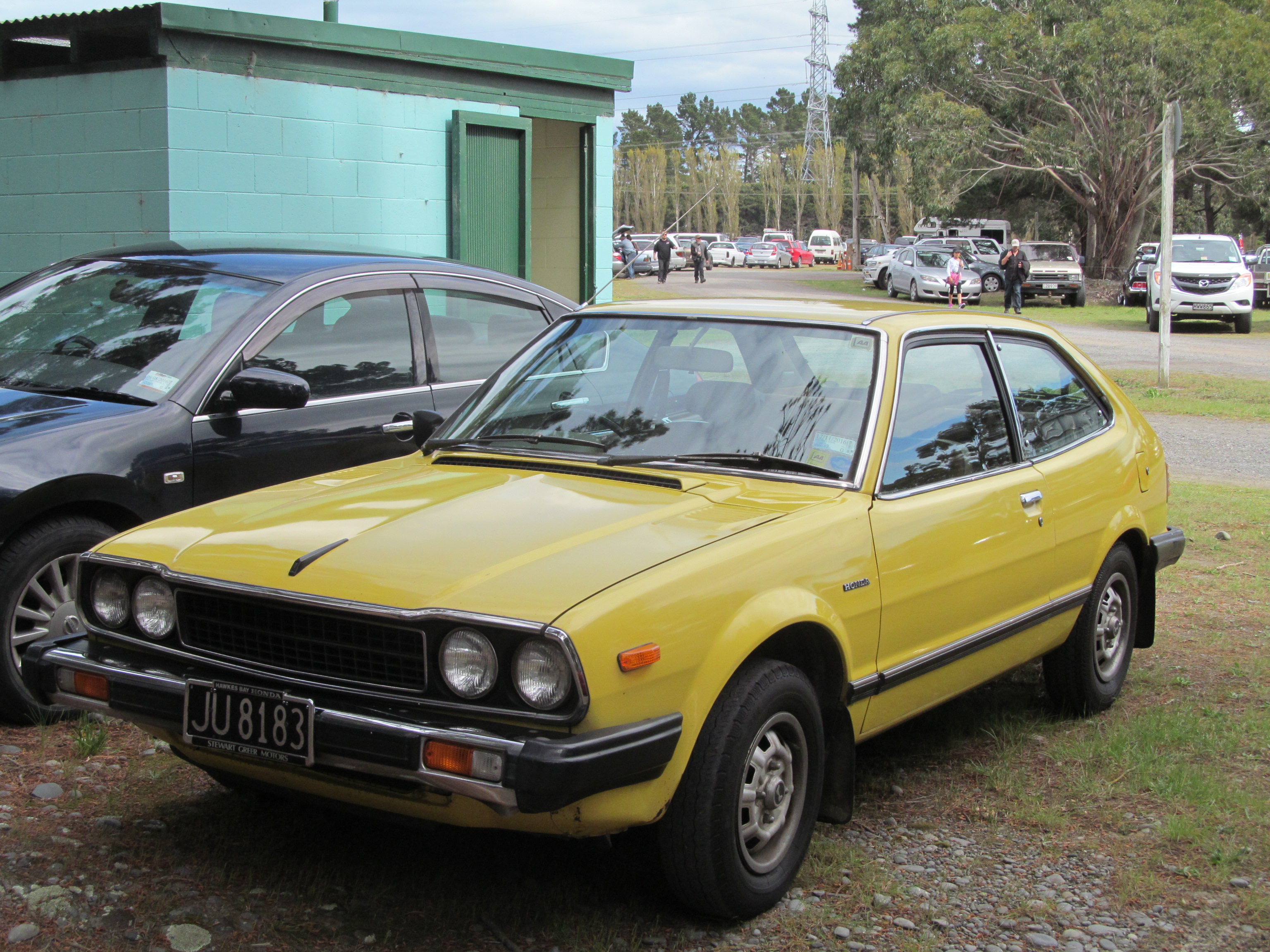
91 Accord
"I have a 91 Accord and it's just about due for its 90,000 miles checkup. Oh, which includes a timing belt on this car."
This is a 1991 Honda Accord. The big maintenance item mentioned is the timing belt, which is a belt that keeps the engine’s timing correct. Replacing it is more involved than most normal services.
A 1991 Honda Accord is a late-80s/early-90s midsize sedan that’s known for straightforward, DIY-friendly maintenance schedules. In this segment, the key point is that its service interval includes a timing belt replacement, which is a major, engine-access job compared with routine fluid changes.
timing belt
"Oh, which includes a timing belt on this car. And which costs about $100 more here in Lexington than it does in my parents' hometown,"
The timing belt is a belt inside the engine that keeps the engine’s moving parts working in the correct order. If it fails, the engine can be damaged, so mechanics replace it at the recommended mileage.
A timing belt synchronizes the crankshaft and camshaft so the engine’s valves open at the right time. If it wears out or breaks, the valve timing can go wrong and can cause serious engine damage, which is why it’s scheduled at mileage/time intervals.
labor rate
"That difference is too much because even if the labor rate were off by a lot, the parts would be pretty much the same price."
Labor rate is the hourly charge a shop applies to technician time. Even when parts prices are similar, differences in labor rate can change the total cost of a job like a timing belt replacement.
water pump
"I don't think either one of these shops is planning to change your water pump. And I believe this car has two belts."
The water pump moves coolant through the engine so it doesn’t overheat. Mechanics sometimes replace it during a timing belt job because it’s easier to do while the engine is already partly taken apart.
The water pump circulates coolant through the engine to control temperature. It’s often replaced around the same time as a timing belt because accessing the pump can require similar labor, and doing both together can reduce total downtime and cost.
counterbalance shaft belt
"This has a timing belt and a counterbalance shaft belt. And both should be changed. And I don't think anyone's going to do the timing belt and the water pump and flush the cooling"
Some engines have extra parts to reduce shaking. This “counterbalance shaft belt” is the belt that helps run that vibration-reducing system, so it may need replacement along with the main timing belt.
A counterbalance shaft belt drives a secondary shaft that helps reduce engine vibration. Some engines use an additional belt to run the counterbalance system, so the service can involve replacing more than one belt.
cooling systems
"And I don't think anyone's going to do the timing belt and the water pump and flush the cooling system and all that for 170 bucks."
The cooling system is how the car keeps the engine from overheating. A flush is when the old coolant is cleaned out and replaced so the system works properly.
The cooling system is the set of components that moves coolant to remove heat from the engine. A “cooling system flush” is meant to remove old coolant and deposits, helping maintain proper heat transfer and corrosion protection.

1988 Oldsmobile Cutlass Sierra
"Okay, we have a 1988 Oldsmobile Cutlass Sierra. It has about 125,000 miles on it."
This is a specific older car: a 1988 Oldsmobile Cutlass Sierra. It’s the kind of mid-size American car from the late 1980s, so it’s useful to know because parts and repairs are usually straightforward compared with newer cars.
The Oldsmobile Cutlass Sierra is a late-1980s American mid-size car from Oldsmobile, a GM brand. In 1988, it represents the era of carbureted/early electronic fuel systems and conventional rear-wheel-drive (depending on configuration), making it a classic “period” platform for DIY maintenance and parts sourcing.
starter engage
"Ever since we've had it, whenever you go to start it, you can hear the starter engage and then it immediately disengages and just makes a whirring sound."
When you turn the key, the starter motor has to “grab” the engine so it can spin it. If it grabs and then lets go almost immediately, the engine won’t start right away.
The starter engage is when the starter motor’s drive mechanism meshes with the engine’s flywheel/ring gear so the engine can crank. If it engages and then disengages too quickly, the engine may not start reliably.
starter kicks out too early
"It just goes, whew. You know, it starts to engage and then disengages. It goes, urgh. The starter kicks out too early."
The starter is supposed to stay connected long enough to spin the engine. If it disconnects too early, the engine doesn’t get spun up and won’t start.
“Kicks out” refers to the starter drive disengaging from the flywheel. If it kicks out too early, the starter may stop before the engine has built enough cranking speed to actually start.
starter drive
"It's a part of it. It almost certainly is the starter. It's the part of the starter called the starter drive, or in the old days,"
Your starter has a small “engaging” mechanism that grabs the engine so it can crank. If that piece fails, the starter may not actually turn the engine reliably.
The starter drive is the part of a car’s starter motor that physically engages the engine’s flywheel (or ring gear) so the engine can crank. If the starter drive fails, the starter may spin but won’t properly turn the engine over.
Bendix drive
"It's the part of the starter called the starter drive, or in the old days, we used to call it the Bendix drive. The Bendix."
The Bendix drive is an older name for the starter’s “gear-engaging” mechanism. It’s what helps the starter gear connect to the engine so the engine can turn over.
The Bendix drive is an older, commonly used name for the starter’s engagement mechanism. It’s named after William Bendix and refers to the design that throws a gear into mesh with the flywheel to crank the engine.
William Bendix
"Yeah, it is. It's the part of the starter called the starter drive, or in the old days, we used to call it the Bendix drive. The Bendix. Yeah. Yeah, named after William Bendix."
William Bendix is the person the “Bendix drive” name comes from. The hosts are basically saying the name stuck, even if most people don’t know who he was.
William Bendix is the namesake associated with the Bendix drive starter mechanism. The hosts mention him as the origin of the term, even though they joke that he’s not widely remembered.
factory reconditioned starter
"So we buy, in most places now, by a factory reconditioned starter. Right. And you bolt this thing in and your problems are over."
A factory reconditioned starter is a starter motor that’s been rebuilt and tested by a professional remanufacturer or the original manufacturer’s reconditioning process. It’s typically sold as a replacement to reduce the chance of repeat failure compared with a poorly rebuilt unit.
abandoned at the airport
"He found a Lexus that was abandoned at the airport and he decided it was there for three years. I saw it too."
They’re talking about a car that was left sitting at an airport for a long time. When nobody is paying attention to it or making payments, it can end up being handled like an unpaid asset and sold off.
This describes a vehicle that was left on airport property without the owner actively managing it. In practice, that can lead to the car being treated as an unpaid/abandoned asset and eventually sold through financial or legal channels.
purchases the Lexus
"So he decides he has to have it so he purchases the Lexus. From whom? From the bank."
He didn’t buy it from the person who originally left it—he bought it through the bank. That usually happens when a financed car isn’t being paid for, so the bank ends up selling it.
This refers to buying the car through the bank rather than directly from the original owner. It’s a common scenario when a vehicle is financed and the payments stop—ownership rights can shift to the lender, who then sells the vehicle.
dragon tracks
"But I do agree with you that there are certain dragon tracks associated with this car. But you may be able to visit someone to get them removed."
“Dragon tracks” sounds like a funny name for ugly streaks or lines on a car’s exterior. It’s usually the kind of cosmetic problem that a car detailer might be able to remove or reduce.
“Dragon tracks” is a nickname for visible streaks or marks on a car’s paint or finish that can look like lines “burned” into the surface. The context here suggests the marks are cosmetic and can be addressed by a detailer.
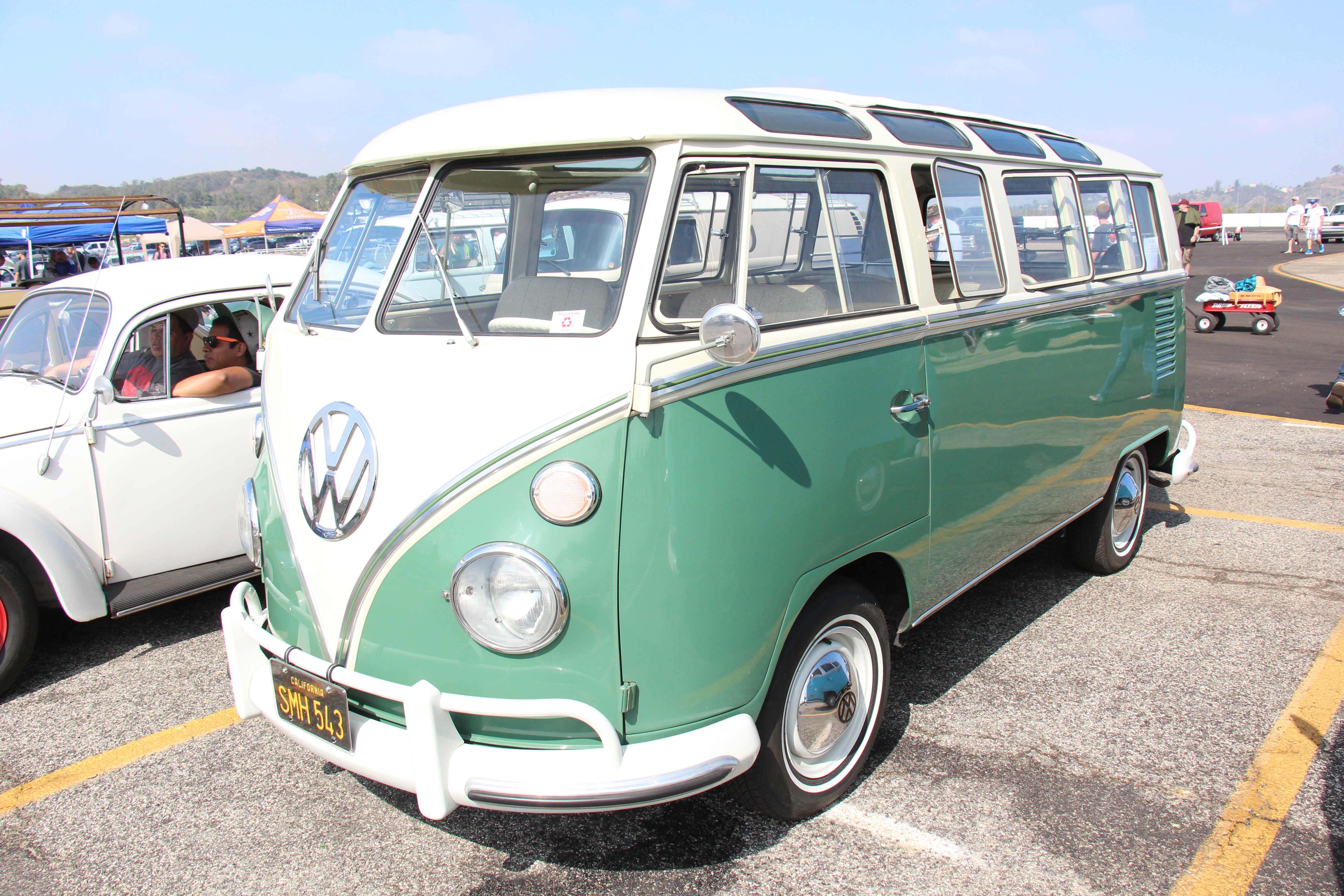
1966 Volkswagen camper van
"I bought a 1966 Volkswagen camper van. Oh, man."
This is a vintage Volkswagen van from 1966 that people often convert or buy for camping. It’s known for being a classic “road trip” vehicle, and it has a simple, old-school design.
A 1966 Volkswagen camper van is a classic VW microbus-era vehicle that’s especially popular for road trips and vintage-camping setups. In the mid-1960s, Volkswagen’s air-cooled, rear-engine design made these vans simple and durable compared with many contemporaries.
Request an Explanation
Heard something you'd like explained? We'll add it to this episode.
Sign in to request explanations for terms you heard.
Want to learn more?
Browse our glossary for plain-English explanations of automotive terms, jargon, and concepts.
Help improve this episode
See something that's not quite right? Our annotations are AI-generated and can sometimes miss the mark. Click the flag icon on any annotation to suggest a correction.