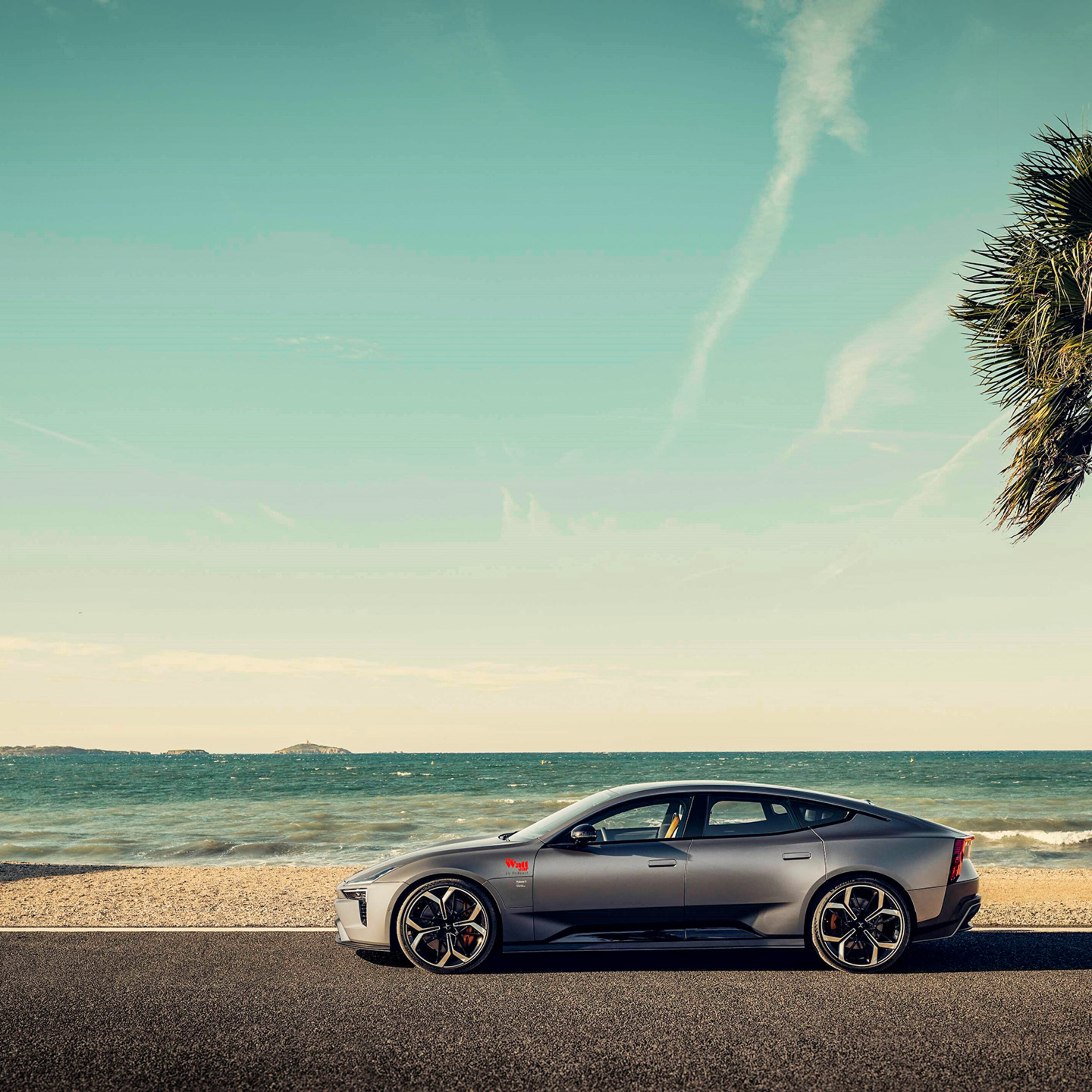
Polestar is a car brand that makes stylish, high-tech electric cars. It started as a special performance division of Volvo but became its own electric-only brand, though it is now leaving the US market.
Geely is a giant Chinese car company that owns well-known European brands like Volvo and Lotus, helping them transition into making modern electric vehicles.
A high-tech, all-electric SUV made by Lotus, a brand famous for making tiny, lightweight sports cars. It is built in China and packed with modern technology.
A software feature you can buy for Tesla cars that helps the car steer, accelerate, brake, and change lanes on its own, though the driver must still pay attention and be ready to take over at any second.
The Tesla Model S is a large, luxury four-door car that runs entirely on electricity. It is made by the American company Tesla and is known for its high-tech features.
A special software company owned by Volkswagen. They were created to build the computer brains for all of VW's future cars, but they have struggled with delays and technical issues.
The former boss of Volkswagen who pushed the company to go all-in on electric cars, but was eventually fired after software problems delayed several new models.
A general term for safety features in modern cars that help you drive, like warning you when you drift out of your lane or automatically braking to avoid a crash.
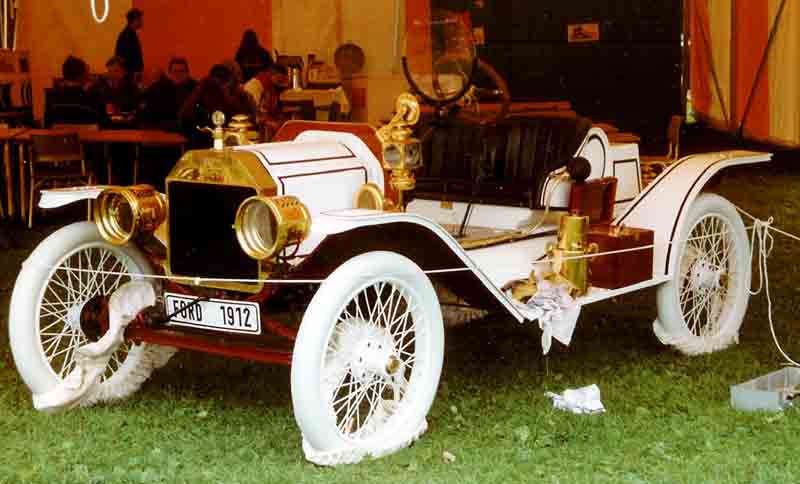
The Ford Model T is an antique car made by Ford starting in 1908. It is famous because it was the first car made on an assembly line, making it cheap enough for regular people to buy.
A special liquid that doesn't conduct electricity, used to cool electric car batteries by letting the battery parts sit directly in the liquid without short-circuiting.
A high-end, luxury electric sedan designed to compete with Tesla and Mercedes. It is famous for having some of the longest driving ranges of any electric car on the market.
A highly efficient hatchback made by Hyundai that came in hybrid and electric versions. It was designed to get as much distance as possible out of every bit of energy.
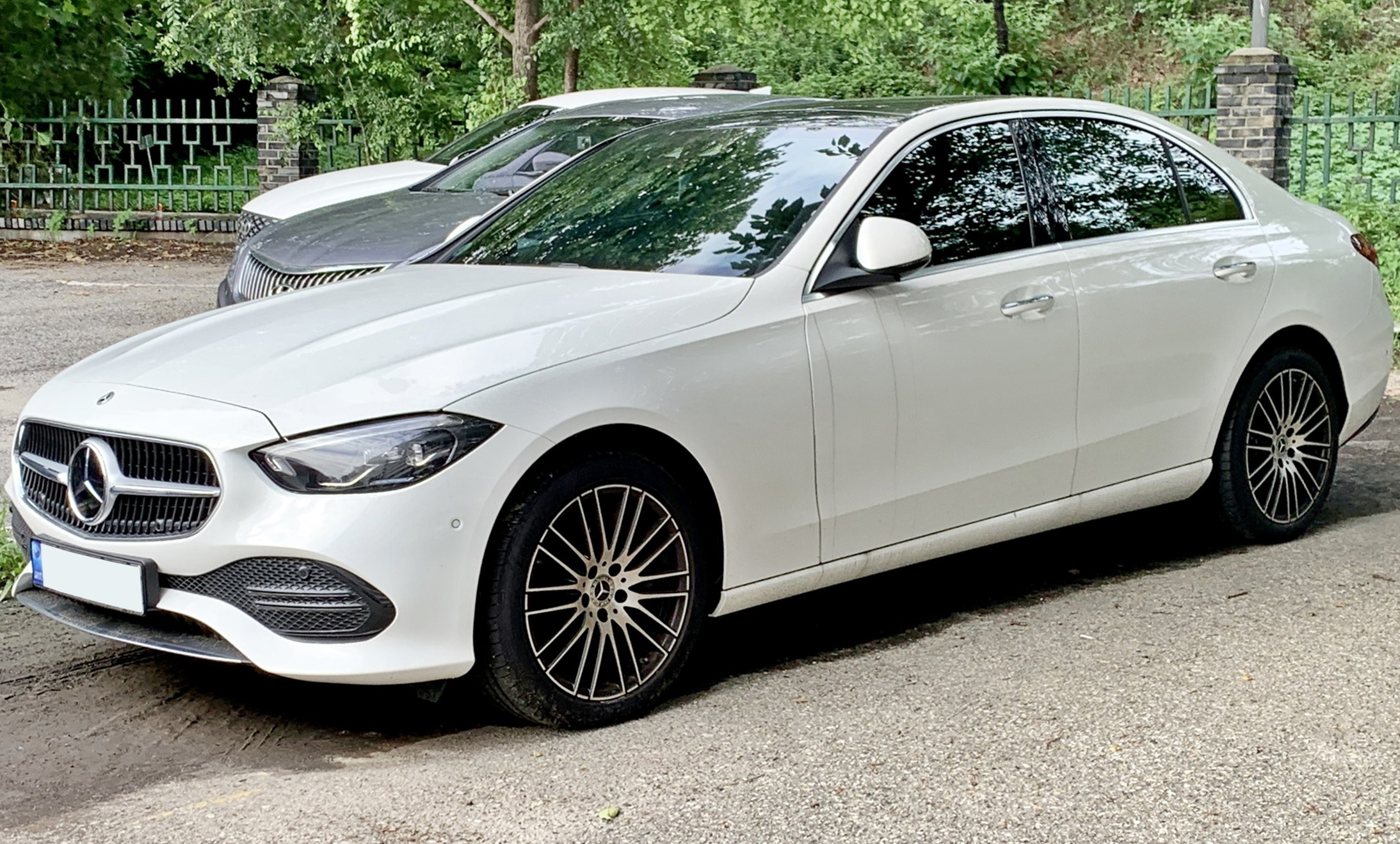
The Mercedes-Benz C-Class is a luxury four-door sedan made by the German company Mercedes-Benz. It is designed to be comfortable, high-tech, and stylish.
A small, futuristic-looking electric hatchback made by BMW. It was unique because its body was made of lightweight carbon fiber and it had rear doors that opened backward.
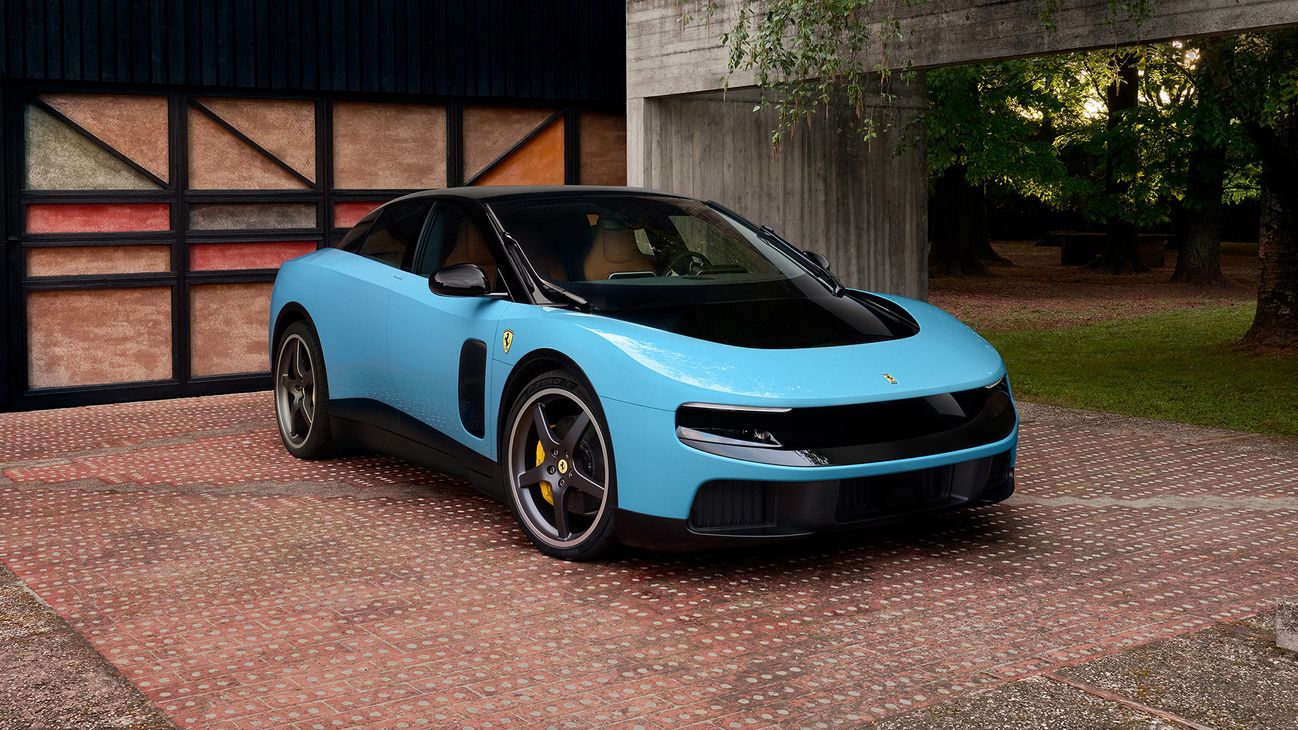
The Ferrari Luce is likely a misheard name for a high-end sports car made by the Italian company Ferrari. The podcast discusses a limited number of these expensive cars being sold in China.
A classic, wedge-shaped Ferrari sports car from the late 1970s and 1980s with a removable roof panel. It is famous for being driven by Tom Selleck in the TV show Magnum, P.I.
A mechanic's term that means taking a part out of the car and putting a new one in (or putting the old one back after fixing it). For exotic cars, even simple fixes can require taking out the entire engine, making labor costs skyrocket.
LIVE
This is the What Car Evie Podcast for Thursday, July 2nd, 2026, Episode 277, The Sacrificial
Lamb.
Technically, this is now our second time recording this episode.
Although I don't think the first one counts because we made it about, what, five seconds
in before a completely aborted mission and shut down all controls.
Yes.
Technology is both great and horribly confusing.
They move a button and all of a sudden you're just muscle memory goes to that button and
now that button actually said something else and I clicked it and was like, what do I do?
What do I do?
The answer was you panic and you stop.
You backtrack.
Start completely over.
I'm Phil Royal.
I'm somebody who's used to messing up and then backtracking and starting all over again
because my industry started in my professional industry, started in the magazine business.
So it's been a lot of...
So you had to start over by necessity.
Yes.
You know, I point people to, and this is news for you as well, Ed, I usually point people
to help support the blog and the podcast by going to thewhatcar.com slash store where
you'll find paraphernalia and I don't have things pulled up.
If you're on our YouTube channel, there'll be a link in the show notes.
But if you are on that, then I'll see if I can pop this up on my little share screen
and you can see some of the things that we have.
But the thing to remember here is that we've got t-shirts.
Some of them have our logo.
These all help support the blog and the podcast, hats, water bottles, things like that.
That will be going away this year.
And I think I've found an alternative and we can launch that later this year.
But what it means is in the next month or so probably, I'm going to shut down the store.
And then...
Get them while you can.
Get them while you can because I will have to recreate these, which means I probably won't.
I'll probably start from scratch.
So if you do want and I've got an adapter for that shirt or a hydrogen is the future and
it always will be or a charge baby charge hat or an EVAF shirt or a...
What was my other one?
The sweater.
I love the sweater.
It'll be a shame to give that one, send that one to the dump.
EV Displacement Replacement, also one of my favorites.
If you want any of these, go to the walkcar.com slash store and buy them in the next month
because that's all I can pretty much guarantee.
Store is going to shut down then probably in the winter time, I'll have time to launch
something else.
So surprise for the holidays, huh?
Yeah.
Yeah.
Yeah.
We'll get something new.
We'll get new stock in there for the end of the year.
But right now, that's what you need to do.
Did I say youtube.com slash at the walk car?
Watch our smiling faces.
Ed, on to you.
Yeah.
Ed Sanchez also in a different profession than I started with out of necessity and trying
to navigate industry trends the best I can for a while.
So I know not to be doomsayer, but past couple of episodes, we've been talking about death
watch quite a bit.
So some brand popped up, wasn't really expecting this one, a little out of the blue, I thought.
But yeah, Polestar, not coming back in 2027 to the US market.
Okay, so what's really surprising is Polestar is a division of Volvo.
I think it was a separate company originally, and they did like souped up.
I probably have my history wrong.
It used to be kind of like the Volvo version of like AMG kind of.
Yeah.
And was it separate?
I don't even know if we know.
I'm not entirely sure.
I don't know if it started as a separate entity or if it was already.
Because I think AMG was a separate entity, and then it got enveloped into Mercedes as
time went, whatever, I'm probably way off.
That's just what I, in my brains.
I'm old.
I think we covered that.
I started with magazines.
Things get mixed up and jumbled in my head.
But Polestar and Volvo are one and the same, essentially now.
And they are owned by, is it Geely?
Yeah, Geely's the parent company.
And I missed that last bit that you just said, because we're having some weird internet
issues.
Oh.
But.
Geely?
Yeah.
Okay.
So they're owned by Geely.
And so that's Volvo and Polestar.
Polestar is not coming back in 27 to America.
But Volvo is.
Yeah.
Yeah.
Super kind of confusing and arbitrary, I think, but.
There's another weirdness.
Did you pick up on the other weirdness of this?
Because you would think, oh, they're owned by Geely, Chinese cars, they're in America.
Neither the Polestar EVs or the Volvos are made in China.
They are made in, at least as far as I can find, they're made in South Carolina and.
Some.
South Korea.
Yeah.
And South Korea, those are the ones that come to America.
I didn't find anybody saying that Chinese models come here.
So the concern, I think, is software-based, not necessarily hardware-based.
And that what the Chinese, because they're all owned, it's, you know, there's China
mothership when they, what data they can grab if they so decide, but why, why, if this
is a national security issue, why would you stop Polestar into America and allow Volvo
when I believe they use the same manufacturing plants, don't they?
Or am I completely off on this?
No, no, I believe the South Carolina plant builds both Volvo and Polestar vehicles.
And I'm going to guess Volvo sells more vehicles than Polestar.
Mm hmm. Yeah, by quite a bit.
So if this is a national security issue, why are you letting the big producer in and
like was was Polestar a sacrificial lamb by Volvo or Geely to go, all right, we just
won't bring these in and then buy more time because Volvo released a statement that said,
we've been allowed in.
And it was a very interesting press release that they had because it said basically Volvo
has been allowed in per this.
What was the what is the department that you already say it was the U.S.
Department of Commerce Bureau of Industry, which and security Bureau of Industry and
security that they said that they've been allowed in per like a waiver on that and that
they are making.
They are announcing this in their press release as per an EU requirement in the
convolutedness of all of us.
Yeah, I this this doesn't I mean, I haven't really dug down really deep into this, but
it on the surface, it just seems really arbitrary.
I'm assuming they kind of grandfathered Volvo and just because, you know, Volvos had a presence
in the U.S. for what, 60 plus years.
Never mind the fact they've gone through various iterations of ownership, the most
current one being Chinese, whereas Polestar is a fairly new startup rat.
I want to say what was 21 or 22.
What word was the first year on the market as a standalone brand?
I yeah, I don't really get this.
Yeah, this a lot of things this administration does don't don't make a lot of sense.
But I think maybe, well, I mean, candidly, I mean, Polestar was kind of struggling a
little bit in the U.S. sales.
I don't think we're really meeting expectations.
So I mean, I'm sure this didn't, I mean, the fact that the Department of Commerce
kind of came after them, that was kind of as probably the straw that broke the camels
back. They were like, you know what, this brand's already kind of on shaky ground right
now. If we have to deal with this, just forget it.
Yeah, I kind of a sacrificial lamb.
I think I said earlier.
And yeah, I may have to dig down a little more on this and kind of see what the nuances
are of it. But yeah, on the surface, it doesn't make a whole lot of sense.
But anyway, yeah, what it is.
Yeah. I mean, is there other shoes to drop?
I mean, Lotus is in America.
And the the Electra is made in China.
Yeah, I've seen I've seen at least a couple of them here.
I'm assuming they're, you know, federally approved.
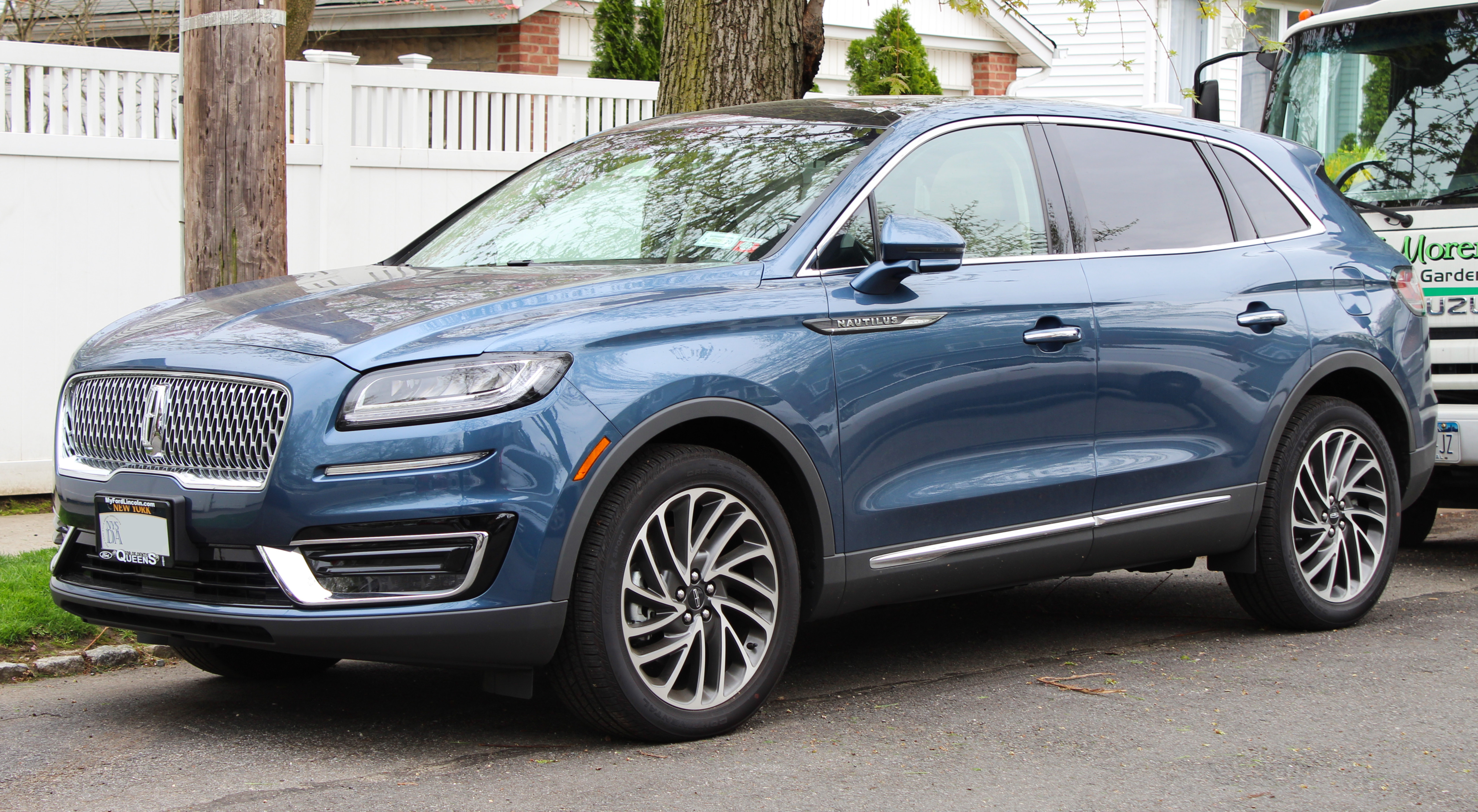
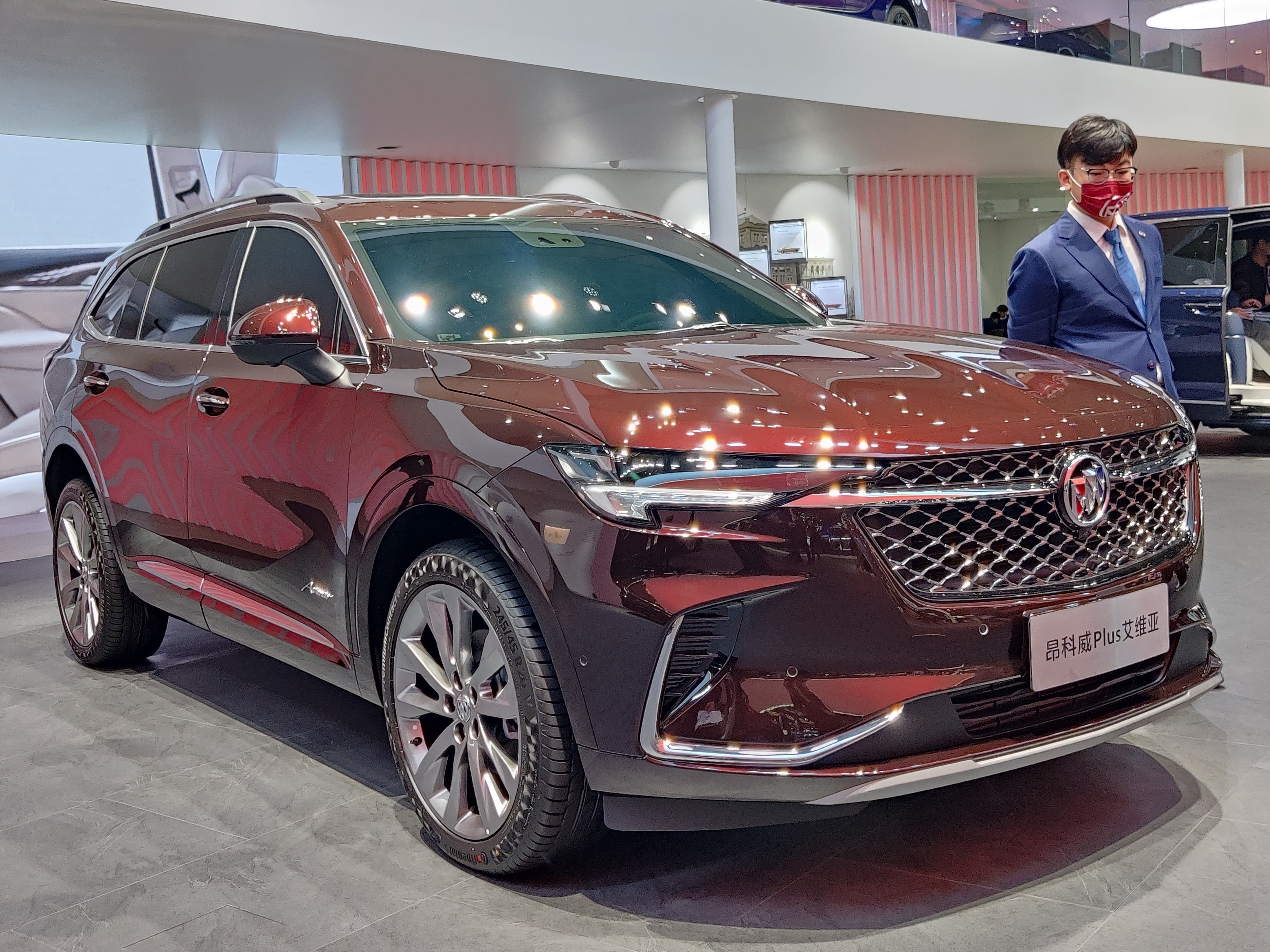
And there are other Chinese, I mean, Buick and Vision, Lincoln Nautilus.
There are Chinese built cars sold in America.
So yeah, it just seems kind of arbitrary to pick on Polestar.
But somebody had to take the fall.
Yes. And I guess it was them.
Yeah. So do you want to talk about something relative related in some way to your model
three? Sure.
I love talking about autonomous cars.
Because I think we are
an infinite number of years away from full autonomy, where it matters.
Where it's like I robot kind of stuff where you're just sitting in a pod
and speeding down a road and you don't you're not aware of what's going on around
you. And then you've got robots jumping from roof to roof in some action adventure
going on around you while you're just trying to get to work.
So you have a model three that came with hardware 2.5.
2.5. Yeah.
And then you paid a million dollars to have that upgraded to hardware three.
Three. Yeah.
I might be off a little bit with the amount that you paid.
I paid some.
Yeah. And then you got you test drove quote unquote test drove FSD and was like that's fine.
Like it was it was a kind of parlor trick.
And but I just I don't know it wasn't.
I don't know some people are like obsessed with with you know FSD and all the capabilities of that.
I was like that's cool.
But I mean I don't I don't really see the value of paying 100 bucks a month in perpetuity for it.
If I go on another long road trip I might might just you know turn it on for a month and just
see but yeah I think that's the extent of my interest in it.
Yeah. And you work from home.
So there's that caveat there.
And I've got a friend that has a Maki with it's with the Ford's blue cruise.
And when he he now works from home but when he was commuting in doing like a 40 mile each way
commute he loved it. Like that was why he bought the car was to do this and he would just get in
the car and sit there and read his phone on his way to work on and it worked great on the freeway
stop start traffic. It was it was fantastic. You know he loved that. So it depends on your
application. Well back in I think it was like 2019 Tesla slash Elon Musk said all the Model
3's that are being sold everything being sold can do full self-driving full autonomy
you know coming forward into the future. And then so I think that was kind of maybe a little bit
why you upgraded is because it was like well let's just go and do it then because OK well 2.5
wasn't wasn't there even though I think he he'd said at the time that like when your car came out
I think that still fell under the these cars will be able to do this.
Well yeah or it was right on the cost whatever it was. So you got FSD or Hardware 3 you did that
whole thing and then it's become painfully obvious that Hardware 3 is not getting to full autonomous
hands off eyes off hands off driving. It just doesn't have the processor power.
Yeah so that's Hardware 4 or beyond we don't know. Well maybe because there's been all these
statements I don't I don't know maybe they're trying to get out of lawsuits whatever. Now
they're saying OK so you're going to get FSD version 14 on Hardware 3 which sounds great
other than I don't completely understand everything that they're saying about it.
But it's like a frozen in time dumbed down version of version 14 that according to Tesla's release
notes according to this article on Electric the quote unquote light build distilled the
intelligence from Hardware 4 v 14 into Hardware 3 letting older computers directly learn
how to handle scenarios using Hardware 4 version 14 as a guide which I don't completely
understand it's like they're just it's like what I did with my third kid when it came to
learning to swim. The first two got swimming lessons and the third one we threw in the pool
and you grab him out if he starts to go under for too long. That's how I've interpreted this.
Yeah I'm not a I'm not an expert on like machine learning and AI and all that but
do you remember probably maybe about a year ago at this point when everyone was going crazy
about deep seek the Chinese like AI model. Yeah so what but what they did is they
my understanding is they like trained it on like already trained data if that makes any sense.
I think that's what this distillation and like the AI world means so
my my understanding of this is basically they're like we don't have to reinvent the wheel it's
already we've already kind of done this basic model processing so we'll use that like already
processed data for this model so kind of good enough I guess. Good enough. Hardware
the article says I just looked at it. Tesla says that that using it as a guide unlocks
improvements made on hardware 4 including reinforcement learning and offline models along
with better navigation handling of merges and forks pedestrian interactions and nearly
introduced parking unparking and reversing capabilities so I think you're right I think
that they are taking the lessons learned and they are just saying well here's this you can't
hardware 3 can't learn it it's not smart enough to learn it and process it fast enough but it
is good enough if we take this distilled version of that that is frozen in time
and we go here you go and that'll get you a 90% of the way maybe. Supposedly the the other thing
this is also also leaves unanswered is I know at some point Maastricht Tesla brought up the
possibility of basically a hardware retrofit for older cars and they said that have to set up like
a mini assembly line to do these I I kind of don't think that's probably ever going to happen.
I mean I mean my car is in Tesla years it's it's old I mean it's not like first gen model less old
but you know it's getting to the point where some of the hardware and the compute on it is
kind of showing its age a little bit I mean it's still I still love it still feels like a modern
car but from the standpoint of like software and technology it's it's older it's not as
advanced as the new stuff and at some point I mean this kind of gets back I just read some
the other day Microsoft is this extending the life of Windows 10 yet again so but it gets
to a point where it just you you kind of have to deprecate you just kind of have to just cut
it off and say look we'll still support like you know basic functionality on this but you know
you're not going to get the latest bells and whistles on your you know 88 to nine
year old car anymore and I don't I don't think that makes Tesla or or Elon a you know bad company
or a bad person it's just it just kind of becomes unpractical it becomes impractical to continue to
you know develop these older technologies where you're probably kind of trying to push them beyond
kind of their design parameters so I you know I don't have really strong feelings about this
one way or the other I mean I appreciate that they're still trying to make it work but it's like
I think they have to try there were just so many promises made I think they have to try I think to
get out of billion dollar class action lawsuit they've got to show in good faith that they
are trying to make this happen yeah so I think that's what this is to me to I mean for a lot of
people FSD and the whole you know that whole thing is like their primary reason for buying a Tesla
it really never was for me it was like kind of an added kind of cool benefit I guess
but even when I did the trial you know after I got my my you know upgraded to hardware three
I played with it you know and played with the free trial but I'm like that's cool but it's
you know it didn't like change my life so yeah I was listening watching reading reading that's
what I was doing an interview with uh no maybe I was watching I don't know it's all the same now
it's all one in the same with an interview with the president of SpaceX and she made a statement
about how Elon Musk makes promises and they deliver on all of those promises just not
necessarily on the timeline that he says and she outright said it and she's been with that
company for like 20 years and has known Elon like from the early days so I think she can get away
with things like that but I mean I've been saying that forever yes well people like us have openly
said it she's the president of SpaceX and she said that of her direct boss is that he makes
promises and we will get there and that's exactly what I think this is this is a good faith effort
of we'll get there what blows my mind you mentioned Microsoft circling back to that
and them extending like Windows 10 I think it was Windows 7 something like that where they came
out with Windows or was it whatever it was one of those early pre 10 and they came out or maybe it
was 10 I don't I don't remember but they came out with a version and to extend the life of laptops
to get them so they could do the upgrade that you could get this like USB key that you plugged in
to the USB port and it would use that as like swap memory or whatever smart people do with
computer stuff and it would add to the resources to the RAM it would use it as RAM or whatever it
was doing to get there what blows my mind with Tesla is that they are not equipped to like how
how have they built this where the hardware is not a unplug plug in and it works infinitely for
the rest of time they come up with a proprietary plug from day one and the brain of the computer
always uses that same plug has more throughput than you ever need and you'd be able to upgrade a
maybe not a gen one Model S but certainly all Model 3s by the time you got to Model 3 I think
there was no excuse not to have infinite forward compatibility and they just didn't and it shocks
me for being the smartest man in the world that that wasn't a thing I mean they knew that
processing was going to be this vital to his grand vision and then they make a car that can't go
beyond a half step better on its hardware version it just it just shocked it just I would have I
hear what you're saying but I mean the thing is is technology it's it's kind of a constant evolution
and constant change so I think infinite backward compatibility on anything is is kind of impossible
I mean you have to have a certain cut off at a certain point saying well sorry yeah infinite
maybe not but I think you could come up with a plug that could transfer the data speeds that you need
and all the data you need that you could use for 20 years I think that's doable yeah well I mean
this kind of gets back to the whole usb a usb c I mean at what point I mean by and large like all
new electronics for the most part are usb c I mean you go to hotel rooms and stuff it's
still usb a but I mean and you can you know I have some stuff I have a bunch of adapters because
I've got a bunch of legacy usb a stuff but I need to I need it to work with c so it's like
I don't know and they also now that I'm thinking about it I don't think tesla use I don't know
with the how the computer plugs in whatever I understand with computers and phones they're
gluing all this stuff in because you've got a very small form factor and you're dealing with
you know a thousand dollar or 500 dollar item whatever it is but I believe in the back of
your tesla there is like an what is it ethernet port an r145 whatever they're diagnostics yeah
they just use off-the-shelf diagnostic plugs they weren't using anything proprietary so maybe
that's the case I don't know enough to talk about that I just I just expected more I guess maybe
that's maybe that's why I'm disappointed with them constantly is that I I expect more from a
startup that's supposed to be the best in the world and has changed the entire automotive industry
that I expect that the little things were taken care of
fair enough I mean so let's move on to Volkswagen though because well yes it's not just tesla that's
having this problem with full self-driving well I say full self-driving real full self-driving not
fsd with full autonomous driving so Volkswagen as apparently their uh cariad is that how it said
their car their their division their software division that I believe was the downfall of
oh what was his name the CEO of Volkswagen uh
exactly I can see his face but I can't do we we had a podcast episode where I
photoshopped his face on a skydiver herbert herbert dease dease yes there you go okay so uh
that was kind of caria cariad cariad was his downfall because I believe he dumped so much
money into getting the software Volkswagen products better and then it just failed and eventually
he was asked to leave he was shown the door from from Volkswagen group well now Volkswagen
is parting ways with Bosch as part of that cariad uh software development thing after
Volkswagen has spent 1.7 billion dollars on what should have been self-driving and uh uh I guess
hasn't been self-driving yeah I don't know this is rumor this is all not this is
through a german company a german news agency called build I guess and so it's it's with people who
are familiar with the source familiar with familiar with the matter yeah so
this is hard apparently because Volkswagen is willing to throw away 1.7 billion dollars given to
Bosch over presumably this goes back to the herbert dease days so this is this could be 10 years but
it's still you spend it I'm not going to spend a billion dollars in my lifetime so it's a lot of
money no matter how you slice it you know it could be 100 million dollars a year that they've been
spending on this and they've got nothing nothing to show for it but they're gonna continue on
throwing money at this well what I mean isn't that what the whole Rivian tie-up was about to help
them with software I guess yeah yeah yeah that was scout um Rivian coming on board to help with
scout yeah that was all software based seems like Volkswagen's really been struggling is this
is this because Germans think different from everybody else in the world
they are very logical but their logic doesn't necessarily make sense to the rest of us
well I just yeah I think well this isn't is kind of in a roundabout way an argument in favor of
vertical integration um you know at first you know a lot of people criticize Tesla for being so
insular but there is an advantage should not having to to having stuff internally
and not having to rely on third-party vendors I'm not saying it's you know vertical integration is
a complete panacea but I mean you got to get the material from somewhere eventually you are not
making this stuff yeah no I mean for for yeah I'd say raw materials but something is as fundamental
to modern cars as software I mean there's definitely an industry push to try to bring as much of that
in house as possible um presumably to avoid situations like this so yeah is this the end
of Volkswagen can they just not catch up is it all software divine vehicles from now on and Volkswagen's
just on a downward spiral because of the software and the hardware is fine like the cars are fine
but is this could this take them down well I mean not not to keep being a dead horse but you know
the whole all the competition from China I mean they're having to deal with that they've lost sales
they used to be one of the top-selling brands in China now I don't even know if they're even
I mean I think maybe they're like number five now or possibly lower than that but
and then I've heard the European market generally is kind of soft right now and I
I hearing news like just to shift topic slightly but vehicle repossessions and
one defaults are are increasing in the US so I mean it's not just Volkswagen
so whole whole industry thing but I mean this definitely doesn't help so
yeah I I don't know I I like to believe that it's just stumbling blocks
mm-hmm and that Volkswagen will get over this but I also don't buy into full autonomy being
something that everybody cares about or is willing to pay for mm-hmm so I can see it being
really useful downtown New York or downtown any city really where you don't parking is difficult
so like my wife went into LA you know it wasn't even LA is like the valley but she went into a
very busy area and she sent me this message going man I forgot how much because we used to live in
that area and she was like I forgot how much I hate parking in that in that area it's so difficult
and so she apparently circled around for like 30 minutes and then gave in and went and didn't got
valet mm-hmm if you lived in an area like that why would you waste the time yeah so you just get
an autonomous vehicle that can park itself somewhere else or you just get ubers which
would then be presumably in the future all autonomous that I could see that being an
industry but I can't see it being there's I I should know the number how many tens of millions
of cars are sold every year in America are hundreds of millions or whatever the number is 15
yeah so I want to say I can't imagine that if that number is 15 million that
there's gonna be fast forward 15 years and everybody's all 15 million of those cars give
or take you know sales numbers as time progresses that all of those cars are have full autonomous
features I just don't think people are unless it comes like cruise control
which is how a lot of like driver assists come but I don't know where you're spending Volkswagen
spent $1.7 billion to develop something and you know how much I don't know and I'm not expecting
you to know but I'm gonna ask it like a question you know how much money it cost it must have cost
to develop cruise control it was a vacuum actuated switch like it probably cost them like 50 cents
to develop this thing it was just basic pressure holding it and then when you go to drive by wire
it's just a line of code like it doesn't require much to hold a speed but now if you get into full
autonomous vehicles you're talking cameras everywhere possibly light are if that's the way
you're choosing to go you've got sensors inside shooting at people like it there's a lot more
than a vacuum switch that you can buy that you probably can't buy at pet boys anymore but you
used to be able to buy my pet boys and retrofit any car with it yeah well I think you what you
touched on is really key is is the willingness to pay because I've looked at consumer surveys
and you ask them are you interested in this technology you're in they're like oh yes that's
cool that's cool when it gets to paying for it they're like no I don't want to pay for it yeah I
want it but I don't want to pay for it so that's FSD was a hundred dollars a month is that what it
is on your car yeah and that's I guess that's the only way so previously you could purchase is like a
one-time option I think in the early early days it was like 12 or 15 grand it was it was a ridiculous
amount yeah it's all the way did I think anywhere from 6000 to 15000 I think it started low went
way up and then came right down yeah and now I mean up until recently was I think like six to
8000 dollars per car and you can get it as a one-time purchase basically lifetime option
but Tesla's getting rid of that completely saying you know have the capability built in but you
have to subscribe we're not doing the one-time purchase anymore and the rest of the industry
is trying to emulate that they're trying to you know make everything a subscription and I think
there's a lot of consumer pushback to that because they're like I'm already I'm already paying for
Netflix I'm paying for Spotify this that you know just every month just
you know and they're like I don't want to have to keep you're recurring payment for
yet something else so on top of a car that you've already got potentially an 800
dollar a month car payment plus the insurance cost like it it quickly is a mortgage
yeah it can be yeah so yeah so I mean I think development of like autonomous and what they
call 8S you know advanced driver systems I mean that's still going to continue
you but it's it's not I mean I remember the peak hype cycle I remember like 2018 2019
I mean that the hype was like I mean it's kind of like where AI is now where they're
like oh they're you know autonomous cars are going to be all over the street and you know by
you know in five years you know you know none of us are going to be driving you know we're all
we forget I'd say we're at least 10 years out from this being like a real reality like mass
market where it's like common it's common feature in cars where you know and it's probably going to be
like you know uber's and and waymo's and yeah I I don't know it's been seven or eight years
since companies have been making these promises Tesla has been making these promises and then
other car companies because Tesla drives it forward and then everybody else has to come in and make
the same prop promises but it's already been seven or eight years of these promises and I would say
we are marginally closer than we were yeah this isn't I don't even think in 10 years I think we
are so far away I think is such a difficult thing to get to now the caveat to that is like a waymo
in a I'm doing I have all the best words and none of them are coming to my mind in a geofence
words yeah in a geofenced area yeah sure I get that but they just had a thing with waymo we've
exactly that scenario with waymo's with lidar in a geofenced area running the same circuit
again and again and they just had to park a bunch of them in a neighborhood for some random reason
that I don't remember why that made the news a week ago it's difficult it is a very difficult
nut to to crack and so what did DOT say DOT said you know I should be if you're watching this on
YouTube it should be more fluid than this DOT said you don't need a brake pedal we'll just take
those requirements away as well so here you go Trump administration proposes axing brake pedal
requirements for AVs in a boost for Tesla and a boost for anybody else like Volkswagen trying to get
there that they're saying well you don't need a big brake pedal now back in the day of Biden
administration they got rid of steering wheel requirements so this isn't anything new yeah
and now they're saying okay now we don't need a brake pedal in these cars either
and what do I have I take notes and then I don't remember why I put quotes in there
nitsa administrator Jonathan Morris and well let's learn together why I put this in here
he said we are the cusp of the great greatest technological revolution vehicle technology
since the innovation of the Model T I remember why I put this in here if we want America
to lead the way we have to reimagine our regulatory framework that's why under secretary
Sean Duffy's AV framework nitsa is tearing down pointless barriers to innovative designs while
strengthening fundamental safety requirements the matter and holding AV developers accountable
for safe performance so he's been drinking the Kool-Aid that this is the greatest technological
revolution since the Model T I mean I personally I I mean I think to me like not requiring the
brake pedal is not shocking I guess the one thing and you kind of touch on this a little bit
is you you talked about a panic cord like in buses I had to look to stop because yeah so buses
and trains they used to have a cord that you would pull like trolleys you would pull the cord
and it would activate the brakes now it's kind of a button and it's more of a suggestion that
goes to the conductor but it is still as far as I could tell required by law that you have a pull
stop and they're getting rid of a pull stop in this and you could argue in a taxi cab or an Uber
driven by a person you don't have a pull stop but you have a person and I mean I'm wondering
there's a lot there should be like a panic button like you need a pull stop and even if it's not
even if it's not directly like a brake pedal that stops the vehicle you need a panic button
you need something that says to this autonomous vehicle that you are riding in slow down and
pull over as fast as you can I'm having a heart attack or you can't see the wall directly in front
of us or something like that this isn't working we've got to stop maybe they'll have that but
nowhere in this do they talk about it they just talk about how this is a great revolution and
that we're taking away these requirements my fear is that we have no pull stop in autonomous vehicles
that you get in one and there is no way to stop one and I've not been in a waymo so I don't know
if they exist as it is I don't know how you stop so I may sound like complete out of date idiot
because these don't exist already but I'm guessing there's a stop pedal somewhere in these vehicles
because they are now removing that requirement or they are proposing removing it but typically in
a waymo people sit in the back seat you could still climb through which when you're crying
flying down the freeway what does that do for you well yeah I know I mean I'm just wondering
about the reaction time and like no there isn't there isn't you just die anyway right I mean
I mean this kind of
I hear what you're saying but I mean it's I kind of feel like even a brake pedal
in the greater scheme of autonomous vehicles is still kind of a relic
I mean yeah and I don't see how you get to the brake pedal like you said you know if there's
a brake so you get in like one of the converted Jags that is now autonomous well there'll be
a brake pedal but there's not going to be one this isn't like a driver's ed car there's probably
not going to be one in every seat front and rear but I wonder if they should put in requirements
for pull stops am I just old is this just me being concerned about a robot driving me places
I I don't think it's unfounded or unreasonable but I just yeah I guess I don't know I don't
know if they have concern that people would like mess around with it and use it like
like kind of kind of as a prank like either pull the cord or hit the hit the you know panic button
and then basically that have to reset everything and I mean I don't know maybe that's why pull stops
are now suggestions to the conductor and not well yeah not a hard stop typically I mean my my
understanding is like on city buses um it just goes ding and it like lights up like stop requested
yep um yeah no it's a suggestion but they're still required according to the brief bit of
research I did it's still a requirement for public transit to have these things
I just ah man I just I I and I don't really have any problem with full autonomous
cabs you know uber goes full autonomous that's fine you can choose to get in there as long as
they're good and as long as they are good you know so have you been an autonomous car
I have not okay I have been in prototypes but it was to your point kind of geofence like a
not a closed course they were on public roads but it was yeah you know a a route that had been
traveled many many times and validated and um I I didn't feel really uneasy I mean
these couple times there's a human like chaperone you know they're ready to take over if needed
I have not yet been in a waymo um but I mean I'll probably say probably within the next
year I'll probably just try one out just for the heck of it um I mean people who think that
these cyber cabs are whizzing around Austin like fully autonomous I can't I thought I included a note
somewhere in the show notes maybe it was another week that those all have people watching
those are not running completely autonomous on their own they have overseers of like every car
that's going around I think it will have been in that article that we talked about a few weeks ago
where the guy couldn't get anywhere in Dallas or wherever it was like it ended up dumping in
like a mile from his location and it wouldn't make left turns yet yeah hit the assist button and
somebody had to take over that there's it's like that robot that was making the rounds a few months
ago where it was like this this um standing up whatever they call it a full you know it was the
one the chinese restaurant that was going crazy and like oh this one was in like this one was in
like a uh a demo house and it would load the dishwasher and it would take forever to do it
like it it was very careful with everything and then it was revealed the the company then
revealed because the journalist was like so how is this running there was a dude like remotely
controlling a robosuit that yeah that was like next door controlling this whole thing so it was
just an appearance and that's kind of what these are this is don't get me into big data
because big data is all bob and accounting with a spreadsheet and somebody has convinced
larry who runs the company that they've got they've invested in big data and it's actually
bob and accounting with a spreadsheet that has to work on weekends to crunch these numbers
because they got all the data in but you can't do anything with it yeah it's just this dude that
doesn't have a life anymore because the president thinks that it's oh well just you know have big
data do it no it's a person at the end of the day it's a person because we're not there with
technology yet yeah and you know where we are with technology bizarrely is this article that you
popped in that i was like isn't this lead acid batteries isn't this well first read i mean it
kind of seems like that but yeah so what is going on this one's slightly different but i guess
not different as well because this works for evs and evs are easiest to do like autonomous vehicles
this is shell in the news built an ev that uses half the carbon of today's electric cars
by using what i read as lead acid batteries but then i googled it and i was completely wrong
it's not lead acid batteries at all yeah you know i don't fully understand um it's it kind of seems
like kind of a self-contained passive cooling system rather than um like an active like coolant
loop that you basically goes through radiator and and is pumped through that's kind of my
read of it um but it's basically like i mean kind of like what you said is is the the the cells are
like like immersed in this fluid um this is non-conductive fluid um which when you look up
this technology versus uh like lead acid batteries that it turns out that and this is where i'll sound
completely stupid that the what's the term that they used um dielectric thermal fluid yeah dielectric
battery uh fluid is dielectric fluid batteries completely different from the water in a in a
lead acid battery it's like not the same thing at all but yes it seems like it you are sitting
you are immersing it to cool it and keep everything level i guess and it's more efficient
yeah i mean that's i guess that's a claim to fame um so a claimed consumption in this car
of 6.2 miles per kilowatt hour which a good car like your car model free is pretty efficient
and you have the small battery pack you're like 3.9 or 4 or something like that so this is pretty
good i think the lucid air i don't know what whether they got there finally eventually or whatever
but it hit like the 5 mile per kilowatt hour mark and that was like mind blowing there was the
Ioniq the hunday Ioniq the original one the front wheel drive thing that one was around
i want to say 55 point 15 point two it was like the most efficient electric vehicle
there was and uh it just couldn't go very far because it was doing a lot of it on it you know
because he had a a double a battery as it's as it's uh yeah as its power supply but 6.2 is pretty
good i i can't remember what mercedes was getting remember there are concepts like c-class long tail
that they had oh yeah i don't remember what they were getting but i i bet this is in that range
and this thing's just like a little pod this looks kind of like a it reminds me of the i3 the original
i3 yeah it's kind of either an i3 or a bolt or kind of bolt this you know it's it's just
semi-futuristic but a car it's not like the long tail that they did on the mercedes
yeah so they'll mention in there was weight too that's that's the big topic in
evs is lower cost so i guess they're claiming up to 25 cheaper which is great i didn't i didn't see
weight anywhere in this which yeah i i don't know liquid is not light and i imagine a dielectric fluid
is fluid is heavy i do know that but like i don't know if this is like i mean i buy like
little dielectric grease things for electric connections that those don't weigh a ton but
i don't know how that like i'm buying like two ounces versus like a gallon of battery in terms
of weight how this compares with the conventional battery pack and do you get into slosh or is it
like all filled to the brim i assume so you're not gonna get like because if you've got suddenly
now like a thousand pounds of water sitting beneath you that's sloshing and this once again
i'll sound really stupid because maybe dielectric fluid is not fluid at all maybe it is like the
dielectric grease that i get for electrical connections and maybe this doesn't maybe it's
like a gel that's kind of like you know i didn't go in anywhere it's just i don't know enough about
any of this stuff i don't know if you're from shell and you want to come on and inform and
enlighten us about this feel free yeah did you want to talk about any of the other stuff or do
you want to call it quits on this oh ferrari claiming a great victory of the luce in china
selling out yeah all 88 yeah 88 allocations uh and you know that ferrari was flying high with
luce release because they um their marketing chief uh has left to pursue other endeavors
yeah well the other thing too um is i i think ferrari is basically kind of i don't know black
black males may be too strong a term but basically saying in theory supposedly they're denying this
yeah that to get their like super duper like super turismo v12 blah blah limited edition
they're making buying a luce condition to get one of those supposedly that's the rumor i'm hearing
there oh if you want this car you have to buy one of these yeah and they deny that but they've
done it with other vehicles that you can't go in and just buy this one vehicle that's like their
ultra high end you've got to work your way there there's like one or two other ferrari's that you
need to buy like that's a known thing so i read that was like yeah i could see that
but then one of the quotes from ferrari was we're not doing that they outright denied it and they
said that that just um it's not good for customers to require that which they we know they've done it
in the past yeah but and this said a little bit about the luce i thought revealed a little bit
about internal internally what they think about it they've not had a problem doing this in the past
because i'm guessing all just my opinion on this is the ferrari's that they were making people buy
before they thought well these are awesome ferrari's and these people who have to buy them are gonna
enjoy them they're gonna love them and this is not this there's no downside to owning these other
ferrari's it's not like a punishment yes but they're not when they said you know we're not
going to require that for you know we don't require that for the luce to buy this other ferrari that
that would not make our customers happy like okay so you've just revealed a little bit about the
internal goings on within the company if you're saying publicly well we're not going to do that
because people don't want the luce yeah we'll see verdicts still out on it it's yeah well i've
sold at least 88 or at least they've got 88 um i mean who know i don't know how ferrari works with
this because like with slate they claim that they've got like 150 000 deposits or something
it's like a hundred bucks totally refundable i know but i mean the early days of the cyber
truck they were like saying 2000000 and how many of those actually converted to sales like
almost none of them yeah they had like just short of i want to say god my memory's so bad
i think it was just short of 50 000 on sales that you could walk into at about 50 000 sold
you could walk into a service center and purchase a cyber truck if you want so of that
the 2000001 and a half to 2000000 reservations turned into about 50 000 actual
sales i think ferrari's probably gonna have a high conversion with its 88 i bet all those sell
like when you're dealing with such small numbers and that clientele i don't think you've got lucky
lose it's not a super high bar though no no and i don't know what the reservation price was but it
probably significant i i could see ferrari doing something like well it's 5000 dollars
non-refundable yeah because it's ferrari like yeah yeah that's your clientele if you can't afford that
then you can't afford the car yeah anyway we'll see probably do an update in the
future on the luce i just i don't know how it's gonna go down the history but uh no i also wonder
if it's if they go full electric if part of the problem this is a conversation we could have on
another episode how the dealer markup the dealer the way dealer networks are is that they're structured
around service and so like in regular vehicles you purchase an electric vehicle and then forge
doesn't have too many cars coming back for its service well ferrari's known for oh you need
oil change that's 10000 dollars you know whatever i had a friend that bought a 308
308 gts and it was something he he bought it for a song because its service it's like
50 000 mile service whatever it was it was like 40 grand it was ridiculous so he bought it and he
paid for this and it was still a good deal when he finished but the other owner was like i i don't
have this money like so so my friend bought it and he did this and he's old enough that he's like
i'm never gonna have to do this again i'll be dead but this guy needs another service so he just paid
for it i think ferrari could be in a world of hurt with things like that with its service because
its services like they must have high margins on everything including you know 10000
dollar oil change or a spark plug well i mean change whatever you still need some not as much as
ice but yeah not like tires a lot of those are cabin filters that's about it i mean yeah a lot of
the super cars though are if you want to change the oil or the spark plugs you drop the engine
and that's where the price starts getting really high it's a full removal it's an r and r and you
just don't have this so i kind of wonder i wonder if they're gonna have a pushback from their network
of uh dealer network throughout the world or is like we don't want these because this is where
we make our money like how are we supposed to have a 50000 dollar service on an
electric vehicle to change a white windshield wiper everything we talked about links in the
show notes show notes can be found in the podcast at youtube.com slash at the walk car and also at
the walk car dot com i told you go to the walk car dot com slash store you better do it soon
because i'm gonna be getting rid of that eventually i'm gonna be pushing a button that's gonna
explode all the shirts are gonna go with it all the hats everything i'm gonna be starting from
scratch it's gonna be such a fun project i'm so looking forward to it but it's what must happen
we'll see if we're back next week this week and next week are kind of there's a lot going on so if
not back next week hold tight we'll be back we will have patience yep uh see ya bye bye
About this episode
Hosts Phil Royal and Ed Sanchez dive into the shocking news that Polestar will exit the US market in 2027, while its sister brand Volvo remains. They debate whether Polestar is a sacrificial lamb for parent company Geely amidst tightening US security regulations on Chinese software. Later, the duo tackles Tesla's latest Full Self-Driving pivot. With Hardware 3 proving insufficient for true autonomy, Tesla is releasing a "distilled" version of FSD version 14. Ed shares his personal experience upgrading his Model 3 and questions the real-world value of the technology.
Turns out, a vehicle needn’t be made in China for the U.S. to chuck it from these shores for being a Chinese car, but was Polestar simply a sacrificial lamb for Geely, since Volvo’s presence has been spared? That’s just the first topic on this week’s podcast. The conversation then wanders somewhat autonomously to Tesla, VW, and Bosch and the future of self-driving cars, plus dielectric battery EVs, and more.