30 Days In: How Phil Pecoraro’s 26 Years Are Powering His First Store Launch + Hard Lessons Learned | Phil Pecoraro, Operating Partner of Murdock Chrysler Dodge Jeep Ram
Phil Pecoraro shares insights from his first month as an operating partner at Murdoch Chrysler Dodge Jeep Ram, reflecting on his journey from selling vacuums to dealership ownership. He discusses the challenges of acquiring a store with minimal used car inventory and his strategies for success, including focusing on service and used car sales. Phil emphasizes the importance of community involvement and personal accountability in dealership operations, while also addressing the competitive landscape with online retailers. His experiences provide valuable lessons for aspiring dealership owners.
Today, special guest host Sam D’Arc is joined by Phil Pecoraro, Operating Partner at Murdock Chrysler Dodge Jeep Ram.
We dig into Phil’s first month running his new store — why he’s returning to the same dealership where he earned his first GM role 16 years ago, how he’s carrying forward the legacy of Larry H. Miller’s final store, and much more.
This episode is brought to you by:
1. CDK Global - Tune in October 21 at 11 a.m. CT for CDK’s 5th annual CDK CONNECT, a virtual event packed with insights, innovations, and expert-led sessions. Featuring Rita Case, Sam D’Arc, and more. Register now or watch on-demand @ cdkglobal.com/connect
2. FullThrottle.ai - fullthrottle.ai® is a next-generation AdTech powerhouse. The Automotive DSP™ is built specifically for the auto industry, combining advanced programmatic targeting, real-time bidding, and analytics tailored to drive dealership and OEM performance. With fullthrottle.ai®, marketers can reach the right car shoppers at the right moment and optimize toward real business outcomes like test drives, leads, or sales. fullthrottle.ai bridges the gap between auto media buying and results-driven marketing. Learn more at https://www.fullthrottle.ai/
3. Nomad Content Studio - Most dealers still fumble social—posting dry inventory pics or handing it off without a plan. Meanwhile, the store down the street is racking up millions of views and selling / buying cars using video. That’s where Nomad Content Studio comes in. We train your own videographer, direct what to shoot, and handle strategy, to posting, to feedback. Want in with the team behind George Saliba, EV Auto, and top auto groups? Book a call at http://www.trynomad.co
Check out Car Dealership Guy’s stuff:
For dealers:
Industry job board ➤ http://jobs.dealershipguy.com
Dealership recruiting ➤ http://www.cdgrecruiting.com
Fix your dealership’s social media ➤ http://www.trynomad.co
Request to be a podcast guest ➤ http://www.cdgguest.com
For industry vendors:
Advertise with Car Dealership Guy ➤ http://www.cdgpartner.com
Industry job board ➤ http://jobs.dealershipguy.com
Request to be a podcast guest ➤ http://www.cdgguest.com
Topics:
00:41 Biggest challenge in the new acquisition?
02:58 How did the key partnership form?
07:53 Early sales lessons from vacuums?
11:12 Best team building and leadership advice?
13:37 Key to turning around a dealership?
21:55 Balancing brand and community involvement?
24:17 Digital vs personal customer experience?
27:58 How to achieve top dealer status?
36:56 Best used car acquisition strategy?
Car Dealership Guy Socials:
X ➤ x.com/GuyDealership
Instagram ➤ instagram.com/cardealershipguy/
TikTok ➤ tiktok.com/@guydealership
LinkedIn ➤ linkedin.com/company/cardealershipguy
Threads ➤ threads.net/@cardealershipguy
Facebook ➤ facebook.com/profile.php?id=100077402857683
Everything else ➤ dealershipguy.com
"...you go approach OEMs or brokers and it's tough to get a serious audience unless you've got that financial backing."
OEM means Original Equipment Manufacturer. It's a term used for companies that make parts for cars, like the engines or the body, which are then used by car brands to build their vehicles.
OEM stands for Original Equipment Manufacturer, which refers to companies that produce parts and equipment that may be marketed by another manufacturer. In the automotive context, it often refers to car manufacturers that produce vehicles and their components.
"...So you've bought back into Stellantis. Stellantis is a brand that has challenges..."
Stellantis is a large car company that makes many different brands of cars, like Jeep and Chrysler.
Stellantis is a multinational automotive manufacturer formed from the merger of Fiat Chrysler Automobiles and PSA Group, producing a wide range of vehicles under various brands.
"...irection for Stellantis. I think stuff is the new Cherokee is going to be great. I just got my first Hemi 1..."
The Jeep Cherokee is a type of vehicle called an SUV, which stands for Sport Utility Vehicle. It's designed to handle rough terrain and is great for outdoor activities, but it also has comfortable seating and modern features for everyday driving.
The Jeep Cherokee is a compact SUV that has been a staple in the Jeep lineup since its introduction in 1974. Known for its off-road capability and rugged design, the Cherokee has evolved over the years to include modern technology and comfort features, making it a popular choice for both adventure seekers and daily commuters.
"I just got my first Hemi 1500 that people were excited about. Customers were excited. Salespeople are excited."
Hemi is a type of engine shape that helps cars run better and faster. It makes the engine more powerful by allowing air and fuel to mix more efficiently.
Hemi refers to a type of engine design characterized by a hemispherical combustion chamber. This design allows for more efficient airflow and combustion, resulting in increased power and performance.
"...but Toyota, Honda, Subaru, some of those franchises have large multipliers."
Toyota is a major car manufacturer that makes many reliable cars. They are known for making vehicles that last a long time and are good on gas.
Toyota is a leading global automotive manufacturer known for its reliable and fuel-efficient vehicles. The brand is particularly recognized for models like the Camry, Corolla, and RAV4.
"...but Toyota, Honda, Subaru, some of those franchises have large multipliers."
Honda is a well-known car brand that makes reliable vehicles. They are famous for models like the Civic and Accord, which many people trust to last a long time.
Honda is a prominent Japanese automotive brand known for producing reliable cars and motorcycles. Popular models include the Civic and Accord, which are well-regarded for their performance and longevity.
"...but Toyota, Honda, Subaru, some of those franchises have large multipliers."
Subaru is a car brand that makes vehicles known for their ability to handle tough weather and rough roads. They are popular for their safety and reliability.
Subaru is a Japanese automotive manufacturer known for its all-wheel-drive vehicles and rugged performance. Models like the Outback and Forester are popular for their versatility and safety features.
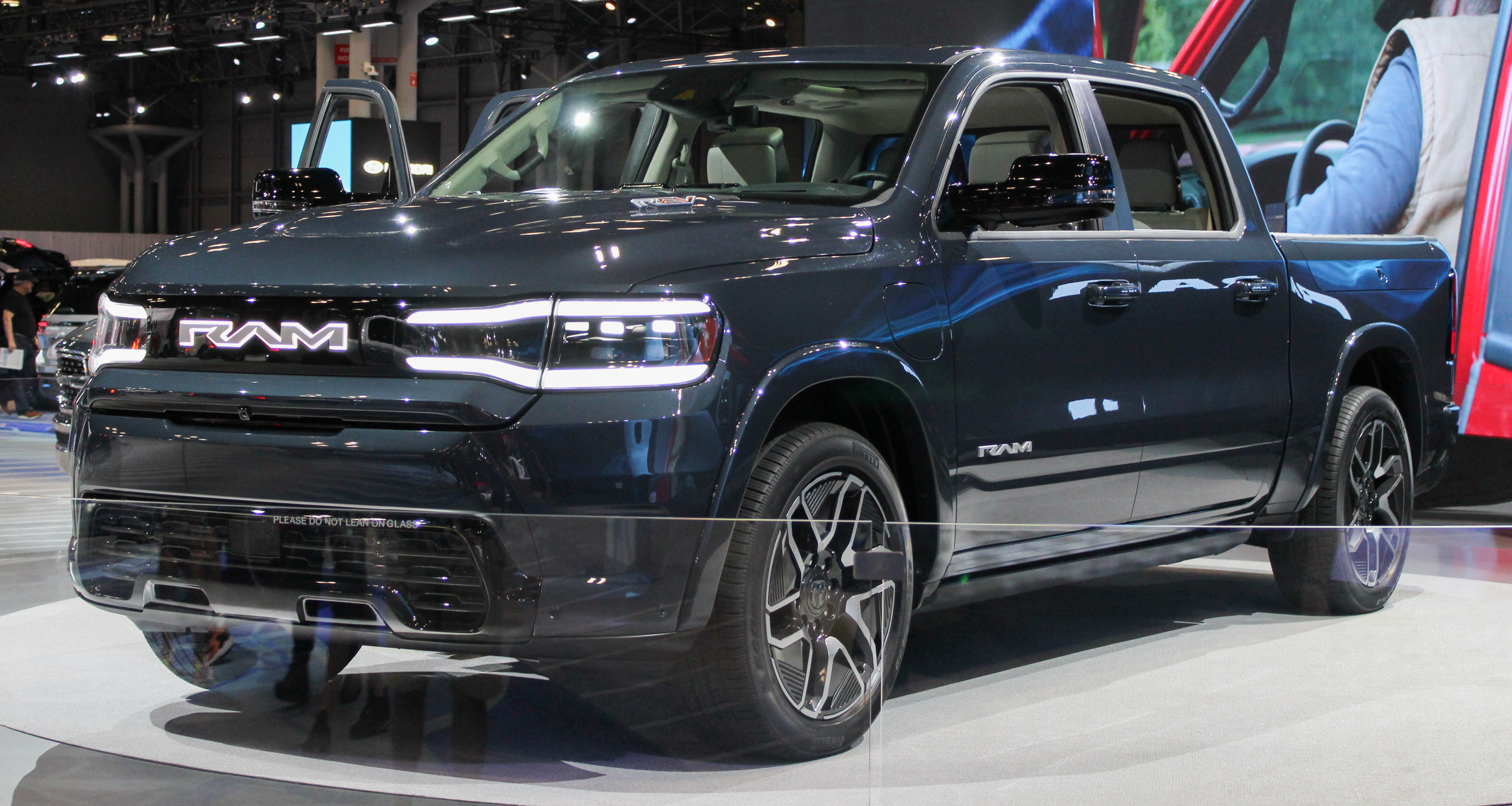
"but what is a four year old repair order on a Ram 1500 worth? Okay, well, let's go buy those customers right now today."
The Ram 1500 is a big truck that can carry heavy loads and is often used for work or family trips. It's known for being comfortable to drive.
The Ram 1500 is a full-size pickup truck known for its strong towing capabilities and comfortable ride. It's popular among both work and leisure users due to its versatility.
"make sure we give them great MPIs, make sure we get great video walkarounds, make sure that those things are perfect..."
An MPI is a thorough check of a car to make sure everything is working well. It's like a health check-up for your vehicle.
MPI stands for Multi-Point Inspection, which is a comprehensive check of a vehicle's key components to ensure they are functioning properly. This process helps identify any potential issues before they become serious problems.
"make sure we get great video walkarounds, make sure that those things are perfect and those green checkups on the MPIs are perfect."
A video walkaround is a video that shows all around a car, helping people see what it looks like and its features, especially when they can't be there in person.
Video walkarounds are visual presentations of a vehicle, often used in sales or service contexts to showcase the car's features or condition. They allow customers to see the vehicle in detail without being physically present.
"...you've got Carvana out there buying Chrysler stores, turning them into franchises..."
Carvana is a company where you can buy and sell used cars online, making the process easier without needing to visit a dealership.
Carvana is an online used car retailer that allows customers to buy, sell, and trade vehicles through a digital platform, often featuring car vending machines for pickup.
Amazon Autos is a part of Amazon where you can shop for cars online, similar to how you would buy other products on Amazon.
Amazon Autos is a service by Amazon that allows customers to buy vehicles online, leveraging Amazon's extensive e-commerce platform to streamline the car buying process.
"...You've got CarMax. You've got these large, massive online retailers..."
CarMax is a company where you can buy used cars at fixed prices, making it easier to shop without negotiating.
CarMax is a large used car retailer in the United States known for its no-haggle pricing and a wide selection of vehicles available for purchase online and in-store.
Hyundai is a car brand from South Korea that makes many types of vehicles, known for being affordable and reliable.
Hyundai is a South Korean automotive manufacturer known for producing a range of vehicles, including sedans, SUVs, and electric vehicles, often recognized for their value and warranty offerings.
"...what parts cost, what labor costs. I shop door rates or through the roof. Constantly going up..."
Parts cost is how much you have to pay for new pieces to fix your car. This can change based on what kind of car you have and whether you buy original or cheaper parts.
Parts cost refers to the price of replacement components needed to repair or maintain a vehicle. These costs can vary widely depending on the make and model of the car, as well as the type of parts used (original equipment manufacturer vs. aftermarket).
"...what parts cost, what labor costs. I shop door rates or through the roof. Constantly going up..."
Labor costs are the fees you pay for the work mechanics do on your car. This can include fixing problems or doing regular maintenance.
Labor costs refer to the expenses associated with the work done by mechanics or technicians to repair or maintain a vehicle. These costs can vary based on the complexity of the job and the hourly rates charged by the service center.
"...you have a service contract. Let's get that covered for you. So I think that fundamentally you have to believe that you want to make sure that that guest is in a situation..."
A service contract is like an insurance policy for your car that helps pay for repairs. It can save you money if something goes wrong after the regular warranty ends.
A service contract is an agreement that covers the cost of repairs and maintenance for a vehicle after the manufacturer's warranty expires. It provides peace of mind for car owners, especially for those who may face unexpected repair costs.
"...$1,200 windshield that needs to be calibrated. It's covered. And they all know that they just have that little bit of peace of mind..."
When a windshield is replaced, it needs to be adjusted so that the car's safety features work properly. This process is called calibration and is important for keeping the car safe.
Calibrating a windshield involves adjusting the sensors and systems that rely on the windshield, such as advanced driver-assistance systems (ADAS). This ensures that features like lane departure warning and automatic emergency braking function correctly after a windshield replacement.
"...but still not sales efficient. And that's why I got to go to that store. It was 60% sales efficient when I started..."
Sales efficiency is a measure of how well a car dealership sells the cars it has. If a dealership sells most of its cars, it has high sales efficiency.
Sales efficiency refers to how effectively a dealership converts its potential sales opportunities into actual sales. A higher percentage indicates that a dealership is successfully selling a larger proportion of the vehicles it has available.
"...if you I talked to a used from any other day and said, Hey, what do you think about buying used cars and me going to the auction knowing that I'm going to buy a car..."
A used car auction is like a big sale where people can bid on cars. Dealers go there to buy cars that they can sell in their own lots.
A used car auction is a marketplace where used vehicles are sold to the highest bidder. Dealers often attend these auctions to purchase inventory at potentially lower prices.
"...if we're going to have a Chrysler 300 that we're going to take in on trade this $12,000, I think that you can pay whatever you want for that car because the customer is looking for a payment..."
The Chrysler 300 is a large car that offers a comfortable ride and a lot of space inside. It's known for its stylish look and can come with powerful engines.
The Chrysler 300 is a full-size sedan known for its bold styling and spacious interior. It has been popular for its combination of luxury features and performance options.
"...because the customer is looking for a payment a band and you're going to be able to sell that car. But I think when we step back and say,..."
A payment plan lets you pay for a car in smaller amounts over time instead of paying everything at once. This makes it easier to afford a car.
A payment plan is an agreement between a buyer and seller that allows the buyer to pay for a vehicle in installments over time rather than all at once. This is common in car sales to make vehicles more affordable.
"...they're transparently priced. And they're just moving them through the system..."
Transparent pricing means that the price you see is the price you pay, with no hidden fees or surprises. It helps customers know exactly what they are paying for a car.
Transparent pricing refers to a pricing strategy where the costs are clear and upfront, allowing customers to see the total price without hidden fees. This approach builds trust and simplifies the buying process.
Biggest challenge in the new acquisition?
How did the key partnership form?
Early sales lessons from vacuums?
Best team building and leadership advice?
Key to turning around a dealership?
Balancing brand and community involvement?
Digital vs personal customer experience?
How to achieve top dealer status?
Best used car acquisition strategy?
Select text to request an explanation
Today's special guest host, Sam Dark, is joined by Phil Pecoraro, operating partner at Murdoch
Chrysler Dodge Jeep Ram. Less than a month after taking the keys to his first store, Phil returns
to the same dealership where he earned his first GM title 16 years ago, and this time he's calling
the shots. He gives us an unprecedented behind-the-scenes look at how he structured the deal,
his first year playbook for success, and why now is the perfect moment to take the helm.
A big thank you to our sponsors for making this episode possible,
CDK Global, Stream Companies, and Nomad Content Studio. And now let's get into the show.
Hey, Phil, welcome to the podcast. First off, it's exciting to have you here. So why don't you
tell us a little bit about what you do today before we go back in time to the beginning?
Well, today, actually, we are about a week into an acquisition. It's actually part of the Murdoch
family and the Murdoch Group. They've been around since 1925. So they've been four generation owners.
I've been with them for a little over six months, and we purchased a store that I'm
so grateful to be a partner in. So I'm a third partner with two of the other brothers. So
each of us have a third. And today, we're actually working on growing our use car
inventory. When you take over store, the people we bought it from, we didn't have any use cars.
So we pulled some of those cars. Yeah, so zero use cars day one. So we purchased some of our
stores in the valley. We're lucky that we have some close. We got about 30 use cars on the
front line today. Just bought about 10 more from Enterprise. They should be here this afternoon.
And you think that you have a lot of it prepared before you start, but then there's so many things
as far as technical issues, website issues, manufacture, getting everything turned on.
Just trying to make it as seamless as possible for the employees to kind of figure out where
their logins are and kind of go from there. That's a big process. As part of the Ziggler Auto Group
41 stores, we've expanded very quickly recently. And one of the biggest tasks is onboarding
a new store to your point, setting everything up. So I'd love to dive into that in just a moment,
but before you there, why didn't they have used cars? Who did you acquire this from and
was a part of their strategy and wind down or did they not have used cars? No, they had about,
we bought it from the Kengarff Group and they only had it for about a month and a half. So
they purchased from the S? Yes. So they purchased from the Asvery Automotive Group or Larry H. Miller
with two other stores with the Lexus stores, the Linden Lexus and the Salt Lake Lexus store.
And they didn't have a ton of used car inventory. They had about 20 cars and it was kind of,
didn't really get to a number on them. They had just had them right there and I said,
well, let's just bring them in from our other store. So it wasn't a huge difference, but just
getting them up online and pictured and trying to drive some traffic. I gotta ask, why did they
flip that store so fast? Was it because they bought a package and then they just offloading
what they didn't want? Yeah, I think that, you know, when the Garfs are a great group,
60 stores, I think, and it was for everywhere. And this store, we really worked hard because
it's in our backyard. The Murdoch family's been just up the road in Woods Cross since the early
80s. And they just realized that I think that this, you know, fits their portfolio to kind of
offload that to somebody who's in their community mind just like we are. And to have somebody that's
into me with the store and going after the operation, I think it makes a big difference.
So, Phil, you're new to the Murdoch Group. How much you, how did you become a partner? What did
that look like? Like, did you approach KO or the team there and say, hey, I want ownership in a
store or what? How did that happen? So it's kind of an interesting story. KO and Blake Seyir
have had the group until about six years ago, and they sold it to their sons. So Blake, Blake
Jr. and Ben are the owners of the group now. And they had a CFO that used to work at Larry H. Miller
Group. They had left Asbury and Larry H. Miller Group in November of last year. Some of the stuff
that Corporate does doesn't fit my skill set as best. The Larry Miller Group is much more
entrepreneurial and kind of a wide open playing field. More empowerment at the store level.
Yeah. And so that's what I was used to. And I learned a ton being part of a public for about
two years and really grateful for that experience. But when I left, I was just going to kind of take
a year off and figure it out, inquire to a couple of brokers and tried to buy a store on my own.
And nobody talks to you. It was very interesting. And the size of store that I would like to buy
would be big enough to make a difference and grow and possibly purchase a second store.
And so the Larry H. Miller CEO or CFO had been helping the Murdochs and he called me and he said,
hey, why don't you come talk to these guys and tell me what you think. And within one meeting,
around my same age, a couple of years younger, I was excited. And I said, hey, this is what I want
to do. This is kind of my plan. And so for the last six months, I started in March, I was down at
their huge Hyundai and Linden store, a number one store in the Denver region. I'm just the only
store in Utah County, which is a big market and selling about 350, 400 cars and learned a lot
from them, kind of learned their culture. And then this store came available. They knew that I
had a history of this store. And so we just kind of came to agreement and I was super excited.
So Phil, there's probably quite a few people listening to this show thinking, hey, how do I
get into that ownership spot? The barrier to entry is high. It's not easy to your point as a GM.
You go approach OEMs or brokers and it's tough to get a serious audience unless you've got that
financial backing. What did your third costume ballpark?
Well, to purchase the real estate, the real estate alone at this building, this was Larry
Miller, this was a Larry Miller store. So this was a store that I had worked at previously.
And kind of a story is kind of going back home for me. I originally started this store in 2009
as the store manager. And it was a Chrysler store back then.
Yeah. So this was the last store that Larry H. Miller built when he was alive.
Oh, it's got history. Yeah.
Yeah. And so he purchased the Chrysler Jeep store from across town and then Menlove Dodge Toyota,
which was a huge Dodge store. Yes. He said, well, they're selling 100 Dodges, the Chrysler store
selling 100 Jeeps. We're going to sell 200 cars. So we need seven and a half acres, 50 bays.
That's an absolutely huge store. So it was overbuilt at the time.
Still is probably overbuilt for the size. But I mean, it would cost you almost 30 million to build
today, $17 million praise value. So it's a huge stop. So it took a sizable amount of the
net worth, I mean, millions of dollars to be able to do that. But the way that you get there,
Mar-CFO, when I first started as a general manager in 2010, so I went here for a store
manager, then was made the general manager in 2010. The Larry Miller group had a small buy-in
program. It's kind of an as-if share where you can buy into a piece of the store.
And I was able to save up some money and still live in the same,
still live in the same house I did when I was doing finance when I came to this store.
So it was always part of my ambition to own a store. And I was thinking about why.
Well, and Phil, because I want to go back to the beginning and to your why,
but I want to acknowledge how rare it is in automotive for you to get both the real estate
and the equity as a share partner. So that's props to Murdoch, to you, to the other partners
who put that together. You'll hear often about, hey, I'm going to give you 20% operating and no
real estate, not enough share to really make a difference in the operating side. That's pretty
cool. Third, third, third, and then the real estate as well. Third, third, third real estate,
real insurance, basically top to bottom. Yeah. Very cool. Let's go back in time, Phil,
because this is exciting. This is interesting to our audience. You're
big dealership in Bountiful, Utah. Yeah. And it all began pretty humble. You started selling
vacuums. Take us back to that. And how did you get that start? Well, I was working at a hospital
overnight and then I was waiting tables at a TGR Fridays, just me and my girlfriend at the time.
My wife now married for 26 years. I answered an ad that was a $1,600 a month guarantee.
And it said, it didn't really say what it was. And so I kind of answered the ad and they said,
okay, you're going to sell vacuum cleaners. And I did really well. Door-to-door sales,
they $10.99. And I worked my way through the selling vacuum cleaner process to where they had
kind of a graduate scheme to where the more vacuum cleaners you sold, you had an opportunity to
be a corporate trainer. So then I drove all around a corporate trainer and it wasn't really
like just straight door knocking. We had a phone room. So we had a phone that created leads,
made phone calls, created opportunities. And it was a mini car business. And it was kind of a
training ground. We had a phone room. We had to sell our trade ins to different vacuum cleaner
shops to create that. We had to make payroll. We had advertising training every single day.
And that really kind of developed my skills there. And so I was able to be the corporate trainer.
Then I ran the Sandy office for our vacuum cleaner distributorship and had an opportunity for at 20
years old, I had a small dealership selling paper to Beneficial Life, writing the contracts myself,
had basically CITs, had a small thing. And it just got harder and harder to find good people.
And ended up shutting that down at 21 years old on my 21st birthday,
shut it down. And a month later, actually two weeks later, I was selling cars at a Chrysler
Jeep store for Larry H. Miller in in San D. Utah. This episode is brought to you by CDK Connect.
Now in its fifth year, this virtual event showcases everything CDK has cooking from
perspectives on recent industry trends to sneak peeks at the latest innovations. You're going
to want to tune in for special segments featuring both CDK leadership and top partners, including
Rita Case of Rick's Case Automotive Group and Sam Dark of Ziegler Auto Group. There will also be
expert led breakout sessions related to every workflow in your dealership.
CDK Connect is October 21st at 11 a.m. Central Time. Register now to secure your spot by clicking
the link in the show notes below. What pulled you from vacuums into the car business,
aside from just the sales aspect of it? Well, my girlfriend and wife at the time said,
you need a job with insurance. And so I drove by and I went in for an interview and they said,
you sold vacuum cleaners door-to-door and said, yeah, I think you can make it. And so I just
started selling cars, sold cars at that store for about a year and a half and did really well.
Not the best car salesman. Then I had an opportunity to go into finance and I spent seven
and a half years in finance. And it was at that time that I really fell in love with the business.
I fell in love with the customer interaction, building a team. And I had kind of a couple
old dogs that were on the desk, as you would say, back in the day. And so I kind of really focused
on building my team from the finance department, training guys, hiring. And some of those guys
are still with me today. In fact, my log tech, who is my log tech back in the day, he's one of
my sales managers. He's downstairs right now. And that's kind of the cool part is building
that team and then taking them with you when you have these opportunities. That's an unusual
approach to take from the finance chair, because most finance managers don't see themselves as
leaders, per se. They see themselves as employees and individual producers. What caused you to
take that approach of, hey, I see the need to build a team. I see how I can have leadership beyond
just my role as a finance manager, because that's unique. Yeah, I think the frustrating part for
me was I watched the store. We had a couple of senior salespeople. This is early 2000s.
And our store was kind of held hostage by the salespeople. And I wanted to figure out a way to
have a store that wasn't held hostage by any finance people, but may finance people really
good. So I tried to step back at one higher level, and realized that it's an effort meter game.
And they always talk about well, it's a numbers game, it's a numbers game, it's a numbers game.
But then what are those numbers? And how do you make those numbers count? And then how do you
make those numbers work for you? So we're used to say, hey, listen, we didn't sell a car today,
but we created 20 famous for tomorrow. We have these opportunities to make sure that we're
actually tracking those things to where if I worry about how many car deals we sold today,
that may not be a true reflection of what our efforts look like. And so I really stepped back
and started tracking everything. Which is interesting, because again, not traditional
for FNI back in the early 2000s. Not traditional for FNI. Yeah, building that team. Did you have
a sense back then that you wanted to become an owner, that you wanted to become a dealer,
principal, or even a general manager, or were you pretty happy as that producer? Okay. No.
You had that. Yeah. Well, I had a, when I had the vacuum cleaner business, I felt a tremendous
amount of kind of guilt and failure, because I, oh, I didn't succeed at that, right? I had to
shut it down. And so that, and it always is eating at me that I wasn't able to convert on that and
really help push that to the next level. And so I was basically trying to figure out this puzzle
piece of what it looked like to have more effect on the system in which I worked. And so just really
learning all the systems in as far as inventory and advertising and how it really, and I was pushing
my general manager. I want to go to the Larry H. Miller Development Academy. I want to
learn as much as I can and try to hold myself to that standard to get better.
So fast forward to your GM role, Bountiful Chrysler Jeep, the first time.
Yep. Store manager first. Okay, store manager first then GM.
You took that store from a big loss to profit, 1.6 million loss to a million dollar profit in
just four years. Tell us about that. So I think that that is, it's kind of funny because the
Chrysler seems to go through these kind of ups and downs, Stoannis now, and where people get
really concerned about what's going on in the outside world. And depending on their success
depends on the manufacturer's success. But most of the time when you step back and look at it,
your success at the store depends on the salespeople and the technician's success.
And so what did we need to do to just scrape it down? And that store,
this store was tough. I mean, we had no salespeople, we weren't selling as many cars,
it was right at the start of cash row conkers, and so we had one car that qualified.
Yeah. And so there was really nothing there. So we just said, okay, listen,
we're gonna sell used cars. So we took it from selling 30 used cars to 80 used cars consistently.
We focused on getting really good at the internet. If you know Balfill, there's kind of a lake on
one side and mountains on the other. So most of the stuff of driving traffic or pulling traffic
from north or south. And so we had to get really good at driving people here. So just really working
hard on the internet process, making sure that we were training our guys to set appointments,
be an appointment driven culture, and just really driving that and then building a team of people
that were young, that were hungry, and they wanted to make a difference. And a lot of those guys
that are with me right now were GSNs, GEMs, used car managers that started just selling cars here
in 2009 and 10. And then we kind of broke it up in 2013 when I left to take an opportunity to
Fordshore. So you've bought back into Stellantis. Stellantis is a brand that has challenges. You
acknowledge in your first stint that that was a moment of challenge as well in those early
cash for clunkers periods, turning that store into a used car operation. What do you say to people
today that talk about Stellantis, the struggles they have and say it's just not that great a brand
and they're struggling and they're not going to win? Well, I think that you have to realize that
if it was the Ford store right now, it would have cost us 10 times what it cost us to buy the store.
You always have to look at it. Some of the stores, I kind of look at the stores,
like if I can read this. I think Stellantis has so much upside because I don't know anything about
it right now. All the salespeople that have been kind of beat up or the people operating the markets
went from a 13% share to a 9% share. And so now they're kind of not feeling as good. They haven't
been taking inventory. And right now, they're just kind of all the salespeople like, gosh,
there's not really that much excitement. I'm excited because I haven't seen that. And I think
everything is moving in the right direction for Stellantis. I think stuff is the new Cherokee is
going to be great. I just got my first Hemi 1500 that people were excited about. Customers were
excited. Salespeople are excited. So I think that a lot of that's mindset because there's still 9 to
10% of those people that want to buy that car. How do we give them a great experience? How do
we make sure we're competitive? And if they don't want that, how do we make sure we give them a
used car and build that brand? Well, to your point, buy low sell high, right? So you mentioned
Ford. It's the most recalled OEM right now, but Toyota, Honda, Subaru, some of those franchises
have large multipliers. You've got a Toyota store next nearby you up there that's just massive. You
think your Chrysler store is big. You pay a multiplier on a big Toyota store that's arguably
overbuilt. That's going to be every bit of a challenge as any other franchise. So is your
strategy today? Is it to do very much what you did then and focus on used cars? And if so,
what are some of your strategies to win in the used car market? Well, I think today when I talk to
sales people today, I talk to my strategy is to make sure that what I learned from the public
and when I was with Asbury is what does the street really look to and provide value? Well,
that's two things. And that is how does your service do? And how do you do in used cars? Because
those two things, the manufacturer can't affect as much. So today, I'm interviewing two technicians
to make sure we're growing our tech talent base. That's one thing, you know, when I started in
the store in 2009, we were 26% fixed absorption and still were profitable. So as we can, I'm going
to focus on growing service, making sure that our services world class, making sure that our
appointment schedulers open, our teams are engaged there. And then the other thing is basically
driving that used car business. And I think that when people think of used cars, sometimes we think
about when we're bidding that car, how much could we make on this car? But it's not about that car,
it's about the four cars or chains that are attached to that car. So what if I, you know,
have a great finance department, sometimes the, I always believe that, you know, market determines
the front end of the car, the front and gross profit, but our talent and our, you know, customer
service to helps the back end profits of the vehicle. So how do we make sure that our customers
are protected there in our system, if they need service work, we're doing it. And then if you
had to go buy future service customers, what would you pay for those? And one thing that I learned
with Ford and how important services, it's, it's, it's like that waterfall effect. If I know that
down the road, 60% of my customers are going to come back to me, and we got to bump that to 70%,
but what is a four year old repair order on a Ram 1500 worth? Okay, well, let's go buy those
customers right now today. When they need their alterations for the first three years, make sure
that we give them great MPIs, make sure we get great video walkarounds, make sure that those
things are perfect and those green checkups on the MPIs are perfect. They know that they can trust
us on a daily basis and we can treat them correctly. And when they come back, they understand that
they're going to buy a car from this feast because we're the guys, we're in this together.
And when I talked to, I talked to a customer that I sold cars to last time that came back and said,
Hey, I'm glad you're back. I went into it about a couple of those, but now you're back,
and I know you'll get it fixed. So I was actually nervous about filming the podcast because it's
my first week, we have so many cars, we blinked one day, we had a four car day yesterday, I was
super happy, but the amount of pressure this is putting on me, you know, the tab you check in
six months from now going, well, did you make it happen? Which we will do by the way,
which we will do by the way, because we want the, we want the famous rest of the story, but
it is kind of exciting though, when you think about it, you're coming into a Chrysler franchise,
you're coming into an established store, you've been in the store before in a lot of ways,
it's a blank slate. Like you get to look at this with fresh eyes and make changes right out the
gate that you didn't make the first time and you saw a $2.5 million spin on the first go around,
Delta on the first go around or 2.6. The sky's potentially the limit. So as you're looking
at this right now with these eyes, it's a great lesson for new operators and there are many
looking to get into automotive right now that are going into a Solana store, there's several in
the Midwest or a Nissan store, Infinity making big changes to impact change. So service is one
area you would attack, used as another, right? What other actions are you taking here in the
beginning to ensure a quick turn on this to maximum profitability?
I think you have to keep it simple. And so right now, we're just going to focus on
training really, really hard as far as giving the salespeople to make sure that we have five
salespeople as of right now. Wow, very cool. Yes, the great thing about this, and when I talk to
our two owners, Ben and Blake, which you guys love to talk to, but when I talk to them, I said,
I will go and go back to this store, but I don't want to deal without the Murdoch name.
Because being here since it's since 1982, and you would be surprised just my first week here
of how many people have come by and said, Hey, I know the Murdoch's take care of people. I know
the Murdoch's are good in service. I know they do that stuff. So having that brand recognition
and and the publics have their place, I think they're great. The garbs 200, you know, 60 stores
now, big stores have their place and they can do great things. But I can tell you from my experience,
when you have involvement in the community, and you can and you can look at the owner,
and you know that you look at that technician and you feel personally responsible for him,
and he has your cell phone number, it makes a difference. I think that, you know, when I was
with the Larry H. Miller group and and we knew how much gale you back in the day, Larry Miller
could get talked to by anybody, a grocery store, and he pick up the phone and call you and ask
you about a customer experience. And so that's the level of a check mark check balance. Yeah,
yeah, the that level of accountability means something. I had a text this morning from Blake
senior, who is the original founder, you know, fourth gen, third generation. And he said to me,
hey, I was a gym this morning. Somebody said they had a great service experience. I appreciate you
doing it, keep up the good work. I made my day. Yeah, you know, and so what is that? Yeah, it
means something when somebody's names on the building, and truly, the money that we produce
as profits here will stay in the market. The high schools that we sponsor, the advertising we do
is here in the market. And that's important. This episode is brought to you by full throttle.ai.
Full throttle.ai is the first and only automotive DSP built just for the auto industry launch
campaigns in under two minutes reach real in market shoppers and track results all the way to
the sale. This is the add tech easy button for automotive advertising you've been waiting for
to learn more visit full throttle.ai and see how smart your media can really be. Again,
that's full throttle.ai or click the link in the show notes below. So Phil, what would you say to
the person that says, Hey, this personal touch is important. This focus on customer experience is
important. But at the end of the day, you've got Carvana out there buying Chrysler stores, turning
them into franchises. They bought one in the Phoenix marketplace, Texas, and they've got plans on others.
See something that's not quite right? Our annotations are AI-generated and can sometimes miss the mark.
Click the flag icon on any annotation to suggest a correction.