#332 Tire Smoke & Triumphs: Jim Liaw’s Inside Story of Formula Drift & PRI
Wrench Nation · Sep 17, 2025
Annotations will appear as you listen
0:00
59:53

Car
Kia Rio

Car
Ford Bronco

Car
Ford Mustang

Car
Ford Model T
Car
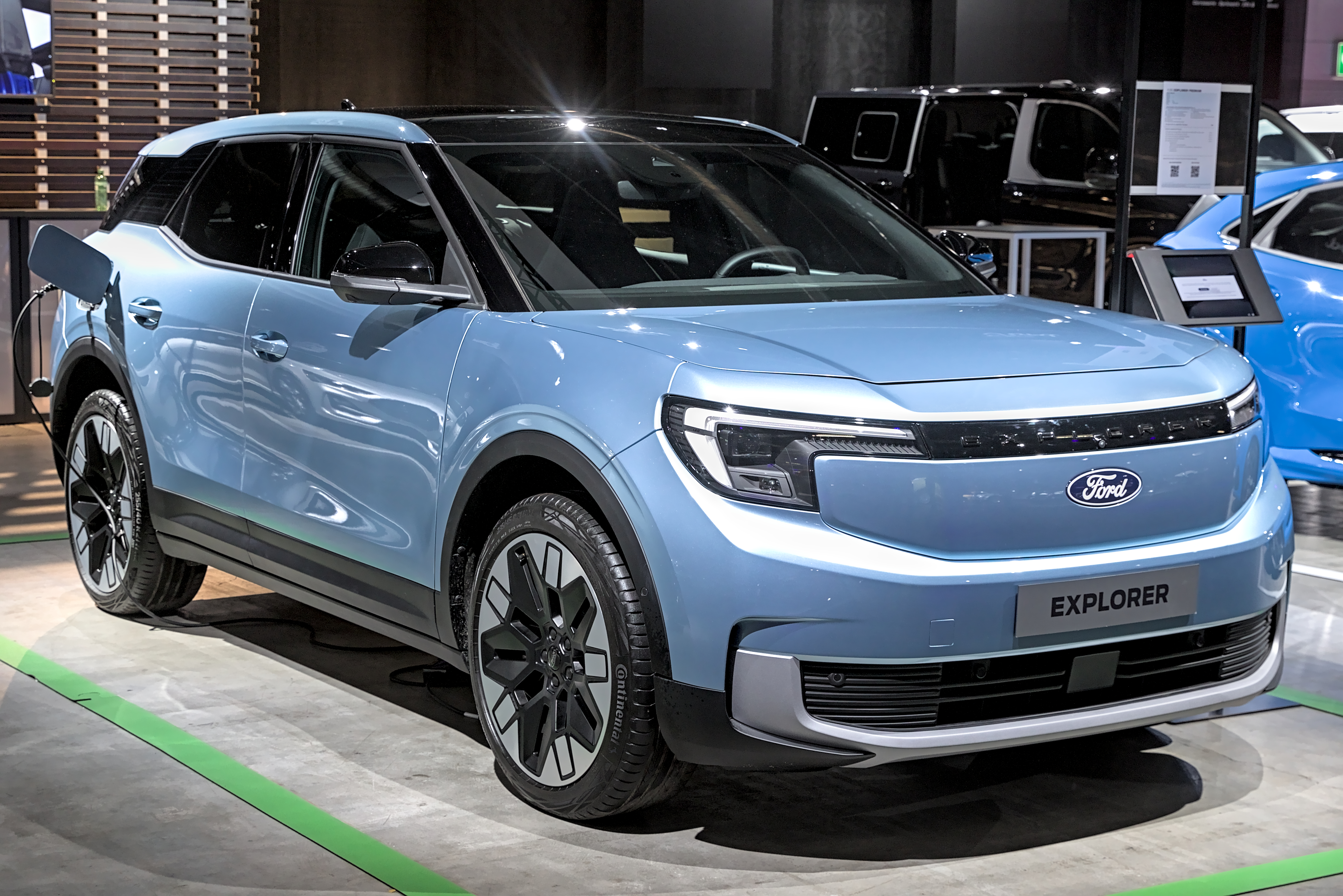
Ford Explorer


Car
Daewoo Lanos
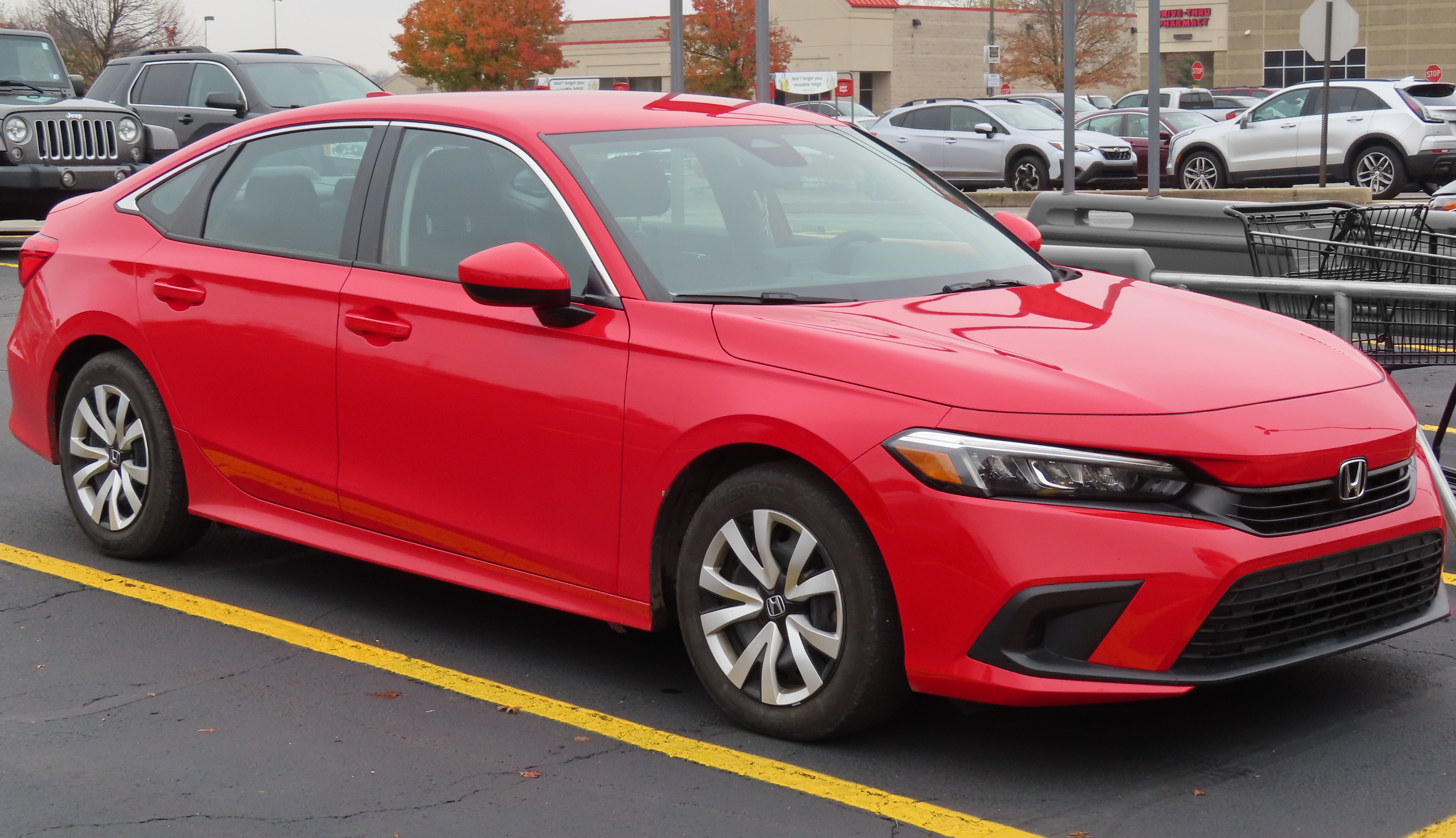
Car
Honda Civic

Car
Honda Odyssey

Car
Toyota Gr86
LIVE
Welcome back, Wrench Nation, always an honor to hang out with you mechanical maniacs right
here from one of the premier trade schools, right here, 887 of Pulse, the East Valley Institute
of Technology.
But first, you've got to have a little trombone in your life.
I see some of you driving with a big ol' brakes squeak.
Brake pedal is dancing the Macarena, you need some brakes, baby.
I'm telling you, it's like our little mechanical therapy, and it never takes for granted the
fact that you got interrupted by the Wrench Nation show, man, welcome back.
I appreciate you guys, especially our big familia out in the high desert, palm desert, all you
desertians.
What are they called?
Aiden's in studio.
I say they're right.
Is it?
How do you call people?
What do you call people?
My first instinct is desertions, but that just sounds weird.
Like we know we're Phoenicians, Abba-Kirkeans or Abba-Kirkeans, Washingtonians.
We can go on and on, but I really want to give you a big hug from not only myself here
and Aiden Moore on Wrench Nation, all you podcasts, maniacs that hang with us for what
was, got almost 10 years now.
But I do want to thank the industry, my industry family, I've heard from you from
time to time.
We'll cover industry, man, because there's so much going on.
And I'll be honest with you, you guys know I'm biased.
I love you, but I'm biased.
You and this show from the East Valley with over 50, 50, 50 career training programs.
I told you maniacs, blue collar is the new white collar.
That's what I'm saying.
Absolutely.
I'm going to get hate, my dentists, my lawyers, my doctors, but I'm serious and
I see you.
I'm getting phone calls at the garage.
Of course, our place, our happy place, North Scotia, Cave Creek, Cave Free Desert
Car Care, Cave Creek.
You know what I'm getting, Aiden, which is really cool.
I'm getting, like we've been around for a while.
We do a lot of mentoring in the garage, but dude, I'm getting phone calls from
moms and dads.
Hey, my son's interested, can he shadow?
And I'm like, are you kidding me?
Yeah, the program is not just shadow.
We're going to pay a kid to come in and test drive the automotive industry.
So if that's you, mom and dad, I'm talking to you.
You're hearing me.
This ain't grandpeppy's garage.
My guys are working on 60 million lines of code.
We work on everything from a 56-month set as, got a beautiful 220S
pontoon, 67 Jag to the Kia Rio to put your pinkies up.
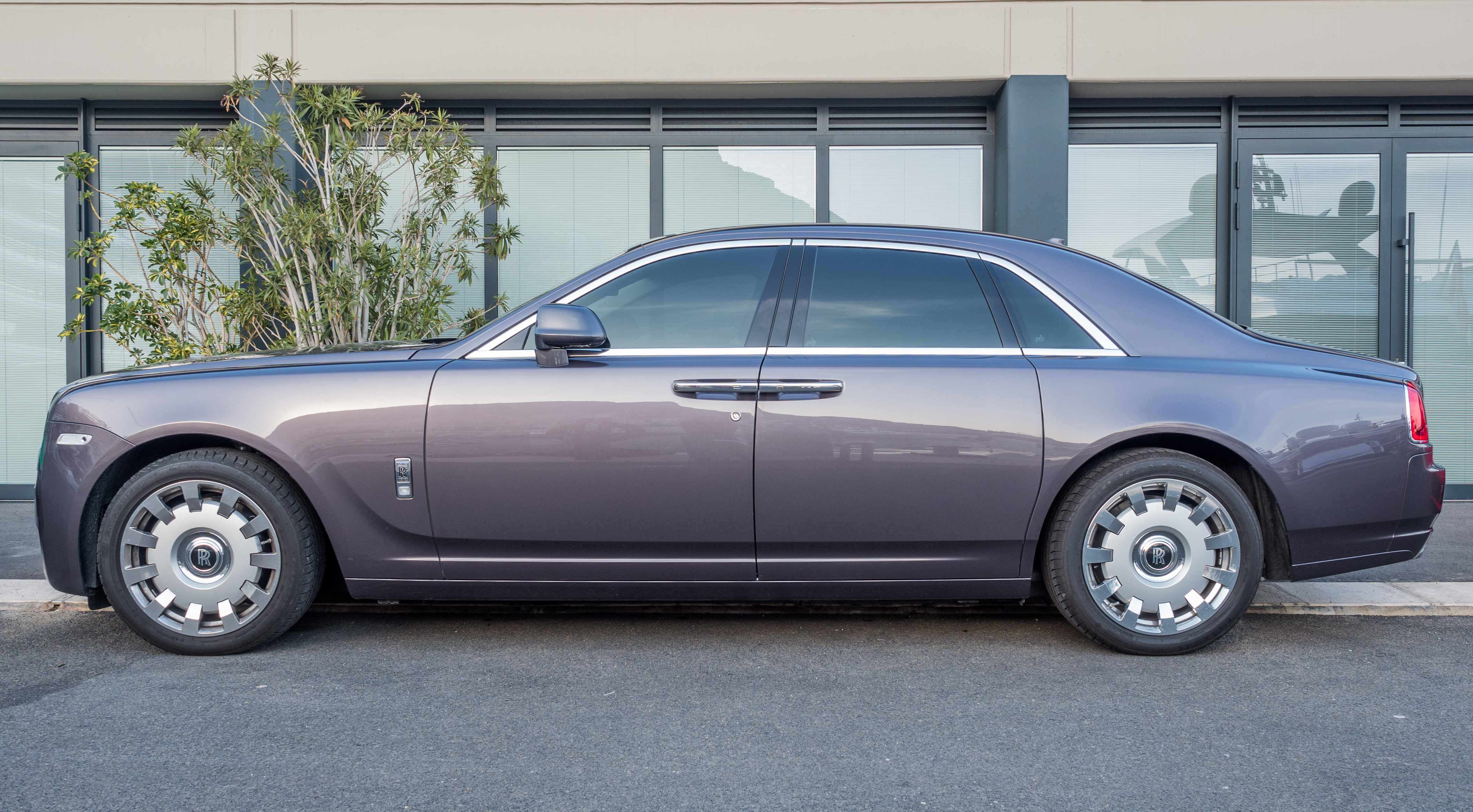
That's a Rolls Royce ghost.
What I'm saying is that we get a smorgasbord of vehicles.
And mom and dad, I'm telling you right now, if your son or daughter
wants to tinker, they just got that it's in their belly.
And maybe you're like, yeah, well, I want to promote this.
But Louie, Lily, you can't be working on my stuff in the driveway.
Some of you live in a nature way.
You call me at the garage.
I'm networked nationally.
A lot of my podcast people listening worldwide.
In fact, worldwide, I'll get you in touch with a good local
community-minded garage or my dealership family.
They're doing some great things by the way of training.
This industry's on fire.
And if you have the fire in your gut, there are great outfits
that will get you trained up.
And listen, it's not, well, you've got to hang behind a mop.
You know, that's so old school.
That's how I started.
Like, I had to mop a shop, you know, blah, blah, blah, blah.
And then my father-in-law just threw me in the fire
and I was doing valve jobs.
But I mean that sincerely.
The show we cover, it's a lifestyle show.
We'll give you tips.
And we got tips.
And I'm going to introduce show topic.
I've got an amazing guest.
Super honored to have this individual join us
here in a little bit.
But if you are not sure, call me.
Desert Car Care Cave Creek.
I'll give you the phone number.
480-520-4538.
Or you get on a Wrench Nation dot TV.
I do look at comments.
Wrench Nation Facebook.
However, wherever you just get hold of Wrench Nation.
And I will put you in the right direction.
Some of you are not sure, OK, well, I work.
I work somewhere.
I do this.
Oh, they want me to change oil.
That's OK.
Change that oil like it's nobody's business.
Own changing oil.
Or as we say in the industry, it's an oil service, people.
It's not like it used to be.
Like it's a whole lot more.
We're checking data.
There's all kinds of stuff.
But whatever you do, if you're not sure, get a hold of me.
And if you're in the pit right now, some of you're listening.
I know I see a Loop Shop family.
And you're frustrated.
And you just, man, I thought I got into this business
and I'm working.
It's just not working out.
Don't give up, man, because you started for a reason.
And I say to you, listen, if you're basket weaving,
if you're a plumber, just getting started, whatever
it is, the thing you do, take a deep breath
and give yourself some time.
Reach out to me.
I get stoked about trying to help you.
I've had dozens of youngsters, adults retraining,
coming to the garage at our locations over the years.
And it means a lot to me.
And I know they're not going to work for us forever.
They may go off to the dealer, or they may go off in.
But just know there are folks out there that want to help you.
So that's my rant.
And if you want to give even a tour East Valley Institute
of Technology, whether it's an adult tree training,
you got done.
You were an accountant.
And it just didn't need just the eyeballs after 10 years.
That one just didn't want to be an accountant anymore.
Because the eyeballs are all twisted.
You want to work on cars.
You want to get into fire sciences, police sciences.
This campus has it.
This campus has it.
And if your youngsters are coming up
and you're interested in a skilled trade,
this is a really good stomping ground.
Last week, we had a great show.
I invite you, if you missed it, to get back
on to wrenchnation.tv.
I'll have the full show up here coming soon.
We had Tom Cattuso.
We've got SEMA, SEMA, SEMA, baby's coming to town.
And that was SEMA Fest.
I've had a lot of phone calls after that show.
Well, Frank, I've got to be in the industry.
No, no, no, no, no.
No, that Friday night is a lala, lala, lala, carpalooza.
I just, can we steal that word?
Please don't sue me.
I guess.
All right.
You know, I'm telling you, it's a celebration
with a medley of music.
SEMA always does it right.
There are some great opening acts, the black crows,
and many others.
And you can really just enjoy life.
And that's actually, mom, dad, if you can head to SEMA
in Vegas and you got kids that are car enthusiasts,
that's the spot in November.
So you can get on a wrench nation.tv for details.
I did post it up to Instagram.
Before we get to your weird news auto story,
today's show honored.
How about this, people?
All right, we try to cover it all for you.
Jim Liao, general manager of PRI co-founder of Formula Drift.
I see you, you're building that ride on the weekend.
You're getting there.
You're getting in the Formula Drift.
I see you, I've been out to the events in Formula Drift.
Aiden, have you been to a Formula Drift event?
Or have you done any sort of, whether as an attendee
or just taking your old hoopty and trying to drift it?
So I have not done that.
Legally, hopefully.
I have not done that.
I'm taking you this fall.
Really?
Yeah, my fuel-fest people will be in town.
And I'm sure talking to Jim will work something out
where events are coming, man.
The fall is coming.
But we're excited.
Jim Liao is the general manager
of performance racing industry.
My industry family that are listening now.
PRI doesn't get enough attention.
There's many conventions and events and networking
and you get to meet the vendors
and all kinds of new stuff and performance
and you just get this injection of stuff.
And this event or organization,
please not while you're driving,
performance racing industry.
Get online, check it out.
Racers and enthusiasts and builders.
If you're a builder, you know about PRI.
So Jim's gonna come on.
Of course, we're gonna dive deep into his history
of Formula Drift.
I have so many questions regarding Formula Drift
and the role over a performance racing industry.
And I'm just gonna say it's like a quiet secret
that we need to do a better job,
those of us in the industry promoting.
The arenas of what I would call resources.
We are only as good as our resources.
And I'm sorry, people.
You're all like, well, Frank, I got YouTube.
No, man, that's like not.
I mean, okay, I get it, I go on a YouTube.
But sometimes we need blood, sweat, body, human nature,
togetherness, smell it, breathe it, touch it.
It does something to us
by way of how we make our decisions.
I speak for small business.
The automotive industry doing this for 35 years,
just about.
We need to touch and feel still, right?
And so when you go to these events,
you're able to do that.
So Jim Liao is gonna join us.
I wanna make a quick mention.
I've got a few minutes and then we'll talk about
weird news and we'll bring Jim in.
A lot of you are gonna do your breaks
because you call me at the garage.
And I promote that.
Hey, I'm gonna help you.
I mean, I'm gonna do it for me or you're gonna
bring it to me.
I'm gonna do it for you.
But some of you are gonna do it for yourselves.
You're gonna do it by the parts, boom, breaks.
Everybody breaks.
Well, Frank, it's only breaks.
I could do breaks.
Breaks are easy.
What I'm seeing is something very, very,
it's, well, it's frustrating for you.
You get those shiny new brake pads.
You get those shiny new brake rotors.
And on the weekend with the best music playing
in the background, you bang out some brakes.
And then you drive it and a week later,
you got a little macarena, it's pulsating.
Step on the brake and pulsates.
You are not embedding the brake material, okay?
In fact, I have a few shows going back
where we get into that, but I wanna bring it up
because I've heard from you and I wanna at least,
at least give you an idea of what takes place.
You can't just put pads, rotors, hardware,
and then off you go pump breaks, whatever.
Bleed the brakes, flush the brakes, whatever you're doing.
You've got to transfer that brake pad material
onto the rotor.
There's a processing called bedding.
And this creates more heat resistant surface.
And it reduces the fading.
How many of you done those new brakes?
And that pedal just like, ooh, I'm fading.
Like, man, it's better, but it's just, ooh, it's fading.
It's like your first date.
That girl's fading.
She's not with me.
Or he's not with me.
It's like a bed brake job.
They're fading.
Can I say that?
But you have to embed.
So here's the gig.
And if you have a specific car and you need to call me
because this is a general rule, real quick.
All right, so you put your brakes on,
you got your, everything's all together
and you're happy and you pump the brakes
and you bled it and blah, blah, blah.
You need to test drive.
So you're gonna accelerate to around 35 miles an hour.
Then you apply those brakes moderately
to slow down to about five miles an hour.
You can't come to a complete stop.
So again, get up to 35 miles an hour,
apply the brakes moderately to slow down
to about five miles an hour.
Do not stop.
You coast a little bit with no brakes.
Let them cool down a little bit
and you repeat that process four to five times.
Ideally you wanna let them cool down in between
when you're doing that like that five mile an hour
cool down about 30 seconds.
And then you do that again.
And you do that again.
Then, all right, that's about four or five times.
Then you get up to speed, right?
Get around 55 and get into some more aggressive stops.
So what you're doing is you're taking that brake pad.
It's got a kiss along that rotor.
And once it kisses along that rotor,
it's developing a relationship.
But chemically, and my chemists are gonna kill me.
I did a tour, a big tour out in LA
for one of the brake manufacturers.
Pretty cool.
There's a lot of science behind brakes
and they'll tell you, they're the first to tell you.
Some of you think brake rotors are warped
because they're out of round or what have you, right?
If you measure that, you can see there's high spots, low stuff.
What it is is brake pad material
that's creating hills and valleys.
That's what that's about.
That's a hard concept.
Like if I tell, you call me, hey, my brakes are warped.
Well, from heat, well, maybe,
but the fact is as pads age,
where's that pad material going?
Some of it could be dusty depending on the type of lining.
But a lot of it is because it's embedding itself
microscopically, if we looked at that,
you could see the hills and waves.
Please, when you do brakes,
make sure everything's tight, double check your work.
Embed the brake material, all right?
And some of you know, I've seen it.
I've had mechanics come in my place.
You know, newbies, did you properly embed the brakes?
Oh yeah, I got up to 70, I just slammed on it
and the brakes are smoking.
No, man, we're not doing it that way.
You have to gradually heat that oven up.
You're cooking, people.
Oven just doesn't become 700 degrees
or whatever it's gonna become, gradually.
So that's why you do it gradually.
Did you learn something, Aiden?
Yes, and also, let me just say,
I've been up to your place,
great facility you got going on,
great cars you got coming in.
Here in, oh, I just slammed on the brakes.
I'm just like, oh no.
There's a lot more.
I think YouTube for sure makes brakes seem like,
you know, grab a six pack, you can do your own brakes.
Well, it's YouTube University, man.
Well, I'm not knocking it.
I'm just saying a lot of you are frustrated
because you know, you have noises or harmonic issues.
But anyway, give me the weird story
because Jim is anxiously waiting in the background.
So what are the first names when you think Ford?
Right?
Oh, yeah.
Bronco.
Oh, Bronco.
Mustang.
Sorry, Model T.
Explorer.
I'm old school.
Well, I mean, yeah, if you're old school, Model T.
But as you know, I am a bowler.
Now these names.
You like to bowl.
Yes.
You got the gear and everything.
I love it.
All right.
What I'm finding out is that Ford is looking
for four new iconic vehicle names.
Oh, really?
Names like Fathom, Fuse, Hive, and Mythic.
Those are the four that they're actively seeking
out patents for.
I don't care as long as they're ICE.
In other words, the name that needs,
from my opinion, Stay, Internal Combustion.
Are these like EV?
These sounds like futuristic electric vehicles.
You know, Ford's coming out with that.
So it might sound like something out of Game of Thrones,
but they're thinking.
So these are the names.
Are they asking the audience, the consumer, what their advice?
No, they're actively seeking out these patents already.
They said, no, this is our next EV lineup.
Oh, it is EV.
That's what I thought.
Fathom and what's the other names?
Fathom, Fuse, Hive, and Mythic.
I mean, come on.
They all sound like bowling ball names.
If you look up a couple of them,
I guarantee you you'll find one.
Why can't like, whatever happened to like,
you know, that could be a whole show in itself.
I think we got to show on how cars became
the names they were.
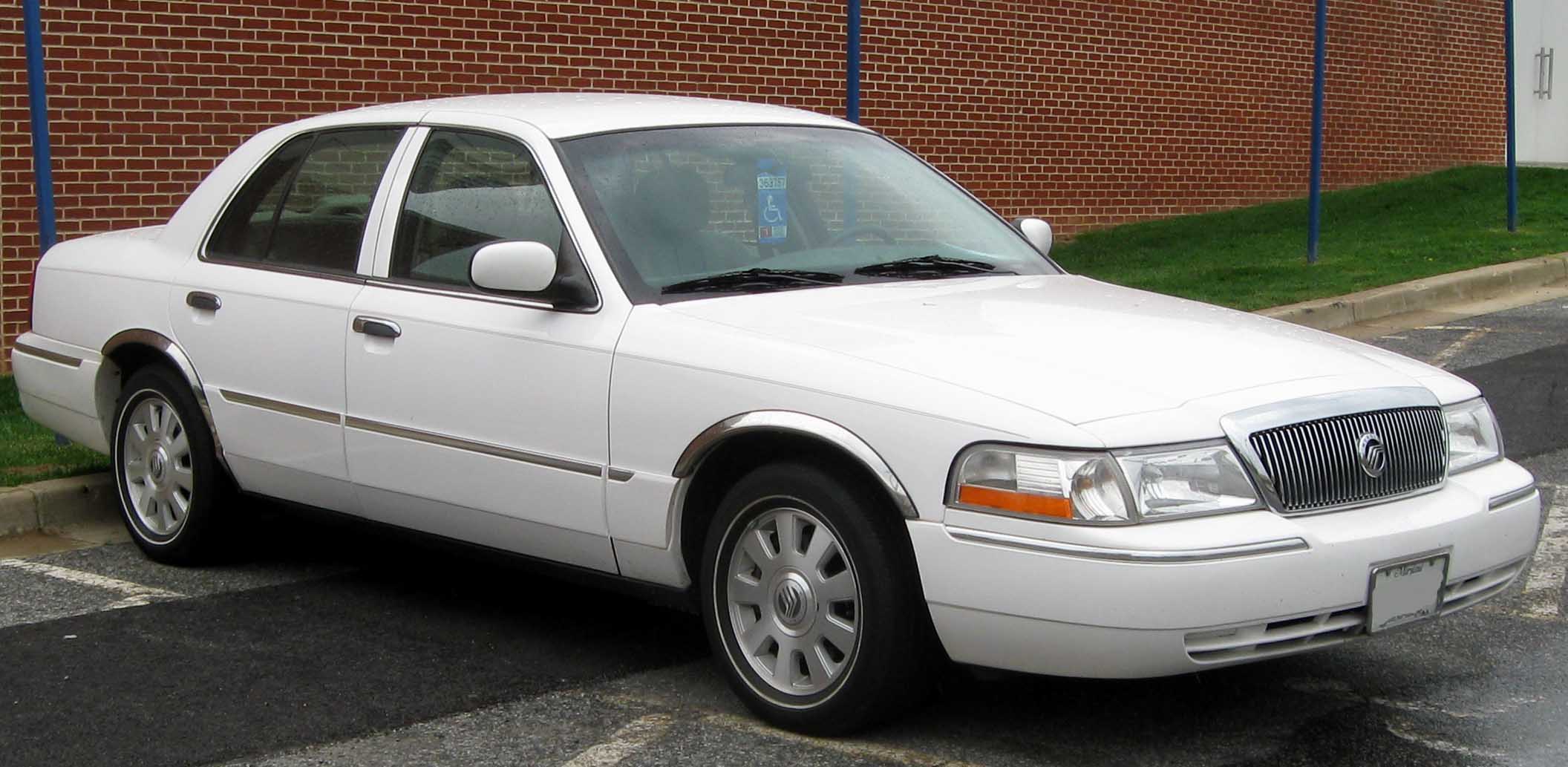
But, you know, I so miss like the Grand Marquis.
That's not an EV.
Do you think Grand Marquis, you think it big, bulky?
Oh, yeah.
Crown Victoria.
It's a big mama.
Yeah, exactly.
This is like names like lithium lanos.
Well, they're trying to make it look sleek
and all brand new and I can't fault them for that.
But I mean, these are some interesting names
to go after.
Man, you imagine my great grandson
is not around to be some day.
You know, my kid is still young yet,
but I'd be like, we're in Pepe.
I can't believe you drove a Honda Civic.
What were they thinking with that name, Civic?
Civic.
I'd rather drive a Ford Mythic.
Excuse me?
Well, Sunday, I used to have an Honda Odyssey.
Oh.
We had simple names that were practical.
Like Bronco.
Well, now you think Bronco,
you think OJ for some of those that no know.
Anyway, we're gonna take a break.
Hey, we're gonna take a break, man.
We love your family.
And we got Jim Liao.
I hopefully didn't butcher the name
with currently of Performance Racing Industry,
co-founder, formula, drift people.
That's a big deal.
That's introducing a whole new level of sport
where sports were just kind of wrapped up.
You know, so I want you guys
to stay to Ranch Nation with the guy.
CHORUS
Support for Ranch Nation comes from
Pronto National Association,
a network of auto parts suppliers and professionals.
Pronto provides resources, training opportunities,
and industry insights to support collaboration
and innovation in the automotive industry.
More information at pronto-net.com.
Support for Wrench Nation comes from MailShark, offering direct mail postcards, customizable
email templates, automation tools, and box toppers for business.
MailShark provides services for organizations of various sizes with flexible subscription
options.
More information at mailshark.com.
Wrench Nation support comes from Parts Authority, providing automotive parts and supplies
for both professional mechanics and automotive enthusiasts.
Parts Authority supports community engagement and education in the automotive field, with
nationwide locations, professional counter-assistance, and a wide range of manufacturers, including
AC Delco, Motocraft, Denzo, and Bosch.
More information at partsauthority.com.
Right on, welcome back, WrenchNation.tv, I know a lot of you will dip in and out.
Please hang with us, I try to get the show up usually within a week or two, and the
shop's been busy, and I appreciate your patience.
We have the shows up to Spotify and all your major podcast players.
One of the world's largest gathering of motorsport professionals, the PRI show brings together
over 1,100 exhibiting companies.
They get about 40,000 attendees from all of the 50 states and 70 countries.
This is worldwide.
That's every December.
It's a three-day show that happens in the heart of racing industry in Indianapolis,
and we are honored to have General Manager of PRI, co-founder of Formula Drift, Mr. Jim
Leal.
Jim, are you hanging?
Hey, hey, how it goes?
Man, did you ever have problems with brakes?
Like I mentioned that, and some people were like, no man, what's this crazy guy talking
about?
But have you ever experienced that?
You know, you'd either take your car, do your own brakes, and you have problems
afterwards.
It's funny you say that.
I just, a new discovery.
We have a Subaru amongst our family cars, and it turns out that the rear pads went before
the front pads, and we're just kind of scratching their heads like, why is that?
And then it turns out that something with the way Subaru has their braking system, I
don't know, the rear pads went out first.
Yeah, that's unusual for those listening.
Typically, you know, you've got a four wheel diss system, you're going to have, there's
more load up front.
You know, one of the first things we would do if that came in, we would check for service
bulletins.
But I wonder if that has something to do with e-brake.
Subaru will take care of you, and of course Subaru's an amazing, they're little tanks,
dude.
You know, those Subaru's go and go and go.
You know, they'll get, is that on the factory warranty by chance?
It is.
So yeah, it's all good, and of course people are joking, that's like, are you taking your
Subaru drifting?
No.
I see, you got the e-brake, yeah, now wait a minute now, so we put two and two together.
Jim's got a big old happy face sticker on the e-brake, and he's like, okay, what
mom is saying, what is he doing in the grocery store parking lot?
Well we got to get right to that, because many, many millions and millions of folks
across the globe truly enjoy what Formula Drift has become today, and all the outcroppings
of industry, and so on, and some of the great legends behind the wheel.
What was, like, because just the premise of creating this sort of new sport, it's
not easy.
It's like creating a car company.
What were you thinking?
Where was the vibe for you that, hey, this could turn into something?
What's in Japan, I imagine, yeah, like you get inspired by something like that?
Yeah, exactly, what were we thinking?
Yeah, I mean really, like, it's really no genius of our part.
I would like to think that or say that, but it's not, you know, I think we had a lot
of, you know, just great timing along the way.
My partner Ryan Sage and I had created a small marketing agency.
We dealt a lot, you know, with Japanese performance aftermarket brands, and drifting was starting
to be formalized in Japan, and the group, the series that ran or that created that series
in Japan was called D1.
They said, hey, you know, I think they were like two years into running that series,
and they were looking for kind of a PR stunt.
Let's go do this in the US, and let's go find some very American venue, and let's hold a exhibition
match there.
We just happened to be, you know, come across it.
People endorsed us to have meetings with them, and we were the, you know, promoter, marketers
to bring D1 outside of Japan for the very first time.
This was 2003.
The D1 US exhibition event was at Irwindale Speedway, right?
Short course oval, who would have thought, and it ended up being a huge success, one of
the biggest events that Irwindale Speedway had, and we, you know, we walked out of there
with the drivers and sponsors asking, let's do more.
How do we do more?
We went back to the folks at D1 and said, hey look, you know, can we partner, can
we license the name, can we join, like, whatever, like, we got to keep it going, and they weren't
interested.
They were like, oh, you know, this is really great.
If we wanted to do this again, we'll come back and we'll give you a call.
But we're not, you know, our plan or vision is not to have an American series under our
brand.
We're going to go back and run the series in Japan.
I got to stop.
This is a very pivotal, pivotal point, because I got many listening now.
I think we can sort of summarize this point where one has this buzz, this idea, just like
they lose sleep, like you get so excited about something, and bam, here's the challenge.
Here's the busted portion of the bridge.
Why do you think Japan, initially, in those powers it be, wanted to just like, no, we're
going to keep this over here?
What's your retroflect on that?
Like, what was that?
I think from what I've gathered since then and from talking to other people and just kind
of like, guess the best guess is that D1 was created out of a media company.
They produced trade shows and tons of magazines at that time, and it was just kind of like
a byproduct.
And this was a great, like I said, a PR stunt, great content.
They brought their series to America, to a short course oval, and that was it.
They got there.
They're going to get their content and their hit.
I don't think they ever looked at it as a formalized sport, formalized rules and regs.
It was really just almost a WWE kind of show.
And I could see how that was like, okay, we got our fill, and if we need to get
our fill again, we'll come back in a year or two or five or whatever.
You know, I took it as that, nothing more than they didn't feel the need to continue here.
Well, I think that's incredible.
So what does Jim and Ryan Sage do in the early days after something like this?
Like, what did you think?
All right, we'll just whatever.
We'll just keep.
No, you're a marketer, dude.
I know you were burning midnight all.
Well, look, you know, like we spend, we spend probably like eight to 10 months
of trying to educate as many car enthusiasts about one what drifting is.
And how did you do that?
Because YouTube was like not in its infancy was out there.
But how did you do that?
Yeah, it wasn't even.
So think about it, right?
Like for those that know kind of like maybe like import car culture
and JDM cars and all that stuff, you know, at that time, tons of car shows,
import drag racing was kind of, you know, at its peak,
if not dipping a little bit and even amongst that very niche crowd.
And this is like those that know Japanese performance brands and cars
and, you know, Nissan's and to it and all that kind of stuff.
Like we had to struggle to basically bring as much, you know,
promotion as we can just to grab that crowd.
And there's a lot of like hand to hand, you know, combat at that time
and getting magazines to write, you know, articles and pieces to talk about what it is.
And and it was just like, you know, kind of like, hey, hold your breath moment.
Yeah, for brand rich, like the digital wasn't like that.
And and you and you guys right now that like think you need to get it all over
Instagram, currently, you may be whatever you're cooking it up at home,
whatever, you know, you shoot a bow and arrow really well, whatever it is you do.
If look, first off, you got to be passionate about the drive.
No, no, no more like you can't be doing this chasing anything.
But I love what I do.
And if I'm lucky, I got people that can get entailed with it.
But a lot of you think, oh, I need 10,000.
I need 20, 30, 40, 50,000 followers.
No, man, from the heart, from the gut, put it out there.
And I like this, Jim, because you speak in importance.
You got a gorilla market, your stuff.
You got a network. You got to get out there. So tell us more.
And you know, it's it kind of resonates, right?
Because that's kind of that's the the authenticity of it is that,
you know, we always look at it as like I'm a fan, right?
I'm more of a of the ticket buyer fan than I am.
Like I, you know, you want me to tear an engine apart
or you want me to get behind the wheel and try to drift with the professionals
today, I can't do that.
I mean, want to and I think I may think I can, but I can't do that.
But what I am is I'm a car enthusiast.
I'm a racing enthusiast and I know what I want.
And so that was kind of like the spark of like, man, this is really exciting.
And this is really cool to watch.
And look, these, you know, X thousands of people that bought a ticket
to come to this D1 USA exhibition event feel the same way.
There's a lot more people out there.
We just need to get in front of them to get people to want to come
do this and want to come see this.
And that that was just all really organic to your point.
Like, hey, you just kind of focus on on the product itself.
You're not focusing on, hey, this is a new blah, blah, blah product.
And if I sell 3000 tickets, I'm going to make X amount of dollars.
Like that wasn't really in our minds.
It was just that so many people liked it and wanted it.
And we just wanted to continue and pursue it.
Yeah, that's what it's about.
So eight months a year goes by, you start making headway.
Talk to us about sort of reengaging the Japanese and maybe
lighten up fire here locally in the States.
What other events from that point on?
Tell us the chapter two of it all.
Yeah, I mean, I mean, you know, August 2003, we did this event with the Japanese.
They said no, November 2003, we're at the SEMA show.
And we pulled together every contact resources that we had
we slapped together a four event series that we were going to launch in 2004.
And we had drivers committed.
We have a couple of sponsors committed and, you know, we're off and running.
And we thought that, oh, we have this marketing agency, we can do some work.
And these four events will be, you know, one part of our portfolio.
Fast forward, you know, three more seasons.
This is the 2007 season.
Like there's no way we can keep doing any of the marketing stuff.
Like we have to commit 100 percent.
This is a full time job.
Everybody is is doing formula drift and formula just only.
And and that that that kind of, you know, that kind of commitment
around that time was like this is now now we're going to really
focus on blowing this up and kind of, you know, cranking it up a little bit more.
Yeah, you know, it sounds gosh, isn't that the case?
I almost think like a lot of our business owners,
whether they're automotive industry or whatever it is, restaurant tours,
you know, that year one, you know, they're sometimes they're conservative.
And I'm not talking like private equity back to anything like, you know,
independence, right, start a business year one.
And they they're not ready to scale like, and there's a lot of broken things.
You guys knew you had the discipline, you had something going there
that flame threw up a fire and people wanted to get involved.
Um, so you, you, you like it, did it seem like overnight?
Bam, here we are like levels.
You went from that first ground floor and we'll talk about some of the drivers,
the initial drivers that you had going like from first floor to sixth floor.
Did it seem like you didn't have a step by step that that the steps
actually were a lot larger?
And if they were, how did you roll with that with your team?
Like, I mean, that's yeah, because that's a scary side of business
that we aim for, right?
Like we want to be, we want attention.
We want audience.
We want business.
Totally.
How do you hate that message?
Yeah, to the people.
Well, totally scary, uh, you know, like wake up in the middle of
night in a cold sweat type of scary, um, it wasn't gradual.
It was, there were definitely steps and they, and like you said,
there were, there were big steps.
You know, I, if I could as brief as I can, I mean, yeah, like, you
know, season one to three was really just about trying to get out
of the shadows of this, this Japanese D one, you know, brand.
Oh, uh, the top drifters are Japanese driving Japanese cars and,
and you know, American drivers and other international drivers.
It can't compete on a different level.
You know, your events are not as big as that 2003 event that you
guys did, you know, formula drift is still kind of, you know,
number two, number three, um, you know, behind that brand.
And by the end of 2007, we were consistently getting, um, you
know, audience that was, you know, spectator account that was
bigger than that, that, uh, 2003 event.
So that was kind of like the first one big jump was like, all right,
well, now we're out of the shadows.
So we can't say, Hey, we were, you know, underserved under look
where the underdogs, okay, now we're, now we're going to go
toe to toe, at least from a global standpoint.
And, um, and yeah, it's like scale is a tricky thing.
Like, you know, how do you, what do you say no to?
Because you're growing, you know, Hey, we want to do it.
Can you guys do a two car demonstration here or this there?
Um, and then, and then trying to like, Hey, we want to add more rounds.
So how do we, where we come up with the, with the funds to put
a deposit down on, on another racetrack and, and buy, you know,
airplane tickets for 12 people and, you know, this and that.
Um, so we have to find, you know, it's, it's ever evolving
thing, but finding that balance, like certain things you have to
say no to and certain things you really have to double down and
say, yeah, this is, this is the direction we want to go.
So we got to, we got to ante up and do it.
Yeah, it's almost like a musician that doesn't show up to
practice, right?
And they just think they can show up on stage.
My point is some of you don't know how to discipline
yourselves regarding the nose.
What this is phenomenon in business, it still happens to me
after 35 years of doing this.
It's like, I'm a yes guy, but sometimes the yes will
get you in trouble.
Like what you're dialing in is in the beginning days, it's like,
you know, I got to, I got to know my disciplines because the
worst you could have did as formula drift was starting
as fire was to be everything to everybody and then half bake it.
You guys bought game, uh, from inception and, and, and to
this day, tell me game.
How did you like the drivers were a big thing?
Here's these Japanese drivers.
They're legendary.
How did you even like, how did you even think about who was
going to be in place and is there without calling biased
any other drivers where they're like one or two drivers
initially that were like, man, we, we, we really, we really
are grateful for these guys because they, they were like
from inception and feeling this, this whole growth
movement, not just one, one track event.
Yeah, yeah.
I mean, the drivers are, are kind of the essential part of it.
You know, I think we, you know, part of our, our focus was
really on, on them and really centering the attention on
them, right?
You know, we can't rely on these at least at that time,
right?
2004, 2005, we can't rely on Japanese stars.
We need it.
We're, we need to build homegrown stars.
And luckily there was the interest from American drivers
at that time, mainly and their dedication and their sacrifice.
We, we kind of had two pools.
We had one that were amongst the kind of the
professional crowd.
They were, they were, you know, they raced other
series, they were stunt drivers.
These were the Sam Cubaness, Reese Millens, Tanner
Fouts.
I mean, these are our first three champions.
And they come from that more traditional racing background
and they were seasoned commercial stunt drivers.
So they had a lot of car control.
They came with some, with professionalism.
They were able to kind of, you know, manage budgets
and so on and so forth for their teams.
Then you had kind of like the organic crowd.
Like this is, all they know is drifting.
They haven't done anything else.
They're not, you know, third generation open wheel racers,
family, whatever it is.
These were like the, the Chris Forsbergs, the
Von Gen.
Juniors, the Ken Gushi's.
Like they just dedicated everything to, to drifting.
I mean, Chris Forsberg moved from Pennsylvania to
Long Beach because the majority of the competitors
at that time was in Southern California.
And for him to get track timing and, and, and
side by side track time with his peers to elevate his
game, like he literally at one point was living
out of a garage, you know, in Long Beach or
somewhere in Southern California.
So there were, there were drivers like, like, like
those guys at, you know, year one, season one
that were really hoping and kind of putting, or
putting their hope in, in, in Ryan and I thought,
hey, this is a series that's worth making this
kind of sacrifice for and that we will grow all
of this together.
Yeah, that's phenomenal.
You almost need to seed anything.
It's like, you got to have other maniacs as I
call them, right?
They're, they're just, right.
I mean, let's face it, I think any, and I'm
cautious, like the word success, I'm sure you
are as well, Jim.
And just like the journey in general for those
that are doing your thing.
And, you know, we all have our own concepts of
growth, but especially this is like major, like
introducing a new sport, technically, right?
Or, you know, it's not traditional.
Can I ask you about the hate?
Did you have hate from American traditional
motor sports?
Were there, I know eventually you guys launched
all kinds of amazing partnerships with, with
TV, but it must have hurt in the beginning
because I know you probably got a bunch of,
now this is not real.
Like you're not coming on our network.
Did you talk to us about that kind of challenge?
Oh, yeah, all over, all over.
I mean, we've got, yeah, yeah, this is a, this
is, this is a fad, you know, even amongst
like the import car community, yeah, drifting
is a fad, you know, road racing, drag racing,
even, even these big car shows, this is,
this is where it's at, you know, traditional
racing community, like this is not motor sports.
You guys are just, you know, kind of skidding
around on, on, on ball tires and not really
understanding the, the dynamics of what a
drift car is and car control.
You had race tracks that were very similar to,
you know, you compare it to like snowboarders
trying to get on ski resorts, you know,
kind of analogy, right?
Like no way are we letting these guys,
you know, rip up our race tracks.
We don't want them here.
So sometimes finding, finding venues that would
be, would allow drifting, especially for a lot
of the, the grassroots community that was
starting to pop up because, because the
series was, was here.
Getting access to, to tracks was, was super
difficult, you know, hope we, you know, kind
of shown that through the, the little bit
of the test of time and where some of
these teams and partnerships and things
like that have grown to, it's definitely a
lot different now, but you know, we're still
the, you know, drifting is still the new
kid on the block in comparison to a lot
of the, you know, more traditional forms
of racing and they're still, they're still
kind of naysayers out there, but
definitely a lot less.
Yeah, no doubt.
And I can only imagine, like you just
mentioned, like, okay, the, the, the two
biggest faces of major media is like,
okay, not like not alienating, alienating
an audience or keeping our audience, growing
our audience, but also big dollar
advertisers, like they probably thought,
oh, but like, I don't want nothing to do
with this. And now you look at it, it's
like, in fact, we can say, please correct
me if I'm wrong, Jim, like you, like
formula, like formula drifts introduce
new brands that are just like, you know,
Fortune 100. And that's, that's powerful.
That's, that's, that's, that's amazing.
It's a, it's a, it's a little bit
of like a cross culture of a lot of
things, right? It's a little bit of a
Frankenstein of different racing
genres, different sports, because it's
because it curbs younger. So those that
grew up watching skateboarding, surfing
snowboarding and that type of judge
sport adapted to and was more open to
drifting than, you know, some of the
quote unquote traditional lists. But
you know, we have to, we have to do
our part to educate. And, you know, like
you said, you said brands, right, like
those are also kind of like the first
brands that came on, came on board.
Those that were doing a lot more youth
lifestyle marketing, those that also
did were participating in action
sports. That's why you see tons of
energy drink companies, Red Bull,
Rockstar, Nos, Monster are all
involved in drifting. Because they
kind of understand that and they
kind of understand the culture of
that. And the there's a little bit of
lifestyle culture and who the
personalities are. There's a little bit
of your, you know, content, social
media profile and the character of the
driver. And then there's a little bit
of like, are you successful on track?
And so it can combine all those
things together to see who fits what
brand.
Yeah, I like the idea that it's still
a very approachable sport. That way,
in fact, I just bring up my daughter
16. She's a big gearhead. My oldest
Jim, my oldest school teacher, she's
like, dad, I need to bring my car and
you need to fix it. My youngest is
dad, I'm bringing my car and I'm
fixing it. She drives a little GR 86.
Like, I wasn't going to get her the
big super. I said, girl, you got to
you got to make your way on a GR
8, which is still a respectable, you
know, Subaru, basically, right? Toyota
GR 86. Yeah. And this kid, every
night, dad, you know, we really
need to like, we need to put a
supercharger. I say, this thing has
got 11,000 miles on a gym.
Like, it's still a baby. But what I'm
saying is it's inspired the
approachable. I think there's a
certain and we all love all motor
sports. This is wonderful things of
all motor sports. But I think one of
the biggest things with formulas, it's
very approachable and not like you
can get started like you can get
involved and grow your way. I'm not
knocking the other sports like, you
know, NHRA or NASCAR. A lot of
these kids start on, you know, on
go-karts and things like that. But
there's a certain vibe that makes it
very approachable. And I think
that that's important. There are
some sports that I'll just call out
boxing for a while. You know, as UFC
came around, you know, boxing kind
of faded in, you know, Mike Tyson
was gone. And so how do you
reinvent? And then here you go.
Here's UFC. I got to bring it out.
And I know if I was ever talking to
your board in the beginning, it wouldn't
be right. But I'd say, hey, like, you
know what, boxing is fading. These
other more sport, we got formula
drift, you know, like I would bring
that in and take advantage because
part of marketing and brand reach is
like, let's get a spot in the
marketplace. We see, we see this, we
see this growing. And so that's
amazing. I'm sure you have many
stories I do want to jump into.
It's really important. Just one
quick question before we move on to
PRI, as PRI is a powerhouse for the
industry and all the great things
that are going on there. You have a
few, few people that may have left
our conversation. They're
traditionalists. Oh, they mentioned
that that drift that drift racing
and you know, they may be fans of
other other motorsports. Can you
tell someone listening now who just
maybe got a little bit of fire from
you, Jim, give us the basic
essence of what drift racing is
about. Most people think like, oh,
race, start, go, finish line, quick.
You got the win. Tell us maybe two
of the three things that are judged
or the three things that if you
will, and explain to folks.
Yeah, absolutely. And I think, I
think, you know, you know, one,
one important point, I think, right,
is that we're, we're, we're all
car enthusiasts. We're all race fans.
And I think, you know, one of the
rules that drifting serves is that
it's almost like an entry point,
a gateway drug, you know, for a
lack of a better. Yeah, no, it is.
Yes, you know, you're getting and
you know, you mentioned approachable.
You're, you're bringing people in
and and then it's not that you're
bringing people in and locking them
into the, you know, drifting bubble.
You're bringing, you're bringing
people in, especially young people
into motorsports, into going to
a racetrack. And many of them,
even if you look at the driver
field, they've all diversified
and expanded their pallets.
They're off-road racing.
They are, you know, finding a spec
series in their racing and drifting
is not the only thing, but it was
an entry point to get, you know,
people into racing and then
discover and enjoy all sorts of
racing. And that's kind of the vibe
that it has. So to your question,
though, too, there's two parts,
like as a, as a watcher, like I
don't get drifting, I get that,
right? Like, judge,
judge sport for a lot of people
is, is difficult. But I would
just add that it is a judge sport.
It's based on car control, where
you place the car, how you drive
the car, and then the, and then
the twist to that is when you
watch judge sport, it's individual.
Drifting is a one-on-one
on track battle of who can
out-drive, Elm maneuver, match
and be fearless in controlling
your car inches, centimeters
apart from the car next to you.
That's essentially what it is.
I mean, you can be a first time
and you can watch and you can
essentially get, get the feel
of like, oh, I get it.
That that run looked good.
That driver looked like he or
she had control.
I think that driver drove better.
That's really, that's really it.
You want to get into the, you
know, nitty-gritty nuances
of what the judges are looking
for. Yeah, that's, that's, that's,
you know, level two, but level
one is like, enjoy the driving
and how extreme it is and how
close the wall to each other
they are and just enjoy
the car control.
Now, the other end of it
for all, all the gear heads
out there, it's like, you can't
deny, right?
It's hard to deny.
And of course, it sounds
wise, but you can't deny the
fact that these are, you know,
purpose-built race cars, right?
1,000 horsepower race cars
that is a mixture of
technologies and learnings
from all across the racing world,
right?
You have roll cages that have,
that have been influenced by
stock cars because of door bars.
You have suspension because
of the need for, for, for
angle and travel that has
its roots in rally racing
and off-road racing.
You've got, you know,
internal, you know,
transmission and axles
and technology that's needed
and that was taken from drag
racing because you're trying to
put, you know, 1,000 horsepower
down to the ground without
breaking everything underneath
your car.
So enjoy that part.
You may not like the judge,
judging and the format of it
and it's not start to finish.
But man, what, what these
drivers are doing inside
these crazy beasts and
machines is, is you gotta,
you kind of have to give them
credit for that.
Yeah, no, you just hit
every button for me every time
I go to these events.
I continually to go to learn
and honestly, you get to a point
where, man, I just want to enjoy
the, the, the event.
Like people celebrating life.
Yes, the mechanical monstrosity
and all the talent it takes.
A lot of youngsters that are
starting to drift and you're,
you know, you're part timing
and you know, it's, it's like
you got to make a lot of those
mistakes and such.
But it's an approachable sport.
It's not like, oh, I blew the motor.
That's 30 grand.
Like you can still build yourself
something and it's approachable.
And I, I, from the, the whole
drift community and motor sports
in general, I got to thank you
and Ryan and so many of the legends
that have come along.
What comes to mind, Jim?
And don't, don't beat me up.
But honestly, what comes to mind
is the birth of UFC.
I don't know.
It seemed like about to
write the same time.
It was like this reinvention
and this wonderment
of assembling a whole generation
initially, possibly the older
generation saying, nah, this is not racing.
Now you see, you see boomers.
You, you see all generations enjoying it.
And that's a beautiful thing.
And that came from, from your tenacity.
You and Ryan stage your tenacity
from growing that.
And so I formally want to thank you.
I know we haven't met.
Hopefully someday we will.
And there are a lot of folks
that along the way came around.
So thank you for that.
We got a formula drift action.
Seema's coming, people.
We're going to be out there
for some formula one.
Any of them formally adrift.
But I want to say PRI.
What made you like there was a need
over at PRI?
That's a big transition for you.
And no, was it just hand and glove?
This is the next move for me.
In some ways, yes.
Well, hey, look, first,
you guys are, you're always invited
to a formula drift event
and obviously to the PRI show as well.
So that's an open invitation
for you and your, your crew.
So we'll start there.
The transition in some ways
was fairly smooth, right?
I, formula drift has been part of Seema
and also part of PRI for a long time.
You know, I spent time
volunteering on Seema councils
and networks for a number of years
and even, you know, admit a,
I wouldn't say fail,
but I attempted to run for Seema board
and obviously didn't get elected.
But, you know, that was kind of, you know,
the Seema world of things was quite familiar.
And running events like the PRI show
is also quite familiar.
You know, the transition was that,
was that PRI after, you know,
what is that, 12,
now kind of coming on 13, 14 years under Seema
and those of you that, you know,
a lot of people may not know
that PRI is a subsidiary of Seema.
It's owned and operated by Seema.
We have cross function teams.
We have PRI specific team members.
There was an opportunity to come over.
There was a, you know, what was told to me is like,
there's a, yeah, there's a demand to enhance,
revamp, refresh and to take some of the learnings
that I had in Formula Drift and reaching
and being able to bridge a new sport,
a new discipline and younger enthusiasts,
younger racers and bring some of that
into the PRI team.
And, you know, we literally,
we survived the pandemic.
That had been difficult.
I mean, I saw it like on the,
we were part of Apex and of course Seema,
you know, Apex over there,
Automotive Aftermarket Parts Expo.
Boy, like during that whole deal,
I was like, man, how we,
like we can't be comfortable with a Zoom conference.
We just can't like, that as its place,
but it's amazing how we survived all that madness.
We knew that we had to hang on to something
and really actually PRI provided a great resource
during 2020 of outlining the restrictions
of every state and pretty much every county in the country.
So we use that as a reference
because every morning you wake up,
some policy changed and you're waiting for the next
hammer, you know, the next shoe to drop
and so on and so forth.
And we knew that as a series,
we need to have something.
It could be no fans.
It could be limited fans.
It could be combined rounds.
It could be in certain venues, but not others.
It didn't matter.
We had to pull it off
and we pivoted and pivoted and pivoted
and we ran a 2020 season.
We delivered it, you know,
we broadcasted live streams online and so on and so forth
and 2021 came back with a roar.
Everybody, like you said, wanted to reconnect,
wanted to see each other, wanted to watch it
and, you know, smell the tires and, you know,
all of it in person and 2021 was a home run
and that was around the time.
It was like, well, you know,
you wanna leave it in a good place.
The team and Ryan obviously is at the helm now,
knows the series inside and out
and this was both a professional opportunity,
but also, you know,
kind of altruistically good for motor sports as a whole.
I hope to, you know,
I had hoped to bring my learning
and I was looking forward to learning a lot more
from the broader motor sports community and industry
and there was an opportunity.
So I transitioned out of day to day
at Formula Drift at the end of 2021
and came over here.
Yeah, no, that's amazing.
You and the team will continue to grow.
PRI, I've got a lot of my industry,
brothers and sisters that attend.
You know, it's not just about Seaman, Apex
and some of the other great shows out there
and conventions and all the greatness that we can.
I gotta bring this up because it's pretty cool.
If you're listening, performanceracing.com.
This show is December 11th of 13th.
It's coming up.
It's gonna happen quick.
Maybe not in the desert
because there will still be 110 degrees, I think,
in Halloween, but whatever.
December's coming.
You know, that's crazy, Jim.
Where's the last time you've been in Phoenix or Scottsdale?
Maybe like two years ago.
All right, we'll see you in our neck of the woods.
We get to see Christmas trees
in 105 degrees being sold at Walmart in,
well, it's coming up in October, yeah.
But I do wanna bring this up.
Something really cool.
I mean, performanceracing.com PRI show December 11th to 13th.
You have the opportunity listening
to kick off the PRI show presented by Magnaflow group,
Mario Andretti, a legend.
Talk to us about that.
I mean, it-
How awesome is that, right?
I'm seeing this for the first time
and I'm like, I think of many things like,
I'm gonna be like, Mario Andretti,
isn't he down there in a beach sipping my ties?
He's not involved anymore, is he?
But no, how cool is that?
Tell us how this sort of thing evolves.
I'm sure Mario is just like knee deep,
still passionate, honestly, yeah.
Still knee deep.
I mean, what a parallel representative of PRI.
He has been involved as a racer,
as a team owner, as an advisor.
He has driven in every discipline of racing.
And that really is reflective of what the PRI show is.
It is the only place where you bring every discipline
under one roof to be able to see products,
to see drivers and cars and learn
from every corner of the racing world.
And you just can't get that anywhere else.
I mean, yes, tons of businesses done trackside.
You know, I'm at racetracks all the time, but-
That's incredible.
To have everything, right?
To have everything under one roof is-
It is incredible.
Yeah, here I show.
Who goes to you?
I'm gonna do this, I'm gonna have you back, Jim,
because radio an hour goes by fast.
I wanna give you the honor
and maybe we can have some other special guests.
If you wanna join performanceracing.com,
we're into more details as an individual or a business,
showcasing the passion and pride for the industry,
bringing PRI, bringing the family together
from racetracks to manufacturers.
PRI, check it out, performanceracing.com.
Jim, Liao, you're a rockstar.
We're gonna bring you back.
I feel like we gotta give you more, more mic, man.
Love it, love it, I appreciate it.
Right on.
This is amazing.
One hour show, we got a boogie on out.
As I tell you every week, be safe.
Hug each other and never forget to hug a mechanic.
We don't need no croquet.
We don't need no ecstasy to rule our place.
Only what sets us free always our fate,
to walk about you.
Go with someone just like you.
Everything we do the same, or is that true?
Girl, I love you, Mary, Jim.
What would I do for without you?
So put your love into this.
Girl, and don't you feel no shame?
Just let this be.
Girl, I love you, Mary, Jim.
She loved me, all about you.
We don't need no croquet.
We need ecstasy to rule our place.
Only what sets us free always our fate,
to walk about you.
Go with someone just like you.
Everything we do the same, or is that true?
Girl, I need you, Mary, Jim.
What would I do for without you?
So put your love into this.
Girl, and don't you feel no shame?
Just let this be.
Girl, I love you, Mary, Jim.
She loved me, all about you.
About this episode
Jim Liaw, co-founder of Formula Drift and general manager of PRI, shares his journey in creating a new motorsport that has captivated audiences worldwide. He discusses the challenges of introducing drifting to the U.S., the importance of building a community of drivers, and the evolution of the sport from its Japanese roots. The conversation also touches on the significance of the PRI show, which brings together various motorsport disciplines and offers a platform for innovation and networking in the automotive industry. Liaw emphasizes the approachable nature of drifting and its role in attracting new enthusiasts to motorsports.
Original notes
Jim Liaw serves as the General Manager of Performance Racing Industry (PRI), where he leads efforts to support and advocate for racers, builders, sanctioning bodies, tracks, and the businesses that fuel motorsports. A natural entrepreneur with a deep passion for the industry, Liaw has built a career creating and elevating programs that connect with both enthusiasts and the next generation of fans.
Before joining PRI in 2021, Liaw co-founded Formula Drift in 2003 and served as its President. What began as a little-known motorsport from Japan quickly became the premier professional drifting series in the world under his leadership. Together with his partner, Liaw helped transform drifting into a global motorsport standard and an influential pillar of youth automotive culture.
Jim is our special guest on this edition of WrenchNation, where he recounts the fascinating history of Formula Drift and shares insight into his current role with PRI, driving the future of motorsports forward.
Wrench Nation
Frank Leutz
0:00
59:53