
Delorean DMC-12
The DeLorean DMC-12 is a sports car made in small numbers, with a stainless-steel look and doors that open upward like wings. It’s often talked about because it’s unusual and easy to recognize. The podcast mention is about the people and history around the car and the company.
FTC crackdowns
The FTC is a U.S. government agency that watches for unfair or misleading business practices. When they “crack down,” car dealers may face more checks and fines if their ads or sales tactics don’t follow the rules.
junk fees
Junk fees are extra costs a dealer adds to your car purchase that you didn’t really plan for. They can make the final bill much bigger than the price you thought you were getting.
bait and switch tactics
“Bait and switch” is when a seller advertises one price or offer (“bait”), then changes the terms to something worse once you’re already committed (“switch”). In car sales, this can mean the advertised deal disappears or the final price jumps due to added charges or different vehicle availability.
out-the-door price
The out-the-door price is the full total you’ll pay for the car, not just the sticker price. It includes the extra stuff like taxes and fees, so you can compare deals fairly.
level the playing field
It means trying to make car buying fairer for everyone. The goal is to reduce situations where dealerships can pressure people who don’t know what to look for.
dealership
A dealership is where you go to buy a car from a seller. It’s also where you can run into confusing pricing or pressure to add things you didn’t plan on.
emotional buyers
Emotional buyers are people who decide based on feelings instead of facts. Car salespeople often try to get you excited or rushed so you don’t think as clearly.
window stickers
A window sticker is the official label on a new car that shows the manufacturer’s suggested price and important details. It makes it harder for dealers to hide what the car is “supposed” to cost.
MSRP
MSRP is the price the carmaker says the car should cost. Even if a dealer sells it for more or less, MSRP is the starting number people compare deals to.
dealer pricing based on customer enthusiasm
The speaker is describing a time when the price could depend on how eager the customer seemed. Today, consumer rules try to make sure the price you see and the price you pay are explained clearly.
Nissan
They’re talking about working at a Nissan dealership. The episode is about new rules that affect how car dealers sell cars, so the brand matters because it’s part of the dealer network being regulated.
women's empowerment shows
This is about how women are treated when they shop for cars or get service. The hosts are saying the industry has a bad reputation because some people act like women need a man to be involved or make decisions.
clutch
The clutch helps the engine and the gearbox work together on a manual car. If it’s worn out, the car may feel like it won’t accelerate smoothly or shifting gets harder, and fixing it can take a lot of work.
required fees
Required fees are the mandatory charges you have to pay to finish buying the car. The FTC is saying dealers shouldn’t advertise a cheap price if they’re leaving out fees that you’ll still have to pay.
advertising the price
This is about what dealers put in their ads when they advertise a car price. The key issue is that the ad price shouldn’t be missing mandatory charges that you’ll have to pay anyway.
dock fee
A dock fee is an extra line-item charge added by some car dealers. It’s usually not a real “thing” you can point to like parts or labor—it’s more like a pricing add-on that boosts the dealer’s profit.
rebates
A rebate is money back (or a discount) that lowers what you pay for the car. The FTC point being made is that if a rebate is available to most/all buyers, the ad shouldn’t hide it.
discounts
A discount is any deal that lowers the car’s price. The FTC-related point here is that if the discount is available to everyone, the dealer shouldn’t advertise a lower price and then add the discount later.
recent college graduate rebate
A “college graduate rebate” is an incentive that only applies if the buyer meets specific eligibility criteria (like graduation timing or proof). In advertising, bundling this kind of rebate into a single advertised price can be considered misleading if not everyone qualifies.
advertise straight
“Advertise straight” here means advertising pricing in a straightforward, non-misleading way—without burying eligibility requirements or incentives inside a headline number. It’s essentially the opposite of “bait” pricing tactics that make a deal look available to everyone.
lowest price to get clicks
They’re talking about how dealers try to win online shoppers by showing the cheapest price in listings. The FTC is cracking down when that “price” is misleading or used in a way that tricks people into clicking.
AutoNation
AutoNation is a big company that owns lots of car dealerships. The hosts mention it to explain that a local dealer was bought by a larger group.
dealer rules
“Dealer rules” are laws and enforcement that tell car dealers what they can and can’t do when selling cars. They usually focus on making sure customers aren’t misled about the real cost.
alternator
An alternator is the engine-driven generator that powers a vehicle’s electrical system and recharges the battery. When dealers discuss marking up an alternator, they’re talking about the parts-and-labor economics of electrical repairs.
evasive pricing
It means the price doesn’t feel straightforward. The dealer may change the numbers, add extra charges, or make it hard to tell what you’re really paying until late in the deal.
CarMax
CarMax is a used-car store that usually doesn’t haggle on price. The idea is that you can see the price and buy with less hassle, so people may accept paying a bit more.
Caravana
Carvana sells used cars with a more straightforward process and usually less bargaining. The hosts mention it because people may pay more if buying feels easier and less stressful.
no-haggle situation
No-haggle means the price is basically the price. You don’t have to argue or negotiate to try to get a better deal, which can make the whole process feel calmer.
service department
A service department is where the shop does car work—like fixing problems and doing scheduled maintenance. When people talk about dealer rules, they often mean how that service is advertised and priced.
Lugra
They mention “Lugra” as an example of a business that was known for good service and clear pricing. The point is that customers value trust and consistency.
price is the price is the price
They’re basically saying the price you’re quoted is the price you pay. It’s about avoiding surprise charges or bait-and-switch pricing.
advertised price
This is the price the dealer posts for the car. The point is that customers should be able to buy at that posted price without needing to do a specific financing plan or trade-in.
cars.com
Cars.com is a major U.S. online automotive marketplace where dealers list vehicle prices and details. The hosts mention it to emphasize that the FTC pricing expectations apply across third-party listing sites, not just a dealer’s own website.
finance through us
This means the dealer says you only get the advertised deal if you take their financing. The discussion is that the posted price shouldn’t depend on using their financing.
additional fees
These are extra charges on top of the price you first see. The point is that dealers shouldn’t advertise one price online and then only offer it if you accept extra charges.
trade in
A trade-in is when you bring your old car and use it to lower the price of the new one. The rule being discussed is that the online price shouldn’t only be available if you trade in your car.
tax and tags
This means the government costs to register the car. The hosts are saying the ad price should only be adjusted for these required charges, not for lots of extra add-ons.
window tint
“Window tint” is an aftermarket add-on that some dealers may try to include or upsell as part of the final price. The segment uses it as an example of optional extras that shouldn’t be quietly tacked onto the advertised price.
desert protection package
A “desert protection package” is a dealer add-on bundle marketed for certain climates—often involving protective coatings, film, or other appearance/paint protection. The segment treats it as an example of optional add-ons that can be used to inflate the final price beyond what buyers expect from the ad.
artificial intelligence negotiating agents
“Artificial intelligence negotiating agents” are software bots that can interact with dealerships and attempt to negotiate on a customer’s behalf. In this segment, they’re described as operating under an alias to gather pricing/fee information and generate comparable out-the-door quotes.
dealer transparency index
A “dealer transparency index” is a scoring or ranking system built from data (like fee breakdowns and out-the-door pricing) to show how clearly dealers disclose costs. Here, it’s presented as a tool for consumers to look up dealers and judge pricing honesty.
add-ons
Add-ons are extra stuff the dealer tries to add to the deal—often for extra money—on top of the car’s base price. The key is whether they tell you clearly what they are and what they cost.
doxy
“Doxy” here sounds like the dealer’s paperwork fee—money they charge to handle the paperwork. It’s important because it can change the final price, so you want it clearly listed.
A to F grading
It’s like a school report card for dealerships. If they’re more transparent with pricing, they get a better grade (A), and if not, they get a worse one (F).
monthly payment mentality
It means people shop by the monthly payment instead of the full price. A deal can look okay month-to-month, but cost more overall because of financing terms.
loan
A loan is how you pay for the car over time instead of all at once. The longer the loan term, the easier it can be to get a lower monthly payment—even if you pay more overall.
out-of-the-door price
The out-of-the-door price is the total cost of the car after everything is added in—price, taxes, and fees. It’s the number you should compare between dealers so you don’t get tricked by a low monthly payment.
accessories
Accessories are extras added to the car, like add-on features or packages. You want to know if they’re included in the deal price or if they’re being added on afterward.
tax tags
“Tax tags” means the government-required costs to register the car and get license plates. They’re usually added on top of the car’s price, so they matter when you’re calculating the true total cost.
60 months
“60 months” means the loan is paid off over five years. A longer term can make the monthly payment look smaller, but it can cost you more in the end.
monthly payment actually buys dollars and cents
A monthly payment can sound affordable, but it doesn’t tell the whole story. This is about making sure you understand the real cost behind that payment, not just the number you see each month.
cost of keeping that car per year
This refers to “total cost of ownership,” meaning the ongoing expenses beyond the purchase price—like insurance, maintenance, fuel, and sometimes repairs. Dealers and buyers often focus on the payment, but yearly costs can be the bigger budget driver.
insurance premiums
Insurance premiums are what you pay each month (or year) to keep the car insured. They can change a lot depending on where you live and what car you buy.

Chevrolet Corvette
They’re using the Corvette as an example of a car that can cost more to insure. Insurance price depends on the car and your location, not just the monthly payment.
premium based upon a zip code
Insurance companies charge different prices depending on where you live. Your zip code can change the risk they assume, so the same car can cost more or less to insure.

Kia Rio
A Kia Rio is a budget-friendly small car. The point here is that when you buy a different car, your insurance price can jump, sometimes a lot, so you should check the cost before you sign paperwork.
insurance agent
An insurance agent is the person who helps you get your car insurance. You should talk to them before buying so you know what the monthly cost will be for the exact car you’re considering.
budgeting rule of thumb (10% of gross monthly income)
They’re suggesting a simple money rule: don’t let car costs take up more than about 10% of what you earn each month. And they mean all the costs, not just the monthly payment—like gas, upkeep, and insurance.
upside down in their cars
“Upside down” means you owe more money on the car than it’s worth. So if you try to sell or trade it, you can’t cover the loan with the sale price.
negative equity
Negative equity means your car is worth less than what you still owe on it. If you trade it in, the leftover amount can get added to your next car loan, so you may end up paying more each month.
Edmunds
Edmunds is a car research website that tracks pricing and market trends. Here, they’re being used as a source for how big the “negative equity” problem is on average.
7K
“7K” means $7,000. They’re talking about how borrowing an extra $7,000 can raise your monthly car payment.
used car today
They’re talking about what it costs to finance a used car right now. The point is that even used cars can be expensive monthly payments.
$550 a month
They’re quoting a typical monthly payment number. The point is that many people can’t comfortably afford that kind of payment.
$803 a month
They’re giving an example of what a typical new-car payment can be. The takeaway is that new cars cost a lot more per month to finance.
extended warranty
An extended warranty is extra protection after the original warranty ends. It can help cover repairs later, but it’s something you should understand and price carefully.
finance department
The finance department is the part of the dealership where they set up your loan and finalize the deal. That’s also where you may hear about longer terms and extra products.
seven-year, eight-year
They’re talking about car loans that last 7 or 8 years. That can make the monthly cost smaller, but you usually pay more interest over time.
10-year options
They’re saying some loans can be stretched to about 10 years. That can reduce the monthly payment, but it may cost more overall and can be risky if the car loses value.
extending terms and concentrating on payments
Sometimes dealers make the monthly payment look smaller by stretching the loan out longer. The car can still end up costing you more overall, even if it feels easier each month.
manufacturer's warranty
A warranty is the manufacturer’s promise to cover certain repairs for a set time or mileage. Once it’s over, you usually have to pay for more repairs yourself.
out of pocket pay
Out of pocket means you’re paying yourself, not using warranty or insurance. The hosts are saying that after coverage ends, repairs can become your responsibility.
AAA says
AAA is a well-known organization that publishes car-related cost estimates. Their numbers are averages, so your actual costs could be higher or lower depending on what you drive and how you drive it.
costs after 45,000-50,000 miles (tires/maintenance)
As a car gets past a certain mileage, you usually start spending more on things like tires and regular maintenance. The point here is that those costs add up even before you consider big repairs.
European vehicle maintenance costs
They’re saying European cars tend to cost more to maintain. That can happen because parts and labor are often pricier, so repairs and service can add up faster.
trade it in
Trading in means you give your current car to the dealer and use it toward the next purchase. The hosts are warning that it doesn’t always fix the affordability problem the way people expect.
subscribe to our vehicles
They’re discussing paying monthly to use a car, instead of buying one outright. The idea is you could switch cars more easily, like a service instead of owning one vehicle long-term.
wasting our money on one of the things that we hardly ever use
They’re saying people sometimes spend money on car-related stuff they don’t really use. The point is to question whether that spending is worth it.
subscription
They’re wondering if the industry might shift from buying cars through dealers to paying for cars like a monthly service. The goal would be to make the system work better for both customers and businesses.
lease
A lease is like renting a car for a few years with monthly payments. At the end, you usually give the car back instead of keeping it.
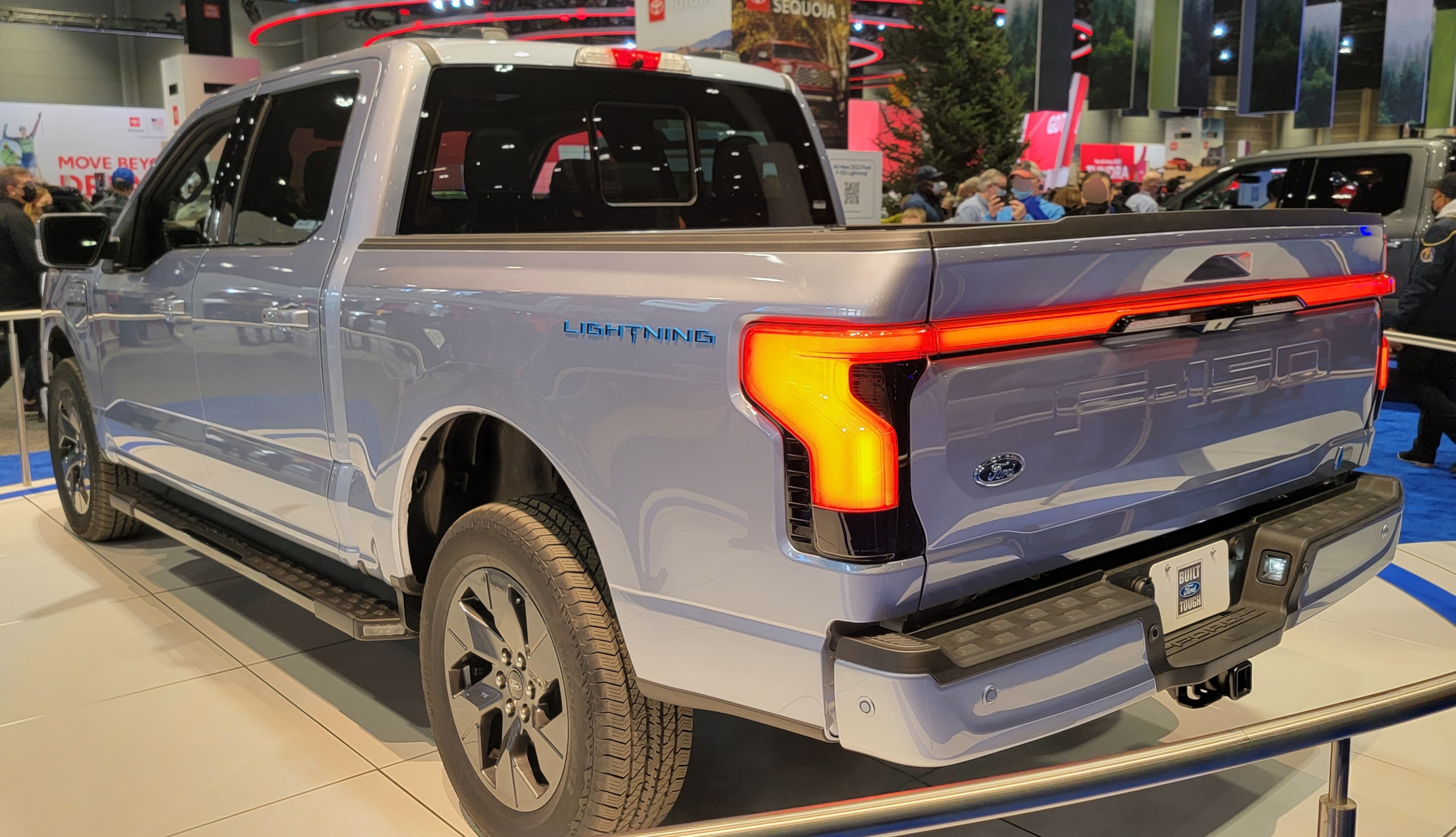
Ford F150
The Ford F-150 is a large pickup truck made for carrying things and towing trailers. The podcast mentions an ’08 model that the owner has kept instead of replacing, which suggests it’s been useful and dependable for them. It’s the kind of truck people talk about because it’s built for real work and regular use.
oil leak
An oil leak is when engine oil is leaking out of the truck. It might be small, but if it gets worse it can damage the engine or leave you without enough oil.
20 year mortgage eventually on a car
They’re saying car loans can be so long that it feels like a mortgage. Paying for a car for many years can cost more overall and make it harder to move on.
robo taxis
Robo taxis are self-driving cars you can summon like an Uber. Instead of buying and owning your own car, you’d pay to ride in one.
public transportation
Public transportation is shared transportation like buses and trains. The point here is that some people may rely on it more if owning a car gets harder.
short term rentals
Short-term rentals are when you rent a car for a few days or weeks instead of buying one. It’s another way to get around if buying a car is too expensive.
affordability
Affordability here means whether regular people can realistically afford to buy and keep a car. The hosts are saying automakers are worried about that gap.
sub $40,000 vehicles
“Sub $40,000” means cars priced under $40,000. The important question is whether the final price you pay is really close to that after all the extra costs.
average age of vehicles gone up
If the average car is getting older, people are keeping their cars longer. That usually means more repairs and maintenance work instead of buying a new car.
post-COVID-ish free money
After COVID, many people had more money to spend (through stimulus or easier finances). That can make car shopping more competitive and raise prices.
boomer wealth carrying the economy
The idea is that older, wealthier people are spending enough to keep the economy going. That matters for cars because it influences who can buy new vehicles and what dealers focus on.
average asking prices
“Asking price” is the price a seller lists a vehicle for before negotiation. When average asking prices rise month over month, it signals that market pricing power is shifting toward sellers, which can affect affordability and dealer inventory strategies.