Greg Stanley interviews automotive artist Stewart Anstead, known for his rugged and realistic car paintings. They discuss Anstead's journey from a childhood fascination with cars to becoming the official artist for Carroll Shelby. Anstead shares insights on his creative process, including how he captures the essence of iconic cars and moments in automotive history. The conversation also touches on the importance of tactile experiences in art and the stories behind the vehicles he paints. Listeners can expect a blend of art, passion for cars, and personal anecdotes.
On this episode of The Collector Car Podcast, I sit down with internationally acclaimed automotive artist Stewart Anstead — a creative force known for capturing the soul of motorsport through bold color, dynamic composition, and emotional storytelling.
Stewart has painted everything from Formula One legends to endurance-racing icons, but he's especially celebrated for his historic depictions of Carroll Shelby, Ken Miles, and the Shelby American race cars that changed motorsport forever. His ability to blend accuracy, nostalgia, and artistic expression makes these works some of the most compelling visual tributes in the collector car world.
We dig into his creative process, the moments that inspire him, and the surprising stories behind some of his most sought-after pieces. Stewart also shares insights on commissions, gallery installations, and how he approaches painting historically significant cars with both precision and artistic freedom.
Whether you're a collector, an enthusiast, or someone who simply loves great art, this episode offers a fascinating look into the mind and methods of one of today's leading automotive artists.
A special thank you to our new sponsor, Discover Once, curators of one-of-a-kind automotive adventures you'll never experience twice. Learn more at discoveronce.com/muscle.
And as always, huge thanks to RM Sotheby's for their continual support and for making so many of these automotive dreams possible.
Listen to the "Octane FM: Shift, Rev, Repeat" album on Spotify!
Stay connected with The Collector Car Podcast—find us on our Website, Instagram, Facebook, YouTube, or reach out to Greg directly via email.
Join RM Sotheby's Car Specialist Greg Stanley as he brings over 25 years of experience and keen market analysis to the world of collector cars. Each week, Greg dives into market trends, interviews industry experts, and shares insights—with a little fun along the way. New episodes drop every Thursday and are available on Apple Podcasts, Google Play, Spotify, or wherever you get your podcasts.
Learn more at www.TheCollectorCarPodcast.com or email Greg at [email protected]. Interested in consigning a car at an RM Sotheby's auction? Contact Greg directly at [email protected].
"...of my parents, 1969, Mustang Mach 1, from 1969, going down a muddy dirt road with a trailer hitch on it."
The Ford Mustang Mach 1 is a special version of the Mustang sports car from 1969. It's known for being fast and having a cool design, which makes it popular with car collectors.
The Ford Mustang Mach 1 is a high-performance variant of the classic Mustang, known for its powerful engines and sporty design. The 1969 model is particularly celebrated for its aggressive styling and performance capabilities, making it a favorite among collectors.
"...I'm leaving tomorrow for Macacken, Muscle Car and Corvette Nationals, up in Chicago. So if you find yourself..."
The Chevrolet Corvette is a fast and stylish sports car that many people love because it looks cool and drives really well. It's been around for a long time, since 1953, and is often talked about because it's a great example of American car design and performance.
The Chevrolet Corvette is a high-performance sports car known for its distinctive design and powerful engine options. It has been a symbol of American automotive engineering since its introduction in 1953 and is often celebrated for its speed, handling, and affordability compared to other sports cars. The Corvette is frequently discussed in automotive circles for its racing heritage and ongoing evolution over the decades.
"Last week I was looking at an unrestored AC Cobra, trying to get it in preservation class for Monterey."
The AC Cobra is a classic sports car from the 1960s, famous for being fast and stylish. It's a favorite among collectors because of its unique design and performance.
The AC Cobra is a British sports car that was produced in the 1960s. It is known for its lightweight design and powerful V8 engine, making it a popular choice among car enthusiasts and collectors.
"trying to get it in preservation class for Monterey. It seems like it might be a slam dunk because it's such a special car."
The preservation class is for cars that are still in their original state and haven't been changed or fixed up. It's a way to celebrate cars that have been well taken care of over the years.
The preservation class is a category in car shows that recognizes vehicles that have been kept in their original condition without restoration. This class values authenticity and the car's history over modifications or enhancements.
"RMSotheby's is the world's largest collector car auction house by Total Sales. They are the preeminent market maker of high quality collector cars and collections, regardless of size or complexity..."
RM Sotheby's is a company that helps people buy and sell special cars that are often very valuable. They hold auctions where collectors can bid on these cars.
RM Sotheby's is a leading auction house specializing in collector cars, known for its high-profile auctions and extensive network. They facilitate the buying and selling of rare and valuable automobiles, making them a key player in the collector car market.
"...my dad used to tear down our Volkswagen bus engine from time to time. It seems like he did that every five or six months."
The Volkswagen Bus is a famous van that many people recognize. It was used for family trips and even by people who wanted to travel and camp. It has a very distinct shape and is loved by many car enthusiasts.
The Volkswagen Bus, also known as the Type 2, is a classic vehicle that became iconic for its unique design and versatility. It was popular for both personal and commercial use, often associated with the counterculture movement of the 1960s.
"...but for a little kid it wasn't compelling to see engine parts all over the place."
Engine parts are the different pieces that work together to make a car's engine run. They include things like the pistons that move up and down and the crankshaft that helps turn the engine's power into motion.
Engine parts refer to the various components that make up an engine, such as pistons, crankshafts, and valves. Understanding these parts is crucial for anyone interested in automotive mechanics or performance tuning.
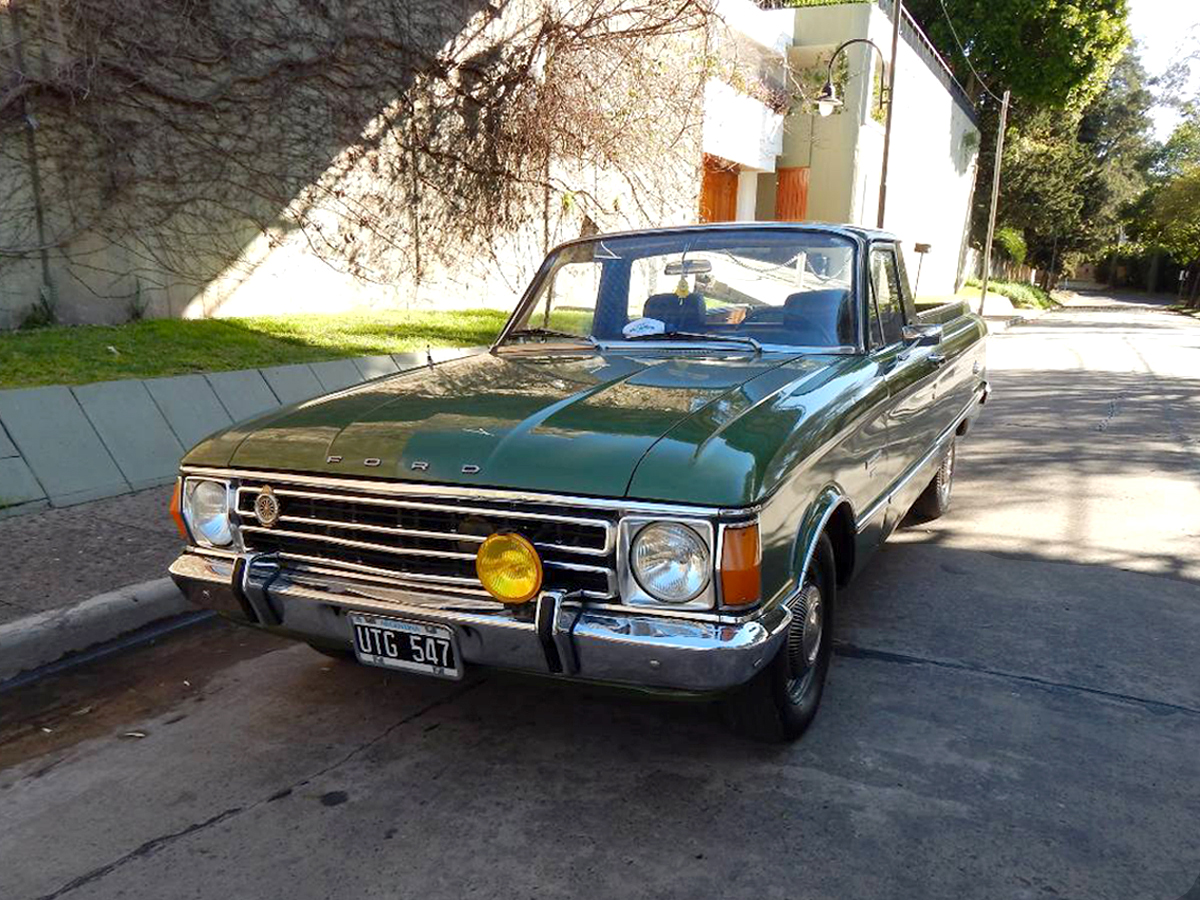
"We had a little airport down our road, Ranchero Airport in Chico, California, where I'm from, lit..."
The Ford Ranchero is a special type of vehicle that looks like a car in the front but has a truck bed in the back. It was made to give people the comfort of a car while still being able to carry things like a truck, making it a handy choice for many drivers.
The Ford Ranchero is a unique vehicle that combines the features of a car and a pickup truck, first introduced in 1957. It was designed to appeal to buyers who wanted the comfort of a passenger car with the utility of a truck, making it a versatile option for various uses. The Ranchero is often discussed for its innovative design and its role in the history of American automotive culture.
Muscle cars are fast cars that are usually made in America. They have big engines and are built to go really fast in a straight line, often with a cool, sporty look.
Muscle cars are high-performance vehicles, typically American-made, known for their powerful engines and aggressive styling. They became popular in the 1960s and 1970s, often featuring V8 engines and designed for straight-line speed.
"...And I'd go, that's a Camaro. I know what a Camaro is..."
The Chevrolet Camaro is a type of car that is known for being fast and sporty. It's one of the classic American cars that many people love to drive.
The Chevrolet Camaro is a classic American muscle car known for its performance and sporty design. It has been a popular choice among car enthusiasts since its introduction in the 1960s.
"So I had a beater car, it was a little Volkswagen Bug."
The Volkswagen Beetle is a small, round car that many people recognize. It was popular for many years and is known for its unique design.
The Volkswagen Beetle is a compact car that was produced by Volkswagen from 1938 until 2003. Known for its distinctive rounded shape, it became an icon of the 1960s and is often associated with the counterculture movement.
George Barris was a well-known person who designed and built famous cars for movies and TV shows, like the Batmobile from Batman.
George Barris was a famous custom car designer and builder known for creating iconic vehicles for television and movies, including the Batmobile from the 1960s 'Batman' series.
"they built the Batmobile, they built the Monkey Mobile,"
The Batmobile is the car that Batman drives in comics and movies. It's known for being very cool and often has special gadgets and features.
The Batmobile is the fictional car driven by Batman in the DC Comics universe. It has appeared in various forms across comic books, television shows, and movies, often featuring advanced technology and unique designs.
"I also love the other Ken Miles one where he's leaning up against the back of it..."
Ken Miles was a famous race car driver who helped make cars like the Ford GT40 successful in races. He is well-known in the racing community for his skills and achievements.
Ken Miles was a British-American sports car racing driver and engineer known for his significant contributions to the development and success of the Ford GT40 and other racing vehicles. He is celebrated for his racing achievements and his role in the famous Le Mans race.
Car
Shelby CSX 2431
"The one with Shelby, talking about the CSX 2431, like you're in the shop."
The Shelby CSX 2431 is a special car made by Shelby, a famous name in racing. It's known for being fast and has a lot of history in motorsports.
The Shelby CSX 2431 is a notable model produced by Shelby American, known for its performance and racing heritage. It is part of a lineage that includes various high-performance vehicles associated with Carroll Shelby.
"I love that because you really go from hyper focus, say the nose of the car, the car in general, but then as you go out to Shelby."
Hyper focus means paying very close attention to something specific. Here, it means looking closely at the details of the car, like its shape and features.
Hyper focus refers to an intense concentration on a specific detail or aspect of something, in this case, the design and features of the car. It highlights the importance of appreciating both the small details and the overall design.
"And it was really great to meet the guy who did the GT90. His name is escaped me. Anyway, but so meeting these people were the main objective."
The Ford GT90 is a concept car that Ford designed in the 1990s. It was meant to show off new ideas and technology, featuring a powerful engine and a unique design.
The Ford GT90 was a concept car introduced in the 1990s, showcasing advanced technology and design for its time. It featured a mid-engine layout and was powered by a V8 engine, emphasizing Ford's performance capabilities.
"when I go down to Vegas, the Shelby Museum is making a connection"
The Shelby Museum is a place where you can see cars and items related to Carroll Shelby, a famous car designer and racer. It's a great spot for car enthusiasts to learn about his work and the cars he created.
The Shelby Museum is dedicated to the legacy of Carroll Shelby, an iconic figure in American automotive history known for his work with high-performance cars, particularly the Shelby Cobra and various Ford models. The museum showcases a collection of Shelby vehicles and memorabilia.
"...the 935 Porsche that Paul Newman raced. The famous, the tropical, is it tropical?"
The Porsche 935 is a special racing version of the Porsche 911. It was built for racing and is known for its unique shape and speed, especially in races where it competed against other high-performance cars.
The Porsche 935 is a race car developed from the Porsche 911, known for its success in endurance racing during the late 1970s and early 1980s. It features a distinctive aerodynamic design and was famously driven by Paul Newman, among others.
"but anyway, the one that was raced at Le Mans. That livery is that bright red, right?"
Le Mans is a famous car race that lasts for 24 hours. Teams compete to see who can cover the most distance in that time, and it's known for having very fast and advanced cars.
Le Mans is an annual 24-hour endurance race held in France, known for its challenging conditions and high-performance vehicles. It attracts manufacturers and teams from around the world, showcasing cutting-edge automotive technology and engineering.
"But he raced it at the Rolex Historics at Laguna Seca and captured video that on-board camera."
Laguna Seca is a well-known racetrack in California where many car races happen. It has a famous turn called the Corkscrew that is very tricky for drivers.
Laguna Seca is a famous racetrack in California known for its challenging layout, including the iconic Corkscrew turn, which is a favorite among drivers and fans alike.
"But he raced it at the Rolex Historics at Laguna Seca and captured video that on-board camera."
The Rolex Historics is a special car race that features older race cars. It's a chance for fans to see classic cars racing on famous tracks like Laguna Seca.
The Rolex Historics is a prestigious vintage racing event held at various tracks, including Laguna Seca, where classic race cars compete, showcasing their history and performance.
"to do a painting that shows Laguna Seca's corkscrew from a position that isn't often used."
The Corkscrew is a famous part of the Laguna Seca racetrack where the road goes down steeply and then turns sharply. It's known for being very difficult for drivers.
The Corkscrew is a unique and challenging section of the Laguna Seca racetrack, characterized by a steep drop and a sharp turn, making it one of the most famous corners in motorsport.
"But I went, I'm going to do Bonneville somehow. And maybe you'll see one of the cars that you see on my website is a Bonneville car."
A Bonneville car is a type of race car built to go really fast on a flat surface. The Bonneville Salt Flats in Utah is famous for these speed races because the ground is very smooth and dry, which helps cars reach high speeds.
Bonneville cars are specially designed vehicles that participate in land speed racing at the Bonneville Salt Flats in Utah. This unique venue allows for high-speed runs on a flat, dry salt surface, making it a popular location for speed enthusiasts and automotive engineers to test the limits of their vehicles.
"I have a Nissan Quest van that is bulletproof, and if I could, I'd buy another one when this one dies."
The Nissan Quest is a type of minivan made by Nissan. It's designed to be spacious and comfortable for families, which is why many people like it.
The Nissan Quest is a minivan that was produced by Nissan, known for its spacious interior and family-friendly features. It's often appreciated for its reliability and comfort, making it a popular choice for families.
Select text to request an explanation
All right, hey, it's Greg Stanley with the Collector Car Podcast.
Got a couple things here I need to cover with you, first of all,
before we get into another artist's interview.
But try to stay until the very end,
because if you're watching on YouTube,
I actually threw in a couple videos, or one video,
of my parents, 1969, Mustang Mach 1, from 1969,
going down a muddy dirt road with a trailer hitch on it.
Found footage and a picture of it from the day
that it was bought back in 1969,
which is actually right behind me on the wall here as well.
But anyways, nice up-close picture
where you can see the dealer tag in the back window there.
As far as travels, I've been on the road a lot.
As I'm recording this, I'm leaving tomorrow for Macacken,
Muscle Car and Corvette Nationals, up in Chicago.
So if you find yourself there, please let me know.
Shoot me a note, Greg at the Collector Car Podcast,
love to meet you in person.
And something I never do,
but I really do want to ask your information.
I want information from you, I guess.
A couple things I would love for you to please,
let me know what you want me to talk about.
I do have a ton of stuff I want to talk about
and explore on this podcast,
which is why I'm almost up to 400.
Basically, if I have a question about car stuff
and I don't know the answer,
I'm like, well, why don't I make a podcast about it?
Or if there's someone I find interesting
or I love original owner stories.
So I have plenty of content,
but I feel like I'm ignoring you, my listeners, my viewers.
So if you have something you would like for me to cover,
please just throw a comment
in the podcast episode YouTube channel
and I will do my best to do it soon.
Or shoot me again,
a note, Greg at thecollectorcarpodcast.com,
as well as if you would like to be on my newsletter,
which does go out pretty much every Monday
of my travels and adventures.
Last week I was looking at an unrestored AC Cobra,
trying to get it in preservation class for Monterey.
It seems like it might be a slam dunk
because it's such a special car.
And I was also up in Canada
at RMSotheby's Christmas party.
So I had a couple of fun pictures from that.
And then obviously for next week's recap,
I'll have some cool pictures
of some of my favorite cars from McCacken.
So yeah, so I appreciate all the support.
And I usually don't ask for things,
but I would love for you to post a review,
try to give a little more visibility to the channel.
And then obviously let me know
what you want me to talk about.
So let's listen to a couple of my sponsors here.
Nothing would happen without my sponsors,
so please support them.
And then we'll get to the interview.
Imagine a journey so rare, it only happened once.
That's the spirit behind once.
Exclusive one-time only adventures
that will never be repeated.
Our next experience, American Muscle Legends
takes you track side with the most iconic cars in history,
complimented by luxury accommodations
and behind the scenes access you simply can't buy.
Spots are limited, when it's gone, it's gone.
You can learn more at discoveronce.com forward slash muscle.
RMSotheby's is the world's largest
collector car auction house by Total Sales.
They are the preeminent market maker
of high quality collector cars and collections,
regardless of size or complexity
by working in partnership with the Sotheby's team
and its network of 80 offices in 40 countries,
RMSotheby's has established the largest client network
of any collector car auction house in the world.
Join the RMSotheby's family by connecting
with one of their car specialists at rmsotheby's.com
or contact me directly at gstanley at rmsotheby's.com.
All right, well, welcome to the collector car podcast.
I'm happy to have Stuart Anstead on today.
Stuart, how are you today?
Really good, Daph.
Thanks for having me.
Yeah, it's funny because I've often said this on my podcast,
whenever I have an automobile artist on,
I always mention how I'm a failed artist
and I love artists
because it's something that I wish I had done.
And if you're watching on YouTube behind right up here,
you'll can see a sketch from another automobile artist,
Dave Snyder, that's a cool sketch he gave me.
He's a local to Cincinnati
and I have his print of that sketch over here.
And so anytime I can get my hands on original art,
I love it.
And you just do some amazing work.
We had the chance to meet at the,
what was it, the Lake Meere Classic, right?
That's right, in Lakeland.
Correct.
Yeah, and you were working hard.
And one thing I loved
is that we had the same passion for poker chips.
Here we go.
So you had these laying out on your table
there, which caught my eye.
You were working hard, working on a painting.
And I saw your incredible poker chips.
And I'm like, oh my gosh,
I gotta give this guy a poker chip.
And so we just started talking
and thought it'd be great to have you on the podcast
and here you are.
So how's everything been for you since?
Oh, really good.
Really good.
I sure had a great time in Lakeland.
People are wonderful.
What was it?
50,000 car enthusiasts came through during that weekend.
I had always heard it was nice and it was very nice.
I was really impressed
and the layout was really cool around the lake.
You could walk, I walked around the lake like three times.
It's not that big.
And there's cars pretty much all the way around it, right?
Yeah, yeah, all the way around it.
And then down several blocks,
I didn't get a chance to go down all of those streets,
but I certainly drove by much of it.
And it's just block after block of excellence,
just people who care so deeply about their hobby,
keeping their cars boffed all the time.
I like that aspect of this business
is meeting people who care that deeply
about the cars that they love.
Yeah, yeah.
And I do wanna get into your artwork a little bit here
because when I saw you,
you were working hard on this incredible Shelby poster.
And I'd like to know a couple of things.
First off, I did read some information about you.
So I know you've been doing artwork for a long time,
but your website is called the Art of Rugged Things.
And I love that because your actual artwork,
these paintings have a rugged feel to them,
a realistic feel to them.
It's almost like, I don't know,
you took paint to a photograph
because some of them are so photorealistic,
but it just has a really cool power
and sense of ruggedness to them.
So if you would give us a little update
or give us a little bit of background on you as an artist,
how you get into the car world,
but then also how you became like
the official artist of Carol Shelby?
Well, I appreciate that.
You know, I think you are drawn to magnetically
to certain things in life.
I consider my, if you go way back,
I was the first generation of Hot Wheel Car Kids.
So the stuff that came out that was brand new,
that was never introduced in the marketplace before,
I had several of those cars.
I wore them out, didn't think a bit about saving them
and protecting them.
You know, they were there to play with.
And over the years in my life,
I've orbited people who really love cars.
My dad used to tear down our Volkswagen bus engine
from time to time.
It seems like he did that every five or six months.
And when he did it, he would invite me to come help.
And I did that one time and it wasn't fun.
And I was very young and Scooby-Doo was on.
And so Scooby-Doo won.
And he invited me a time or two after that,
but that was it.
He kind of quit inviting me.
So it was a real missed opportunity,
but for a little kid it wasn't compelling
to see engine parts all over the place.
I really liked the aesthetic, the silhouette of a car,
the what makes it tick and how the engine sounded
and got intrigued by things that had power.
We had a little airport down our road,
Ranchero Airport in Chico, California,
where I'm from, little airport.
And I would walk there with my buddies,
we'd ride our bikes over there.
And sometimes we got rides in the airplanes.
So I was like, wow, you feel the torque.
You can feel that the working of the engine
and all these things come to play.
The stuff that my dad loved about cars
started, you know, now it was building an interest.
I went to a car show in Reno when I was pretty young.
I don't even remember the name of it.
It was at one of the massive convention centers.
I'm gonna say early, mid, 70s.
And it had 10 after 10 of these amazing cars.
Well, I liked the muscle cars
because I'd seen them on TV, right?
So you had the Batmobile,
which was left a huge impression on me.
Oh yeah.
You had Vanishing Point, you had, you know, name it.
There was always seemed to be a muscle car in the 70s.
And I was intrigued by those
and I really liked that era.
Well, let's fast forward 50, 60 years
and those cars, you know, are treasured
and they're classics.
Back then, you know, a few people would care deeply
about them for reserving them,
but they were really utilitarian.
They were daily drivers.
So I got to see them on the road all the time.
And I'd go, that's a Camaro.
I know what a Camaro is that, you know,
that's a Mustang and I, you know,
I learned a little bit more about that.
And then one interesting twist in high school.
So I had a beater car, it was a little Volkswagen Bug.
And I'm not a mechanic, I'm not mechanical,
but my slow introduction to learning to work
on cars crept in then, a friend of mine,
his dad, they lived in Southern California.
His dad worked for George Barris.
They built the Batmobile, they built the Monkey Mobile,
they built all the, was it the, was it the monster car?
I don't know, get those confused.
Yeah.
So anyway, all these things kind of trickle into my world.
And now I'm an appreciator.
I'm more of a one who loves beautiful things
and mechanical things and powerful things.
But also I learned is that,
and maybe you're the same way, is that I like tactile things.
I like it when people get in with their hands
and they get grease on their hands
and, you know, it's all over them.
And they learn and know how to deal with
the inner workings of vehicles.
I like the craftsmanship.
I think that tends to be why I position myself
as the artist of rugged things.
Is I like this craftsmanship that requires
the use of your hands.
A lot of it is an outdoor experience that pulls me in.
I like to paint a lot of themes.
So I'm not just a car artist.
I paint skiing and I paint anything
that's power sports.
I paint people doing athletics generally.
And I've had some really good opportunities
to meet athletes of renown from my life in person
because I'm commissioned to do work for these people.
So it's taken me a lot of awesome places.
Yeah, it's funny because I know Jay Leno once said,
you know, you really, when you work on your own car,
yes, you get dirty, you get greasy,
you bust your knuckles, you know,
but you know that car better
and you become more connected to that car, right?
And so the level of fear is knocked down.
The car becomes less intimidating.
The more that you work on it,
the more you understand the nuances of it
and how it works, right?
That's right.
And it seems like we're losing that nowadays
because nobody can work on their car anymore, you know?
So my dad hated that.
At the end of his life, he said,
they don't make these cars
so you can work on them anymore.
I'm just disgusted.
So he kept the older cars a bit.
So I'm curious, as you call yourself a failed artist,
that was still a tactile experience.
I'm assuming that inside you is still something
that is yet to be explored,
something that you might wanna create yourself
because of that tactfulness, right?
Oh, absolutely.
Or are you out of it?
No, no, absolutely, yeah.
I love doing little drawings.
I haven't done it in a while,
but yeah, I really enjoy it.
Every once in a while,
I do a little pinning ink drawing.
I've done a couple of pinning ink drawings for friends
as a thank you for touring some collections.
That's right.
I tried to get into metalworking a little bit,
welding old car parts back together,
but my mistake was,
is I bought like the cheapest welder
at the crappiest place.
I can't remember the name of it.
Anyways, it's made in China, you know?
And it's just like, my friend's like,
no wonder you can't weld.
That's the worst thing to ever try to welds, you know?
So, you know, when I retire,
I'm sure I'll be doing some more of that stuff,
but along all my books over here that are all car books,
I have a pile of art books on the side, so.
Nate, how are you?
I was gonna say,
one thing I love about your artwork is it is rugged.
I'll put some,
I'll overlay some pictures here from your website.
And, you know, it's cool
because it's not only are you capturing the realism
of the car and possibly the person,
but you're almost putting an overlay of,
I don't know how to describe it,
a lot of emotions captured.
I'm looking at Ken Miles Airborne,
where, you know, we've always heard about
the flying Mustang, the 65 GT350R famous Shelby.
And we've seen the pictures,
but yours is coming right at ya, you know?
And you've somehow in painting,
you've blurred the wheels a little bit
to capture them in action and smoke and dust
and dirt flying up.
And I love how you've done this.
And I also, you know, I've been flipping through it.
I love the Shelby ones,
the Cobra ones.
I also love the other Ken Miles one
where he's leaning up against the back of it
because I don't know why,
I'm assuming from the racing team,
but you put a huge swath of just thick yellow
in the background.
And what I love about it is you have it reflecting
off the paint of the car,
as well as the glass of the car as if it's real.
And I'm like, there's not even an horizon line in here.
It's all implied in Ken and the car
look totally planted as if they're in a parking lot.
So I just absolutely love what you're doing.
Appreciate that.
Yeah, the inspiration for that was actually
right after I saw Ford versus Ferrari.
So I was trying to glean what I could
from the detail that they gathered.
You recreate garages, right?
They recreate track experiences.
And I thought, well, what is missing?
I typically, when I paint,
I try to not rehash what other artists
have done a million times.
And then what is missing here?
And part of it is that Ken Miles kind of,
he still rises above the pettiness that came,
that was described in that movie by the powers that be.
And he, so by that,
well, what's that confident moment
where he knows that his work
combined with all the other mechanics
and Carol Shelby, what is that moment
where he can take satisfaction
and knowing he'd built something awesome.
And it was just that confident arms folded,
leaning against the back of it.
And then the trademark three section,
the tail lights of the Mustang that endures today, right?
So that's typically what I'll do
is I'm gonna build something that no one's done before.
I'll try to recreate moments
that no one's recreated before.
Anyway, that's a description of that.
And it's come out on a T-shirt, by the way.
I saw that. A T-shirt does exist.
Yeah, no, that's great.
And I also, I don't wanna go over each piece here.
I'm just pulling out something that really spoke to me.
The one with Shelby,
talking about the CSX 2431,
like you're in the shop.
He's standing next to number 98.
And you've got the shop in the background,
as if this is where the car was created.
And I love that because you really go from hyper focus,
say the nose of the car, the car in general,
but then as you go out to Shelby,
and who is that with him? Is that Miles?
Yeah, that's Ken Miles in the back.
Yeah, and a little less detailed,
but then as you get back,
the background just kinda gets even less and less detailed
the further back where you almost just have
pencil strokes, capturing some of the stuff on the walls.
So I really love the way you focused everything,
brought the eyes to a certain spot on purpose, obviously.
Yeah, that one's called Battle Tested.
And it's them bringing that car into the LAX Hanger shop.
So it's already been through its paces.
So it's had some of its day.
Yeah, now when you do that,
are you referencing pictures from back in the day?
Are you taking some of the creative license
as far as what you thought it would look like
based on what you've read and some of the photos you've seen?
Well, one of the benefits of being an official licensee
of Carol Shelby is that I have access
to some archive photos. Oh, nice.
So, and yeah, it's not exactly proportional.
I tend to try to not paint it like it's a photo
that someone has, but I would like it to be recognized
as something that has weight in reality, right?
So the cobra is going to be pretty clean,
but then let's move outward, outward, outward.
And like you said, it becomes more like a pencil sketch.
But in this case, it was pulling together photos
that they gave me and then I use photo reference elsewhere
and I put them together in such a way
that I'm creating a moment that could have happened.
And in this sense, it is more of a tribute piece
where if I tried to do it as an archival piece,
everything would be highly detailed
and as perfect as I can get it.
I'll tell you the truth though.
I like trying to paint perfect,
but it becomes more tedious for me
and I tend to be less interested over time.
So doing things that are perfect is great for many artists
who are way better at it than I am.
But I'm trying to create a moment.
I'm trying to create a feeling.
I'm trying to say this is art
that represents something that is real
or could have been real.
When I do commissions, that's my focus.
They'll hand me a client will hand me a photograph.
This is my grandpa's vintage truck.
Well, that's great.
You already have a photo.
Why don't you make that photo bigger,
put it in a nice frame, you already have it.
You don't, what do you need me for?
I think my role is to hear about someone's,
their legacy, their passion
and how do I encapsulate a feeling
that transcends a photo album?
It might be kind of like the best of
that you're pulling all these pieces together
into something and you put it on your wall
and say, I did, look at this.
It was done for me and this is my life.
And here's the car that I restored
and it had funny stories that I had in high school.
But it's right there in a painting
in someone's home or office or whatever garage.
But they're gonna actually bring people over and say,
look at this, this is something I care about.
This is my legacy.
This is my life.
That's way different of an art than many would want to do.
I like it a lot.
I really like hearing people's stories.
They don't get tiresome to me
and people will tell me their stories
like at Lake Mirror.
You don't wanna hear about this.
Are you kidding me?
This is what I live for.
This is the stuff I care about.
I met a couple, they were so much fun,
came up to me when I was painting
and they were saying we worked really hard
to afford this car and then we had to fix it up
and get it ready for showing.
This is our first show.
This show at Lakeland is our first show all day long.
That's what I wanna hear all day long.
See, if I did a painting for them,
they would say, here's the story.
This is how it went down.
And they might even mention that they met me
at this place and we talked about it.
I could hear those stories all the day.
What was the car, do you remember?
It was a Mustang right off the top man.
I don't remember exactly which one.
Okay.
Oh, I bet I know.
There's someone there had a 67
and it was their first show, so that might've been it.
Maybe so.
Well, when I was there,
I noticed that you had done quite a few posters
for Lake Mirror and also you were working on
the 60th anniversary of Shelby
if I'm not mistaken here with-
That's right.
That's right.
The Ken Miles car, the flying Mustang again in there, right?
Yes.
So how many times have you painted that Mustang?
Three, three times.
Yep.
And there might be a fourth.
Right.
There might be a fourth.
Yeah, and at the time that I took this picture,
you had no idea I was standing there behind you.
You were listening to your music or pie-cast
or something and I had to yell at you
a few times to get your attention.
Sorry.
No, no, that's okay.
So yeah, tell us a little bit about the materials you use
and then also how you got the connection
to be the official artist.
Is it for Shelby America?
No, it's for, it's Carol Shelby licensing,
different entity.
Okay.
Yeah.
Same kind of family, but different entity.
But so the posters for Lake Mirror were fun.
I volunteered to do that.
I'd never been to a concourse before as an artist.
I wanted to be introduced to people.
It worked out really well because there were representatives
from Ford, as you know, that were there.
And it was really great to meet the guy who did the GT90.
His name is escaped me.
Anyway, but so meeting these people
were the main objective.
And it started out Robert DeAngelo
who owns that show.
He and I chatted, JP Emerson recommended
that I give him a call and I gave Robert a call
and I said, look, I just, I want to paint.
I want to be there and meet people.
And I don't know if you've got a space for me
but I'd love to be able to do that.
And he goes, do you do posters?
I said, sure, absolutely I do posters.
And he said, let's work on a deal.
So it was a real natural fit.
I paid my way to come out.
I built a poster and then he said,
what do you think about doing a poster for this other car?
It's another feature car.
I said, dude, I'll do as many posters as you want.
Let's, what do you have in mind?
What will work?
And it started with three and that went to five.
So I did five posters and it was great.
None of them are paintings.
They're all computer creations.
I had two weeks to build them.
Now when you do that,
will you ever overlay some paint on something like that?
Or is it all straight up?
Sure, sure.
Those are hand detailed prints.
They are a hybrid.
In a hybrid situation, it is interesting
because it does give you, you can do likenesses,
you could do a perfect car, right?
But when you start painting over the top of it,
then you can have personal expression.
And one thing I think I've found that some people like
is that they'd rather have that
and not pay $15,000, not paid $20,000.
They'd rather have something that's a little more accessible
and I can do that for people as well.
Right, no, that's good to know.
Cause sometimes, you know,
they would love to have something
that's somewhat custom of their car.
But like you said, the price point
because of the labor involved
and the artistic expression involved
is might be out of their realm of possibilities.
What I found is so much of my work is done
before I'm putting paint to canvas.
I think my strength is research
in that I'm trying to build out something that is unique
but has reference to things
that people might recognize and understand it.
Doing the research helps me gather better data
that gives me a better outcome.
And so if my source is Shelby,
if my source is the Library of Congress,
if my source is a video,
all those things kind of come to build a,
I think a better outcome.
And I don't wanna pull you away
from the direction you wanted me to go.
If I paint with acrylics, for sure,
I've never gotten along with oil.
But I paint with acrylics
but I also paint with other things.
Sometimes if it's,
what's the term?
Mixed medium.
Okay.
Then I'll use sand.
I actually have one of my objectives
when I go down to Vegas,
the Shelby Museum is making a connection
so I can get the shavings
of the Shelby cars that they're working on.
So I can build those into my paint.
Oh, that's cool.
And I work with power tools.
A lot of people do that too.
I like it.
I really like getting in there with a sander.
I like doing crackle paint.
I like things that are rustic and rusty
and broken and edges and that kind of thing.
One of the pieces that I did,
talking about building a painting
from multiple sources
is I did a piece for Adam Carolla.
And Adam-
Yeah, I wanted you to bring that up
because that sounds like a really cool story.
Don't mind me.
I'm trying to get this art book.
So keep going.
I'm just-
Oh, sure, sure.
I'm just trying to get this art book over here.
So I don't know Adam.
I've met him once.
I have a print made,
a large print of a painting that he has.
The 935 Porsche that Paul Newman raced.
The famous, the tropical, is it tropical?
I don't have it in front of me,
but anyway, the one that was raced at Le Mans.
That livery is that bright red, right?
It's awesome.
Yeah.
So I did a painting for him that had his niece on it.
I don't have the number in front of me.
That's the problem with when I do this
is that you guys know exact numbers
and you know which version of it.
I'm learning that.
I have to admit, but it was a Nissan
and he just recently sold that car.
But he raced it at the Rolex Historics at Laguna Seca
and captured video that on-board camera
and then other people film it and whatever.
Now off of a YouTube video,
I was able to pull together the source material
to do a painting that shows Laguna Seca's corkscrew
from a position that isn't often used.
It's down at the bottom looking up,
but I used artistic license to bend the hill
a little bit lower so that you can see the cars behind it.
Out of the video, I was able to capture
which cars they were that were behind him
and then I built a model in computer
that gave me those cars
and then I'd painted out those cars.
So there's not a photo like that.
It doesn't exist.
The artwork brings together a feeling
and experience, a unique moment in time
that actually did happen.
But then, yeah, take a photo, that's your image.
You don't need anything else.
Do you wanna tell a story?
That's when you come to me.
Yeah, no, that's incredible.
And I know I saw that, you know,
Adam's definitely a fan of your work
and that was really, really cool.
Small world, Matt, the moderator's gonna be
on my podcast here in a couple of weeks.
We've been talking about- Oh, is that right?
Yeah, we've been talking about for a very long time.
And so just to give you a sense of that.
Oh, he just, he's been,
Matt has been really awesome.
He's been really quite a encourager
and he's been my link to get stuff to Adam.
And I've very much appreciated.
I've kept following him and his podcast
on social media ever since,
I don't know, five years down the road,
something like that, five, something like that.
Anyway, yeah, he's great.
So I, this is a book,
I can't believe I'm showing this,
but this is, I wanted to be a comic book artist.
And so this is a book I've had since 1930, 1906.
It was printed in 65,
but it's like all the old Superman DC stuff.
And a chicken scratched in there
that I guess my parents gave it to me like in 1983.
And then this is the artist that would teach me.
His name is Brian Stelfries,
see if I can get this in there.
But he was quite a-
Oh yeah, I recognize the style, that art style.
I don't remember that, I don't know that name.
Is he also a comic book?
Yeah, he did Batman.
He did covers for Batman's for like 50 episodes or whatever.
And I'm trying to show this is all,
but he's very, very talented.
And he actually gave me some of his sketchbooks
that I still have.
And it's kind of cool because you can see the iconic
Batman cover in the comic book stores now.
And I got the original sketch
on at least like one of those.
So yeah, very, very cool.
Now, how did you get into cars
where you going down another path?
Like you said, you do other stuff, skiing and everything.
Sure, I interrupted you, sorry.
No, no, no, I know cars might not be the first path
as an artist or was it?
I did a torn paper Duesenberg in fourth grade
and it won the prize of the best of that project
for everybody in the class.
And I made a note of that,
that I really liked the feeling
that people thought of me as being good at something.
I've had help along the way.
And a high school teacher that said,
I did, here's a short story worth telling
that we did a first project, it was watercolor.
It was horrible.
I did a horrible job.
And the teacher pulled me aside.
He goes, how do you feel about this painting?
And I said, I, it makes me wanna quit.
And he said, would you be open to me
help guiding you a little bit?
And I said, absolutely, what can I do?
And he said, well, first we're gonna scrub it.
So we took that same watercolor painting,
put it under the faucet, scrubbed it out with a brush.
Now it's not white anymore,
but it's kind of whatever, bluish.
And he just guided me a little bit
and said, here's your source material.
Here are your paints.
Let's practice doing the strokes
that you think you really wanted to do.
And what if you did this, what if you did that?
Well, all right, so he didn't do the painting for me.
I did it, but it was better than it was before
at one art student of the week.
All right, no big deal, Chico High School.
But for me, it was a huge deal.
Because I could have said, I'm not interested.
I've tried to develop thick skin after that.
I live an hour and a half drive from Bonneville Salt Flats.
I live, well, from Park City, I'm about an hour drive,
the other direction.
But those areas are just the playground of artists
because there's unlimited opportunity
to capture something that's amazing.
I went first to the Park City side
because skiers buy artwork.
And so I painted trees and mountains
and then the buildings and then animals.
And then I still do that mostly in Canada.
I've got galleries in Canada that carry my work there
for the animals and stuff, the wildlife.
But I went, I'm going to do Bonneville somehow.
And maybe you'll see one of the cars
that you see on my website is a Bonneville car.
Yeah, I saw that, yeah.
Yeah, so I think my memory serves me.
It's a 1932, 1937 Ford that's been turned into this roadster.
That's this amazing stainless steel,
at the time, stainless steel car.
I love it.
And I've got to know the people who built it
but people who drove it.
Oh, that's awesome.
All those stories came in together
to make that painting, do you see?
You know, it's funny, the main reason I brought up
my old mentor, Brian Stelfries, is something you said
how you would use dirt or dust or whatever in a painting.
And that's one thing I remember him saying.
He's like, I would use oatmeal
if it had the right effect, you know?
Not right.
Yeah, I mean, he was kidding me
because that would be one that would be harder to do.
Okay, yeah, well, in biodegrade, but you know.
Yeah, but his point was whatever it takes
to get the image the way you want it, use it, you know?
And I thought that totally makes sense, you know?
What I've learned in art,
and people who'll ask me about,
hey, I'm interested in art, what should I do?
I always suggest maybe the opposite
that art teachers who say pick up a pencil
and draw simple things and stuff.
I usually say, let's start you on gouache.
It's the step between watercolor and acrylic
because it has a body to it that lets you paint thickly,
but it also allows you to do pretty forgiving stuff.
And let's learn one technique, just a wash.
Let's learn to do a splash thing.
Let's do what do they call it?
Like a marble technique where you're using liquid paints
and you're letting them mix together.
Just learn a technique and then when it's done,
you can go, I did that.
Right.
It's the same concept behind the Suzuki violin
playing concept where you're learning a song right away,
you know, and people balk at that.
But I think in art, I think everyone deserves
to have a positive experience using some medium.
And when it comes to painting, let's just do one thing
and then let's build on that, which is kind of what I do.
I do one thing and then I'm now gonna do,
and that's a technique and now I'm gonna let it dry.
And I might put a varnish on it at that point
because now it gives me a certain surface
and then I'm gonna come over it
and maybe I'll splash over the top of that
like you see the yellow, you know,
in the flying Mustang, right?
So it's another thing over the top
and it's cool upon cool upon cool.
And I really feel like sometimes
I've had nothing to do with it.
But in reality, I'm seeing enough of it being done
and this looks like the right way to do that.
And I don't like that color with this.
Suddenly it becomes my own.
Right.
And after doing this for 25 years,
I now feel confident that what I'm doing is my own.
Yeah, yeah.
Yeah, that's something else he would say
is you might not think you have your own style,
but you do.
And over time, it probably becomes even more distinctive
as you learn what you like
and how you like to translate, you know,
what you're seeing and putting it down on canvas.
That's right.
Yeah, yeah, really interesting.
Well, how about the licensing deal?
How did that come about?
Was that something you pursued?
Is it something they saw, you know?
I pursued, right.
I pursued that.
Okay.
Because I knew that I was gonna get right down to where you,
I needed the car detail and I needed likenesses.
And it's against a lot of paint likenesses
if you're gonna go into the print world,
if you're doing to do more.
There's some legalities there.
And I'm like, well, what better team
would I like to join than Shelby
to be able to get their stamp of approval to do all this?
So it was my knowing and communication law.
I spent 30 years in advertising, marketing and stuff.
So I went, well, I'm gonna paint the thing that I know
I can get a license approval.
So all of the, even though I didn't paint them,
all of the posters that involve images
or likenesses of Shelby products or Shelby himself
are all, we're all approved by Carroll Shelby licensing.
There's a comfort knowing that you went about it
the right way.
And especially when it's high profile,
who doesn't know Carroll Shelby, right?
Right, right.
Yeah, that's awesome.
Well, before I forget, what's the best way
for my listeners and viewers to learn more about you?
What's your website?
What events will you be at in the future?
I appreciate that.
I take phone calls.
I don't mind giving my phone number
because I get scam callers anyway.
Leave a message and I'll call you back.
That's 801-787-0474.
I'm in Utah, so it's mountain time.
Don't call me after midnight.
I work till midnight every night,
but don't call me after it.
And my website is askforanandstead.
Askforanandstead.com.
It's a little corny, but it seems to work.
It's a hook that I want people to think about my name
when it comes to getting their art.
And also, I'm on social.
It's quite Google-able, you know?
Yeah, and I'll have all this
in the description of this podcast,
so people can find it there.
Now, do you have any other events on the calendar?
Yeah, I have one that is in the soft stage.
Back in Florida, and I'll post that on my social
when that comes around,
but that one's gonna be pretty exciting.
Oh, good, okay.
Well, I can't wait to hear.
So be sure to stay tuned,
and I'll do an update on one of the future episodes
once that's public, so.
Perfect.
Thank you. Well, cool, man.
Yeah, it was really great to meet you,
and I'm glad to have you on the podcast.
And obviously, I love art.
I love Shelby, so it all makes total sense.
I appreciate you being on the collector call podcast.
Well, thank you for coming up and introducing yourself,
and I wish that we had more time to spend to chat.
That would have been fun, too.
But I'm really appreciative of being included
in what you're doing,
and I've listened to several shows now,
and I was holding my breath
that you were gonna give me the same test
that you gave Adam Carolla at the end of his.
You know, I don't do that.
That's to keep cash in crush.
I don't do that anymore.
I should probably bring that back.
Actually, one question for you.
Do you have a cool car in your garage?
Nope.
I didn't want to tell you what.
I have a Nissan Quest van that is bulletproof,
and if I could, I'd buy another one when this one dies.
I aspired to getting, I would like to have a Mustang.
I'd like to have one from my childhood,
the 60s Mustangs,
and I think I'd like to have a newer one as well.
I'd like to have a couple.
I do like the Mustangs, they're a blue collar.
That's where I came from.
That's what I noticed the most.
I had a buddy that owned a Mach 1
when I was just almost able to drive.
So I never got to drive the Mach 1,
but I think about that one as well.
So those are aspirations for sure.
Well, I gotta show you this picture then.
You said Mach 1.
So this is my, this is my parents Mach 1.
The day they bought it in 69.
Hard to see there right now.
Yeah, tilt it, tilt the top, there we go.
Oh yeah, yeah, yeah.
But you can see the dealer tag in the rear window.
Wow, that's pristine.
That's right when they bought it, you said.
Yeah, this is red on red, and they bought it in 69,
and I even have a three-second video
for some reason my uncle took of them driving it
on a muddy road with cows and a trailer hitch.
And they sold it when they had three kids.
So I blame my older sister.
Now, I'll put a picture on here,
but I just got a 65K code convertible.
That's a cool car.
So you'll see that pop up.
And I'm actually, as I wrap this up,
I'm headed to a place where there's a unrestored
all-original AC Cobra that I'm trying to help them
get it in preservation class at Monterey.
So I'm gonna run by there, take some pictures,
and hopefully we'll see that at Monterey here.
But yeah, I hope to go there sometime soon as well.
I'm not really sure on the connections on that.
So if you can pull some strings for me,
that would be appreciated.
We can make it happen, I'm sure.
Well, thanks again, and let's stay in touch.
And I appreciate you being on the podcast.
Yeah, thanks so much, man, I appreciate it.
Request an explanation for:
11 cars
Scroll for more
11 cars featured
Request an Explanation
Heard something you'd like explained? We'll add it to this episode.
Sign in to request explanations for terms you heard.
Want to learn more?
Browse our glossary for plain-English explanations of automotive terms, jargon, and concepts.
See something that's not quite right? Our annotations are AI-generated and can sometimes miss the mark.
Click the flag icon on any annotation to suggest a correction.