
428: Jonathan Ward on the Toyota FJ Cruiser & ICON 4x4
About this episode
Jonathan Ward of ICON 4x4 explains how his FJ-based builds grew from a niche idea into a customer-driven business, with direct client feedback and engineering costs amortized over “hundreds of vehicles.” The conversation moves through ICON’s design and fabrication process, including Teflon-based powder-coat chemistry, aerospace-inspired interior sourcing, and aerospace-grade electrical assembly. Ward also details his early role in Toyota’s FJ Cruiser design studies, critiques FJ Cruiser door usability, and shares how ICON approaches modern Bronco-style engineering, suspension, and even an EV AWD drivetrain concept.
Before Jonathan Ward became synonymous with ICON 4x4, he played an important role in the design development of the 2007 Toyota FJ Cruiser, helping shape one of the most recognizable modern off-road vehicles ever built.
In this episode of The Collector Car Podcast, Jonathan takes us back to those early days at Toyota's CALTY Design Research before sharing how that experience inspired the creation of ICON 4x4. We dive into the philosophy behind ICON's legendary restorations and reimaginations, why craftsmanship still matters, how the company balances vintage character with modern engineering, and what exciting projects are currently in the works.
Whether you're an off-road enthusiast, classic truck collector, or simply appreciate world-class automotive design, this conversation offers a fascinating look inside one of the industry's most respected custom vehicle builders.
Learn more about ICON 4x4 at: https://www.icon4x4.com
Hashtags:
#CollectorCarPodcast #ICON4x4 #JonathanWard #ToyotaFJCruiser #FJCruiser #LandCruiser #Bronco #ClassicCars #Restomod #OffRoad #Overland #AutomotiveDesign #CarCulture #Vintage4x4 #CustomCars #Toyota #LandRover #AutomotiveHistory #CarPodcast #YouTubePodcast
ABOUT
The Collector Car Podcast features expert interviews, great collections, and market insights.
With 25+ years of experience, Greg helps enthusiasts navigate the collector car world with confidence.
LISTEN
Apple: https://podcasts.apple.com/us/podcast/the-collector-car-podcast/id1460713022
Audible: https://www.audible.com/pd/The-Collector-Car-Podcast-Podcast/B08JJNDPB6
Amazon Music: https://music.amazon.com/podcasts/d2066df3-7acc-4c84-af8d-c76d29989ccb/the-collector-car-podcast
Pandora: https://www.pandora.com/podcast/the-collector-car-podcast/PC:26514
FOLLOW
Facebook: https://www.facebook.com/TheCollectorCarPodcast
Instagram: https://www.instagram.com/thecollectorcarpodcast/
CAD files
"So for example, for the Bronco, having built a couple hundred of them, we do small changes over time, refining CAD files, evolving trim, responding to client inquiries for new perversions of modernity."
CAD files are digital design drawings/models used to plan parts before they’re built. Updating them helps engineers tweak how components fit and work together.
CAD (computer-aided design) files are digital 3D models used to design parts and assemblies. Refining CAD files is a common way to iterate on suspension geometry, mounting points, and fitment before building physical prototypes.
solid axle
"So my inside voice is going, well, it is a two ton solid axle, short wheel based vehicle."
A solid axle connects the left and right wheels with one rigid bar. When one wheel hits a bump, the other wheel is affected too, so the ride can feel more “truck-like” than a setup where each wheel moves independently.
A solid axle is a suspension design where the left and right wheels are connected by a single rigid axle beam. Because both wheels share the same axle, it can feel less “car-like” over bumps than independent suspension, especially in terms of ride comfort and steering response.
short wheel based vehicle
"So my inside voice is going, well, it is a two ton solid axle, short wheel based vehicle."
Wheelbase is the distance between the front and rear wheels. A shorter wheelbase often makes a vehicle feel quicker to turn, but it can also make it feel less smooth or stable over rough roads.
“Wheelbase” is the distance between the front and rear axles. A shorter wheelbase generally makes a vehicle feel more agile and can improve turning, but it can also make the ride and stability feel less settled than a longer-wheelbase vehicle.
four-wheel independent suspension
"So we had already developed a wonderful four wheel independent suspension chassis with rack and pinion steering and other refinements that is distinctly more of a car like ride."
Independent suspension means each wheel can react to bumps on its own. That usually makes the ride smoother and helps the tires stay in contact with the road on rough surfaces.
Four-wheel independent suspension means each wheel can move up and down without directly forcing the opposite wheel to move. This usually improves ride comfort and traction because the suspension can better follow uneven terrain while keeping the vehicle more stable.
rack and pinion steering
"So we had already developed a wonderful four wheel independent suspension chassis with rack and pinion steering and other refinements that is distinctly more of a car like ride."
Rack-and-pinion steering uses a gear rack that moves side-to-side with a pinion gear to turn the wheels. It’s commonly associated with more direct, precise steering feel compared with older steering designs like recirculating-ball systems.
Morrison
"So we had developed that for 47 to 53 Chevy pickups with our Morrison."
Morrison is the name tied to the suspension/chassis work mentioned here. Think of it as the specialist providing the engineered parts that help a classic truck ride and handle more like a modern vehicle.
Morrison is referenced as the company behind the suspension/chassis development used for 1947–1953 Chevrolet pickup applications. In custom off-road and restomod circles, Morrison is known for engineered chassis and suspension solutions that modernize classic trucks.

Bronco
"stance about literally about five inches lower ride height than our existing Bronco with significant ground clearance, rack and pinion, four wheel independence."
The Bronco is Ford’s off-road SUV. They’re talking about adjusting things like ride height and suspension so it can handle rough terrain better without feeling too harsh or unstable on regular roads.
The Ford Bronco is a modern off-road SUV built around high ground clearance and strong suspension travel. In this segment, they’re discussing changes to ride height and chassis/suspension design to improve both off-road capability and on-road manners.
ride height
"stance about literally about five inches lower ride height than our existing Bronco"
Ride height is how high the car sits off the ground. Changing it can affect how stable the vehicle feels on normal roads and how easily it clears bumps and rocks off-road.
Ride height is the distance between the vehicle’s body and the ground. Lowering it by a few inches can improve stability and handling on-road, while raising it (or keeping it high) helps with ground clearance for obstacles off-road.
ground clearance
"with significant ground clearance, rack and pinion, four wheel independence."
Ground clearance is how much space there is between the bottom of the vehicle and the ground. More clearance helps the car avoid hitting obstacles when you’re off-road.
Ground clearance is the minimum distance between the underside of the vehicle and the road surface. More ground clearance helps prevent scraping the chassis, skid plates, or exhaust when driving over rocks, ruts, and uneven trails.
four wheel independence
"with significant ground clearance, rack and pinion, four wheel independence."
Four-wheel independence means each wheel can react to bumps on its own. That usually helps the tires stay in contact with the road or trail for better control.
Four-wheel independence means each wheel can move up and down without being rigidly tied to the others. This improves ride quality and traction because one wheel hitting a bump doesn’t force the opposite wheel to move the same way.
prototype
"The first proto is active in the shop should be done soon."
A prototype is an early test version of a vehicle idea. They build it to see if the changes work before committing to the final production design.
A prototype is an early, test version of a vehicle or system built to validate design choices before production. Here, they’re talking about getting the first prototype finished to evaluate changes to the Bronco’s off-road and on-road behavior.
Fox Racing
"related to like, you know, recently we left Fox Racing and partnered with Ryger,"
Fox Racing is a well-known off-road brand, especially for suspension and off-road equipment. They’re saying they’re switching suppliers for parts used on their Bronco build.
Fox Racing is a motorsports and off-road brand best known for performance suspension components and off-road gear. In this segment, they mention leaving Fox Racing and partnering with another suspension supplier for the Bronco program.
Ryger
"we left Fox Racing and partnered with Ryger, which isn't well known in the US, but on the world stage, they're very highly respected."
Ryger is a suspension brand. The hosts are saying they’re using Ryger suspension parts for their Bronco setup, and that Ryger is better known internationally than in the U.S.
Ryger is a suspension brand referenced as being highly respected globally, with a U.S. presence tied to its sister line for two-wheel-drive vehicles. Here, they’re using Ryger to supply “icon specific suspension” for the Bronco-related project.
KWS
"In the US, people know their sister line for two wheel drive called KW, of course."
KW is a suspension brand that’s more familiar to U.S. customers. The speaker is saying that’s the name people recognize, even though the current supplier is Ryger.
KW is a suspension brand name mentioned as Ryger’s sister line in the U.S. The segment uses it to explain brand recognition: U.S. buyers may know KW, while Ryger is the supplier now being used for this “icon specific suspension” application.
limiter straps
"we're going to add like, limiter straps and nitrogen charge down jounce bottom impact."
Limiter straps are suspension components used to prevent excessive suspension droop or bump travel. They help protect driveline angles, shocks, and other parts by limiting how far the suspension can move under extreme off-road articulation.
nitrogen charge
"limiter straps and nitrogen charge down jounce bottom impact."
Nitrogen charge means the shock is pressurized with gas. That pressure helps the shock work more consistently when it’s getting hit repeatedly off-road.
A nitrogen charge refers to pressurizing a shock absorber (or related hydraulic system) with nitrogen gas. The added pressure helps control damping behavior and can reduce issues like cavitation under repeated impacts.
jounce bottom impact
"limiter straps and nitrogen charge down jounce bottom impact."
Jounce is when the suspension compresses hard. “Bottom impact” is when it runs out of travel and hits its limit, so tuning this helps it feel less violent and reduces damage risk.
Jounce is the suspension compressing (moving upward relative to the body) under load, and “bottom impact” is when the suspension reaches its compression limit. Tuning for jounce/bottoming helps reduce harshness and protects components during hard landings or bumps.
steering architecture
"using the 49 inch architecture, different steering architecture, finally evolving to the current production Mustang GT"
Steering architecture means the overall design of the steering system—how it’s set up to turn the wheels. Tweaking it can make the car track better and feel more predictable, especially off-road.
Steering architecture is the overall design of how the steering system is laid out—geometry, linkages, and how the wheels are guided. Changing steering architecture can improve off-road control (like bump steer and turning behavior) and also refine on-road feel.
49 inch architecture
"We're exploring working with Curry using the 49 inch architecture, different steering architecture, finally evolving to the current production Mustang GT 5.0 Coyote,"
“49 inch architecture” is a named design layout measured around a 49-inch dimension. They’re saying they’ll use that platform approach while changing steering design to improve the vehicle.
“49 inch architecture” refers to a specific platform/suspension design framework measured around a 49-inch dimension (likely related to wheelbase, track, or structural layout). The speaker says they’re exploring working with Curry using that architecture, plus different steering geometry.

Ford Mustang GTD
"finally evolving to the current production Mustang GT 5.0 Coyote, which is kind of a pain in the ass because Ford Racing never tells you all the subtleties that occur."
The Mustang GT 5.0 Coyote is a Ford Mustang with a 5.0-liter V8 engine. They’re mentioning it as the latest production benchmark their development is moving toward.
The Ford Mustang GT 5.0 Coyote is notable for its modern 5.0-liter V8 (the “Coyote” engine) that powers many late-model Mustangs. In this segment, they reference it as the current production evolution point for their steering/chassis development work.
Ford Racing
"which is kind of a pain in the ass because Ford Racing never tells you all the subtleties that occur."
Ford Racing is Ford’s performance and racing parts group. The host is saying they wish Ford Racing would share more of the fine-print engineering details.
Ford Racing is Ford’s performance parts and motorsport-focused organization. Here, the speaker complains that Ford Racing doesn’t share all the detailed engineering “subtleties” behind the production setup they’re trying to work with.
he
"In fact, he blames me for his bad career decision, leaving his comfy job at Ford to start Ravology."
The speaker refers to a specific person who left a “comfy job at Ford” to start Ravology, but the transcript segment doesn’t provide the person’s name. This is still relevant as a behind-the-scenes industry connection, but it can’t be precisely identified from the excerpt.
suicide doors
"We're certainly not the first, but all the ones I've seen before are like cut and paste of aftermarket parts and like they'll do suicide doors or the pairs of front doors."
Suicide doors are doors that open from hinges at the back instead of the front. They look cool, but they’re harder to engineer safely on a custom car because the door has to latch and move correctly.
Suicide doors are doors that hinge at the rear (so they open opposite the usual direction) rather than at the front. They’re a distinctive styling choice on custom builds, but they require careful engineering so the door geometry and latch/hinge loads work correctly.
B pillar
"because you actually want to rescale to about 10% after what would be in the two door, the B pillar."
The B pillar is the metal post in the middle of the car’s body, between the front and rear door areas. If you change the body length or door layout, the B pillar location affects everything about how the doors and structure fit.
The B pillar is the vertical structural support between the front and rear doors (or between the windshield and the rear door area). When you stretch or redesign a two-door body into a four-door, the B pillar location strongly affects proportions, door sizing, and how the floor and roof structure must be re-engineered.
carbon fiber roof
"So we're doing a carbon fiber roof cap to help optimize weight distribution."
A carbon fiber roof cap is a lightweight roof piece made from carbon fiber. Because it’s lighter (especially up high), it can help the car handle better by improving balance and lowering how “top-heavy” it feels.
A carbon fiber roof cap is a lightweight composite panel used to reduce mass high up on the vehicle. The speaker connects it to improving weight distribution, which can help handling by lowering the car’s center of gravity and reducing the moment of inertia.
hardtop
"we wanted it to be a hard top for sure because no one's done a hard top version."
A hard top is a solid, fixed roof. It changes the car’s structure compared with a soft top, so the build has to be designed to be strong and properly supported.
A hard top is a fixed, rigid roof structure (as opposed to a removable or convertible soft top). In custom builds, choosing a hard top affects structural design, crash/roll strength, and how the roof and floor are engineered to work together.
body in white
"And that's currently a body in white here at the shop."
Body in white means the car’s body shell is built and assembled, but it hasn’t been painted or finished yet. It’s an early stage where they check that everything lines up correctly before adding the final details.
Body in white (BIW) is the vehicle’s unpainted body shell—typically assembled with panels and structural components before paint and final trim. It’s a key stage in fabrication because it’s where fitment, alignment, and structural geometry are verified before the build moves on to finishing.
restomod
"I'd argue the market is somewhat oversaturated with pro, you know, RESTOMOD shops."
A restomod is when someone takes a classic car and keeps the old-school vibe, but updates it with newer parts or technology. The host is saying there are a lot of shops doing this now, so it’s getting crowded.
A restomod is a restoration-and-modification approach: keeping the classic look or platform while updating it with modern engineering, parts, and drivability. The speaker says the market is oversaturated with restomod shops, implying many builds may be similar or not as thoughtfully engineered.
owner retention
"the owner retention and it's just bad. And I think that that hurts the entire industry."
“Owner retention” is basically how many people stick with a brand or keep buying from the same company. If owners aren’t happy, they’re more likely to switch to another builder or brand.
“Owner retention” means how many customers keep their vehicles/brand over time instead of switching to competitors. In the collector-truck and off-road world, it’s often tied to satisfaction with build quality, support, and long-term ownership experience.
quality paint to cure
"Dude, you know, Greg, you can't get quality paint to cure in 10 weeks. So it's just a train wreck."
Paint “cure” is the chemical hardening process where coatings reach full durability and finish. If a builder tries to complete the job too quickly, the paint may not cure properly, leading to durability and appearance problems.
rest of mod
"Because at the end of the day, I think without exception, the best rest of mods in the world, you kind of have to be in the mood to drive."
A “restomod” is a classic vehicle that’s updated with newer tech or upgrades. The point is to keep the old-school style, but make it nicer to live with—though it may still feel extreme or loud.
“Rest of mods” appears to be the host’s shorthand for “restomod” culture—modernizing classic vehicles while keeping their original look and vibe. The key idea is that these builds are often tailored to a specific driving mood and audience, not mass-market utility.
generational investment
"enough to acknowledge that you can never engineer something to the level of a modern OEM high volume platform, which is literally on a generational investment, hundreds of millions."
A “generational investment” means a company spends a lot of money over many years to develop a new generation of a vehicle. Big automakers can afford that kind of long-term spending, which smaller builders often can’t.
A “generational investment” refers to the huge, multi-year development budgets automakers spend to design and refine a vehicle platform across successive model generations. That scale is why OEMs can engineer, validate, and optimize systems more deeply than small builders.
retro modern series
"that's the new, what we're calling the retro modern series, starting with the 72 Chevy pickups."
“Retro modern series” is the builder’s idea of making a modern truck feel like a classic. They start with a newer platform, then reshape it to match an older look and driving feel.
The “retro modern series” is a named build concept: taking a modern truck platform and reworking it into a classic-styled package. In this segment, it’s positioned as a deliberate alternative to copycat builds, starting with classic Chevrolet pickup generations.
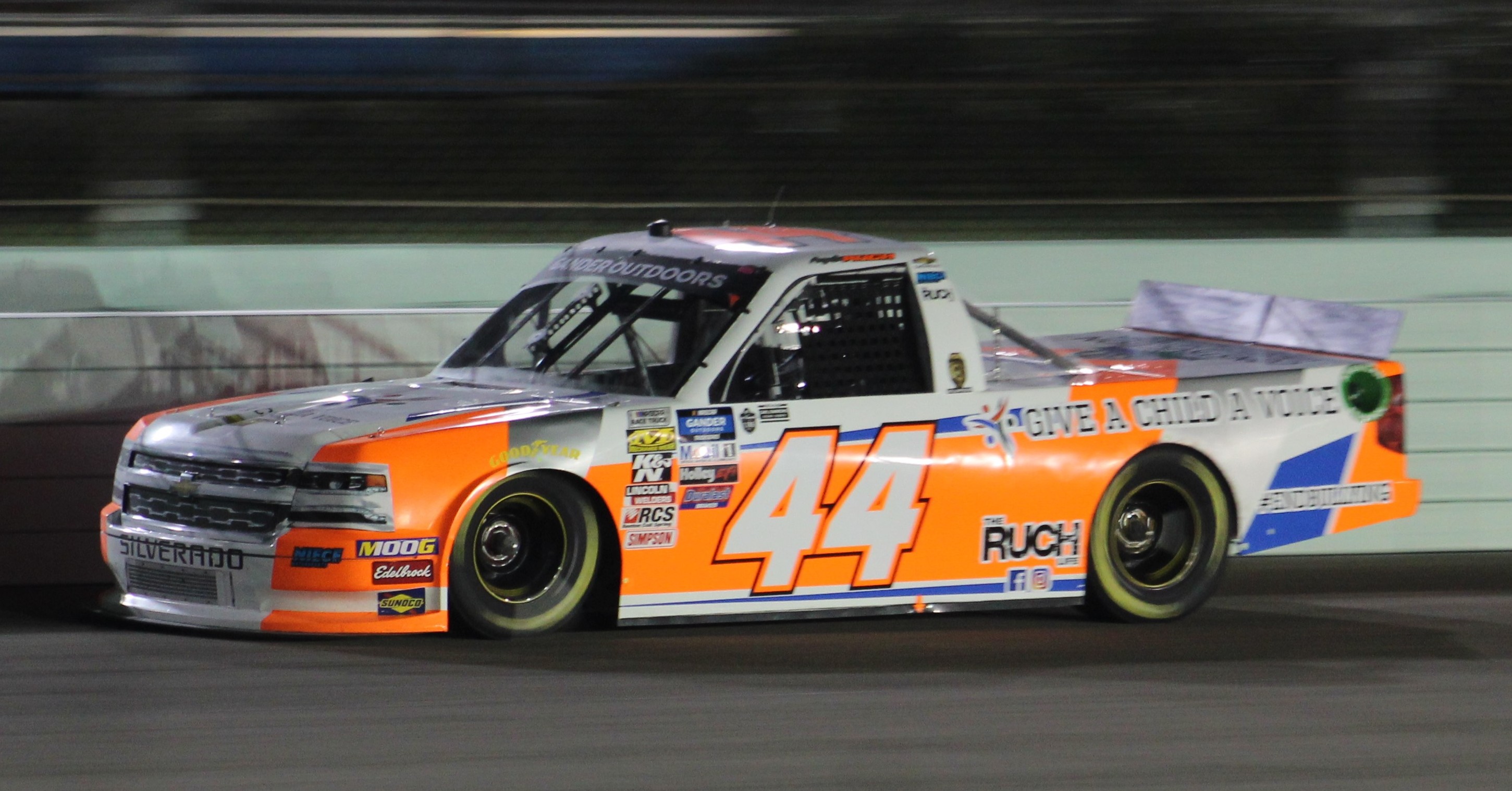
2025 Silverado with the 5.3 V8 four-wheel drive
"And we're doing C10s, K10s, C20s, K20s. And the idea is we just take a 2025 Silverado with the 5.3 V8 four-wheel drive, ABS, hill hole, all the perversions of modernity."
They’re starting with a 2025 Chevy Silverado that has a 5.3-liter V8 and four-wheel drive. That’s the “starting truck” they plan to modify into their retro-modern version.
This refers to a 2025 Chevrolet Silverado equipped with a 5.3-liter V8 and four-wheel drive, which is the modern donor platform for the builder’s retro-modern conversion. The 5.3 V8 is a common GM truck engine, and using it as a base lets the builder keep modern drivability while changing the exterior and some systems.

Chevrolet C10
"...arting with the 72 Chevy pickups. And we're doing C10s, K10s, C20s, K20s. And the idea is we just take a..."
The Chevrolet C10 is an older-style pickup truck. People often choose it as a starting point for restorations or custom builds. In the podcast, they mention C10s along with similar versions because they’re closely related and work well for project planning.
The Chevrolet C10 is a classic generation of Chevrolet pickup trucks, and it’s a common platform for restoration and customization. The podcast specifically mentions C10s and related variants (like K10, C20, K20) as starting points for builds, which highlights how these trucks share a family of dimensions and configurations. That makes the C10 line especially relevant when discussing how to source parts and plan projects.
ABS
"take a 2025 Silverado with the 5.3 V8 four-wheel drive, ABS, hill hole, all the perversions of modernity."
ABS is a safety system that helps your wheels keep turning during hard braking. That helps you steer instead of sliding.
ABS (anti-lock braking system) prevents wheel lockup during hard braking by modulating brake pressure. It improves steering control on slippery surfaces and reduces the chance of skidding.
DoD issues
"We get rid of some of the problematic like the DoD issues with that particular platform and make it the best it can be."
“DoD” is a fuel-saving feature that can shut off some cylinders when you don’t need full power. The host is saying that feature can cause issues, so they want to fix or remove the downsides.
“DoD” here is shorthand for GM’s Displacement on Demand, a system that deactivates some cylinders to improve fuel economy. The host suggests those cylinder-deactivation behaviors can be problematic on this platform, so they plan to address them in the conversion.
rebodding
"And now you've got, we're basically rebodding 2025 Chevy pickups with the C generation."
“Rebodding” means changing the truck’s body so it looks like a different generation. Here, they’re using a modern truck underneath but giving it a classic pickup body style.
“Rebodding” (likely “rebodying”) means swapping or reworking the body shell so a modern chassis wears a different exterior. In this context, it’s how they’re turning a 2025 Silverado donor into a classic C-generation pickup look.
limited run
"So we just announced that last week. And we're doing it as a [858.4s] limited run. And we're almost sold out."
A limited run means only a small number of these cars (or kits) are made. It’s usually because it’s a special project, not mass production.
A limited run means a company produces only a small number of vehicles or a specific conversion package. It’s often used for specialty builds where parts, labor, or engineering time are constrained.
chassis
"And they're really hack jobs is trying to get the [870.4s] proportions correct based on a different chassis."
The chassis is the main structural frame of the vehicle. If you build using the wrong one, the parts won’t line up correctly and the proportions can look off.
A chassis is the vehicle’s structural foundation that supports the body and drivetrain components. When a conversion uses a different chassis, it can throw off fitment and proportions, which is why “hack jobs” can look wrong.
derelict style
"No, we're like, we're even doing them in our [886.4s] known, what we call our derelict style. So like, that's cool. Literally, it's the original paint [893.1s] on the vehicle."
“Derelict style” is a design choice where the truck looks intentionally rough or weathered. Instead of making it brand-new, the build keeps that rugged, lived-in vibe.
“Derelict style” is a custom-build aesthetic that intentionally preserves or recreates a worn, battle-scarred look rather than restoring everything to pristine condition. In this context, it’s tied to keeping the original body appearance while making functional upgrades.
track width
"We're doing custom forged wheels that help correct the track width, but it's minimal. [907.2s] But the cool thing about American pickups is dimensionally across the board."
Track width is how far apart the wheels are on one axle. Wider track can make a vehicle feel more stable and change how it handles.
Track width is the distance between the left and right wheels on the same axle. Changing it (often via wheel/tire choices) can affect stability, steering feel, and how the vehicle sits.

Dodge Ram
"...ickups is dimensionally across the board. I mean, Dodge Ram Ford and Chevy since the late 1960s, the track wi..."
The Dodge Ram is a large pickup truck. The podcast mentions it in the context of how these trucks are similar in size and shape across many years. That kind of information helps people plan repairs or modifications.
The Dodge Ram is a full-size pickup truck line that’s been around for decades, and it’s frequently discussed alongside other major pickup families because of its long-running popularity. The podcast context points to how these trucks compare in dimensions and overall layout “since the late 1960s,” which matters for fitment, restoration, and customization. That’s why the Ram name comes up when talking about building or swapping components across generations.
CAN bus architecture
"And most importantly, and pan in our but Lee, the CAN bus architecture is engineered [977.6s] properly so that you can go to the dealer, you can get E Prom flash updates."
CAN bus is the car’s electronic communication system. It’s how different computers in the car talk to each other so everything works together.
CAN bus architecture is the vehicle’s network system that lets electronic control units (ECUs) communicate over shared wiring. If it’s engineered correctly, the car’s electronics behave as if they’re still in the original platform.
E Prom flash updates
"the CAN bus architecture is engineered [977.6s] properly so that you can go to the dealer, you can get E Prom flash updates."
This means updating the car’s computer software. Dealers can reprogram it so the vehicle’s systems keep working correctly after modifications.
EPROM flash updates refer to reprogramming the car’s electronic control software (often via a dealer tool) by rewriting memory in the relevant modules. The point here is that the electronics remain compatible with normal dealer procedures.
governor
"And I killed the governor at [996.4s] 98 miles an hour was on a rally."
A governor is a built-in limiter that caps the car’s top speed. Turning it off or changing it can let the vehicle go faster than the factory limit.
An engine governor is a control strategy that limits maximum speed by restricting how fast the vehicle can go. Disabling or changing it is sometimes done for off-road or special-use builds, but it can affect safety and compliance.
active suspension control
"We were keeping up with all it was a Porsche rally [1001.6s] through the desert and the canyons with, you know, the active suspension control and everything we"
Active suspension control is a system that automatically adjusts the shocks as conditions change. It helps the car stay steady on bumps and uneven roads.
Active suspension control uses sensors and actuators to adjust damping and/or suspension behavior in real time. The goal is to keep the vehicle composed over rough terrain and improve traction and stability.
ICON 4x4
"Two things that are interesting is you mentioned the changes you've recently made based on customer demand. And then you also mentioned launching the original icon, FJ, how people thought you're crazy."
ICON 4x4 is a company that specializes in building upgraded off-road trucks. They take a base vehicle and turn it into something more capable for serious trails and remote travel.
ICON 4x4 is a specialty off-road customization brand known for building high-end, expedition-ready 4x4 vehicles. In this segment, the host ties ICON’s “original icon, FJ” launch and later customer-driven changes to how ICON builds and sells customized FJ-based trucks.
direct feedback
"Now we have some so much direct feedback and we don't deal with dealers or distributions. So we have relationships with all our clients and we'd be absolute idiots not to hear their input."
“Direct feedback” here refers to customer input gathered straight from buyers rather than filtered through dealers or distributors. For custom builders, this can strongly influence how the next iteration is spec’d and engineered.
dealers or distributions
"Now we have some so much direct feedback and we don't deal with dealers or distributions. So we have relationships with all our clients and we'd be absolute idiots not to hear their input."
“Dealers or distributions” describes the traditional retail and distribution middle layer between a manufacturer and customers. Bypassing them can let a builder communicate specs, lead times, and changes more directly with end clients.
one-offs
"And especially our one-offs. I mean, I literally try and talk people out of them because even the production icons, you know, starting roughly just under 300 grand, that price point's only possible because we amortized the engineering over hundreds of vehicles."
“One-offs” are custom, one-time builds made to a specific customer’s requirements rather than a standardized production configuration. In specialty off-road work, one-offs are expensive because each vehicle requires unique engineering, fabrication, and parts sourcing.
amortized the engineering
"I mean, I literally try and talk people out of them because even the production icons, you know, starting roughly just under 300 grand, that price point's only possible because we amortized the engineering over hundreds of vehicles."
“Amortized the engineering” means spreading the upfront cost of design and development across many vehicles so the per-vehicle cost drops. This is why production runs can hit lower unit pricing than truly custom one-off builds.
connector
"I dropped my keys and then I had to crawl under the truck and I looked up and man, that connector is badass."
A connector is the plug that joins two parts of the car’s wiring together. If it’s cheap or poorly made, it can cause electrical glitches that are annoying to track down.
In automotive wiring, a connector is the mating plug-and-socket interface that allows wires to be joined or routed to a component. Connector quality matters because poor connections can cause intermittent electrical faults and can be difficult to troubleshoot later.
wiring harness
"I looked up and man, that connector is badass. And like, oh, you used the Deutschland aerospace, you didn't, you know, like our wiring harness is a five digit endeavor."
A wiring harness is basically the car’s electrical “wire bundle” that connects all the sensors, lights, and modules. In a custom build, better harnesses can mean fewer electrical problems and a cleaner, more reliable setup.
A wiring harness is the bundled set of wires and connectors that routes power and signals throughout a vehicle. In custom builds, the harness quality and design can affect reliability, diagnostics, and how cleanly the electrical system integrates with the rest of the truck.
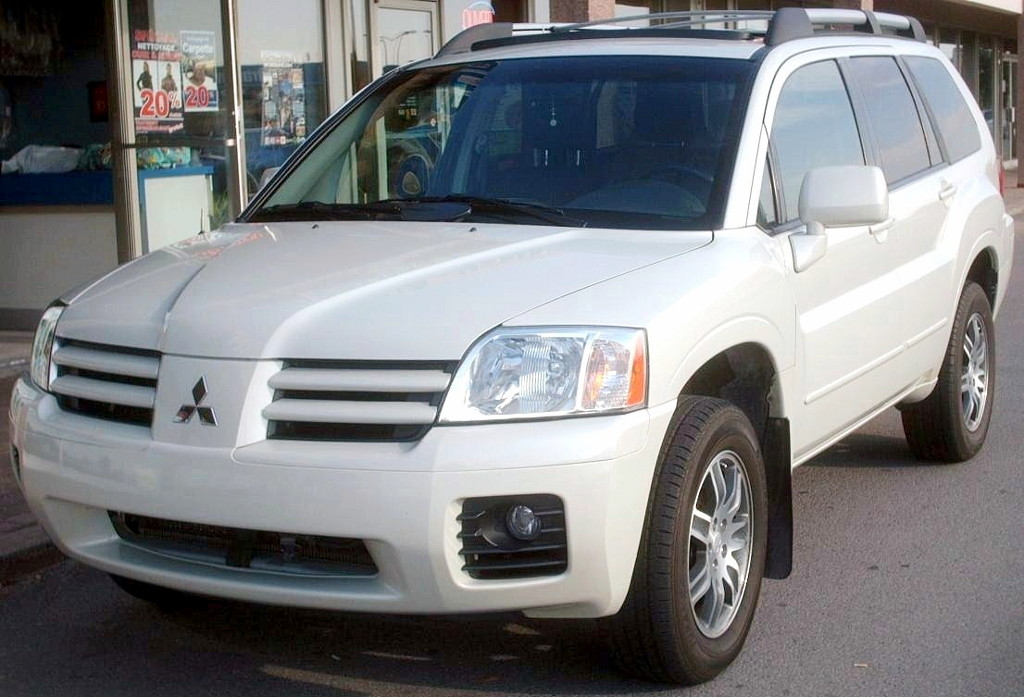
Mitsubishi Endeavor
"...you know, like our wiring harness is a five digit endeavor. There's $600 harnesses on the market that everyo..."
In this podcast moment, “Mitsubishi Endeavor” is used as a play on words. The speaker is talking about wiring harnesses and how expensive they can be. The focus is on the cost and complexity, not on explaining the SUV itself.
The Mitsubishi Endeavor is an SUV model name, but in the podcast excerpt it’s used as a wordplay reference to “endeavor” meaning a complicated or costly project. The speaker mentions “wiring harness” costs and describes harnesses as expensive, using the model name as a humorous label for the situation. So the car name is being referenced more for the phrase than for technical details about the vehicle.
Icon creations
"It's a, I guess kind of your mantra. It's for real, not for show. Icon creations are not a fashion statement. They are memory makers."
Icon is a company that builds custom trucks inspired by classics. The point they’re making is that these builds are meant to be personal and meaningful, not just trendy.
Icon is a custom-vehicle brand known for building restyled, modernized off-road and classic-inspired trucks. The host contrasts Icon’s approach with “fashion statement” builds, emphasizing craftsmanship and long-term ownership value.
Ravology
"Now, what's the relationship with Ravology because I'm a huge Mustang Shelby guy."
Ravology is a company mentioned as part of the group working with Icon. The conversation suggests they collaborate on building these custom vehicles, including where and how they’re made.
Ravology is referenced as a company involved with Icon’s projects, specifically in relation to the relationship between the brands. The discussion frames it as part of a multi-company setup that collaborates on production and facilities.
Barrett Jackson Columbus sale
"I met them last week at the Barrett Jackson Columbus sale."
Barrett-Jackson is a famous auction for collector cars. The Columbus sale is one of their big events, where people go to buy and sell rare cars.
Barrett-Jackson is a major collector-car auction company, and the Columbus sale is one of its event locations. These auctions are where rare or high-demand collector vehicles often change hands, making them a key marketplace for enthusiast builds and modern classics.
vertical
"including building a common shared monster facility where we are not relying on any subcontractors and share all the vertical"
“Vertical” here is shorthand for vertical integration—controlling multiple stages of production in-house rather than relying on outside subcontractors. In custom vehicle building, that can improve quality control and consistency across the build.
Singer
"I had heard about the Ravology [1339.1s] and Singer. I didn't know that Icon was a part of that as well."
Singer is a famous car company that takes classic Porsches and rebuilds them to a very high, custom standard. The discussion here is about Singer teaming up with other builders.
Singer is a well-known Porsche restoration and restomod brand famous for highly curated, bespoke builds. In this segment, the host says Singer is now part of a collective that includes Ravology and Icon, implying a coordinated approach to events and projects.
trackable market
"And they're all like, ah, you're an idiot. No. So basically turned into a fairly drunken [1425.5s] afterclass at a bar bet where I was given two quarters to drive a trackable market up 30 points."
A “trackable market” is a market or demand metric you can measure and follow over time, rather than something vague. In the story, it’s used to describe a bet where the speaker had to move a measurable market indicator by a set amount.

Toyota FJ 40
"So basically turned into a fairly drunken [1425.5s] afterclass at a bar bet where I was given two quarters to drive a trackable market up 30 points. [1434.6s] So I had the time and the money. So it was road tip time. Me and occasionally my wife, [1441.2s] but always my old Labrador Walter, I would hit the road and my old 65 F 250. And I was just [1449.3s] buying up all the good FJ 40s, bringing them back, dialing them in, putting them back on the [1456.5s] market."
The Toyota FJ 40 is a legendary off-road Land Cruiser from Toyota. It’s known for being tough and easy to work on, and the host says he bought them, fixed them up, and sold them.
The Toyota FJ 40 is the classic Land Cruiser variant built for rugged, simple off-road use, with a body-on-frame layout and a reputation for durability. Here, the speaker describes buying FJ 40s, “dialing them in,” and reselling them—highlighting why this model is a popular collector and restoration target.
Granada Hills
"But at that time, [1475.5s] buying an FJ 40 out of Granada Hills here in the San Fernando Valley of LA,"
Granada Hills is a part of Los Angeles. The host mentions it because that’s where they bought one of the FJ 40s.
Granada Hills is a neighborhood in the San Fernando Valley area of Los Angeles, California. The speaker uses it as the location where they bought an FJ 40, grounding the story in a specific LA-area car-buying scene.

Ford Granada
"...entures. But at that time, buying an FJ 40 out of Granada Hills here in the San Fernando Valley of LA, it w..."
In the podcast, “Ford Granada” is mentioned because of “Granada Hills,” which is a neighborhood name in Los Angeles. The speaker is talking about buying an FJ 40 from that area. It’s not really describing the Granada car itself in that moment.
The Ford Granada is a mid-size car that’s referenced in the podcast as part of a story about where an FJ 40 was bought—specifically “Granada Hills” in the Los Angeles area. In this context, “Granada” is being used as a place name rather than as the car being discussed as a build or ownership subject. That’s why it appears in the conversation without the usual technical details.

F 250
"“So I tend snipped it off and put it same day on the toolbox of my F 250.”"
The Ford F-250 is a big, tough pickup truck. He’s using it as an example of a vehicle he keeps personal items on—like a charm he’s had for years.
A Ford F-250 is a heavy-duty pickup truck commonly used for towing, hauling, and off-road work. In the segment, the speaker mentions mounting a small lizard charm on the toolbox of his F-250, showing how the vehicle becomes part of his personal “carry it everywhere” story.
pre-production fully functioning design study vehicles
"“Yeah. So I was, I designed and built the first three pre-production fully functioning design study vehicles for Toyota…”"
A design study vehicle is an early prototype used to explore ideas before the final car is approved. When he says “fully functioning,” he means it wasn’t just a model—it could actually run and work like a real vehicle.
“Design study vehicles” are early, concept-stage prototypes built to test styling and engineering ideas before a program is finalized. “Pre-production fully functioning” implies these weren’t just mockups—they could operate and demonstrate real systems while the design was still being shaped.
focus groups
"“…which is pretty nuts. And then it went through the focus groups in all the gears of modern corporate automotive structure.”"
A focus group is a small group of people who give feedback on a product idea. Car companies use them to see what people like (or don’t like) before the final design is chosen.
Focus groups are small, structured panels of people used by automakers to gather feedback on design, features, and branding. In automotive development, they help decide what resonates with target buyers before production is locked in.
triple wipers
"“So I think really the only elements that I have a significant part in was the triple wipers and the front grill surround.”"
Triple wipers means the car uses three wiper blades on the windshield. The point is better clearing of rain or debris, and here it’s mentioned as a signature design element.
Triple wipers refers to a windshield wiper setup with three wiper arms/blades, typically used to improve visibility and coverage on certain windshield shapes. In the FJ Cruiser context, it’s one of the distinctive exterior details Ward says he contributed to during early design work.
front grill surround
"“So I think really the only elements that I have a significant part in was the triple wipers and the front grill surround.”"
The front grille surround is the decorative trim around the front grille. It helps define the car’s look, like the frame around the “face” of the vehicle.
The front grille surround is the trim or bezel framing the grille opening. It’s a styling detail that can strongly affect a vehicle’s “face” and brand identity, which is why Ward calls it out as part of his design contribution.
Calty
"“…Otherwise, they, you know, turned right once it went to Calty and did more of a, I don't know, like a PlayStation modern reinterpretation kind of anime.”"
CALTY is Toyota’s design group that helps shape how a car looks. In the story, it’s the team that took the early design and pushed it toward a different style.
CALTY is Toyota’s design and development organization (often referenced as Toyota CALTY) that works on styling and product design direction. Ward contrasts his early design elements with how the project was later reworked after it moved to CALTY.
Jim Farley
"“And then I had the same opportunity because Jim Farley was on the team at Toyota when I did that job. And then when Jim split and went to run forward,”"
Jim Farley is an auto industry executive. Here, he’s mentioned because he was involved with Toyota at the time of Ward’s project, before moving on to lead Ford.
Jim Farley is a senior automotive executive who has held leadership roles at major automakers. In this segment, Ward mentions Farley being on the Toyota team during the FJ Cruiser-related work, then leaving to run Ford, framing how teams and leadership shifted.
SEMA mod
"So would you build us like a SEMA mod? You know, and I said, Hell yes."
A “SEMA mod” is a custom car project meant to show well at the SEMA show. The host is saying they want to do real engineering work, not just flashy looks.
A “SEMA mod” refers to a custom build intended for the SEMA show, where builders often focus on eye-catching styling and attention-grabbing features. The speaker contrasts typical SEMA builds (“bling”) with their goal to fully engineer the Bronco rather than rely on quick, cosmetic fixes.
CAD support
"I don't need your money. I'd love CAD support, engineering, collab access, and full archive access."
CAD support means using computer software to design parts before they’re made. It helps engineers make sure everything fits and works together.
CAD support means providing help with computer-aided design, where engineers use software to model parts and systems before anything is built. In a custom vehicle project, CAD is crucial for packaging, fitment, and designing brackets, bodywork, and mechanical components.
Nike
"And then around that time, the CEO of Nike had become a client and friend."
Nike is a major company best known for shoes and apparel. In this story, they’re also described as having serious tools for turning designs into real products quickly.
Nike is a consumer brand that also runs design and prototyping operations, which the speaker describes as having advanced manufacturing resources. The episode uses Nike as an example of how fast a concept can become a physical product when the right tooling and workflow exist.
Haas C&Cs
"And like, literally, they have 10 of them in this underground studio. So yeah, we're losing too many guys there because a lot of it is DARPA or conceptual."
Haas CNC machines are shop tools that use computers to cut and shape parts very precisely. The speaker is saying Nike has a lot of these machines available to build prototypes fast.
Haas CNC machines are computer-controlled milling/turning tools used to manufacture parts from metal or plastic. The speaker’s point is that Nike has multiple CNC machines in-house, even though some people might think those machines aren’t available or don’t exist.
DARPA
"So yeah, we're losing too many guys there because a lot of it is DARPA or conceptual."
DARPA is a U.S. government agency that backs cutting-edge, experimental technology projects. In the story, it’s used to explain why some work is more conceptual than practical.
DARPA is the U.S. Defense Advanced Research Projects Agency, known for funding high-risk, high-reward technology development. The speaker uses it to describe work that can be more conceptual or experimental, which can affect staffing and project timelines.

2007 FJ Cruiser
"Now, the first time you saw 2007, FJ Cruiser in person, what was, what were you most impressed by and what were your least impressed by?"
The Toyota FJ Cruiser is a Toyota SUV from the mid-2000s with a very boxy, rugged style. Here, the speaker is talking about what surprised him when he first saw a 2007 one—good and bad.
The Toyota FJ Cruiser is a 2007-era retro-styled SUV known for its boxy, off-road look and body-on-frame roots. In this segment, the host discusses specific real-world usability issues he noticed when seeing a 2007 FJ Cruiser in person.
power rear window
"I was super pissed that the pencil pushers killed our power rear window in the 11th hour to save like 17 bucks. The air buffeting in the vehicle is just absurd without having that flow out the rear..."
A power rear window is the back window that can open or close with a button or switch. If it’s removed, the airflow through the vehicle can get worse, causing more annoying wind noise.
A power rear window is a rear glass panel that can be opened or closed using an electric motor. Removing it can change airflow and cabin comfort, which is why the speaker links the deletion to increased air buffeting.
air buffeting
"The air buffeting in the vehicle is just absurd without having that flow out the rear as you probably, I open the window every once in a while, just drive like that."
Air buffeting is when wind inside the car gets turbulent and feels rough or noisy. It can happen when the car’s openings and airflow don’t work together well.
Air buffeting is the uncomfortable, turbulent airflow that can shake or buffet the cabin and create loud wind noise. It often happens when openings (like windows) and body shapes don’t manage pressure changes well.
ingress egress awkwardness
"...second row doors fundamentally make no sense to me because if you've got someone back there and the front doors are open and the rear doors are open, you're standing there nose to nose with nowhere to go. Like the ingress egress awkwardness is just, I just never got my head around that."
Ingress/egress awkwardness just means it’s awkward to get in and out of the car. With certain door designs, the open doors can block your path or make you stand in a weird spot.
Ingress/egress awkwardness refers to the difficulty of getting in and out of a vehicle due to door layout and available clearance. With suicide-style rear doors, the open-door geometry can force awkward body positioning and reduce safe, clear pathways.
tailgate
"Yeah, yeah. It's so funny to say that because I love mine, but the two biggest headaches are the suicide doors trying to end in the back tailgate, the way it opens. If you're trying to load luggage, I can't do it."
A tailgate is the back door you open to load stuff into the trunk/cargo area. Here, the speaker says the door design makes loading luggage harder.
A tailgate is the rear door of an SUV or pickup that swings open to access the cargo area. The speaker is specifically complaining about how the suicide doors’ opening/closing interacts with the tailgate when loading luggage.
3D modeling
"so you can do your own 3D, you know, modeling and printing and all that kind of stuff. So that is yeah, I met with their whole team last week"
3D modeling means making a digital 3D version of something on a computer. In this context, it’s about designing custom parts or looks before they’re produced.
3D modeling is the process of creating a digital, three-dimensional representation of an object so it can be designed, modified, and visualized before manufacturing. Here, the speaker is describing how customers could use 3D modeling to create custom parts or designs for the aftermarket product ecosystem.
3D printing
"so you can do your own 3D, you know, modeling and printing and all that kind of stuff. So that is yeah, I met with their whole team last week"
3D printing is a way to make a physical object from a computer design by building it up in layers. They’re saying you could use it to create your own custom pieces.
3D printing is a manufacturing method that builds parts layer-by-layer from a digital design, enabling rapid prototyping and potentially small-batch custom components. The speaker mentions it as part of a template-driven workflow for creating personalized designs.
file sharing
"they even have like a head of collaborations who's lovely. So like culturally, they're very inviting and they're talking about doing a novel level of file sharing for development, which would be great."
File sharing just means sending digital files back and forth so multiple people can work on the same project. Here, they’re talking about improving collaboration for development.
File sharing is the process of distributing digital design files among collaborators so they can review, modify, and iterate on development work. In this segment, it’s mentioned as a “novel level” of collaboration for aftermarket development.
matte colors
"I love the icons. I wish there was more of a color palette, but then he said, at least originally, because I see you have many more colors available now, but there was a very strategic reason why you had kind of the matte colors."
Matte colors are paints/finishes that don’t shine like normal glossy paint. They look more flat and subdued, and the speaker is saying ICON chose matte finishes for a specific reason at first.
Matte colors are paint or finishes designed to reduce gloss, giving a non-reflective, “flat” appearance compared with standard glossy paint. The speaker says ICON originally used matte tones for a strategic reason, and that more colors are available now.

FJ-40
"I finally talked to my wife into blowing all the ... continuing the thought of what if I did this concept without any external involvement, what would I see as the modern form of the FJ-40?"
The Toyota FJ-40 is a famous old-school Land Cruiser from decades ago, known for its simple, rugged off-road design. Here, they’re saying their modern build is meant to look and feel like an updated version of that classic FJ-40 style.
The Toyota FJ-40 is the classic, boxy Land Cruiser variant from the 1960s–1980s era that became an icon for simple, rugged off-road use. In this segment, the speaker is describing how the ICON 4x4 concept was meant to evolve the “modern form” of that original FJ-40 look and vibe.
mil-spec
"technical, industrial machined, like almost mil-spec and that made people stop and it made it easier for me to digest the sort of the DNA, the theology behind the brand."
“Mil-spec” means built to very strict, high-standard requirements—like what the military would demand. The host is saying their approach is engineered to be tough and precise, not just for looks.
“Mil-spec” refers to military-grade specifications—standards for materials, manufacturing, and performance that are typically stricter than normal consumer requirements. Here, the speaker uses it to describe their “new school” design package as technical and industrial-grade rather than flashy.
powder coat
"Cardinal coatings, which is one of the America's oldest coatings companies in paint and powder coat, had engineered this specific Teflon polyester hybrid SDIC powder."
Powder coating is a paint-like coating that comes as a powder and is baked on. It forms a durable protective finish after it’s heated.
Powder coating is a finishing process where a dry powder is electrostatically applied to a surface and then cured in an oven to form a tough protective layer. The speaker connects it to Cardinal coatings’ expertise and to their oven-cure process for FJ bodies.
Teflon polyester hybrid SDIC powder
"Cardinal coatings... had engineered this specific Teflon polyester hybrid SDIC powder."
It’s a special powder coating they bake onto the vehicle. The host is saying it’s designed to resist heat and harsh conditions, using a Teflon-based hybrid coating chemistry.
This is a specialized powder-coating formulation combining Teflon (PTFE) with polyester chemistry, using an SDIC hybrid approach. Powder coating is applied as a dry powder and then cured in an oven, and the speaker emphasizes it for durability against heat and harsh environmental conditions.
Rocky Mountain Raceway
"and then developed our own pigments and yet started with our classic Rocky Mountain gray."
“Rocky Mountain gray” is the speaker’s named base color used as a starting point for their custom paint/coating program. Named colorways matter in enthusiast builds because they define the final look and can be tied to specific coating/pigment formulations.
proprietary colors
"Now, memory check, I think we have 11 proprietary colors and then we also have the ability to do custom colors for people"
Proprietary colors are custom, owned formulations—specific pigment recipes and/or coating mixes that the company controls. The speaker says they have 11 proprietary colors, implying repeatable, brand-specific finishes rather than generic off-the-shelf paint codes.
bonnet shops
"and we avoid bonnet shops and it's literally 10 times"
“Bonnet shops” is a derogatory term for bargain body/paint work that’s more about speed than quality. The host is saying they avoid that kind of shop and do their own higher-end process.
“Bonnet shops” is a slang term for low-end, quick-turn body/paint operations that may not deliver the same level of fit, finish, or durability. The speaker contrasts their approach with these shops, emphasizing their own process and coating durability.
robotically crimped
"It runs triple seal connectors. It is robotically crimped and then robotically soldered."
Robotically crimped refers to automated crimping of wire terminals, which improves consistency compared with hand assembly. Consistent crimps reduce the chance of loose connections that can cause voltage drops or intermittent failures.
robotically soldered
"It is robotically crimped and then robotically soldered."
Robotically soldered means the assembly is finished with automated soldering for a controlled, repeatable joint. This can improve electrical conductivity and mechanical stability at the connection point.
cross link wires
"We use the highest grade cross link wires."
Cross link wires are insulated wires made with cross-linked polymer material, which improves heat resistance and durability. For custom builds, higher-grade insulation helps wiring survive engine-bay temperatures and long-term vibration.
laser marked
"It's laser marked every single circuit."
Laser marked circuits means each wire/circuit is permanently labeled using a laser. This makes troubleshooting and service faster because technicians can identify the exact circuit without relying on vague or worn labels.
key ports
"And then in every vehicle, we use these cool things called key ports. So clients will get a conventional set of keys, but then they also get these key ports..."
Key ports are integrated key-fob features that provide additional functions beyond standard key operation. In this build, the key ports are described as being laser-engraved with key functionality and also supplying a work light and a USB stick.
USB stick that's integrated in the key fob
"Most critically, they get a USB stick that's integrated in the key fob. So now all care and feeding, the entire electrical diagram fully mapped out..."
An integrated USB stick in the key fob is a built-in storage device used to carry vehicle-specific data. The speaker ties it to “care and feeding” by saying the electrical diagram and component mapping are fully mapped out beyond OEM detail.
OEM
"I don't think they even do that anymore. Care and feeding break in a non encrypted spreadsheet..."
OEMs means original equipment manufacturers—the companies that build the vehicle as it comes from the factory. The speaker claims their electrical documentation goes deeper than what OEMs typically provide.
Brembo
"Care and feeding break in a non encrypted spreadsheet of all of our componentry ... all the way through to our proprietary Brembo brakes."
Brembo makes high-performance brake parts. In this episode, they’re used as a key part of the build, and the speaker says the brake hardware is tailored to each vehicle.
Brembo is a performance-brake brand known for high-end calipers and rotors used on everything from track cars to premium street builds. Here, the host says the calipers and rotors are custom-specific to their vehicles, emphasizing that braking hardware is engineered as part of the whole build, not just swapped in.
Request an Explanation
Heard something you'd like explained? We'll add it to this episode.
Sign in to request explanations for terms you heard.
Want to learn more?
Browse our glossary for plain-English explanations of automotive terms, jargon, and concepts.
Help improve this episode
See something that's not quite right? Our annotations are AI-generated and can sometimes miss the mark. Click the flag icon on any annotation to suggest a correction.