
424: The Cars, Stories and Characters of Velocity Invitational
About this episode
The host shares the story behind selling his unrestorable 1966 Pontiac GTO to a preservation-minded collector, then talks with Rev’s Institute about a 1919 Valo Indy 51919 that hit over 100 mph and later finished 10th at Indy. Kindred Motorworks follows, with tours of Bronco-based builds—both gas and electric—covering standardized restoration, EV battery-pack layouts, and an electric VW bus restomod with 300 horsepower and disc brakes all four wheels.
Some of the greatest collector cars in the world are not hidden away in garages. They are driven, raced, and passionately enjoyed by the people who own them.
This week on The Collector Car Podcast, I bring you a special series of conversations recorded at Velocity Invitational, where I sat down with collector car owners to hear the stories behind the machines.
From rare race cars and historic sports cars to muscle cars, exotics, and one of one automotive treasures, these owners share what drew them to their cars, what it is like to live with them, and why preserving automotive history matters. Along the way, there are plenty of unexpected stories, personal memories, and insights into the collector car hobby from the enthusiasts who fuel it.
If you love vintage racing, collector car culture, concours level automobiles, and hearing directly from the people who own and drive these incredible machines, this episode is for you.
#CollectorCarPodcast #VelocityInvitational #CollectorCars #VintageRacing #CarCulture #ClassicCars #RaceCars #AutomotiveHistory #Concours #ExoticCars #MuscleCars #HistoricRacing #CarEnthusiast #CollectorCarCommunity #AutomotiveLifestyle
Need help buying or selling your collector car?
Contact Greg at [email protected] or [email protected].
🚗 Buy The Enthusiast's Guide To Collector Cars on Amazon
Buy an autographed copy at: https://enthusiastsguide.thecollectorcarpodcast.com/
New episodes drop every Thursday. Listen on your favorite podcast platform.
#collectorcars #thecollectorcarpodcast #classiccars #podcast
ABOUT
The Collector Car Podcast features expert interviews, great collections, and market insights.
With 25+ years of experience, Greg helps enthusiasts navigate the collector car world with confidence.
LISTEN
Apple: https://podcasts.apple.com/us/podcast/the-collector-car-podcast/id1460713022
Audible: https://www.audible.com/pd/The-Collector-Car-Podcast-Podcast/B08JJNDPB6
Amazon Music: https://music.amazon.com/podcasts/d2066df3-7acc-4c84-af8d-c76d29989ccb/the-collector-car-podcast
Pandora: https://www.pandora.com/podcast/the-collector-car-podcast/PC:26514
FOLLOW
Facebook: https://www.facebook.com/TheCollectorCarPodcast
Instagram: https://www.instagram.com/thecollectorcarpodcast/
restomide
"And then we meet the guys guys from kindred who does some restomide stuff, which is really cool [36.8s] But I didn't want to talk about a couple things first"
A restomod is when someone takes an older car and restores it, but also adds modern improvements. The goal is usually to keep the classic look while making it easier and nicer to drive.
Restomod (the host likely means "restomide") is a car-building approach where an older vehicle is restored but modified with modern upgrades—often for drivability, reliability, and safety. It’s different from a concours-style restoration that aims to keep the car as factory-correct as possible.
checker taxi
"Let's see this day in automotive history june 18th [43.0s] The Nurburgring opened the first checker taxi was built"
A "checker taxi" is a taxi with a checkered pattern on it. It’s more about the look/branding than how the car works.
A "checker taxi" refers to the classic checkered-livery taxi design associated with early taxi branding. It’s a recognizable visual identity rather than a car performance feature, and it shows how automotive culture and commercial design evolved alongside vehicles.
Nurburgring
"Let's see this day in automotive history june 18th [43.0s] The Nurburgring opened the first checker taxi was built"
The Nürburgring is a legendary race track in Germany. People use it to see how well a car really handles because it’s long and twisty and tests everything at once.
The Nürburgring is a famous motorsports venue in Germany, best known for its long, challenging Nordschleife ("North Loop"). Automakers and enthusiasts use it as a benchmark for handling, braking, and overall performance because it stresses cars in many different ways.
Pixar
"[47.9s] Pontiac celebrated his 15th millionth vehicle and Pixar premiered cars too [53.5s] That's not bad for a single day in the automotive world."
Pixar is a well-known animation studio. The host is pointing out that Pixar also released a movie about cars, which helped bring car culture to a wider audience.
Pixar is an animation studio that has produced movies that directly reference cars and car culture, such as "Cars." When the host mentions Pixar premiering "Cars Too," it’s connecting mainstream media to automotive fandom.

Ford Mustang
"I finally sold one of my two cars if you're on my newsletter [60.8s] I finally sold one of my two cars if you're on my newsletter [64.3s] I did a newsletter that said one of these two must go so I put my [68.3s] 65 k code Mustang convertible"
This is a Ford Mustang, and the "K code" part is a collector detail. It usually means the car left the factory with a specific higher-performance engine configuration.
The Ford Mustang is one of the most iconic American muscle cars, and the mention of a "K code" points to a specific factory engine/trim configuration. In Mustang terms, "K-code" is an enthusiast shorthand for a particular high-performance setup, which is why collectors care about it.
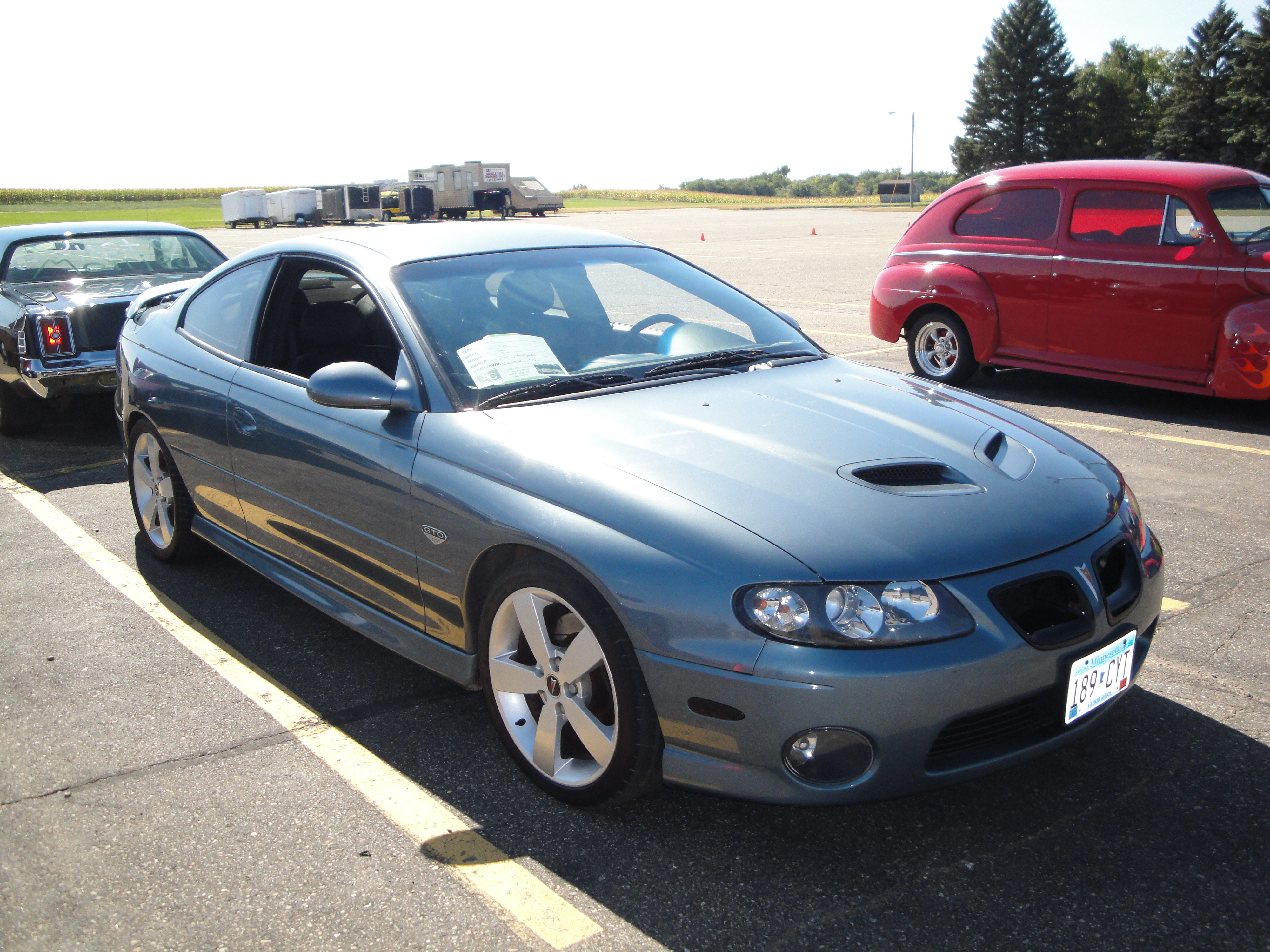
1966 Pontiac gto
"[68.3s] 65 k code Mustang convertible [70.7s] Up for sale as well as my 1966 [74.2s] Pontiac gto that's unrestorable was on jail in his garage all sorts of cool stuff"
The 1966 Pontiac GTO is a classic American muscle car known for its role in popularizing the GTO nameplate during the height of the muscle-car era. The host also calls it "unrestorable," which signals it was likely too far gone for a full restoration—something collectors still sometimes buy for parts or preservation projects.
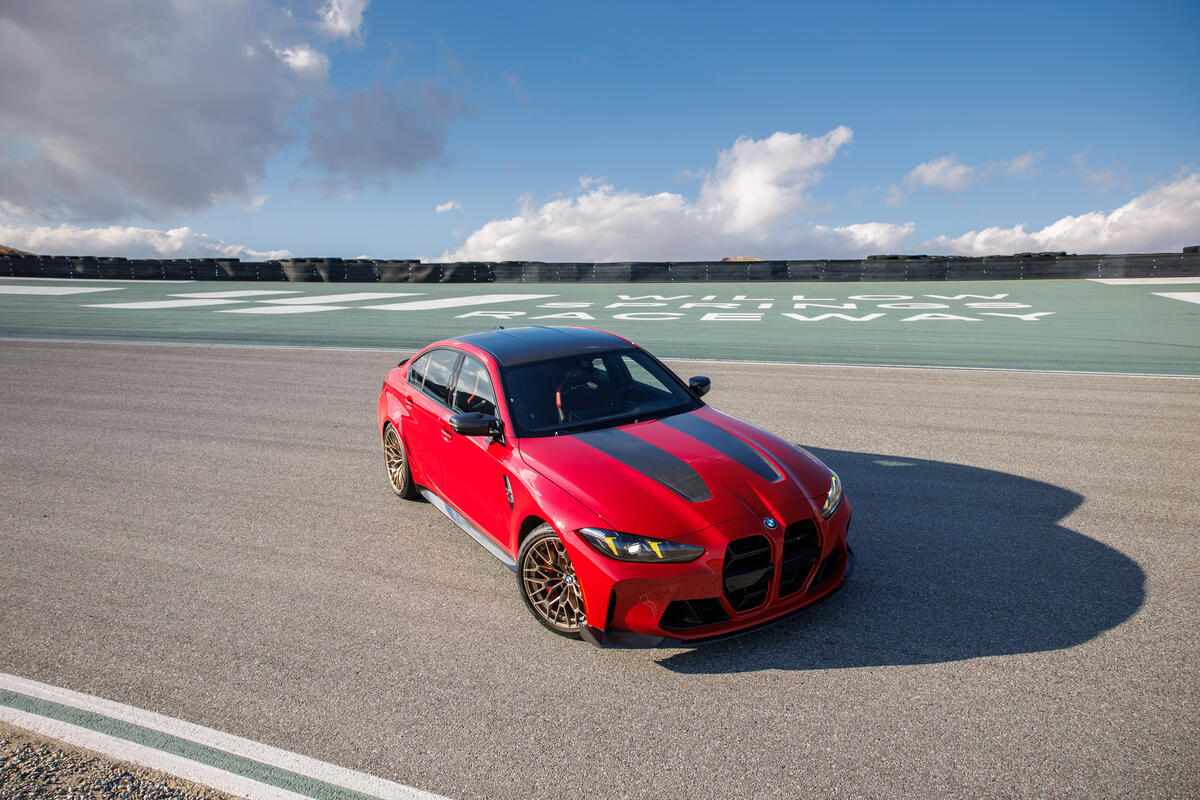
BMW M3
"...to have an air cooled Porsche I'd love to have an m3, you know, maybe at e 36 e 46 generation love to ..."
The BMW M3 is a sporty BMW sedan made for performance. The “M” version is tuned to feel quicker and handle better than a regular 3 Series. People often talk about older M3 generations because they’re considered classic enthusiast cars.
The BMW M3 is a high-performance version of the 3 Series, built by BMW’s M division for drivers who want a sports sedan with strong handling and power. In collector-car conversations, the E36 and E46 generations are especially common because they’re widely discussed as classic “driver’s cars” from the era. It comes up in podcasts like this when people compare what they’d want to own for different kinds of enthusiast driving experiences.

BMW E36
"I'd love to have an m3, you know, maybe at e 36 e 46 generation love to have an accurate nsx"
E36 is the code name for one generation of the BMW 3 Series. People love it because it’s an older, enthusiast-focused BMW era—often with the M3 version being the most sought-after.
BMW’s E36 generation of the 3 Series is a well-known enthusiast era, and it’s especially associated with the BMW M3 E36. It’s popular because it’s relatively lightweight for the class and has a strong aftermarket/support ecosystem, making it a common “dream car” target for collectors and drivers.

Chevrolet Corvette
"So I love to have a c2 corvette. There's all sorts of stuff"
A C2 Corvette is an older Corvette generation from the 1960s. It’s a classic that many collectors want because it’s part of the Corvette’s most iconic early history.
The Chevrolet Corvette C2 is the second generation of the Corvette, and it’s especially iconic for its 1960s styling and status as a classic American sports car. Collectors often seek C2s because they represent an early “golden era” of Corvette design and performance.
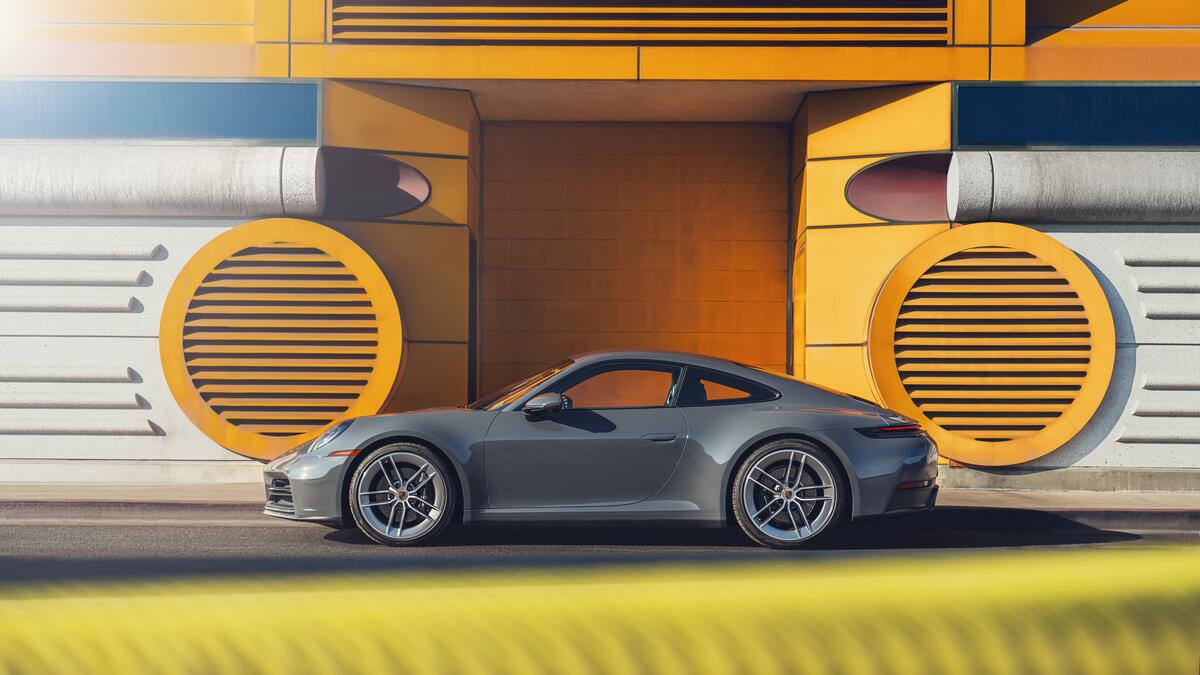
2012 Carrera s
"any Porsche really I really want a 2012 Carrera s So if you have something fun, let me know"
A 2012 Porsche 911 Carrera S is a high-end version of the 911. It’s a real driver’s sports car—Porsche’s rear-engine design is a big part of why it feels special.
A 2012 Porsche 911 Carrera S is a modern classic built around Porsche’s rear-engine layout and the 911’s signature balance. The “Carrera S” trim typically means a more performance-focused setup than the base Carrera, which is why it’s a common target for collectors who want something usable.
stewardship
"If you're a collector, you already understand stewardship preserving what matters planning ahead and passing things on the right way"
In collector-car culture, “stewardship” means taking responsible care of a car so it stays preserved and usable for the next owner. It’s about planning ahead—maintaining the right condition, documenting history, and passing the car on properly.

1958 Porsche 356 Speedster
"We do we have a 1958 356 speedster. Uh, that's running in group one and then we also have a 1968"
This is a Porsche 356, and the “Speedster” version is a lighter, open-top style meant for fun driving. A 1958 example is an early classic Porsche that people often bring to historic races because it feels very “of its time.”
The Porsche 356 is the original sports-car platform that helped establish Porsche’s identity, and the Speedster is a lightweight, open-top variant built for driving feel. A 1958 Porsche 356 Speedster is especially notable in historic racing because it’s an early, air-cooled-era Porsche with a classic silhouette and period-correct character.
group one
"We do we have a 1958 356 speedster. Uh, that's running in group one and then we also have a 1968"
In historic racing, cars are often divided into groups so they race with similar cars. “Group one” is just the event’s way of organizing which cars go out together.
“Group one” here refers to a classification used by the event to sort cars into different on-track sessions. Historic racing groups typically separate cars by eligibility rules like era, design type, or performance level so similarly matched cars run together.

1968 Porsche 908
"Uh, that's running in group one and then we also have a 1968 908 to flunder and that's in group three. So those cars will be on track later today"
This is a Porsche 908, a famous race car from the late 1960s. People bring cars like this to historic racing events because it’s a real piece of racing history.
The Porsche 908 is a legendary 1960s prototype race car built for endurance racing, known for its purpose-built aerodynamics and competition pedigree. A 1968 Porsche 908 is the kind of car that draws attention at historic events because it represents Porsche’s top-level racing technology from that era.
group three
"and then we also have a 1968 908 to flunder and that's in group three. So those cars will be on track later today"
“Group three” means that car is scheduled in a specific category for the event. It’s how the organizers decide which cars run together.
“Group three” is another event classification that determines when and with whom a car runs. In historic racing, higher-numbered groups often correspond to different eligibility categories (such as different eras or car types), helping keep sessions fair and safe.
exhaust note
"All right, that was the 30 seconds of engine noise if you're like me you love hearing that exhaust note"
“Exhaust note” just means the sound your car makes from the exhaust. People who love cars often pay attention to it because it tells you a lot about how the engine is running.
An “exhaust note” is the sound character of a car’s exhaust system as the engine runs, including pitch, tone, and volume. Enthusiasts often use it as a quick way to judge how an engine and exhaust are behaving, especially on older cars where the sound is more mechanically “raw.”
pre-war cars
"Welcome Well All right, that was the 30 seconds of engine noise if you're like me you love hearing that exhaust note [477.7s] Especially on pre-war cars such as that"
“Pre-war cars” are cars made before World War II. They’re considered special because they’re older and have a different style and engineering than modern cars.
“Pre-war cars” refers to automobiles built before World War II, typically associated with early automotive engineering and design. In enthusiast circles, pre-war cars are often treated as historically significant because their mechanical layouts and driving feel differ a lot from later mass-produced designs.
kindred
"So tell us about kindred a little bit... We restore vintage cars and along the way you modernize them... And then we also have dealers across the country who offer service"
Kindred is the shop/company the hosts are talking about. They restore older cars but also add modern updates so the cars are safer and easier to drive.
Kindred is described as a company that restores vintage cars while modernizing them so they can be driven more confidently. The segment emphasizes dealer-supported service and upgrades that bring older vehicles up to modern usability expectations.

Volkswagen Bus
"...xample because obviously this is a really cool vw bus here Uh, I see like nice interior. Does it also y..."
The Volkswagen Bus is a classic van made by Volkswagen. It’s known for having a lot of space inside and a recognizable, old-school design. People like them because they’re practical, but also because they look and feel unique.
The Volkswagen Bus (often called the Microbus/Type 2) is a classic van known for its distinctive look and roomy interior. It’s a popular collector vehicle because it represents a simple, practical design that’s also become iconic in enthusiast circles. In the podcast context, it’s being highlighted for details like the interior and overall cool factor, which are key reasons people seek them out.
drum brakes
"So for the for the vw bus the original bus had 46 horsepower... and it had drum brakes. You really had to plan ahead to stop."
Drum brakes are an older type of brake where pads press against the inside of a drum to slow the car down. They can be less effective than newer disc brakes, especially when you need to stop repeatedly.
Drum brakes are a braking design where brake shoes press outward against a rotating drum. They were common on older vehicles, but they generally provide less consistent stopping power than modern disc brakes, especially under repeated hard use.
seatbelts
"It was underpowered... It didn't have seatbelts instead of headrests... It has disc brakes all four wheels... got seatbelts has headrest"
Seatbelts are the safety belts that keep you from being thrown forward in a crash. The speaker is pointing out that the modernized bus adds seatbelts that the original didn’t have.
Seatbelts are the primary occupant restraint system in most modern vehicles. The segment contrasts the original bus’s lack of seatbelts with the modernized version that adds seatbelts and headrests for improved crash protection.
headrest
"It didn't have seatbelts instead of headrests. So... It has disc brakes all four wheels... got seatbelts has headrest"
A headrest is the padded support behind your head. It helps reduce neck injury in some types of crashes, and the speaker says the original bus didn’t have it.
A headrest is a padded support behind the head designed to reduce whiplash risk in certain crashes. The segment notes the original bus lacked headrests and the modernized version includes them.
electric
"Right... we brought this model in we spend about a year and a half redesigning the vehicle itself... So this one in particular is electric."
“Electric” here means the van was converted to run on an electric motor instead of a gasoline engine. That usually makes it easier to drive and can provide strong acceleration without the old engine limitations.
An electric conversion replaces the original internal-combustion powertrain with an electric drive system. In this segment, the VW bus is described as electric and paired with a modern power output figure, emphasizing how the conversion changes everyday usability.
300 horsepower
"So this one in particular is electric. So it has 300 horsepower. Oh my gosh"
Horsepower is a way to describe how much power the vehicle can produce. Here it’s used to show how much stronger the modernized electric bus is than the original.
Horsepower is a measure of engine/motor power output. In this context, the speaker is using it to compare the modernized electric VW bus’s strength to the original bus’s much lower output.
disc brakes all four wheels
"So this one in particular is electric... It has disc brakes all four wheels much wider tires taller... Wow"
Disc brakes are a newer brake design where pads squeeze a spinning disc to slow the car down. If all four wheels have disc brakes, the braking tends to feel stronger and more predictable.
Disc brakes use brake pads clamping onto a rotor to slow the vehicle. “All four wheels” means the upgrade applies to every axle, which typically improves braking consistency and heat handling versus older drum setups.
review camera
"It's got a great, you know youtube or uh sound system in it. It's got a review camera"
A rear-view camera shows what’s behind the car on a screen. It makes reversing easier and helps avoid obstacles you might not see.
A rear-view camera (often called a backup or reverse camera) uses a video feed to help the driver see behind the vehicle while reversing. The speaker lists it as part of the modern comfort/safety upgrades for the converted bus.
passenger seat actually turns around and turns into a living room
"And then for the interior we're really focused on making it more usable... in fact that passenger seat actually turns around and turns into a living room"
This is a seat that can swivel so you can face inward instead of just forward. The host is saying it makes the van feel more like a hangout space than a normal vehicle.
A rotating passenger seat is a cabin design feature that lets the seat swivel to face the rear or the cabin, effectively changing how the vehicle interior is used. Here it’s described as turning the van’s interior into a lounge-like space.
rear wheel drive
"And so is it a rear wheel drive rear wheel drive? Yeah, okay So the everything all the ev and everything's back here. Yep"
Rear-wheel drive means the power goes to the back wheels. It can affect how the car feels when you accelerate and turn.
Rear-wheel drive (RWD) means the engine sends power to the rear wheels. That layout can change how the car accelerates and handles, often making it feel more “balanced” for enthusiasts than front-wheel drive.
internal combustion
"So that's pretty cool. Yeah, we felt like when we thought about do we do ice on this, you know internal combustion or electric This this probably would have been electric from day one when they built it if that technology existed sure, you know"
Internal combustion is the traditional gasoline/diesel engine idea—fuel is burned to make power. Electric cars make power differently, using a battery and motor.
Internal combustion refers to engines that burn fuel (like gasoline or diesel) inside the engine to create power. The discussion contrasts it with electric drivetrains, which don’t rely on fuel combustion.

bronco
"Well, tell us about the bronco behind you. That is a nice engine. Yeah, so this is a coyote engine for this bronco Yeah, it's a it's a straight off the ford performance assembly line. They use it for the high end mustangs ... Um, and then we've redone the interior just little things like a drink holder ... Now yours uh ice or electric"
The Ford Bronco is a rugged off-road SUV known for its four-wheel-drive capability and go-anywhere attitude. Here, the episode focuses on a Bronco build that uses a Ford “Coyote” V8 and emphasizes off-road drivability plus daily usability.
coyote engine
"Well, tell us about the bronco behind you. That is a nice engine. Yeah, so this is a coyote engine for this bronco Yeah, it's a it's straight off the ford performance assembly line."
The “Coyote” is Ford’s V8 engine family. It’s the gasoline engine they’re using here to give the Bronco strong, usable power.
The “Coyote engine” is Ford’s modern V8 family (commonly associated with the 5.0L “Coyote” V8). In this segment, it’s used to explain why the Bronco has the right kind of power and character for the vehicle.
driving dynamics
"Uh, we spent a lot of time thinking about the driving dynamics of this We have a couple dozen engineers on staff really thinking about When you hit the gas does it behave the way you want it to"
Driving dynamics are how the car behaves while you drive—how it reacts when you steer, accelerate, and brake. It’s basically the car’s “feel” and control.
Driving dynamics are the measurable and feel-based behaviors of a car—how it responds to steering, throttle, and braking. The segment ties it to engineering work on how the Bronco behaves when you “hit the gas” and “hit the brakes.”
four-wheel drive
"So this car, you know, it's also it's four-wheel drive. Of course, it's extremely capable off-road car Um, and then we've redone the interior just little things like a drink holder"
Four-wheel drive means power goes to all four wheels. It helps the car grip better when the road is rough, wet, or off-road.
Four-wheel drive (4WD) sends power to both the front and rear axles. That helps traction on loose or slippery surfaces, which is why it’s highlighted as “extremely capable off-road.”
convertible
"Now I see this this one has the options to break out. So all in this one's 224. It looks right. Yeah It's um, it's 199 as the base and then the roof essentially Adds some cost to it ... As a convertible essentially is what it is."
A convertible is a car where you can open up the roof. It lets you drive with more fresh air and an open-air feel.
A convertible is a car with a roof that can be removed or folded away, allowing open-air driving. The host compares the experience to a convertible, emphasizing the feel of driving without a roof.
independent suspension on all four wheels
"The realization is that the electric actually drives much more like a modern car. Right, so it has independent suspension on all four wheels instead of that solid axle in the front"
Independent suspension means each wheel can react to bumps on its own. That usually makes the ride smoother and helps the tires stay planted.
Independent suspension means each wheel can move up and down without being rigidly tied to the others. When it’s on all four wheels, the car can better absorb bumps and keep the tires in contact, which is part of why the electric Bronco feels more “modern” than the solid-axle setup.
solid axle
"Right, so it has independent suspension on all four wheels instead of that solid axle in the front. So you really don't have a truck feel to this."
A solid axle connects both wheels together. When one wheel hits a bump, it can affect the other side too, which can make the ride feel more “truck-like.”
A solid axle is a rigid beam that connects the left and right wheels, so movement on one side affects the other. The speaker contrasts this with independent suspension to explain why the ICE Bronco has more of a “truck feel,” while the EV feels more like a modern vehicle.
all-wheel drive
"Yeah, it's an all-wheel drive car also. Yep. So it's it's a little more"
All-wheel drive means power goes to all four wheels. That can help the car grip better and feel more stable, especially on slippery or uneven surfaces.
All-wheel drive (AWD) sends power to both the front and rear axles to improve traction and stability. In this segment, the EV Bronco is described as AWD, which contributes to its more planted, stable stance.
battery pack
"And so battery pack. There's three battery packs in this one in the hood here and there's one down the frame rail and there's one replaces the gas tank"
A battery pack is the EV’s “power storage.” It’s where the electricity is stored, and in this build the batteries are placed in multiple areas of the vehicle.
A battery pack is the main energy storage unit in an EV, made up of many individual battery cells managed by electronics. The speaker specifically describes a custom layout with three battery packs: one in the hood, one in the frame rail, and one replacing the gas tank area.
two motors
"So all-wheel drive is a single engine two motors motor. Yeah two motors one up front and one in back. Okay, which"
Electric cars often use motors to turn the wheels. “Two motors” here means there’s one motor for the front and one for the back, helping the car drive all four wheels.
Many EVs use one electric motor per axle, so “two motors” typically means one motor drives the front wheels and the other drives the rear wheels. The speaker ties this to the AWD system and the resulting stance and stability.
charging pad
"This thing smells now. I love it. Oh, yeah. We do all that in house. We buy rolls of leather in house. Oh, it smells good. And I love your charging pad there"
A charging pad refers to a charging surface used to replenish an EV’s battery, often implying a convenient or integrated charging setup. In this segment, it’s mentioned as part of the EV Bronco experience.
cup holders
"Yeah [847.1s] with the cup holders and we really felt like [849.6s] We want some of these modern conveniences charging your phone"
Cup holders are the built-in spots in a car where you can set your drink so it doesn’t spill while you drive.
Cup holders are built-in storage recesses designed to hold drinks securely while driving. In a “daily driver” context, they’re part of the usability and convenience package that makes a car practical for everyday use.
charging your phone
"We want some of these modern conveniences charging your phone [853.0s] Oh, yeah [853.8s] And having having that pad so you can see it for directions and drink holders and right"
They mean the car has a way to power your phone while you’re driving, so your phone doesn’t run out of battery.
“Charging your phone” refers to in-car power outlets (often USB) that let you charge a smartphone while driving. It’s mentioned as a “modern convenience” that supports the car being used as a daily driver.
daily driver
"We put a lot of thought into that so that it's it can be your daily driver [861.4s] What other [863.2s] What other cars you work on or SUVs?"
A “daily driver” is the car you use most days—like for commuting, groceries, and errands.
A “daily driver” is a vehicle you use regularly for everyday errands and commuting, not just for weekend trips or special occasions. The speaker is framing the design choices (like usability and convenience) around making the car practical for frequent use.

VW bus
"So what are the other models currently vw bus bronco gas bronco electric [904.6s] So those three are in production and then the fourth would be the ev 9 11"
“VW bus” refers to Volkswagen’s iconic Transporter/Type 2 van, commonly called the “bus.” It’s a cultural and enthusiast favorite because of its distinctive shape, huge aftermarket support, and frequent use as a base for camper builds and modern restomods.
Request an Explanation
Heard something you'd like explained? We'll add it to this episode.
Sign in to request explanations for terms you heard.
Want to learn more?
Browse our glossary for plain-English explanations of automotive terms, jargon, and concepts.
Help improve this episode
See something that's not quite right? Our annotations are AI-generated and can sometimes miss the mark. Click the flag icon on any annotation to suggest a correction.